ManualGo.com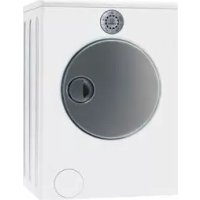
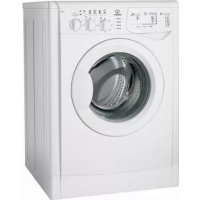
Moon Standard SIXL 126 - Machine à laver INDESIT - Free user manual and instructions
Find the device manual for free Moon Standard SIXL 126 INDESIT in PDF.


Download the instructions for your Machine à laver in PDF format for free! Find your manual Moon Standard SIXL 126 - INDESIT and take your electronic device back in hand. On this page are published all the documents necessary for the use of your device. Moon Standard SIXL 126 by INDESIT.
USER MANUAL Moon Standard SIXL 126 INDESIT
Unpacking and levelling
Connecting the electricity and water supplies
Description of the machine, 16-17
Self-cleaning detergent dispenser drawer
Load balancing system
Running a wash cycle, 18
Detergents and laundry, 20
Preparing the laundry
Washing recommendations
Precautions and advice, 21
Saving energy and respecting the environment
Care and maintenance, 22
Cutting off the water or electricity supply
Cleaning the machine
Cleaning the detergent dispenser drawer
Caring for the door and drum of your appliance
Checking the water inlet hose
WASHING MACHINE SIXL 126
Instructions for use
This instruction manual should be kept in a safe
place for future reference. If the appliance is sold,
transferred or moved, make sure that the instruction
manual remains with the machine so that the new
owner is able to familiarise himself/herself with its
operation and features.
Read these instructions carefully: they contain vital
information relating to the safe installation and
operation of the appliance.
Unpacking and levelling Unpacking 1. Unpack the washing machine.
2. Make sure that the machine has not been
damaged during the transportation process. If it has
been damaged, contact the retailer and do not
proceed any further with the installation process.
protective screws (used
during transportation)
and the rubber washer
with the corresponding
spacer, located on the
rear part of the appliance
4. Close off the holes using the plastic plugs
5. Keep all the parts in a safe place: they will be
needed again if the washing machine is moved to
Packaging materials should not be used as toys for
children. Levelling Your machine may make a considerable amount of
noise if the two front feet have not been adjusted
1. Install the washing machine on a flat and sturdy
floor, without placing it against walls, cabinets or
2. If the floor is not
perfectly level, compen-
sate for any unevenness
by tightening or loosening
the adjustable front feet
(see figure); the angle of
inclination, measured in
relation to the worktop,
Levelling the machine correctly will provide it with
stability, help to avoid vibrations and excessive noise
and prevent it from shifting while it is operating. If it is
placed on carpet or a rug, adjust the feet in such a
way as to allow a sufficient ventilation space
underneath the machine.
Connecting the electricity and water
supplies Connecting the water inlet hose 1. Insert seal A into the
end of the inlet hose and
screw the latter onto a
cold water tap with a 3/4
gas threaded opening
Before performing the
connection, allow the
water to run freely until it
2. Connect the inlet hose
screwing it onto the cold
situated on the top right-
hand side of the rear part
of the appliance(see
3. Make sure that the hose is not folded over or bent.
The water pressure at the tap must fall within the
values indicated in the Technical details table (see
If the inlet hose is not long enough, contact a
specialised shop or an authorised technician.GB GB
Technical details ModelSIXL 126Dimensions59.5 cm wide85 cm high53.5 cm deepCapacityfrom 1 to 6 kgElectricconnectionsplease refer to the technical data platefixed to the machineWaterconnectionsmaximum pressure 1 MPa (10 bar)minimum pressure 0.05 MPa (0.5 bar)drum capacity 52 litresSpin speedup to 1200 rpmControlprogrammesaccording to EN60456 directiveprogramme ;run with a load of 6 kg.This appliance is compliant with thefollowing European CommunityDirectives:- 73/23/CEE of 19/02/73 (LowVoltage) and subsequent amendments- 89/336/CEE of 03/05/89(Electromagnetic Compatibility) andsubsequent amendments- 2002/96/CE 65 - 100 cm Connecting the drain hose Connect the drain hose,
without bending it, to a
draining duct or a wall
drain situated between
65 and 100 cm from the
alternatively, place it
supplied to the tap (see
figure). The free end of
the hose should not be
We advise against the use of hose extensions; if it
is absolutely necessary, the extension must have the
same diameter as the original hose and must not
exceed 150 cm in length. Electrical connections Before plugging the appliance into the electricity
socket, make sure that:
the socket is earthed and complies with all
the socket is able to withstand the maximum
power load of the appliance as indicated in the
Technical data table (see opposite);
the power supply voltage falls within the values
indicated in the Technical data table(see opposite);
the socket is compatible with the plug of the
appliance. If this is not the case, replace the
The machine must not be installed outdoors, even
in covered areas. It is extremely dangerous to leave
the appliance exposed to rain, storms and other
The mains socket must remain within easy reach
after the washing machine has been installed.
Do not use extension cords or multiple sockets.
The cable should not be bent or compressed.
The power supply cable must only be replaced by
authorised technicians.
Warning! The company shall not be held responsible
in the event that these regulations are not respected.16
GB Description of the machine
CONTROL PANEL PORTHOLE DOOR PORTHOLE DOOR HANDLE ACCESS PANEL FOR THE DRAIN PUMP Self-cleaning detergent dispenser
This washing machine is fitted with an innovative self-
cleaning detergent drawer which enhances the
quality of each wash.
The drawer is located inside the porthole door.
1. Open the porthole door to access the detergent
dispenser drawer (see figure A).
2. Pour the detergent or the additive into the
compartments, over the protective grilles, as follows:
: detergent and additives in
: detergent in powder or tablet
form and powder addititves.
To place the tablets inside, lift up the grille
protecting the drawer.
Pouring liquid detergent or additives into the central
compartment may cause leakages to occur.
The detergent level can be seen through the corresponding
transparent windows provided on the compartment.
Inside compartments and , there are also
floating indicators (see figure B) . When the
maximum quantity of detergent/fabric softener has
been measured out, the indicators rise until they
touch the grilles protecting the compartments.
We recommend that the maximum levels
indicated on the detergent dispenser drawer are
We recommend that the dosage instructions on
the detergent packaging are followed carefully. If
using certain particularly thick types of detergent,
we suggest that these are placed directly inside the
drum and not in the detergent dispenser drawer.
Exceeding the maximum levels indicated on the
machine may cause the detergent to leak out of the
bottom part of the drawer.
Exceeding the stated amount of detergent does not
result in a more effective was; it simply pollutes the
The water used during the wash cycle will remove
any excess detergent from the drawer. It is, however,
possible to remove the drawer manually (see Care
To facilitate the process of measuring out the
detergents, we recommend that the dosing device
supplied with the washing machine is used.
The maximum capacity of the drawer is as follows:
- liquid detergents: 1 1/2 measures
- powder detergents: 2 measures
- fabric softener: 1 measure
M A X M A X STOP STOP AB ADJUSTABLE FEETGB GB
WASHING TIME INDICATOR
ON/OFF button: press this to switch the machine on or off.
When the machine is switched on, the buttons
used to start various programmes begin to flash,
while the washing time indicator lights illuminate in
To cancel the cycle, press and hold the on/off button
for approximately 2 seconds while the wash cycle is
indicator light will flash for a few seconds
and the machine will automatically drain the water in
DOOR LOCKED red indicator light:
when the indicator light is illuminated the door is
locked to prevent it being opened accidentally; to
avoid damaging the appliance, wait for the light to
switch off before opening the door after the cycle
has ended or when the cycle is paused. The light
will remain lit for approximately two minutes after
the washing programme has finished.
Rapid flashing of the DOOR LOCKED indicator light
indicates a fault (see Troubleshooting).
START PROGRAMME buttons:
press one of these to start the selected washing
- button lit in a fixed manner: programme in progress.
- buttons flashing: awaiting selection.
WASHING TIME INDICATOR lights: these light up
in sequence to indicate the progress of the washing
programme. At the end of the programme all
the indicator lights begin to flash.
For further details, please refer to the chapter entitled
Running a wash cycle.
Load balancing system
To avoid excessive vibrations before every spin, the
machine distributes the load in a uniform manner by
rotating the drum continuously at a speed which is
slightly greater than the washing rotation speed.
When, despite repeated attempts, the load is not
perfectly distributed, the machine spins at a lower
speed than stated for the wash cycle.
If the load is excessively unbalanced, the machine
performs the distribution process instead of spinning.
Balancing attempts may increase the total duration of
the cycle, up to a maximum of 10 minutes.18
GB Running a wash cycle
Note: Once the appliance has been installed, and
before you use it for the first time, run a wash cycle
with detergent and no laundry, using the
1. SWITCH ON THE MACHINE by pressing the ON/
button. The icons for the START PROGRAMME buttons begin to flash and the
WASHING TIME INDICATOR lights light up in a
fixed manner, to indicate that the washing machine
is ready to receive instructions.
2. LOAD THE LAUNDRY. Open the door using the
handle. Load the laundry, making sure you do not
exceed the maximum load value indicated in the
table of programmes on the following page.
3. MEASURE OUT THE DETERGENT AND ADDITIVES.
Pour the detergents into the drawer located inside
the porthole door, taking care not to exceed the
maximum levels indicated on the surface of the
drawer and by the floating indicators. For further
details, please refer to the chapter entitled
Description of the machine.
5. START THE WASHING PROGRAMME by
corresponding START PROGRAMME BUTTON. The icon
corresponding to the
illuminates in a fixed
manner, and all the wash time indicator lights
switch off. The DOOR LOCKED indicator light
illuminates in a fixed manner, to signal the
activation of the door safety device.
For a description of the wash programmes
available, please refer to the chapter entitled
The procedure used to start the DELICATES
programme is different; see paragraph "Delicates
30°" on the following page.
During the programme the WASH TIME INDICATOR lights illuminate in sequence, indicating
how much of the programme has already been
The diagram at the side
refers to a situation in
50% of the cycle has
At the end of the cycle,
all the WASHING TIME INDICATOR lights begin
6. The WASH PROGRAMME can be SUSPENDED by
pressing the illuminated start programme button
which begins to flash. After approximately two
minutes the DOOR LOCKED indicator light will
switch off to indicate that the door may be
If you wish to add more detergent, make sure that
the MAX floating indicator is not in a raised
To guarantee maximum safety, whenever there is a
quantity of water in the drum which could leak out
of the machine, it will not be possible to open the
door (the DOOR LOCKED indicator light will remain
lit even after the two minutes have passed).
The machine, in this case, should be switched off
by pressing for approximately 2 seconds the ON/
button, then waiting for the water to be
drained automatically.
7. AT THE END OF THE PROGRAMME At the end of the wash programme, the icon
corresponding to the selected programme remains
lit in a fixed manner, while all the washing time
indicator lights begin to flash.
To start a new wash cycle the machine must be
switched off and switched back on again, by
*Note: for information relating to excluding the spin cycle in the delicates programme, please refer to the
Delicates 30° paragraph further down the page.
**Note: for information relating to rinsing hand-washed clothes in cold water, please refer to the
Daily wash 30 / Cold water rinse paragraph further down the page.
Designed for the washing of all durable white cotton
garments. Higher washing temperatures offer improved
washing results in Class A appliances.
COLOUR MIX 40° / EASY-IRON This programme can be used to wash all your coloured
garments, whether cotton or synthetic fabric. The spin
cycle is carefully controlled during the entire wash cycle,
so as to reduce the formation of creases in the fabric
and make it easier to iron.
Cotton and synthetic garments can be washed at the
A cycle designed for the washing of all woollen, silk and
delicate garments. As these garments have different
features, this programme requires an activation
process which is different from the others:
+ DELICATES CYCLE WITH FINAL SPIN (for
woollen garments): press the START DELICATES PROGRAMME
button. After approximately 3
seconds, the START DELICATES PROGRAMME
and START DAILY WASH PROGRAMME buttons
begin to flash. Press the START DELICATES PROGRAMME
button to perform the wash, which
ends with a delicate spin cycle. This programme
includes drum movements which have been carefully
researched to remove excess water from the fabric,
thereby reducing friction and helping to protect your
+ DELICATES CYCLE WITH SPIN PHASE EXCLUDED (for silk and viscose garments and for
curtains; not to be used for washing wool):
press the START DELICATES PROGRAMME
button. After approximately 3 seconds, the START DELICATES PROGRAMME
and START DAILY WASH PROGRAMME
buttons begin to flash. Press
the START DAILY WASH PROGRAMME
perform the wash without the final spin cycle. At the
end of the cycle, the machine will automatically drain
the water contained in the drum. We recommend that
the garments are removed from the washing machine
straight away, in order to limit the formation of creases.
DAILY WASH 30 / COLD WATER RINSE This programme can be used to wash lightly soiled
cotton or synthetic fabrics, or garments with the "wash
instruction on the label, in just 30 minutes. It
is also possibile to rinse cotton or synthetic garments
which have been washed by hand (this does not include
Thanks to its special sensors, the washing machine
is able to recognise when the garments placed in the
drum have detergent on them.
- if no detergent is detected on the clothes, the DAILY WASH 30' cycle will be performed;
- if detergent is detected (cloths which have been
washed by hand), the COLD WATER RINSE cycle will
be performed automatically.
AUTOMATIC RINSE MANAGEMENT The rinse function is monitored and controlled in every
programme by special sensors. If the garments are
very soapy at the end of the wash, the rinse cycle
will be extended automatically until the detergent is
removed completely. In this case the wash
programme duration may be slightly increased in relation
to the information given in the table of programmes.
The duration of the programmes indicated in the table are for guidance purposes only, and are calculated based on an average load quantity. Button Fabrics Max.
(kg) Te m p e r a tu r e Spin speed(rpm)Cycleduration(minutes)Wash cycle descriptionWHITEDurable white cotton6 60°C 1200 145Wash cycle, rinse cycles, intermediateand final spin cyclesCOLOR MIX 40° / EASY IRONColoured cottonand synthetics4,5 40°C 1000 105Wash cycle, rinse cycles and delicatespin cycleDELICATESWool (final delicate spincycle)1,5 30°C 600 50Wash cycle, rinse cycles and delicatespin cycleSilk and curtains (withoutfinal spin cycle)1,5 30°C no* 50Wash cycle, rinse cycles and drainageDAILY WASH /
COLD WATER RINSECotton and synthetics 3 30°/coldwater**800 30Wash cycle (only if the "Rapid wash"programme activated), rinse cycles,delicate spin cycle +
GB Washing recommendations
Bed and bathroom laundry (sheets, towels,
bathrobes, etc.): use the WHITE COTTON
programme which guarantees the most efficient
wash in Class A appliances. The intensive spin
cycle eliminates all excess water efficiently.
White cotton garments (shirts, T-shirts,
tablecloths, etc.): use the WHITE COTTON 60°
programme. If there are any stubborn stains, they
should be pre-treated with solid soap before the
wash cycle is started.
Coloured cotton garments (shirts, T-shirts,
underwear, etc.): use the COLOUR MIX 40°
programme, which maximises the performance of
the wash without damaging the colours. The spin
cycle phase, thanks to the incorporated EASY IRON function, reduces the formation of creases
at the end of the wash, making the fabric easier
to iron. We recommend the use of liquid
White or coloured synthetic garments (shirts,
T-shirts, underwear, etc.): use the COLOUR MIX
programme. We recommend that white
and coloured garments are not washed in the
same wash cycle, to prevent any colour leakage
from seeping into the white clothing. We
recommend the use of liquid detergent.
Coloured synthetic and cotton garments, with
instruction on the care label: use
washing temperature protects the coloured fabrics.
We recommend the use of liquid detergent.
Woollen garments (jumpers, scarves, etc.): use
the DELICATES 30° programme with final spin
+ . The movement of the drum during the
wash and the delicate spin cycle reduces fabric
matting. We recommend the use of detergents
specifically designed for woollen garments. We
recommend that the maximum load level is not
Silk garments (shirts, underwear, etc.): use the
DELICATES 30° programme with the spin excluded
+ . Try not to leave the laundry in the drum for
too long after the wash cycle has finished, to
prevent excessive creasing.
Curtains: use the DELICATES 30° programme
with the spin excluded
they are folded and placed inside a pillowcase or a
mesh bag. Wash them separately, making sure
the maximum load level is not exceeded.
How much does your laundry weigh?
Detergents and laundry
Preparing the laundry
Divide the laundry according to:
- the type of fabric/the symbol on the label;
- the colours: separate coloured garments from
Empty all garment pockets and check the
Do not exceed the load values indicated for the
Wash programmes.GB GB
Precautions and advice
This machine was designed and constructed in accordance with international safety regulations. Thefollowing information is provided for safety reasonsand must therefore be read carefully. General safety This appliance was designed for domestic use only. The machine must only be used by adults, inaccordance with the instructions given in this manual. Do not touch the machine when barefoot or withwet or damp hands or feet. Do not pull on the power supply cable whenunplugging the appliance from the electricitysocket. Hold the plug and pull. Do not touch the drained water as it may reachextremely high temperatures. Never force the porthole door. this could damagethe safety lock mechanism designed to preventaccidental opening. If the appliance breaks down, do not under anycircumstances access the internal mechanisms inan attempt to repair it yourself. Always keep children well away from the appliancewhile it is operating. The door can become quite hot during the wash cycle. If the appliance has to be moved, work in a groupof two or three people and handle it with theutmost care. Never try to do this alone, becausethe appliance is very heavy. Before loading laundry into the washing machine,make sure the drum is empty. Disposal Disposing of the packaging materials: observe localregulations so that the packaging may be re-used. The European Directive 2002/96/EC on WasteElectrical and Electronic Equipment, requires thatold household electrical appliances must not bedisposed of in the normal unsorted municipalwaste stream. Old appliances must be collectedseparately in order to optimise the recovery andrecycling of the materials they contain and reducethe impact on human health and theenvironment. The crossed out "wheeled bin"symbol on the product reminds you of yourobligation, that when you dispose of the applianceit must be separately collected.Consumers should contact their local authority orretailer for information concerning the correctdisposal of their old appliance. Saving energy and respecting the
environment Saving detergents, water, energy and time To avoid wasting resources, the washing machineshould be used with a full load. One full load instead oftwo half loads saves up to 50% of the energy used. Treating stains with a stain remover, or leavingthem to soak before they are washed, reduces theneed to wash the garments at high temperatures. Use the correct quantity of detergent, inaccordance with the water hardness, how soiledthe garments are and the amount of laundry youhave, in order to avoid wastage and to protect theenvironment: although they are biodegradable,detergents still contain ingredients which alter thebalance of nature. Avoid using fabric softenerwherever possible. If you use your washing machine between lateafternoon and the early hours of the morning, you willhelp to reduce the peak load of the electricity board. Drip-tray system The machine is fitted with a drip-tray system on theinside of the door, which catches any residual drips ofwater at the end of the cycle.We recommend that the dampness level of thesponge inside the drip-tray compartment is checkedregularly. If necessary, it may be cleaned or replacedas follows:1. Remove thecompartment by applyinga light pressure to thelower part.2. Remove the spongeinside it, rinse it underrunning water and wring itout thoroughly. It mayalso be replaced with oneof the spare spongesprovided.3. Place the sponge back inside the compartment.4. Replace the compartment in the door, makingsure the springs on the door are correctlyinserted into the corresponding slots on thecompartment.5. Make sure that the compartment is slotted backinto position correctly.
GB Care and maintenance
Cutting off the water and electricity
Turn off the water tap after every wash. This will
limit wear on the hydraulic system in the machine
and help to prevent leaks.
Unplug the appliance when cleaning it and during
all maintenance work.
Cleaning the machine
The outer parts and rubber components of the
appliance can be cleaned using a soft cloth soaked in
lukewarm soapy water. Do not use solvents or
Cleaning the detergent dispenser
We recommend you check that there is no
detergent or water inside the detergent drawer
before removing it. If these substances are present,
proceed with care as they may leak out of the
drawer while it is being removed.
The detergent dispenser drawer in this machine is
cleaned automatically during the wash cycles.
However, residues may form very occasionally after
certain detergents have been used. To clean the
drawer, proceed as follows:
2. Remove the drawer by
pulling upwards, holding it
indicated in the figure. Do
not grip the drawer by
the grille as this may
indicated in the figure.
under running water.
5. Re-hook the cover
and replace the drawer,
pushing until it clicks into
Caring for the door and drum of your
Always leave the porthole door ajar in order to
prevent unpleasant odours from forming.
The washing machine is fitted with a self-cleaning
pump which does not require any maintenance.
Sometimes, small items (such as coins or buttons)
may fall into the pre-chamber which protects the
pump, situated in its bottom part.
Make sure the wash cycle has finished and unplug
To access the pre-chamber:
1. remove the protective
casing on the lower part
of the washing machine,
anticlockwise direction
2. unscrew the lid by
rotating it anti-clockwise
(see figure): a little water
may trickle out. This is
3. clean the inside thoroughly;
4. screw the lid back on;
5. screw the protective cap back on by turning it in a
clockwise direction, making sure the arrow on the
inside part of the cap is facing upwards.
Checking the water inlet hose
Check the inlet hose at least once a year. If there are
any cracks, it should be replaced immediately: during
the wash cycles, water pressure is very strong and a
cracked hose could easily split open.
Never use second-hand hoses.GB GB
The washing machine does not
The wash cycle wont start.
The washing machine does not fill
with water (the door locked LED
The machine continuously fills
with water and drains.
The washing machine does not
The machine vibrates a lot during
The washing machine leaks.
Your washing machine could occasionally fail to work. Before contacting the Technical Assistance Centre
(see Service), make sure that the problem is not easily solved using the following list.
Possible causes / Solutions:
The appliance is not plugged into the socket fully, or is not making
There is no power in the house.
The washing machine door is not closed properly.
The ON/OFF button has not been pressed.
The START PROGRAMME buttons have not been pressed (they
are still flashing).
The water tap has not been opened.
The water inlet hose is not connected to the tap.
The water tap has not been opened.
There is no water supply in the house.
The pressure is too low.
The START PROGRAMME buttons have not been pressed (they
are still flashing).
The drain hose is not fitted at a height between 65 and 100 cm
from the floor ( see Installation).
The free end of the hose is under water (see Installation).
The wall drainage system is not fitted with a breather pipe.
If the problem persists even after these checks, shut off the water
tap, switch the appliance off and contact the Technical Assistance
Service. If the dwelling is on one of the upper floors of a building,
there may be problems relating to water drainage, causing the
washing machine to fill with water and drain continuously. Special
anti-draining valves are available in shops and help to avoid this
The drain hose is bent (see Installation).
The drainage duct is clogged.
The protective screws (used during transportation) were not
removed when the appliance was installed. Remove the screws
(see Installation).
The machine is not level (see Installation).
The machine is trapped between cabinets and walls (see
The water inlet hose is not screwed on properly (see Installation).
The detergent dispenser is blocked (to clean it, see Care and
The drain hose is not fixed in place properly (see Installation).
The drip-tray system is full. Clean the sponge or replace it (see
"Precautions and advice").
Switch off the machine and unplug it, wait for approximately 1
minute and then switch it back on again. The wash cycle will have
to be started again from the beginning. If the problem persists,
contact the Technical Assistance Service.
The detergent is not suitable for machine washing (it should bear
the description for washing machines or hand and machine
wash, or similar instructions).
Too much detergent was used.24
Before calling for Assistance:
Check whether you can solve the problem alone (see Troubleshooting);
Restart the programme to check whether the problem has been solved;
If it has not, contact the Authorised Technical Assistance Service.
If the machine has been installed or used incorrectly, you may be charged for the maintenance callout
Always request the assistance of authorised technicians.
Have the following information to hand:
the type of problem;
the appliance model (Mod.);
the serial number (S/N).
The above information can be found on the data plate located on the appliance itself.25
START PROGRAMMA SNELLE WAS 30'