
MANHAT 1281 - Kitchen hood FALMEC - Free user manual and instructions
Find the device manual for free MANHAT 1281 FALMEC in PDF.




| Product type | Kitchen hood |
| Brand | FALMEC |
| Model | MANHAT 1281 |
| Intended use | Domestic use for extraction of cooking fumes |
| Electrical supply | 220-240 V ~ 50/60 Hz (typical, check label) |
| Maximum power | Not specified, refer to rating plate |
| Speeds | 4 speeds (1 to 4, speed 4 timed) |
| Functions | On/Off, 15 min Timer, Filter alarm, Light intensity adjustment |
| Lighting | High-efficiency LED spots, adjustable |
| Anti-grease metal filters | Washable, clean every 30 hours of use |
| Activated carbon filters (optional) | Replace every 3-4 months depending on use |
| Minimum distance above cooking surface | 65 cm for gas cooking (may be reduced per standard) |
| Exterior material | Brushed stainless steel (glass depending on version) |
| Surface cleaning | Damp cloth with neutral detergent or denatured alcohol, do not use abrasives |
| Electrical safety | Mandatory earth connection, do not use if cable damaged |
| Evacuation safety | Do not connect to combustion flues, comply with local regulations |
| Spare parts | Use only original parts, contact after-sales service |
| Recycling | Do not dispose with household waste, follow WEEE regulations |
| Weight | Not specified, approx 15-25 kg depending on version |
Frequently Asked Questions - MANHAT 1281 FALMEC
User questions about MANHAT 1281 FALMEC
0 question about this device. Answer the ones you know or ask your own.
Ask a new question about this device
Download the instructions for your Kitchen hood in PDF format for free! Find your manual MANHAT 1281 - FALMEC and take your electronic device back in hand. On this page are published all the documents necessary for the use of your device. MANHAT 1281 by FALMEC.
USER MANUAL MANHAT 1281 FALMEC
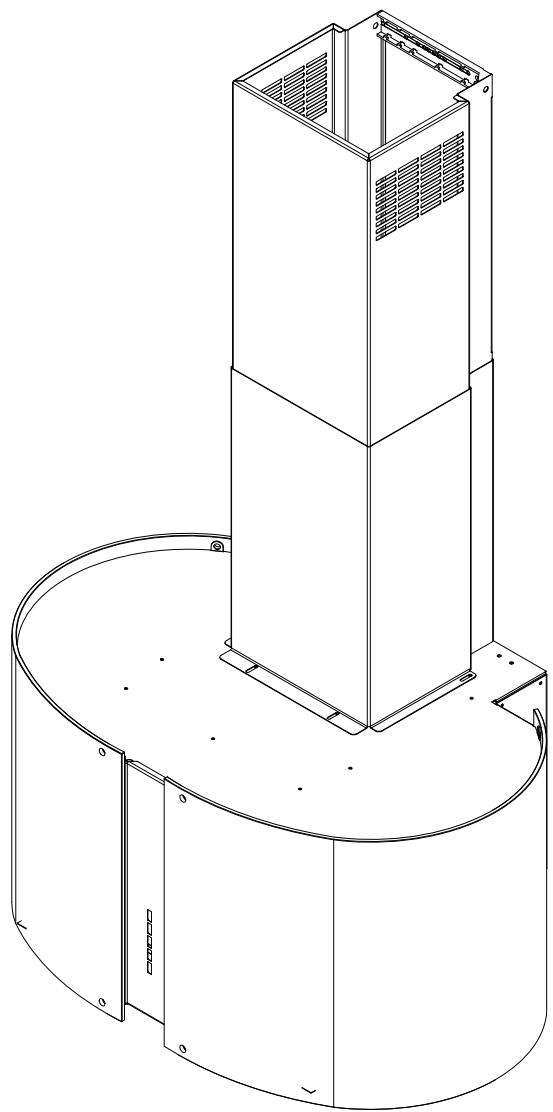
Mirabilia ROUND Wall 67
24 kg
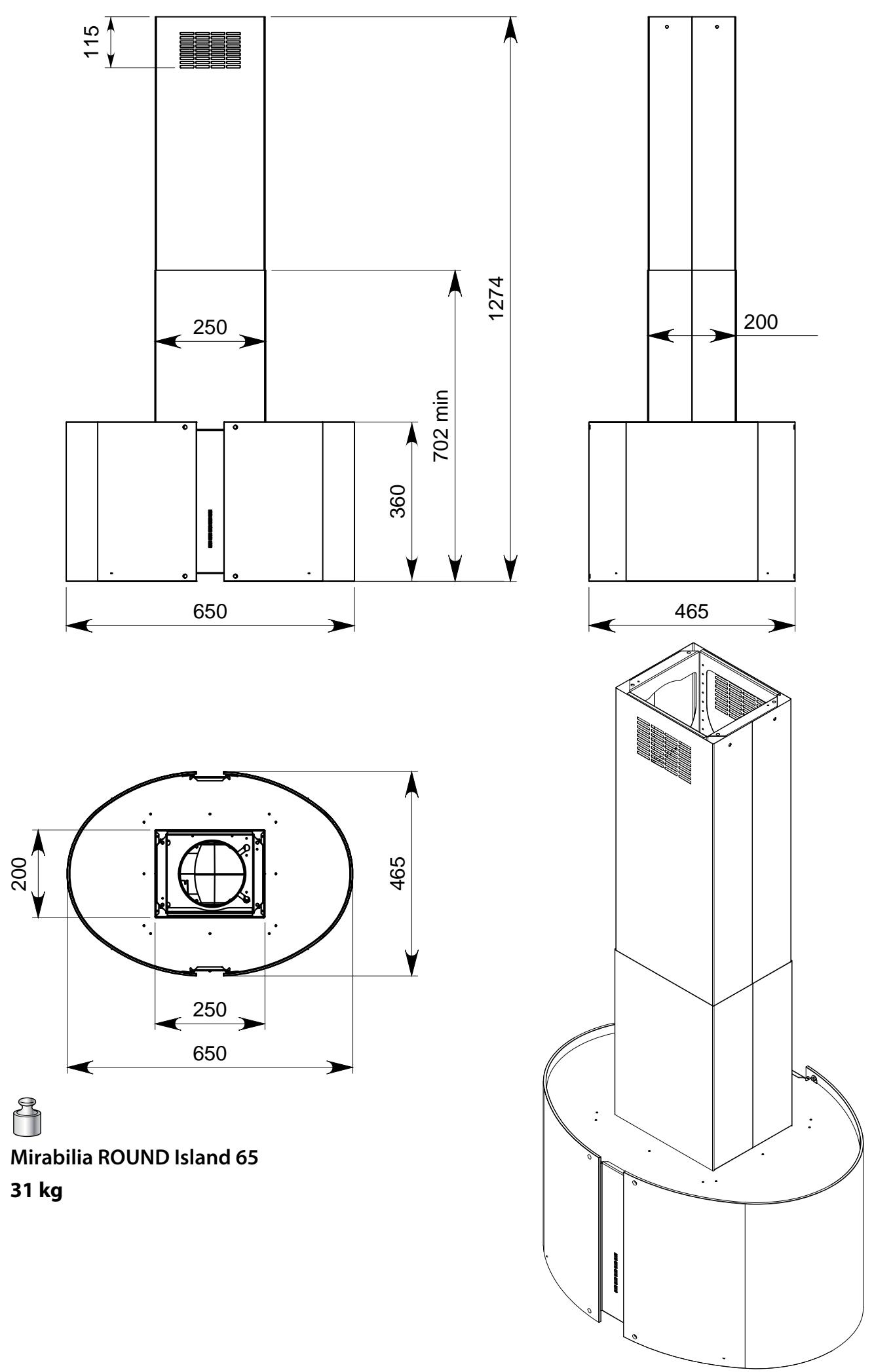
31 kg
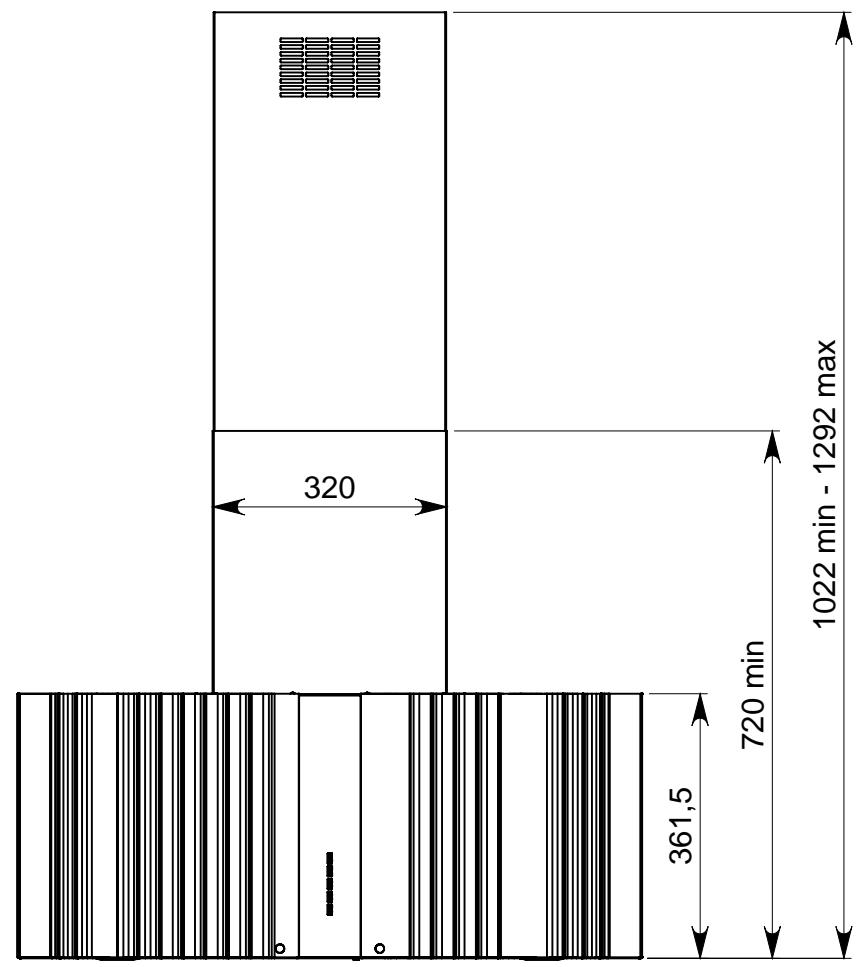
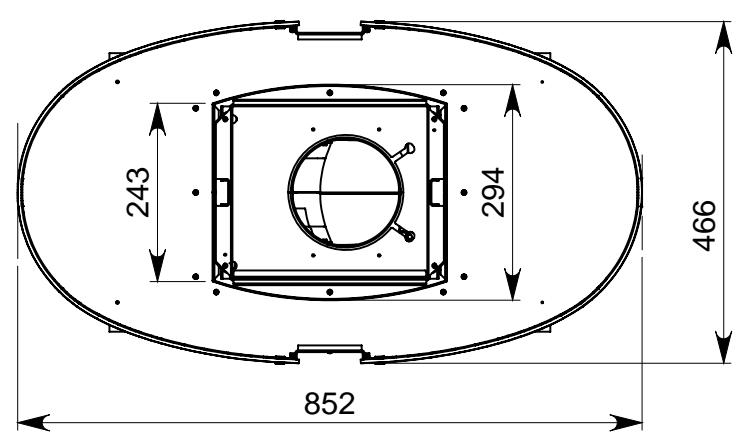
Mirabilia ROUND Island 85
41 kg
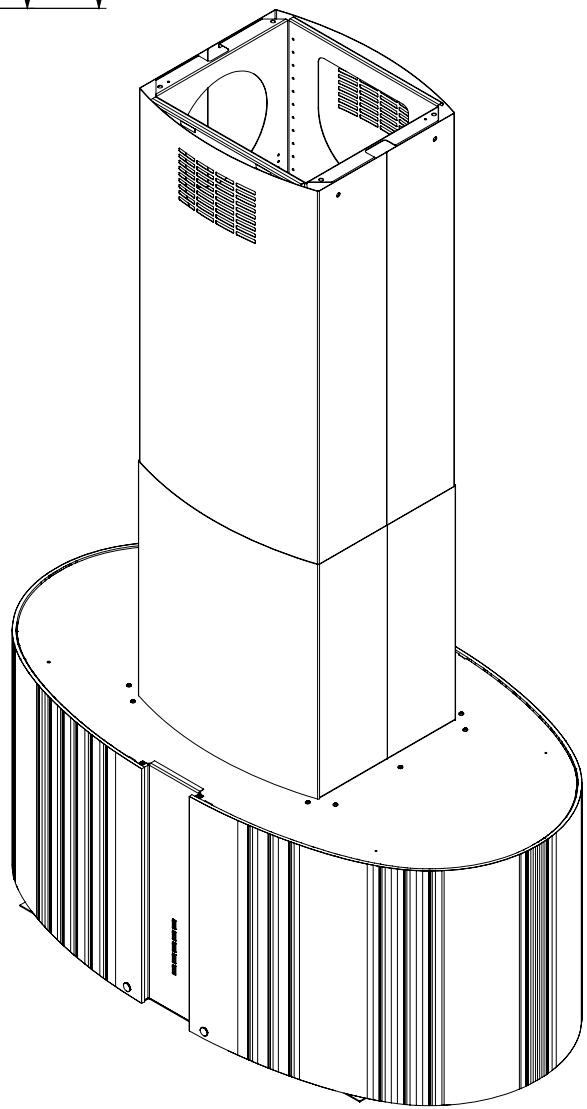
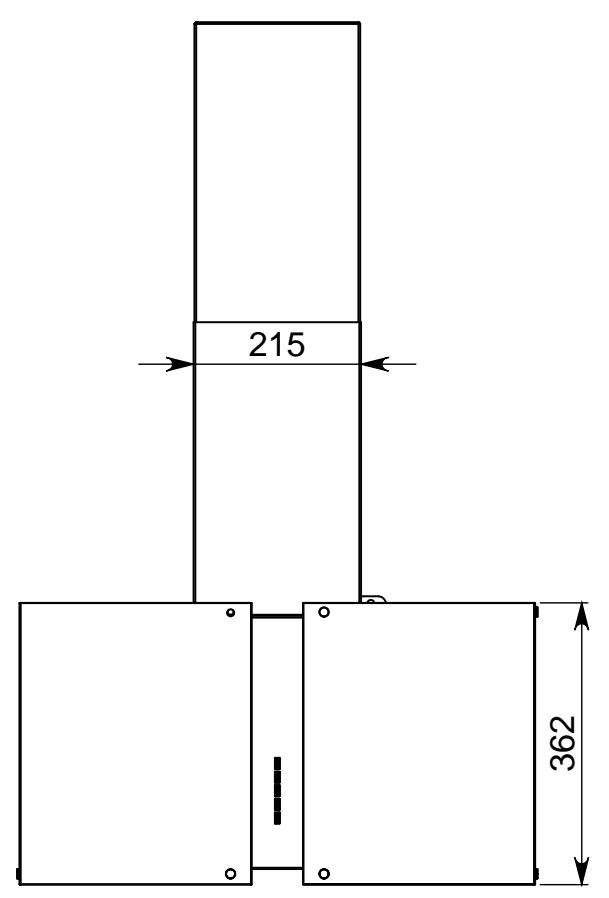
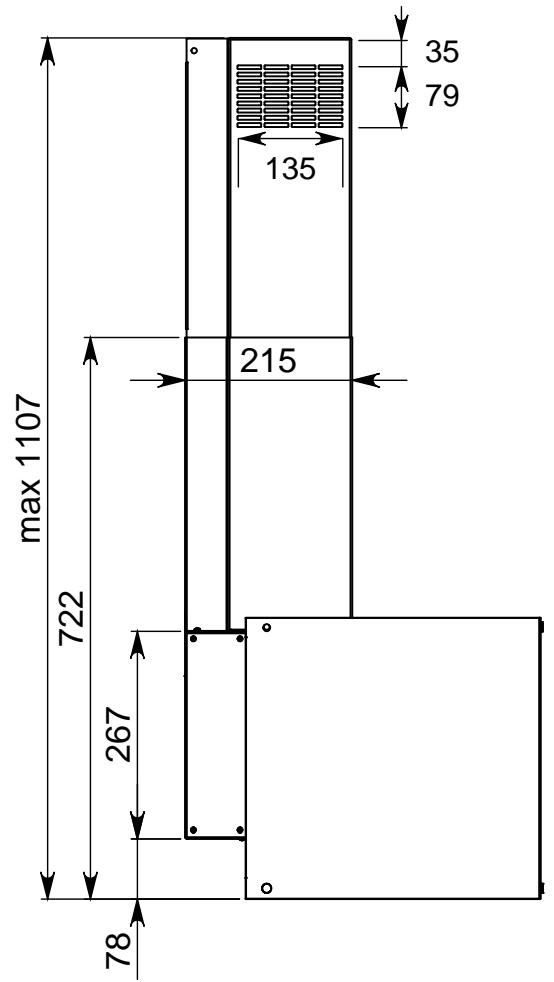
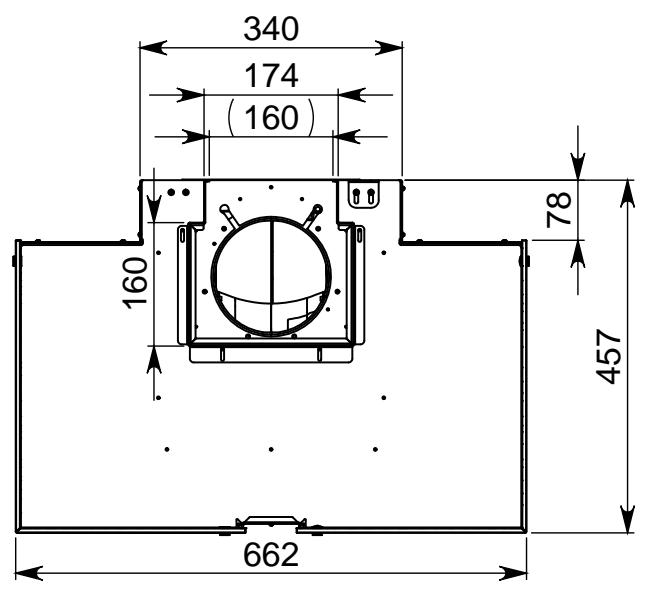

Mirabilia SQUARE Wall 67
24 kg
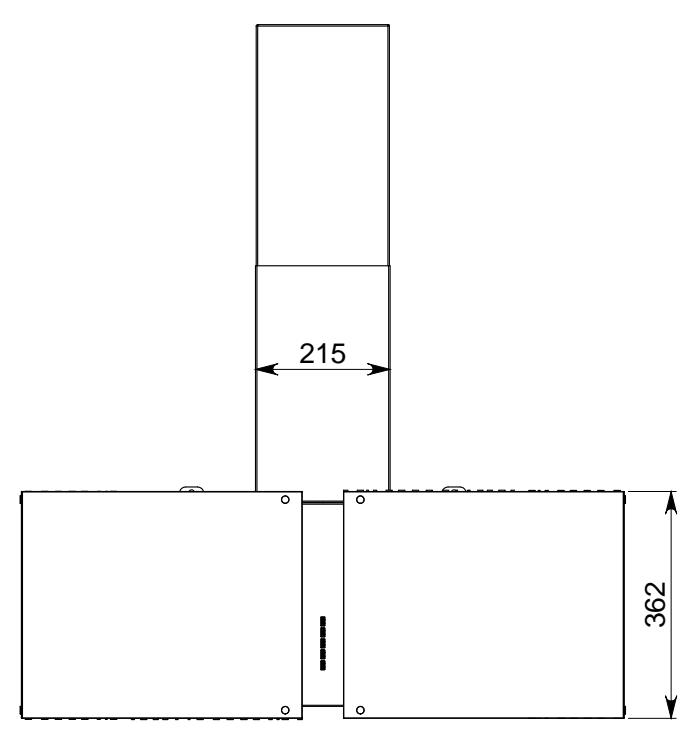
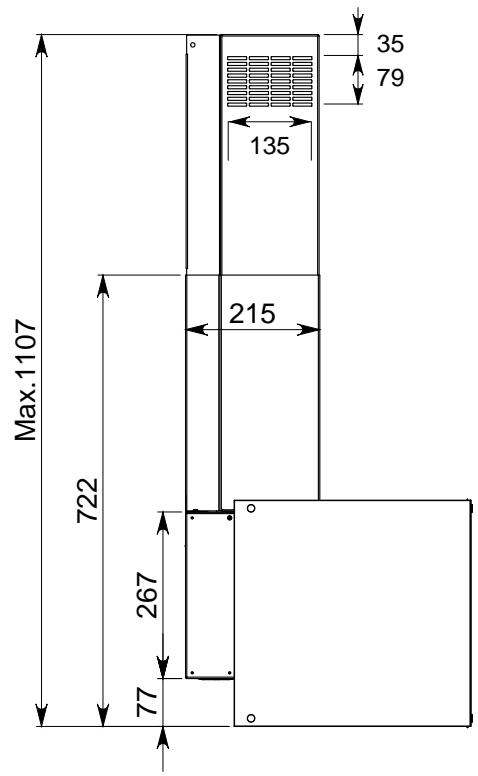
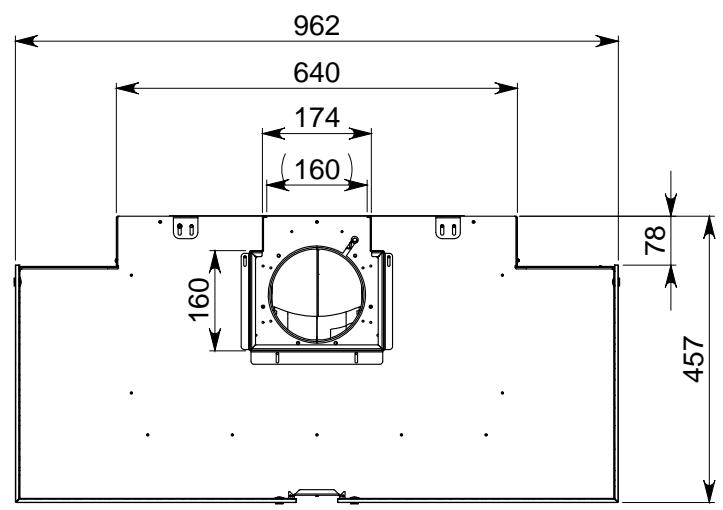
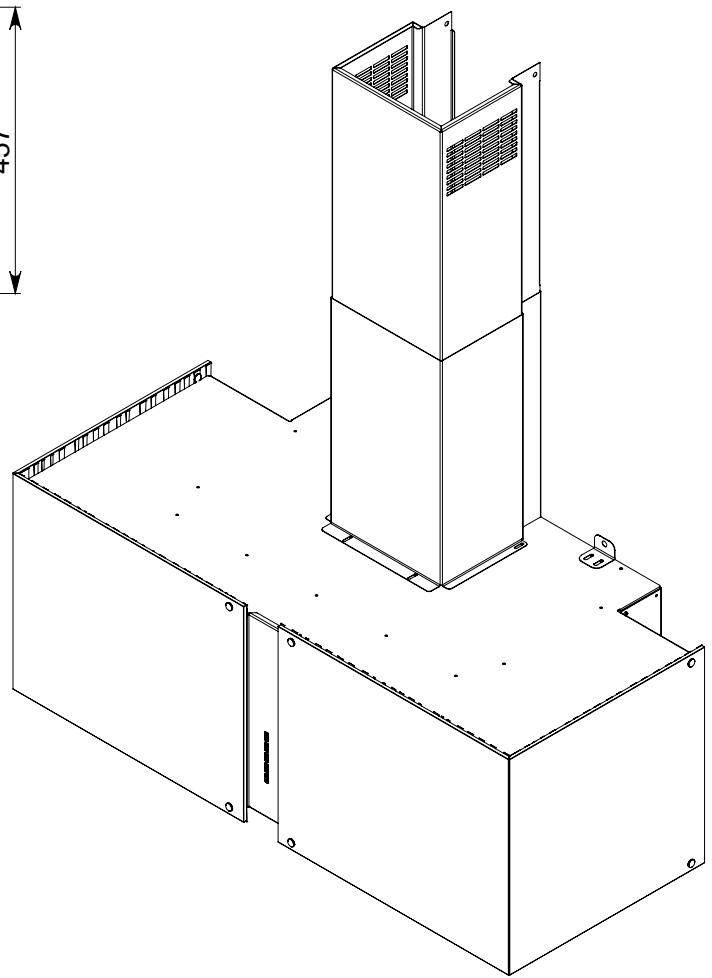
Mirabilia SQUARE Wall 97
33 kg
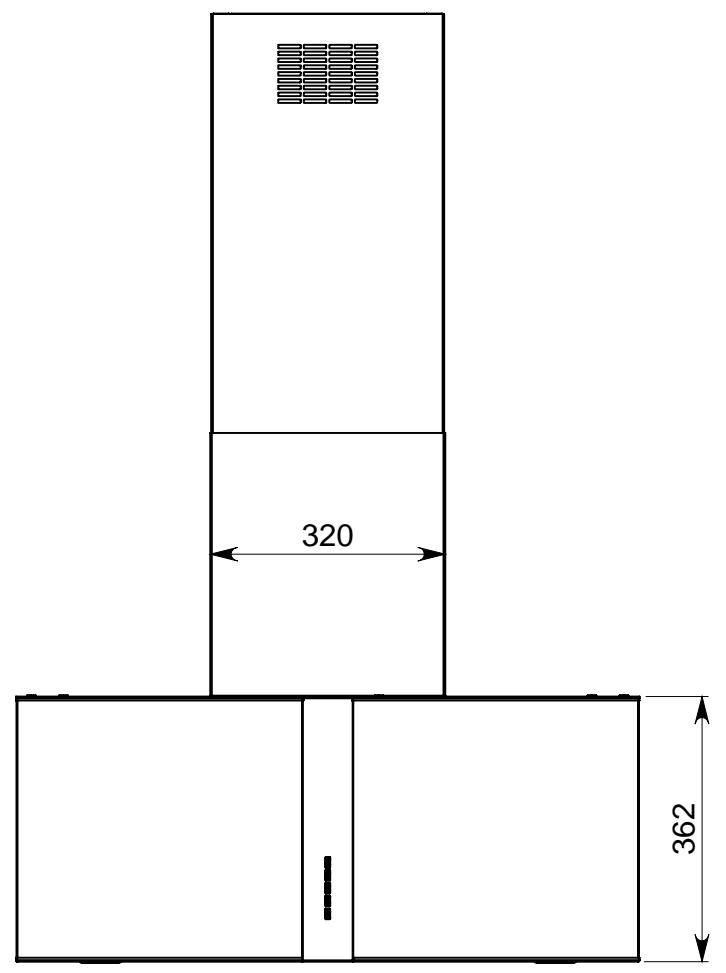
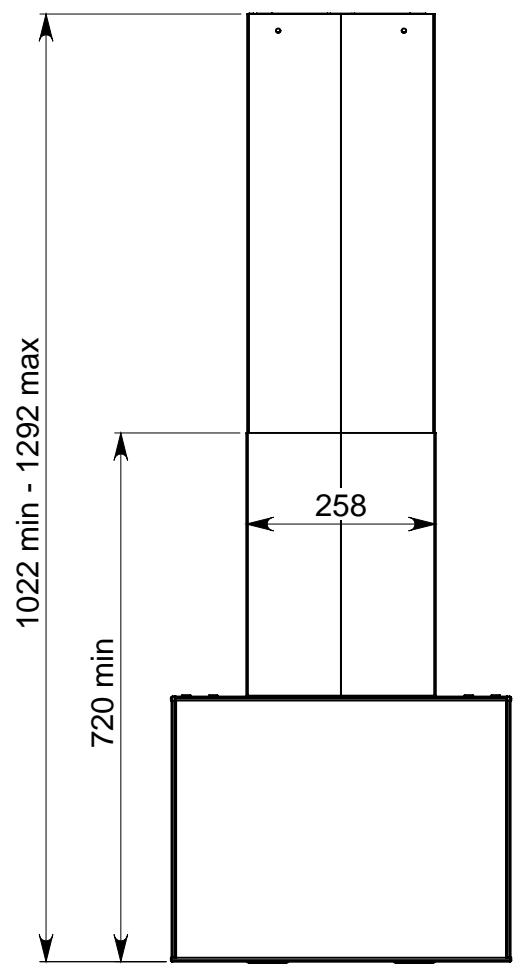
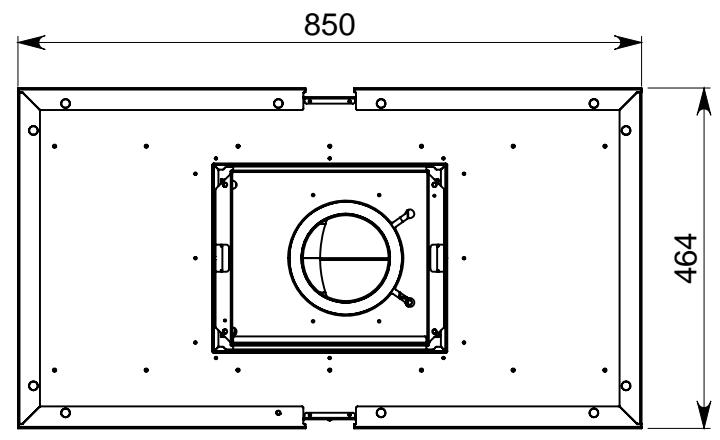
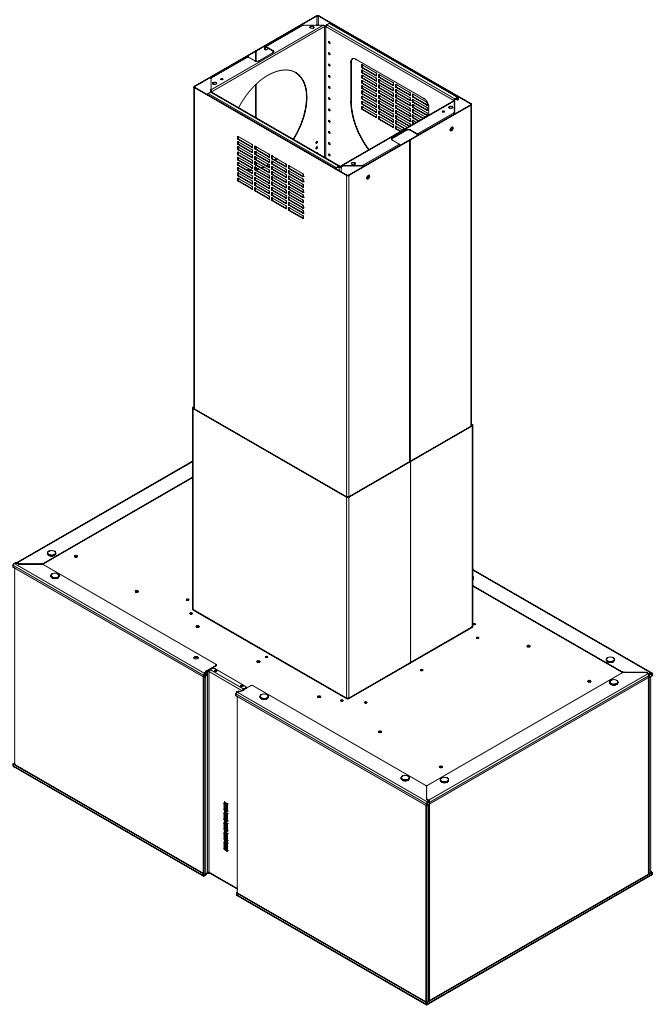
Mirabilia SQUARE Island 85
44 kg
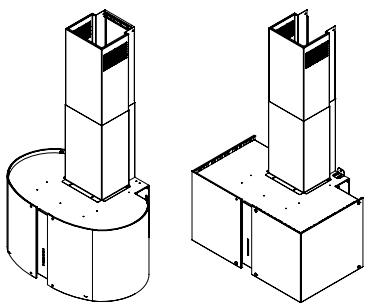
MIRABILIA WALL
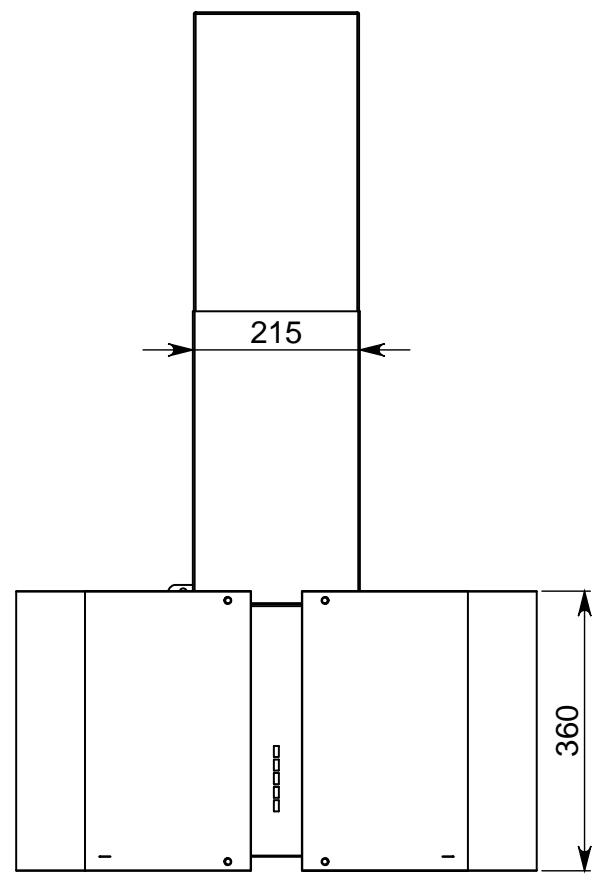
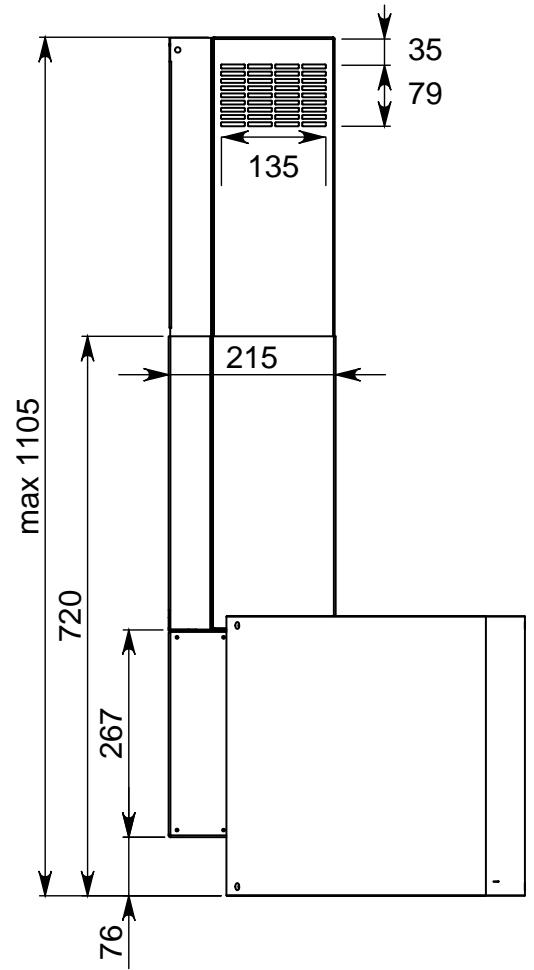
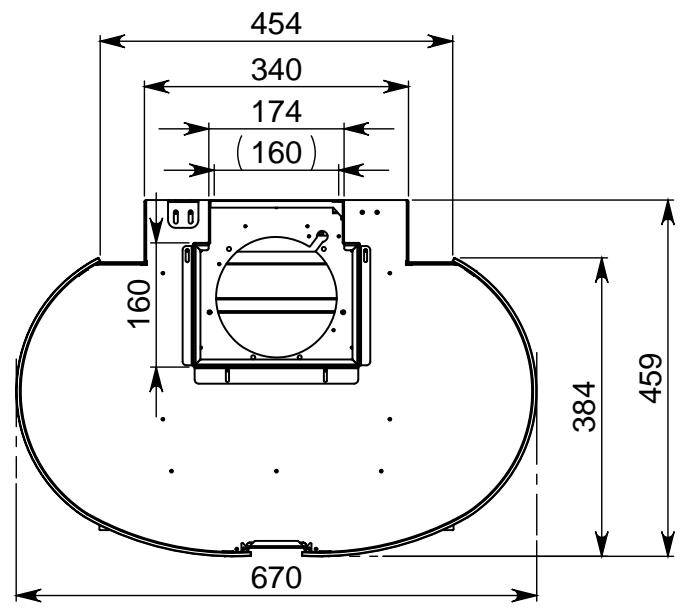
EN - Measurements for installation (1).
| Gas (min.) | Induction (min.) |
| 600 mm | 520 mm |
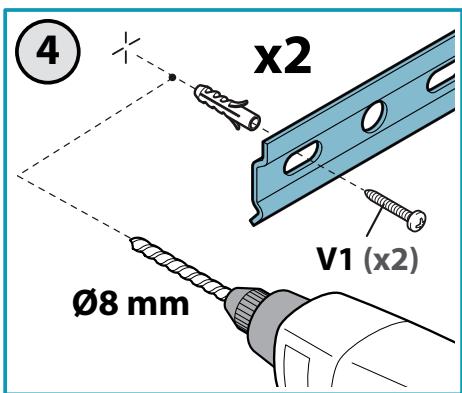
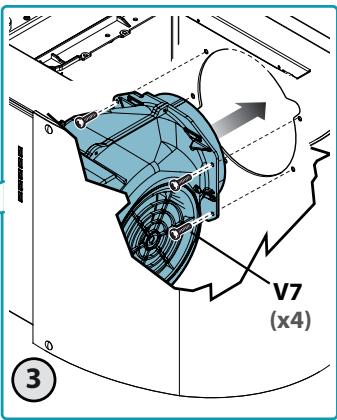
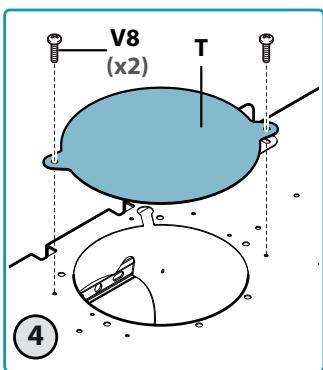
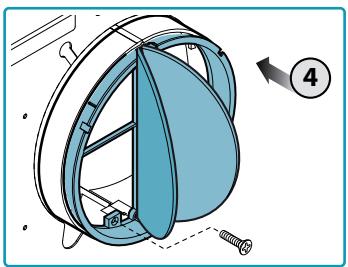
IT - Hood fastening (2), check valve installation (3) and suction pipe assembly (4). EN - Hood fastening (2), check valve installation (3) and suction pipe assembly (4). DE - Fastening the hood (2), installation of the check valve (3) and assembly of the suction pipe (4). FR - Fixing the hood (2), installation of the non-return valve (3) and assembly of the suction pipe (4). ES - Fixing the hood (2), installation of the non-return valve (3) and assembly of the suction pipe (4). RU - Fixing the hood (2), installation of the check valve (3) and assembly of the suction pipe (4). PL - Fixing the hood (2), installation of the check valve (3) and assembly of the suction pipe (4). NL - Hood fastening (2), installation of the non-return valve (3) and assembly of the suction pipe (4). PT - Fixing the hood (2), installation of the non-return valve (3) and assembly of the suction pipe (4). DK - Fixing the hood (2), installation of the check valve (3) and assembly of the suction pipe (4). SE - Fixing the hood (2), installation of the check valve (3) and assembly of the suction pipe (4). FI - Fixing the hood (2), installation of the check valve (3) and assembly of the suction pipe (4). NO - Fixing the hood (2), installation of the check valve (3) and assembly of the suction pipe (4).
2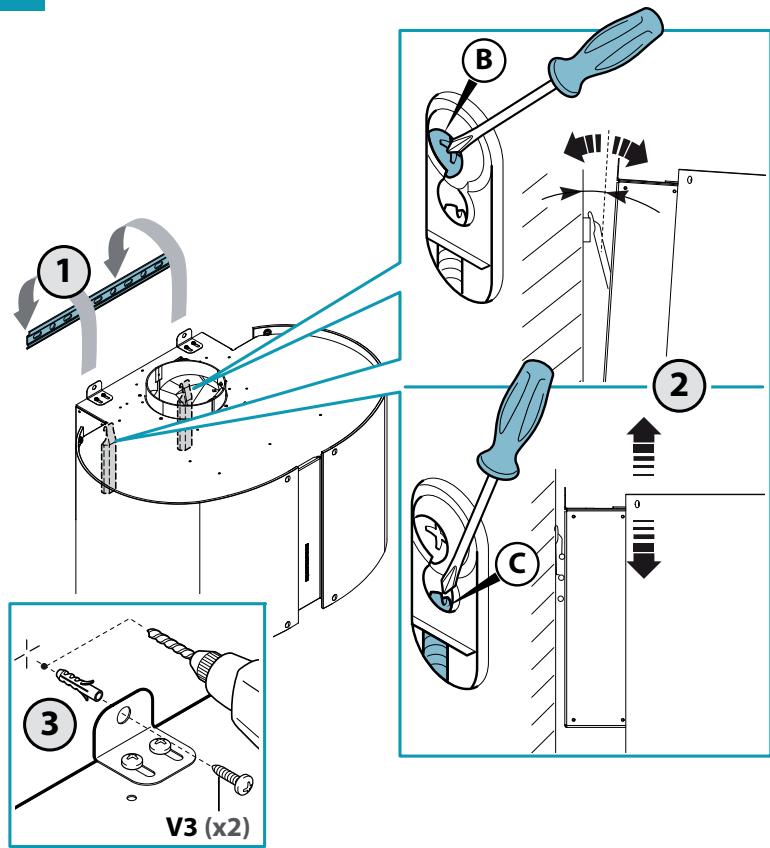

IT - Mandatory safety screws EN - Mandatory safety screws DE - Sicherheitsschrauben, obligatorisch FR - Vis de sécurité obligatoires ES - Tornillos de seguridad obligatorios RU - Обязательные предохранительные винты
PL - Obowiązkowe śruby zabezpieczające NL - Verplichte veiligheidsschroeven PT - Parafusos de segurança obrigatórios DK - Obligatoriske sikkerhedsskruer SE - Obligatoriska säkerhetsskruvar FI - Pakolliset varmistusruuvit NO - Påkrevde sikkerhetsskruer
3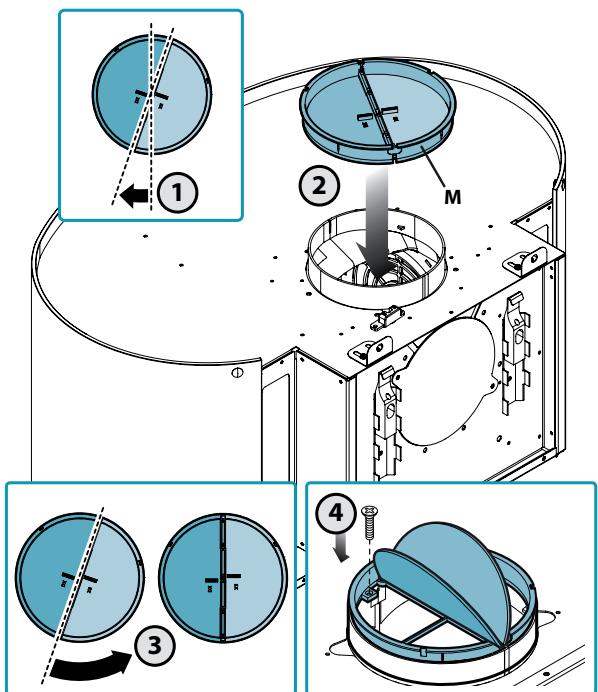
4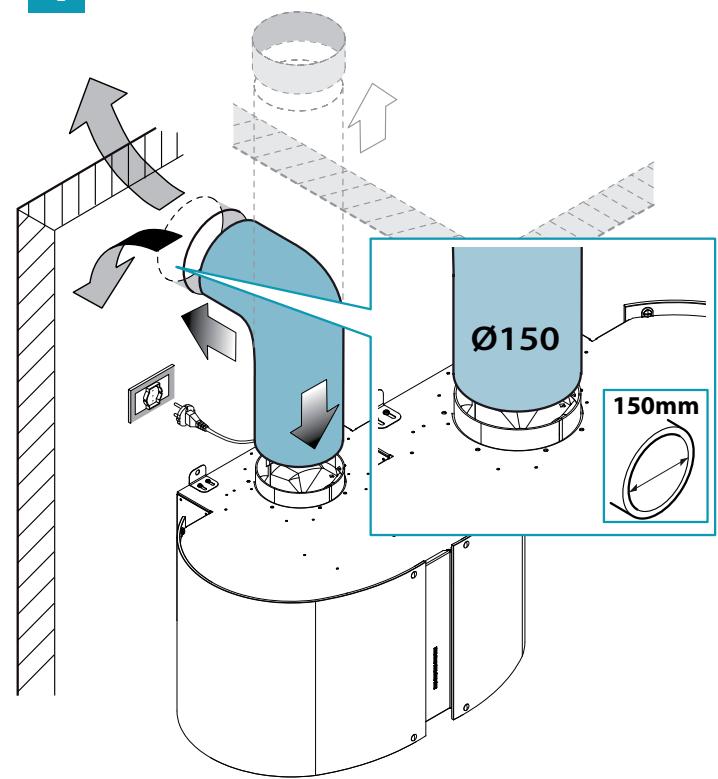
EN - Installation with rear outlet
Connettore comandi Panel control connector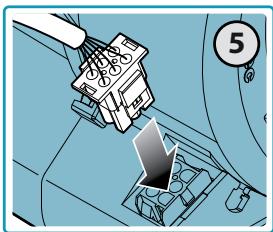
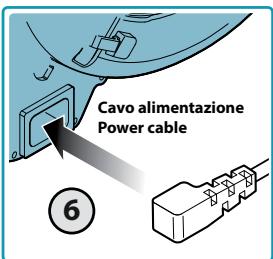
7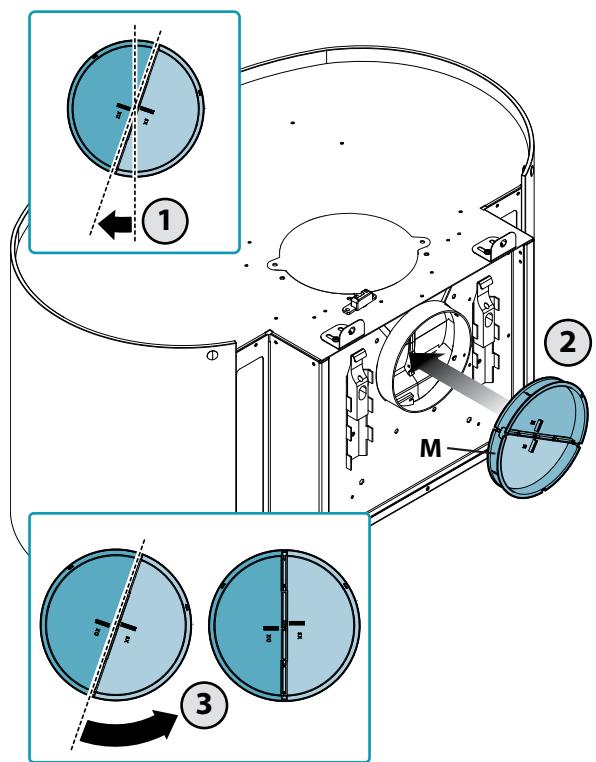
8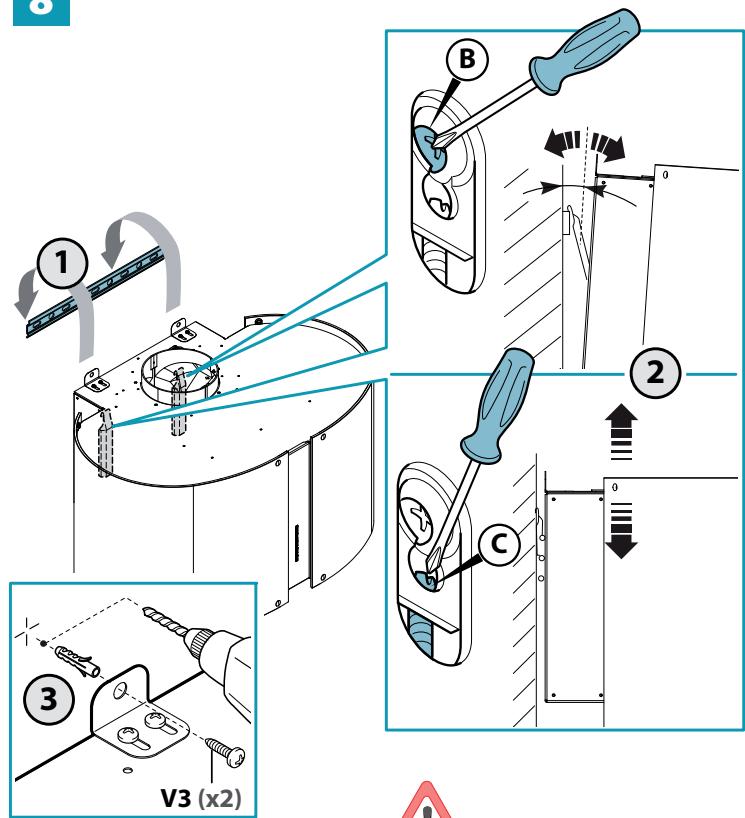

IT - Mandatory safety screws EN - Mandatory safety screws DE - Sicherheitsschrauben, obligatorisch FR - Vis de sécurité obligatoires ES - Tornillos de seguridad obligatorios
RU - Обязательные предохранительные винты PL - Obowiązkowe śruby zabezpieczające NL - Verplichte veiligheidsschroeven PT - Parafusos de segurança obrigatórios DK - Obligatoriske sikkerhedsskruer SE - Obligatoriska säkerhetsskruvar FI - Pakolliset varmistusruuvit NO - Påkrevde sikkerhetsskruer
9a MIRABILIA ROUND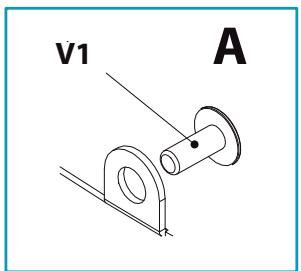
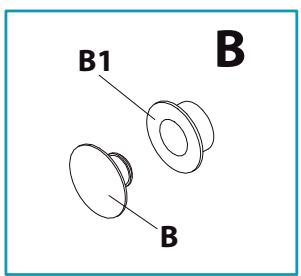
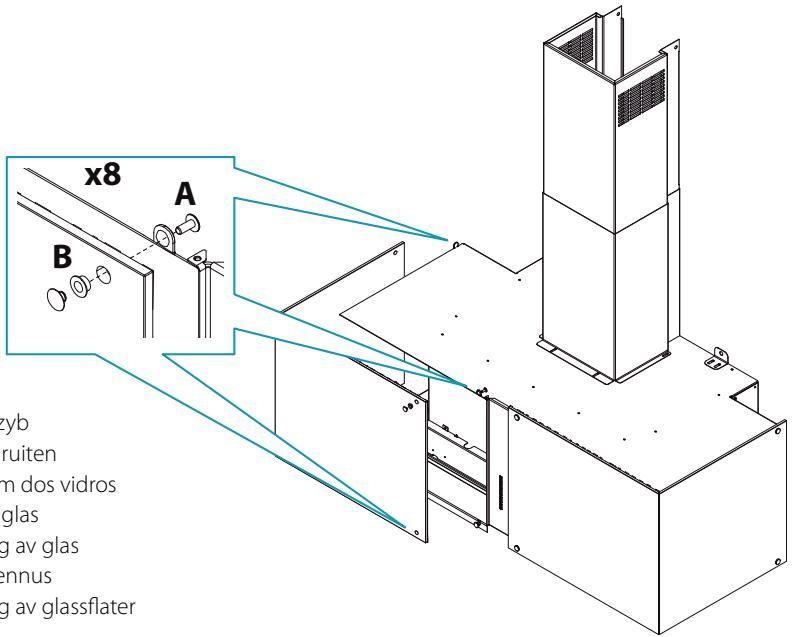
IT - Glass assembly EN - Glass assembly DE - Montage der Glasplatten FR - Montage des vitres ES - Montaje de los cristales RU - Монтаж стекол
PL - Montaż szyb NL - Montage ruiten PT - Montagem dos vidros DK - Montage glas SE - Montering av glas FI - Lasien asennus NO - Montering av glassflater
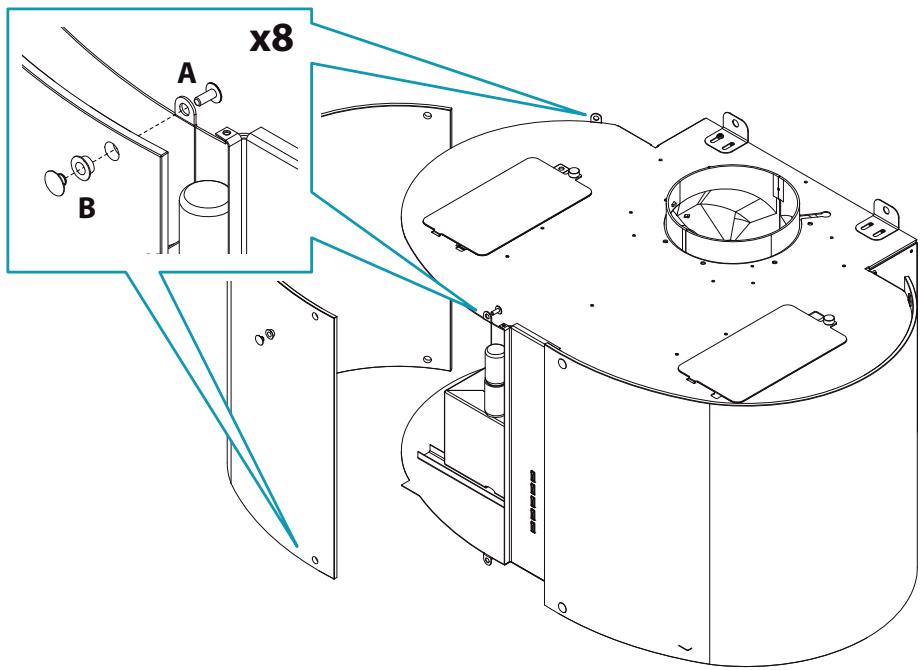
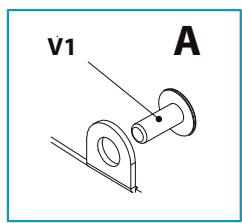
IT - Glass assembly EN - Glass assembly DE - Montage der Glasplatten FR - Montage des vitres ES - Montaje de los cristales RU - Монтаж стекол
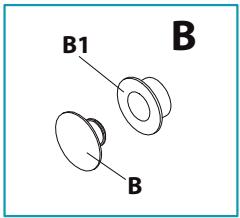
PL - Montaż szyb NL - Montage ruiten PT - Montagem dos vidros DK - Montage glas SE - Montering av glas FI - Lasien asennus NO - Montering av glassflater
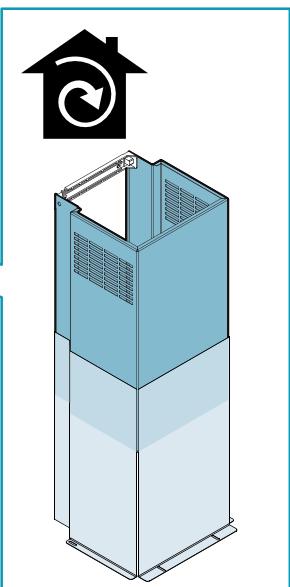
IT - Flue assembly. EN - Flue assembly. DE - Montage des Kamins. FR - Montage de la cheminée. ES - Montaje de la chimenea. RU - Монтаж дымохода. PL - Montaż komina. NL - Montage schacht. PT - Montagem da chaminé. DK - Montage af skorsten. SE - Montering av rökgång. FI - Poistoputken liitäntä. NO - Montasje av skorstein.
10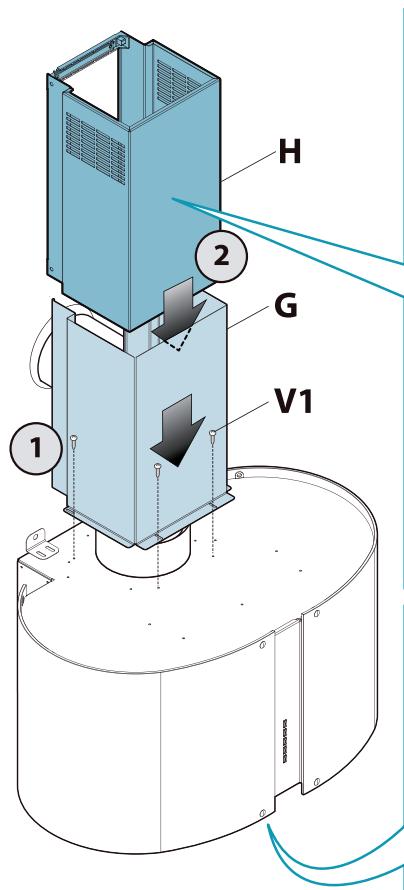
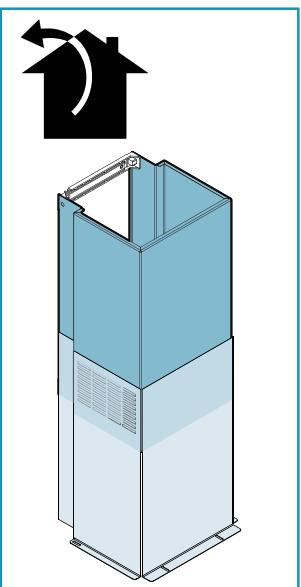
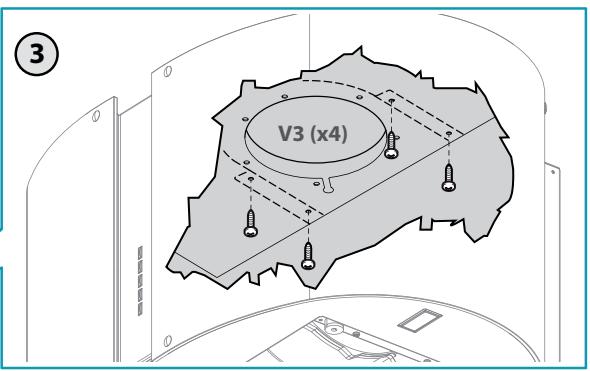


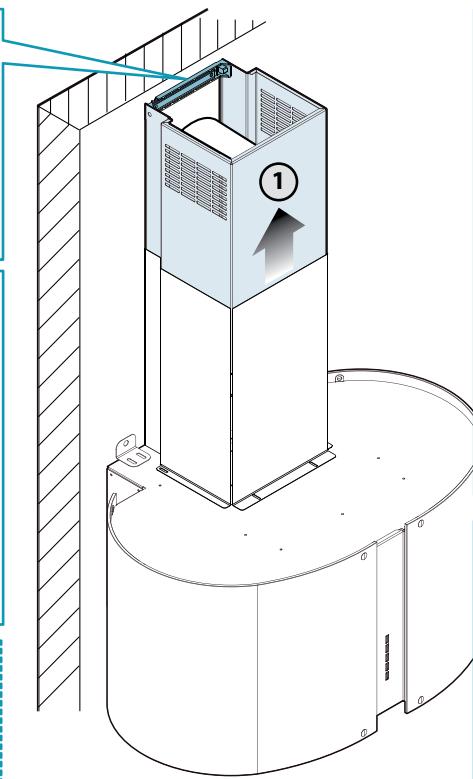
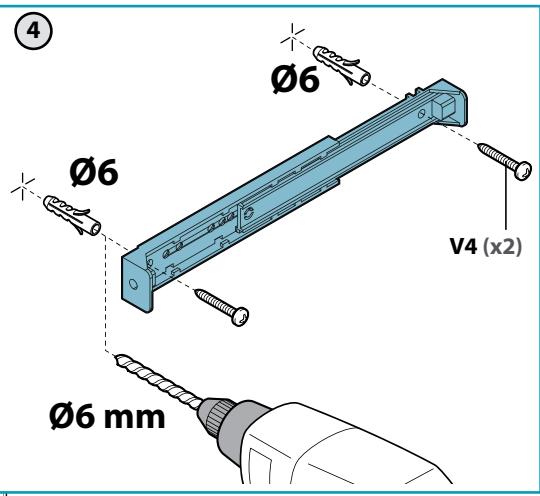
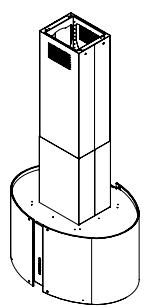
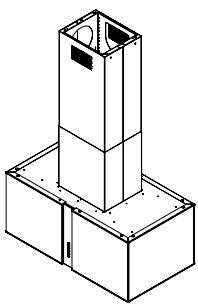
MIRABILIA ISLAND
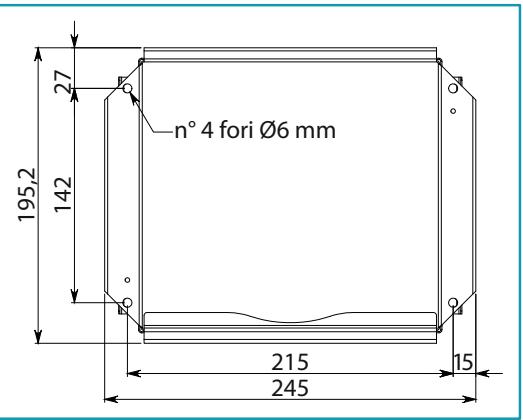
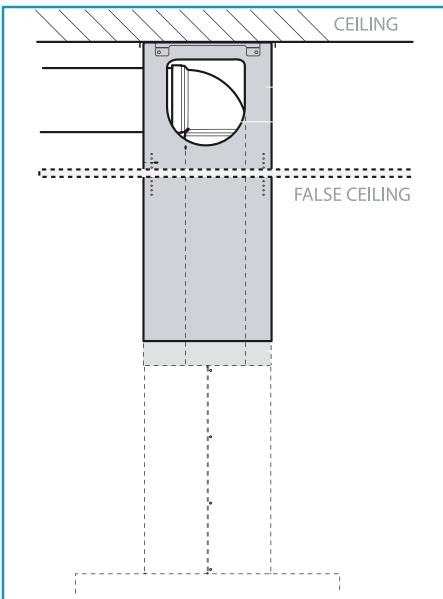
Side outlet which can only be used with false ceiling. Seitlicher Abzug nur mit Zwischendecke verwendbar. Sortie latérale utilisable uniquement avec faux-plafond. Salida lateral utilizable solo con falso techo. Боковой выход, используемый лишь при наличии подвесного потолка. Wylot boczny, wykorzystywany tylko na sufitach podwieszanych. Zijdelingse uitgang enkel bruikbaar met vals plafond. Saída lateral utilizável apenas com revestimento do teto. Udgang på siden kun til anvendelse med nedhængt loft. Sidoutgång endast användbar med undertak. Sivussa oleva poistoaukko käytettävissä vain sisäkaton kanssa. Sideutgang som kun kan brukes med undertak.
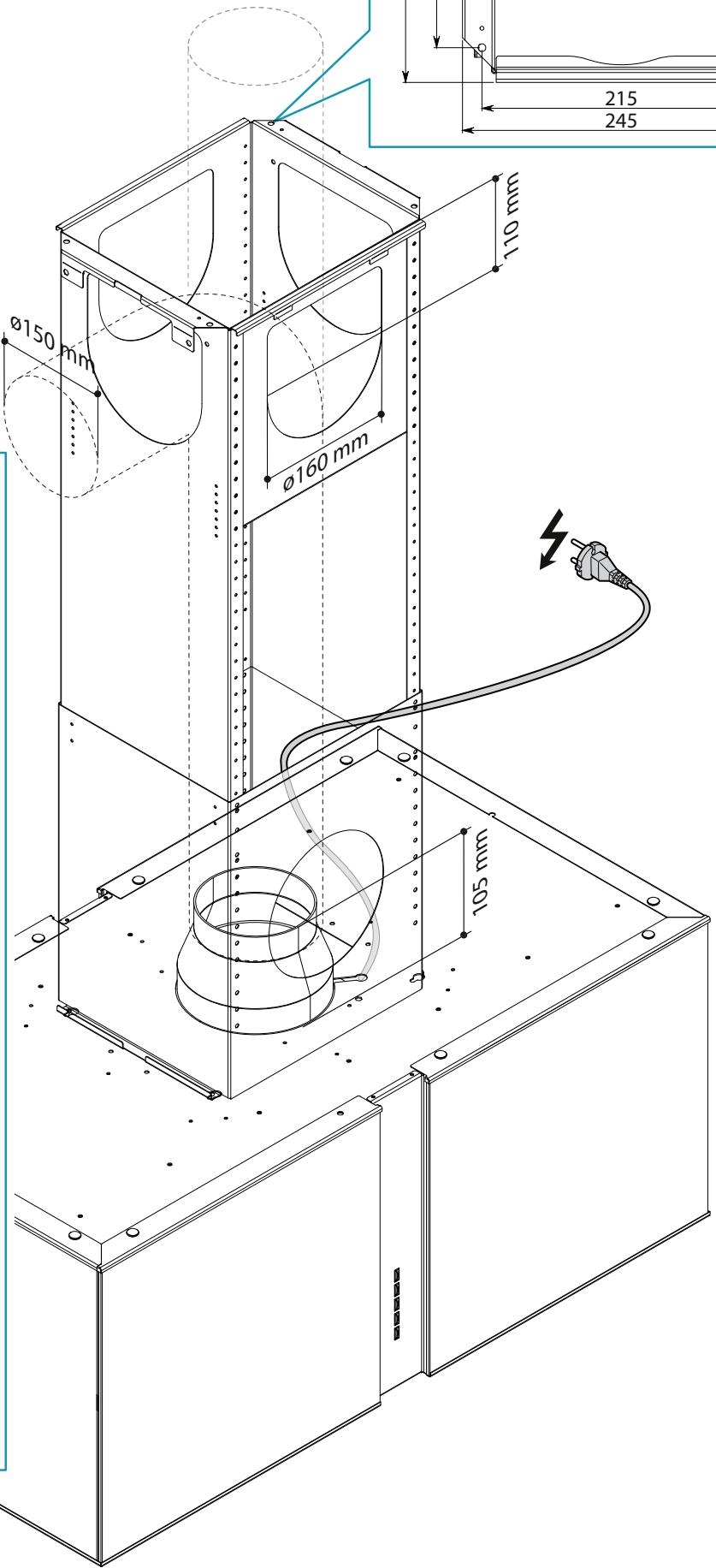
Preliminary operations: separate upper trellis from lower trellis (1). Vorbereitende Vorgänge: die obere Strebe von der unteren Strebe trennen (1). Opérations préliminaires: séparer le rail supérieur du rail inférieur (1). Operaciones preliminares: separar la estructura superior de la estructura inferior (1).
Предварительные операции: отделите верхнюю конструкцию от нижней (1). Operacje wstępne: oddzielić górny słup od słupa dolnego (1). Voorbereidingen: scheid het bovenste raamwerk van het onderste raamwerk (1). Operações preliminares: separar a treliça superior da treliça inferior (1).
IT - Ceiling installation (2), false ceiling installation (3) and ceiling installation without chimney extension and upper trestle (4). EN - Ceiling installation (2), false ceiling installation (3) and ceiling installation without chimney extension and upper trestle (4). DE - Ceiling installation (2), false ceiling installation (3) and ceiling installation without chimney extension and upper trestle (4). FR - Ceiling installation (2), false ceiling installation (3) and ceiling installation without chimney extension and upper trestle (4). ES - Ceiling installation (2), false ceiling installation (3) and ceiling installation without chimney extension and upper trestle (4). RU - Ceiling installation (2), false ceiling installation (3) and ceiling installation without chimney extension and upper trestle (4). PL - Ceiling installation (2), false ceiling installation (3) and ceiling installation without chimney extension and upper trestle (4). NL - Ceiling installation (2), false ceiling installation (3) and ceiling installation without chimney extension and upper trestle (4). PT - Ceiling installation (2), false ceiling installation (3) and ceiling installation without chimney extension and upper trestle (4). DK - Ceiling installation (2), false ceiling installation (3) and ceiling installation without chimney extension and upper trestle (4). SE - Ceiling installation (2), false ceiling installation (3) and ceiling installation without chimney extension and upper trestle (4). FI - Ceiling installation (2), false ceiling installation (3) and ceiling installation without chimney extension and upper trestle (4). NO - Ceiling installation (2), false ceiling installation (3) and ceiling installation without chimney extension and upper trestle (4).
2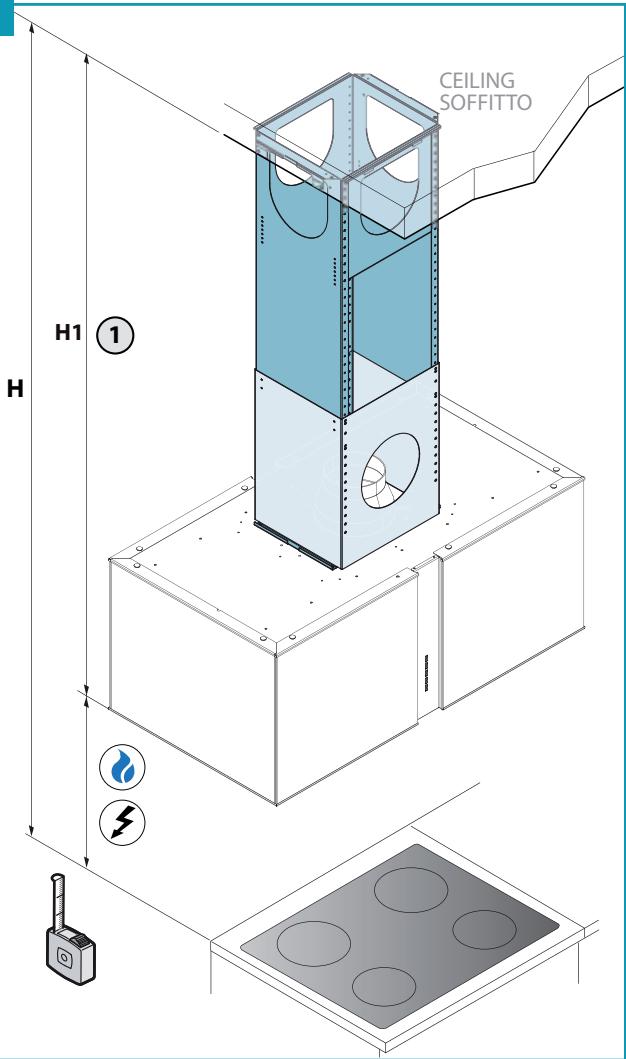
3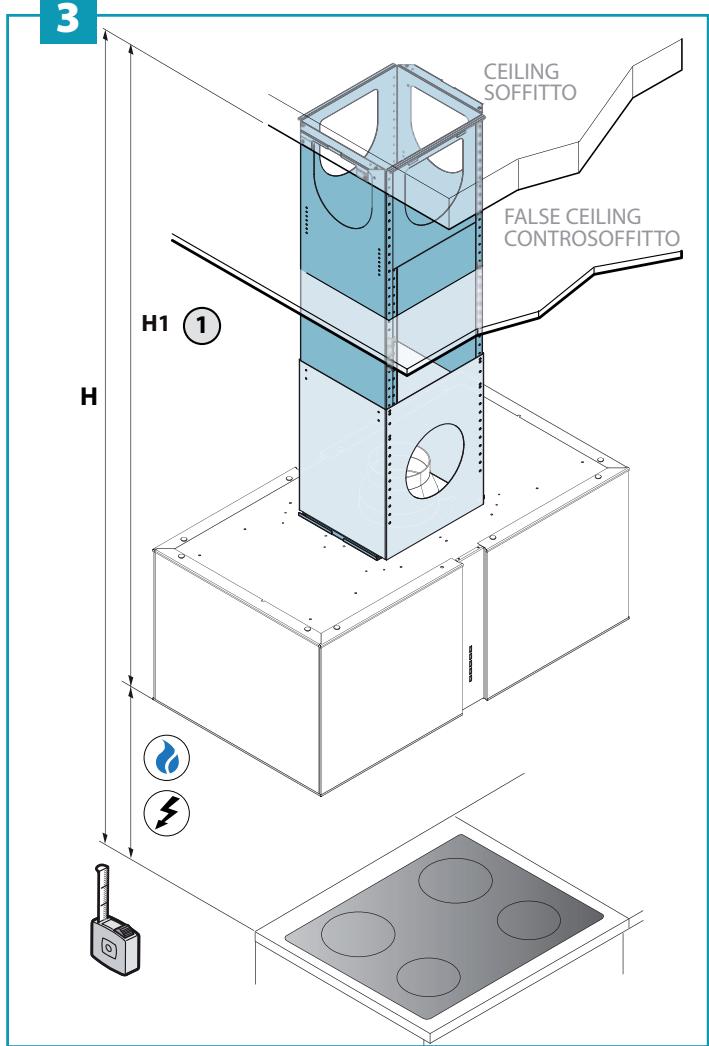
4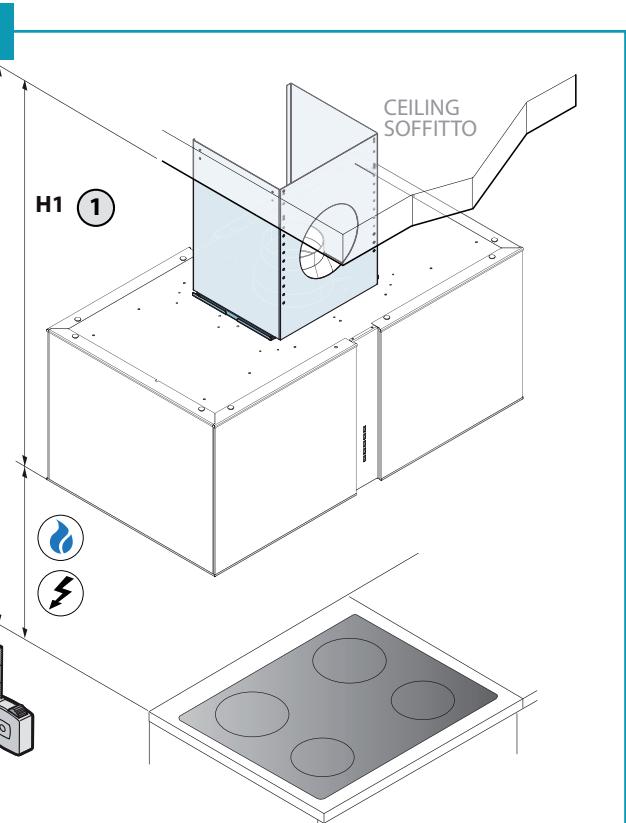
| Gas (min.) | Induction (min.) |
| 600 mm | 520 mm |
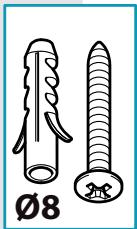
EN - Trestle (5) and extension (6) assembly.
6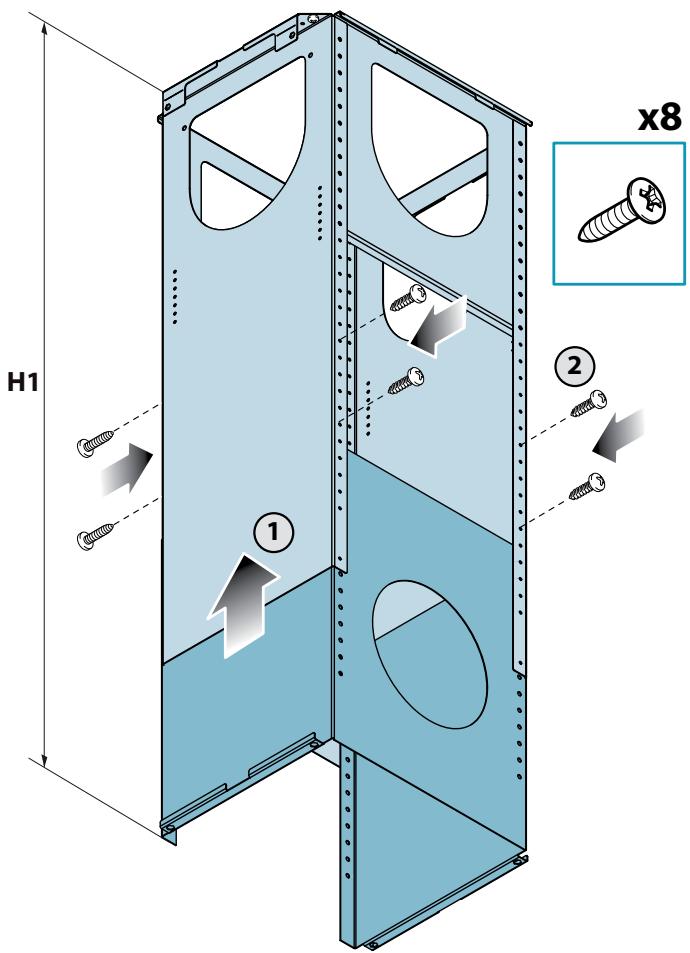
IT - Ceiling installation without upper trestle and without extension (7). EN - Ceiling installation without upper trestle and without extension (7). DE - Ceiling installation without upper trestle and without extension (7). FR - Ceiling installation without upper trestle and without extension (7). ES - Ceiling installation without upper trestle and without extension (7). RU - Ceiling installation without upper trestle and without extension (7). PL - Ceiling installation without upper trestle and without extension (7).
NL - Ceiling installation without upper trestle and without extension (7). PT - Ceiling installation without upper trestle and without extension (7). DK - Ceiling installation without upper trestle and without extension (7). SE - Ceiling installation without upper trestle and without extension (7). FI - Ceiling installation without upper trestle and without extension (7). NO - Ceiling installation without upper trestle and without extension (7).
7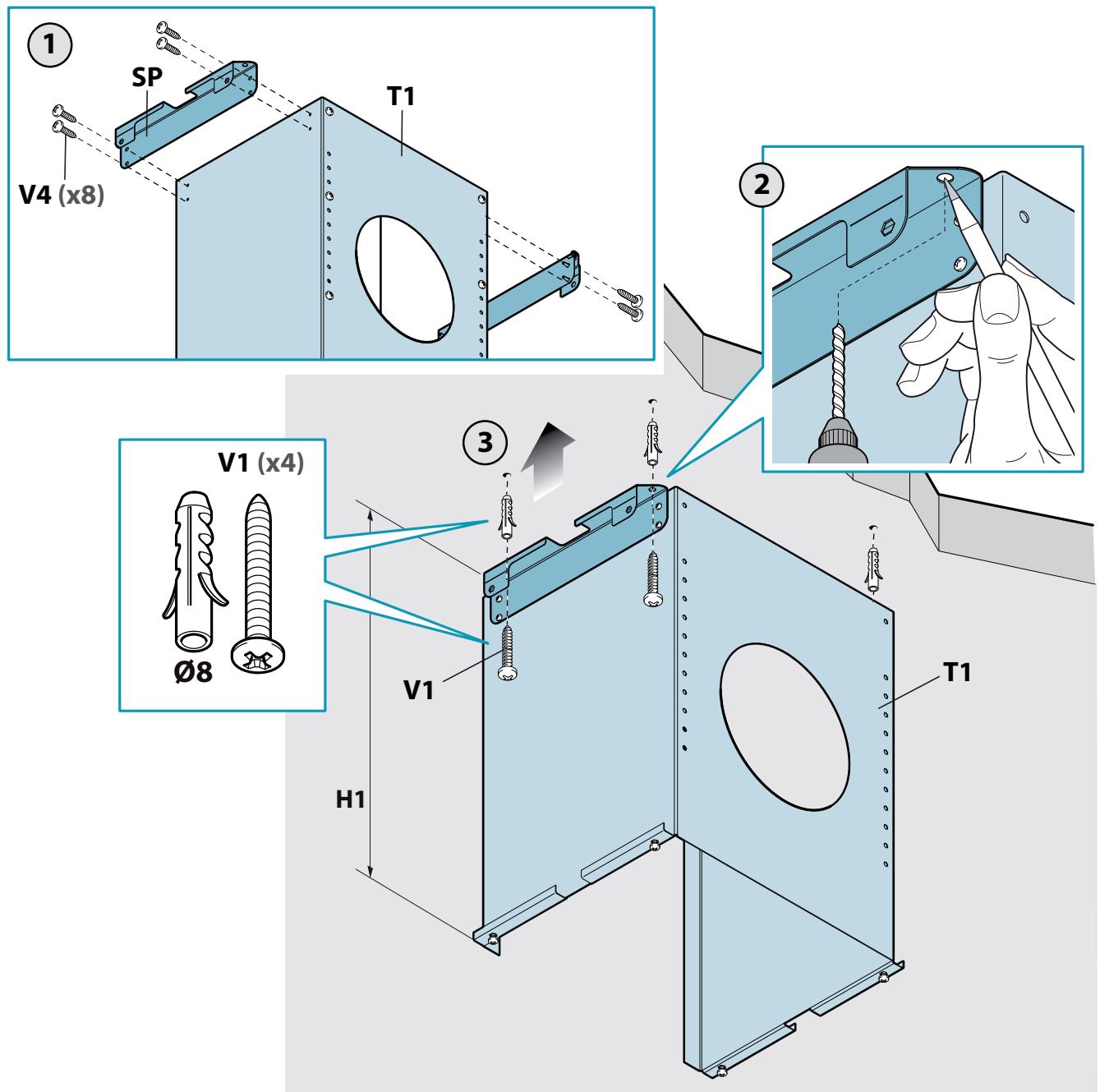
IT - Check valve assembly (7); exhaust pipe (8); chimney assembly (9). EN - Check valve assembly (7); exhaust pipe (8); chimney assembly (9). DE - Assembly of non-return valve (7); intake pipe (8); chimney assembly (9). FR - Assembly of non-return valve (7); suction pipe (8); chimney assembly (9). ES - Assembly of non-return valve (7); suction pipe (8); chimney assembly (9). RU - Installation of check valve (7); suction pipe (8); chimney assembly (9). PL - Assembly of check valve (7), suction pipe (8); chimney assembly (9).
NL - Assembly of non-return valve (7); intake pipe (8); chimney assembly (9). PT - Assembly of non-return valve (7); suction pipe (8); chimney assembly (9). DK - Assembly of non-return valve (7); exhaust pipe (8); chimney assembly (9). SE - Assembly of non-return valve (7); suction pipe (8); chimney assembly (9). FI - Installation of check valve (7), suction pipe (8). NO - Assembly of non-return valve (7), suction pipe (8), chimney assembly (9).
7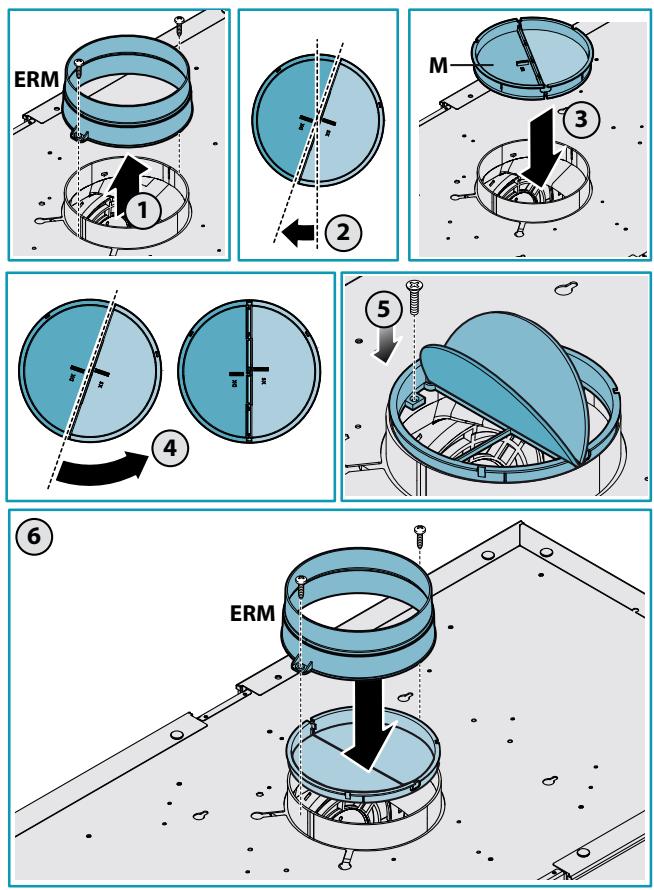
8
9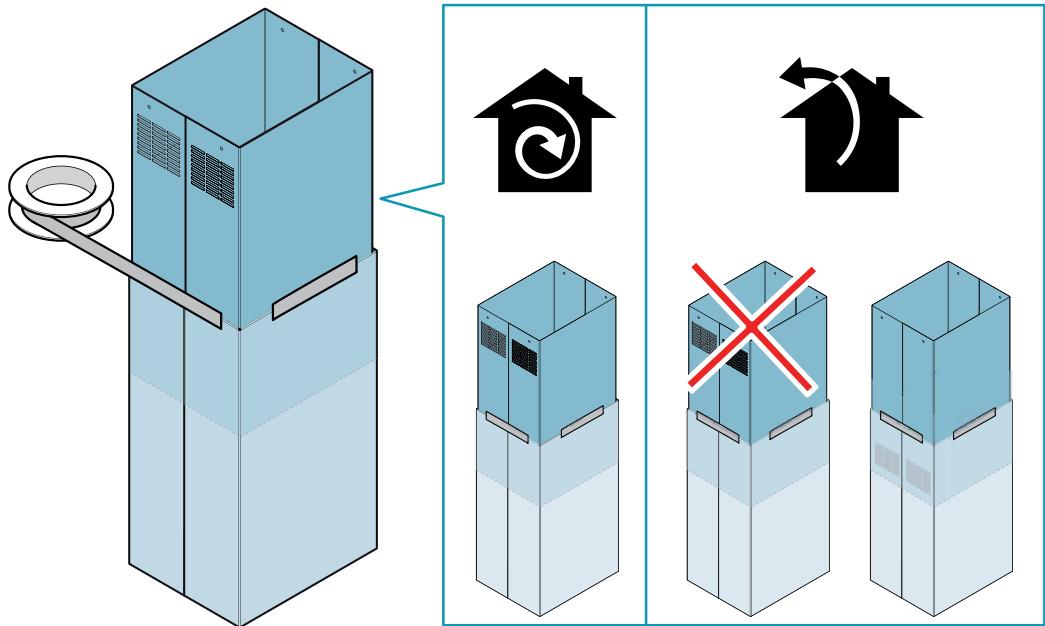
IT - Ceiling configuration (10); False ceiling configuration (11)(12). EN - Ceiling configuration (10); False ceiling configuration (11)(12). DE - Ceiling configuration (10); Suspended ceiling configuration (11)(12). FR - Installation on ceiling (10); Installation on false ceiling (11)(12). ES - Ceiling configuration (10); False ceiling configuration (11)(12). RU - Ceiling configuration (10); Suspended ceiling configuration (11)(12). PL - Configuration on ceiling (10); Configuration on suspended ceiling (11)(12). NL - Configuration on ceiling (10); Configuration on suspended ceiling (11)(12). PT - Configuration on ceiling (10); Configuration on false ceiling (11)(12). DK - Ceiling configuration (10); Configuration with suspended ceiling (11)(12). SE - Design for ceiling (10); Design for suspended ceiling (11)(12). FI - Installation on ceiling (10); Installation on false ceiling (11)(12). NO - Configuration in ceiling (10); Configuration in suspended ceiling (11)(12).
10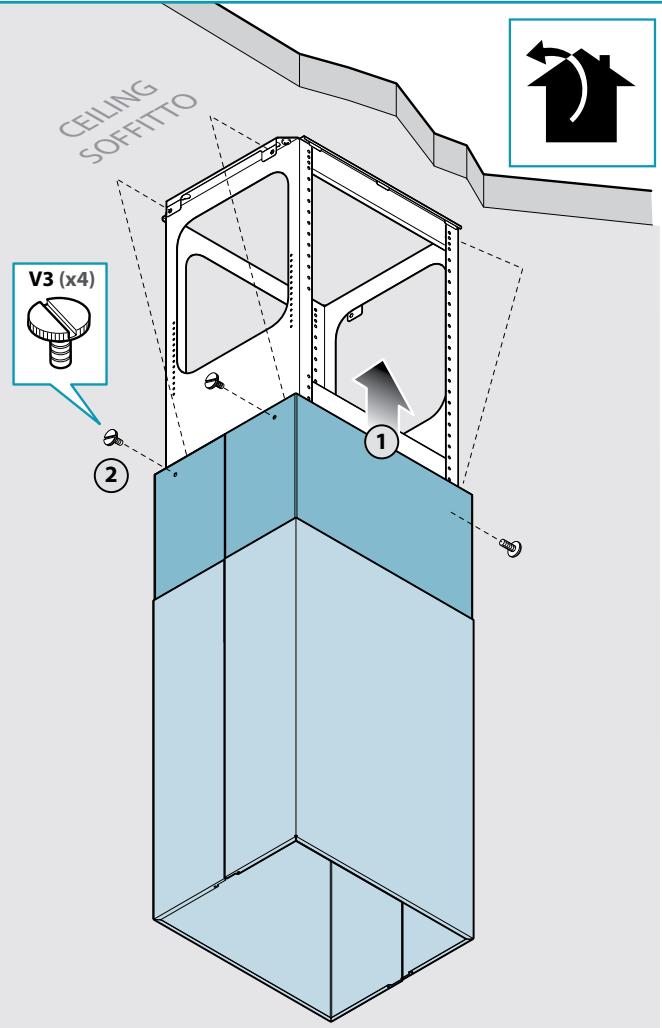
11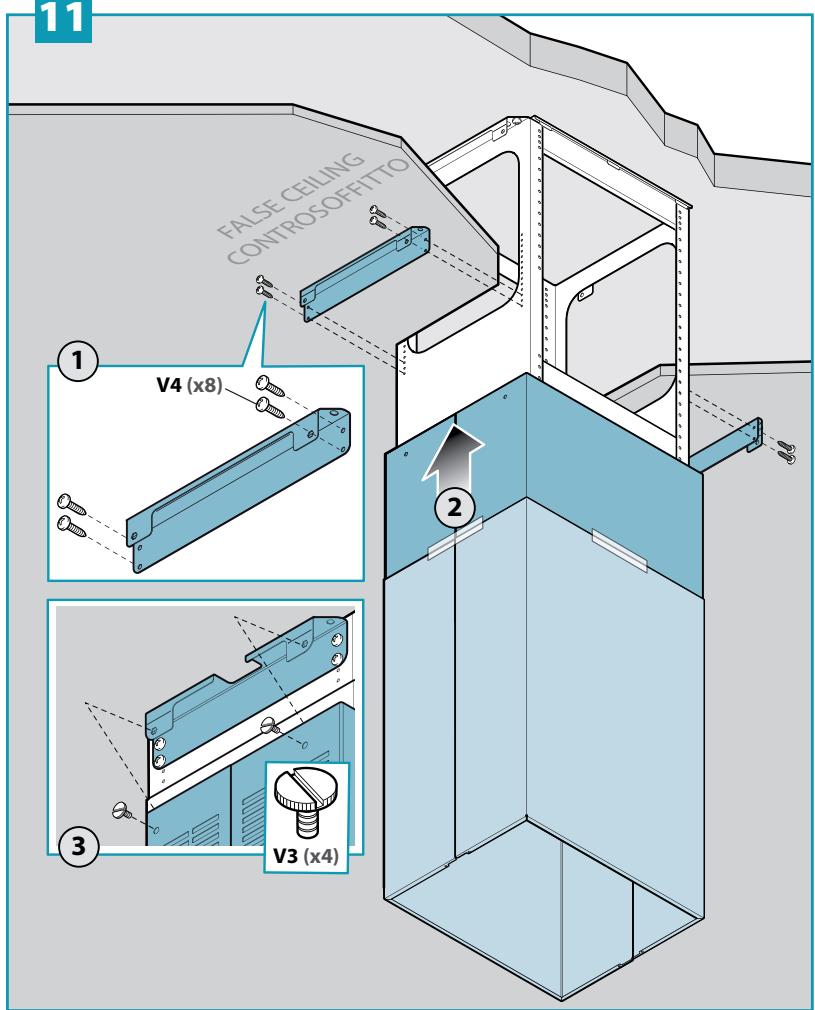
12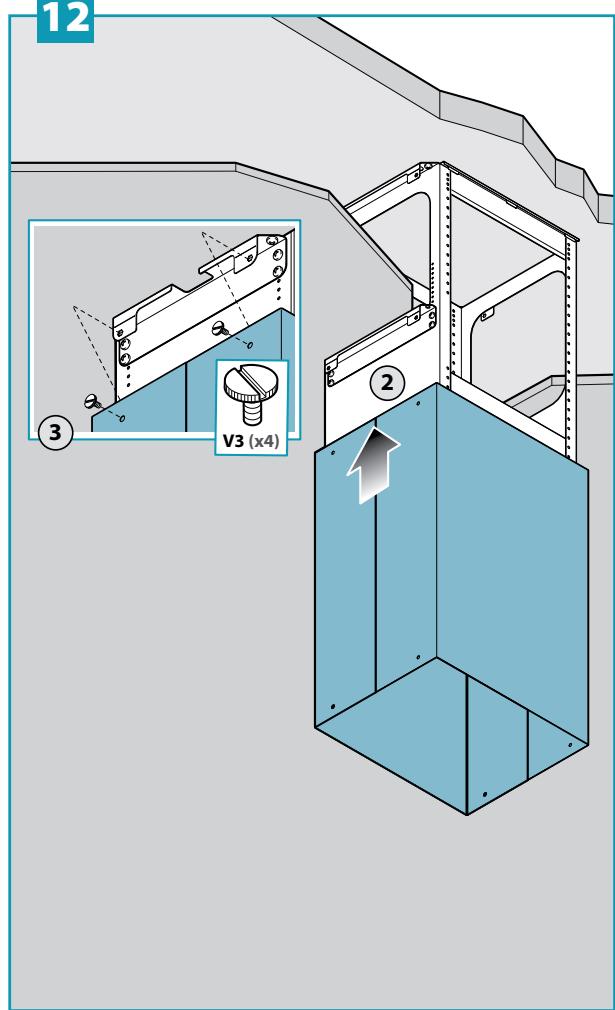
EN - Motor chamber installation (13); electrical connection and chimney + extension installation (14).
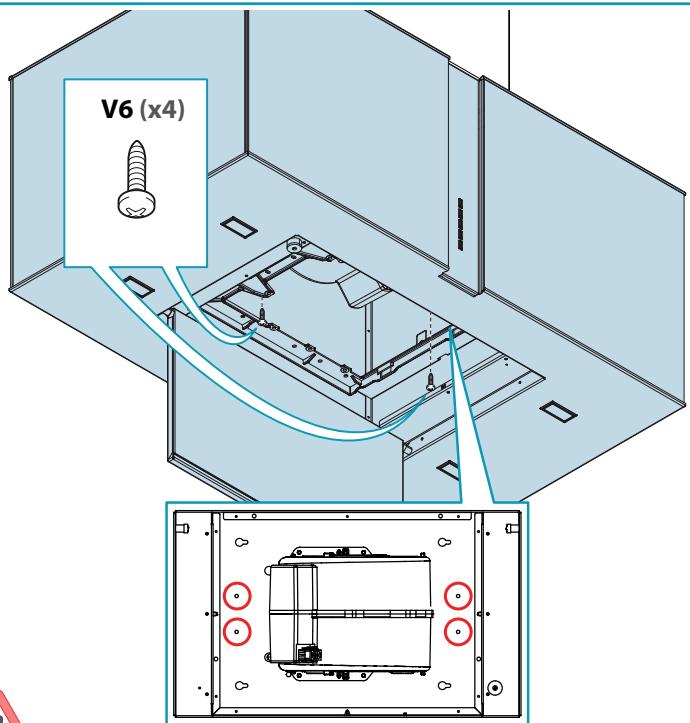

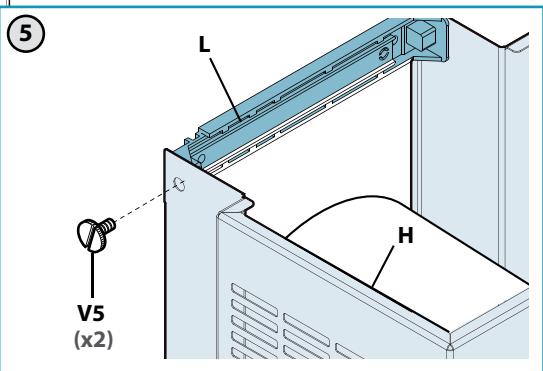
EN - Mandatory safety screws
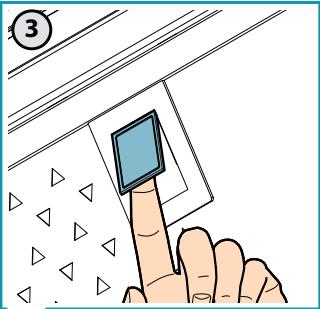
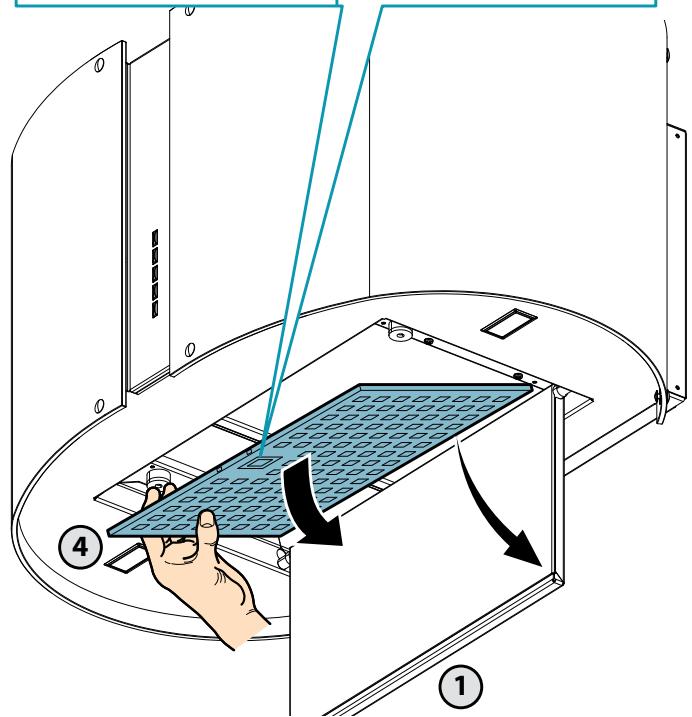
EN - Assembly of factory-fitted filter (1)+(2).
2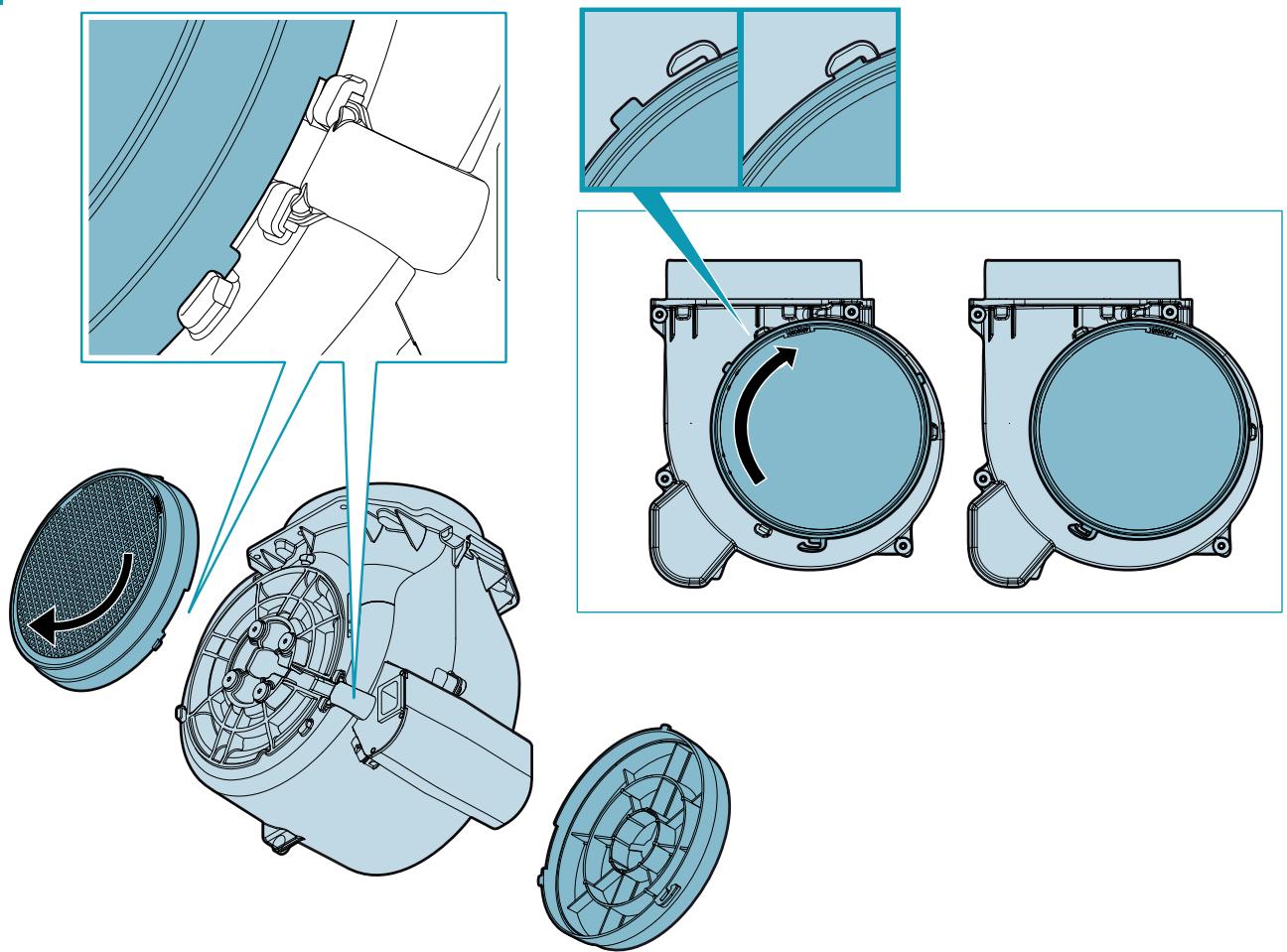
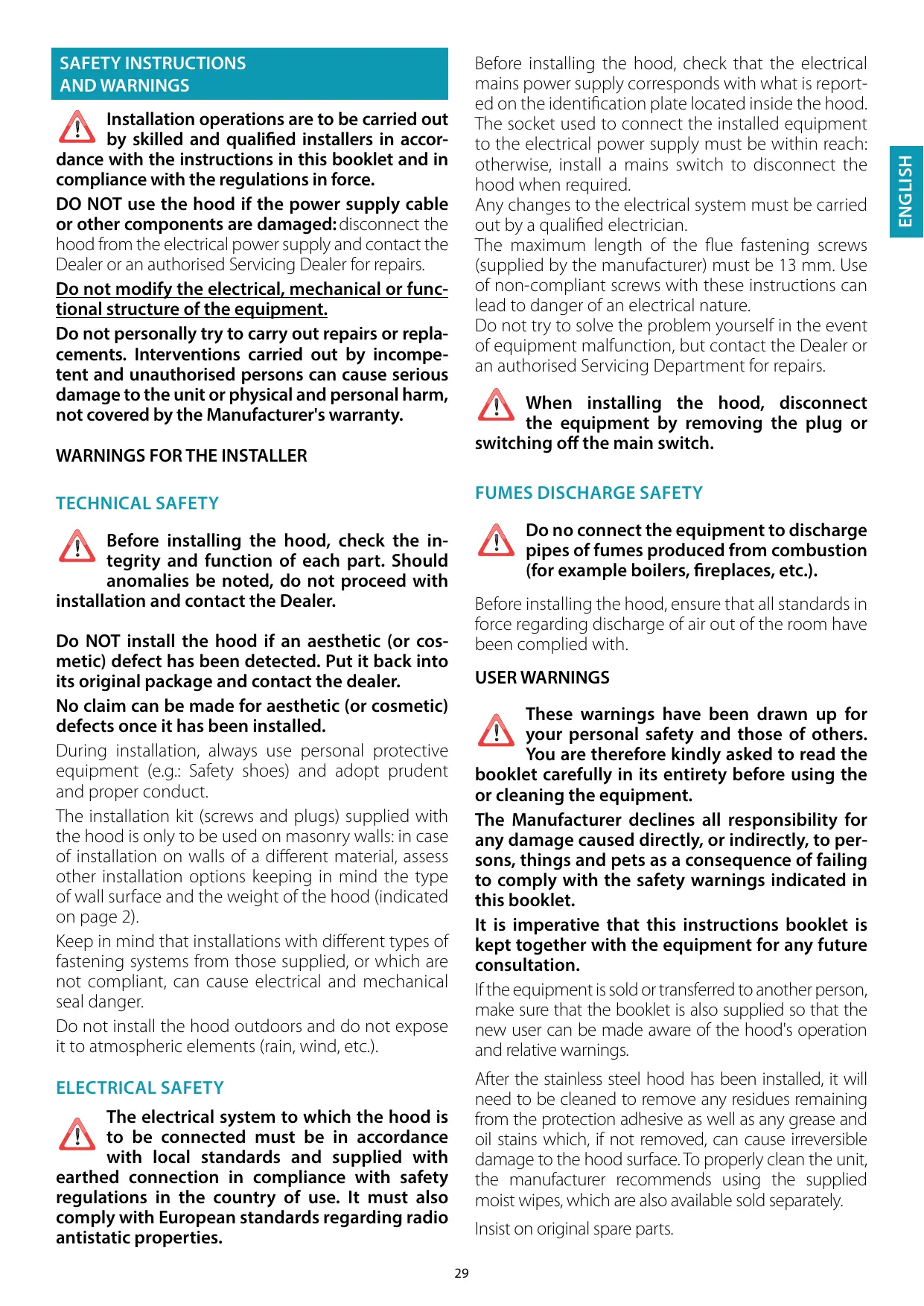
SAFETY INSTRUCTIONS AND WARNINGS
Installation operations are to be carried out by skilled and qualified installers in accordance with the instructions in this booklet and in compliance with the regulations in force.
DO NOT use the hood if the power supply cable or other components are damaged: disconnect the hood from the electrical power supply and contact the Dealer or an authorized Servicing Dealer for repairs.
Do not modify the electrical, mechanical, or functional structure of the equipment.
Do not personally try to carry out repairs or replacements. Interventions carried out by incompetent and unauthorized persons can cause serious damage to the unit or physical and personal harm, not covered by the Manufacturer's warranty.
WARNINGS FOR THE INSTALLER
TECHNICAL SAFETY
Before installing the hood, check the integrity and function of each part. Should anomalies be noted, do not proceed with installation and contact the Dealer.
Do NOT install the hood if an aesthetic (or cosmetic) defect has been detected. Put it back into its original package and contact the dealer.
No claim can be made for aesthetic (or cosmetic) defects once it has been installed.
During installation, always use personal protective equipment (e.g., safety shoes) and adopt prudent and proper conduct.
The installation kit (screws and plugs) supplied with the hood is only to be used on masonry walls: in case of installation on walls of a different material, assess other installation options keeping in mind the type of wall surface and the weight of the hood (indicated on page 2).
Keep in mind that installations with different types of fastening systems from those supplied, or which are not compliant, can cause electrical and mechanical seal danger.
Do not install the hood outdoors and do not expose it to atmospheric elements (rain, wind, etc.).
ELECTRICAL SAFETY
The electrical system to which the hood is to be connected must be in accordance with local standards and supplied with earthed connection in compliance with safety regulations in the country of use. It must also comply with European standards regarding radio antistatic properties.
Before installing the hood, check that the electrical mains power supply corresponds with what is reported on the identification plate located inside the hood. The socket used to connect the installed equipment to the electrical power supply must be within reach: otherwise, install a mains switch to disconnect the hood when required.
Any changes to the electrical system must be carried out by a qualified electrician.
The maximum length of the flue fastening screws (supplied by the manufacturer) must be 13 mm. Use of non-compliant screws with these instructions can lead to danger of an electrical nature.
Do not try to solve the problem yourself in the event of equipment malfunction, but contact the Dealer or an authorised Servicing Department for repairs.
When installing the hood, disconnect the equipment by removing the plug or switching off the main switch.
FUMES DISCHARGE SAFETY
Do not connect the equipment to discharge pipes of fumes produced from combustion (for example boilers, fireplaces, etc.).
Before installing the hood, ensure that all standards in force regarding discharge of air out of the room have been complied with.
USER WARNINGS
These warnings have been drawn up for your personal safety and those of others. You are therefore kindly asked to read the booklet carefully in its entirety before using or cleaning the equipment.
The Manufacturer declines all responsibility for any damage caused directly, or indirectly, to persons, things and pets as a consequence of failing to comply with the safety warnings indicated in this booklet.
It is imperative that this instructions booklet is kept together with the equipment for any future consultation.
If the equipment is sold or transferred to another person, make sure that the booklet is also supplied so that the new user can be made aware of the hood's operation and relative warnings.
After the stainless steel hood has been installed, it will need to be cleaned to remove any residues remaining from the protection adhesive as well as any grease and oil stains which, if not removed, can cause irreversible damage to the hood surface. To properly clean the unit, the manufacturer recommends using the supplied moist wipes, which are also available sold separately.
Insist on original spare parts.
INTENDED USE
The equipment is solely intended to be used to extract fumes generated from cooking food in non-professional domestic kitchens: any other use is improper. Improper use can cause damage to persons, things, pets and exempts the Manufacturer from any liability.
The equipment can be used by children over the age of 8 and by persons with reduced physical, sensory and mental abilities, or with no experience or knowledge, as long as they do so under supervision or after having received relative instructions regarding safe use of the equipment and understanding of the dangers connected to it.
Children are not to play with the equipment. Cleaning and maintenance by the user must not be carried out by children without supervision.
USE AND CLEANING WARNINGS

Before cleaning or carrying out maintenance operations, disconnect the equipment by removing the plug or switching the main switch.
Do not use the hood with wet hands or bare feet.
Always check that all electrical parts (lights, extractor fan) are off when the equipment is not being used.
The maximum overall weight of any objects placed or hung (if applicable) on the hood must not exceed 1.5 Kg.
Always supervise the cooking process during the use of deep-fryers: Overheated oil can catch fire.
Do not leave open, unattended flames under the hood.
Do not prepare food over an open flame under the hood.
Never use the hood without the metal anti-grease filters: in this case, grease and dirt will deposit in the equipment and compromise its operation.
Accessible parts of the hood can be hot when used at the same time as the cooking appliances.
Do not carry out any cleaning operations when parts of the hood are still hot.
There can be a risk of fire if cleaning is not carried out according to the instructions and products indicated in this booklet.
Disconnect the main switch when the equipment is not used for long periods of time.

If other appliances that use gas or other fuels are being used at the same time (boiler, stove, fireplaces, etc.), make sure the room
where the fumes are discharged is well-ventilated, in compliance with the local regulations.
INSTALLATION
only intended for qualified personnel

Before installing the hood, carefully read the chapter 'SAFETY INSTRUCTIONS AND WARNINGS'.
TECHNICAL FEATURES
The technical specifications are exhibited on the labels located inside the hood.
POSITIONING
The minimum distance between the highest part of the cooking equipment and the lowest part of the hood is indicated in the installation instructions.
Generally, when the hood is placed over gas cookers, the distance must be at least 65 cm (25.6"). However, according to an interpretation of standard EN60335-2-31 dated 11-07-2002 of TC61 (sub-clause 7.12.1 meeting 15 agenda item 10.11), the minimum distance between the cooker and lower part of the hood can be reduced to the quota reported in the installation instructions.
Should the instructions for the gas cooker specify a greater distance, this must be taken into consideration.
Do not install the hood outdoors and do not expose it to outdoor environment (rain, wind, etc.).
ELECTRICAL CONNECTION
(only intended for qualified personnel)

Disconnect the equipment from the electrical mains power supply before carrying out any operations on the hood.
Ensure that the wires inside the hood are not disconnected or cut:
in the event of damage, contact your nearest Servicing Department.
Refer to qualified personnel for electrical connections.
Connection must be carried out in compliance with the provisions of law in force.
Before connecting the hood to the electrical mains power supply, check that:
- voltage supply corresponds with what is reported on the data plate located inside the hood;
- the electrical system is compliant and can withstand the load (see the technical specifications located inside the hood);
- the power supply plug and cable do not come into contact with temperatures exceeding 70 °C;
- the power supply system is effectively and properly connected to earth in compliance with regulations in force; • the socket used to connect the hood is within reach.
In case of:
- devices fitted with cables without a plug: the type of plug to use is a "standardised" one. The wires must be connected as follows: yellow-green for earthing, blue for neutral and brown for the phase. The plug must be connected to an adequate safety socket.
- fixed equipment not provided with a power supply cable and plug, or any other device that ensures disconnection from the electrical mains, with an opening gap of the contacts that enables total disconnection in overvoltage category III conditions.
Said disconnection devices must be provided in the mains power supply in compliance with installation regulations.
The yellow/green earth cable must not be cut off by the switch.
The Manufacturer declines all responsibility for failure to comply with the safety regulations.
EXTERNAL EXHAUST HOOD (SUCTION)

In this version the fumes and vapours are discharged outside through the exhaust pipe.
To this end, the hood outlet fitting must be connected via a pipe, to an external output.
The outlet pipe must have:
- a diameter not less than that of the hood fitting.
- a slight slope downwards (drop) in the horizontal sections to prevent condensation from flowing back into the motor. • the minimum required number of bends.
- the minimum required length to avoid vibrations and reduce the suction performance of the hood.
You are required to insulate the pipes if it passes through cold environments. In the presence of motors with 800m3/h or higher, a check valve is present to prevent external air flowing back.
Deviation for Germany:
when the kitchen hood is used at the same time as appliances that are powered by energy other than electricity, the negative pressure in the room must not exceed 4 Pa (4 x 10⁻⁵ bar).
HOOD WITH INTERNAL RECIRCULATION (FILTERING)

In this model, the air passes through the charcoal filters to be purified and recycled in the environment.
Ensure that the active carbon filters are assembled into the hood, if not, install them as indicated in the assembly instructions.

In this version the check valve must not be assembled: remove it if it is on the air outlet fitting of the motor.
ASSEMBLY INSTRUCTIONS
only intended for qualified personnel

The hood can be installed in various configurations.
The generic assembly steps apply to all installations; for each case, follow the specific steps provided for the required installation.
OPERATION
WHEN TO TURN ON THE HOOD?
Switch on the hood at least one minute before starting to cook to direct fumes and vapours towards the suction surface.
After cooking, leave the hood operating until complete extraction of all vapours and odours. By means of the Timer function, it is possible to set auto switch-off function which will allow the hood to turn off automatically after 15 minutes of operation.
WHICH SPEED IS TO BE SELECTED?
1st speed: maintains the circulation of clean air with low electricity consumption.
2nd speed: normal conditions of use.
3rd speed: presence of strong odours and vapours.
4th speed: rapid disposal of odours and vapours.
WHEN SHOULD THE FILTERS BE WASHED OR REPLACED?
The metal filters must be cleaned every 30 hours of operation.
The active carbon filters must be replaced every 3-4 months, depending on the use of the hood.
For further details see the "MAINTENANCE" chapter.
ELECTRONIC PUSHBUTTON PANEL

| Motor ON/OFFUpon start-up, the speed is that stored at the previous operation. | ||
| Increase speed from 1 to 4Speed 4 is only active for a few minutes, then speed 3 activates. | The speeds are indicated by the LEDs on the keys: Speed 1 Speed 1 Speed 2 Speed 2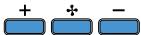 Speed 3 Speed 3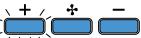 Speed 4("+" LED flashing) Speed 4("+" LED flashing) | |
| Reduce speed from 4 to 1 | ||
| Light on/offPress for 3 seconds for room lightWith motor OFF: Use + and — to adjust intensity | ||
| TIMER(red LED flashing)Auto switch-off after 15 min.The function deactivates (red LED off) if:- The TIMER key (💡) is pressed again.- The ON/OFF key (💡) is pressed. FILTER ALARM(red LED steady on with (💡) off)Anti-grease filter maintenance after approximately 30 hours of operation.Press (💡) the meter for 3 seconds to reset. | ||
MAINTENANCE

Before cleaning or carrying out maintenance operations, disconnect the equipment by removing the plug or switching off the main switch.
Do not use detergents containing abrasive, acidic or corrosive substances or abrasive cloths.
Regular maintenance guarantees proper operation and performance over time. Special attention is to be paid to the metal anti-grease filters: frequent cleaning of the filters and their supports ensures that no flammable grease is accumulated.
CLEANING OF EXTERNAL SURFACES
You are advised to clean the external surfaces of the hood at least once every 15 days to prevent oily substances and grease from sticking to them. To clean the brushed stainless steel hood, the Manufacturer recommends using "Magic Steel" wipes.
Alternatively and for all the other types of surfaces, it can be cleaned using a damp cloth, slightly moistened with mild, liquid detergent or denatured alcohol. Complete cleaning by rinsing well and drying with soft cloths.

Do not use too much moisture or water around the push button control panel and lighting devices in order to prevent humidity from reaching electronic parts.
The glass panels can only be cleaned with specific, non-corrosive or non-abrasive detergents using a soft cloth.
The Manufacturer declines all responsibility for failure to comply with these instructions.
GLASS CLEANING
To remove the glass, see the assembly instructions.
CLEANING OF INTERNAL SURFACES

Do not clean electrical parts, or parts related to the motor inside the hood, with liquids or solvents.
For the internal metal parts, see the previous paragraph.
METAL ANTI-GREASE FILTERS
It is advised to frequently wash the metal filters (at least once a month) leaving them to soak in boiling water and cleaning solution for 1 hour, taking care not to bend them.
Do not use corrosive, acid or alkaline detergents.
Rinse them well and wait for them to be completely dry before reassembling them.
Washing in a dishwasher is permitted, however, it may cause the filter material to darken: to reduce the possibility of this problem from happening, use low-temperature washes (55°C max.).
To extract and insert the metal anti-grease filters see the assembly instructions.
ACTIVE CARBON FILTERS
These filters retain the odours in the air that passes through them. The purified air is recirculated into the environment.
The active carbon filters must be replaced on average every 3-4 months under normal conditions of use.
See assembly instructions to replace the active carbon filters.
LIGHTING
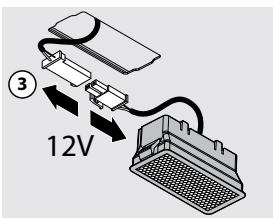
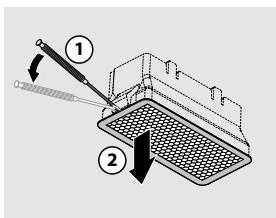
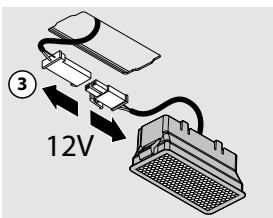
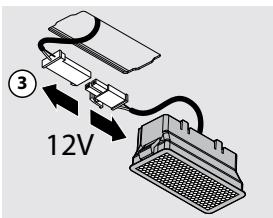
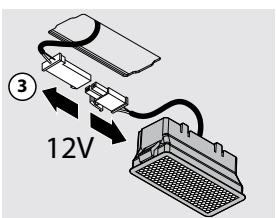
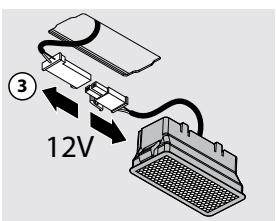
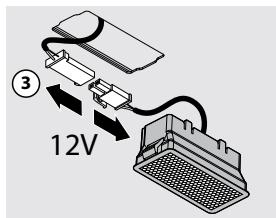
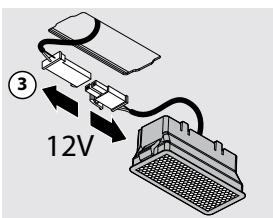
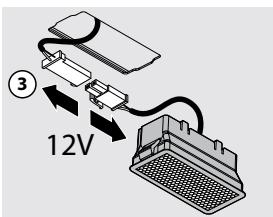
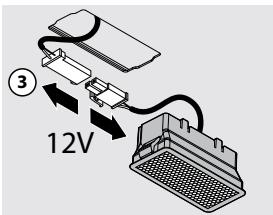
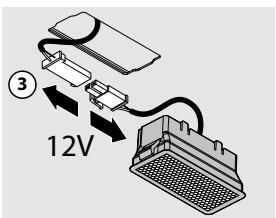
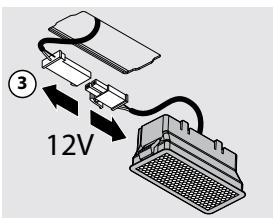
The range hood is equipped with high efficiency, low consumption LED spotlights with an extremely long life-span under normal use conditions.
Should the LED spotlight need to be replaced, proceed as shown in the figure.
DISPOSAL AFTER END OF USEFUL LIFE

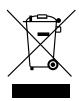
The crossed-out trash or refuse bin symbol on the appliance means that the product is WEEE, i.e. "Waste electrical and electronic equipment", accordingly it must not be disposed of with regular unsorted waste.
ted waste (i.e. with "mixed household waste"), but it must be disposed of separately so that it can undergo specific processing for its re-use, or a specific treatment, to remove and safely dispose of any substances that may be harmful to the environment and remove the raw materials that can be recycled. Proper disposal of these products contributes to saving valuable resources and avoids potential negative effects on personal health and the environment, which may be caused by inappropriate disposal of waste.
You are kindly asked to contact your local authorities for further information regarding the designated waste collection points nearest to you. Penalties for improper disposal of such waste can be applied in compliance with national regulations.
INFORMATION ON DISPOSAL IN EUROPEAN UNION COUNTRIES
The EU WEEE Directive was implemented differently in each country. Accordingly, if you wish to dispose of this appliance, we suggest contacting your local authorities or dealer to find out the correct method of disposal.
INFORMATION ON DISPOSAL IN NON-EUROPEAN UNION COUNTRIES
The crossed-out trash or refuse bin symbol is only valid in the European Union: if you wish to dispose of this appliance in other countries, we suggest contacting your local authorities or dealer to find out what the correct method of disposal is.

The Manufacturer reserves the right to make changes to the equipment at any time and without prior notice. Printing, translation and reproduction, even partial, of this manual are bound by the Manufacturer's authorisation.
The Manufacturer reserves the right to make changes to the equipment at any time and without prior notice. Printing, translation and reproduction, even partial, of this manual are bound by the Manufacturer's authorisation.
Technical information, graphic representations and specifications in this manual are for information purposes and cannot be divulged.
ACTIVE CARBON FILTERS
DISPOSAL AT END OF LIFE
DISPOSAL AFTER THE END OF THE SERVICE LIFE

SAFETY INSTRUCTIONS AND WARNINGS
EXTRACTION HOOD WITH EXTERNAL DISCHARGE

WHICH SPEED SHOULD BE SELECTED?
DISPOSAL AT END OF LIFE


DISPOSAL AT END OF LIFE

DISPOSAL AFTER THE END OF USE

DISPOSAL AT END OF LIFE






- MIRABILIA WALL
- SAFETY INSTRUCTIONS AND WARNINGS
- TECHNICAL SAFETY
- ELECTRICAL SAFETY
- FUMES DISCHARGE SAFETY
- USER WARNINGS
- INTENDED USE
- USE AND CLEANING WARNINGS
- INSTALLATION
- TECHNICAL FEATURES
- POSITIONING
- ELECTRICAL CONNECTION
- EXTERNAL EXHAUST HOOD (SUCTION)
- HOOD WITH INTERNAL RECIRCULATION (FILTERING)
- ASSEMBLY INSTRUCTIONS
- ONLY INTENDED FOR QUALIFIED PERSONNEL
- OPERATION
- WHEN TO TURN ON THE HOOD
- WHICH SPEED IS TO BE SELECTED
- WHEN SHOULD THE FILTERS BE WASHED OR REPLACED
- ELECTRONIC PUSHBUTTON PANEL
- MAINTENANCE
- CLEANING OF EXTERNAL SURFACES
- GLASS CLEANING
- CLEANING OF INTERNAL SURFACES
- METAL ANTI-GREASE FILTERS
- ACTIVE CARBON FILTERS
- LIGHTING
- DISPOSAL AFTER END OF USEFUL LIFE
- INFORMATION ON DISPOSAL IN EUROPEAN UNION COUNTRIES
- INFORMATION ON DISPOSAL IN NON-EUROPEAN UNION COUNTRIES
- THE MANUFACTURER RESERVES THE RIGHT TO MAKE CHANGES TO THE EQUIPMENT AT ANY TIME AND WITHOUT PRIOR NOTICE. PRINTING, TRANSLATION AND REPRODUCTION, EVEN PARTIAL, OF THIS MANUAL ARE BOUND BY THE MANUFACTURER'S AUTHORISATION
- DISPOSAL AT END OF LIFE
- DISPOSAL AFTER THE END OF THE SERVICE LIFE
- EXTRACTION HOOD WITH EXTERNAL DISCHARGE
- WHICH SPEED SHOULD BE SELECTED
- DISPOSAL AFTER THE END OF USE
Brand : FALMEC
Model : MANHAT 1281
Category : Kitchen hood