ASKO

T408HD.S - T408HD.W - Washing machine ASKO - Free user manual and instructions

Find the device manual for free T408HD.S - T408HD.W ASKO in PDF.

📄 52 pages PDF ⬇️ English EN 🔧 SAV 💬 AI Question 🖨️ Print
Notice ASKO T408HD.S  -  T408HD.W - page 1
View the manual : Français FR English EN
Manual assistant
Powered by ChatGPT
Waiting for your message
Product information

Brand : ASKO

Model : T408HD.S - T408HD.W

Category : Washing machine

Download the instructions for your Washing machine in PDF format for free! Find your manual T408HD.S - T408HD.W - ASKO and take your electronic device back in hand. On this page are published all the documents necessary for the use of your device. T408HD.S - T408HD.W by ASKO.
USER MANUAL T408HD.S - T408HD.W ASKO

TD75.13XX Carefully read the instructions for use before using the dryer. Tumble dryer T408HD Dear Customer, We thank you for purchasing this quality ASKO product. We hope it meets all your expectations. Scandinavian design combines pure lines, everyday functionality, and high quality. These are the key characteristics of all our products, and the reason why they are highly appreciated across the globe. We kindly recommend you to read these instructions before using the appliance for the first time. The instruction manual also includes information on how you can help protect the environment.

Cleaning and maintenance

Errors – what to do?

Before using the appliance for the first time

Installation and connection

Advices before drying

Drying process, step by step (1 – 7)

The following symbols are used throughout the manual and they have the following meanings: Information, advice, tip, or recommendation Warning – danger of hot surface Warning – general danger Warning – danger of fire Warning – danger of electric shock Original instructions

See Quick guide on the last page. SAFETY PRECAUTIONS GENERAL Please read the instruction manual and save it for future reference.

  • Please do not use the tumble dryer if you have not read and understood these instructions or use first.
  • Failure to observe the instructions for use or inappropriate use of the tumble dryer may result in damage to the laundry or appliance, or injury to the user.
  • Instructions for use are available on our website at www.asko.com.
  • Your dryer is intended solely for household use.
  • Before connecting the dryer to the power mains, please read carefully the instructions for use that describe the dryer and its correct and safe use. The instructions apply to several appliance types or models; thus, settings or equipment may be described herein which is not available in your dryer.
  • Leave any repairs and similar tasks on the dryer to an expert. Unprofessional repair may result in an accident or major malfunction.
  • After installation, the dryer should stand still for two hours before it is connected to the power mains.
  • At least two persons are required to install the tumble dryer on top of a washing machine.
  • The dryer shall not be connected to the power mains using an extension cord.
  • Do not connect the tumble dryer to an electrical outlet intended for an electric shaver or hair dryer. If the power cord is damaged, it has to be replaced by the manufacturer, an authorized service technician, or a similarly qualified person, in order to avoid any hazards. The appliance shall not be supplied through an external switching device, such as a timer, or connected to a circuit that is regularly switched on and off by a utility.
  • After the drying process, unplug the dryer power cord from the power outlet.
  • In case of incorrect appliance connection, incorrect use, or servicing by an unauthorized person, the user shall bear the cost of any damage.
  • Air in the dryer environment should not contain dust particles. The air where the dryer is installed should be thoroughly ventilated to prevent reverse flow of gases released from the gas appliances with open fire (e.g. fireplaces).
  • Do not evacuate the air from the dryer through channels used for appliances or devices that use natural gas or other fuels for their operation (only applies to the evacuation dryer).
  • Do not dry unwashed laundry in the dryer.
  • Laundry stained with oil, acetone, alcohol, oil derivatives, stain removers, turpentine, wax, and wax removers should be washed in a washing machine with hot water and detergent before it is dried in the dryer.
  • Clothing that includes latex, rubber parts, shower and bathing caps, and laundry or covers with rubber foam shall not be dried in the dryer.
  • Use laundry conditioners or similar products in compliance with manufacturer's instructions.
  • Do not place the dryer behind lockable or sliding door, or door with a hinge on the opposite side of the dryer door hinge. Install the dryer in such way that the door can always be freely opened.
  • Never block the air vents.
  • Do not place the dryer on a carpet with long fibres as this may impede air circulation.
  • The air in the room where the dryer is installed may not contain dust particles.
  • Make sure the fibres do not accumulate around the dryer. Remove all objects such as lighters and matches from the pockets.
  • After installation, wait for 24 hours before using the appliance. If the dryer has to be laid down on one of the sides during transport or servicing, place it with its left side, viewing from the appliance front, downwards (only applies to dryers with a heat pump).
  • The appliance shall not be in contact with a wall or adjacent furniture.
  • If the dryer is connected to an air exhaust system already used for another appliance, a non-return valve must be installed. Reverse flow into the dryer could damage the appliance, and the non-return valve prevents such reverse flow (only applies to the evacuation dryer).
  • A float will switch off the appliance if the condensed water pipe is clogged or if there is a risk of overflowing of the condensed water accumulated in the condensed water tank (only applies to the evacuation dryer).
  • If you wish to move the dryer or store it in a non-heated room during winter, it is essential that you first empty the condensed water tank (only applies to the condenser dryers and dryers with a heat pump).
  • Maximum drying capacity in kg (for the Cotton program) is indicated on the rating plate.

SAFETY Only use the dryer to dry laundry that was washed with water. Do not dry any laundry that was washed or cleaned with flammable cleaners or substances (such as gasoline, trichloroethylene etc.) as this may result in an explosion.

  • If you have cleaned your clothes with industrial cleaners or chemical substances, do not dry them in the dryer.
  • If the air exhaust hose is connected to an opening in the wall, influx of cool air may be prevented by installing a ventilation grille. (Only applies to evacuation dryer.) .
  • The air exhaust hose shall not be connected to an active chimney used to evacuate smoke or waste gases; into a shaft intended for ventilating rooms with combustion equipment; or into a chimney used by third parties. If smoke or waste gases return to the room where the dryer is installed, there is a danger of poisoning (only applies to evacuation dryer).
  • The dryer is protected with an automatic switch-off system in case of overheating. The system switches off the heater if the temperature is too high (only applies to evacuation and condenser dryer).
  • If the net filter is clogged, the automatic heater switch-off device can be triggered. See chapter "CLEANING AND MAINTENANCE" (only applies to evacuation and condenser dryer). WARNING! The back of the dryer may get very hot during operation. Wait for the dryer to cool down completely before touching its back side. (Observe the instructions in the chapter "INSTALLATION AND CONNECTION") Never stop a drying cycle or do not open the door before the end of the program. If you do so for any reason, be careful when taking the laundry from the drum as it can still be very hot and there is a risk of burning. Quickly remove the laundry from the drum and spread it to allow it to cool down as quickly as possible. CHILD SAFETY
  • Do not allow the children to play with the dryer.
  • Prevent your children and pets to enter the dryer drum.
  • Before closing the dryer door and running the program, make sure there is nothing except laundry in the drum (e.g. if a child climbed into the dryer drum and closed the door from the inside).
  • Activate the child lock. See chapter "SYSTEM SETTINGS", section Child Lock.
  • Do not let children younger than three years to come near the dryer, unless they are under constant supervision.
  • The dryer is made in compliance with all relevant safety standards. This dryer may be used by children aged 8 years and above and by persons with reduced physical, sensory or mental capabilities or lack of experience and knowledge, but only if they are supervised during the use of the appliance, if they have been provided relevant instructions regarding safe use of the dryer, and if they understand the hazards of inappropriate use. Make sure children do not play with the appliance. Make sure the children do not clean the dryer or perform any maintenance tasks without supervision. SAVE THESE INSTRUCTIONS FOR FUTURE REFERENCE!

Main switch (ON/OFF) Program selector knob Display unit Program selector buttons Button (start/pause) Rating plate with information about the dryer (on the inside of the dryer door) QR and AUID code (on the inside of the dryer door) Dryer door Door net filter Condensate tank (depending on the model) Heat pump Heat pump filter Air vents

BEFORE USING THE APPLIANCE FOR THE FIRST TIME PACKAGING Remove all packaging. Please sort the materials in compliance with local recommendations (see chapter "DISPOSAL"). CLEANING Disconnect the dryer from the power mains and open the door towards you. Clean the dryer drum with a damp cloth and a mild detergent. No program can be started while the door is open.

CHOOSING THE LANGUAGE

When the dryer is connected (see chapter "INSTALLATION AND CONNECTION") and switched on for the first time, choose the preferred language:

1. Press the button 2 or the program selector knob to scroll the list of languages. Confirm your selection by

pressing the OK button.

2. Press the " Finalize" button to confirm your selection.

For further drying process, see chapter "DRYING PROCESS, STEP BY STEP (1–7)". When you run the dryer for the first time, or if the dryer has been out of use for a long time, slight hitting noise may appear. This is normal and it will disappear after a few drying cycles.

After installation, wait for 24 hours without moving the appliance before using it for the first time. If the dryer has to be laid down on one of the sides during transport or servicing, place it with its left side, viewing from the appliance front, downwards. 90° 90° 90° 90° DRYER PLACEMENT Free-standing appliance The dryer may be placed adjacent to a washing machine. If the friction between the dryer feet and the floor is not sufficient, the dryer may move during operation. To prevent sliding, use a non-slide mat or install the supplied vacuum feet onto both front feet. The dryer can be either free standing or installed on top of a washing machine. The dryer emits heat. Therefore, do not place it in a very small room, as the drying process may be longer due to limited amount of ambient air. Do not place the dryer in a room where temperature can drop below 0 °C, as the machine may not operate correctly at such low temperatures, or freeze, which in turn can result in damage to the machine. For optimum dryer operation, install it in a room with adequate ventilation and a temperature between 10 °C and 25 °C. Do not place the dryer behind lockable or sliding door, or door with a hinge on the opposite side of the dryer door hinge. Install the dryer in such way that the door can always be freely opened. Never block the air vents. Do not place the dryer on a carpet with long fibres as this may impede air circulation. If the appliance is installed on a plinth or a similar structure, then the appliance must be fixed to it, to avoid the risk of falling. ASKO original accessories are available for this purpose, complete with fixing instructions. Place the dryer so that it is stable. Use a spirit level to level the dryer in longitudinal and traverse direction by rotating the adjustable feet using a No. 22 spanner (max. 15 mm). Then, firmly tighten the jam nuts (counter nuts) by rotating them towards the appliance bottom using a No. 17 spanner .

Clearance around the dryer for optimum operation 100 mm 50 mm Stacking on top of a washing machine To stack the dryer on top of a washing machine, use the extra vacuum feet and the tipping guard (A+B), supplied in the cardboard box in the dryer drum. Tipping guard part B is designed to fit on ASKO washing machines and it may be hard or impossible to mount on appliances of other brands. If the washing machine and dryer are not of matching dimensions or if you have installed a hidden helper between the two appliances, then binding plates are available as optional accessories at the service center (… available only for HH (acessory Hidden Helpers) and TD75 stacked on top of WM80 or WM85; not intended for any other combinations). 100 mm

The appliance shall not be in contact with a wall or adjacent furniture. For optimum dryer operation, observe the clearance from the wall as shown in Fig.

All ASKO washing machines can bear the weight of the dryer. Washing machine on which you wish to install the dryer must be able to bear the weight of the dryer (see washing machine’s rating plate or technical information). At least two persons are required to install the tumble dryer on top of a washing machine.

How to stack a dryer onto the washing machine (ASKO): There is a cardboard box in the dryer drum, containing the vacuum feet and the tipping guard.

The tipping guard consists of two metal parts (A + B). Use two screws to attach the A part to the back of the dryer.

Undo the screw on the back side of the washing machine.

Use the screw to attach the tipping guard (B part) to the back of the washing machine.

Level the washing machine so that it is stable.

1. Level the washing machine in longitudinal and

traverse direction by rotating the adjustable feet using a No. 32 spanner. The feet allow levelling by +/- 1 cm.

2. After adjusting the height of the feet, firmly

tighten the jam nuts (counter nuts) using a spanner No 17, by turning them towards the bottom of the washing machine .

3. Tighten the jam nuts (counter nuts).

1. Tighten the front two feet all the way in.

2. Undo the back feet by 3.5 turns or 5 mm; then,

fasten the jam nuts towards the bottom of the appliance .

Place the dryer onto the washing machine:

1. Lift the front part of the dryer by 5 to 10 cm.

2. Attach the vacuum feet onto the front feet of the

3. Push the dryer into the tipping guard (so that

the B part is inserted into the A part) and release it (See figure on previous page).

Make sure the tipping guard is "locked"!

To change the direction of door opening, proceed as follows.

Open the door fully.

Undo the screws and remove the door.

Use a screwdriver to remove the door lock cover and undo the screw on the door lock.

Push the door lock upwards and remove it. Move it to the other side and push it downwards.

Fasten the screw on the door lock. Replace the door lock cover. Undo the door hinge assembly (left) and the door latch assembly (right), switch their positions, and replace the screws (door hinge assembly to the righthand side, door latch assembly to the left-hand side).

Use a screwdriver to remove the plastic part more easily.

Undo the door ring and remove it temporarily. Rotate the door glass cover by 90°so that the sign indicating the opening of the door is on the other side.

Rotate the door ring by 180°, install it onto the door, and fasten it with screws.

Replace the door on the door hinge and fasten the screws.

BUILT-IN not possible to install the dryer anywhere else, then the refrigeration appliance must be sealed off from the dryer. Ventilation Requirements of ASKO laundry concept or closet installation ASKO's front panel controls make it possible to install the washers and dryers in a cabinet or closet. Make sure there is clearance between appliances and cabinet or wall and 25 mm minimum clearance between the rear edge of the appliance top panel and the cabinet or wall. When closet or cabinet is closed by the door, we recommend louvered doors, to ensure proper ventilation particularly for condenser dryers. Otherwise there must be ventilation openings on the door. See illustration of dimension for ventilation openings below: 1550 mm 50 mm 65 mm ASKO dryers can be installed beneath a cabinet or worktop with a minimum height of 864 mm. There must be a gap of about 12 mm all around the machine and a minimum gap of 25 mm between the rear edge of the machine top panel and the back wall. The opening width must be at least 622 mm. The condensing models work best when they have good air circulation. Install the dryer so the condensed water will continuously flow into a drain or sink, you will need a drain outlet behind the unit. The maximum drain height is 1016 mm. The height adjustment for the dryer is 850 mm to 876 mm. Do not raise it higher than 876 mm. It is very important to avoid a buildup of heat. 65 mm The warm air which is expelled from the rear of the dryer must be able to dissipate. 35 mm 635 mm 25 mm 12 mm 12 mm 465 mm Warm air which cannot dissipate could cause a fault. A buildup of heat could be avoided by:

  • Creating a gap for the dryer in the kitchen furniture plinth facing.
  • Creating ventilation gaps in the kitchen unit. When build under, drying times may be longer. The dryer should not be installed next to a refrigeration appliance. The warm air expelled from the rear of the dryer would increase the temperature around the refrigeration appliance heat exchanger causing the compressor to run continuously. If it is

Ensure the dryer door can be opened without hindrance after installation. The cool air intake panel at the front of the dryer must not be blocked or covered. Doing so could cause a fault. Disregarding of instructions influences on appliance performance and may also result in failure of the appliance.

DRAINING THE CONDENSATE

The moisture from the laundry is extracted in the condenser unit and accumulated in the condensate tank. Condensate tank has to be emptied regularly (see chapter "CLEANING AND MAINTENANCE"). To simplified and avoid emptying and interruption of the drying cycle due to full condensate tank, run the condensate discharge tube located at the back of the appliance directly into a drain (see chapter "SYSTEM SETTINGS/ Condensed water").

Connect the supplied drain hose to the same attachment (A).

Run the condensate drain hose into a drain. Tie the hose onto a tap (B) so that it cannot slip during use. The drain hose can also be fed into the washbasin siphon (C) or directly into the floor drain (D). Then, the water is pumped directly into a washbasin, a siphon, or a floor drain. max 1000 mm max 300 mm Remove the small short hose from the attachment (A). max 300 mm

Do not pull the drain hose, and make sure it is not under tension, clamped, or bent. If you decide to run the condensate drain hose into a drain, siphon, or washbasin, make sure the hose is securely fastened. This will prevent any water spillage that could result in unexpected damage. Always use hoses that are supplied with the appliance. If the dryer is connected to an air exhaust system already used for another appliance, a non-return valve must be installed. Return flow into the dryer could damage the appliance and the non-return valve prevents such flow.

After installation, the dryer should stand still for two hours before it is connected to the power mains. Connect the appliance to an earthed power outlet. After installation, the wall outlet should be freely accessible. The outlet should be fitted with an earth contact (in compliance with the relevant regulations). Connection upon delivery

Ser.No.: XXXXXXXX XXA XX Hz Refrigerant: X XXXX X kg Volume: XXXX Information about your dryer is indicated on the rating (type) plate. Use the type A differential current protection switch. The dryer shall not be connected to the power mains using an extension cord. Do not connect the tumble dryer to an electrical outlet intended for an electric shaver or hair dryer. Any repair and maintenance pertaining to safety or performance should be done by trained experts.

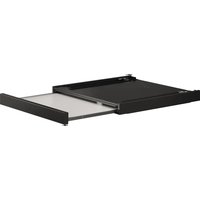
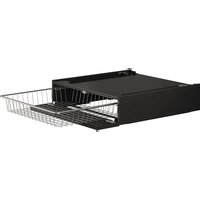
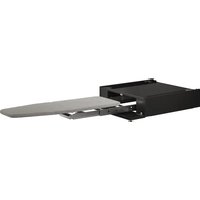
Laundry care ironing board The ironing board is a clever solution. It is always handy when you need to iron your clothes, and it can be easily, safely and invisibly stored away when not in use. It can be installed between your washer and dryer, or on top of one of them. Laundry care double A wire basket and pull-out shelf. It can be used as an additional surface for folding clothes, sorting socks and for storage. The basket is useful for removing and carrying laundry to the wardrobe or workbench for ironing and folding. It can be installed between your washer and dryer, or on top of one of them. Laundry care single Pull-out shelf. It can be used as an additional surface when folding clothes and sorting socks or for storage. It also makes loading and unloading your laundry much easier. It can be installed between your washer and dryer. Laundry care basket A large pull-out basket that is easily accessible via a push-pull door opening. Useful for removing laundry and carrying it to the wardrobe or workbench for ironing and folding. It can be installed between your washer and dryer, or on top of one of them. Pedestal drawer with shelf A useful storage drawer with a height of 30 cm. Ideal for storing your detergent, softener, coat hangers, pegs, user manuals and other useful items in the laundry area. The drawer also comes with a shelf for easy loading and unloading of your laundry.

Laundry care plinth Thanks to the stainless steel plinth, your appliance will be raised by 30 cm, which makes loading and unloading of laundry easier.

PEDESTAL DRAWER W. SHELF HPS5323 Stainless steel (only 8 or 9 kg models)

This chapter includes several advices on how to prepare the laundry from drying. LAUNDRY SYMBOLS LAUNDRY SORTING Textile maintenance symbols: Sort the laundry according to:

  • fabric thickness. For the most even drying, make sure the laundry is made of a similar material. Observe the laundry symbols. Washing Normal CLOTHING

1. Close the buttons, zips, and hook-and-loop

fasteners, so that they do not damage the fabric.

2. Turn the pockets inside out.

3. Place very sensitive clothes in a special-purpose

laundry washing bag. (The special purpose laundry bag is available as an optional accessory in general stores.) Delicate Max. washing temperature 90 °C Max. washing temperature 60 °C Max. washing temperature 40 °C Max. washing temperature 30 °C Hand wash only Do not wash Bleaching

Bleaching in cool water Bleaching not allowed Dry cleaning

Dry cleaning with all agents

Perchloroethylene R11, R113, petroleum

Dry cleaning in kerosene, pure alcohol, and R113 Dry cleaning not allowed Laundry to be dried in the dryer should be spun at a minimum of 1000 rpm. Higher spinning speeds will save energy and cut drying time. If you decide to dry only one large item, we recommend drying it separately from smaller items of laundry. Ironing Ironing with a hot iron with a maximum temperature of 200 °C Ironing with a hot iron with a maximum temperature of 150°C Ironing with a warm iron with a maximum temperature of 110°C Ironing not allowed Natural drying Drying on a flat surface Drying without prior spinning Drying on a clothes line or a hanger Tumble drying Drying at high temperatures Drying at low temperatures Tumble drying not allowed

Material is suitable for tumble drying. Clothes dried in a tumble dryer will be softer and lighter than air-dried clothes. The dryer does not cause any considerable wear of the fabric. The lint collected in the lint filter consists of dust and fabric fragments collected during the use of the laundry.

MATERIALS (FABRICS) THAT MAY NOT BE

DRIED IN A TUMBLE DRYER

This symbol means that the material is not suitable for drying in a tumble dryer. Never tumble dry the following:

  • clothing that was chemically cleaned (or drycleaned) at home,

See chapter "ADVICES BEFORE DRYING" Empty the pockets. Coins, nails etc. could damage the machine and the fabric. STEP 2: TURN ON THE MAIN SWITCH. Turning on / Turning off Press the on/off button. STEP 3: OPEN THE DRYER DOOR AND INSERT THE LAUNDRY. Open the dryer door towards you.

Place the laundry into the empty dryer drum. Make sure there aren't any other objects among the laundry, such a detergent ball. Such objects could melt and cause damage to the dryer or your laundry. Do not overload the drum! (See program table and observe your nominal load as indicated on the rating plate.) If the dryer drum is overloaded, the laundry will be more wrinkled and perhaps unevenly dried. With some models, the dryer drum is lit as well. The light in the dryer drum is not suitable for any other use. The light in the dryer drum may only be replaced by the manufacturer, a service technician or an authorized person.

STEP 4: CHOOSE THE DRYING PROGRAM. Choose the program by rotating the program selector knob in either direction. The program selector dial can be used when arrows appear on the display. Select the program based on the type and remaining moisture of the laundry you wish to dry. Anticipated program duration is indicated on the display. Extra program settings can also be selected for each program. See STEP 5. Choose between the following programs: Program

(Automatic intensive drying)

Use this program for thicker multi-layered non-sensitive cotton laundry. After drying, it will be completely dry and ready to be stored in the cupboard.

Use this program for thicker non-sensitive cotton laundry. After drying, it will be completely dry and ready to be stored in the cupboard.

Use this program for thicker non-sensitive cotton laundry of approximately the same thickness. After drying, it will be dry or slightly moist.

Use this program for non-sensitive cotton laundry. After drying, it will be ready for ironing.

This program is suitable for drying jeans and clothes with extra-thick seams.

3,5 Use this program for sensitive laundry made of a mixture of synthetic and cotton fibres. After drying, the laundry will be slightly moist.

1,5 Use this program to dry textiles stuffed or padded with down (pillows, duvets, jackets etc.). Dry large items separately and use the extra dry function or the time program if necessary.

Use this program for larger items. When the program is complete, they will be completely dry. Adjusted drum rotation prevents the laundry from tangling.

This short program is intended for softening or fluffing of clothes made of wool and silk, which have to be dried thoroughly according to manufacturer s instructions.

Max. kg* Description This program is suitable for large and small items made of thick terry such as towels and bathrobes. Program Max. kg* Description

Use this program to dry shirts and blouses. Adjusted drum rotation prevents the laundry from creasing.

Use this program for non-sensitive laundry washed with a quick program.

Use this program for non-sensitive laundry that is still slightly moist and has to be thoroughly dried. In the time program, remaining moisture is not detected automatically. If the laundry is still damp after the program is complete, repeat the program; if it is too dry and therefore creased and rough to touch, the drying time you selected was too long. Program duration can be adjusted from 30 minutes to 4 hours (in 15-minute steps).

This program does not use a heater. Use it to refresh your clothes. Program duration can be adjusted from 15 minutes to 4 hours (in 15-minute steps).

Use the program selector knob to select System Settings. Confirm the selection by pressing ENTER (button "2"). Then, use the program selector knob to scroll the list of settings. The following can be selected: The following options are available: – Child Lock, – Language (language selection), – Programs (set of programs), – Display (display unit: contrast & logo), – Sounds, – Condensed water, – Reset. See chapter "SYSTEM SETTINGS".

  • Max. kg dry load If your laundry is not dried to the desired dryness level, use extra program settings or use a more suitable program.

STEP 5: CHOOSING THE PROGRAM SETTINGS

Using the program settings, the drying programs can be further adjusted to your wishes. Some program settings may not be available for your selected program. Selected program settings will remain stored after the end of the drying cycle and may be changed subsequently (except for delayed start which is not stored after the drying is complete).

1. Dryness level (extra dry)

4. Acoustic signal (Buzzer)

5. Time (timed drying)

Choose the program settings before pressing the START button. When the drying program is in progress, program settings cannot be changed. Press and hold the button under a program setting to display the information (INFO) about it. Following are the program settings that may be selected using the buttons 1 to 6:

1. Dryness level (extra dry)

By pressing the 1 key, you can choose between extra dryness levels (+, ++, +++). Each time the button is pressed, the final level of laundry dryness and drying time will change.

This function pertains to what happens after the drying cycle. By pressing the button 2 you can choose the duration of the anti-crease program from 0 hours , in 1-hour steps.

By pressing the button 3, you can choose between loads of the dryer. Full load Small load Partial load Selection of actual load affects the initially displayed anticipated drying time.

4. Acoustic signal (Buzzer)

Press the button 4 to turn the buzzer indicating the end of the drying process on (ON) or off (OFF).

First, use the program selector knob to select the Timed program. Press the button 5 to select a drying time from 30 minutes to 4 hours, in 15-minute steps. Use the button 6 (OK) to confirm the Time program 2:15 selected drying time. Press the Start/ Pause button to start the drying process.

Press the button 6 to choose the Delayed Start when you wish the drying program to start after a certain period of time. Press the button 6 for to appear. Use Auto extra dry 6:00 the program selector knob or the button 6 to set the delay from 30 min to 6 hours in 30-minute steps, and then from 6 hours to 24 hours in 1-hour steps.

Press the button 5 (OK) to confirm the selected Delay Start time. Press the Start button to start. When the countdown reaches zero, the selected drying program will start automatically. 03:50 Delayed start countdown

To cancel the delay and start the drying process immediately, press the button When Start delay time is once set, it is not possible to change it; the only possibility is to »Skip it « with pressing on button and immediately continue with chosen program. If you do not take any action for 5 minutes, the display will switch to standby mode. Press the ON/OFF button to reactivate it. The countdown to the start of the drying cycle will be displayed. If the dryer is in the standby mode, the display will switch on 1 minute before the start of the drying cycle. After the countdown, drying time will be indicated on the display unit. Delayed start cannot be set for the favourite programs.

STEP 6: CLOSE THE DOOR AND START THE DRYING PROCESS. Close the dryer door and press the Start/Pause button. Start (pressed briefly – start/resume) Pause (pressed briefly – drying temporarily suspended) Cancel (press and hold the button for 3 seconds) Starting Info 2:20 Remaining time Depending on the selected program and load, anticipated drying time will be displayed in hours and minutes. Actual drying time will depend on the selected program, load, type of laundry, spinning rate etc. Actual drying time may be longer or shorter than initially displayed. Drying Info 2:19 Pausing, stopping or changing the program Paused Door is open, please close the door. Preparing for program canceling. Cooling down. Program canceled. Garments can still be hot. To pause a program, briefly press the Start/Pause button. To resume the program, press the Start/ Pause button again. The drying program may also be paused by opening the dryer door. To resume the programme, simply close the door and press the Start/Pause button. To stop and cancel the washing program, press the Start/Pause button and hold it for 3 seconds. The selected program will be stopped and the cooling stage will begin. Cooling time depends on the selected program. Only after the cooling is complete, can you use the program selector knob to select a new program and press the Start/Pause button. The final drying cycle includes a cooling down stage without heater operation. It makes sure the laundry is of suitable temperature at the end of the program and that it can be taken from the dryer without risk of touch hot clothes. A drying program can be paused using the ON/OFF button. The dryer will switch off. After the dryer is switched on, press the Start button to resume the program.

STEP 7: END OF PROGRAM

Cycle completed successfully Anti creasing After the end of the drying program, the display will indicate that the program has been successfully completed ("Cycle completed successfully"). Start new If you have selected the "Anti-crease" option, the dryer will continue to operate after the end of the drying cycle for the amount of time specified upon selection of this program setting. Cycle completed successfully Cycle completed successfully Start new Add fav

After the drying cycle, you have the possibility to save the program as a favorite program (see "Favourite programs"). Open the door towards you and remove the laundry from the dryer. Clean door filter

Clean the net filter in the door (see chapter "CLEANING AND MAINTENANCE").

Make sure the dryer drum is empty, then close the door. 5 minutes after the end of the program or last activation, the display will switch off to standby mode in order to save power. The display will light up again if you press the ON/OFF button or open the dryer door. After each drying cycle, clean the net filter in the door and empty the condensate tank. See chapter ”CLEANING AND MAINTENANCE”. A clogged net filter and heat pump filter may result in activation of the automatic overheating switch-off device. Clean the filter, wait for the machine to cool down, and try running it again. If the dryer still fails to start, call a service technician. After the drying process, unplug the dryer power cord from the power outlet.

Favourite programs/Add to fav? Cycle completed successfully Start new Add fav After the end of the drying program, you can use the button 6 to store the program, including all extra settings, as your favourite program.

Up to 4 favourite programs can be stored. Create your own list of favourite programs. Fav list position:

Confirm? Back Choose the favourite program position (number) using the button 2; the most recently used program, including all settings, will be offered. To store a program, confirm with the button 4.

Changing a favourite program If you wish to store a program after the end of the drying cycle, but there is no more room for another favourite program (only 4 favourite program slots are available), then one of the existing stored favourite programs can be substituted with a new one. Use the button 2 to scroll through the Fav list position:

Confirm? Back list of Favourite programs. Press the button 4 to confirm the program to be replaced.

Confirm the replacement by pressing the button 5.

SYSTEM SETTINGS In the main menu, use the program selector knob to select "System Settings". Confirm the selection by pressing the button 2. Enter System settings

Then, use the program selector knob to scroll the list of settings that can be changed.

  • Reset Use the button 6 (BACK) to return to "System Settings" or to the main menu. Press the INFO key to display brief information about the setting. CHILD LOCK Child lock Info Back Info Back Child lock can be activated by pressing the button 1 . This will prevent children from switching on the machine.

Child lock Press the button 1 to deactivate the child lock. When the child lock is activated, no other function can be selected.

To temporarily (for 3 minutes) switch off the child lock, press the 1 and 4 buttons simultaneously and keep them pressed for 3 seconds. Child lock locks user interface to any interactions. Hold for 3 sec to deactivate.

EU English Back You can choose between 24 languages. Press the button 3 for to appear. Use the program selector knob or the button 3 to scroll the list of languages. Use the button 6 (OK) to confirm the selected language. Use the button 6 to return to "System Settings".

PROGRAMS The main menu includes the entire set of programs that you can choose using the program selector knob. This setting allows only displaying the selected program in the main menu. Press the button 1 for to appear. Use Programs Sports wear Info Back the program selector knob or the button 1 to select a program. Use the button 3 to set whether this program is to be displayed or not:

Set the Contrast and Logo display.

Back Use the buttons 1 to 5 to set the Contrast.

Use the button 1 to toggle Logo display or off . The symbol means that logo will appear on the display when the machine is turned on. Use the button 6 to return to "System Settings". SOUNDS Choose whether audible signals are switched on or off. Sound Mid

Use the button 1 to switch acoustic signal on or off Use the button 4 to choose between the following settings: low, mid, and high. As you scroll through the options, a sample audible signal will be sounded. Use the button 6 to return to "System Settings".

CONDENSED WATER You can choose between draining condensed water into a condensate tank or directly into the drain. Press the button 1 for to appear. Tank Condensed water Use the program selector knob or the button 1 to choose between following: "Tank" – run condensate water into a condensate tank

"Drain" – run condensate water into a drain If you decide to choose option "Drain", Drain Condensed water it is necessary to observe how to connect drain hose (see chapter

"INSTALLATION AND CONNECTION /

Draining the condensate").

Press the button 6 to return to "System Settings". RESET This means that all settings will return to the default settings and your own settings will be deleted. Confirm the selection by pressing the Reset default Yes Info Back button 3 (YES). Press the button 6 to return to "System Settings".

SOUNDS In the initial stage of drying or during drying, the compressor and the pump may cause noise which, however, does not affect the dryer operation. Humming sound: this is the sound of the compressor unit. The level of noise depends on the program and the drying stage. Whirring sound: from time to time, the compressor unit is ventilated. Pumping sound: the pump is pumping the condensate into the condensate tank. Clicking sound: clicking noise is caused by automatic cleaning of the heat exchanger (compressor). Rustling water sound: can be heard during automatic cleaning. Rattling sound: can be heard during drying if laundry has any hard parts (buttons, zippers etc.)

CLEANING AND MAINTENANCE

Before cleaning, make sure to switch off the appliance and disconnect it from the power mains (unplug the power cord from the outlet). CLEANING THE DOOR NET FILTER IN THE DOOR

Open the filter housing.

Pull out the net filter.

Gently scrape the filter to remove the lint lining (fibres and threads).

Reinstall the net filter.

Close the filter housing. Make sure the net filter is correctly inserted into the filter housing. Clean the door net filter after each drying cycle. Never operate without a door net filter or if the door net filter is damaged.

After each drying cycle, empty the condensate tank. If the condensate tank is overflowing the drying program will be paused automatically. A warning will appear on the display unit that the condensate tank has to be emptied. (Disregard this warning if you fed the condensate discharge hose into a drain, siphon, or a sink.) Pull out the condensate tank from the dryer, then turn it upside down over a washbasin, sink, or any suitably sized vessel.

Discharge the water through the condensate drain opening. To make draining the tank easier, pull out the nozzle at the condensate drain.

Replace the condensate tank into the dryer housing. Water from the condensate tank is not drinkable. If thoroughly filtered, it can be used for ironing. Never add chemicals or fragrances into the condensate tank. Condensate tank does not require draining if the drain hose is connected directly to a washbasin or a bathroom floor drain (see chapter ”INSTALLATION AND CONNECTION/Draining the condensate”). Before moving the dryer or before storing it in a non-heated room during the winter, the condensate tank has to be emptied.

Do not touch the inner metal parts of the heat exchanger with bare hands. Danger of injury on sharp parts. Use appropriate protection gloves when cleaning the heat exchanger. Incorrect cleaning of the metal fins of the heat exchanger can permanently damage the tumble dryer. Do not press on the metal fins with hard objects like for example the plastic tube of a vacuum cleaner. During cleaning, some water may be spilled. It is therefore recommended to place an absorbent cloth on the floor. Open the outer cover.

Hold the levers on the inside cover and rotate them upwards. Remove the inside cover.

Use the handle to pull out the heat pump filter. Pull the foam part of the heat pump filter from the housing. Wash it under running water and dry it before replacing it in the filter housing.

The filter may be washed in the washing machine, with the rinse program on low spin speed. Dry the filter before replacing it in the filter housing. Clean the foam filter at least after every 10 drying cycles or if necessary.

Use a soft dry cloth to also clean the heat pump filter housing and net. Lower part of the hosing contains a strainer which shall be cleaned thoroughly. Clean the heat pump filter housing and net after every 10 drying cycles or if necessary. With automatic heat pump net filter cleaning (only available in some models), a few drops of water may drip on the floor after the filter is removed; therefore, lay a cloth on the floor. The dust and dirt in the metal fins of the heat exchanger can be cleaned with a vacuum cleaner and a soft brush attachment. Without pressing, gently move the brush attachment only in the direction of the metal fins from top to bottom. Too much pressure can damage or bend the metal fins of the heat exchanger. We recommend you clean the heat exchanger at least every twelve months.

Reassemble the foam filter and the filter housing. Reinstall the inside cover and rotate the levers clockwise to the vertical position. Close the outer cover.

The heat pump filter has to be correctly placed into its slot. Otherwise, the heat exchanger installed inside the dryer may be clogged.

CLEANING If you have inadvertently removed the entire net filter housing in the dryer door, reinstall it in the same position. Opening on the lower side of the door should occasionally be cleaned with a vacuum cleaner. If necessary, clean the filter housing and door gasket as well.

CLEANING THE APPLIANCE EXTERIOR

Clean the appliance exterior and the display unit using a soft damp cotton cloth and water. Do not use solvents or abrasive cleaners that could damage the appliance (please observe the recommendations and warnings provided by the manufacturers of the cleaning agents). Wipe all parts of the dryer with a soft cloth until dry. Keep the area around the dryer clean and cool. Dust, heat, and humidity will extend the drying time. Always disconnect the dryer from the power mains before cleaning.

ERRORS – WHAT TO DO? Disturbances from the environment (e.g. the power grid) may result in various error reports (see Troubleshooting table). In such case:

  • Switch off the appliance, wait for 1 minute, switch the appliance back on, and repeat the drying program.
  • If the error persists, call an authorized service center.
  • You will be able to solve most of the problems in dryer operation by yourself (see troubleshooting table below).
  • Repairs may only be carried out by an adequately trained person.
  • Repair or any warranty claim resulting from incorrect connection or use of the dryer shall not be covered by the warranty. In such cases, the costs of repair shall be charged to the user. The warranty does not cover the errors or failures resulting from disturbances from the environment (lightning strike, power grid failures, natural disasters etc.). Problem/error Cause What to do? The machine will not start.
  • The main switch is not switched on.
  • Check whether the main switch is on.
  • There is no voltage in the power outlet.
  • Check if the power cord plug is correctly inserted into the power outlet. There is voltage in • Program was not started
  • Re-read the instructions for use again. the outlet, but the in accordance with the drum does not spin instructions.
  • Check if the door is closed properly. The dryer does not • Door might be open. work.
  • The condensate tank is full
  • Empty the condensate tank (see section (only applies to condensation "CLEANING AND MAINTENANCE") (only applies dryer and the dryer with a heat to condensation dryer and the dryer with a heat pump). pump).
  • Delayed start might be activated. The machine
  • The door net filter may be stops operating clogged. As a result, the completely during a temperature in the dryer program. rises, which in turn causes overheating, and the dryer switches off.
  • To cancel the Delayed Start option, press 5 the Skip button.
  • Clean the door net filter (see chapter "CLEANING AND MAINTENANCE").
  • Wait for the machine to cool down, and try running it again. If the dryer still fails to start, call service centre. Problem/error Cause What to do? Laundry not dried or drying takes too long.
  • Filters are not clean.
  • Clean the filters (see chapter "CLEANING AND MAINTENANCE").
  • Dryer is placed in a closed room; room that is too cold; or room that is too small and the air overheats as a result.
  • Make sure there is adequate supply of fresh air to the dryer; for example, open the door and/or window.
  • Check if the temperature in the room where the dryer is installed is too high or too low.
  • Laundry was not sufficiently wrung or spun.
  • If the load is still wet after completed drying cycle, an appropriate drying program should be run again (after cleaning filters).
  • Amount of laundry dried in the appliance is too large or insufficient.
  • Use a suitable program or extra functions.
  • Laundry (such as bedding) gets tangled.
  • Close the buttons or zippers on the laundry before drying. Select a suitable program (e.g. the bedding program).
  • After the drying process, loosen the laundry and select an additional drying program (e.g. timed drying program). Unevenly dried laundry.
  • Laundry of varying types and thickness, and excessive amount of laundry.
  • Make sure you have sorted the laundry by type and thickness, whether you have added a suitable amount of laundry to the drum, and whether you have selected a suitable program. A slight hitting noise appears.
  • If the dryer is out of use for a long period of time, the same points of load-bearing elements or components are under stress for a long time, causing temporary deformation.
  • The noise will subside without any intervention. The door opens during drying.
  • Excessive load on the door (too much laundry in the drum).
  • Reduce the amount of laundry.

FAILURE DISPLAY In case of a failure while a program is in progress, the relevant Error X is indicated on the display unit. Press and hold the INFO button to Error 3 Info Exit display the error description. Press the 6 EXIT button to return to Main Menu. Switch off the dryer and turn it back on. Errors indicated on the display unit (depending on the model) may include the following: Problem/ error Error 0 Error 1 Error 2 Error 3 Error 4 Error 6 Error 7 Error 8 Error 9

Error indication on the display What to do? E0 - Please check user manuals or call service. Control unit failure. Call service centre. E1 - Thermistor fault. Please check user manuals or call service. Temperature sensor failure. Call service centre. E2 - Please check user manuals or call service. E3 - Pump failure. Please check user manuals or call service. E4 - Please clean filters or call service. Communication error. Call service centre. Failure on the pump for pumping the condensate into the condensate tank Call service centre. Control unit failure. Clean the filters. See chapter "CLEANING AND MAINTENANCE" or call service centre. E6 - Relay failure. Please check user manuals or call service. Control unit failure. Call service centre. E7 - Door failure. Please check user manuals or call service. Control unit failure. Call service centre. E8 - Button failure. Please check user manuals or call service. Control unit failure. Call service centre. E9 - PB/UI software versions are not compatible. Call service centre. INFORMATION before, during, and after the program (depending on the model) Error indication on the display What to do? EN: Steam tank is empty. Please fill water. Fill the steam tank with distilled water or condensate. Pour the water through the steam tank filter located in the condensate tank housing. See chapter "BEFORE USING

THE APPLIANCE FOR THE FIRST

TIME". EN: Steam tank full. Stop adding condensate or distilled water. EN: Please close the door before pressing start. Close the dryer door before starting or resuming the program. EN: Option not available at this phase of cycle. This option is not available. Select an option that is still available. EN: Cycle was interrupted by power failure. Please resume. Press the Start/Pause button to restart or resume the program. EN: Please empty the tank before resuming a cycle. See chapter "CLEANING AND MAINTENANCE". EN: Clean door filter. See chapter "CLEANING AND MAINTENANCE". EN: Clean the condenser unit. See chapter "CLEANING AND MAINTENANCE". EN: Please empty the water tank and clean door filter. See chapter "CLEANING AND MAINTENANCE". EN: Child lock is on. Press buttons for 3 sec to unlock. See chapter "SYSTEM SETTINGS".

1, 2, 3 See the chapters "TROUBLESHOOTING and "CLEANING AND MAINTENANCE" and see if you can resolve the problem yourself. When you contact a service centre, please state the model (1), type (2), and serial number (3) of your dryer. Model, type, and serial number are indicated on the rating (type) plate located on the interior side of the dryer door. QR and AUID code are also located on the inside of the dryer door. In case of a failure, only use approved spare parts by authorized manufacturers. Repair or any warranty claim resulting from incorrect connection or use of the dryer shall not be covered by the warranty. In such cases, the costs of repair shall be charged to the user.

Information sheet pursuant to the Commission Regulation (EU) No. 392/2012 Model TD75.13XX Max. drying capacity 8 kg (See rating plate) Energy efficiency class A+++ Annual energy consumption 176,80 (kWh/year)1) Power consumption Automatic normal drying with maximum load (Edry) 1,43 (kWh) Automatic normal drying with half load (Edry1/2) 0,81 (kWh) Power consumption Power consumption when off (Po) 0,25 (W) Power consumption when on (Pl) 0,80 (W) Condensation efficiency Automatic normal drying with maximum and half load (Ct) 91 (%) Automatic normal drying with maximum load (Cdry) 91 (%) Automatic normal drying with half load (Cdry1/2) 91 (%) Drying program Auto normal dry 2) Program duration (minutes) Automatic normal drying with maximum and half load (Tt) 143 (minutes) Automatic normal drying with maximum load (Tdry) 190 (minutes) Automatic normal drying with half load (Tdry1/2) 108 (minutes) Noise 64 (dB(A)) Dryer type (A = automatic, NA = not automatic)

Standby duration 5 (minutes) Condensation efficiency class A3)

Based on 160 standard drying cycles with the Auto Normal Dry program with full and half load, in compliance with EN61121. Actual power consumption will depend on the way the appliance is used. Auto Normal Dry program is intended for drying of normally wet cotton laundry. In terms of total energy consumption, it is the most efficient program for drying cotton laundry. On a scale from D (the least efficient) to A+++ (the most efficient).

STANDARD TESTS For standard tests, the condensate drain hose should be connected to a drain. Europe Energy declaration EN 611 21 (392/2012). Program 3 (Auto normal dry) , 8 kg; cotton, normal temperature. The appliance has been tested with 10A / 16A (depending on the model); single-phase current. See rating plate. Noise testing method IEC 60 704-2-6. TECHNICAL INFORMATION Height 850 mm Width 595 mm Depth 654 mm Weight (net) 54,4 / 55 / 56 / 56,8 kg (depending on model) Drum volume 117 l Maximum drying load See rating plate Speed 50–55 rpm Rated power See rating plate Drum material Stainless steel Housing material Hot-dip galvanized and powder coated sheet metal, or stainless steel sheet This product contains fluorinated greenhouse gases (depending on model). Type of refrigerant R134a R134a Quantity of refrigerant 0,34 kg 0,36 kg Total GWP

PROGRAM TABLE The table indicates the power consumption and time values for drying of a test batch of laundry with various loads and after spinning at various rates, consistently with the EN61121. The following requirements apply to the consumption values specified below. 50–60% Drying temperature Normal

0,32 0:45 Program Auto extra dry Auto dry Auto normal dry Auto iron dry Shirts Amount Program duration, approximately (h:min)* Inlet air humidity Power consumption, approximately (kWh)* room temperature Spinning speed (rpm) Inlet air temperature

Spinning speed (rpm) Power consumption, approximately (kWh)* Program duration, approximately (h:min)* Quick Pro Amount Program

  • Due to deviations in terms of type and amount of laundry, spinning, power supply oscillation, and environment temperature and humidity, the values measured at the user may differ from the one stated in the table.

DISPOSAL Disposal / recycling of packaging Our product packaging is made of environmentally friendly materials that can be recycled, disposed of, or destroyed without any hazard to the environment. To this end, packaging materials are labelled appropriately. The symbol on the product or its packaging indicates that the product should not be treated as normal household waste. The product should be taken to an authorized collection centre for waste electric and electronic equipment processing. When disposing of an appliance at the end of its useful life, remove all power cords and destroy the door latch and switch to prevent the door from locking or latching (child safety). Correct disposal of the product will help prevent any negative effects on the environment and health of people which could occur in case of incorrect product removal. For detailed information on removal and processing of the product, please contact the relevant authority in charge of waste management, your waste disposal service, or the store where you bought the product.

Sort the fabric by type and by how heavily soiled the laundry is. Observe the drying symbols on the laundry labels. Close the zippers, hook-and-loop fasteners and buttons. SWITCH ON THE MAIN ON/OFF SWITCH (ON/OFF)

OPEN THE DRYER DOOR AND INSERT THE LAUNDRY. Before doing so, make sure the drum is empty.

CHOOSE THE DRYING PROGRAM. Turn the program selector knob to the desired drying program.

CHOOSE THE PROGRAM SETTINGS. Choose the settings by pressing the relevant buttons.

CLOSE THE DRYER DOOR AND PRESS THE START BUTTON. Anticipated drying time, in hours and minutes, will be indicated on the display.

Open the door and remove the laundry from the dryer. Clean the filters. See chapter "CLEANING AND MAINTENANCE". Close the door. Switch off the main on/off switch. Remove the plug from the power outlet. We reserve the right to modifications.