
SAFEWATCH PRO - Home Security System ADT - Free user manual and instructions
Find the device manual for free SAFEWATCH PRO ADT in PDF.


| Product Type | Home Security System |
| Brand | ADT |
| Model | SAFEWATCH PRO |
| Dimensions (approx.) | 20 x 15 x 5 cm |
| Weight (approx.) | 0.5 kg |
| Power Supply | Mains 220-240 V, adapter included |
| Main Functions | Intrusion detection, audible alarm, smartphone connectivity, door/window sensors, motion detector |
| Care and Cleaning | Clean with a soft dry cloth. Do not use chemical products. |
| Safety | Approved by the Canadian Ministry of Communications, communication encryption |
| Spare parts and repairability | Contact ADT for spare parts. Repairs by an authorized center. |
| Load index (IC) | 100 maximum |
Frequently Asked Questions - SAFEWATCH PRO ADT
User questions about SAFEWATCH PRO ADT
0 question about this device. Answer the ones you know or ask your own.
Ask a new question about this device
Download the instructions for your Home Security System in PDF format for free! Find your manual SAFEWATCH PRO - ADT and take your electronic device back in hand. On this page are published all the documents necessary for the use of your device. SAFEWATCH PRO by ADT.
USER MANUAL SAFEWATCH PRO ADT
For proper intrusion coverage, sensors should be located at every possible point of entry to a home or commercial premises. This would include any skylights that may be present, and the upper windows in a multi-level building.
In addition, we recommend that radio backup be used in a security system so that alarm signals can still be sent to the alarm monitoring center in the event that the telephone lines are out of order (alarm signals are normally sent over the phone lines).
EARLY WARNING FIRE DETECTION
Early warning fire detection is important in a home. Smoke and heat detectors have played a key role in reducing fire deaths in the United States. With regard to the number and placement of smoke/heat detectors, we subscribe to the recommendations contained in the National Fire Protection Association's National Fire Alarm Code (NFPA 72). These recommendations can be found on page 31 of this manual.
About This Manual
This manual is a step-by-step guide that will acquaint you with the system's features and benefits. It defines the components and their functions, describes their operation, and provides clear step-by-step instructions for normal and emergency procedures. Keep this manual in a convenient place so that you can refer to it as necessary.
TABLE OF CONTENTS
SYSTEM OVERVIEW 4
General 4
Zones 4
Burglary Protection. 4
Chime Feature 4
Alarms 5
Memory of Alarm 5
Phone Access & Voice Response Capability. 5
Paging Feature 5
ABOUT THE TOUCHPADS 6
General 6
Touchpad Styles 6
FUNCTIONS OF THE TOUCHPAD 8
SECURITY CODES 10
To Assign, Change, or Delete User Codes 10
Duress Code 10
To Change Your Master Code. 11
Quick Arming. 11
Phone Module. 11
ENTRY/EXIT DELAYS 12
General Information 12
Exit Delay Alert Sound. 12
CHECKING FOR OPEN ZONES 13
BYPASSING PROTECTION ZONES 14
Using the BYPASS Key 14
Quick Bypass. 15
ARMING PERIMETER ONLY (STAY) 16
ARMING PERIMETER ONLY (INSTANT) 17
ARMING ALL PROTECTION (AWAY) 18
DISARMING THE SYSTEM/CLEARING ALARMS.....19
EXIT ALARMS 20
CHIME MODE 21
PANIC KEYS 22
OUTPUT RELAY OPTIONS 23
TROUBLE CONDITIONS 26
"CHECK" and "BATTERY" Displays. 26
OtherTroubleDisplays 27
Total Power Failure 28
In The Event Of Telephone Operational Problems 28
FIRE ALARM SYSTEM 29
General 29
Silencing Fire Alarms 29
Manually Initiating a Fire Alarm 30
NFPA RECOMMENDATIONS 31
EMERGENCY EVACUATION 32
QUICKGUIDETO SYSTEMFUNCTIONS 33
SUMMARY OF AUDIBLE/ VISUAL NOTIFICATIONS...34
English Display Touchpads 34
Custom Display Touchpads 35
PROTECTION ZONES LIST 36
CANADIAN (DOC) STATEMENT 37
FCC STATEMENTS 38
LIMITATIONS STATEMENT 40
LIMITED WARRANTY 42
SYSTEM OVERVIEW
General
Congratulations on the installation of an ADT Security System. You've made a wise decision in choosing it, for it represents the latest in security protection technology today, including microcomputer technology to monitor all system status.
Basically, this system offers you two forms of protection: burglary, fire and emergency. Your system may consist of at least one touchpad which provides full control of system operation, various sensors such as motion detectors and door and window sensing devices. Your system may also have been programmed to automatically transmit alarm or status messages over the phone lines to an ADT Customer Care Center.
All system functions are controlled by your touchpad(s), which are described in the next section, ABOUT THE TOUCHPADS.
Zones
Your system's sensing devices have been assigned to various "zones". For example, the sensing device on your Entry/Exit door may have been assigned to zone 01, sensing devices on windows in the master bedroom to zone 04, and so on. These zone numbers will appear on the display when an alarm or trouble condition occurs.
Burglary Protection
To initiate burglary protection in your system, it must be turned on or "armed" before it will sense burglary alarm conditions and sound an alarm. Your system can be armed in one of three modes: STAY, AWAY, and INSTANT. Refer to the ARMING THE SYSTEM sections for instructions in using these modes of operation.
Chime Feature
When disarmed, your system can be set to alert you to the opening of a door or window by using the CHIME mode. In this mode, three tones will sound at the Touchpad(s) whenever a door or window is opened.
SYSTEM OVERVIEW
Alarms
When an alarm occurs, both the touchpad and external sounders will sound, and a message at the touchpad will identify the zone(s) causing the alarm. In addition, an alarm message will be sent to the ADT Customer Care Center. To stop the alarm sounding, you simply disarm the system.
Memory of Alarm
The touchpad displays the zone number and type of alarm for any zone that has an alarm condition. These messages will remain displayed even after disarming until cleared by a user. Note the zone number displayed on the touchpad and perform a second OFF sequence to clear the "Memory of Alarm" and restore the "Ready" message display. If the Ready message will not display, go to the displayed zone and remedy the fault (close windows, etc.). If the fault cannot be remedied, notify the ADT Customer Care Center.
Phone Access & Voice Response Capability (Optional)
Your system may include a phone module that will permit you to access the system via a Touch-tone phone, either on-premises or by call-in when away. The phone access feature will enable you to do the following:
- Receive synthesized voice messages over the telephone regarding the status of the security system.
- Arm and disarm the system and perform most function commands via the telephone, with voice confirmation provided after each command entry.
Complete information regarding the use of this feature is provided in a separate manual entitled PHONE ACCESS USER'S GUIDE, which accompanies the voice module.
Paging Feature
If the paging feature has been programmed for your system, a pager will respond to certain conditions as they occur in your system, and display code numbers indicating the type of condition that has occurred.
For detailed information, refer to PAGING FEATURE on page 25.
ABOUT THE TOUCHPADS
General
Your touchpads allow you to control all system functions. The touchpads feature a telephone style (digital) touchpad and a Liquid Crystal Display (LCD) which shows the nature and location of all occurrences.
The touchpads feature a built-in sounder which emits alarm sounds during alarm and trouble conditions, and produces warning tones during entry and exit delay periods. The sounder also provides acknowledgment tones when keys are pressed, and confirmation tones for successful command entries.
Touchpad Styles
There are two styles of touchpads, Custom Display Touchpads and English Display Touchpads, either of which may have been used in your system (see page 9). Although different in appearance, both styles are functionally the same, except for their display windows. The keys on these touchpads are located behind a flip-down cover, which can be removed if desired.
- Custom Display Touchpads
These feature a 2-line, 32 character alphanumeric Liquid Crystal Display (LCD) which can display the nature and location of all occurrences in friendly English.
- English Display Touchpads
These are functionally similar to the Custom Display touchpads, except that their LCD display uses pre-designated (fixed) words to identify the nature and location of occurrences.
Unless stated otherwise, all commands and procedures described herein apply equally to both styles of touchpads.
Typical displays that would appear on both Custom Display touchpads and English Display touchpads are depicted throughout this manual.
ABOUT THE TOUCHPADS
English Display Touchpad
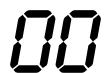
AWAY All burglary zones, interior & perimeter, are armed.
STAY Perimeter burglary zones, such as windows and doors are armed. Interior zones are off.
INSTANT Perimeter burglary zones armed and entry delay is turned off.
BYPASS One or more burglary protection zones have been bypassed.
ALARM CHECK FIRE
AWAY
STAY
INSTANT BYPASS
NOT READY
NO AC
CHIME
BAT
ENGLISH DISPLAY TOUCHPAD
NOT READY Appears when burglary portion of the system is not ready for arming (due to one or more open protection zones).
READY The burglary portion of the system is ready to be armed.
NO AC Appears when AC power has been cut off. System is operating on backup battery power.
AC Appears when AC power is present.
CHIME Appears when the CHIME feature is ON.
BAT Low system battery (if no zone number is shown), or Low battery condition in a wireless sensor (if zone number is also shown).
ALARM Appears when an intrusion has been detected and the system is armed. Accompanied by the ID number of the zone in alarm. FIRE also appears when a Fire Alarm has occurred.
CHECK Appears when a malfunction is discovered in the system at any time or if a fault is detected in a DAY(Trouble)/NIGHT(Alarm) burglary zone during a disarmed period. Accompanied by a display of zone number in trouble.
FIRE Appears when a fire alarm is present. Accompanied by a display of the zone number in alarm.
FUNCTIONS OF THE TOUCHPADS
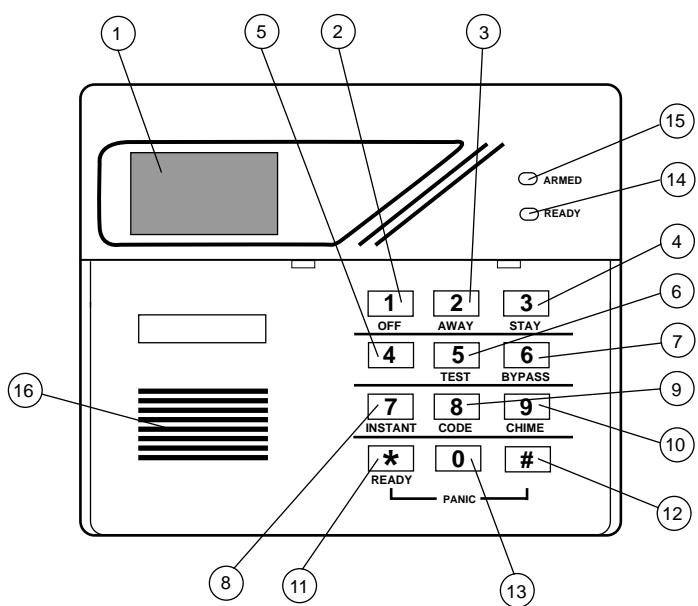
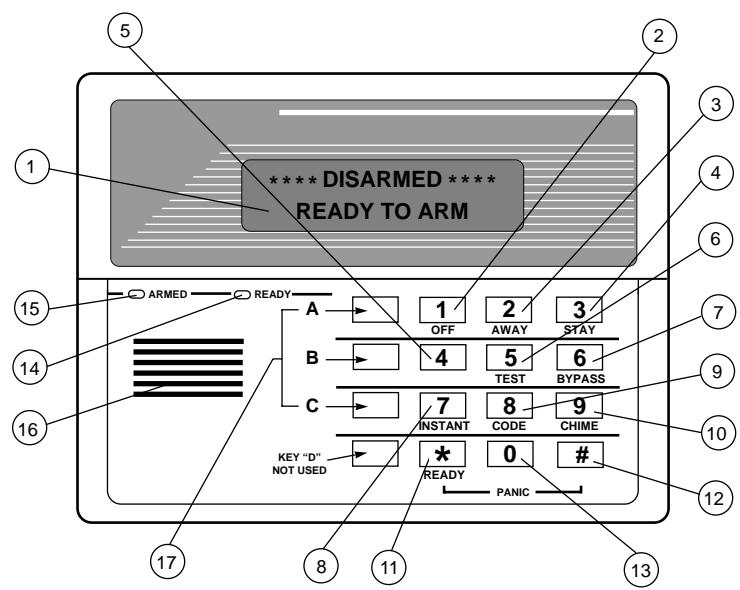
- DISPLAY WINDOW.
Custom Display Touchpads: A 2-line, 32-character Liquid Crystal Display (LCD). Display protection point identification, system status, and messages.
English Display touchpads: Display protection zone ID and system status messages using pre-designated words.
- 1 OFF KEY: Disarms burglary portion of the system, silences alarms and audible trouble indicators, and clears visual display after problem's correction.
- 2 AWAY KEY: Arms the entire burglary system, perimeter and interior.
- 3 STAY KEY: Arms perimeter portion of burglary system only. Interior protection is not armed, allowing movement within premises without causing alarm.
- 4 This is not a Function key. Used only as a numeric key.
- TEST KEY: Tests the system and alarm sounder if disarmed. Refer to TESTING THE SYSTEM section for test procedures.
- 6 BYPASS KEY: Removes individual protection zones from being monitored by the system.
-
7 INSTANT KEY: Arms in manner similar to STAY mode, but without the entry delay feature. Entering via the entry/exit door will cause an instant alarm.
-
8 CODE KEY: Used to assign additional user codes
English Display Touchpad
Custom Display Touchpad
(Touchpads shown with flip-down key cover removed)
IMPORTANT!
When entering codes and commands, sequential key depressions must be made within 10 seconds of one another. If 10 seconds elapse without a key depression, the entry will be aborted and must be repeated from its beginning. Be sure to observe this precaution when performing any of the procedures in this manual.
- If you make a mistake while entering a security code, stop, press the [] key, and then start over. If you stop in the middle while entering a code, and then immediately start the entry over, an erroneous code might be entered.
SECURITY CODES
General
At the time of installation, your installer programmed a personal four-digit Master code, known only to you and yours. This code is used to perform most system functions, including arming and disarming of the system. As an additional safety feature, temporary User Codes can be assigned for use by those not having a need to know the Master code. Note: The Master code remains in effect even when other user codes are assigned.
IMPORTANT! When performing any of the procedures that follow, do not allow more than 10 seconds to elapse between steps, otherwise the entry will be aborted, and the procedure must be repeated from its beginning.
To Assign, Change, or Delete User Codes
It is recommended that obvious codes such as 1-1-1-1 or 1-2-3-4 not be assigned.
Temporary users should not be shown how to use any system function that they do not need to know (e.g., how to bypass protection zones).
Duress Code
The Master security code can be used to assign up to 5 secondary User codes. It can also be used to change any User code or to remove (delete) any User code from the system.
To Assign or Change a User Code:
- Enter your Master code and press the CODE [8] key.
- Enter the single-digit User Number for whom a code is to be assigned or changed. (User Nos. 3 to 7 may be assigned.)
- Enter the desired 4-digit code for use by that User Number. The touchpad will beep once when a User code has been successfully entered.
Example: To assign a User code to user number 3, key the following:
MASTER CODE + 8 + 3 + DESIRED 4-DIGIT USER CODE.
To Delete a User Code:
Perform steps 1 and 2 above and then stop. In a few moments, the touchpad will beep once, indicating that the existing code has been deleted.
This feature is intended for use when you are forced to disarm or arm the system under threat. When used, the system will act normally, but can silently notify the Customer Care Center of your situation, if that service has been provided.
The Duress code may be any unused 4-digit code assigned to User Number 8.
SECURITY CODES (Continued)
Duress Code (Con'd)
CAUTION:
Use of a Duress code may inadvertently cause a Duress signal to be sent to the Customer Monitoring Center.
Extreme caution must be used in using this feature to prevent false alarms.
To Change Your Master Code
To program a Duress code:
Enter your Master Code +8 + 8 + [desired 4-digit duress code].
The touchpad will beep once, indicating acceptance.
Important: The Duress code must differ from the Master Code or any other User's Code!
To change the Duress code:
Enter Master Code + 8 + 8 + [new 4-digit duress code].
To delete the Duress code:
Enter your Master Code +8 + 8 , and then stop.
When the touchpad beeps once it signifies that the code has been deleted.
- Enter your Master code and press the CODE [8] key.
- Enter "2".
- Enter your new Master code.
- Enter your new Master code again. The touchpad will beep 3 times, indicating acceptance.
Example: MASTER CODE + 8 + 2 + NEW MASTER CODE + NEW MASTER CODE again
"Quick Arming"
Using the # Key

If your system supports "Quick Arming", the [#] key can be pressed in place of the security code when arming the system. The security code is always required, however, when disarming the system. Ask your installer if "Quick Arming" is active for your system; if so, check here.
Smartphone
PHONE ACCESS CODE (if applicable)
If your system includes a Smartphone module, your installer will have programmed a 2-digit phone access code for your system, which you should record in the boxes on the left.
Complete information regarding the use of this phone access feature is provided in a separate manual entitled PHONE ACCESS USER'S GUIDE, which accompanies the Smartphone module.
ENTRY/EXIT DELAYS
General Information
Your system has preset time delays, known as exit delay and entry delay. When you arm your system, the exit delay gives you time to leave through the designated entry/exit door(s) without setting off an alarm.
The Main entry delay gives you time to disarm the system when you re-enter through the designated main entry/exit door. The Secondary entry delay will have been assigned to another type of entry (check with your installer). The system must be disarmed before an entry delay period ends, or an alarm will occur. The touchpad will beep slowly during the entry delay period, reminding you to disarm the system.
You can also arm the system with no entry delay at all by using the INSTANT arming mode. This mode can provide greater security while you are sleeping, but should be used with care since an alarm will result if any entry/exit or perimeter protection point is violated (door, window, etc., is opened).
Your Exit and Entry Delay times are as follows:
Exit Delay: 60 seconds
Main Entry Delay: 45 seconds
Secondary Entry Delay: 10 seconds
Remember, there will be no entry delay when arming INSTANT.
Exit Delay Alert Sound
When arming AWAY (see page 18), slow beeps will sound from the touchpad during the exit delay, reminding you to exit. These turn to fast beeps during the final five seconds of the exit time.
These beeps may be silenced by pressing any key on the touchpad after arming.
CHECKING FOR OPEN ZONES
Using the READY Key
Before arming your system, all protected doors, windows and other protection zones must be closed or bypassed (see BYPASSING PROTECTION ZONES section), otherwise the touchpad will display a "Not Ready" message, and the READY indicator light on your touchpad will not be lit. The READY key can be used to display all faulted zones, making it easier for you to secure any open zone.
To display faulted zones, simply press and release the READY [×] key (do not enter code first).
Secure or bypass the zones displayed before arming the system.
A "Ready" message will be displayed when all protection zones have been either closed or bypassed and the touchpad's READY indicator light will be lit. The system can then be armed if desired.
READY TO DISPLAY OPEN ZONES, PRESS THE KEY.
TYPICAL DISPLAYS WHEN NOT READY TO ARM
DISARMED - PRESS TO SHOW FAULTS
CUSTOM DISPLAY TOUCHPAD
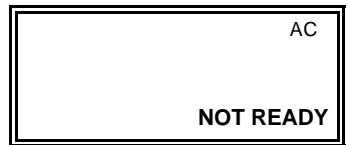
ENGLISH DISPLAY TOUCHPAD
TYPICAL DISPLAYS INDICATING OPEN PROTECTION ZONE (AFTER PRESSING READY KEY)
FAULT06 BEDROOM WINDOW
CUSTOM DISPLAY TOUCHPAD
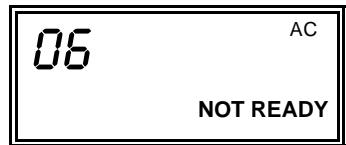
ENGLISH DISPLAY TOUCHPAD
TYPICAL DISPLAYS INDICATING "READY TO ARM"
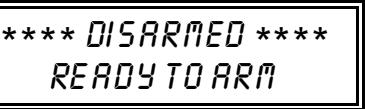
CUSTOM DISPLAY TOUCHPAD
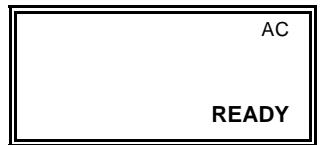
ENGLISH DISPLAY TOUCHPAD
BYPASSING PROTECTION ZONES
Using the BYPASS Key
LIMITATION
The system will not allow fire zones to be bypassed.
All bypasses are removed when an OFF sequence (security code plus OFF) is performed.
TO BYPASS ZONES:
- Enter code.
- Press BYPASS key.
- Enter zone Nos.
- Wait for bypassed zones to be displayed.
- Arm system as usual.
This key is used when you want to arm your system with one or more zones intentionally unprotected. The system must be disarmed first.
- Enter your security code and press the BYPASS [6] key.
- Enter the zone number(s) for the zone(s) to be bypassed (e.g., 06, 10, 13, etc.). Single digit zone numbers must be preceded by a zero (e.g. 05, 06).
- When finished, the touchpad will momentarily display a "Bypass" message for each bypassed zone number. Wait for these zones to be displayed, to confirm their bypass.
- Arm the system as usual.
Bypassed zones are unprotected and will not cause an alarm if violated while your system is armed.
TYPICAL MOMENTARY DISPLAYS OF BYPASSED ZONE(S)
BYPASS06
BEDROOM WINDOW
CUSTOM DISPLAY TOUCHPAD
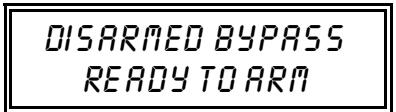
TYPICAL DISPLAYS AFTER ALL BYPASSED ZONES HAVE BEEN DISPLAYED (PRIOR TO ARMING)
DISARMED BYPASS
READY TO ARM
CUSTOM DISPLAY TOUCHPAD
06
BYPASS
AC
READY
ENGLISH DISPLAY TOUCHPAD
BYPASS
AC
READY
ENGLISH DISPLAY TOUCHPAD
To display bypassed zones prior to arming (see displays above, right), enter your security code and press the BYPASS [6] key. This will also bypass any open zones at that time (if "Quick Bypass" is enabled - see following page).
BYPASSING PROTECTION ZONES (Continued)
Quick Bypass
Ask your installer if "Quick Bypass" is active for your system, and if so, check here:
If your system supports "Quick Bypass", it allows you to easily bypass all open (faulted) zones without having to enter zone numbers individually. This feature is useful if, for example, you routinely leave certain windows open when arming at night.
To use this feature, enter your security code and, within 10 seconds, press the BYPASS [6] key, then stop. In a few moments, all open zones will be displayed along with a "Bypass" message. Wait for all bypassed zones to be displayed, then arm the system.*
*Make sure that only those zones that you wish to leave unprotected are bypassed, and that there are no other zones unintentionally left open. This feature will automatically bypass all open zones.
TYPICAL MOMENTARY DISPLAYS OF BYPASSED ZONE(S)
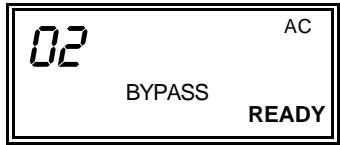
ENGLISH DISPLAY TOUCHPAD
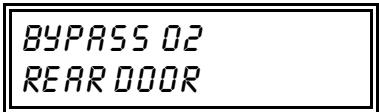
CUSTOM DISPLAY TOUCHPAD
TYPICAL DISPLAYS AFTER ALL BYPASSED ZONES HAVE BEEN DISPLAYED (PRIOR TO ARMING)
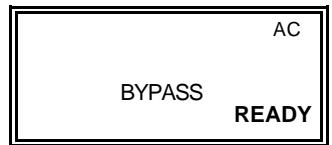
ENGLISH DISPLAY TOUCHPAD
CUSTOM DISPLAY TOUCHPAD
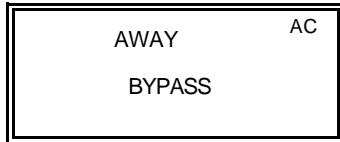
TYPICAL DISPLAYS AFTER THE SYSTEM IS ARMED WITH BYPASSED ZONES
ENGLISH DISPLAY TOUCHPAD
ARMED AWAY ZONE BYPASSED
CUSTOM DISPLAY TOUCHPAD
Using the
3 | STAY Key
BEFORE ARMING, close all doors and windows (see CHECKING FOR OPEN ZONES on page 13).
THE STAY MODE ARMS
THE PERIMETER, BUT
ALLOWS USE OF THE
ENTRY/EXIT DOOR.
PERSONS WITHIN THE
PREMISES CAN MOVE
ABOUT FREELY.
Ask your installer if this feature is programmed in your system. If so, place a check in this box.
ARMING PERIMETER ONLY
WITH ENTRY DELAY ON
Use this key when staying inside, but expect someone to use an entry/exit door later. It is also useful if you are leaving but someone is staying inside (or if you have pets which are moving throughout the premises.
- Enter your security code and press the STAY [3] key.
- The touchpad beeps three times and displays the armed STAY message (see displays below). The red ARMED indicator also lights. Note that there is an exit delay in effect before arming actually takes place. See the note below.
- After arming, an alarm sounds immediately if a protected perimeter window or non-entry/exit door is then opened, but anyone may otherwise move freely throughout the premises.
Anyone entering later can enter through an entry/exit door without causing an alarm, but they must disarm the system within the entry delay period to avoid sounding an alarm.
Exit Delay Restart. If you wish to open the entry/exit door to let someone in after arming STAY, you can re-start the exit delay at any time - simply press the [] key, then let that person in. This avoids having to disarm the system and then re-arm it again.
Note: When you first arm in the STAY mode, "You may exit now" will be displayed on a Custom Display Touchpad during the programmed exit delay. This delay is in effect even when arming STAY. When the exit delay period ends, "You may exit now" disappears and the system is fully armed in the STAY mode.
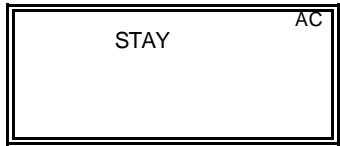
TYPICAL DISPLAYS - "ARMED STAY"
ENGLISH DISPLAY TOUCHPAD
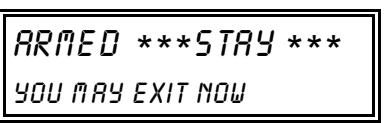
CUSTOM DISPLAY TOUCHPAD
ARMING PERIMETER ONLY
WITH ENTRY DELAY OFF
Using the
7 | INSTANT Key
BEFORE ARMING,
close all doors and windows (see CHECKING FOR OPEN ZONES on page 13)
THE INSTANT MODE ARMS THE PERIMETER (INCLUDING ENTRY/EXIT DOOR), WITH NO ENTRY DELAY. PERSONS WITHIN THE PREMISES CAN MOVE ABOUT FREELY
Ask your installer if this feature is programmed in your system. If so, place a check in this box.
Use this key when staying inside and do not expect anyone to use an entry/exit door.
CAUTION: Arming the system in this mode will greatly increase the chance of false alarms. Use extreme care in selecting this mode of arming.
- Enter your security code and press the INSTANT [7] key.
- The touchpad beeps three times and displays the armed message. The red ARMED indicator lights. Note that there is an exit delay in effect before arming actually takes place. See the note below.
- After arming, an alarm sounds immediately if any protected perimeter door or window is opened, but you may otherwise move freely throughout the premises.
An alarm sounds immediately if anyone opens an entry/exit door.
^ Exit Delay Restart. If you wish to open the entry/exit door to let someone in after arming INSTANT, you can re-start the exit delay at any time - simply press the [] key, then let that person in. This avoids having to disarm the system and then re-arm it again.
Note: When you first arm the system in the INSTANT mode, "You may exit now" will be displayed on the second line of a Custom Display touchpad during the programmed exit delay. This delay is in effect in the system even when arming INSTANT. When the exit delay period ends, "You may exit now" disappears and the system is fully armed in the INSTANT mode.
TYPICAL DISPLAYS - "ARMED INSTANT"
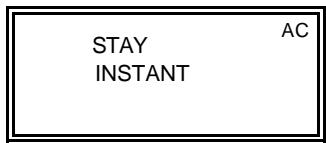
ENGLISH DISPLAY TOUCHPAD
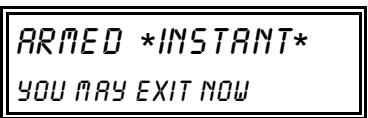
CUSTOM DISPLAY TOUCHPAD
ARMING ALL PROTECTION
WITH ENTRY DELAY ON
Using the
2 |AWAY Key
Use this key when no one will be staying inside.
- Enter your security code and press the AWAY [2] key.
BEFORE ARMING,
close all doors and windows
(see CHECKING FOR OPEN
ZONES on page 13)
DISARMING THE SYSTEM AND CLEARING ALARMS
Using the 1 OFF Key
IMPORTANT: If you return and the main burglary sounder is on, DO NOT ENTER, but CONTACT THE POLICE from a nearby safe location. If you return after an alarm has occurred and the main sounder has shut itself off, the touchpad will beep rapidly upon your entering, indicating that an alarm has occurred during your absence. LEAVE IMMEDIATELY, and CONTACT THE POLICE from a nearby safe location.
The OFF key is used to disarm the system, silence alarm and trouble sounds, and clear alarm memories. A BURGLARY alarm is a continuous/steady sound from the touchpads and any external sounders.
To Disarm the System
Enter your security code and press the OFF key.
The "Ready" message will be displayed if all zones are secure, and the touchpad will emit a single tone to confirm that the system is disarmed.
To Silence a Burglary Alarm
SEE IMPORTANT NOTE AT LEFT!
A BURGLARY alarm is a continuous/steady sound.
Enter your security code and press the OFF key to silence the alarm (or warning tones of a Memory of Alarm).
Note the zone in alarm on the touchpad display, and make that zone intact (close door, window, etc.). Now enter the security code plus OFF sequence again to clear the touchpad's Memory of Alarm display.
TYPICALBURGLARYALARMDISPLAY
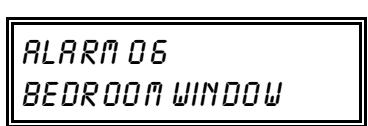
CUSTOM DISPLAY TOUCHPAD
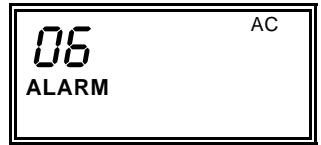
ENGLISH DISPLAY TOUCHPAD
EXIT ALARMS
Exit Alarm Warning Displays and Sounds
When arming, if an exit or interior zone contains a fault (door or window open) during closing at the time the exit delay ends, the alarm sounder and touchpad sound continuously to alert you that an unwanted alarm can be prevented if you take action:
- If you disarm the system (code plus OFF) during the entry delay period that will immediately follow the exit delay, the alarm sound will stop. A Custom Display touchpad will display ALARM ZONE (plus zone No. and, if programmed, a zone description) alternating with CANCEL ALARM; an English Display touchpad will display the "Zone No." and "ALARM" alternating with "CA". No message will be transmitted to the Customer Care Center. Enter code plus OFF a second time to clear the display.
- If the system is NOT disarmed during the entry delay period that will immediately follow the exit delay, the alarm will sound and will continue until the system is disarmed (or alarm sounder timeout occurs). A Custom Display touchpad will display ALARM ZONE (plus zone No. and, if programmed, a zone description) alternating with EXIT ALARM; an English Display touchpad will display the "Zone No." and "ALARM" alternating with "EA". An "exit alarm" message will be sent to the Customer Care Center.
Enter code plus OFF a second time to clear the display.
-CANCEL ALARM DISPLAYS
C
mAlternates with "06"
06
ALARM
AC
NOT READY
ENGLISH DISPLAY TOUCHPAD
CANCEL ALARM
mAlternates with this display
ALARM 06
BEDROOM WINDOW
CUSTOM DISPLAY TOUCHPAD
EXIT ALARM DISPLAYS
ER
mAlternates with "06"
05
ALARM
NOT READY
ENGLISH DISPLAY TOUCHPAD
EXIT ALARM
mAlternates with this display
ALARM06
BEDROOM WINDOW
CUSTOM DISPLAY TOUCHPAD
CHIME MODE
Using the
9 | CHIME Key
This feature can be used only while the burglary system is disarmed.
Your system can be set to alert you to the opening of a perimeter door or window while it is disarmed by using CHIME mode.
When activated, three tones will sound at the Touchpad whenever a perimeter door or window is opened. Interior zones will not produce a tone when they are activated.
Pressing the READY key will display the open protection points.
To turn Chime Mode on:
Enter the security code and press the CHIME [9] key. The CHIME message will appear.
To turn Chime Mode off:
Enter the security code and press the CHIME [9] key again. The CHIME message will disappear.
DIS ARMED CHIME
READY TO ARM
CUSTOM DISPLAY TOUCHPAD
AC
CHIME
READY
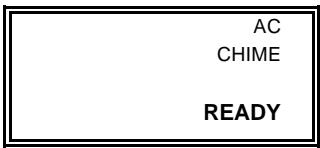
TYPICAL DISPLAY WHEN CHIME IS ON
ENGLISH DISPLAY TOUCHPAD
ANY OPEN PROTECTION POINTS WILL BE DISPLAYED WHEN THE "READY" KEY IS PRESSED
FAULT02
REARDOOR
CUSTOM DISPLAY TOUCHPAD

AC
CHIME
NOT READY
ENGLISH DISPLAY TOUCHPAD
PANIC KEYS
(FOR MANUALLY ACTIVATING SILENT AND/OR AUDIBLE ALARMS)
Using Panic Keys
Your system may have been programmed to use special keys or combinations of keys to manually activate emergency (panic) functions. The functions that can be programmed are: Silent Emergency, Audible Emergency, Personal Emergency, and Fire.
A silent emergency sends a silent alarm signal to the Customer Care Center, but there will be no audible alarm or any visual display indicating that a silent alarm has been initiated.
An audible emergency sends a signal to the Customer Care Center* and sounds a loud, steady alarm at your touchpad(s) and at any external sounders that may be connected (ALARM plus a zone number is also displayed).
A personal emergency alarm sends an emergency message to the Customer Care Center* and sounds at touchpad(s), but not at external bells or sirens.
A Fire Alarm will send a fire alarm message to the Customer Care Center* and will uniquely sound external bells and sirens (see page 29 for typical fire alarm displays).
*If connected to the Customer Care Center.
TYPICAL DISPLAYS WHEN A PANIC KEY OR KEY PAIR THAT HAS BEEN PROGRAMMED FOR "AUDIBLE EMERGENCY" IS PRESSED.
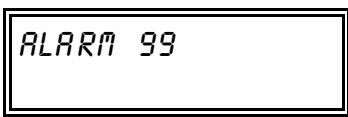
CUSTOM DISPLAY TOUCHPAD KEY [B]
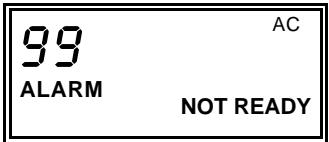
ENGLISH DISPLAY TOUCHPAD [★] and [#]
NOTE: Zone 99 is the zone number displayed when an Audible Emergency alarm is initiated via a Panic key.
TO INITIATE A PANIC FUNCTION AT ANY TIME OF THE DAY OR NIGHT:
Press an active lettered panic key (A, B, or C) for at least 2 seconds. If this key is not present on your Touchpad, press both keys of an active key pair at the same time.
Refer to next page for panic functions that have been assigned to keys on the Touchpads.
PANIC KEYS (Continued)
| CHECK IF ACTIVE | PANIC KEY(S) | PLACE A CHECK NEXT TO PROGRAMMED FUNCTION | ZONE # DISPLAYED | TOUCHPAD TYPE | |
| SEE YOUR INSTALLER | □ | [A] | __SILENT, __AUDIBLE, __PERSONAL, __FIRE | 95 | CUSTOM |
| AND NOTE HERE | □ | [B] | __SILENT, __AUDIBLE, __PERSONAL, __FIRE | 99 | DISPLAY |
| ANY KEYS(S) | □ | [C] | __SILENT, __AUDIBLE, __PERSONAL __FIRE | 96 | TOUCHPAD |
| AND FUNCTION(S) | OR | ||||
| □ | [1] & [∗] | __SILENT, __AUDIBLE, __PERSONAL, __FIRE | 95 | ENGLISH | |
| PROGRAMMED FOR | □ | [∗] & [#] | __SILENT, __AUDIBLE, __PERSONAL, __FIRE | 99 | DISPLAY |
| YOUR SYSTEM | □ | [3] & [#] | __SILENT, __AUDIBLE, __PERSONAL, __FIRE | 96 | TOUCHPAD |
- KEYS [A], [B], AND [C] ARE PRESENT ONLY
ON CUSTOM DISPLAY TOUCHPADS. - KEY [D] IS NOT ACTIVE.
OUTPUT RELAY OPTIONS
Programmed Actions
(in response to zone activity or manual entries)
Ask your installer to provide information on any special system actions that have been programmed during installation.
| ACTION | STARTED BY | STOPPED BY |
TESTING THE SYSTEM
The touchpad will sound a single beep every 40 seconds as a reminder that the system is in the test mode.
The TEST key puts your system into the Test mode, which allows each protection point to be checked for proper operation.
- Disarm the system and close all protected windows, doors, etc. The touchpad's READY message should be displayed and the READY indicator should be lit.
- Enter your security code and press the TEST [5] key.
- As the Test mode is entered, the external siren or bell will sound for one second and then turn off.
Each time a protection zone is faulted, the touchpad sounds 3 beeps.
- Open and close each protected door and window in turn and listen for the required sounds. The identification of each faulted protection point should appear on the display.
- Walk in front of each interior motion detector (if used) and listen for the required sound as movement is detected. The identification of each detector should appear on the display when it is activated.
Note: Wireless motion detectors (Passive Infrared units) will send signals out only if they have been inactive for 3 minutes.
- Follow the manufacturer's instructions to test all smoke detectors, to ensure that all are functioning properly. The identification of each detector should appear on the display when each is activated.
- After all protection points have been checked and restored, there should be no zone identification numbers displayed. If a problem is experienced with any protection point (no confirming sounds, no display), CALL FOR SERVICE IMMEDIATELY.
- Turn off the Test mode by entering the security code and pressing the OFF [1] key.
PAGING FEATURE
If the paging feature has been programmed, a pager will respond to certain conditions as they occur in your system by displaying a 7-digit system status code that will indicate the type of condition that has occurred. In some cases, the 7-digit code may be preceded by 16 digits, which can consist of a PIN number, Subscriber account number, or any additional data that you may wish to have sent to the pager in addition to the 7-digit system status code.
The entire pager display format is as follows:
3-digit Event Code
Optional 16 digits -AAAAAAAAAAAAAAAAAA - BBB - CCCC = 4-digit User or Zone No.
A = Optional 16-digits for Account numbers, PIN numbers, or any other data. This information must be programmed by the installer.
B = A 3-digit code that describes the event that has occurred in your system (see explanation for event codes below).
C = A 4-digit User or Zone number, depending on the type of event that has occurred. For alarms and troubles, these digits represent the zone number. For openings (disarming) and closings (arming), these digits represent the user number. In this system, the first 2 digits will always be "00" (e.g., 0004 will be displayed for zone number 4). Note that single-digit user or zone numbers are always preceded by a zero.
The 3-digit Event Codes (BBB) that can be displayed are:
911 = Alarms. The 4-digit number (CCCC) following this code will be the zone number that has caused the alarm.
811 = Troubles. The 4-digit number (CCCC) following this code will be the zone number that has caused the trouble.
101 = Open (system disarmed). The 4-digit number (CCCC) that follows this code will be the user number.
102 = Close (system armed). The 4-digit number (CCCC) that follows this code will be the user number.
Examples of typical pager displays follow. Not included in the examples below are the optional 16 digits (preceding the 7-digit status code) that may have been programmed by the installer for additional data.
Example 1. Pager displays: 911 - 0004 = System is reporting an alarm (911) caused by a fault on zone 4 (0004).
Example 2. Pager displays: 102 - 0005 = System is reporting a closing-system arming (102) by user 5 (0005).
TROUBLE CONDITIONS
"Check" and "Battery" Displays
The word CHECK on the touchpad's display, accompanied by a "beeping" at the touchpad, indicates a trouble condition in the system.
To silence the beeping for these conditions, press any key.
- A display of "CHECK" and one or more zone numbers indicates that a problem exists with the displayed zone(s) and requires your attention. Determine if the zone(s) displayed are intact and make them so if they are not. If the problem has been corrected, the display can be cleared if you enter the OFF sequence (security code plus OFF key) twice. If the display persists, CALL FOR SERVICE.
Note: A display of CHECK 70 on English Display touchpads indicates that the wiring connection to the external sounder is at fault (opened or shorted), and you should CALL FOR SERVICE. See “BELL FAILURE” on next page.
- If there are wireless sensors* in your system, the CHECK condition may also be caused by some change in the environment that prevents the receiver from hearing a particular sensor. CALL FOR SERVICE if this occurs.
IF YOU CANNOT CORRECT A "CHECK" DISPLAY, CALL FOR SERVICE AT ONCE.
TYPICAL "CHECK" DISPLAYS
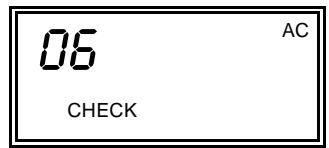
ENGLISH DISPLAY TOUCHPAD
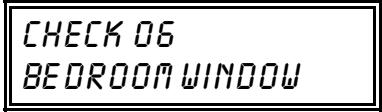
CUSTOM ENGLISH DISPLAY
See the Limited Warranty statement on page 42 for information on how to obtain service.
TROUBLE CONDITIONS (Continued)
Other Trouble Displays
- Any "beeping" that accompanies a trouble display can be stopped by depressing any key on the touchpad or by entering an OFF sequence (code + OFF)
**Not all systems use wireless transmitters.
Words or letters in parentheses ( ) are those that are displayed on English Display Touchpads. [ ]
1.COMM. FAILURE (or FC)
Indicates that a failure has occurred in the telephone communication portion of your system.
CALL FOR SERVICE IMMEDIATELY.
- SYSTEM LO BAT (or BAT with no zone No.)
Indicates that a low system battery condition exists. Display is accompanied by "beeping"* at the Touchpad. If this condition persists for more than one day (with AC present), CALL FOR SERVICE.
- LO BAT + zone descriptor (or BAT with zone No.)
Indicates that there is a low battery condition in the wireless transmitter* number displayed. Accompanied by a single "beep" (once every 40 seconds) at the Touchpad. Either replace the battery yourself, or CALL FOR SERVICE. If the battery is not replaced within 30 days, a CHECK display may occur.
- MODEM COMM (or CC)
Indicates that the control is on-line with the Customer Care Center's remote computer. The control will not operate while on-line. Wait a few minutes. The display should disappear.
- BELL FAILURE (or CHECK 70)
Indicates that the wiring connection to the external sounder is at fault (open or shorted). Accompanied by "beeping" at the touchpad. CALL FOR SERVICE IMMEDIATELY.
TROUBLE CONDITIONS (Continued)
| Other Trouble Displays (Continued) | 5. AC LOSS is displayed (or NO AC) | The system is operating on battery power only due to an AC power failure. If only some lights are out on the premises, check circuit breakers and fuses and reset or replace as necessary. If AC power cannot be restored and a “low system battery” message appears (see item 2 on the previous page), CALL FOR SERVICE. |
| 6. Busy-Standby (or dI) | If this remains displayed for more than 1 minute, system is disabled. CALL FOR SERVICE IMMEDIATELY. | |
| 7. OPEN CIRCUIT (or OC) | The touchpad is not receiving signals from the control. CALL FOR SERVICE. | |
| 8. Long Ring Trbl (or bF) | If part of your system, back-up Long Range Radio com- munication has failed. CALL FOR SERVICE. | |
| Total Power Failure | If there is no touchpad display at all, and the READY indicator is not lit, operating power (from AC and back-up battery) for the system has stopped and the system is inoperative. CALL FOR SERVICE IMMEDIATELY. | |
In The Event Of Telephone Operational Problems
In the event of telephone operational problems, disconnect the control from the phone line by removing the plug from the phone wall jack. We recommend that your installer demonstrate this disconnection on installation of the system. Do not attempt to disconnect the phone connection inside the control. Doing so will result in the loss of your phone lines. If the regular phones work correctly after the control has been disconnected from the phone wall jack, the control has a problem and you should immediately call for service. If upon disconnection of the control, there is still a problem on the phone line, notify the telephone company that they have a problem and request prompt phone repair service. The user may not under any circumstances attempt any service or repairs to the security system. Repairs must be made only by ADT authorized service (see the LIMITED WARRANTY statement for information on how to obtain service).
FIRE ALARM SYSTEM (IF INSTALLED)
General
Your fire alarm system (if installed) is on 24 hours a day, for continuous protection. In the event of an emergency, the strategically located smoke and heat detectors will automatically send signals to your system, triggering a loud, interrupted pulsed sound* from the Touchpad(s). This sound will also be produced by any external sounders. A FIRE message will appear at your Touchpad and remain on until you silence the alarm (see below for silencing fire alarms).
- Temporal pulse sounding is produced for Fire alarms, as follows:
3 pulses—pause-3 pulses—pause-3 pulses—pause. . . , repeated.
TYPICAL FIRE EMERGENCY DISPLAYS
FIREOSmasterBEDROOM
CUSTOM DISPLAY TOUCHPAD
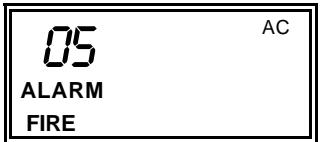
ENGLISH DISPLAY TOUCHPAD
Silencing Fire Alarms
- You can silence the alarm at any time by pressing the OFF key (the security code is not needed to silence fire alarms). To clear the display, enter your code and press the OFF key again (to clear Memory of Alarm).
- If the Touchpad's FIRE display does not clear after the second OFF sequence, smoke detectors may still be responding to smoke or heat producing objects in their vicinity. Investigate, and should this be the case, eliminate the source of heat or smoke.
- If this does not remedy the problem, there may still be smoke in the detector. Clear it by fanning the detector for about 30 seconds.
- When the problem has been corrected, clear the display by entering your code and pressing the OFF key.
FIRE ALARM SYSTEM (Continued)
Manually Initiating a Fire Alarm
- Should you become aware of a fire emergency before your detectors sense the problem, go to your nearest Touchpad and manually initiate an alarm by pressing the appropriate panic key(s), assigned for FIRE emergency. Check below, and in the PANIC KEYS section.
- Evacuate all occupants from the premises.
- If flames and/or smoke are present, leave the premises and notify your local Fire Department immediately.
- If no flames or smoke are apparent, investigate the cause of the alarm. The zone number(s) of the zone(s) in an alarm condition will be displayed at the Touchpad.
The following lettered key, or key pair (depending on the type of touchpad), has been assigned for manually initiating a FIRE alarm. Verify this with your installer.
CUSTOM DISPLAY TOUCHPAD
KEY ASSIGNED FOR FIRE
Press A for 2 seconds. same time.
ENGLISH DISPLAY TOUCHPAD
KEY PAIR ASSIGNED FOR FIRE
Press 1 and at the
DISPLAYS FOLLOWING MANUAL INITIATION OF A FIRE ALARM
FIRE 95
CUSTOM DISPLAY TOUCHPAD
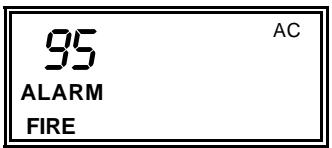
ENGLISH DISPLAY TOUCHPAD
NATIONAL FIRE PROTECTION ASSOCIATION RECOMMENDATIONS ON SMOKE DETECTORS
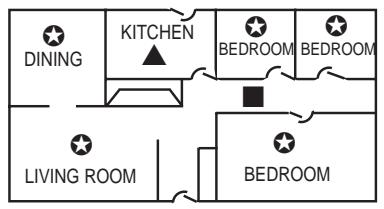
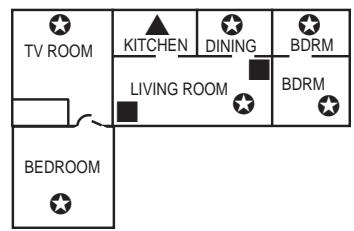
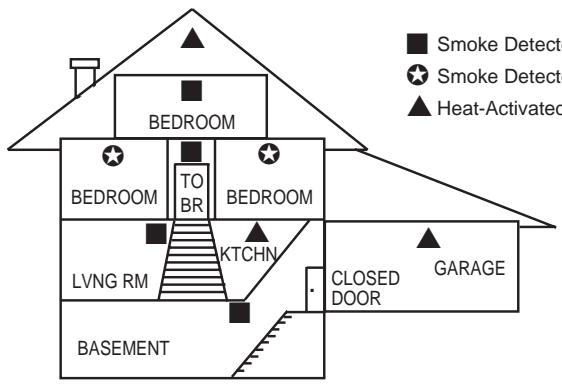
Smoke Detectors for Minimum Protection
Smoke Detectors for Additional Protection
Heat-Activated Detectors
With regard to the number and placement of smoke/heat detectors, we subscribe to the recommendations contained in the National Fire Protection Association's National Fire Alarm Code (NFPA 72) noted below.
Early warning fire detection is best achieved by the installation of fire detection equipment in all rooms and areas of the household as follows: A smoke detector installed outside of each separate sleeping area, in the immediate vicinity of the bedrooms and on each additional story of the family living unit, including basements and excluding crawl spaces and unfinished attics.
In addition, the NFPA recommends that you install heat or smoke detectors in the living room, dining room, bedroom(s), kitchen, hallway(s), attic, furnace room, utility and storage rooms, basements and attached garages.
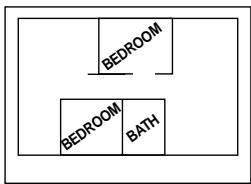
EMERGENCY EVACUATION
Steps to Safety
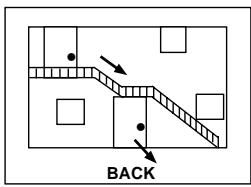
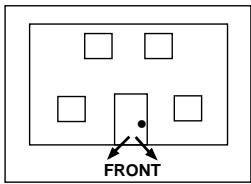
QUICK GUIDE TO SYSTEM FUNCTIONS
| FUNCTION | PROCEDURE | COMMENTS |
| Check Zones | Press READY key. | To view faulted zones when system not ready. |
| Arm System | Enter code. Press arming key desired: (AWAY, STAY, INSTANT) | Arms system in mode selected. |
| Quick Arm (if programmed) | Press #. Press arming key desired: (AWAY, STAY, INSTANT) | Arms system in mode selected, quickly and without use of code. |
| Bypass Zone(s) | Enter code. Press BYPASS key. Enter zone number(s) to be bypassed (use 2-digit entries). | Bypassed zones are unprotected and will not cause an alarm if violated. |
| Quick Bypass (if programmed) | Enter code. Press BYPASS key. | Bypasses all faulted zones automatically. |
| Silence Sounders Burglary: Fire: "Check": | Enter code. Press OFF key. Press OFF key. Press any key. | Also disarms system. Memory of alarm remains until cleared. Memory of Alarm remains until cleared. Determine cause. See Page 26. |
| Disarm System | Enter code. Press OFF key. | Also silences sounders. Memory of alarm remains until cleared. |
| Clear Alarm Memory | After disarming, enter code again. Press OFF key again. | Touchpad will beep rapidly upon entry if alarm has occurred. Alarm display will remain upon disarming until cleared. |
| Duress (if active and connected to Customer Care Center) | Arm or disarm "normally", but use your 4-digit Duress code to do so. | Performs desired action and sends silent alarm to Customer Care Center. |
| Panic Alarms (as programmed) | Press key [A], [B], or [C] for at least 2 sec., or (if no A, B, or C on your touchpad) press keys [1] & [*,] or [*,] & [#,] or [3] & [#, both at same time. | See Page 23 for functions programmed for your system. |
| Chime Mode | To turn ON or OFF: Enter code. Press CHIME key. | Touchpad will sound if doors or windows are violated while system is disarmed and chime mode is ON. |
| Test Mode | To turn ON: Enter code. Press TEST key. To turn OFF: Enter code. Press OFF key. | Tests alarm sounder and allows sensors to be tested. |
| Phone Access (Smartphone Module) if applicable | Consult Phone Access User's Guide that accompanies the Phone Module. | Permits system access remotely, via Touch-tone phone (see pages 5, 11). |
SUMMARY OF AUDIBLE/ VISUAL NOTIFICATIONS
(ENGLISH DISPLAY TOUCHPADS)
| SOUND | CAUSE | TOUCHPAD DISPLAY |
| LOUD, INTERRUPTED* Touchpad & External Sounder | FIRE ALARM | FIRE and ALARM are displayed; protection zone in alarm is displayed. |
| LOUD, CONTINUOUS* Touchpad & Ext. Sounder | BURGLARY/AUDIBLE EMERGENCY ALARM | ALARM is displayed; protection zone in alarm is also displayed. Also see "Exit Alarm Warning Displays and Sounds" on page 20. |
| ONE SHORT BEEP (not repeated) Touchpad only | a. SYSTEM DISARM b. SYSTEM ARMING ATTEMPT WITH AN OPEN ZONE c. BYPASS VERIFY | a. READY is displayed. Green READY indicator is lit. b. NOT READY is displayed, Open protection zone number is displayed after pressing [×] key. Green READY indicator is not lit. c. The bypassed protection zone numbers are displayed. (One beep for each number displayed.) BYPASS is displayed. |
| ONE BEEP every 40 sec. Touchpad only | a. SYSTEM IS IN TEST MODE b. LOW BATTERY AT XMTR | a. Identification Nos. of any opened zones will appear. b. BAT is displayed with ID number of transmitter. 00 displayed for wireless touchpad |
| TWO SHORT BEEPS Touchpad only | ARM AWAY | AWAY is displayed. Red ARMED indicator is lit. |
| THREE SHORT BEEPS Touchpad only | a. ARM STAY OR INSTANT b. ZONE OPENED WHILE SYSTEM IS IN CHIME MODE c. ZONE OPENED WHILE SYSTEM IS IN TEST MODE | a. STAY or STAY and INSTANT are displayed. Red ARMED indicator is lit. b. CHIME is displayed. Pressing READY [×] key will display opened zone. c. Open protection zone number is displayed. |
| RAPID BEeping Touchpad only | a. MEMORY OF ALARM b. EXT. SOUNDER WIRING FAILURE c. SYSTEM MAIN BATTERY WEAK d. TROUBLE | a. FIRE and/or ALARM is displayed; zone in alarm is displayed. b. CHECK 70 is displayed. c. BAT is displayed with no transmitter ID. d. CHECK is displayed. Troubled protection zone is displayed. |
| SLOW BEeping Touchpad only | a. ENTRY DELAY WARNING b. EXIT DELAY ALERT (if programmed) | a. No display during delay. Exceeding the delay time without disarming causes alarm. b. AWAY is displayed. Slow beeps change to fast beeps during last 5 seconds of exit delay. |
*If bell is used as external sounder, fire alarm is pulsed ring (see page 29); burglary/audible emergency is steady ring.
SUMMARY OF AUDIBLE/ VISUAL NOTIFICATIONS
(CUSTOM DISPLAY TOUCHPADS)
| SOUND | CAUSE | TOUCHPAD DISPLAY |
| LOUD, INTERRUPTED* Touchpad & Ext. Sounder | FIRE ALARM | FIRE is displayed; description of zone in alarm is displayed. |
| LOUD, CONTINUOUS* Touchpad & Ext. Sounder | BURGLARY/AUDIBLE EMERGENCY ALARM | ALARM is displayed; description of zone in alarm is also displayed.. Also see "Exit Alarm Warning Displays and Sounds" on page 20. |
| ONE SHORT BEEP (not repeated) Touchpad only | a. SYSTEM DISARM b. SYSTEM ARMING ATTEMPT WITH OPEN ZONE c. BYPASS VERIFY | a. DISARMED/READY TO ARM is displayed. Green READY indicator is lit. b. The number and description of the open protection zone is displayed. Green READY indicator is not lit. c. Numbers & descriptions of bypassed protection zones are displayed (one beep is heard for each zone displayed). Subsequently, the following is displayed: DISARMED BYPASS/Ready to Arm |
| ONE BEEP every 40 sec. Touchpad only | a. SYSTEM IS IN TEST MODE b. LOW BATTERY AT A XMTR | a. Identification of any opened zones will appear. b. LO BAT displayed + zone # & transmitter description. 00 & KYPD LO BAT for wireless touchpads. |
| TWO SHORT BEEPS Touchpad only | ARM AWAY | ARMED AWAY/ALL SECURE is displayed. Red ARMED indicator is lit. |
| THREE SHORT BEEPS Touchpad only | a. ARM STAY OR INSTANT b. ZONE OPENED WHILE SYS-TEM IS IN CHIME MODE c. ZONE OPENED WHILE SYS-TEM IS IN TEST MODE | a. ARMED STAY or ARMED INSTANT is displayed. Red ARMED indicator is lit. b. CHIME displayed. Pressing /READY [★] key will display description of opened zone. c. Description of open protection zone is displayed. |
| RAPID BEeping Touchpad only | a. MEMORY OF ALARM b. EXT. SOUNDER WIRING FAILURE c. SYSTEM MAIN BATT. WEAK d. TROUBLE | a. FIRE and/or ALARM is displayed; description of zone in alarm is displayed. b. BELL FAILURE is displayed. c. SYSTEM LO BAT displayed with no transmitter description. d. CHECK displayed. Description of troubled protection zone is displayed. |
| SLOW BEeping Touchpad only | a. ENTRY DELAY WARNING b. EXIT DELAY ALERT (if programmed) | a. DISARM SYSTEM OR ALARM WILL OCCUR is displayed. Exceeding the delay time without disarming causes alarm. b. ARMED AWAY/you may exit now is displayed. Slow beeps change to fast beeps during last 5 seconds of exit delay. |
*If bell is used as external sounder, fire alarm is pulsed ring (see page 29); burglary/audible emergency is a steady ring.
PROTECTION ZONES LIST
One or more sensing devices will have been assigned by the installer of your alarm system to each of the various protection zones in your system (although not every zone number can be used). For example, the sensing device on your Entry/Exit door may have been assigned to zone 01, sensing devices on windows in the master bedroom to zone 02, and so on.
Zone numbers 95, 96 and 99 represent Touchpad "Panic" alarm functions assigned by the installer (see Page 23). Zone numbers 08 and 09 are reserved for Duress and Tamper signal reporting to the Customer Care Center.
This chart may be used to record the specific zone number assignments for your system. Your installer will assist you in recording this information.
PROTECTION ZONE DESCRIPTIONS
| Zone | Description | Zone | Description |
| 01 | 15 | ||
| 02 | 16 | ||
| 03 | 17 | ||
| 04 | 18 | ||
| 05 | 19 | ||
| 06 | 20 | ||
| 07 | NOT USED | 21 | |
| 08 | -Duress- | 22 | |
| 09 | -Tamper- | 23 | |
| 10 | 24 | ||
| 11 | 25 | ||
| 12 | 95 | Key A (or: 1 & *) Panic | |
| 13 | 96 | Key C (or: 3 & #) Panic | |
| 14 | 99 | Key B (or: *) &(#) Panic |
CANADIAN DEPARTMENT OF COMMUNICATIONS (DOC) STATEMENT
NOTICE
The Canadian Department of Communications label identifies certified equipment. This certification means that the equipment meets certain telecommunications network protective, operational and safety requirements. The Department does not guarantee the equipment will operate to the user's satisfaction.
Before installing this equipment, users should ensure that it is permissible to be connected to the facilities of the local telecommunications company. The equipment must also be installed using an acceptable method of connection. In some cases, the company's inside wiring associated with a single line individual service may be extended by means of certified connector assembly (telephone extension cord). The customer should be aware that compliance with the above conditions may not prevent degradation of service in some situations.
Repairs to certified equipment should be made by an authorized Canadian maintenance facility designated by the supplier. Any repairs or alterations made by the user to this equipment, or equipment malfunctions, may give the telecommunications company cause to request the user to disconnect the equipment.
Users should ensure for their own protection that the electrical ground connections of the power utility, telephone lines and internal metallic water pipe system, if present, are connected together. This precaution may be particularly important in rural areas.
Caution: User should not attempt to make such connections themselves, but should contact the appropriate electric inspection authority, or electrician, as appropriate.
The Load Number (LN) assigned to each terminal device denotes the percentage of the total load to be connected to a telephone loop which is used by the device, to prevent overloading. The termination on a loop may consist of any combination of devices subject only to the requirement that the total of the Load Numbers of all the devices does not exceed 100.
AVIS
FEDERAL COMMUNICATIONS COMMISSION (FCC) Part 15 STATEMENT
This equipment has been tested to FCC requirements and has been found acceptable for use. The FCC requires the following statement for your information:
This equipment generates and uses radio frequency energy and if not installed and used properly, that is, in strict accordance with the manufacturer's instructions, may cause interference to radio and television reception. It has been type tested and found to comply with the limits for a Class B computing device in accordance with the specifications in Part 15 of FCC Rules, which are designed to provide reasonable protection against such interference in a residential installation. However, there is no guarantee that interference will not occur in a particular installation. If this equipment does cause interference to radio or television reception, which can be determined by turning the equipment off and on, the user is encouraged to try to correct the interference by one or more of the following measures:
- If using an indoor antenna, have a quality outdoor antenna installed.
- Reorient the receiving antenna until interference is reduced or eliminated.
FEDERAL COMMUNICATIONS COMMISSION (FCC) Part 68 STATEMENT
This equipment complies with Part 68 of the FCC rules. On the front cover of this equipment is a label that contains, among other information, the FCC registration number and ringer equivalence number (REN) for this equipment. If requested, this information must be provided to the telephone company.
This equipment uses the following jacks: An RJ31X is used to connect this equipment to the telephone network.
The REN is used to determine the quantity of devices which may be connected to the telephone line. Excessive RENs on the telephone line may result in the devices not ringing in response to an incoming call. In most, but not all areas, the sum of the RENs should not exceed five (5.0). To be certain of the number of devices that may be connected to the line, as determined by the total RENs, contact the telephone company to determine the maximum REN for the calling area.
If this equipment causes harm to the telephone network, the telephone company will notify you in advance that temporary discontinuance of service may be required. If advance notice is not practical, the telephone company will notify the customer as soon as possible. Also, you will be advised of your right to file a complaint with the FCC if you believe necessary.
The telephone company may make changes in its facilities, equipment, operations, or procedures that could affect the operation of the equipment. If this happens, the telephone company will provide advance notice in order for you to make the necessary modifications in order to maintain uninterrupted service.
If trouble is experienced with this equipment, please contact the manufacturer for repair and warranty information. If the trouble is causing harm to the telephone network, the telephone company may request you remove the equipment from the network until the problem is resolved.
There are no user serviceable components in this product, and all necessary repairs must be made by the manufacturer. Other repair methods may invalidate the FCC registration on this product.
This equipment cannot be used on telephone company-provided coin service. Connection to Party Line Service is subject to state tariffs.
This equipment is hearing-aid compatible.
When programming or making test calls to an emergency number, briefly explain to the dispatcher the reason for the call. Perform such activities in the off-peak hours; such as early morning or late evening.
WARNING! THE LIMITATIONS OF THIS ALARM SYSTEM
While this system is an advanced design security system, it does not offer guaranteed protection against burglary or fire or other emergency. Any alarm system, whether commercial or residential, is subject to compromise or failure to warn for a variety of reasons. For example:
- Intruders may gain access through unprotected openings or have the technical sophistication to bypass an alarm sensor or disconnect an alarm warning device.
- Intrusion detectors (e.g. passive infrared detectors), smoke detectors, and many other sensing devices will not work without power. Battery operated devices will not work without batteries, with dead batteries, or if the batteries are not put in properly. Devices powered solely by AC will not work if their AC power supply is cut off for any reason, however briefly.
- Signals sent by wireless transmitters may be blocked or reflected by metal before they reach the alarm receiver. Even if the signal path has been recently checked during a weekly test, blockage can occur if a metal object is moved into the path.
- A user may not be able to reach a panic or emergency button quickly enough.
- Passive Infrared Motion Detectors can only detect intrusion within the designed ranges as diagrammed in their installation manual. Passive Infrared Detectors do not provide volumetric area protection. They do create multiple beams of protection, and intrusion can only be detected in unobstructed areas covered by those beams. They cannot detect motion or intrusion that takes place behind walls, ceilings, floors, closed doors, glass partitions, glass doors, or windows. Mechanical tampering, masking, painting or spraying of any material on the mirrors, windows or any part of the optical system can reduce their detection ability. Passive Infrared Detectors sense changes in temperature; however, as the ambient temperature of protected area approaches the temperature range of 90^ to 105^ F ( 32^ to 40^ C), the detection performance can decrease.
- Alarm warning devices such as sirens, bells or horns may not alert people or wake up sleepers if they are located on the other side of closed or partly open doors. If warning devices sound on a different level of the premises, then they are less likely to alert all people. Persons may not hear the warning if the alarm is muffled from a stereo, radio, air conditioner or other appliance, or by passing traffic. Finally, alarm warning devices, however loud, may not warn hearing-impaired people.
- Telephone lines needed to transmit alarm signals from a premises to an alarm monitoring center may be out of service or temporarily out of service. Telephone lines are also subject to compromise by sophisticated intruders.
—Continued over
WARNING! THE LIMITATIONS OF THIS ALARM SYSTEM (Continued)
- Even if the system responds to the emergency as intended, however, occupants may have insufficient time to protect themselves from the situation. In the case of a monitored alarm system, authorities may not respond appropriately.
- This equipment, like other electrical devices, is subject to component failure. Even though this equipment is designed to last as long as 10 years, the electronic components could fail at any time.
The most common cause of an alarm system not functioning when an intrusion occurs is inadequate maintenance. This alarm system should be tested weekly to make sure all sensors and transmitters are working properly.
Wireless transmitters (used with some systems) are designed to provide long battery life under normal operating conditions. Longevity of batteries may be as much as 4 to 7 years, depending on the environment, usage, and the specific wireless device being used. External factors such as humidity, high or low temperatures, as well as large swings in temperature, may all reduce the actual battery life in a given installation. This wireless system, however, can identify a true low battery situation, thus allowing time to arrange a change of battery to maintain protection for that given point within the system.
Installing an alarm system may make one eligible for lower insurance rates, but an alarm system is not a substitute for insurance. Business owners, property owners and renters should continue to act prudently in protecting themselves and continue to insure their lives and property.
We continue to develop new and improved protection devices. Users of alarm systems owe it to themselves and their employees to learn about these developments.
Terms and Conditions Applying to Sale of Equipment
1. Limited Warranty.
Any part of the system, including the wiring, installed under this Agreement which proves to be defective in material or workmanship within 90 days of the date of completion of installation will be repaired or replaced at ADT's option with a new functionally operative part. Labor and material required to repair or replace such defective components or to make mechanical adjustments to the system will be free of charge for a period of 90 days following the completion of the original installation.
This warranty is extended only to the original consumer purchaser of the system and may be enforced only by such person.
To obtain service under this warranty, call or write our local ADT Service Department at the telephone number or address found in your local yellow pages.
Service pursuant to the warranty will be furnished only during ADT's normal working hours 8:00A.M. to 4:30P.M., Monday through Friday, except holidays. Services rendered outside the normal working hours of ADT are not within the scope of this warranty and any services requested to be performed at such times shall be charged for at ADT's then applicable rates for labor and material.
This warranty does not apply to the conditions listed below, and in the event customer calls ADT for service under the warranty and upon inspection it is found that one of these conditions has led to the inoperability or apparent inoperability of the system, a charge will be made for the service call of the ADT representative, whether or not he actually works on the system. Should it actually be necessary to make repairs to the system due to one of the "conditions Not Covered By Warranty", a charge will be made for such work at ADT's then applicable rates for labor and material.
Conditions Not Covered By Warranty.
A. Damage from accidents, acts of God, alterations, misuse, tampering or abuse. B. Failure of the customer to properly close or secure a door, window, or other point protected by a burglar alarm device. C. Failure of customer to properly follow operating instructions provided by ADT at time of installation or at a later date. D. Trouble in leased telephone. E. Trouble due to interruption of commercial power. F. Battery replacements.
This warranty is in lieu of all other express warranties. Any implied warranties of merchantability and fitness for a particular purpose are limited in duration to a period of 90 days from the date of completion of installation. The exclusive remedy of the customer hereunder shall be repair or replacement as stated above. Under no circumstances shall ADT be liable to the customer or any other person for incidental or consequential damages of any nature, including without limitation, damages for personal injury or damages to property, and, however occasioned, whether alleged as resulting from breach of warranty by ADT, the negligence of ADT, or otherwise, ADT's liability will in no event exceed the purchase price of the system. Some states may not allow limitations on how long an implied warranty lasts, or the exclusion or limitations of incidental or consequential damages, so the above limitations and exclusions may not apply to you, unless a longer period is required by applicable law. Any action against ADT in connection with a system must be commenced within one year after the cause of action has occurred.
No agent, employee or representative of ADT nor any other person is authorized to modify this warranty in any respect.
This warranty gives you specific legal rights and you may also have other rights which vary from state to state.
2. Installation.
ADT agrees to install the equipment in a workmanlike manner in accordance with the following conditions: A. Customer will make premises available without interruption during ADT normal working hours 8:00A.M. to 4:30P.M., Monday through Friday, except Holidays. B. Customer understands that the installation will necessitate drilling into various parts of the premises: ADT intends, generally, to conceal wiring in the finished areas of the premises; however, there may be areas which, due to construction, decoration, or furnishing of the premises, ADT determines, in its sole discretion, that it would be impractical to conceal wiring and, in such cases, wiring will be exposed. C. Customer agrees to provide 110 VAC electrical outlets at designated locations for equipment requiring AC power. D. Customer to provide for lifting and replacing carpeting, if required, for installation of floor mats or wiring.
ALL RIGHTS RESERVED
No part of this publication may be reproduced, stored in a retrieval system, or transmitted in any form, or by any means – electronic, mechanical, photocopying, recording, or otherwise without the written permission of ADT Security Systems, Inc. The material in this publication is for information purposes and subject to change without notice. ADT Security Systems, Inc. assumes no responsibility for any errors which may appear in this publication.

ADT Security Services, Inc.
1750 Clint Moore Rd.
Boca Raton, FL 33431
Copyright © 1997