
IMPULSE 500 - Active speaker PEAVEY - Free user manual and instructions
Find the device manual for free IMPULSE 500 PEAVEY in PDF.

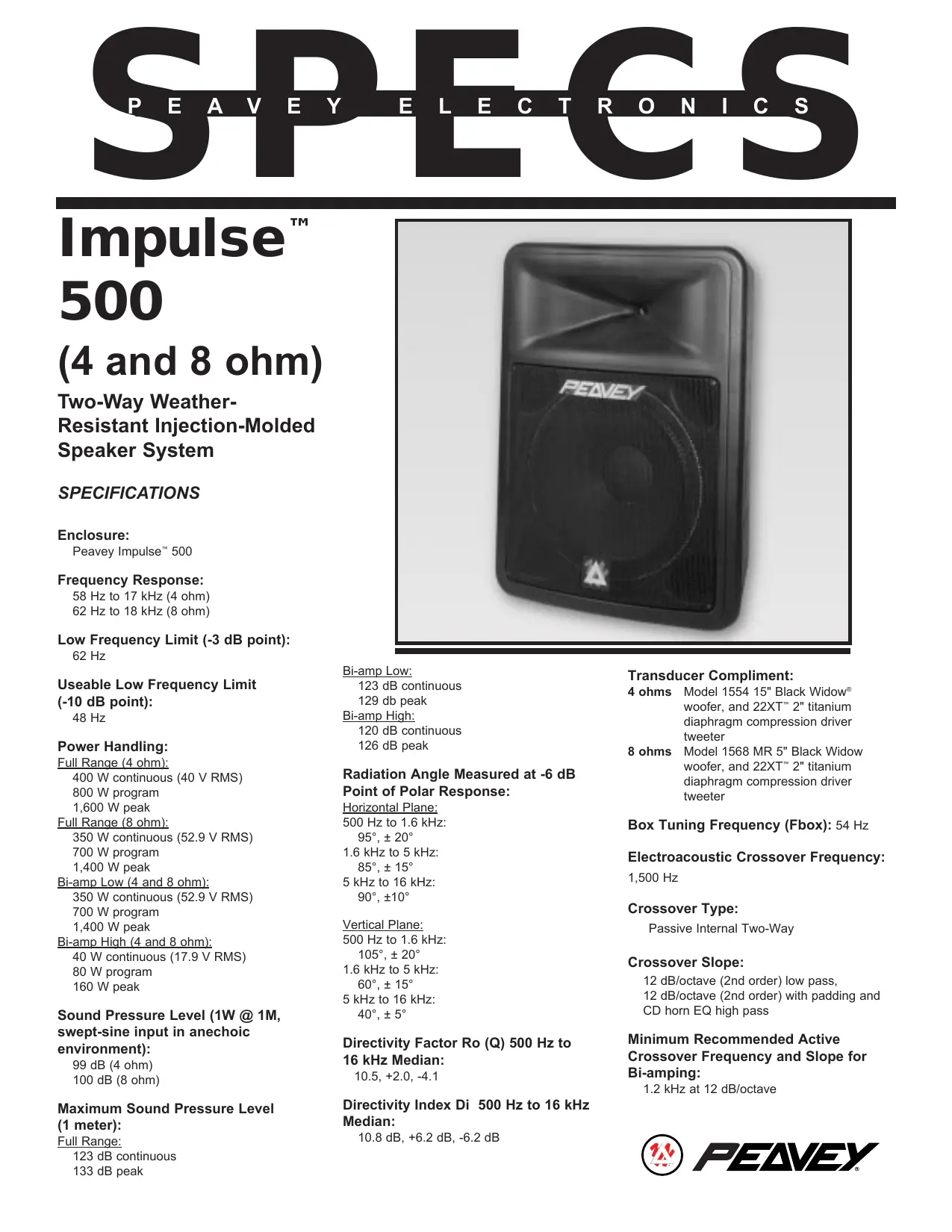


| Product Type | Active Speaker |
| Brand | PEAVEY |
| Model | IMPULSE 500 |
| Dimensions (H x W x D) | 54.13 x 72.55 x 43.18 cm |
| Net Weight | 25.4 kg |
| Nominal Impedance | 8 Ohm |
| Power Handling (Continuous) | 350 W |
| Power Handling (Program) | 700 W |
| Power Handling (Peak) | 1400 W |
| Frequency Response | 62 Hz - 18 kHz (8 Ohm) |
| Maximum SPL (Peak) | 133 dB SPL |
| Sensitivity (1 W/1 m) | 100 dB |
| Coverage Angle (H x V) | 90° x 45° |
| Transducers | 15" Black Widow woofer + 22XT titanium diaphragm compression driver 2" |
| Filter Type | Passive two-way with Sound Guard™ protection |
| Enclosure Material | Injection-molded polypropylene (6.35 mm thickness) |
| Input Connectors | 2 x Jack, 2 x Neutrik Speakon 4-pole parallel |
| Mounting Options | Pole adapter, top and bottom suspension inserts, 4 rubber feet |
| Protection | Sound Guard™ (tweeter protection) |
| Care and Cleaning | Clean with a dry, soft cloth. Avoid prolonged exposure to sun and rain. Use a splash guard outdoors. |
| Safety | For suspension, consult a certified engineer. Use recommended Peavey S-1™ stand. Do not suspend other objects. |
| Spare Parts and Repairability | Contact Peavey after-sales service for original parts (speaker, driver, filter). |
Frequently Asked Questions - IMPULSE 500 PEAVEY
User questions about IMPULSE 500 PEAVEY
0 question about this device. Answer the ones you know or ask your own.
Ask a new question about this device
Download the instructions for your Active speaker in PDF format for free! Find your manual IMPULSE 500 - PEAVEY and take your electronic device back in hand. On this page are published all the documents necessary for the use of your device. IMPULSE 500 by PEAVEY.
USER MANUAL IMPULSE 500 PEAVEY
Two-Way Weather-Resistant Injection-Molded Speaker System
SPECIFICATIONS
Enclosure:
Peavey Impulse ^TM500
Frequency Response:
58 Hz to 17 kHz (4 ohm)
62 Hz to 18 kHz (8 ohm)
Low Frequency Limit (-3 dB point):
62 Hz
Useable Low Frequency Limit
(-10 dB point):
48 Hz
Power Handling:
Full Range (4 ohm):
400 W continuous (40 V RMS)
800 W program
1,600 W peak
Full Range (8 ohm):
350 W continuous (52.9 V RMS)
700 W program
1,400 W peak
Bi-amp Low (4 and 8 ohm):
350 W continuous (52.9 V RMS)
700 W program
1,400 W peak
Bi-amp High (4 and 8 ohm):
40 W continuous (17.9 V RMS)
80 W program
160 W peak
Sound Pressure Level (1W @ 1M, swept-sine input in anechoic
environment):
99 dB (4 ohm)
100 dB (8 ohm)
Maximum Sound Pressure Level
(1 meter):
Full Range:
123 dB continuous
133 dB peak
Bi-amp Low:
123 dB continuous
129 db peak
Bi-amp High:
120 dB continuous
126 dB peak
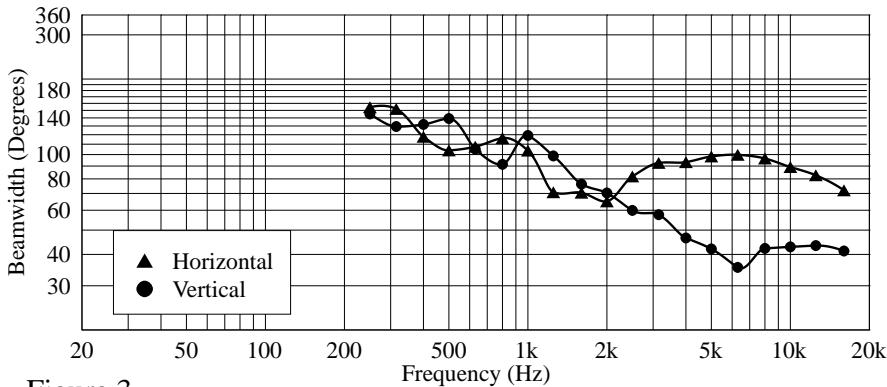
Radiation Angle Measured at -6 dB Point of Polar Response:
Horizontal Plane:
500 Hz to 1.6 kHz:
95^, ± 20^
1.6 kHz to 5 kHz:
85^, ± 15^
5 kHz to 16 kHz:
90^, ± 10^
Vertical Plane:
500 Hz to 1.6 kHz:
105^, ± 20^
1.6 kHz to 5 kHz:
60^, ± 15^
5 kHz to 16 kHz:
40^, ± 5^
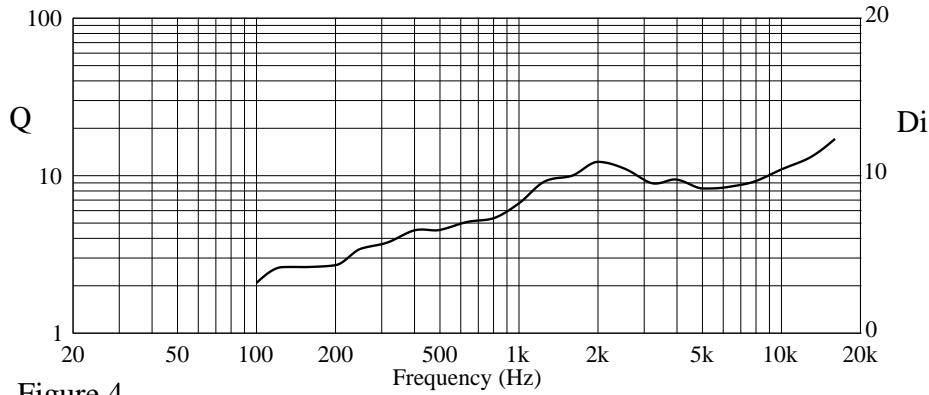
Directivity Factor Ro (Q) 500 Hz to 16 kHz Median:
10.5, +2.0, -4.1
Directivity Index Di 500 Hz to 16 kHz Median:
10.8 dB, +6.2 dB, -6.2 dB
Transducer Compliment:
4 ohms Model 1554 15" Black Widow® woofer, and 22XTTM 2" titanium diaphragm compression driver tweeter
8 ohms Model 1568 MR 5" Black Widow woofer, and 22XT^TM 2" titanium diaphragm compression driver tweeter
Box Tuning Frequency (Fbox): 54 Hz
Electroacoustic Crossover Frequency:
1.500 Hz
Crossover Type:
Passive Internal Two-Way
Crossover Slope:
12 dB/octave (2nd order) low pass,
12 dB/octave (2nd order) with padding and
CD horn EQ high pass
Minimum Recommended Active
Crossover Frequency and Slope for
Bi-amping:
1.2 kHz at 12 dB/octave

FEVAVEY
Time Offset:
0 mS, unit is time offset corrected via spatial location of horn mouth
Impedance (Z):
Full Range (4 ohm):
Nominal: 4 ohms
Minimum: 3.1 ohms
Lows, Nominal: 4 ohms
High, Nominal: 8 ohms
Full Range (8 ohm):
Nominal: 8 ohms
Minimum: 5.6 ohms
Lows, Nominal: 8 ohms
High, Nominal: 8 ohms
Input Connections:
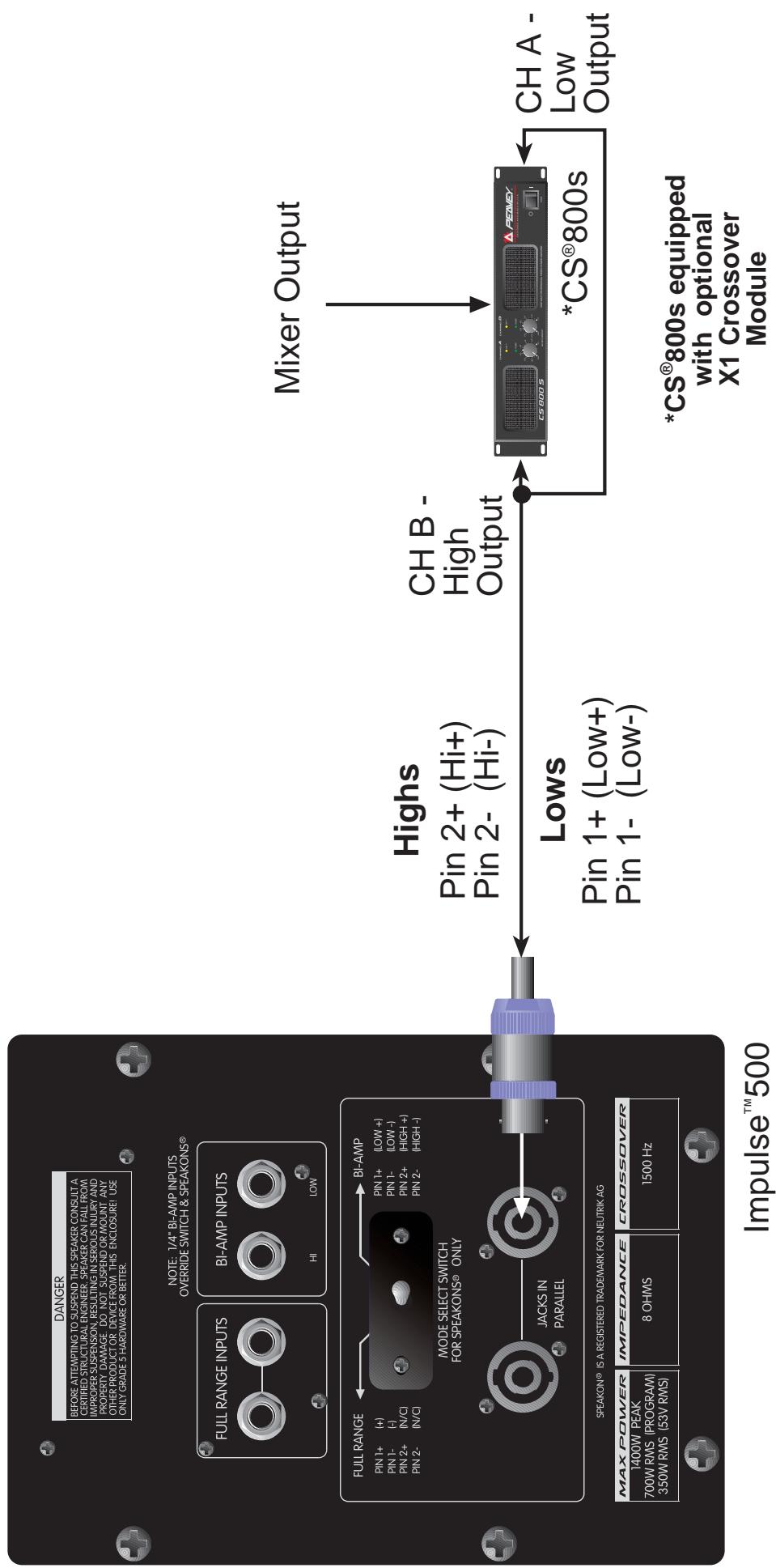
Two 1/4" phone jacks and two 4-pin Neutrik® Speakon® connectors all in parallel. Lockable bi-amplification switch for selection of full-range use or bi-amp use for the Neutrik connectors. Two 1/4" switching jacks for instant 1/4" bi-amp access.
Enclosure Materials and Finish:
Injection-molded high-impact polypropylene of a nominal thickness of 1/4 and with textured finish.
Mounting:

Stand mounting via molded-in mount, flying via Versamount™ 70 (top or bottom of cabinet) and four rubber feet for floor use.
Dimensions (H x W x D):
28.562" tall x 21.312" wide
(11.5" wide in rear) x 17" deep.
[72.55 cm x 54.13 cm
(29.21 cm rear) x 43.18 cm]
Optional Accessories: TBD
Net Weight: 56 lbs.
Shipping Weight: 62.4 lbs.
Additional Remarks:
Also available in a 4-ohm nominal impedance system, and a bi-amplified powered unit (Impulse 500P)
Features:
350 W Continuous, 1,400 W Peak Sound Guard
- Black Widow 15" premium woofer
22XT titanium compression driver
Multiple handgrips and stand mount
Peak SPL in excess of 133 dB
- Weather-resistant woofer and grille
Top and bottom flying point inserts
Molded-in horn with exceptionally smooth response and pattern control
DESCRIPTION:
The Impulse 500 is a two-way full-range speaker system engineered to provide ultra-high performance in a portable, compact, weather-resistant package. The enclosure utilizes high-impact polypropylene in an injection-molded plastic trape
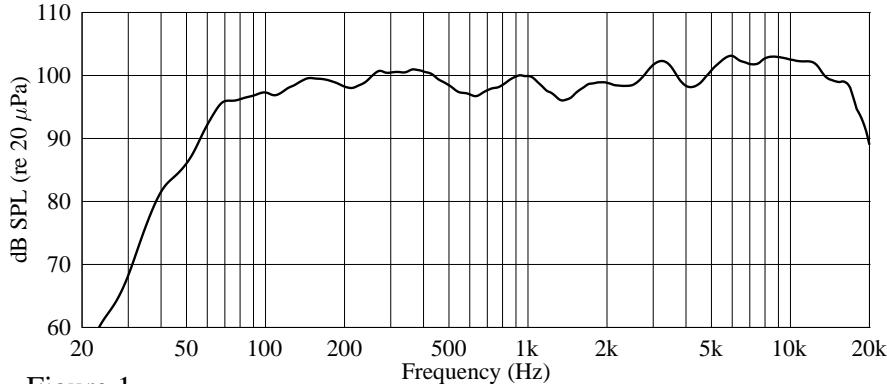
Amplitude Response (1W 1m On-Axis)
Figure 1
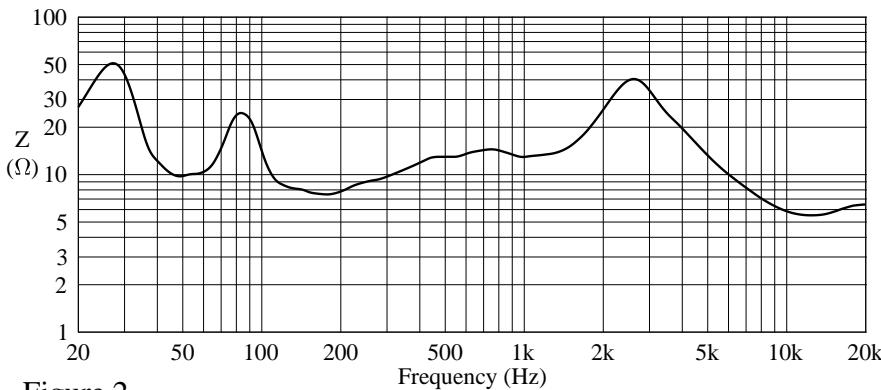
Impedance
Figure 2
Beamwidth
Figure 3
Q & Directivity Index
Figure 4
Harmonic Distortion at 1/100 Rated Power
Figure 5
HARMONIC DISTORTION
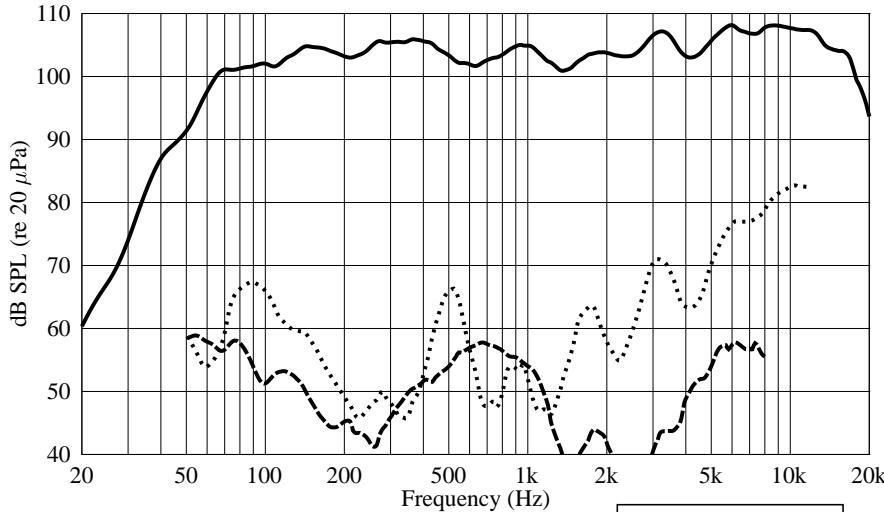
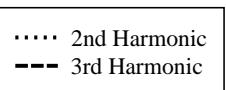
Second and third harmonic distortion vs. frequency is plotted in two power levels: one tenth of rated input power and either one one hundredth of rated input power or 1 Watt, whichever is higher. Distortion is read from the graph as the difference between the fundamental signal and the desired harmonic. As an example, distortion that is 40dB down from the fundamental signal is equivalent to 1% distortion.
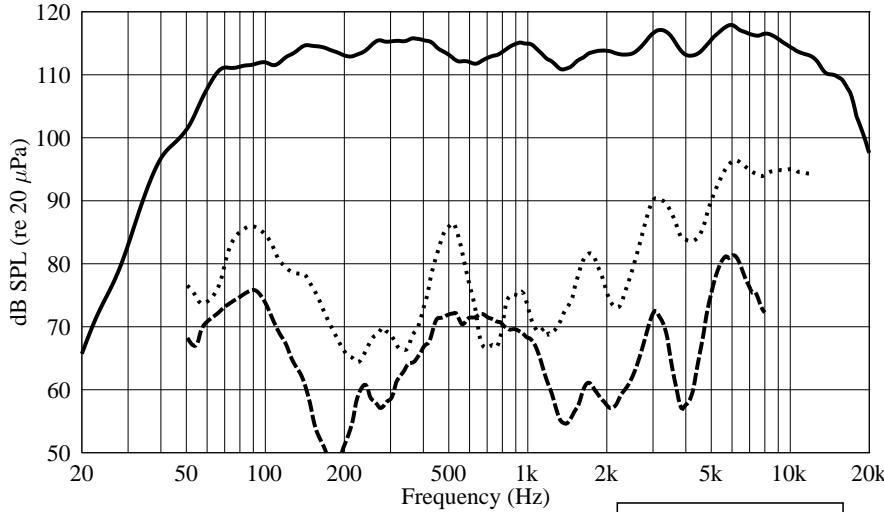
Harmonic Distortion at 1/10 Rated Power
Figure 6
zoidal shape, along with a coated perforated metal grille to offer a cosmetically elegant yet durable system.
The two-way system includes a 15" Black Widow woofer with a Kevlar® impregnated cone and a specially treated surround, cone and dust cap for excellent weather resistance. The 22XT compression driver features a 2" titanium diaphragm, and is coupled to an extremely smooth and well controlled constant directivity horn, with a coverage pattern of 90 degrees by 45 degrees that is molded into the enclosure. Input connection to the system is made via 1/4" phone jacks (2) or 4-pin Neutrik Speakon connectors. Provisions for bi-amplification are made via a lock-down switch selected mode of operation for the Neutrik connectors, or instant access 1/4" switching jacks. The internal passive crossover features Sound Guard to protect the tweeter, and utilizes high performance components and an advanced topology crossover to provide high power handling and a smooth yet clear response. The optimal integration of the crossover with the selected drivers results in a smooth frequency response from 62 Hz to 18 kHz.
The free-flow vented cabinet offers mounting point inserts top and bottom as well as a molded-in stand adapter for maximum utility and ease of use.
FREQUENCY RESPONSE:
This measurement is useful in determining how accurately a given enclosure reproduces an input signal.
The frequency response of the Impulse 500 is measured at 1 meter using a 2.82-volt, swept-sine input. The selected driver in the Impulse 500 combine to give a smooth frequency response from 62Hz to 18kHz .
DIRECTIVITY:
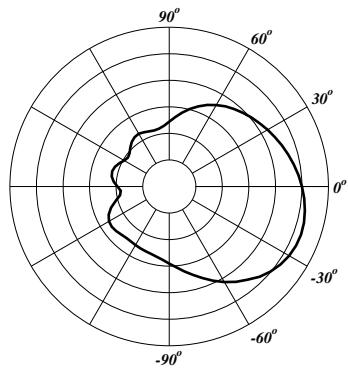
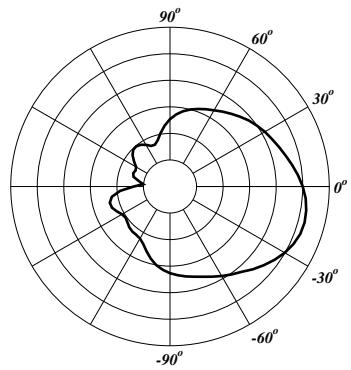
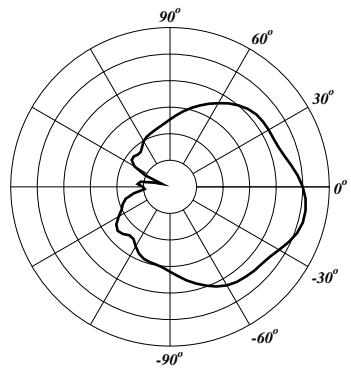
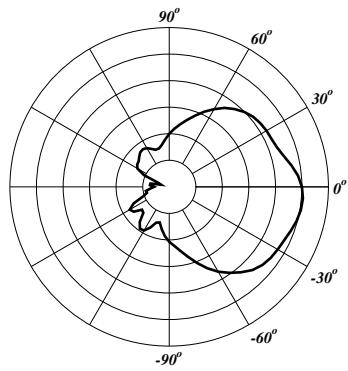
Beamwidth and directivity factors are derived from the -6 dB points from the polar plots (see figure 3), which are measured in a whole space anechoic environment. These are specifications that provide a reference to the coverage characteristics of the unit. These parameters provide insight for proper placement and installation in the chosen environment. The blending of the components of the Impulse™ 500 exhibit a desirable beamwidth and directivity (figures 3 and 4) suitable for sound reinforcement applications.
POWER HANDLING:
There are many different approaches to power handling ratings. Peavey rates this speaker system's power handling using a modified form of the AES Standard
2-1984. Utilizing audio band 20Hz to 20kHz pink noise with peaks over four times the RMS level, this strenuous test signal assures the user that every portion of this system can withstand today's high technology music. The test signal contains large amounts of very low frequency energy, effectively simulating the frequency content of live music situations. The full measure of high frequencies in the test signal allows for exposure of the speaker to synthesized tones that may extend beyond audibility. This rating is contingent on having minimum 3 dB of amplifier headroom available.
ARCHITECTURAL AND ENGINEERING SPECIFICATIONS:
The loudspeaker system shall have an operating bandwidth of 48Hz to 18kHz . The output level shall be 100 dB when measured at a distance of 1 meter with an input of 1 watt. The nominal impedance shall be 8 ohms. The continuous power handling shall be 350 watts, maximum program power of 700 watts, and a peak power handling of 1,400 watts, with a minimum amplifier headroom of 3 dB. The peak SPL with inaudible distortion shall reach 133 dB with music as a
source, when measured at a distance of 1 meter and driven to rated power. The system shall utilize a 15" Black Widow woofer and a 22XT compression driver tweeter. The nominal radiation pattern shall be 90 degrees in the horizontal plane and 45 degrees in the vertical plane. The cabinet is to consist of injection-molded polypropylene of 1/4" nominal thickness, with internal reinforcing ribs. A handgrip shall be present on each side of the cabinet next to the woofer and a handle on the top rear edge. A vinyl-coated perforated metal grille shall be provided for woofer protection. The cabinet shall incorporate four tall sturdy rubber feet for floor standing use and four mounting point inserts top and bottom for flying use. The outside dimensions shall be 28 9/16" tall by 21 5/16" wide (11 1/2" wide in rear) by 17" deep. The weight shall be 56 lbs. The input connection shall be made available via two 1/4" phone jacks and two 4-pin Neutrik Speakon connectors, all connected in parallel for full range use, and a locking switch to select bi-amp use for the Neutrik connectors and instant access 1/4" switching jacks for bi-amp use with 1/4" phone jacks. The loudspeaker system shall be a Peavey model Impulse 500.
Warning! When use of a stand is considered, the Peavey S-1™ stand is recommended. Other stands may not have a base sufficiently wide enough for stability and safety.
CAUTION! For permanent outdoor installation, avoid direct cone exposure to sunlight and rain by tilting speaker down and use a splash shield on top.
WARNING! Before attempting to suspend this speaker, consult a certified structural engineer. Speaker can fall from improper suspension, resulting in serious injury and property damage. Do not suspend or mount any other product or device from this enclosure! Use only Grade 5 hardware or better.
Impulse 500
Horizontal Polar Patterns
6 dB per Division
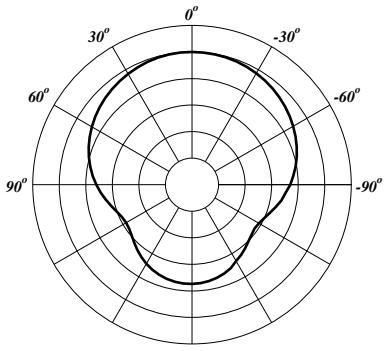
250 Hz
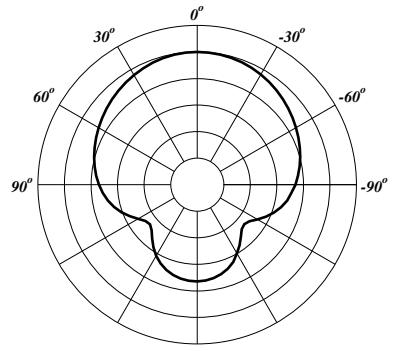
315 Hz
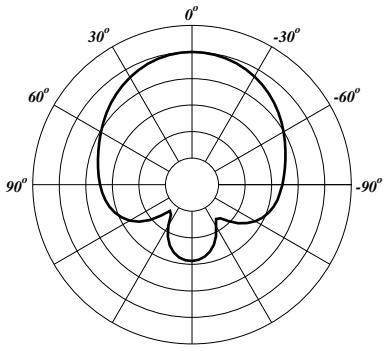
400 Hz
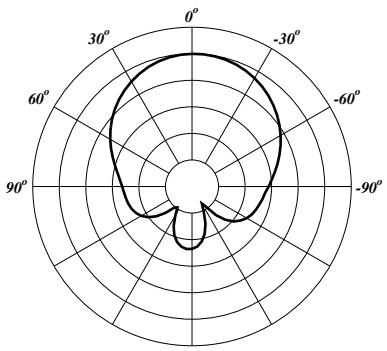
500 Hz
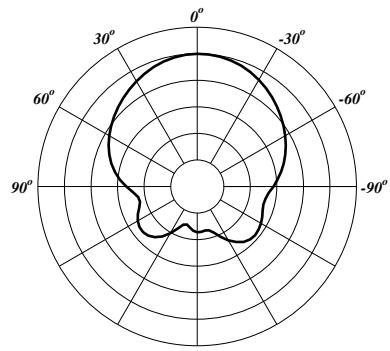
630 Hz
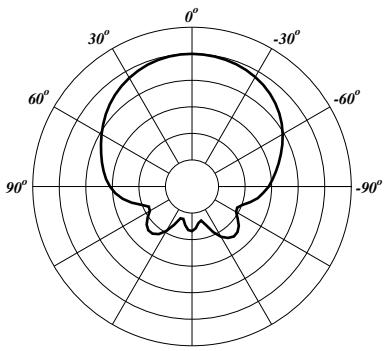
800 Hz
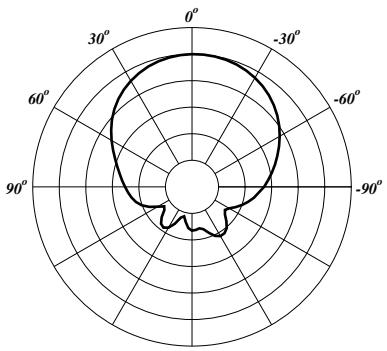
1 kHz
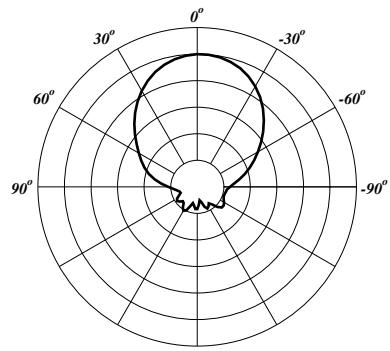
1.25 kHz
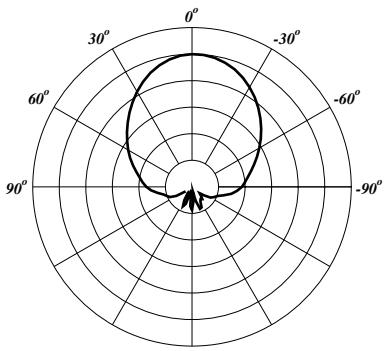
1.6 kHz
Impulse 500
Horizontal Polar Patterns
6 dB per Division
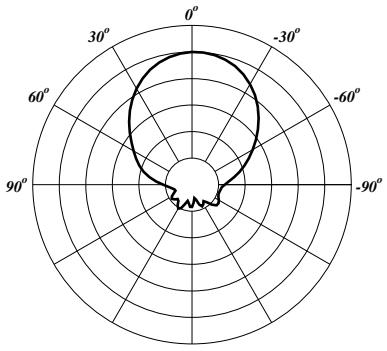
2 kHz
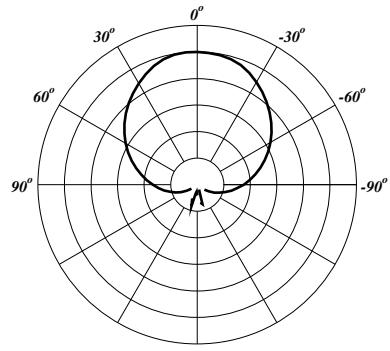
2.5 kHz
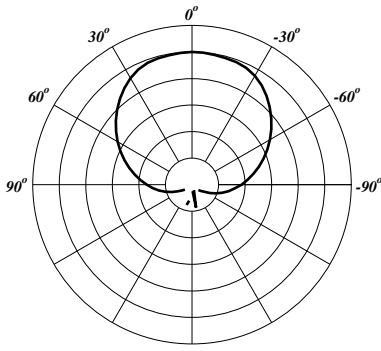
3.15 kHz
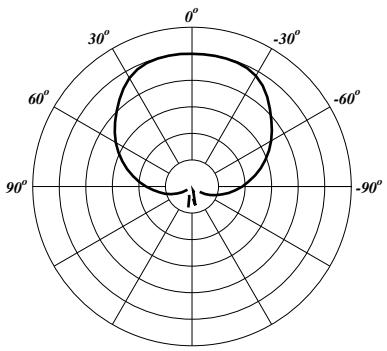
4 kHz
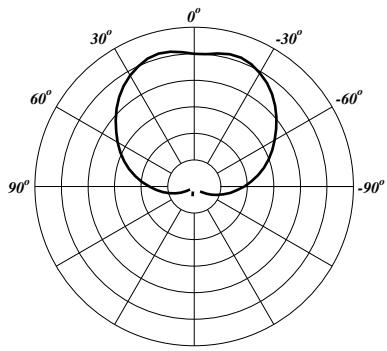
5 kHz
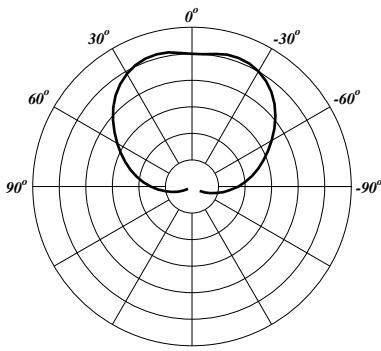
6.3 kHz
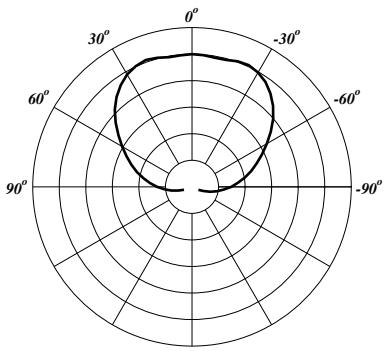
8 kHz
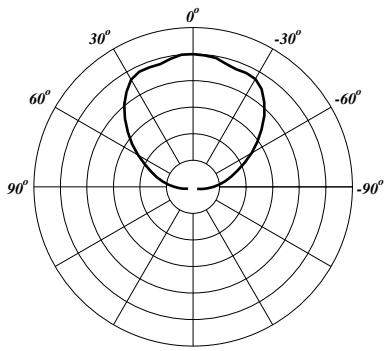
12.5 kHz
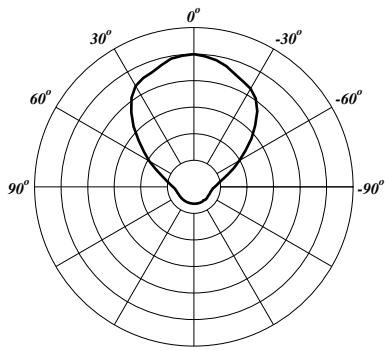
16 kHz
Impulse 500
Vertical Polar Patterns
6 dB per Division
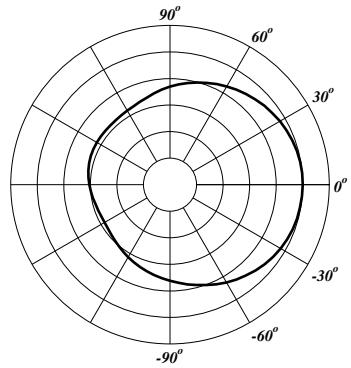
250 Hz
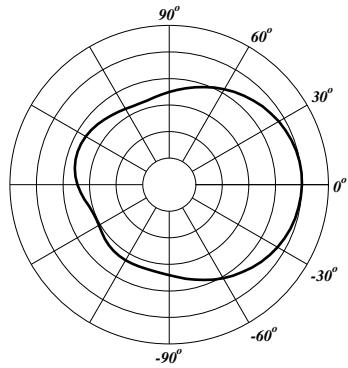
315 Hz
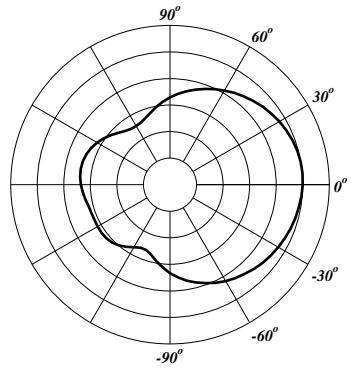
400 Hz
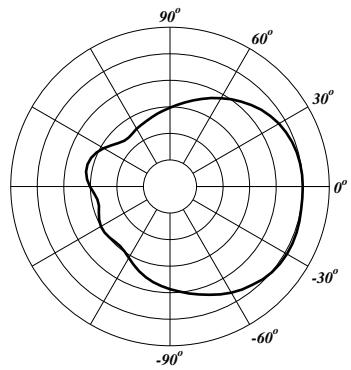
500 Hz
630 Hz
800 Hz
1 kHz
1.25 kHz
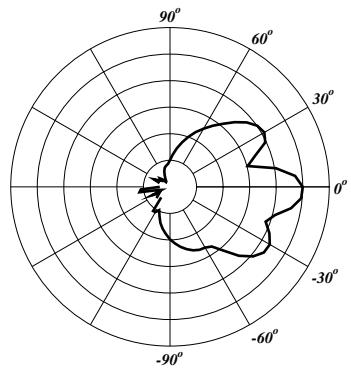
1.6 kHz
Impulse 500
Vertical Polar Patterns
6 dB per Division
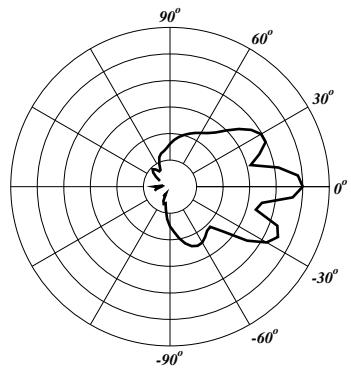
2 kHz
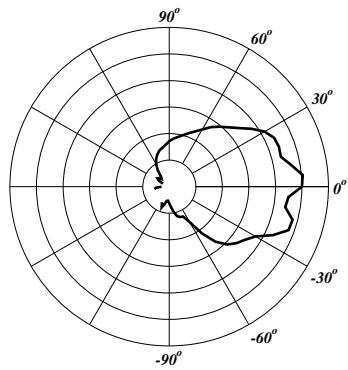
2.5 kHz
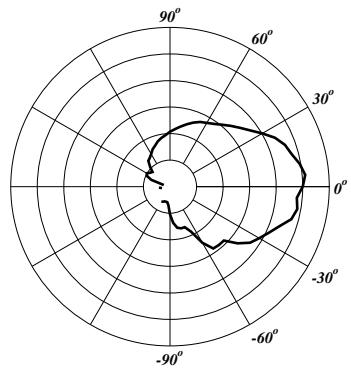
3.15 kHz
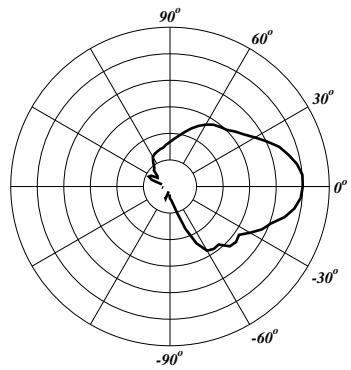
4 kHz
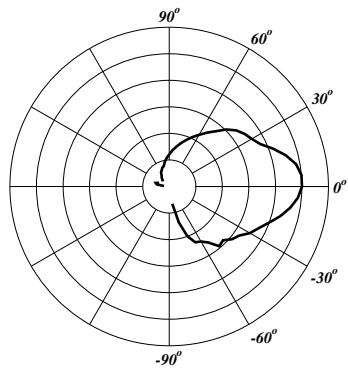
5 kHz
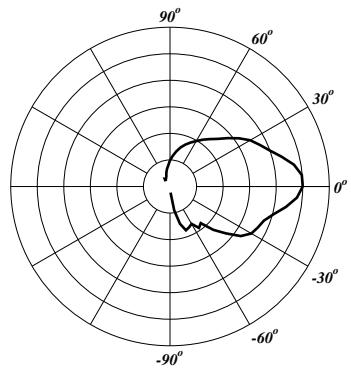
6.3 kHz
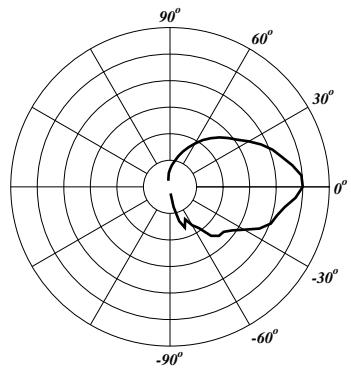
8 kHz
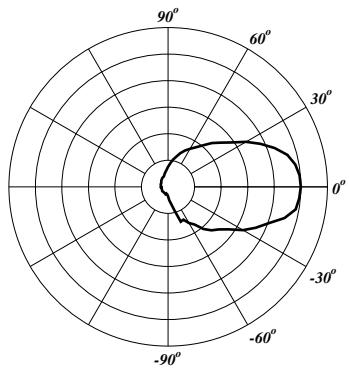
12.5 kHz
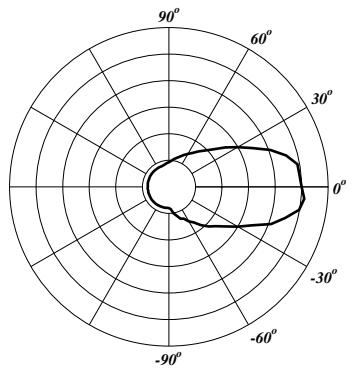
16 kHz
Impulse™ 500 Bi-Amp Wiring Diagram for Speakon® Use
Impulse™ 500 Mounting Dimensions
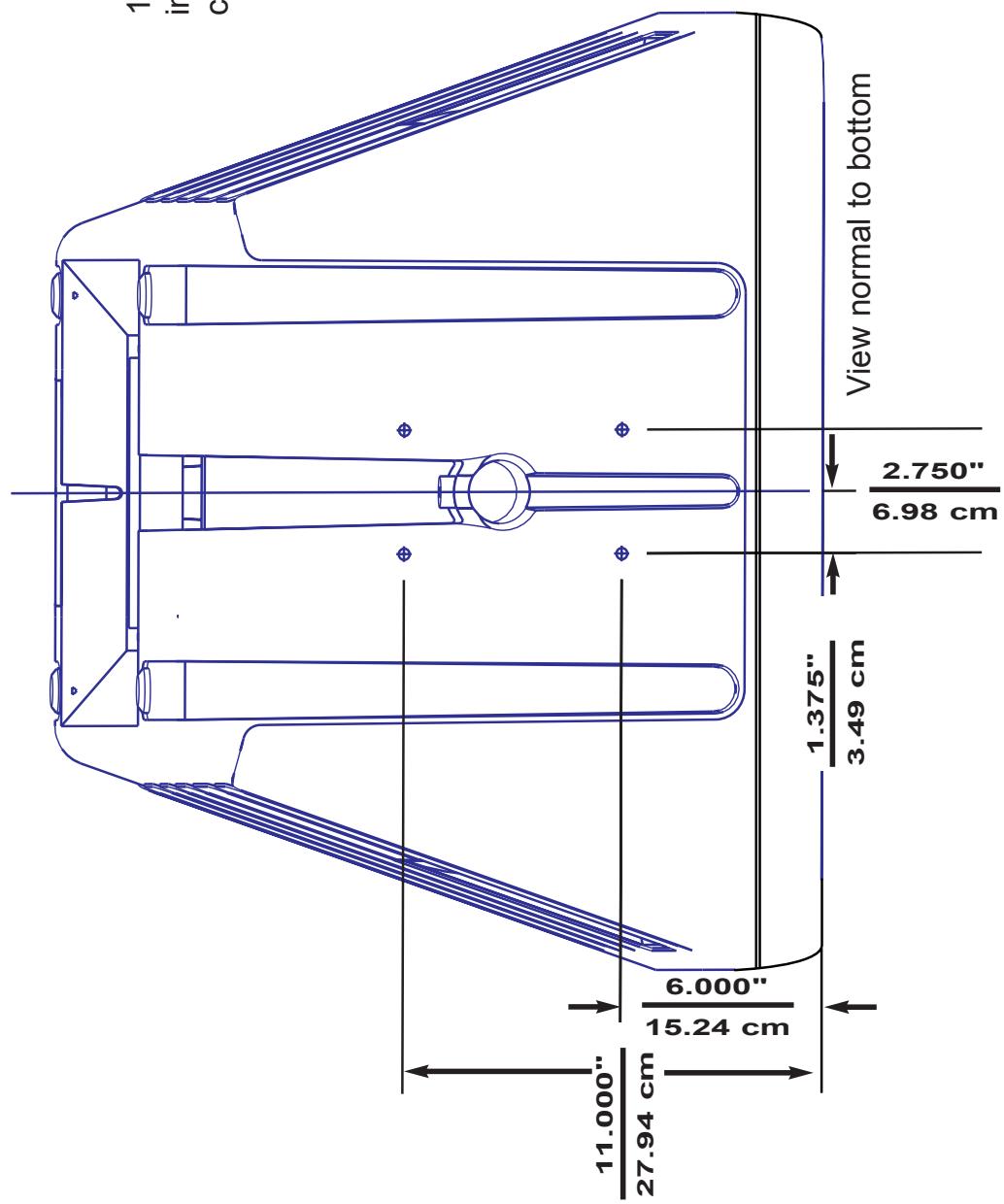
1/4"-20 x 3/4 full thread
insert four each end of
cabinet same location
ESPAÑOL
Impulse™ 500
350 Watt continus (52.9 V RMS)
700 Watt program
1,400 Watt peak
Biamplification graves (4/8 ohm):
350 W continus (52.9 V RMS)
700 Watt program
1,400 Watt peak
Biamplification aigus (4/8 ohm):
40 W continus (17.9 V RMS)
80 W program
160 W peak
Niveau de pression
Biamplification graves:
123 dB continuous
129 db peak
Biamplification aigus:
120 dB continuous
126 dB peak
Graves, Nominal: 4 Ohm
Aigus, Nominal: 8 Ohm
Plein registre
Nominate: 8 Ohm
Minimum: 5.6 Ohm
Graves, Nominal: 8 Ohm
Aigus, Nominal: 8 Ohm
Dimensions (H x L x P):
Bi-Amp Low (4/8 ohm):
Directivity Index Di 500 Hz
bis 16 kHz Median:
10.8 dB, +6.2 dB, -6.2 dB
Tiefpass, 12 dB/Oktave
NOTE: For details, refer to the warranty statement. Copies of this statement may be obtained by contacting Peavey Electronics Corporation, P.O. Box 2898, Meridian, Mississippi 39302-2898.

PEAVEY
Features and specifications subject to change without notice.
Peavey Electronics Corporation • 711 A Street • Meridian • MS • 39301 (601) 483-5365 • FAX (601) 486-1278 • www.peavey.com

80304598
- Radiation Angle Measured at -6 dB Point of Polar Response:
- Time Offset:
- Impedance (Z):
- Full Range (4 ohm):
- Full Range (8 ohm):
- Input Connections:
- Enclosure Materials and Finish:
- Mounting:
- Dimensions (H x W x D):
- Optional Accessories: TBD
- Shipping Weight: 62.4 lbs.
- Additional Remarks:
- Features:
- DESCRIPTION:
- HARMONIC DISTORTION
- FREQUENCY RESPONSE:
- DIRECTIVITY:
- POWER HANDLING:
- ARCHITECTURAL AND ENGINEERING SPECIFICATIONS:
- Impulse 500
- Horizontal Polar Patterns
- dB per Division
- Vertical Polar Patterns
- Impulse™ 500 Bi-Amp Wiring Diagram for Speakon® Use
- ESPAÑOL
- Impulse™ 500
- Niveau de pression
- Plein registre
- Dimensions (H x L x P):
- Directivity Index Di 500 Hz
- bis 16 kHz Median:
Brand : PEAVEY
Model : IMPULSE 500
Category : Active speaker