
MARSUPIO YOU AND ME - Baby carrier CHICCO - Free user manual and instructions
Find the device manual for free MARSUPIO YOU AND ME CHICCO in PDF.


| Product type | Baby carrier |
| Brand | CHICCO |
| Model | MARSUPIO YOU AND ME |
| Age of use | From birth |
| Recommended child weight | 3.5 to 12 kg |
| Carrying positions | Facing mom and facing forward |
| Height adjustment system | Yes, to follow the child's growth |
| Shoulder strap adjustment | Yes, using the main and secondary adjustment straps |
| Headrest | Yes, integrated |
| Back support panel | Yes, for adult comfort |
| Opening for arm passage | Yes, provided |
| Cleaning | Follow instructions on the care label |
| Maintenance | Regularly check the condition of fabric and seams |
| Safety | Check the buckles, do not use for sports activities, do not leave child unattended |
| Spare parts and repairability | Contact customer service for any missing or damaged parts |
| Customer service | Chicco Puériculture de France, phone 01 64 67 44 88 |
Frequently Asked Questions - MARSUPIO YOU AND ME CHICCO
User questions about MARSUPIO YOU AND ME CHICCO
0 question about this device. Answer the ones you know or ask your own.
Ask a new question about this device
Download the instructions for your Baby carrier in PDF format for free! Find your manual MARSUPIO YOU AND ME - CHICCO and take your electronic device back in hand. On this page are published all the documents necessary for the use of your device. MARSUPIO YOU AND ME by CHICCO.
USER MANUAL MARSUPIO YOU AND ME CHICCO
natural_image
Illustration of a blue cartoon backpack with 'chico' logo, no text or symbols present• ISTRUZIONI D'USO
• MODE D'EMPLOI
• GEBRAUCHSANLEITUNG
• INSTRUCTIONS FOR USE
• INSTRUCCIONES DE USO
• INSTRUÇÕES PARA A UTILIZAÇÃO
• GEBRUIKSAANWIJZINGEN
• ANVÄNDNINGSINSTRUKTIONER
• NÁVOD K POUŽITÍ
• INSTRUKCJE SPOSOBU UŻYCIA
• ΟΔΗΓΙΕΣ ΧΡΗΣΗΣ
• KULLANIM BİLGİLERİ
• ИНСТРУКЦИЯ ПО ЭКСПЛУАТАЦИИ
• تعليمات الاستعمال
IMPORTANTE: CONSERVARE PER OGNI RIFERIMENTO FUTURO
F IMPORTANT: CONSERVER POUR TOUTE CONSULTATION FUTURE
D WICHTIG: FÜR ZUKÜNFTIGES NACHSCHLAGEN AUFBEWAHREN
GB IMPORTANT: PLEASE KEEP THESE INSTRUCTIONS FOR FUTURE REFERENCE
E IMPORTANTE: CONSERVAR PARA FUTURAS CONSULTAS
P IMPORTANTE: GUARDE-O PARA CONSULTAS FUTURAS.
NL BELANGRIJK: VOOR LATERE RAADPLEGING BEWAREN
s VIKTIGT: SPARA FÖR FRAMTIDA BRUK
CS DŮLEŽITÉ: USCHOVEJTE PRO PŘÍPADNÉ DALŠÍ POUŽITÍ
PL WAŻNE: ZACHOWAĆ NA PRZYSZŁOŚĆ.
natural_image
Line drawing of a person in a shirt with hands on hips, no text or symbols present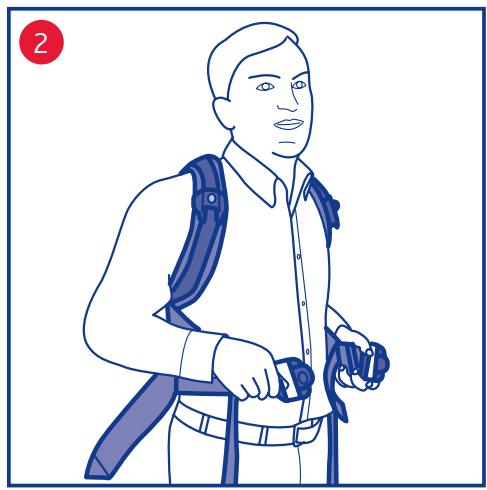
natural_image
Line drawing of a person wearing a vest and harness, holding a device (no text or symbols)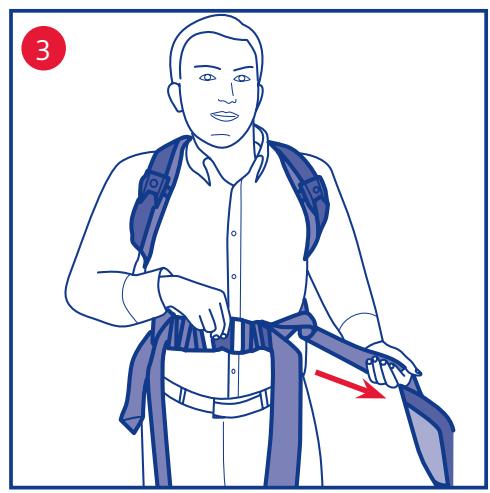
natural_image
Illustration of a person wearing a harness and holding a rifle, with a red arrow indicating motion (no text or symbols)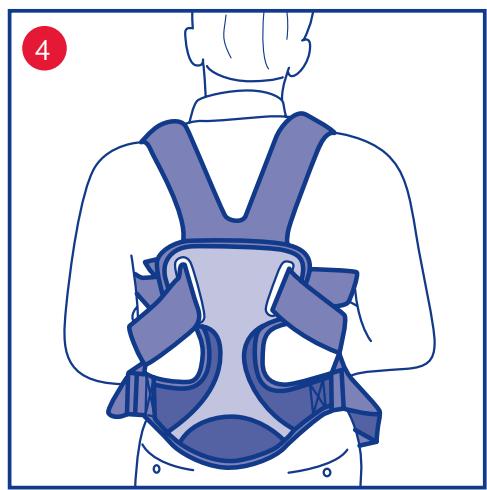
natural_image
Illustration of a person wearing a full-body medical harness (no text or symbols)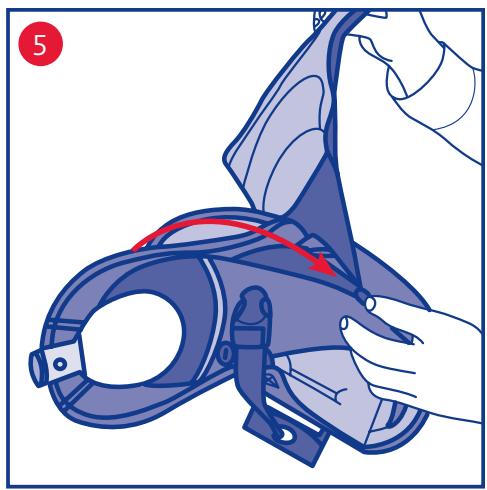
natural_image
Illustration of a person adjusting a blue mechanical component with a red arrow indicating motion (no text or symbols)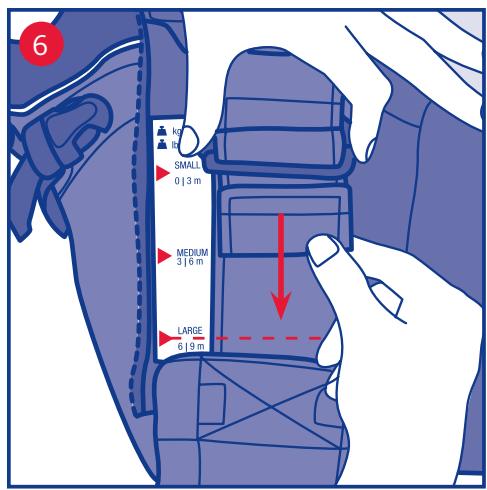
natural_image
Illustration of a person adjusting a blue mechanical component with a red arrow indicating motion (no text or symbols)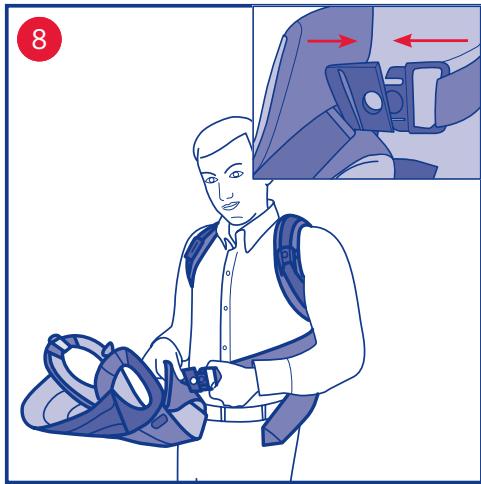
natural_image
Illustration of a person wearing a full-body safety harness and vest, holding a device (no text or symbols)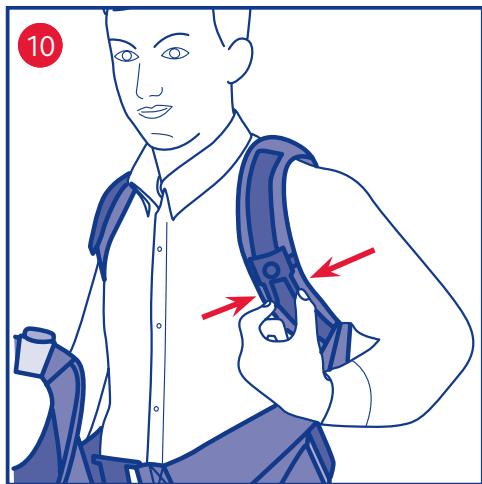
natural_image
Illustration of a person holding a firearm with red arrows pointing to the subject (no text or symbols)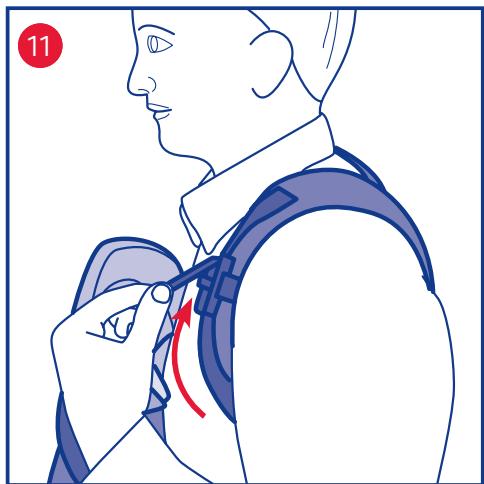
natural_image
Illustration of a person adjusting a shoulder brace with a red arrow indicating motion (no text or symbols)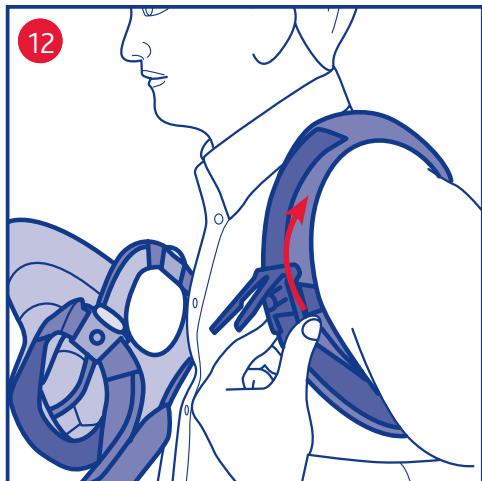
natural_image
Illustration of a person adjusting a blue medical device with a red arrow indicating motion (no text or symbols)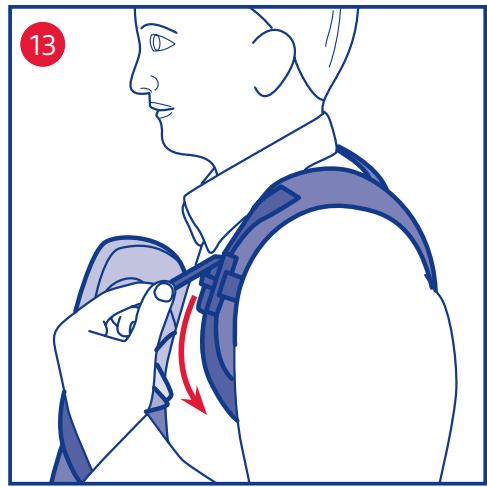
natural_image
Illustration of a person adjusting a shoulder brace with a red arrow indicating motion (no text or symbols)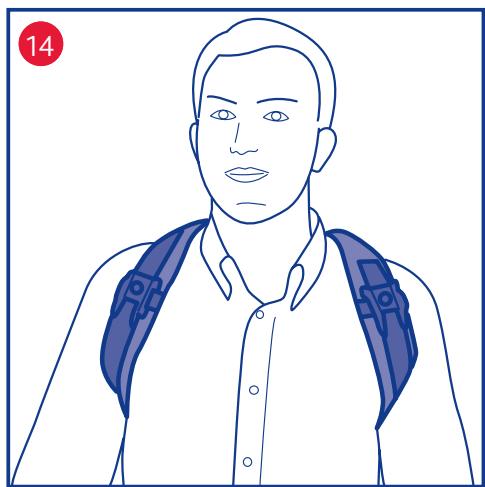
natural_image
Line drawing of a person wearing a vest with shoulder straps (no text or symbols)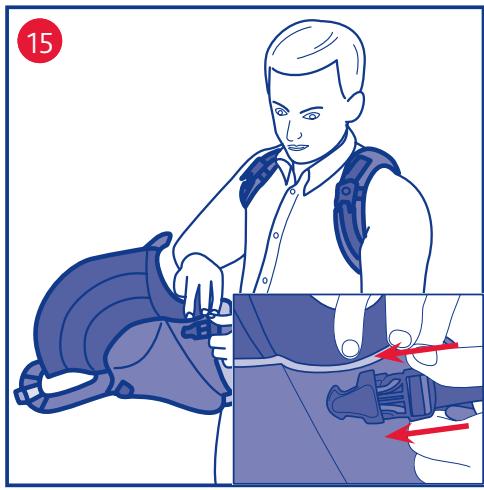
natural_image
Illustration of a person using a tool to adjust or install a component, with no visible text or symbols.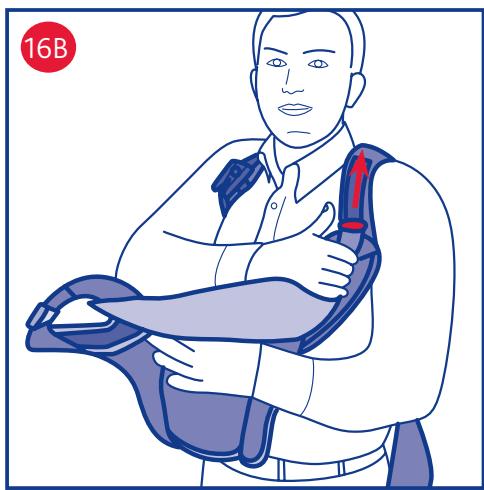
natural_image
Illustration of a person in a sling with a red arrow indicating force or movement (no text or symbols)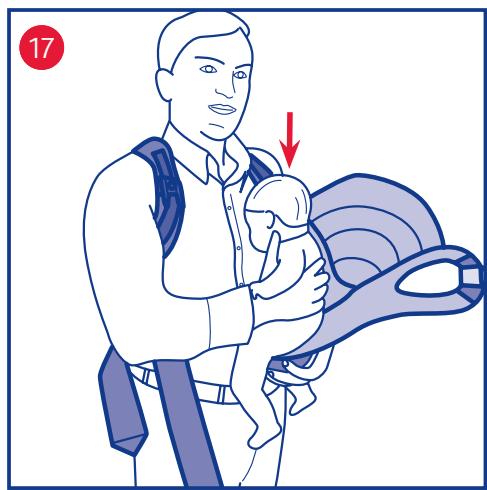
natural_image
Illustration of a person carrying a baby in a life vest, with a red arrow indicating force direction (no text or symbols)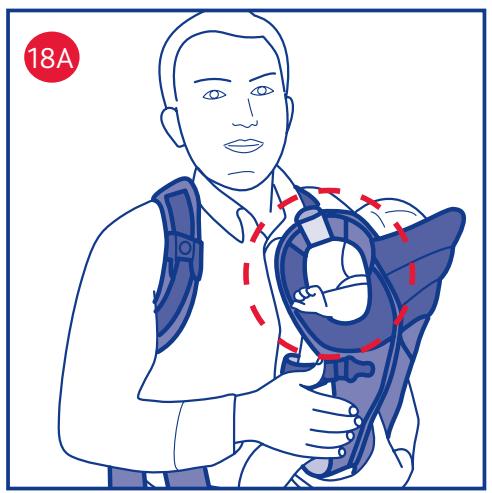
natural_image
Illustration of a person holding a medical device with red dashed lines indicating motion or alignment (no text or symbols)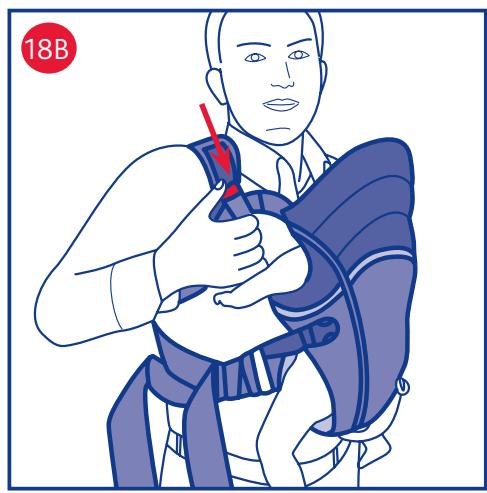
natural_image
Illustration of a person in a full-body harness and seatbelt, holding a medical device (no text or symbols)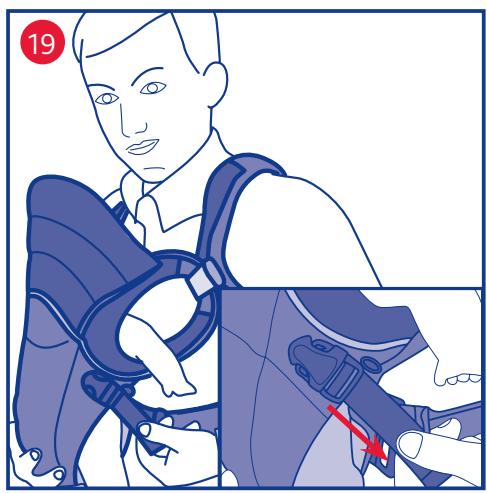
natural_image
Illustration of a person using a seatbelt device, showing the angle and grip (no text or symbols)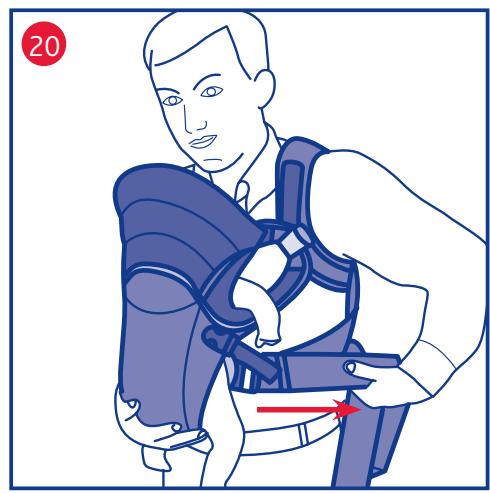
natural_image
Illustration of a person using a baby in a blue safety harness, with no visible text or symbols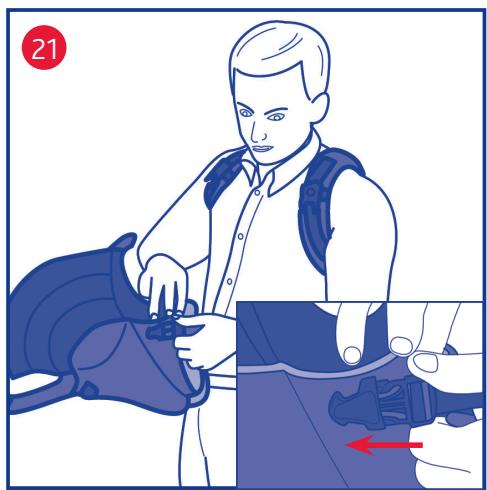
natural_image
Illustration of a person adjusting a device with a magnified inset showing the device being adjusted (no text or symbols present)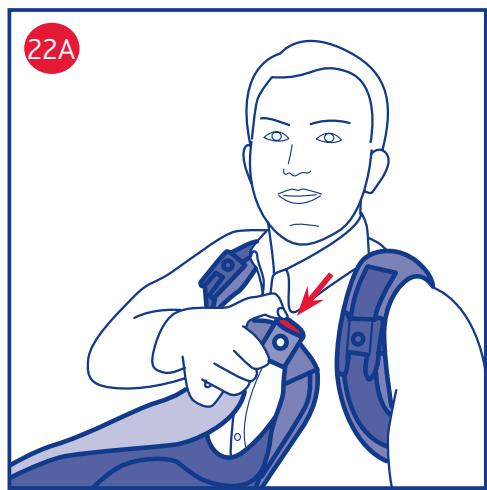
natural_image
Illustration of a person adjusting a tool with a red arrow pointing to the tip (no text or symbols)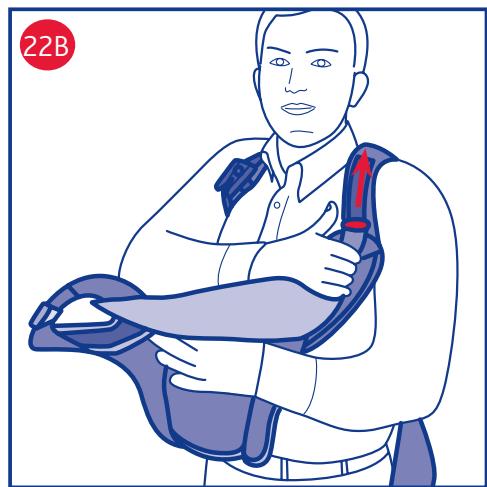
natural_image
Illustration of a person in uniform holding a sash bag, with a red arrow indicating upward motion (no text or symbols)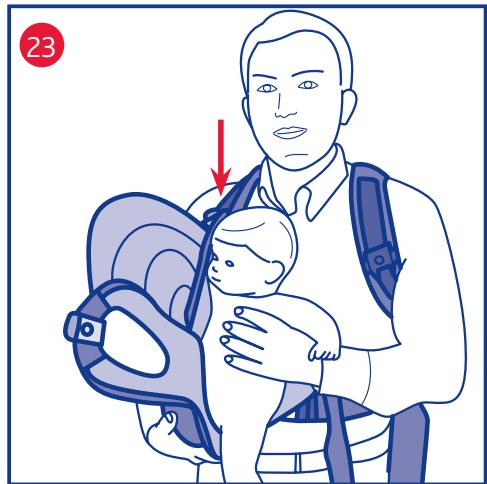
natural_image
Illustration of a man carrying a baby in a life vest, with a red arrow pointing to the baby's chest (no text or symbols present)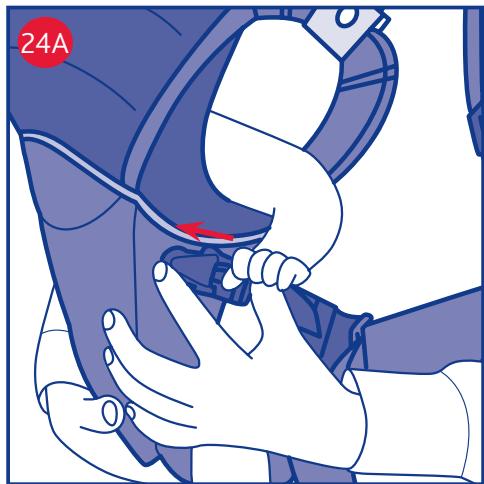
natural_image
Illustration of a person adjusting a helmet with a red arrow indicating a specific part (no text or symbols present)
natural_image
Illustration of a person carrying a baby in a life vest, with a red arrow indicating motion (no text or symbols)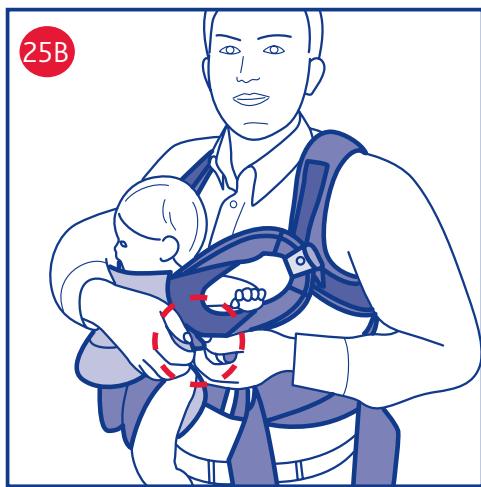
natural_image
Illustration of a person carrying a baby in a life vest, with no visible text or symbols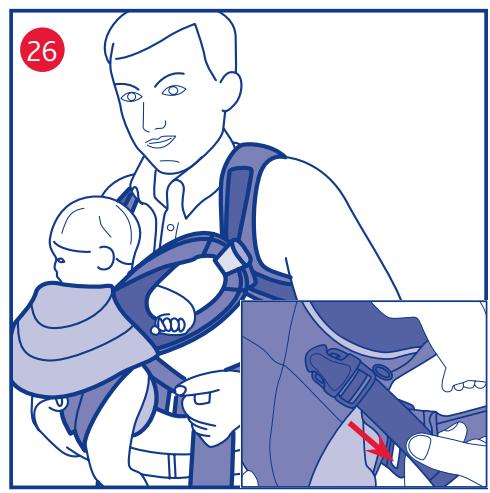
natural_image
Illustration of a person carrying a baby in a full-body car, with a hand adjusting the seatbelt (no text or symbols)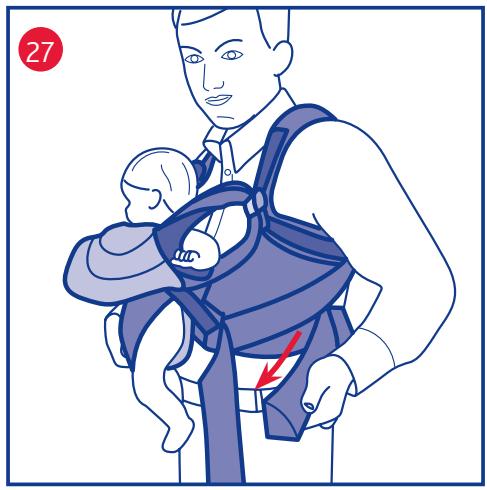
natural_image
Illustration of a person carrying a baby in a life vest, with a red arrow indicating the motion (no text or symbols present)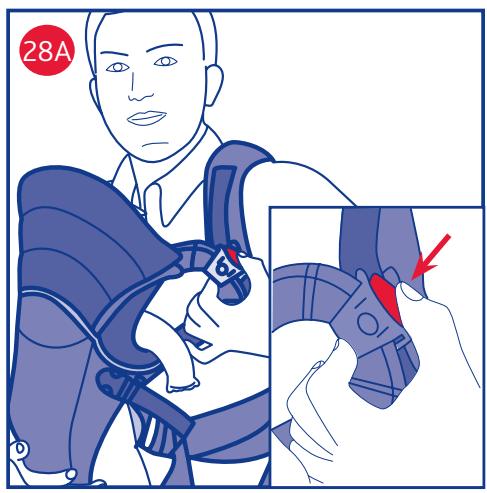
natural_image
Line drawing of a person wearing a full-body harness and carrying a child (no text or symbols)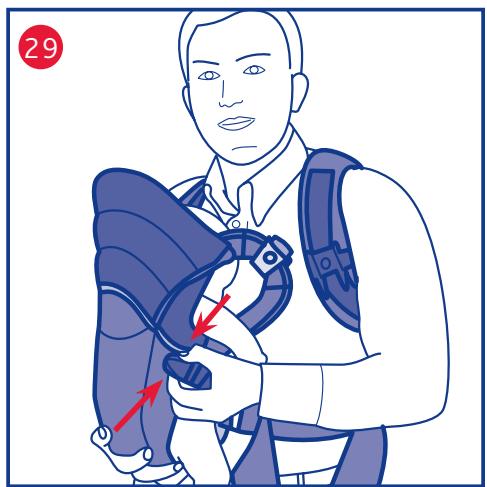
natural_image
Illustration of a person in a full-body medical harness carrying a device, with red arrows indicating motion direction (no text or symbols)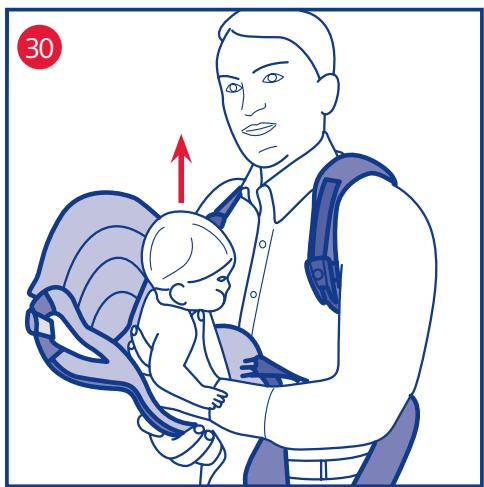
natural_image
Illustration of a man carrying a baby in a sling, with a red upward arrow indicating motion (no text or symbols)ISTRUZIONI D'USO
COMPONENTI MARSUPIO
COME TOGLIERE IL BAMBINO DAL MARSU- PIO
SO LEGEN SIE DIE SCHULTERGURTE AN
A. Baby carrier
B. Headrest
C. Opening for arms
D. Upper open/close buckle
E. Lower open/close buckle
F. Side adjustment buckle
G. Height adjustment buckle (to follow the child's growth)
H. Seat
I. Button holes
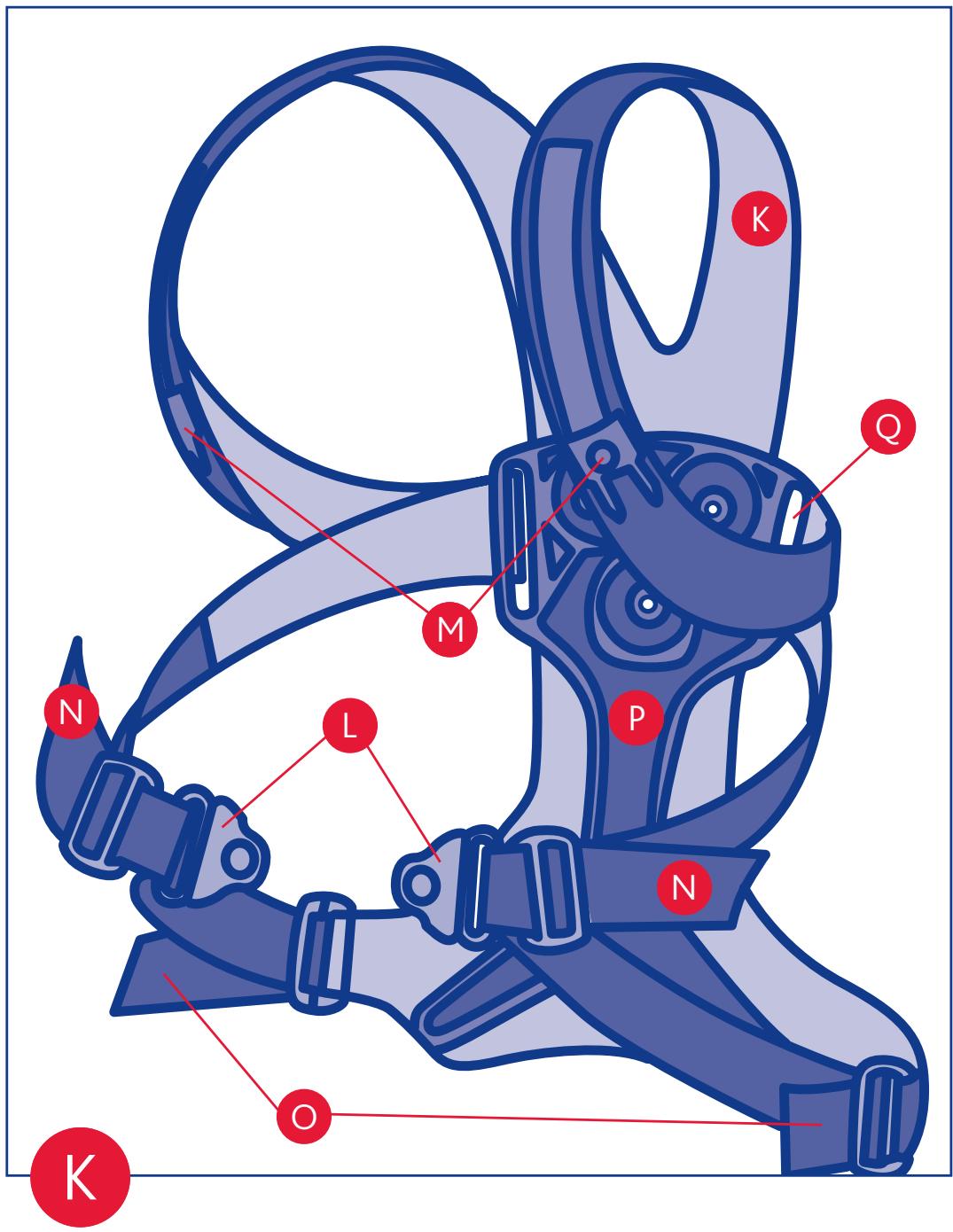
K. Shoulder straps
L. Lower buckle
M. Upper adjustment buckle
N. Main adjustment straps
O. Secondary adjustment straps
P. Backrest
Q. Buckle holes in the shoulder straps
WARNINGS
IMPORTANT: PLEASE READ THESE INSTRUCTIONS CAREFULLY BEFORE USE AND KEEP THEM FOR FUTURE REFERENCE. YOUR CHILD'S SAFETY MAY BE AFFECTED IF YOU DO NOT FOLLOW THESE INSTRUCTIONS CAREFULLY.
CAUTION: BEFORE USE, REMOVE AND DISPOSE OF ALL PLASTIC BAGS AND PACKAGING MATERIALS AND KEEP THEM OUT OF REACH OF NEWBORN BABIES AND CHILDREN.
WARNING
Age: From birth (3.5 Kg up to 12 kg of weight). Use the Baby Carrier only when standing or walking.
- WARNING: This carrier is not suitable for use during sporting activities.
- This baby carrier must not be used to transport a child on your back.
- Before use, check that the straps are fitted and adjusted correctly, and that the buckles are safely fastened into position.
-
It is recommended that you place and remove the child from the Baby Carrier while sitting.
-
Baby must be transported facing inward until it is able to keep its head straight and its shoulders in a vertical position (approximately up to the fourth month of age).
- After seating the child in the Baby Carrier, check carefully that the width adjusters are adjusted to the correct position. If needed, adjust them until they are tensioned correctly.
- Do not sit in the carrier more than one child at a time.
• Always ensure that the child has sufficient space around its face to breathe properly. - Do not use the Baby Carrier if any parts are damaged, torn or missing.
- Do not fit to the baby carrier any accessories, spare parts or components not supplied or approved by the manufacturer.
- WARNING: Your balance may be adversely affected by your movement and that of your child.
- WARNING: Take care when bending or leaning forward. Ensure that you are holding your child safely in your arms.
- Remember that the child inside the baby carrier will react sooner to climactic changes than the adult who is carrying it.
- WARNING: Never leave your child unattended inside the baby carrier if you are not carrying it on your shoulders
CLEANING AND MAINTENANCE
Cleaning
Please refer to the care label.
After washing check that the fabric and seams are not worn or damaged.
Maintenance
Check the seams of the baby carrier regularly to ensure that they are not worn or damaged and that no part is missing. If any part is worn or missing, do not use the product.
CARRYING THE CHILD FACING INWARD AND FACING FORWARD
WARNING: Always fit the shoulder straps on the shoulders before placing the child in the baby carrier.
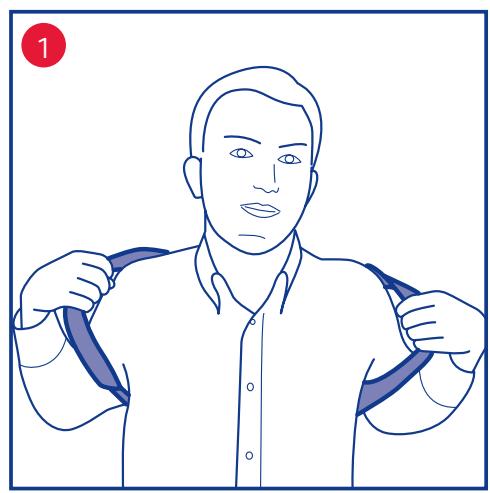
- Insert the arms into the two shoulder straps openings, one at a time (diag. 1).
- Adjust the length of the shoulder straps, holding the main adjustment straps. Pull the straps, ensuring they adhere correctly to the shoulders (diag. 2). This operation adjusts the upper rear part of the backrest.
- Hold both lower buckles with the right hand, and pull the secondary adjustment straps with the other hand (diag. 3), ensuring that the backrest adheres correctly to the bust. Repeat the same operation on the other side. This operation adjusts the lower rear part of the backrest.
- To ensure maximum comfort while carrying the child, the Ergo System backrest must be placed in a central position, slightly below the shoulder blades (diag. 4): it should adhere correctly to the back and lumbar region of the adult to ensure maximum comfort.
GROWTH ADJUSTMENT SYSTEM
WARNING: This operation must be carried out before placing the child in the baby carrier.
The baby carrier has a special growth adjustment system that allows you to adjust the baby carrier to suit the child's development.
-
Open the two zips, as shown in diag. 5.
-
Hold the height adjustment buckle and pull the strap, until the baby carrier is adjusted to the desired size (diag. 6).
-
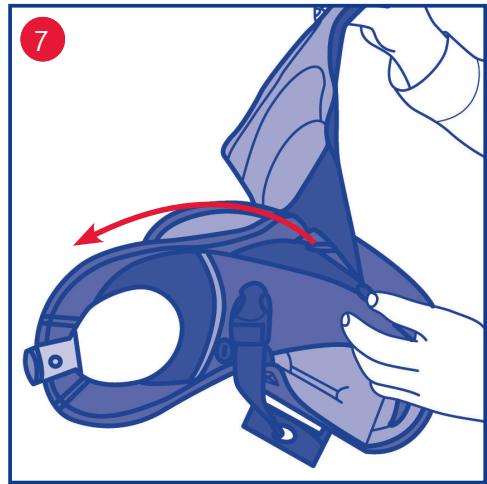
Close the panel again at the end of the operation (diag. 7).
Information for parents: Some sizes/heights are indicated near the height adjustment buckle of the baby carrier, in order to make the adjustment operations easier.
WARNING: Before placing the child in the baby carrier, ensure that the adjustment buckle is fastened correctly into position.
- To fit the baby carrier to the shoulder straps, it is necessary to hold the lower buckles of the shoulder straps and fasten them to the corresponding lower open/close buckles of the baby carrier (diag. 8).
WARNING: Exercise pressure until a "clack" is
heard, indicating that the buckle is fastened correctly into position.
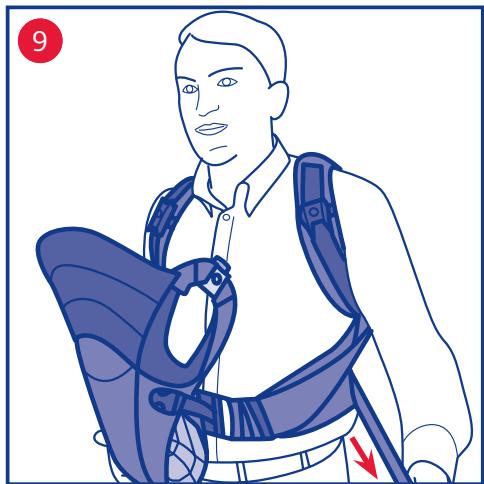
- Adjust the length of the shoulder straps, one at a time, adjusting the secondary adjustment straps, until the baby carrier is closely positioned against the upper part of the adult's thorax (diag. 9). This operation is necessary to ensure maximum comfort for the adult and the child and to distribute the weight in the best way, so ensuring maximum safety for the child.
ADJUSTMENT SYSTEM FOR THE PARENT'S BODY
WARNING: This operation must be carried out before placing the child into the baby carrier.
The baby carrier has an adjustment system that ensures maximum comfort and the best adjustment to any type of body size.
-
Hold the two ends of the upper open/close buckle with the fingertips and exercise a slight pressure on the sides to unfasten the buckle (diag. 10).
-
Raise the tab to release it from its position of use (diag. 11).
-
Slide the buckle set into the appropriate guide, until the desired height is reached (diag. 12).
-
Lower the buckle, and exercise a slight pressure on the side of the tabs to fasten the buckle again in its safety position (diag. 13).
Both shoulder straps must be adjusted exactly at the same height.
- To carry the child in a correct and safe position, the adjustment buckle must be positioned as shown in diagram 14.
WARNING: Always check that the buckle is fastened correctly before carrying out any other operations. It will be impossible to fit the baby carrier to the shoulder straps if this adjustment operation has not been carried out correctly and the tabs are not fitted correctly into position.
HOW TO PLACE BABY INSIDE THE BABY CARRIER
It is recommended that you place the child in the baby carrier while sitting.
FACING INWARD
WARNING: Before placing the child inside the baby carrier, ensure that the baby carrier is fitted to the shoulder straps as indicated above, and that both the side adjustment buckles and upper open/close buckles are unfastened.
- After fitting the baby carrier to the shoulder straps, fasten the side adjustment buckle, located at the height of he child's waist, only on one side of the baby carrier (diag. 15).
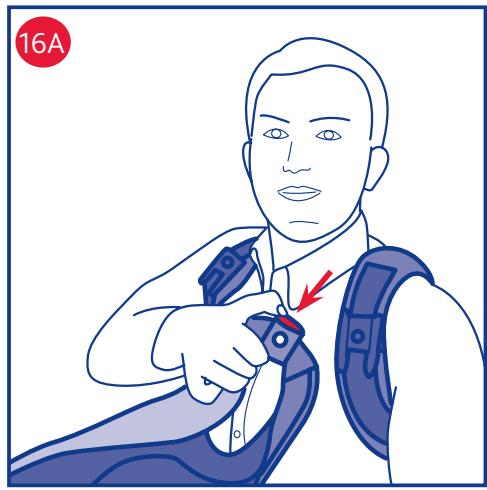
- Fasten the corresponding upper open/close buckle, exercising pressure on the red tab (16 A) and fastening the buckle to the joint located on the shoulder strap, until a "clack" is heard, indicating that it is fastened correctly into position (diag. 16 B).
WARNING: Check that both buckles are fastened correctly.
- Place the child inside the baby carrier from the open side (diag. 17).
WARNING: Hold your child safely while carrying out this operation. Ensure that the child's legs are positioned correctly, straddling the seat, and that its arm is positioned correctly through the appropriate opening.
- Fasten the side adjustment buckle, located at the height of the child's waist, on the other side of the baby carrier (diag. 18 A), as well as the corresponding upper open/close buckle (diag. 18 B).
WARNING: Ensure that all the buckles are fastened correctly, that the child's legs are positioned correctly, straddling the seat, and that its arms are positioned correctly through the appropriate openings.
-
It is necessary to adjust the width around baby's waist and leg openings. Ensure that the baby carrier is neither too large nor too tight, and that it fits baby's body correctly (diag. 19).
-
While supporting the Baby Carrier from the bottom, adjust the length of each shoulder strap, one at a time, until the child is closely positioned against the upper part of the adult's thorax, so ensuring maximum comfort for the adult and maximum safety for the child (diag. 20).
FACING FORWARD
When the child is able to keep its head straight and its shoulders in a vertical position, approximately from four months of age, it can be transported in a forward facing position.
WARNING: Before placing the child inside the baby carrier, ensure that the baby carrier is fitted to the shoulder straps as indicated above, and that both the side adjustment buckles and upper open/close buckles are unfastened.
-
After fitting the baby carrier to the shoulder straps, fasten the side adjustment buckle, located at the height of he child's waist, only on one side of the baby carrier (diag. 21).
-
Fasten the corresponding upper open/close buckle, exercising pressure on the red tab (22 A) and fastening the buckle to the joint located on the shoulder strap, until a “clack” will be heard, indicating that it is fastened correctly into position (diag. 22 B).
WARNING: Check that both buckles are fastened correctly.
- Place the child inside the baby carrier from the open side (diag. 23).
WARNING: Hold your child safely while carrying out this operation. Ensure that the child's legs are positioned correctly, straddling the seat, and that its arm is positioned correctly through the appropriate opening.
- Fasten the side adjustment buckle, located at the height of the child's waist, on the other side of the baby carrier (diag. 24 A), as well as the corresponding upper open/close buckle (diag. 24 B).
WARNING: Ensure that all the buckles are fastened correctly, that the child's legs are positioned correctly, straddling the seat, and that its arms are positioned correctly through the appropriate openings.
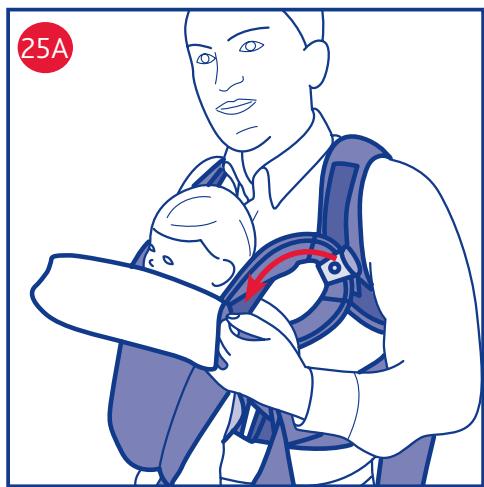
- Open the panel, which allows you to carry the child facing forward, with the appropriate zips (diag. 25 A). Fix the panel with the appropriate buttons (diag. 25 B).
WARNING: Do not open the zip, which allows access to the height adjustment buckle, more than the other zip, which allows you to open the headrest.
- It is necessary to always adjust the width
around baby's waist and leg openings. Ensure that the baby carrier is neither too large nor too tight, and that it fits baby's body correctly (diag. 26).
- While supporting the Baby Carrier from the bottom, adjust the length of each shoulder strap, one at a time, until the child is closely positioned against the upper part of the adult's thorax, so ensuring maximum comfort for the adult and maximum safety for the child (diag. 27).
HOW TO REMOVE THE CHILD FROM THE BABY CARRIER
It is recommended that you remove the child from the Baby Carrier while sitting.
-
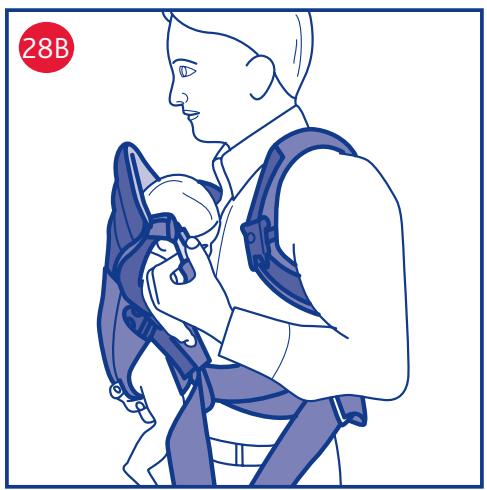
Hold the child safely and unfasten the upper open/close buckle only on one side, pressing the red button located on the buckle (diag. 28 A), and pulling the buckle in a forward direction with respect to the shoulder straps (diag. 28 B).
-
Hold the child safely and unfasten the corresponding side adjustment buckle, located at the height of the child's waist (diag. 29).
-
Remove the child from the baby carrier (diag. 30).
For further information, please contact:
Chicco UK Ltd
Prospect Close
Lowmoor Road Business Park
Kirkby in Ashfield
Nottinghamshire NG17 7LF
Customer Services Helpline
Tel: 01623 750870
(office hours only)

INSTRUCCIONES DE USO
COMPONENTES MARSUPIO
RÅD FÖR RENGÖRING OCH SKÖTSEL
Rengöring
DZIECKO ZWRÓCONE W STRONĘ MAMY
22070 Grandate – Como – Italy
- ISTRUZIONI D'USO
- COMPONENTI MARSUPIO
- COME TOGLIERE IL BAMBINO DAL MARSU- PIO
- SO LEGEN SIE DIE SCHULTERGURTE AN
- WARNINGS
- WARNING
- CLEANING AND MAINTENANCE
- Cleaning
- Maintenance
- CARRYING THE CHILD FACING INWARD AND FACING FORWARD
- GROWTH ADJUSTMENT SYSTEM
- ADJUSTMENT SYSTEM FOR THE PARENT'S BODY
- HOW TO PLACE BABY INSIDE THE BABY CARRIER
- FACING INWARD
- FACING FORWARD
- HOW TO REMOVE THE CHILD FROM THE BABY CARRIER
- For further information, please contact:
- INSTRUCCIONES DE USO
- COMPONENTES MARSUPIO
- RÅD FÖR RENGÖRING OCH SKÖTSEL
- Rengöring
- DZIECKO ZWRÓCONE W STRONĘ MAMY
Brand : CHICCO
Model : MARSUPIO YOU AND ME
Category : Baby carrier