
BRIGGS & STRATTON PRO 6500 - Generator BRIGGS & STRATTON - Free user manual and instructions
Find the device manual for free BRIGGS & STRATTON PRO 6500 BRIGGS & STRATTON in PDF.



| Product Type | Generator |
| Brand | Briggs & Stratton |
| Model | PRO 6500 (PRO6500, 01933-1) |
| Maximum Power (Peak) | 8,125 W (8.125 kW) |
| Rated Power (Continuous) | 6,500 W (6.5 kW) |
| Output Voltage | 120 V / 240 V AC |
| Rated Current | 54.2 A at 120 V, 27.1 A at 240 V |
| Frequency | 60 Hz |
| Engine Type | Briggs & Stratton Gas Engine |
| Fuel Tank Capacity | 7 US gallons (26.5 L) |
| Shipping Weight | 210 lb (95.3 kg) |
| 120 V 20 A Outlet (Duplex) | 2 outlets (GFCI protected) |
| 120 V 30 A Locking Outlet | 1 outlet (NEMA L5-30) |
| 120/240 V 30 A Locking Outlet | 1 outlet (NEMA L14-30) |
| 12 V DC 10 A Outlet | 1 outlet for battery charging |
| GFCI Circuit Breaker Protection | Yes |
| Individual Outlet Breakers | Yes (Push to Reset) |
| Automatic Speed Regulator (Idle Control) | Yes (ON/OFF switch) |
| Hour Meter | Yes (up to 9,999.9 h) |
| Muffler with Spark Arrestor | Yes |
| Wheel and Handle Kit | Included |
| Battery Voltage | 12 V (charging only) |
| Recommended Oil Level | See engine manual |
| Recommended Fuel | Unleaded gasoline, octane rating ≥ 87 |
| Warranty (Consumer) | 2 years (engine and components) |
Frequently Asked Questions - BRIGGS & STRATTON PRO 6500 BRIGGS & STRATTON
User questions about BRIGGS & STRATTON PRO 6500 BRIGGS & STRATTON
0 question about this device. Answer the ones you know or ask your own.
Ask a new question about this device
Download the instructions for your Generator in PDF format for free! Find your manual BRIGGS & STRATTON PRO 6500 - BRIGGS & STRATTON and take your electronic device back in hand. On this page are published all the documents necessary for the use of your device. BRIGGS & STRATTON PRO 6500 by BRIGGS & STRATTON.
USER MANUAL BRIGGS & STRATTON PRO 6500 BRIGGS & STRATTON
Questions? Help is just a moment away! Call: Generator Helpline
Safety Rules. 2-4
Know Your Generator. 5
Assembly. 6-7
Operation. 8-15
Maintenance 16-17
Storage. 17
Troubleshooting 18
Warranty 19
EQUIPMENT DESCRIPTION

Read this manual carefully and become familiar with your generator. Know its applications, its limitations and any hazards involved.
This generator is an engine-driven, revolving field, alternating current (AC) generator. It was designed to supply electrical power for operating compatible electrical lighting, appliances, tools and motor loads. The generator's revolving field is driven at about 3,600 rpm by the engine.
This generator incorporates GFCI (Ground Fault Circuit Interrueter) outlet protection and has its neutral bonded to ground to comply to OSHA inspections on job sites. This generator will not function when connected to a 2 pole transfer switch since the home or building main breaker box also has a neutral bonded to ground. When both the generator and the home or building breaker box contains a neutral bonded to ground, the generators GFCI will open and no outlets will function.

WARNING

DO NOT remove the neutral bond.
- Removing the neutral bond could result in death, bodily injury and/or property damage.
CAUTION! DO NOT exceed the generator's wattage / amperage capacity. See "Don't Overload Generator".
Every effort has been made to ensure that information in this manual is accurate and current. However, we reserve the right to change, alter or otherwise improve the product and this document at any time without prior notice.
The Emission Control System for this generator is warranted for standards set by the Environmental Protection Agency and the California Air Resources Board. For warranty information refer to the engine operator's manual.
SAFETY RULES

This is the safety alert symbol. It is used to alert you to potential personal injury hazards. Obey all safety messages that follow this symbol to avoid possible injury or death.
The safety alert symbol (▲) is used with a signal word (DANGER, CAUTION, WARNING), a pictorial and/or a safety message to alert you to hazards. DANGER indicates a hazard which, if not avoided, will result in death or serious injury. WARNING indicates a hazard which, if not avoided, could result in death or serious injury.
CAUTION indicates a hazard which, if not avoided, might result in minor or moderate injury. CAUTION, when used without the alert symbol, indicates a situation that could result in equipment damage. Follow safety messages to avoid or reduce the risk of injury or death.

WARNING
The engine exhaust from this product contains chemicals known to the State of California to cause cancer, birth defects, or other reproductive harm.
Hazard Symbols and Meanings

Operator's Manual

Toxic Fumes

Electrical Shock

Kickback
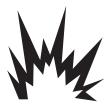
Explosion

Fire

Hot Surface

Explosive Pressure

Chemical Burn
Copyright © 2007 Briggs & Stratton Power Products Group, LLC. All rights reserved. No part of this material may be reproduced or transmitted in any form by any means without the express written permission of Briggs & Stratton Power Products Group, LLC.

DANGER

Storage batteries give off explosive hydrogen gas during recharging.
Hydrogen gas stays near battery for a long time after battery has been charged.
Slightest spark will ignite hydrogen and cause explosion.
You can be blinded or severely injured.

Battery electrolyte fluid contains acid and is extremely caustic.
Contact with battery fluid will cause severe chemical burns.
- DO NOT allow any open flame, spark, heat, or lit cigarette during and for several minutes after charging a battery.
- Wear protective goggles, rubber apron, and rubber gloves.

WARNING

Running generator gives off carbon monoxide, an odorless, colorless, poison gas.
Breathing carbon monoxide can cause nausea, fainting or death.
- Operate generator ONLY outdoors.
- Install a battery operated carbon monoxide alarm near the bedrooms.
- Keep exhaust gas from entering a confined area through windows, doors, ventilation intakes or other openings.
- DO NOT operate generator inside any building or enclosure (even if doors or windows are open), including the generator compartment of a recreational vehicle (RV).
DANGER
Using a generator indoors CAN KILL YOU IN MINUTES.
Generator exhaust contains carbon monoxide. This is a poison you cannot see or smell.
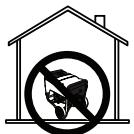
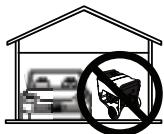
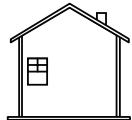

NEVER use inside a home or garage, EVEN IF doors and windows are open.
Only use OUTSIDE and far away from windows, doors, and vents.

WARNING

Fuel and its vapors are extremely flammable and explosive.

Fire or explosion can cause severe burns or death.
WHEN ADDING OR DRAINING FUEL
- Turn generator OFF and let it cool at least 2 minutes before removing fuel cap. Loosen cap slowly to relieve pressure in tank.
- Fill or drain fuel tank outdoors.
- DO NOT overfill tank. Allow space for fuel expansion.
- If fuel spills, wait until it evaporates before starting engine.
- Keep fuel away from sparks, open flames, pilot lights, heat, and other ignition sources.
- DO NOT light a cigarette or smoke.
WHEN STARTING EQUIPMENT
- Ensure spark plug, muffler, fuel cap and air cleaner are in place.
- DO NOT crank engine with spark plug removed.
WHEN OPERATING EQUIPMENT
- Do not tip engine or equipment at angle which causes fuel to spill.
- This generator is not for use in mobile equipment or marine applications.
WHEN TRANSPORTING OR REPAIRING EQUIPMENT
- Transport/repair with fuel tank EMPTY or with fuel shutoff valve OFF.
- Disconnect spark plug wire.
WHEN STORING FUEL OR EQUIPMENT WITH FUEL IN TANK
- Store away from furnaces, stoves, water heaters, clothes dryers or other appliances that have pilot light or other ignition source because they can ignite fuel vapors.

WARNING
- This generator does not meet U.S. Coast Guard Regulation 33CFR-183 and should not be used on marine applications.
- Failure to use the appropriate U.S. Coast Guard approved generator could result in death or serious injury and/or property damage.

WARNING

Generator produces powerful voltage.
Failure to isolate generator from power utility can result in death or injury to electric utility workers due to backfeed of electrical energy.
- When using generator for backup power, notify utility company. Use approved transfer equipment to isolate generator from electric utility.
- Use a ground fault circuit interrupter (GFCI) in any damp or highly conductive area, such as metal decking or steel work.
- DO NOT touch bare wires or receptacles.
- DO NOT use generator with electrical cords which are worn, frayed, bare or otherwise damaged.
DO NOT operate generator in the rain or wet weather. - DO NOT handle generator or electrical cords while standing in water, while barefoot, or while hands or feet are wet.
- DO NOT allow unqualified persons or children to operate or service generator.

WARNING

Unintentional sparking can result in fire or electric shock.
WHEN ADJUSTING OR MAKING REPAIRS TO YOUR GENERATOR
- Disconnect the spark plug wire from the spark plug and place the wire where it cannot contact spark plug.
WHEN TESTING FOR ENGINE SPARK
- Use approved spark plug tester.
- DO NOT check for spark with spark plug removed.

WARNING

Running engines produce heat. Temperature of muffler and nearby areas can reach or exceed 150^ (65^) .

Severe burns can occur on contact. Exhaust heat/gases can ignite combustibles, structures or damage fuel tank causing a fire.
- DO NOT touch hot surfaces and avoid hot exhaust gases.
- Allow equipment to cool before touching.
- Keep at least 5 ft. (152 cm) clearance on all sides of generator including overhead.
- Code of Federal Regulation (CFR) Title 36 Parks, Forests, and Public Property require equipment powered by an internal combustion engine to have a spark arrester, maintained in effective working order, complying to USDA Forest service standard 5100-1C or later revision. In the State of California a spark arrester is required under section 4442 of the California Public resources code. Other states may have similar laws.

WARNING

Rapid retraction of starter cord (kickback) will pull hand and arm toward engine faster than you can let go.
Broken bones, fractures, bruises or sprains could result.
- When starting engine, pull cord slowly until resistance is felt and then pull rapidly to avoid kickback.
- NEVER start or stop engine with electrical devices plugged in and turned on.

CAUTION
Excessively high operating speeds increase risk of injury and damage to generator.
Excessively low speeds impose a heavy load.
- DO NOT tamper with governed speed. Generator supplies correct rated frequency and voltage when running at governed speed.
- DO NOT modify generator in any way.
CAUTION
Exceeding generators wattage/amperage capacity can damage generator and/or electrical devices connected to it.
- See "Don't Overload Generator".
- Start generator and let engine stabilize before connecting electrical loads.
- Connect electrical loads in OFF position, then turn ON for operation.
- Turn electrical loads OFF and disconnect from generator before stopping generator.
CAUTION
Improper treatment of generator can damage it and shorten its life.
- Use generator only for intended uses.
- If you have questions about intended use, ask dealer or call 1-800-743-4115.
- Operate generator only on level surfaces.
- DO NOT expose generator to excessive moisture, dust, dirt, or corrosive vapors.
- DO NOT insert any objects through cooling slots.
- If connected devices overheat, turn them off and disconnect them from generator.
- Shut off generator if:
- electrical output is lost;
- equipment sparks, smokes, or emits flames;
- unit vibrates excessively.
KNOW YOUR GENERATOR

Read this Operator's Manual and safety rules before operating your generator.
Compare the illustrations with your generator, to familiarize yourself with the locations of various controls and adjustments. Save this manual for future reference.
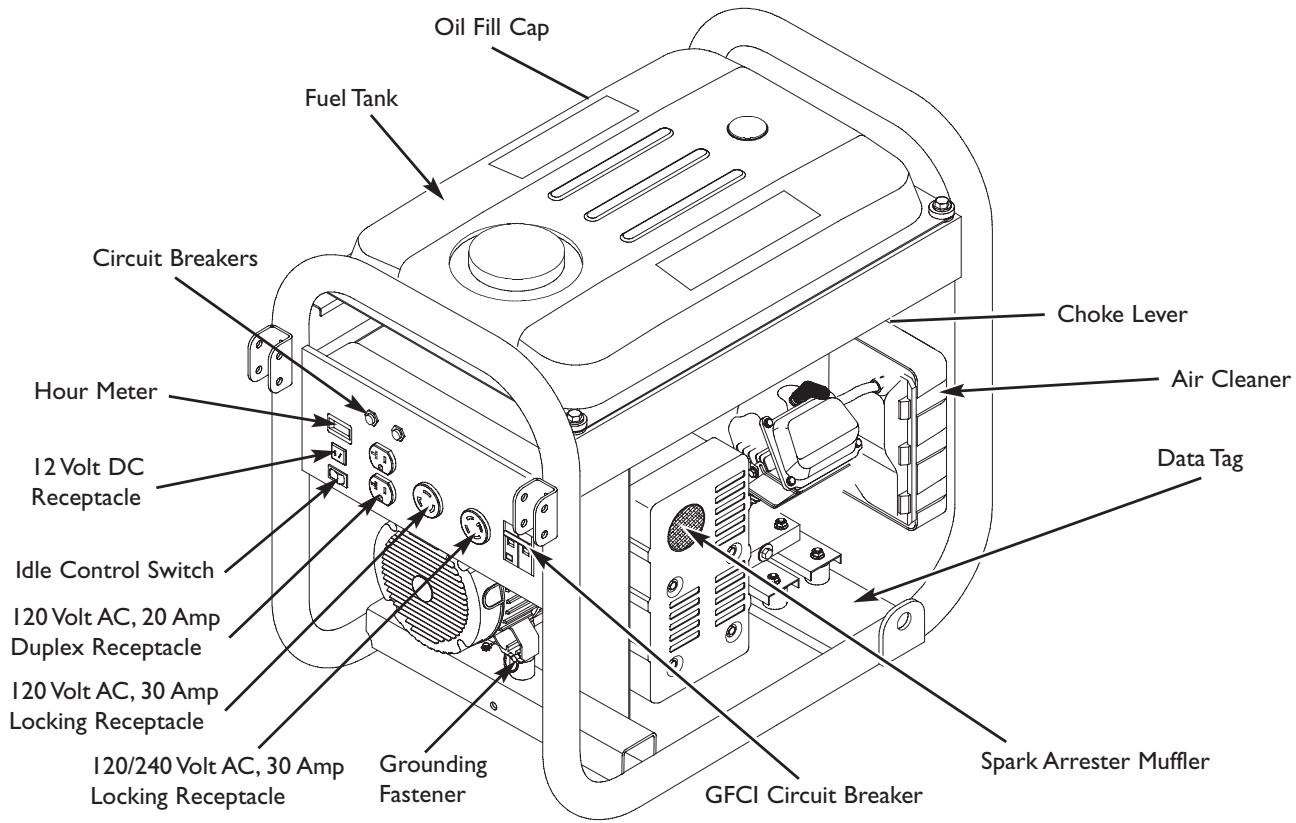
12 Volt DC Receptacle - Use this receptacle with battery charge cables to charge a 12 Volt battery.
120 Volt AC, 20 Amp Duplex Receptacle — May be used to supply electrical power for the operation of 120 Volt AC, 20 Amp, single phase, 60 Hz electrical lighting, appliance, tool and motor loads.
120 Volt AC, 30 Amp Locking Receptacle — May be used to supply electrical power for the operation of 120 Volt AC, 30 Amp, single phase, 60 Hz electrical lighting, appliance, tool and motor loads.
120/240 Volt AC, 30 Amp Locking Receptacle — May be used to supply electrical power for the operation of 120 and/or 240 Volt AC, 30 Amp, single phase, 60Hz electrical lighting, appliance, tool and motor loads.
Air Cleaner — Protects engine by filtering dust and debris out of intake air.
Choke Lever - Used when starting a cold engine.
Circuit Breakers (AC) — Push to reset circuit breakers are provided to protect the generator against electrical overload.
Data Tag - Provides model, revision and serial number of generator. Please have these readily available if calling for assistance.
Fuel Tank — Capacity of seven (7) U.S. gallons.
GFCI Circuit Breaker — A GFCI circuit breaker is provided to protect against electrical ground fault and protect the generator against electrical overload.
Grounding Fastener — Consult your local agency having jurisdiction for grounding requirements in your area.
Hour Meter - Displays and records how many hours your generator has run (up to 9,999.9).
Idle Control Switch — The idle control runs the engine at normal (high) speeds when there is a load present and runs the engine at idle (low) speeds when a load is not present.
Oil Fill Cap - Add oil to engine here.
Spark Arrester Muffler — Exhaust muffler lowers engine noise and is equipped with a spark arrester screen.
ASSEMBLY
Your generator requires some assembly and is ready for use after it has been properly serviced with the recommended oil and fuel.
If you have any problems with the assembly of your generator, please call the generator helpline at 1-800-743-4115.
Unpacking the Generator
I. Set the carton on a rigid flat surface.
2. Remove everything from carton except generator.
3. Open carton completely by cutting each corner from top to bottom.
4. Leave generator on carton to install wheel kit.
Carton Contents
Check all contents. If any parts are missing or damaged, call the generator helpline at 1-800-743-4115.
The generator
- Generator operator's manual
- Engine operator's manual
(2) Locking 30A plugs - Battery charge cables
Engine oil - Wheel kit
Install Wheel Kit
NOTE: Wheel kit is not intended for over-the-road use. You will need the following tools to install these components:
7/16" and 13mm wrench
- Socket wrench with a 13mm and a 7/16" socket
- Pliers
- Safety glasses
Refer to Figure I and install the wheel kit as follows:
I. Tip generator so that engine end is up.
2. Slide axle through both mounting brackets.
3. Place a wheel on each side with air valve facing out.
4. Place a washer on axle and then place an e-ring in axle groove.
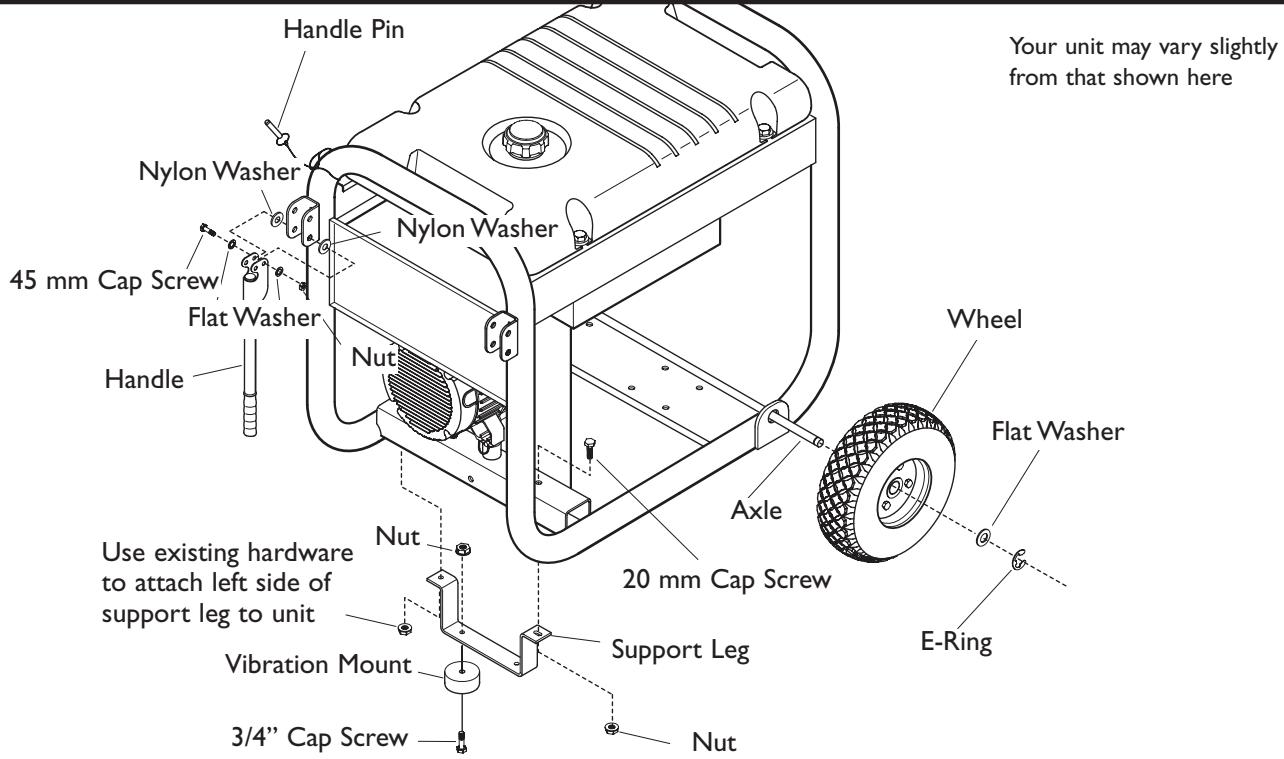
Figure 1 Install Wheel Kit
- Install e-ring with pliers, squeezing from top of e-ring to bottom of axle.

CAUTION
E-rings can cause eye injury.
E-rings can spring back and become airborne when installing or removing.
- Always wear eye protection when installing/removing e-rings.
- Repeat step 3 through 5 to secure second wheel.
- Attach vibration mounts to support leg with 1/4 - 20 × 1 capscrews and 1/4 - 20 lock nuts.
- Tip generator so that engine side is down.
- Remove existing hardware from left unit vibration mount with 13mm wrench. Use same hardware to attach support leg.
- Attach other side of support leg with a M8 x 20 mm capscrew and M8 lock nut.
II. Attach handles to handle brackets on generator frame, as shown in Figure I, with M8 × 45 mm capscrews, flat washers, nylon washers, and M8 lock nuts.
NOTE: Be sure to install the nylon washers between the handle brackets on the generator frame and the brackets on the handle assembly.
- Return generator to normal operating position (resting on wheels and support leg).
- Loop handle pins to generator frame as shown in Figure 1. Raise handles and insert handle pins to move generator.
- Check each fastener to ensure it is secure and the tires are inflated between 15-40 PSI.
BEFORE STARTING THE ENGINE
Add Engine Oil
- Place generator on a level surface.
Refer to engine operator's manual and follow oil recommendations and instructions.
CAUTION
Any attempt to crank or start the engine before it has been properly filled with the recommended oil will result in equipment failure.
Refer to engine operator's manual for oil fill information.
- Damage to equipment resulting from failure to follow this instruction will void warranty.
NOTE: Check oil often during engine break-in. Refer to engine operator's manual for recommendations.
NOTE: The alternator assembly rotates on a prelimucratic and sealed ball bearing that requires no additional lubrication for the life of the bearing.
Add Fuel
NOTE: This gasoline engine is certified to operate on gasoline. Exhaust Emission Control System: EM (Engine Modifications).

WARNING

Fuel and its vapors are extremely flammable and explosive.

Fire or explosion can cause severe burns or death.
WHEN ADDING FUEL
- Turn generator OFF and let it cool at least 2 minutes before removing fuel cap. Loosen cap slowly to relieve pressure in tank.
- Fill fuel tank outdoors.
DO NOT overfill tank. Allow space for fuel expansion. - If fuel spills, wait until it evaporates before starting engine.
-
Keep fuel away from sparks, open flames, pilot lights, heat, and other ignition sources.
DO NOT light a cigarette or smoke. -
Use clean, fresh, regular UNLEADED fuel with a minimum of 87 octane with equipment. DO NOT use fuel which contains Methanol. DO NOT mix oil with fuel.
- Clean area around fuel fill cap, remove cap.
- Slowly add regular unleaded fuel to fuel tank. Be careful not to fill above the baffle. This allows adequate space for fuel expansion (Figure 2).
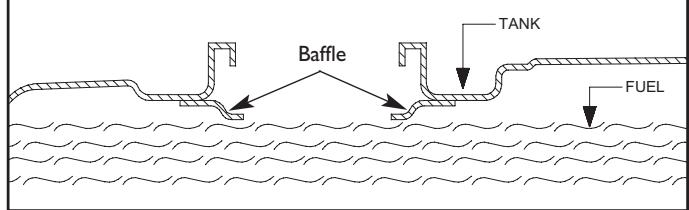
Figure 2 — Typical Fuel Expansion Space
- Install fuel cap and let any spilled fuel evaporate before starting engine.
USING THE GENERATOR
System Ground
The generator has a system ground that connects the generator frame components to the ground terminals on the AC output receptacles. The system ground is connected to the AC neutral wire (see "Equipment Description", earlier in this manual).
Special Requirements
There may be Federal or State Occupational Safety and Health Administration (OSHA) regulations, local codes, or ordinances that apply to the intended use of the generator. Please consult a qualified electrician, electrical inspector, or the local agency having jurisdiction.
- In some areas, generators are required to be registered with local utility companies.
- If the generator is used at a construction site, there may be additional regulations which must be observed.
Connecting to a Building's Electrical System
Connections for standby power to a building's electrical system must be made by a qualified electrician. The connection must isolate the generator power from utility power, and must comply with all applicable laws and electrical codes.
NOTE: Neutral must be transferred when switching between utility and generator power.

WARNING

Generator produces powerful voltage.
Failure to isolate generator from power utility can result in death or injury to electric utility workers due to backfeed of electrical energy.
- When using generator for backup power, notify utility company. Use approved transfer equipment to isolate generator from electric utility.
- DO NOT touch bare wires or receptacles.
- DO NOT use generator with electrical cords which are worn, frayed, bare or otherwise damaged.
- DO NOT operate generator in the rain.
- DO NOT handle generator or electrical cords while standing in water, while barefoot, or while hands or feet are wet.
- DO NOT allow unqualified persons or children to operate or service generator.
Generator Location
Generator Clearance

WARNING

Exhaust heat/gases can ignite combustibles, structures or damage fuel tank causing a fire.
- Keep at least 5 ft. (152 cm) clearance on all sides of generator including overhead.
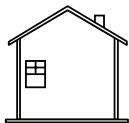
Place generator in a well ventilated area, which will allow for removal of deadly exhaust gas. DO NOT place generator where exhaust gas could accumulate and enter inside or be drawn into a potentially occupied building. Ensure exhaust gas is kept away from any windows, doors, ventilation intakes or other openings that can allow exhaust gas to collect in a confined area (Figure 3). Prevailing winds and air currents should be taken into consideration when positioning generator.
DANGER
Using a generator indoors CAN KILL YOU IN MINUTES.
Generator exhaust contains carbon monoxide. This is a poison you cannot see or smell.
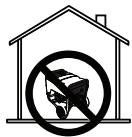
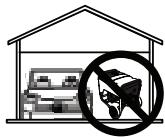

NEVER use inside a home or garage, EVEN IF doors and windows are open.
Only use OUTSIDE and far away from windows, doors, and vents.
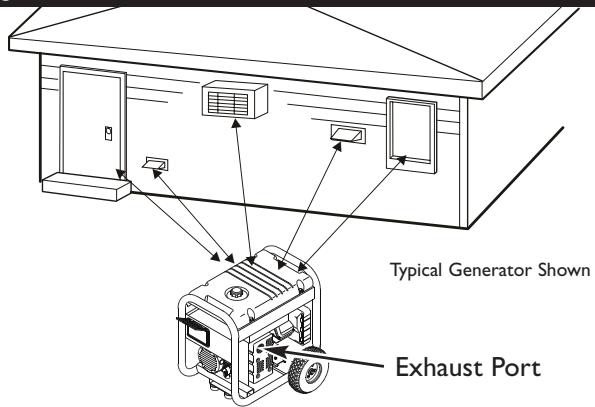
Figure 3 — Generator Clearance
OPERATING THE GENERATOR
Starting the Engine
Disconnect all electrical loads from the generator. Use the following start instruction steps in numerical order:
I. Make sure unit is on a level surface.
IMPORTANT: Failure to start and operate unit on a level surface will cause the unit not to start or shut down during operation.
2. Turn fuel valve to "On" position (Figure 4).
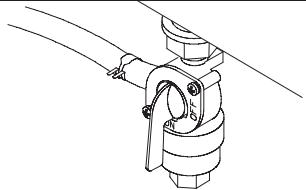
Figure 4 — Fuel Shut-off Valve
- Make sure Idle Control switch is in "Off" position (Figure 5).

Figure 5 — Idle Control Switch
IDLE CONTROL
- Follow start instructions given in engine operator's manual.
WARNING

Rapid retraction of starter cord (kickback) will pull hand and arm toward engine faster than you can let go.
Broken bones, fractures, bruises or sprains could result.
- When starting engine, pull cord slowly until resistance is felt and then pull rapidly to avoid kickback.
- NEVER start or stop engine with electrical devices plugged in and turned on.
NOTE: If engine starts after 3 pulls but fails to run, or if unit shuts down during operation, make sure unit is on a level surface and check for proper oil level in crankcase.
This unit may be equipped with a low oil protection device.
See engine operator's manual.

WARNING

Running engines produce heat. Temperature of muffler and nearby areas can reach or exceed 150^ (65^) .

Severe burns can occur on contact. Exhaust heat/gases can ignite combustibles, structures or damage fuel tank causing a fire.
- DO NOT touch hot surfaces and avoid hot exhaust gases.
- Allow equipment to cool before touching.
- Keep at least 5 ft. (152 cm) clearance on all sides of generator including overhead.
Code of Federal Regulation (CFR) Title 36 Parks, Forests, and Public Property require equipment powered by an internal combustion engine to have a spark arrester, maintained in effective working order, complying to USDA Forest service standard 5100-IC or later revision. In the State of California a spark arrester is required under section 4442 of the California Public resources code. Other states may have similar laws.
Connecting Electrical Loads
- Let engine stabilize and warm up for a few minutes after starting.
- Plug in and turn on the desired 120 and/or 240 Volt AC, single phase, 60Hz electrical loads.
- DO NOT connect 240 Volt loads to the I20 Volt duplex receptacles.
DO NOT connect 3-phase loads to the generator.
DO NOT connect 50Hz loads to the generator.
DO NOT OVERLOAD THE GENERATOR. See "Don't Overload Generator".
CAUTION
Exceeding generators wattage/amperage capacity can damage generator and/or electrical devices connected to it.
See "Don't Overload Generator".
- Start generator and let engine stabilize before connecting electrical loads.
- Connect electrical loads in OFF position, then turn ON for operation.
- Turn electrical loads OFF and disconnect from generator before stopping generator.
Stopping the Engine
I. Turn OFF and unplug ALL electrical loads from generator panel receptacles. NEVER start or stop engine with electrical devices plugged in and turned ON.
2. Move idle control switch to "Off" position.
3. Let engine run at no-load for several minutes to stabilize internal temperatures of engine and generator.
4. Move fuel valve to "Off" position.
5. Turn engine off according to instructions given in the engine operator's manual.
Operating Automatic Idle Control
This switch is designed to greatly improve fuel economy. When this switch is turned ON, the engine will only run at its normal high governed engine speed when electrical loads are connected. When an electrical load is removed, the engine will run at a reduced speed.
With the switch off, the engine will run at the normal high engine speed. Always have the switch off when starting and stopping the engine.
Charging a Battery
Your generator has the capability of recharging a discharged 12 Volt automotive or utility style storage battery.
- DO NOT use the unit to charge any 6 Volt batteries.
- DO NOT use the unit to crank an engine having a discharged battery.
DANGER

Storage batteries give off explosive hydrogen gas during recharging.
Hydrogen gas stays near battery for a long time after battery has been charged.
Slightest spark will ignite hydrogen and cause explosion.
You can be blinded or severely injured.

Battery electrolyte fluid contains acid and is extremely caustic.
Contact with battery fluid will cause severe chemical burns.
- DO NOT allow any open flame, spark, heat, or lit cigarette during and for several minutes after charging a battery.
- Wear protective goggles, rubber apron, and rubber gloves.
To recharge 12 Volt batteries, proceed as follows:
- Check fluid level in all battery cells. If necessary, add ONLY distilled water to cover separators in battery cells. DO NOT use tap water.
- If battery is equipped with vent caps, make sure they are installed and are tight.
- If necessary, clean battery terminals.
- Connect battery charge cable connector plug to panel receptacle identified by the words "I2-VOLTS D.C."
- Move idle control switch to "Off" position.
- Connect battery charge cable clamp with red handle to the positive (+) battery terminal (Figure 6).
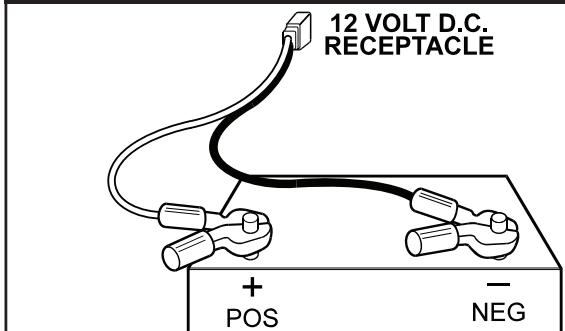
Figure 6 — Battery Connections
- Connect battery charge cable clamp with black handle to the negative (-) battery terminal (Figure 6).
- Start engine. Let engine run while battery recharges.
- When battery has charged, shut down engine
NOTE: Use an automotive hydrometer to test battery state of charge and condition. Follow the hydrometer manufacturer's instructions carefully. Generally, a battery is considered to be at 100% state of charge when specific gravity of its fluid (as measured by hydrometer) is 1.260 or higher.
Under certain weather conditions (temperatures below 40^ [4°C] combined with high humidity), your generator may experience icing of the carburetor and/or the crankcase breather system. To reduce this problem, you need to perform the following:
I. Make sure generator has clean, fresh fuel.
2. Open fuel valve (turn valve to open position).
3. Use SAE 5W-30 oil (see engine operator's manual).
4. Check oil level daily or after every eight (8) hours of operation.
5. Maintain generator following "Maintenance Schedule" in engine operator's manual.
6. Shelter unit from elements.
Creating a Temporary Cold Weather Shelter
- In an emergency, use the original shipping carton.
- Cut off top carton flaps and one long side of carton to expose muffler side of unit. If required, tape up other sides of carton to fit over generator as shown in Figure 7.
NOTE: If required, remove wheel kit to fit carton over generator as shown in Figure 7.
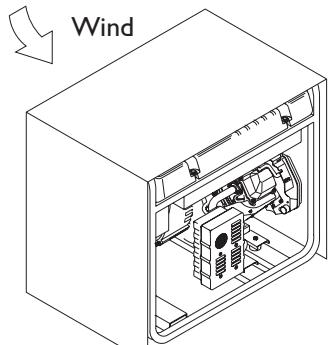
Figure 7 — Permanent Cold Weather Shelter
- Cut appropriate slots to access receptacles of unit.
- Face exposed end away from wind and elements.
- Locate generator as described in the section "Generator Location". Keep exhaust gas from entering a confined area through windows, doors, ventilation intakes or other openings.

WARNING

Running generator gives off carbon monoxide, an odorless, colorless, poison gas.
Breathing carbon monoxide will cause nausea, fainting or death.
- Operate generator ONLY outdoors.
- Install a battery operated carbon monoxide alarm near the bedrooms.
- Keep exhaust gas from entering a confined area through windows, doors, ventilation intakes or other openings.
-
DO NOT operate generator inside any building or enclosure (even if doors or windows are open), including the generator compartment of a recreational vehicle (RV).
-
Start generator as described in the section "Starting the Engine", then place carton over generator. Keep at least 5 ft. (152 cm) clearance on all sides of generator including overhead with shelter in place.

WARNING

Running engines produce heat. Temperature of muffler and nearby areas can reach or exceed 150^ (65^) .

Severe burns can occur on contact. Exhaust heat/gases can ignite combustibles, structures or damage fuel tank causing a fire.
- DO NOT touch hot surfaces and avoid hot exhaust gases.
- Allow equipment to cool before touching.
- Keep at least 5 ft. (152 cm) clearance on all sides of generator including overhead.
-
Remove shelter when temperatures are above 40^ [4^] .
-
Remove shelter when temperatures are above 40^ [4^] .
- Turn engine OFF and let cool two (2) minutes before refueling. Let any spilled fuel evaporate before starting engine.
Creating a Permanent Cold Weather Shelter
I. Build a structure that will enclose three sides and the top of the generator, making sure muffler side of generator is exposed.
NOTE: Structure should hold enough heat created by the generator to prevent icing problem.
2. DO NOT enclose generator any more than shown in Figure 7.
NOTE: If a wheel kit is installed on the generator, enlarge shelter accordingly.
- Follow steps 3 through 8 as described previously in "Creating a Temporary Cold Weather Shelter".
RECEPTACLES
CAUTION
Receptacles may be marked with rating value greater than generator output capacity.
- NEVER attempt to power a device requiring more amperage than generator or receptacle can supply.
DO NOT overload the generator. See "Don't Overload Generator".
120/240 Volt AC, 30 Amp, Locking Receptacle
Use a NEMA LI4-30 plug with this receptacle. Connect a 4-wire cord set rated for 250 Volt AC loads at 30 Amps (or greater) (Figure 8). You can use the same 4-wire cord if you plan to run a 120 Volt load.
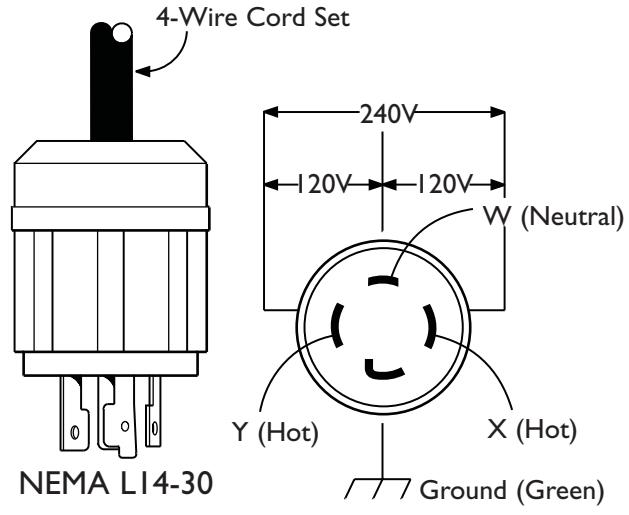
Figure 8 — I20/240 Volt AC, 30 Amp Receptacle
This receptacle powers 120/240 Volt AC, 60 Hz, single phase loads requiring up to 6,500 watts of power (6.5 kW) at 27.1 Amps for 120 Volts or 240 Volts. The outlet is protected against overload by a 2 pole GFCI circuit breaker.
120 Volt AC, 30 Amp Locking Receptacle
Use a NEMA L5-30 plug with this receptacle. Connect a 3-wire cord set rated for 125 Volts AC at 30 Amps to the plug (Figure 9).
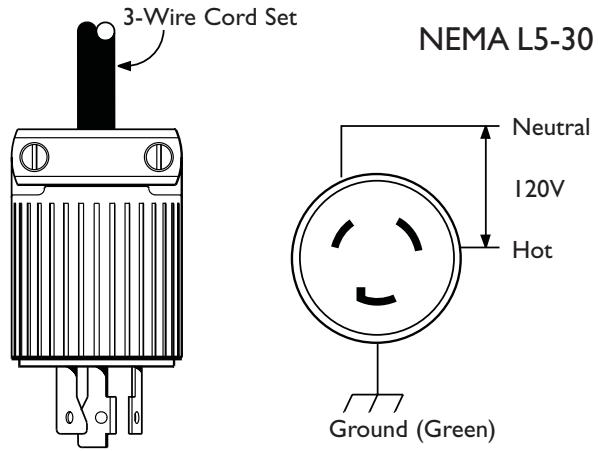
Figure 9 — I20 Volt AC, 30 Amp, Locking Receptacle
Use this receptacle to operate 120 Volt AC, 60Hz , single phase loads requiring up to 3,600 watts (3.6 kW) of power at 30 Amps. The outlet is protected against overload by a 2 pole GFCI circuit breaker.
120 Volt AC, 20 Amp, Duplex Receptacle
Each duplex receptacle (Figure 10) is protected against overload by a 2 pole GFCI circuit breaker.
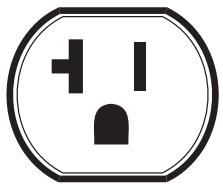
Figure 10 — 120 Volt AC, 20 Amp, Duplex Receptacle
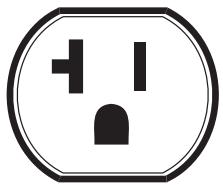
Use each receptacle to operate 120 Volt AC, single-phase, 60Hz electrical loads requiring up to 2,400 watts (2.4 kW) at 20 Amps of current. Use cord sets that are rated for 125 Volt AC loads at 20 Amps (or greater).
12 Volt DC, 10 Amp Receptacle
This receptacle (Figure 11) allows you to recharge a 12 Volt automotive or utility style storage battery.
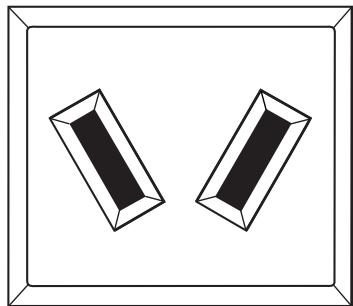
Figure 11 — 12 Volt DC, 10 Amp Receptacle
This receptacle can not recharge 6 Volt batteries and can not be used to crank an engine having a discharged battery. See "Charging a Battery" on page 10 before attempting to recharge a battery. This outlet is protected by a 10 Amp self resetting circuit breaker.
Ground Fault Protection
This unit is equipped with a Ground Fault Circuit Interrupter (GFCI). This device meets applicable federal, state and local codes.
The GFCI protects against electrical shock that may be caused if your body becomes a path which electricity travels to reach ground. This could happen if you touch a "Live" appliance or wire, or are touching plumbing or other materials that connect to the ground.
When protected by a GFCI, one may still feel a shock, but the GFCI should cut current off quickly enough so that a person in normal health should not suffer any serious electrical injury.

WARNING

Generator produces hazardous voltage/current.
- Contact with the hot and neutral conductor at the same time can cause electrical shock or burn, even if the circuit is GFCI protected.
- Before using GFCI protected receptacles, ALWAYS push the test button to insure it works.
Test GFCI Circuit Breaker
Test your GFCI circuit breaker (Figure 12) every month, as follows:
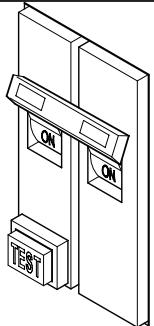
Figure 12 — GFCI Circuit Breaker
- While generator is running, push white "Test" button. The circuit breaker should trip (handle will move to approximate center position), which will disconnect power to outlets.

CAUTION
If circuit breaker does not trip:
- DO NOT use generator.
-
Call a Briggs & Stratton Power Products service center.
-
If handle moves to center, reset circuit breaker by firmly moving handle to "Off" (down) position, then to "On" (up) position.

CAUTION
If circuit breaker does not reset properly:
- DO NOT use generator.
- Call a Briggs & Stratton Power Products service center.
During Generator Use
If circuit breaker trips during use, it usually indicates faulty electrical equipment or cords. However, test the circuit breaker as follows;
- Disconnect loads, reset and test circuit breaker as described earlier. Let generator run without any loads for 1 minute.

CAUTION
If circuit breaker trips in the I minute period:
DO NOT use generator.
- Call a Briggs & Stratton Power Products service center.
- If circuit breaker tests correctly, the electrical equipment or extension cords may be faulty. Replace faulty electrical equipment and cords before further use.

CAUTION
If circuit breaker tests correctly:
- Have qualified personnel check all electrical equipment and cords for any defects.
- Replace electrical equipment and cords or take to a qualified repair center.

WARNING

Generator produces powerful voltage.
- DO NOT touch bare wires or receptacles.
- DO NOT use generator with electrical cords which are worn, frayed, bare or otherwise damaged.
- DO NOT operate generator in the rain.
- DO NOT handle generator or electrical cords while standing in water, while barefoot, or while hands or feet are wet.
- DO NOT allow unqualified persons or children to operate or service generator or electrical loads.
DON'T OVERLOAD GENERATOR
Capacity
You must make sure your generator can supply enough rated (running) and surge (starting) watts for the items you will power at the same time. Follow these simple steps:
I. Select the items you will power at the same time.
2. Total the rated (running) watts of these items. This is the amount of power your generator must produce to keep your items running. See Figure 13.
3. Estimate how many surge (starting) watts you will need. Surge wattage is the short burst of power needed to start electric motor-driven tools or appliances such as a circular saw or refrigerator. Because not all motors start at the same time, total surge watts can be estimated by adding only the item(s) with the highest additional surge watts to the total rated watts from step 2.
Example:
| Tool or Appliance | Rated (Running) Watts | Additional Surge (Starting) Watts |
| Window Air Conditioner | 1200 | 1800 |
| Refrigerator | 800 | 1600 |
| Deep Freezer | 500 | 500 |
| Television | 500 | - |
| Light (75 Watts) | 75 | - |
| 3075 Total Running Watts | 1800 Highest Surge Watts |
Total Rated (Running) Watts = 3075
Highest Additional Surge Watts = 1800
Total Generator Output Required = 4875
Power Management
To prolong the life of your generator and attached devices, it is important to take care when adding electrical loads to your generator. There should be nothing connected to the generator outlets before starting it's engine. The correct and safe way to manage generator power is to sequentially add loads as follows:
I. With nothing connected to the generator, start the engine as described in this manual.
2. Plug in and turn on the first load, preferably the largest load you have.
3. Permit the generator output to stabilize (engine runs smoothly and attached device operates properly).
- Plug in and turn on the next load.
- Again, permit the generator to stabilize.
- Repeat steps 4 and 5 for each additional load.
NEVER add more loads than the generator capacity. Take special care to consider surge loads in generator capacity, as described above.
Figure 13 - Wattage Reference Chart
| Tool or Appliance | Rated* (Running) Watts | Additional Surge (Starting) Watts |
| Essentials | ||
| Light Bulb - 75 watt | 75 | - |
| Deep Freezer | 500 | 500 |
| Sump Pump | 800 | 1200 |
| Refrigerator/Freezer - 18 Cu. Ft. | 800 | 1600 |
| Water Well Pump - 1/3 HP | 1000 | 2000 |
| Heating/Cooling | ||
| Window AC - 10,000 BTU | 1200 | 1800 |
| Window Fan | 300 | 600 |
| Furnace Fan Blower - 1/2 HP | 800 | 1300 |
| Kitchen | ||
| Microwave Oven - 1000 Watt | 1000 | - |
| Coffee Maker | 1500 | - |
| Electric Stove - Single Element | 1500 | - |
| Hot Plate | 2500 | - |
| Family Room | ||
| DVD/CD Player | 100 | - |
| VCR | 100 | - |
| Stereo Receiver | 450 | - |
| Color Television - 27" | 500 | - |
| Personal Computer w/17" monitor | 800 | - |
| Other | ||
| Security System | 180 | - |
| AM/FM Clock Radio | 300 | - |
| Garage Door Opener - 1/2 HP | 480 | 520 |
| Electric Water Heater - 40 Gallon | 4000 | - |
| DIY/Job Site | ||
| Quartz Halogen Work Light | 1000 | - |
| Airless Sprayer - 1/3 HP | 600 | 1200 |
| Reciprocating Saw | 960 | 960 |
| Electric Drill - 1/2 HP | 1000 | 1000 |
| Circular Saw - 7 1/4" | 1500 | 1500 |
| Miter Saw - 10" | 1800 | 1800 |
| Table Planer - 6" | 1800 | 1800 |
| Table Saw/Radial Arm Saw - 10" | 2000 | 2000 |
| Air Compressor - 1-1/2 HP | 2500 | 2500 |
*Wattages listed are approximate only. Check tool or appliance for actual wattage.
SPECIFICATIONS
Starting Wattage 8,125 watts
Wattage 6,500 watts
AC Load Current:
At 120 Volts .54.2Amps
At 240 Volts .27.1Amps
Phase I-phase
Rated Frequency 60 Hertz
Fuel Tank Capacity .7 U.S. gallons
Shipping Weight 210 lbs.
GENERAL MAINTENANCE RECOMMENDATIONS
The Owner/Operator is responsible for making sure that all periodic maintenance tasks are completed on a timely basis; that all discrepancies are corrected; and that the unit is kept clean and properly stored. NEVER operate a damaged or defective generator.
Engine Maintenance
See engine operator's manual for instructions.

CAUTION
Avoid prolonged or repeated skin contact with used motor oil.
- Used motor oil has been shown to cause skin cancer in certain laboratory animals.
- Thoroughly wash exposed areas with soap and water.

KEEP OUT OF REACH OF CHILDREN. DON'T POLLUTE. CONSERVE RESOURCES. RETURN USED OIL TO COLLECTION CENTERS.
Generator Maintenance
Generator maintenance consists of keeping the unit clean and dry. Operate and store the unit in a clean dry environment where it will not be exposed to excessive dust, dirt, moisture or any corrosive vapors. Cooling air slots in the generator must not become clogged with snow, leaves or any other foreign material.
NOTE: DO NOT use a garden hose to clean generator. Water can enter engine fuel system and cause problems. In addition, if water enters generator through cooling air slots, some of the water will be retained in voids and cracks of the rotor and stator winding insulation. Water and dirt buildup on the generator internal windings will eventually decrease the insulation resistance of these windings.

WARNING

Unintentional sparking can result in fire or electric shock.

WHEN ADJUSTING OR MAKING REPAIRS TO YOUR GENERATOR
- Disconnect the spark plug wire from the spark plug and place the wire where it cannot contact spark plug.
WHEN TESTING FOR ENGINE SPARK
- Use approved spark plug tester.
DO NOT check for spark with spark plug removed.
Fuel Valve Maintenance
The fuel valve is equipped with a fuel sediment cup, screen, retaining ring and o-ring that need to be cleaned every 6 months or 100 hours (whichever occurs first).
I. Move fuel valve to "Off" position.
2. Remove sediment cup from fuel valve. Remove o-ring, retaining ring and screen from fuel valve (Figure 14).
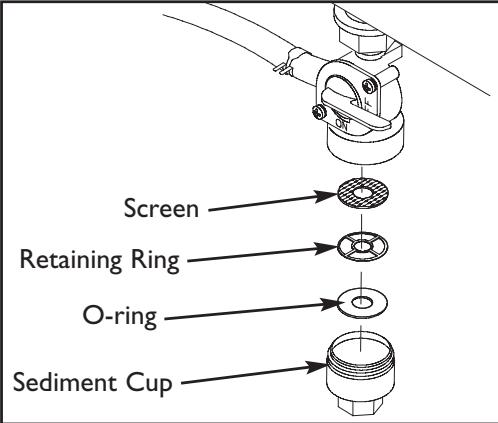
Figure 14 — Fuel Valve Maintenance
-
Wash sediment cup, o-ring, retaining ring, and screen in a nonflammable solvent. Dry them thoroughly.
-
Place screen, retaining ring, and o-ring into fuel valve. Install sediment cup and tighten securely.
- Move fuel valve to "On" position, and check for leaks. Replace o-ring if there is any leakage.
Generator Cleaning
- Use a damp cloth to wipe exterior surfaces clean.
CAUTION
Improper treatment of generator can damage it and shorten its life.
- DO NOT expose generator to excessive moisture, dust, dirt, or corrosive vapors.
-
DO NOT insert any objects through cooling slots.
-
Use a soft bristle brush to loosen caked on dirt or oil.
- Use a vacuum cleaner to pick up loose dirt and debris.
- Inspect cooling air slots and opening on generator. These openings must be kept clean and unobstructed.
STORAGE
The generator should be started at least once every seven days and allowed to run at least 30 minutes. If this cannot be done and you must store the unit for more than 30 days, use the following guidelines to prepare it for storage.
Generator Storage
- Clean the generator as outlined in "Generator Cleaning".
- Check that cooling air slots and openings on generator are open and unobstructed.

WARNING

Storage covers can be flammable.
- DO NOT place a storage cover over a hot generator.
- Let equipment cool for a sufficient time before placing the cover on the equipment.
Engine Storage
See engine operator's manual for instructions.
Other Storage Tips
- To prevent gum from forming in fuel system or on essential carburetor parts, add fuel stabilizer into fuel tank and fill with fresh fuel. Run the unit for several minutes to circulate the additive through the carburetor. The unit and fuel can then be stored for up to 24 months. Fuel stabilizer can be purchased locally.
- DO NOT store fuel from one season to another unless it has been treated as described above.
- Replace fuel container if it starts to rust. Rust and/or dirt in fuel can cause problems if it's used with this unit.
- Store unit in a clean and dry area.
TROUBLESHOOTING
| Problem | Cause | Correction |
| No AC output is available, but generator is running. | 1. One of the circuit breakers is open. 2. Fault in generator. 3. Poor connection or defective cord set. 4. Connected device is bad. | 1. Reset circuit breaker. 2. Contact Authorized service facility. 3. Check and repair. 4. Connect another device that is in good condition. |
| Generator runs good at no-load but "bogs" down" when loads are connected. | 1. Short circuit in a connected load. 2. Generator is overloaded. 3. Shorted generator circuit. | 1. Disconnect shorted electrical load. 2. See "Don't Overload Generator". 3. Contact Authorized service facility. |
| Generator will not start; or starts and runs rough. | Low oil level. | Fill crankcase to proper level or place generator on level surface. |
| Generator shuts down during operation. | 1. Out of fuel. 2. Low oil level. | 1. Fill fuel tank. 2. Fill crankcase to proper level or place generator on level surface. |
| Generator lacks power. | Load is too high. | See "Don't Overload Generator". |
Effective December 1, 2005 replaces all undated Warranties and all Warranties dated before December 1, 2005
LIMITED WARRANTY
Briggs & Stratton Power Products Group, LLC will repair or replace, free of charge, any part(s) of the portable generator that is defective in material or workmanship or both. Transportation charges on product submitted for repair or replacement under this warranty must be borne by purchaser. This warranty is effective for the time periods and subject to the conditions stated below. For warranty service, find the nearest Authorized Service Dealer in our dealer locator map at BRIGGSandSTRATTON.COM.
THERE IS NO OTHER EXPRESS WARRANTY. IMPLIED WARRANTYES, INCLUDING THOSE OF MERCHANTABILITY AND FITNESS FOR A PARTICULAR PURPOSE, ARE LIMITED TO ONE YEAR FROM PURCHASE, OR TO THE EXTENT PERMITTED BY LAW. ANY AND ALL IMPLIED WARRANTYES ARE EXCLUDING. LIABILITY FOR INCIDENTAL OR CONSEQUENTIAL DAMAGES ARE EXCLUDING TO THE EXTENT EXCLUSION IS PERMITTED BY LAW. Some states or countries do not allow limitations on how long an implied warranty lasts, and some states or countries do not allow the exclusion or limitation of incidental or consequential damages, so the above limitation and exclusion may not apply to you. This warranty gives you specific legal rights and you may also have other rights which vary from state to state or country to country.
WARRANTY PERIOD
Engine All other components
Consumer Use
2 years
2 years*
Commercial Use
2 years
2 years*
*Second year parts only
The warranty period begins on the date of purchase by the first retail end user, and continues for the period of time stated above. "Consumer Use" means personal residential household use by a retail consumer. "Commercial Use" means all other uses, including use for commercial, income producing or rental purposes. Once equipment has experienced commercial use, it shall thereafter be considered as commercial use for purposes of this warranty. Equipment used for prime power in place of utility are not applicable to this warranty.
NO WARRANTY REGISTRATION IS NECESSARY TO OBTAIN WARRANTY ON BRIGGS & STRATTON PRODUCTS. SAVE YOUR PROOF OF PURCHASE RECEIPT. IF YOU DO NOT PROVIDE PROOF OF THE INITIAL PURCHASE DATE AT THE TIME WARRANTY SERVICE IS REQUESTED, THE MANUFACTURING DATE OF THE PRODUCT WILL BE USED TO DETERMINE THE WARRANTY PERIOD.
ABOUT YOUR WARRANTY
We welcome warranty repair and apologize to you for being inconvenienceed. Any Authorized Service Dealer may perform warranty repairs. Most warranty repairs are handled routinely, but sometimes requests for warranty service may not be appropriate. For example, warranty service would not apply if equipment damage occurred because of misuse, lack of routine maintenance, shipping, handling, warehousing or improper installation. Similarly, the warranty is void if the manufacturing date or the serial number on the portable generator has been removed or the equipment has been altered or modified. During the warranty period, the Authorized Service Dealer, at its option, will repair or replace any part that, upon examination, is found to be defective under normal use and service. This warranty will not cover the following repairs and equipment:
- Normal Wear: Outdoor Power Equipment, like all mechanical devices, needs periodic parts and service to perform well. This warranty does not cover repair when normal use has exhausted the life of a part or the equipment.
Installation and Maintenance: This warranty does not apply to equipment or parts that have been subjected to improper or unauthorized installation or alteration and modification, misuse, negligence, accident, overloading, overspeeding, improper maintenance, repair or storage so as, in our judgment, to adversely affect its performance and reliability. This warranty also does not cover normal maintenance such as adjustments, fuel system cleaning and obstruction (due to chemical, dirt, carbon, lime, etc.).
Other Exclusions: This warranty excludes wear items such as o-rings, filters, etc., or malfunctions resulting from accidents, abuse, modifications, alterations, or improper servicing or freezing or chemical deterioration. Accessory parts such as generator adapter cord sets and storage covers are excluded from the product warranty. This warranty excludes failures due to acts of God and other force majeure events beyond the manufacturers control. Also excluded is used, reconditioned, and demonstration equipment; equipment used for prime power in place of utility power and equipment used in life support applications. 198184E, Rev. C, 12/31/2006
VEUILLEZ CONSERVER CES INSTRUCTIONS
TABLE DES MATIÈRES
- EQUIPMENT DESCRIPTION
- WARNING
- SAFETY RULES
- Hazard Symbols and Meanings
- DANGER
- WHEN ADDING OR DRAINING FUEL
- WHEN STARTING EQUIPMENT
- WHEN OPERATING EQUIPMENT
- WHEN TRANSPORTING OR REPAIRING EQUIPMENT
- WHEN STORING FUEL OR EQUIPMENT WITH FUEL IN TANK
- WHEN ADJUSTING OR MAKING REPAIRS TO YOUR GENERATOR
- WHEN TESTING FOR ENGINE SPARK
- CAUTION
- KNOW YOUR GENERATOR
- Read this Operator's Manual and safety rules before operating your generator.
- ASSEMBLY
- Unpacking the Generator
- Carton Contents
- Install Wheel Kit
- BEFORE STARTING THE ENGINE
- Add Engine Oil
- Add Fuel
- WHEN ADDING FUEL
- USING THE GENERATOR
- System Ground
- Special Requirements
- Connecting to a Building's Electrical System
- Generator Location
- Generator Clearance
- OPERATING THE GENERATOR
- Starting the Engine
- Connecting Electrical Loads
- Stopping the Engine
- Operating Automatic Idle Control
- Charging a Battery
- To recharge 12 Volt batteries, proceed as follows:
- Creating a Temporary Cold Weather Shelter
- Creating a Permanent Cold Weather Shelter
- RECEPTACLES
- 120/240 Volt AC, 30 Amp, Locking Receptacle
- Volt AC, 30 Amp Locking Receptacle
- Volt AC, 20 Amp, Duplex Receptacle
- Volt DC, 10 Amp Receptacle
- Ground Fault Protection
- Test GFCI Circuit Breaker
- During Generator Use
- DON'T OVERLOAD GENERATOR
- Capacity
- Power Management
- SPECIFICATIONS
- GENERAL MAINTENANCE RECOMMENDATIONS
- Engine Maintenance
- Generator Maintenance
- Fuel Valve Maintenance
- Generator Cleaning
- STORAGE
- Generator Storage
- Engine Storage
- Other Storage Tips
- TROUBLESHOOTING
- LIMITED WARRANTY
- WARRANTY PERIOD
- ABOUT YOUR WARRANTY
- VEUILLEZ CONSERVER CES INSTRUCTIONS
- TABLE DES MATIÈRES
Brand : BRIGGS & STRATTON
Model : BRIGGS & STRATTON PRO 6500
Category : Generator