
M4-P - Appareil photo argentique LEICA - Notice d'utilisation et mode d'emploi gratuit
Retrouvez gratuitement la notice de l'appareil M4-P LEICA au format PDF.


| Type de produit | Appareil photo télémétrique argentique 35 mm |
| Marque | Leica |
| Modèle | M4-P |
| Dimensions approximatives | 138 x 77 x 38 mm |
| Poids approximatif | 500 g (sans objectif) |
| Monture d'objectif | Monture Leica M à baïonnette |
| Viseur | Viseur télémétrique à cadre lumineux avec correction de parallaxe automatique |
| Cadres de champ | Automatiques pour 28 + 90 mm, 35 + 135 mm, 50 + 75 mm; sélecteur manuel |
| Télémètre | Couplé, mise au point par coïncidence ou double image |
| Obturateur | Plan focal à rideaux, vitesses de 1 s à 1/1000 s + pose B |
| Synchro flash | Prise M (flash à ampoule) et X (flash électronique); contact sur sabot accessoire |
| Armement et avancement du film | Levier d'armement rapide, avance manuelle |
| Compteur de vues | Automatique, remise à zéro manuelle |
| Alimentation | Mécanique, sans pile |
| Fonctions principales | Prise de vue argentique 35 mm, objectifs interchangeables, télémètre couplé, vitesses lentes et poses longues |
| Entretien et nettoyage | Dépoussiérage avec pinceau doux ou tissu microfibre; ne pas utiliser de produits chimiques |
| Sécurité | Ne pas exposer l'objectif au soleil (effet loupe); ranger à l'abri de l'humidité et de la poussière |
| Pièces détachées et réparabilité | Objectifs et accessoires Leica disponibles; service après-vente Leitz |
| Informations générales | Appareil légendaire de la gamme Leica M, fabriqué au Canada et en Allemagne |
FOIRE AUX QUESTIONS - M4-P LEICA
Questions des utilisateurs sur M4-P LEICA
0 question sur cet appareil. Repondez a celles que vous connaissez ou posez la votre.
Poser une nouvelle question sur cet appareil
Téléchargez la notice de votre Appareil photo argentique au format PDF gratuitement ! Retrouvez votre notice M4-P - LEICA et reprennez votre appareil électronique en main. Sur cette page sont publiés tous les documents nécessaires à l'utilisation de votre appareil M4-P de la marque LEICA.
MODE D'EMPLOI M4-P LEICA
INSTRUCTIONS
LEICA M 4-P

110-142
Vous êtes le propriétaire
d'un LEICA®
Nous espérons que vous en tirerez autant de plaisir que tous les nombreux fans de LEICA dans tous les pays du globe.
En tant que propriétaire d'un LEICA, vous bénéficiez d'un système photographique universel, qui couvre également le domaine technique et scientifique. Au sens le plus large, il comprend les agrandisseurs LEITZ et les projecteurs miniatures LEITZ bien connus. L'image projetée, énorme, lumineuse et réaliste, révèle toute la beauté de vos photographies en couleur, et ne manque jamais de vous fasciner, vous et vos amis. Que votre LEICA soit une source constante de plaisir pour vous.
Cordialement
ERNST LEITZ WETZLAR GMBH
Sommaire
Page
Description du LEICA M 4-2....4
Fixation de la courroie de transport....6
Comment tenir le LEICA....6
Le viseur à cadre lumineux .....8
Le sélecteur de champ .....10
Le télémètre ....12
Le levier de transport rapide, le déclencheur
et la molette de vitesse d'obturation ....14
L'échelle de profondeur de champ ....15
L'échelle des distances. L'échelle des ouvertures .....16
Retrait de l'objectif. Insertion de l'objectif .....17
Synchronisation du flash ....18
Tableau des flashes 19
Insertion du film ....20
Retrait du film ....21
Entretien de votre LEICA et de ses
objectifs ....22
Page
Le système LEICA
La cellule photoélectrique....23
Les objectifs interchangeables....24
LEICA M 4-2 winder....25
VISOFLEX ® . Soufflet de mise au point .....26
Pare-soleil. Étuis 27
Agrandisseurs 28
Projecteurs....29
Service LEITZ 30
Magazine LEICA Fotografie....30
Service d'information LEITZ ....31
École LEICA 31
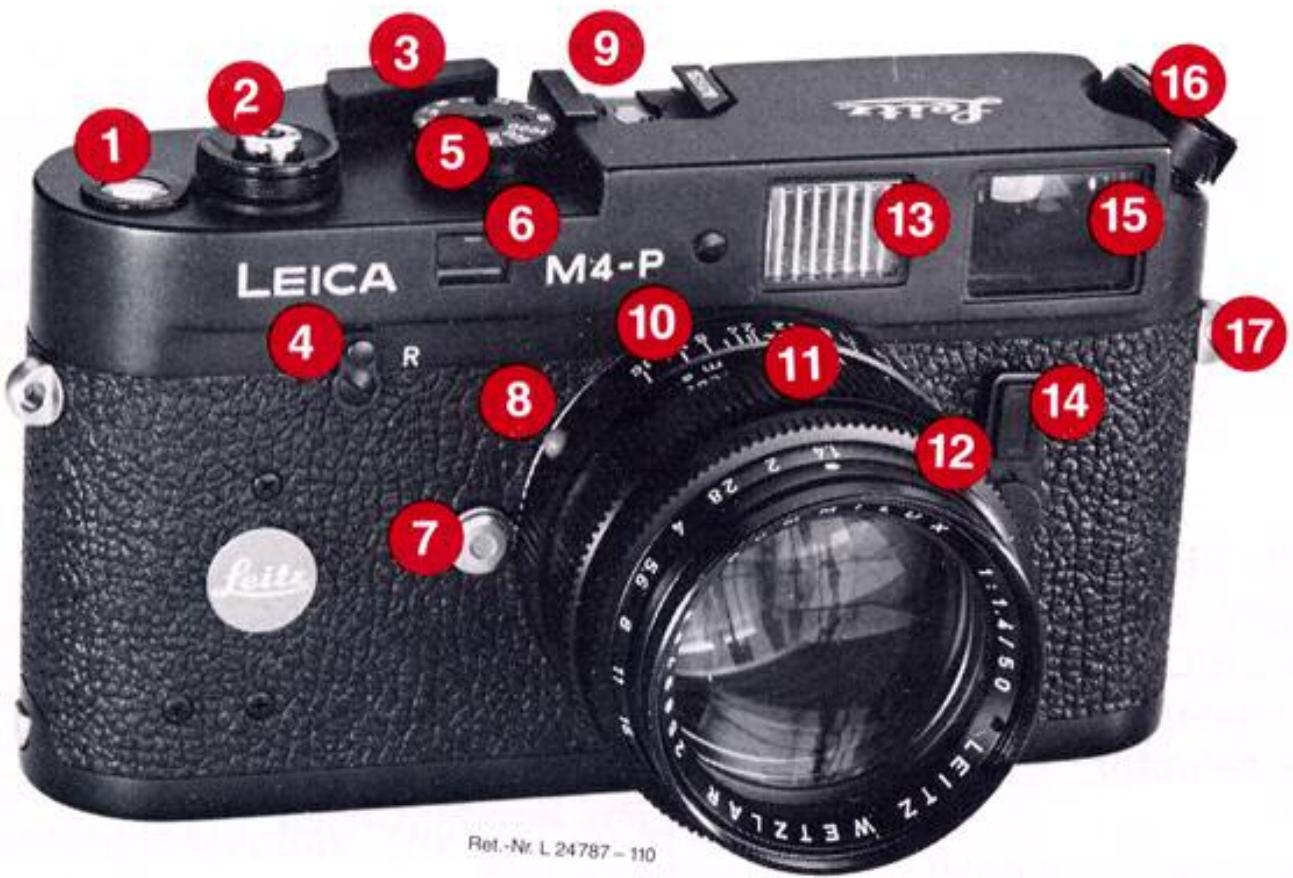
1 Compteur de vues automatique 2 Bouton de déclenchement 3 Levier d'avance rapide 4 Dégagement de rembobinage du film 5 Molette de vitesse d'obturation 6 Fenêtre du télémètre
7 Verrou de la monture d'objectif 8 Bouton rouge de repérage pour l'insertion de l'objectif 9 Griffe porte-accessoires avec contact flash 10 Échelle de profondeur de champ 11 Échelle de distance 12 Échelle d'ouverture
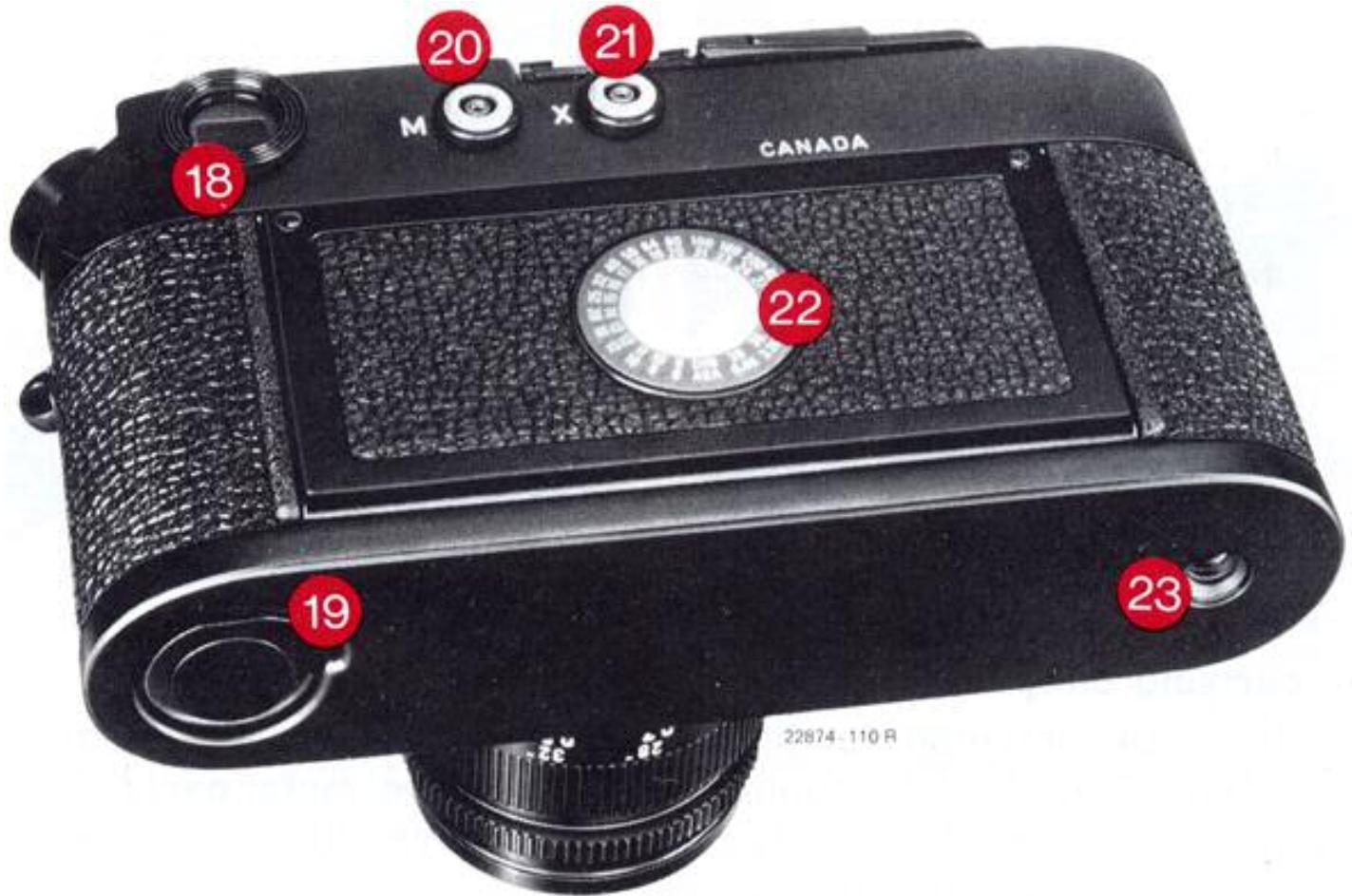
13 Fenêtre éclairant les cadres à lignes lumineuses 14 Sélecteur de champ 15 Fenêtre du champ du viseur 16 Manivelle de rembobinage pliante 17 Œillets de courroie de transport 18 Oculaire du viseur de mesure
19 Plaque de base 20 Contact pour ampoules flash 21 Contact pour flashes électroniques 22 Indicateur de film (accepte l'écriture au stylo à bille) avec échelle de comparaison DIN/ASA 23 Pas de vis pour trépied A 1/4 (1/4)
Fixation de la dragonne
Les œillets (17) sont prévus pour la fixation de la dragonne. Détachez la partie en cuir double du mousqueton, retirez les deux pièces métalliques et accrochez-les dans les œillets de l'appareil dans des directions opposées.
Enfilez les attaches en cuir dans les fentes des pièces métalliques et fixez-les avec la partie ronde du mousqueton.
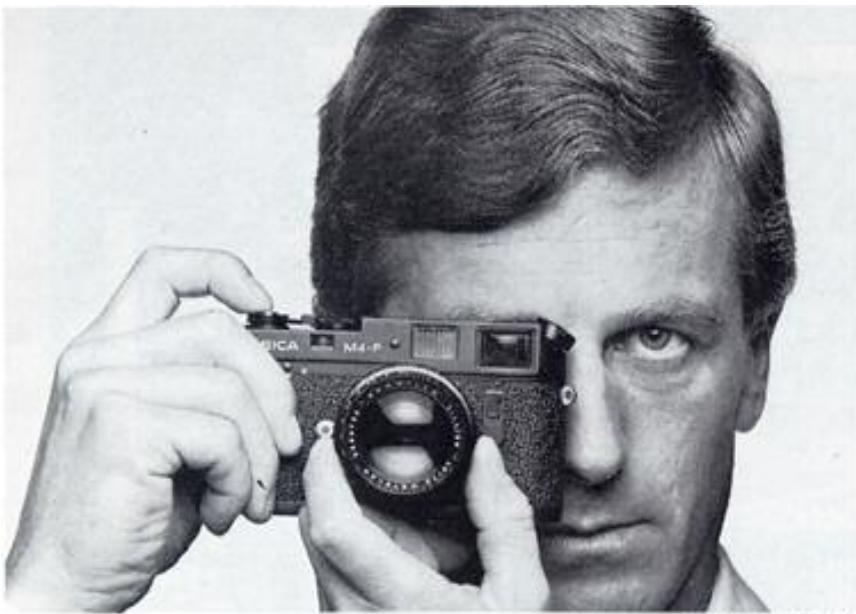
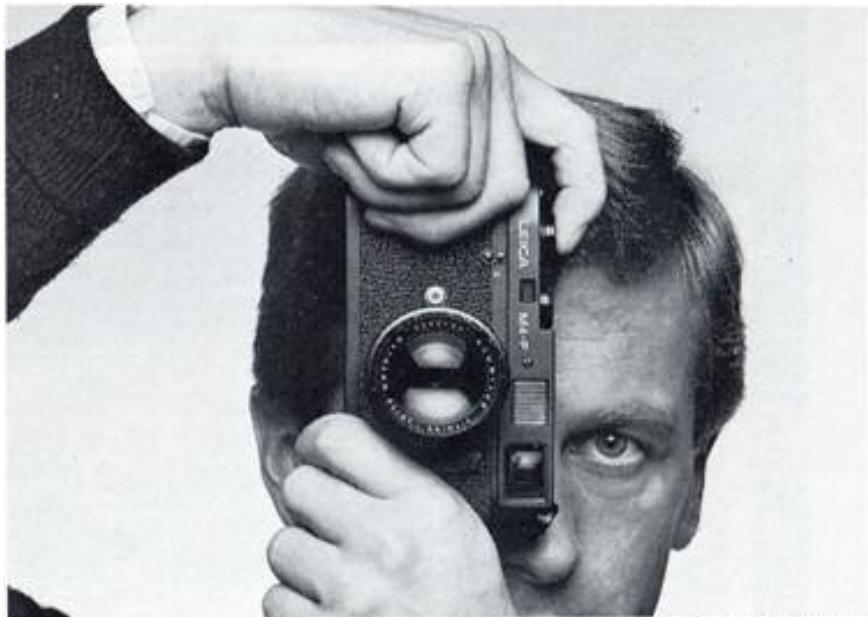
Comment tenir le LEICA
Pour un maintien stable en trois points, tenez l'appareil avec la main droite, l'index sur le déclencheur, le pouce sur le levier d'avance rapide. La main gauche soutient l'objectif par en dessous, prête à refaire la mise au point, ou saisit l'appareil. De plus, appuyez l'appareil contre votre front.
Pour les vues verticales, il suffit de faire pivoter l'appareil de 90°. La position des mains est la même que pour les vues horizontales.
Vous pouvez également faire pivoter l'appareil dans le sens opposé ; dans ce cas, utilisez votre pouce pour déclencher.
Le télémètre à cadre lumineux
Le télémètre à cadre lumineux du LEICA M4-P a été conçu pour combiner les fonctions d'un télémètre couplé et d'un viseur de qualité exceptionnelle. Tout ce que vous voyez dans le cadre lumineux apparaîtra sur votre film exposé. Le cadre lumineux est couplé au télémètre afin que la parallaxe - la différence entre l'axe de l'objectif et l'axe du viseur - soit automatiquement compensée.
Le champ de mesure, plus lumineux que le champ environnant, se trouve au centre du champ du viseur. Tous les objectifs de
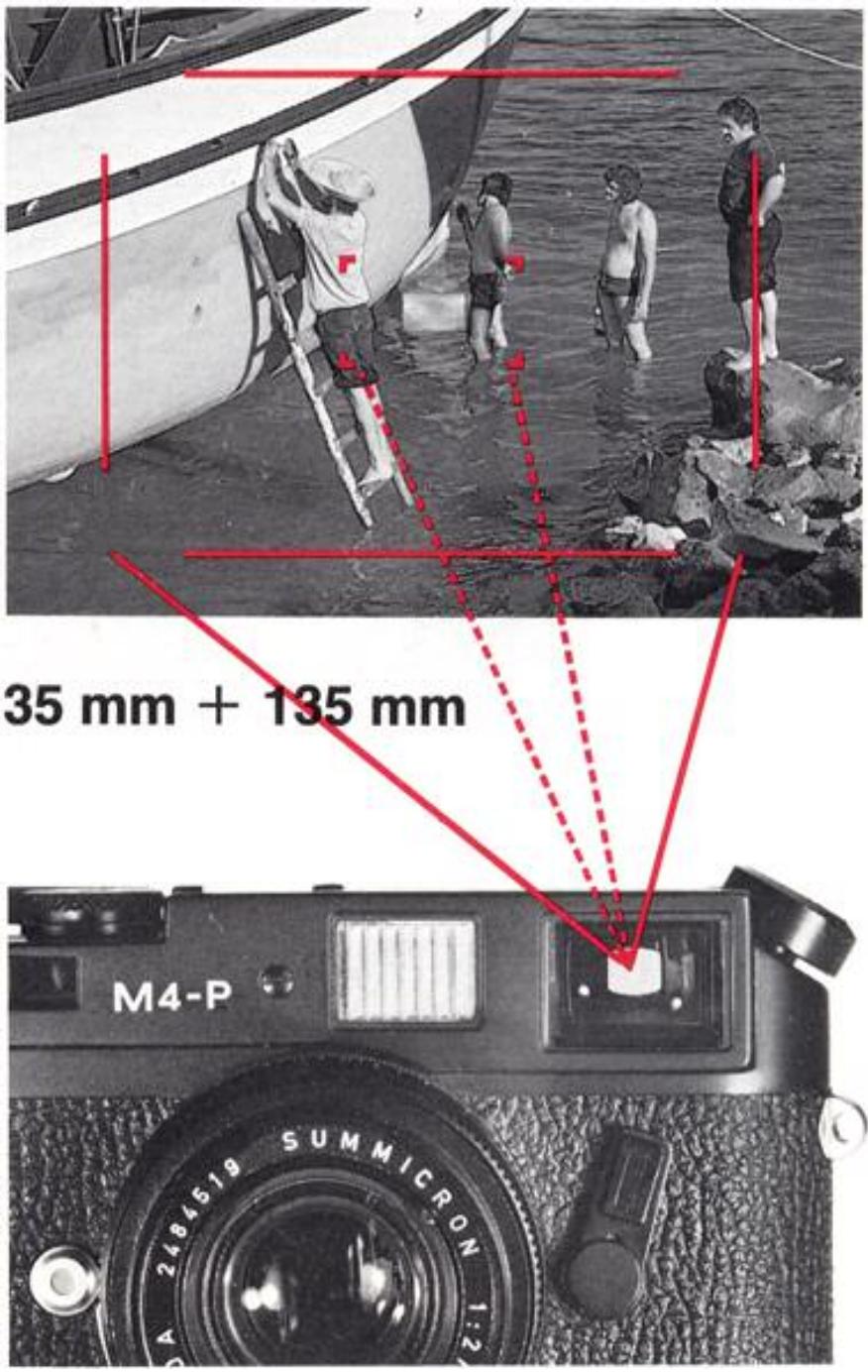
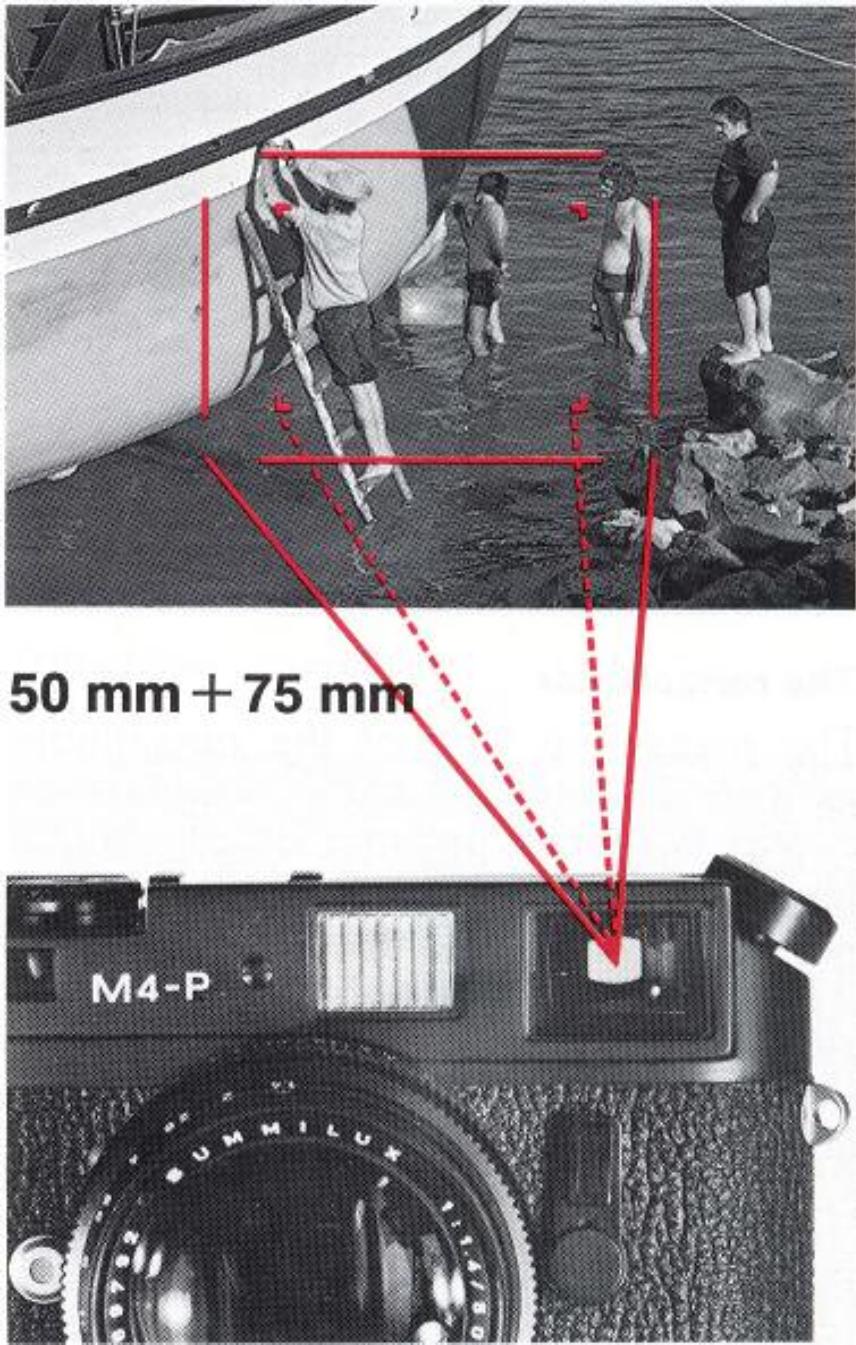
focale 21-135 mm sont couplés au télémètre lors de leur insertion dans le LEICA. Lorsque des objectifs de 28 (à partir du n° de série 2314921), 35, 50, 75, 90 et 135 mm de focale sont insérés, les cadres lumineux appropriés apparaissent automatiquement dans l'image du viseur dans les combinaisons 28 + 90 mm, 35 + 135 mm et 50 + 75 mm.
Le sélecteur de champ
Le sélecteur de champ (14) fonctionne comme un viseur universel ; il permet au propriétaire d'un LEICA de refléter à tout moment dans le champ du viseur les cadres délimitant les champs autres que celui de l'objectif monté sur l'appareil. Levier vers l'extérieur : cadres de champ pour les focales de 35 et 135 mm. Levier vers l'intérieur : cadre de champ pour les focales de 28 et 90 mm. Levier en position intermédiaire : cadre de champ pour les focales de 50 et 75 mm.
Le télémètre
Le champ de mesure du télémètre apparaît au centre du viseur sous la forme d'un rectangle lumineux et nettement délimité. Si vous obstruez la grande fenêtre (15) du viseur, seuls le cadre lumineux réfléchi et le champ de mesure restent visibles. La mise au point peut être effectuée selon la méthode de coïncidence ou selon la méthode de l'image coupée.
Mise au point par coïncidence (double image) : par exemple, pour un portrait, faites la mise au point sur le reflet dans l'œil du sujet. Observez le sujet à travers le viseur et tournez l'objectif jusqu'à ce que les doubles contours dans le champ de mesure coïncident.
Mise au point par image coupée : visez un bord ou toute autre ligne nette ; si vous constatez que cette ligne est décalée latéralement lorsqu'elle pénètre dans le champ de mesure, tournez l'objectif jusqu'à ce que la ligne devienne continue en passant du viseur au champ de mesure et en ressortant. Cette méthode est à préférer en raison de sa précision supérieure.
Double image = flou
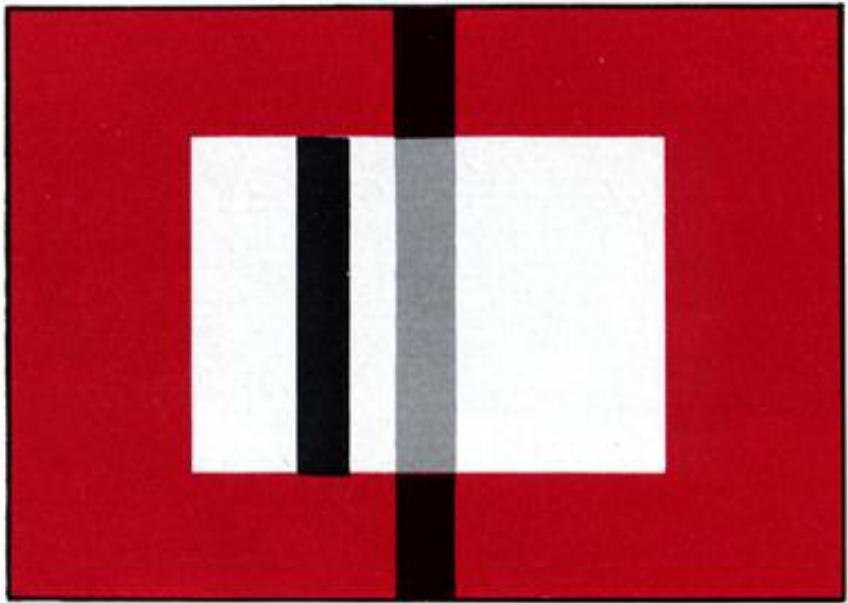
Ligne décalée = flou
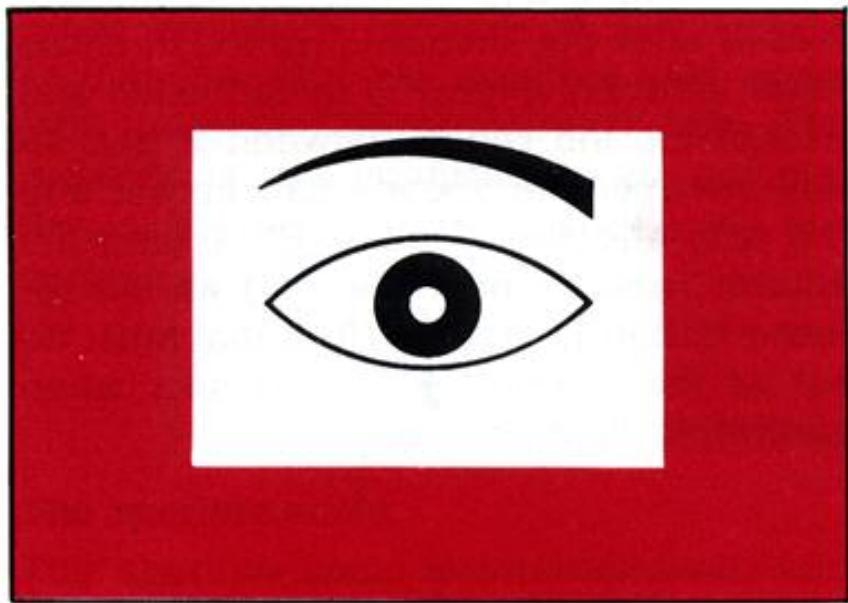
Image coïncidente = net
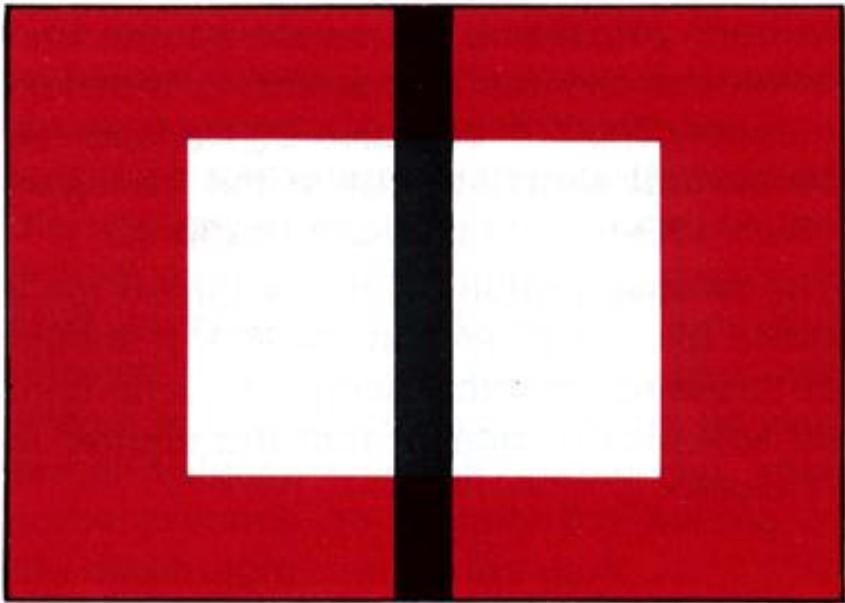
Ligne continue = net
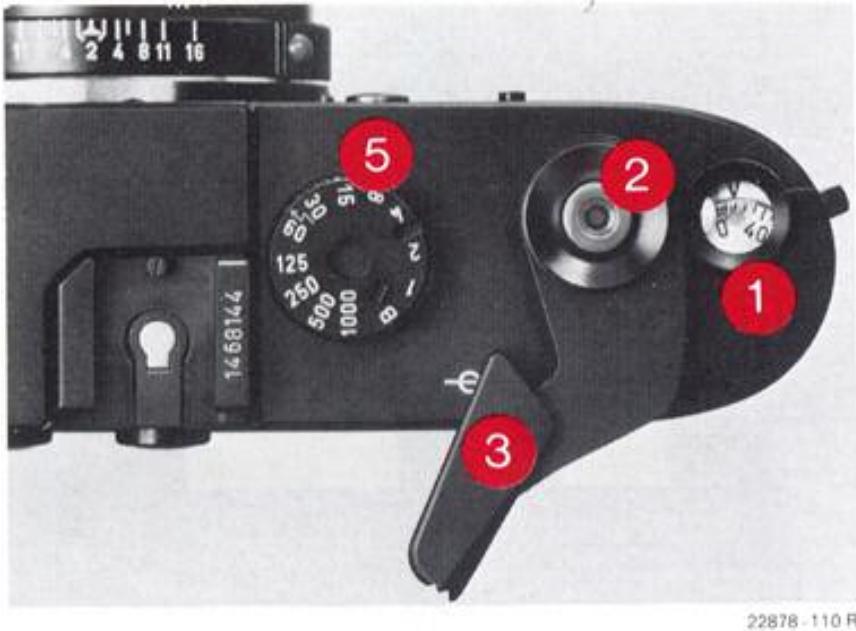
Le levier d'armement rapide (3) transporte le film d'une image à chaque mouvement complet du levier, arme l'obturateur et fait avancer le compteur de vues d'un cran. Le film peut également être transporté par plusieurs courses courtes du levier de transport. (Θ = repère du plan du film).
Le déclencheur (2) possède un filetage pour un déclencheur souple (n° de code 14067). Il doit être pressé doucement, sans à-coup, jusqu'à ce que son déclic doux indique que l'obturateur est libéré.
La molette de vitesse d'obturation (5) contrôle la vitesse d'obturation et peut être réglée avant ou après l'armement de l'obturateur. Elle s'enclenche à chaque valeur gravée et, sauf entre 8 et 15, des vitesses intermédiaires peuvent être réglées et sont pleinement efficaces. Sur la position "B", l'obturateur reste ouvert tant que le déclencheur est enfoncé. La molette doit être réglée sur le symbole ξ = 1/50 s lors de l'utilisation d'un flash électronique.
Les objectifs LEICA sont équipés d'une bague fixe avec échelle de profondeur de champ (10), d'une bague rotative pour régler la distance de mise au point (11) et d'une bague de diaphragme (12).
L'échelle des distances
L'échelle des distances (11) indique la distance sur laquelle l'objectif est réglé et, en liaison avec l'échelle de profondeur de champ (10), l'étendue de la profondeur de champ. La distance est également importante pour le calcul du nombre guide lors de l'utilisation d'un flash.
L'échelle des ouvertures
L'échelle des ouvertures est définie internationalement ;
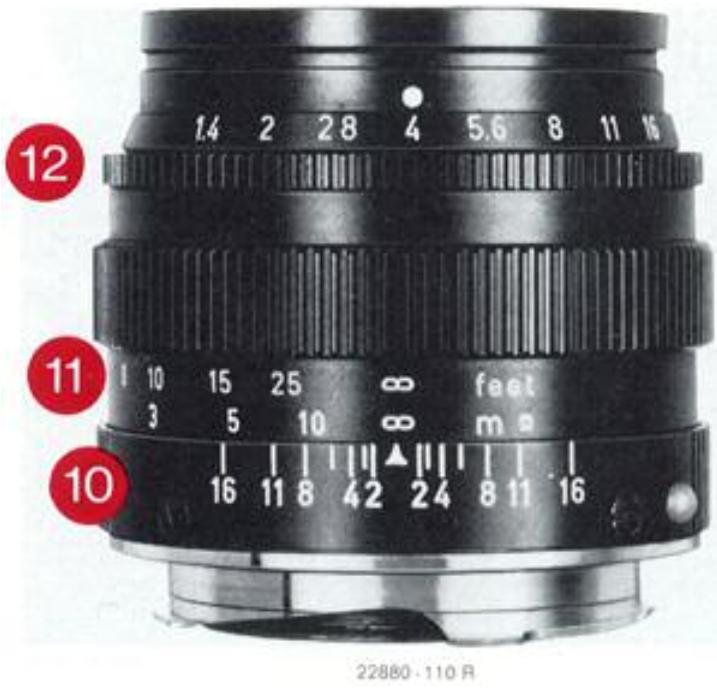
les valeurs ont été choisies de sorte que la quantité de lumière atteignant le film soit divisée par deux à chaque fermeture d'un cran. Un cran d'ouverture équivaut à un cran sur la molette de vitesse d'obturation (5) en ce qui concerne le réglage de la quantité de lumière à laquelle le film est exposé. Comme la molette de vitesse, la bague de diaphragme s'enclenche en face de chaque chiffre (certaines bagues également à des valeurs intermédiaires). Cela vous permettra, après un peu de pratique, d'identifier le réglage du diaphragme même dans l'obscurité.
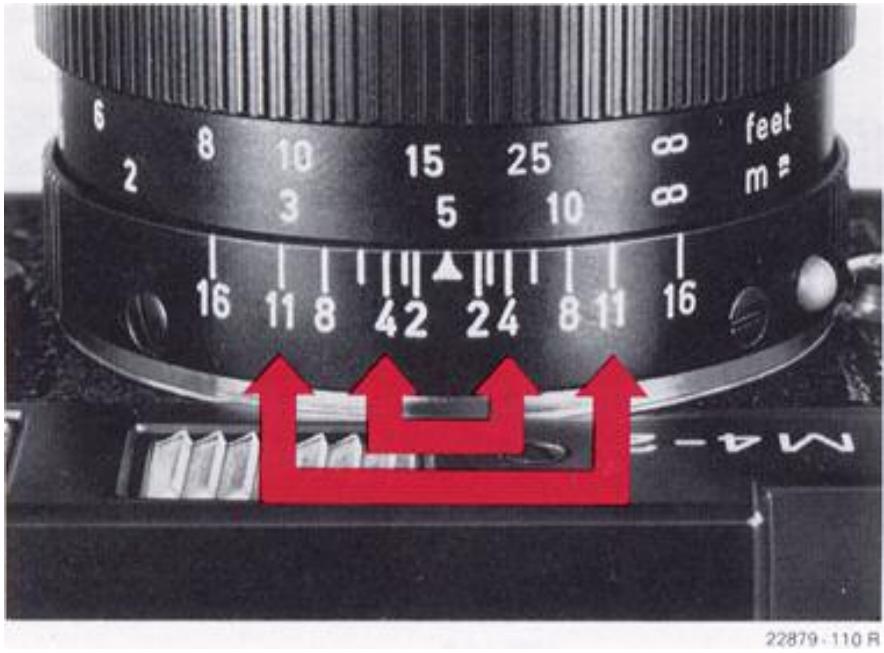
L'échelle de profondeur de champ
L'objectif reproduit avec une netteté maximale le plan, parallèle au film, sur lequel il est mis au point. Cette netteté maximale diminue progressivement vers l'avant et l'arrière ; dans une certaine profondeur, le sujet apparaîtra donc net. Cette profondeur de champ dépend de la distance de prise de vue, de la focale de l'objectif et de l'ouverture réglée. Fermer le diaphragme augmente la profondeur de champ, l'ouvrir la diminue.
L'échelle de profondeur de champ indique la zone de netteté pour la distance de mise au point.
Avec le SUMMICRON® 50 mm f/2 réglé sur 5 m (16 pi 5 po), la netteté à f/4 s'étend de 4 m à environ 8 m (13 pi 4 po à environ 26 pi 3 po). Cependant, si vous fermez à f/11 à la même distance de mise au point, la netteté s'étendra de 3 m à environ 20 m (10 pi à environ 67 pi).
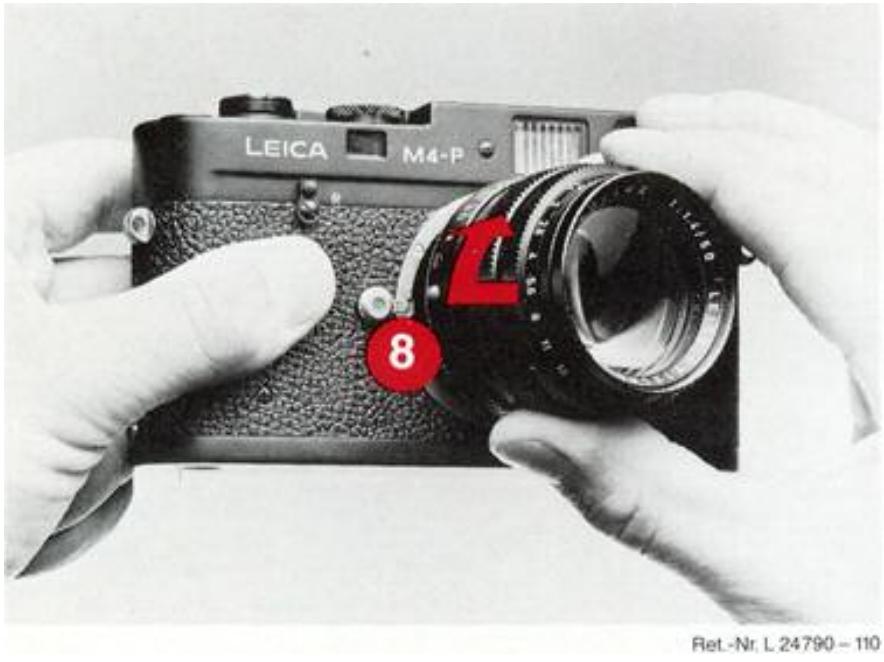
Insertion de l'objectif
Le bouton rouge sur la monture d'objectif (8) doit être en face du point rouge sur le boîtier. Après une courte rotation vers la droite, l'objectif s'enclenche dans la monture à baïonnette avec un clic. Changez d'objectif à l'ombre (par exemple à l'abri de votre corps).
Retirez le bouchon d'objectif avant de prendre des photos.
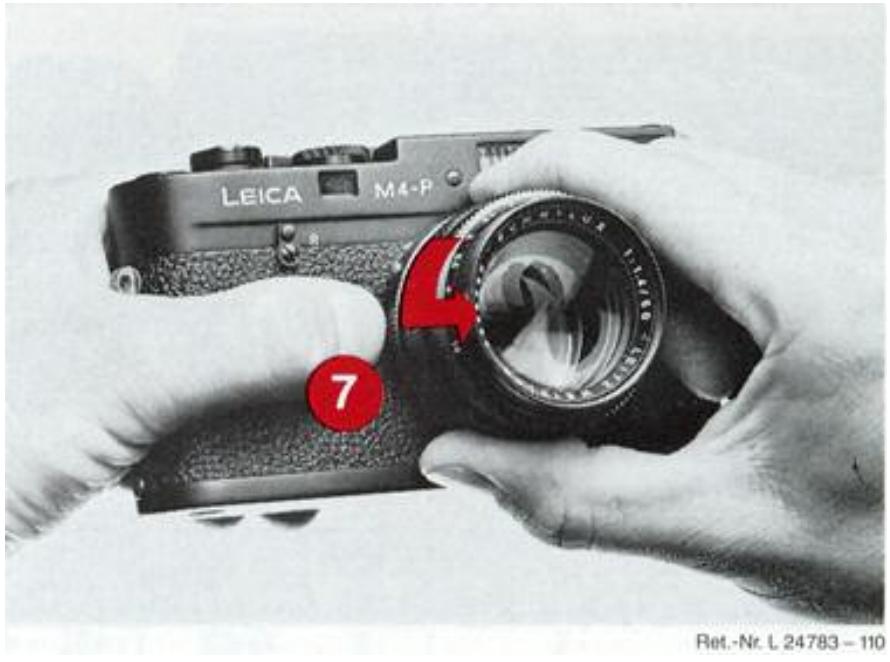
Retrait de l'objectif
Saisissez l'anneau fixe arrière (10) de l'objectif. Enfoncez le bouton de blocage (7), tournez l'objectif vers la gauche et retirez-le.

22881-110R
Synchronisation du flash
Le LEICA M 4-P accepte tous les flashs du marché avec prise standard (prise coaxiale) ou contact sur la griffe porte-accessoires.
Les prises pour la connexion par câble des flashs sont situées à l'arrière de l'appareil. Les ampoules flash se connectent à la prise gauche (20) marquée "M", et les flashs électroniques à la prise droite marquée "X" (21).
Les flashs et adaptateurs sans connexion par câble peuvent être connectés via le contact "X" de la griffe porte-accessoires (9).
Les cubes flash et certains types d'ampoules flash sont déclenchés via la prise de contact X. Le tableau ci-contre donne des informations sur les différentes possibilités. Trois flashs peuvent être utilisés simultanément grâce aux 3 connexions flash.
Tableau des flashs
| Electronic flash | X | B → ∉ (=1/50) | |
| Flashbulbs | AG 1Flash CubesAG 3M 2 | X | B → 1/30 |
| XM 1PF 1XM 5PF 5 | M | B → 1/60 | |
| M 3 | M | B → 1/125 | |
| GE 525 | M | B → 1/500 | |
| X = Contact or accessory shoeelectronic flashM = Contact for flashbulbs | |||
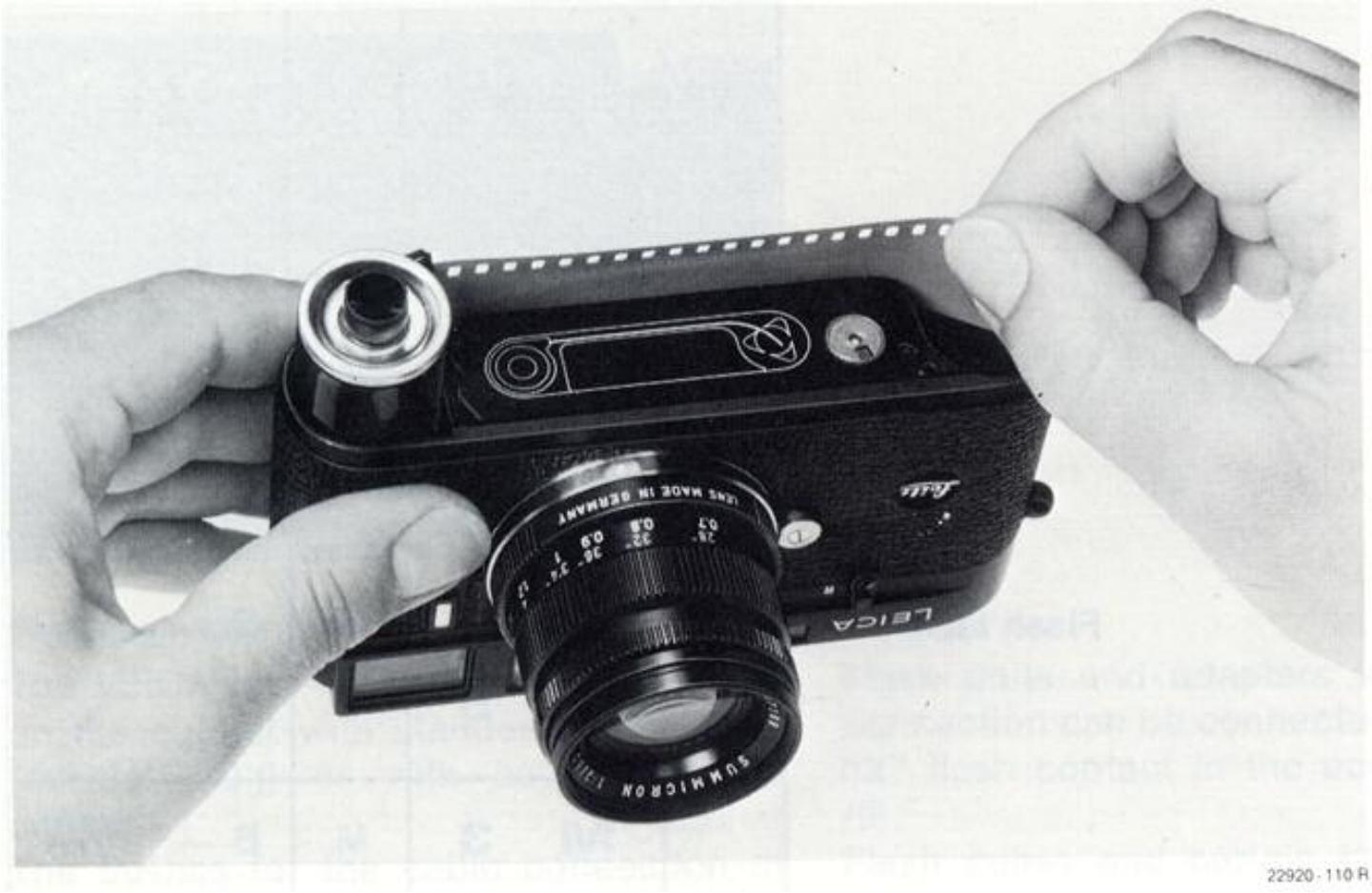
Insertion du film
Assurez-vous d'abord, en tournant la manivelle de rembobinage (16) dans le sens de la flèche, que l'appareil est vide. Si vous sentez une résistance, procédez comme décrit à la page suivante.
Prenez l'appareil dans la main gauche, la plaque de base face à vous. Tirez sur la bascule de la plaque de base (19), tournez-la vers la gauche et retirez la plaque de base. L'amorce du film doit être coupée comme celle de tous les films vendus en cartouches.
Prenez la cartouche ou la cassette dans la main droite et insérez-la à moitié dans l'espace prévu à cet effet dans l'appareil, saisissez l'amorce du film et tirez-la vers la bobine réceptrice*. Poussez la cartouche et l'amorce dans l'appareil avec la paume de la main. Faites pivoter la plaque de base sur la patte latérale de l'appareil, fermez-la et verrouillez-la à l'aide de la bascule (19). La plaque de base est conçue pour ajuster le film dans sa position correcte une fois fixée sur l'appareil. Faites avancer le film de deux vues et déclenchez l'obturateur. Tendez le film après le deuxième armement en tournant la manivelle de rembobinage (16). Le film est correctement entraîné si la manivelle de rembobinage (16) tourne dans le sens inverse de la flèche pendant le transport du film. Après le troisième armement, le compteur de vues automatique (1) indique 1 et l'appareil est prêt à fonctionner.
* Uniquement à des températures inférieures à zéro, le film doit être inséré dans le LEICA selon la représentation schématique, c'est-à-dire que l'amorce du film doit être saisie par une seule fente de la bobine réceptrice ; toute partie dépassant de la deuxième fente au-delà de la bobine réceptrice risque de se casser à basse température. Dans des conditions normales, l'amorce du film peut être enfilée dans la bobine réceptrice jusqu'à ce qu'elle touche la paroi du boîtier.
Retrait du film
Après l'exposition de la dernière vue, le levier de transport rapide (3) ne peut plus être actionné. Le film doit maintenant être rembobiné. Déplacez le levier (4) sur "R". Dépliez la manivelle de rembobinage (16) et tournez-la dans le sens de la flèche jusqu'à ce que le film soit rembobiné dans la cassette. Ouvrez la plaque de base et retirez la cassette de film.
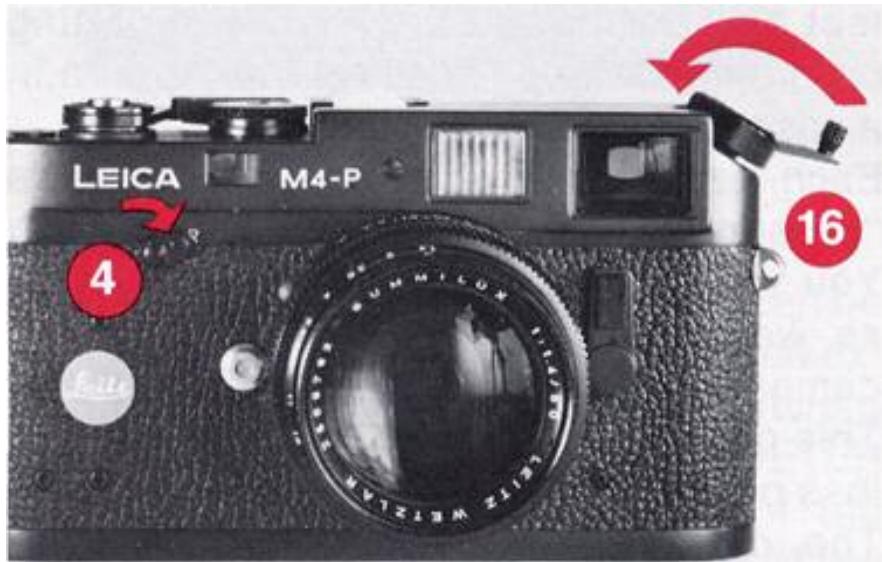
Si le film n'est pas solidement fixé à la bobine du chargeur, par exemple lors de l'utilisation de film en vrac, le film risque de se déchirer et devra alors être retiré de la bobine réceptrice.
Retirez la plaque de base de l'appareil photo dans une pièce complètement sombre. Tenez l'appareil avec le fond ouvert vers le bas. Actionnez lentement plusieurs fois le levier de transport rapide jusqu'à ce que le film dépasse suffisamment de l'appareil pour être saisi à la main et retiré. Si nécessaire, tapotez légèrement l'appareil contre votre main pour faciliter ce mouvement.
Entretien de votre LEICA et de ses objectifs
Les objectifs LEICA agissent comme des loupes si le LEICA est posé avec l'objectif vers le haut en plein soleil. Vous devez donc protéger le boîtier et l'obturateur en mettant le bouchon d'objectif ou en gardant l'appareil dans son étui ou à l'ombre.
Chaque objectif porte, en plus de son type, son numéro de série "personnel" gravé. Vous devriez noter ce numéro ainsi que le numéro de série de l'appareil gravé sur le dessus du LEICA. Cela peut être très utile en cas de perte ou de vol.
Le traitement des objectifs LEICA, associé à l'utilisation d'un ciment spécial absorbant les UV, assure une exclusion efficace de la lumière ultraviolette. Cela garantit que tous les objectifs possèdent les mêmes propriétés de transmission des couleurs, quelle que soit leur focale. Les revêtements antireflets externes résistent à l'essuyage.
La poussière doit être enlevée avec une brosse douce en poil de martre, un morceau de tissu en coton (par exemple un mouchoir) lavé plusieurs fois, ou du papier optique. Les chiffons de nettoyage spéciaux, comme ceux utilisés pour le nettoyage des lunettes, ne sont pas recommandés, car ils sont imprégnés chimiquement et pourraient attaquer la surface de l'objectif (le verre utilisé pour les lunettes a une composition différente de celle du verre optique pour objectifs de haute qualité).
Un filtre UVa incolore peut être laissé en permanence sur l'objectif, où il protégera la lentille frontale des influences extérieures, comme le sable ou les embruns sur la plage.
Le pare-soleil protège également l'objectif des traces de doigts accidentelles et des gouttes de pluie. Protégez vos précieux objectifs avec les bouchons appropriés.
Le système LEICA
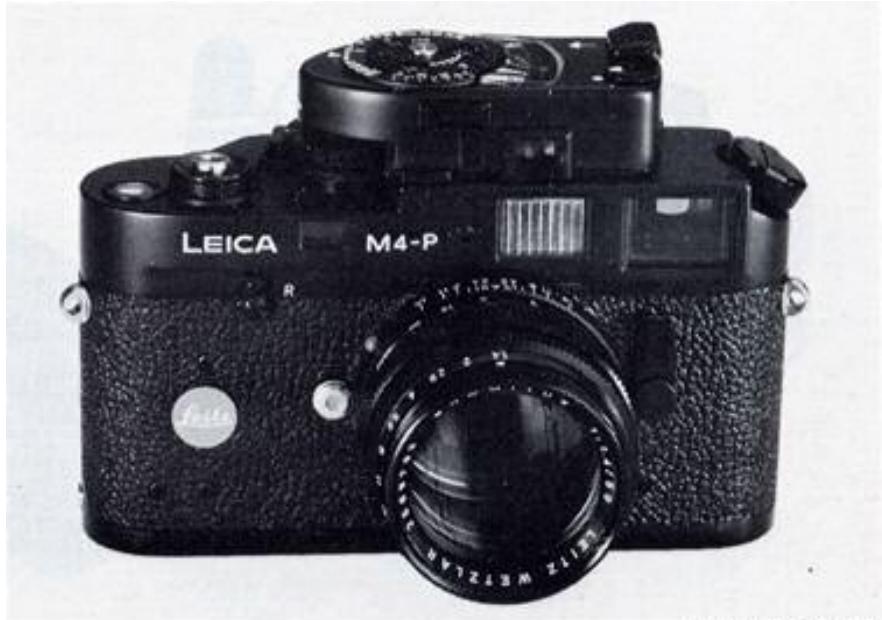
Posemètre
Le posemètre LEICAMETER® peut être couplé au LEICA M 4-P pour une mesure de lumière sélective. Le champ de mesure clairement délimité du LEICAMETER correspond à la zone d'image des objectifs LEICA de 90 mm. Indépendamment de l'objectif monté sur l'appareil, il peut être reflété dans le champ de vision à tout moment à l'aide du sélecteur de champ (14).
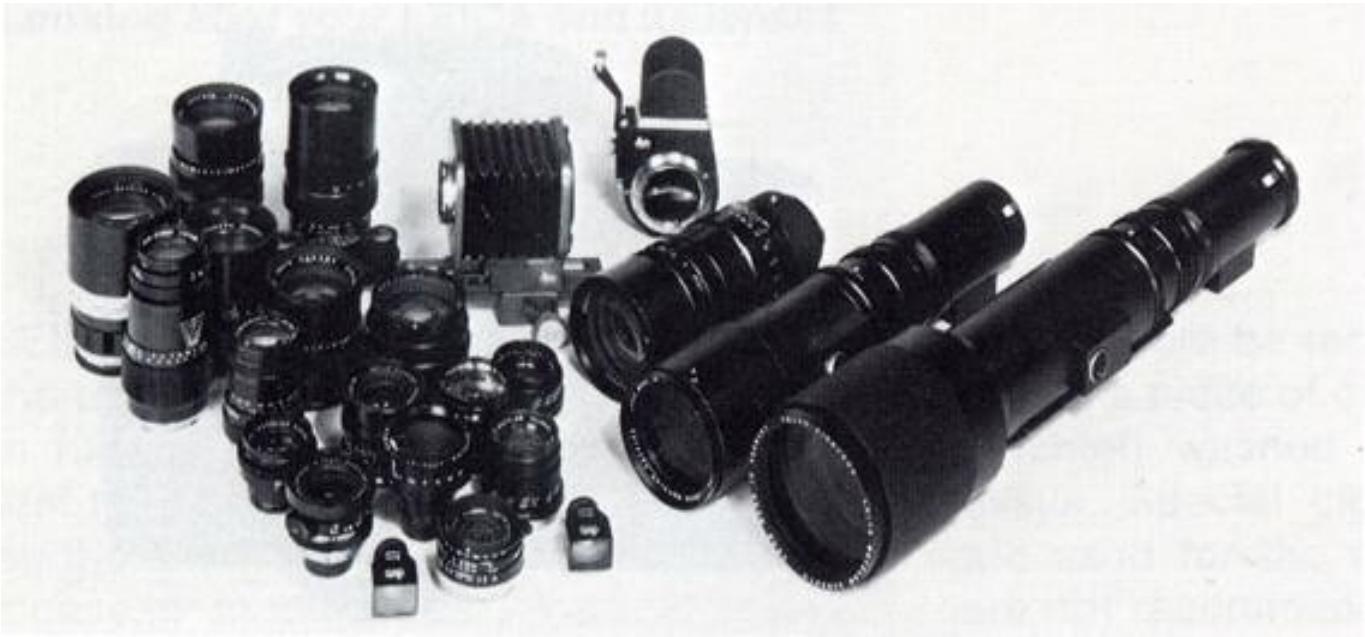
Objectifs interchangeables
Outre les objectifs de 28 à 135 mm de focale, le possesseur de LEICA dispose de toute une gamme d'objectifs interchangeables de focales plus courtes et plus longues.
Les éléments optiques des objectifs de 135 mm peuvent être dévissés et utilisés pour la mise au point sur verre dépoli avec le VISOFLEX 3 et sur le soufflet de mise au point 2.
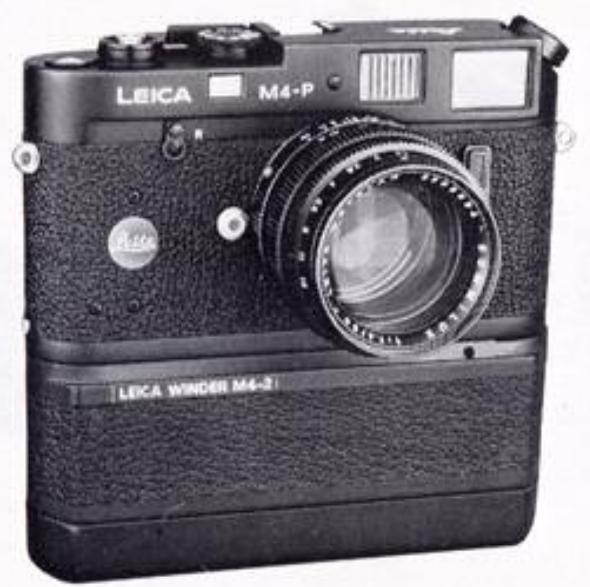
Le LEICA-Winder
Un winder pour l'avance automatique du film et l'armement de l'obturateur, pour des vues isolées jusqu'à 3 images par seconde, peut être connecté au LEICA M 4-P. Il se fixe sous le boîtier de l'appareil à la place de la semelle. Le winder convient à toutes les vitesses d'obturation de
1 à 1/1000 s, y compris la pose B. Lorsque le winder est débranché ou que les piles sont épuisées, le film et l'obturateur peuvent également être armés manuellement. Télécommande possible via la prise pour déclencheur souple.
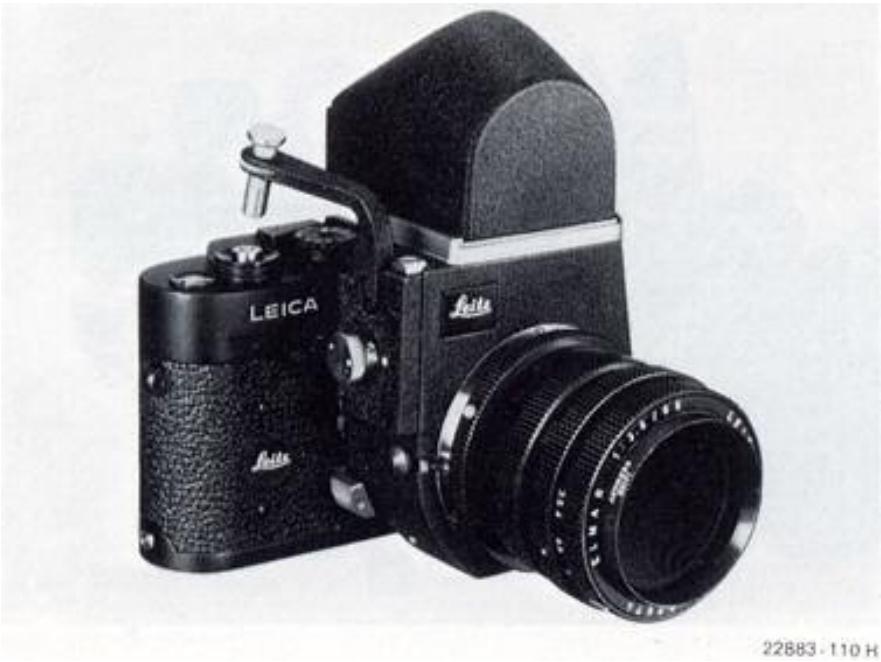
VISOFLEX
Les téléobjectifs de 200 mm de focale et plus, le 65 mm ELMAR® f/3.5, et les éléments optiques des objectifs de 135 mm sont utilisés avec l'écran en verre dépoli de la visée reflex VISOFLEX®. Ici, comme en macrophotographie, un verre dépoli offre de réels avantages.
De plus amples détails figurent dans notre liste 160-3.
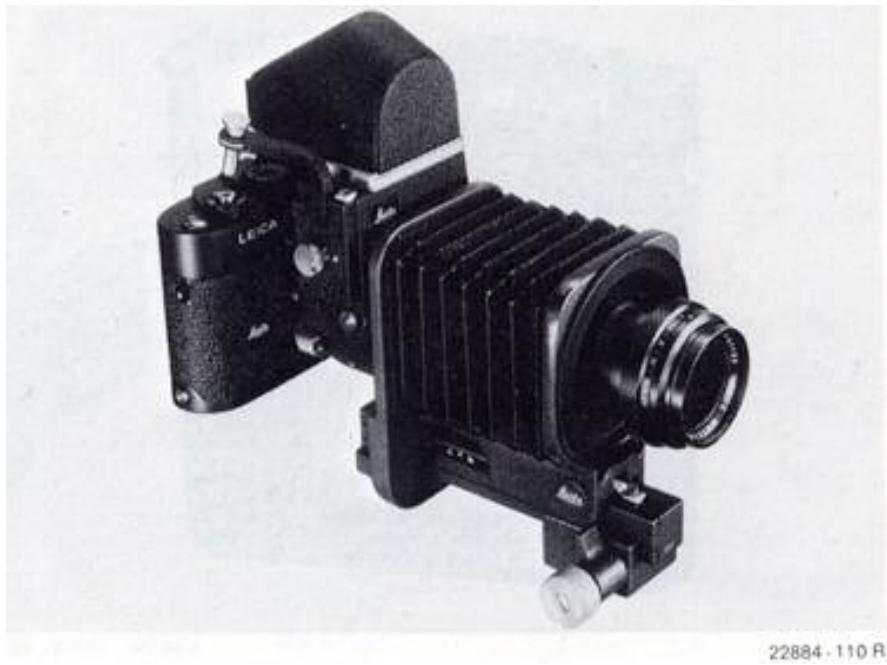
Le soufflet de mise au point
Le soufflet de mise au point II permet l'utilisation de presque tous les objectifs LEICA. De grands agrandissements sont possibles avec les objectifs de 35 et 50 mm, avec les objectifs de 90 mm la plage de reproduction de 30 à 1:1, et avec les objectifs de 135 mm la plage de mise au point continue de 0 à 1:1,5 est obtenue.
Notre liste n° 160-1 contient de plus amples informations.
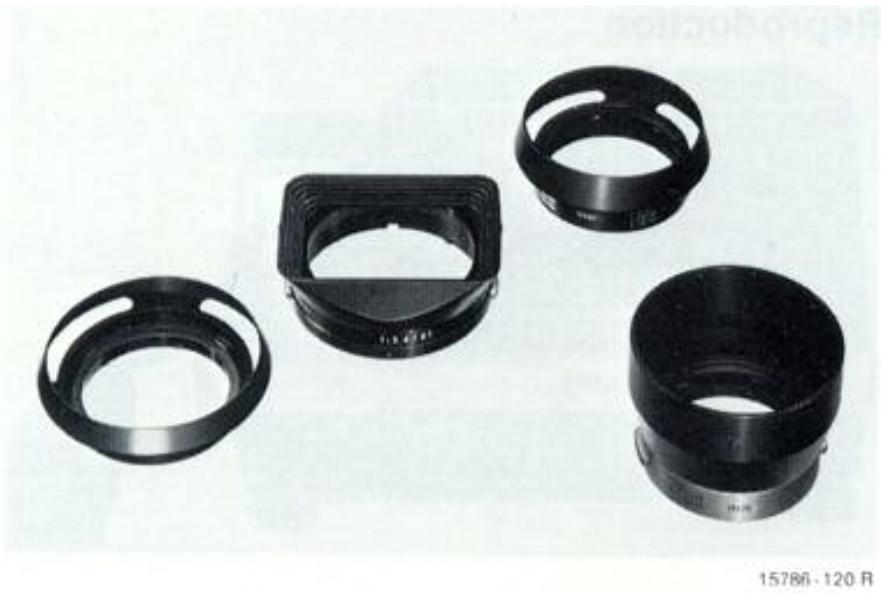
Pare-soleil
Divers pare-soleil de conception fonctionnelle sont disponibles pour la gamme d'objectifs LEICA. Certains peuvent être montés à l'envers sur l'objectif. Sur les objectifs à longue focale, les pare-soleil sont fixés en permanence et peuvent être déployés comme un télescope. L'objectif ne doit jamais être utilisé sans pare-soleil, car il offre une protection efficace contre la lumière parasite et les reflets, ainsi que contre les gouttes de pluie et les traces de doigts.
Étuis pour appareils photo
Pour le LEICA avec objectif standard, l'étui prêt-à-l'emploi (réf. 14546) est recommandé. En outre, des étuis combinés sont disponibles pour les équipements photographiques complets.
Reproduction
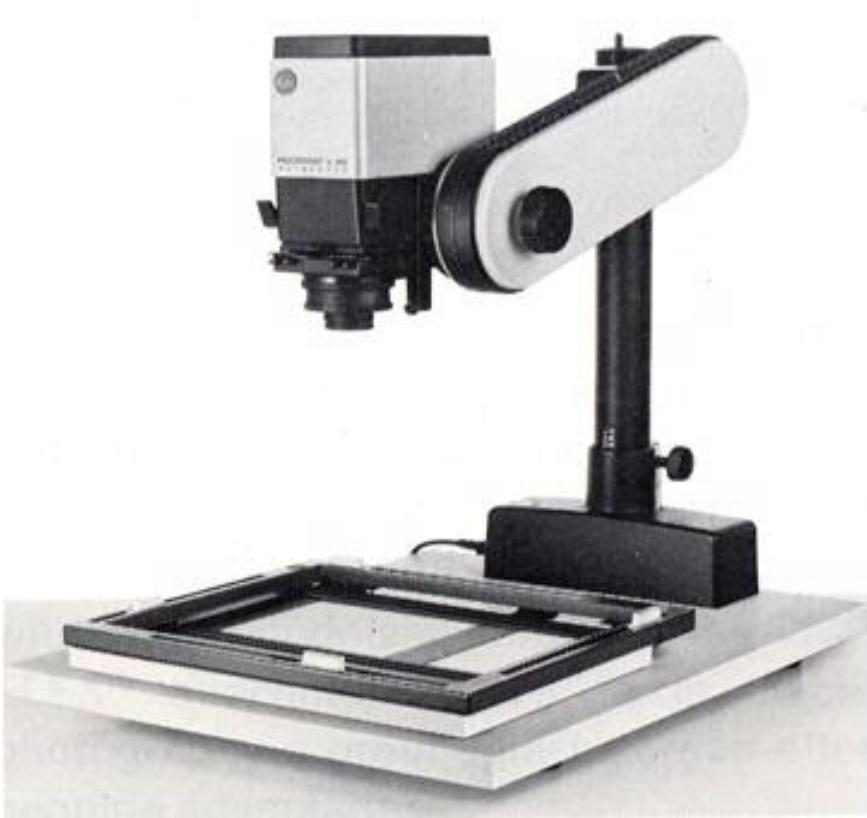
Agrandisseurs
Un appareil photo de haute qualité tel que le LEICA nécessite un agrandisseur de performance équivalente pour ne pas gaspiller cette qualité. LEITZ propose deux modèles de haute qualité éprouvés avec mise au point automatique : le FOCOMAT® V 35, exclusivement pour le format 35 mm, et le FOCOMAT II, qui accepte tous les formats de film de 12 x 17 mm à 6 x 9 cm.
Pour plus de détails, veuillez consulter nos listes n° 170-019 et 170-015.
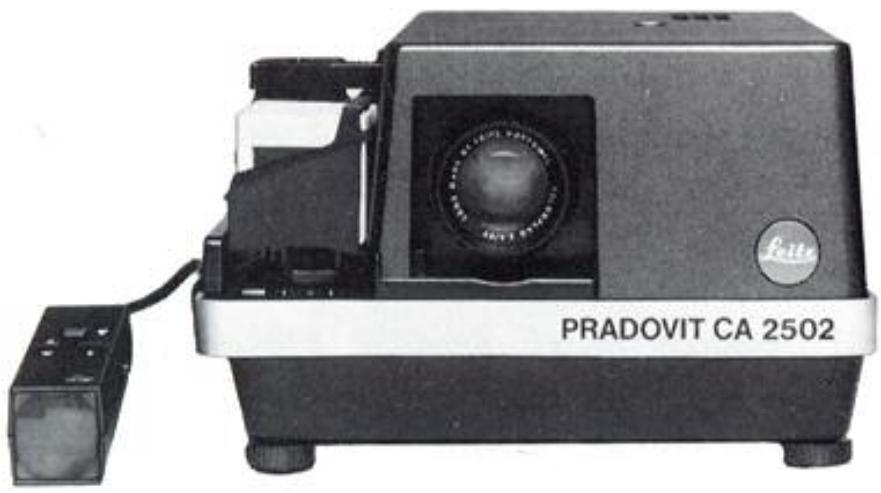
Projecteurs
Une large sélection de projecteurs est disponible selon les préférences et les besoins de l'utilisateur. Ils sont extrêmement faciles à utiliser et peuvent s'adapter à une gamme variée d'usages. La caractéristique commune la plus remarquable de tous les projecteurs LEITZ est leur performance optique inégalée, associée à la précision traditionnelle LEITZ. Veuillez demander la documentation descriptive.
Service LEITZ
En cas de dommage, notre service après-vente est à votre disposition.
Adresse :
Ernst Leitz Wetzlar GmbH Service technique B.P. 2027 D-6330 Wetzlar Allemagne
ou votre agence LEITZ nationale.
Chaque appareil LEICA est accompagné d'une liste des agences LEITZ. Les cas de dommages sont réglés conformément à la garantie internationale LEITZ.
Lisez « LEICA FOTOGRAFIE »
Chaque LEICA est accompagné d'un bon gratuit pour des exemplaires d'essai de "LEICA FOTOGRAFIE", le magazine spécialisé dans la technique du 35 mm, disponible en allemand, en anglais et en français. Veuillez envoyer le bon rempli directement à :
LEICA FOTOGRAFIE Umschau Verlag Stuttgarter Strasse 18—24 D-6000 Frankfurt/Main Allemagne
Le service d'information LEITZ
Le service d'information LEITZ est disponible de 8 h à 12 h et de 13 h à 16 h, du lundi au vendredi, au téléphone (06441) 292436. Il répondra à toutes les questions concernant la photographie 35 mm, la projection, les techniques d'agrandissement et les jumelles. Les lettres doivent être adressées à :
ERNST LEITZ WETZLAR GMBH
Service d'information
Boîte postale 2020
D-6330 Wetzlar
Allemagne
L'École LEICA
L'École LEICA fait partie du service offert par Leitz. Elle a été créée pour répondre aux souhaits de nombreux photographes passionnés de recevoir une formation approfondie dans les domaines de la photographie, de la projection et de l'agrandissement.
Les cours offrent aux membres un programme photographique complet et de nombreuses suggestions, informations et conseils pratiques. Pour plus d'informations et pour obtenir les formulaires d'inscription, adressez-vous à :
ERNST LEITZ WETZLAR GMBH
École LEICA
Boîte postale 2020
D-6330 Wetzlar
Allemagne

Leitz signifie précision.
Dans le monde entier.
Lisez LEICA-Fotografie, le magazine d'actualité sur la technique du 35 mm.
® = Marque déposée
Conception sujette à modifications sans préavis.
ERNST LEITZ WETZLAR GMBH
D-6330 Wetzlar Tél. : (0 64 41) 29-0 Télex : 4 83 849 leiz d
Filiales : Ernst Leitz (Canada) Ltd., Midland, Ont.
Leitz-Portugal S. A. R. L., Vila Nova de Famalicão


- INSTRUCTIONS
- VOUS ÊTES LE PROPRIÉTAIRE
- D'UN LEICA®
- SOMMAIRE
- PAGE
- LE SYSTÈME LEICA
- FIXATION DE LA DRAGONNE
- COMMENT TENIR LE LEICA
- LE TÉLÉMÈTRE À CADRE LUMINEUX
- LE SÉLECTEUR DE CHAMP
- LE TÉLÉMÈTRE
- L'ÉCHELLE DES DISTANCES
- L'ÉCHELLE DES OUVERTURES
- L'ÉCHELLE DE PROFONDEUR DE CHAMP
- INSERTION DE L'OBJECTIF
- RETRAIT DE L'OBJECTIF
- SYNCHRONISATION DU FLASH
- INSERTION DU FILM
- RETRAIT DU FILM
- ENTRETIEN DE VOTRE LEICA ET DE SES OBJECTIFS
- POSEMÈTRE
- OBJECTIFS INTERCHANGEABLES
- LE LEICA-WINDER
- VISOFLEX
- LE SOUFFLET DE MISE AU POINT
- PARE-SOLEIL
- ÉTUIS POUR APPAREILS PHOTO
- REPRODUCTION
- AGRANDISSEURS
- PROJECTEURS
- SERVICE LEITZ
- LISEZ « LEICA FOTOGRAFIE
- LE SERVICE D'INFORMATION LEITZ
- ERNST LEITZ WETZLAR GMBH
- L'ÉCOLE LEICA
Marque : LEICA
Modèle : M4-P
Catégorie : Appareil photo argentique