Premier SnugRide SnugFit 35 XT - Car seat GRACO - Free user manual and instructions
Find the device manual for free Premier SnugRide SnugFit 35 XT GRACO in PDF.


| Product Type | Infant Car Seat |
| Brand | Graco |
| Model | Premier SnugRide SnugFit 35 XT |
| Weight Capacity | 4 to 35 lbs (1.8 to 15.9 kg) |
| Height Limit | Up to 32 inches (81 cm) |
| Orientation | Rear-facing only |
| Harness Type | 5-point harness with no-rethread design |
| Installation Method | Vehicle seat belt or LATCH with base |
| Base Features | SnugLock technology, level indicator, one-hand adjustment |
| Safety Standards | Meets or exceeds FMVSS 213 |
| Side Impact Protection | Graco ProtectPlus Engineered with reinforced steel frame and energy-absorbing foam |
| Canopy | Multi-position retractable canopy with UPF 50+ |
| Carrier Weight | Approximately 9.5 lbs (4.3 kg) without base |
| Base Weight | Approximately 7.5 lbs (3.4 kg) |
| Overall Dimensions (Carrier) | 27 x 18 x 15 inches (69 x 46 x 38 cm) |
| Overall Dimensions (Base) | 15 x 12 x 6 inches (38 x 30 x 15 cm) |
| Compatibility | Works with Graco Click Connect strollers |
| Cleaning Instructions | Remove cover and pad, machine wash cold, air dry; wipe harness and shell with damp cloth |
| Expiration | 7 years from date of manufacture |
| Warranty | 1-year limited warranty |
Frequently Asked Questions - Premier SnugRide SnugFit 35 XT GRACO
User questions about Premier SnugRide SnugFit 35 XT GRACO
0 question about this device. Answer the ones you know or ask your own.
Ask a new question about this device
Download the instructions for your Car seat in PDF format for free! Find your manual Premier SnugRide SnugFit 35 XT - GRACO and take your electronic device back in hand. On this page are published all the documents necessary for the use of your device. Premier SnugRide SnugFit 35 XT by GRACO.
USER MANUAL Premier SnugRide SnugFit 35 XT GRACO
SNUGRIDE® SNUGFIT™ 35 XT
INFANT CAR SEAT
Read This Instruction Manual
Do not install or use this child restraint until you read and understand the instructions in this manual.
FAILURE TO PROPERLY USE THIS CHILD RESTRAINT INCREASES THE RISK OF SERIOUS INJURY OR DEATH IN A SUDDEN STOP OR CRASH.
KEEP INSTRUCTIONS FOR FUTURE USE.
natural_image
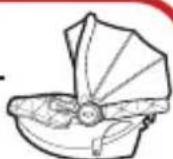
Line drawing of a baby car seat with mesh pattern and a circular icon labeled 'click CONNECT' (no text or symbols on the diagram itself)Important Pages 4-13
1-A Quick Guide to Your Manual
1-B Before You Begin
1-C Safety Warnings
Features Pages 14-25
2-A Car Seat Features
2-B Remove Car Seat from Base
2-C Attach Car Seat to Base
2-D Adjusting Carry Handle
2-E To Open the Canopy
2-F Recline the Base
2-G Privacy Drape
2-H Storage Pocket
2-I Choosing Vehicle Seat Location
2-J Choosing Lower Anchor Attachment or Seat Belt
2-K What Is Lower Anchor Attachment
Rear-Facing Use Pages 26-48
3-A Rear-Facing Checklist
3-B Install With Base With Lower Anchor Attachment
3-C Install With Base With Vehicle Seat Belt
3-D Install Without Base With Vehicle Seat Belt
Securing Child Pages 49-58
4-A Adjust Harness to Fit Child
4-B Adjust Buckle to Fit Child
4-C Securing Child in Car Seat
4-D Removing Child
Carrier Use Pages 59-60
Vehicle Information Pages 61-71
6-A Additional Lower Anchor Attachment Information
6-B How to Remove Lower Anchor Attachment
6-C Unsafe Vehicle Seats
6-D Vehicle Seat Belts
Accessories Pages 72-73
Care & Cleaning Pages 74-79
8-A Cleaning Seat Pad
8-B Cleaning Buckle
8-C Cleaning Harness and Lower Anchor Attachment
1-A Quick Guide to Your Manual
This car seat is for children 4-35 lb (1.8-16 kg) and 32" (81 cm) or less.
Get to Know Your Car Seat
Review section 2-A to see all of the features of this infant car seat.
What Seating Location Should I Use?
The best seating location for this infant car seat is one that:
- Is recommended by your vehicle owner's manual, and
• Results in a secure installation of this car seat.
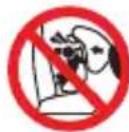
Never place a child rear-facing in a seating position with an active front air bag.
Review section 6 of this manual AND your vehicle owner's manual.
Which Installation Method Should I Use?
This infant car seat base can be installed in your vehicle using either the vehicle seat belt OR the lower anchor attachment system. Both are equally safe to use. DO NOT USE BOTH AT THE SAME TIME.
This infant car seat carrier can be installed in your vehicle using only the vehicle seat belt. lower anchor attachment is not available to install the carrier.
When Installing Base
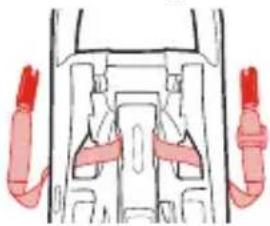
Lower Anchor Attachment System

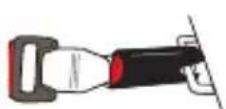
Lower anchor attachment consists of lower anchors, which are built-in to your vehicle, and connecting hooks that are built-in your car seat.
natural_image
Diagram of a vehicle seatbelt with red connectors, showing no text or symbolsReview section 3-B of this manual AND your vehicle owner's manual.
Vehicle Seat Belt
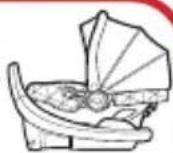
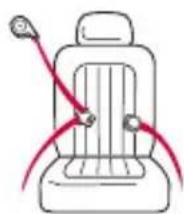
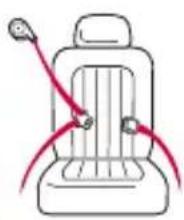
There are two types of vehicle seat belts that can be used. Lap/Shoulder Seat Belt or Lap Only Seat Belt.
natural_image
Line drawing of a car seat with red cable connectors (no text or symbols)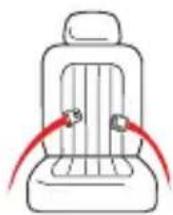
Review section 3-C of this manual AND your vehicle owner's manual.
When Installing Carrier
Vehicle Seat Belt
There are two types of vehicle seat belts that can be used. Lap/Shoulder Seat Belt or Lap Only Seat Belt.
natural_image
Line drawing of a car seat with red cable connectors (no text or symbols)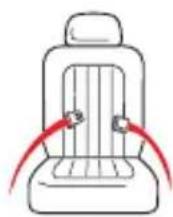
Review section 3-D of this manual AND your vehicle owner's manual.
Does Your Seat Fit Your Child Correctly?
To make sure your child is secured properly, review section 4 to understand all of the actions you need to take to properly adjust the car seat to fit your child.
You Need To Adjust:
Harness Height
Harness straps at or just below the child's shoulders. Review section 4-A.
Buckle Position
The correct slot is the one that is closest to your child without being underneath them. Review section 4-B.
Harness Tightness
If your fingers slide off the harness straps without pinching the straps, it is tight enough. Review section 4-C.
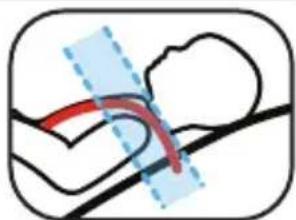
natural_image
Diagram of a human head with a red curved line and blue dashed rectangle, no text or symbols present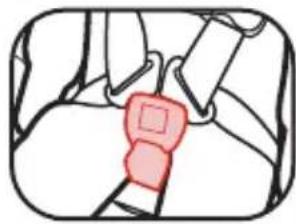
natural_image
Simple line drawing of a mechanical component with a red highlighted section (no text or symbols)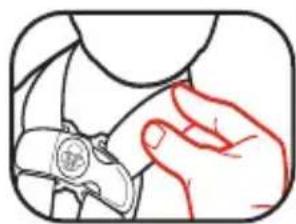
natural_image
Illustration of a hand holding a small object, no text or symbols presentDid You Do Everything Correctly?
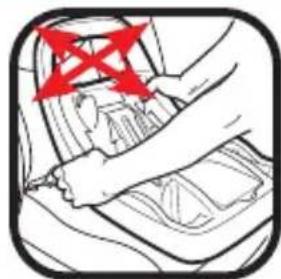
Base or Car Seat Does Not Move More Than 1" (2.5 cm) At The Belt Path
Review section 3.
Car Seat Level to Ground
Review sections 2-F and 3.
natural_image
Illustration of a person's seatbelt with red X marks indicating pressure or stress (no text or symbols)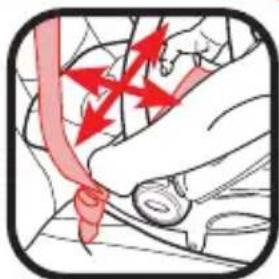
natural_image
Illustration of a medical procedure with red arrows indicating force or pressure direction (no text or symbols)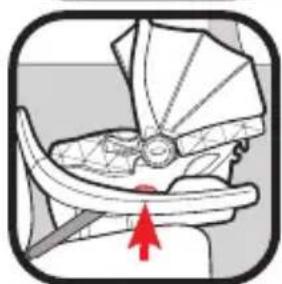
natural_image
Diagram of a mechanical component with a red arrow indicating direction (no text or symbols)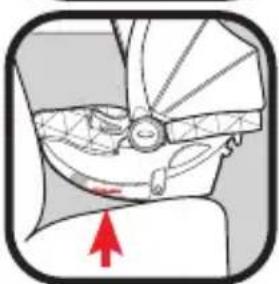
natural_image
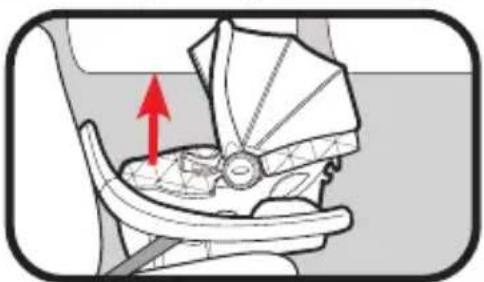
Diagram of a mechanical device with a red arrow pointing to a specific component (no text or symbols present)Car Seat Is Properly Attached To Base
Review section 2-C.
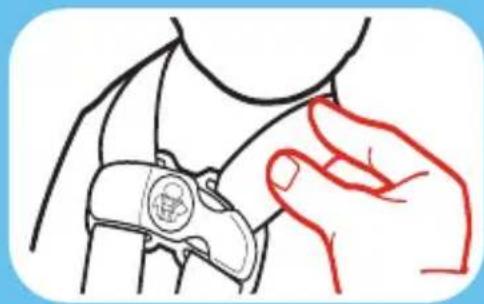
Cannot Pinch Harness
Harness straps at or just below the child's shoulders.
Review section 4-C.
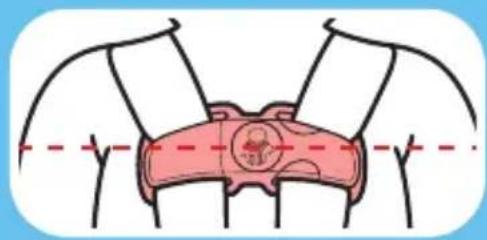
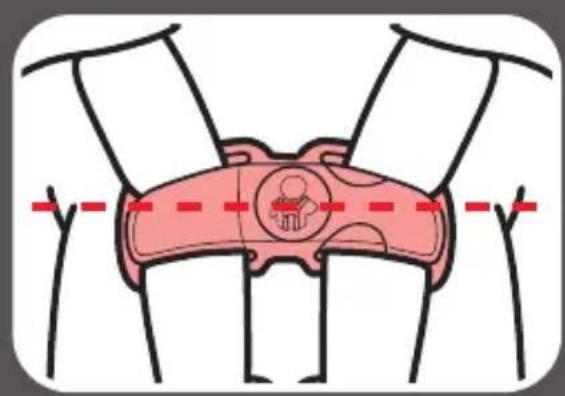
Chest Clip Even With Armpits
Review section 4-C.
natural_image
Diagram of a car seatbelt with a red arrow indicating direction (no text or symbols)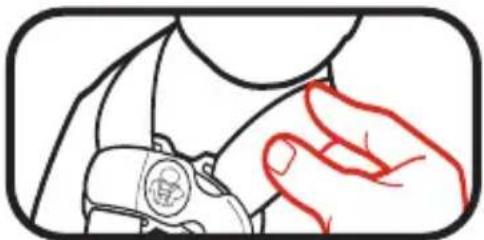
natural_image
Illustration of a hand holding a small object, no text or symbols present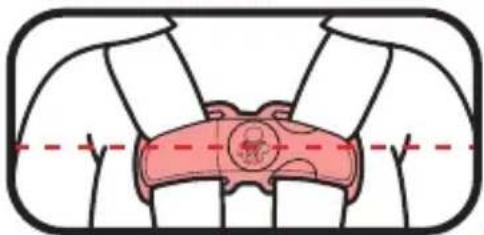
natural_image
Diagram of a mechanical component with a central circular feature and dashed reference lines (no text or symbols)1-B Before You Begin
Your child's safety depends on you. No car seat can guarantee protection from injury in every situation, but proper use helps reduce the risk of serious injury or death.
Even if this car seat seems easy to figure out on your own, you must follow the detailed instructions in this instruction manual to ensure the steps below are performed correctly.
Register This Child Restraint
Please fill out the prepaid registration postcard attached to the harness and mail it in today or register online at www.gracobaby.com/carseatregistration.
Child restraints could be recalled for safety reasons. You must register this restraint to be reached in a recall. Send your name, address, and the restraint's model number and manufacturing date to:
Graco Children's Products, Inc.
Attn: Customer Service
P.O. Box 169, Elverson, PA 19520-9901
or call 1-800-345-4109
or register online at
www.gracobaby.com/carseatregistration
For recall information, call the U.S. Government's Vehicle Safety Hotline at 1-888-327-4236 (TTY: 1–800–424–9153), or go to http://www.NHTSA.gov.
For future reference or if you change addresses, record the model name, model number, date of manufacture, and purchase date of this car seat below. You can find this information either on the registration card if you still have it or on the date label located on the back of the car seat.
Model Name
Model Number ____
Date of Manufacture ____
Date of Purchase ____
If You Need Help
In the U.S.A, please contact our Customer Service Department with any questions you may have concerning parts, use, or maintenance. When you contact us, please have your product's model number and date of manufacture ready so that we may help you efficiently. These numbers can be found on a sticker on the back side of your car seat.
For additional resources or to get your car seat checked by a child passenger safety technician, please visit the following web sites:
www.nhtsa.gov • www.seatcheck.org • www.safekids.org
Certification
This child restraint meets or exceeds all applicable requirements of Federal motor vehicle safety standard 213 for use in motor vehicles.

This child restraint is certified for use in aircraft when used without the base. Use only on forward-facing aircraft seats. Follow the instructions for vehicle installation. See sections 3-D and 6-D Lap Belt Installation.

This child restraint's base is NOT certified for use in aircraft.
Contact the airline for their specific polices.
Car Seat's Useful Life
STOP using this car seat and throw it away 7 years after the date of manufacture. Look for date of manufacture label on back of the car seat.
Graco Children's Products Inc. advises against loaning or passing along a car seat unless you know the complete history of the product. We also advise against purchasing a car seat second hand.
Vehicle Seat Protection
Protect vehicle seat. Use a car seat mat, towel, or thin blanket under and behind car seat.
Warm Weather Use
Car seat parts can get very hot in the sun or warm weather. To avoid burns, always check before putting child in car seat.
1-C Safety Warnings
No car seat can guarantee protection from injury in every situation, but proper use helps reduce the risk of serious injury or death. READ THIS MANUAL CAREFULLY.
!WARNING!
Failure to follow these instructions and child restraint's labels can result in child striking the vehicle's interior during a sudden stop or crash.
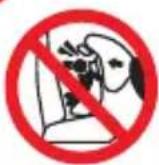
! NEVER PLACE THIS CHILD RESTRAINT REAR-FACING IN A VEHICLE SEATING LOCATION THAT HAS AN ACTIVE FRONT AIR BAG.
If an air bag inflates, it can hit the child and car seat with great force and cause serious injury or death to your child.
! Review your vehicle owner's manual for more information about air bags and car seat use.
! If your vehicle does not have a back seat, review your vehicle owner's manual.
! Children are safer riding rear-facing and should ride rear-facing as long as possible, until they reach the maximum rear-facing height or weight rating for their car seat. Graco convertible and all-in-one car seats have higher rear-facing limits that will allow children to ride rear-facing longer after outgrowing their infant car seat. Be sure to check your local and state laws, as well as AAP and NHTSA recommendations, for car seat usage.*
! This child restraint must only be used with children weighing between 4-35 lb (1.8-16 kg).
! Select a suitable location for the car seat in your vehicle.
! Secure car seat with a vehicle seat belt or lower anchor attachment that is properly routed as shown in this manual.
! Vehicle seat belt system MUST hold car seat securely. Not all vehicle seat belts can be used with a car seat.
! If vehicle seat belt does not hold car seat securely, read “Vehicle Seat Belts” section 6-D and your vehicle owner’s manual.
! Always secure car seat with lower anchor attachment or a vehicle seat belt, even when unoccupied. In a crash, an unsecured car seat can injure passengers.
! DO NOT use car seat if it is damaged or missing parts.
! If car seat is in a crash, it must be replaced. DO NOT use it again! A crash can cause unseen damage and using it again could result in serious injury or death.
! DO NOT use accessories or parts other than those provided by Graco except for a thin towel or mat to protect your vehicle seat or rolled towels or pool noodles to help get your car seat level. Their use could alter the performance of the car seat.
! DO NOT remove lower anchor attachment system from car seat. If using vehicle seat belt to secure car seat, lower anchor attachment connectors must be stored.
! Never leave child unattended, even when sleeping. Child may become tangled in harness straps and suffocate or strangle.
! Rear-facing car seat must be properly leveled:
• Too reclined can result in injury or ejection.
- Too upright can result in breathing difficulties.
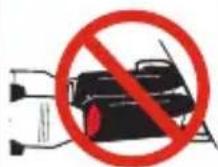
! Never attach two lower anchor attachment connectors to one vehicle lower anchor point unless specifically allowed by the vehicle manufacturer.
! Do not use both the vehicle seat belt and lower anchor attachment strap at the same time when using the car seat rear-facing.

2 Features
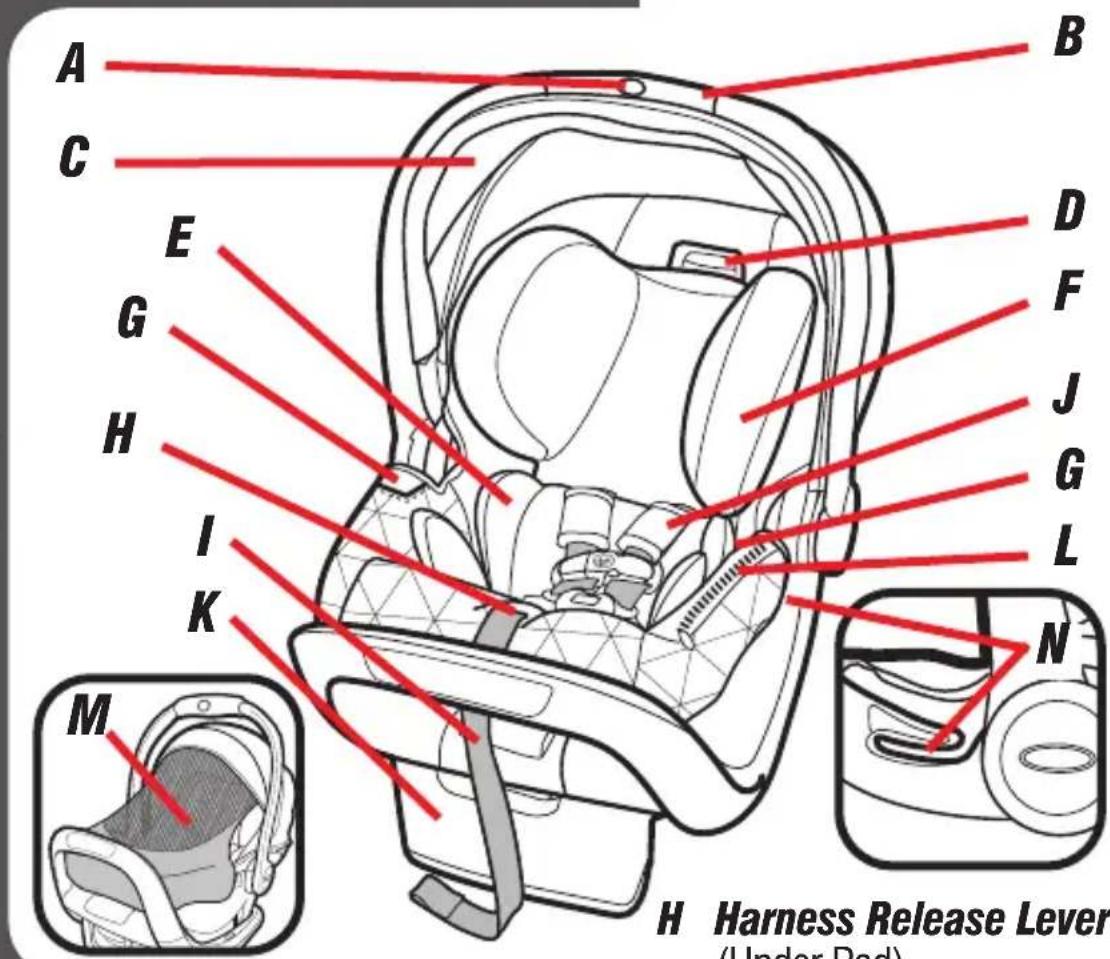
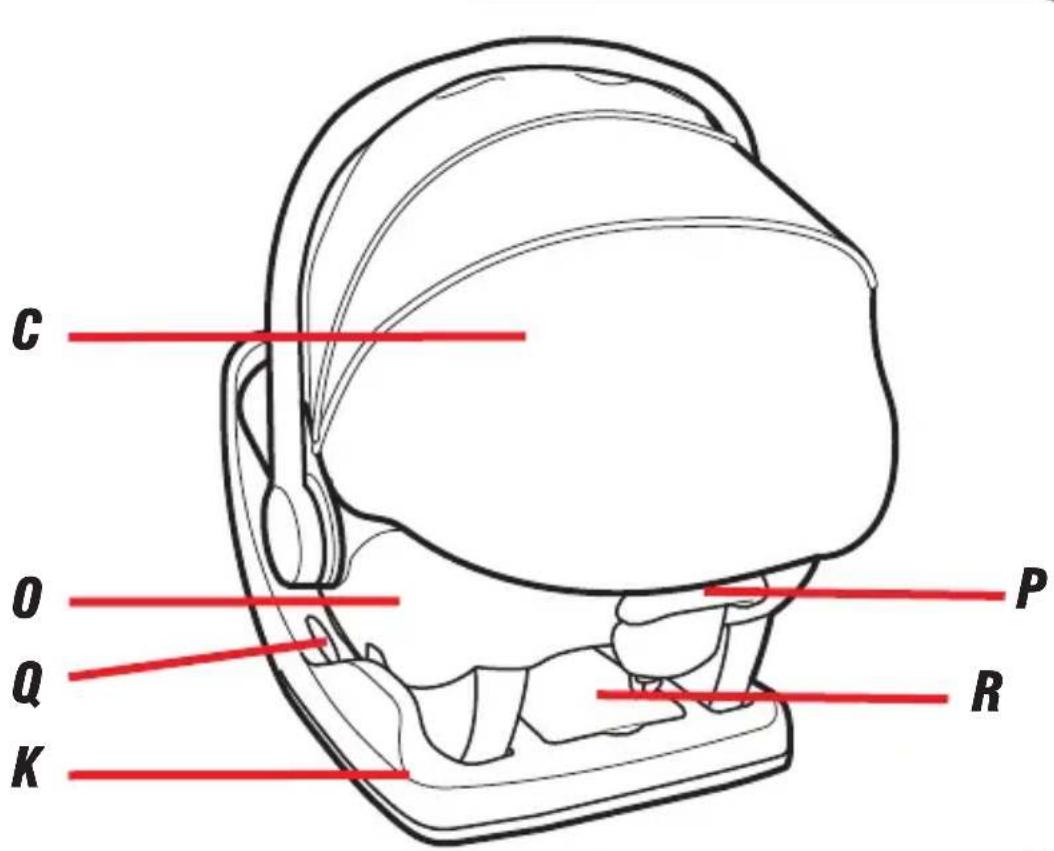
2-A Car Seat Features
text_image
A B C D E F G J H G I L K M N H Harness Release Lever (Under Pad)A Handle Adjustment Button
B Carry Handle
C Canopy
D Headrest Adjustment Lever
E Body Support
F Headrest
G Fuss-Free Buckle
Storage Pockets
H Harness Release Lever (Under Pad)
I Harness Adjustment Strap
JHarnessCovers
K Removable Base
L Storage Pocket
M Privacy Drape
N Rear-Facing Belt Path
(When Used Without Base)
text_image
C O Q K P R
2 Features
O Car Seat Shell
P Base Release Lever
Q Level Indicator
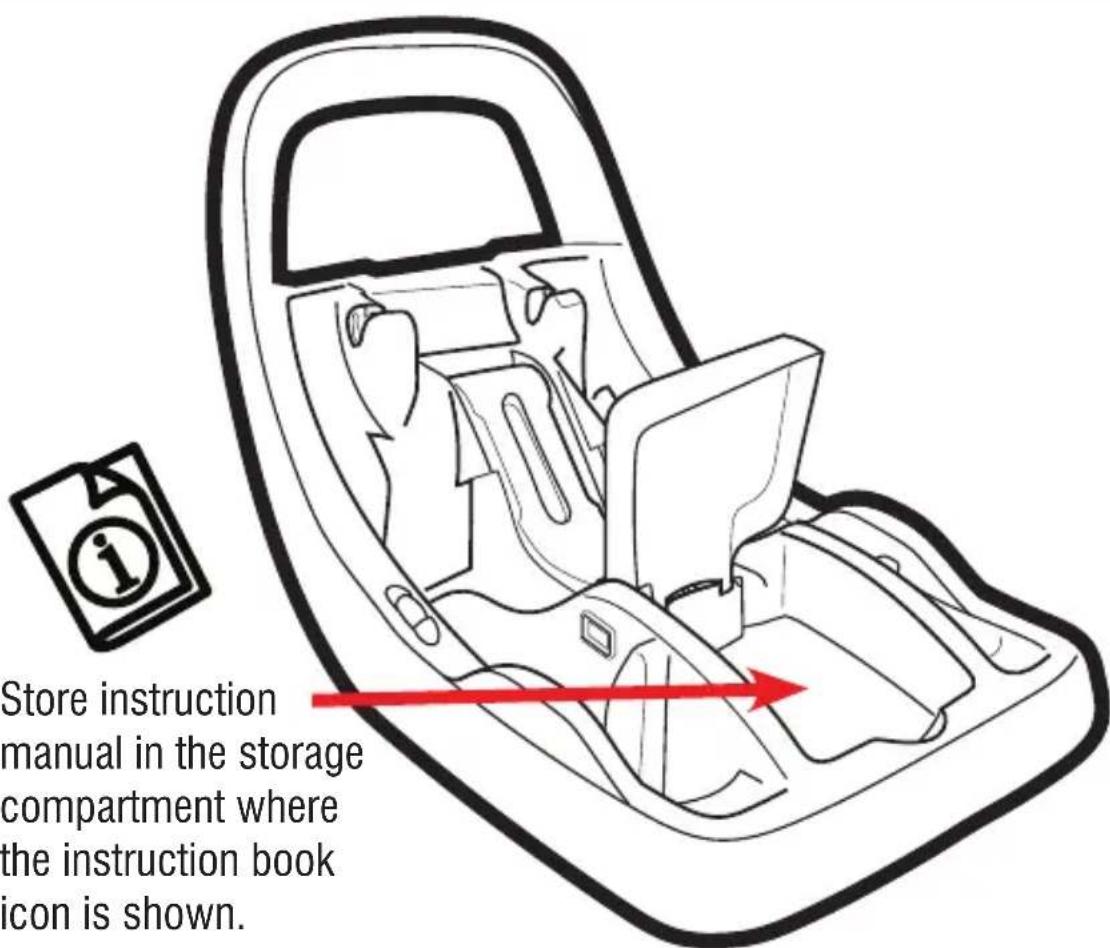
RInstructionManual and Lower Anchor Attachment Storage
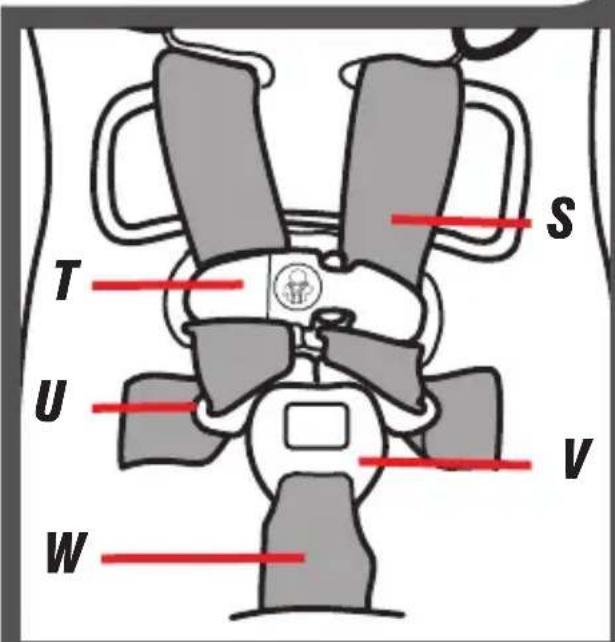
S Harness Straps
T Chest Clip
U Buckle Tongues
V Buckle
W Buckle Strap
text_image
T U W S V15

2 Features
text_image
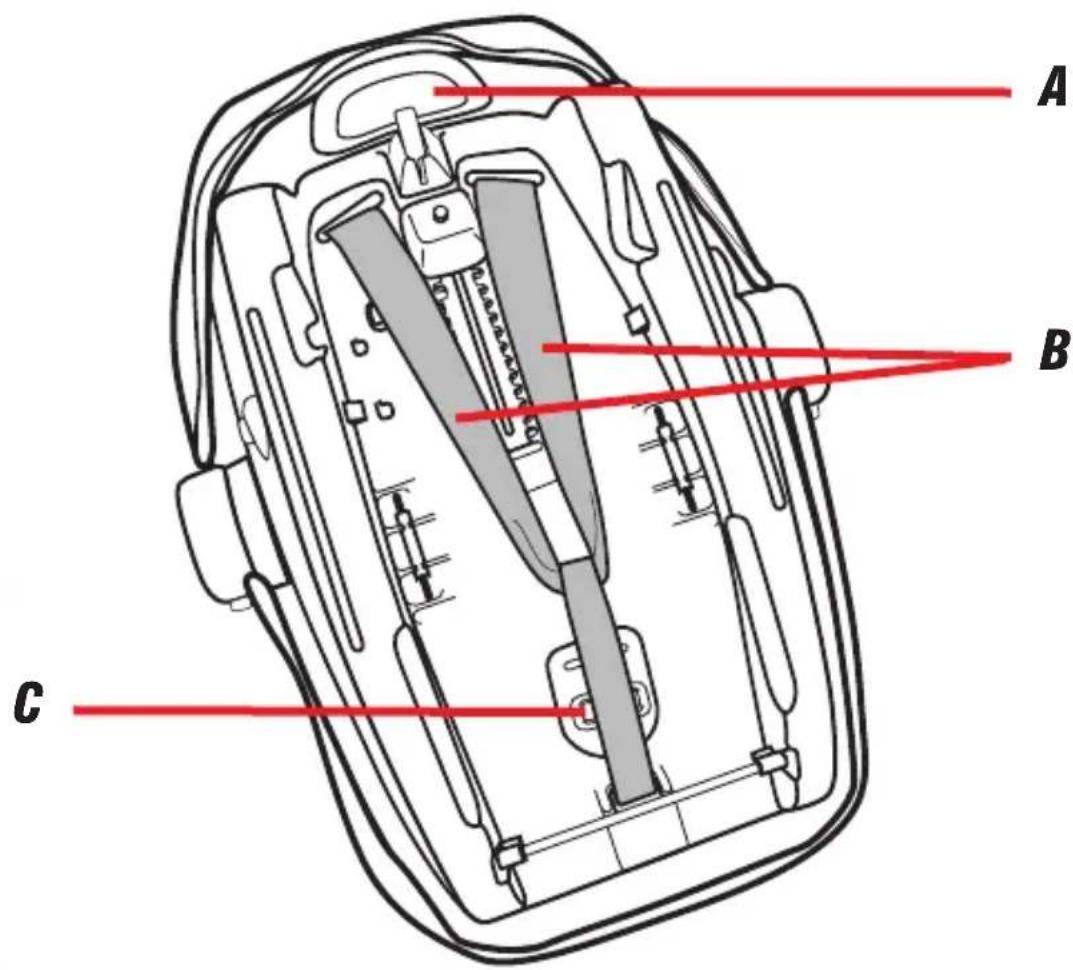
A B CA Base Release Lever
B Harness Straps
C Buckle Metal Clip
text_image
D E F G H
2 Features
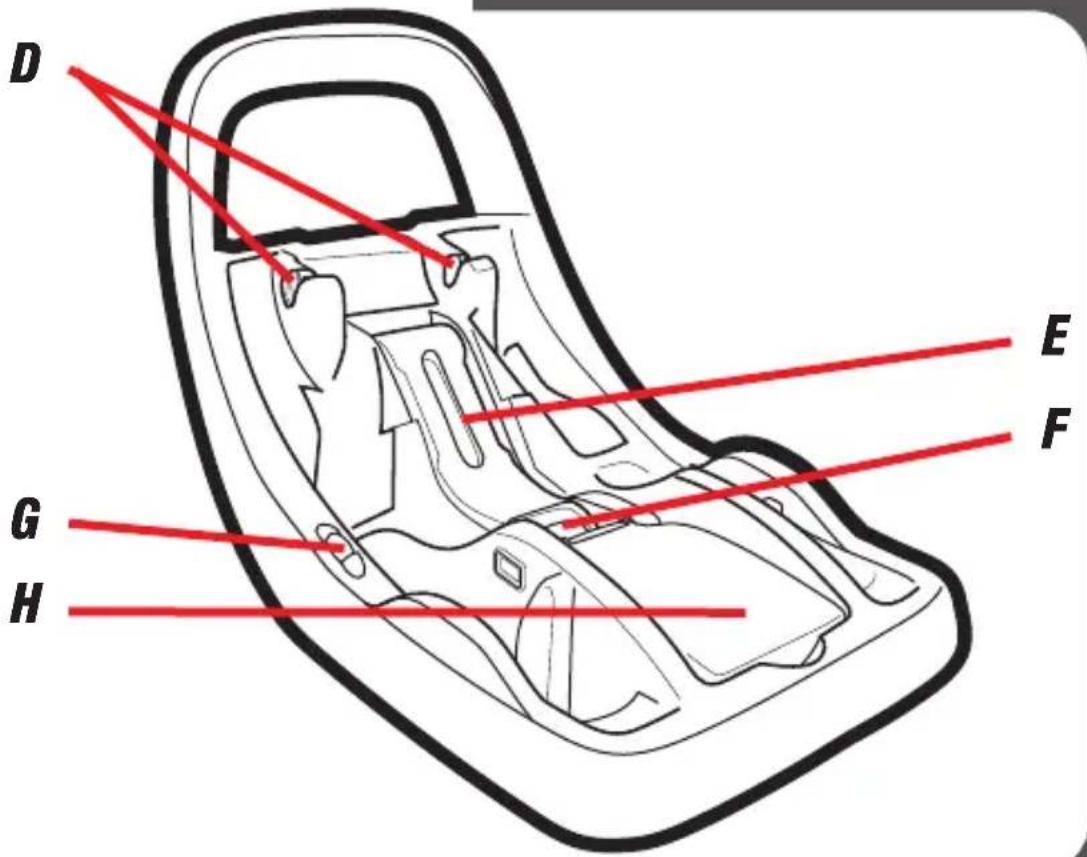
D Car Seat Base Lock
ESnugLock ® Lock-Off
FSnugLock ^® Lock-Off Release Lever
GLevelIndicator
HInstructionManual and Lower Anchor Attachment Storage
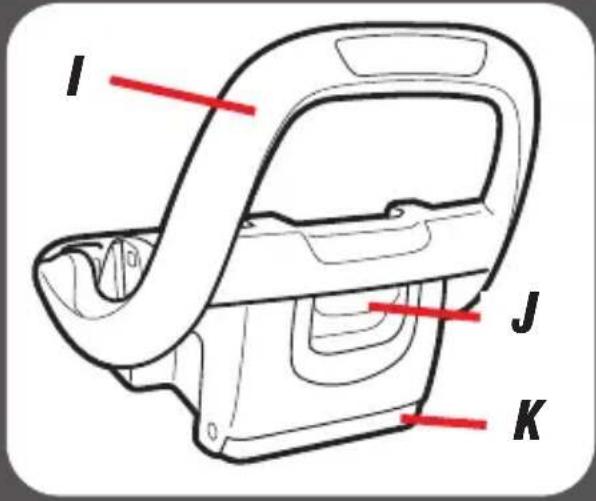
I Anti-Rebound Bar
J Base Recline Lever
K Base Recline Foot
text_image
I J K17

2 Features
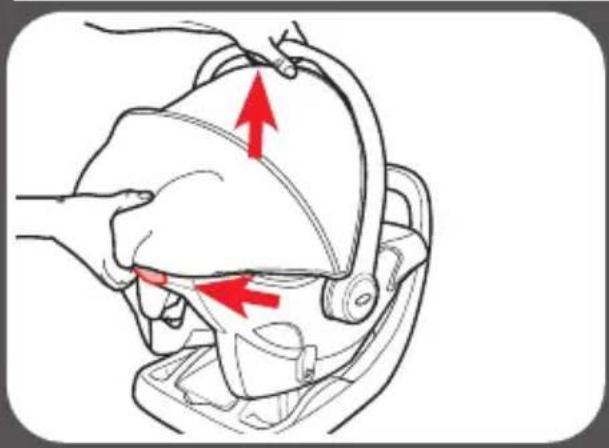
2-B Remove Car Seat from Base
natural_image
Illustration of a hand pressing down on a mechanical component with red arrows indicating motion (no text or symbols)To Remove Car Seat from Base
From the back of the car seat, squeeze the base release handle and lift the car seat out of the base.
2-C Attach Car Seat to Base
natural_image
Diagram of a car interior showing hand positioning and red arrows indicating movement or force (no text or symbols)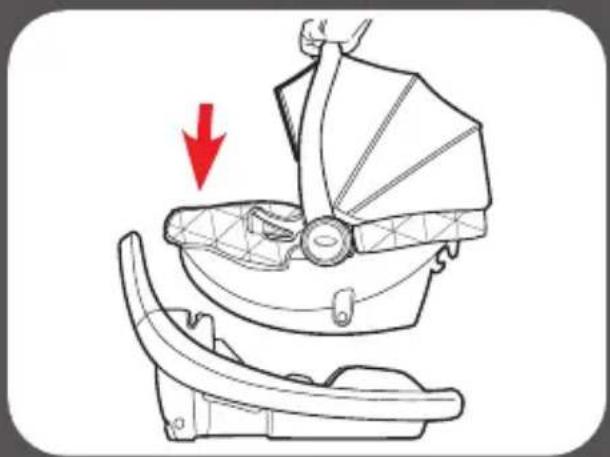
natural_image
Line drawing of a car seatbelt device with a red arrow indicating the seatbelt component (no text or symbols present)Attaching Car Seat To Base
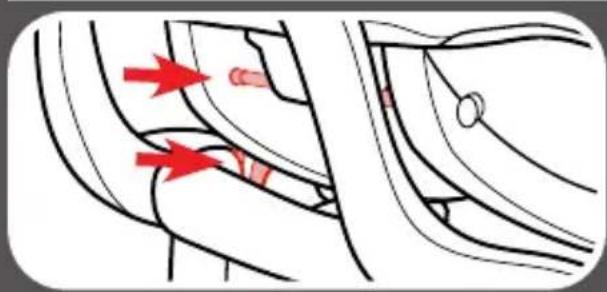
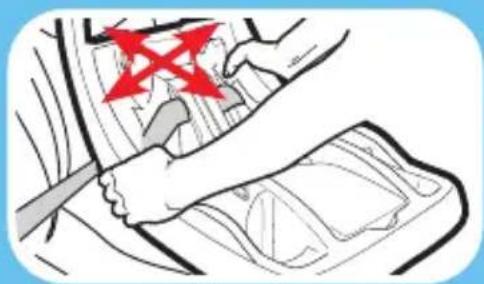
Align the locking bar at the front of the car seat with the locks in the base. Set car seat in the base. Push down on the front of the car seat. You will hear a “click” when it is locked.
Pull up on the front corners of the seat to make sure it is locked.
2-D Adjusting Carry Handle
1. To Rotate Handle
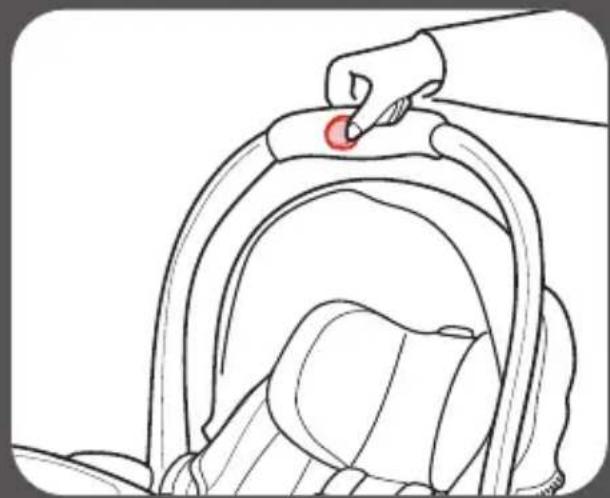
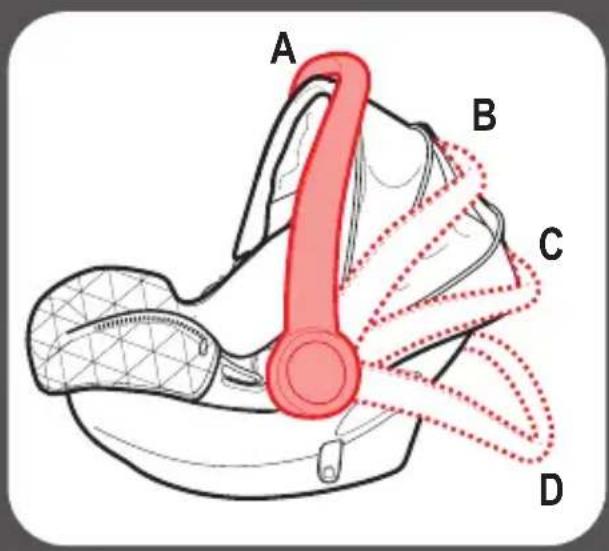
Press the handle adjustment button at the top of the handle and rotate the handle. When moving from position A, handle will stop at position B. Release and push the button again to rotate the handle from position "B" to position "C" or "D". MAKE SURE handle locks into position "A" before lifting the carrier.
2. Handle Has 4 Positions
Rotate handle to any of the 4 locked positions. Push and pull the handle to make sure handle is in a lock position. Carry handle MUST be upright in position A when carrying. Handle can be in any position when used in the vehicle.
natural_image
Line drawing of a hand adjusting a circular object on a curved surface, no text or symbols present
text_image
A B C D2 Features
2-E To Open the Canopy (On Select Models)
natural_image
Technical line drawing of a mechanical component with a red hatched area and mesh pattern (no text or symbols)To Open the Canopy (On Select Models)
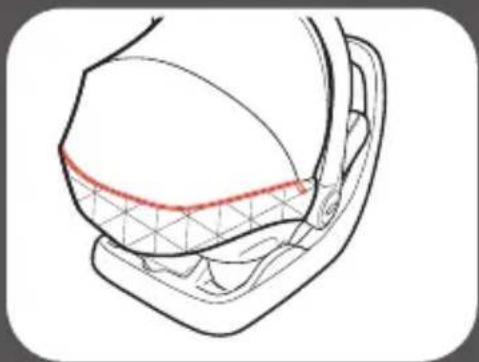
Undo the zipper and rotate the canopy forward.
2-F Recline the Base

2 Features
natural_image
Illustration of a hand pressing down on a mechanical component with a red double-headed arrow indicating compression (no text or symbols)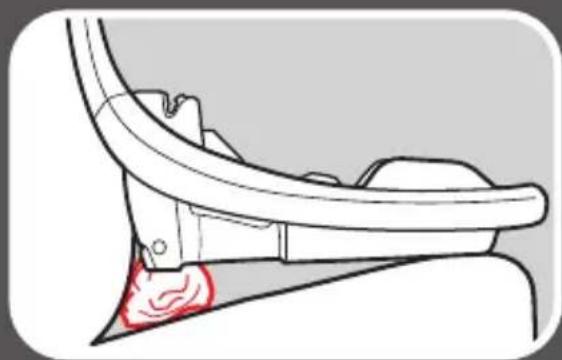
natural_image
Diagram of a car wheel and seat assembly with a red circular mark indicating a specific component (no text or symbols present)Base Has 5 Recline Positions
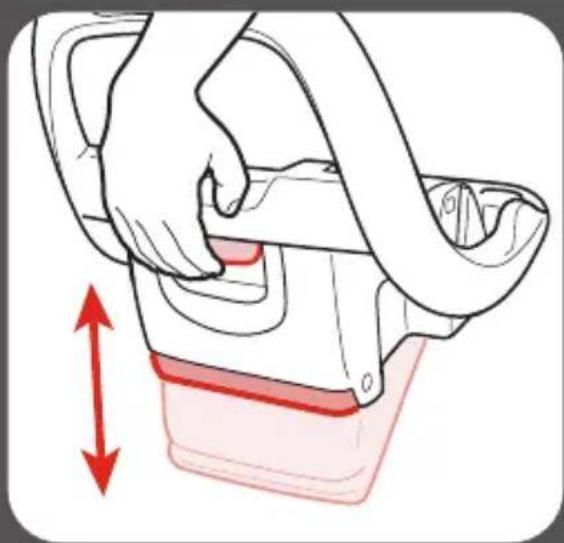
Squeeze the base recline lever and lift the base to extend the foot.
Squeeze the base recline lever and lower the base to retract the foot.
Check the level indicator for appropriate install. (See Next Page)
When the foot is completely extended and the level indicator is not correct for your child's age, you may raise the foot and place a rolled towel under the foot until the indicator shows correctly.
When Reading The Level Indicator
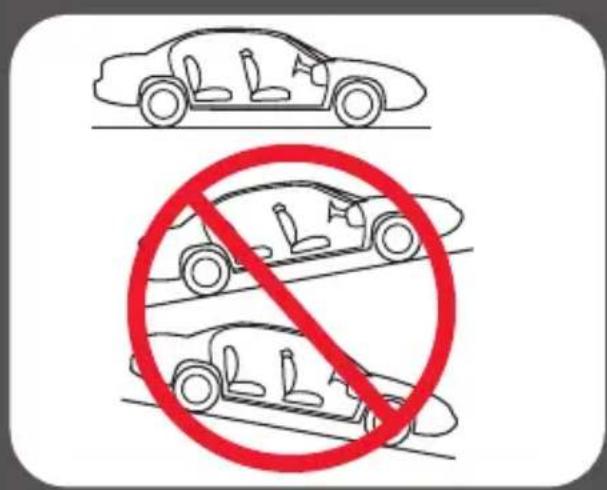
Vehicle MUST be on level ground.
Use corrected age for preemies.
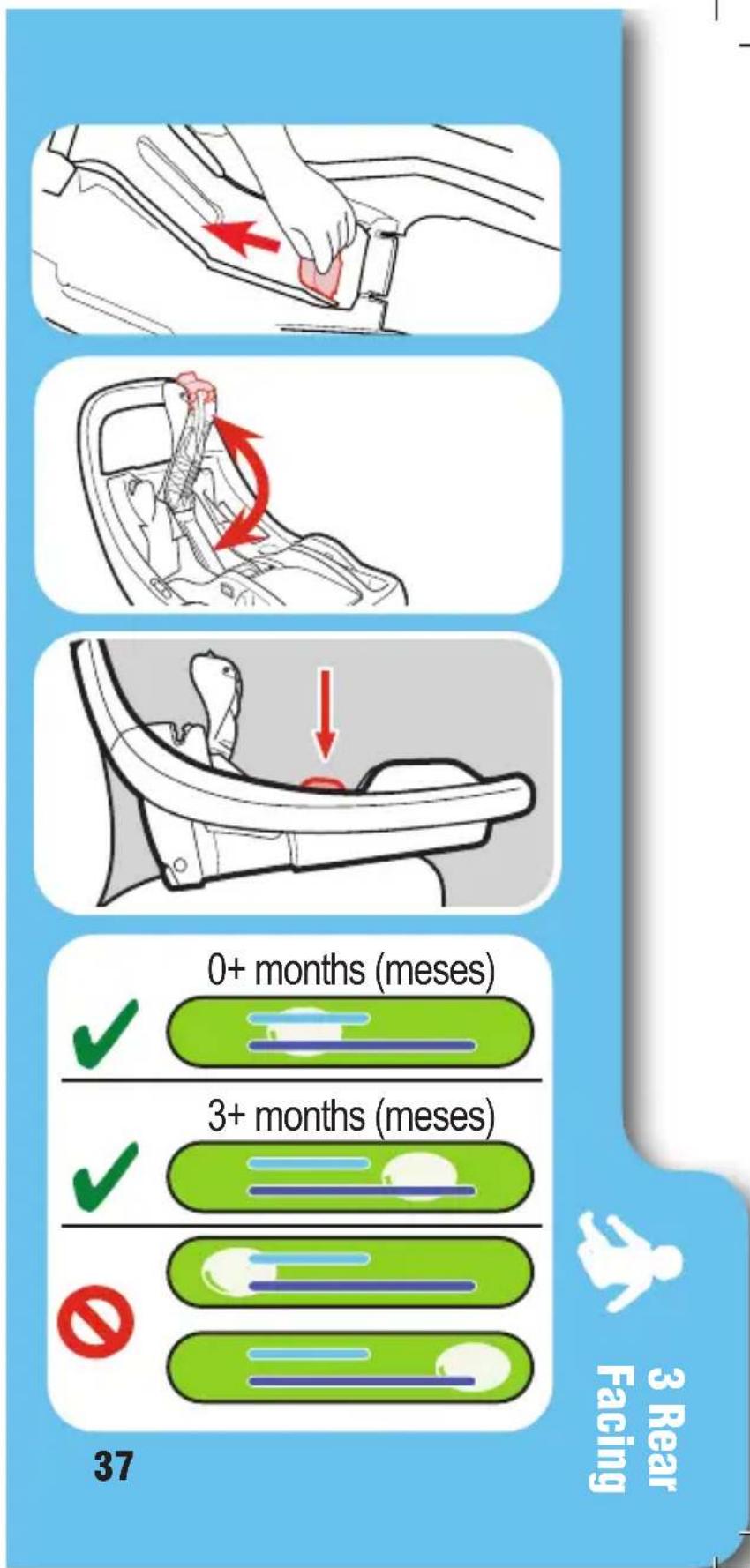
- If the bubble is entirely under the light blue line, the restraint is level for infants 0+ months in age.
- If the bubble is entirely under the dark blue line, the restraint is level for a child 3+ months in age.
- If the bubble is not completely under the blue lines, the child restraint is NOT level. You must adjust your recline position.
text_image
Diagram showing car stop sign with red prohibition symbol and three cars below, indicating no stopping or no stop.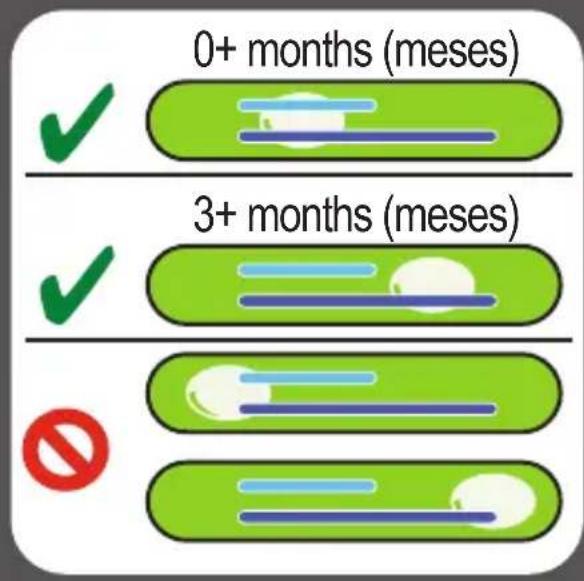
text_image
0+ months (meses) 3+ months (meses)
text_image
2 Features2-G Privacy Drape

2 Features
natural_image
Illustration of hands holding a small red object inside a car wheel (no text or symbols)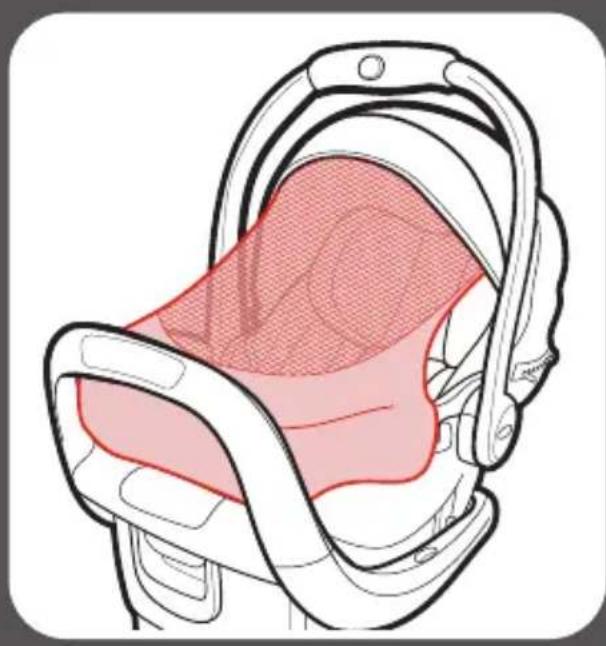
natural_image
Anatomical illustration of a human shoulder and hip joint, showing internal organs (no text or labels)To Extend the Privacy Drape
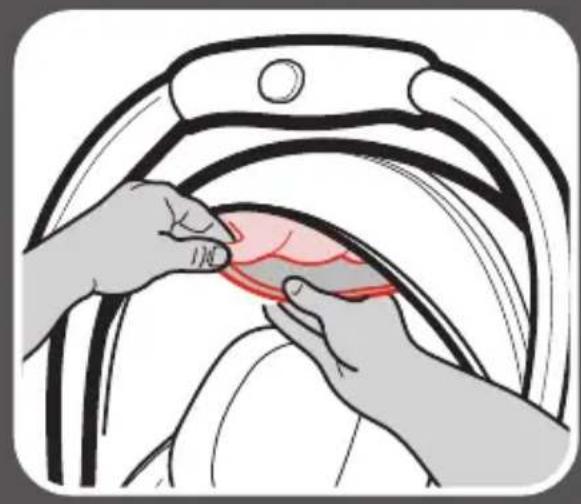
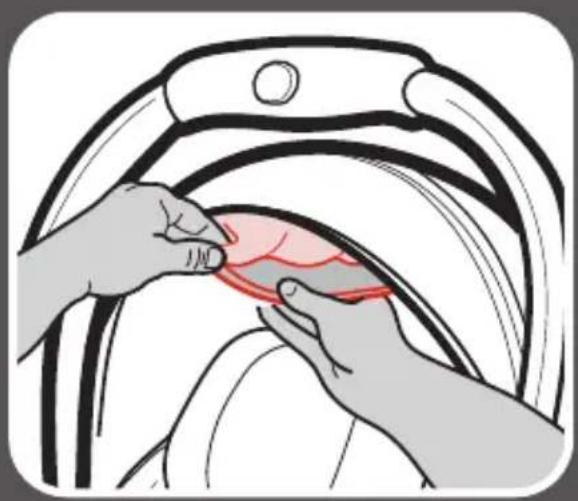
From inside the canopy, open the storage flap and pull out the Privacy Drape fabric from the canopy.
Stretch the Privacy Drape fabric over the car seat and around the lower edge of the seat to secure it in place.
The Privacy Drape fabric must be stored when not in use. Open the storage flap and make sure to fully insert all of the fabric inside the storage flap.
natural_image
Illustration of hands performing a medical procedure on a patient's ear with a red shaded area (no text or symbols)2-H Storage Pocket
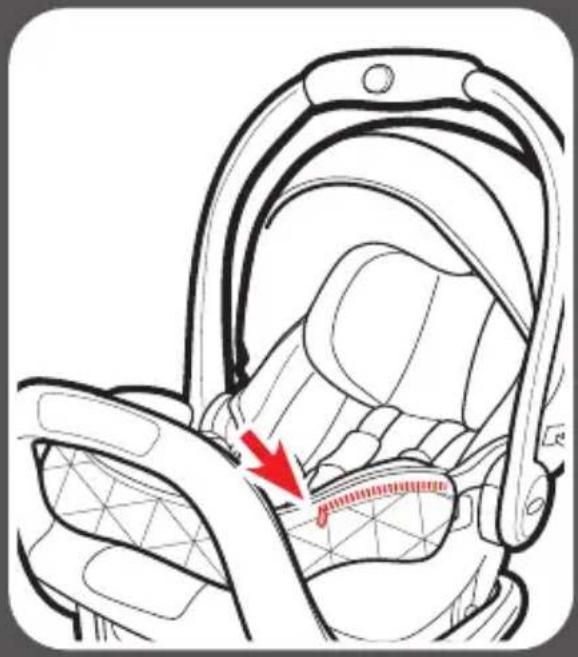
To Open the Storage Pocket
Undo the zipper on the pocket.
Make sure to keep the storage pocket zipper closed when the car seat is in use.
WARNING! Never put sharp, pointed, or square edge items in the storage pocket.
Maximum total weight inside the storage pocket should be limited to no more than 1 lb (0.4 kg).
natural_image
Line drawing of a car seat with a red arrow indicating a specific seat area (no text or symbols present)
2-I Choosing Vehicle Seat Location
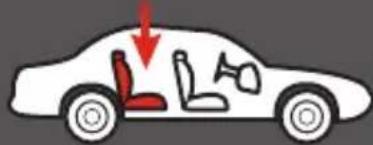
Review your vehicle owner's manual for seating locations. Review section 6 for additional information.
Some vehicles have specific requirements for where the car seat can be installed. Be sure to check your vehicle owner's manual for all available seating positions.

2 Features
According to accident statistics, children are safer when properly restrained in the rear seating positions than in the front seating positions. The center of the back seat can be the safest during a possible side impact.
natural_image
Diagram of a car showing seat, seatbelt, and exhaust components with red arrows indicating airflow (no text or symbols)!WARNING!
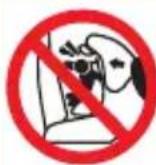
NEVER place this child restraint rear-facing in a vehicle seating location that has an active front air bag.
In the event there is no back seat, review your vehicle owner's manual to see how to use your infant child restraint.
2-J Choosing Lower Anchor Attachment or Seat Belt
This car seat can be installed in your vehicle using either the vehicle seat belt OR the lower anchor attachment system. Both systems are equally safe to use. DO NOT USE BOTH AT THE SAME TIME. Review section 6 for additional information.
2-K What is Lower Anchor Attachment?
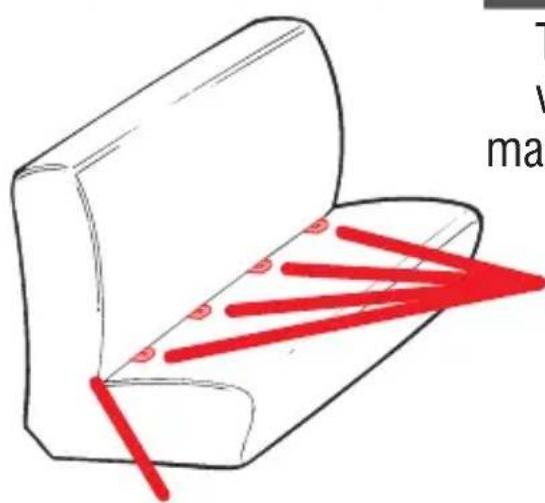
Lower anchor attachment consists of lower anchors, which are built-in to your vehicle, and connecting hooks that are built-in to your car seat. Lower anchors are used INSTEAD of the vehicle's seat belt to secure the child seat to the vehicle.
Review your vehicle's owner manual for exact location and use. Review section 6 for additional information.
text_image
ma 7 v maVehicle Seat Crease
Typical seat in a passenger vehicle. Other vehicle types may have different lower anchor attachment locations.
Vehicle Lower Anchor

3-A Rear-Facing Checklist
natural_image
Diagram of a car seatbelt with mesh pattern and seatbelt, showing no text or symbolsLower Anchor Attachment Strap
natural_image
Illustration of a car seat with a red ribbon and patterned seat cover (no text or symbols)
Vehicle Lap/Shoulder
Seat Belt
3 Rear Facing
Rear-Facing: 4-35 lb (1.8-16 kg) 32"
(81 cm) or less
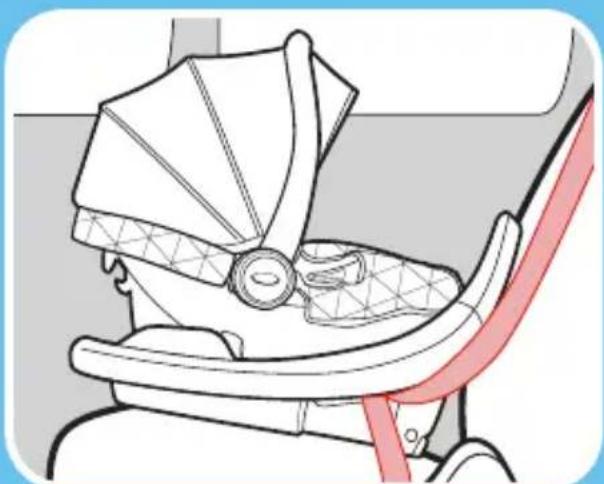
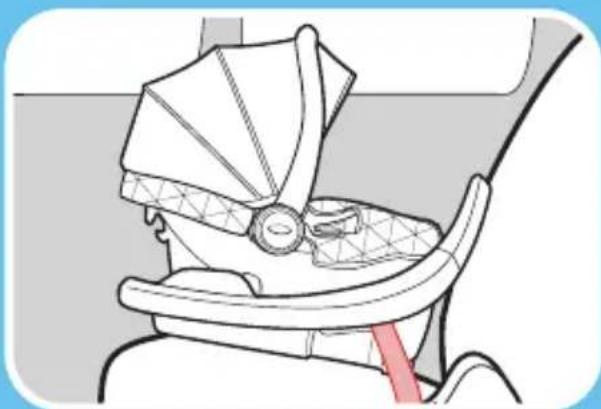
• Car seat MUST be rear-facing in the vehicle back seat.
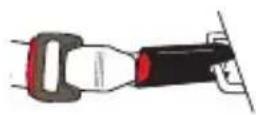
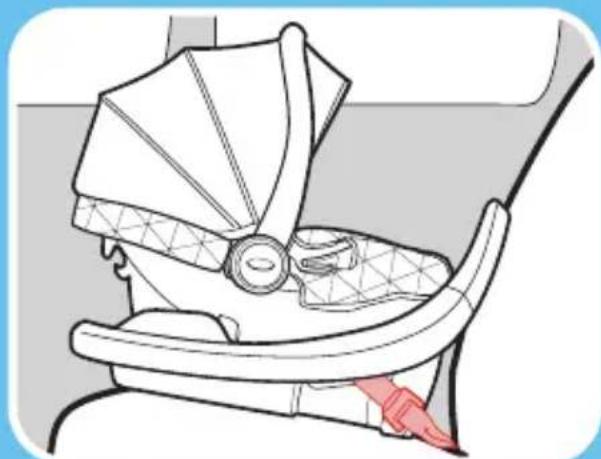
- Make sure lower anchor attachment strap or vehicle seat belt is routed through the rear-facing belt path, marked with a blue label.
- Install this car seat tightly in your vehicle. Car seat should not move at the belt path more than 1" (2.5 cm) from side to side and front to back.
• Make sure to check the level indicator or level line for proper recline.
- Harness straps must be at or just below the top of child's shoulders and chest clip must be at armpit level.
• Make sure base is a minimum of 80% on vehicle seat.
Children are safer riding rear-facing and should ride rear-facing as long as possible, until they reach the maximum rear-facing height or weight rating for their car seat. Graco convertible and all-in-one car seats have higher rear-facing limits that will allow children to ride rear-facing longer after outgrowing their infant car seat. Be sure to check your local and state laws, as well as AAP and NHTSA recommendations, for car seat usage.
!WARNING!
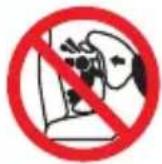
NEVER place this child restraint
rear-facing in a vehicle seating location that has an active front air bag.
natural_image
Line drawing of a car interior seatbelt with no text or symbolsVehicle Lap Only Seat Belt
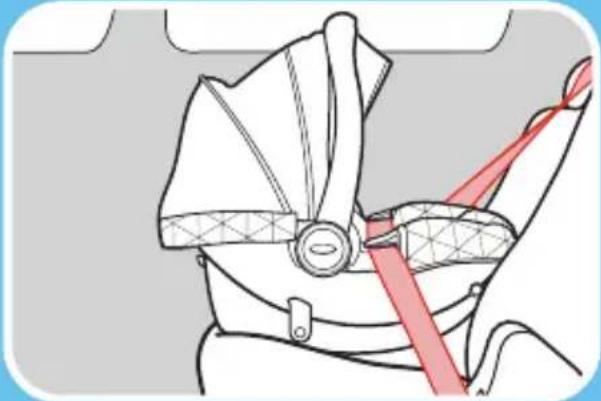
natural_image
Illustration of a person's seatbelt with red belt and mesh band (no text or symbols)Vehicle Lap/Shoulder
Seat Belt Without Base
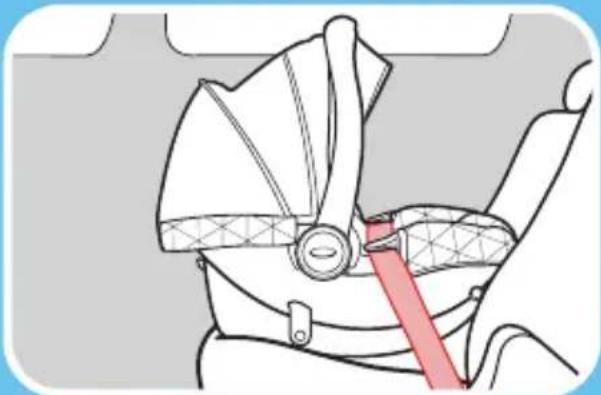
natural_image
Technical illustration of a mechanical component with a red belt and mesh pattern (no text or symbols)Vehicle Lap Only Seat Belt Without Base

3 Rear Facing
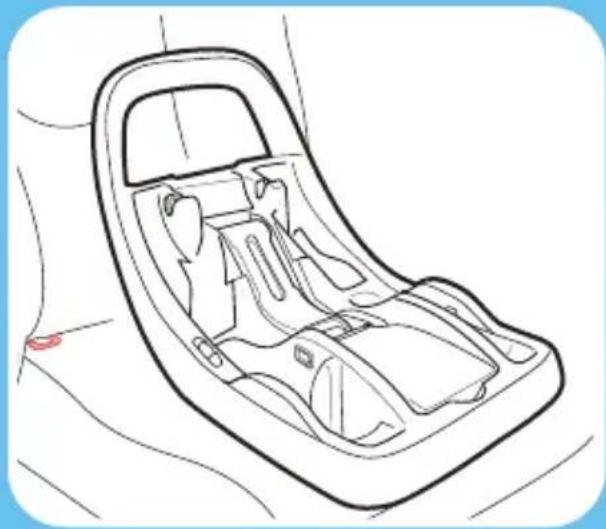
3-B Install With Base With Lower Anchor Attachment
Review your vehicle owner's manual for lower anchor attachment location and use.
natural_image
Line drawing of a car seat with internal compartments and seatbelt (no text or symbols)1. Place Base in Back Seat of the Vehicle
Place the base flat on the vehicle seat. Push it back until the anti-rebound bar touches the vehicle seat back. Center the base between the lower lower anchor attachment anchors.
If allowed by your Vehicle Owner's Manual, the center seating position may be used if the anchor spacing is 11" (28 cm) or greater.

3 Rear Facing
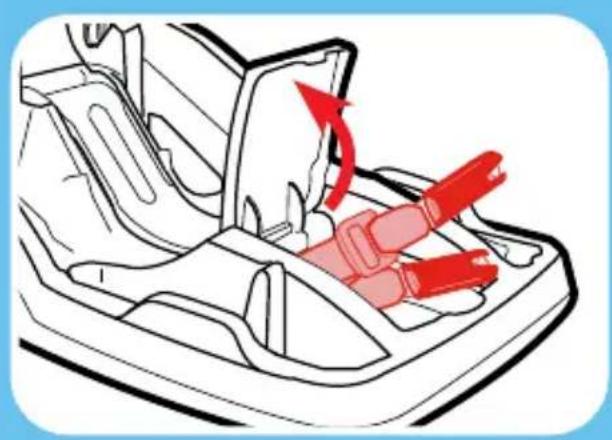
2. Remove the Lower Anchor Attachment Connectors from Storage Location
Open the lower anchor attachment storage door and pull out the lower anchor attachment strap.
Close the Door.
3. Open the SnugLock® Lock-Off
Push in the release lever and open the lock-off.
natural_image
Diagram of a car seatbelt mechanism showing red belt switch placement (no text or symbols)
natural_image
Illustration of a hand pressing a red button on a car seatbelt (no text or symbols)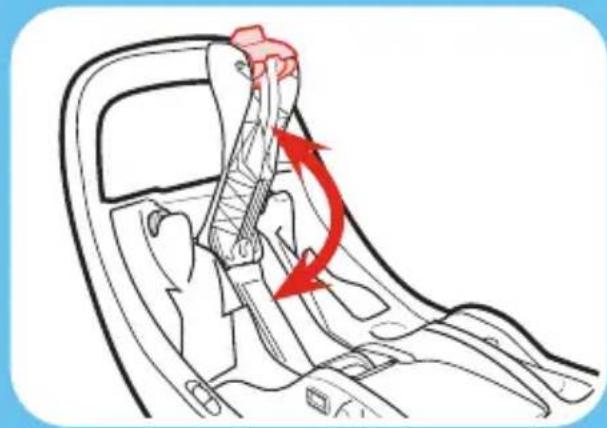
natural_image
Diagram of a car seatbelt mechanism with red arrows indicating clockwise motion (no text or symbols)
3 Rear Facing
natural_image
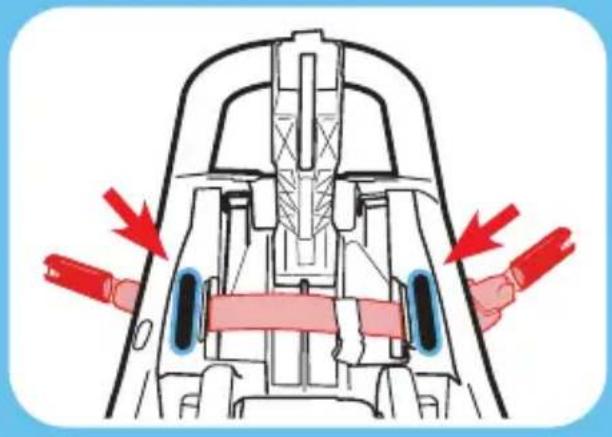
Diagram of a mechanical device with red arrows indicating directional movement or force, no text or symbols present- Route the Lower Anchor Attachment Strap through the Rear-Facing Belt Path, Marked With a Blue Outlined Label
natural_image
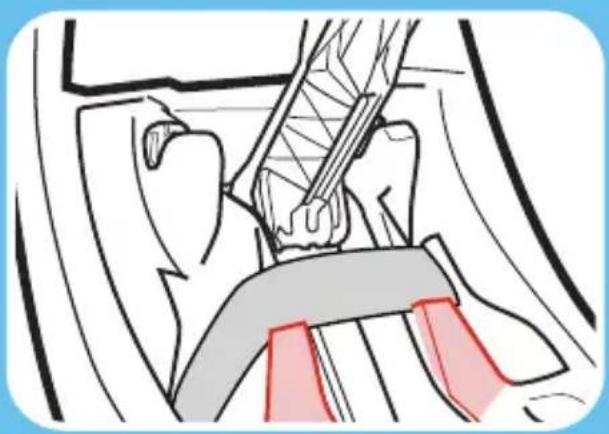
Medical illustration showing a hand using a tool to lift a patient's arm, with no visible text or symbols.- Make sure the strap is threaded above the notches near the lock-off.
natural_image
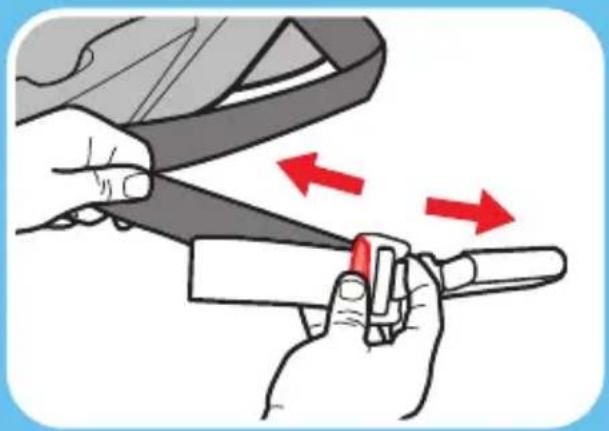
Illustration of a hand using a knife to cut a knife with red arrows indicating motion (no text or symbols)- Extend the Lower Anchor Attachment Strap
Extend the lower anchor attachment strap to its maximum length by pressing the gray button and pulling on the strap.
3 Rear Facing
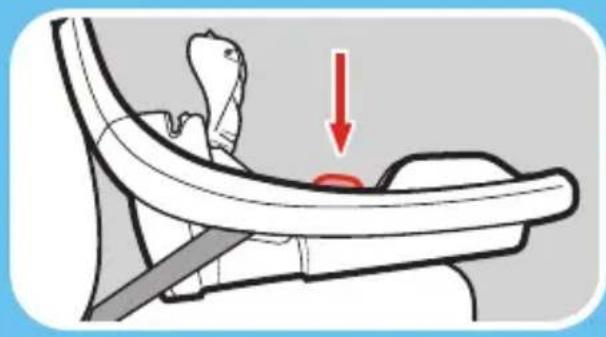
7. Check the Level Indicator
Vehicle MUST be on level ground.
To recline, review section 2-F.
8. Connect Lower Anchor Attachment Connectors to Vehicle's Lower Lower Anchor Attachment Anchors
Lower anchor attachment strap should lay as flat as possible and not be twisted.
natural_image
Diagram of a car seatbelt mechanism with a red arrow indicating the point of motion (no text or symbols present)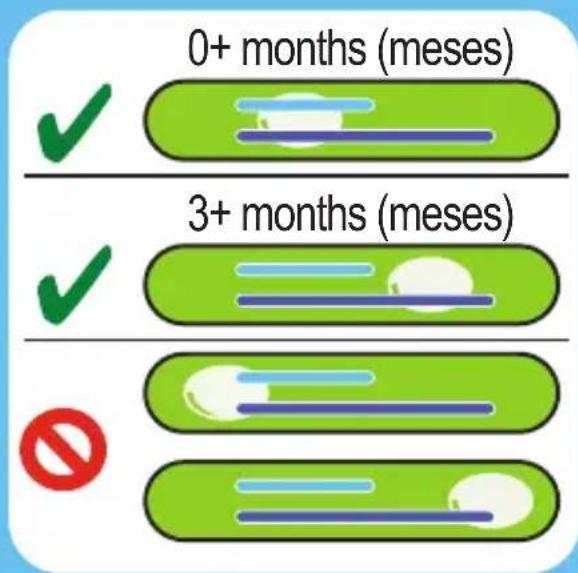
text_image
0+ months (meses) 3+ months (meses)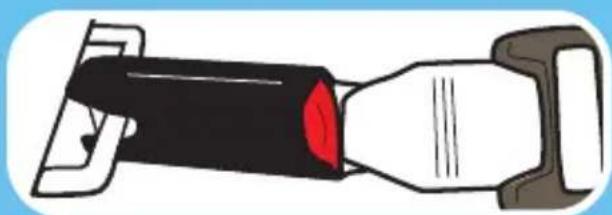
natural_image
Illustration of a car tire with red caliper and black body (no text or symbols)
3 Rear Facing
natural_image
Illustration of a car interior showing hand positioning and red arrows indicating movement or force (no text or symbols)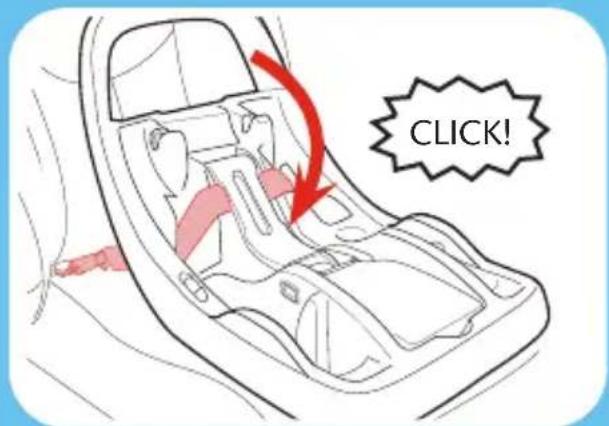
text_image
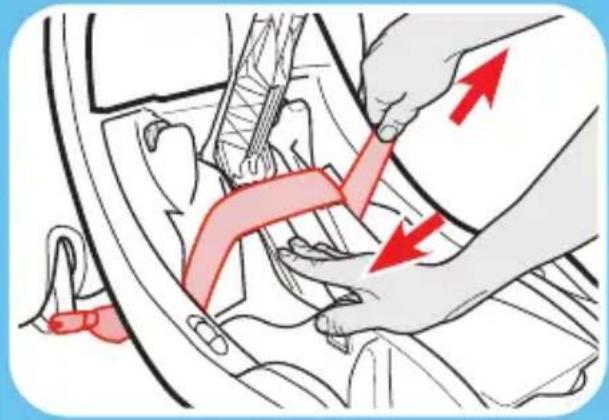
CLICK!9. Remove the Slack
Press down firmly
on the top of the base while pulling on the free end of the lower anchor attachment strap to remove all the slack.
Do not pull on the strap with excessive force.
10. Close the SnugLock® Lock-Off
Shut the lock-off on top of the lower anchor attachment strap.
Close the lock-off until you hear a "Click".

3 Rear Facing
!WARNING!
Keep hands away from the lock-off area when closing the lock-off.
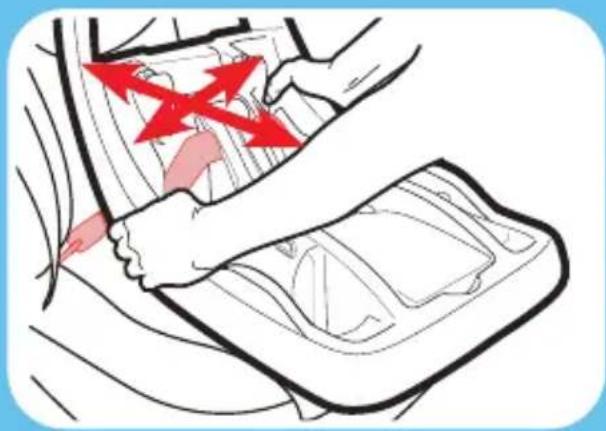
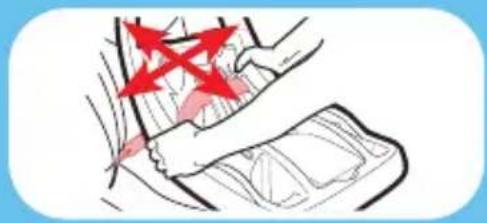
11. Test For Tightness
Grab the sides of the base at the belt path, push and pull the base from side to side and front to back.
If the base moves less than 1" (2.5 cm), it is tight enough.
12. Attach Car Seat to Base
Place car seat into the base. Push down on the front of the car seat and handle until you hear a "click".
Test to make sure the car seat is attached by pulling up on the front corners of car seat.
natural_image
Illustration of a person using a device to interact with a car, marked by red arrows indicating pressure or force (no text or symbols present)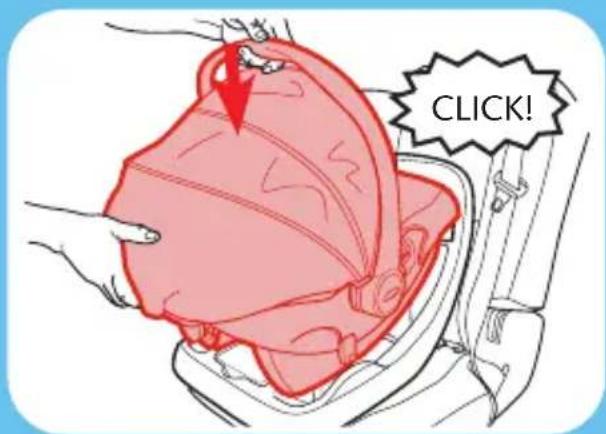
text_image
CLICK!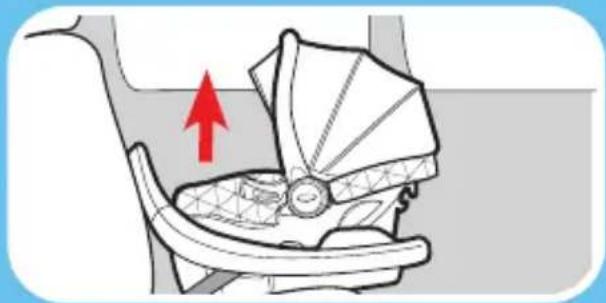
natural_image
Diagram of a car seatbelt with a red arrow indicating upward motion (no text or symbols)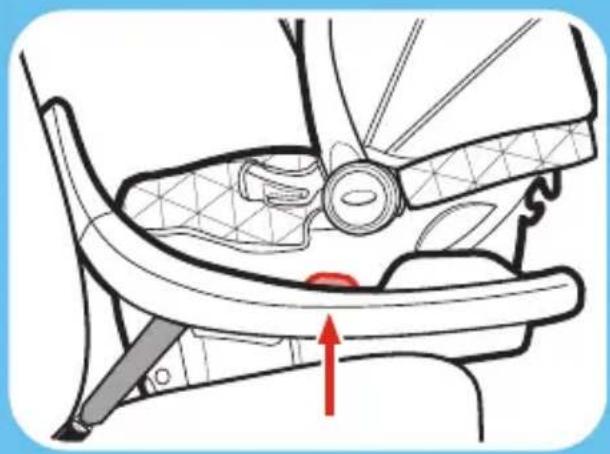
natural_image
Diagram of a car seatbelt mechanism showing key components and a red arrow indicating a specific point (no text or symbols present)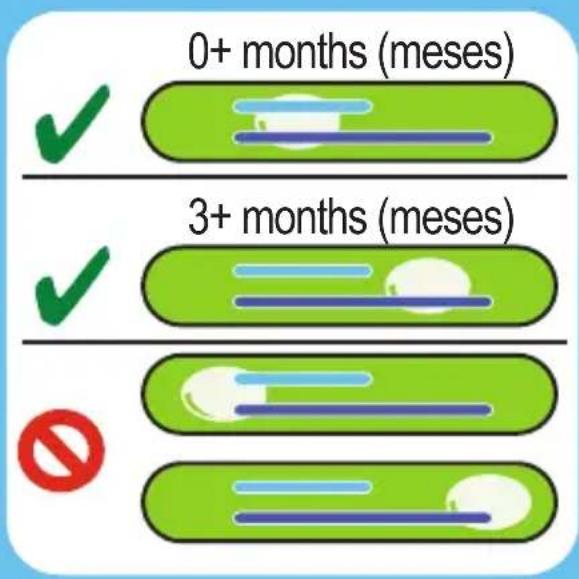
text_image
0+ months (meses) 3+ months (meses)13. Check the Level Indicator
Vehicle MUST be level with the ground.
Check the level indicator with child in the child restraint.
See section 4-C to secure your child.

3 Rear Facing
Is Everything Correct?
Base Does Not Move More Than 1" (2.5 cm) At The Belt Path
Car Seat Is Properly Attached To Base
With Vehicle On Level Ground, Check the Level Indicator
Cannot Pinch Harness
Chest Clip Even With Armpits
natural_image
Illustration of a hand performing a medical or surgical procedure on a patient's abdomen, with red arrows indicating pressure points (no text or symbols present)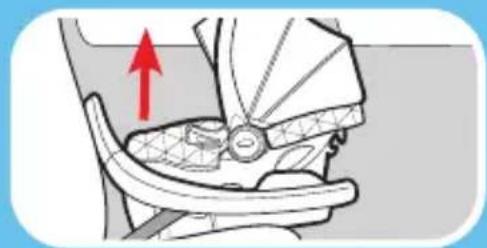
natural_image
Diagram of a car seatbelt mechanism with a red arrow indicating direction (no text or symbols present)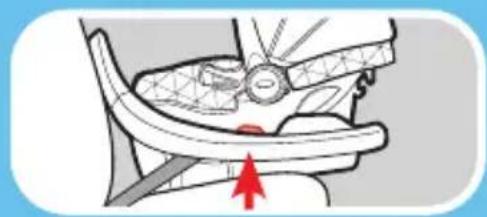
natural_image
Medical illustration showing a surgical procedure on a hip joint with a red arrow indicating direction (no text or labels)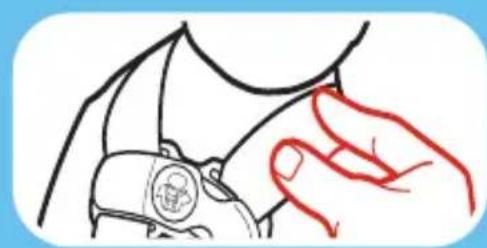
natural_image
Line drawing of a hand holding a small object, no text or symbols present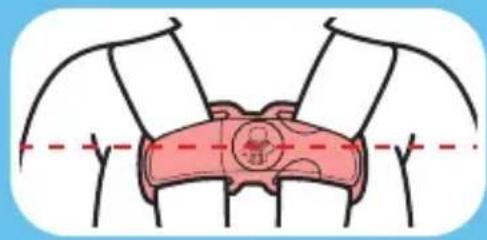
natural_image
Anatomical illustration of a human pelvic region with symmetrical arms and a central body, marked with a red dashed line (no text or labels)
3 Rear Facing
3-C Install With Base With Vehicle Seat Belt
natural_image
Diagram of a car gear shift lever mechanism with red arrows indicating motion (no text or symbols)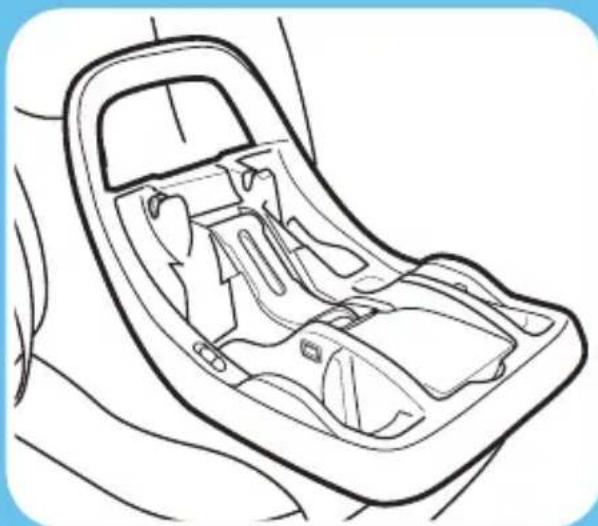
natural_image
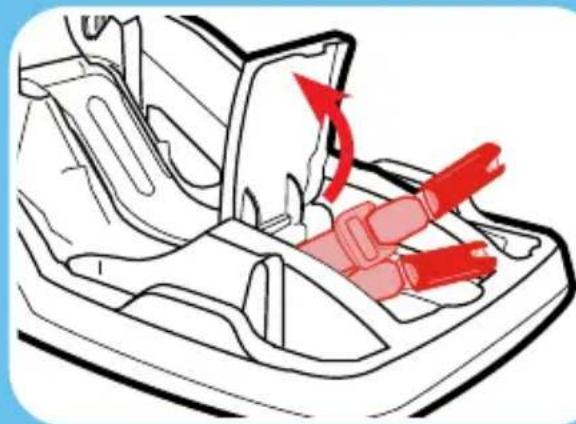
Line drawing of a car seat with internal compartments and no text or symbols1. Store Lower Anchor Attachment Strap
Open the storage door and insert the lower anchor attachment strap as shown.
Close the storage door.
2. Place Base in Back Seat of the Vehicle
Place the base flat on the vehicle seat. Push it back until the anti-rebound bar touches the vehicle seat back.
3 Rear Facing
3. Open the SnugLock® Lock-Off
Push in the release lever and open the lock-off.
4. Check the Level Indicator
Vehicle MUST be level with the ground. To recline, review section 2-F.
text_image
3 Rear Facing 37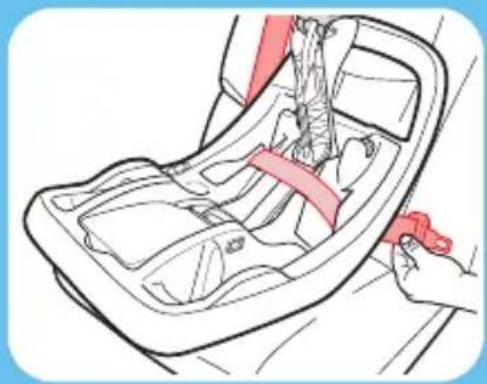
natural_image
Illustration of a baby car seat with a hand adjusting the seat (no text or symbols)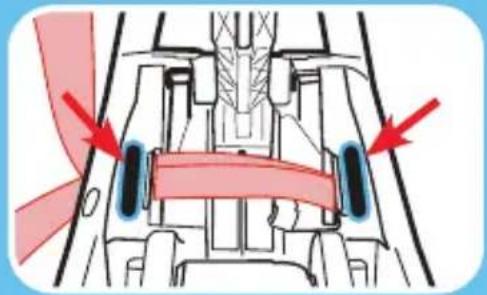
natural_image
Mechanical assembly diagram showing a belt drive mechanism with red arrows indicating motion direction (no text or labels)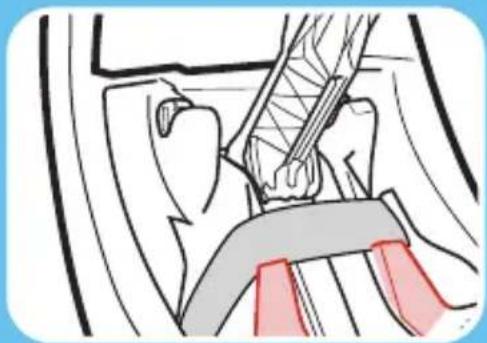
natural_image
Illustration of a person using a tool to grip a seatbelt, with no visible text or symbols5. Route the Vehicle Seat Belt
Thread the lap portion of the vehicle seat belt through the rear-facing belt path (marked with a blue label) and buckle it. The seat belt should lay as flat as possible and not be twisted.
6. Make sure the strap is threaded above the notches near the lock-off.

3 Rear Facing
Review your vehicle's owner's manual for vehicle seat belt use
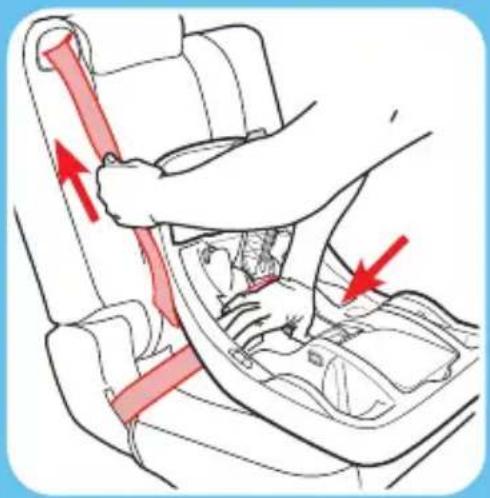
7. Tighten the Vehicle Seat Belt
Press down firmly on the top of the base while pulling on the shoulder belt to remove the slack.
Do not pull on the strap with excessive force.
8. Close the SnugLock® Lock-Off
Push down on the arm until the you hear the latch click.
natural_image
Illustration of a hand using a belt switch to lift a car interior (no text or symbols)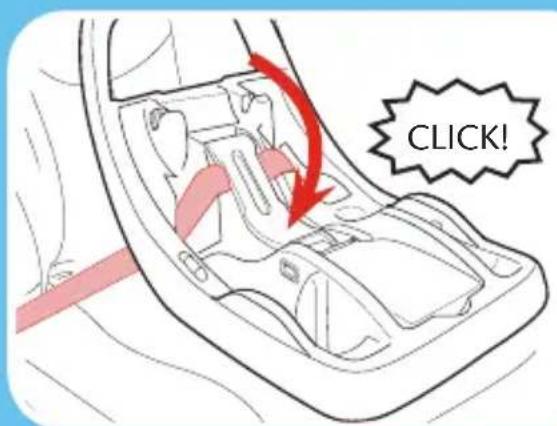
text_image
CLICK!!WARNING!
Keep hands away from the lock-off area when closing the lock-off.
natural_image
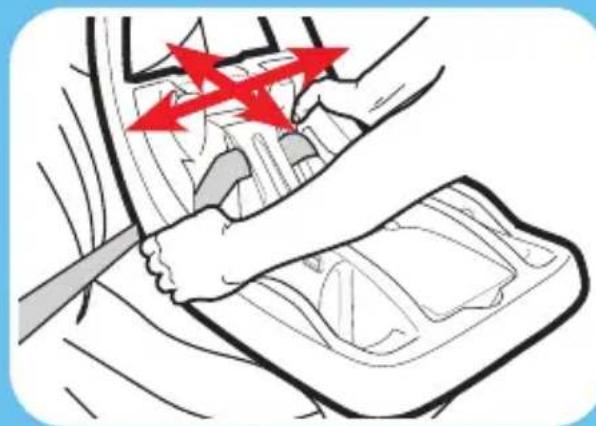
Illustration of a hand using a tool to adjust or install vehicle parts, with red arrows indicating motion direction (no text or symbols present)9. Test For Tightness
Grab the sides of the base where the seat belt is and push and pull the base from side to side and front to back.
If the base moves less than 1" (2.5 cm), it is tight enough.

3 Rear Facing
10. Attach Car Seat to Base
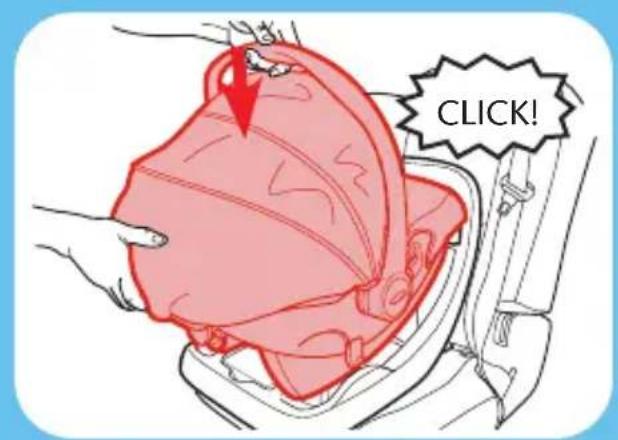
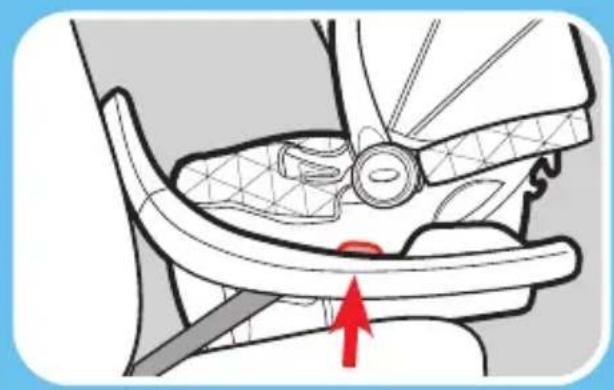
Place car seat into the base. Push down on the front of the car seat and handle until you hear a "click".
Test to make sure the car seat is attached by pulling up on the front corners of car seat.
text_image
CLICK!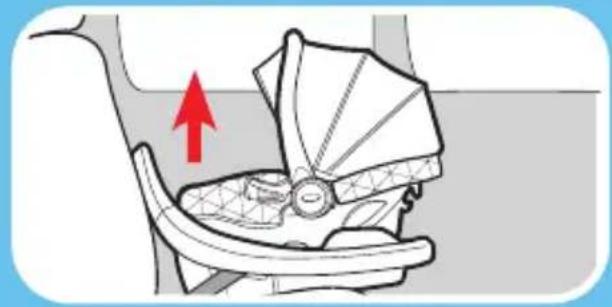
natural_image
Diagram of a car seatbelt with a red arrow indicating upward motion (no text or symbols)
3 Rear Facing
natural_image
Diagram of a mechanical joint or connector with a red arrow indicating a specific point (no text or symbols present)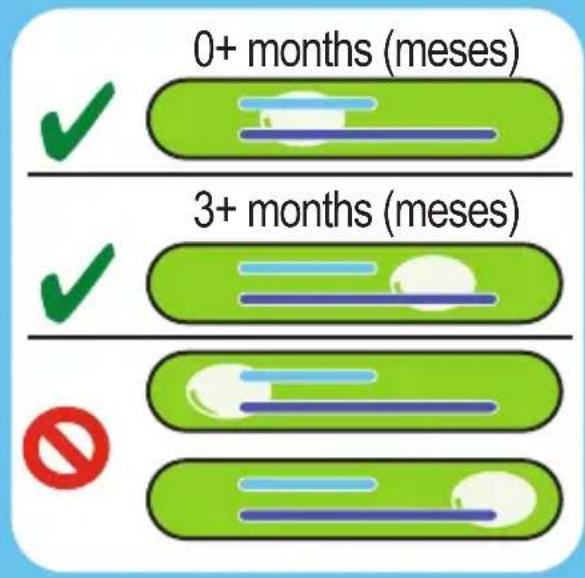
text_image
0+ months (meses) 3+ months (meses)11. Check the Level Indicator
Vehicle MUST be on level ground.
Check the level indicator with child in the child restraint.
See section 4-C to secure your child.

3 Rear Facing
Is Everything Correct?
Base Does Not Move More Than 1" (2.5 cm) At The Belt Path
Car Seat Is Properly Attached To Base
With Vehicle On Level Ground, Check the Level Indicator
Cannot Pinch Harness
Chest Clip Even With Armpits
natural_image
Illustration of hands using a tool to adjust or install a vehicle interior, with red arrows indicating the process (no text or symbols present)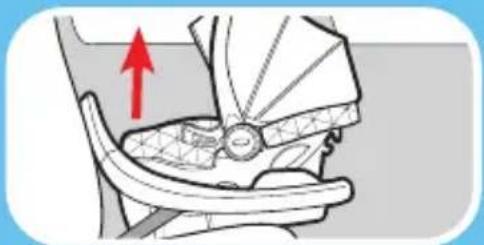
natural_image
Illustration of a car seatbelt mechanism with a red arrow indicating upward motion (no text or symbols present)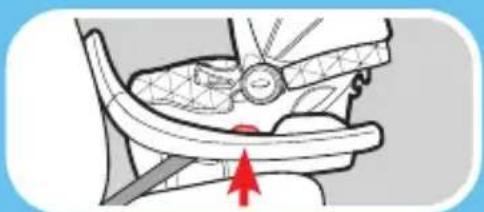
natural_image
Medical illustration showing a surgical procedure on a hip joint with a red arrow indicating the location (no text or symbols present)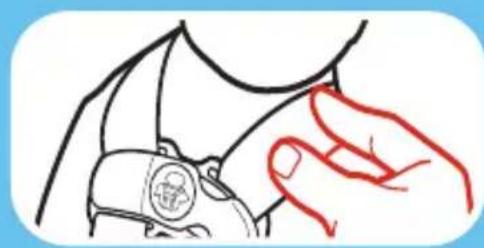
natural_image
Line drawing of a hand holding a small object, no text or symbols present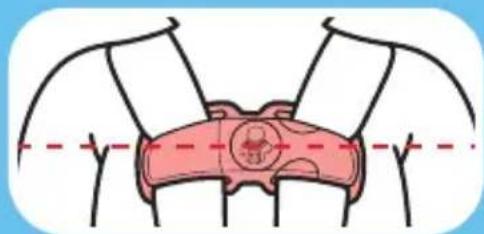
natural_image
Anatomical illustration of a human pelvic region with measurement lines (no text or labels)43

3 Rear Facing
3-D Install Without Base With Vehicle Seat Belt
natural_image
Technical diagram of a car seatbelt buckle assembly (no text or labels)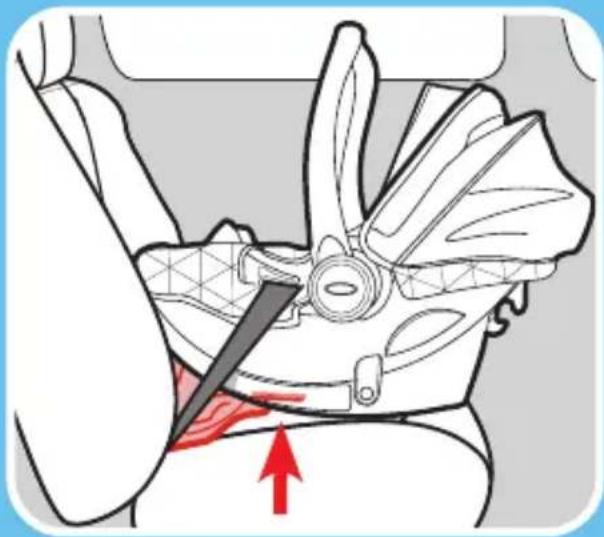
natural_image
Illustration of a car seatbelt being adjusted for a seatbelt, showing the blade and seat area (no text or symbols)1. Place Car Seat in Back Seat of the Vehicle
Place the car seat on the vehicle seat. Push it back until the front of the car seat touches the vehicle seat back.
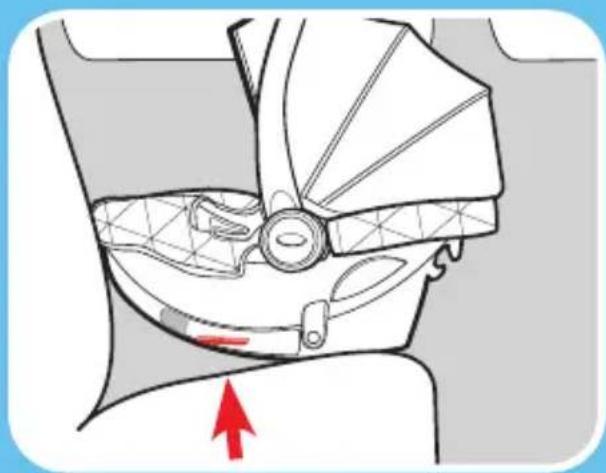
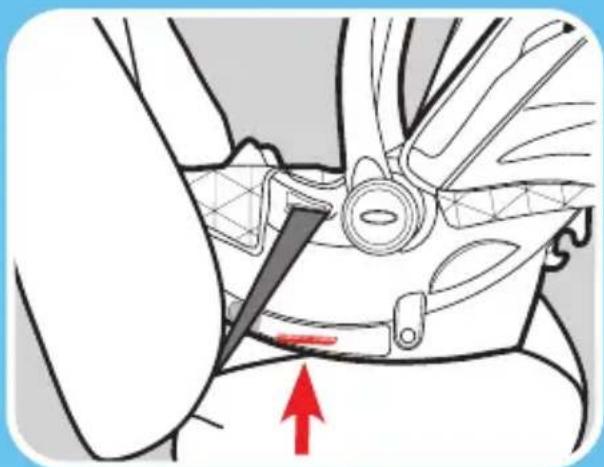
Check the rear-facing level line. The red level line on the side of the seat MUST BE LEVEL with the ground.
If needed, rolled towels may be placed under the base, at the vehicle seat crease, until the level line is level with the ground.
3 Rear Facing
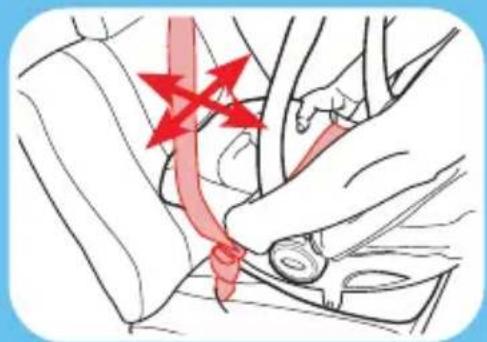
2. Route the Vehicle Seat Belt
Thread vehicle seat belt through the rear-facing belt path (marked with a blue label) and buckle it. The seat belt should not be twisted.
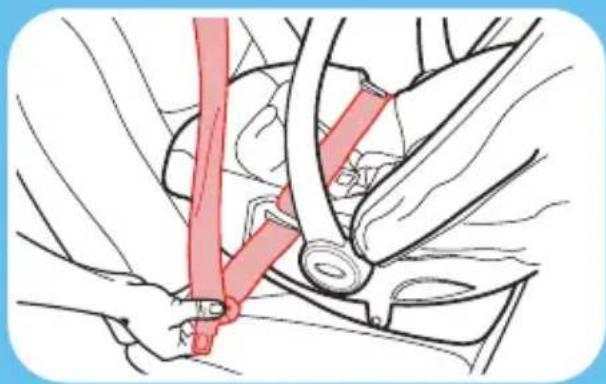
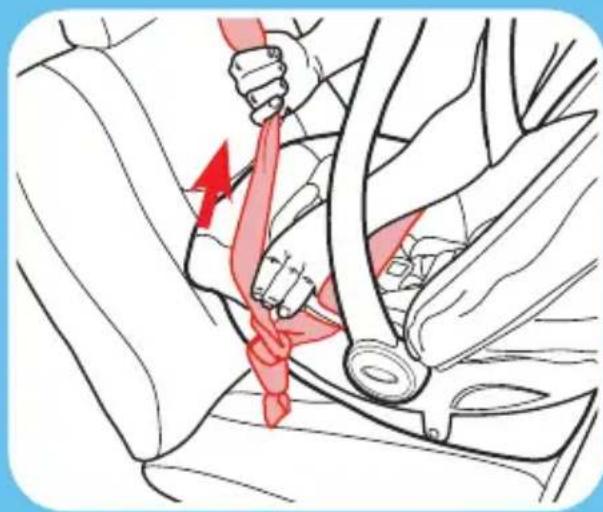
3. Lock the Vehicle Seat Belt
In most vehicles today, slowly pull the shoulder belt all the way out and then let it go back in. You will hear a “clicking” sound. Slowly pull out on the belt and it should be locked. If not, review your car’s owner manual and section 6-D.
natural_image
Illustration of a car seatbelting mechanism with red bandages (no text or symbols)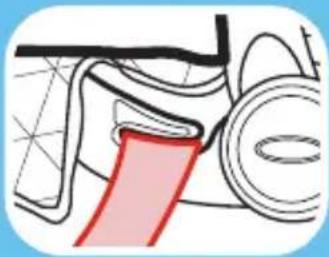
natural_image
Diagram of a mechanical component with a red highlighted section, no visible text or symbols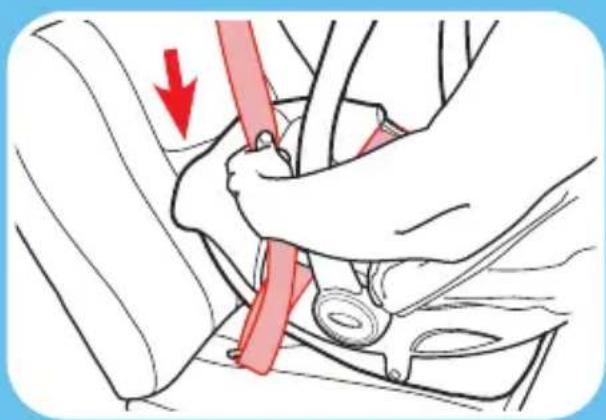
natural_image
Illustration of a hand using a red belt to lift a car seatbelt, with a red arrow indicating the direction (no text or symbols present)
3 Rear Facing
natural_image
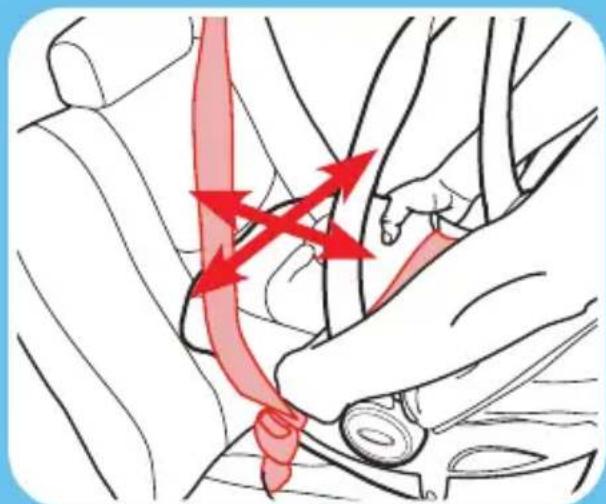
Illustration of a person's seatbelt being adjusted for a red belt, showing the grip and seat (no text or symbols)4. Tighten the Vehicle Seat Belt
Lay your forearm across the car seat at the belt path and push down. Pull on the shoulder belt to tighten while feeding the slack back in the retractor.
natural_image
Illustration of a hand adjusting a car seatbelt with red arrows indicating force or movement (no text or symbols)5. Test For Tightness
Grab the sides of the car seat where the seat belt is and push and pull the car seat from side to side and front to back.
If the car seat moves less than 1" (2.5 cm), it is tight enough.

3 Rear Facing
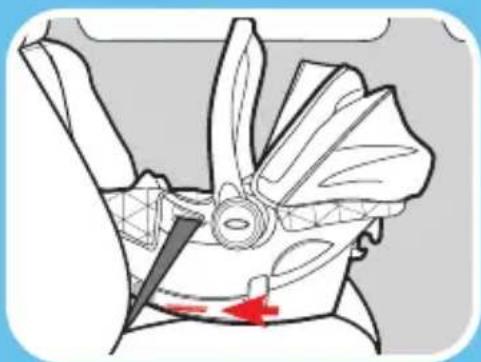
6. Check the Rear Facing Level Line
The red level line on the side of the seat MUST BE LEVEL with the ground.
Check the level line with child in the child restraint when making sure the line is level with the ground.
If needed, rolled towels may be placed under the car seat, at the vehicle seat crease, until the level line is level with the ground.
natural_image
Illustration of a car seatbelt with a red arrow indicating the angle of the seatbelt (no text or symbols present)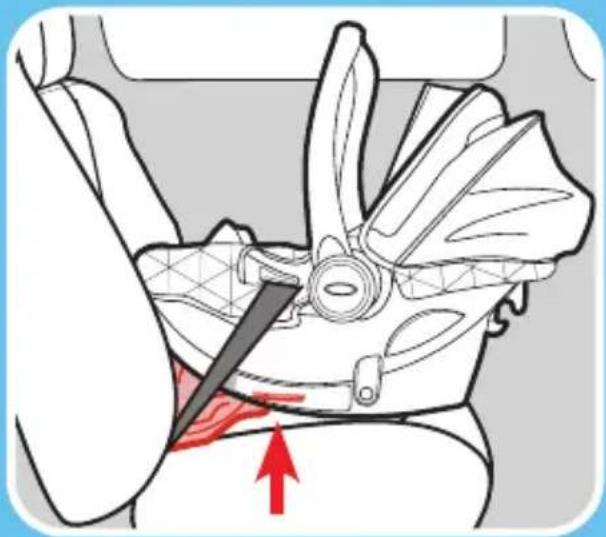
natural_image
Illustration of a car seatbelt buckle being adjusted, showing the blade and seat (no text or symbols)
3 Rear Facing
Is Everything Correct?
natural_image
Illustration of a medical procedure showing a hand holding a tool with red arrows indicating pressure or force (no text or symbols present)Car Seat Does Not Move More Than 1" (2.5 cm) At The Belt Path
natural_image
Technical line drawing of a mechanical component with a tool and red directional arrows indicating motion (no text or symbols)Car Seat Level to Ground
natural_image
Illustration of a hand adjusting a belt buckle (no text or symbols)Cannot Pinch Harness
natural_image
Illustration of a human pelvic anatomy with a red anatomical structure and dashed line indicating measurement (no text or labels)Chest Clip Even With Armpits

3 Rear Facing
4-A Adjust Harness to Fit Child
Child
4 Securing
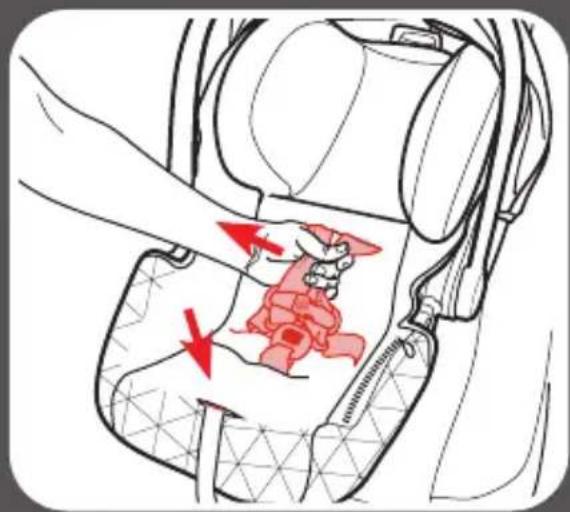
1. Loosen Harness Straps
Push the harness release button while pulling out on the harness straps at the chest clip.
natural_image
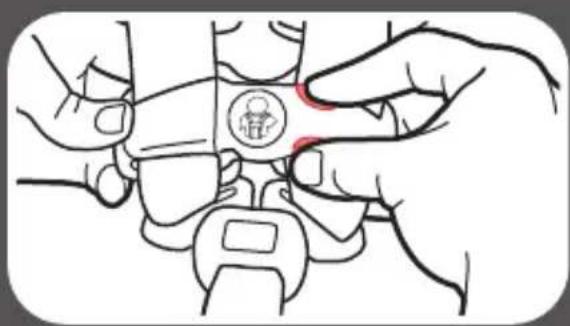
Diagram of a car interior showing a highlighted anatomical structure with red arrows indicating movement or force (no text or labels present)2. Release the Chest Clip
Squeeze the chest clip release buttons and pull apart.
natural_image
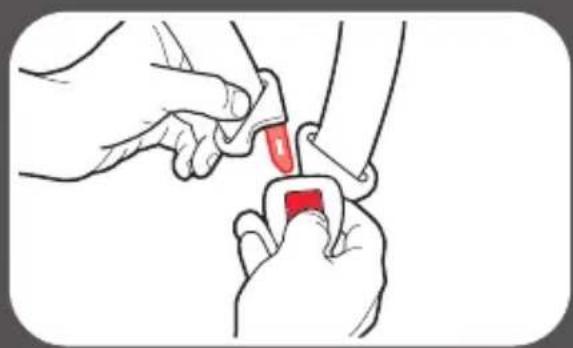
Line drawing of hands adjusting a helmet component with a red indicator light (no text or symbols)3. Unbuckle the Buckle
Press the red button and pull buckle tongues out. Place harness straps off to the sides.
natural_image
Illustration of two hands performing a medical procedure with a red tool (no text or symbols present)49

4 Securing Child
text_image
Medical illustration showing anatomical positioning of a human body with red arrows indicating specific regions or points of interest.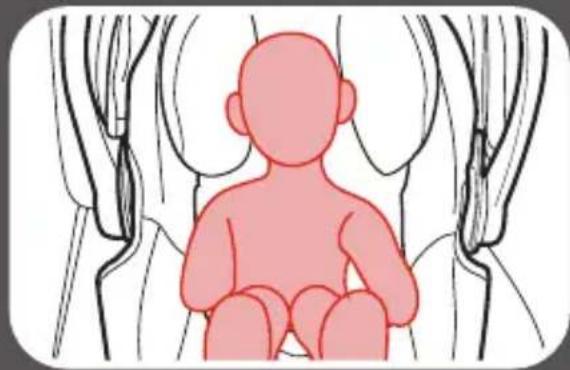
natural_image
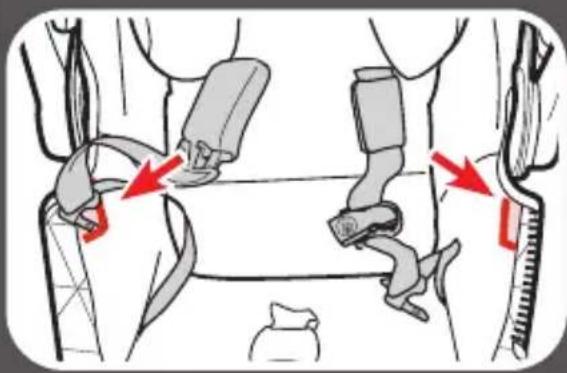
Illustration of a baby sitting in a chair with overhead medical drapes (no text or symbols)4. Store the Buckle Tongues
Place buckle tongues in the fuss-free buckle storage pockets.
5. Place Your Child in the Seat
Make sure their back is flat against the car seat back.
!WARNING!
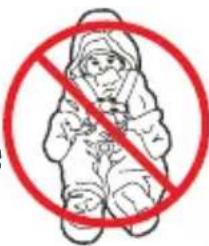
WARNING! In cold weather, do not put snowsuits or bulky garments on your child when placing
them in the car seat. Bulky clothing can prevent the harness straps from being tightened properly. To keep child warm, buckle your child in the car seat and place a blanket around the child or place the child's coat on backwards after buckling in.
text_image
Safety warning symbol with a person holding a crosshair and red prohibition circle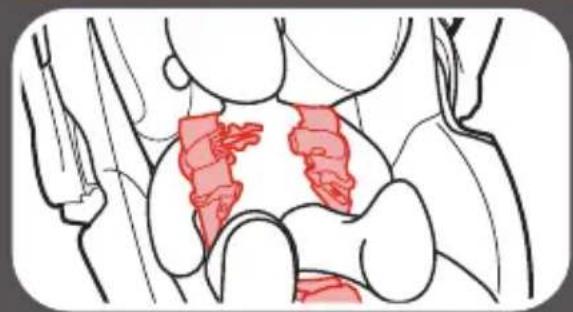
natural_image
Anatomical illustration of pelvic bones with highlighted regions (no text or labels)6. Place Harness Straps Over Child's Shoulders
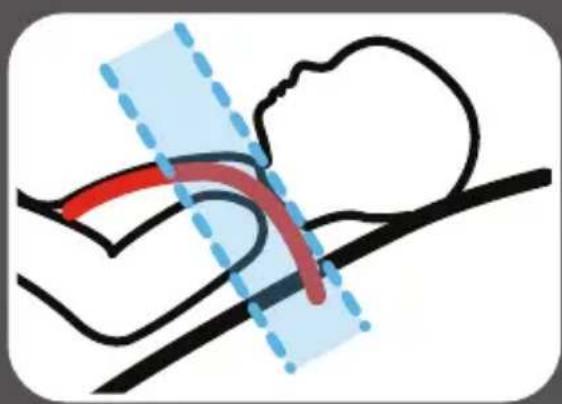
7. Check Harness Height
Harness Straps MUST BE AT OR JUST BELOW the Child's Shoulders
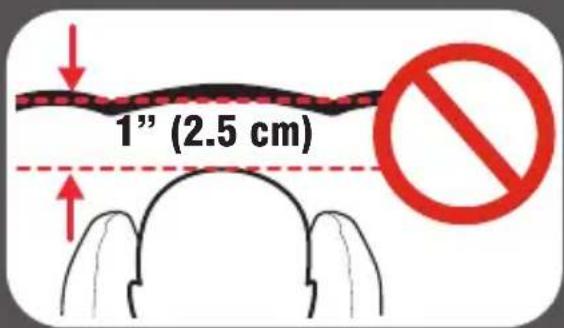
8. Top of Head MUST BE AT LEAST 1" (2.5 cm) BELOW the Top of the Car Seat
To Change Harness Height:
Remove child from child restraint and loosen the harness straps.
natural_image
Diagram showing a curved red line intersecting a black line with blue dashed lines, no text or symbols present.
Child
4 Securing
text_image
1" (2.5 cm)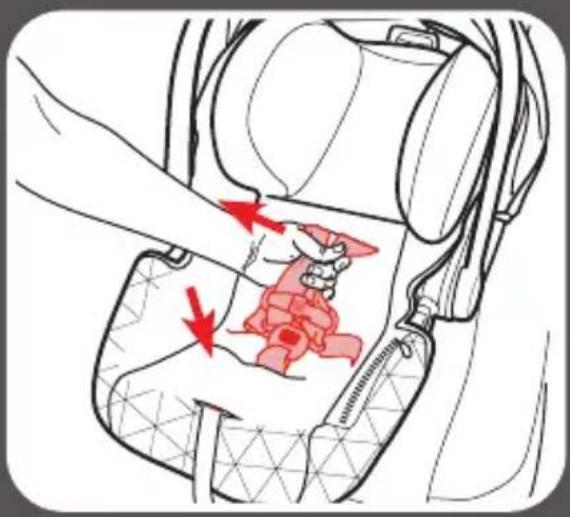
natural_image
Medical illustration showing a surgical procedure on pelvic region with red arrows indicating force or placement (no text or labels present)
4 Securing
Child
natural_image
Illustration of a hand pressing a button on a car wheel (no text or symbols)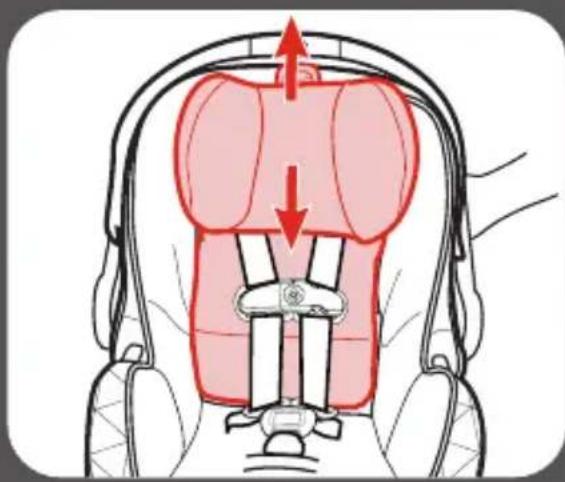
natural_image
Illustration of a car seatbelt with red arrows indicating pressure or force direction (no text or symbols)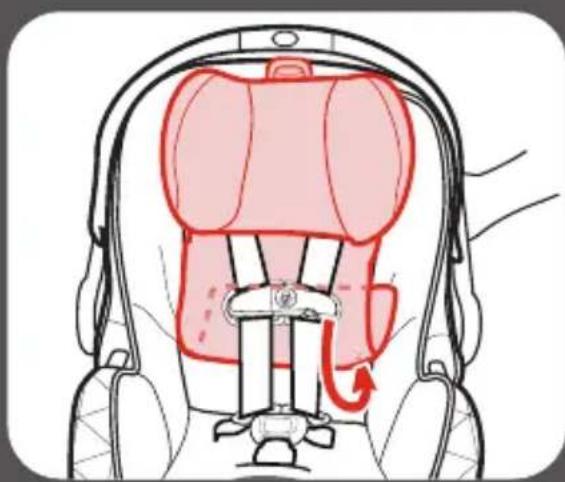
natural_image
Diagram of a car seatbelt with a pump and belt drive mechanism (no text or symbols)52
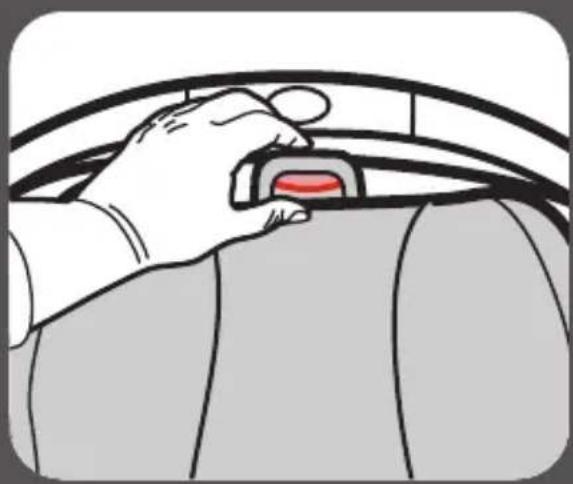
Squeeze the headrest adjustment button as shown.
Move the headrest up or down to the proper harness height position.
For smaller babies, shorten headrest by placing the bottom of the flap under the support as shown.
4-B Adjust Buckle to Fit Child
Child
4 Securing
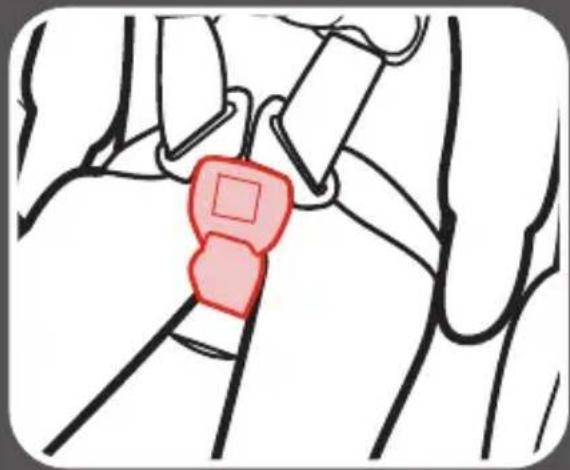
1. Check the Buckle Position
The correct slot is the one that is closest to your child without being underneath them.
2. To Change Buckle Position
Remove child from the seat. From the bottom of car seat, insert the buckle's metal clip up through shell and pad.
From the front, pull buckle out of the pad an shell.
natural_image
Anatomical illustration of a joint with a highlighted red area, likely indicating a specific region or area of interest (no text or labels present)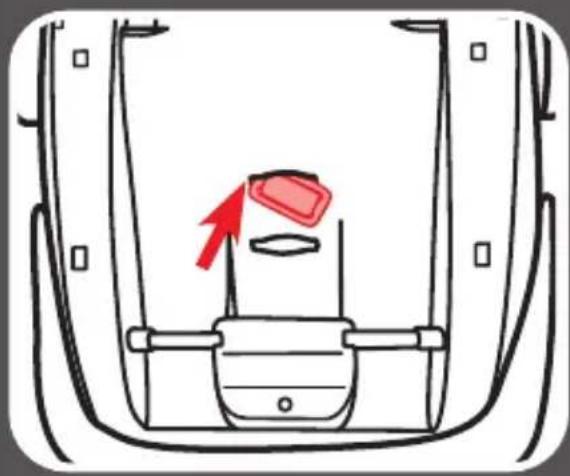
natural_image
Diagram of a car seatbelt with a red arrow pointing to the seat area (no text or symbols)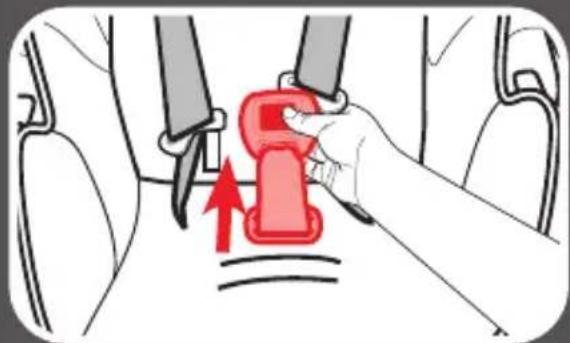
natural_image
Illustration of a hand adjusting a red belt buckle mechanism inside a vehicle (no text or symbols)53
4 Securing
Child
natural_image
Illustration of a hand holding a red safety belt buckle with a downward arrow indicating compression (no text or symbols)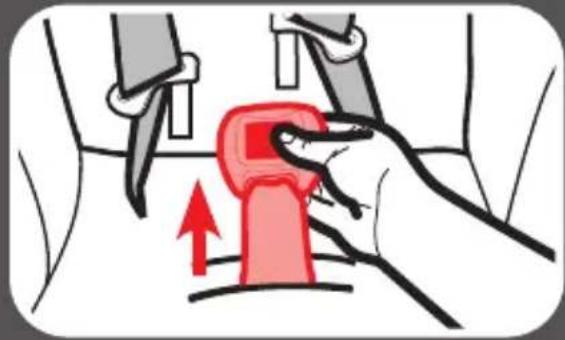
natural_image
Illustration of a medical procedure showing a hand holding a tool near a red object with an upward arrow (no text or symbols)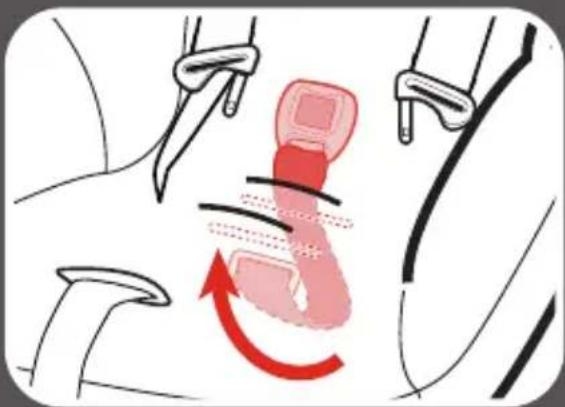
natural_image
Illustration of a medical procedure with a red arrow indicating a step, no text or symbols present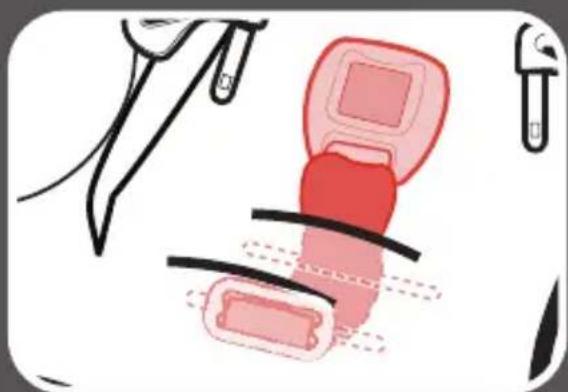
natural_image
Illustration of a medical device with a red highlighted section and black outlines, no text or symbols present.3. Insert Metal Clip Into New Location
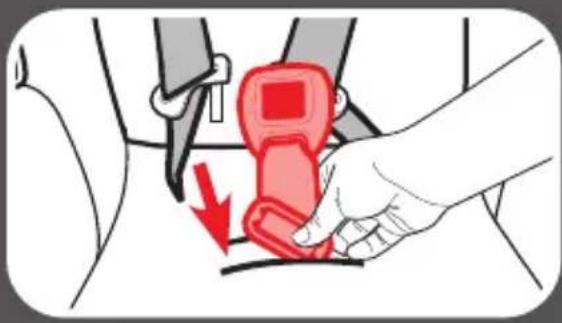
Push metal clip down through the pad and shell. Make sure the buckle's red button is facing out.
4. Pull Up On Buckle To Check It Is Secured
Make sure buckle's metal clip is completely through pad and shell.
To Shorten Buckle for Low Birth Weight Infants:
(Minimum weight is 4 lb (1.8 kg)):
When crotch strap clip is in rear crotch slot, insert clip into front crotch slot in seat but not through seat pad.
Crotch strap clip should remain flat against seat.
4-C Securing Child in Car Seat
Child
4 Securing
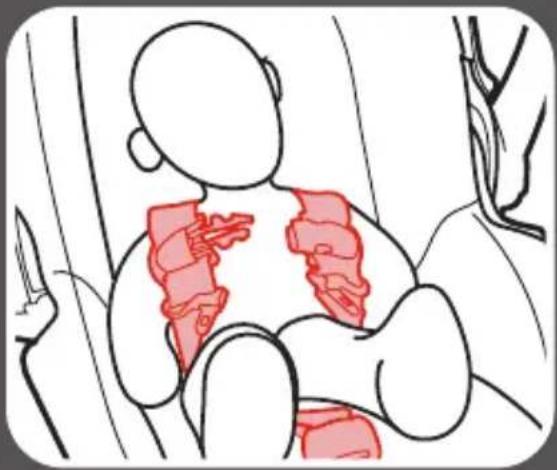
- Place Harness Straps Over Child's Shoulders
natural_image
Illustration of a human figure with red anatomical structures inside, possibly indicating heart or spinal regions (no text or symbols present)- Buckle
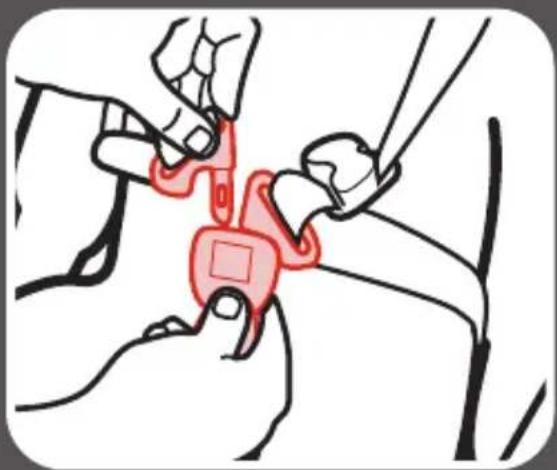
You will hear a "click" when buckle tongues are securely attached. Pull up on each buckle tongue to make sure it is securely attached.
natural_image
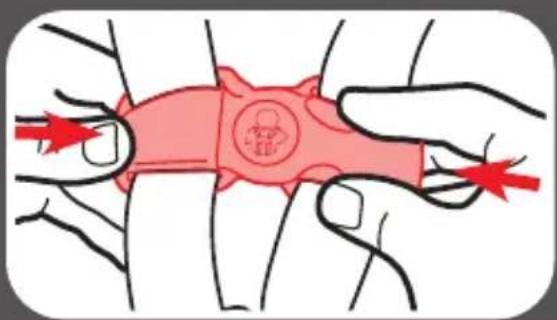
Illustration of a medical procedure with forceps and a red anatomical device (no text or symbols)- Buckle the Chest Clip
You will hear a "click" when the chest clip is securely buckled attached.
natural_image
Illustration of a medical device with red arrows indicating force or movement (no text or symbols)55
4 Securing
Child
natural_image
Illustration of a hand holding a red object with an arrow indicating direction (no text or symbols)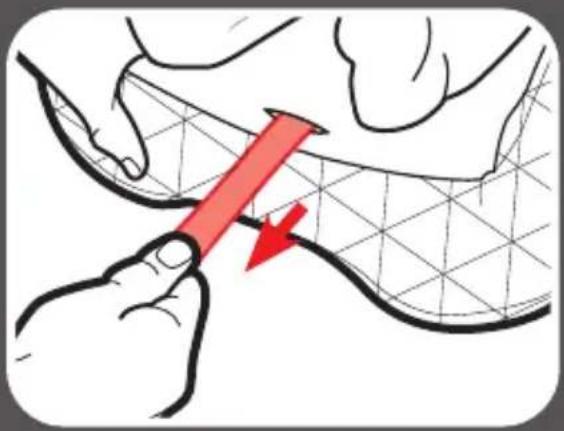
natural_image
Illustration of a hand performing a medical procedure on a mesh grid, with a red arrow indicating the point of pressure or force (no text or symbols present)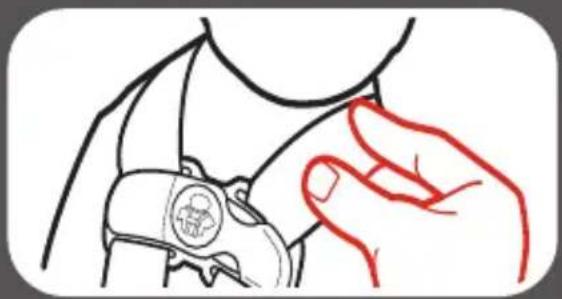
natural_image
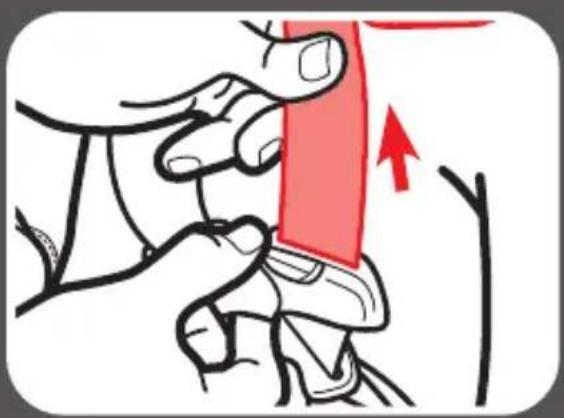
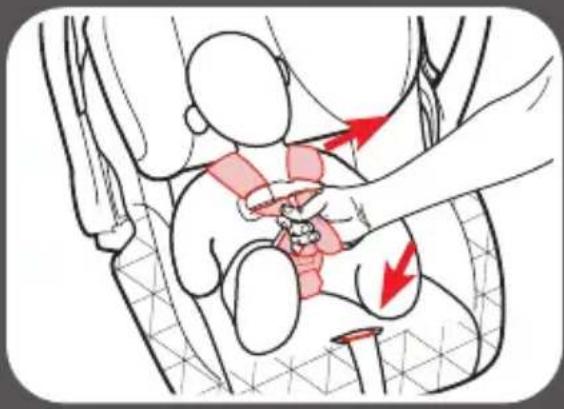
Line drawing of a hand adjusting a mechanical component (no text or symbols)4. Pull All the Slack Out From Around the Waist
Pull up on the harness strap while pushing the chest clip down. Do this to both sides.
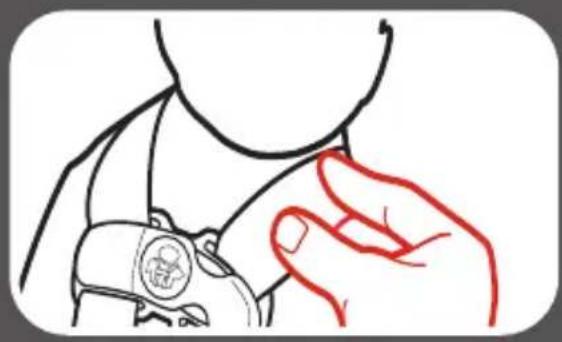
5. Tighten the Harness by Pulling the Harness Adjustment Strap
When you are not able to pinch any of the harness webbing at your child's shoulder, the harness is tight enough.
A snug harness should not allow any slack. It lies in a relatively straight line without sagging. It does not press on the child's flesh or push the child's body into an unnatural position.
-
Raise the Chest Clip to Child's Armpit Level
-
Check Tightness
Tighten more if needed.
natural_image
Anatomical illustration of a human pelvic region with a central body and two symmetrical limbs, marked with red dashed lines (no text or labels)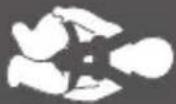
Child
4 Securing
natural_image
Line drawing of a hand holding a small object, no text or symbols present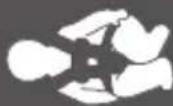
Securing Child
4-D Removing Child
natural_image
Anatomical illustration of pelvic organs with red arrows indicating pressure points (no text or labels present)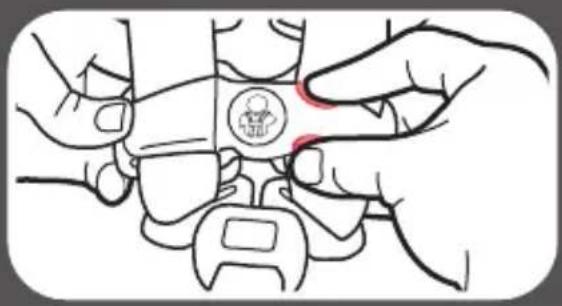
natural_image
Illustration of hands adjusting a helmet seatbelt with a red circular mark on the seat (no text or symbols)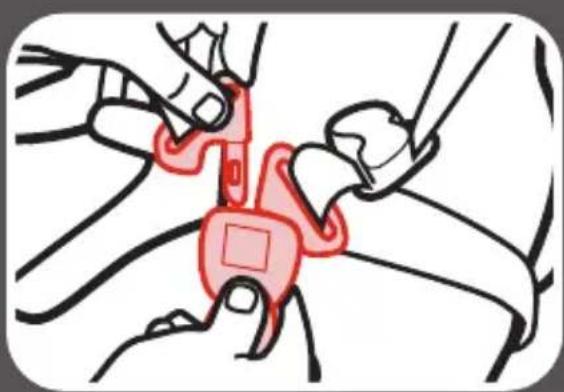
natural_image
Illustration of a red mechanical clamp or bracket being held by hands, no text or symbols present1. Loosen Harness Straps
Push down on the harness release lever under the seat pad while pulling out on the harness straps at the chest clip.
2. Release the Chest Clip
Squeeze the chest clip release buttons and pull apart.
3. Unbuckle Your Child
Press in on the red button and remove the buckle tongues. Remove Child from the seat.
5-A Carrier Use
!WARNING!
Read all instructions before use of the infant carrier. Keep instructions for future use. Do not use the infant carrier if it is damaged or broken.
NEVER leave child unattended. Always stay within arms reach of carrier.
SUFFOCATION HAZARD: Infant carrier can roll over on soft surfaces and suffocate child. NEVER place carrier on beds, sofas, or other soft surfaces.
STRANGULATION HAZARD: Children have STRANGLED in loose or partially buckled harness straps. Fully restrain the child even when carrier is used outside the vehicle.
FALL HAZARD: Child's movements can move carrier. NEVER place carrier on counter tops, tables or any other elevated surfaces.
KEEP STRINGS AND CORDS AWAY FROM CHILD. Strings and cords can cause strangulation. DO NOT place carrier near windows where cords from blinds or drapes can strangle a child. DO NOT hang strings on or over the carrier. DO NOT attach strings to toys.
!WARNING!
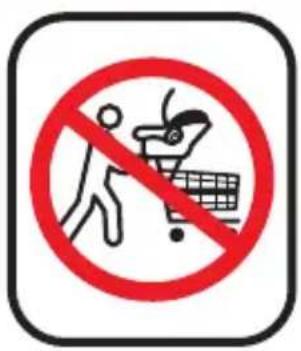
Fall Hazard:
The carrier can fall from a shopping cart. Do not use on a shopping cart.
text_image
Prohibition sign with pictogram of a person shopping and a red circle indicating no consumption or restriction
5 Carrier Use
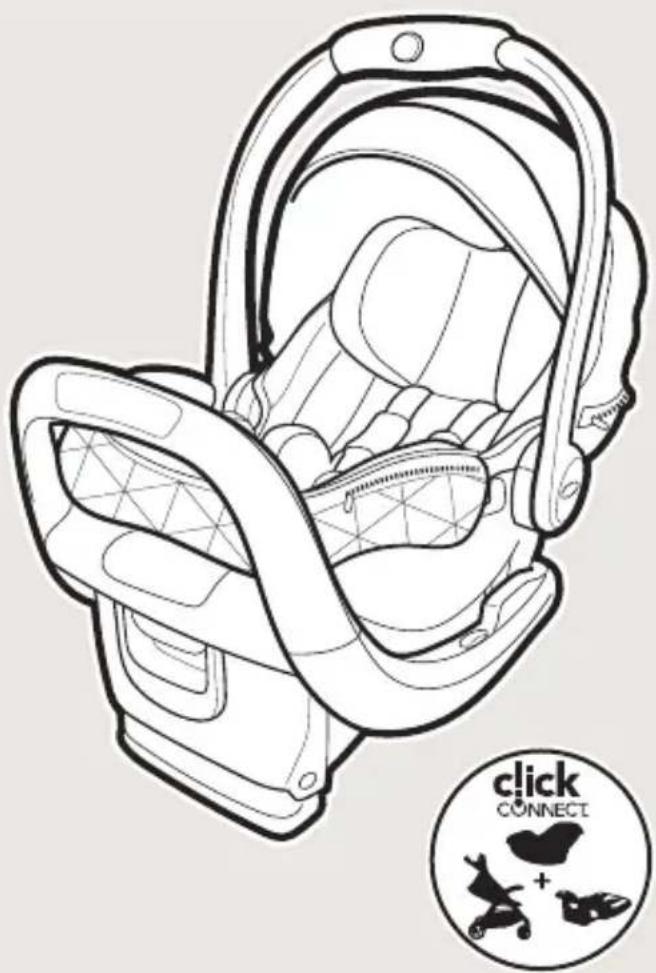
USE ONLY WITH STROLLERS WITH THE GRACO CLICK CONNECT LOGO.
Refer to the stroller owner's manual for details on how to attach the infant carrier to your stroller. If you do not have an owner's manual, please visit our website at www.gracobaby.com to download the manual or call toll-free at 1-800-345-4109.
NEVER use a Graco infant carrier with any other manufacturer's strollers. This can result in serious injury or death.

text_image
click CONNECT +6-A Additional Lower Anchor Attachment Information
This car seat can be installed in your vehicle using either the vehicle seat belt OR the lower anchor attachment system. Both systems are equally safe to use. DO NOT USE BOTH AT THE SAME TIME.
The lower anchor attachment system allows you to securely attach your car seat in your car without using the vehicle seat belt and possibly to get a better fit. All 2003 and newer model year vehicles are required to have a lower anchor attachment system, although some manufacturers began including lower anchor attachment earlier. Some vehicle owner manuals use the term ISOFIX to identify the lower anchor attachment system.
Only use lower anchor attachment in seating positions recommended by your vehicle manufacturer. Review your vehicle owner's manual for more information.
information

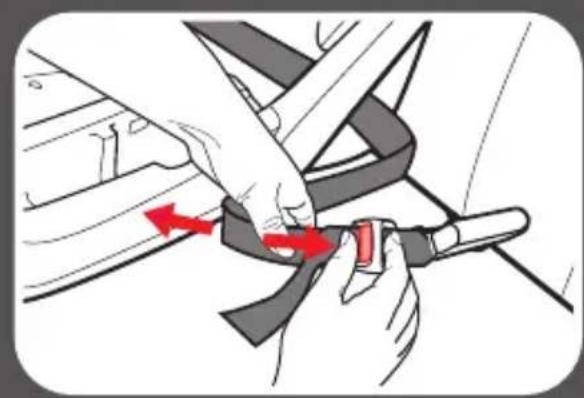
6-B How to Remove Lower Anchor Attachment
natural_image
Illustration of a car seatbelt buckle being adjusted, showing red arrows indicating adjustment (no text or symbols present)- Push Gray Button In While Pulling on Lower Anchor Attachment Strap to Loosen
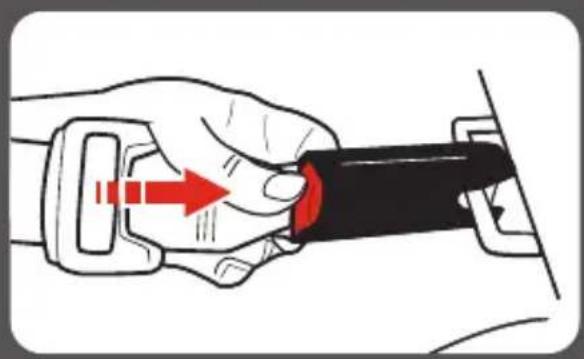
natural_image
Illustration of a hand using a belt buckle to tighten a red arrow (no text or symbols present)- Press and Hold Lower Anchor Attachment Release Button
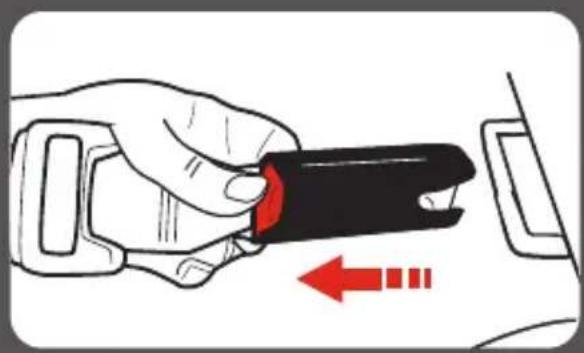
natural_image
Hand holding a black belt buckle with red adjustment arrow (no text or symbols)- Pull Away From Anchor Point
6 Vehicle Information
6-C Unsafe Vehicle Seats
Never install this car seat in side-facing or rear-facing vehicle seats.
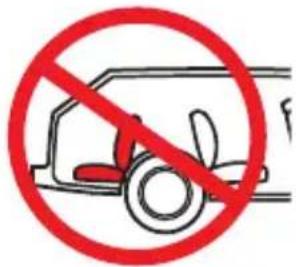
text_image
Prohibition sign with red prohibition symbol and vehicle silhouette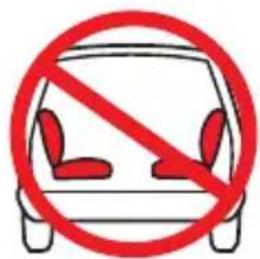
text_image
Prohibition sign showing a car with red prohibition symbol and seatbelt, indicating no restriction or absence of use.6-D Vehicle Seat Belts
Review your vehicle owner's manual for vehicle seat belt use
This car seat can be installed using a vehicle seat belt. To do this, you will need to change the seat belt to a locked mode for use with car seats. With some vehicle seat belts, this is done with the latch plate; with other vehicle seat belts, this is done with the retractor.
Information

Vehicle Seat Belt Terms
Retractor
A device that winds up the unused vehicle seat belt. It is often hidden inside the panels on the walls of the vehicle or in the vehicle seat back.
Latch Plate
The male end of the seat belt with the silver tongue.
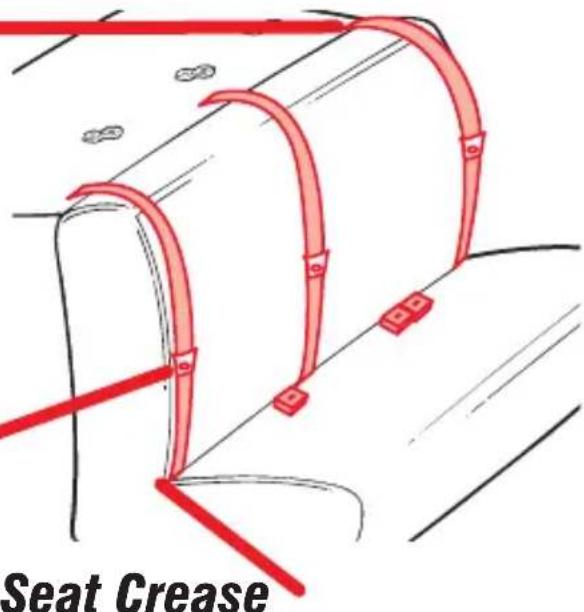
text_image
Seat CreaseSeat Crease
The crease where the vehicle seat back and seat bottom meet.
Identify Your Seat Belt Type
There are two different types of vehicle seat belts that can be used with this car seat:

text_image
6 Vehicle Information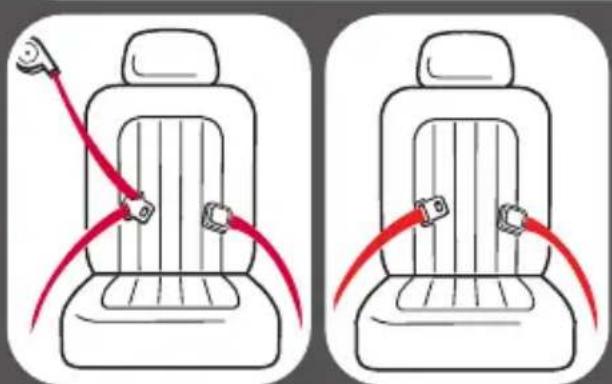
natural_image
Illustration of a car seat with red cable harnesses, shown from two different angles (no text or symbols)Lap/Shoulder Seat Belt
3 connections points.
Lap Only Seat Belt
2 connection points.
The following types of vehicle seat belts CANNOT be used safely with this car seat:
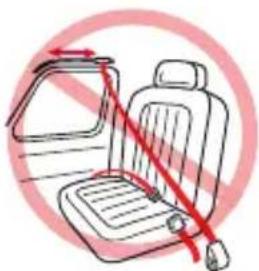
natural_image
Illustration of a car seat with a red diagonal line indicating seatbelt, enclosed in a pink circle (no text or symbols)Lap Belt with Motorized Shoulder Belt
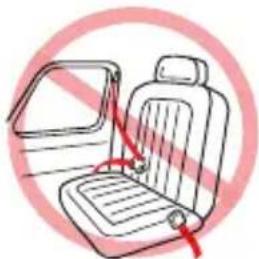
natural_image
Interior view of a car seat with no visible text or symbolsLap Belt or Shoulder Belt Mounted on Door
Belts Forward of the Seat Crease
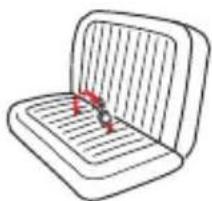
natural_image
Simple line drawing of a chair with a red object on the side panel (no text or symbols)Some vehicles you may not get a secure fit. Read both your vehicle and car seat manuals.
information

Lap/Shoulder Seat Belt Installation
Always review your vehicle owner's manual for specific information about your vehicle seat belts.
There are three types of retractors: ELR (Emergency Locking Retractor), ALR (Automatic Locking Retractor), and Switchable (ELR switch to ALR). To determine your type of retractor, follow these steps:
-
Slowly pull the belt out about halfway and stop.
-
Let the belt retract back several inches.
-
Try to slowly pull the belt out more. If the belt cannot be pulled any further, it is ALR, ready to install your car seat. If it can be pulled further, go to the next step.
-
Slowly pull the belt all the way out, and then allow it to retract several inches. You may hear some clicking sounds.
-
Try to pull the belt all the way out again. If it cannot be pulled out, it is Switchable, ready to install your car seat. If it can still be pulled out freely, it is ELR. Review the following pages to properly install your infant car seat.
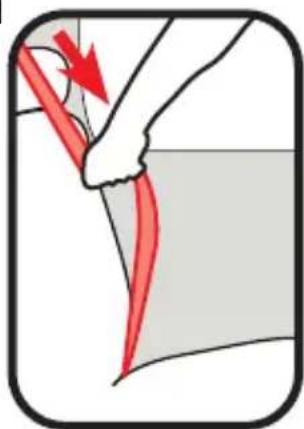
natural_image
Illustration of a hand holding a red tool with a curved blade, no text or symbols presentNote: Most vehicles manufactured after 1996 will have Switchable retractors in the back seat. If you have any questions about your retractor type, consult your vehicle owner's manual or call Graco for assistance.
text_image
6 Vehicle InformationHow to Lock Your Lap/Shoulder Vehicle Seat Belt
Sliding Latch Plate and Switchable Retractor
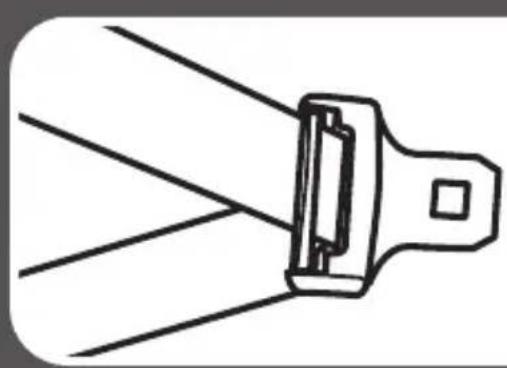
A latch plate that slides freely on the belt webbing and cannot, by itself, hold the belt snug around a car seat.
When installing the car seat, route the vehicle seat belt through the proper belt path and buckle it in. Slowly pull the shoulder belt all the way out to switch it to locking mode. Then, as you pull the vehicle seat belt tight, feed all the slack back into the retractor.
Grab the sides of the base or seat at the belt path and slide side to side and front to back. The base or seat should not move more than 1" (2.5 cm).
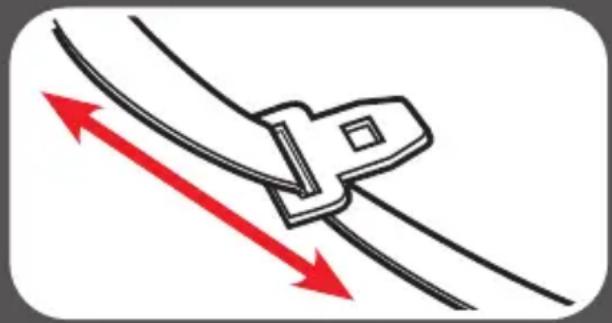
natural_image
Diagram showing a car with red directional arrows indicating speed or force (no text or symbols)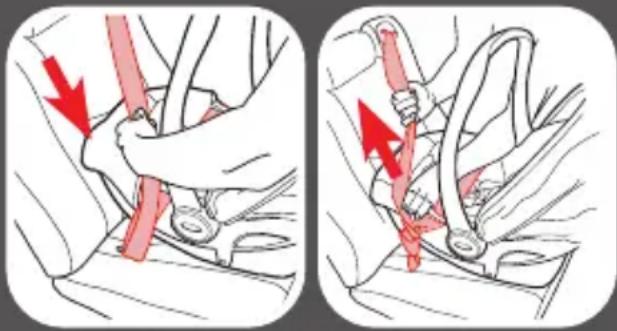
natural_image
Two-step illustration showing a hand using a red tool to lift a car's seatbelt, with arrows indicating the motion (no text or symbols present)Note: With the vehicle seat belt in this locking mode, all the tension is upwards in the shoulder belt. This may start to tilt your car seat sideways when rear-facing. If this happens, use a locking clip instead of switching the retractor. See Sliding Latch Plate and ELR Retractor.
Note: When using the base, you do not need to switch the retractor. The lock-off locks the seat belt.
information

natural_image
Line drawing of a buckle buckle with three blades radiating from the seat (no text or symbols)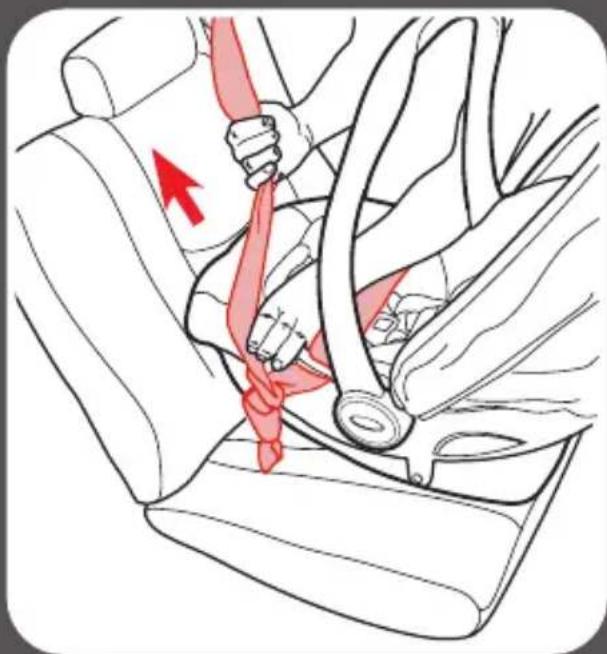
natural_image
Illustration of a car seatbelt being inserted into the seat, showing red belt and arrow indicating direction (no text or symbols)Note: When using the base, remove all the slack from the seat belt. The lock-off locks the seat belt.
Locking Latch Plate and ELR Retractor
A latch plate that holds the lap belt snug after it has been adjusted; contains a metal bar on the underside of the hardware that “locks” the belt in position.
When installing the car seat, route the vehicle seat belt through the proper belt path and buckle it in. Then, pull upwards on the shoulder belt so that the lap belt gets tight around the base or car seat.
Grab the sides of the base or seat at the belt path and slide side to side and front to back. The base or seat should not move more than 1" (2.5 cm).
text_image
6 Vehicle InformationSliding Latch Plate and ALR Retractor
A latch plate that slides freely on the belt webbing and cannot, by itself, hold the belt snug around a car seat.
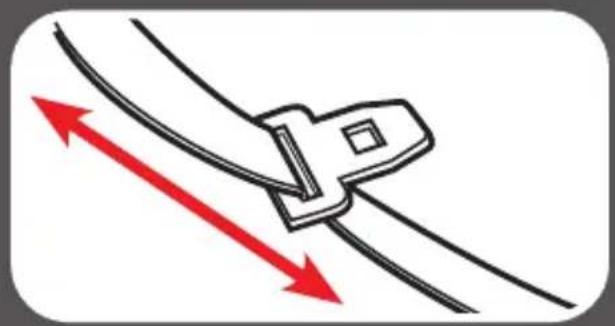
Slowly pull the shoulder belt all the way out. Route the vehicle seat belt through the proper belt path and buckle it in. Then, as you pull the vehicle seat belt tight, feed all the slack back into the retractor.
Grab the sides of the base or seat at the belt path and slide side-to-side and front-to-back. The base or seat should not move more than 1" (2.5 cm).
natural_image
Diagram showing two curved lines with opposing red arrows indicating opposing motion or direction (no text or symbols)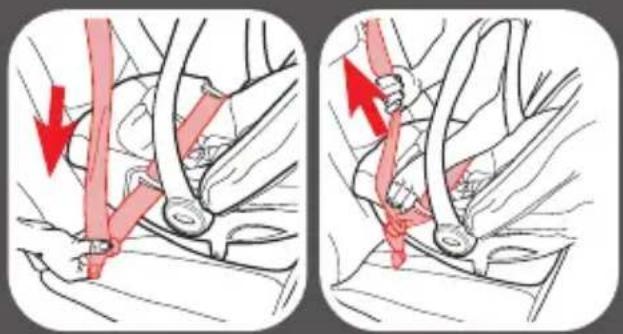
natural_image
Medical illustration showing two steps of a surgical procedure on a patient's lower limb, with red arrows indicating direction of movement (no text or symbols present)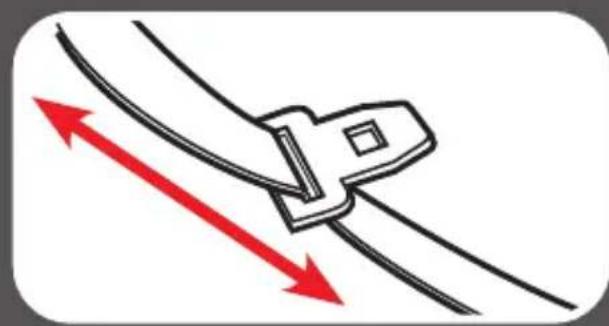
natural_image
Diagram showing two curved lines with opposing red arrows indicating opposing motion or direction (no text or symbols)
natural_image
Abstract geometric line pattern with interlocking shapes (no text or symbols)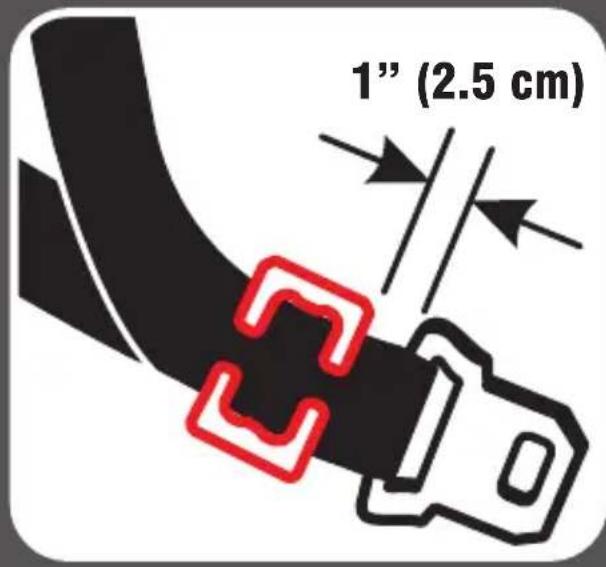
text_image
1" (2.5 cm)Sliding Latch Plate and ELR Retractor
A latch plate that slides freely on the belt webbing and cannot, by itself, hold the belt snug around a car seat.
With this retractor, you will need to use the locking clip to lock the vehicle seat belt.
To obtain a locking clip call 1-800-345-4109.
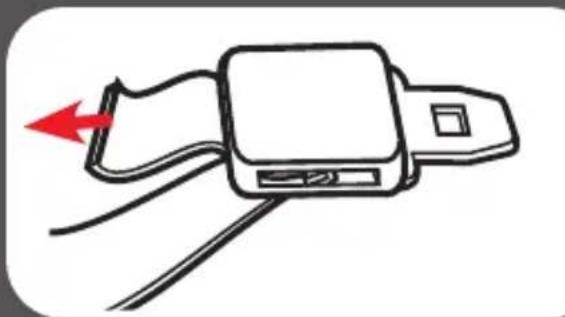
Route the vehicle seat belt through the proper belt path and buckle it in. Pull the vehicle seat belt tight. While pushing down on seat, pinch the two straps together behind the buckle tongue. Unbuckle the belt without allowing it to slip.
Attach locking clip to lap and shoulder belts as shown.
Buckle belt. Check that lap belt does not move by pulling hard. If belt loosens or lengthens, repeat procedure.
Lap Belt Installation
Always review your vehicle owner's manual for specific information about your vehicle seat belts.
Locking Latch Plate and No Retractor
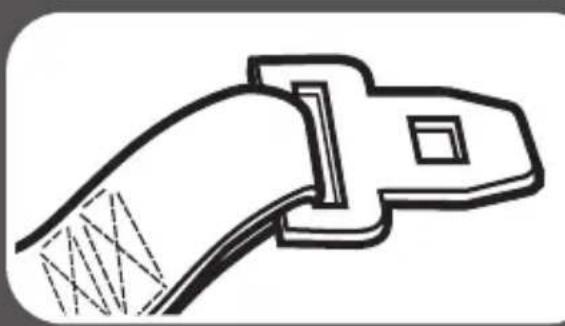
When installing the car seat, route the lap seat belt through the proper path and buckle it in. Then, pull upwards on the tail of the belt so that the lap belt gets tight around the car seat.
Sewn On Latch Plate and ALR Retractor
Slowly pull the lap belt all the way out. Route the vehicle seat lap belt through the proper belt path and buckle it in. Then, pull the lap belt tight while feeding all the slack back into the retractor.
natural_image
Illustration of a wristwatch with a red arrow indicating motion (no text or symbols)Grab the sides of the seat at the belt path and slide side to side and front to back. The base or seat should not move more than 1" (2.5 cm).
natural_image
Line drawing of a handheld device with a handle and cable (no text or symbols)Grab the sides of the seat at the belt path and slide side to side and front to back. The base or seat should not move more than 1" (2.5 cm).
Information


[NO TEXT]
Accessories
7-A Accessories (on select models)
WARNING!
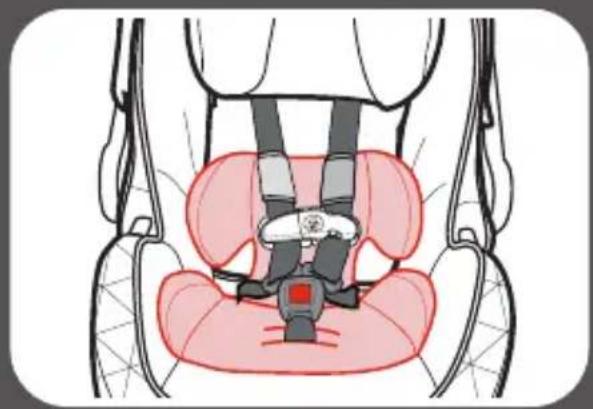
To prevent ejection in sudden stop or crash: The body support can ONLY be used for infants 12 lb (5 kg) or less.
natural_image
Anatomical illustration of a bicycle seatbelt system (no text or labels)Body Support
To remove, pull the body support out from behind the harness straps.
natural_image
Illustration of a car seatbelt with red straps and a blue 'SP' button (no text or symbols)Harness Covers
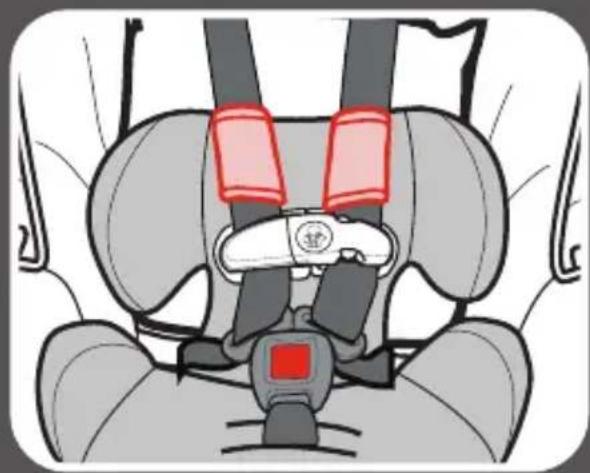
Make sure that harness covers do not interfere with the placement of the chest clip at armpit level.
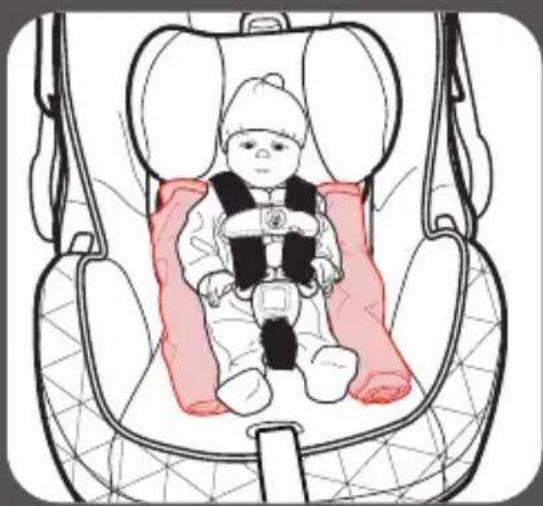
If your model does not include a body support, you can use a rolled towel as shown.
natural_image
Illustration of a baby in a baby car seat with red straps and black covers (no text or symbols)
Accessories
↓
8-A Cleaning Seat Pad

text_image
8 Care & Cleaning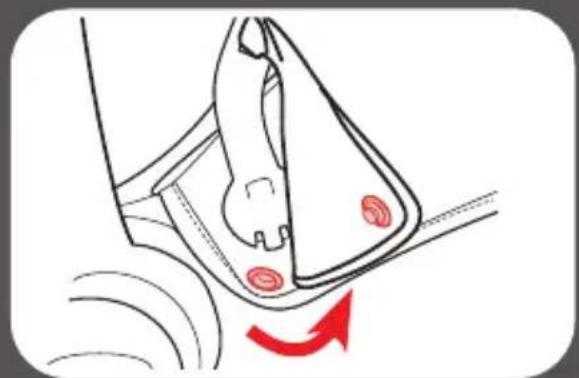
natural_image
Diagram of a car's seatbelt mechanism with red arrows indicating clockwise motion (no text or symbols)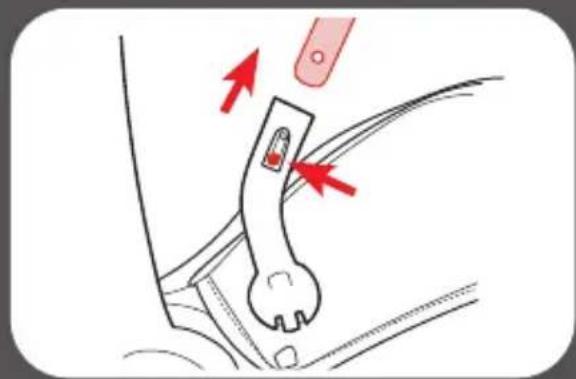
natural_image
Diagram of a car seatbelt buckle with red arrows indicating movement or force (no text or symbols)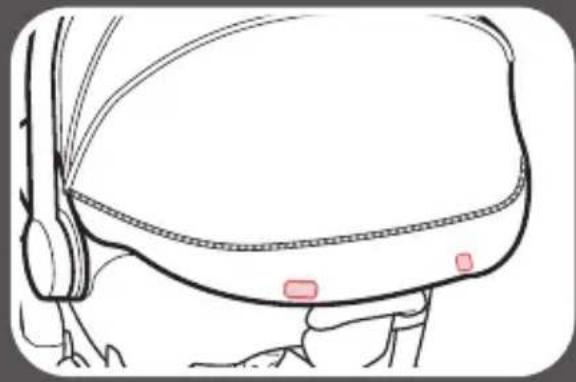
natural_image
Line drawing of a helmet with earphones and straps (no text or symbols)1. Remove Canopy
Undo the snaps on the sides of the canopy from the seat pad.
Push the release button on the canopy arm while pulling on the canopy to remove.
Repeat on the other side.
Undo the fastening strips under the rear of the canopy.
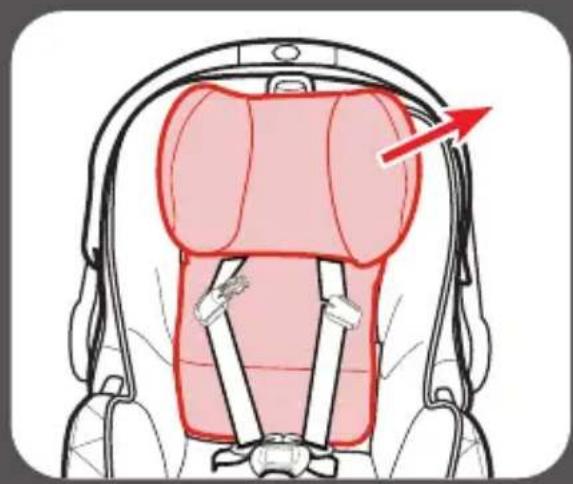
2. Headrest Pad
Pull out from around harness straps and pull pad away from headrest.
3. Seat Pad Snaps
Unfasten the 4 snaps on the seat pad.
4. Pull Out the 4 Plastic Flaps from Sides of Seat
natural_image
Diagram of a car seatbelt seat with red highlighted areas and an arrow indicating direction (no text or symbols)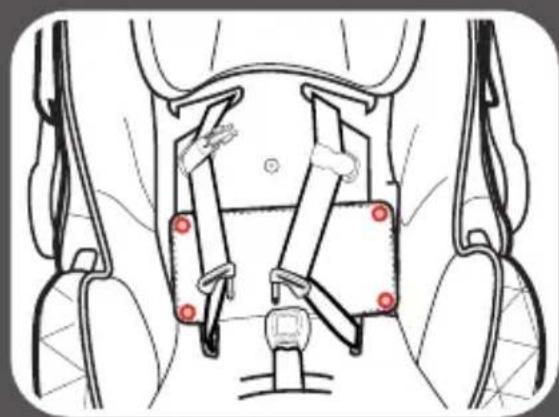
natural_image
Technical line drawing of a mechanical assembly with no visible text or symbols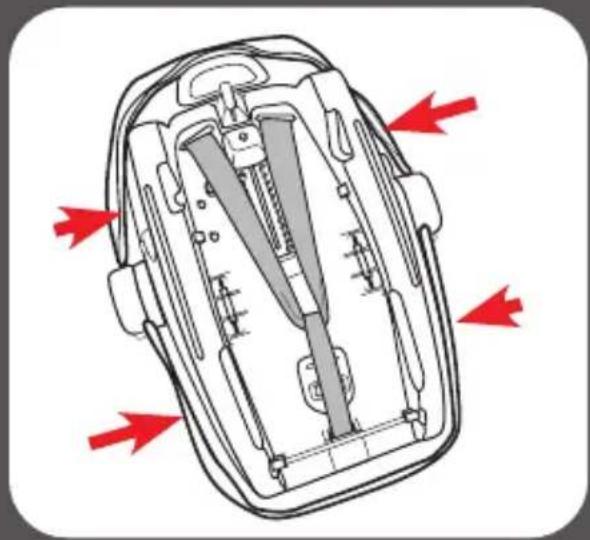
natural_image
Cross-sectional diagram of a device showing internal components and red directional arrows indicating flow or movement (no text or symbols)75

& Cleaning
8 Care
text_image
8 Care & Cleaning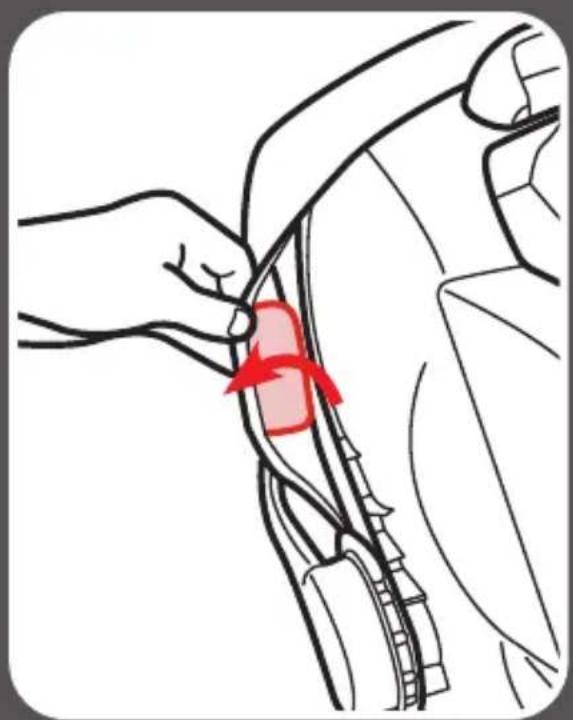
natural_image
Illustration of a hand holding a tool near a car body, with a red arrow indicating a specific area (no text or symbols present)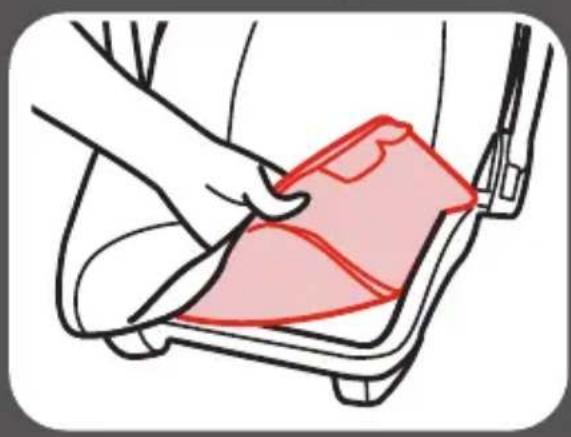
natural_image
Illustration of a hand placing a red object into a vehicle seat frame (no text or symbols)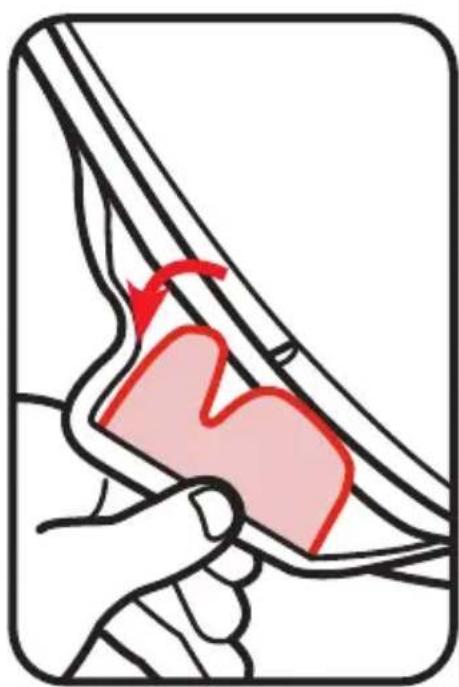
natural_image
Illustration of a hand holding a small object with a red outline, no text or symbols present- Pull Pad Off Shell
Machine wash pad and canopy in cold water with gentle soap on delicate cycle and drip-dry. DO NOT USE BLEACH. Be sure zipper is closed when washing the canopy.
Reverse the steps to reattach the pad to the shell. Make sure harness straps are not twisted.
8-B Cleaning Buckle
Remove Buckle to Clean
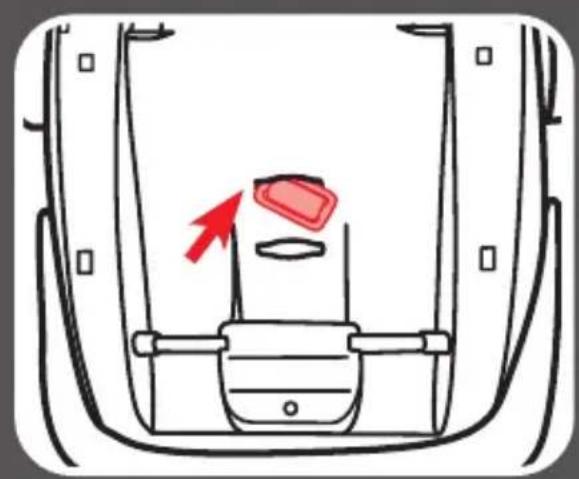
From the bottom of car seat, insert the buckle's metal clip up through shell and pad. From the front, pull buckle out of the pad and shell.
To clean, place in a cup of warm water and gently agitate the buckle. Press the red button several times while in the water.
DO NOT SUBMERGE THE BUCKLE
STRAP. DO NOT USE SOAPS, HOUSEHOLD DETERGENTS or LUBRICANTS.
natural_image
Diagram of a car seatbelt with a red arrow pointing to the seat area (no text or symbols)
natural_image
Illustration of a hand adjusting a red car seatbelt buckle (no text or symbols present)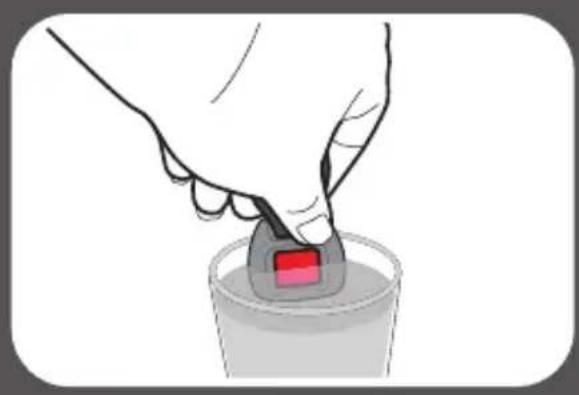
natural_image
Illustration of a hand pressing a red square on a glass cup (no text or symbols)
text_image
8 Care & Cleaning
text_image
8 Care & Cleaning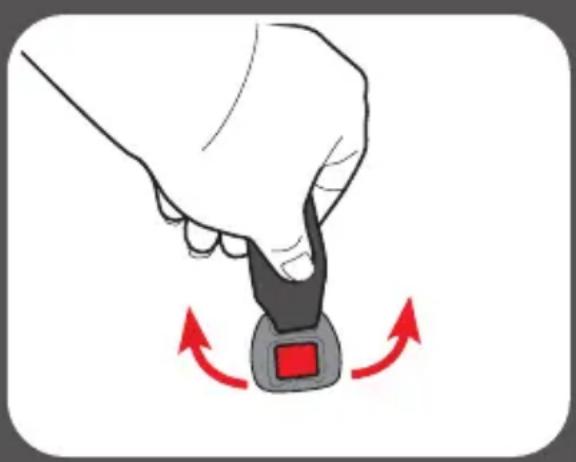
natural_image
Illustration of a hand holding a small red square button with red curved arrows indicating rotation (no text or symbols)Shake out excess water and allow to air dry. Repeat steps as needed until it fastens with a click. Re-insert the buckle into the same slot it was removed. Pull up on crotch buckle to make sure it is secured.
WARNING! Inspect and clean buckle from time to time to remove any objects or debris that could prevent latching.
8-C Cleaning Harness and Lower Anchor Attachment
Surface wash only with mild soap and damp cloth. DO NOT IMMERSE THE HARNESS STRAPS or LOWER ANCHOR ATTACHMENT STRAP IN WATER. Doing so may weaken the straps.
If harness straps or lower anchor attachment strap are frayed or heavily soiled, contact Customer Service at www.gracobaby.com or 1-800-345-4109.
& Cleaning
8 Care
Replacement Parts
To purchase parts or accessories in the United States, please contact us at the following:
www.gracobaby.com
or 1-800-345-4109