
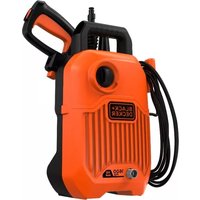
BW17 - Pressure washer BLACK & DECKER - Free user manual and instructions
Find the device manual for free BW17 BLACK & DECKER in PDF.


| Type | High Pressure Washer |
| Model | BW17 |
| Power | 1700 W (1.7 kW) at 220 V~50 Hz; 1600 W at 120 V~60 Hz |
| Max Pressure | 13 MPa (130 bar) / 1885 PSI |
| Working Pressure | 9 MPa (90 bar) |
| Working Flow | 5.3 l/min (220 V) / 5 l/min (120 V) |
| Max Flow | 7 l/min (220 V) / 6.5 l/min (120 V) |
| Max Input Water Temperature | 50 °C |
| Motor Protection Class | IPX5 |
| Sound Pressure Level (L_PA) | 78.8 dB(A) (K=3 dB(A)) |
| Sound Power Level (L_WA) | 93 dB(A) (K=3 dB(A)) |
| Vibration Level | < 2.5 m/s² |
| Weight | 6.7 kg |
| Power Supply Voltage | 220 V~50 Hz or 120 V~60 Hz (depending on region) |
| Safety Features | Safety catch on gun, pressure limiting valve, overload cutout, TSS automatic cut-off (in some models) |
| Included Accessories | Lance, gun with safety catch, high-pressure hose, adjustable nozzle, rotating nozzle, water filter, detergent kit, nozzle cleaning tool |
| Maintenance | Clean nozzle and filter regularly; use non-corrosive antifreeze for storage; lubricate o-rings |
| Warranty | Contact local BLACK+DECKER service center for details |
Frequently Asked Questions - BW17 BLACK & DECKER
User questions about BW17 BLACK & DECKER
0 question about this device. Answer the ones you know or ask your own.
Ask a new question about this device
Download the instructions for your Pressure washer in PDF format for free! Find your manual BW17 - BLACK & DECKER and take your electronic device back in hand. On this page are published all the documents necessary for the use of your device. BW17 by BLACK & DECKER.
USER MANUAL BW17 BLACK & DECKER
natural_image
Line drawing of a black and Becker electric water heater device (no text or symbols visible)BW13

natural_image
Line drawing of a black-and-white portable device with wheels and control panel (no text or symbols)BW14, BW15
natural_image
Line drawing of a black Becker portable radio with control panel and fan (no text or symbols)BW16

natural_image
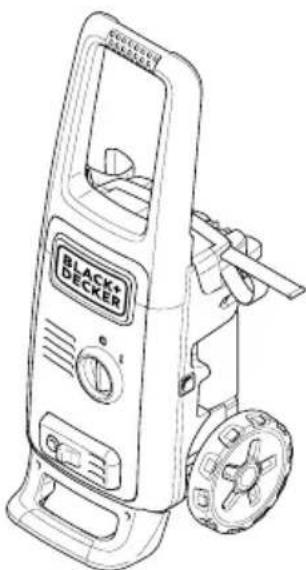
Line drawing of a black-and-white portable device with wheels and control panel (no text or symbols)BW17
Español 7
Português 16
English 26
INSTRUCCIONES ORIGINALES INSTRUÇÕES ORIGINAIS ORIGINAL INSTRUCTIONS
WARNING: READ INSTRUCTIONS MANUAL BEFORE USING PRODUCT.
FIG. A

Note: The diagrams are for reference, the product may change in appearance or specifications without notice.
BW13


natural_image
Technical line drawing of a mechanical bracket assembly with no visible text or symbols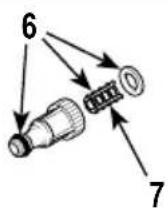


natural_image
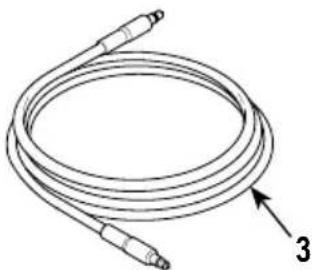
Line drawing of a coiled cable with two connectors and a label pointing to the number 3 (no text or symbols on the cable itself)

BW13,
BW14,
BW15

BW16, BW17

FIG. B
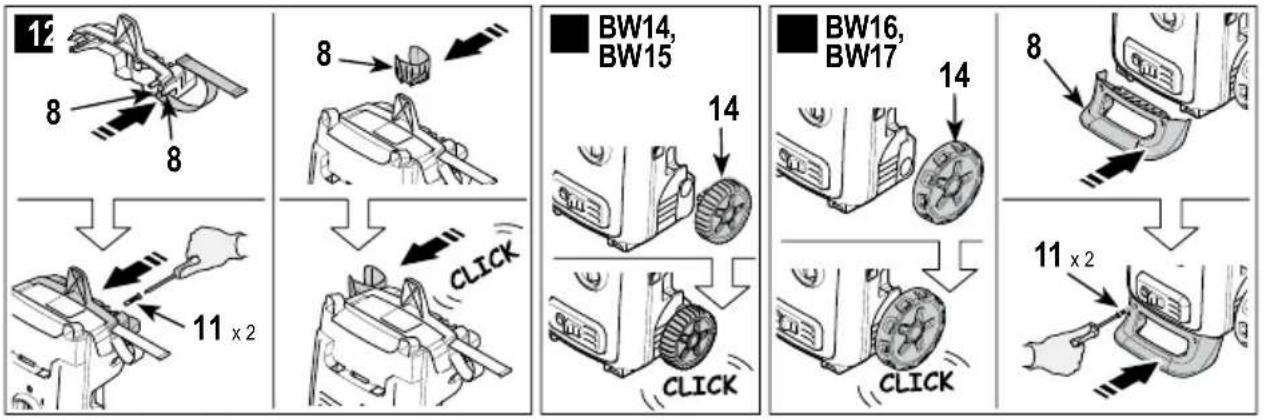


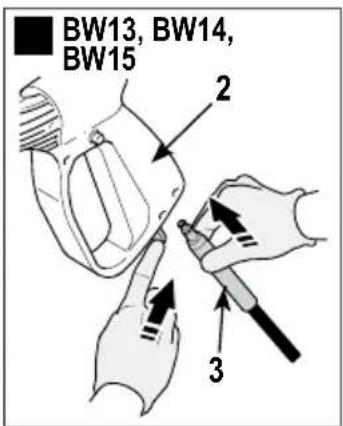


FIG. C
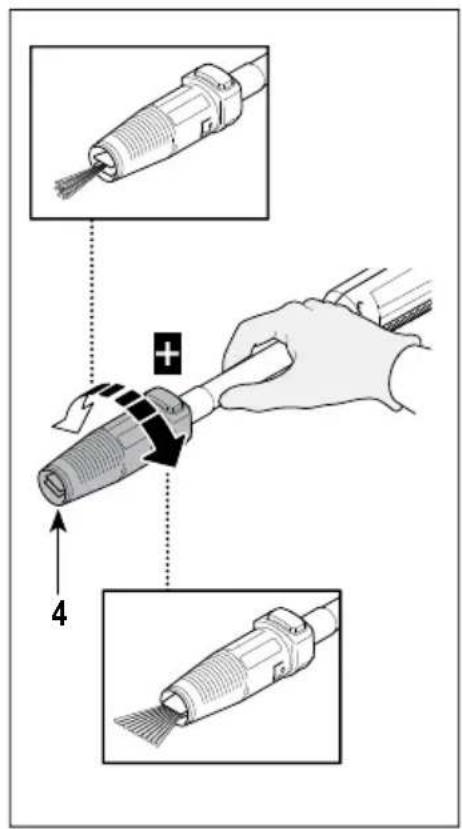
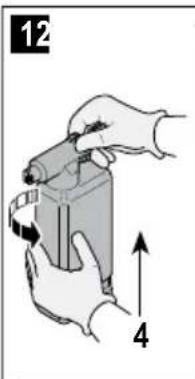
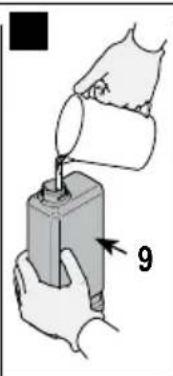
natural_image
Illustration of a hand pouring liquid into a battery with an arrow indicating direction (no text or symbols)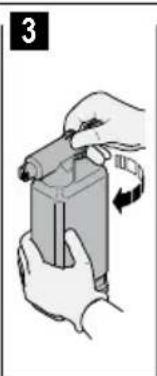
natural_image
Illustration of hands holding a mechanical component with a rotating arrow (no text or symbols)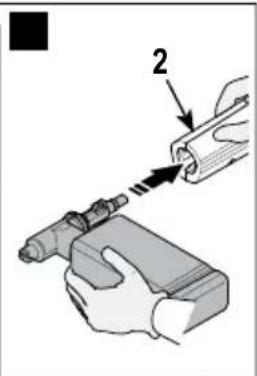
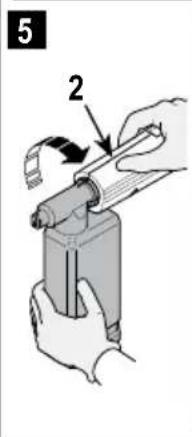

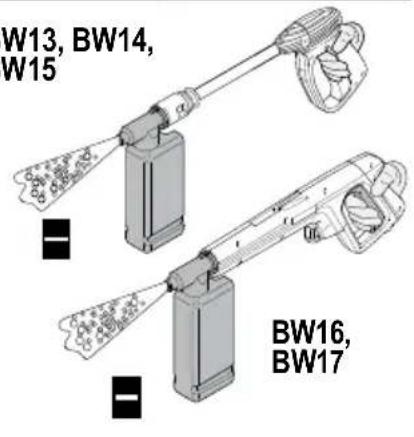
FIG. D

natural_image
Silhouette of a person spraying water with a large bag nearby (no text or symbols)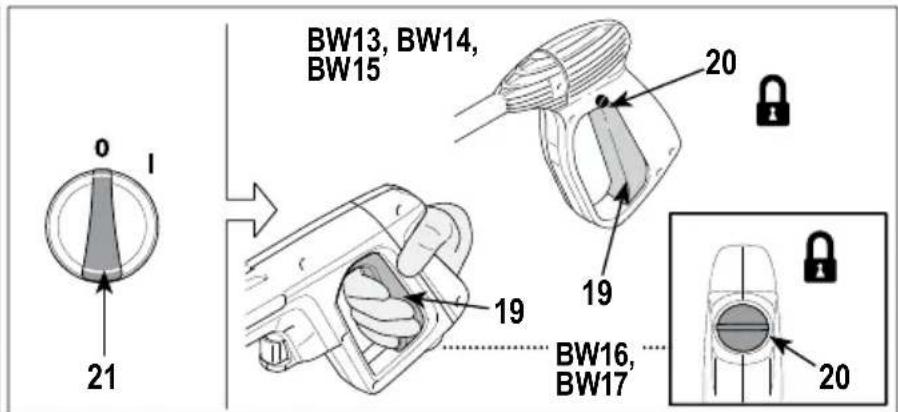


FIG. E


natural_image
Technical illustration of a car seatbelt device with attached cable and belt, showing a close-up view of the belt (no text or symbols present)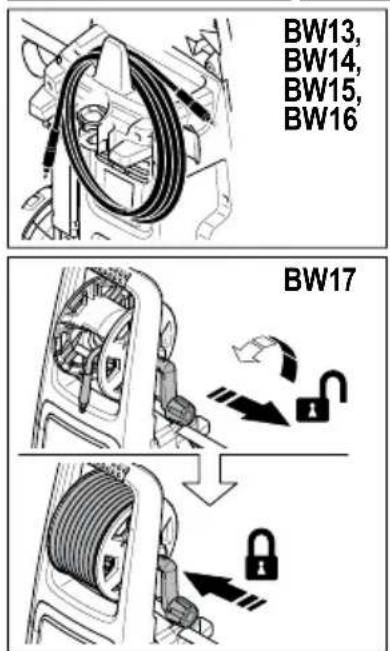
natural_image
Technical line drawing of a water purifier or scrubber assembly (no text or symbols visible)
DO NOT RETURN THIS PRODUCT TO THE STORE, first contact your local BLACK+DECKER office or nearest authorized service center.
SAVE THESE INSTRUCTIONS
The appliance you have purchased is a technologically advanced product designed by one of the leading manufacturers of high pressure pumps. To obtain the best performance from your unit, read this booklet carefully and follow the instructions each time you use it. We congratulate you on your choice and wish you successful operation.
GENERAL SAFETY RULES

SAFETY INSTRUCTIONS
General power tool safety warnings.
Warning! Read all safety warnings and
all instructions. Failure to follow the warnings and instructions listed below may result in electric shock, fire and/or serious injury.
Save all warnings and instructions for future reference. The term in all of the warnings listed below refers to your mains operated (corded) power tool or battery operated (cordless) power tool.
- Safety "Must Nots"
a. Explosion or poisoning hazard. Do not use the appliance with inammable or toxic liquids, or any products which are not compatible with the correct operation of the appliance.
b. Injury hazard. Do not direct the water jet towards people or animals.
c. Electric shock hazard. Do not direct the water jet towards the unit itself, electrical parts or towards other electrical equipment
d. Short circuit hazard. Do not use the appliance outdoors in case of rain.
e. Injury hazard. This machine is not intended for use by persons (including children) with reduced physical, sensory or mental capabilities, or lack of experience and knowledge. Children should be supervised to ensure that they do not play with the appliance.
f. Electric shock hazard. Do not touch the plug and/or socket with wet hands.
g. Electric shock and short circuit hazard. Do not use the appliance if the electrical cable is damaged.
h. Explosion hazard. Do not use the appliance if the high pressure hose is damaged.
i. Accident hazard. Do not jam the trigger in the operating position.
j. Accident hazard. Check that the data plates are axed to the appliance, if not, inform your dealer. Units without plates must not be used as they are
unidentiable and potentially dangerous.
k. Explosion hazard. Do not tamper with or alter the calibration of the safety valve.
I. Hazardous alteration of operating performance. Do not alter the original diameter of the spray head nozzle.
m. Accident hazard. Do not leave the appliance unattended.
n. Short circuit hazard. Do not move the appliance by pulling on the electrical cable.
o. Make sure that cars do not drive over the high pressure hose.
- Safety "Musts"
a. Short circuit hazard. All electrical conductors must be protected against the water jet.
b. Electric shock hazard. The appliance must only be connected to an adequate power supply in compliance with all applicable regulations.
▶ Use of a safety residual current circuit-breaker (R.C.C.B.) will provide additional protection for the operator (30mA).
c. Injury hazard. The high pressure may cause materials to bounce of surfaces at speed; therefore protective clothing and safety goggles, safety boots, safety gloves, safety helmets with visors, hearing protection must be worn.
d. Accidental start-up hazard. Before doing work on the appliance, remove the plug.
e. Injury hazard. Before pressing the trigger, grip the gun firmly to counteract the recoil.
f. Contamination hazard. Comply with the requirements of the local water supply company. According to DIN 1988, the appliance may only be connected to the mains drinking water supply if a backow preventer valve with drain facility is installed in the supply hose. Water that has flowed through backflow preventers is considered to be non-potable.
g. Accident hazard. Maintenance and/or repair of electrical components must be carried out by qualified and Authorized BLACK+DECKER staff for the warranty to take effect. If the supply cord is damaged, it must be replaced by the manufacturer, an Authorized BLACK+DECKER service centre or an equally qualified person in order to avoid a hazard. If the supply cord is replaced by an equally qualified person, but not Authorized by BLACK+DECKER, the warranty will lose effect.
h. Injury hazard. Discharge residual pressure before disconnecting the unit hose.
i. Accident hazard. Before using the appliance, check every time that the screws are fully tightened and that there are no broken or worn parts.
j. Explosion and electric shock hazard. Only use detergents which will not corrode the coating materials of the high pressure hose/electrical cable.
k. Injury hazard. Ensure that all people or animals keep a minimum distance of 16yd. (15M) away.
3. Improper use
▶ Use by unskilled persons or those who have not read and understood the instructions in the manual is forbidden.
The equipment is not designed to be used by people (including children) with physical, sensory or mental capabilities reduced or no experience or knowledge, unless they are supervised or instructed in the use by a person responsible for their safety.
▶ It will be monitored to ensure that children do not play with the appliance.
▶ The introduction of inflammable, explosive and toxic liquids into the appliance is prohibited.
▶ Use of the appliance in a potentially inflammable or explosive atmosphere is forbidden.
▶ The use of non-original spare parts and any other spare parts not specifically intended for the model in question is prohibited.
⚠ Warning! All modifications to the appliance are prohibited. Any modifications made to the appliance shall render the Declaration of Conformity null and void and relieve the manufacturer of all liability under civil and criminal law.
⚠ Warning! Inadequate extension cords can be dangerous. If an extension cord is used, it shall be suitable for outdoor use, and the connection has to be kept dry and off the ground. It is recommended that this is accomplished by means of a cord reel which keeps the socket at least 60mm above the ground.
⚠ Warning! This machine has been designed for use with the cleaning agent supplied or recommended by the manufacturer. The use of other cleaning agents or chemicals may adversely affect the safety of the machine.
⚠ Warning! High pressure jets can be dangerous if subject to misuse. The jet must not be directed at persons, live electrical equipment or the machine itself.
⚠ Warning! Do not use the machine within range of persons unless they wear protective clothing.
⚠ Warning! Do not direct the jet against yourself or others in order to clean clothes or foot-wear.
⚠ Warning! Risk of explosion – Do not spray flammable liquids.
⚠ Warning! High pressure cleaners shall not be used by children or untrained personnel.
⚠ Warning! High pressure hoses, fittings and couplings are important for the safety of the machine. Use only hoses, fittings and couplings recommended by the manufacturer.
⚠ Warning! To ensure machine safety, use only original spare parts from the manufacturer or approved by the manufacturer.
⚠ Warning! Water that has flowed through backflow preventers is considered to be nonpotable.
⚠ Warning! Do not use the machine if a supply cord or important parts of the machine are damaged, e.g. safety devices, high pressure hoses, trigger gun.
⚠ Warning! Incorrect fuels shall not be used as they may prove hazardous.
⚠ Warning! Do not use near people except that they use protective clothing.
⚠ Warning! Hearing protection must be used when using this equipment.
4. Service
a. Have your power tool serviced by a qualified repair person using only identical replacement parts. This will ensure that the safety of the power tool is maintained.
5. Electrical safety

Your tool is double insulated; therefore no earth wire is required. Always check that the main voltage corresponds to the voltage on the rating plate.

Warning! If the power cord is damaged, it must be replaced by the manufacturer, authorized BLACK+DECKER Service Center or an equally qualified person in order to avoid damage or injury. If the power cord is replaced by an equally qualified person, but not authorized by BLACK+DECKER, the warranty will not be valid.
⚠ Warning! Always switch off the mains disconnecting switch when leaving the machine unattended.
6. Labels on tool
The label on your tool may include the following symbols:

Read instructions manual

Explosion hazard

Danger of being beaten by objects that bounce

Poisoning hazard

Electric shock and short circuit hazard

Use eye protection

Injury hazard

Short circuit hazard

Wear proper clothing

..... Class II Construction
V ..... Volts
W ...... Watts

... Safety Alert Symbol
A ..... Amperes
min ..... minutes
Hz ..... Hertz
\~ ..... Alternating Current

Danger sign, warns users not to direct the water jet at people, animals, elec- trical equipment or the product itself.

Not connect to potable water.
⚠ Warning! Safety signs. Comply with the instructions provided by the safety signs ted to the appliance. Check that they are present and legible; otherwise, replacements in the original positions.
TECHNICAL INFORMATION
ENVISAGED USE
This appliance has been designed for individual use for the cleaning of vehicles, machines, boats, masonry, etc, to remove stubborn dirt using clean water and biodegradable chemical detergents.
Vehicle engines may be washed only if the dirty water is disposed of as per regulations in force.
▶ Intake water temperature: See data plate on the appliance.
▶ Intake water pressure: Below 10 bar.
▶ Operating ambient temperature: Above 0 °C.
The machine complies with the IEC.
OPERATOR
The symbol on the front cover identifies the appliance's intended operator (professional or non-professional).
MAIN COMPONENTS (Fig. A)
The machine is delivered partially disassembled in a carton.
- Lance
- Gun with safety catch
- High pressure hose
- Nozzle
- Rotating nozzle
- Adapter
- Water filter
- Brackets
- Detergent kit
- Nozzle cleaning tool
- Screws
- Electric cable with plug
- Handle
- Wheels
- Lever
- Hose reel
Caution! Safety devices:
▶ Starter device (21): The starter device prevents accidental use of the appliance.
Do not tamper with or adjust the safety valve setting.
▶ Safety valve and/or pressure limiting valve:
The safety valve is also a pressure limiting valve. When the gun trigger is released, the valve opens and the water recirculates through the pump inlet or is discharged onto the ground.
▶ Thermostat valve (where fitted):
If the water temperature exceeds the temperature set by the manufacturer, the thermostat valve discharges the hot water and draws in an amount of cold water equal to the amount of water discharged, until the correct temperature is restored.
▶ Safety catch (20): Prevents accidental spraying of water
▶ Overload cutout: stops the appliance in case of overload.
INSTALLATION (Fig. B) ASSEMBLY
⚠ Caution! All installation and assembly operations must be performed with the appliance disconnected from the mains power supply.
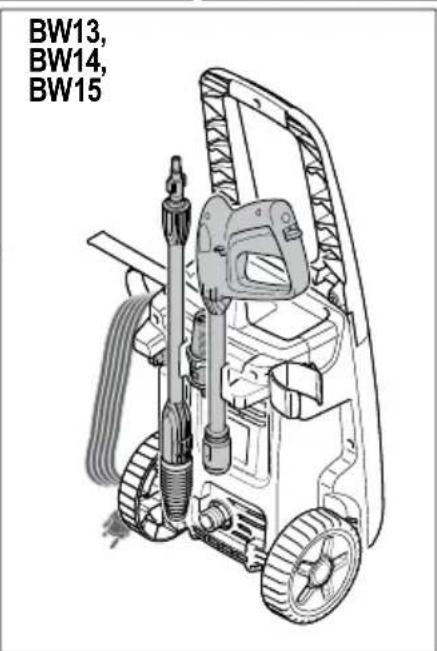
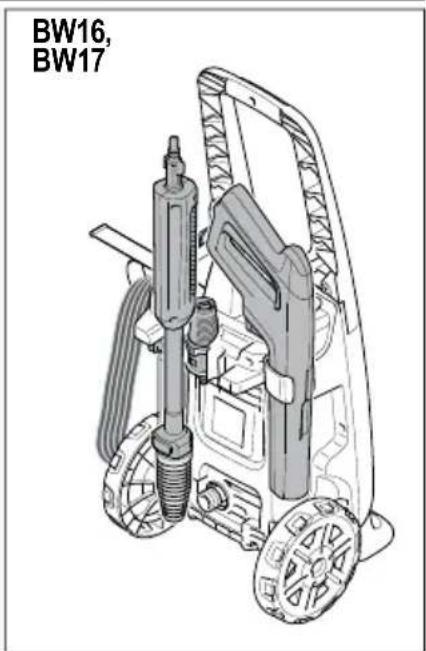
The assembly sequence is illustrated in Fig. B.
Assembling the rotating nozzle
The rotating nozzle kit delivers greater washing power. Use of the rotating nozzle may cause of reduction in pressure of 25% compared to the pressure obtained with the adjustable nozzle. However, the rotating nozzle kit delivers greater washing power due to the rotation of the water jet.
Electrical connection
Caution! Check that the electrical supply voltage and frequency (V/Hz) correspond to those on the appliance data plate (Fig. B8).
The appliance should only be connected to a mains power supply equipped with an adequate earth connection and a differential security breaker (30mA) to cut off the electricity supply in the instance of a short circuit.
Use of extension cables: Use cables featuring "IPX5" protection level. The cross-section of the extension cable should be proportionate to its length; the longer it is, the greater its cross-section should be.
Water supply connection
⚠ Caution! Only clean or filtered water should be used for intake. The delivery of the water intake tap should be equal to that of pump capacity. Place the appliance as close to the water supply system as possible.
Connection points:
● Water outlet (OUTLET)
■ Water inlet with filter (INLET)
Connection to the mains water supply
The appliance can be connected directly to the mains drinking water supply only if the supply hose is fitted with a backflow preventer valve as per current regulations in force. Make sure that the hose is at least ∅ 13mm and that it is reinforced.
ADJUSTMENT INFORMATION (Fig. C)
▶ Adjusting the spray nozzle: Water flow is adjusted by regulating the nozzle (4).
▶ Adjusting the detergent: To deliver detergent at the correct pressure, set the nozzle (4) (where fitted) on “” fit the detergent kit (9) as shown.
▶ Adjusting the pressur: The regulator is used to adjust the working pressure. The pressure is shown on the pressure gauge (where fitted).
USE OF THE APPLIANCE (Fig. D) CONTROLS
Starter device (21)
Set the starter switch on (ON/I) to:
a) start the motor (in models without TSS device);
b) set the motor ready to start (in models with TSS device). If there is a pilot light on the starter device, it should light up. Set the starter device switch on (OFF/0) to stop the appliance. If there is a pilot light on the starter device, it should go out.
▶ Water jet control lever (19).
⚠ Warning! - Danger!
During operation the appliance must be positioned as shown in Fig. D. on a firm, stable surface.
Start-up (Fig D)
- Turn on the water supply tap fully.
- Release the safety catch (20).
- Depress the gun trigger for a few seconds and start up the appliance using the starter device (ON/I).
⚠ Warning! - Danger!
Before starting up the appliance check that it is receiving water correctly; use of the appliance without water will damage it. Do not cover the ventilation grilles when the appliance is in use.
TSS models - In TSS models
(with automatic delivery flow cut-off system):
▶ when the gun trigger is released the dynamic pressure automatically cuts out the motor;
▶ when the gun trigger is depressed the automatic drop in pressure starts the motor and the pressure is restored after a very slight delay;
▶ if the TSS is to function correctly, all gun trigger releasing and depressing operations must be at least 4-5 seconds apart.
To prevent damage to the appliance, do not allow it to operate dry and check that it is properly supplied with water. For models without TSS, to prevent damage to the appliance due to an increase in water temperature, do not cut off the jet of water for more than 5 minutes with the appliance running. Beware of kickback force when opening the trigger gun.
Stopping the appliance
- Set the starter device switch on (OFF/0).
- Depress the gun trigger and discharge the residual pressure inside the hoses.
- Engage the gun safety catch (20).
Restarting
- Release the safety catch (20).
- Depress the gun trigger and discharge the residual air inside the hoses.
- Set the starter device on (ON/I).
Storage
- Switch the appliance off (OFF/0).
- Remove the plug from the socket.
- Turn off the water supply tap.
- Discharge the residual pressure from the gun until all the water has come out of the nozzle.
- Drain and wash out the detergent tank at the end of the working session. To wash out the tank, use clean water instead of the detergent.
- Engage the gun safety catch (20).
Recommended cleaning procedure
Dissolve dirt by applying the detergent mixed with water to the surface while still dry.
When dealing with vertical surfaces work from the bottom upwards. Leave the detergent to act for 1-2 minute but do not allow the surface to dry. Starting from the bottom, use the high pressure jet at a minimum distance of 30 cm. Do not allow the rinse water to run onto unwashed surfaces. In some cases, scrubbing with brushes is needed to remove dirt. High pressure is not always the best solution for good cleaning results, since it may damage some surfaces. The finest adjustable nozzle jet setting or the rotating nozzle should not be used on delicate or painted parts, or on pressurised components (e.g. tyres, inflation valves, etc.). Effective cleaning depends on both the pressure and volume of the water used, to the same degree.
MAINTENANCE (Fig. E)
Any maintenance operations not covered by this chapter should be carried out by an Authorized Sales and Service Centre.
▲ Important! To ensure product SAFETY and RELIABILITY, repairs, maintenance and adjustment (other than those listed in this manual) should be performed by authorized service centers or other qualified organizations, always using identical replacement parts. Unit contains no user service able parts inside.
Caution! Always disconnect the plug from the power socket before carrying out any work on the appliance.
Cleaning the nozzle
- Disconnect the lance from the nozzle.
- Remove any dirt deposits from the nozzle hole using the tool (10).
Cleaning the filter
Inspect the intake filter (7) and detergent filter (if fitted) before each use, and clean in accordance with the instructions if necessary.
Unjamming the motor (On models with this feature)
In case of lengthy stoppages, limescale sediments may cause the motor to seize. To unjam the motor, turn the drive shaft with a tool.
End-of-season storage
Treat the appliance with non-corrosive, non-toxic antifreeze and lubricate the o-rings using the lubricating grease tube (where supplied) as shown before storing it away for winter. Put the appliance in a dry place, protected from frost.
PROTECTING THE ENVIRONMENT

Separate collection. This product must not be disposed of with normal household waste. Should you find one day that your BLACK+DECKER product needs replacement, or if it is of no further use to you, do not dispose of it with household waste. Make this product available for separate collection.

Separate collection of used products and packaging allows materials to be recycled and used again. Re-use of recycled materials helps prevent environmental pollution and reduces the demand for raw materials. Local regulations may provide for separate collection of electrical products from the household, at municipal waste sites or by the retailer when you purchase a new product.
SERVICE INFORMATION
BLACK+DECKER offers a full network of company-owned and authorized service locations. All BLACK+DECKER Service Centers are staffed with trained personnel to provide customers with efficient and reliable power tool service. For more information about our authorized service centers and if you need technical advice, repair, or genuine factory replacement parts, contact the BLACK+DECKER location nearest you, or visit us at www.BlackandDecker-la.com
SPECIFICATIONS BW13
| AR, B2C 220 V~ 50 Hz B3 | 120 V~ 60 Hz B2 220 V~ 60 Hz BR 127 V~ 60 Hz | |||
| Power | 1300W (1,3 kW) | 1200W (1,2 kW) | 1300W (1,3 kW) | 1200W (1,2 kW) |
| Working Flow 5 l/min 5 l/min 5 l/min 5 l/min | ||||
| Max water Flow | 6,5 l/min | 6,5 l/min | 6,5 l/min | 6,5 l/min |
| Pressure | 6,7 MPa (67 bar) | 6,7 MPa (67 bar) | 6,7 MPa (67 bar) | 6,7 MPa (67 bar) |
| Maximum Pressure | 10 MPa (100 bar) | 10 MPa (100 bar) | 10 MPa (100 bar) | 10 MPa (100 bar) |
| PSI | 1450 | 1450 | 1450 | 1450 |
| T° Input | 50 °C | 50 °C | 50 °C | 50 °C |
| Maximum Input Pressure | 1 MPa | 1 MPa | 1 MPa | 1 MPa |
| Repulsive Force of the Gun to the Maximum Pressure | 9,6 N | 9,6 N | 9,6 N | 9,6 N |
| Motor Insulation | Class F | Class F | Class F | Class F |
| Motor Protection | IPX5 | IPX5 | IPX5 | IPX5 |
| Sound Level K=3 dB(A): | ||||
| L_PA (EN 60704-1) | 75,1 dB(A) | 75,1 dB(A) | 75,1 dB(A) | 75,1 dB(A) |
| L_WA (EN 60704-1) | 89 dB(A) | 89 dB(A) | 89 dB(A) | 89 dB(A) |
| Unit Vibrations (K=1 m/s2) | <2,5 m/s2 | <2,5 m/s2 | <2,5 m/s2 | <2,5 m/s2 |
| Weight | 4,6 kg 4,6 kg 4,6 kg 4,6 kg | |||
SPECIFICATIONS BW14
| AR, B2C 220 V~ 50 Hz B3 | 120 V~ 60 Hz B2 220 V~ 60 Hz BR 127 V~ 60 Hz | |||
| Power | 1400W (1,4 kW) | 1300W (1,3 kW) | 1400W (1,4 kW) | 1300W (1,3 kW) |
| Working Flow 5 l/min 5 l/min 5 l/min 5 l/min | ||||
| Max water Flow | 6,5 l/min | 6,5 l/min | 6,5 l/min | 6,5 l/min |
| Pressure | 7,4 MPa (74 bar) | 7,4 MPa (74 bar) | 7,4 MPa (74 bar) | 7,4 MPa (74 bar) |
| Maximum Pressure | 11 MPa (110 bar) | 11 MPa (110 bar) | 11 MPa (110 bar) | 11 MPa (110 bar) |
| PSI | 1595 | 1595 | 1595 | 1595 |
| T° Input | 50 °C | 50 °C | 50 °C | 50 °C |
| Maximum Input Pressure | 1 MPa | 1 MPa | 1 MPa | 1 MPa |
| Repulsive Force of the Gun to the Maximum Pressure | 10,1 N | 10,1 N | 10,1 N | 10,1 N |
| Motor Insulation | Class F | Class F | Class F | Class F |
| Motor Protection | IPX5 | IPX5 | IPX5 | IPX5 |
| Sound Level K=3 dB(A): | ||||
| L_PA (EN 60704-1) | 75,8 dB(A) | 75,8 dB(A) | 75,8 dB(A) | 75,8 dB(A) |
| L_WA (EN 60704-1) | 90 dB(A) | 90 dB(A) | 90 dB(A) | 90 dB(A) |
| Unit Vibrations (K=1 m/s2) | <2,5 m/s2 | <2,5 m/s2 | <2,5 m/s2 | <2,5 m/s2 |
| Weight | 4,9 kg 4,9 kg 4,9 kg 4,9 kg | |||
SPECIFICATIONS BW15
| AR, B2C 220 V~ 50 Hz B3 | 120 V~ 60 Hz B2 220 V~ 60 Hz BR 127 V~ 60 Hz | |||
| Power 1500W (1,5 kW) 1400W (1,4 kW) 1500W (1,5 kW) 1400W (1,4 kW) | ||||
| Working Flow 5 l/min 5 l/min 5 l/min 5 l/min | ||||
| Max water Flow 6,5 l/min 6,5 l/min 6,5 l/min | ||||
| Pressure | 8 MPa (80 bar) | 8 MPa (80 bar) | 8 MPa (80 bar) | 8 MPa (80 bar) |
| Maximum Pressure | 12 MPa (120 bar) | 12 MPa (120 bar) | 12 MPa (120 bar) | 12 MPa (120 bar) |
| PSI | 1740 | 1740 | 1740 | 1740 |
| T° Input | 50 °C | 50 °C | 50 °C | 50 °C |
| Maximum Input Pressure | 1 MPa | 1 MPa | 1 MPa | 1 MPa |
| Repulsive Force of the Gun to the Maximum Pressure | 10,5 N | 10,5 N | 10,5 N | 10,5 N |
| Motor Insulation | Class F | Class F | Class F | Class F |
| Motor Protection | IPX5 | IPX5 | IPX5 | IPX5 |
| Sound Level K=3 dB(A): | ||||
| L_PA (EN 60704-1) | 75,8 dB(A) | 75,8 dB(A) | 75,8 dB(A) | 75,8 dB(A) |
| L_WA (EN 60704-1) | 90 dB(A) | 90 dB(A) | 90 dB(A) | 90 dB(A) |
| Unit Vibrations (K=1 m/s2) | <2,5 m/s2 | <2,5 m/s2 | <2,5 m/s2 | <2,5 m/s2 |
| Weight | 4,9 kg 4,9 kg 4,9 kg 4,9 kg | |||
SPECIFICATIONS BW16
| AR, B2C 220 V~ 50 Hz B3 | 120 V~ 60 Hz B2 220 V~ 60 Hz BR 127 V~ 60 Hz | |||
| Power 1600W (1,6 kW) 1500W | 1,5 kW) 1600W (1,6 kW) 1500W (1,5 kW) | |||
| Working Flow | 5,3 l/min | 5 l/min | 5,3 l/min | 5 l/min |
| Max water Flow | 7 l/min | 6,5 l/min | 7 l/min | 6,5 l/min |
| Pressure | 8,5 MPa (85 bar) | 8,5 MPa (85 bar) | 8,5 MPa (85 bar) | 8,5 MPa (85 bar) |
| Maximum Pressure | 12,5 MPa (125 bar) | 12,5 MPa (125 bar) | 12,5 MPa (125 bar) | 12,5 MPa (125 bar) |
| PSI | 1813 | 1813 1813 | 1813 | |
| T° Input | 50 °C | 50 °C | 50 °C | 50 °C |
| Maximum Input Pressure | 1 MPa | 1 MPa | 1 MPa | 1 MPa |
| Repulsive Force of the Gun to the Maximum Pressure | 11,6 N | 10,9 N | 11,6 N | 10,9 N |
| Motor Insulation | Class F | Class F | Class F | Class F |
| Motor Protection | IPX5 | IPX5 | IPX5 | IPX5 |
| Sound Level K=3 dB(A): | ||||
| L_PA (EN 60704-1) | 77,6 dB(A) | 77,6 dB(A) | 77,6 dB(A) | 77,6 dB(A) |
| L_WA (EN 60704-1) | 92 dB(A) | 92 dB(A) | 92 dB(A) | 92 dB(A) |
| Unit Vibrations (K=1 m/s2) | <2,5 m/s2 | <2,5 m/s2 | <2,5 m/s2 | <2,5 m/s2 |
| Weight | 5,5 kg | 5,5 kg | 5,5 kg | 5,5 kg |
SPECIFICATIONS
BW17
| AR, B2C 220 V~50 Hz | B3 120 V~60 Hz | B2 220 V~60 Hz | BR 127 V~60 Hz | |
| Power | 1700W (1,7 kW) | 1600W (1,6 kW) | 1700W (1,7 kW) | 1600W (1,6 kW) |
| Working Flow | 5,3 l/min | 5 l/min | 5,3 l/min | 5 l/min |
| Max water Flow | 7 l/min | 6,5 l/min | 7 l/min | 6,5 l/min |
| Pressure | 9 MPa (90 bar) | 9 MPa (90 bar) | 9 MPa (90 bar) | 9 MPa (90 bar) |
| Maximum Pressure | 13 MPa (130 bar) | 13 MPa (130 bar) | 13 MPa (130 bar) | 13 MPa (130 bar) |
| PSI | 1885 | 1885 1885 | 1885 | |
| T° Input | 50 °C | 50 °C | 50 °C | 50 °C |
| Maximum Input Pressure | 1 MPa | 1 MPa | 1 MPa | 1 MPa |
| Repulsive Force of the Gun to the Maximum Pressure | 11,9 N | 11,2 N | 11,9 N | 11,2 N |
| Motor Insulation | Class F | Class F | Class F | Class F |
| Motor Protection | IPX5 | IPX5 | IPX5 | IPX5 |
| Sound Level K=3 dB(A): | ||||
| L_PA (EN 60704-1) | 78,8 dB(A) | 78,8 dB(A) | 78,8 dB(A) | 78,8 dB(A) |
| L_WA (EN 60704-1) | 93 dB(A) | 93 dB(A) | 93 dB(A) | 93 dB(A) |
| Unit Vibrations (K=1 m/s2) | <2,5 m/s2 | <2,5 m/s2 | <2,5 m/s2 | <2,5 m/s2 |
| Weight | 6,7 kg | 6,7 kg | 6,7 kg | 6,7 kg |
Problem Possible Causes Solution
| Pump does not reach working pressure | Nozzle worn Replace nozzle | |
| Water filter fouled Clean filter (7) (Fig. E) | ||
| Insufficient water supply Turn on water supply tap fully | ||
| Air being sucked into system Check tightness of hose fittings | ||
| Air in pump | Switch off the appliance and keep depressing and releasing the gun trigger until the water comes out in a steady flow. Switch the appliance back on again. | |
| Adjustable nozzle not positioned correctly | Set nozzle (4) (+) setting (Fig. C) | |
| Thermostatic valve tripped | Wait for correct water temperature to be restored | |
| Water being sucked from an open container from a height of more than 0.5 m. | Reduce the suction height. | |
| Pump pressure drops during suddenly use | Water being sucked from an external tank Connect appliance to the mains water supply | |
| Inlet water too hot Reduce temperature | ||
| Nozzle clogged Clean nozzle (Fig. E) | ||
| Inlet filter (7) fouled | Clean filter (7) (Fig. E) | |
| Motor “buzzes” but fails to start | Power supply voltage too low | Check that the voltage of the mains power supply line is the same as that on the plate (Fig. B) |
| Voltage drop due use of extension cable Check characteristics of extension cable | ||
| Appliance not used for a long period of time | Contact your nearest Authorised Service Centre | |
| Problems with TSS device Contact your nearest Authorised Service Centre | ||
| Motor fails to start | No electrical power | Check that the plug is firmly in the socket and that the mains voltage supply is present (*) |
| Problems with TSS device | Contact your nearest Authorised Service Centre | |
| Appliance not used for a long period of time | Using the tool unjam the motor through the hole at the rear of the appliance (in models with this feature) | |
| Water leakages | Seals worn | Have the seals replaced at your nearest Authorised Service Centre |
| Safety valve tripped and discharging Contact an Authorised Service Centre | ||
| Appliance noisy | Water too hot | Reduce temperature (see technical data) |
| Oil leakages Seals worn | Contact your nearest Authorised Service Centre | |
| TSS versions only: appliance starts even with gun trigger released | High pressure system or pump circuit not watertight | Contact your nearest Authorised Service Centre |
| TSS versions only: no water delivery when gun trigger is depressed (with supply hose connected) | Nozzle clogged Clean nozzle (Fig. E) | |
| No detergent sucked in | Adjustable nozzle on high pressure setting | Set nozzle (4) on «■» setting (Fig. C) |
| Detergent too dense Dilute with water | ||
| High pressure hose extension being used | Fit original hose | |
| Deposits or restriction in detergent circuit | Flush with clean water and eliminate any restrictions. If the problem persists, contact an Authorised Service Centre | |
| Water escapes from thermo-stat valve | Water temperature inside pump head has exceeded max. rated value stated on nameplate | With appliance in operation, do not stop the water jet for more than 5 minutes at a time |
* If the motor starts and does not restart during operation, wait 2-3 minutes before repeating the start-up procedure (overload cutout has been tripped).
If the problem recurs more than once, contact your nearest Authorized Service Centre.
Buenos Aires (B1618FBQ)
CNPJ: 53.296.273/0001-91
Insc. Est.: 701.948.711.00-98
S.A.C.: 0800-703-4644
Solamente para propósitos de Colombia


- INSTRUCCIONES ORIGINALES INSTRUÇÕES ORIGINAIS ORIGINAL INSTRUCTIONS
- SAVE THESE INSTRUCTIONS
- GENERAL SAFETY RULES
- SAFETY INSTRUCTIONS
- General power tool safety warnings.
- Improper use
- Service
- Electrical safety
- Labels on tool
- TECHNICAL INFORMATION
- ENVISAGED USE
- OPERATOR
- MAIN COMPONENTS (Fig. A)
- INSTALLATION (Fig. B) ASSEMBLY
- Assembling the rotating nozzle
- Electrical connection
- Water supply connection
- Connection points:
- Connection to the mains water supply
- ADJUSTMENT INFORMATION (Fig. C)
- USE OF THE APPLIANCE (Fig. D) CONTROLS
- Starter device (21)
- ⚠ Warning! - Danger!
- Start-up (Fig D)
- TSS models - In TSS models
- Stopping the appliance
- Restarting
- Storage
- Recommended cleaning procedure
- MAINTENANCE (Fig. E)
- Cleaning the nozzle
- Cleaning the filter
- Unjamming the motor (On models with this feature)
- End-of-season storage
- PROTECTING THE ENVIRONMENT
- SERVICE INFORMATION
Brand : BLACK & DECKER
Model : BW17
Category : Pressure washer