
ERB 21711 XE - Fridge ECG - Free user manual and instructions
Find the device manual for free ERB 21711 XE ECG in PDF.


| Product Type | Fridge-Freezer |
| Brand | ECG |
| Model | ERB 21711 XE |
| Refrigerant | R600a (isobutane) |
| Climate Class | SN, N, ST, T |
| Thermostat Control | Electronic with LED indication |
| Super Freeze Mode | Yes |
| Defrost Type (Fridge) | Automatic |
| Defrost Type (Freezer) | Manual |
| Interior Lighting | LED |
| Door Reversible | Yes |
| Adjustable Feet | Yes (front) |
| Condenser Cleaning | Brush annually |
| Storage Compartments | Refrigerator shelves, vegetable drawer, door bins, freezer drawer/cover |
| Cooling Power Range | MIN to MAX |
| Power Supply | 220-240 V ~50 Hz |
| Safety Features | Child safety warnings, flammable refrigerant caution |
| Spare Parts Availability | 7 years (EU 2019/2019) |
| Warranty | 24 months |
| Noise Level | Normal operation: bubbling sounds from coolant |
Frequently Asked Questions - ERB 21711 XE ECG
User questions about ERB 21711 XE ECG
0 question about this device. Answer the ones you know or ask your own.
Ask a new question about this device
Download the instructions for your Fridge in PDF format for free! Find your manual ERB 21711 XE - ECG and take your electronic device back in hand. On this page are published all the documents necessary for the use of your device. ERB 21711 XE by ECG.
USER MANUAL ERB 21711 XE ECG
Read carefully and save for future use!
Warning: The safety measures and instructions, contained in this manual, do not include all conditions and situations possible. The user must understand that common sense, caution and care are factors that cannot be integrated into any product. Therefore, these factors shall be ensured by the user/s using and operating this appliance. We are not liable for damage caused during transportation, improper use, voltage fluctuation or any change or modification of any part of the appliance. To protect against a risk of fire or electric shock, basic precautions shall be taken while using electrical appliances, including the following:
- Make sure the voltage in your outlet corresponds to the voltage provided on the appliance label and that the socket is properly grounded. The outlet must be installed in accordance with applicable electrical codes according to EN.
- Do not operate the device if the cord is damaged. All repairs or adjustments including cord replacements shall be performed by a professional service centre! Do not remove the protective covers from the appliance; there is a risk of electric shock!
- Protect the appliance against direct contact with water and other liquids, to prevent potential electric shock. Do not immerse cord or plug in water!
- Do not use the appliance in humid environments or in areas where there may be gas leakage or contact with an explosive atmosphere. Do not touch the cord or the device with wet hands. Risk of electric shock.
- The power cord must remain accessible once the device is installed. Do not shorten the cable and do not use splitters in electric outlets. Do not allow the cord to touch hot surfaces or place the cord over sharp edges.
- Do not switch the appliance on or off by plugging in or pulling out the power supply plug. Do not remove the power cord from the
outlet by yanking the cord. Unplug the power cord from the outlet by grasping the plug.
- Do not insert any objects into the device or place any objects on the device (e.g. vases, cups, etc.). Never cover the ventilation openings!
- Do not use other electrical appliances or freezing equipment in the appliance.
- If this appliance is replacing an old appliance with a lock, make the lock of the old appliance inoperational to prevent children from locking themselves inside (e.g. when playing).
- Do not use mechanical devices or other artificial means to speed up defrosting. Do not use electrical appliances in the food storage area. Protect the cooling circuit of the appliance against damage.
- Do not allow children to play with the appliance. Also, they may not sit on the shelves and hang on the door of the appliance.
- Do not use sharp metal objects to remove ice in the refrigerator, as they can damage the freezing circuits and cause irreparable damage to the equipment. If necessary, use a plastic scraper.
- Do not store explosive materials such as sprays with propellant in the appliance.
- Do not place containers (glass bottles or cans) with liquids in the freezer. The container could burst.
- Bottles containing liquids with high alcohol content must be properly closed and placed vertically when stored.
- Do not expose the appliance to direct sunlight, do not use it outside and do not expose it to rain.
- Do not touch the cooling surfaces with wet hands. Risk of injury.
- Do not consume the ice removed from the freezer.
- This appliance is designed for domestic use and for use in similar places, such as:
- Kitchenettes in shops, offices and other workplaces
- appliances used by guests in hotels, motels and other residential areas.
- appliances used in bed and breakfast residences
- This appliance may be used by children under 8 years of age and older and persons with reduced physical, sensory or mental capabilities or lack of experience and knowledge if supervised or instructed to use the appliance in a safe manner and understand the potential hazards. Children shall not play with the appliance. User cleaning and maintenance must not be performed by unsupervised children.
- Children aged 3 to 8 years can insert and remove food from refrigerating appliances.
- Child supervision is essential to prevent them from playing with the appliance.
- The manufacturer is not liable for any damage caused by improper grounding/use.
- WARNING: Keep ventilation openings, in the appliance enclosure or in the built-in structure, clear of obstruction.
- WARNING: Do not use mechanical devices or other means to accelerate the defrosting process, other than those recommended by the manufacturer.
- WARNING: Do not use electrical appliances inside the food storage compartments of the appliance, unless they are of the type recommended by the manufacturer.
- WARNING: Do not damage the refrigerant circuit.
- WARNING: When positioning the appliance, ensure the supply cord is not trapped or damaged.
- WARNING: Do not locate multiple portable socket-outlets or portable power supplies at the rear of the appliance.
To prevent food contamination, please follow these recommendations:
- Opening the door for a long time can cause a significant increase in the temperature inside the appliance.
- Regularly clean surfaces and accessible drainage systems that may come into contact with food.
- Clean water containers if not used for 48 h; flush the water system connected to the water supply if the water has not flowed for 5 days.
- Store raw meat and fish in the refrigerator in suitable containers so that they do not come into contact with or drip into other foodstuffs.
- Two-star freezing compartments are suitable for storing pre-frozen food, storing or making ice cream and making ice cubes.
- One-, two- and three-star compartments are not suitable for freezing fresh food.
- If the refrigerating appliance is left empty for a long time, turn it off, defrost, clean, dry and leave the door open to prevent mold formation inside the appliance.
RISK OF FIRE!
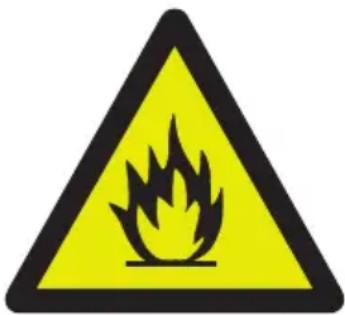
WARNING: RISK OF FIRE/FLAMMABLE MATERIALS
This appliance contains R600a (isobutane coolant), natural (natural) gas that is very environmentally friendly but flammable. When transporting and installing the appliance it is necessary to ensure that none of the parts of the cooling circuit is damaged. In case of damage limit the flame and ventilate for several minutes the space where the appliance is located.
The cooling system contains high-pressure coolant. Do not manipulate the system. It must only be repaired by a qualified person.
When replacing the interior lighting of the refrigerator, always unplug the refrigerator - otherwise there is a risk of electric shock. • If the replacement of the interior lighting is too complicated for you, contact your service representative. • If the products are equipped with LEDs, do not remove the lighting cover and LED yourself. – contact your service representatives.
REPLACING THE LED BULB: Do not remove the indicator cover or indicator yourself when the internal or external LEDs no longer operate. Contact the service representatives.
The description and information of the appliance may vary according to the type of model. This appliance is not intended for use as a built-in appliance.
DESCRIPTION
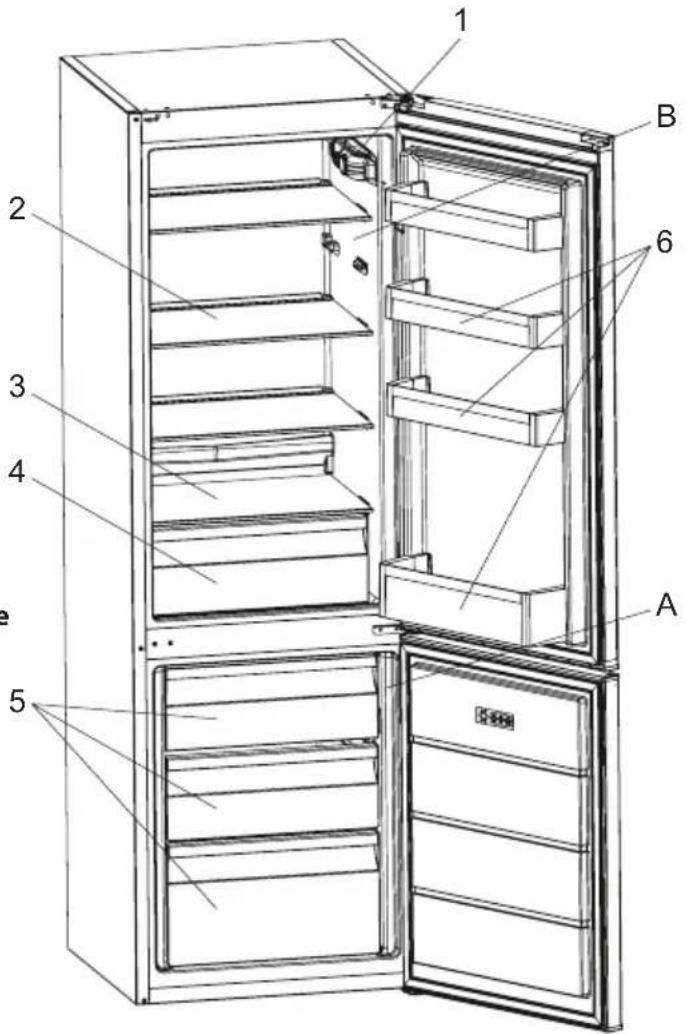
This description only applies to information regarding the components for the appliance. Individual parts may differ according to the particular appliance model.
A) Freezer
B) Refrigerator
- Thermostat (on the right side)
- Refrigerator shelves
- Cover of storage space for fresh vegetables and fruits
- Drawer for storing fresh fruit and vegetables
- Freezer drawer / Tilting cover
- Door compartments
* differs according to the specific model of the appliance – see information sheet
INSTALLING AND TURNING ON THE APPLIANCE
- You can contact the service technicians to install and turn on the device properly.
- Before connecting the electricity, make sure that the voltage stated on the label corresponds to the voltage in the socket / voltage for the electricity system in the building.
- The outlet must be accessible after installing the appliance.
Installing the device
- Place the refrigerator away from any sources of heat and in a well-ventilated position. The refrigerator should be located a minimum of 50 ~cm away from radiators, gas stoves and other heat sources, and 5 ~cm away from electric stoves.
- Leave free space of minimum 15 cm above the appliance.
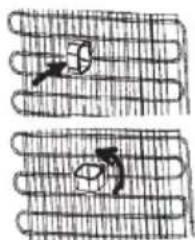
- Connect the plastic spacer to the condenser on the rear wall of the refrigerator to prevent the refrigerator from leaning against the wall and thereby reduce its power.
- Do not place heavy items on the refrigerator.
natural_image
Two abstract diagrams showing curved lines with internal shapes, no text or symbols present- If the appliance is installed beside another refrigerator or freezer, keep a minimum distance of 2 cm to prevent vapour condensation.
- The refrigerator must stand firmly in a horizontal position. Use the two adjustable front feet for levelling.
Door reversal
The procedure may vary from model to model.
-
Power off the refrigerator, and remove all articles from the door trays.
-
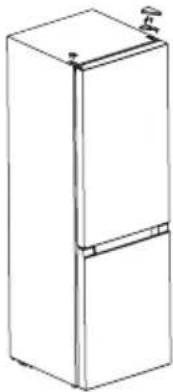
Remove the top hinge cover, then remove the top hinge screws, top hinge ,and hole cap which is fixed on another side.
natural_image
Line drawing of a two-tier refrigerator with lid and frontrest (no text or symbols)- Remove the refrigerating door, the middle hinge and the hole caps.
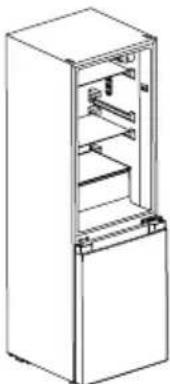
natural_image
Line drawing of a refrigerator with open door and side shelves (no text or symbols)-
Remove the freezer door, remove the bottom hinge, and adjustable foot on another side.
-
Exchange the fixed position of the adjustable foot and the bottom hinge, then fix them again.
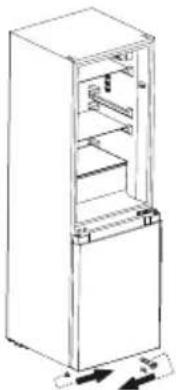
natural_image
Line drawing of a refrigerator with open doors and internal shelves, showing no text or symbols-
Remove the screws and stoppers which are fixed on the bottom cover of the refrigerating door and the freezer door.
-
Take out two stoppers from the attached palstic bag, fix the stoppers with screws on another side of the bottom cover of the refrigerating door and the freezer door.
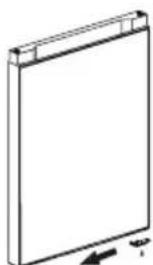
natural_image
Simple line drawing of a rectangular frame with a handle and arrow at the bottom (no text or symbols)-
Place the freezer door from top to bottom, take out the spacer from the attached plastic bag and put it on the axle hole of another side of the freezer door.
-
Fix the middle hinge with screws and install 2 hole caps.
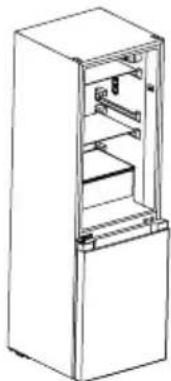
natural_image
Line drawing of a refrigerator with open door and side shelves (no text or symbols)- Put the refrigerating door on the middle hinge, assemble the top hinge on another side, fix the hinge cover on the top hinge and fix hole cap, as below pictures shows.
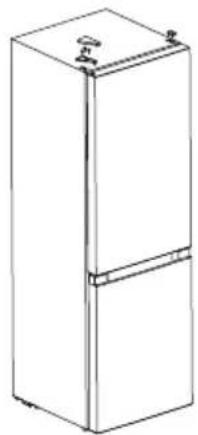
natural_image
Line drawing of a two-door refrigerator with lid and side-mounted buttons (no text or symbols)Leveling feet
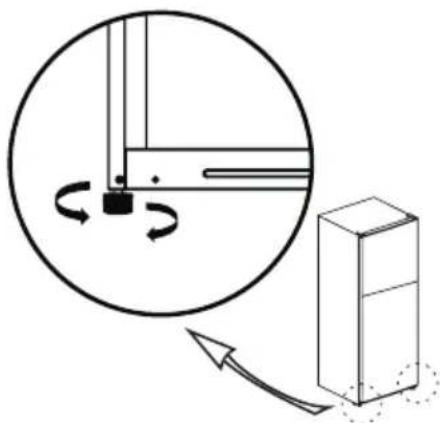
Before operation of accessories, it shall be ensured that the refrigerator is disconnected from power. Before adjusting the leveling feet, precautions shall be taken to prevent any personal injury.
- Turn the feet clockwise to raise the refrigerator.
- Turn the feet counterclockwise to lower the refrigerator.
- Adjust the right and left feet based on the procedures above to a horizontal level.
natural_image
Diagram showing a mechanical assembly with rotating components and a 3D box, no text or symbols presentTRANSPORT AND RELOCATION
Transport and relocation
- Store the original packaging and foam polystyrene (PS) if they are needed.
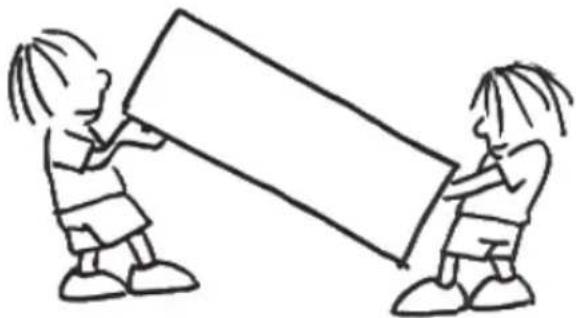
- When transporting the appliance, secure with a wide strap or strong rope and follow the instructions on the package.
- Before transport or relocation secure or remove all movable items (i.e. shelves, drawer for fresh fruit and vegetables...).
natural_image
Simple line drawing of two children playing a board game (no text or symbols)Before switching on
• Leave the product to rest for at least 3 hours from the time it was transported to your home.
- You may detect a slight odour when you first switch it on. This odour will disappear once the appliance starts to cool.
VARIOUS FUNCTIONS AND OPTIONS
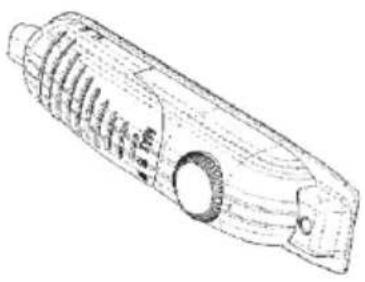
Setting of the thermostat (models ERB 21801 WE and ERB 21701 WE)
natural_image
Line drawing of a handheld electronic device with a button and ventilation slots (no text or symbols)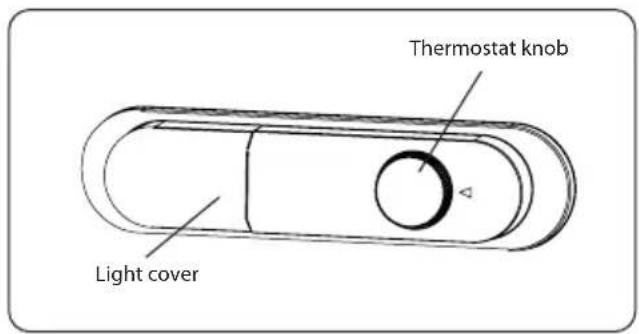
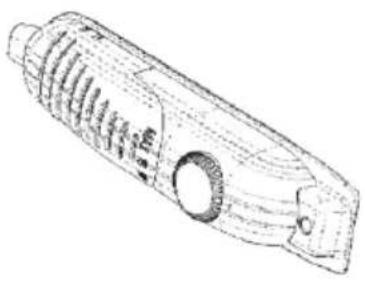
The thermostat automatically regulates the temperature inside the cooler and freezer compartments. Refrigerator temperatures can be obtained by rotating the knob to higher numbers: 1 to 3, 1 to 5 or SF (maximum numbers on the thermostat depends on your product).
Thermostat settings:
1-2: For short-term storage of food
3-4: For long-term storage of food
5: Maximum cooling position. The appliance will work longer. If required, change the temperature setting.
Super Freeze\*
Turn the knob to SF to freeze fresh food quickly. In this position, the freezer compartment will operate at lower temperatures. After your food freezes, turn the thermostat knob to its normal use position. If you do not change the SF position, your appliance work will automatically return to its last used thermostat position according to the time indicated in the note. Return the thermostat switch to the SF position and return it to normal use according to the time indicated in the note. If the thermostat switch is in the SF position when your appliance is first started, your appliance work will automatically return to the operation in the thermostat 3 position according to the time indicated in the note. The super mode will be cancel automatically after max 48 hours.
* differs according to the specific model of the appliance – see information sheet
Control panel

Temperature settings
Use the SETTING button to set the temperature in the refrigerator. After each press, the temperature setting is changed in the sequence 6^ 4^ 3^ 2^ 6^ . Once set, the corresponding LED indicator lights up to show the set temperature.
Super Freeze mode
To activate Super Freeze mode, press and hold the SETTING button for at least 3 seconds. You can also turn off Super Freeze mode in the same way.
Fault signalling
The temperature setting LEDs indicate any malfunctions when the refrigerator is switched on. The meaning of the indicators in the event of a fault is as follows:
LED 6 °C Ambient temperature sensor failure.
LED 3 °C Defrost sensor failure.
LED 2 °C Refrigerator temperature sensor circuit fault.
Temperature control
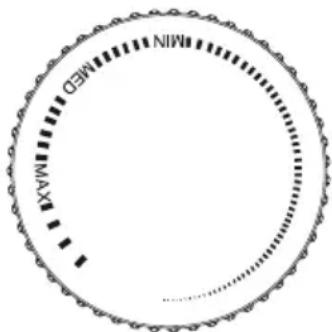
- The temperature control knob is used to adjust the cooling power.
- If you turn the control knob towards the MAX position, the temperature in the refrigerator will decrease.
- If you turn the control knob towards the MIN position, the temperature in the refrigerator will increase.
- Please keep the cooling power setting between the MAX and MIN marks.
Turn on the appliance
- On first switch-on, the appliance should be operated continuously for at least 24 hours until it has cooled to a sufficient temperature.
- During this time do not open the door too often. Fill the appliance with foods.
- If you turn off or unplug the appliance, wait at least 5 minutes before restarting or turning it on to avoid damage to the compressor.
- Your refrigerator is designed to operate at the ambient temperature specified in standards according to the climatic class indicated on the rating plate. We do not recommend operating the refrigerator in an environment that is not within the stated range due to effect on its efficiency.
Climate classes and their description: see information sheet
T (tropical): This refrigerator is intended for use at ambient temperatures between 16 °C and 43 °C. ST (subtropical): This refrigerator is intended for use at ambient temperatures between 16 °C and 38 °C. N (normal): This refrigerator is intended for use at ambient temperatures between 16 °C and 32 °C. SN (subnormal): This refrigerator is intended for use at ambient temperatures between 10 °C and 32 °C.
| Climatic classes Surrounding | |
| T 16 up to 43°C | |
| ST 16 up to 38°C | |
| N 16 up to 32°C | |
| SN 10 up to 32°C |
STORING FOOD
Cooling compartment
- To reduce moisture and subsequent ice build-up, never put liquid into the refrigerator in unsealed containers. Frost tends to concentrate in the coolest parts of the evaporator. Storing uncovered liquids results in a more frequent need for defrosting.
- Never put warm foods in the refrigerator. These should first cool down at room temperature and then be placed so as to ensure adequate air circulation in the refrigerator.
- Foods or food containers should not touch the back wall of the refrigerator because they could freeze to the wall. Do not keep regularly opening the door of the refrigerator.
- Meat and clean fish (packed in a package or plastic foil) can be placed in the refrigerator, which can be used in 1–2 days.
• Fruit and vegetables without packaging can be placed in the part designated for fresh fruit and vegetables. -
Under normal operating conditions, it is sufficient to adjust the temperature of the refrigerator to +4^ .
-
The temperature of the cooling compartment should be in the range of 0–8 °C, fresh foods are frozen and rotten at temperatures below 0 °C, and bacteria increase and food spoils at temperatures above 8 °C.
- Do not refrigerate hot foods, let them cool to room temperature. Hot foods increase the temperature of the refrigerator and can cause food poisoning or unnecessary food spoilage.
- Meat, fish and similar foods should be stored in chiller and vegetables in the vegetable compartment (if applicable).
- Do not store meat products with fruit and vegetables to avoid cross-contamination.
- Food in a refrigerator should be stored in closed containers or other suitable packaging so as not to release odours and moisture into the refrigerator.
Freezer compartment
- The freezer is designated for the storage of food frozen at very low temperature, long-term storage of frozen food, and for the production of ice.
- Only use the shelves in the door of the freezer to store frozen food, not for storing hot food designated for freezing.
- Do not put fresh and frozen food next to each other. The frozen food may thaw.
- When freezing fresh food (such as meat, fish or chopped meat), cut them into parts that can be used at the same time.
- Storing frozen food: instructions are usually stated on the packages, which must be followed. If there is no information on the packaging, food should not be stored for longer than three months from the date of purchase.
- When purchasing frozen food, make sure that it was frozen at a suitable temperature and that the packaging is not damaged.
- Frozen food should be kept in suitable packages to retain the quality and should be returned to the freezer compartment as soon as possible.
- If a package of frozen food shows moisture or abnormal bulging, it is probable that it was stored at the wrong temperature and the content is spoiled.
- The storage period for frozen food depends on the room temperature, the thermostat setting, the frequency of opening the door of the freezer, the type of food and the time of transporting the product from the shop to the household. Always follow the instructions printed on the packaging and never exceed the maximum storage time stated on the package.
• To achieve the ideal appliance efficiency and maximum freezing capacity, set the refrigerator to 4^ C for 24 hours before placing fresh food in the freezer. - Usually, changing the setting to 2°C for 24 hours is sufficient when fresh food is placed in the freezer. You can lower the setting if necessary after 24 hours.
CLEANING AND MAINTENANCE
- Before cleaning, disconnect the appliance from the electricity socket.
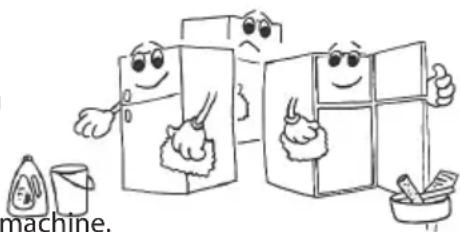
- Do not clean the appliance with water.
- The refrigerator and the freezer should be periodically cleaned using water solution and edible soda.
- Clean accessories separately using soapy water. Do not use a washing machine.
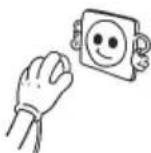
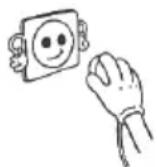
- Do not use abrasive products, detergents, and soaps. After washing, rinse with clean water and dry thoroughly. After cleaning, use dry hands to plug the appliance into the electricity socket.
natural_image
Cartoon illustration of two smiling refrigerator models and a coffee cup, with no text or symbols present.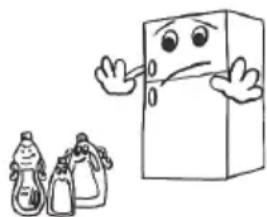
natural_image
Cartoon illustration of a smiling rectangular character and two smaller bottles (no text or symbols)- Clean the condenser (the back part of the appliance) using a brush a minimum of once a year. This will increase productivity and save energy.
Recommendation
If you are not using the appliance for a long time (for example during summer holidays), disconnect the refrigerator from the power supply, clean it and leave the door open. This will prevent the origination of mould and odour.
Defrosting the refrigerator
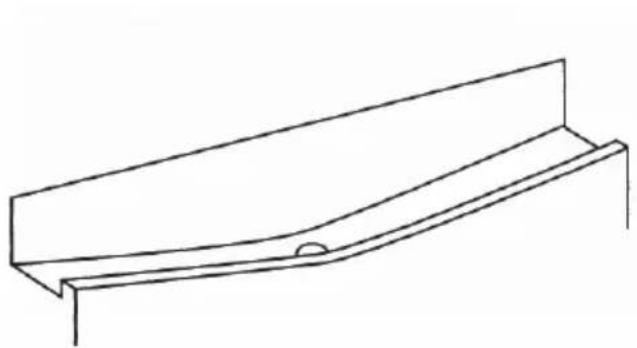
- Defrosting occurs automatically during operation in part of the refrigerator; water flows into the evaporation channel and is automatically evaporated.
- The evaporator channel and the hole for collecting water (in the rear part of the shelf for fresh foods) should be periodically cleaned. This will prevent the accumulation of water in the lower part.
natural_image
Line drawing of a structural beam or support with a small circular hole at one end (no text or symbols)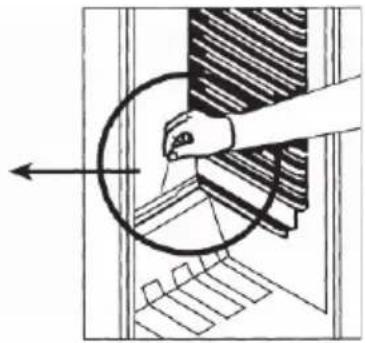
natural_image
Diagram showing a hand holding a circular object with an arrow pointing to it, next to a grid-like structure (no text or symbols)Freezer defrosting
- Frost build-up in a freezer must be periodically removed at least twice a year.
- Do not use sharp metal objects to remove the frost build-up. They can break a circuit and cause irreparable damage to the appliance. Use a plastic scraper.
- Defrosting should be carried out when the frost on the shelves becomes thicker than 5 mm.
• The day before defrosting set the thermostat to the S position to freeze the food completely. - During defrosting, the frozen food should be packed into several layers of paper and stored in a cold place. This will keep the temperature of your food low for a long time.
- Set the thermostat to the position 0, disconnect the appliance from the power supply and leave the door open until the defrosting is complete.
• To speed up the defrosting process, place one or more containers with hot water in the freezer. - Carefully dry the inside of the appliance with a clean cloth or sponge.
- When the defrosting is complete, put the food back into the freezer, set the thermostat to the max. position, and keep in mind that it is necessary to consume the food within short time.
Lighting (if available)
When the product is first connected to the mains, the interior lighting may be delayed by 1 minute due to opening tests.
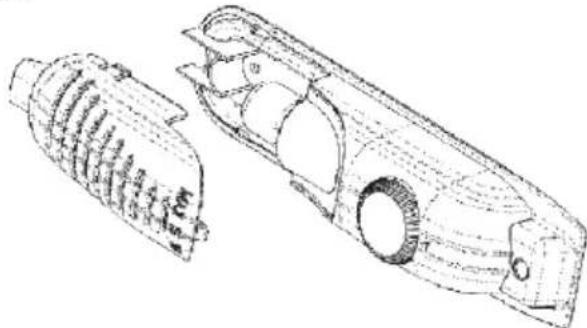
Replacement of the bulb in the refrigerator
For models that have a bulb\*
natural_image
Technical line drawing of a mechanical component with internal cavities and housing (no text or symbols)- Unplug the appliance from the power supply.
- Press the hooks on the sides of the top of the cover and remove the bulb cover.
- Replace the defective bulb with a new one with maximum power 15 W.
- Install the bulb cover and connect the appliance to the power supply after 5 minutes.
For models with LED lighting\*
Do not replace the LED lighting yourself. Contact the service representatives.
* differs according to the specific model of the appliance – see information sheet
Reversing the door opening
If you need to change the direction of opening the door, consult your service technician.
TROUBLESHOOTING
If the refrigerator does not work correctly, before calling a service technician, check the appliance according to the following instructions:
The refrigerator does not work
Check that:
• The electricity supply is not interrupted.
• The main switch for the electric current is not off.
• the thermostat is not set to 0 position,
- The electricity socket is working. To check, plug another appliance that you know is working into the same socket.
The performance of the refrigerator is low
Check that:
- there is not too much food placed in the appliance,
- is the thermostat set to position 1 (if yes, set the thermostat to a higher value)
• is the door properly closed, - isn't there dust on the condenser,
- is there is enough space around the rear and side walls to circulate the air.
The refrigerator is noisy
Cooling gas, which circulates in the refrigerator, may cause a slight noise (bubbling sound) even when the compressor is not running. Do not worry, this is completely normal. If these sounds are different, make sure that:
• the appliance is in the horizontal position,
- It is not in contact with the rear side.
- Parts of the appliance do not vibrate.
Water is in the lower part of the refrigerator
Check that:
- The water drain hole for the defrosting is not clogged (use a defrosting drain plug to drain water and clean the hole).
USE AND DISPOSAL OF WASTE
Wrapping paper and corrugated paperboard – deliver to scrapyard. Packing foil, PE bags, plastic elements – throw into plastic recycling containers.
DISPOSAL OF PRODUCTS AT THE END OF LIFETIME
Disposal of electric and electronic equipment (valid in EU member countries and other European countries with an implemented recycling system)
The represented symbol on the product or package means the product shall not be treated as domestic waste. Hand over the product to the specified location for recycling electric and electronic equipment. Prevent negative impacts on human health and the environment by properly recycling your product. Recycling contributes to preserving natural resources. For more information on the recycling of this product, refer to your local authority, domestic waste processing organization or store, where you purchased the product.
This product complies with EU directives on electromagnetic compatibility and electrical safety. This product meets the requirements for heavy metals in electrical equipment.
08/05

The operating manual is available on internet at www.ecg-electro.eu. Changes of text and technical parameters reserved.
Old refrigerators and freezers contain insulating gases and freezing medium, which must be disposed of. Entrust the disposal to a competent local waste disposal service. If in doubt, contact your local authorities or your vendor. Make sure that the pipes of the cooling unit, which will be removed by the appropriate waste disposal, service are not damaged.
- Contact for professional servicing of this product can be found in the enclosed Warranty Certificate or on the website www.ecg-electro.eu.
- The warranty for this product is 24 months.
- Spare parts listed in EU 2019/2019 are available for 7 years.
- You can access the product database, where information about this product is stored according to EU 2019/2016, by reading the QR code on the energy label.
SICHERHEITSHINWEISE
WARNUNG:BRANDGEFAHR/BRENNBARE STOFFE
natural_image
Two abstract diagrams showing curved lines and a small figure with an arrow, no text or symbols present.natural_image
Line drawing of a two-door refrigerator with a handle and top-mounted scroll (no text or symbols)natural_image
Line drawing of a refrigerator with open door and side shelves (no text or symbols)natural_image
Line drawing of a refrigerator with open doors and internal shelves (no text or symbols)natural_image
Simple line drawing of a rectangular frame with a small arrow pointing downward (no text or symbols)natural_image
Line drawing of a refrigerator with open door and side shelves (no text or symbols)natural_image
Line drawing of a two-door refrigerator with a handle and top-mounted knob (no text or symbols)natural_image
Diagram showing a mechanical assembly with rotating components and a 3D box, no text or symbols presentnatural_image
Simple line drawing of two children playing a board game (no text or symbols)Vor dem Einschalten
natural_image
Cartoon illustration of a robot holding a tool near a box, with hands cleaning the surface (no text or symbols)natural_image
Illustration of two cartoon kitchen appliances: a smiling refrigerator and a smiling refrigerator with thumbs up, accompanied by food items (no text or symbols)
natural_image
Cartoon illustration of a smiling refrigerator and two small bottles (no text or symbols)Empfehlung
natural_image
Technical line drawing of a structural component with an inset showing a hand holding a circular component (no text or symbols)natural_image
Technical line drawing of a mechanical component with internal cavities and housing (no text or symbols)VÝSTRAHA: NEBEZPEČÍ OHNĚ / HOŘLAVÉ MATERIÁLY
natural_image
Two hand-drawn diagrams of thermosceivers with arrows indicating flow direction (no text or symbols)natural_image
Line drawing of a two-door refrigerator with a handle and top-mounted scroll (no text or symbols)Cestina
natural_image
Line drawing of a refrigerator with open door and side shelves (no text or symbols)natural_image
Line drawing of a refrigerator with open doors and shelves, showing internal compartments and doorways (no text or symbols)natural_image
Simple line drawing of a rectangular frame with a small arrow at the bottom (no text or symbols)natural_image
Line drawing of a refrigerator with open door and side shelves (no text or symbols)natural_image
Line drawing of a two-door refrigerator with a handle and top-mounted knob (no text or symbols)natural_image
Diagram showing a mechanical assembly with rotating components and a 3D block, no text or symbols presentnatural_image
Simple line drawing of two children playing a board game (no text or symbols)Před zapnutím
natural_image
Illustration showing a hand holding a wall-mounted device and a cartoon box with a smiling face, alongside another hand holding a tool (no text or symbols present)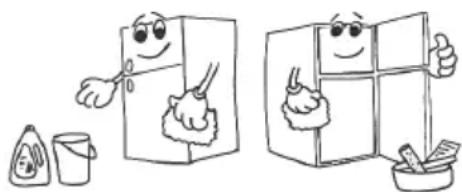
natural_image
Illustration of two cartoon kitchen appliances: a smiling refrigerator and a closed refrigerator, with food items nearby (no text or symbols)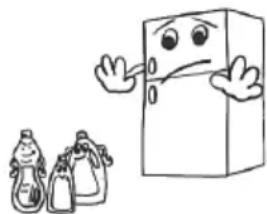
natural_image
Cartoon illustration of a smiling refrigerator and two smaller bottles (no text or symbols)Doporučení
natural_image
Technical line drawing of a metal bracket and its side view showing internal components (no text or symbols)natural_image
Technical line drawing of a mechanical component with internal cavities and housing (no text or symbols)FIGYELMEZTETÉS!TÜZVESZÉLY!/GYÚLÉKONY ANYAG!
natural_image
Two identical diagrams showing a person inside a U-shaped tube with a small figure nearby, no text or symbols present.natural_image
Line drawing of a two-door refrigerator with a handle and top-mounted scroll (no text or symbols)natural_image
Line drawing of a refrigerator with open door and side shelves (no text or symbols)natural_image
Line drawing of a refrigerator with open door and side shelves (no text or symbols)natural_image
Simple line drawing of a rectangular frame with a small arrow at the bottom (no text or symbols)natural_image
Line drawing of a refrigerator with open door and side shelves (no text or symbols)natural_image
Line drawing of a two-door refrigerator with top and front panels (no text or symbols)natural_image
Diagram showing a mechanical assembly with rotating components and a 3D block, no text or symbols presentnatural_image
Simple line drawing of two children holding blank rectangular signs (no text or symbols)Bekapcsolás előtt
natural_image
Line drawing of a handheld device with a circular button and textured body (no text or symbols)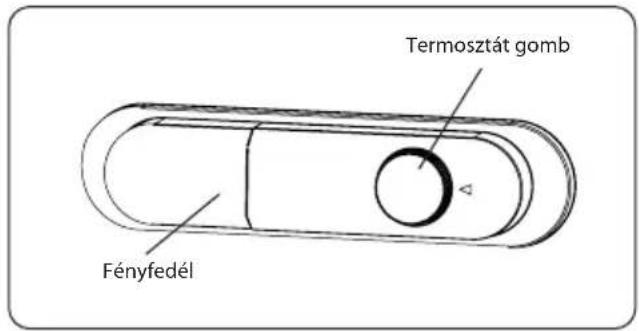
natural_image
Cartoon illustration of three different kitchen appliances: a refrigerator, a refrigerator with doors, and a refrigerator with bottles, surrounded by cleaning items (no text or symbols)natural_image
Technical line drawing of a mechanical component with an inset showing a hand holding a circular object (no text or symbols present)natural_image
Technical line drawing of a mechanical component with internal cavities and housing (no text or symbols)VÝSTRAHA:NEBEZPEČENSTVOOHŇA/ HORĽAVÉ MATERIÁLY
natural_image
Two hand-drawn diagrams showing abstract shapes with curved lines and arrows, no text or symbols present.natural_image
Line drawing of a refrigerator with open door and side shelves (no text or symbols)natural_image
Line drawing of a two-door refrigerator with a handle and top-mounted scroll (no text or symbols)natural_image
Simple line drawing of a rectangular frame with a small arrow at the bottom (no text or symbols)natural_image
Line drawing of a refrigerator with open doors and internal shelves, showing no text or symbols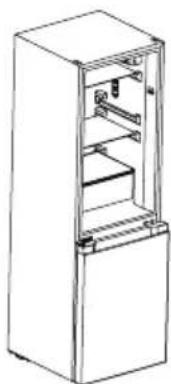
natural_image
Line drawing of a refrigerator with open door and side shelves (no text or symbols)natural_image
Line drawing of a two-door refrigerator with lid and side-mounted buttons (no text or symbols)natural_image
Diagram showing a mechanical assembly with rotating components and a 3D block, no text or symbols presentPREPRAVA A PREMIESTNENIE
Preprava a premiestnenie
natural_image
Simple line drawing of two children holding blank rectangular signs (no text or symbols)Pred zapnutím
Nastavenie termostatu (modely ERB 21801 WE a ERB 21701 WE)
natural_image
Line drawing of a handheld device with a circular button and textured body (no text or symbols)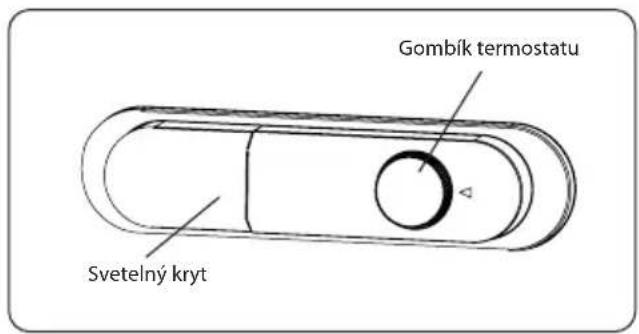
Zapnutie zariadenia
natural_image
Cartoon illustration of a hand using a tool to clean or brush inside a box (no text or symbols)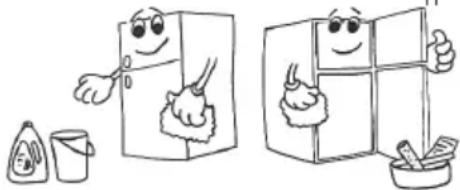
natural_image
Illustration of two cartoon kitchen appliances: a refrigerator and a cabinet, with food items nearby (no text or symbols)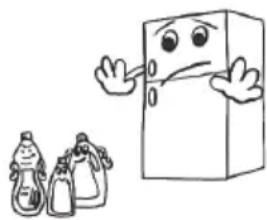
natural_image
Cartoon illustration of a smiling rectangular character and two smaller bottles (no text or symbols)Odporúčanie
natural_image
Technical line drawing of a structural component with an inset showing a hand holding a circular component (no text or symbols present)Odmrazovanie mrazničky
natural_image
Technical line drawing of a mechanical component with internal cavities and housing (no text or symbols)■ The manufacturer takes no responsibility for printing errors contained in the product's user's manual.
- Read carefully and save for future use!
- RISK OF FIRE!
- WARNING: RISK OF FIRE/FLAMMABLE MATERIALS
- DESCRIPTION
- INSTALLING AND TURNING ON THE APPLIANCE
- Installing the device
- Door reversal
- Leveling feet
- TRANSPORT AND RELOCATION
- Before switching on
- VARIOUS FUNCTIONS AND OPTIONS
- Setting of the thermostat (models ERB 21801 WE and ERB 21701 WE)
- Thermostat settings:
- Super Freeze\*
- Control panel
- Temperature settings
- Super Freeze mode
- Fault signalling
- Temperature control
- Turn on the appliance
- Climate classes and their description: see information sheet
- STORING FOOD
- Cooling compartment
- Freezer compartment
- CLEANING AND MAINTENANCE
- Recommendation
- Defrosting the refrigerator
- Freezer defrosting
- Lighting (if available)
- Replacement of the bulb in the refrigerator
- For models that have a bulb\*
- For models with LED lighting\*
- Reversing the door opening
- TROUBLESHOOTING
- The refrigerator does not work
- Check that:
- The performance of the refrigerator is low
- The refrigerator is noisy
- Water is in the lower part of the refrigerator
- USE AND DISPOSAL OF WASTE
- DISPOSAL OF PRODUCTS AT THE END OF LIFETIME
- Disposal of electric and electronic equipment (valid in EU member countries and other European countries with an implemented recycling system)
- SICHERHEITSHINWEISE
- WARNUNG:BRANDGEFAHR/BRENNBARE STOFFE
- Vor dem Einschalten
- Empfehlung
- VÝSTRAHA: NEBEZPEČÍ OHNĚ / HOŘLAVÉ MATERIÁLY
- Před zapnutím
- Doporučení
- FIGYELMEZTETÉS!TÜZVESZÉLY!/GYÚLÉKONY ANYAG!
- Bekapcsolás előtt
- VÝSTRAHA:NEBEZPEČENSTVOOHŇA/ HORĽAVÉ MATERIÁLY
- PREPRAVA A PREMIESTNENIE
- Pred zapnutím
- Nastavenie termostatu (modely ERB 21801 WE a ERB 21701 WE)
- Zapnutie zariadenia
- Odporúčanie
- Odmrazovanie mrazničky
Brand : ECG
Model : ERB 21711 XE
Category : Fridge