
EuroWay 920 - Bike rack THULE - Free user manual and instructions
Find the device manual for free EuroWay 920 THULE in PDF.


| Product Type | Trunk-mounted bike rack |
| Brand | Thule |
| Model | EuroWay 920 |
| Capacity | 2 bicycles |
| Maximum Load | 30 kg (66 lbs) |
| Dimensions (L x W x H) | Approx. 60 x 40 x 20 cm (23.6 x 15.7 x 7.9 in) |
| Weight | Approx. 4.5 kg (9.9 lbs) |
| Mounting Type | Adjustable straps to vehicle trunk |
| Frame Attachment | Ratchet straps with rubber pads |
| Folding | Collapsible for compact storage |
| Security | Integrated lock to secure rack to vehicle (optional key) |
| Wheel Holders | Adjustable wheel trays with straps |
| Compatibility | Most sedans, hatchbacks, and SUVs; check vehicle fit |
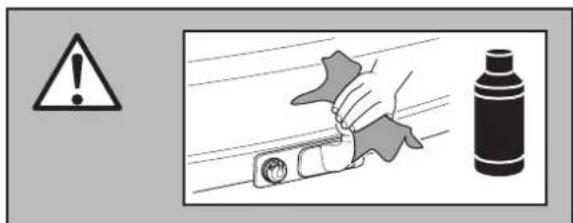
| Maintenance | Clean with mild soap and water; lubricate moving parts periodically |
| Spare Parts | Can be ordered from Thule or authorized dealers |
| Repairability | Modular design; straps and pads replaceable |
| Certification | Meets TUV standards (certified) |
| Warranty | Limited lifetime warranty from Thule |
Frequently Asked Questions - EuroWay 920 THULE
User questions about EuroWay 920 THULE
0 question about this device. Answer the ones you know or ask your own.
Ask a new question about this device
Download the instructions for your Bike rack in PDF format for free! Find your manual EuroWay 920 - THULE and take your electronic device back in hand. On this page are published all the documents necessary for the use of your device. EuroWay 920 by THULE.
USER MANUAL EuroWay 920 THULE
Complies with ISO norm
—
CITY CRASH
mpiles with ISO norm




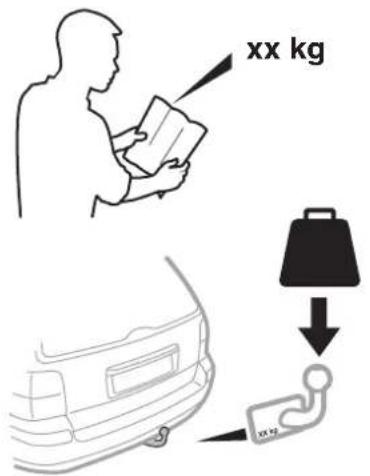
Stützlast beachten
Note Towball Capacity


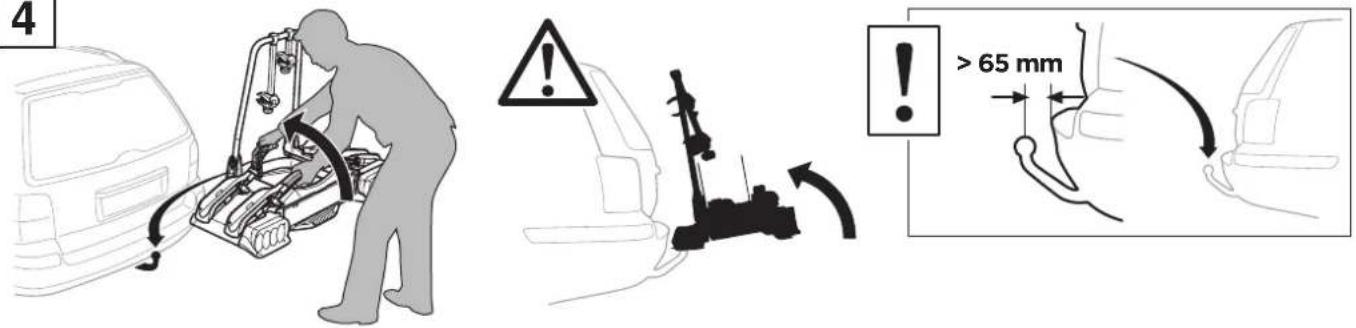
4
1.2.

A

natural_image
Illustration of a hand gripping a car seat with a black arrow indicating motion (no text or symbols)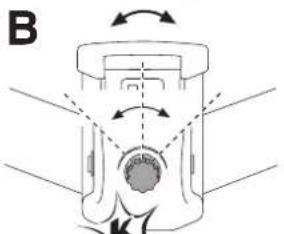
natural_image
Diagram of a mechanical piston assembly with arrows indicating motion direction (no text or labels)C
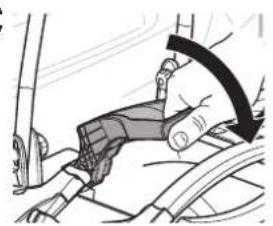
natural_image
Illustration of a hand adjusting a car seatbelt, showing the seatbelt being lifted (no text or symbols present)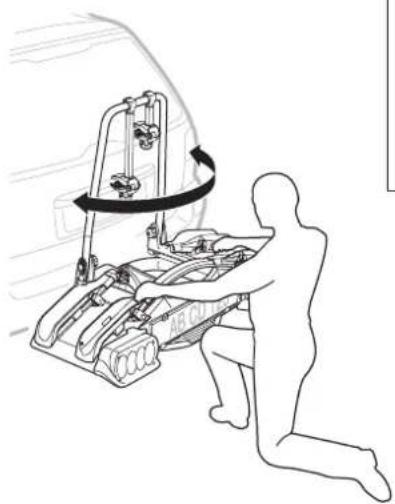
natural_image
Line drawing of a person assembling a car engine compartment with a hand gesture (no text or symbols)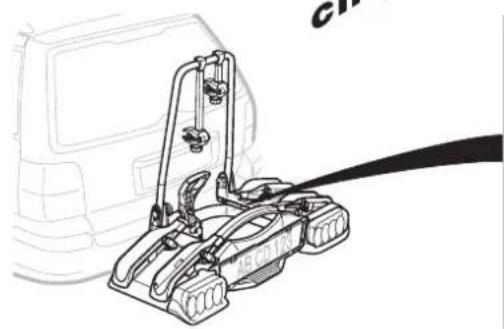
natural_image
Line drawing of a tracked robotic vehicle with attached cable, shown in perspective view (no text or symbols)
5

6
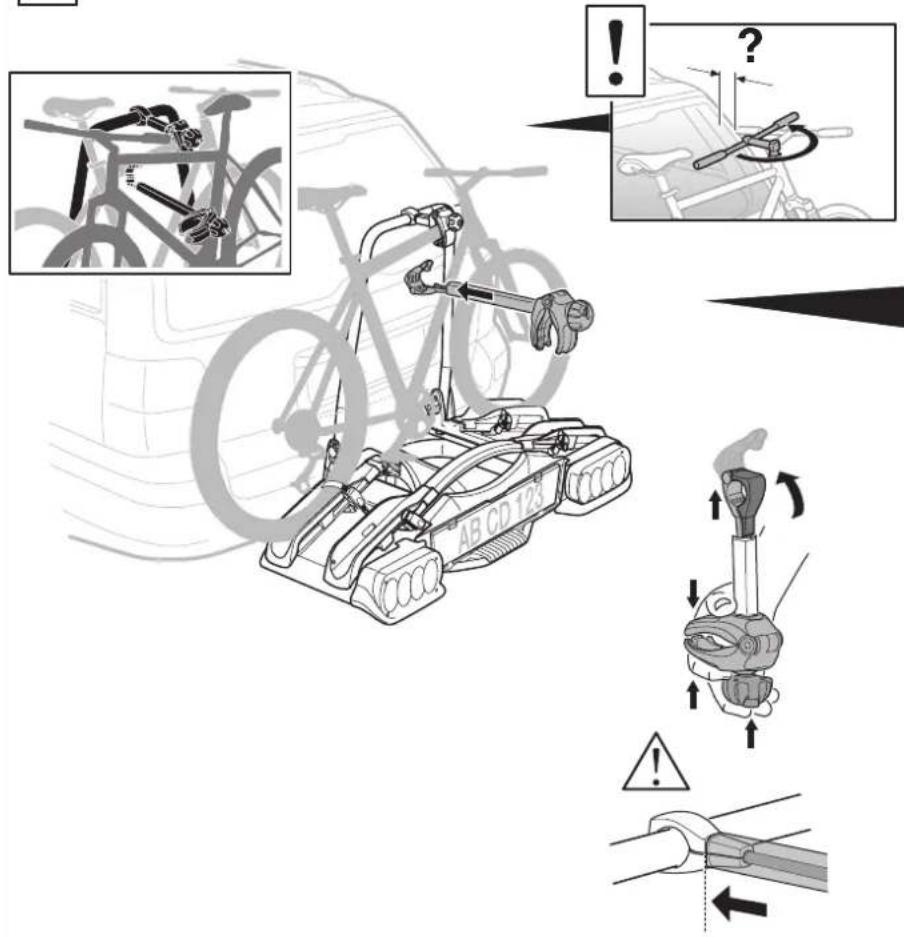

natural_image
Three-panel illustration showing bicycle laneing and climbing scenarios, with no visible text or symbols.!

natural_image
Illustration of a car seatbelt being adjusted for a vehicle (no text or symbols present)!
natural_image
Illustration of a car seatbelt buckle being lifted by a hand (no text or symbols)
!
7


natural_image
Technical line drawing of a bicycle rear view showing front wheel, rear wheels, and side-mounted sensors (no text or symbols)Max 400mm Max 400mm

natural_image
Technical line drawing of a vehicle chassis (no text or symbols)

natural_image
Hand holding a car interior with a hand pointing to the hood (no visible text or symbols)
natural_image
Side profile diagram of a futuristic vehicle with front and side views (no text or symbols)8

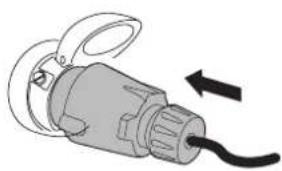
920: 13-pin 921: 7-pin

natural_image
Illustration of a plug with a cable, showing internal components and an arrow indicating motion (no text or symbols)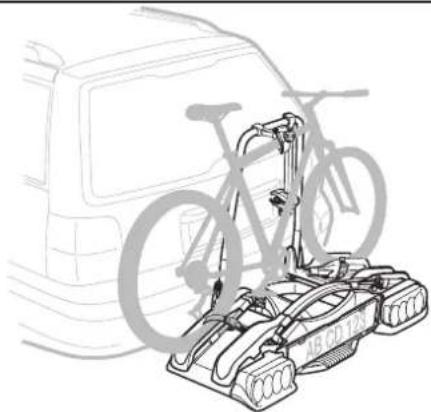
natural_image
Line drawing of a bicycle-mounted vehicle with a front-mounted rack, parked in front of a van (no text or symbols visible)9
i
9201
GB Accessories
D Zubehör
F Accessoires
NL Accessoires
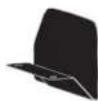
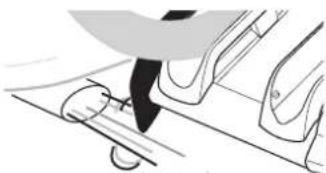
Thule Heat Shield
natural_image
Illustration of a hand holding a pen over a surface with abstract curved lines (no text or symbols)

natural_image
Diagram showing a vehicle's front-mounted lift mechanism before and after assembly (no text or symbols)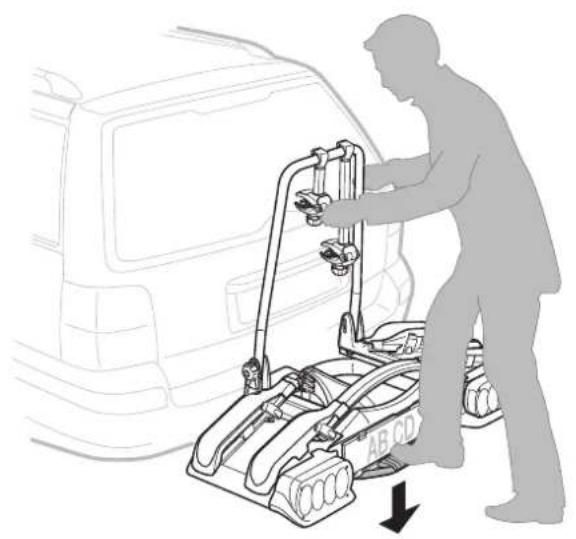
natural_image
Illustration of a person using a vehicle lift device to lift a car (no text or symbols visible)
natural_image
Silhouette of a person adjusting a car seatbelt mechanism with a curved arrow indicating motion (no text or symbols)
natural_image
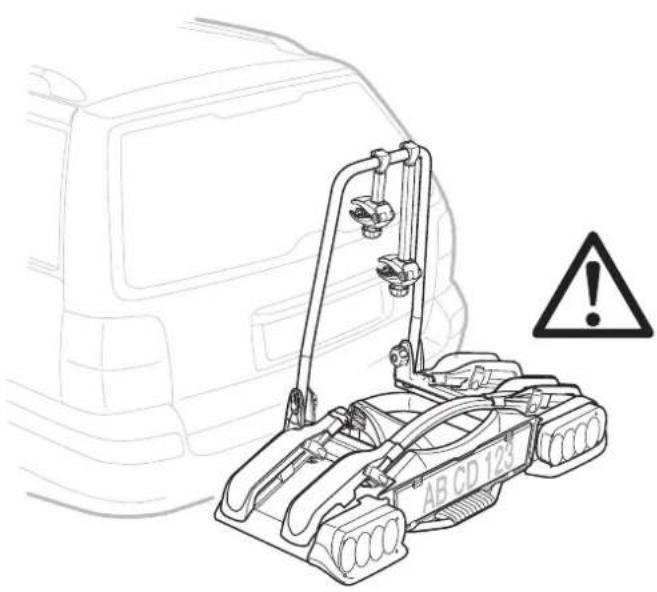
Line drawing of a robotic vehicle with attached sensors and a warning symbol (no text or labels)
!

natural_image
Line drawing of a robotic lawn mower with attached clamps and a base plate (no text or symbols)i
13-pin

7-pin

!


natural_image
Technical diagram showing a mechanical assembly with arrows indicating components (no text or symbols present)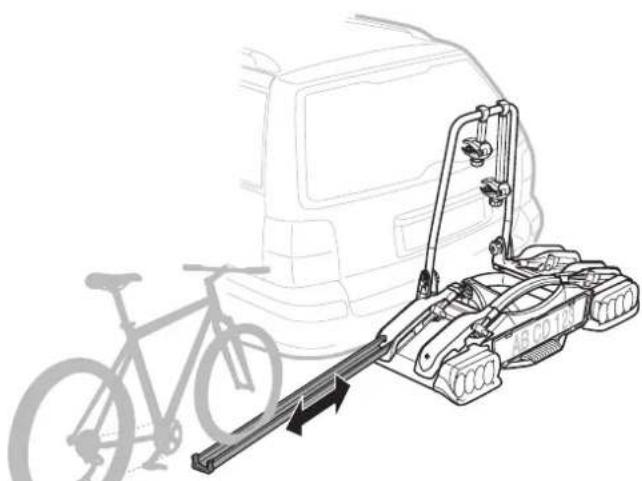
natural_image
Diagram of a bicycle-mounted vehicle with a mounted rack, showing no text or symbols.GB Technical specification
Bike-carrier unit weight: 13/12.7 kg
Permitted load capacity: max 46 kg
Max bike weight: 24 kg (pls note max load above)
Safety instructions for checking before and during travel
*Not recommended for tow bars made of GGG 40 or aluminium (towball and 2cm below the ball need to be out of steel, rest is ok to be Aluminium).
–The vehicle driver is solely responsible for ensuring that the product is in faultless condition and that carrier and load is securely fastened.
- Never exceed the permitted towball capacity of the car. Note! That the combined weight of the bike-carrier unit and the load never exceed the permitted towball capacity. The information of the car's towball capacity can be found next to the towball on a plate or in the vehicle information booklet.
–The maximum weight per bike is 24 kgs. Always position the biggest/heaviest bike first and closest to the car, and then position the smaller/lighter bike.
—The bike carrier shall be assembled and fitted securely in accordance with the instructions.
–Prior to departure, the function of the lights lamps shall be checked. When using the foglight on the bike-carrier, make sure that the foglight on the car is not working at the same time.
- Before departure all loose parts should be taken off the bikes, like childseats, baskets, locks and cycle pumps etc. The bikes should contain no loose items during transport and cause danger to others.
- If the car is equipped with automatic boot/tailgate opening, this function must be disabled and the luggage compartment opened manually when the bike carrier is fitted to avoid damage on carrier and/or car.
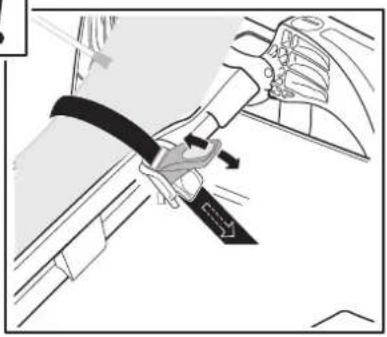
—Check that belts and other fasteners are secure, retighten if necessary.
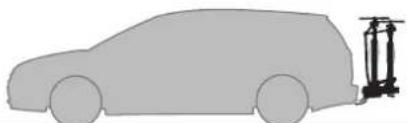
- The vehicle's total length increases when the bike carrier is attached. The bikes themselves may increase the vehicle's total width and height. Take especial care when reversing and/or entering garages or ferries etc.
-Replace any damaged or worn parts immediately. During use/drive, all levers, bolts or nuts must be tightened (according to instructions). The bike-arms must always be locked during driving/transport.
- The bike carrier shall always be locked and keys kept in safe place during transport.
- The car's on-road behaviour may change especially when taking curves and during braking when the product is fitted.
– Applicable speed limits and other traffic regulations shall always be followed.
- Speed should always be tailored to suit safety considerations with regard to traffic conditions and the load being carried. Maximum speed is 130 km/h.
- The carrier is constructed to carry standard-bike-frames. Tandem bikes may not be carried.
– Thule absolves itself of responsibility for any personal injuries or consequential damage to property or wealth caused by incorrect fitting or use.
– Modifications to this product are not permitted.
- Clean the bike carrier regularly using warm water or car shampoo, especially when using / after using at coasts (salt-water) or during times when salt on roads is being used (winter).
- For vehicles first type-approved after 1 October 1998, the fitted bike carrier or the transported goods are not allowed to hide the vehicle's third brake light. The vehicle's third brake light shall be visible from the left and the right sides as follows: relative to the vehicle's longitudinal axis - at a 10 horizontal angle, upwards; relative to the upper edge of the lamp - at a 10 vertical angle and downwards; relative to the lower edge of the lamp - at a 5 vertical angle. If these stipulations are not met, a replacement brake light shall be fitted.
– Lubricate the coupling mechanism (not the towball-surface-contact-area) or other moving parts when required.
– Check that the towball is clean, clean from dirt and oil and not damaged.
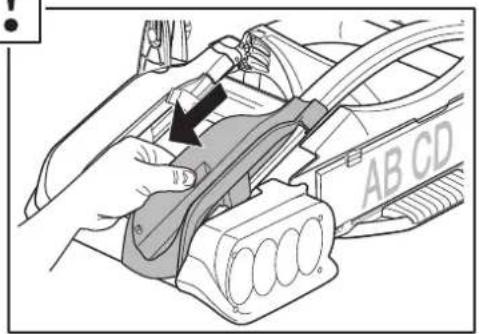
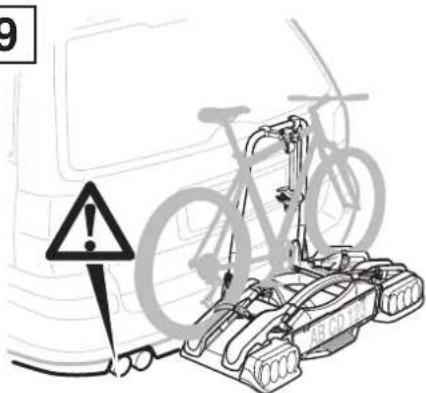
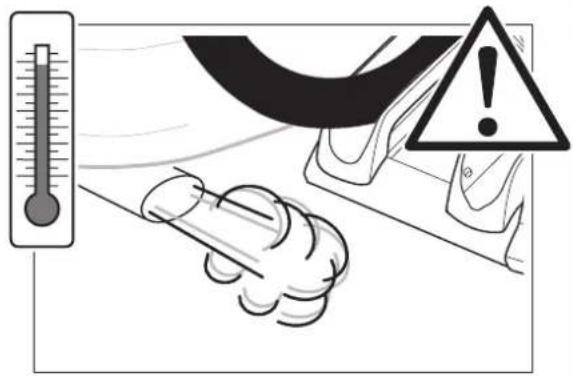
- Keep a safe distance between the bike carrier/bikes and the exhaust pipe, to avoid heat damage on carrier and/or bike.
- Should the bike carrier move on the towball, or the power is lost in the handle-fixation, the clamping force around the towball needs to be retightened according to the mounting instruction. Or ask your local Thule-dealer for assistance.
-If projecting more than 40~cm beyond the outer edge of the light emitting surfaces of the clearance or rear lamps of the luggage rack, the load shall be provided, if necessary, to the front with a white lamp at the side not more than 40~cm from its edge and not more than 1.5m above the lane. A red lamp shall be visible towards the rear.
- Check that the bikecarrier is securely fitted after driving a short distance (50km) and thereafter at regular intervals.
-When not in use, the product should be removed from the vehicle.
- Keep the instructions and (if applicable) the type approval (EEC) safely in the car.
DTechnische Daten
natural_image
Illustration of a bicycle support system with a ramp and rear view (no text or symbols)9906
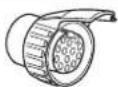
7-zu-13 pol Adapter
7-to-13 pin adapter
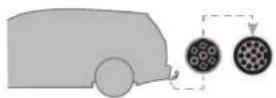
9907

13-zu-7 pol Adapter
13-to-7 pin adapter
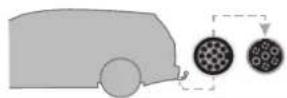
9772
Felgen-Adapter
Road Bike Adapter
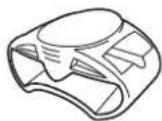
9202
Off-Road Adapter
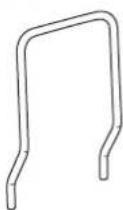

natural_image
Silhouette of a vehicle with a mounted lift and exhaust system (no text or symbols)982
Rahmenadapter
Bike Frame Adapter
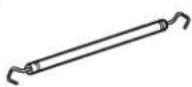
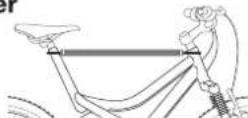
9771
Wandhalter
Wall Hanger

9201
Hitzeschild
Heat Shield


natural_image
Illustration of a sewing machine needle stitching fabric (no text or symbols visible)9902
3 Bremsleuchte
3rd Brake-light
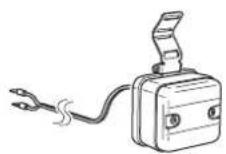
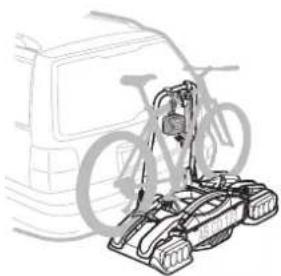
natural_image
Line drawing of a robotic vehicle with attached sensors, parked in front of a van (no text or symbols)
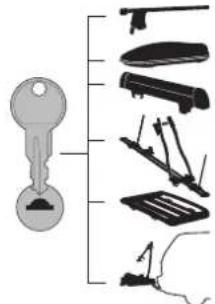
ONE
KEY
SYSTEM

544
(x4)
596
(×6)
588
(×8)
452
(×12)


natural_image
Silhouette of a car with a vertical lift pump attached to the side (no text or symbols)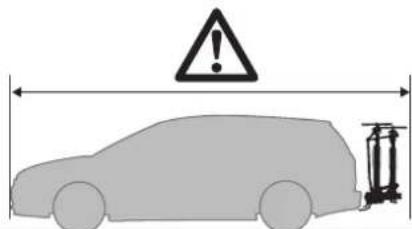


natural_image
Silhouette of a car with a vertical load balancing device (no text or symbols)


Brand : THULE
Model : EuroWay 920
Category : Bike rack