MM443 - Scale Manta - Free user manual and instructions
Find the device manual for free MM443 Manta in PDF.


User questions about MM443 Manta
0 question about this device. Answer the ones you know or ask your own.
Ask a new question about this device
Download the instructions for your Scale in PDF format for free! Find your manual MM443 - Manta and take your electronic device back in hand. On this page are published all the documents necessary for the use of your device. MM443 by Manta.
USER MANUAL MM443 Manta
Glass Electronic Personal Scale
with Water and Body Fat Monitor
MODEL: MM443

text_image
MANTA™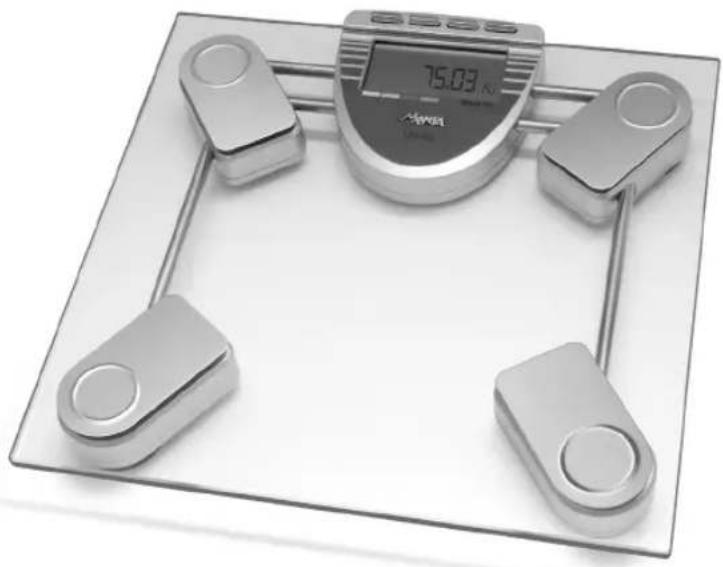
natural_image
Digital kitchen digital scale with four feet, showing a digital display and control buttons (no text or symbols visible)
To ensure proper use of this product please read this User's Manual carefully and keep for future reference.
MM5000 Dune

natural_image
Modern audio amplifier with two tall speakers and a central display unit (no visible text or symbols)Supercharger Supreme
natural_image
Product display of a car steering wheel and two sub-chassis driver shifters (no visible text or symbols)DVD-012 Emperor Recorder
text_image
Product image showing a white audio recorder with a remote control and a box of the Emperor Recorder (DARUB-100) with visible branding and specifications.natural_image
Exterior view of a modern audio amplifier with two speakers and a central speaker (no visible text or symbols)Water and Body Fat Monitor 9
Why Are Body Fat Measurements Important? 9
Method of Measurement 9
Specifications 9
Power Supply 9
Directions for use 10
Weighing Mode 10
Entering Personal Data 10
Measuring Body Fat 10
Appendix Body Fat and Water Ranges For Adults (%) 10
Standard Body Fat Percentage (%) 11
To ensure the most accurate reading possible:....11
Battery Insertion/Replacement 11
Units of Measurement 11
Automatic Switch Off 11
Overload Indicator 11
Low Battery Indicator 11
Additional Error Messages 11
Care Instructions 12
Instrukcja obsługi
Uwaga!
| Wiek Kobiety zawartość tłuszczu | Kobiety zawartość wody | Mężczyźni zawartość tłuszczu | Mężczyźni zawartość wody | Status Wyświetlany symbol | ||
| Poniżej 30 lat | 4,0-16,0% 66,0 | 57,8% 4,0-11,0% | 66,0-61,2% Osoba bardzo | szczupła | II I II I II I II I II I II I II I II I II I II I II I II I II I II I II I II I II I II I II I II I II I II I II I II I II I II I II I II I II I II I II I II I II I II I II I II I II I II I II I II I II I II I II I II I II I II I II I II I II I II I II I | |
| 16,1-20,5% 57,7 | -54,7% 11,1-15,5 | 5% 61,1-58,1% Osoba | szczupła | |||
| 20,6-25,0% 54,6 | -51,6% 15,6-20,0 | 0% 58,0-55,0% Osoba | przeciętna | |||
| 25,1-30,5% 51,5 | -47,8% 20,1-24,5 | 5% 54,9-51,9% Osoba otyła | ||||
| 30,6-45,0% 47,7 | -37,8% 24,6-45,0 | 0% 51,8-37,8% Osoba bardzo | otyła | |||
| Powyżej 30 lat | 4,0-20,0% 66,0 | -55,0% 4,0-15,0% | 66,0-58,4% Osoba bardzo | szczupła | II I II I II I II I II I II I II I II I II I II I II I II I II I II I II I II I II I II I II I II I II I II I II I II I II I II I II I II I II I II I II I II I II I II I II I II I II I II I II I II I II I II I II I II I II II I II I II I II I II I II I II I II I II I II I II I II I II I II I II I II I II I II I II I II I II I II I II I II I II I II I II I II I II I II I II I II I II I II I II I II I II I II I II I II I II I II I II I II I II I II I II I II I II I II II I II I II I II I II I II II I II I II I II I II I II I II I II I II I II I II I II I II I II I II I II I II I II I II I II I II I II I II I II I II I II I II I II I II I II I II I II I II I II I II I II I II I II I II I II I II I II I II I II I III I II I II I II I II I II I II I II I II I II I II I II I II I II I II I II I II I II I II I II I II I II I II I II I II I II I II I II I II I II I II I II I II I II I II I II I II I II I II I II I II I II I II I II I II I II I II I II I II I II III I II I II I II I II I II I II I II I II I II I II I II I II I II I II I II I II I II I II I II I II I II I II I II I II I II I II I II I II I II I II I II I II I II I II I II I II I II I II I II I II I II I II I II I II I II I II I II I II I II II III III III III III III III III III III III III III III III III III III III III III III III III III III III III III III III III III III III III III III III III III III III III III III III III III III III III III III III III III III III III III III III III III III III III III III III III III III III III III III III III III III III III III III III III III III III III III III III III III III III IIIIII III III III III III III III III III III III III III III III III III III III III III III III III III III III III III III III III III III III III III III III III III III III III III III III III III III III III III III III III III III III III III III III III III III III III III III III III III III III III III III III III III III III III III III III III III III III III III III III III III III III II II II II II II II II II II II II II II II II II II II II II II II II II II II II II II II II II II II II II II II II II II II II II II II II II II II II II II II II II II II II II II II II II II II II II II II II II II II II II II II II II II II II II II II II II II II II II II II II II II II IIIIIIIIIIIIIIIIIIIIIIIIIIIIIIIIIIIIIIIIIIIIIIIIIIIIIIIIIIIIIIIIIIIIIIIIIIIIIIIIIIIIIIIIIIIIIIIIIIIIIIIIIIIIIIIIIIIIIIIIIIIIIIIIIIIIIIIIIIIIIIIIIIIIIIIIIIIIIIIIIIIIIIIIIIIIIIIIIIIIIIIIIIIIIIIIIIIIIIIIIIIIIIIIIIIIIIIIIIIIIIIIIIIIIIIIIIIIIIIIIIIIIIIIIIIIIIIIIIIIIIIIIIIIIIIIIIIIIIIIIIIIIIIIIIIIIIIIIIIIIIIIIIIIIIIIIIIIIIIIIIIIIIIIIIIIIIIIIIIIIIIIIIIIIIIIIIIIIIIIIIIIIIIIIIIIIIIIIIIIIIIIIIIIIIIIIIIIIIIIIII-IIIIIIIIIIIIIIIIIIIIIIIIIIIIIIIIIIIIIIIIIIIIIIIIIIIIIIIIIIIIIIIIIIIIIIIIIIIIIIIIIIIIIIIIIIIIIIIIIIIIIIIIIIIIIIIIIIIIIIIIIIIIIIIIIIIIIIIIIIIIIIIIIIIIIIIIIIIIIIIIIIIIIIIIIIIIIIIIIIIIIIIIIIIIIIIIIIIIIIIIIIIIIIIIIIIIIIIIIIIIIIIIIIIIIIIIIIIIIIIIIIIIIIIIIIIIIIIIIIIIIIIIIIIIIIIIIIIIIIIIIIIIIIIIIIIIIIIIIIIIIIIIIIIIIIIIIIIIIIIIIIIIIIIIIIIIIIIIIIIIIIIIIIIIIIIIIIIIIIIIIIIIIIIIIIIIIIIIIIIIIIIIIIIIIIIIIIIIIIIIlIIIIIIIIIIIIIIIIIIIIIIIIIIIIIIIIIIIIIIIIIIIIIIIIIIIIIIIIIIIIIIIIIIIIIIIIIIIIIIIIIIIIIIIIIIIIIIIIIIIIIIIIIIIIIIIIIIIIIIIIIIIIIIIIIIIIIIIIIIIIIIIIIIIIIIIIIIIIIIIIIIIIIIIIIIIIIIIIIIIIIIIIIIIIIIIIIIIIIIlllllllllllllllllllllllllllllllllllllllllllllllllllllllllllllllllllllllllllllllllllllllllllllllllllllllllllllllllllllllllllllllllllllllllllllllllllllllllllllllllllllllllllllllllllllllllllllllllllllllllllllllllllllllllllllllllllllllllllllllllllllllllllllllllllllllllllllllllllllllllllllllllllllllllllllllllllllllllllllllllllllllllllllllllllllllllllllllllllllllllllllllllllllllllllllllllllllllllllllll lllllllllllllllllllllllllllllllllllllllllllllllllllllllllllllllllllllllllllllllllllllllllllllllllllllllllllllllllllllllllllllllllllllllllllllllllllllllllllllllllllllllllllllllllllllllllllllllllllllll llllllllllllllllllllllllllllllllllllllllllllllllllllllllllllllllllllllllllllllllllllllllllllllllllllllllllllllllllllllllllllllllllllllllllllllllllllllllllllllllllllllllllllllllllllllllllllllllllllllllrrllllllllllllllllllllllllllllllllllllllllllllllllllllllllllllllllllllllllllllllllllllllllllllllllllllllllllllllllllllllllllllllllllllllllllllllllllllllllllllllllllllllllllllllllllllllllllllllllllllllrlllllllllllllllllllllllllllllllllllllllllllllllllllllllllllllllllllllllllllllllllllllllllllllllllllllllllllllllllllllllllllllllllllllllllllllllllllllllllllllllllllllllllllllllllllllllllllllllllllllllggggggggggggggggggggggggggggggggggggggggggggggggggggggggggggggggggggggggggggggggggggggggggggggggggggggggggggggggggggggggggggggggggggggggggggggggggggggggggggggggggggggggggggggggggggggggggggggggggggggggggttctctctctctctctctctctctctctctctctctctctctctctctctctctctctctctctctctctctctctctctctctctctctctctctctctctctctctctctctctctctctctctctctctctctctctctctctctctctctctctctctctctctctctctctctctctctctctctctctctctctctcctctctctctctctctctctctctctctctctctctctctctctctctctctctctctctctctctctctctctctctctctctctctctctctctctctctctctctctctctctctctctctctctctctctctctctctctctctctctctctctctctctctctctctctctctctctctctctctctctctctactctctctctctctctctctctctctctctctctctctctctctctctctctctctctctctctctctctctctctctctctctctctctctctctctctctctctctctctctctctctctctctctctctctctctctctctctctctctctctctctctctctctctctctctctctctctctctctctctctctctcta | I iI iI iI iI iI iI iI iI iI iI iI iI iI iI iI iI iI iI iI iI iI iI iI iI iI iI iI iI iI iI iI iI iI iI iI iI iI iI iI iI iI iI iI iI iI iI iI iI iI iI iiIIiiiiiiiiiiiiiiiiiiiiiiiiiiiiiiiiiiiiiiiiiiiiiiiiiiiiiiiiiiiiiiiiiiiiiiiiiiiiiiiiiiiiiiiiiiiiiiiiiiiiiiiiiiiiiiiiiiiiiiiiiiiiiiiiiiiiiiiiiiiiiiiiiiiiiiiiiiiiiiiiiiiiiiiiiiiiiiiiiiiiiiiiiiiiiiiiiiiiiiiiiii |
People with pacemakers or other electronic body implants should not use this product since the body resistance measurement method may interfere with its proper operation. Suitable for adults and children over 10 years of age. If in doubt please seek medical advice.
Water and Body Fat Monitor
Your new Water and Body Fat Monitor has been designed to accurately indicate your weight plus measure your body fat and water and will provide many years of service if used correctly.
Your Water and Body Fat Monitor uses a Load Cell system which weighs with a high degree of accuracy; plus the weigh platform contains electrodes which measure the electrical resistance of the body. Lean muscle has a lower resistance than fat and this can be correlated with body weight. Using your age, gender and height, the body fat percentage is calculated by the built-in computer. This method is quick, safe and accurate, giving a reading within 30 seconds. The scale has a memory for up to eight people, allowing the scale to be used by everyone in the family without entering your data every time.
Why Are Body Fat Measurements Important?
Fat can contribute to considerable stress for the human body, especially to the cardiovascular system, and may also lead to diabetes. Body fat, however, is at the same time an important part of the human body. It takes care of a number of important tasks, from protection of our joints to storage for vitamins and regulation of our body temperature. The aim, therefore, is not simply to reduce fat as much as possible, but rather to achieve and maintain a healthy ratio between muscle mass and body fat.
Obesity is not a question of absolute body weight. For several years now, obesity has instead been defined as the presence of superfluous body fat. There are heavy people with a balanced ratio of fat to muscle mass, just as there are also supposedly slim people with significantly raised body fat values. Control of both values, weight and fat, therefore, is a basic prerequisite for fitness and good health. Conventional scales, however, are not able to provide the necessary information.
Method of Measurement
One measuring method recognised by scientists all over the world is the so-called bioelectric impedance analysis (BIA). With this method a weak, and for the human body absolutely safe* and imperceptible electric current, is passed through the body. (Current is able to flow more easily through the fluid in our muscles than through fat.) The current passes through both legs and permits measurement of the electrical resistance of your body.
This resistance is dependent on the amount of water in the body. Our muscles contain a constant proportion of 73% water. Having measured the electrical resistance, we can use this fact to calculate directly the muscle mass in our lower limbs. Our gender and body height are then taken into account to determine an overall muscle mass.
The fat mass, on the other hand, acts as an insulator (it reduces the ability of the current to pass through) and thus cannot be calculated directly. It is instead determined indirectly from the weight measured at the same time, using the formula:
Body fat mass = Body weight - Muscle mass
This method enables us to take into account the overall fat mass.
The water content of the body is measured by calculating 73% of the muscle mass.
See warning at the top of the instruction leaflet.
Why is a water content measurement important?
After oxygen, water is the most important nutrient required by the body in order to function efficiently.
Water plays a vital role in nearly every function of the body. Water helps to:
Regulate body temperature
Carry nutrients throughout the body
Moisten and purify the skin
Improve the digestive process
Eliminate waste
Lubricate and cushion joints
Every process in our body occurs in a water medium and most people don't drink enough water. By keeping a check on the level of fluid in your body, you can act quickly to take in extra fluids as and when necessary.
Specifications
- LCD display
● Automatic zero re-setting
● Automatic switch-off
● Overload indicator
● Low battery indicator
● Maximum capacity – 150KGS
Power Supply
Insert 1 x 9v PP3 ALKALINE battery into the battery box underneath the scale. Only use batteries which are clearly marked ALKALINE.
GLASS ELECTRONIC PERSONAL SCALE MM443
Directions for use
Weighing Mode
Place the scale on a hard, flat surface (avoid carpet). Tap the scale platform sharply in the bottom right hand corner to turn the scale on. The display will show "88888" then "0.0 kg". Your scale is now ready for weighing. If no weighing is carried out during approximately 10 seconds, the scale switches itself off.
Stand still on the scale, distributing your weight evenly and wait while the scale computes your weight. Your weight will then be displayed in flashing figures, before the figures are "locked" on the screen.
The scale will then turn itself off automatically.
Entering Personal Data
Place the scale on a hard, flat surface (avoid carpet). Press the "■ button to turn the scale on. The LCD will display the height, gender and number of the memory slot. The number of the memory slot will flash on and off.
When "1" is blinking, press the ▲ or "▼" button to choose your own memory slot (1 - 8) and confirm your choice by pressing ■.
The display now shows a male or female symbol. Select the appropriate gender by pressing the “▲” or “▼” button and confirm your choice by pressing■”.
Select your height by pressing the “▲” or “▼” button and confirm your choice by pressing “■”. If you the switch on the bottom of the scale is set to kilograms the height range is 100-250cm and the graduation is 1cm.
Select your age by pressing the “▲” or “▼” button and confirm your choice by pressing “■”. The age range is 10-100 and the graduation is 1 year.
Data entry is now complete. The display will show your height, and gender again and the memory number you have selected will continue to flash. If you would like to check that the details you have entered are correct keep pressing the "■" button to go through them again. Otherwise press the "▶" button to proceed to the body fat and water measurement mode, or let the scale turn itself off.
When the display shows "0.0 kg" again, the scale is ready to measure your body fat and water percentage.
The data can be modified and/or entered for additional members of the family by repeating the above procedure.
Measuring Body Fat
Place the scale on a hard, flat surface (avoid carpet). Press the "■" button to turn the scale on. The LCD will display the height, gender and number of the memory slot. The number of the memory slot will flash on and off. Press the “▲” button to choose your own memory slot (1 - 8) and press “▶” to switch to body fat and water measuring mode.
The monitor is ready for measuring body fat and water percentage when the display shows "0.0 kg"
Remove shoes and socks, then step on the scale and wait. Stand still on the scale, distributing your weight evenly and wait while the scale computes your weight. Your weight will then be displayed.
Next the display will show “☐☐☐☐” for a few seconds, after which these squares will disappear one by one and the body fat percentage and water percentage will be shown alternately. Step off the scale to see the result. “F” indicates the percentage of your body which is fat and “BW” indicates the percentage of your body which is water.
The measuring range of fat percentage is 4-45%. The graduation is 0.1%. The measuring range of water percentage is 37.8 - 66%. The graduation is 0.1%.
The scale will shut itself off automatically after a few seconds of displaying the body fat and the body water percentage alternately.
At the same time as the body fat and body water measurements are being displayed, one of five diagrams will also be shown at the bottom of the LCD. These indicate if your body fat percentage is:
Very low (very thin person)
Low (thin person)
NB. If the calculated body fat is extremely low or extremely high, check whether the correct measuring mode is selected (male or female), whether your feet are clean and dry and whether they are positioned correctly on the metal electrodes of the scales. Sweaty or wet feet will falsify the body fat measurement. In this case, stand down from the scales and repeat the measurement.
Appendix Body Fat and Water Ranges For Adults (%)
The proportion of body fat is a very individual characteristic. The following figures are intended to serve as a general guideline for your fitness profile. The chart shows how body fat values are dependent on a person's gender and age:
Standard Body Fat Percentage (%)
| Age Female | Body Fat | Female Hydration | Male Body Fat | Male Hydration | Status Key Line | Indication |
| Below 30 4 | 0-16,0% 66,0-57 | 7,8% 4,0-11,0% | 66,0-61,2% Very low | |||
| 16,1-20,5% 57,7 | -54,7% 11,1-15,5 | 5% 61,1-58,1% Low | ||||
| 20,6-25,0% 54,6 | -51,6% 15,6-20,0 | 0% 58,0-55,0% Average | ||||
| 25,1-30,5% 51,5 | -47,8% 20,1-24,5 | 5% 54,9-51,9% High | ||||
| 30,6-45,0% 47,7 | -37,8% 24,6-45,0 | 0% 51,8-37,8% Very high | ||||
| Abow 30 4 | 0-20,0% 66,0-55 | 0% 4,0-15,0% | 66,0-58,4% Very low | |||
| 20,1-25,0% 54,9 | -51,6% 15,1-19,5 | 5% 58,3-55,3% Low | ||||
| 25,1-30,0% 51,5 | -48,1% 19,6 | -24,0% 55,2-52,3% Average | ||||
| 30,1-35,0% 48,0 | -44,7% 24,1-28,5 | 5% 52,2-49,2% High | ||||
| 35,1-45,0% 44,6 | -37,8% 28,6-45,0 | 0% 49,1-37,8% | Very high |
These figures are intended as a guide only – if in any doubt please seek medical advice.
To ensure the most accurate reading possible:
● Always weigh yourself on the same scale placed on the same floor surface. Please note that uneven floors may affect readings.
- Weigh yourself without clothing and footwear, before meals and always at the same time of day.
- Ensure that your feet are clean and dry and that they are positioned correctly on the metal electrodes of the scales.
- Ensure that the surface of the scale is free from moisture.
Battery Insertion/Replacement
Snap open the battery cover on the underside of the scale and remove the old battery. Replace with one 9v PP3 ALKALINE battery.
Units of Measurement
Your scale can show your weight in kilograms (kg).
The smallest units of measurement are: 100g
1 kilogram = 1000g
Automatic Switch Off
When you step off the scale it will automatically switch off. If no weighing is carried out while the zero is being displayed, the scale switches itself off automatically after a short time.
Overload Indicator
When the scale is overloaded, i.e. over its maximum capacity, the message “Err” will appear on the screen.
Low Battery Indicator
When the battery needs replacing, the message "LO" will appear on the screen. Remove the battery from the scale and replace it.
REMEMBER: always use good quality ALKALINE batteries.
GLASS ELECTRONIC PERSONAL SCALE MM443
Additional Error Messages
When the body fat measurement is above the maximum that the scale is capable of measuring the message “Err-h” will appear on the screen.
When the body fat measurement is below the minimum that the scale is capable of measuring the message “Err-I” will appear on the screen.
Care Instructions
- Clean your scale with a damp cloth but do not allow water to get inside the scale.
- Do not use abrasive or chemical cleaning agents.
- Do not allow your scale to become saturated with water as this can damage the electronics.
- Remove the battery if the scale is not going to be used for a long time.
- Do not jump on or drop the scale.
● Do not strike with hard or sharp objects.
● Always use and store the scale away from direct heat sources.
GLASS ELECTRONIC PERSONAL SCALE MM443
Note:
GLASS ELECTRONIC PERSONAL SCALE MM443
Note:
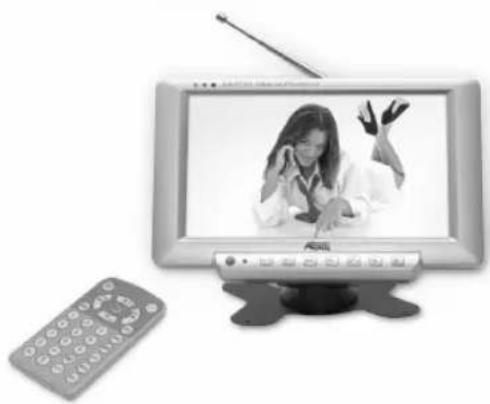
TV LCD 701
natural_image
Black-and-white photo of a vintage remote TV with a woman on her hand, next to a remote control (no visible text or symbols)natural_image
Modern black keyboard with silver frame and scroll wheel (no visible text or symbols)natural_image
Close-up of a black and silver headboard with earphones and microphone (no visible text or symbols)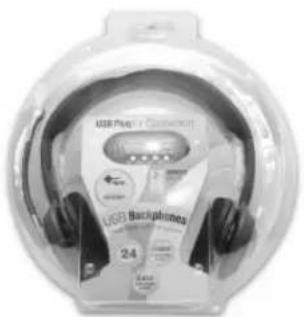
text_image
MBR Papey Computer LGB Backphones 24LCD Monitor 1703 with TV