
XRJ4LX2 - Ice Maker Vevor - Free user manual and instructions
Find the device manual for free XRJ4LX2 Vevor in PDF.
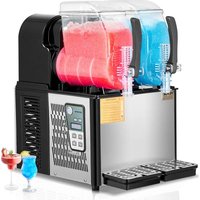


| Product Type | Professional 2-Bowl Granita Machine |
| Brand | Vevor |
| Model | XRJ4LX2 |
| Dimensions (L x D x H) | 36 x 50 x 56 cm |
| Total Capacity | 8 L (2 bowls of 4 L each) |
| Liquid Temperature Range | 20 °C to 32 °C |
| Noise Level | < 65 dB |
| Power Supply | See nameplate (standard plug) |
| Power | See nameplate |
| Main Functions | Granita, slush, margarita, iced drink making. Consistency adjustment (hard/soft). LED lighting. Integrated cleaning system. |
| Control Panel | Main switch, lighting switch, bowl selection, cleaning mode, slush mode, consistency adjustment (+/-) |
| Dispenser | Tap with handle, removable for cleaning |
| Maintenance | Daily cleaning of bowls, taps, drip tray. Weekly disinfection. Lubrication of seals. Professional condenser cleaning. |
| Safety | Emergency stop via main switch. Overvoltage (E1), undervoltage (E2), motor overcurrent (E3) protection. Automatic stop in case of blockage. |
| Spare Parts and Repairability | Seals, agitators, LED bulb, temperature sensor, motor, condenser. Replacement by a professional. |
| Standards | FCC Class B compliant. WEEE Directive (2012/19/EC). |
Frequently Asked Questions - XRJ4LX2 Vevor
User questions about XRJ4LX2 Vevor
0 question about this device. Answer the ones you know or ask your own.
Ask a new question about this device
Download the instructions for your Ice Maker in PDF format for free! Find your manual XRJ4LX2 - Vevor and take your electronic device back in hand. On this page are published all the documents necessary for the use of your device. XRJ4LX2 by Vevor.
USER MANUAL XRJ4LX2 Vevor
Technical Support and E-Warranty Certificate www.vevor.com/support
SLUSH MACHINE
MODEL: XRJ4LX1 XRJ4LX2
We continue to be committed to provide you tools with competitive price. "Save Half", "Half Price" or any other similar expressions used by us only represents an estimate of savings you might benefit from buying certain tools with us compared to the major top brands and does not necessarily mean to cover all categories of tools offered by us. You are kindly reminded to verify carefully when you are placing an order with us if you are actually saving half in comparison with the top major brands.
MODEL: XRJ4LX1 XRJ4LX2
NEED HELP? CONTACT US!
Have product questions? Need technical support? Please feel free to contact us:
Technical Support and E-Warranty Certificate www.vevor.com/support
This is the original instruction, please read all manual instructions carefully before operating. VEVOR reserves a clear interpretation of user manual. The appearance of the product shall be subject to product you received. Please forgive us that we won't inform you and there are any technology or software updates on our product.
 | Warning-To reduce the risk of injury,user must read instructions manual carefully. |
 | CAUTION: Changes or modifications not expressly appro by the party responsible for compliance could void the authority to operate the equipment!This device complies with Part 15 of the FCC Rules. is subject to the following two conditions:1) This product may cause harmful interference.2)This product must accept any interference received, in interference that may cause undesired operation.WARNING: Changes or modifications to this product not expressly approved by the party.responsible for compliant could void the user's authority to operate the product.Note: This product has been tested and found to comp the limits for a Class B digital device pursuant to Part FCC Rules, These limits are designed to provide reason protection against harmful interference in a residential installation.This product generates, uses and can radiate radio frec energy, and if not installed and used in accordance wi instructions, may cause harmful interference to radio communications. However, there is no guarantee that interference will not occur in a particular installation. If product does cause harmful interference to radio or tele reception,which can be determined by turning the produ and on, the user is encouraged to try to correct the i by one or more of the following measures.Reorient or relocate the receiving antenna.Increase the distance between the product and receivConnect the product to an outlet on a circuit differen to which the receiver is connected.• Consult the dealer or an experienced radio/TV technic assistance. |
 | This product is subject to the provision of European Di 2012/19/EC.The symbol showing a wheelie bin crossed through indicates that the product requires separate refu collection in the European Union.This applies to the pro and all accessories marked with this symbol.Products m as such may not be discarded with normal domestic w must be taken to a collection point for recycling electric electronic devices |
Instructions
Thank you very much for choosing this slush machine. Slush machine is a kind of machine and equipment widely used in the food industry and catering industry. It is mainly through the frozen juice, milk or yogurt and other beverages frozen into a sorbet, and will be cut into fine particles through the scraper, made of soft taste snow ice! Please read all of the instructions before using it. The information will help you achieve the possible results.
Contents
- Introduction
1.1. Manufacturer.
1.2. Operator
1.3. Manual distribution
1.3.1 Function and content
1.3.2 Who to read manual
1.3.3 How to keep manual
- Machine description
2.1. Usage
2.2. Main Component
2.3. Technical data
2.4. Control panel
- Safety manual
- Transportation and storage
4.1. packing
4.2. Transportation
4.3. Storage
- Installation
5.1. Parts list
5.2. Position to install
5.3. Handling package material
5.4. Connect power
- Operation
6.1. Preparing material and stirring evenly
6.2. Starting a 1-BOWL SLUSH MACHINE Model: XRJ4LX1
6.3. Starting a 2-BOWL SLUSH MACHINE Model: XRJ4LX2
6.4. Dispensing slush
6.5. Emergency
- Cleaning and maintenance
7.1. Empty Bowl
7.2. Disassembling the dispensing tap
7.3. Move out bowl and cover
7.4. Clean and disinfect parts
7.5. Reset cleaned parts
7.6. Clean step
7.7. Cleaning drip tray
7.8. Replace bulb
7.9. Clean condenser
7.10. Scheduled maintenance
- Waste treatment
- Troubleshooting
9.1. Fault Codes and Solutions For Slush Machine
- Intelligent electronic valve system
- Slush machine explosive diagram
1. Introduction
1.1 Manufacturer
The manufacturer's details are shown on the identification plate.
1.2 Operator
Based on different applications, there are two types of persons.
User
In accordance with health standards, people trained in the required techniques,
Know all to distribute slush, have the ability below after reading this manual.
Place and change slush machine, properly dispensing the products.
Cleaning the slush machine.
Specialized technical people
Studied this manual and trained how to install, use and maintain this machine;
When serious fault occurs, can repair the slush machine and know this manual well.
Master all information of the manual and can explain the diagrams and graphs correctly;
Know important hygienic knowledge well, prevent accidents from occurring, know technical and safety standards.
Have experience serving this kind of slush machine.
Master treatment measures for emergencies. Independently separated safety devices are used to ensure the machine is used correctly.

People who do not meet the above requirements are prohibited from using the machine.
1.3 Manual distribution
Users have to read this manual carefully before using.
1.3.1 Function and content
Offer vital information on using and installing.
1.3.2 Who should read the manual
Users and specialized technical personnel.
This manual is an inseparable part of the machine.
So it needs to be delivered to the purchaser when sold.
1.3.3 How to keep the manual
The manual has to be placed near the machine and kept intact and clean.
2. Machine description
2.1 Usage
This machine is specially used for making slush. If used to make other foods, bowl material temperature needs to be tested and abide by the machine's current regulation and standard.
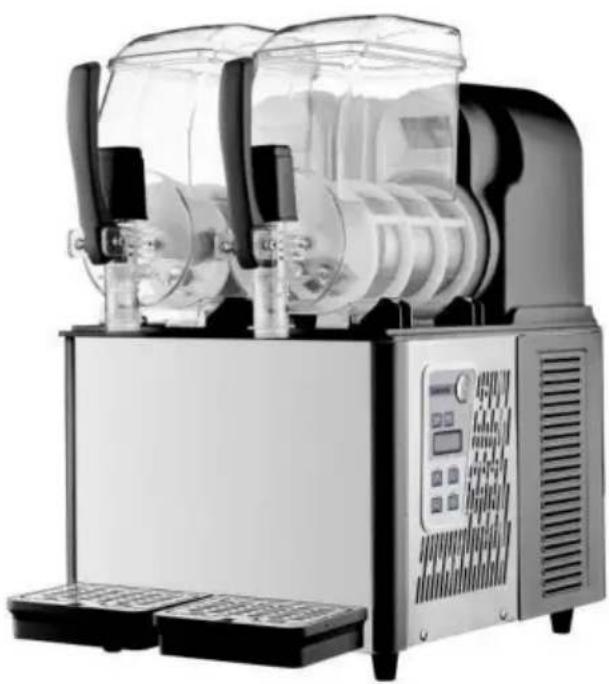
2.2 Main Component
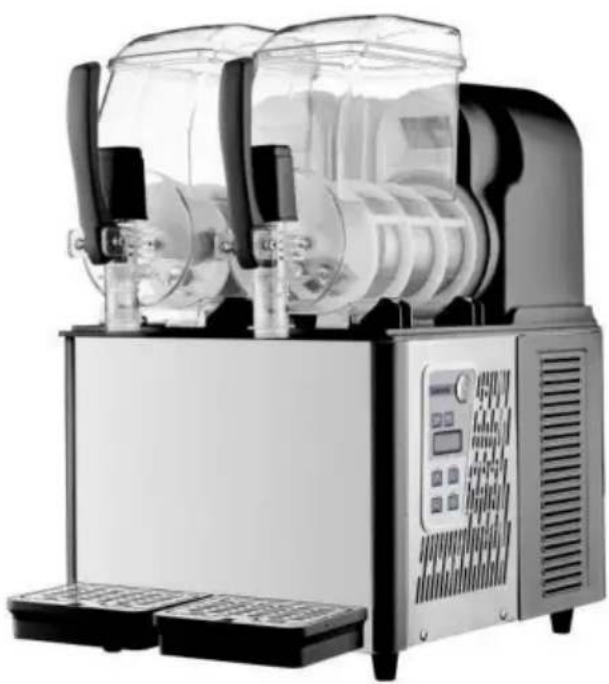
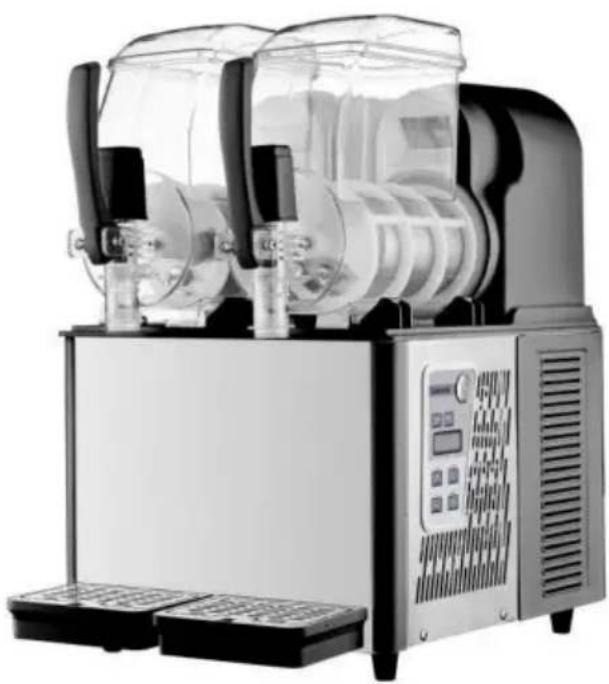
| 1.Bowl roof2.Bowl3.Control panel | 4.Drip tray5.Drip tray cover6. Drain hose | 7. Tap8. Handle9. Machine foot |
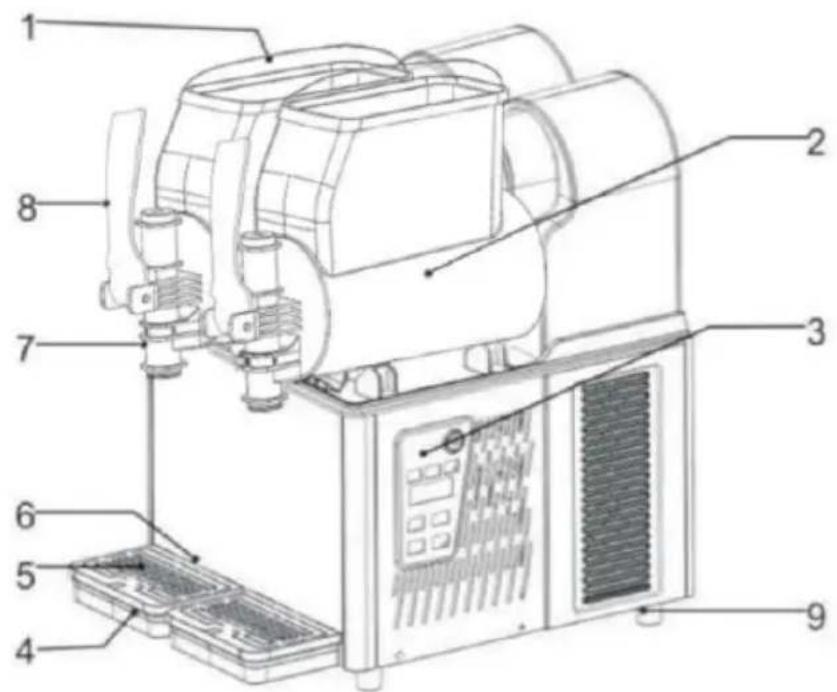
Fig.1

In this manual, the items mean as below:
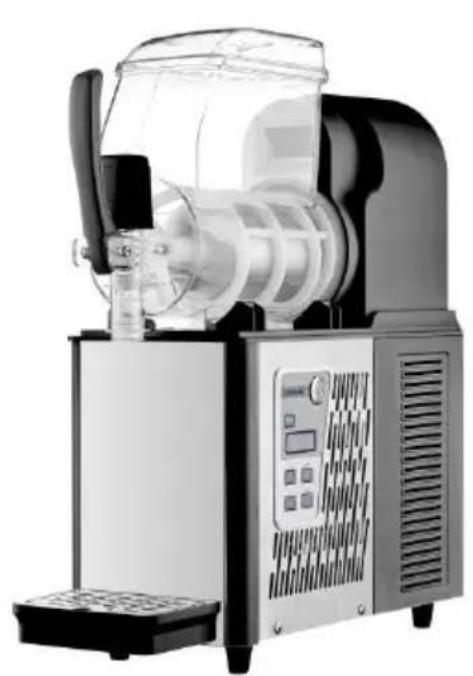
XRJ4LX1, one-bowl slush machine
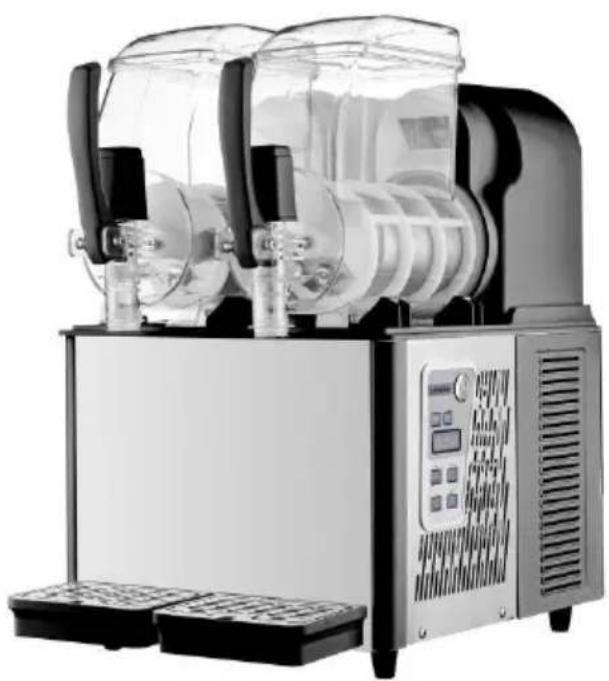
XRJ4LX2, two-bowl slush machine
2.3 Technical data
| Mode | XRJ 4LX1 | XRJ 4LX2 |
| Size L*D*H (CM) | 20X49x 55 | 36X50x 56 |
| Net weight (kg) (Bowl empt) | See nameplate | |
| Power (w) | See nameplate | |
| Liquid Temperature | Min: 20°C/68°F Max: 32°C/89°F | |
| Bowl | 1 | 2 |
| Bowl (L) | 4 | 8 |
| Operating Noise | < 65 decibel | |
| Climate | N | |

Manufacturer has the right to change without special notice.

Any change and increase has to be approved and executed by
the manufacturer.
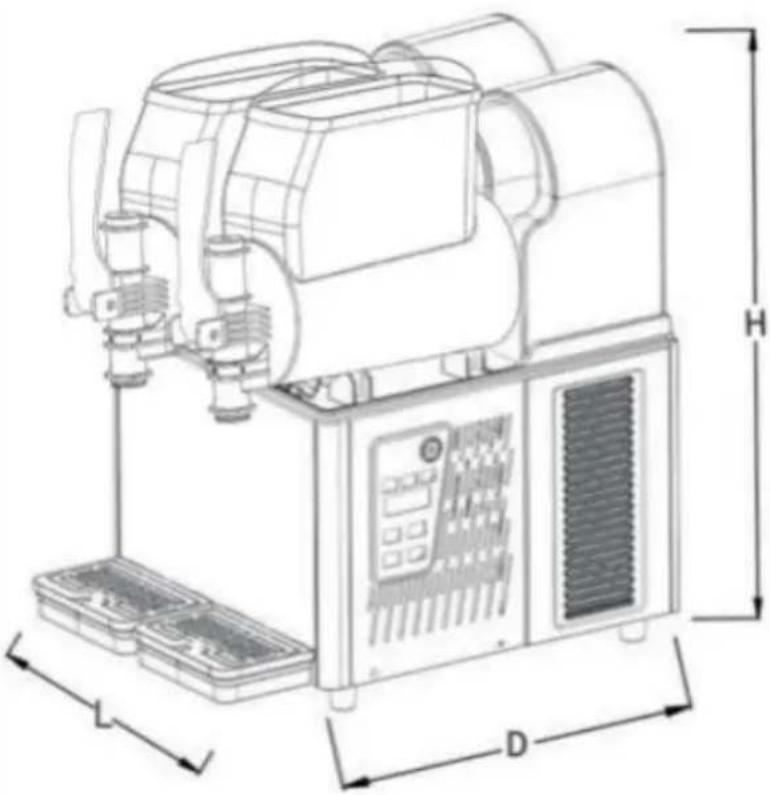
Fig.2
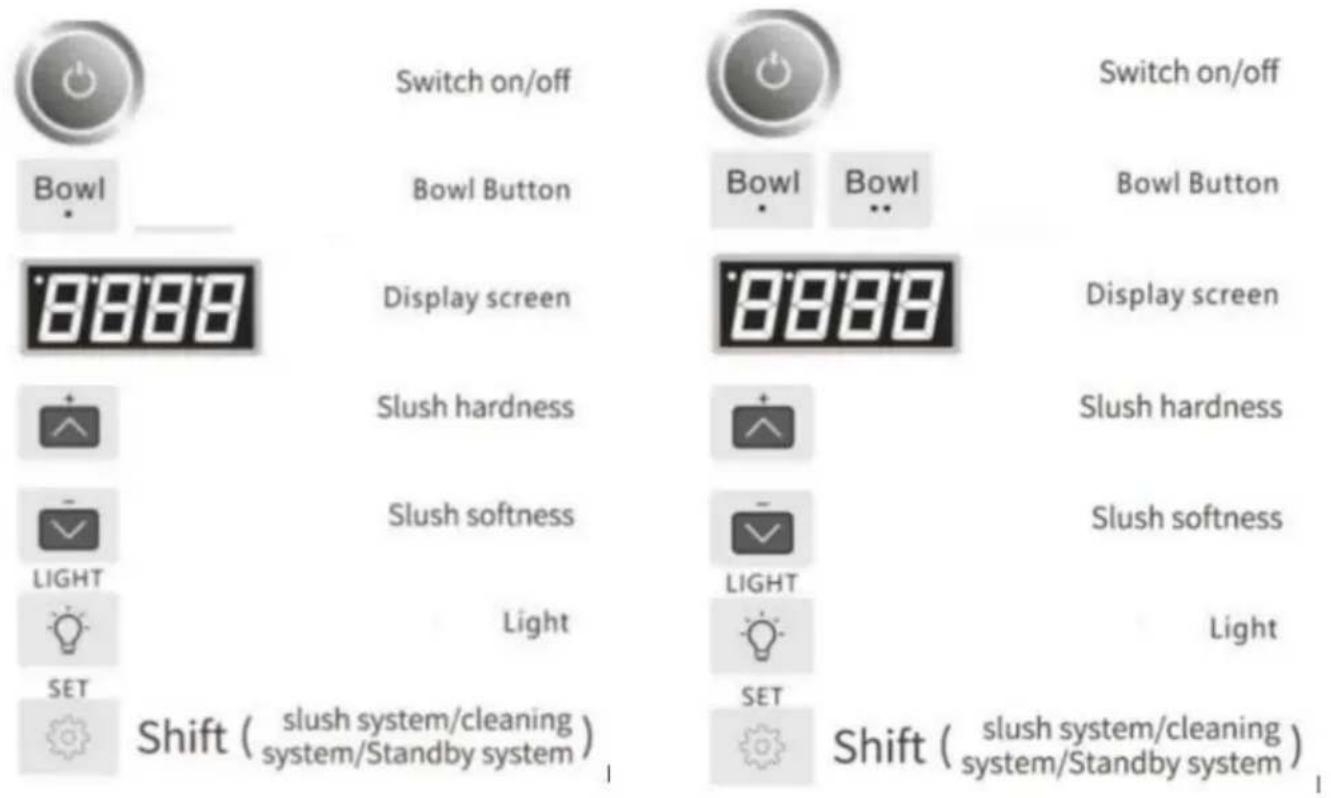
2.4 Control panel
Fig.3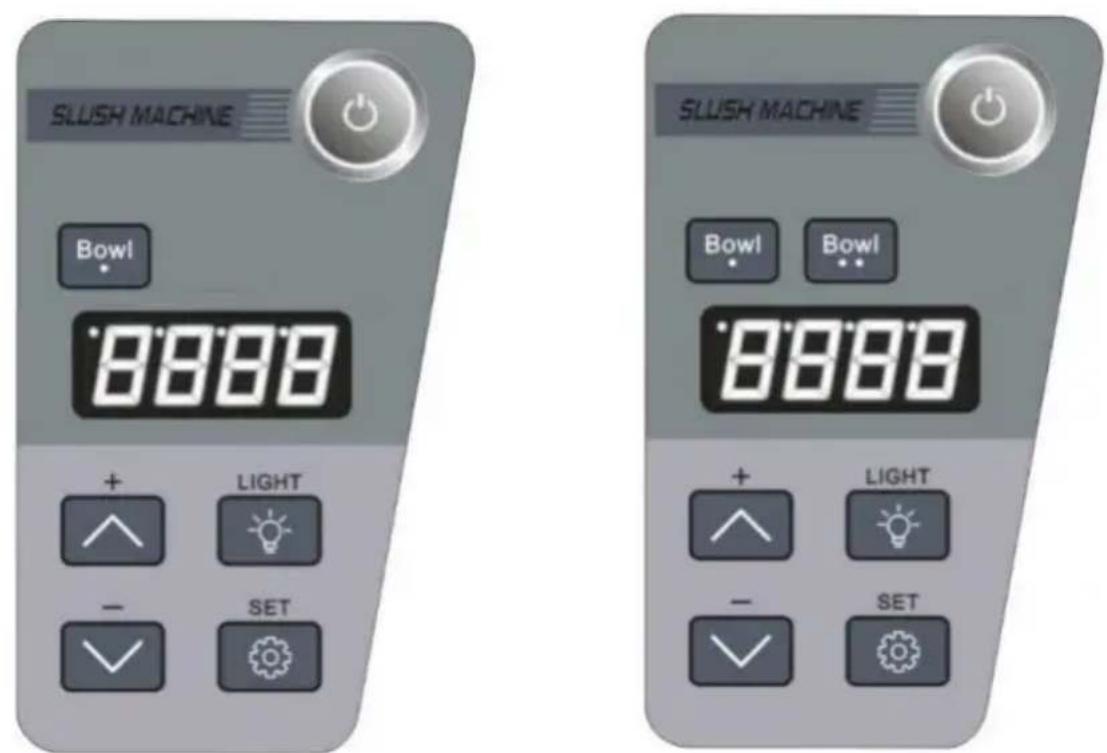
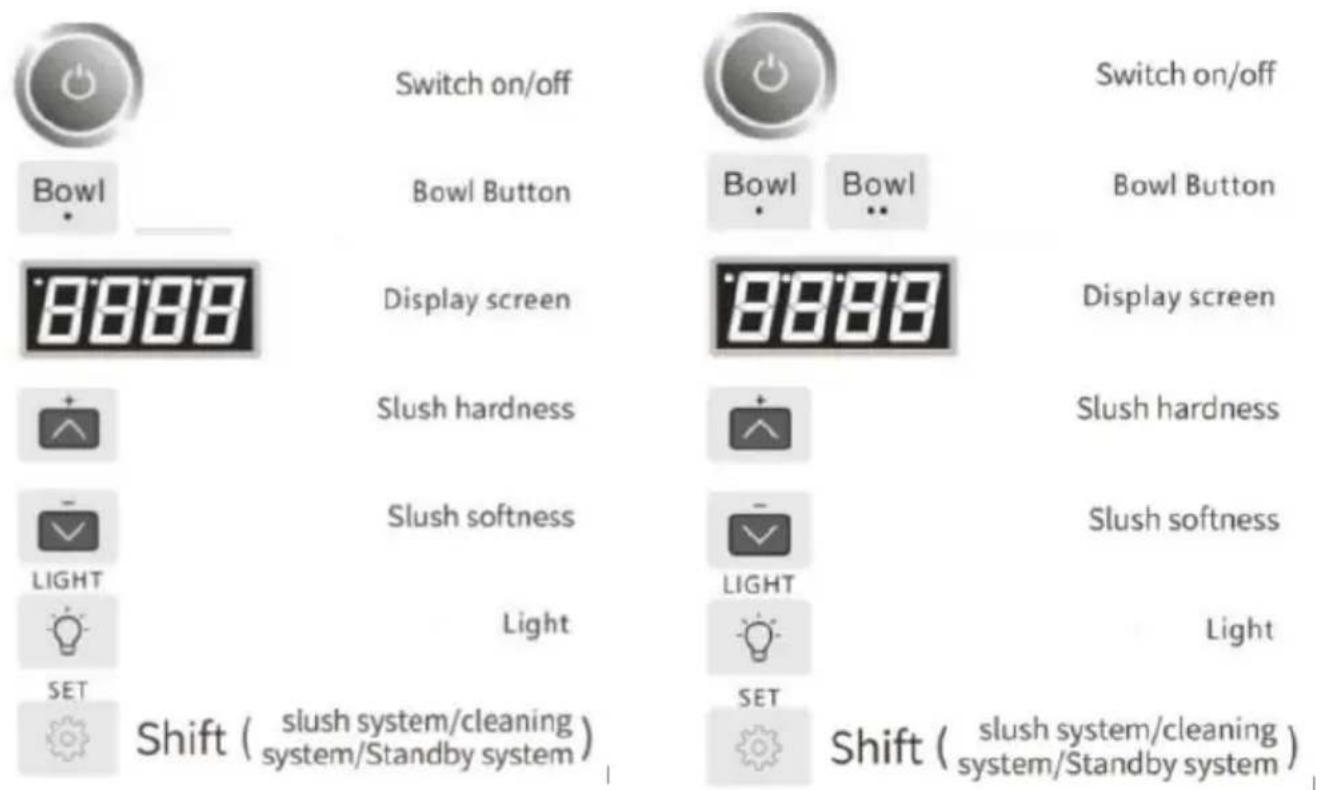
3. Safety manual
Slush machine parts and condenser installation, slush machine troubleshooting, exclusion, and maintenance must be operated by manufacturer's professional people who have related experience. Without experienced people monitoring or guiding, the slush machine cannot be used by disabled, sense-disabled, or mentally disabled people who lack experience and knowledge. Children need to be taken care of when playing near the machine. When the machine's wire is broken, it has to be replaced by manufacturer professionals or people who have related experience. When the machine is scrapped, it has to be delivered and handled by the related authority institution.
4. Transportation and storage
4.1 Packing
Wooden box, contoured foam & collect.
Packing size (approximate)
| Width(L) | Depth (D) | Hight (H) | |
| XRJ4LX1 | 310mm | 700mm | 720mm |
| XRJ4LX2 | 460mm | 695mm | 740mm |
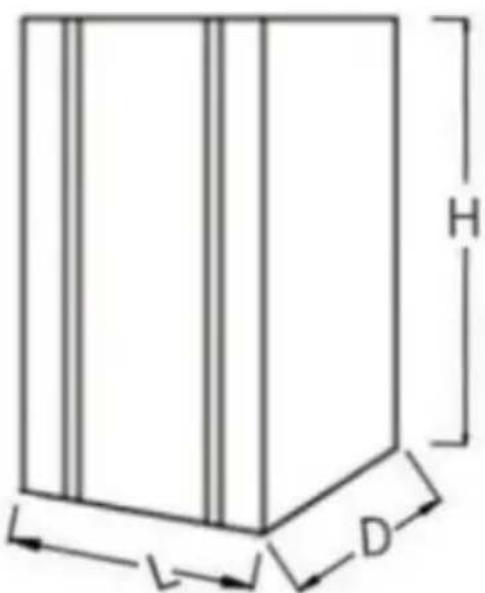
Fig.4

Remarks: packing size and weight are approximate.
4.2 Transportation
Keep upward and carried by two people at least.
4.3 Storage
Notice: please do not exceed three layers. See fig.5

Fig.5
5. Installation
The slush machine has to be installed indoors on a hard and plain ground, under enough light and ventilation (ground inclination can't be more than 1 degree).
5.1 Parts list
After cleaning and disinfecting, all indicated parts in the manual have to be coated with lubricating oil.
5.2 Position to install
Installation position have to be planed in advance;
Installation place have to be hard and plain
Installation condition is enough light and ventilation and clean; Power socket is also needed;
Installation distance from other objects see below fig.6
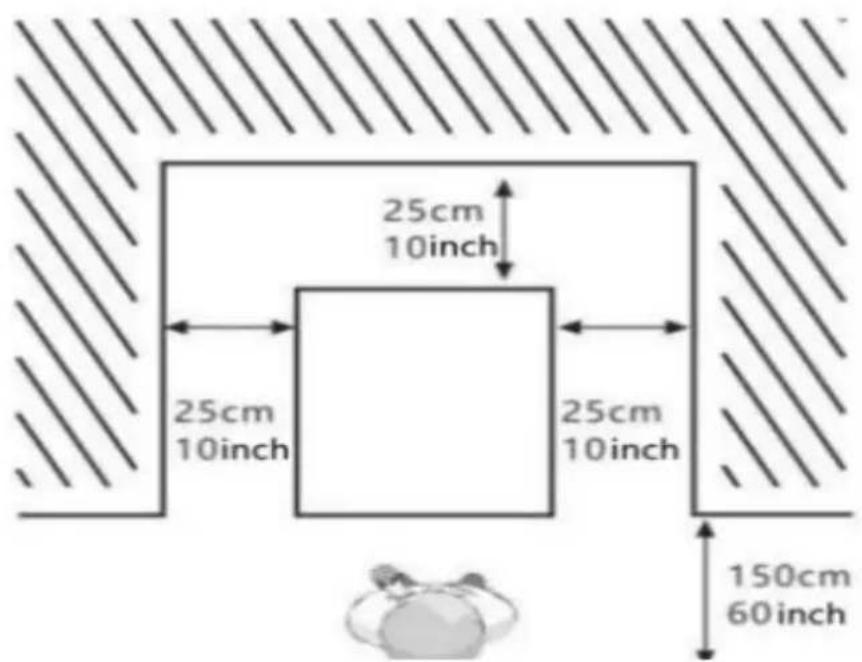
Fig.6
5.3 Handling package material
Handling packing material separately under local rules and we suggest keep it to repack and ship in future.
5.4 Connect power
Ensure slush machine is off before connecting power. Then plug in to connect power.
Data can be referred from machine back nameplate.
Warning: Socket has to be placed within user touching distance in or unplug quickly when emergency without using other tools.
6. Operation
Warning
| Frozen DrinkPercentage of juice Powder: ≥10° | SLS 0132°F~44.6°F(0°C~7°C) |
| SlushyPercentage of sugar: ≥15% | SLS 02-SLS 0528°F~23°F(-2.2°C~-5.2°C) |
| Margarita Wine SlushPercentage of liquor: 10%-45% | SLS 06-SLS 1521°F~9°F(-6.2°C~-13°C) |
Note:
- The liquor generally refers to being 40% alcohol by volume.
- The SLS xx will blink when the gear is adjusted and the machine automatically saves the setting after 5 seconds. After that, the display is flashing and the temperature of the liquid in the cylinder is displayed in the form of Fahrenheit Celsius, e.g., xx F.
- When the temperature inside the bowls is very low, there will be frost on the outside of the bowls, which is normal.
- At low temperatures, the spout may freeze. Just cast a brush toward the spout and the slush/margarita wine slush/ice cream will flow out properly.
6.1 Preparing material and stirring evenly
Only water is prohibited.
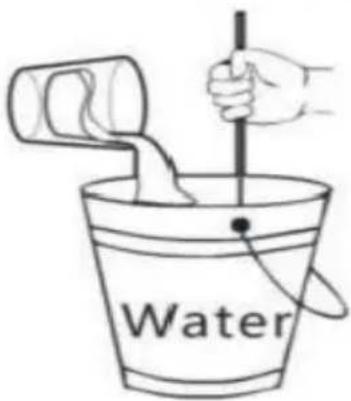
Fig.7
Attention
Operate under manufacturer direction.
Dilute and stir concentrated liquid with water in a container.
Mixture sugar content should be >15%.
Lower content will damage the augers and gear motors.
If you need to make alcohol slush, pour the appropriate percentage of alcohol into the container according to your needs.
Remove the lid as per the following steps:
- Lift the top lid.
- Pour the material into bowls

Warning
Hot liquid cannot be put in (hot liquid means temperature exceeding 40°C). Material level cannot exceed maximum height level.
- Close the top lid after pouring the material.

- Warning: Before connecting power or starting the machine, put material into the bowl.
- Material cannot just be water.
- Warning: Do not put your hand in the bowl while the machine is working.
6.2 Starting a 1-bowl Slush Machine Model: XRJ3LX1
The following controls are on the panel:
A. Main Switch: It is used to switch on/off the power supply to the whole machine.
B. Light Switch: It is used to switch on/off the light.
C. Clean Function: Add appropriate water in advance, then click the "SET" switch until the display shows "CLEAN" that means open Clean System. After cleaning,
click the SET switch once more, the display shows "OFF" that means close Clean System. When the cracks aren't clean, use the provided towel to clean any remaining dirt and wipe up any water stain.
D. Slush/Margarita Wine Slush/Ice Cream/Frozen Drink Function: Keep
clicking the SET switch display shows SLS that is used to switch on Slush System.
Then you can click "+" to make slush/ice cream
harder and can also click "V" to make slush/ice cream softer. The machine will automatically save the setting after 5 seconds.
6.3 Starting a 2-Bowl Slush Machine Model: XRJ4LX2
The following controls are on the panel:
A. Main Switch: It is used to switch on/off the power supply to the whole machine.
B. Light Switch: It is used to switch on/off the light
C. Clean Function: Add appropriate water in advance,
then click bowl 1 or bowl2 to select the bowl you want to
operate. Then keep clicking the "SET" switch, until the display shows "CLR" that means open
Clean System. After cleaning, click the SET switch once more, the display shows "OFF" that means close Clean System. Ditto for operating the other bowl. When cracks aren't clean, use the provided towel to remove remaining dirt and wipe up any water stain.
D. Slush/Margarita Wine Slush/Ice Cream/Frozen Drink Function: First
click bowl1 or bowl 2 to select bowl you want to operate.
Then keep clicking the SET switch until the display shows SLS that is used to switch on Slush System. Then you can click "+" to make
slush/ice cream harder and can also click "_" to make slush/ice cream softer. The machine will automatically save the setting after 5 seconds. Ditto for operating the other bowl.
6.4 Dispensing slush
Pull down handle and slush will outflow from the bowl

Attention: if dispensing slush for the first time or after a long stop, please extrude and waste a little and then distribute to customers.
6.5 Emergency

Warning: when emergency, machine should be turned off by power button and cut off power.
If frozen, cut off power and ask for specialized people to handle. If fire,
nearby area and ask for professionals.
7. Cleaning and maintenance

Before cleaning or maintaining external parts, please ensure main switch is off and unplug.
Any cleaning or maintaining protection supplies needs to wear (gloves, glasses, etc.) based on local safety standard
When cleaning or maintaining, operate as below.
Wear protective gloves against an accident.
- Do not use solvent or flammable substance
- Do not use tough or metal sponge to clean machine or parts
- Do not spray liquid to nearby area.
- Do not wash parts in the bowl!
- Do not dry parts in furnace or microwave oven.
- Do not immerse the machine in water.
- Do not spray water directly onto the machine.
- Warm water and appropriate cleaner can be used (abiding by local laws and regulations).
After finishing, make sure that all protective covers and guards that were removed or opened are put back in place and properly secured. Cleanliness and hygiene have to be taken carefully and enforced based on local standards to ensure qualified slush.

Cleanliness and hygiene have to be taken carefully and enforced based on local standards to ensure qualified slush. The bowl needs to be cleaned at least every day and abiding by local laws and regulations. Cleaning times may be added based on different products. For more information, please consult the manufacturer. If the machine will not be used for more than one day continuously, please clean the dispensing taps with a clean rag.
If the machine will not be used for more than one day continuously, please clean the dispensing taps with a clean rag.
Even though the machine's components are stainless steel, plastic, and rubber and are easy to clean as well as its shape, it is still necessary to prevent bacteria and fungi reproduction due to halfway cleaning. Do not clean or maintain the machine when the plug is not out or the total switch is in the down state.
7.1 Empty Bowl
Before cleaning the bowl, empty the bowl.
If it is the first time to use, no need to empty it.
This manual just explains one bowl as a sample.
Other bowls' operations are the same based on their respective buttons. Please set the bowl to "clean state", then pour material from the bowl.
7.2 Disassembling the dispensing tap
Before removing the bowl, it is recommended to disassemble the tap. For cleaning, the tap must not be reapplied until the bowl has been correctly seated. Remove the fastener with a screwdriver, then disassemble the dispensing handle by pushing upward, then push the piston and spread downward, remove the o-ring. Put all spare parts in lukewarm water (water temperature around 50°C) and clean as shown in Fig. 9.
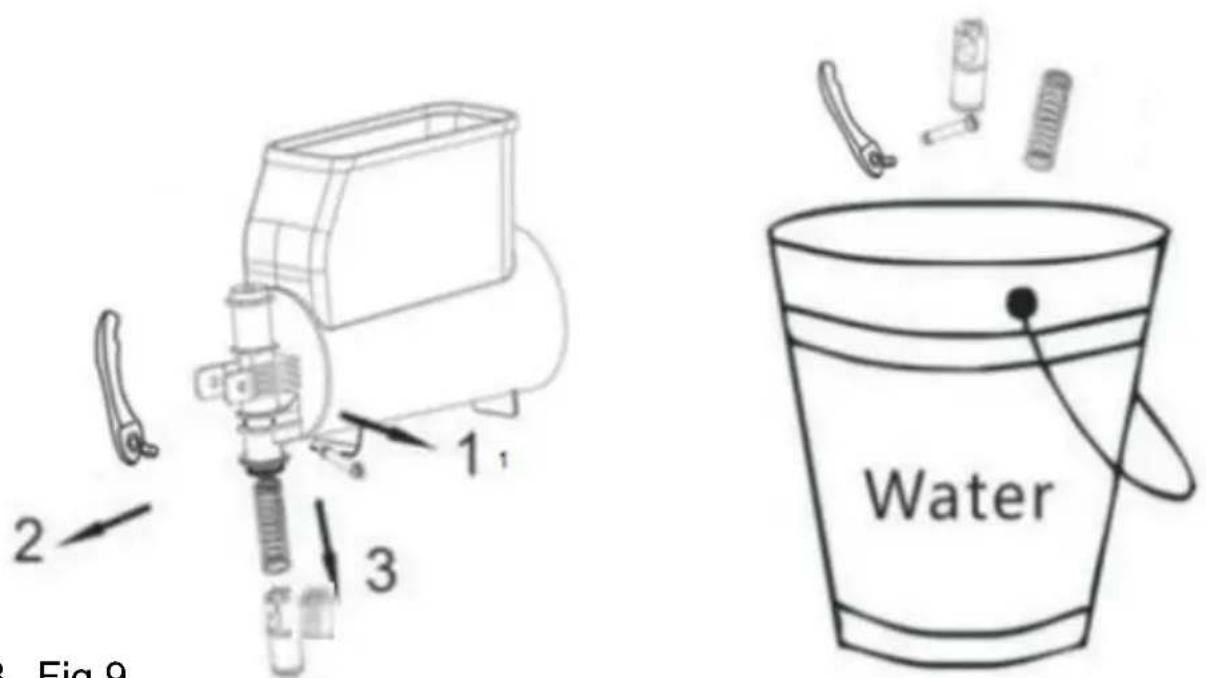
Fig.8 Fig.9
Do not disassemble taps when there are products or liquid in the bowl.
7.3 Move out bowl and cover
Move out every bowl to clean the machine.
Move out the bowls following the steps below:
- Lift the top cover upward and take it out. Pull the tank upward and completely remove it from its seat.
2. Screwing off the nut
- Take out the stirrer and the seal of the stirrer.
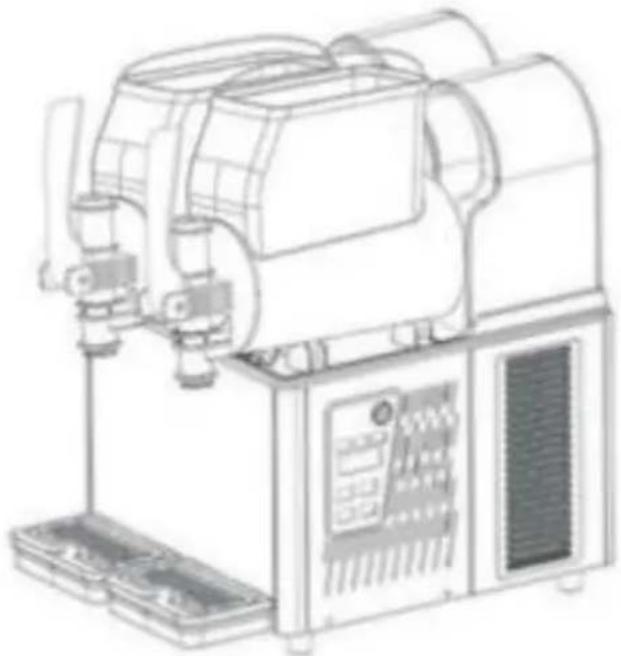
Fig.10
7.4 Clean and disinfect parts
All dismantled parts should be cleaned thoroughly.

Important: Cleaning method must comply with local current hygiene standards.
Please operate as per the following instructions:
Pour water into the container. Mix sanitizer with water (add 2% sodium hypochlorite to water).
Using a sponge with sanitizer, clean the bowl, cover, and evaporator thoroughly. Rinse thoroughly with water.
Add sanitizer to another container.
Put the disassembled parts in the sanitizer for 30 minutes. Rinse thoroughly with water again.
Dry the parts.
Assemble the machine according to instruction 7.5.
Using a sponge with sanitizer, clean the roof and the inner parts.
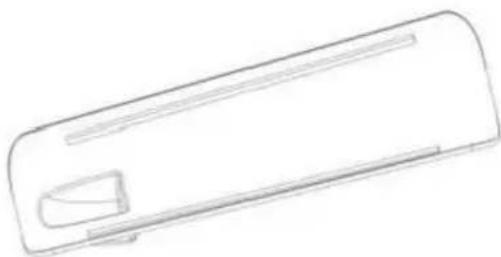
Fig.11
Retain for 30 minutes.
Clean the bottom surface with water 2-3 times using the sponge. Place the cover in a clean area and dry it with a rag.
Do not clean with water or disinfect before removing the cover.
7.5 Reset cleaned parts.
All disinfected parts must be reassembled carefully. Some parts need to be lubricated to work properly.
Gasket (A) on stirrer. See Fig.12.
Fig.12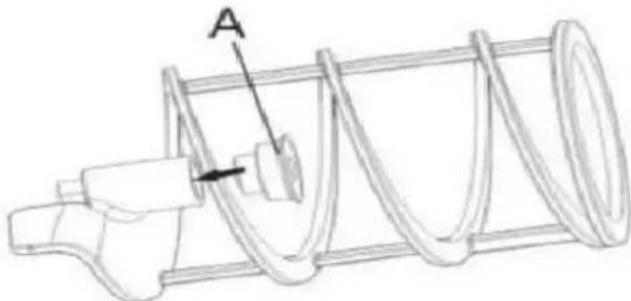

Importance: Check gasket regularly; if broken, replace it. Replace gasket (A) at least once a year.
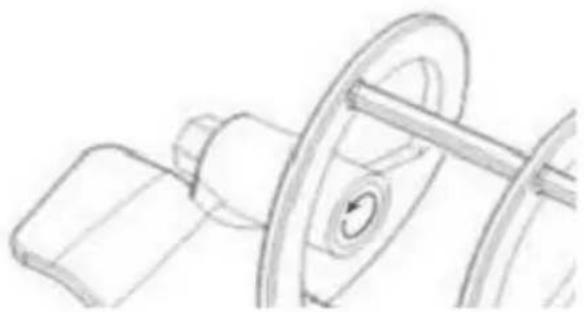
Fig.13

After gasket (A) is installed, coat the inside of gasket (A) with the provided grease. See Fig.13.
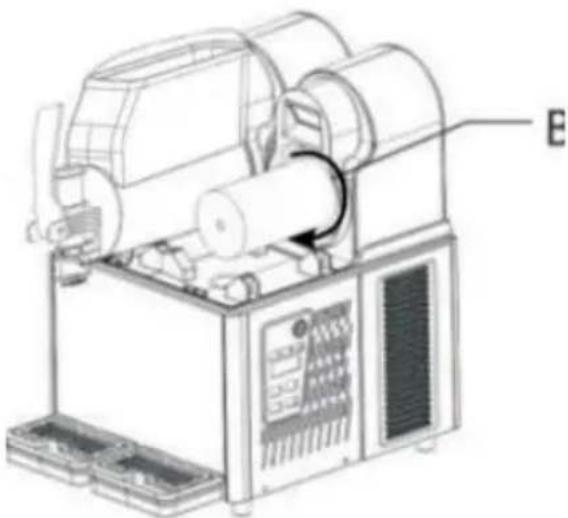
Fig.14

Install seal (B), lubricate the entire surface with grease as indicated by the arrows in Fig.14.

Attention: Adjust the stirrer to the appropriate location.
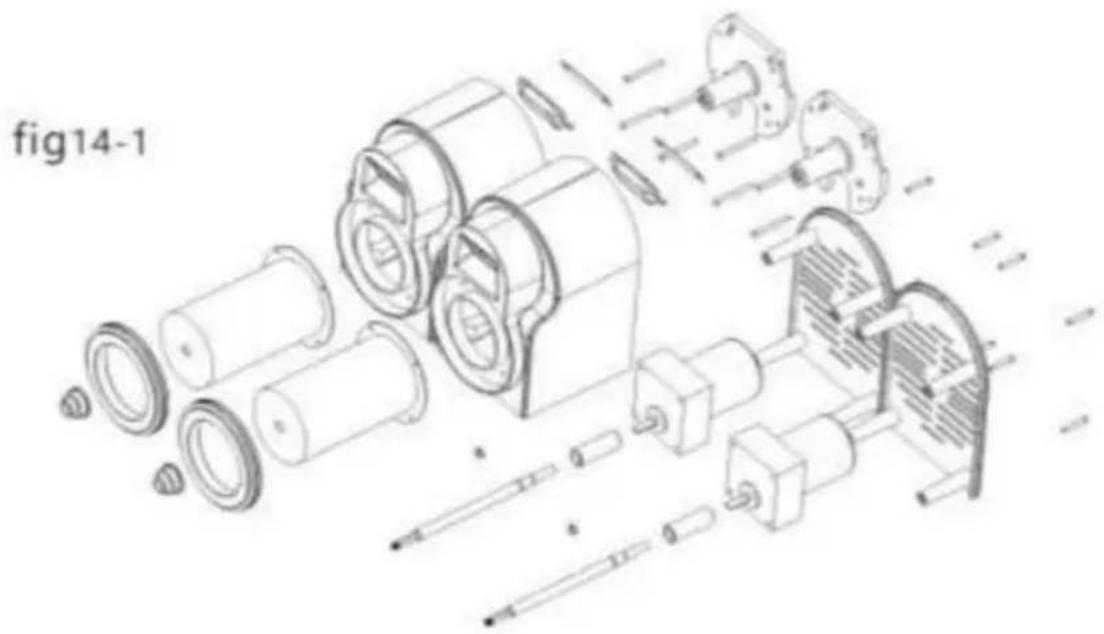
See Fig.14-1.
Replace the seal ring. When the motor part leaks, you need to replace the seal ring. Take out the motor bracket connected to the motor, and then replace the head seal ring, washer of axis, and seal of axis.
When replacing, you need to add some grease. Then install the motor bracket connected to the motor.
Fix the stirrer and install the bowls as shown.
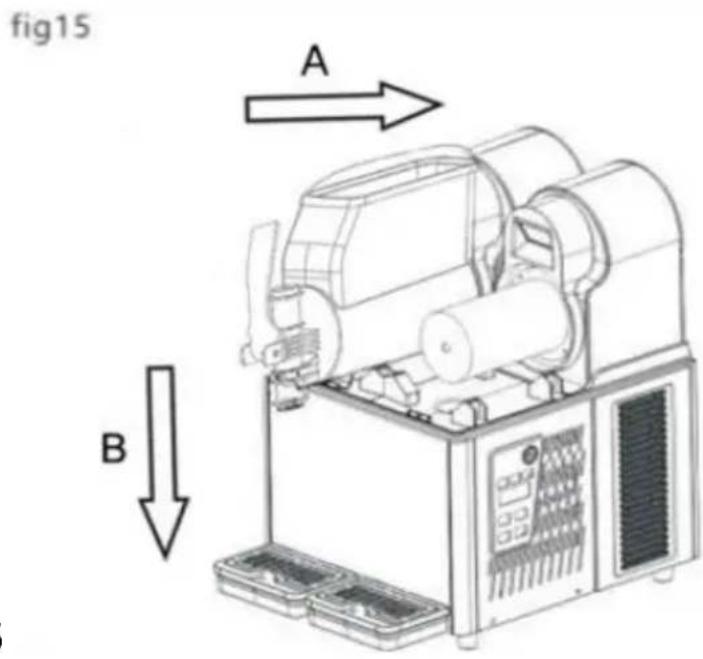
Fig.15

Attention: Adjust the bowls to the appropriate location.
Install the roof as shown in Fig.16.
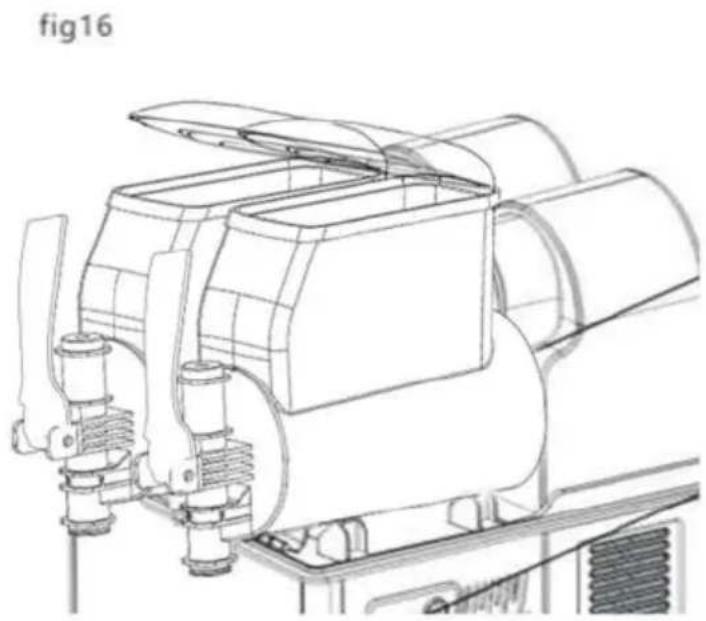
Press down top roofs until they fit in.
Install taps as per the instructions in Fig.17.
- Lubricate totally with grease.
- Insert screw when taps are steady.
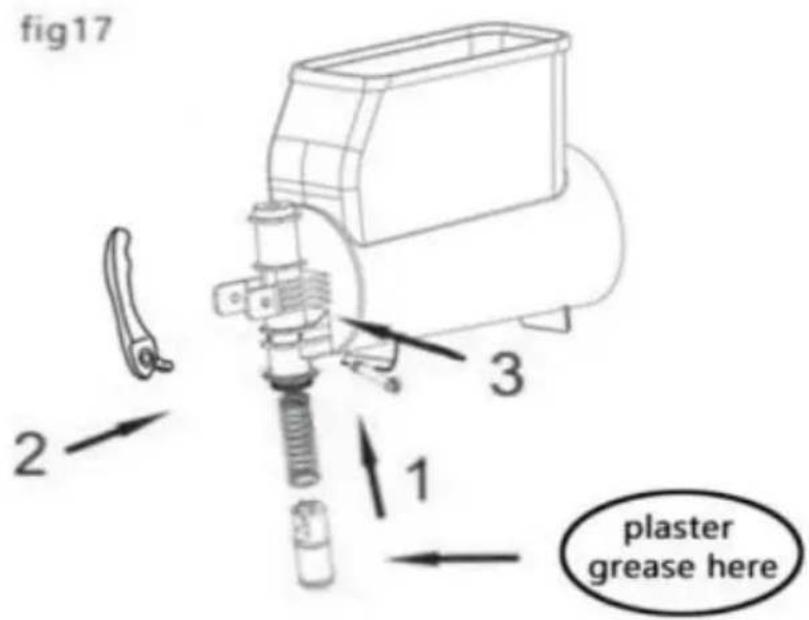

Attention: install all parts under figures instructions. Please apply grease well to prevent liquid leakage.
7.6 Clean step
Before using this machine, below cleaning steps are needed
- Fill bowl with water fully
- Start machine only in cleaning mode and stir for 5 minute
- Stop machine and open tap to clear container.
7.7 Cleaning drip tray
Drip tray should be emptied and cleaned everyday

Attention: All machine drip trays should be cleaned. Drip tray needs to be emptied and cleaned.
Takeout drip tray by lifting from top.
Wash the tray and grid separately with lukewarm water. Dry all of the components. Fit the tray back in place and press to secure it to the Reposition grid on top of the tray

When machines stop, clean by wet rag and dry the parts.
7.8 Replace bulb

Only when machine power handoff unplugged bulb can be repla According to below figure, open the small back panel, replace the LED bulb, after assembled put the panel back, confirm closed well.
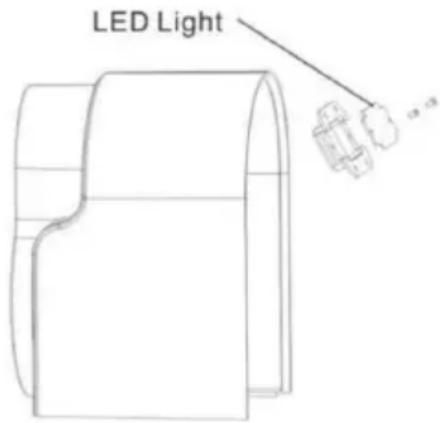
Fig.19
7.9 Clean condenser
Only professionals can clean condenser. They know all operating steps well using approximate device and abide by local law and regulation Condenser needs to be cleaned in regular.
Warning: Machine sharp surface may hereafter dismantling safety protection parts. Dirty condenser will weaken machine function.
Condenser can be seen after taking out safety protection parts.
Even though only one plate (front or back or side) is not installed the machine is also banned to use. Operator banned to clean condenser Protection parts need to be positioned by Screwdrivers
7.9.1 Cleaning condenser of one-bowl slush machine
Safety protection parts need screwdrivers to fasten and dismantle.
- Loose side panel screw.
2.Take out side panel
- Dismantle safety protection parts. Brush dust from condenser surfac with dry brush as Fig21
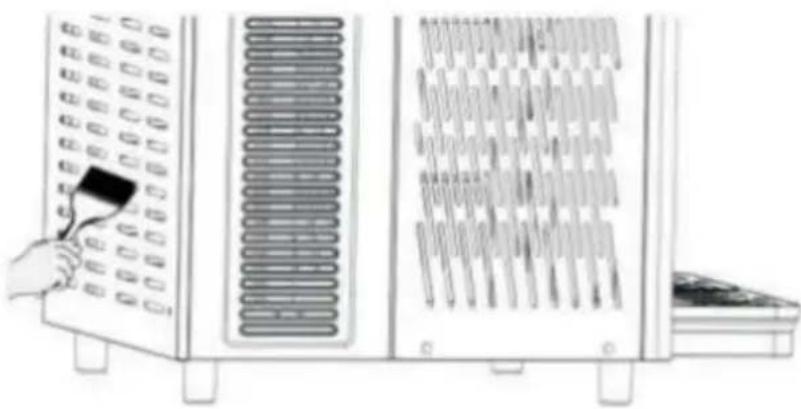
Fig.21
After cleaning the condenser, reposition the safety protection parts.
7.9.2 Cleaning the condenser of a two-bowl slush machine: Follow the instructions below.
- Loosen the 3 screws of the back plate.
- Loosen the 5 screws of the side plate.
- Take out the side panel.
Dismantle the safety protection parts.
Brush dust from the condenser surface with a dry brush as shown below.
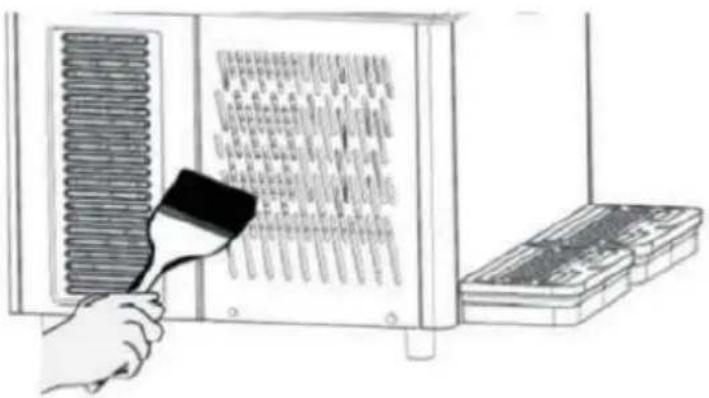
Fig.22
7.10 Scheduled maintenance
This machine needs to be maintained by professionals regularly (at least once a year).
Regular maintenance can ensure the machine and its parts are in good safety condition.
Any broken parts must be replaced with original manufacturer parts. When any parts of the machine are malfunctioning or broken, the machine is banned from use. The user must not maintain the machine himself.
8. Waste treatment
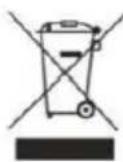
Electronic waste must be handled in accordance with Directive 2002/96/EC.
Waste must be dismantled and sorted, and reusable parts should be recycled.
The rubbish bin symbol above reminds people to sort their waste. Proper waste treatment protects our environment.
9. Troubleshooting
| Trouble | Potential problems | Solution |
| Can not turn on the machin | No input power | Insert the plug into appropriate socket |
| Not pressed the switch | Press the switch | |
| Outlet leaking | Outlet without Vaseline | Add Vaseline on ou |
| Outlet broken | Change the outlet | |
| Bowl leaking | The bowl not be installation suitable position | Check the bowl position |
| No Vaseline on bowl's seal | Add Vaseline on se ring | |
| Bad seal ring | Change the seal ri | |
| The stirrer no working | Not turn on the main swit | Turn on the main switch |
| Bowl inside freezing | Run off the main switch and let the melting | |
| The machine not making slush | not turn on the main swit | Turn on the main switch |
| Not turn to the"SLS"mode | Turn to the"SLS"mode" | |
| Heartsickness is not suitable | Adjust the slush thickness | |
| Condenser too dirty/poor ventilation | Clean the condense | |
| Slush machine approach in hot position | Put the machine to cool position | |
| The stirrer makes noisy | Stirrer's seal ring installation badly | Check and replace the seafaring |
| No Vaseline on seal ring or ring broken | Add Vaseline or change the seal rim | |
| No slush coming out from the outle | Bowl inside freezing melting | Turn off the main switch and let ice r |
9.1 Fault Codes and Solutions for Slush Machine
9.1.1. When the temperature sensor is not connected, "LL" is displayed. Check whether the temperature sensor is installed correctly or if the connecting wire is damaged or broken; replace the temperature sensor if necessary.
9.1.2. The temperature sensor is short-circuited and displays "LL". Check whether the temperature sensor is installed properly, or if the connecting wires are damaged and touching each other, or if the temperature measured by the sensor exceeds 60°C; replace the temperature sensor if needed.
9.1.3. When the grid voltage is too high, the machine stops working and generates an alarm code "E1 Err".
9.1.4. When the grid voltage is too low, the machine stops working and generates an alarm code "E2 Err".
1: It is recommended that customers purchase a voltage stabilizer to keep the voltage within a reasonable range.
2: To change the voltage alarm parameters without generating a voltage alarm: I. In the power-on state, long press the "Settings" button for 3 seconds to enter the setting menu, and the window flashes as
![graph LR A["CH1"] --> B["0.2"]](/content/2026/04/736892/images/5da3a517c2f11cab048067d7325cb87dea5182e5f82d5a3972247ac0d59b3fb3.jpg)
II. Then click the "Settings" button, and the window flashes as
![graph LR A["USN"] --> B["0"]](/content/2026/04/736892/images/849a98d4f66267a71cb65735c1498b036bdb8b9ed0c3bc9723b1216c169acc1f.jpg)
III. Then click the "Slush softness" button to set the value to 0. IV. Wait until the display stops flashing, indicating that the setting is successful.
9.1.5. When the measured motor current is too high, the current channel generates an alarm and protects the shutdown; the display shows code E3Err.
- If the mixing shaft is blocked and the shutdown protection is triggered, the machine will automatically restart after 5 minutes.
- If the motor is broken and rotates very slowly or cannot rotate, you need to replace it with a new motor.
- Alternatively, change the motor current alarm parameters and stop if no alarm is generated, then check whether the motor is rotating.
I. In the working state, long press the "Setting" button for 3 seconds to enter the setting menu; the window flashes as follows:
![graph LR A["CH1"] --> B["0.2"]](/content/2026/04/736892/images/be8c726017db3660f247f136167be429e408da7ea8219fa94d05a040282cc7f5.jpg)
II. Then click the "Setting" button; the window flashes as follows:
![graph LR A["USN"] --> B["3"]](/content/2026/04/736892/images/c87dcc2229d1316fd8687ae90da8703c8b9f0e178f33262146e0426854bb95df.jpg)
III. Then click the "Setting" button; the window flashes as follows:
![graph LR A["DLJ"] --> B["250"]](/content/2026/04/736892/images/c6514177d7b7ab1f4d4dd23ea4c245d1e081ceb4ebe94e720d8ae883cfcf0633.jpg)
IV. Then click the "slush softness" button to set the value to 0. V. Wait until the display stops flashing, indicating that the setting is successful.
10. Intelligent electronic valve system
Electrical diagram - XRJ4LX1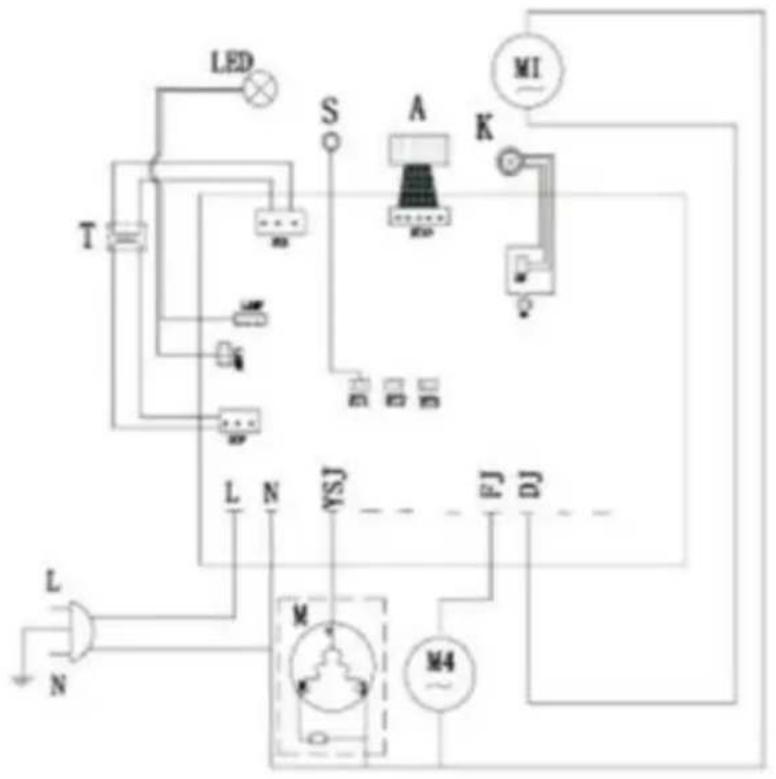
M Compressor
M4 Cooling fan
M1/M2/M3 AC geared motor
K Main switch
A Touchpad
T Transformer
LED light board
Temperature sensor
Electromagnetic valve
Electrical diagram-XRJ4LX2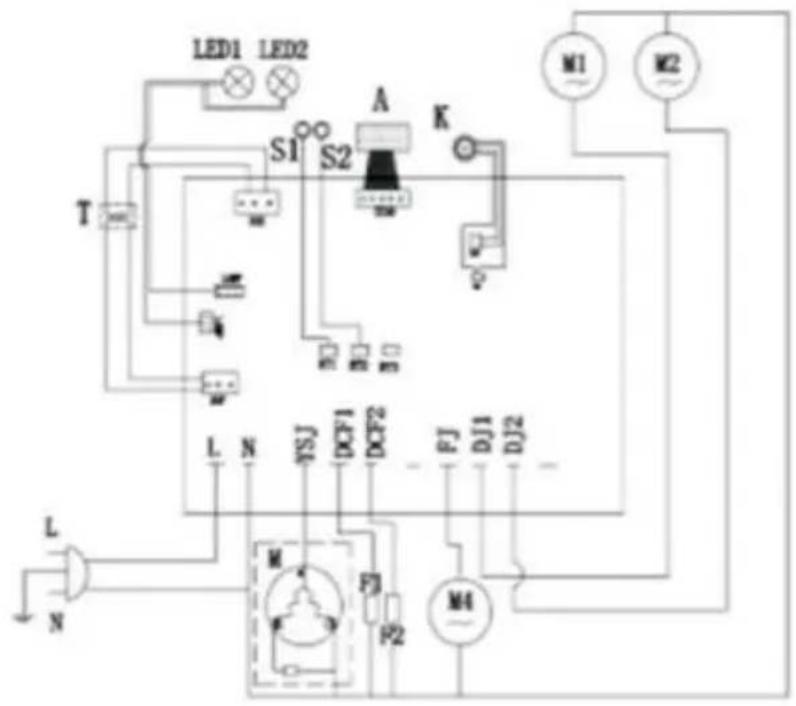
Compressor
Cooling fan
AC geared motor M1/M2/M3
Main switch
Touchpad
Transformer
LED light board LED1/LED2
Temperature sensor S1/S2
11. Slush machine exploded diagram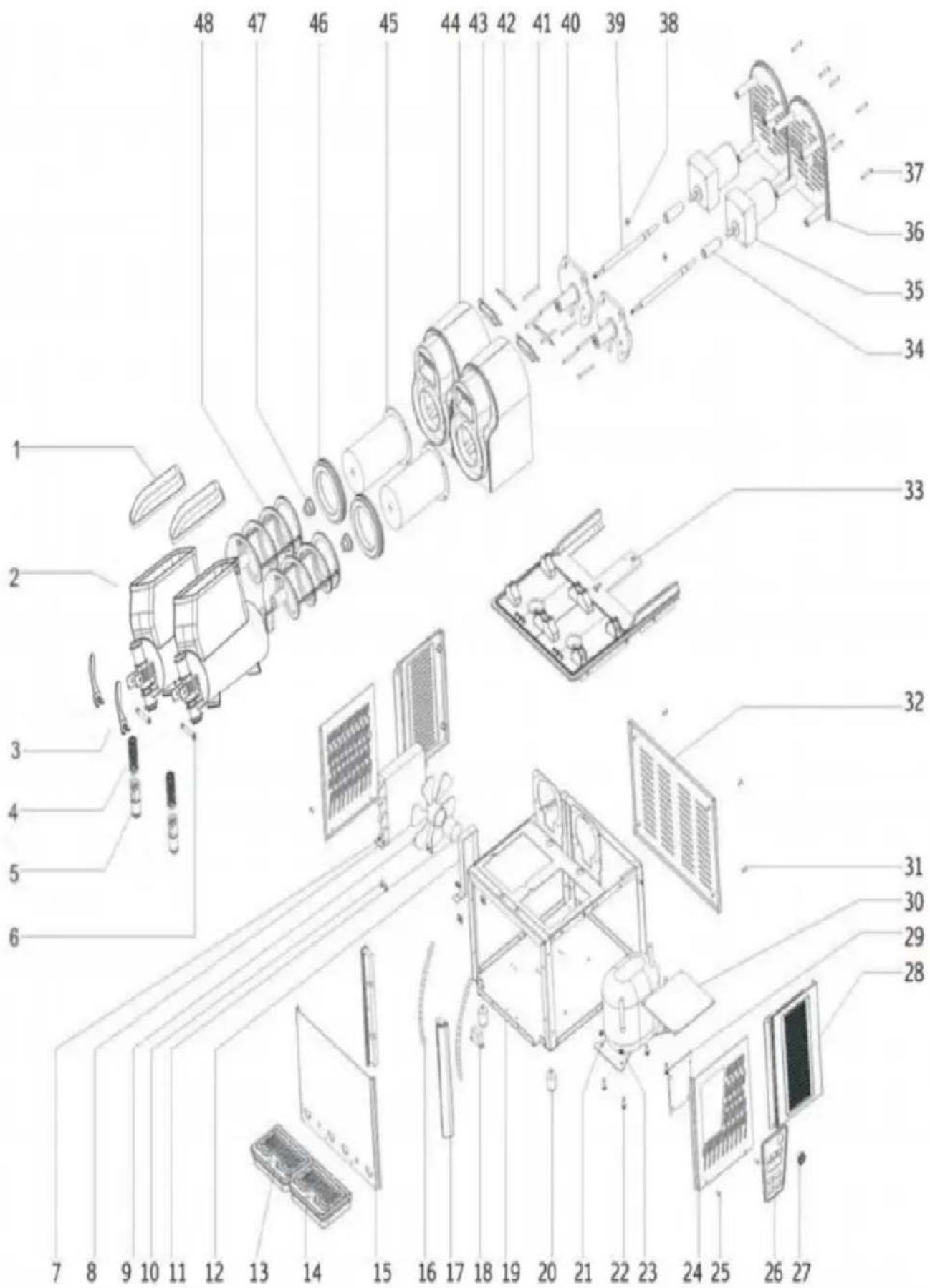
| Code | Parts Name | Code | Parts Name |
| 1 | Roof | 25 | Side plate fixing screw |
| 2 | Tank | 26 | Control panel |
| 3 | Handle | 27 | Switch |
| 4 | Spring | 28 | Plastic side panel |
| 5 | Plunger | 29 | PCB board |
| 6 | Pin of the handle | 30 | Main board |
| 7 | Hex nut | 31 | Plate nut |
| 8 | Condenser | 32 | Backboard |
| 9 | Fan | 33 | Base panel for 2 tan |
| 10 | The fixed bolt for fan m | 34 | Copper bush |
| 11 | Fan motor | 35 | Motor |
| 12 | The holder for fan mot | 36 | The back panel for mo |
| 13 | The roof of Water tray | 37 | Back mounting screw |
| 14 | Drip tray | 38 | Spring |
| 15 | Front panel | 39 | Stirring Rods |
| 16 | Pipe | 40 | The holder of motor |
| 17 | Jambe | 41 | Motor fixed screw |
| 18 | Transformer | 42 | The main board for lig |
| 19 | Main body frame | 43 | Lampshade |
| 20 | Rubber fool | 44 | The holder for stirrer |
| 21 | Compressor | 45 | Evaporator |
| 22 | The screw of compressor | 46 | Tank seal ring |
| 23 | The Nut of compressor | 47 | Seal of mixing auger |
| 24 | Panel | 48 | Mixing auger |
VEVOR®
TOUGH TOOLS, HALF PRICE
Technical Support and E-Warranty Certificate
www.vevor.com/support
VEVOR®
TOUGH TOOLS, HALF PRICE
NEED HELP? CONTACT US!
Fig.1

Fig.2
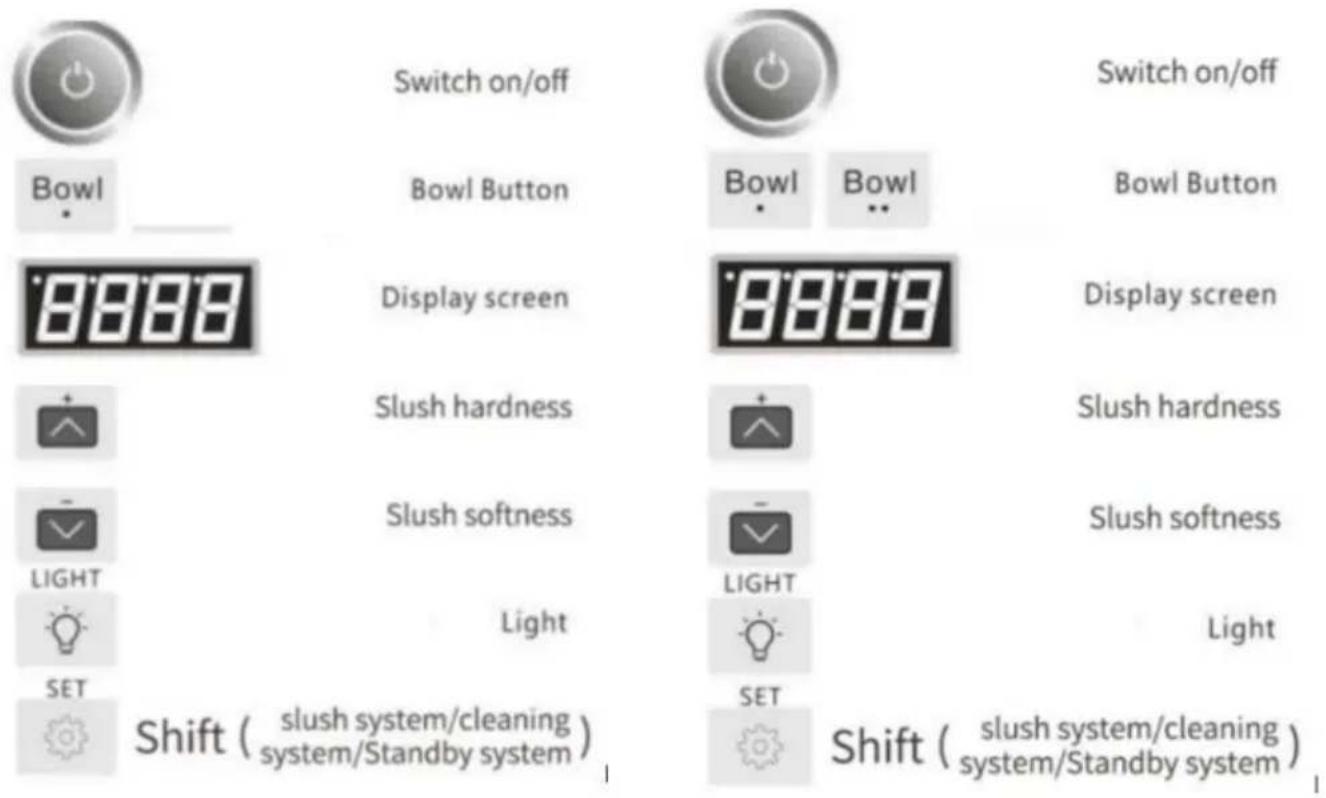
Fig.8 Fig.9
Fig.10
Fig.11
Keep for 30 minutes

Fig.13

Fig.14


Fig.19
Fig.21
Fig.22
M Compressor
M4 Cooling fan
M1/M2/M3 AC geared motor
K Main switch
A Touchpad
T Transformer
LED LED light board
S Temperature sensor
F Electromagnetic valve
Electrical diagram-XRJ4LX2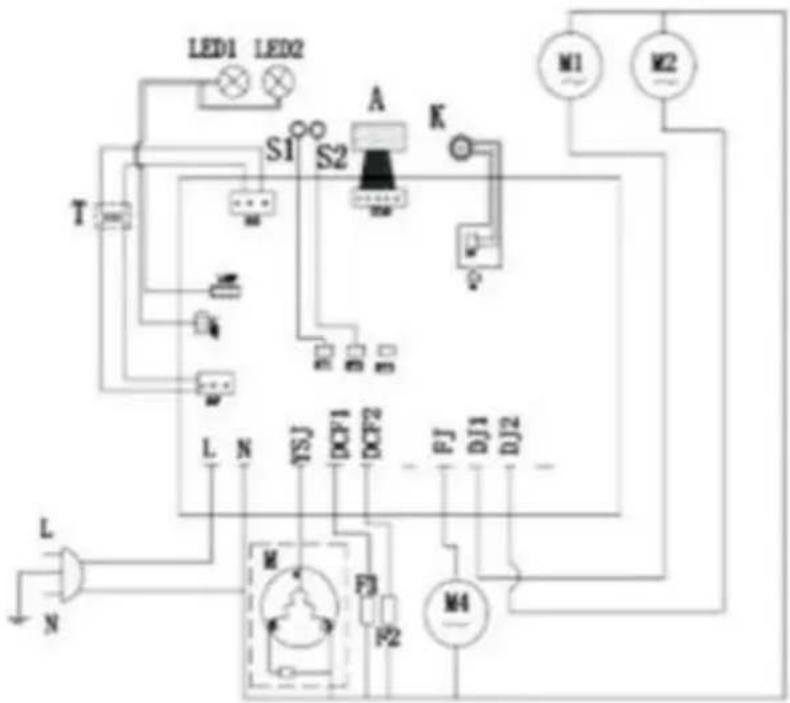
M Compressor
M4 Cooling fan
M1/M2/M3 AC geared motor
K Main switch
A Touchpad
T Transformer
LED1/LED2 LED light board
S1/S2 Temperature sensor
Fig. 1

Fig. 2
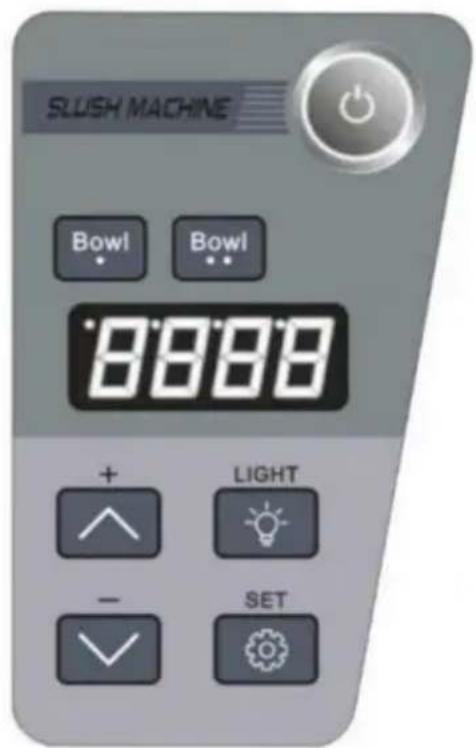
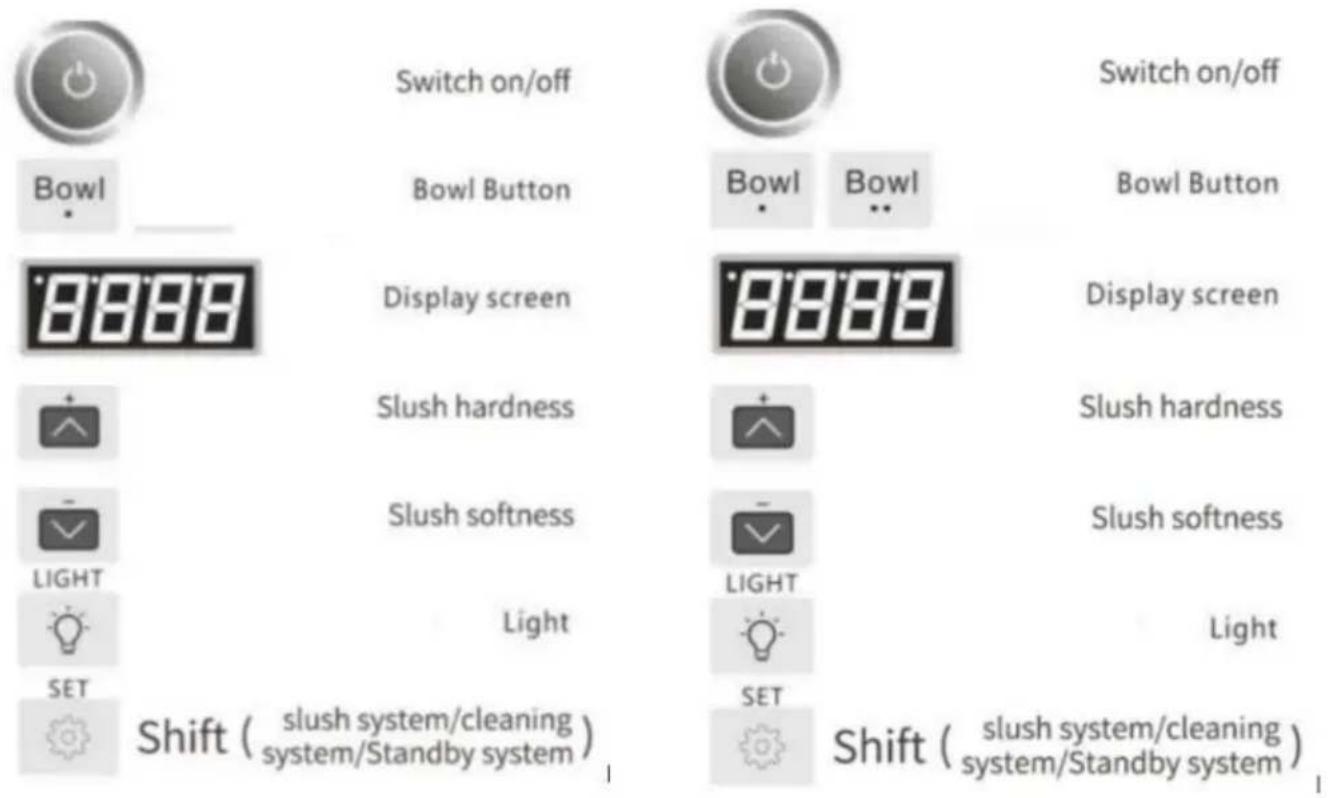
Fig. 10
Fig. 11

Fig. 13

Fig. 14


Fig. 19
7.9 Cleaning the capacitor
Fig. 21
Fig. 22
M Compressor
M4 Cooling fan
M1/M2/M3 AC geared motor
K Main switch
A Touchpad
T Transformer
LED LED light board
S Temperature sensor
F Electromagnetic valve
Electrical diagram-XRJ4LX2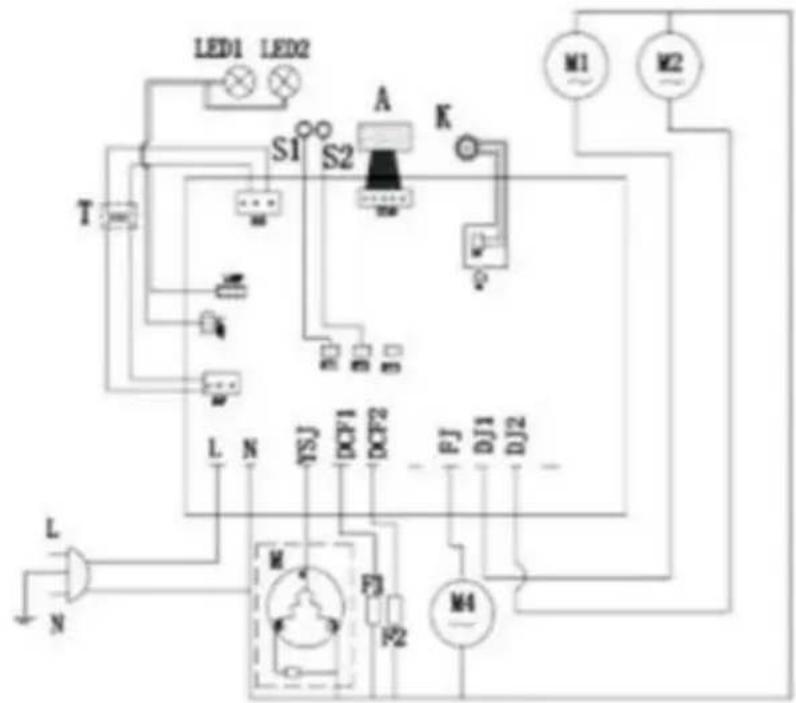
M Compressor
M4 Cooling fan
M1/M2/M3 AC geared motor
K Main switch
A Touchpad
T Transformer
LED1/LED2 LED light board
S1/S2 Temperature sensor
www.vevor.com/support
VEVOR®
TOUGH TOOLS, HALF PRICE
electronics www.vevor.com/support
GRANITE MACHINE
MODEL: XRJ4LX1 XRJ4LX2
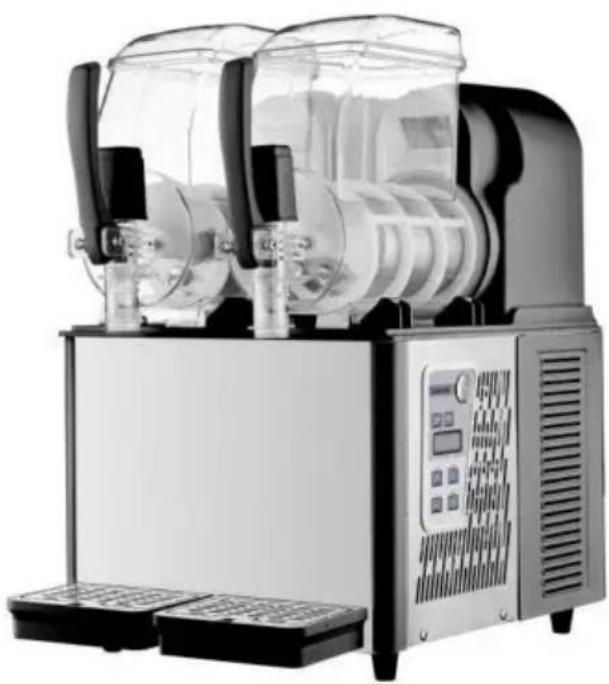
Figure 1

Figure 2
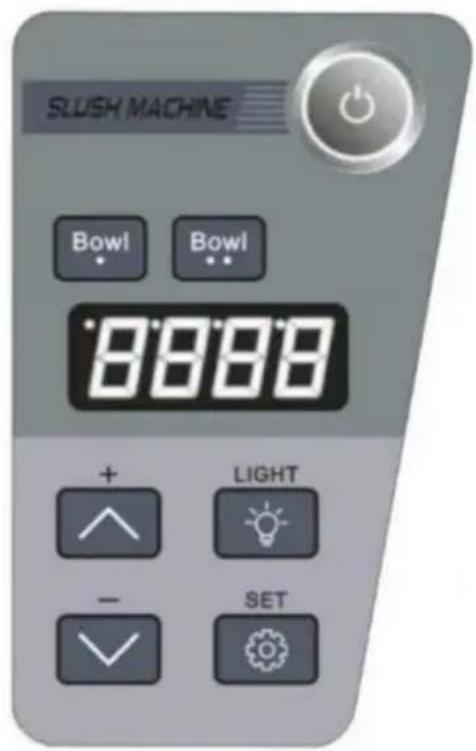
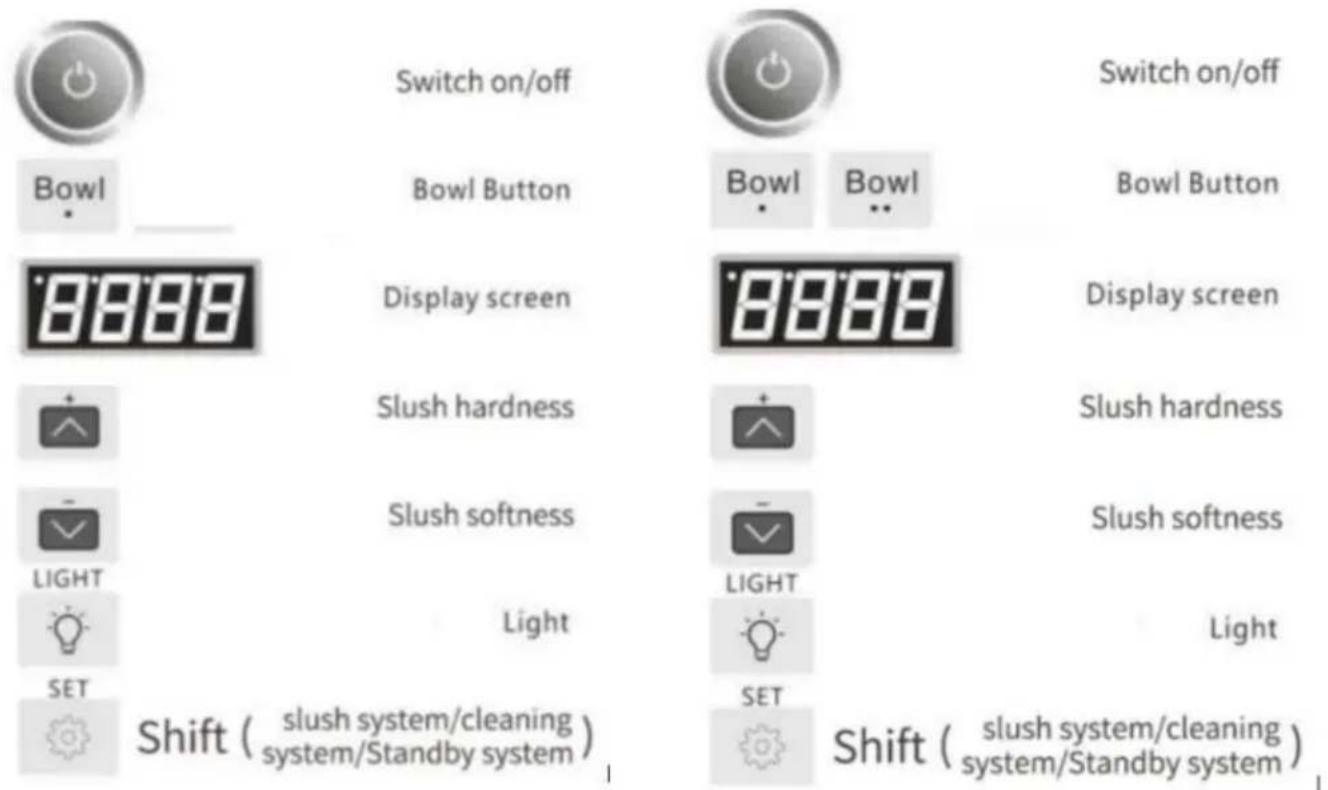
Figure 10
7.4 Clean and disinfect the parts All the
Figure 11
Keep for 30 minutes

Figure 13

Figure 14


Figure 19
Figure 21
Figure 22
M Compressor
M4 Cooling fan
M1/M2/M3 AC geared motor
K Main switch
A Touchpad
T Transformer
LED LED light board
S Temperature sensor
F Electromagnetic valve
Electrical diagram-XRJ4LX2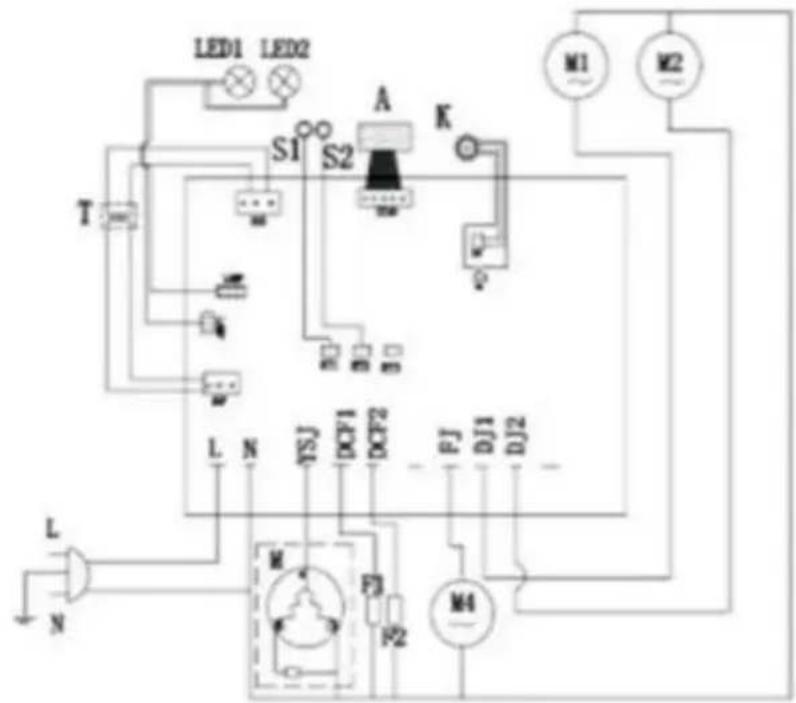
M Compressor
M4 Cooling fan
M1/M2/M3 AC geared motor
K Main switch
A Touchpad
T Transformer
LED1/LED2 LED light board
S1/S2 Temperature sensor
electronics www.vevor.com/support
VEVOR®
TOUGH TOOLS, HALF PRICE
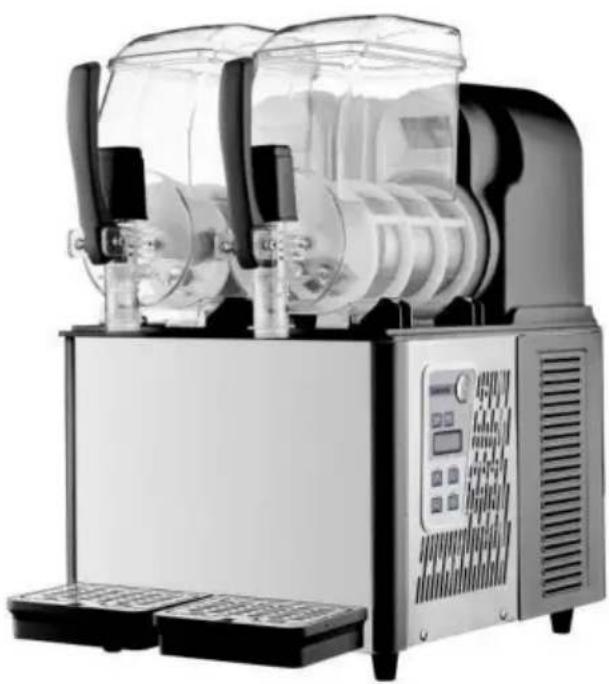
Figure 1

Figure 2
2.4 Control panel Fig.3
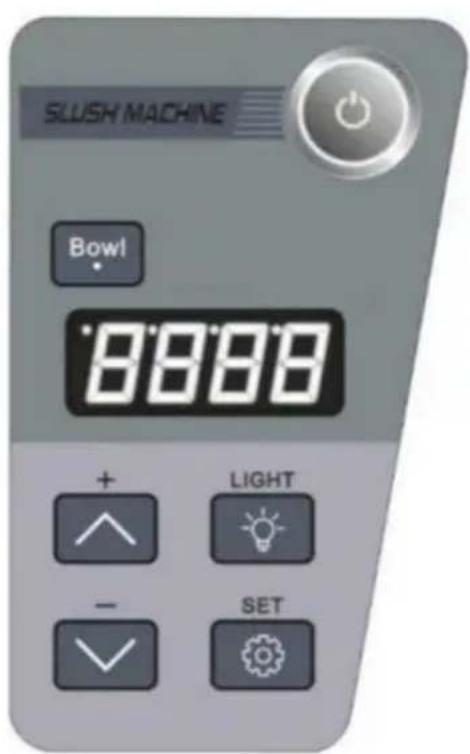
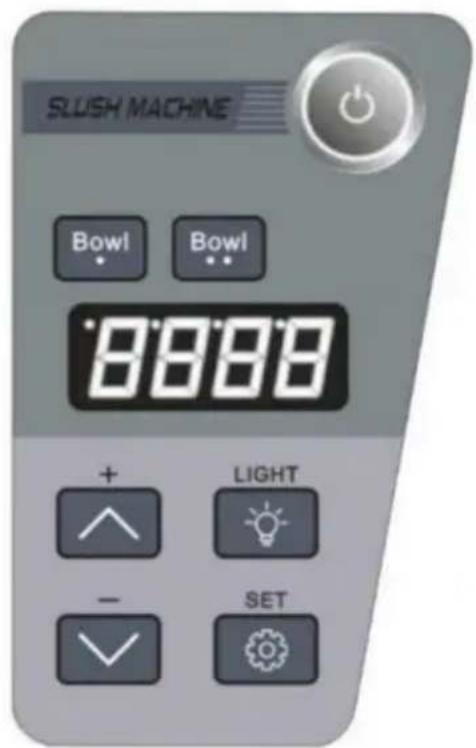
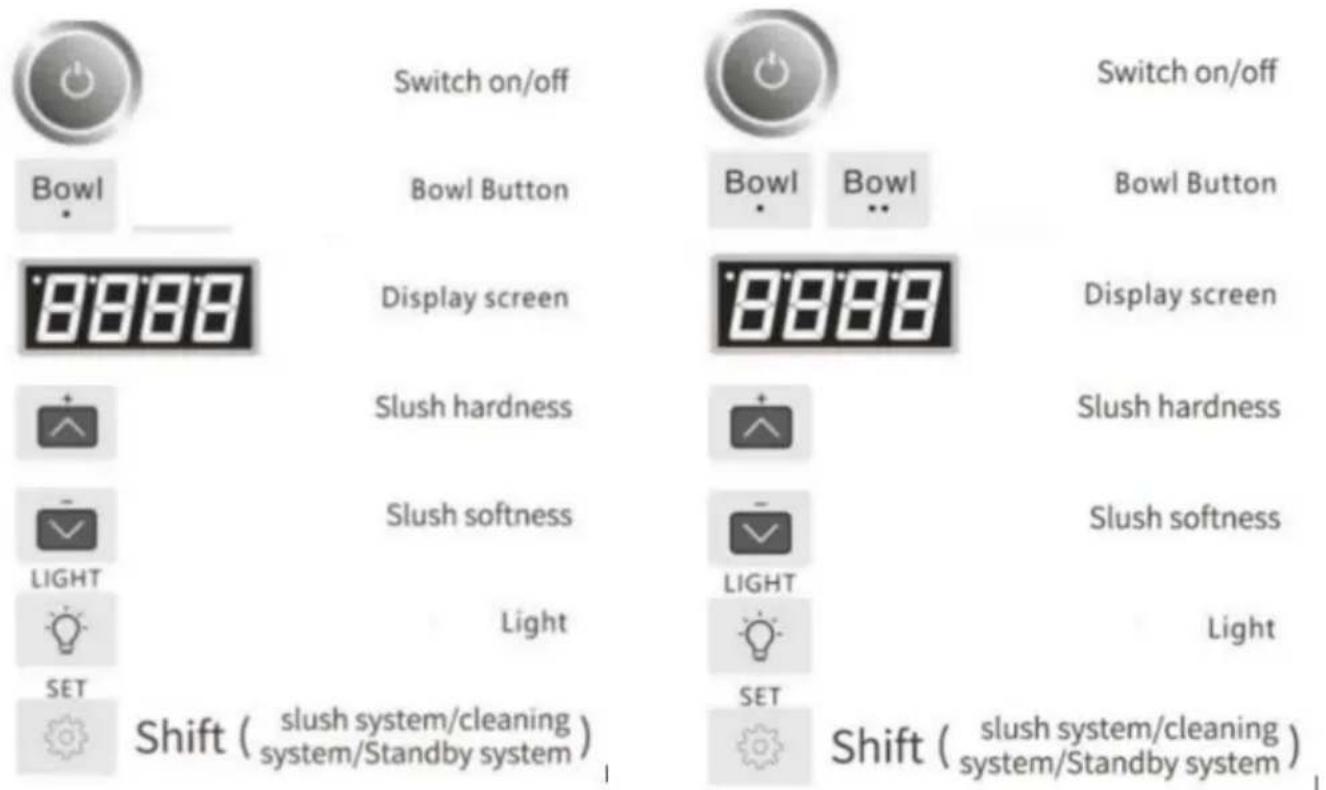
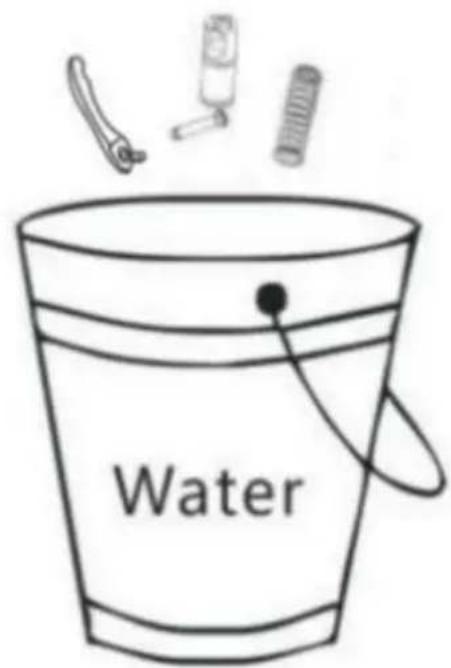
Figure 8 Figure 9
Figure 10
Figure 11
Keep for 30 minutes

Figure 13

Figure 14


Figure 19
Figure 21
Figure 22
M Compressor
M4 Cooling fan
M1/M2/M3 AC geared motor
K Main switch
A Touchpad
T Transformer
LED LED light board
S Temperature sensor
F Electromagnetic valve
Electrical diagram-XRJ4LX2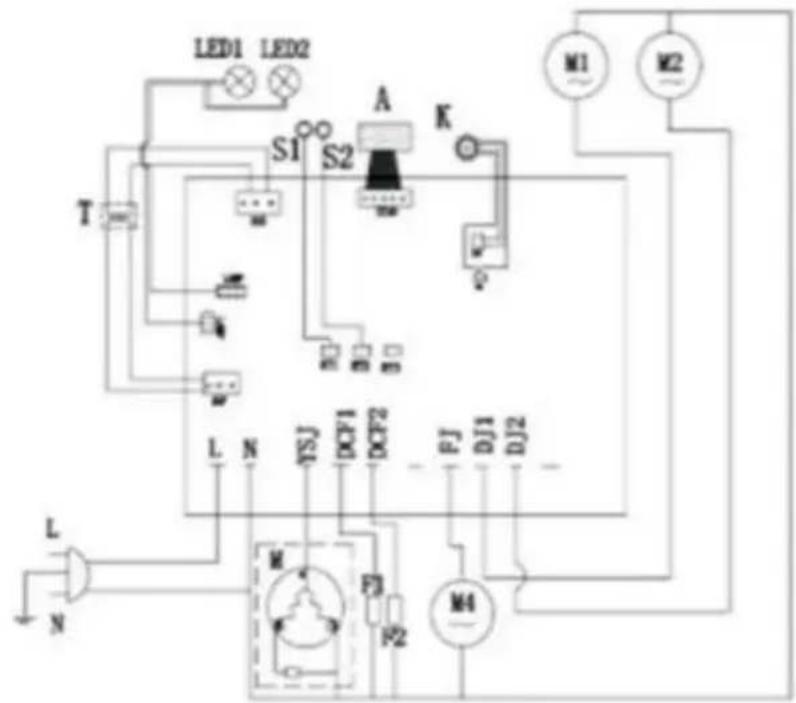
M Compressor
M4 Cooling fan
M1/M2/M3 AC geared motor
K Main switch
A Touchpad
T Transformer
LED1/LED2 LED light board
S1/S2 Temperature sensor
NEED HELP? CONTACT US!
Fig.1

Fig.2
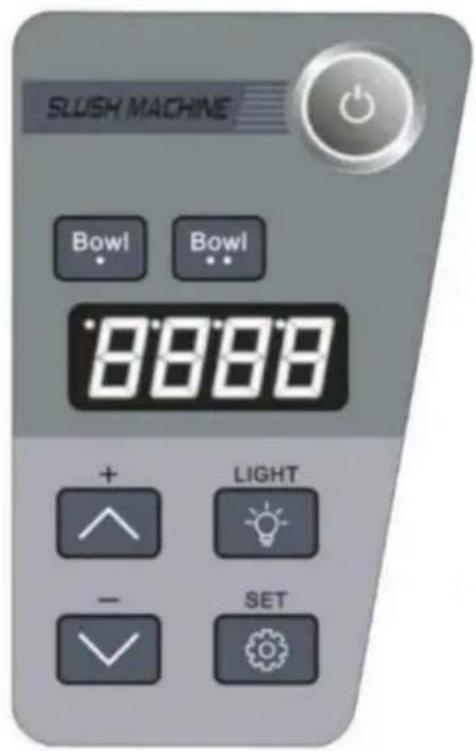
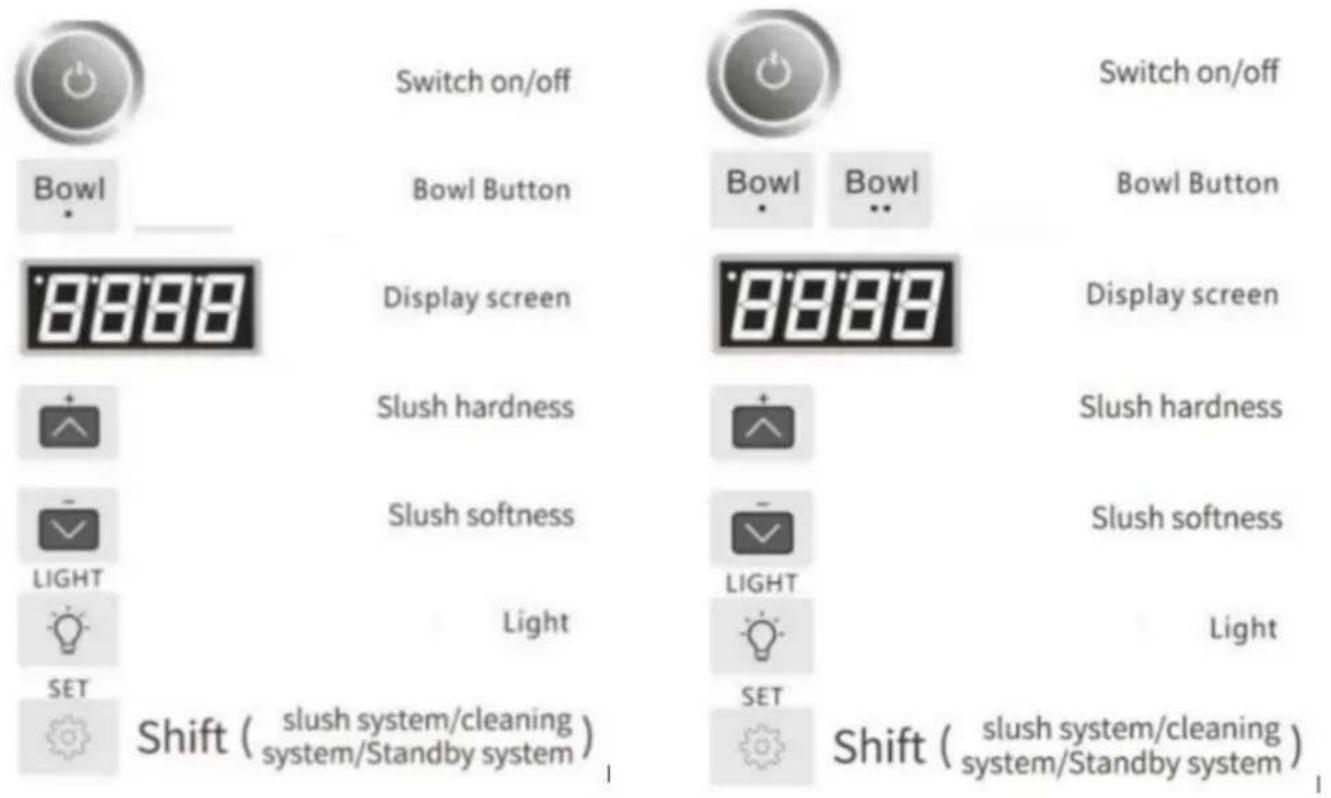
Fig.10
Fig.11
Keep for 30 minutes
Fig. 13

Fig. 14


Fig. 19
Fig. 21
Fig. 22
S Temperature sensor
F Electromagnetic valve
Electrical diagram-XRJ4LX2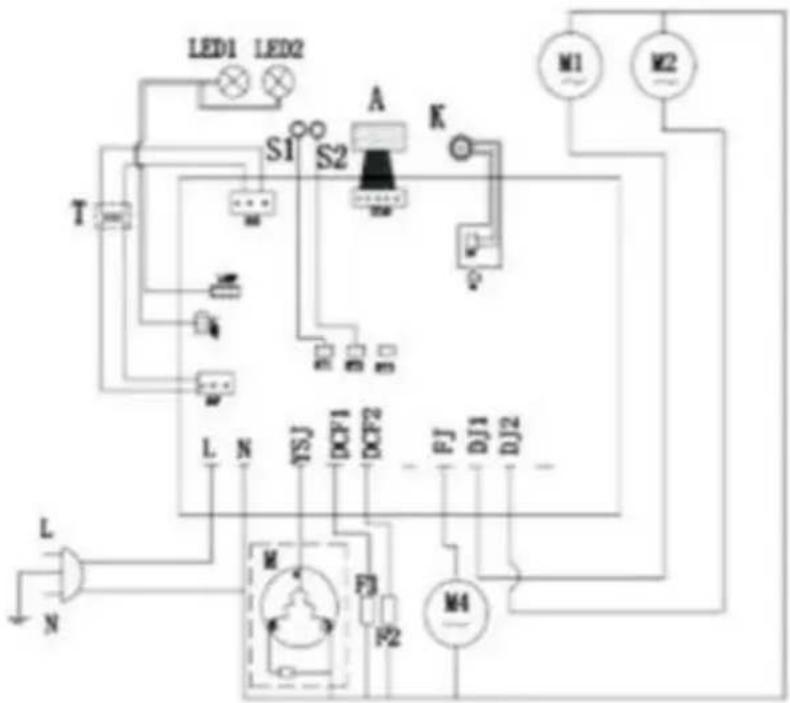
M Compressor
M4 Cooling fan
M1/M2/M3 AC geared motor
K Main switch
A Touchpad
T Transformer
LED1/LED2 LED light board
S1/S2 Temperature sensor
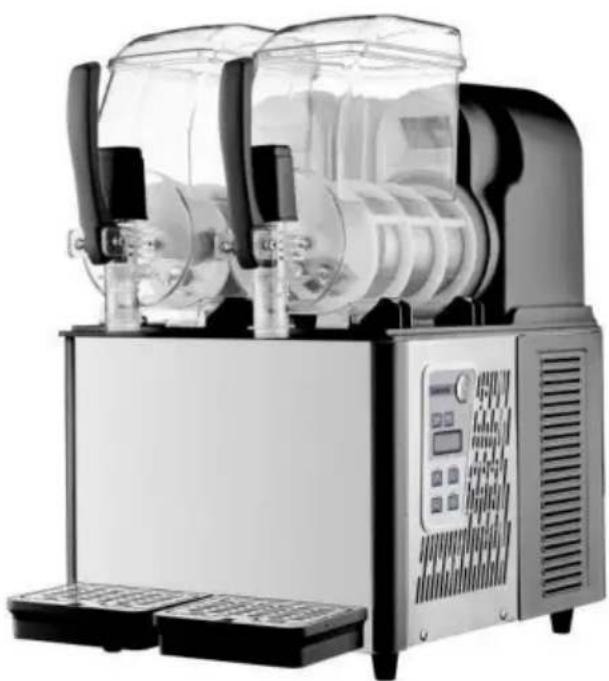
Figure 1

Image 2
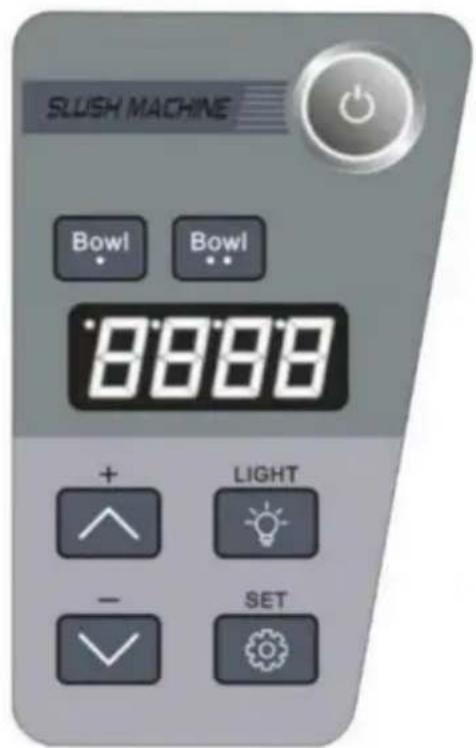
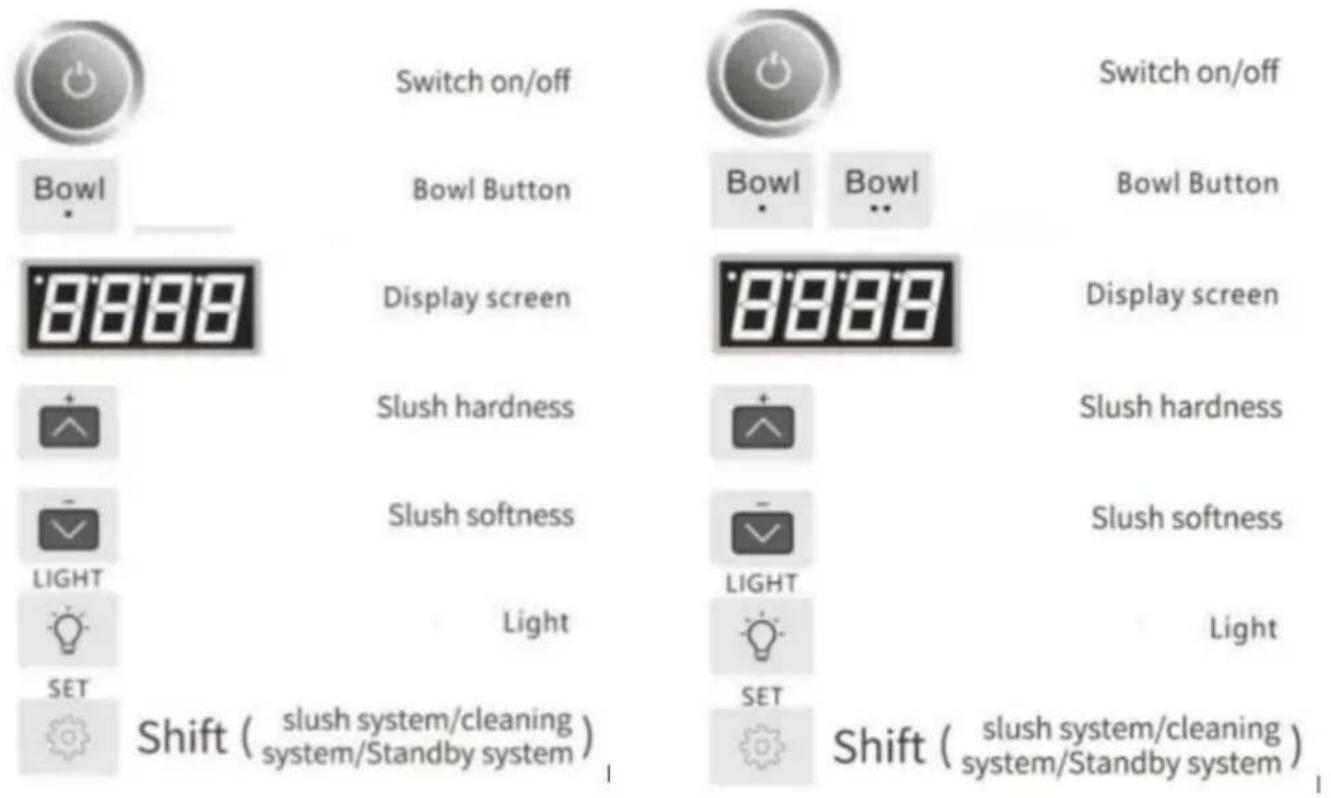
Image 10
Image 11
Hold for 30 minutes
Image 13

Image 14


Image 19
7.9 Cleaning the condenser
Image 21
Image 22
M Compressor
M4 Cooling fan
M1/M2/M3 AC geared motor
K Main switch
A Touchpad
T Transformer
LED LED light board
S Temperature sensor
F Electromagnetic valve
Electrical diagram-XRJ4LX2![graph TD A["LED1"] --> B["S1"] C["LED2"] --> D["S2"] E["T"] --> F["Switch"] G["L"] --> H["N"] I["N"] --> J["Motor"] K["A"] --> L["Control Unit"] M["K"] --> N["Motor"] O["M1"] --> P["Induction"] Q["M2"] --> R["Induction"] S["YSJ"] --> T["DCF1"] U["DCF2"] --> V["DCF2"] W["FJ"] --> X["DJ1"] Y["DJ2"] --…](/content/2026/04/736892/images/5d2b974c1e8af6c613d412fd91ca6331c9075bd1f06bc9b9b9b8736470c1aa34.jpg)
M Compressor
M4 Cooling fan
M1/M2/M3 AC geared motor
K Main switch
A Touchpad
T Transformer
LED1/LED2 LED light board
S1/S2 Temperature sensor
www.vevor.com/support
SLUSH MACHINE
MODEL: XRJ4LX1 XRJ4LX2
NEED HELP? CONTACT US!
Manual distribution
1.3 Manual distribution
Fig.1

Fig.2
2.4 Control panel
Fig.3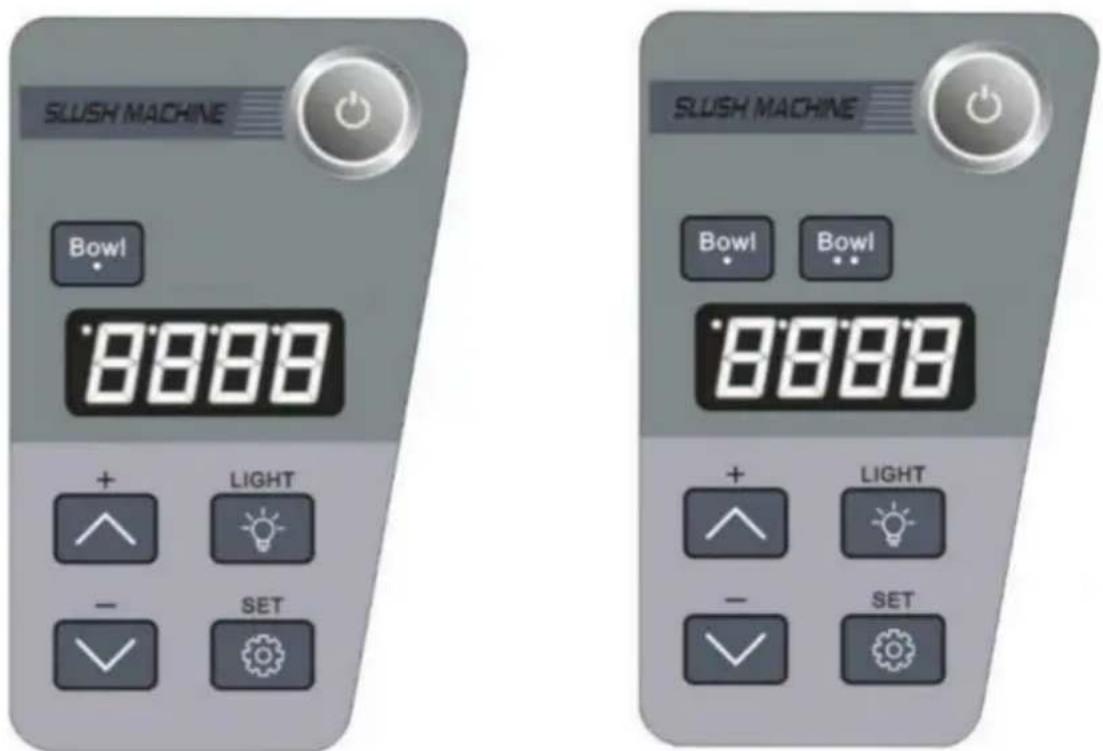
3. Safety manual
Clean system. After cleaning,
Fig. 10
Fig. 11
Keep for 30 minutes

Fig. 13

Fig. 14


Fig. 19
Fig. 21
Fig. 22
M Compressor
M4 Cooling fan
M1/M2/M3 AC geared motor
K Main switch
A Touchpad
T Transformer
LED LED light board
S Temperature sensor
F Electromagnetic valve
Electrical diagram-XRJ4LX2![graph TD A["LED1"] --> B["S1"] C["LED2"] --> D["S2"] E["T"] --> F["Switch"] G["L"] --> H["N"] I["N"] --> J["M"] K["A"] --> L["Control Unit"] M["K"] --> N["Motor"] O["M1"] --> P["Induction"] Q["M2"] --> R["Power Supply"] S["TSJ"] --> T["DCP1"] U["DCP2"] --> V["FJ"] W["PJ"] --> X["DJ1"] Y["DJ2"] --> Z…](/content/2026/04/736892/images/bf6372f517b7042513ce77a85995afd70435636105aad9ec5d5ecae4dfdbdc3e.jpg)
M Compressor
M4 Cooling fan
M1/M2/M3 AC geared motor
K Main switch
A Touchpad
T Transformer
LED1/LED2 LED light board
S1/S2 Temperature sensor
www.vevor.com/support
- SLUSH MACHINE
- MODEL: XRJ4LX1 XRJ4LX
- NEED HELP? CONTACT US
- TECHNICAL SUPPORT AND E-WARRANTY CERTIFICATE WWW.VEVOR.COM/SUPPORT
- INSTRUCTIONS
- CONTENTS
- INTRODUCTION
- MANUFACTURER
- OPERATOR
- USER
- MANUAL DISTRIBUTION
- FUNCTION AND CONTENT
- WHO SHOULD READ THE MANUAL
- HOW TO KEEP THE MANUAL
- MACHINE DESCRIPTION
- USAGE
- MAIN COMPONENT
- TECHNICAL DATA
- CONTROL PANEL
- SAFETY MANUAL
- TRANSPORTATION AND STORAGE
- PACKING
- TRANSPORTATION
- STORAGE
- INSTALLATION
- PARTS LIST
- POSITION TO INSTALL
- HANDLING PACKAGE MATERIAL
- CONNECT POWER
- OPERATION
- NOTE
- PREPARING MATERIAL AND STIRRING EVENLY
- ATTENTION
- WARNING
- STARTING A 1-BOWL SLUSH MACHINE MODEL: XRJ3LX
- STARTING A 2-BOWL SLUSH MACHINE MODEL: XRJ4LX
- DISPENSING SLUSH
- EMERGENCY
- CLEANING AND MAINTENANCE
- EMPTY BOWL
- DISASSEMBLING THE DISPENSING TAP
- MOVE OUT BOWL AND COVER
- CLEAN AND DISINFECT PARTS
- PLEASE OPERATE AS PER THE FOLLOWING INSTRUCTIONS
- RESET CLEANED PARTS
- SEE FIG
- CLEAN STEP
- CLEANING DRIP TRAY
- REPLACE BULB
- CLEAN CONDENSER
- CLEANING CONDENSER OF ONE-BOWL SLUSH MACHINE
- CLEANING THE CONDENSER OF A TWO-BOWL SLUSH MACHINE: FOLLOW THE INSTRUCTIONS BELOW
- SCHEDULED MAINTENANCE
- WASTE TREATMENT
- TROUBLESHOOTING
- FAULT CODES AND SOLUTIONS FOR SLUSH MACHINE
- WHEN THE MEASURED MOTOR CURRENT IS TOO HIGH, THE CURRENT CHANNEL GENERATES AN ALARM AND PROTECTS THE SHUTDOWN; THE DISPLAY SHOWS CODE E3ERR
- INTELLIGENT ELECTRONIC VALVE SYSTEM
- VEVOR®
- TOUGH TOOLS, HALF PRICE
- CLEANING THE CAPACITOR
- GRANITE MACHINE
- CLEAN AND DISINFECT THE PARTS ALL THE
- CONTROL PANEL FIG
- CLEANING THE CONDENSER
Brand : Vevor
Model : XRJ4LX2
Category : Ice Maker