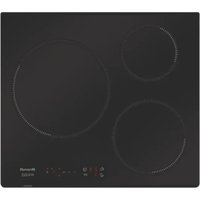
BPI2638KUB - Cooker BRANDT - Free user manual and instructions
Find the device manual for free BPI2638KUB BRANDT in PDF.


| Product type | Induction hob |
| Brand | Brandt |
| Model | BPI2638KUB |
| Number of cooking zones | 3 |
| Cooking zone diameters | 16 cm, 21 cm, 28 cm |
| Maximum power per zone | 2500 W (16 cm), 3600 W (21 cm), 3750 W (28 cm) |
| Electrical supply | 220-240 V ~ or 400 V 3N~, 50/60 Hz |
| Control type | Touch |
| Timer | Up to 99 minutes, per zone |
| Child safety | Control lock (long press on ) |
| Ultra Boost function | Yes, maximum power |
| Cookware detection | Yes (induction) |
| Automatic safety shut-off | Yes (Auto-Stop, 1 to 10 hours depending on power) |
| Overheating protection | Yes, via temperature sensor |
| Overflow protection | Yes, automatic cut-off |
| Residual heat indicator | Yes (H symbol) |
| Surface material | Glass-ceramic |
| Recommended maintenance | Sanitary sponge, glass scraper, white vinegar, specialized glass-ceramic cleaner |
| Cutout dimensions | See the cutout diagram (not provided here) |
| Weight | Approximately 8 kg (estimate for a 3-zone model) |
| Repairability | Certified original spare parts, Brandt after-sales service |
Frequently Asked Questions - BPI2638KUB BRANDT
User questions about BPI2638KUB BRANDT
0 question about this device. Answer the ones you know or ask your own.
Ask a new question about this device
Download the instructions for your Cooker in PDF format for free! Find your manual BPI2638KUB - BRANDT and take your electronic device back in hand. On this page are published all the documents necessary for the use of your device. BPI2638KUB by BRANDT.
USER MANUAL BPI2638KUB BRANDT
natural_image
Black-and-white photo of a bowl with leaf garnish, blurred bowls in background (no text or symbols)MANUEL D'INSTRUCTION FR
Table de cuisson
Chère Cliente, Cher Client,

Important :
natural_image
Diagram of a server rack with grid layout and directional arrows indicating movement (no text or symbols)
natural_image
Illustration of hands using a tool to cut or mark a component, no text or symbols visible
natural_image
Illustration of a black electric stove with four circular ovens on top, placed on a surface with a tool near the base (no text or symbols)
Important

natural_image
Illustration of a cooking process showing a pan on a stove with steam rising, alongside a pan on a stovetop (no text or symbols)Auto-Stop :
natural_image
Black-and-white photo of a bowl with leaf garnish, blurred bowls in background (no text or symbols)INSTRUCTION MANUAL EN
Cooking Hob
Dear Customer,
You have just acquired a BRANDT product and we would like to thank you.
We have designed and made this product with you, your lifestyle and your requirements in mind so that it meets your expectations. We have devoted our know-how, our innovative spirit and the passion that has been guiding us for over 60 years.
In an effort to ensure that our products meet your requirements in the best possible way, our Customer Relations department is at your disposal, to answer all your questions and to listen to all your suggestions.
Visit our website www.brandt.com where you will find our latest innovations, as well as useful and complementary information.
BRANDT is delighted to assist you every day and hopes you get the most out of your purchase.

SAFETY ADVICE 4

ENVIRONMENT AND ENERGY SAVING....6

IDENTIFICATION....7

INSTALLATION....8
Unpacking 8
Enclosure 8
Electrical connection 9

USING....10
Choice of cookware....10
Burner selection....10
① Switching on / Stopping ...... 11
+ / - Setting the power 11
Setting the timer....11
Child safety....12
Safety precautions and recommendations....13

MAINTENANCE....14

SPECIAL MESSAGES, INCIDENTS....15

ENERGY EFFICIENCY....16

AFTER-SALES SERVICE....17
IMPORTANT SAFETY INSTRUCTIONS TO BE READ CAREFULLY AND KEPT FOR FUTURE USE.
This guide can be downloaded from the brand web site.
This appliance can be used by children over 8 years old and persons with reduced physical, sensory or mental capabilities or without experience and knowledge if they have been correctly informed or trained in the use of the appliance in a safe way and understand the hazards involved.
Children must not play with the appliance.
Children must not clean and maintain the appliance without supervision.
Children under 8 years old must be kept away from the hob unless they are supervised at all times.
The appliance and its accessible parts become hot during use.
Precautions must be taken to avoid touching the heating elements.
Metal objects such as knives, forks, spoons and lids must not be placed on the cooking surface as they may heat up.
Your hob is equipped with a child safety device that locks its operation after use or during cooking (See "Child Safety use" section).
Your appliance complies with applicable European Directives and regulations.
In order to avoid interference between your cooking hob and a pacemaker, the pacemaker must be designed and programmed in compliance with the regulations that apply to it. Ask the pacemaker manufacturer or your GP.
Leaving oil or fat to heat unattended on a hob may be dangerous and lead to fire. NEVER attempt to extinguish a fire with water. Instead, switch off the appliance, then cover the flame with a lid or a fire blanket.
CAUTION: cooking must be monitored. Quick heating must be monitored at all times.
Danger of fire: do not store objects on the cooking areas.
If the surface is cracked, disconnect the appliance to avoid the risk of electric shock.
Do not use your hob until you have replaced the glass worktop.
Avoid hard shocks from cookware: although the vitroceramic glass worktop is very sturdy, it is not unbreakable.
Do not place any hot lids flat on your cooking hob. A suction effect may damage the vitroceramic surface. Avoid dragging cookware across the surface, which may in the long-term result in the degradation of the decorative finish of the vitroceramic top.
Never use a sheet of aluminium for cooking. Never place items wrapped in aluminium foil or packaged in aluminium dishes on your cooking hob. The aluminium will melt and permanently damage your appliance.
Do not store cleaning products or flammable products in the cabinet underneath your cooking hob.
These hobs must be connected to the power grid via an all-pole cut-off device that complies with installation regulations in effect. A disconnection device must be incorporated into the fixed wiring.
Your cooktop is designed to operate at 50Hz or 60Hz (50Hz/60Hz) without any special intervention on your part.
After use, switch off the hob by means of the control device and do not rely on the pot sensor.
If the power cable is damaged, it should be replaced by the manufacturer, its after-sales
service department or a similarly qualified person to avoid danger. Ensure that the power cables of any electrical appliances plugged in close to the hob are not in contact with the cooking zones.
Never use a steam cleaner to clean your cooking hob.
The appliance is not designed to be switched on using an external timer or a separate remote control system.
WARNING: Only use hob protectors designed by the manufacturer of the cooking appliance or listed as suitable in the user guide, or included with the appliance. Use of unsuitable protectors could cause accidents.

Protecting the environment
This symbol indicates that this product should not be treated as household waste.
Your appliance also contains a great amount of recyclable material. It is
marked with this symbol to indicate that used appliances must be disposed of in certified collection points.
Contact your town hall or your retailer for the used appliance collection points closest to your home. This way, the appliance recycling organised by your manufacturer will be done under the best possible conditions, in compliance with European Directive on Waste Electrical and Electronic Equipment.
This appliance's packing materials are also recyclable. Help recycle it and protect the environment by dropping it off in the municipal receptacles provided for this purpose.
We thank you for your help in protecting the environment.
Advice on how to save energy
Cooking with the correctly sized lid saves energy. If you use a glass lid, you can control your cooking perfectly.

bubble
| Diameter (cm) | |---| | 16 | | 21 | | 28 |
UNPACKING
For future use, remove all protective elements. Check and respect the appliance's characteristics that appear on the nameplate.
Note in the boxes below the service and standard references shown on this plate.
Service : ....
Type : ....
ENCLOSURE
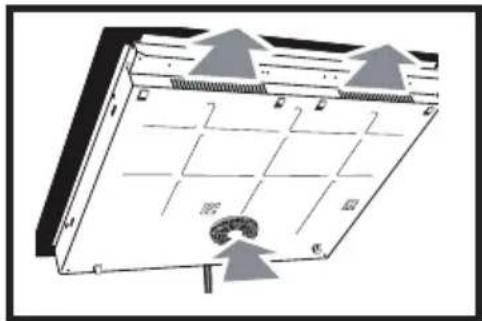
Check that the air intake and outlet are free of obstruction Comply with the information concerning the fitting dimensions (in millimetres) of the work top destined to receive the hob. Check that air circulates correctly between the front and the back of your hob


natural_image
Diagram of a server rack with ventilation grilles and a coiled cable (no text or symbols)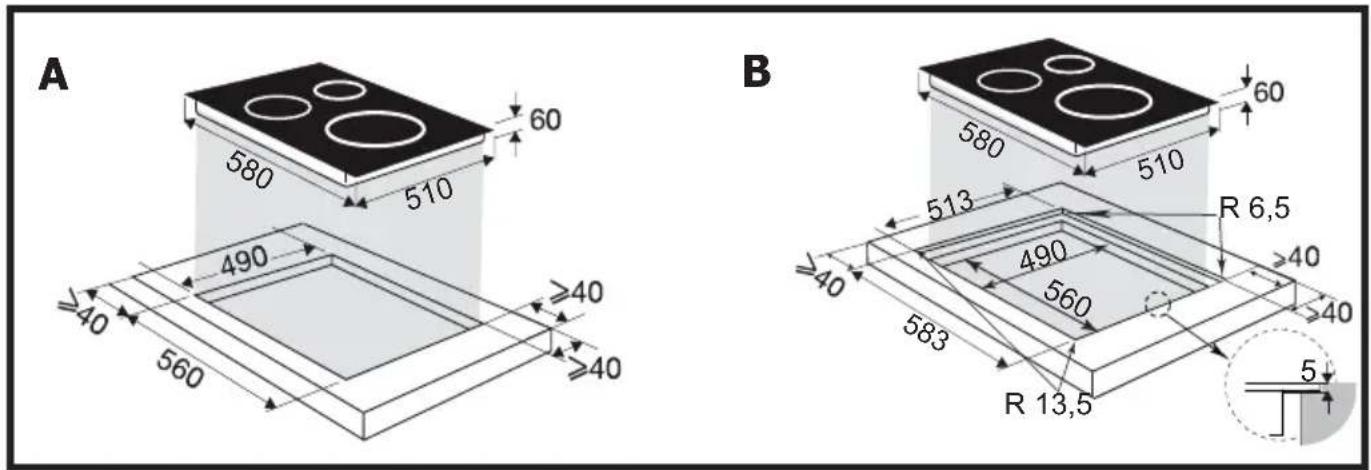
If you are installing the hob above a drawer,

or above a built-in oven, comply with the dimensions provided on the illustrations to ensure a sufficient air outlet at the front.
Carefully glue the sealing joint to the entire surround of the glass hob insert the table into the cabinet


natural_image
Illustration of hands using a tool to cut or mark a curved object on a surface (no text or symbols visible)
natural_image
Illustration of hands holding a black electric stove with four circular cutouts (no text or symbols)
Important
If your hob is located above your oven, the hob's thermal safety devices can impede the simultaneous use of the hob and the oven's pyrolysis programme, display code "F7" in the control zones. In such circumstances we recommend that you increase the hob's ventilation by creating an opening in the side of the cabinet (8 x 5 cm).
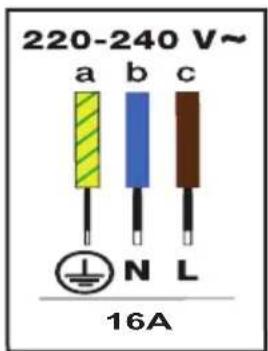
Electric connections
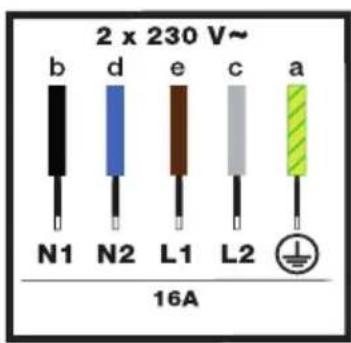
These hobs must be connected to the power grid via an all-pole cut-off device that complies with installation regulations in effect. A disconnection device must be incorporated into the fixed wiring.
Identify the type of cable of your hob according to the number of wires and colours.
When switching your hob on or after a lengthy power cut, a code is shown on the control pad (this display is reserved for your after-sales service, where applicable. The user of the hob does not need to take notice of it).
This information disappears after around 30 seconds.

CHOICE OF COOKWARE
Most cookware is compatible with induction. Only glass, earthenware, aluminium without a special bottom, copper and some non-magnetic stainless steel do not work with induction cooking.

Tips
We suggest that you choose cookware with a thick and flat bottom. The heat will be distributed better and cooking will be more uniform.
Advice on how to save energy
Cooking with the correctly sized lid saves energy. If you use a glass lid, you can control
BURNER SELECTION
Select the burner which is the right size for the bottom of your cookware (see table). If the base or the cookware is too small, the power indicator will start to flash and the burner will not work, even if the cookware's material is recommended for induction.
Do not use containers with a smaller diameter than that of the fireplace (see table).
| Diameter of burner (cm) | Maximum power of burner (Watts) | Diameter of bottom of cookware |
| 16 2500 | 10 - 18 | |
| 21 3600 | 12 - 24 | |
| 28 3750 | 15 - 32 |

Tips
When using the two hobs simultaneously, the hob manages the power distribution so as not to exceed the total power of the hob.
When using the maximum power (Ultra Boost) on several hobs at the same time, make sure that you use the best position for your containers according to the model of your hob as shown in the illustrations.
This will avoid automatic power limitation on one of the hobs if the positioning is not optimal:
☑ = Recommended positioning
☒ = positioning to be avoided

SWITCHING ON - STOPPING
Switching on:
Press the key corresponding to the required burner. A 0 and a beep indicate that the cooking zone is on. You can adjust the required power of the burner selected. If you do not set the power level, the cooking zone will be switched off automatically.
X2
UPress to access the maximum power.
Stopping a zone:
Keep the key corresponding to the required burner pressed down.
A long beep sounds and the display switches off or the "H" symbol (residual heat) appears.
+ / - Power setting
When switching on, you can switch directly to power level 9 by pressing the - button.
Press the + or - button to set the power level from 1 to 9.
With a power < 5, a quick double press on the + button allows direct access to power 5.
X2
With a power level > 5, a quick double press on the + button allows you to switch directly to power level 9.
SETTING THE TIMER
Each cooking zone has a dedicated timer that can be set for up to 99 minutes. The timer is incremented from 1 to 15 and then from 5 to 99 and can be started as soon as the relevant cooking zone is in operation.
1 cooking zone in operation :
Press , to select the cooking zone to which you want to assign the timer. The timer of the active cooking zone has its LED highlighted
The timer zeros are flashing with the timer units LED and the active focus LED.
a: led (outside the display) of the fire place indicator being set, it flashes and is more intense than the others.
b: LED (at the edge of the display) indicating that the timer is being set. The + and - buttons are active for setting the timer. When the timer disappears, the + and - buttons are active for the power setting of the selected heater.
a
b
The setting is then made by pressing + or -. 99
minutes can be accessed directly by pressing the key at the start.
If the +/- keys are not pressed for 20 seconds, the cooking time is validated (LED b is no longer lit) and the +/- keys switch back to the power setting of the active hotplate (LED a is lit)
At the end of the cooking time, the display indicates 0 and a beep sounds for about 20 seconds. To deactivate it, press any key.
To stop the timer manually, press and hold the + and - keys simultaneously or return to 0 with the - key.
Multiple fireplaces in operation:
Press Ⓤ, to select the heater.

The setting is then made by pressing + or -.


CHILD SAFETY
Your hob has a child safety device which locks the controls when the hob is not in use or when it is being used for cooking. Due to safety reasons, the ① keys remain active and authorise the heating zones to be switched off even when locked.
Locking
Press 🔒. The LED above the lock lights up and a beep confirms your operation.

The display of cooking zones in operation alternately indicates power and the locking symbol 📄.

Unlocking
Press 🔒 until the locking symbol disappears and a beep confirms your operation.
CLEAN LOCK function:
The Clean Lock function permits the temporary locking of your hob while it is being cleaned.
To activate the Clean Lock function, press briefly on 🔒. The LED above the lock flashes and a beep confirms your operation. After around 1 minute, locking is automatically deactivated. Two beeps will sound and the light will switch off.
You can stop the Clean Lock function at any time by holding down the 🔒 button.
SAFETY PRECAUTIONS AND RECOMMENDATIONS
Residual heat:
After intensive use, the cooking zone that you have just used can remain hot for several minutes. The symbol H is displayed during this period.

natural_image
Diagram of a kitchen appliance with a digital display showing 'H' and a glowing oval object on a dark surface (no text or symbols)Avoid touching the areas concerned during this time.
Anti-overheat protection:
Each cooking zone has a safety sensor that constantly monitors the temperature of the bottom of the cookware. In the event that empty cookware is left on a cooking zone that is switched on, the hob automatically lowers the power output and thus limits any risk of damage.
Protection against overflows
A special display (symbol —), a sound signal, followed with the hob swit- ching off, may be triggered in the following cases:
- Overflow that spills onto the buttons
- Damp towel placed over the buttons.
- Metallic object placed on the buttons
Remove the object or clean and dry the touch controls, then restart cooking.

natural_image
Illustration of a cooking process showing a pan on a stove with steam rising, alongside a pan on a stovetop (no text or symbols)Auto-Stop :
Your hob has an auto-stop device, which automatically stops any cooking zone which remains switched on for an excessive length of time (between 1 and 10 hours depending on the power used).
If this safety system is triggered, the cut-off to the cooking zone is shown with the "A" display on the control panel and a beep sounds for about 2 minutes. Simply press any of the buttons to stop this.

Tips
Sounds which are similar to those of a clock mechanism may be given off.
These noises occur when the hob is working. They disappear or reduce depending on the heating configuration. There may also be whistling sounds depending on the model and quality of your cookware. The noises described are normal. They are related to induction technology and do not indicate a problem.

Tips
We do not recommend a protective device.
For light dirt, use a disinfectant sponge. Thoroughly moisten the zone to be cleaned with hot water, then wipe off (5).
For a build-up of baked-on dirt or sweet overflows, use a disinfectant sponge and/or a special glass scraper. Thoroughly moisten the zone to be cleaned with hot water. Use a scraper for glass to remove the large bits, finish off with a disinfectant sponge, and then wipe off.
For rings and hard water residue, apply warm white vinegar to the stain, leave on, then wipe with a soft cloth.
For shiny metal streaks or weekly maintenance, use a special vitroceramic glass product.
Important note: do not use any powders or abrasive sponges. Use creams and special delicate glassware sponges.
?
SPECIAL MESSAGES, INCIDENTS
EN
DURING INITIAL USE:
- An indicator light appears. This is normal. It will go away after 30 seconds.
- Your installation blows a fuse or one side only of the hob works. The electrical connection of your hob is incorrect. Check its compliance.
- The hob smells the first few times it is used for cooking. The appliance is new. Heat up each ring for half an hour with a saucepan full of water.
6.2 WHEN POWERING ON:
The hob does not work and the indicator lights on the control panel are not on.
The appliance is not receiving electricity. The electrical supply is defective or the connection is incorrect. Inspect the electrical circuit breaker and fuses.
- The hob does not work and another message is displayed. The electronic board is functioning poorly. Call the After-Sales Service Department.
- The hob does not work, the symbol is displayed. Unlock the child safety device.
- Error code F9: voltage less than 170 V
- Error code F0: voltage less than 5°C
6.3 DURING USE:
- The hob has stopped working. The symbol is displayed and there is a sound signal.
There was an overflow or an object is in contact with the control panel. Clean or remove the object, then begin cooking again.
- Code F7 is displayed.
The electronic circuits have overheated. Check the hob's ventilation.
- During operation of a heating zone, the keypad display continues to flash.
The cookware used is not compatible with induction or its size is not suitable for the burner.
- The cookware makes noise and your hob clicks during cooking (see chapter on Safety precautions and recommendations 4.5).
This is normal with some types of cookware. This is caused by the transfer of energy from the hob
to the cookware.
- The fan continues to function after your hob is turned off.
This is normal. It cools the electronic parts.
- In the event of persistent malfunction.
Switch off your hob for 1 minute. If the problem persists, contact the after-sales service.
| IT | Informazioni relative al plani cottura eletrlici per uso domestico - UE n° 66/2014 |
| NL | Informatie met betrekking tot huishoudelijke elektrische kookplaten - UE n° 66/2014 |
| PL | Informatie dotyczące domowych płyt grzejnych elektrycznych - UE n° 66/2014 |
| PI | Informações relativas a placas elétricas domésticas - UE n° 66/2014 |
| SK | Informácie v pripade elektrických varných dosiek pre domacnest' - UE n° 66/2014 |
| SV | Information om elektriska hållar för hushållbruk - UE n° 66/2014 |
| FR | Informations concernant les plaques de cuisson domestiques électriques - UE n° 66/2014 |
| CS | Informace týkajici se elektrických varných desek pro domàcnost - UE n° 68/2014 |
| DA | Oplysninger for elkogaplader til husholdningsbrug - UE n° 66/2014 |
| DE | Informationen zu elektrischen Haushaltskochmulden - UE n° 66/2014 |
| EL | Aláproportes yra dikiekéz qlektpakéz emírez - UE n° 66/2014 |
| EN | Information for domestic electric hobs - UE n° 66/2014 |
| ES | Información sobre las placas de cocina domésticas eléctricas - UE n° 66/2014 |
| Symbol Unit | Value | ||||||||||||||||
| Model identification | LL620X1D | LL660X1D | LL660X1D | LL660X1B | LL620X1B | LL620X1B | FR: System CS: Zaileka DA: Symbol DF: System FL: Zafalba FL: Sardib PS: Sardibc IL: Sardibn NL: Syndion PL: Connerance PT: Sardibd SK: Symbol SV: Symbol FTR: Vener CS: Tjordia DA: Vener DL: Vent LL: Applisun I: Un Ch: Vener DL: Vent DL: Vent DL: Vent DL: Vent DL: Vent DL: Vent DL: Vent DL: Vent DL: Vent DL: Vent DL: Vent DL: Vent DL: Vent DL: Vent DL: Vent DL: Vent DL: Vent DL: Vent DL: Vent DL: Vent DL: Vent DL: Vent DL: Vent DL: Vent DL: Vent DL: Vent DL: Vent DL: Vent DL: Vent DL: Vent DL: Vent DL: Vent DL: Vent DL: Vent D: Vent DL: Vent DL: Vent DL: Vent DL: Vent DL: Vent DL: Vent DL: Vent DL: Vent DL: Vent DL: Vent DL: Vent DL: Vent DL: Vent DL: Vent DL: Vent DL: Vent DL: Vent DL: Vent DL: Vent DL: Vent DL: Vent DL: Vent DL: Vent DL: Vent DL: Vent DL: Vent DL: Vent DL: Vent DL: Vent DL: Vent DL: Vent DL: Vent DL | ||||||||||
| Rating plate | Bridges 20000000000000000000000000000000000000000000000000000000000000000000000000000000000000000000000000000 | FR: Identification of module CS: Identifices mozeni DA: Model Demand Def. Modellierung EL: Technological process EN: Model Identificat ES: Identification de modulo IT: Identificatio del modelo IT: Identificatio del modelo NL: Identificatio san hel model PL: Identificator module PT: Identificazione di modelo SK: Identificazione di modelo SV, tico bis struttig. | |||||||||||||||
| Type of hob | FRT 20 A7-2405000000000000000000000000000000000000000000000000000000000000000000000000000000000000000000000000000 | In France Induction ** | FR: Process signaling class CS: Vincenil citalik DA: Typeakital DE: Typeakital DE: Typeakital DE: Typeakital DE: Typeakital DE: Typeakital DE: Typeakital DE: Typeakital DE: Typeakital DE: Typeakital DE: Typeakital DE: Typeakital DE: Typeakital DE: Typeakital DE: Typeakital DE: Typeakital DE: Typeakital DE: Typeakital DE: Typeakital DE: Typeakital DE: TypeakitalDE: Typeakital DE: Typeakital DE: Typeakital DE: Typeakital DE: Typeakital DE: Typeakital DE: Typeakital DE: Typeakital DE: Typeakital DE: Typeakital DE: Typeakital DE: Typeakital DE: Typeakital DE: Typeakital DE: Typeakital DE: Typeakital DE: Typeakital DE: Typeakital DE: Typeakital DE: Typeakital DES: Typeakital DE: Typeakital DE: Typeakital DE: Typeakital DE: Typeakital DE: Typeakital DE: Typeakital DE: Typeakital DE: Typeakital DE: Typeakital DE: Typeakital DE: Typeakital DE: Typeakital DE: Typeakital DE: Typeakital DE: Typeakital DE: Typeakital DE: Typeakital DE: Typeakital DE: Typeakital SE: Typeakital DE: Typeakital DE: Typeakital DE: Typeakital DE: Typeakital DE: Typeakital DE: Typeakital DE: Typeakital DE: Typeakital DE: Typeakital DE: Typeakital DE: Typeakital DE: Typeakital DE: Typeakital DE: Typeakital DE: Typeakital DE: Typeakital DE: Typeakital DE: Typeakital DE: Typeakital E: Typeakital DE: Typeakital DE: Typeakital DE: Typeakital DE: Typeakital DE: Typeakital DE: Typeakital DE: Typeakital DE: Typeakital DE: Typeakital DE: Typeakital DE: Typeakital DE: Typeakital DE: Typeakital DE: Typeakital DE: Typeakital DE: Typeakital DE: Typeakital DE: Typeakital DE: TypeakitalE: Typeakital DE: Typeakital DE: Typeakital DE: Typeakital DE: Typeakital DE: Typeakital DE: Typeakital DE: Typeakital DE: Typeakital DE: Typeakital DE: Typeakital DE: Typeakital DE: Typeakital DE: Typeakital DE: Typeakital DE: Typeakital DE: Typeakital DE: Typeakital DE: Typeakital DE: Typeakital EN: Typeakital DE: Typeakital DE: Typeakital DE: Typeakital DE: Typeakital DE: Typeakital DE: Typeakital DE: Typeakital DE: Typeakital DE: Typeakital DE: Typeakital DE: Typeakital DE: Typeakital DE: Typeakital DE: Typeakital DE: Typeakital DE: Typeakital DE: Typeakital DE: Typeakital DE: Typeakital DI: Typeakital DE: Typeakital DE: Typeakital DE: Typeakital DE: Typeakital DE: Typeakital DE: Typeakital DE: Typeakital DE: Typeakital DE: Typeakital DE: Typeakital DE: Typeakital DE: Typeakital DE: Typeakital DE: Typeakital DE: Typeakital DE: Typeakital DE: Typeakital DE: Typeakital DE: Typeakital D: Typeakital DE: Typeakital DE: Typeakital DE: Typeakital DE: Typeakital DE: Typeakital DE: Typeakital DE: Typeakital DE: Typeakital DE: Typeakital DE: Typeakital DE: Typeakital DE: Typeakital DE: Typeakital DE: Typeakital DE: Typeakital DE: Typeakital DE: Typeakital DE: Typeakital DE: Typeakital CE: Typeakital DE: Typeakital DE: Typeakital DE: Typeakital DE: Typeakital DE: Typeakital DE: Typeakital DE: Typeakital DE: Typeakital DE: Typeakital DE: Typeakital DE: Typeakital DE: Typeakital DE: Typeakital DE: Typeakital DE: Typeakital DE: Typeakital DE: Typeakital DE: Typeakital DE: Typeakital GE: Typeakital DE: Typeakital DE: Typeakital DE: Typeakital DE: Typeakital DE: Typeakital DE: Typeakital DE: Typeakital DE: Typeakital DE: Typeakital DE: Typeakital DE: Typeakital DE: Typeakital DE: Typeakital DE: Typeakital DE: Typeakital DE: Typeakital DE: Typeakital DE: Typeakital DE: Typeakital BE: Typeakital DE: Typeakital DE: Typeakital DE: Typeakital DE: Typeakital DE: Typeakital DE: Typeakital DE: Typeakital DE: Typeakital DE: Typeakital DE: Typeakital DE: Typeakital DE: Typeakital DE: Typeakital DE: Typeakital DE: Typeakital DE: Typeakital DE: Typeakital DE: Typeakital DE: Typeakital B: Typeakital DE: Typeakital DE: Typeakital DE: Typeakital DE: Typeakital DE: Typeakital DE: Typeakital DE: Typeakital DE: Typeakital DE: Typeakital DE: Typeakital DE: Typeakital DE: Typeakital DE: Typeakital DE: Typeakital DE: Typeakital DE: Typeakital DE: Typeakital DE: Typeakital DE: Typeakital DG: Typeakital DE: Typeakital DE: Typeakital DE: Typeakital DE: Typeakital DE: Typeakital DE: Typeakital DE: Typeakital DE: Typeakital DE: Typeakital DE: Typeakital DE: Typeakital DE: Typeakital DE: Typeakital DE: Typeakital DE: Typeakital DE: Typeakital DE: Typeakital DE: Typeakital DE: Typeakital G: Typeakital DE: Typeakital DE: Typeakital DE: Typeakital DE: Typeakital DE: Typeakital DE: Typeakital DE: Typeakital DE: Typeakital DE: Typeakital DE: Typeakital DE: Typeakital DE: Typeakital DE: Typeakital DE: Typeakital DE: Typeakital DE: Typeakital DE: Typeakital DE: Typeakital DE: Typeakital FE: Typeakital DE: Typeakital DE: Typeakital DE: Typeakital DE: Typeakital DE: Typeakital DE: Typeakital DE: Typeakital DE: Typeakital DE: Typeakital DE: Typeakital DE: Typeakital DE: Typeakital DE: Typeakital DE: Typeakital DE: Typeakital DE: Typeakital DE: Typeakital DE: Typeakital DE: Typeakital JE: Typeakital DE: Typeakital DE: Typeakital DE: Typeakital DE: Typeakital DE: Typeakital DE: Typeakital DE: Typeakital DE: Typeakital DE: Typeakital DE: Typeakital DE: Typeakital DE: Typeakital DE: Typeakital DE: Typeakital DE: Typeakital DE: Typeakital DE: Typeakital DE: Typeakital DE: Typeakital DF: Typeakital DE: Typeakital DE: Typeakital DE: Typeakital DE: Typeakital DE: Typeakital DE: Typeakital DE: Typeakital DE: Typeakital DE: Typeakital DE: Typeakital DE: Typeakital DE: Typeakital DE: Typeakital DE: Typeakital DE: Typeakital DE: Typeakital DE: Typeakital DE: Typeakital DE: Typeakital DS: Typeakital DE: Typeakital DE: Typeakital DE: Typeakital DE: Typeakital DE: Typeakital DE: Typeakital DE: Typeakital DE: Typeakital DE: Typeakital DE: Typeakital DE: Typeakital DE: Typeakital DE: Typeakital DE: Typeakital DE: Typeakital DE: Typeakital DE: Typeakital DE: Typeakital DE: Typeakital ES: Typeakital DE: Typeakital DE: Typeakital DE: Typeakital DE: Typeakital DE: Typeakital DE: Typeakital DE: Typeakital DE: Typeakital DE: Typeakital DE: Typeakital DE: Typeakital DE: Typeakital DE: Typeakital DE: Typeakital DE: Typeakital DE: Typeakital DE: Typeakital DE: Typeakital DE: Typeakital EF: Typeakital DE: Typeakital DE: Typeakital DE: Typeakital DE: Typeakital DE: Typeakital DE: Typeakital DE: Typeakital DE: Typeakital DE: Typeakital DE: Typeakital DE: Typeakital DE: Typeakital DE: Typeakital DE: Typeakital DE: Typeakital DE: Typeakital DE: Typeakital DE: Typeakital DE: Typeakital EG: Typeakital DE: Typeakital DE: Typeakital DE: Typeakital DE: Typeakital DE: Typeakital DE: Typeakital DE: Typeakital DE: Typeakital DE: Typeakital DE: Typeakital DE: Typeakital DE: Typeakital DE: Typeakital DE: Typeakital DE: Typeakital DE: Typeakital DE: Typeakital DE: Typeakital DE: Typeakital EM: Typeakital DE: Typeakital DE: Typeakital DE: Typeakital DE: Typeakital DE: Typeakital DE: Typeakital DE: Typeakital DE: Typeakital DE: Typeakital DE: Typeakital DE: Typeakital DE: Typeakital DE: Typeakital DE: Typeakital DE: Typeakital DE: Typeakital DE: Typeakital DE: Typeakital DE: Typeakital EDI: Typeakital DE: Typeakital DE: Typeakital DE: Typeakital DE: Typeakital DE: Typeakital DE: Typeakital DE: Typeakital DE: Typeakital DE: Typeakital DE: Typeakital DE: Typeakital DE: Typeakital DE: Typeakital DE: Typeakital DE: Typeakital DE: Typeakital DE: Typeakital DE: Typeakital DE: Typeakital IE: Typeakital DE: Typeakital DE: Typeakital DE: Typeakital DE: Typeakital DE: Typeakital DE: Typeakital DE: Typeakital DE: Typeakital DE: Typeakital DE: Typeakital DE: Typeakital DE: Typeakital DE: Typeakital DE: Typeakital DE: Typeakital DE: Typeakital DE: Typeakital DE: Typeakital DE: Typeakital EI: Typeakital DE: Typeakital DE: Typeakital DE: Typeakital DE: Typeakital DE: Typeakital DE: Typeakital DE: Typeakital DE: Typeakital DE: Typeakital DE: Typeakital DE: Typeakital DE: Typeakital DE: Typeakital DE: Typeakital DE: Typeakital DE: Typeakital DE: Typeakital DE: Typeakital DE: Typeakital HE: Typeakital DE: Typeakital DE: Typeakital DE: Typeakital DE: Typeakital DE: Typeakital DE: Typeakital DE: Typeakital DE: Typeakital DE: Typeakital DE: Typeakital DE: Typeakital DE: Typeakital DE: Typeakital DE: Typeakital DE: Typeakital DE: Typeakital DE: Typeakital DE: Typeakital DE: Typeakital IN: Typeakital DE: Typeakital DE: Typeakital DE: Typeakital DE: Typeakital DE: Typeakital DE: Typeakital DE: Typeakital DE: Typeakital DE: Typeakital DE: Typeakital DE: Typeakital DE: Typeakital DE: Typeakital DE: Typeakital DE: Typeakital DE: Typeakital DE: Typeakital DE: Typeakital DE: Typeakital VE: Typeakital DE: Typeakital DE: Typeakital DE: Typeakital DE: Typeakital DE: Typeakital DE: Typeakital DE: Typeakital DE: Typeakital DE: Typeakital DE: Typeakital DE: Typeakital DE: Typeakital DE: Typeakital DE: Typeakital DE: Typeakital DE: Typeakital DE: Typeakital DE: Typeakital DE: Typeakital DELI: Typeakital DE: Typeakital DE: Typeakital DE: Typeakital DE: Typeakital DE: Typeakital DE: Typeakital DE: Typeakital DE: Typeakital DE: Typeakital DE: Typeakital DE: Typeakital DE: Typeakital DE: Typeakital DE: Typeakital DE: Typeakital DE: Typeakital DE: Typeakital DE: Typeakital DE: Typeak/DE: Typeak/DE: Typeak/DE: Typeak/DE: Typeak/DE: Typeak/DE: Typeak/DE: Typeak/DE: Typeak/DE: Typeak/DE: Typeak/DE: Typeak/DE: Typeak/DE: Typeak/DE: Typeak/DE: Typeak/DE: Typeak/DE: Typeak/DE: Typeak/DE: Typeak/DE: Typeak/GE: Typeak/DE: Typeak/DE: Typeak/DE: Typeak/DE: Typeak/DE: Typeak/DE: Typeak/DE: Typeak/DE: Typeak/DE: Typeak/DE: Typeak/DE: Typeak/DE: Typeak/DE: Typeak/DE: Typeak/DE: Typeak/DE: Typeak/DE: Typeak/DE: Typeak/DE: Typeak/IEA: Typeak/DE: Typeak/DE: Typeak/DE: Typeak/DE: Typeak/DE: Typeak/DE: Typeak/DE: Typeak/DE: Typeak/DE: Typeak/DE: Typeak/DE: Typeak/DE: Typeak/DE: Typeak/DE: Typeak/DE: Typeak/DE: Typeak/DE: Typeak/DE: Typeak/DE: Typeak/VEA: Typeak/DE: Typeak/DE: Typeak/DE: Typeak/DE: Typeak/DE: Typeak/DE: Typeak/DE: Typeak/DE: Typeak/DE: Typeak/DE: Typeak/DE: Typeak/DE: Typeak/DE: Typeak/DE: Typeak/DE: Typeak/DE: Typeak/DE: Typeak/DE: Typeak/DE: Typeak /DE :Typeak/DE :Typeak/DE :Typeak/DE :Typeak/DE :Typeak/DE :Typeak/DE :Typeak/DE :Typeak/DE :Typeak/DE :Typeak/DE :Typeak/DE :Typeak/DE :Typeak/DE :Typeak/DE :Typeak/DE :Typeak/DE :Typeak/DE :Typeak/DE :Typeak/DE :Typeak/DE :Typeak /DE :Typeak/DE :Typeak/DE :Typeak/DE :Typeak/DE :Typeak/DE :Typeak/DE :Typeak/DE :Typeak/DE :Typeak/DE :Typeak/DE :Typeak/DE :Typeak/DE :Typeak/DE :Typeak/DE :Typeak/DE :Typeak/DE :Typeak/DE :Typeak/DE :Typeak/DE :Tradeuk/DE :Typeak/DE :Typeak/DE :Typeak/DE :Typeak/DE :Typeak/DE :Typeak/DE :Typeak/DE :Typeak/DE :Typeak/DE :Typeak/DE :Typeak/DE :Typeak/DE :Typeak/DE :Typeak/DE :Typeak/DE :Typeak/DE :Typeak/DE :Typeak/DE :Typeak/DE :Typeok/DE :Typeok/DE :Typeok/DE :Typeok/DE :Typeok/DE :Typeok/DE :Typeok/DE :Typeok/DE :Typeok/DE :Typeok/DE :Typeok/DE :Typeok/DE :Typeok/DE :Typeok/DE :Typeok/DE :Typeok/DE :Typeok/DE :Typeok/DE :Typeok/DE :Typeok/DE :Typeuk/DE :Typeuk/DE :Typeuk/DE :Typeuk/DE :Typeuk/DE :Typeuk/DE :Typeuk/DE :Typeuk/DE :Typeuk/DE :Typeuk/DE :Typeuk/DE :Typeuk/DE :Typeuk/DE :Typeuk/DE :Typeuk/DE :Typeuk/DE :Typeuk/DE :Typeuk/DE :Typeuk/DE :Typeuk/DE :Typeu/DE :Typeuk/DE :Typeuk/DE :Typeuk/DE :Typeuk/DE :Typeuk/DE :Typeuk/DE :Typeuk/DE :Typeuk/DE :Typeuk/DE :Typeuk/DE :Typeuk/DE :Typeuk/DE :Typeuk/DE :Typeuk/DE :Typeuk/DE :Typeuk/DE :Typeuk/DE :Typeuk/DE :Typeuk/DE :Typeulk/DE :Typeuk/DE :Typeuk/DE :Typeuk/DE :Typeuk/DE :Typeuk/DE :Typeuk/DE :Typeuk/DE :Typeuk/DE :Typeuk/DE :Typeuk/DE :Typeuk/DE :Typeuk/DE :Typeuk/DE :Typeuk/DE :Typeuk/DE :Typeuk/DE :Typeuk/DE :Typeuk/DE :Typeuk/DE :Typek/DE :Typeuk/DE :Typeuk/DE :Typeuk/DE :Typeuk/DE :Typeuk/DE :Typeuk/DE :Typeuk/DE :Typeuk/DE :Typeuk/DE :Typeuk/DE :Typeuk/DE :Typeuk/DE :Typeuk/DE :Typeuk/DE :Typeuk/DE :Typeuk/DE :Typeuk/DE :Typeuk/DE :Typeuk/DE :Typeul/DE :Typeuk/DE :Typeuk/DE :Typeuk/DE :Typeuk/DE :Typeuk/DE :Typeuk/DE :Typeuk/DE :Typeuk/DE :Typeuk/DE :Typeuk/DE :Typeuk/DE :Typeuk/DE :Typeuk/DE :Typeuk/DE :Typeuk/DE :Typeuk/DE :Typeuk/DE :Typeuk/DE :Typeuk/DE :Typeut/DE :Typeuk/DE :Typeuk/DE :Typeuk/DE :Typeuk/DE :Typeuk/DE :Typeuk/DE :Typeuk/DE :Typeuk/DE :Typeuk/DE :Typeuk/DE :Typeuk/DE :Typeuk/DE :Typeuk/DE :Typeuk/DE :Typeuk/DE :Typeuk/DE :Typeuk/DE :Typeuk/DE :Typeuk/DE :Typeukt/DE :Typeuk/DE :Typeuk/DE :Typeuk/DE :Typeuk/DE :Typeuk/DE :Typeuk/DE :Typeuk/DE :Typeuk/DE :Typeuk/DE :Typeuk/DE :Typeuk/DE :Typeuk/DE :Typeuk/DE :Typeuk/DE :Typeuk/DE :Typeuk/DE :Typeuk/DE :Typeuk/DE :Typeuk/DE :Typeuf/DE :Typeuk/DE :Typeuk/DE :Typeuk/DE :Typeuk/DE :Typeuk/DE :Typeuk/DE :Typeuk/DE :Typeuk/DE :Typeuk/DE :Typeuk/DE :Typeuk/DE :Typeuk/DE :Typeuk/DE :Typeuk/DE :Typeuk/DE :Typeuk/DE :Typeuk/DE :Typeuk/DE :Typeuk/DE :Type UK/DE :Typeuk/DE :Typeuk/DE :Typeuk/DE :Typeuk/DE :Typeuk/DE :Typeuk/DE :Typeuk/DE :Typeuk/DE :Typeuk/DE :Typeuk/DE :Typeuk/DE :Typeuk/DE :Typeuk/DE :Typeuk/DE :Typeuk/DE :Typeuk/DE :Typeuk/DE :Typeuk/DE :Typeuk/DE :TypeUK/DE :Typeuk/DE :Typeuk/DE :Typeuk/DE :Typeuk/DE :Typeuk/DE :Typeuk/DE :Typeuk/DE :Typeuk/DE :Typeuk/DE :Typeuk/DE :Typeuk/DE :Typeuk/DE :Typeuk/DE :Typeuk/DE :Typeuk/DE :Typeuk/DE :Typeuk/DE :Typeuk/DE :Typeuk/DE :Typeuz/DE :Typeuk/DE :Typeuk/DE :Typeuk/DE :Typeuk/DE :Typeuk/DE :Typeuk/DE :Typeuk/DE :Typeuk/DE :Typeuk/DE :Typeuk/DE :Typeuk/DE :Typeuk/DE :Typeuk/DE :Typeuk/DE :Typeuk/DE :Typeuk/DE :Typeuk/DE :Typeuk/DE :Typeuk/DE :Typeuko/DE :Typeuk/DE :Typeuk/DE :Typeuk/DE :Typeuk/DE :Typeuk/DE :Typeuk/DE :Typeuk/DE :Typeuk/DE :Typeuk/DE :Typeuk/DE :Typeuk/DE :Typeuk/DE :Typeuk/DE :Typeuk/DE :Typeuk/DE :Typeuk/DE :Typeuk/DE :Typeuk/DE :Typeuk/DE :Typeuku/DE :Typeuk/DE :Typeuk/DE :Typeuk/DE :Typeuk/DE :Typeuk/DE :Typeuk/DE :Typeuk/DE :Typeuk/DE :Typeuk/DE :Typeuk/DE :Typeuk/DE :Typeuk/DE :Typeuk/DE :Typeuk/DE :Typeuk/DE :Typeuk/DE :Typeuk/DE :Typeuk/DE :Typeuk/DE :Typeuki/DE :Typeuk/DE :Typeuk/DE :Typeuk/DE :Typeuk/DE :Typeuk/DE :Typeuk/DE :Typeuk/DE :Typeuk/DE :Typeuk/DE :Typeuk/DE :Typeuk/DE :Typeuk/DE :Typeuk/DE :Typeuk/DE :Typeuk/DE :Typeuk/DE :Typeuk/DE :Typeuk/DE :Typeuk/DE :Type Muk/DE :Typeuk/DE :Typeuk/DE :Typeuk/DE :Typeuk/DE :Typeuk/DE :Typeuk/DE :Typeuk/DE :Typeuk/DE :Typeuk/DE :Typeuk/DE :Typeuk/DE :Typeuk/DE :Typeuk/DE :Typeuk/DE :Typeuk/DE :Typeuk/DE :Typeuk/DE :Typeuk/DE :Typeuk/DE :TypeKU/DE :Typeuk/DE :Typeuk/DE :Typeuk/DE :Typeuk/DE :Typeuk/DE :Typeuk/DE :Typeuk/DE :Typeuk/DE :Typeuk/DE :Typeuk/DE :Typeuk/DE :Typeuk/DE :Typeuk/ | ||||||||||||||
Interventions
Any work on your appliance must be carried out by a qualified professional who is a brand owner. When you call, in order to make it easier to deal with your request, please have the complete references of your appliance (commercial reference, service reference, serial number). This information can be found on the nameplate attached to the bottom of the appliance.

B: Commercial reference
C: Service reference
H: Serial number
I : QR Code
Brandt

natural_image
Black-and-white photo of a bowl with leaf garnish, surrounded by other bowls (no text or symbols visible)
natural_image
Diagram of a server rack with ventilation grilles and a coiled cable (no text or symbols)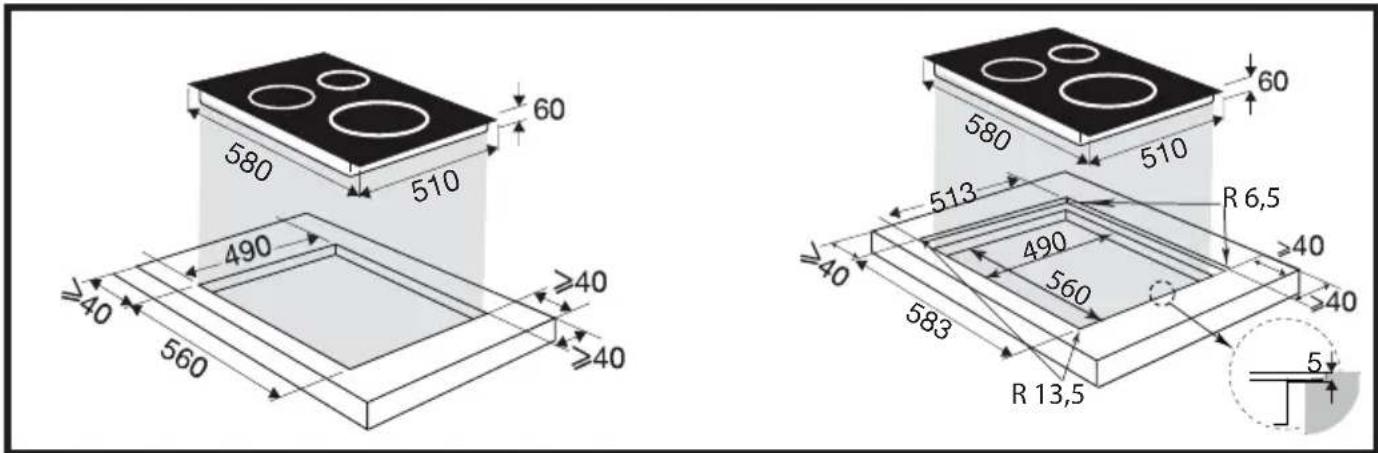
natural_image
Illustration of hands using a tool to cut or mark a component, no text or symbols visible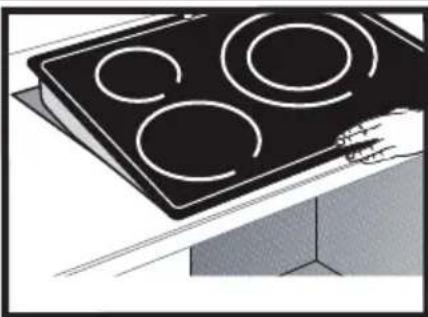
natural_image
Illustration of a four-circled electrical stove with a handle, placed on a surface (no text or symbols)
Importante

ENCENDIDO/APAGADO
Puesta en marcha :
Pulse la tescla ① correspondiente a la zona deseada.
natural_image
Illustration of cooking process with a pan on a stove and a pan on a stove, showing steam rising (no text or symbols)Auto-Stop:



- Important
- Auto-Stop :
- IMPORTANT SAFETY INSTRUCTIONS TO BE READ CAREFULLY AND KEPT FOR FUTURE USE.
- Protecting the environment
- Advice on how to save energy
- UNPACKING
- ENCLOSURE
- Electric connections
- CHOICE OF COOKWARE
- Tips
- BURNER SELECTION
- SWITCHING ON - STOPPING
- Switching on:
- Stopping a zone:
- + / - Power setting
- SETTING THE TIMER
- Multiple fireplaces in operation:
- CHILD SAFETY
- Locking
- Unlocking
- CLEAN LOCK function:
- SAFETY PRECAUTIONS AND RECOMMENDATIONS
- Residual heat:
- Anti-overheat protection:
- Protection against overflows
- ?
- SPECIAL MESSAGES, INCIDENTS
- EN
- DURING INITIAL USE:
- WHEN POWERING ON:
- DURING USE:
- Interventions
- Brandt
- Importante
- ENCENDIDO/APAGADO
- Puesta en marcha :
- Auto-Stop:
Brand : BRANDT
Model : BPI2638KUB
Category : Cooker