
HAUN518EW - Freezer HAIER - Free user manual and instructions
Find the device manual for free HAUN518EW HAIER in PDF.
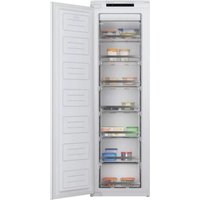


| Brand | Haier |
| Model | HAUN518EW |
| Product type | Freezer |
| Dimensions (approximate) | Height: 1705 mm, Width: 595 mm, Depth: 600 mm |
| Weight (approximate) | Approximately 50 kg |
| Power supply | 220-240 V, 50 Hz |
| Climate class | SN (10-32 °C), N (16-32 °C), ST (16-38 °C), T (16-43 °C) |
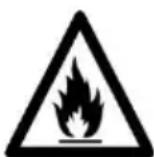
| Refrigerant | R600a (flammable) |
| Temperature setting | Touch sensor from 1 to 6 (1 warmest, 6 Super freezing) |
| Super freezing function | Yes, activate 2-3 hours before, automatic deactivation after 24 h |
| Freezing capacity (approximate) | Up to 12 kg in 24 h (check the rating plate) |
| Autonomy in case of power failure | Indicated on the rating plate (temperature rise time) |
| Maintenance and cleaning | Clean with baking soda solution and warm water; defrost manually if necessary |
| Defrosting | Manual (no No Frost system) |
| Availability of spare parts | Thermostats, sensors, boards, handles, hinges, shelves, bins (7 years); door gaskets (10 years) |
| Safety | Child lock (monitoring), warning about flammable refrigerant, do not use electrical appliances inside |
| Recommended use | Domestic, food preservation and freezing |
Frequently Asked Questions - HAUN518EW HAIER
User questions about HAUN518EW HAIER
0 question about this device. Answer the ones you know or ask your own.
Ask a new question about this device
Download the instructions for your Freezer in PDF format for free! Find your manual HAUN518EW - HAIER and take your electronic device back in hand. On this page are published all the documents necessary for the use of your device. HAUN518EW by HAIER.
USER MANUAL HAUN518EW HAIER
BI SD 177
DOWNLOAD THE hOn App
Discover extra contents and create your inventory list


LANGUAGES
English....2
Deutsch 21
Español....42
Français....63
Italiano 84
Nederlands 105
Polski....126
Portuguese....147
Čeština....167
Slovenčina....186
Magyar....206
SUMMARY
SAFETY INFORMATION 3
Scrapping old appliances.... 10
Conformity.... 10
Guarantee.... 11
Energy Saving.... 11
Before first use 11
Freezer use 11
Storage 12
Control panel 12
Care and cleaning 13
Defrosting the freezer 13
Availability of spare parts 14
Troubleshooting 14
Technical assistance 15
Installation.... 15
Ventilation 16
Installation into the cabinet 17
Mounting the fascia door 18
Installation instructions for products with fixed hinges.... 19
Reversing the appliance door 20
Thank you for purchasing this product.
Before using your refrigerator, please carefully read this instruction manual in order to maximize its performance. Store all documentation for subsequent use or for other owners. This product is intended solely for household use or similar applications such as:
- the kitchen area for personnel in shops, offices and other working environments
- on farms, by clientele of hotels, motels and other environments of a residential type
- at bed and breakfasts (B & B)
- for catering services and similar applications not for retail sale.
This appliance must be used only for purposes of storage of food, any other use is considered dangerous and the manufacturer will not be responsible for any omissions. Also, it is recommended that you take note of the warranty conditions.
SAFETY INFORMATION
Please read the operating and installation instructions carefully!
They contain important information on how to install, use and maintain the appliance.
The manufacturer is not liable if you fail to comply with the instructions and warnings.
Retain all documents for subsequent use or for the next owner.
- Do not connect the appliance to the electricity supply until all packing and transit protectors have been removed. Keep children away from packaging and its parts.
Danger of suffocation from folding cartons and plastic film!
- Leave to stand for at least 4 hours before switching on the product, to allow compression or oil to settle if transported horizontally.
• Make sure there is no transport damage.
- Do not damage the refrigerant circuit.
- Maintain the ventilation openings in the appliance enclosure or in the built-in structure, free of obstruction.
- Never use water to wash the compressor or its position; wipe it with a dry cloth thoroughly after cleaning to prevent rust.
- Handle the appliance always with at least two persons because it is heavy.
• Install and level the appliance in an area suitable for its size and use.
- Make sure that the electrical information on the rating plate agrees with the power supply. If it does not, contact an electrician.
- The appliance is operated by a 220-240 VAC/50 Hz power supply. Abnormal voltage fluctuation may cause the appliance to fail to start, or damage to the temperature control or compressor, or there may be an abnormal noise when operating. In such case, an automatic regulator shall be mounted.
- Only for UK: The appliance's power cable is fitted with a 3-cord (grounding) plug that fits a standard 3-cord (grounded) socket. Never cut off or dismount the third pin (grounding). After the appliance is installed, the plug should be accessible.
• Make sure that the mains cable is not caught under the appliance during and after carrying or moving it, to avoid the cable becoming cut or damaged. If the supply cord is damaged, it must be replaced by the manufacturer, its service agent, or a similarly qualified person in order to avoid a hazard.
If the supply cord is damaged, it must be replaced by the manufacturer, its service agent, or a similarly qualified person in order to avoid a hazard.
- Do not install the appliance in humid, oily, or dusty places, nor expose it to direct sunlight or water.
- Do not install the appliance near heaters or inflammable materials.
- For appliances with a freezer compartment: if there is a power failure, do not open the lid. Frozen food should not be affected if the failure lasts for less than the hours indicated on the rating label (Temperature rise time). If the failure is longer, then the food should be checked and eaten immediately or cooked and then refrozen.
- If you find that the lid of the appliance is difficult to open just after you have closed it, don’t worry. This is due to the pressure difference, which will equalize and allow the lid to be opened normally after a few minutes.
- Do not store medicines, bacteria, or chemical agents in the appliance. This appliance is a household appliance; it is not recommended to store materials that require strict temperatures.
- Do not excessively pull or fold the power cord, or touch the plug with wet hands.
or touch the plug with wet hands.
- Do not store products which contain flammable propellant (e.g., spray cans) or explosive substances in the appliance. Risk of explosion!
- Do not place unstable articles (heavy objects, containers filled with water) on top of the refrigerator, to avoid personal injury caused by falling or electric shock caused by contact with water.
- Do not use electrical appliances inside the food storage compartments, unless they are of the type recommended by the manufacturer.
- Do not touch internal cooling elements, especially with wet hands, to avoid cracks or injuries.
- At risk here are children, people who have limited physical, mental, or sensory abilities, as well as people who have inadequate knowledge concerning safe operation of the appliance.
- Check that children and vulnerable people have understood the hazards. A person responsible for safety must supervise or instruct children and vulnerable people who are using the appliance. Only children aged 8 years and above may use the appliance.
• Children should not play with the appliance.
- Children aged from 3 to 8 years are allowed to load and unload this appliance.
- For appliances with a freezer compartment: do not store bottled or canned liquids (especially carbonated drinks) in the freezer compartment. Bottles and cans may burst!
- For appliances with a freezer compartment: never put frozen food straight from the freezer compartment in your mouth. Risk of low-temperature burns!
- Keep plastic parts and the door seal free of oil and grease. Otherwise, plastic parts and the door seal will become porous.
- Before performing any operation, unplug the power cord from the power socket.
- Do not use mechanical devices or other means to accelerate the defrosting process, other than those recommended by the manufacturer.
- Do not use pointed or sharp-edged objects such as knives or forks to remove the frost.
- Never use hairdryers, electrical heaters or other such electrical appliances for defrosting.
- It is recommended to keep the plug clean, any excessive dust residues on the plug can be the cause fire.
- Do not try to repair, disassemble or modify the appliance by yourself. In case of repair please contact always our customer service.
- Supervise children while the appliance is being cleaned or maintained.
- Do not clean the cold glass shelves with hot water. Sudden temperature change may cause the glass to break.
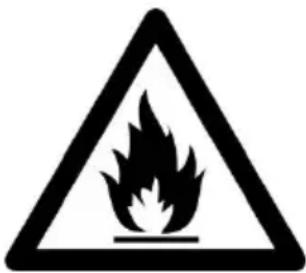
- WARNING: The tubes of the refrigeration circuit convey a small quantity of an environmentally friendly but flammable refrigerant (R600a) and insulating gas (cyclopentane). It does not damage the ozone layer and does not increase the greenhouse effect. If refrigerant escapes, it may injure your eyes or ignite.
• If the refrigerant circuit should be damaged:
- Switch off the appliance and pull out the mains plug,
- Keep naked flames and/or ignition sources away from the appliance,
- Thoroughly ventilate the room for several minutes,
- Inform customer service.
- WARNING: Do not damage the plug and/or the power cord; this could cause electrical shock or fires.
- WARNING: Do not use multiple portable socket-outlets or portable power supplies. We do not recommend the use of extension leads and multi-way adapters.
- Do not attempt to sit or stand on the top of the appliance. You could injure yourself or damage it. This appliance is not designed for stacking with any other ones.
This appliance is not designed for stacking with any other ones.
- The product is designed and built for domestic household use only.
- Only original parts supplied by the manufacturer may be used. The manufacturer guarantees that only these parts satisfy the safety requirements.
- Opening the door for long periods can cause a significant increase of the temperature in the compartments of the appliance.
- Clean regularly surfaces that can come in contact with food and accessible drainage systems.
- Clean water tanks if they have not been used for 48 hours; flush the water system connected to a water supply if water has not been drawn for 5 days.
- Store raw meat and fish in suitable containers in the refrigerator, so that it is not in contact with or drip onto other food.
- Two-star frozen-food compartments (if present in the appliance) are suitable for storing pre-frozen food, storing or making ice cream, and making ice cubes.
- One-, two- and three-star compartments, if present in the appliance, are not suitable for freezing fresh food.
- If the appliance is left empty for long periods,
switch it off, defrost, clean, dry, and leave the door open to prevent mold from developing inside the appliance.
- FOR Wine Coolers: This appliance is intended to be used exclusively for the storage of wine.
- FOR a freestanding appliance: This refrigerating appliance is not intended to be used as a built-in appliance.
- FOR appliances without a 4-star compartment: This refrigerating appliance is not suitable for freezing foodstuffs.
Disposal of old appliances
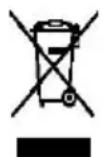
This appliance is marked according to European Directive 2012/19/EU on Waste Electrical and Electronic Equipment (WEEE).
WEEE contains both polluting substances (which can cause negative consequences for the environment) and basic components (which can be reused). It is important to have WEEE subjected to specific treatments in order to remove and properly dispose of all pollutants, and to recover and recycle all materials.
Individuals can play an important role in ensuring that WEEE does not become an environmental issue; it is essential to follow some basic rules:
- WEEE should not be treated as household waste;
- WEEE should be handed over to the relevant collection points managed by the municipality or by registered companies. In many countries, for large WEEE, home collection may be available.
In many countries, when you buy a new appliance, the old one may be returned to the retailer, who has to collect it free of charge on a one-to-one basis, as long as the equipment is of equivalent type and has the same functions as the supplied equipment.
Conformity
By placing the CE mark on this product, we are confirming compliance with all relevant European safety, health, and environmental requirements that are applicable in legislation for this product.
Guarantee
Minimum guarantee is: 2 years for EU Countries, 3 years for Turkey, 1 year for UK, 1 year for Russia, 3 years for Sweden, 2 years for Serbia, 5 years for Norway, 1 year for Morocco, 6 months for Algeria, Tunisia no legal warranty required.
Energy Saving
For better energy saving we suggest:
- Installing the appliance away from heat sources and not exposed to direct sunlight and in a well ventilated roof.
- Avoid putting hot food into the refrigerator to avoid increasing the internal temperature and therefore causing continuous functioning of the compressor.
- Do not excessively stuff foods so as to ensure proper air circulation. • Defrost the appliance in case there is ice to facilitate the transfer of cold.
- In case of absence of electrical energy, it is advisable to keep the refrigerator door closed.
- Open or keep the doors of the appliance open as little as possible
- Avoid adjusting the setting to temperatures too cold.
- Remove dust present on the rear of the appliance
For further information about the product, please consult https://eprel.ec.europa.eu/ or scan the QR on the energy label supplied with the appliance
Before first use
You must allow the freezer to settle for at least four hours prior to switching the power on.
It is recommended that you clean the interior of the appliance prior to first use, using a solution of bicarbonate of soda and warm water and then thoroughly drying the interior.
The freezer may have an odor at first use. This will disappear as the appliance cools.
Please note:
The appliance will start on temperature setting 3 and work continuously until it reaches the correct temperature.
If the appliance is switched off, allow five minutes before switching it on again to prevent unnecessary damage to the compressor.
Never store inflammable or explosive items and strong corrosive acids or alkalis in the appliance. This freezer cools your food by making the inside back of the cavity cold. It is normal for frost to build up on this surface; it then dissipates and drains through a small drain at the bottom, where it evaporates harmlessly. The presence of some frosting is not a malfunction of the freezer.
Freezer use
- The freezer compartments are designed to store only frozen food.
- Never put hot or warm foods in the freezer; allow them to cool fully before putting them in.
- Follow the instructions on the food packaging for storage of frozen food. If no information is provided, foods should not be stored for more than three months after the purchase date.
- Store food in small packages (ideally less than 2.5 kg). This reduces the freezing time and improves the quality of the food after thawing.
- Wrap food before putting it into the freezer. To stop the wrapping sticking together, ensure it is dry.
- Label the food before freezing with information including type of food and dates of storage and expiry.
- Once food is thawed, it must not be refrozen unless it has been completely cooked. Only defrost as much food as is required to prevent wastage.
- Bottled or canned drinks should not be stored in the freezer compartment as they could explode.
- Check the rating plate to confirm the maximum amount of fresh food that can be frozen within a 24-hour period.
Do not attempt to freeze more than the maximum amount.
Storage
The freezer is for short- to medium-term food storage. Although low temperatures can be maintained, extended periods of food storage are not recommended.
As the cold air circulates within the freezer, the temperature can vary between the different sections. As such, foods should be stored in different sections according to type and storage term. The bottom sections are the coldest parts of the freezer.
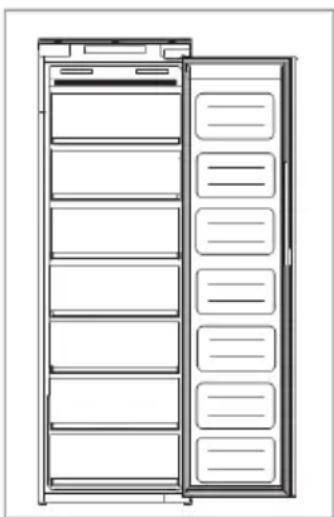
The top two sections have readable flaps that stay open for ease of loading and unloading. The remaining 5 sections are drawers.
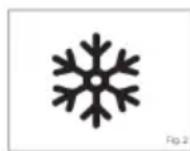
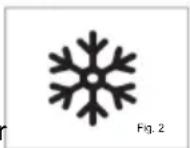
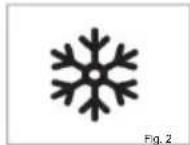
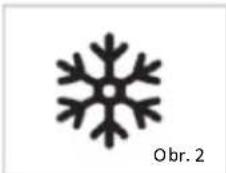
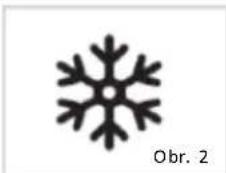
The 6th setting on the control panel, represented by the snowflake (Fig. 2), is a super freeze function. This should be used when freezing large quantities of food all at once. Activate this function 2 or 3 hours before introducing the food and do not leave it to run for more than necessary.
Leaving it to run for longer will place unnecessary strain on the cooling system. The function will automatically deactivate after approximately 24 hours.
The most energy-saving configuration requires drawers, food box, and shelves to be positioned in the product; please refer to the above pictures.
- It is suggested to set the temperature at -18°C in the freezer compartment.
- For frozen food, refer to the storage time written on the food packaging. This storage time is achieved whenever the setting respects the reference temperatures of the compartment (one-star -6°C, two stars -12°C, three stars -18°C).
Control panel
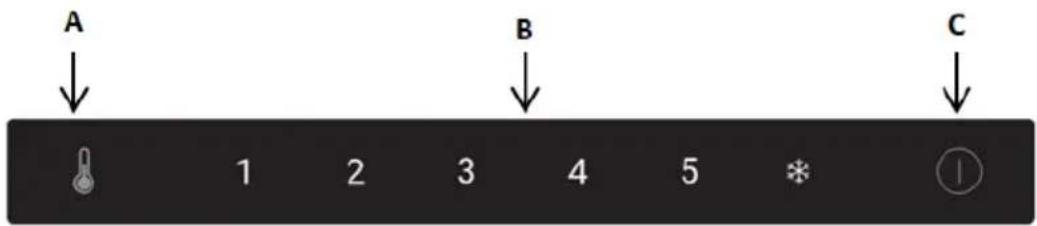
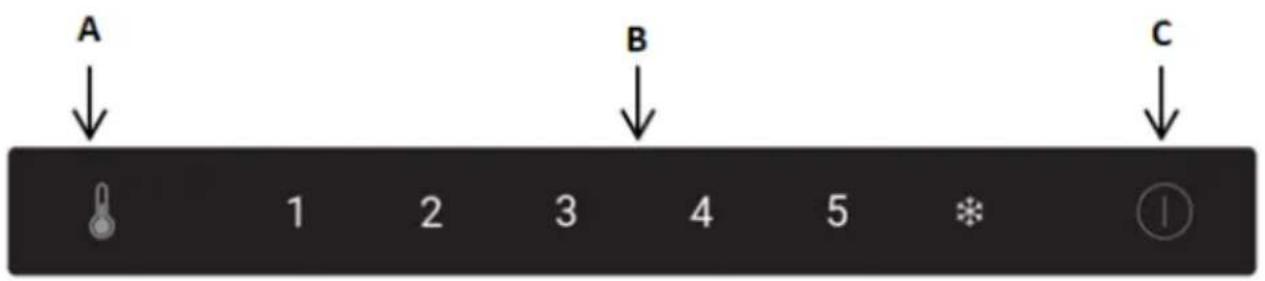
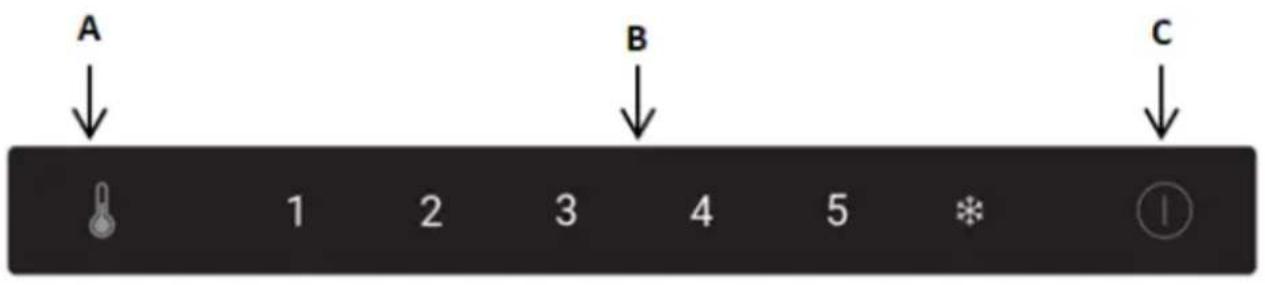
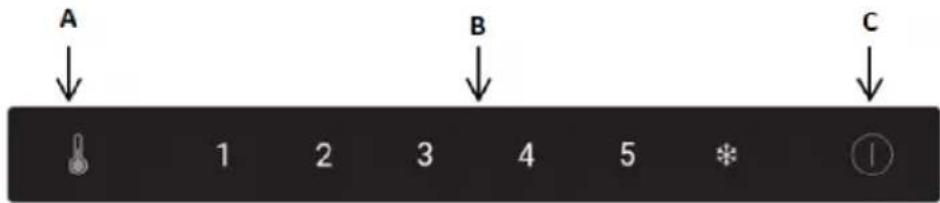
A. Freezer temperature adjustment sensor
This button is used to adjust the temperature within the freezer. Press this sensor once to activate adjustment, and then as many times as necessary until the desired level is selected. The settings range from 1 to 6, with 1 being the warmest and super freeze being the coldest.
Please note: Where possible, avoid having the temperature setting on 5 or super freeze (snowflake) all of the time. This will help to alleviate strain on the compressor and system.
B. Freezer temperature setting display
This display will illuminate the current temperature setting. Adjusting the temperature will cycle through this display.
Please note: You do not use numbers 1 to 5 or the snowflake to change the temperature. Instead, use the freezer temperature adjustment sensor (A).
| Position | Conditions |
| 1-2 | Summer or ambient temperature between 25-35 °C |
| 3-4 | Spring, autumn or ambient temperature between 15-25 °C |
| 5 | Winter, or ambient temperature between 5-15 °C |
| Super freezing | Quick freeze |
C. Power button
Press the sensor once to wake up the function, and then press for 3 seconds to switch the appliance on or off.
This product has power-off or power failure memory function.
Care and cleaning
Always disconnect the appliance from the power supply before any cleaning or maintenance.
The drawer sections should be cleaned using a solution of bicarbonate of soda and lukewarm water. Do not use abrasive products or detergents. After washing, rinse and dry thoroughly.
Clean the compartments separately by hand with a mild solution of washing up liquid and water. Do not use abrasive cleaners or detergents.
If the appliance is not to be used for prolonged periods of time, unplug and clean the appliance. The doors should be left slightly ajar to prevent the formation of mildew and unpleasant odors.
Defrosting the freezer
The freezer has a no frost system which is designed to prevent the heavy build up of ice. Under normal use, there should be no need to regularly defrost the freezer system. Please note: If you are regularly finding a heavy build up of ice, or pools of water, in the freezer section then it is likely that the door is not sealing properly. This could be due to a defective door
seal or an incorrectly fitted, or overly heavy, decor door. For more information see the troubleshooting section on ice.
Please note: If you are regularly finding pools of water in the freezer, frost build-ups, or you notice that the compressor is always running, then it is likely that the door is not sealing properly. This could be due to a defective door seal or an incorrectly fitted, or overly heavy, decor door. For more information see the troubleshooting section on ice on page 12.
Availability of spare parts
- Thermostats, temperature sensors, printed circuit boards and light sources are available for a minimum period of seven years after placing the last unit of the model on the market.
- Door handles, door hinges, trays and baskets for a minimum period of seven years and door gaskets for a minimum period of 10 year, after placing the last unit of the model on the market.
Troubleshooting
If you have any problems with your appliance, you should check the troubleshooting prior to calling Montpellier Customer Care.
If the appliance is not working, check:
- That there is power to the appliance.
- The house fuses are intact and the fuse in the plug has not blown.
- The freezer has not been turned off
- The plug socket is functioning fine. To check this, plug another electrical appliance in to see if the socket is faulty.
If the appliance is working, but not very well, check:
- The appliance is not overloaded.
- The thermostat is set to an appropriate temperature. • The doors are closing properly.
- The cooling system at the rear of the appliance is clean and free of dust, and not touching the rear wall.
- There is enough ventilation at the side and rear walls.
- This can be due to the decor door(s) not being properly fitted, causing the freezer door to not close properly thus letting warm air in. If you are at all unsure, ask your fitter to check the decor doors.
If the appliance is noisy, check:
- The appliance is level and stable.
- The side and rear walls are clear, and there is nothing resting on the appliance.
- Note: The cooling gas in the system may make a slight bubbling or gurgling noise, even when the compressor is not running.
If the appliance is beeping, check:
- That the door is closed.
If there's water in the base of the freezer, check:
- Check that there is some resistance when opening the door of the appliance. If it opens at the slightest touch it may mean that the door seal needs to be replaced.
- Check the door seal for any kinks, debris or damage. If you notice any, and are unable to resolve the issue yourself, contact Customer Care so that the seal can be replaced.
- This can be due to the decor door(s) not being properly fitted. If you are at all unsure, ask your fitter to check the decor doors.
If excessive ice has formed in the freezer:
- It is normal for some ice to form in the freezer. This does not constitute a fault with the appliance.
- Check that there is some resistance when opening the door of the appliance. If it opens at the slightest touch it may mean that the door seal needs to be replaced.
- Check the door seal for any kinks, debris or damage. If you notice any, and are unable to resolve the issue yourself, contact Customer Care so that the seal can be replaced.
- This can be due to the decor door(s) not being properly fitted. If you are at all unsure, ask your fitter to check the decor doors.
Technical assistance
To contact the technical assistance, visit our website: https://corporate.haier-europe.com/en/ Under the section "website", choose the brand of your product and your country. You will be redirected to the specific website where you can find the telephone number and form to contact the technical assistance.
Installation
This appliance must never be installed close to heat sources, e.g. heating elements or cookers, nor in damp places.
Seek the help of another individual, or two, when installing this appliance. This appliance may have sharp edges. Wear adequate PPE for the task and environment.
- To ensure the appliance is level, you should use the height adjustable feet at the front of the appliance.
- The cooling system at the rear of the appliance must not touch the rear wall. The greater the gap, the better.
- The appliance must be installed with adequate ventilation. Ensure that there is clearance above the appliance to allow air to escape and that there is space between the rear of the appliance and the wall.
Install the appliance at a location where the ambient temperature corresponds to the climate class indicated on the rating plate of the appliance:
- Extended temperate (SN): 'this refrigerating appliance is intended to be used at ambient temperatures ranging from 10 °C to 32 °C'
- Temperate (N): 'this refrigerating appliance is intended to be used at ambient temperatures ranging from 16 °C to 32 °C'
- Subtropical (ST): 'this refrigerating appliance is intended to be used at ambient temperatures ranging from 16 °C to 38 °C'
- Tropical (T): 'this refrigerating appliance is intended to be used at ambient temperatures ranging from 16 °C to 43 °C'
Ventilation
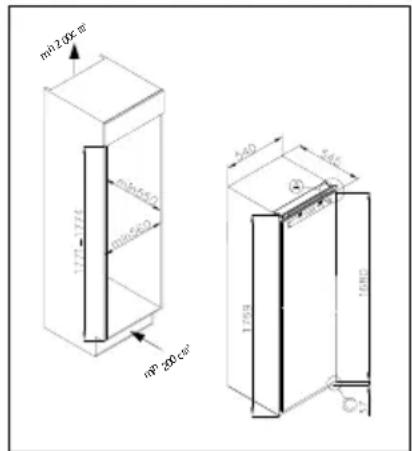
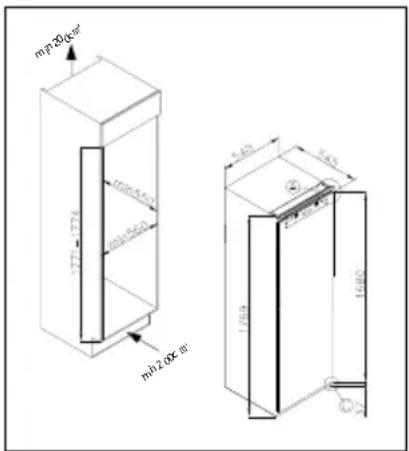
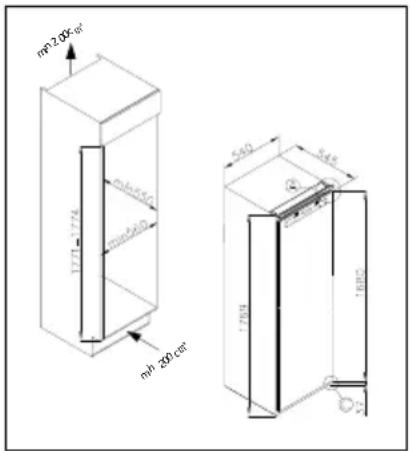
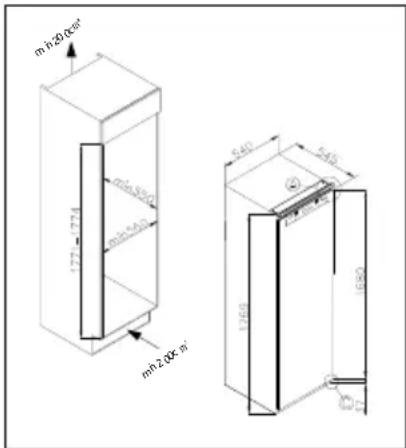
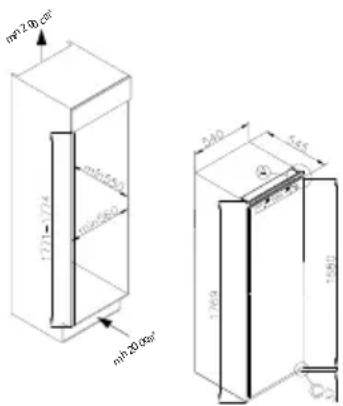
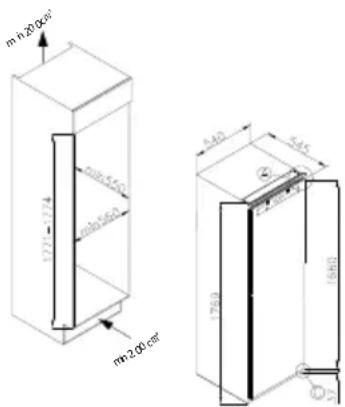
The main consideration when installing any refrigeration unit into a fitted kitchen is ventilation. The heat removed from the cooling compartment needs to be dissipated into the atmosphere. Incorrect ventilation can lead to premature compressor failure, excessive power consumption, total system failure and may invalidate the warranty provided with the appliance. For products intended to be installed into a tall housing unit, the following requirements need to be met:
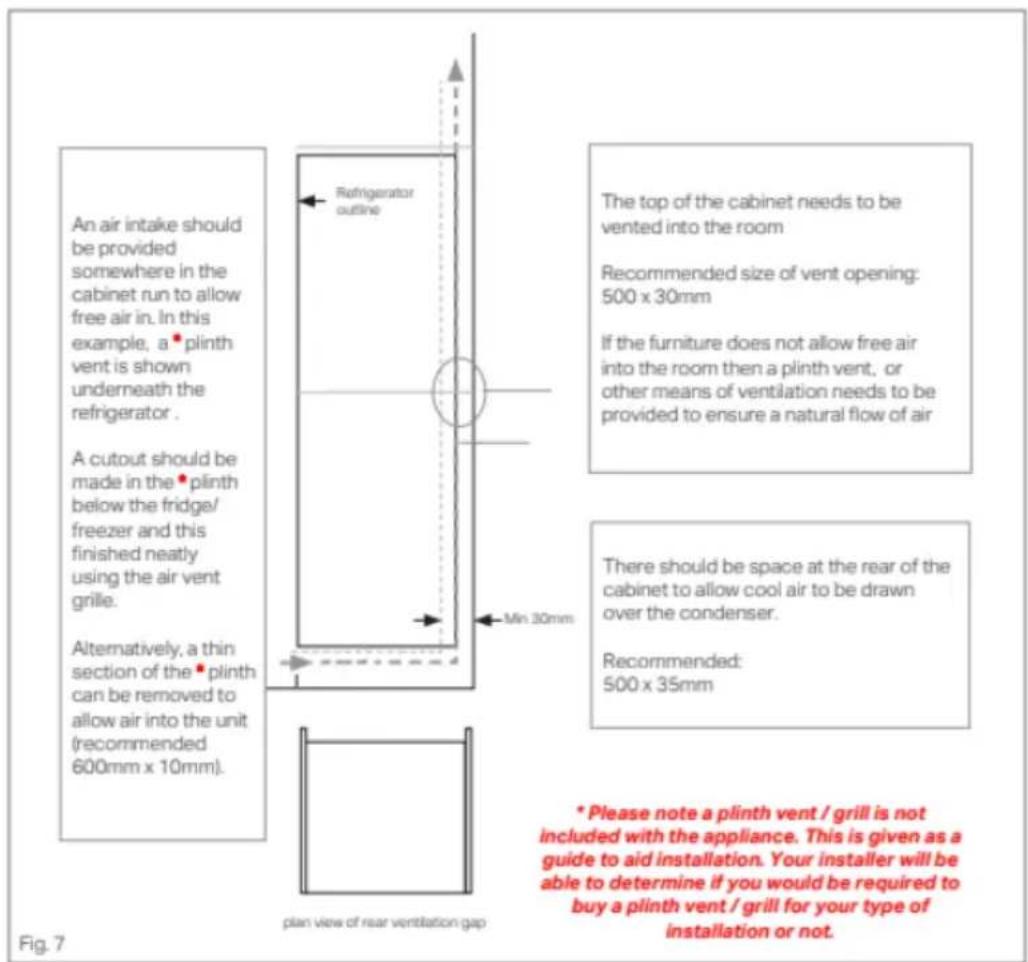
The open channel at the rear is clearly shown. For the correct operation of the appliance it is important that the top of the housing unit is not blocked off. A channel depth of 40-50mm is normal with most units.
A ventilation hole is required in the plinth of the unit; this allows air
To be drawn over the compressor & heat exchange. The required air flow can be achieved by removal of a thin section of plinth (recommended 600mm x 10mm minimum).
As a rule, the more air that can get in and out, the better and more efficient the operation of the product.
Installation into the cabinet
With the help of another individual, or two, move the appliance into the cabinet. There are two metal plates at the base of the appliance. Fit the supplied white spacers (Fig. 8) to these plates, as per Fig. 9.
Insert the appliance into the column placing it on the opposite site of the hinges, and make sure 3-5 mm distance gap.
1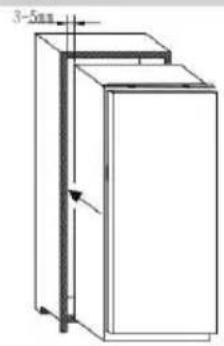
After ensuring the match between appliance door and column door, fix the plastic covers from accessories bag.
2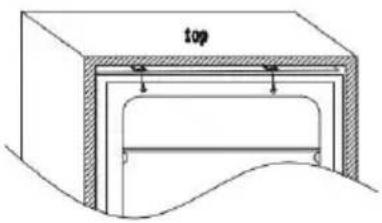
Screw the appliance lower part.
3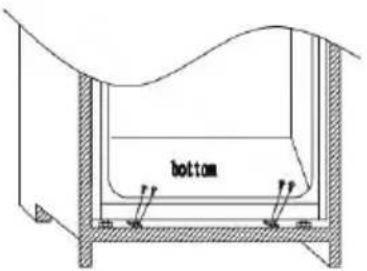
Fit the seal to the appliance, cut off the excessive part if necessary. Fit the bottom parts with plastic covers.
4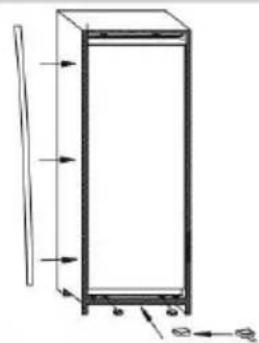
Ensure that the lips of the spacers are level with the lip of the cabinet base.
Mounting the fascia door
- Ensure that there is a gap of 3 to 4 mm between the non-hinged side and the cabinet wall.
- Locate the slider in the bracket and fix the slider to the fascia door 20 to 22 mm from the edge of the fascia as shown in figure 11, ensuring that the slider is positioned centrally and horizontally within the bracket. Tighten securely by hand.
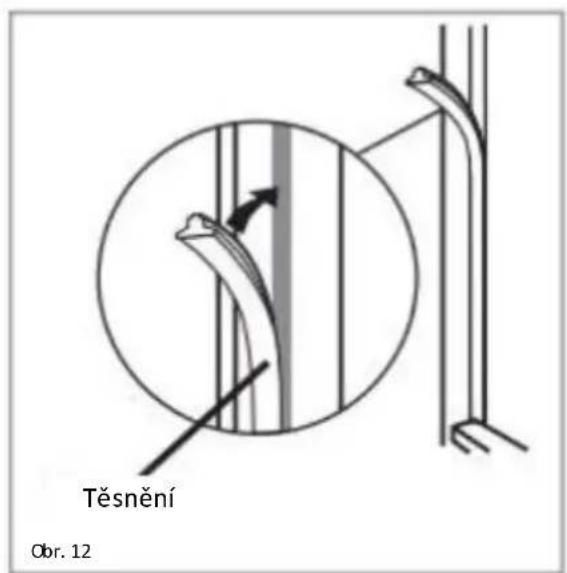
- Fill the gap on the non-hinged side with the gasket/seal strip provided, as shown in Fig. 12.
- The finished look for the door sliders should be similar to those shown in Fig. 14, which shows 2 sliders in place.
- Ensure the appliance door opens, closes and seals properly.
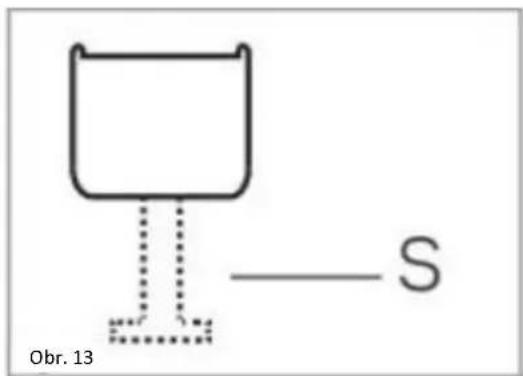
Once complete, and if you are happy with the fit of the appliance in the cabinet, bend and snap the parts of the white spacers marked 'S' as shown by the dotted outline in fig. 13. Leave the rest of the spacer cover in place over the metal plates.
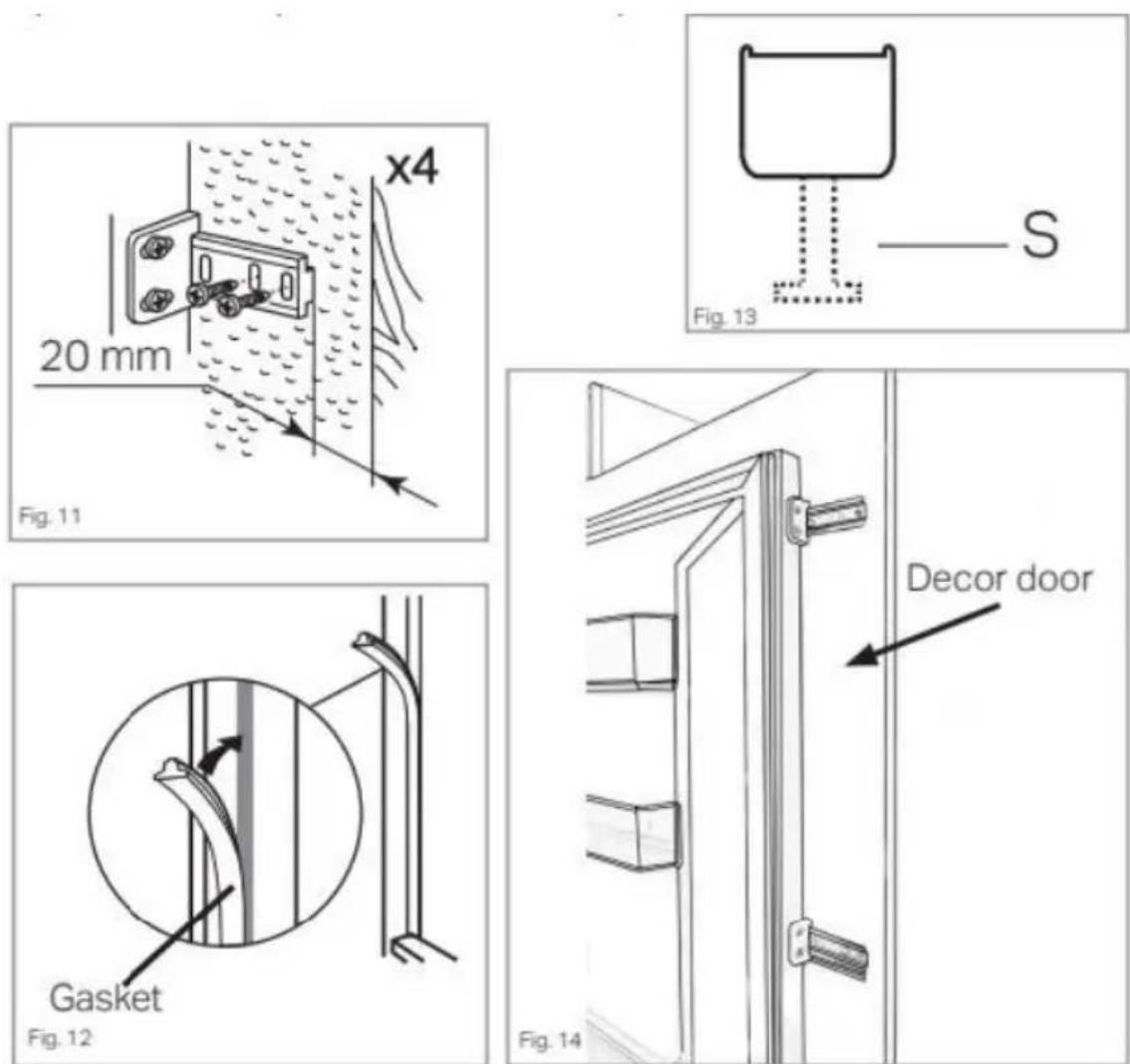
Important: After completing the installation, check that the appliance is secured within the unit and that the door(s) close and open properly. If there is no resistance from the door seals when opening the doors, then it is probable that the appliance and/or decor doors are not fitted properly.
Installation instructions for products with fixed hinges.
1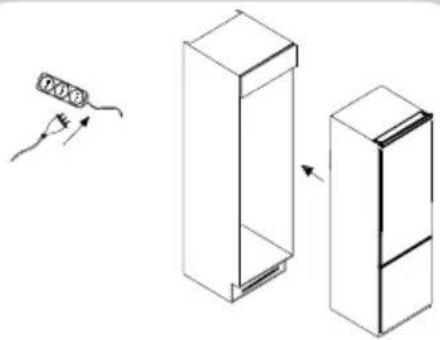
2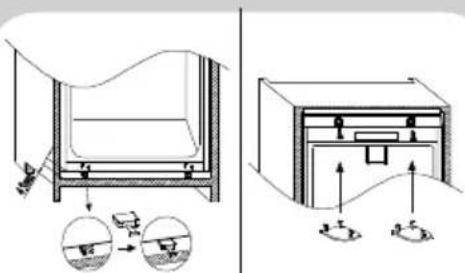
3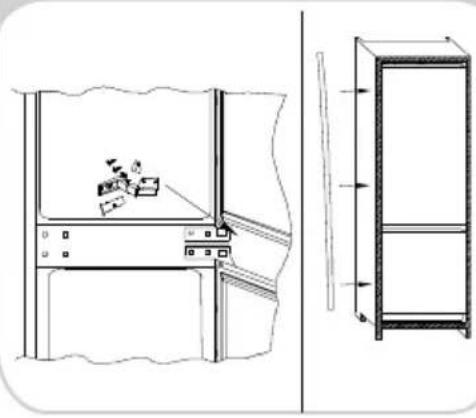
4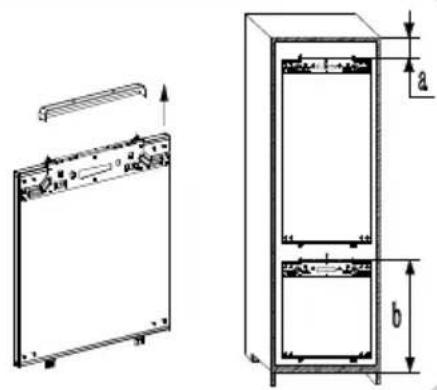
5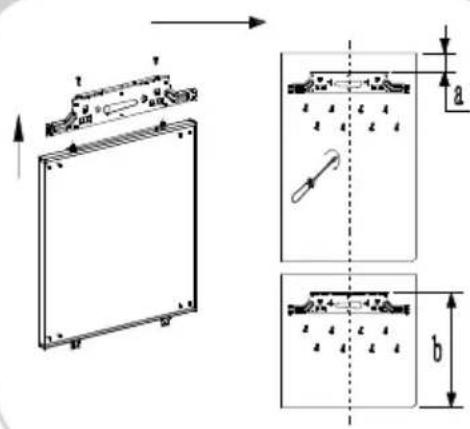
6![graph TD A["Rectangular Panel 1"] --> B["Rectangular Panel 2"] B --> C["Rectangular Panel 3"] C --> D["Rectangular Panel 4"] D --> E["Rectangular Panel 5"] E --> F["Rectangular Panel 6"] F --> G["Rectangular Panel 7"] G --> H["Rectangular Panel 8"] H --> I["Rectangular Panel 9"] I --> J["Rectangular…](/content/2026/04/684675/images/6ad3bba23b58e2d6b9dbe58ca762976c798687f0295c7b6e47d352b1ea9af426.jpg)
Reversing the appliance door
We recommend you seek the help of another individual to support the doors whilst performing this operation. Always wear adequate PPE (Personal Protective Equipment) for the task at hand. Prepare a surface with a soft, clean towel or similar where you can place the door during these steps.
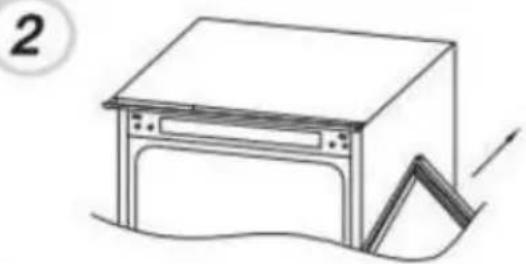
Remove the right upper hinge cover and hinge by screwdriver.
1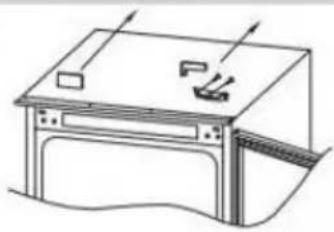
Remove the door.
2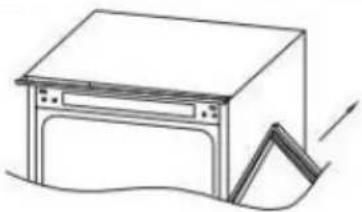
Remove the right bottom hinge and left plastic plugs, and refit them onto the opposite side.
3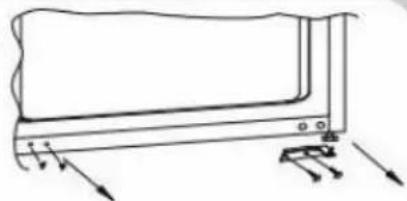
Assembly the right upper hinge to the left bottom and fit the cover.
4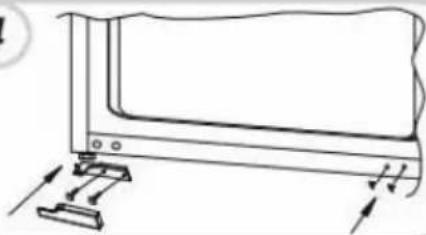
Sit the door on the bottom hinge and assembly the bottom hinge to the top, make sure 1-2-3 are very close
5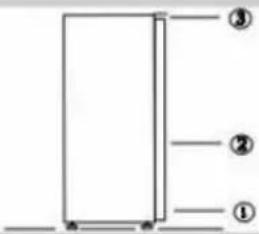
Ensuring the door seals correctly:
It is normal for the seal to be compressed after the door has been reversed. With the door closed, use a hair dryer to expand the seal and fill the gap between the door and the body of the appliance. Take care not to use the hair dryer too close to the appliance, which could damage the seal. A distance of approximately 10cm should be adequate.
When completed, allow the seal and door to cool before touching them. Once done, the seal should remain in position.
SUMMARY
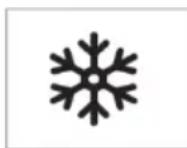
Fig. 6
2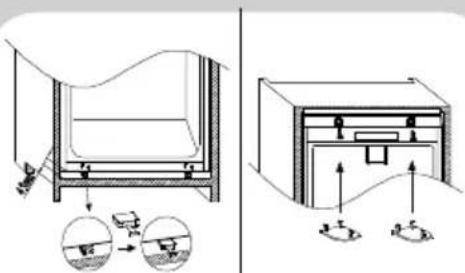
3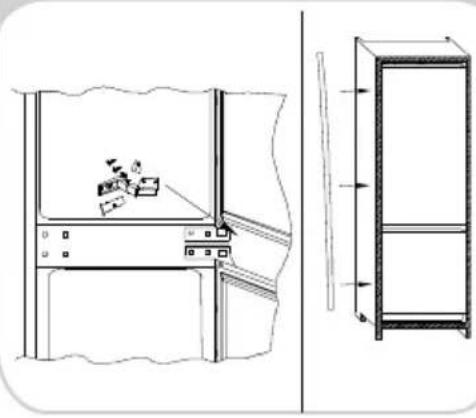
4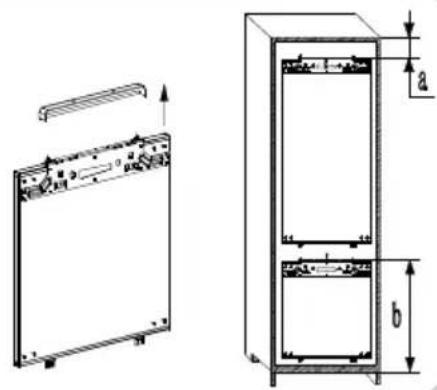
5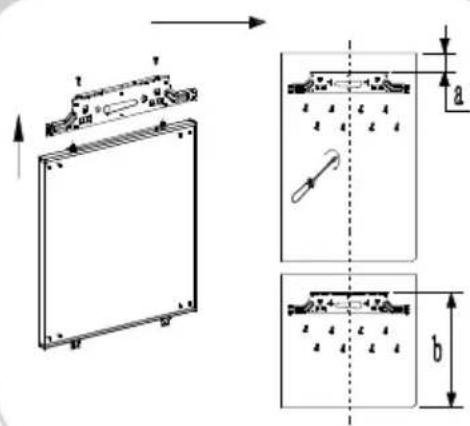
6![graph TD A["Rectangular Panel 1"] --> B["Rectangular Panel 2"] B --> C["Rectangular Panel 3"] C --> D["Rectangular Panel 4"] D --> E["Rectangular Panel 5"] E --> F["Rectangular Panel 6"] F --> G["Rectangular Panel 7"] G --> H["Rectangular Panel 8"] H --> I["Rectangular Panel 9"] I --> J["Rectangular…](/content/2026/04/684675/images/7bc860ebd554b301f8088239228b94fcb73ec7b61697de0f9cadd14aa6304261.jpg)
2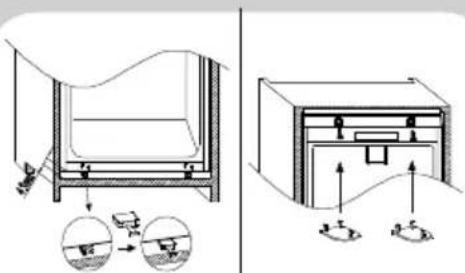
3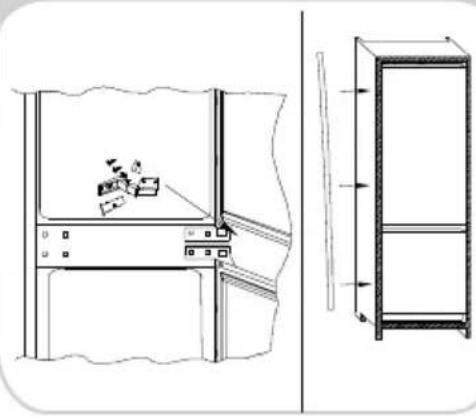
4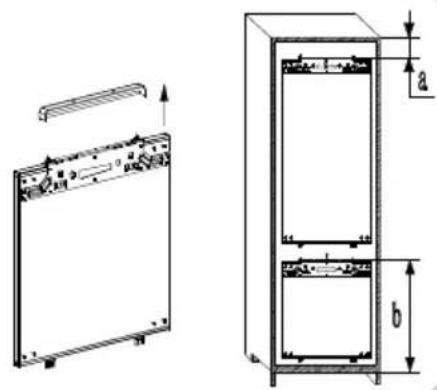
5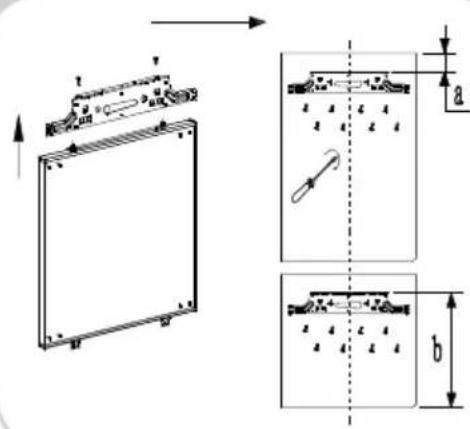
6![graph TD A["Initial Presentation"] --> B["Intermediate Processing"] B --> C["Final Output"] style A fill:#f9f,stroke:#333 style B fill:#ccf,stroke:#333 style C fill:#cfc,stroke:#333](/content/2026/04/684675/images/b2fd421a42d3c08640f5741248c227383280d6d5c83a8c5f5d19e2e4105f45e5.jpg)
Remove the door.
2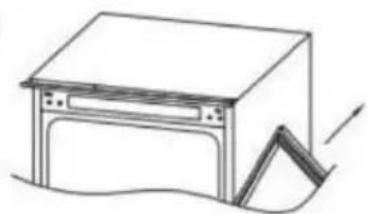
Technical assistance
2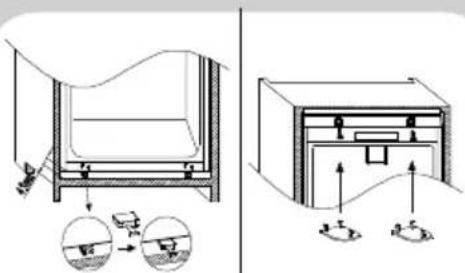
3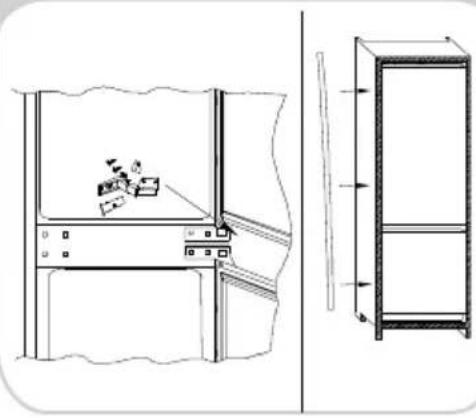
4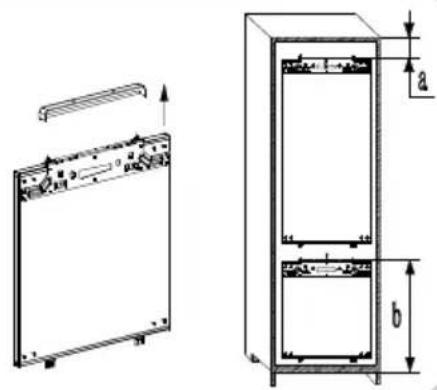
5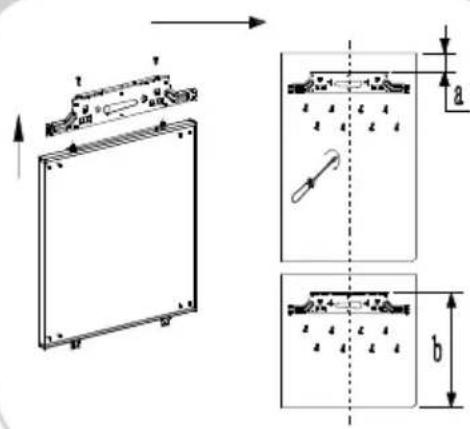
6![graph TD A["Rectangular Panel 1"] --> B["Rectangular Panel 2"] B --> C["Rectangular Panel 3"] C --> D["Rectangular Panel 4"] D --> E["Rectangular Panel 5"] E --> F["Rectangular Panel 6"] F --> G["Rectangular Panel 7"] G --> H["Rectangular Panel 8"] H --> I["Rectangular Panel 9"] I --> J["Rectangular…](/content/2026/04/684675/images/3a7377dd4eef786d5378d0dc799f9afc5915cc22c9af3ae26df4ebefa95d5f94.jpg)
Remove the door.
2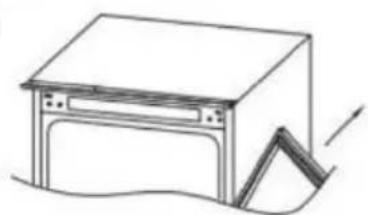
4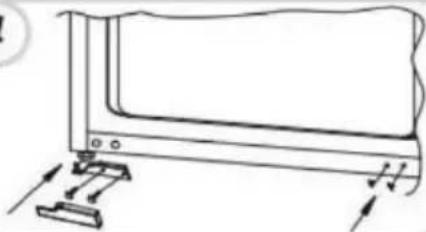
Fig. 6
2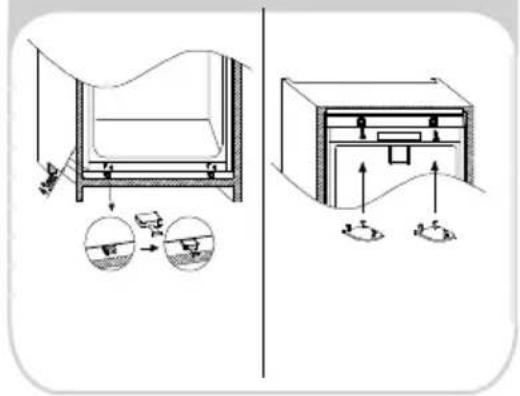
3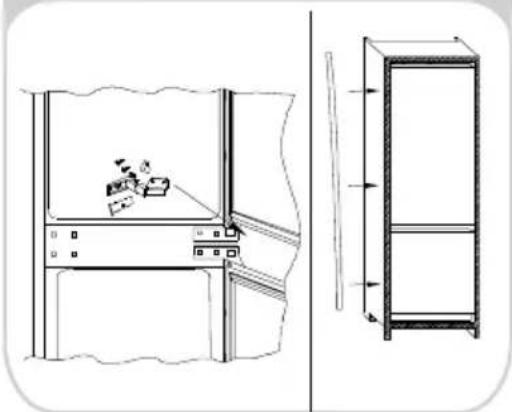
4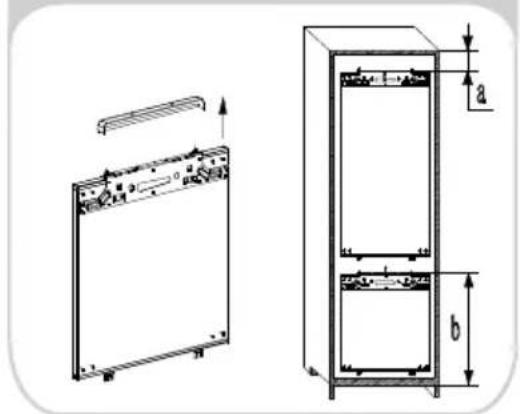
5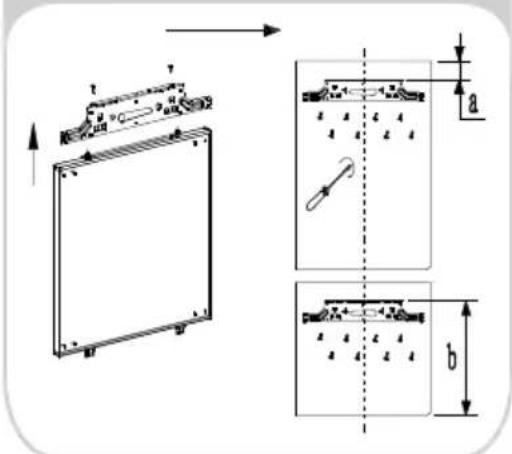
6![graph TD A["Raw Material Inspection"] --> B{Material Check} B -->|Yes| C["Process Step 1"] B -->|No| D["Process Step 2"] C --> E["Order"] D --> F["Order"] E --> G["Final Assembly"] F --> G](/content/2026/04/684675/images/1ab0363b725e2b7642b1c71e6a2e47453cf02ec934fe3c7161b9e1a5b9514e26.jpg)
- in Bed and Breakfasts (B&B)
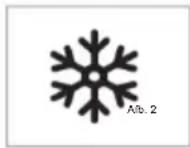
Fig. 6
2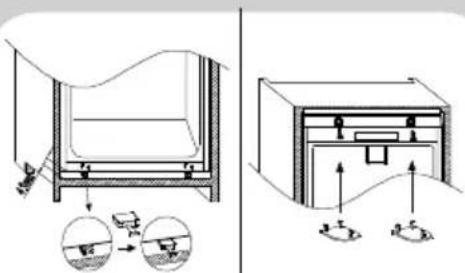
3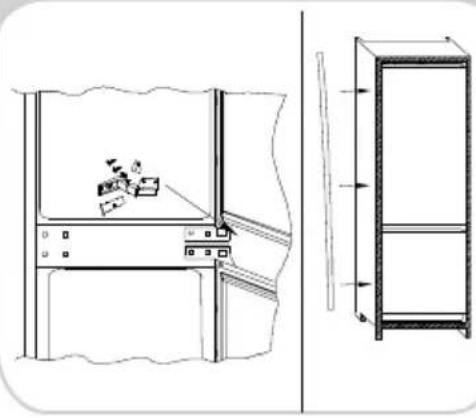
4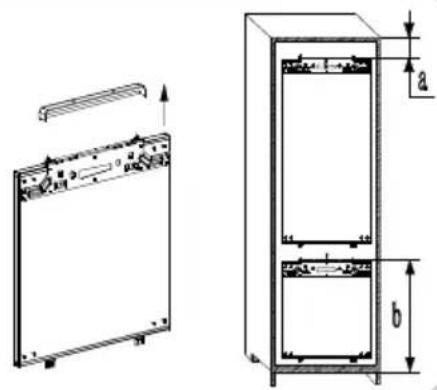
5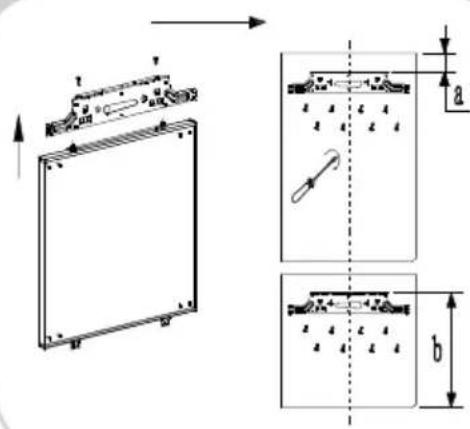
6![graph TD A["Initial Presentation"] --> B["Intermediate Processing"] B --> C["Final Output"] style A fill:#f9f,stroke:#333 style B fill:#ccf,stroke:#333 style C fill:#cfc,stroke:#333](/content/2026/04/684675/images/5465ec5b2ebcbab7274c4d26a27e44968d66e0499651ae312fd4abdbd1cc1ec8.jpg)
Remove the door.
2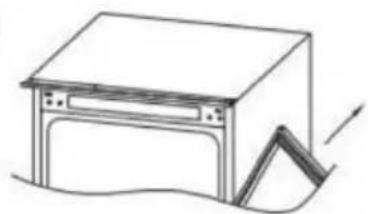
4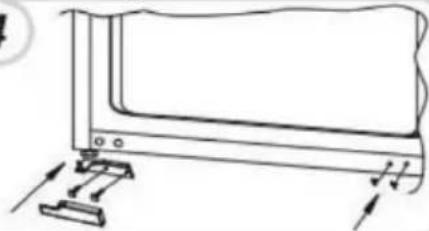
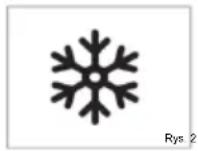
Fig. 6
2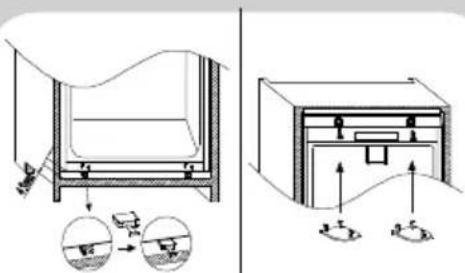
3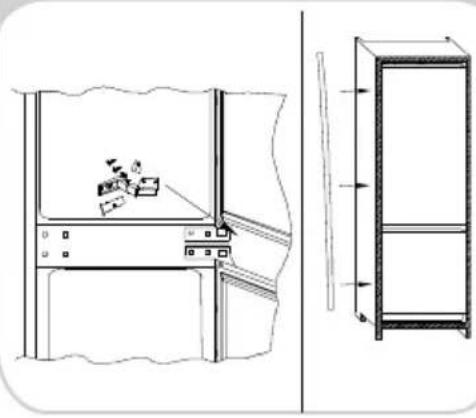
4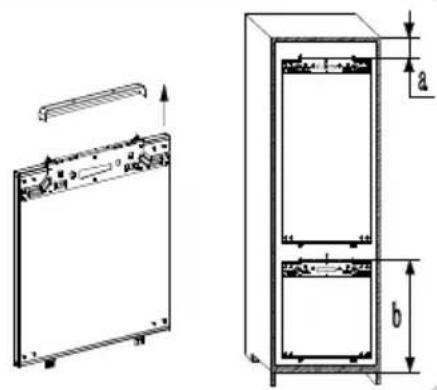
5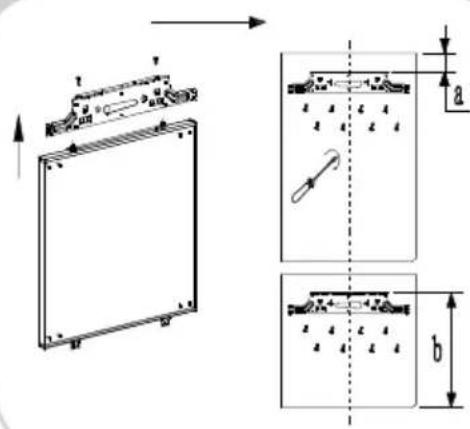
6![graph TD A["Rectangular Panel 1"] --> B["Rectangular Panel 2"] B --> C["Rectangular Panel 3"] C --> D["Rectangular Panel 4"] D --> E["Rectangular Panel 5"] E --> F["Rectangular Panel 6"] F --> G["Rectangular Panel 7"] G --> H["Rectangular Panel 8"] H --> I["Rectangular Panel 9"] I --> J["Rectangular…](/content/2026/04/684675/images/03c689e206d805e4db5cee09fb56b0570b0b5996f34a56b55b9c367636860ef7.jpg)
Remove the door.
2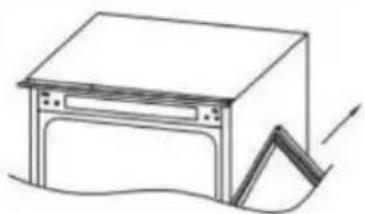
4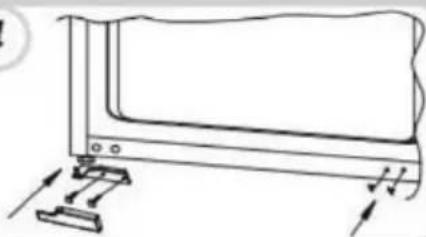

Fig. 6
2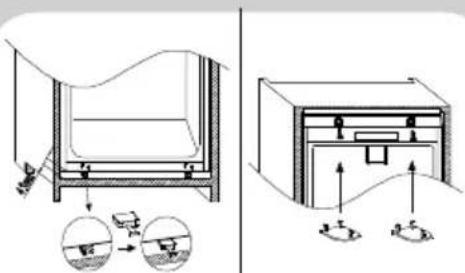
3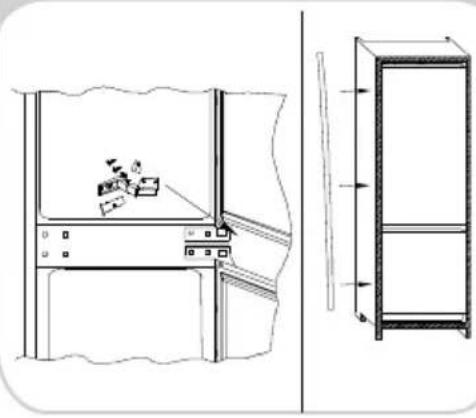
4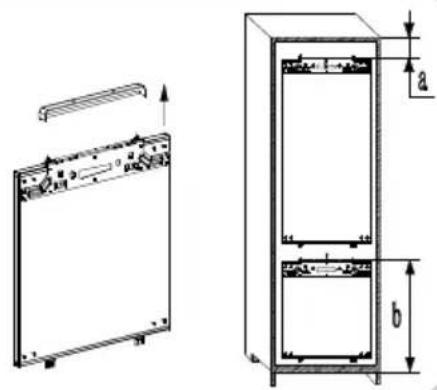
5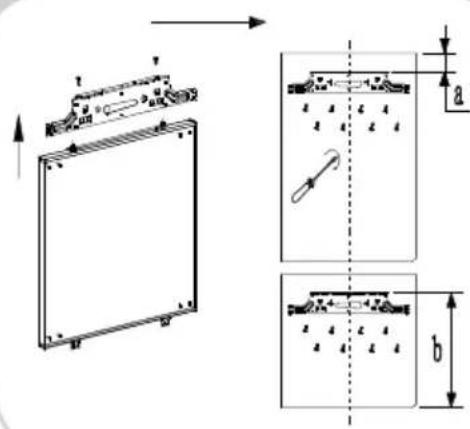
6![graph TD A["Initial Presentation"] --> B["Intermediate Processing"] B --> C["Final Output"] style A fill:#f9f,stroke:#333 style B fill:#ccf,stroke:#333 style C fill:#cfc,stroke:#333](/content/2026/04/684675/images/d72a22972104cbd5c8cd6e49b513a9cfd2c218bb22bbf329c9dededcc16ed97e.jpg)
Remove the door.
2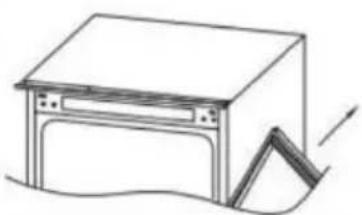
4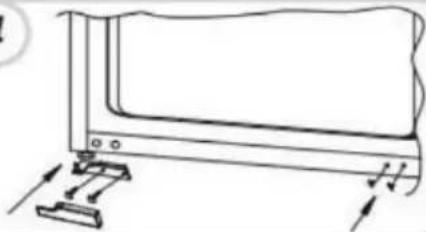
Control panel
Ventilation
2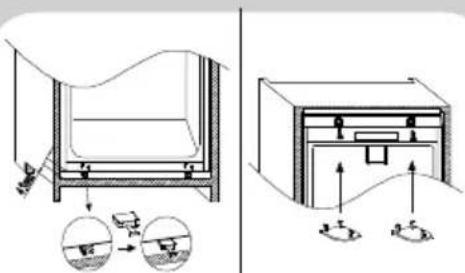
3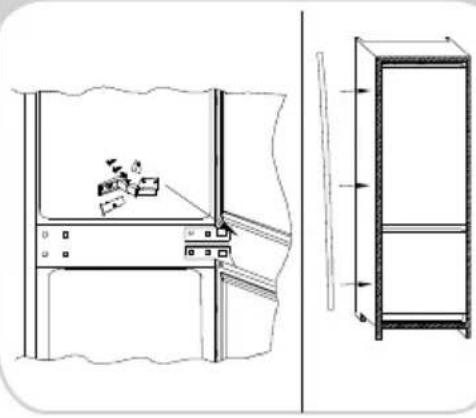
4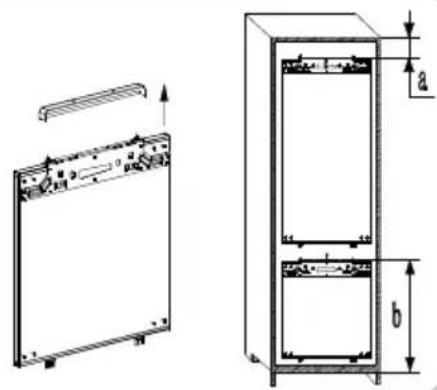
5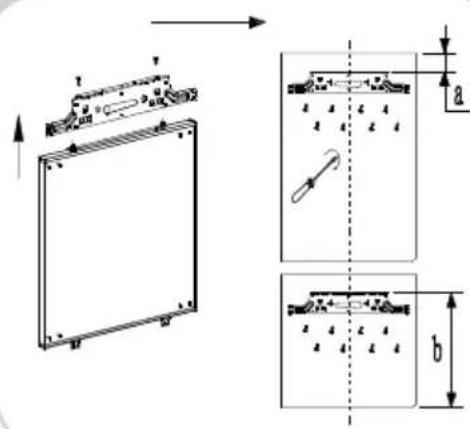
6![graph TD A["Initial Presentation"] --> B["Intermediate Processing"] B --> C["Final Output"] style A fill:#f9f,stroke:#333 style B fill:#ccf,stroke:#333 style C fill:#cfc,stroke:#333](/content/2026/04/684675/images/24cdcf6daed5d0802fb4e1b4e56f2979d511173ff01ae7824263b72d552878bb.jpg)
A. With temperature setting sensor in the freezer
2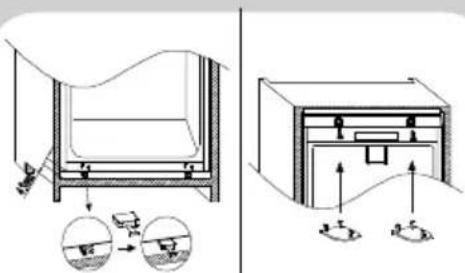
3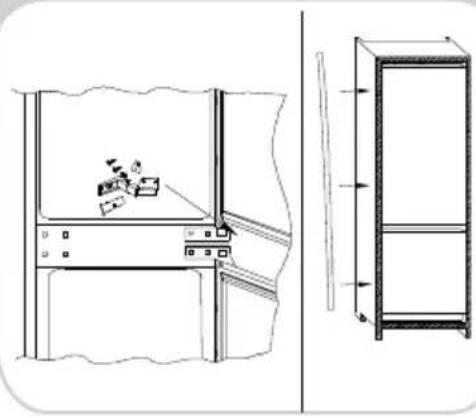
4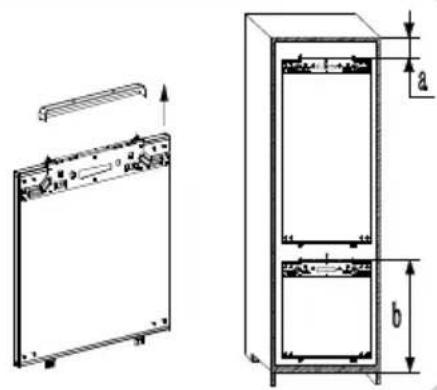
5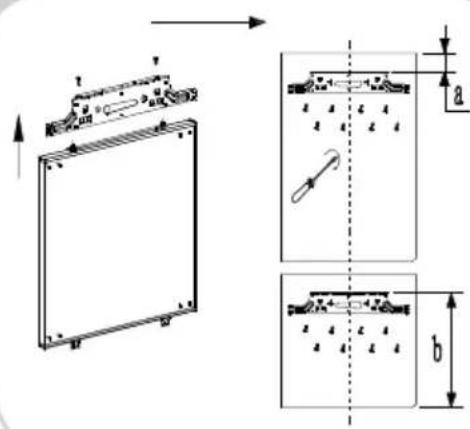
6![graph TD A["Initial Presentation"] --> B["Intermediate Processing"] B --> C["Final Output"] style A fill:#f9f,stroke:#333 style B fill:#ccf,stroke:#333 style C fill:#cfc,stroke:#333](/content/2026/04/684675/images/67584b4543d79f8190e708aa4ebc0f9171c07fbbf296f0aca9780203268eceab.jpg)
Remove the door.
Control panel
Remove the door.
2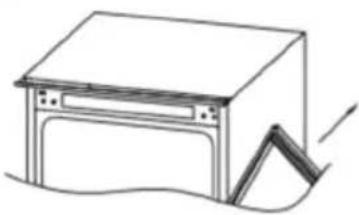
- LANGUAGES
- SUMMARY
- SAFETY INFORMATION
- BEFORE FIRST USE
- FREEZER USE
- CONTROL PANEL
- CARE AND CLEANING
- TROUBLESHOOTING
- INSTALLATION
- DISPOSAL OF OLD APPLIANCES
- CONFORMITY
- GUARANTEE
- ENERGY SAVING
- PLEASE NOTE
- DO NOT ATTEMPT TO FREEZE MORE THAN THE MAXIMUM AMOUNT
- STORAGE
- FREEZER TEMPERATURE ADJUSTMENT SENSOR
- FREEZER TEMPERATURE SETTING DISPLAY
- POWER BUTTON
- DEFROSTING THE FREEZER
- AVAILABILITY OF SPARE PARTS
- IF EXCESSIVE ICE HAS FORMED IN THE FREEZER
- TECHNICAL ASSISTANCE
- VENTILATION
- INSTALLATION INTO THE CABINET
- MOUNTING THE FASCIA DOOR
- REVERSING THE APPLIANCE DOOR
- ENSURING THE DOOR SEALS CORRECTLY
- WITH TEMPERATURE SETTING SENSOR IN THE FREEZER
Brand : HAIER
Model : HAUN518EW
Category : Freezer