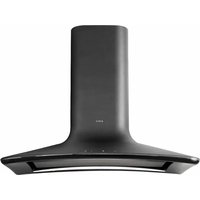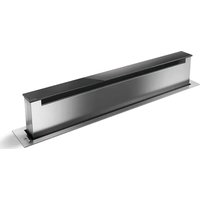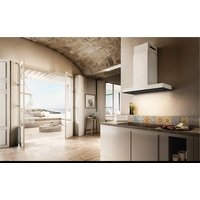
HAIKU PRF0146254 - Basket ELICA - Free user manual and instructions
Find the device manual for free HAIKU PRF0146254 ELICA in PDF.


User questions about HAIKU PRF0146254 ELICA
0 question about this device. Answer the ones you know or ask your own.
Ask a new question about this device
Download the instructions for your Basket in PDF format for free! Find your manual HAIKU PRF0146254 - ELICA and take your electronic device back in hand. On this page are published all the documents necessary for the use of your device. HAIKU PRF0146254 by ELICA.
USER MANUAL HAIKU PRF0146254 ELICA
EN Instruction on mounting and use
natural_image
Isometric line drawing of a rectangular device with a slatted base and internal panel (no text or symbols)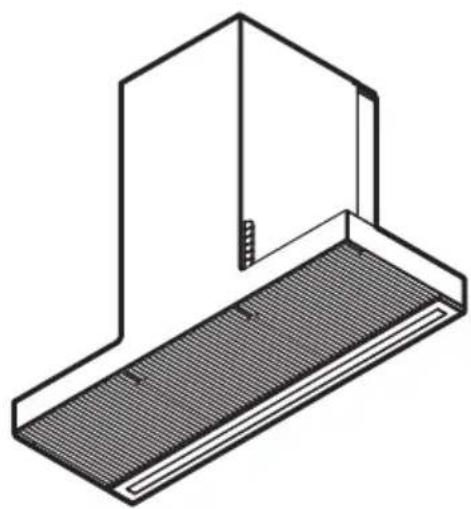
natural_image
Isometric line drawing of a room with a gridded base and open door (no text or symbols)

natural_image
Symbol of a person crossed with two diagonal lines, representing restriction or exclusion (no text present)
natural_image
Two identical black silhouette figures of men, no text or symbols present
natural_image
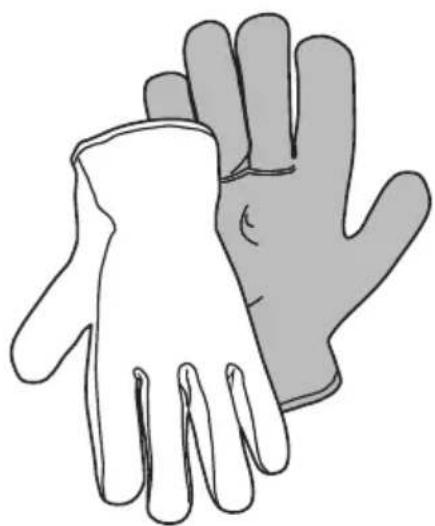
Illustration of two gloves, one open and one closed, with no text or symbols present.
natural_image
Pure mechanical assembly diagram showing a stepped structure with arrows indicating motion direction (no text or symbols)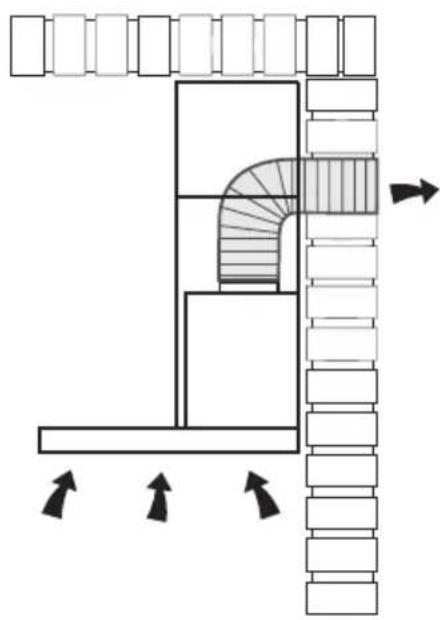
natural_image
Diagram of a staircase with an arched duct and directional arrows indicating movement or force (no text or symbols)
natural_image
Pure mechanical diagram showing a piston-cranked piston assembly with directional arrows indicating force or motion (no text or symbols)
text_image
H = 680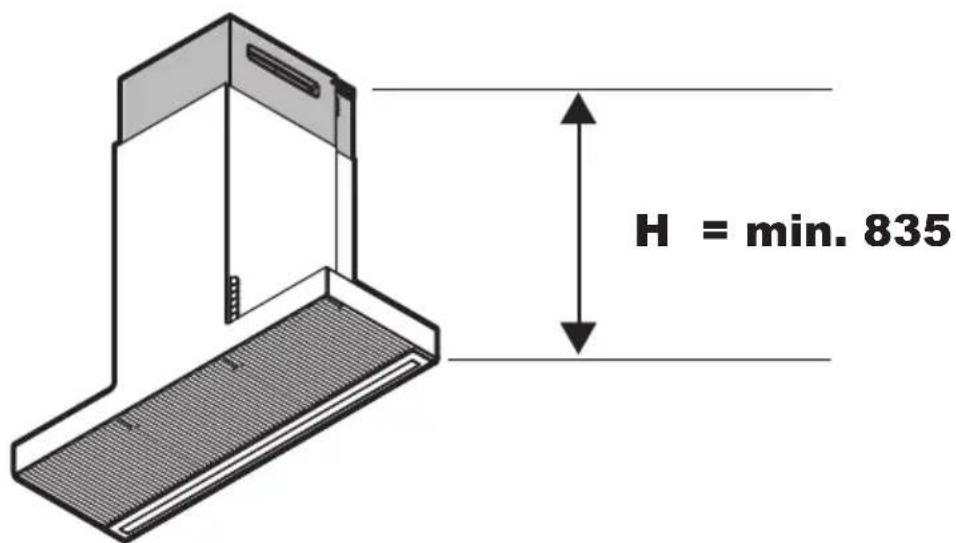
text_image
H = min. 835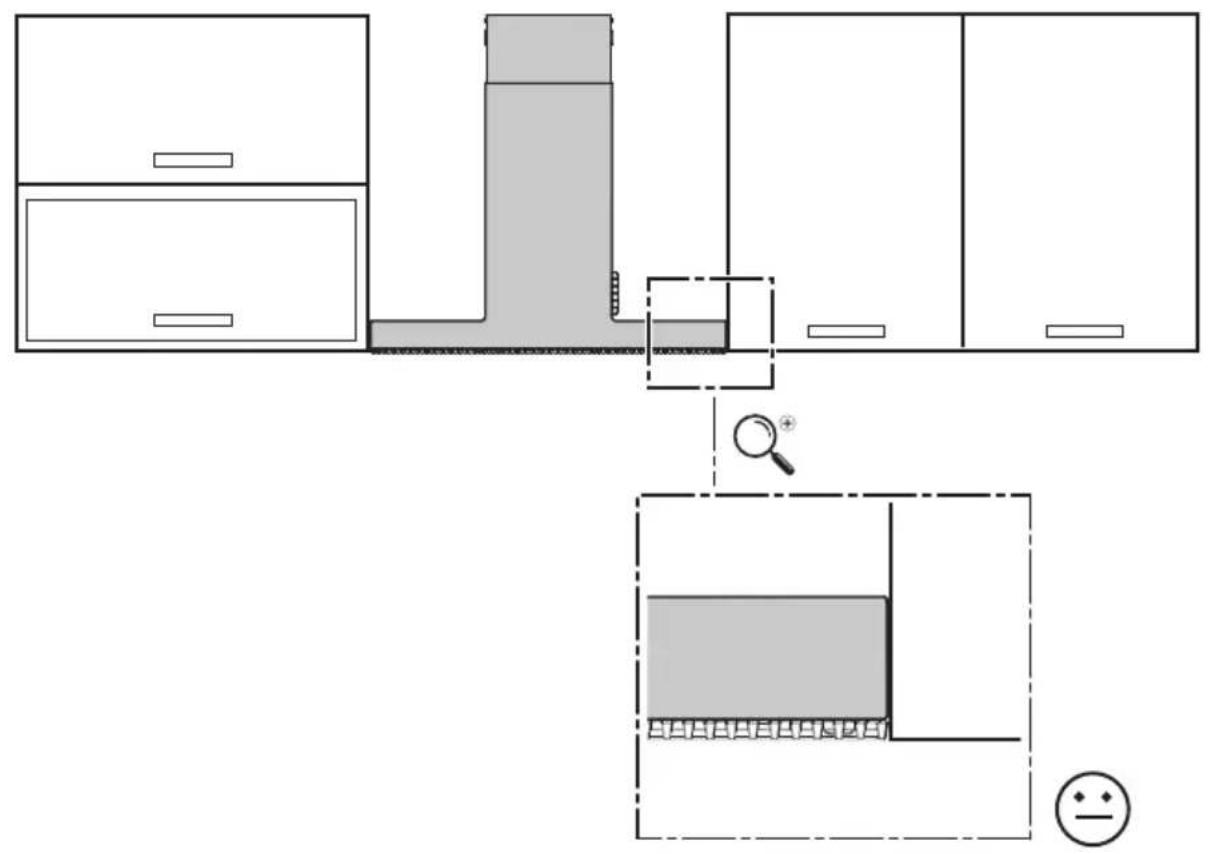
text_image
Diagram showing a room layout with furniture, a highlighted section, and a magnifying glass highlighting a feature.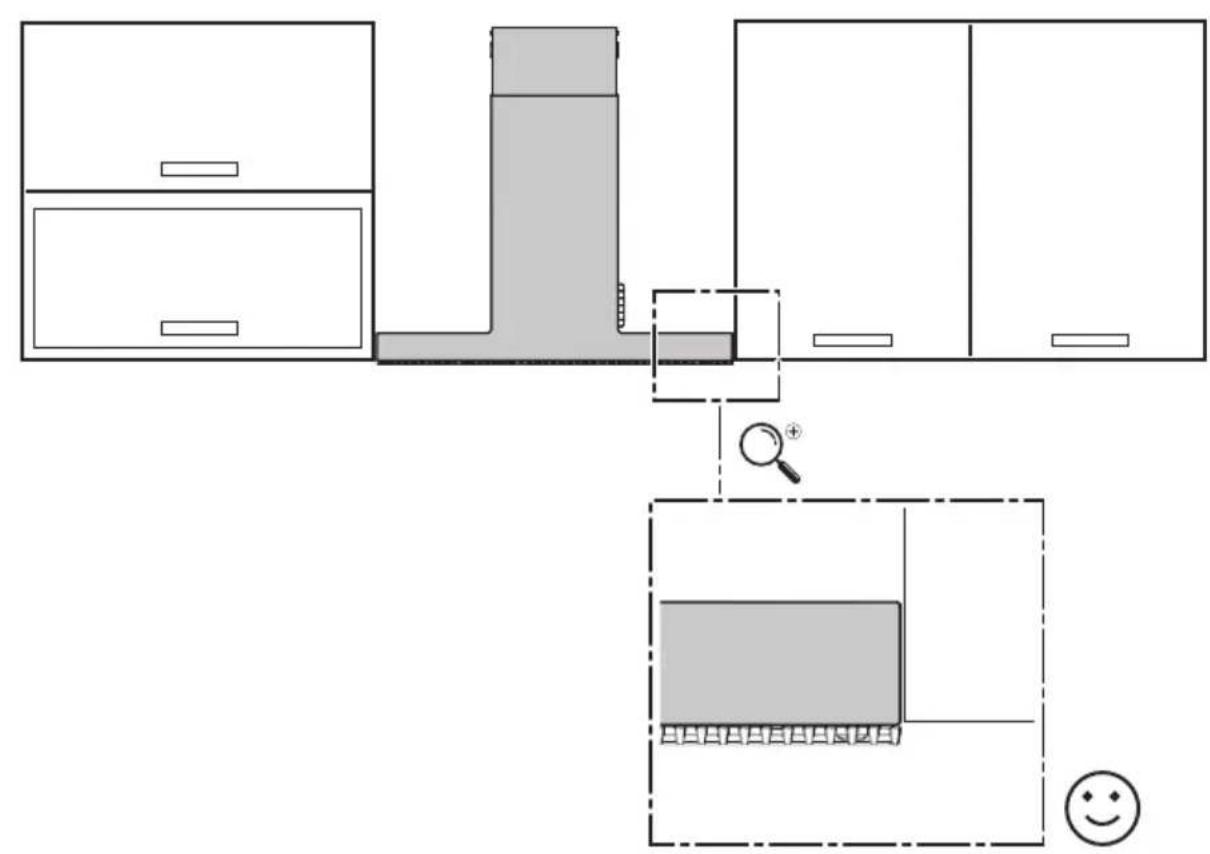
text_image
Diagram showing a room layout with furniture, a magnifying glass, and a smiley face icon, likely illustrating a furniture or interior design concept.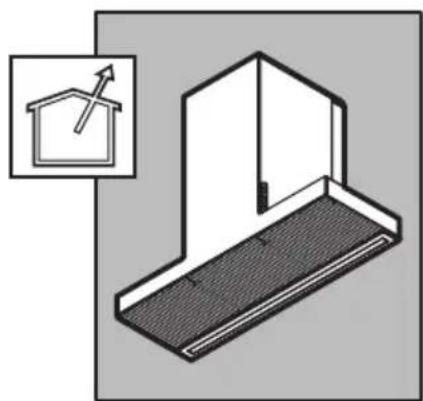
natural_image
Isometric diagram of a house with a roof and window, showing a cross-section view and a magnified inset of the roof (no text or symbols)
1 - 1a - 1b - 1c -1d - 1e - 1f - 1g - 2 - 3a - 3b - 4 - 5 - 6 - 7 - 8 - 8.1 - 8.2 - 8.3 - 8.4 - 10 - 11 - 12 - 14.1 -14.2 -14.3 - 18 -19 -23 - 24 -25 - 25.1 -25.2 -26 -27 - 28 -29 - 34 -35

natural_image
Isometric diagram of a window frame with a circular arrow symbol, no text or labels present
1 - 1a - 1b - 1c - 1d - 1e - 1f - 1g - 2 - 3a - 3b - 4 - 5 - 6 - 7 - 8 - 8.1 - 8.2 - 8.3 - 8.4 - 10 - 11 - 13 - 14.1 - 14.2 - 14.3 - 19 - 23 - 24 - 25 - 25.1 - 25.2 - 26 - 27 - 28 - 29 - 32 - 33 - 34 - 35
natural_image
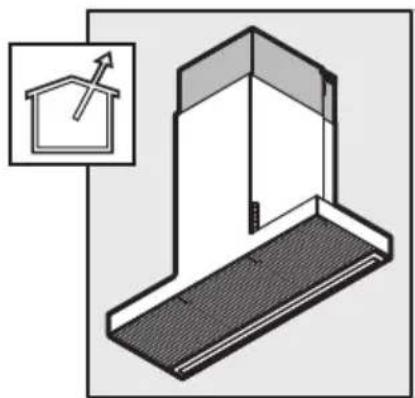
Isometric diagram of a house interior with a door and roof, showing a small inset image of the house's roof (no text or symbols present)
1 - 1a - 1b - 1c - 1d - 1e - 1f - 1g - 2 - 3a - 3b - 4 - 5 - 6 -7 - 9 - 9.1 - 9.2 - 9.3 - 9.4 - 9.5 - 9.6 - 10 - 11 - 12 - 14.1 -14.2 - 14.3 - 15 - 17 - 19 - 20 - 22 - 22.1 - 24 - 25 - 25.1 -25.2 - 26 - 27 - 28 - 29 - 30 - 34 - 35
natural_image
Isometric diagram of a staircase with a circular arrow symbol indicating rotation (no text or labels)
1 - 1a - 1b - 1c - 1d - 1e - 1f - 1g - 2 - 3a - 3b - 4 - 5 - 6 - 7 - 9 - 9.1 - 9.2 - 9.3 - 9.4 - 9.5 - 9.6 - 10 - 11 - 14.1 - 14.2 - 14.3 - 15 - 16 - 16.1 - 16.2 - 16.3 - 16.4 - 19 - 20 - 21 - 21.1 - 24 - 25 - 25.1 - 25.2 - 26 - 27 - 28 - 29 - 30 - 31 - 32 - 33 - 34 - 35
text_image
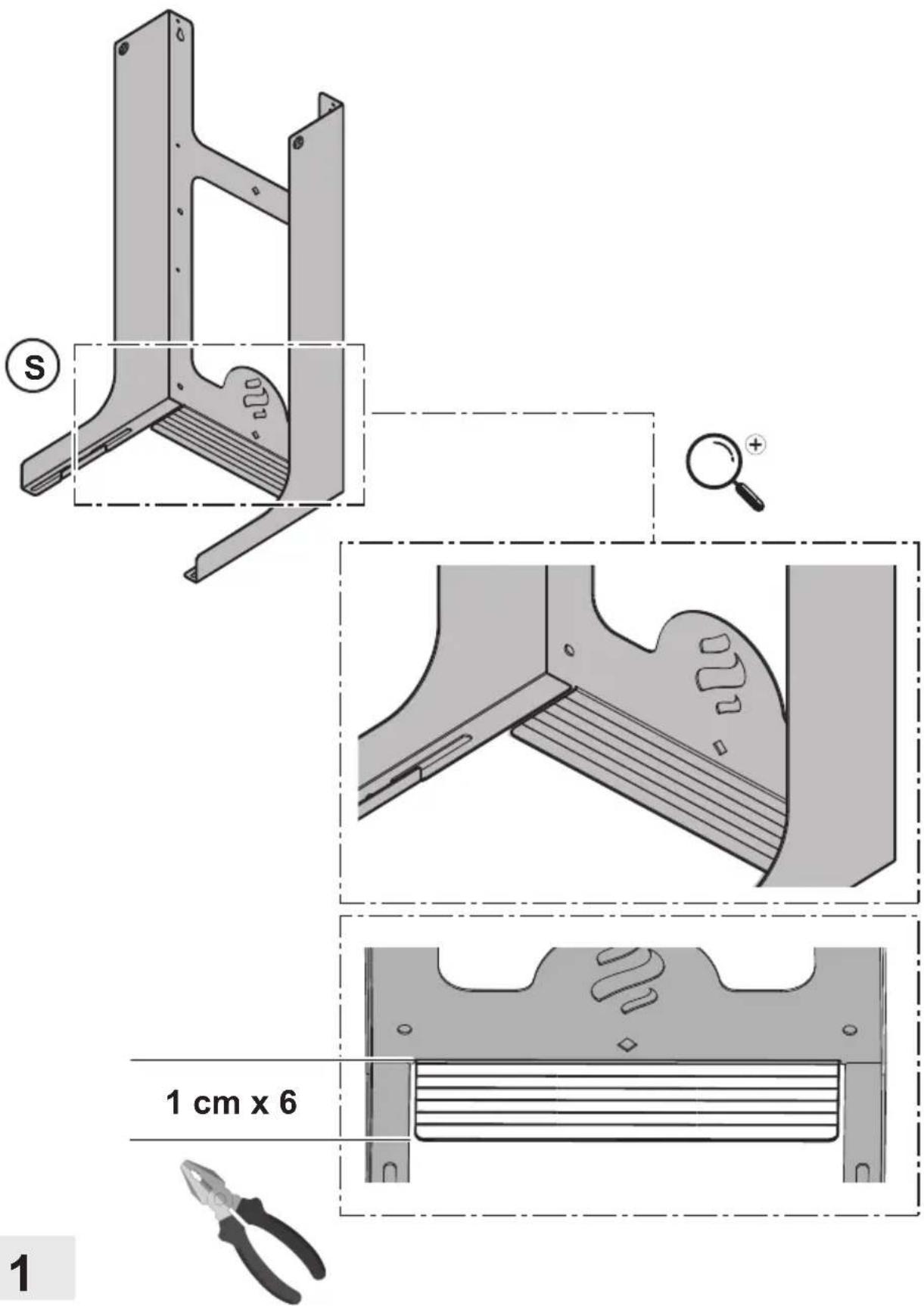
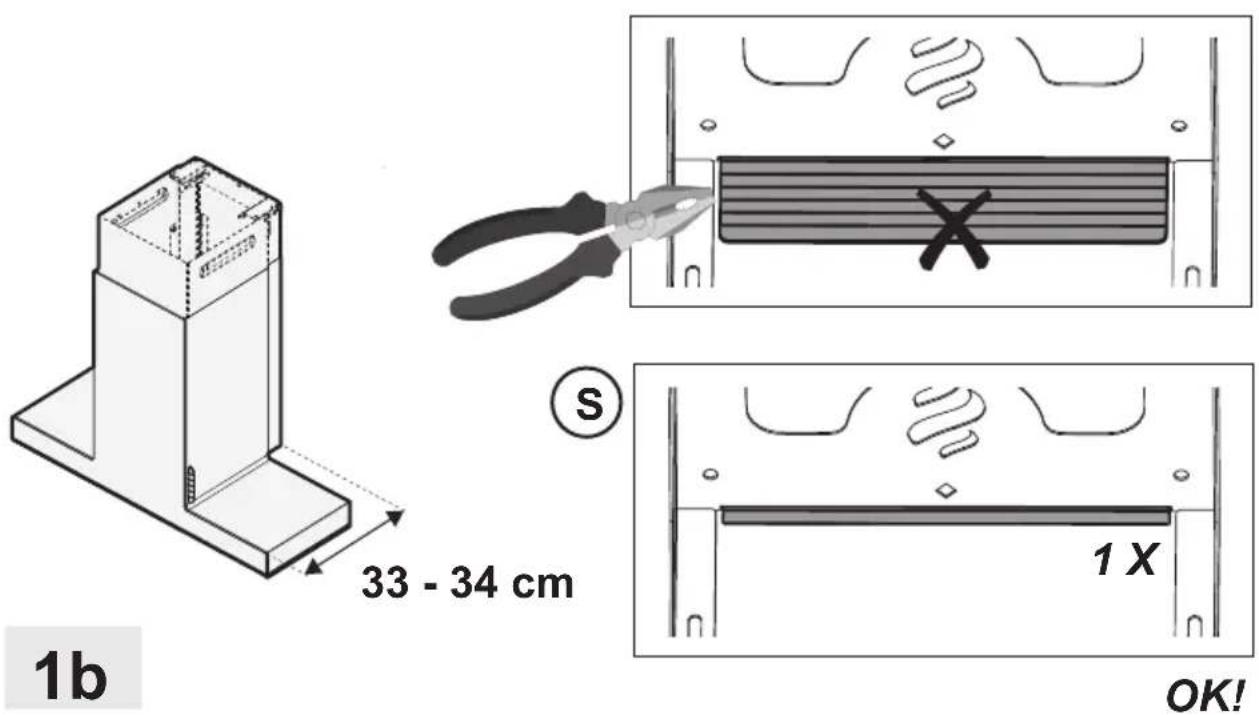
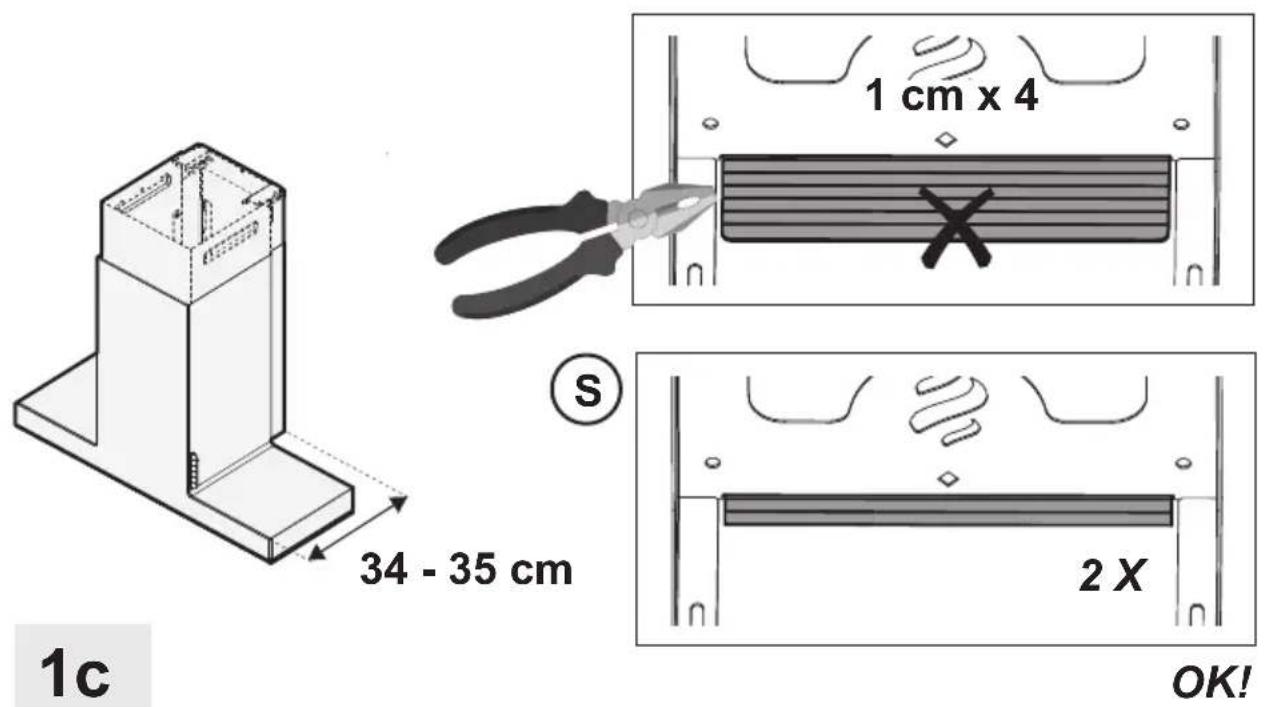
S 1 cm x 6 1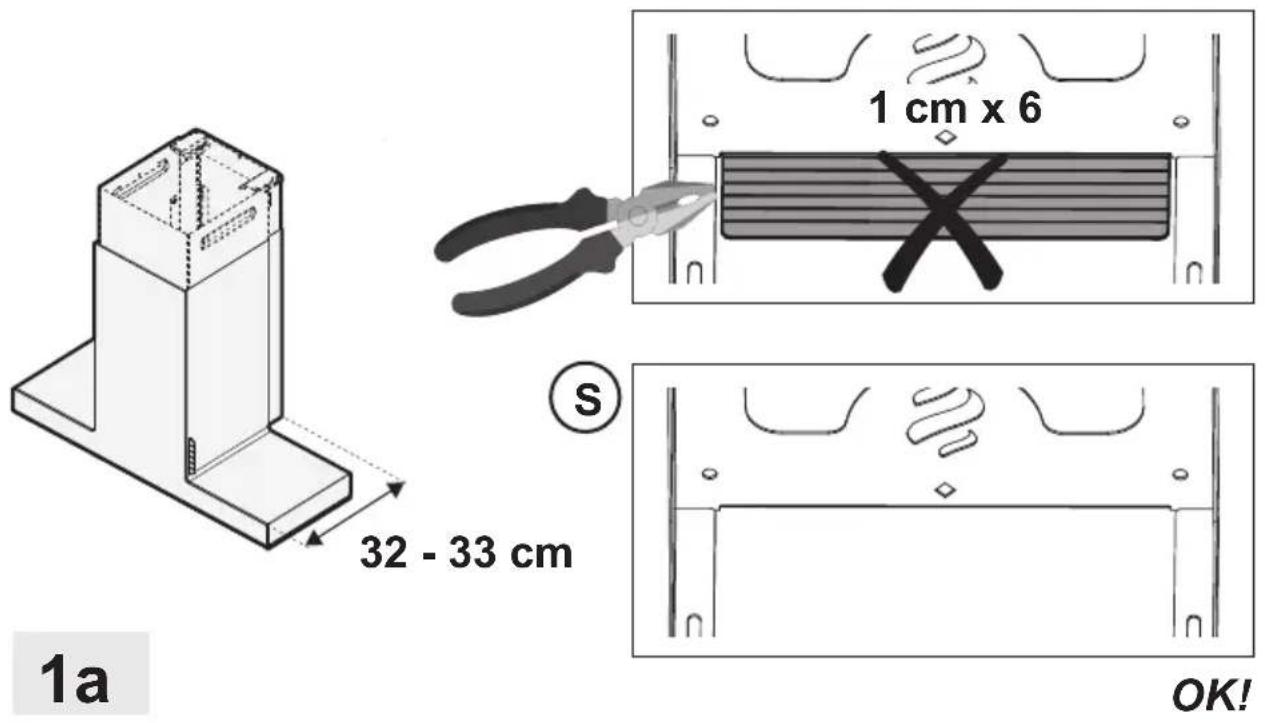
natural_image
Isometric technical drawing of a mechanical bracket with dimension annotations (no text or symbols)1e
text_image
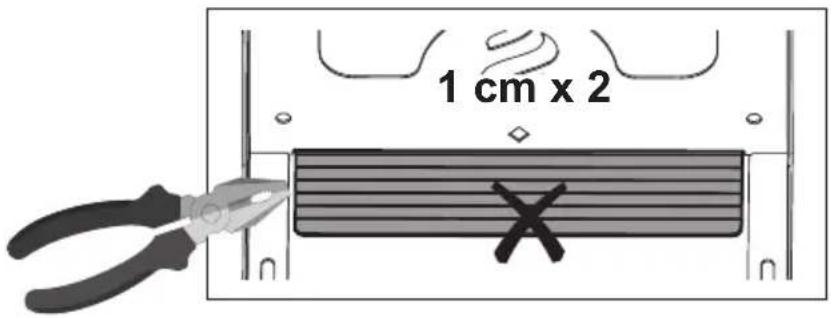
1 cm x 2S
natural_image
Diagram of a mechanical or electrical component with a 4X label and curved lines, no readable text or symbols present.OK!
natural_image
Isometric technical drawing of a mechanical bracket or support structure with dimension annotation (no text or symbols present)1f
text_image
1 cm x 1s

natural_image
Diagram of a mechanical or electrical component with a 5× multiplier label, no readable text or symbols present.OK!
natural_image
Isometric technical drawing of a mechanical bracket with 38 cm dimension标注 (no text or symbols on the diagram itself)1g
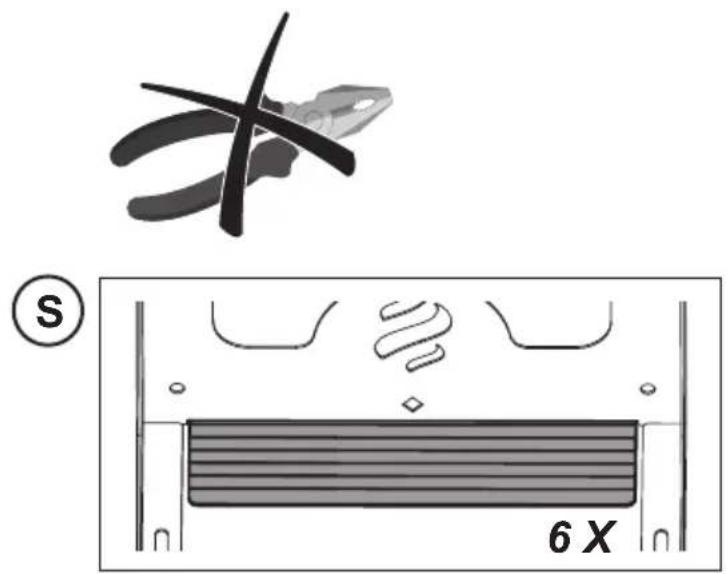
text_image
S 6 XOK!
natural_image
Illustration of a pair of pliers (no text or symbols)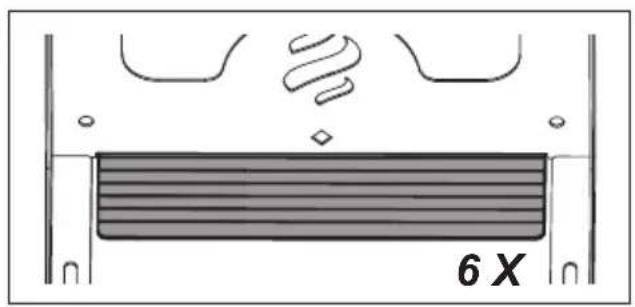
text_image
6 X!
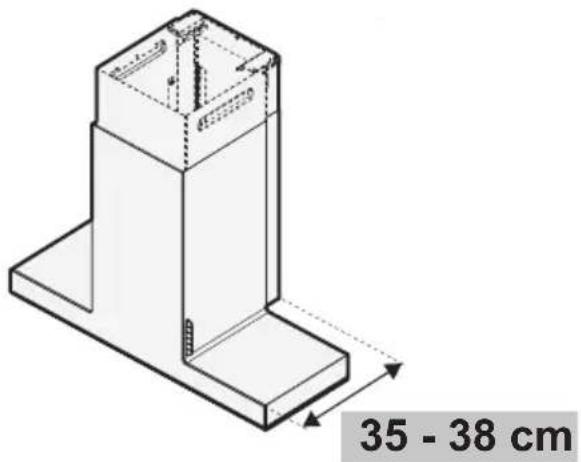
text_image
35 - 38 cm
2 × ∅3,5 × 6,5mm
natural_image
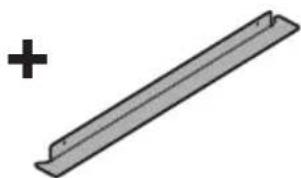
Simple 3D diagram of a gray metal beam with a plus sign on the side (no text or symbols)
natural_image
Technical line drawing of a mechanical device with internal components and mounting holes (no text or symbols)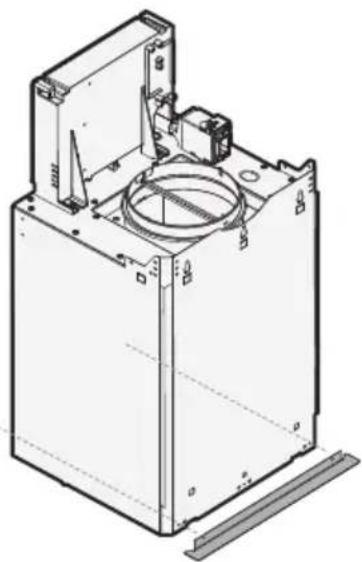
natural_image
Technical line drawing of a mechanical device with internal components and mounting brackets (no text or symbols)2
text_image
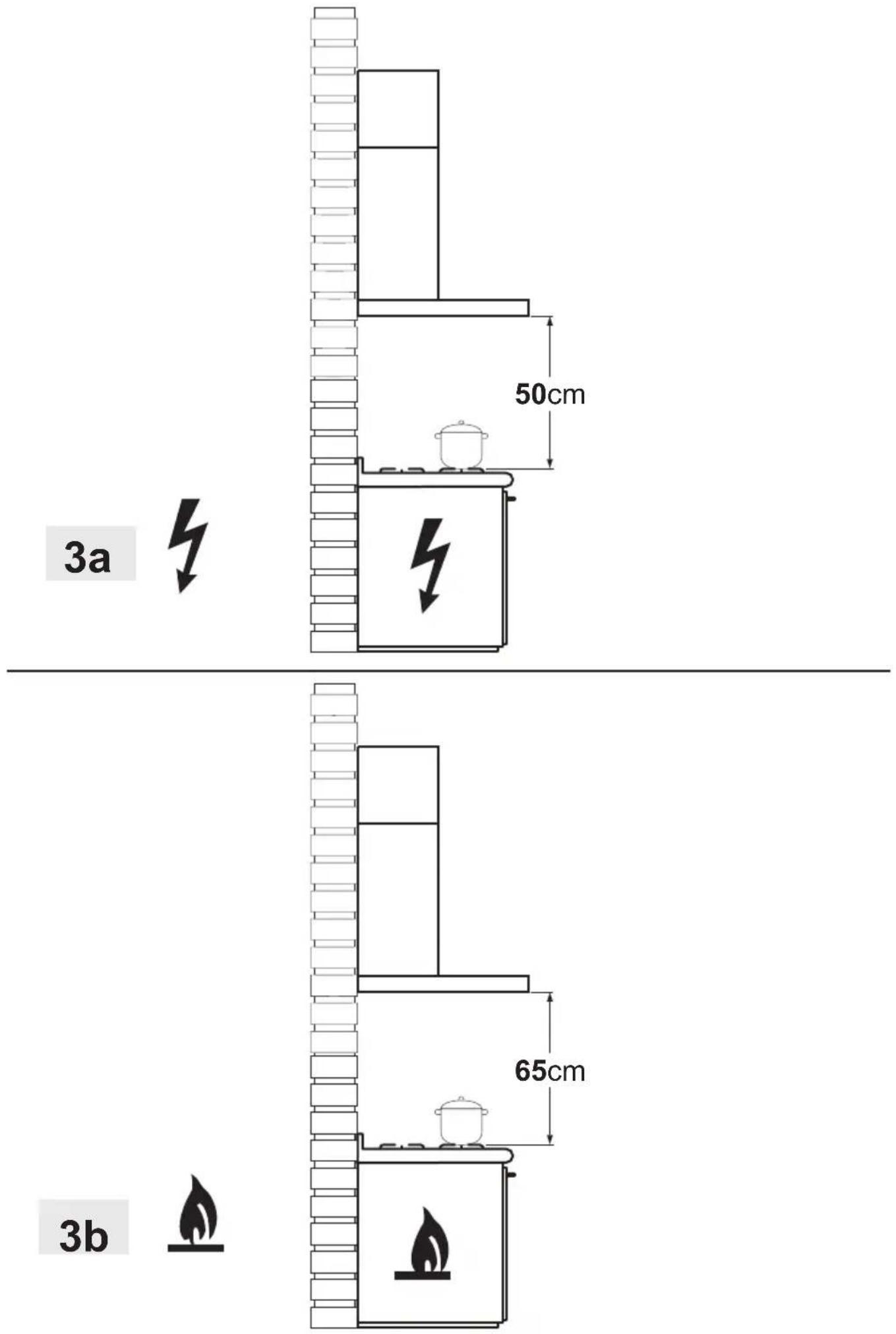
3a 50cm 65cm 3b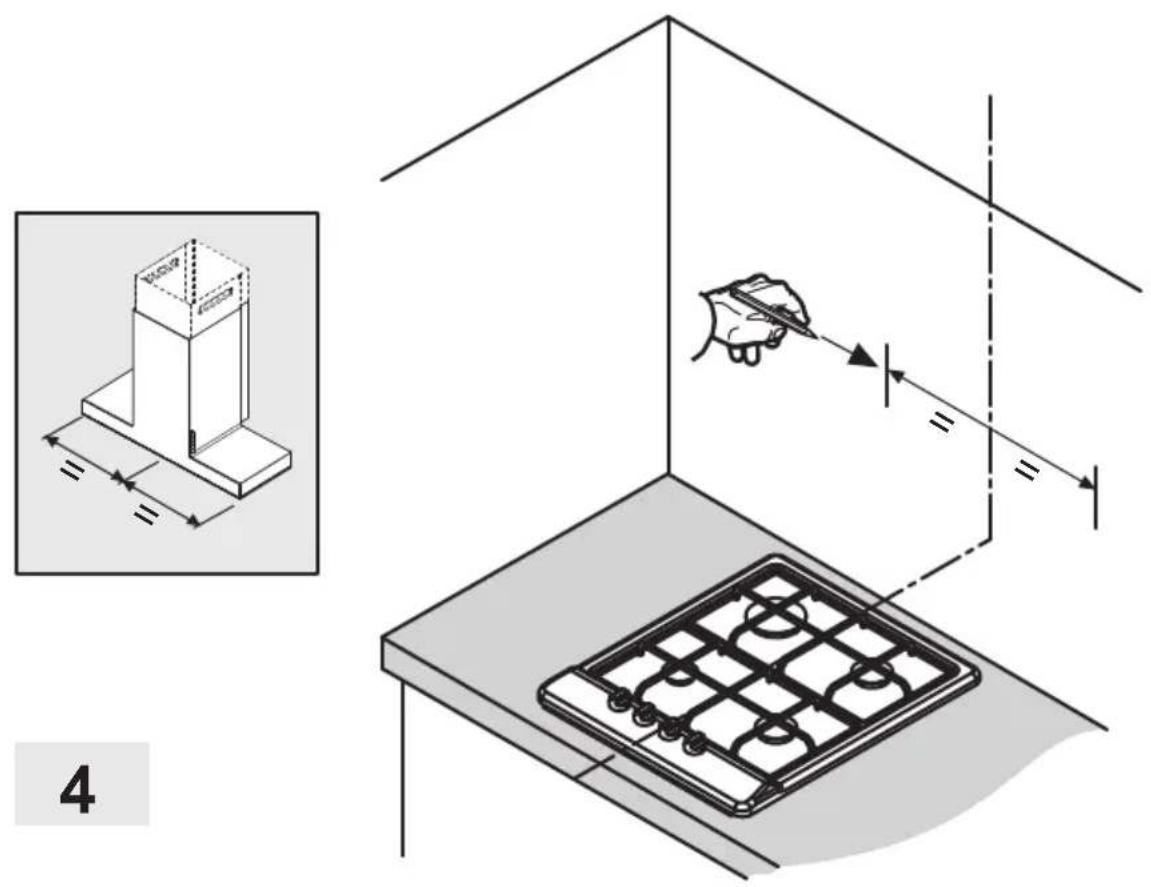
text_image
Technical diagram illustrating a 3D printing setup with dimensioning and alignment, including an inset image of a box on a base.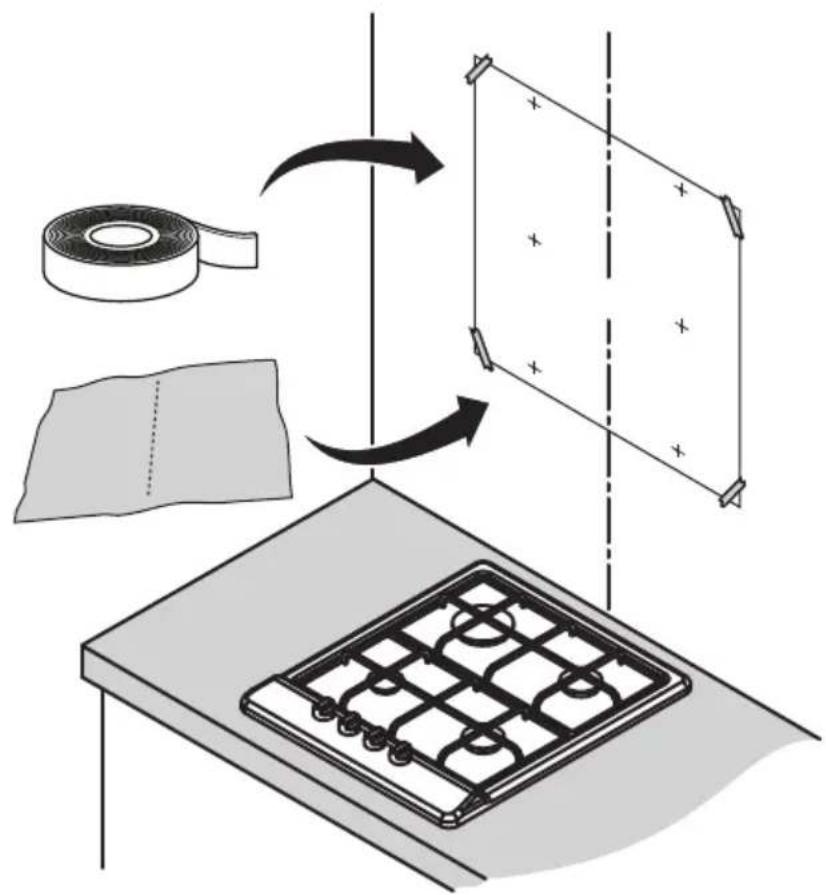
text_image
Diagram illustrating a tape rolling operation with labeled components and directional arrows indicating motion.5
6
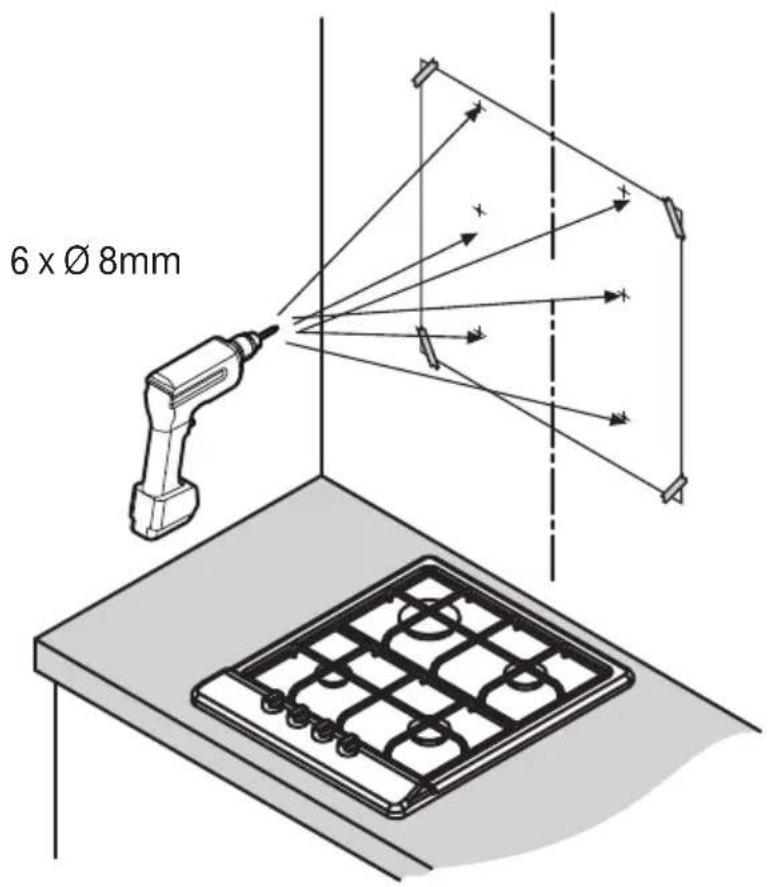
text_image
6 x Ø 8mm
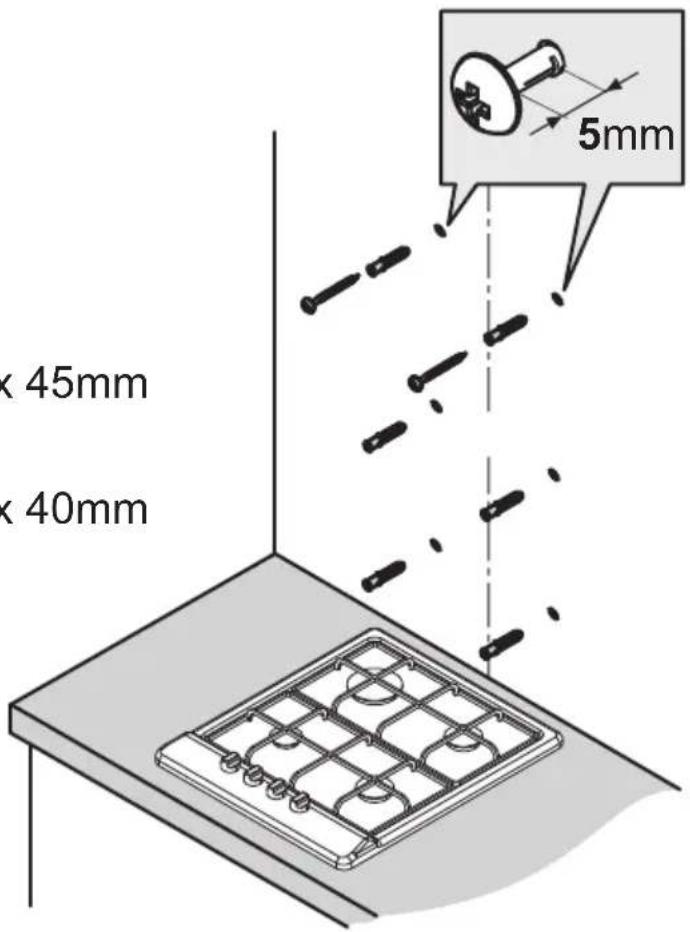
2 x ∅5 x 45mm

6 x ∅8 x 40mm
7
text_image
5mm × 45mm × 40mm
natural_image
Isometric diagram of a mechanical bracket or support structure (no text or symbols)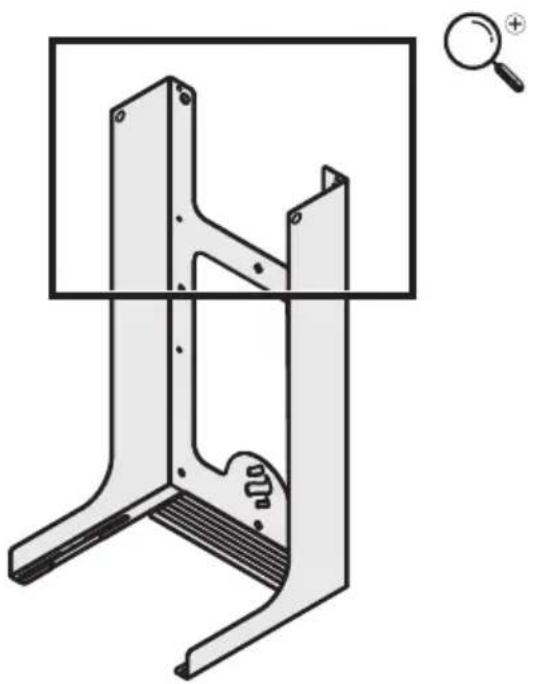
natural_image
Technical line drawing of a mechanical bracket assembly with a magnifying glass icon (no text or symbols)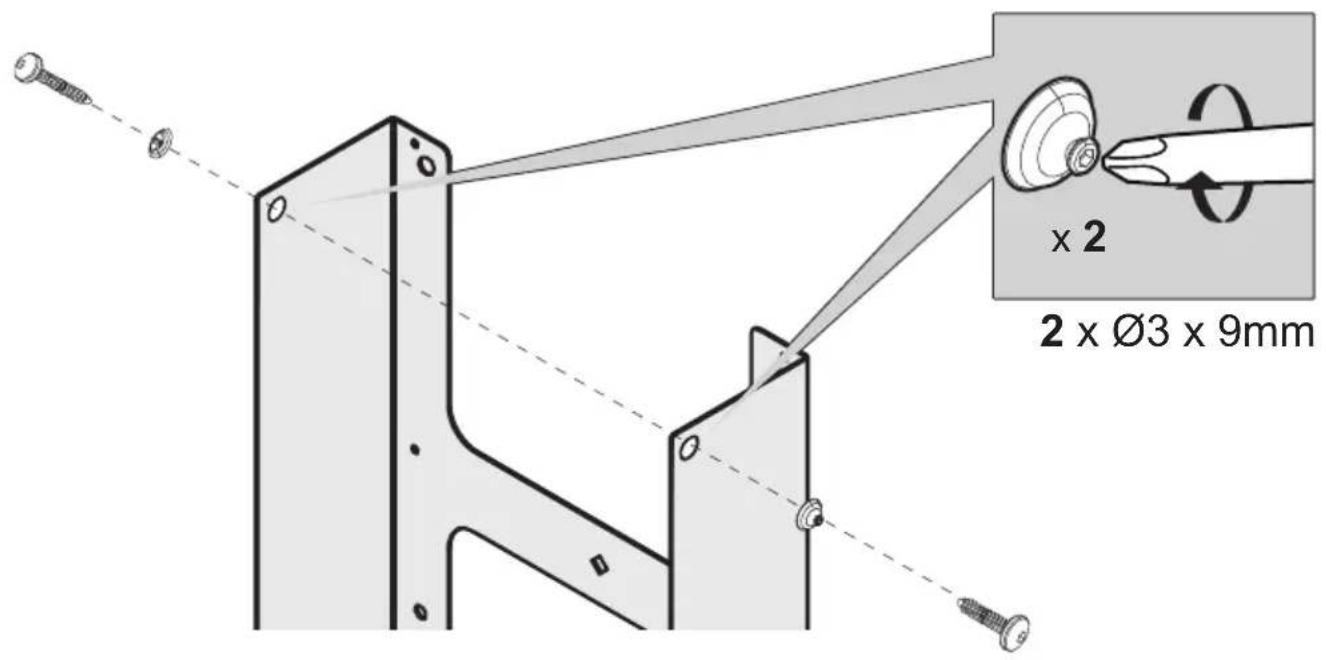
text_image
x 2 2 x Ø3 x 9mm8.1
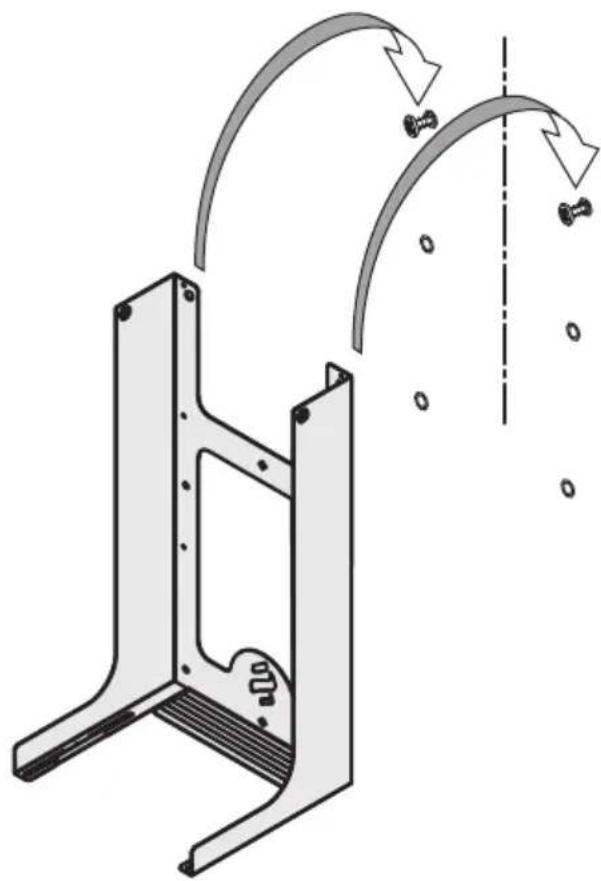
natural_image
Technical diagram of a metal frame structure with curved arrows indicating motion or force direction (no text or symbols)8.2

natural_image
Technical illustration of a mechanical component with a grid-patterned base and a separate isometric view (no text or symbols)8.3
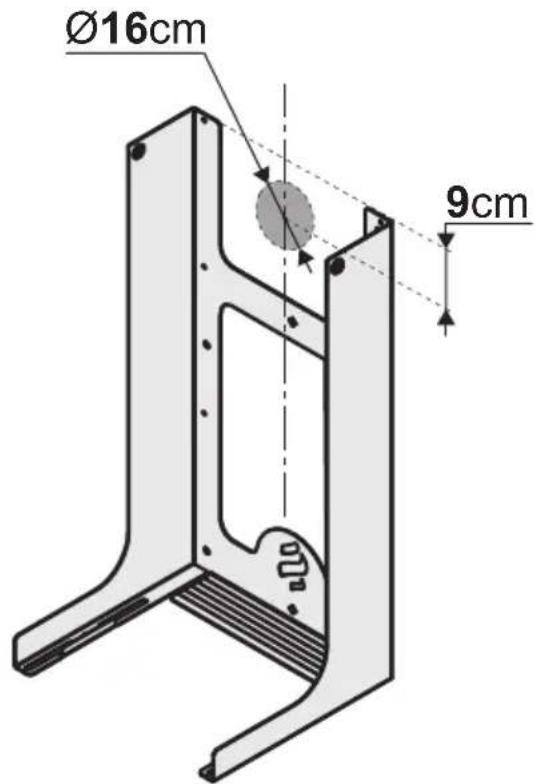
text_image
Ø16cm 9cm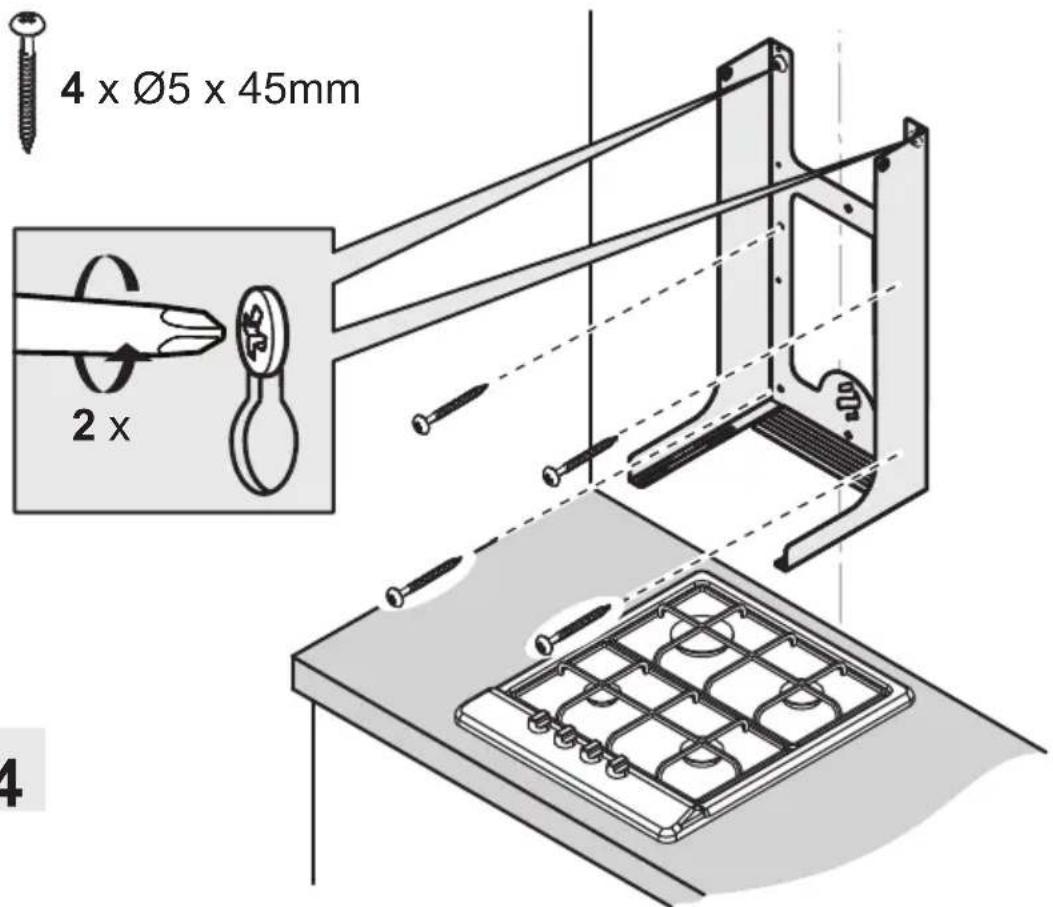
text_image
4 x Ø5 x 45mm 2 x8.4
natural_image
Isometric line drawing of a mechanical component or bracket (no text or symbols)
natural_image
Technical illustration of a mechanical device with curved arrows indicating motion or force, showing internal components and alignment (no text or symbols)9
text_image
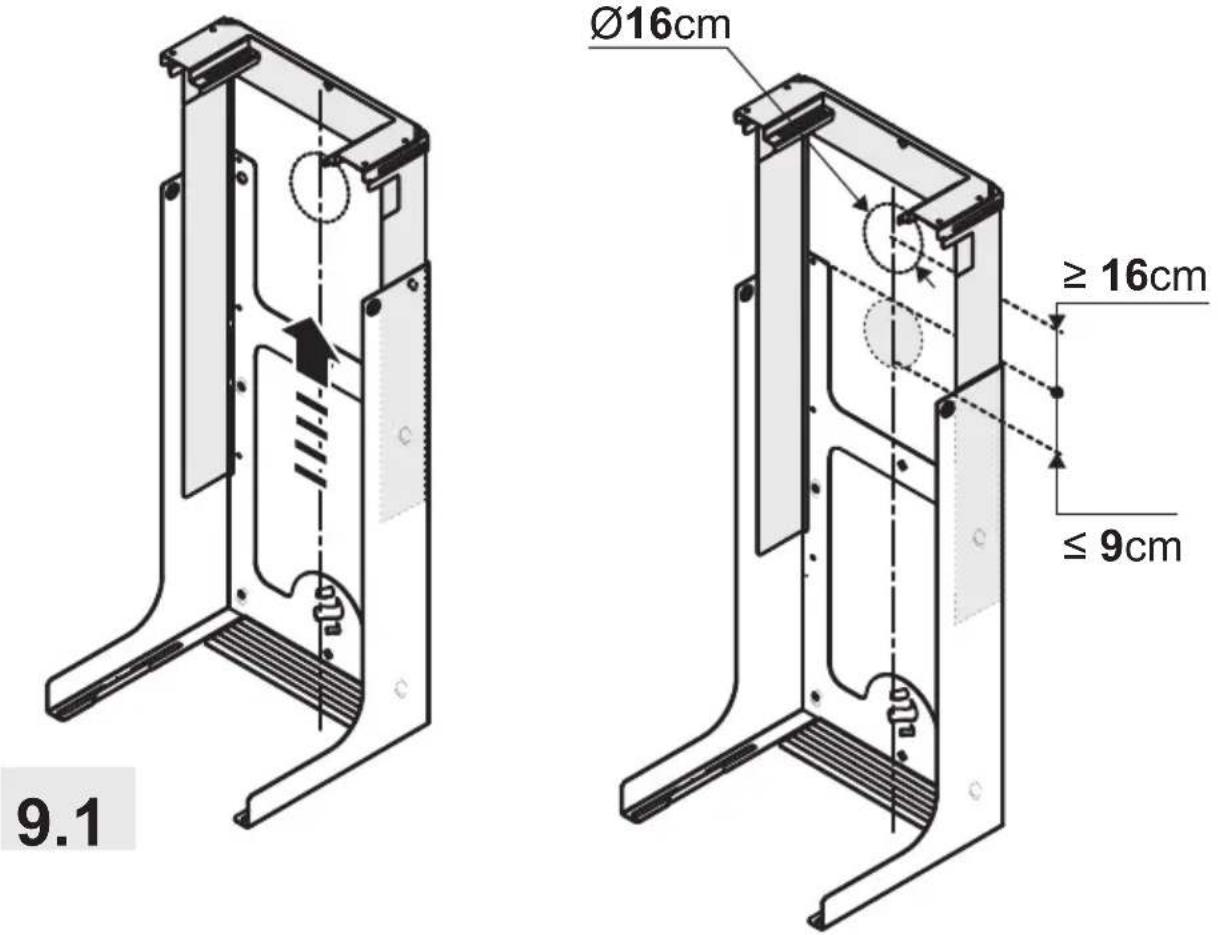
Ø16cm ≥ 16cm ≤ 9cm 9.19.2
natural_image
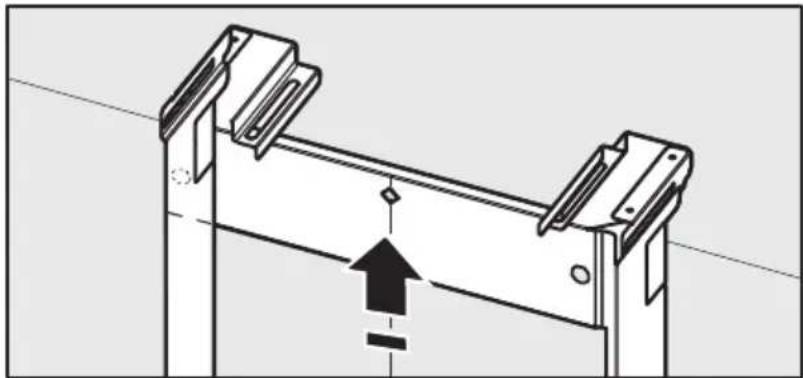
Technical line drawing of a mechanical bracket with an upward force arrow (no text or symbols)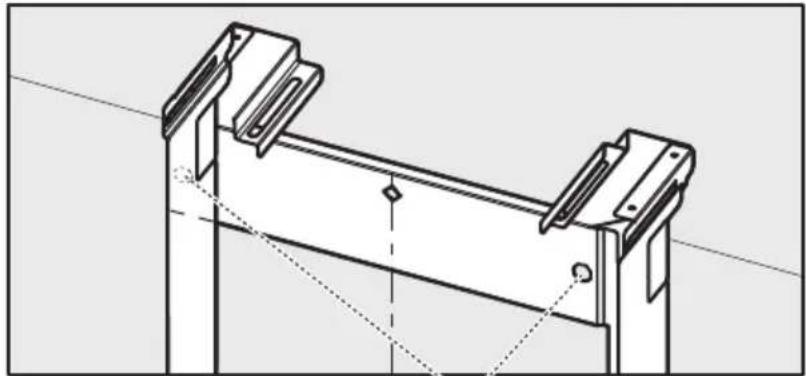
natural_image
Technical line drawing of a mechanical bracket or support structure (no text or symbols)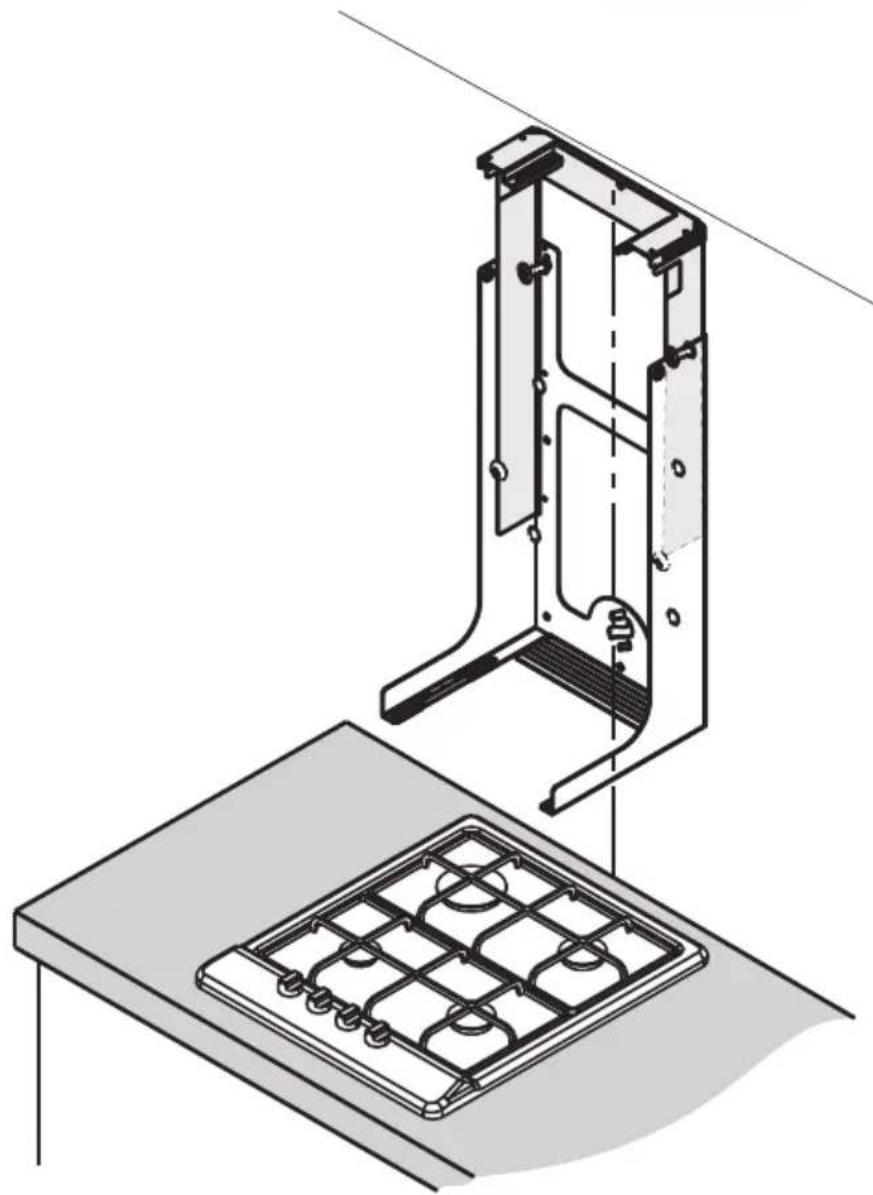
natural_image
Technical line drawing of a mechanical assembly with a grid-patterned base and internal components (no text or symbols)
natural_image
Line drawing of a hand holding a pencil, no text or symbols present9.3
natural_image
Diagram of a mechanical device with arrows indicating motion or assembly, showing internal components and alignment (no text or symbols)2 x ∅8 x 40mm
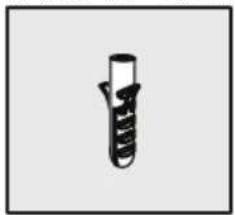
natural_image
Simple line drawing of a test tube with a stopper (no text or symbols)9.4
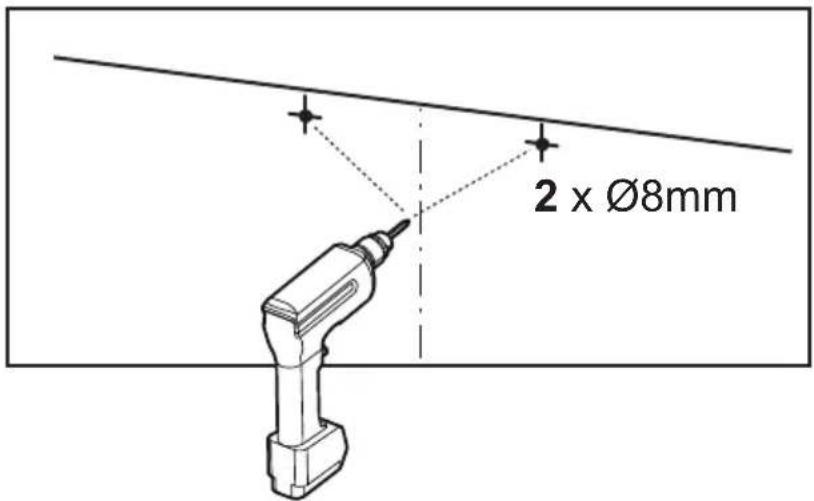
text_image
2 x Ø8mm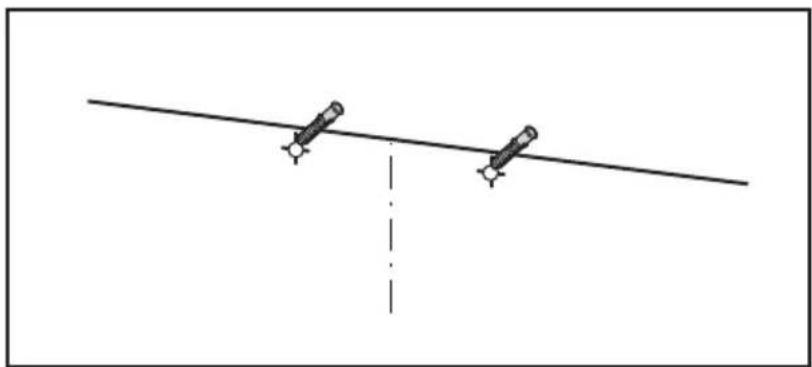
natural_image
Simple line diagram showing two identical sensors aligned horizontally on a straight line with a vertical dashed line (no text or symbols)9.5
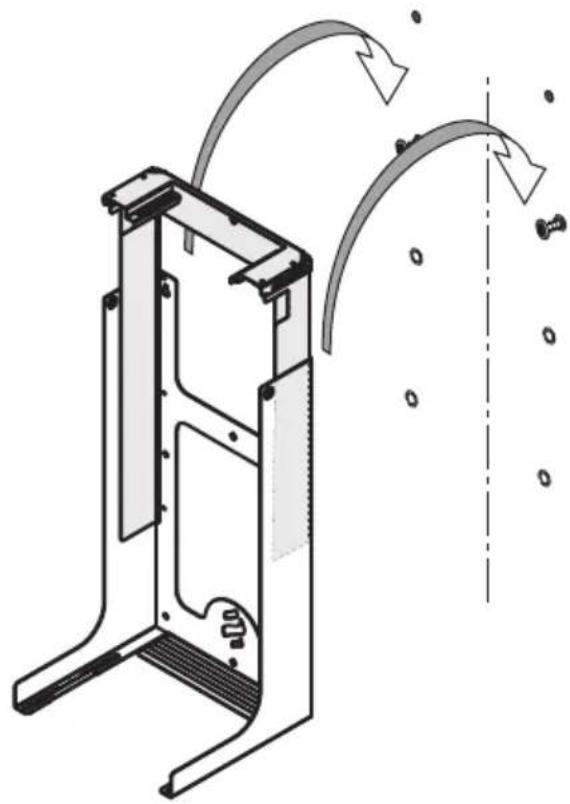
natural_image
Technical line drawing of a mechanical device with curved arrows indicating motion or force direction (no text or symbols)
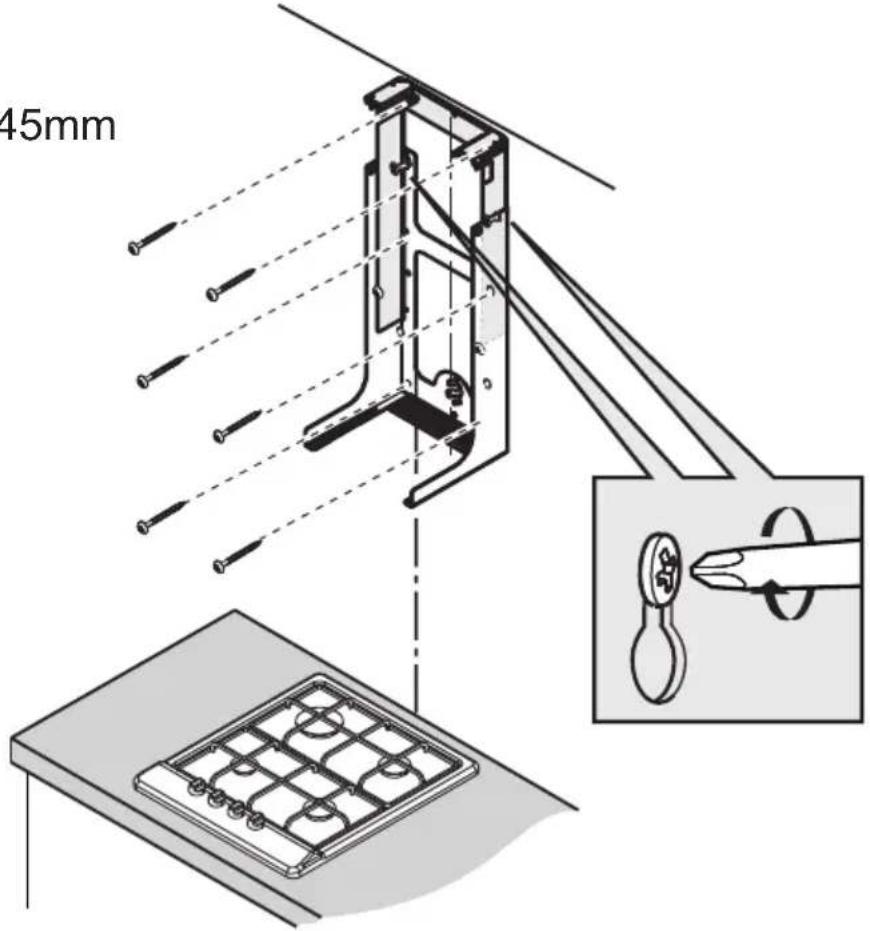
6 x ∅5 x 45mm
text_image
45mm9.6
10
natural_image
Technical line drawing of a mechanical assembly with internal components and a directional arrow indicating motion (no text or symbols)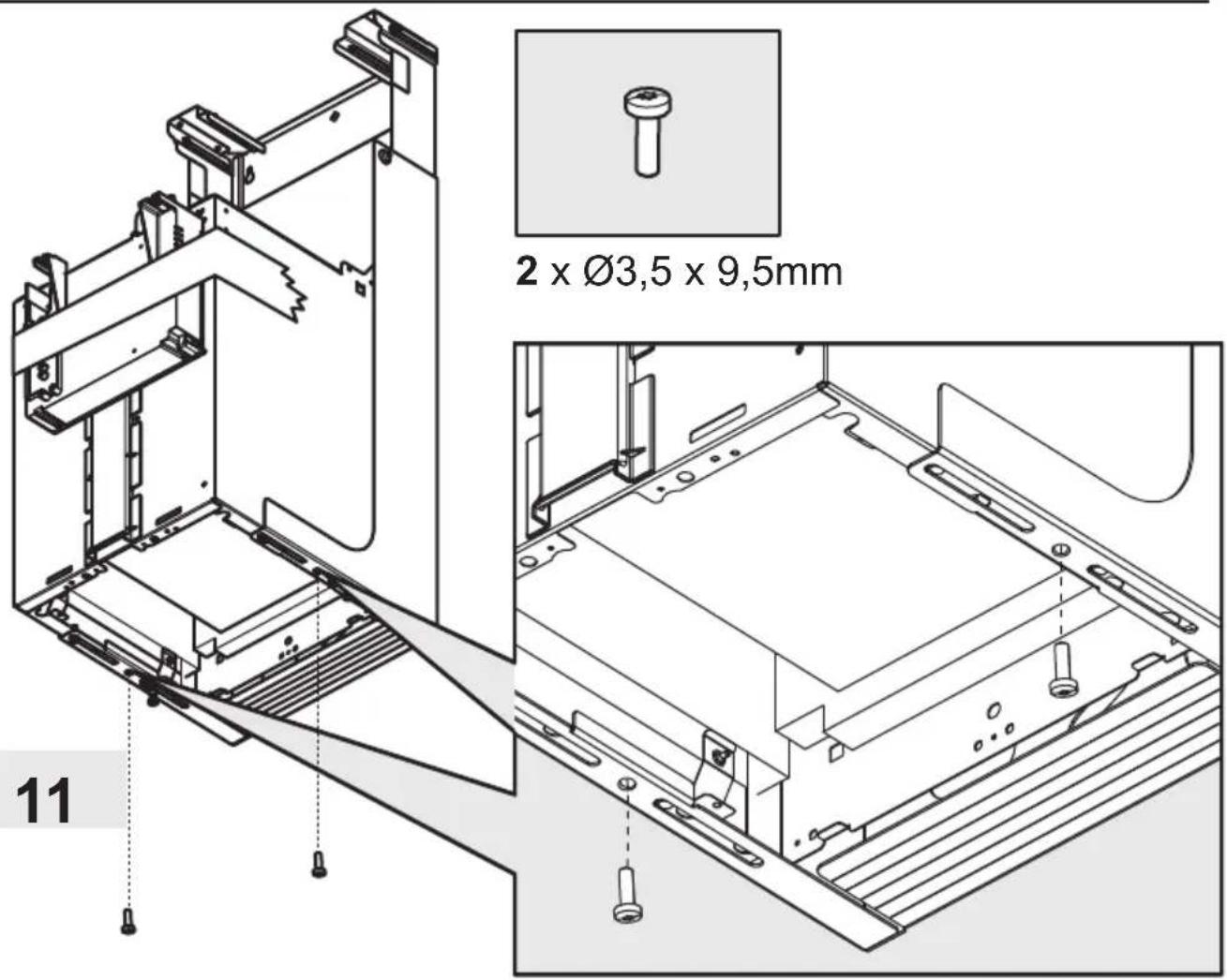
text_image
2 x Ø3,5 x 9,5mm 11
natural_image
Isometric diagram of a mechanical or architectural component with a vertical slot and textured base (no text or symbols)
natural_image
Simple line drawing of a house with a circular arrow inside, symbolizing refresh or cycle (no text or symbols)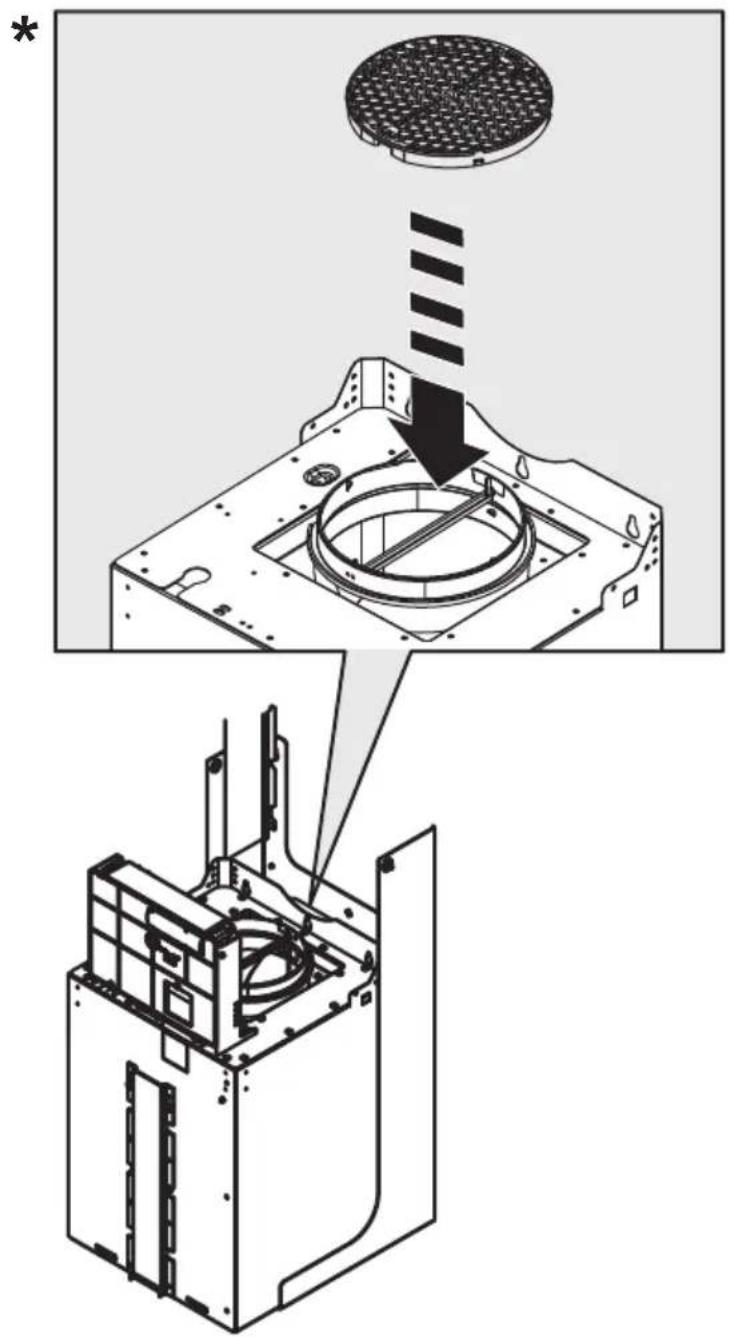
text_image
Technical diagram showing a mechanical assembly with a circular component and a close-up of its internal structure, annotated with Chinese character.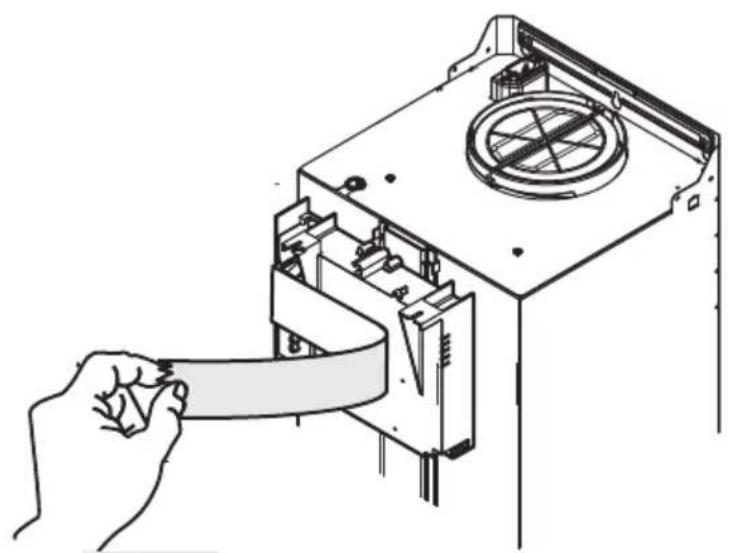
natural_image
Line drawing of a hand inserting a cable into a device casing (no text or symbols)14.1
natural_image
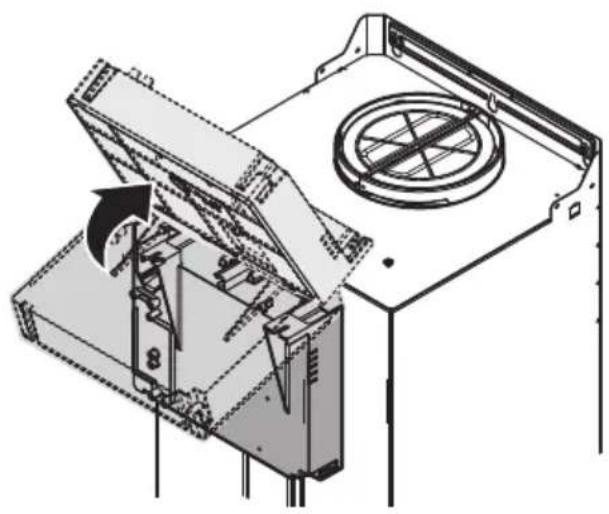
Technical illustration of a mechanical device with an open lid and circular vent, showing internal components and a directional arrow (no text or symbols)14.2
natural_image
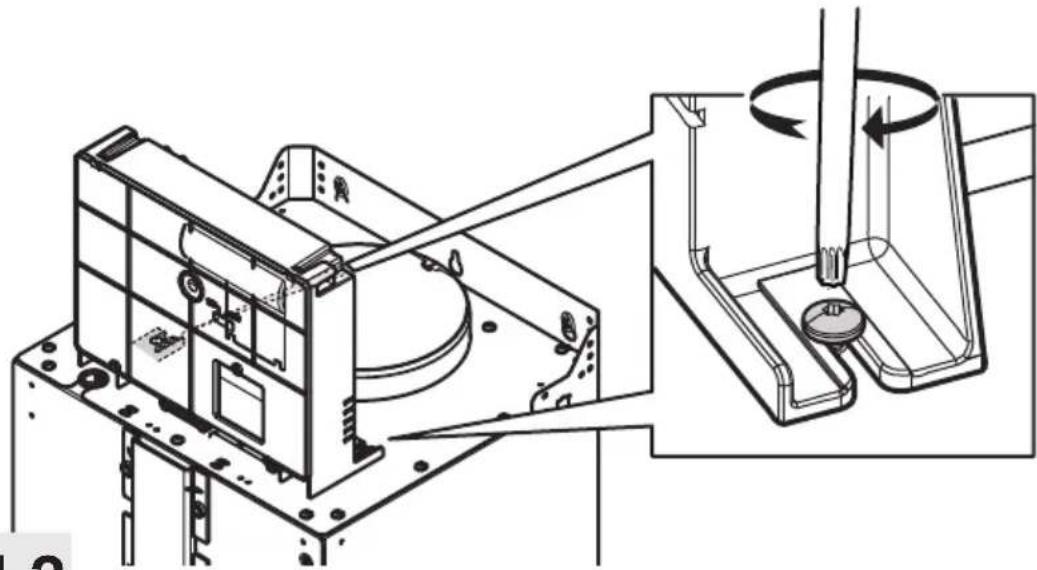
Technical line drawing of a mechanical assembly with a rotating component (no text or symbols)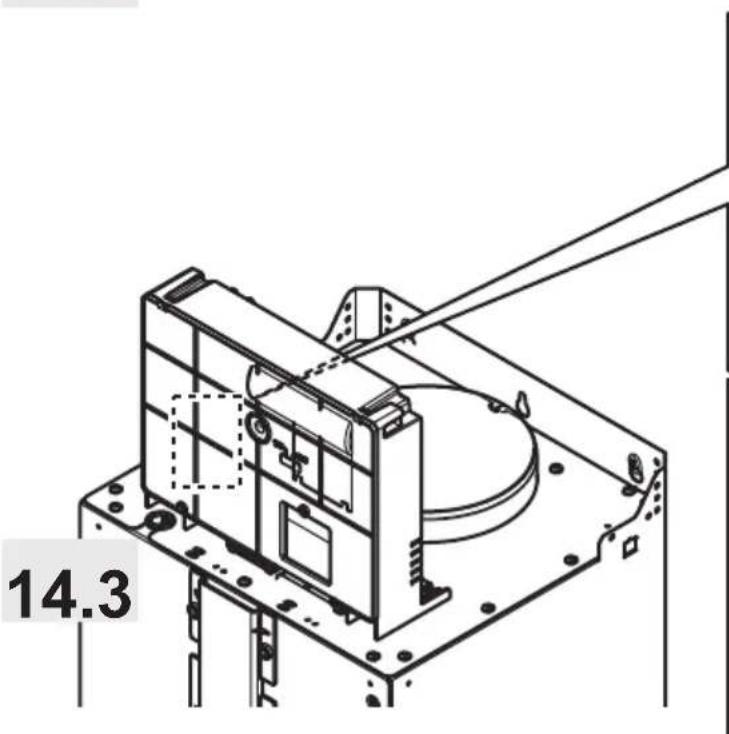
natural_image
Technical line drawing of a mechanical device with mounting base and internal components (no text or symbols)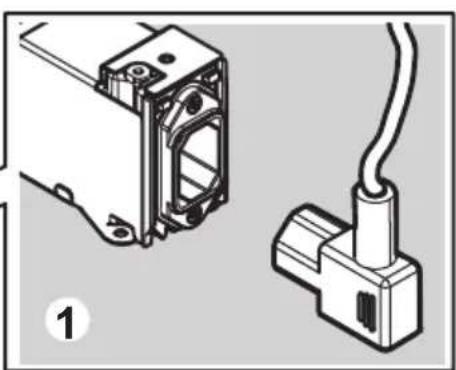
natural_image
Technical illustration of two electrical components: a bracket and a plug, shown without any text or symbols.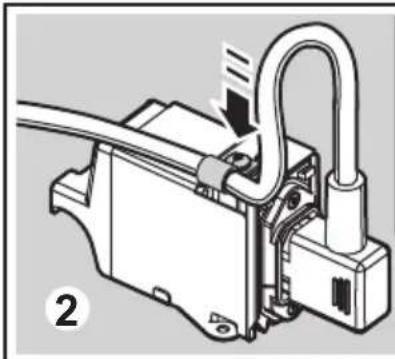
natural_image
Mechanical assembly diagram showing a component with a curved pipe and housing (no text or symbols)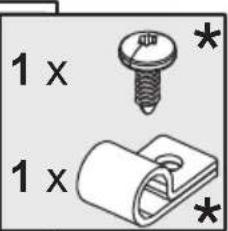
text_image
1 x 1 x
natural_image
Simple line drawing of a house with a circular arrow inside, symbolizing refresh or move (no text or symbols)
text_image
clack! clack!16
natural_image
Simple line drawing of a bracket with a small arrow pointing to the corner (no text or symbols)a.
natural_image
Technical line drawing of a rectangular metal bracket with mounting holes (no text or symbols)
natural_image
Pure mechanical assembly diagram showing a bracket with mounting holes and a pin (no text or symbols)a.
2 x ∅3,5x16mm
16.1
natural_image
Technical line drawing of a mechanical component with mounting holes and internal channels (no text or symbols)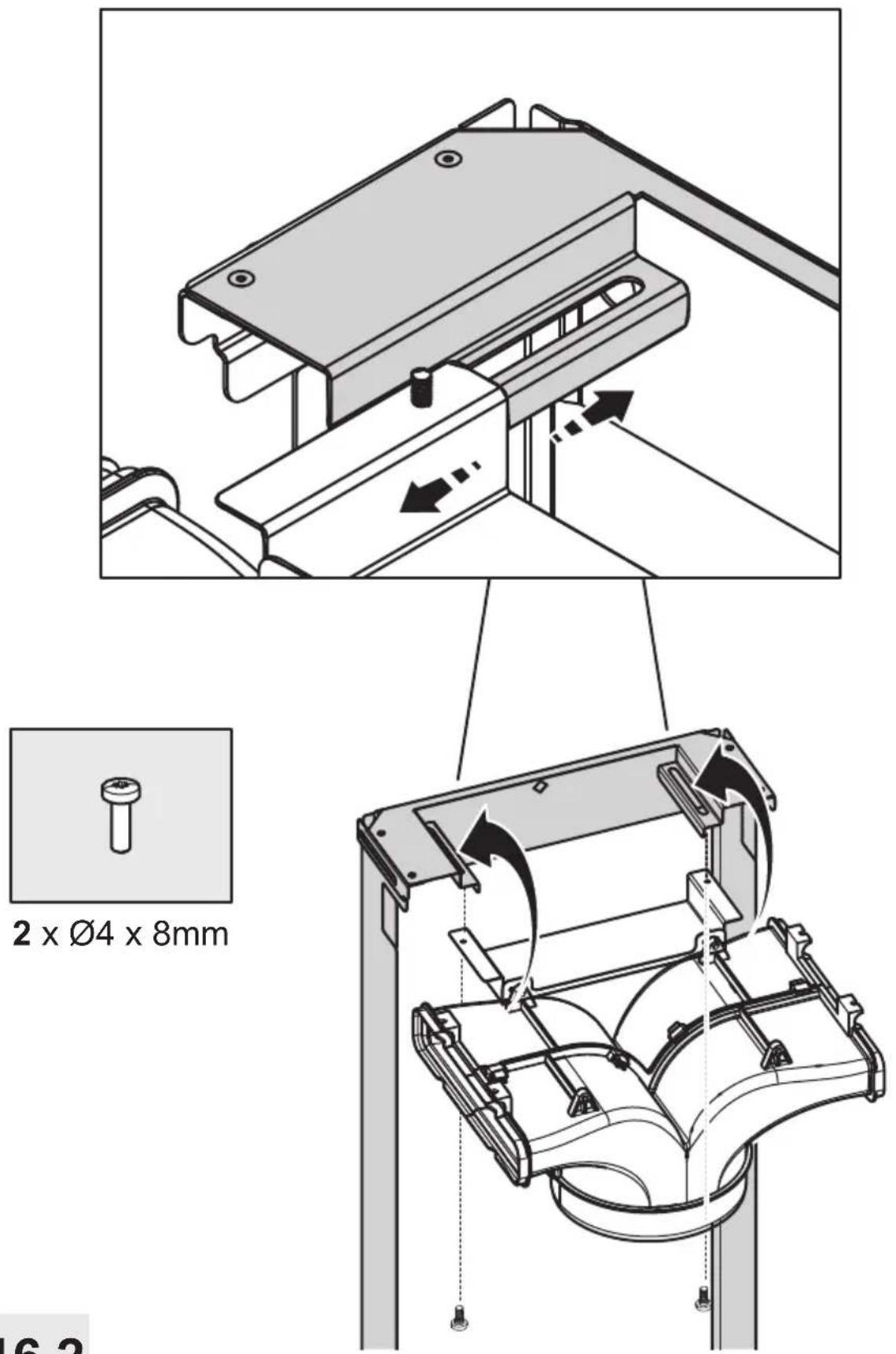
16.3
text_image
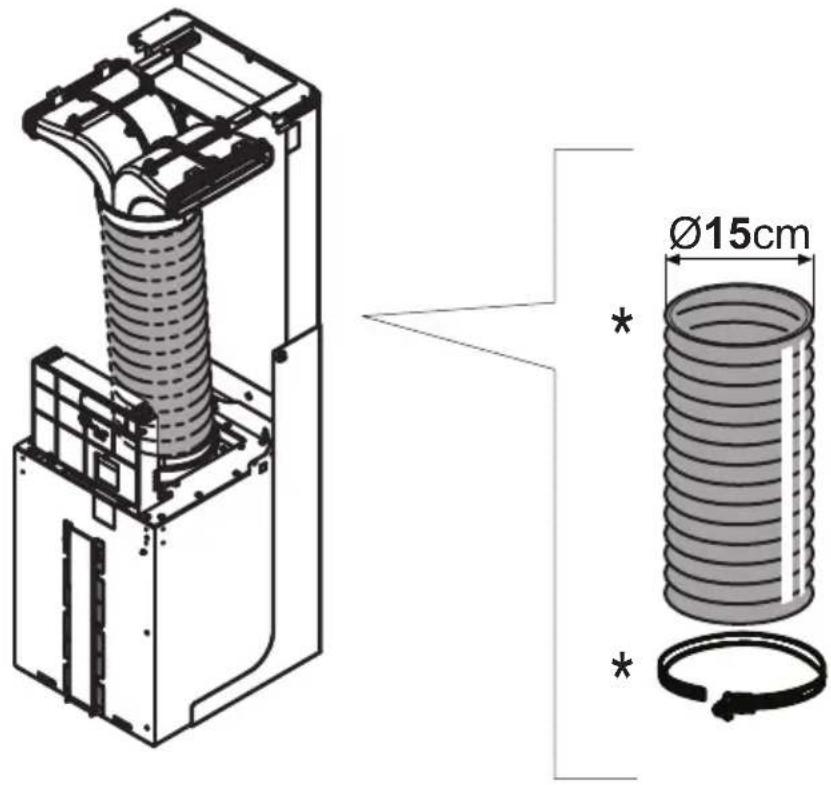
Ø15cm *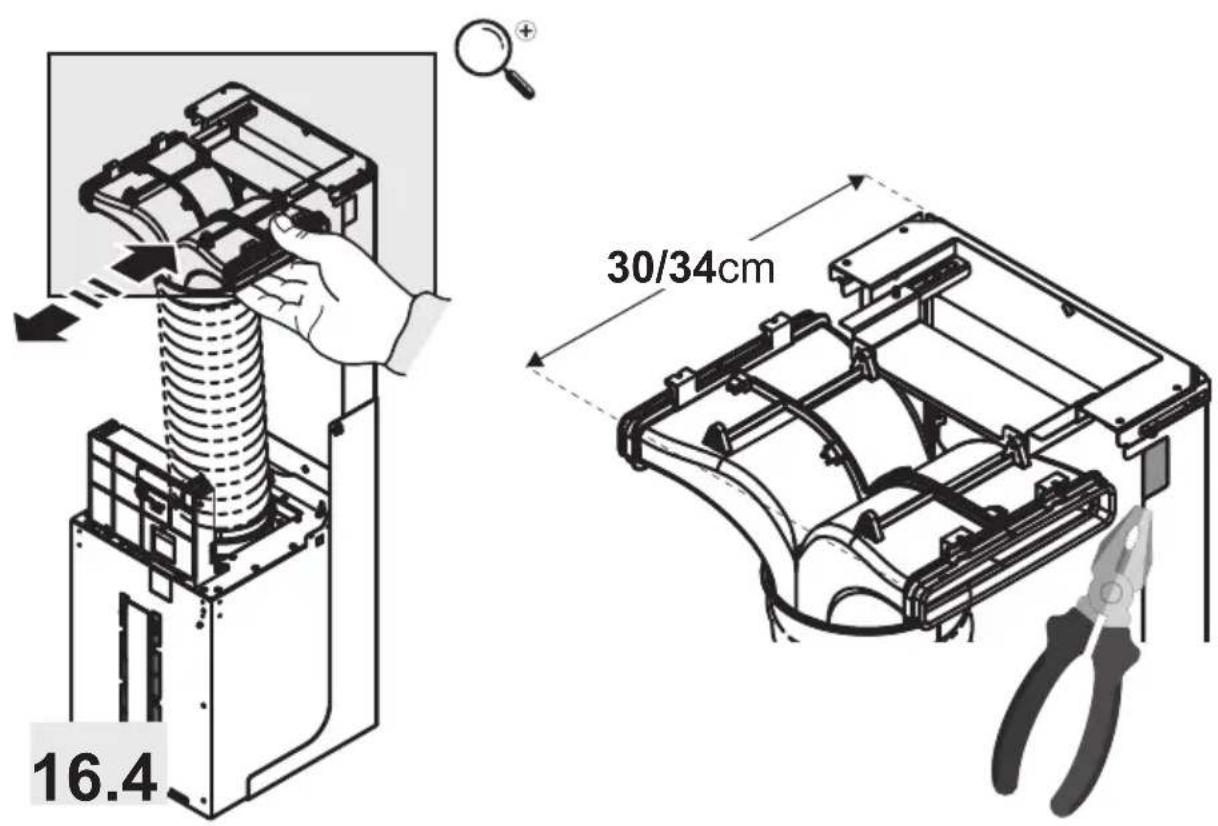
text_image
16.4 30/34cm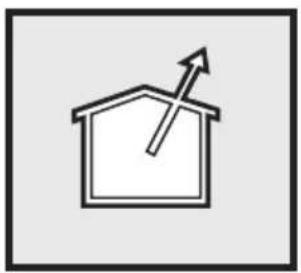
natural_image
Simple line drawing of a house with an upward arrow and a diagonal line crossing through it (no text or symbols)
natural_image
Technical line drawing of a mechanical device with a coiled spring and housing (no text or symbols)*
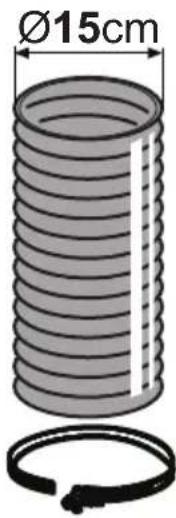
text_image
Ø15cm*
text_image
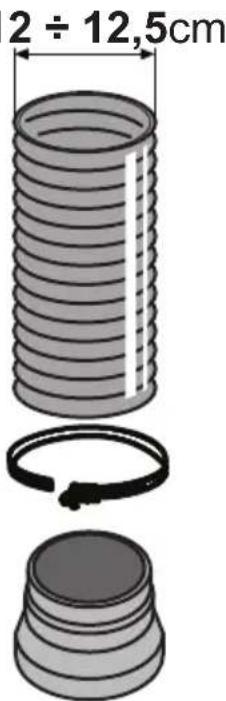
2 ÷ 12,5cm*
natural_image
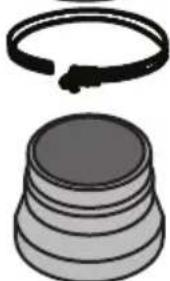
Illustration of a stack of stacked cylindrical objects with a black strap above (no text or symbols)*
natural_image
Isometric diagram of a mechanical bracket or support structure (no text or symbols)
natural_image
Simple line drawing of a house with an upward arrow, no text or symbols present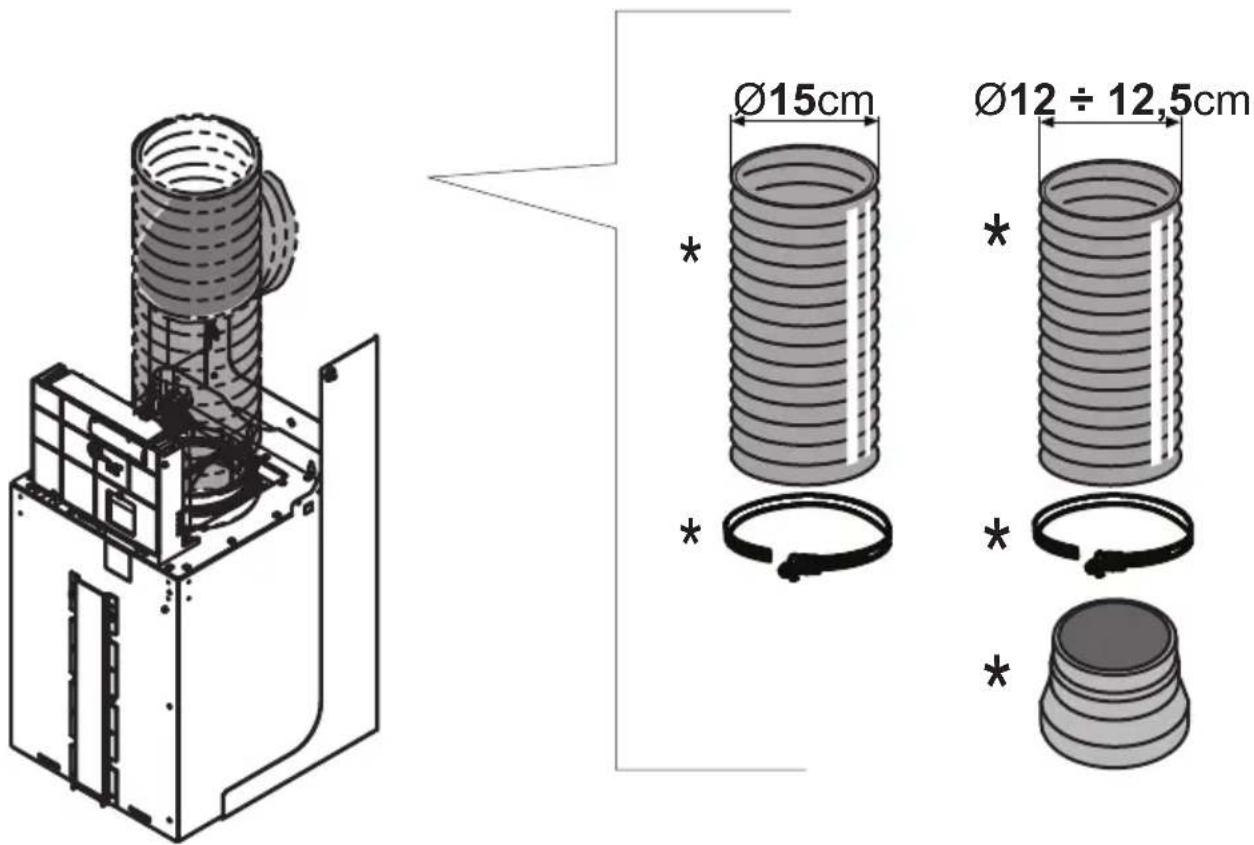
text_image
Ø15cm Ø12 ÷ 12,5cm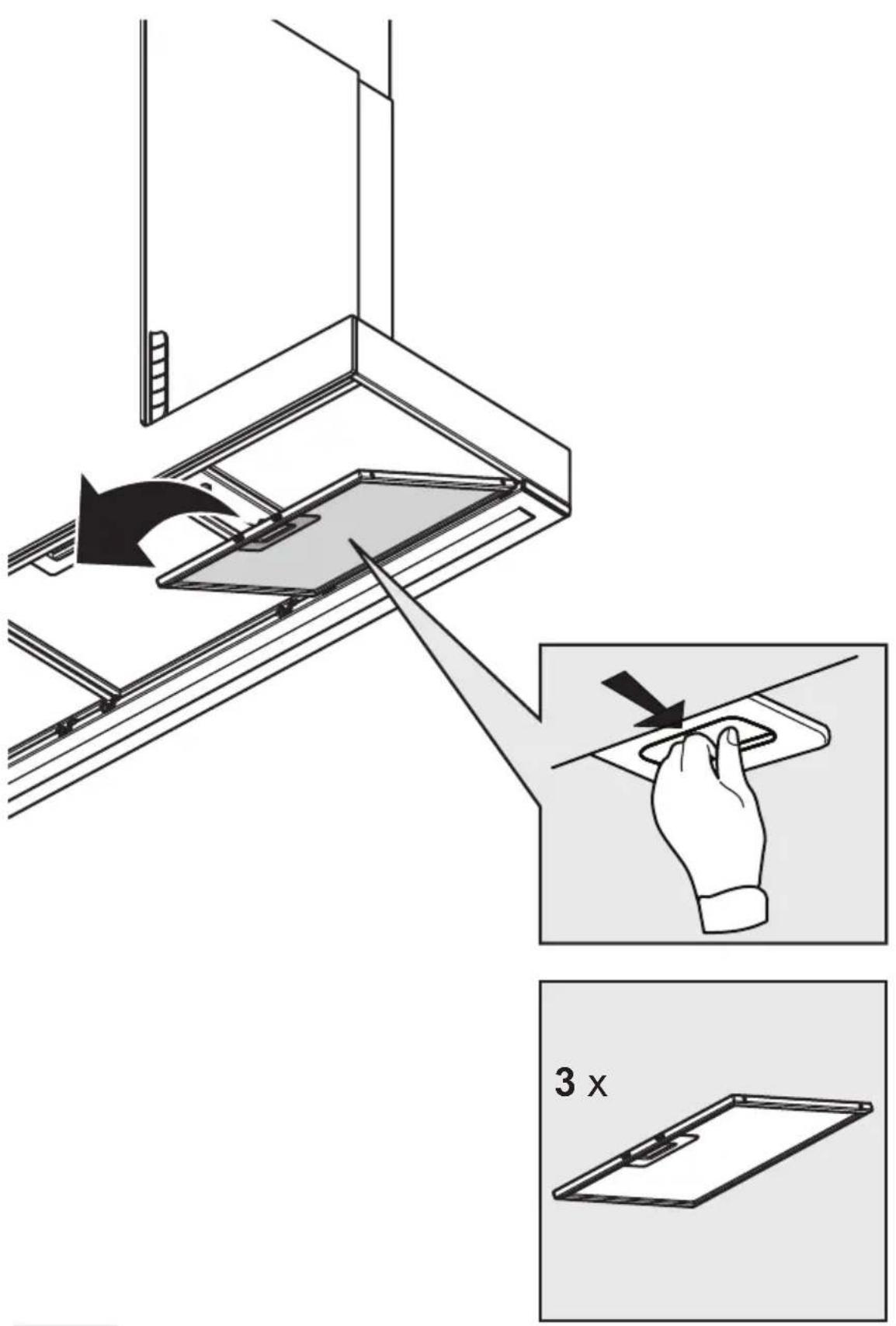
natural_image
Isometric diagram of a mechanical component with a flat base and central slot (no text or symbols)
natural_image
Simple line drawing of a rectangular box with two side handles (no text or symbols)
natural_image
Diagram of a folded paper or sheet with 180-degree rotation indicated, showing curved arrows (no text or symbols beyond the label)
natural_image
Simple line drawing of a 3D box with two side slats (no text or symbols)
natural_image
Illustration of a door frame and a house with a circular arrow symbol (no text or labels)
natural_image
Isometric line drawing of a mechanical assembly with a vertical component and base plate (no text or symbols)
natural_image
Technical illustration of a mechanical device with internal components and a base assembly, showing no text or symbols.21 21.1
natural_image
Two technical diagrams: one showing a 3D mechanical part with a handle, the other showing a house outline with an upward arrow (no text or symbols)
natural_image
Isometric diagram of a mechanical assembly with a V-shaped component and a base platform, showing no text or symbols.
natural_image
Technical illustration of a mechanical device with internal spring and housing, showing assembly steps (no text or symbols)22 22.1
natural_image
Isometric diagram of a mechanical or architectural component with a vertical gap and textured base (no text or symbols)
natural_image
Technical illustration of a mechanical assembly with a magnified view showing internal components and a magnifying glass (no text or symbols)
text_image
clack!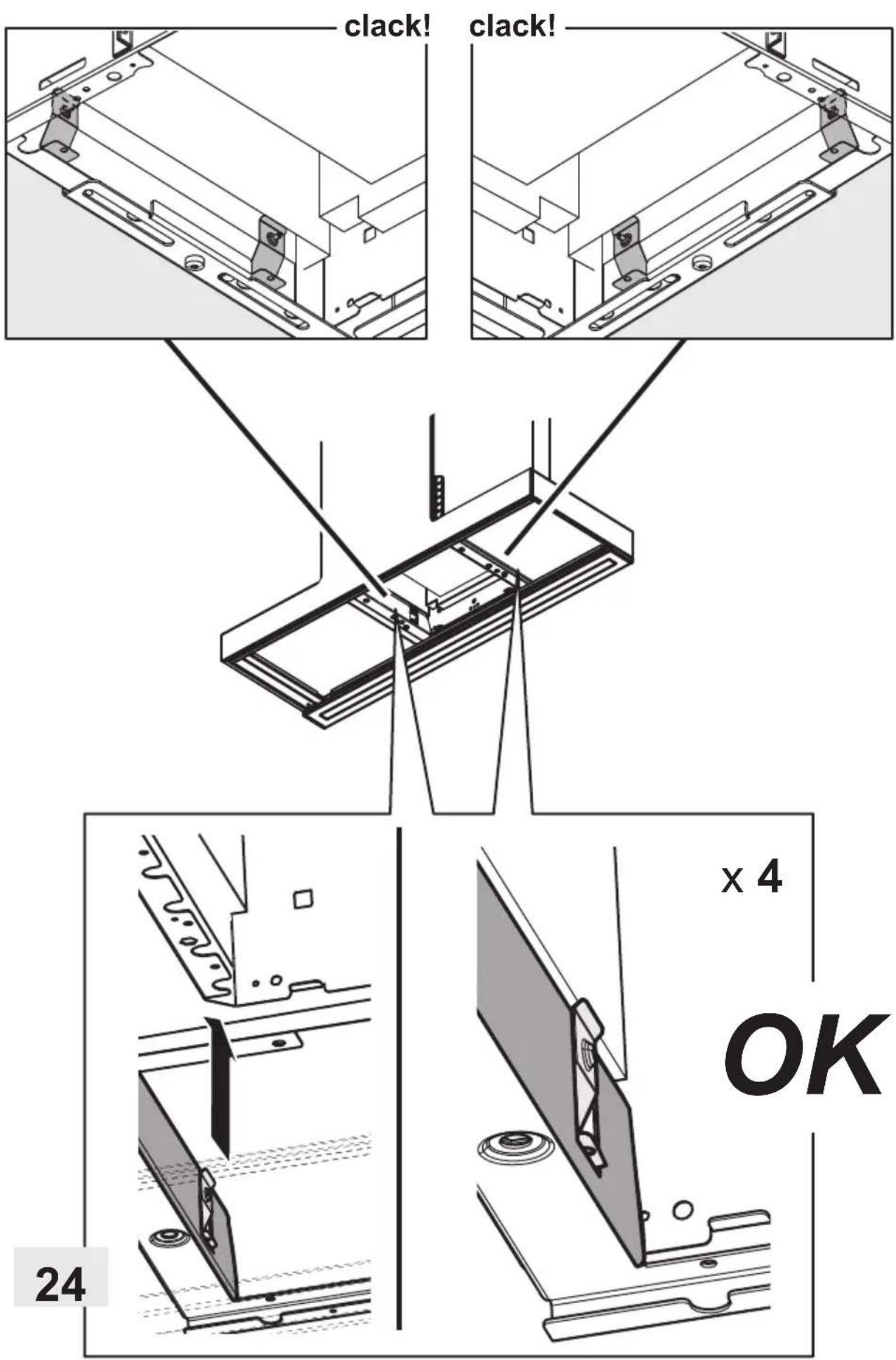
OK
24
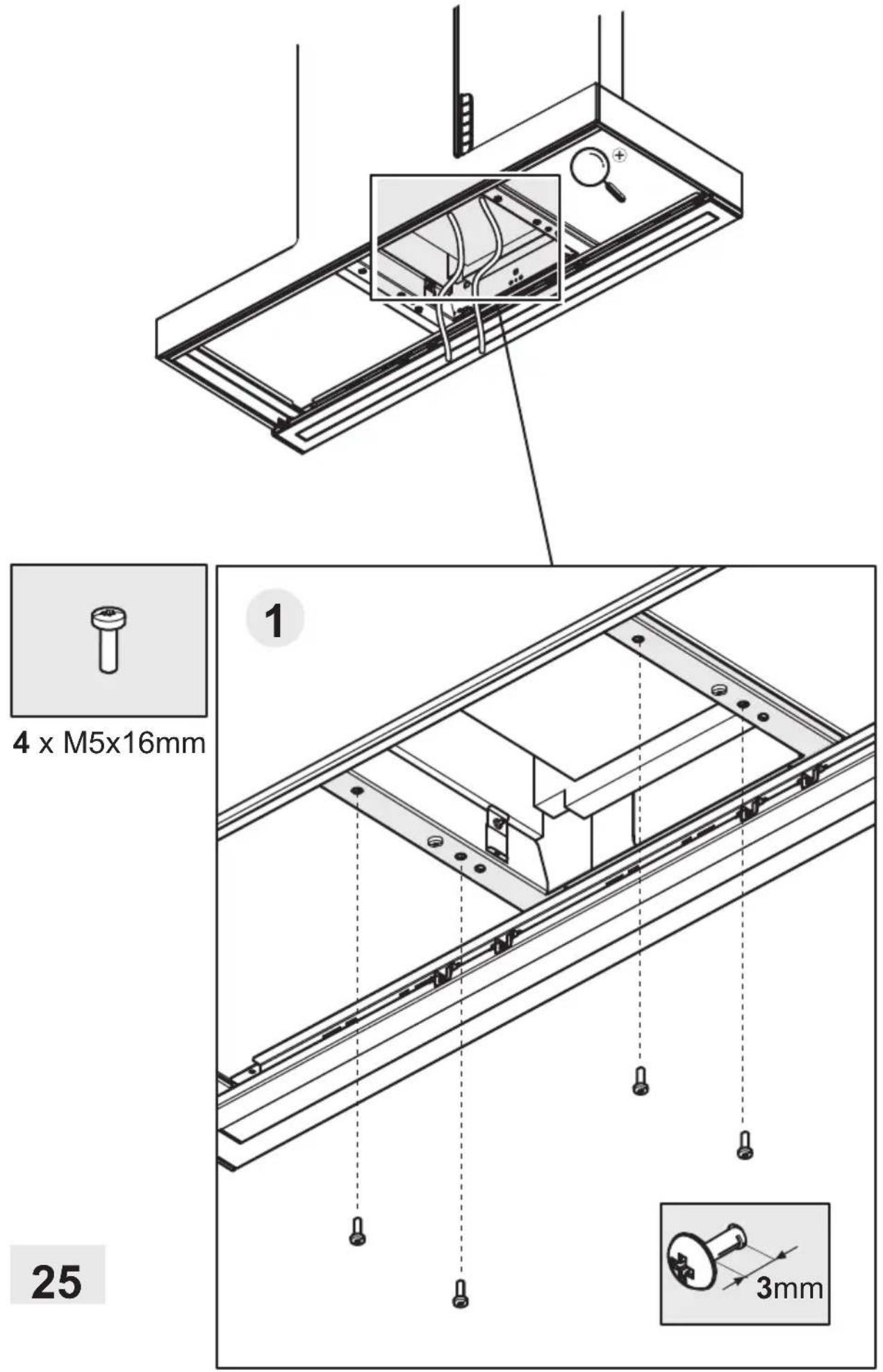

natural_image
Simple line drawing of a bolt (no text or symbols)2 x ∅5x16mm
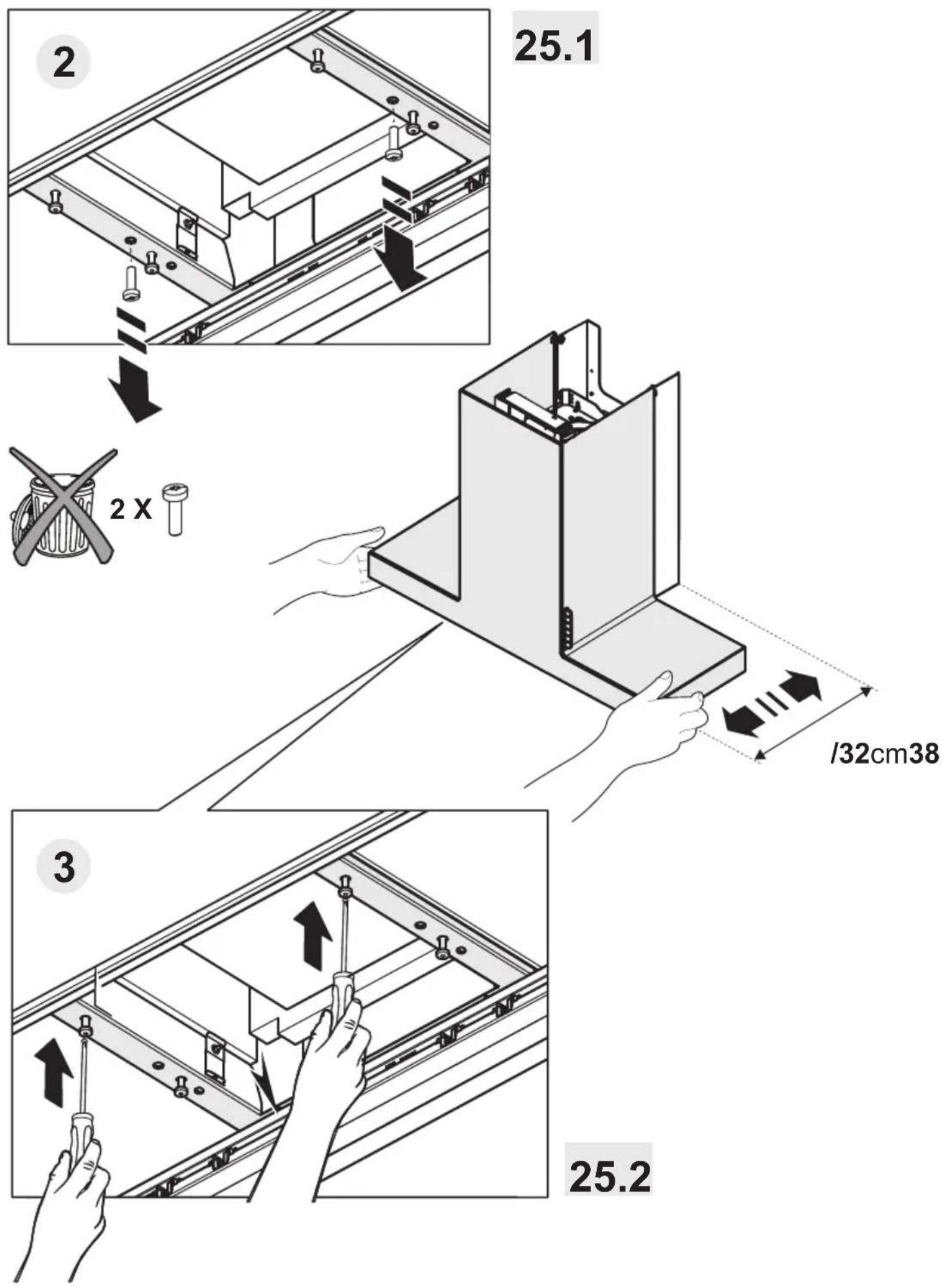
natural_image
Illustration of hands installing or adjusting a mechanical component with arrows indicating motion (no text or symbols present)
natural_image
Technical line drawing of a server rack with cable connections and a close-up view of the rack (no text or symbols)
natural_image
Isometric diagram of a mechanical device with a central vertical component and textured base (no text or symbols)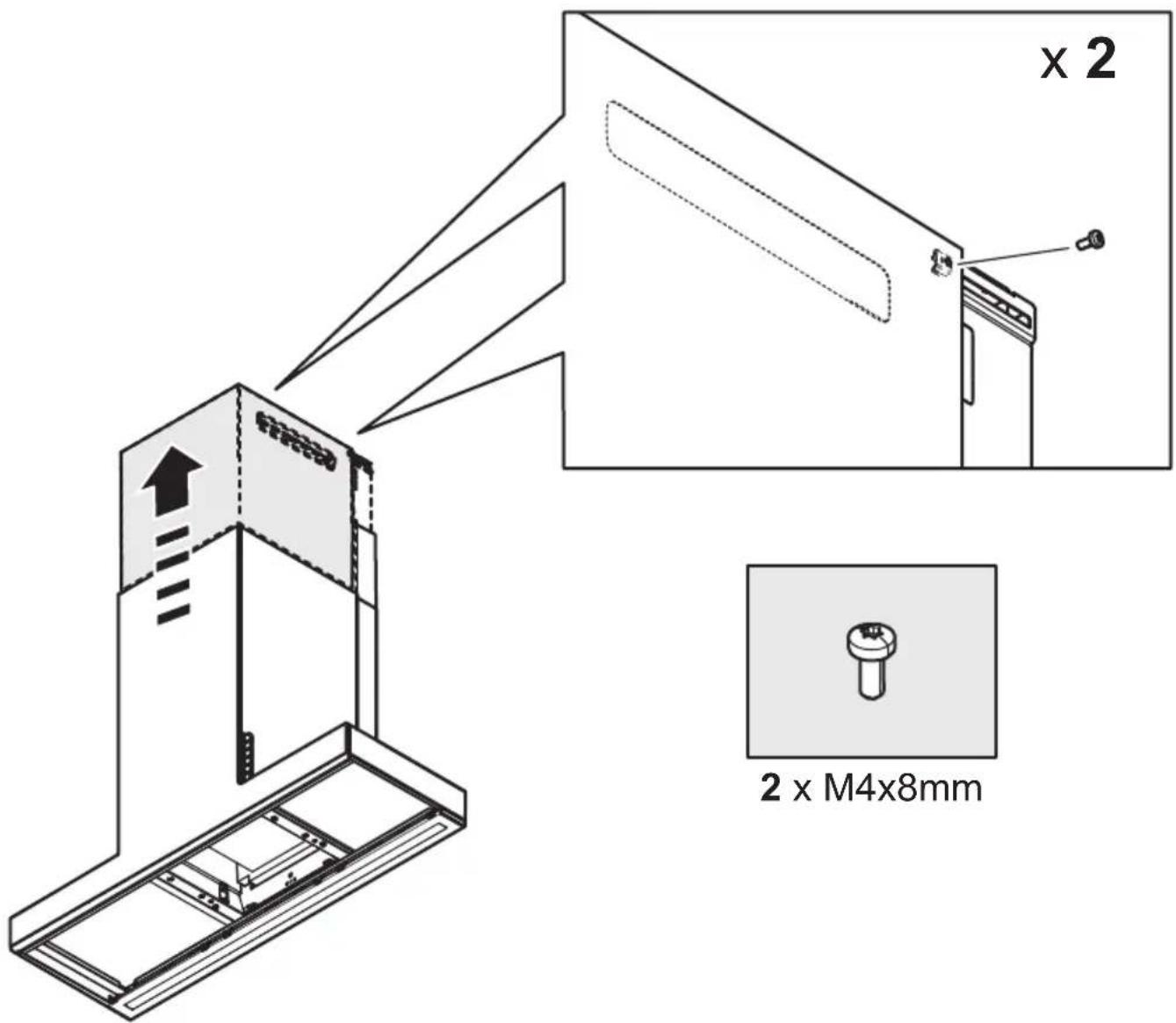
text_image
x 2 2 x M4x8mm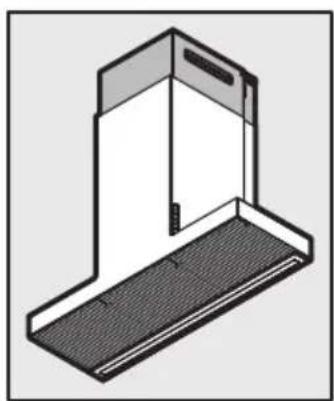
natural_image
Isometric diagram of a mechanical or architectural component with no visible text or symbols
natural_image
Simple line icon of a house with a circular arrow inside, symbolizing refresh or cycle (no text or symbols)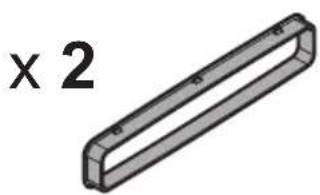
natural_image
3D rendering of a rectangular mechanical part with mounting holes, labeled 'x 2' (no other text or symbols)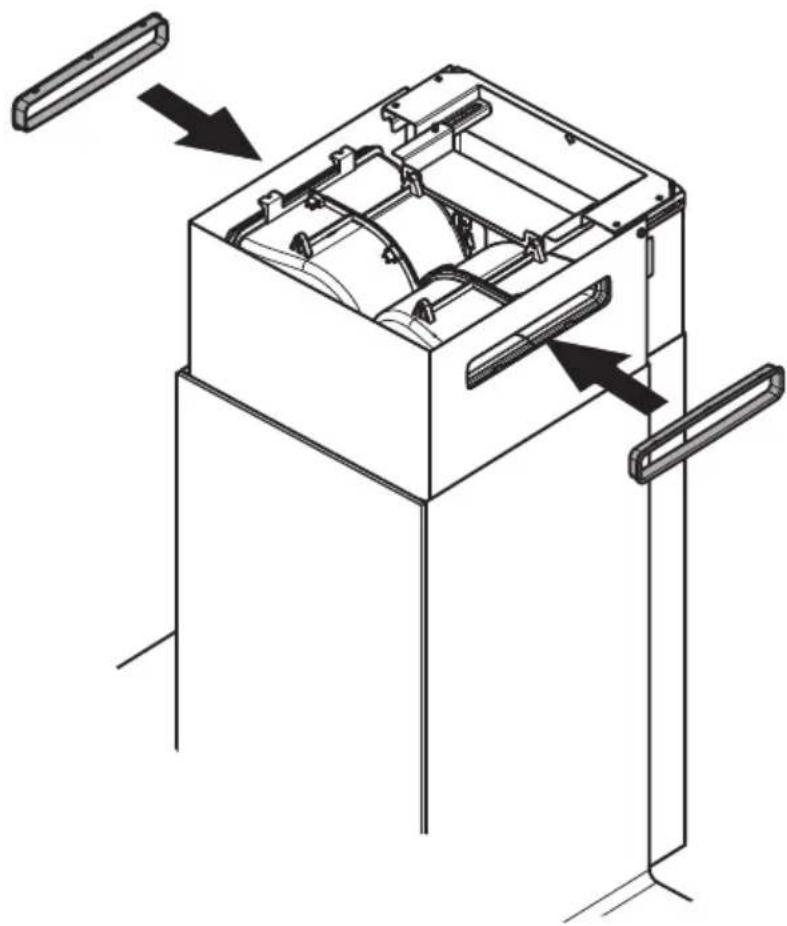
natural_image
Isometric line drawing of a mechanical device with internal components and directional arrows indicating assembly or movement (no text or symbols)
natural_image
Simple line drawing of a house with a circular arrow inside, symbolizing refresh or cycle (no text or symbols)
natural_image
3D mechanical part diagram with mounting holes and a central square cutout, labeled 'x 1' (no text or symbols on the component itself)
text_image
clack! clack!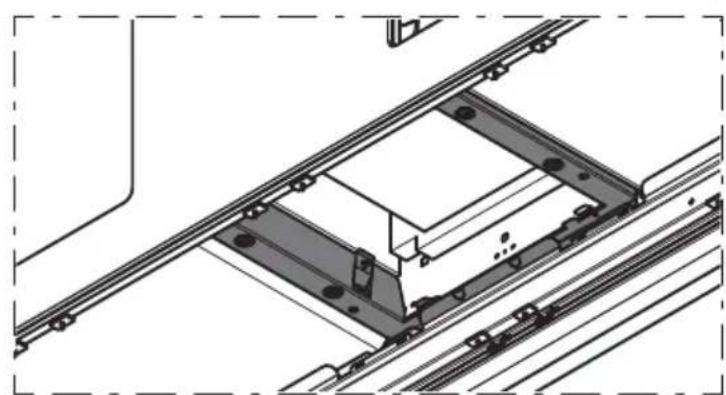
natural_image
Technical line drawing of a mechanical assembly with no visible text or symbols
natural_image
Simple line icon of a house with a circular arrow inside, symbolizing refresh or cycle (no text or symbols)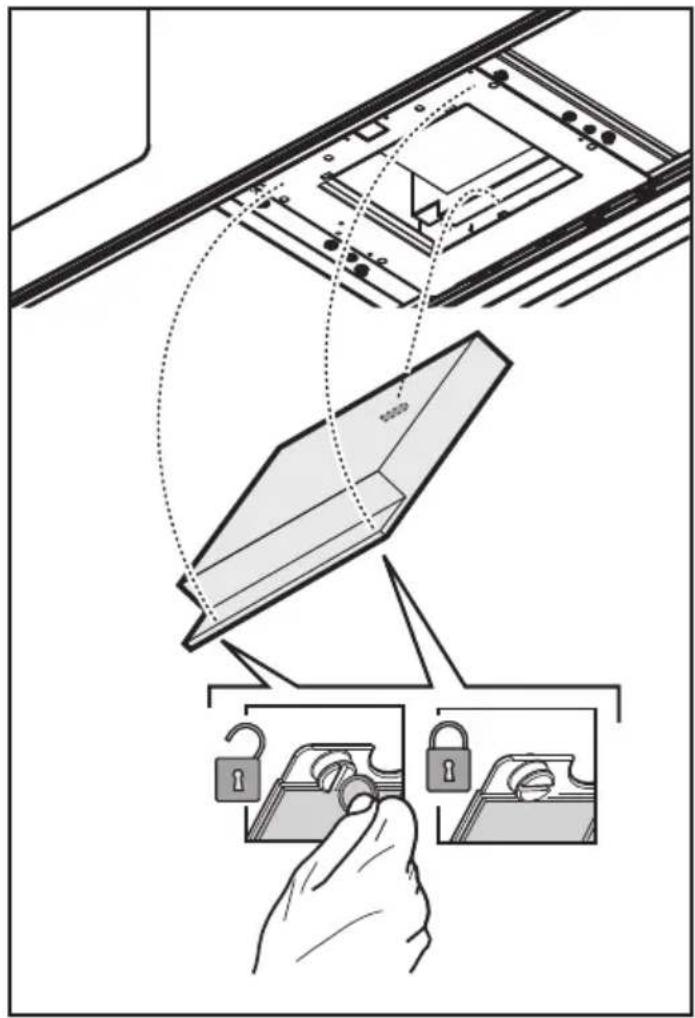
text_image
Diagram illustrating a lock mechanism with labeled components and lock states, showing hand positioning and lock state capture.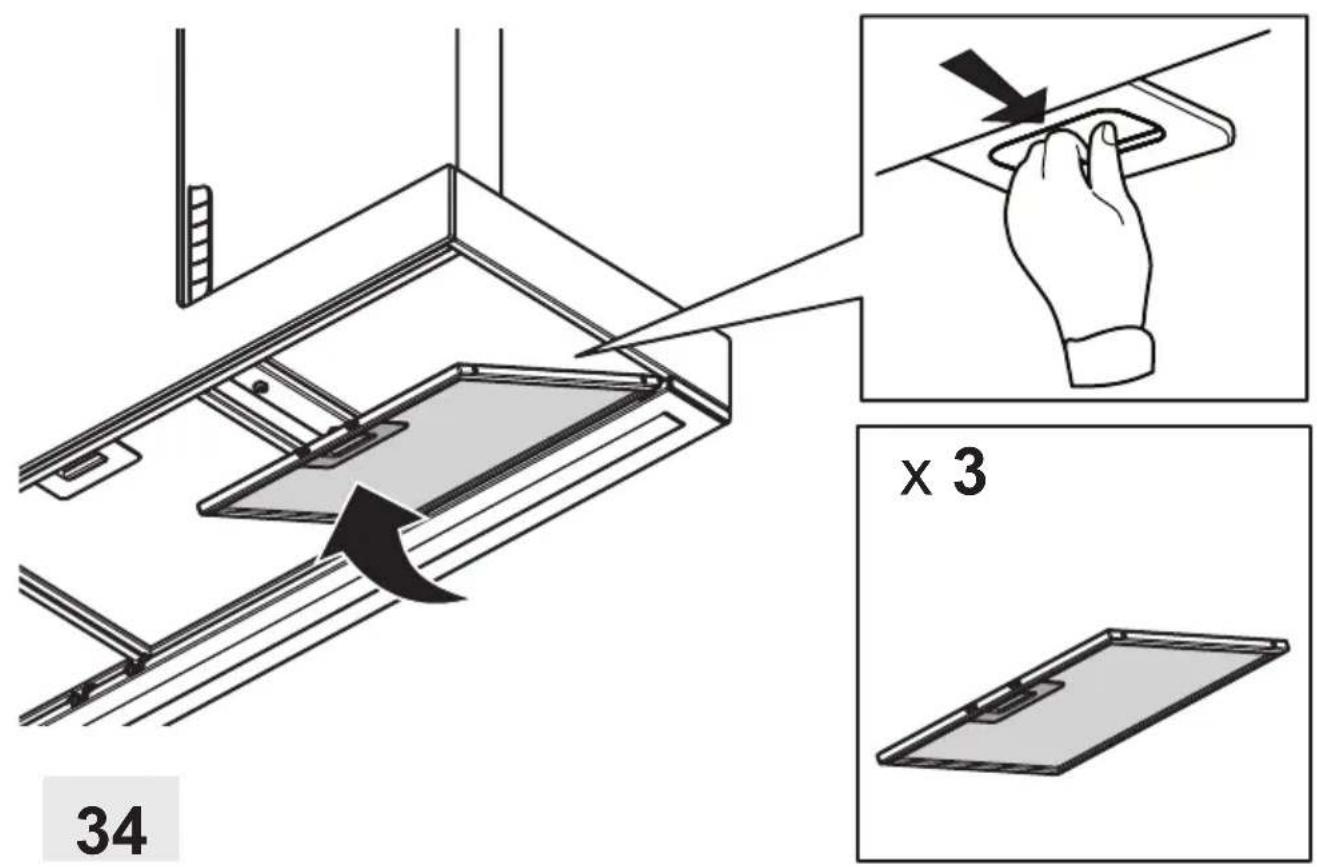
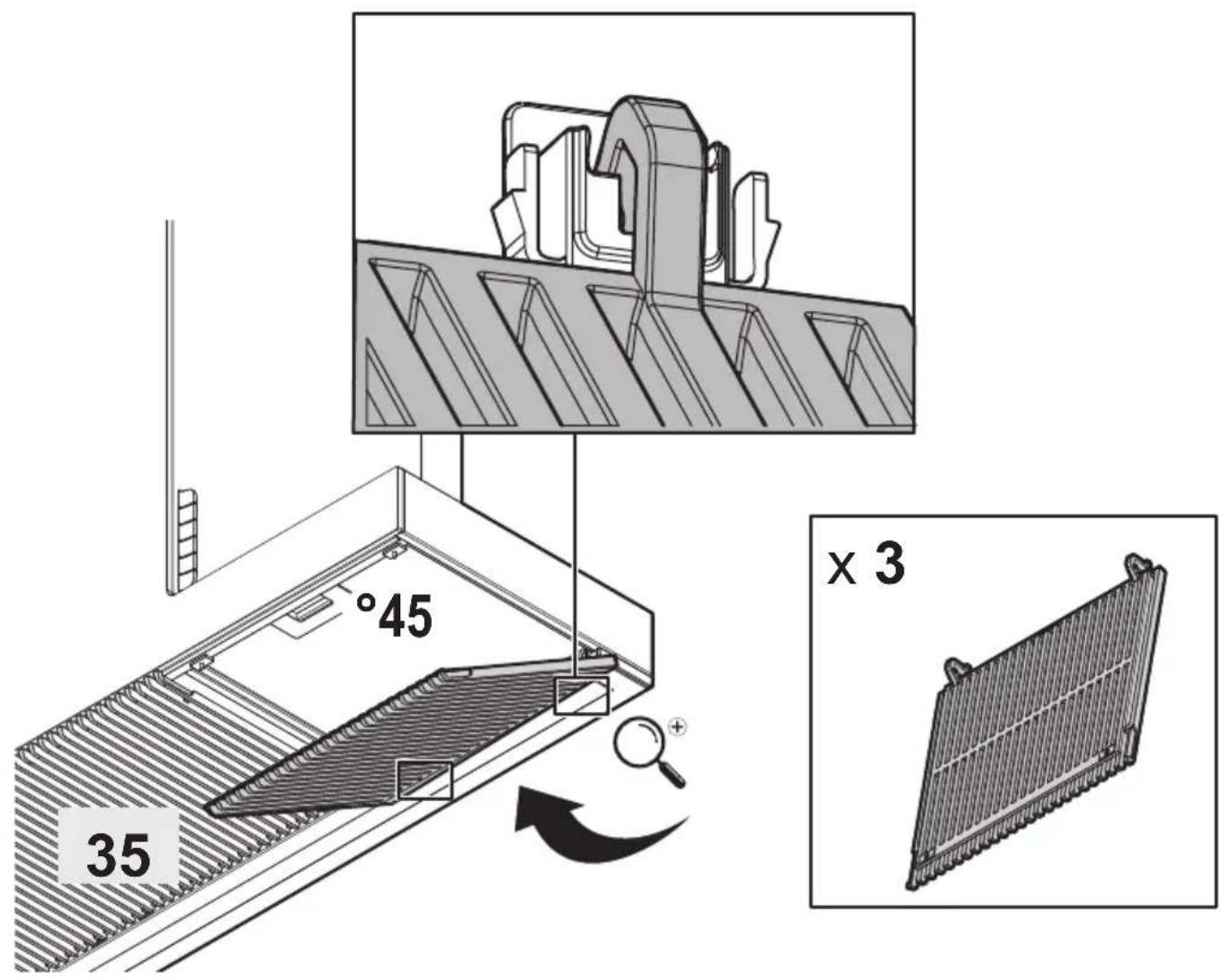
text_image
°45 35 x 3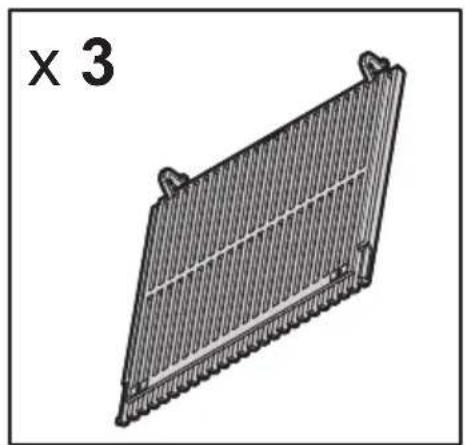
natural_image
3D rendering of a heat exchanger or cooling unit with grid lines and mounting feet (no text or symbols)EN - Instruction on mounting and use
Closely follow the instructions set out in this manual. All responsibility, for any eventual inconveniences, damages or fires caused by not complying with the instructions in this manual, is declined. This appliance is intended to be used in household and similar application such as: - staff kitchen areas in shop, offices and other working environments; - farm houses; - by clients in hotels, motels and other residential type environments; - bed and breakfast type environments.
The hood can look different to that illustrated in the drawings in this booklet. The instructions for use, maintenance and installation, however, remain the same.
- It is important to conserve this booklet for consultation at any moment. In the case of sale, cession or move, make sure it is together with the product.
- Read the instructions carefully: there is important information about installation, use and safety.
- Do not carry out electrical or mechanical variations on the product or on the discharge conduits.
- Before proceeding with the installation of the appliance verify that there are no damaged all components. Otherwise contact your dealer and do not proceed with the installation.
Note: The parts marked with the symbol "(*)" are optional accessories supplied only with some models or otherwise not supplied, but available for purchase.

Caution
- Before any cleaning or maintenance operation, disconnect hood from the mains by removing the plug or disconnecting the mains electrical supply.
• Always wear work gloves for all installation and maintenance operations. - This appliance can be used by children aged from 8 years and above and persons with reduced physical, sensory or mental capabilities or lack of experience and knowledge if they have been given supervision or instruction concerning use of the appliance in a safe way and understand the hazards involved.
- Children shall not be allowed to tamper with the controls or play with the appliance.
- Cleaning and user maintenance shall not be made by children without supervision.
- The premises where the appliance is installed must be sufficiently ventilated, when the kitchen hood is used together with other gas combustion devices or other fuels.
- The hood must be regularly cleaned on both the inside and outside (AT LEAST ONCE A MONTH).
- This must be completed in accordance with the maintenance instructions provided. Failure to follow the instructions provided regarding the cleaning of the hood and filters will lead to the risk of fires.
- Do not flambé under the range hood.
- For lamp replacement use only lamp type indicated in the Maintenance/Replacing lamps section of this manual.
The use of exposed flames is detrimental to the filters and may cause a fire risk, and must therefore be avoided in all circumstances.
Any frying must be done with care in order to make sure that the oil does not overheat and ignite.
CAUTION: Accessible parts of the hood may become hot when used with cooking appliances.
- Do not connect the appliance to the mains until the installation is fully complete.
- With regards to the technical and safety measures to be adopted for fume discharging it is important to closely follow the regulations provided by the local authorities.
- The air must not be discharged into a flue that is used for exhausting fumes from appliance burning gas or other fuels.
- Do not use or leave the hood without the lamp correctly mounted due to the possible risk of electric shocks.
- Never use the hood without effectively mounted grids.
- The hood must NEVER be used as a support surface unless specifically indicated.
-
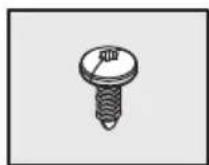
Use only the fixing screws supplied with the product for installation or, if not supplied, purchase the correct screws type.
-
Use the correct length for the screws which are identified in the Installation Guide.
- In case of doubt, consult an authorized service assistance center or similar qualified person.
WARNING!
- Failure to install the screws or fixing device in accordance with these instructions may result in electrical hazards.
-
Do not use with a programmer, timer, separate remote control system or any other device that switches on automatically.
-
This appliance is marked according to the European directive 2012/19/EC on Waste Electrical and Electronic Equipment (WEEE).
- By ensuring this product is disposed of correctly, you will help prevent potential negative consequences for the environment and human health, which could otherwise be caused by inappropriate waste handling of this product.

- The symbol ■ the product, or on the documents accompanying the product, indicates that this appliance may not be treated as household waste. Instead it should be taken to the appropriate collection point for the recycling of electrical and electronic equipment. Disposal must be carried out in accordance with local environmental regulations for waste disposal.
- For further detailed information regarding the process, collection and recycling of this product, please contact the appropriate department of your local authorities or the local department for household waste or the shop where you purchased this product.
Appliance designed, tested and manufactured according to:
• Safety: EN/IEC 60335-1; EN/IEC 60335-2-31, EN/IEC 62233
• Performance: EN/IEC 61591; ISO 5167-1; ISO 5167-3; ISO 5168; EN/IEC 60704-1; EN/IEC 60704-2-13; EN/IEC 60704-3; ISO 3741; EN 50564; IEC 62301.
- EMC: EN 55014-1; CISPR 14-1; EN 55014-2; CISPR 14-2; EN/IEC 61000-3-2; EN/IEC 61000-3-3. Suggestions for a correct use in order to reduce the environmental impact: Switch ON the hood at minimum speed when you start cooking and kept it running for few minutes after cooking is finished. Increase the speed only in case of large amount of smoke and vapor and use boost speed(s) only in extreme situations. Replace the charcoal filter(s) when necessary to maintain a good odor reduction efficiency. Clean the grease filter(s) when necessary to maintain a good grease filter efficiency. Use the maximum diameter of the ducting system indicated in this manual to optimize efficiency and minimize noise.
Use
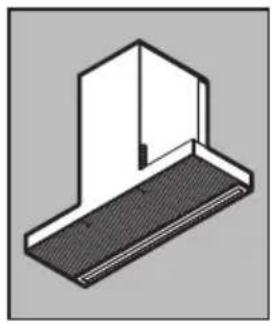
The hood is designed to be used either for exhausting or filter version.

Extraction version
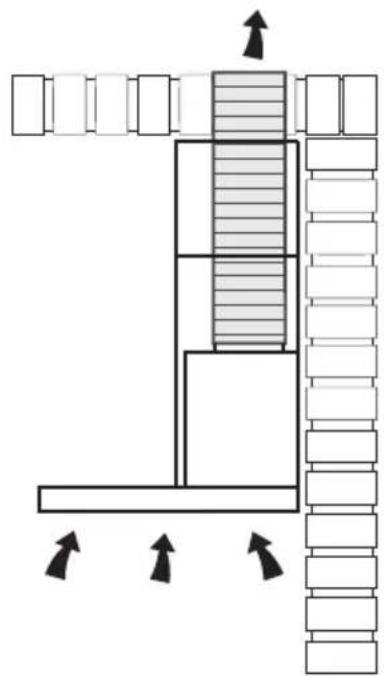
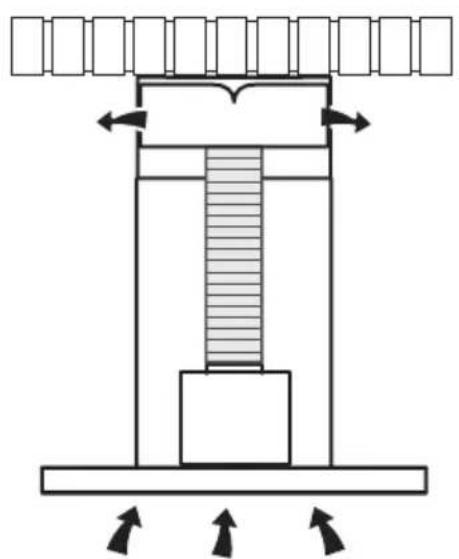
In this case the fumes are conveyed outside of the building by means of a special pipe connected with the connection ring located on top of the hood.
CAUTION!
The exhausting pipe is not supplied and must be purchased apart.
Diameter of the exhausting pipe must be equal to that of the connection ring.
CAUTION!
If the hood is supplied with active charcoal filter, then it must be removed.
Connect the hood and discharge holes on the walls with a diameter equivalent to the air outlet (connection flange).
Using the tubes and discharge holes on walls with smaller dimensions will cause a diminution of the suction performance and a drastic increase in noise.
Any responsibility in the matter is therefore declined.
! Use a duct of the minimum indispensable length.
! Use a duct with as few elbows as possible (maximum elbow angle: 90°).
! Avoid drastic changes in the duct cross-section.

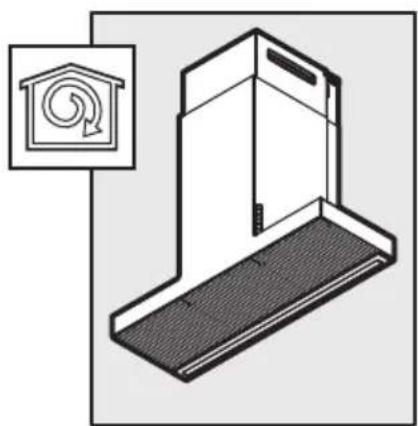
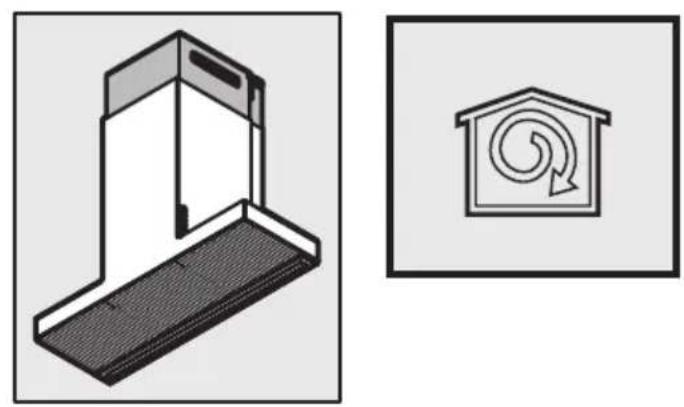
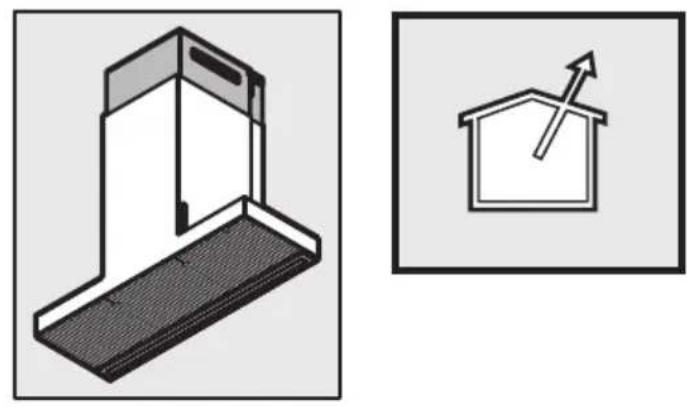
Filtration version
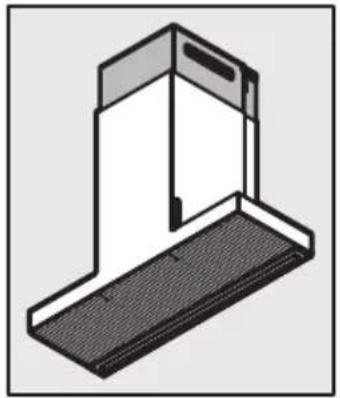
The aspirated air will be degreased and deodorised before being fed back into the room. In order to use the hood in this version, you have to install a system of additional filtering based on activated charcoal.
Installation
The minimum distance between the supporting surface for the cooking equipment on the hob and the lowest part of the range hood must be not less than 50cm from electric cookers and 65cm from gas or mixed cookers.
If the instructions for installation for the gas hob specify a greater distance, this must be adhered to.

Electrical connection
The mains power supply must correspond to the rating indicated on the plate situated inside the hood. If provided with a plug connect the hood to a socket in compliance with current regulations and positioned in an accessible area, after installation. If it not fitted with a plug (direct mains connection) or if the plug is not located in an accessible area, after installation, apply a double pole switch in accordance with standards which assures the complete disconnection of the mains under conditions relating to over-current category III, in accordance with installation instructions.

WARNING!
Before re-connecting the hood circuit to the mains supply and checking the efficient function, always check that the mains cable is correctly assembled.
The hood is provided with a special power cable; if the cable is damaged, request a new one from Technical Service.
Mounting
Before beginning installation:
- Check that the product purchased is of a suitable size for the chosen installation area.
- Remove the charcoal (*) filter/s if supplied (see also relative paragraph). This/these is/are to be mounted only if you want lo use the hood in the filtering version.
- Check (for transport reasons) that there is no other supplied material inside the hood (e.g. packets with screws (*), guarantees (*), etc.), eventually removing them and keeping them.
Very heavy product; hood handling and installation must be carried out by at least two persons.
Operation
ON/OFF light button
Press to turn the cooktop light on or off.
"BOOST" speed selection key
1st push : to enable the intensive suction speed "BOOST 1", timed for 30 minutes this prolonged timing has been designed to guarantee a suitable cooking time for preparations that release high amounts of smoke during cooking
Note : after 30 minutes, the hood will return to the suction speed previously set
2nd push ("BOOST 1" activated): to activate the intensive suction speed "BOOST 2", timed for 7 minutes
Note: after 7 minutes, the hood will return to the previously set suction speed
3rd push ("BOOST 2" activated): to exit the function and return to the speed previously set.
Note: the speed key previously set remains lit during BOOST operation.
Speed selection key 3
Push to activate the high speed (suction power)
Speed selection key 2
Push to activate the average speed (suction power)
Speed selection key 1
Push to enable the low speed (suction power)
Power button
Push to switch on the hood and enable speed selection;
if pushed while the motor is running, the latter will stop
Note: if no function is activated within 10 seconds, the hood turns off.
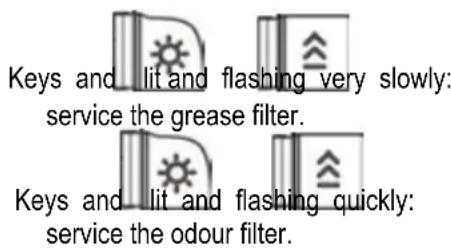
Filter Saturation indicator lights
The hood signals at regular intervals that the filters must be serviced.
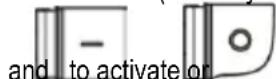
text_image
Keys and lit and flashing very slowly: service the grease filter. Keys and lit and flashing quickly: service the odour filter.Note: The filter saturation warning signal is visible within the first 10 seconds after the hood is switched on.
Reset filter saturation indicator:
Press and hold the keys

The keys will flash quickly to confirm that reset has been completed
Activation of filter saturation indicators
Note: this operation must be performed with the hood off.
- Grease filter
Push and hold down the keys activate the function

the keys light up flashing very slowly, indicating that the grease filter indicator can be activated
Note: Push the keys deactivate
- Odour filter
Push and hold down the keys and activate the function

the keys light up flashing quickly, indicating that the odour filter indicator can be activated (normally deactivated)
Note: Push the keys deactivate
Maintenance
Cleaning
Clean using ONLY a cloth dampened with neutral liquid detergent. DO NOT CLEAN WITH TOOLS OR INSTRUMENTS. Do not use abrasive products. DO NOT USE ALCOHOL!
Grease filter
Fig. 19-34
Traps cooking grease particles.
This must be cleaned once a month (or when the filter saturation indication system – if envisaged on the model in possession – indicates this necessity) using non aggressive detergents, either by hand or in the dishwasher, which must be set to a low temperature and a short cycle.
When washed in a dishwasher, the grease filter may discolor slightly, but this does not affect its filtering capacity.
To remove the grease filter, pull the spring release handle.
Charcoal filter (filter version only)
Fig. 33
It absorbs unpleasant odors caused by cooking.
The charcoal filter can be washed once every two months (or when the filter saturation indication system – if envisaged on the model in possession – indicates this necessity) using hot water and a suitable detergent, or in a dishwasher at 65^ C (if the dishwasher is used, select the full cycle function and leave dishes out).
Eliminate excess water without damaging the filter, then put it in the oven for 10 minutes at 100^ C to dry completely. Replace the mattress every 3 years and when the cloth is damaged.
Replacing lamps
The hood is equipped with a lighting system based on LED technology.
The LEDs guarantee an optimum lighting, a duration up to 10 times as long as the traditional lamps and allow to save 90% electrical energy.
For replacement, contact the technical service.