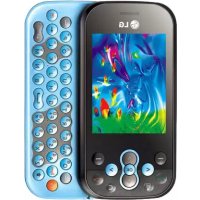
GT360 - Cellphone LG - Free user manual and instructions
Find the device manual for free GT360 LG in PDF.


| Product type | Mobile phone |
| Brand | LG |
| Model | GT360 |
| Power supply | Rechargeable Li-Ion battery (type not specified) |
| Screen | Not specified |
| Main functions | Calls, SMS/MMS, Email, Camera (max 1600x1200), Video camera, MP3 player, FM radio, Voice recorder, Bluetooth, Phonebook, Calendar, Calculator, Alarm, Unit converter, World clock, Web browser, Java games and applications |
| Connectivity | Bluetooth 2.0, USB 2.0 (via cable), 3.5 mm headphone jack (shared with charger) |
| Memory | Internal (not specified), expandable via microSD card (up to 2 GB estimated) |
| Camera | Max resolution 1600x1200 pixels, white balance, color effects, self-timer, burst |
| Video camera | Max resolution 320x240, recording with pause |
| Audio | MP3 player with playlists, FM radio, voice recorder |
| Security | Phone lock, PIN code, security code, Airplane mode |
| Maintenance and cleaning | Use a dry cloth, avoid solvents (benzene, thinner, alcohol) |
| Spare parts and accessories | Battery, charger, headset (earphones), USB cable, user guide, software CD |
| Repairability | Manufacturer warranty 12 months, repair by authorized technician or LG technical service center |
| General information | Slider phone, touch screen (via dedicated key), GSM/EDGE compatible |
Frequently Asked Questions - GT360 LG
User questions about GT360 LG
0 question about this device. Answer the ones you know or ask your own.
Ask a new question about this device
Download the instructions for your Cellphone in PDF format for free! Find your manual GT360 - LG and take your electronic device back in hand. On this page are published all the documents necessary for the use of your device. GT360 by LG.
USER MANUAL GT360 LG
Some of the contents in this manual may differ from your phone depending on the software of the phone or your service provider.
Bluetooth QD ID B014200
Some of the contents in this manual may differ from your phone depending on the software of the phone or your service provider.
GT360 User Guide
ENGLISH
Congratulations on your purchase of the advanced and compact GT360 phone by LG, designed to operate with the latest digital mobile communication technology.
SET UP
01
YOUR STANDBY SCREEN
02
THE BASICS
03
GET CREATIVE
04
GET ORGANISED
05
BROWSER
06
SETTINGS
07
ACCESSORIES
08
Contents
01 SET UP
Getting to know your phone......7
Open view......8
Installing the SIM and battery......10
Memory card ......13
Installing a memory card......13
Removing a memory card......13
Formatting a memory card......13
Menu map......14
Your standby screen....15
The status bar 15
03 THE BASICS
Calls....16
Making a call 16
Making a call from your contacts ....16
Answering and rejecting a call ......16
Adjusting the call volume .....17
Speed dialling....17
Viewing your call logs......17
Using call divert ......18
Using call barring....18
Changing the call settings .....19
Contacts 20
Searching for a contact ......20
Adding a new contact....20
Contact options ......20
Adding a contact to a group......21
Renaming a group 21
Adding a picture to a contact ......21
Copying your contacts to your SIM.22
Deleting all your contacts .....22
Viewing information....22
Messaging......23
Messaging......23
Sending a message....23
Entering text......24
Text input mode using the keypad.24
Setting up your email ......24
Sending an email using your new account ....24
Message folders ......25
Managing your messages ......25
Using templates....26
Changing your text ...... message settings....27
Changing your multimedia message settings....27
Changing your email settings......28
Changing your other settings......28
04 GET CREATIVE
Multimedia....29
Taking a quick photo....29
Before you've taken your photo......29
After you've taken your photo......30
Using the quick settings ....30
Changing the image size......31
Viewing your saved photos ....31
Setting a photo as Wallpaper or Picture ID....3
Shooting a quick video....32
After you've shot your video .....32
Getting to know the viewfinder......33
Using the quick settings ....33
Watching your saved videos......33
Adjusting the volume when viewing a video....33
MP3 player 34
Transferring music onto
your phone 34
Playing a song....34
Using options while playing music.34
Creating a playlist....35
Playing a playlist....35
Editing a playlist....35
Deleting a playlist....36
Using the FM radio....36
Searching for stations......37
Resetting channels....37
Listening to the radio....37
Using the voice recorder....38
Recording your voice memo......38
Sending a voice recording ....38
Media album....39
Images....39
Images options menu......39
Sending a photo 40
Organising your images......40
Deleting an image....40
Deleting multiple images......40
Creating a slide show......41
Sounds......41
Using a sound......41
Videos......41
Watching a video....41
Using options while video is paused .. 42
Sending a video clip....42
Video options menu......42
Viewing a document......43
Others......43
External memory 43
Games and Applications ......44
Games and Applications......44
Playing a game....44
Contents
Viewing applications......44
Changing the network profile .....44
05 GET ORGANISED
Organizer & Tools......45
Adding an event to your calendar...45
Editing a calendar event......45
Sharing a calendar event......46
Adding a memo 46
Setting your alarm......46
Using your calculator....47
Using the stopwatch....47
Converting a unit......47
Adding a city to your world clock....47
SIM services ....48
06 BROWSER
Browser......49
Accessing the web......49
Enjoying Yahoo!......49
Adding and accessing your book-marks....49
Accessing a saved page....50
Viewing your browser history......50
Changing the web browser settings ... 50
07 SETTINGS
Settings 51
Changing your profiles....51
Personalising your profiles......51
Changing your date & time......51
Changing the language ....51
Changing your display settings......52
Changing your security settings.....52
Using flight mode....53
Using power save 53
Resetting your phone....53
Viewing memory status ....53
Changing your Bluetooth settings..53
Changing your connectivity settings.. 53
Pairing with another Bluetooth ...... device....54
Using a Bluetooth headset......55
Using your phone as a mass storage device....55
Transferring a file to your phone .....56
Sending and receiving your files using Bluetooth....56
08 ACCESSORIES
Accessories....58
Guidelines for safe and efficient use....59
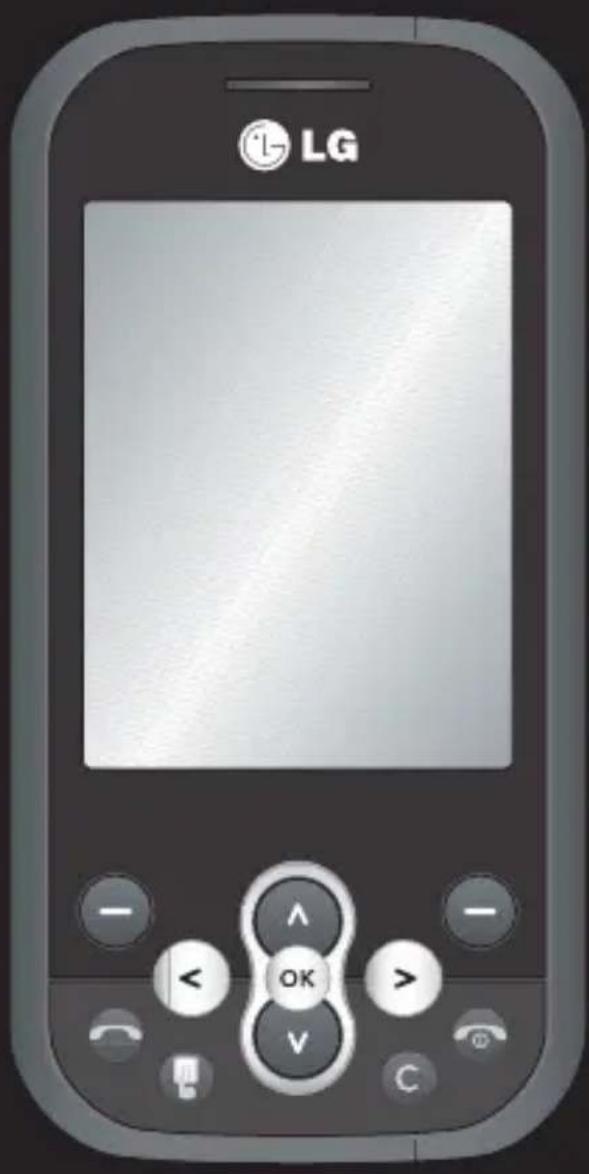
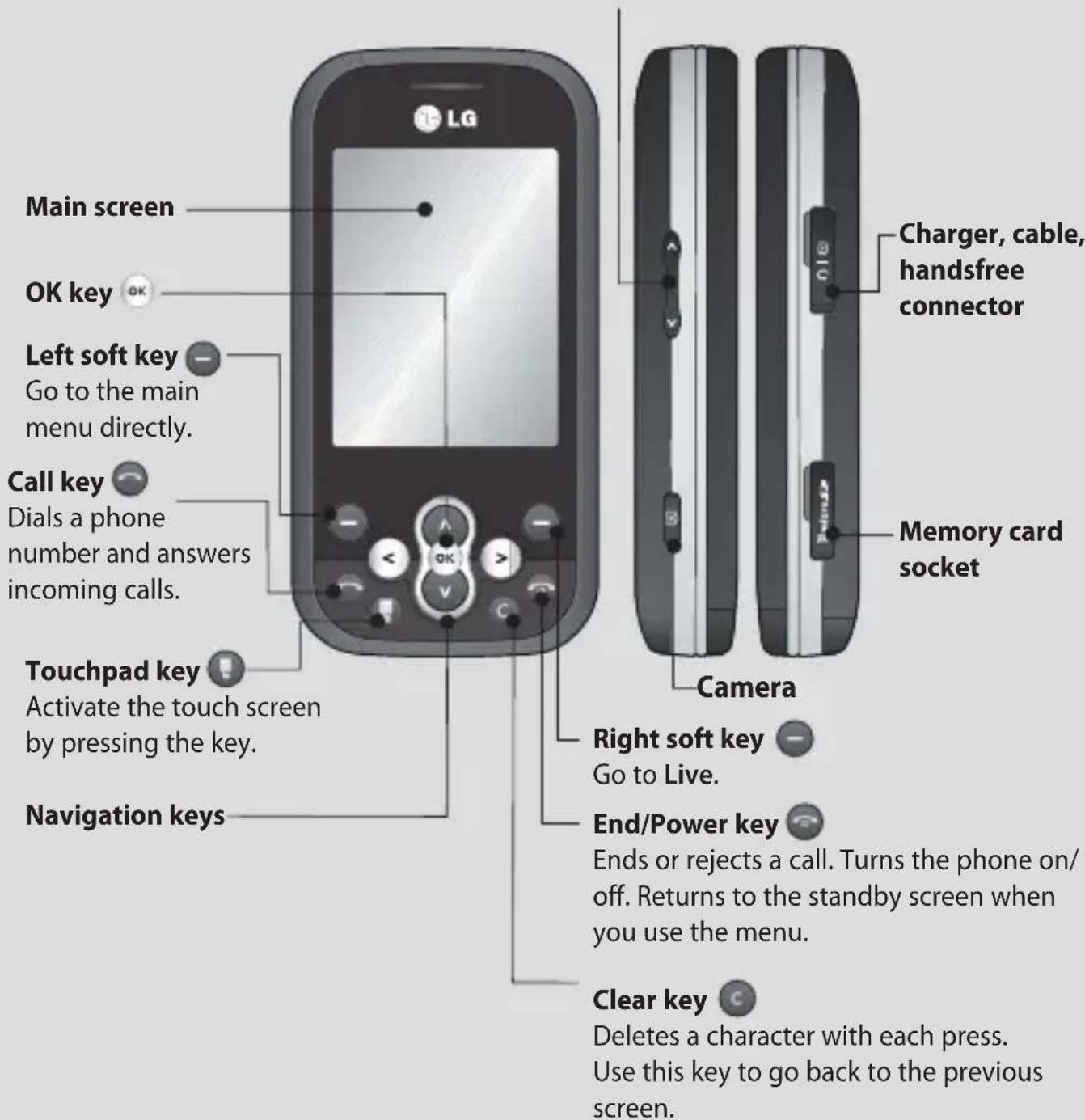
Getting to know your phone
Volume key
- Istandby mode: Controls the ring volume.
- During a call: Controls the receiver volume.
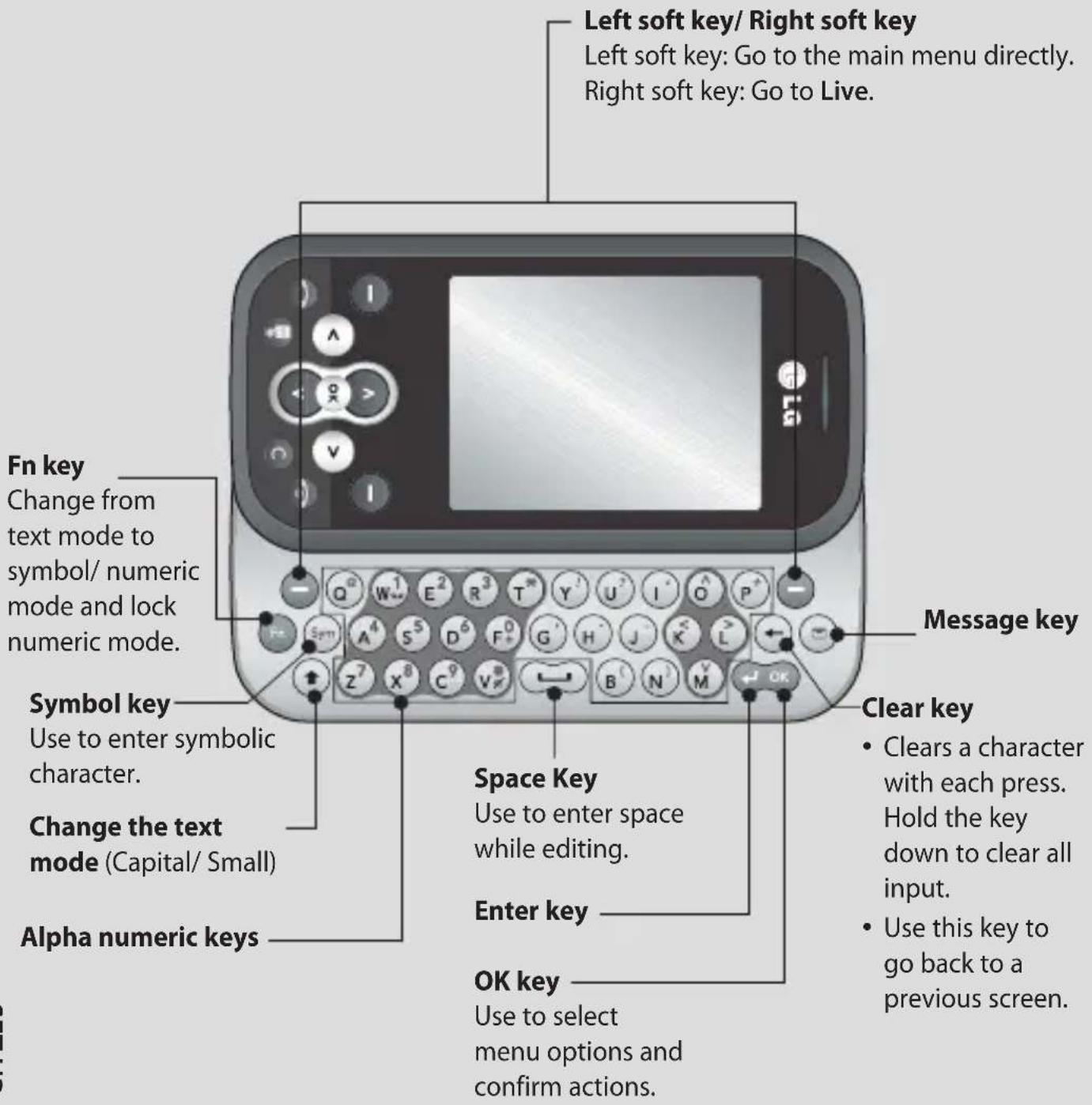
Open view
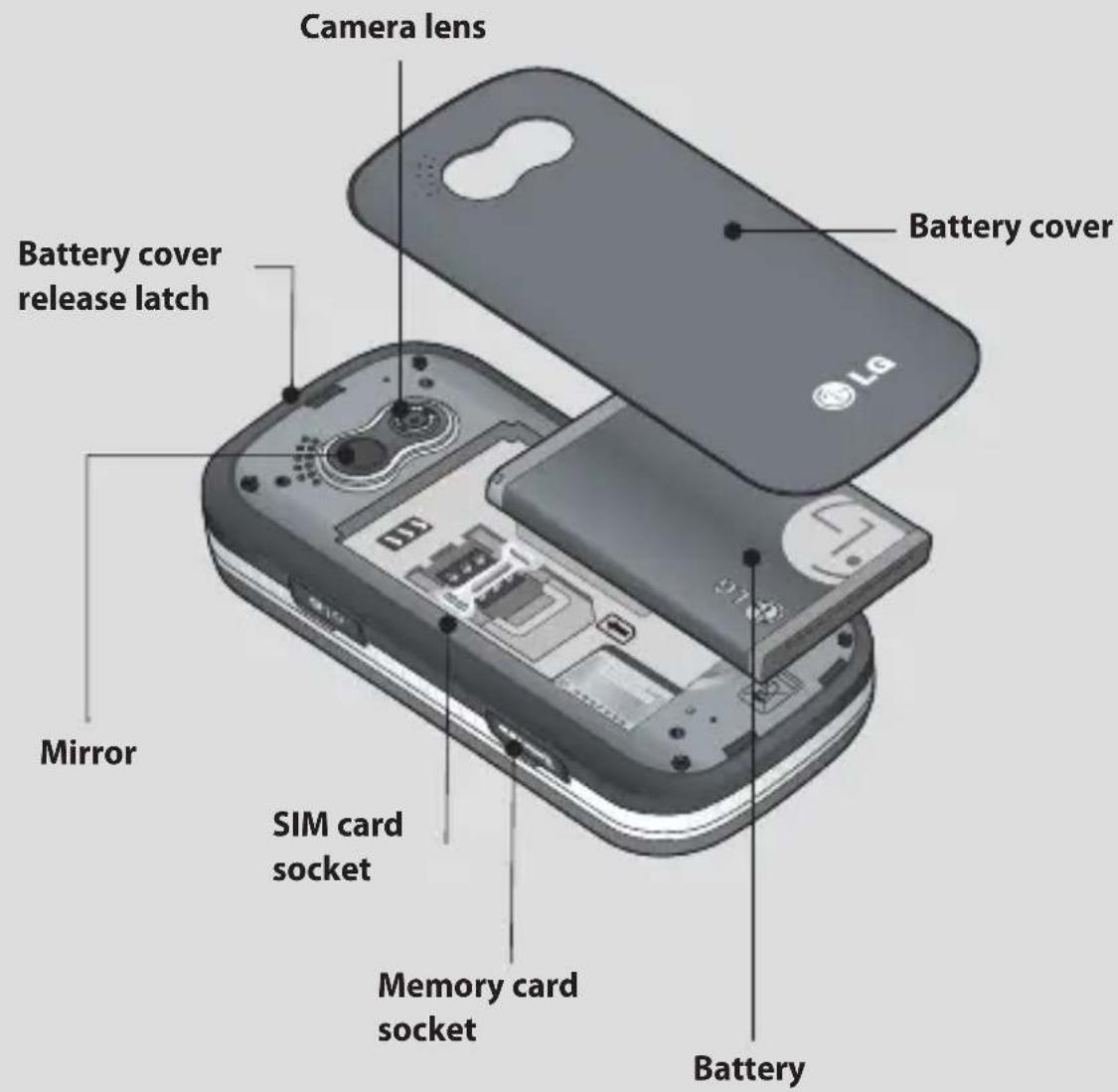
Installing the SIM and battery
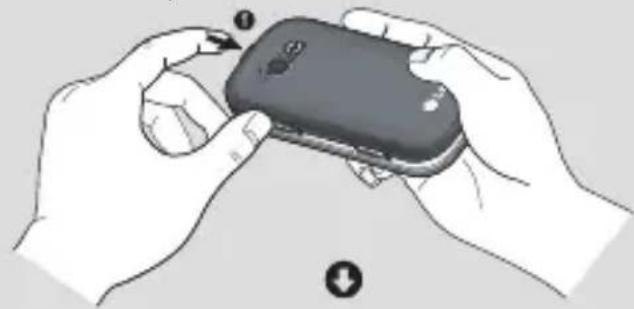
1 Remove the battery cover
Press the battery cover release latch. The battery cover should lift off easily.
natural_image
Illustration of two hands holding a flip phone, showing the device's grip and handle (no text or symbols present)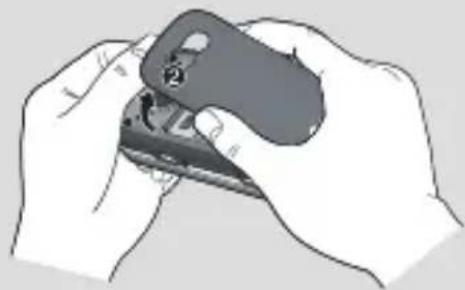
natural_image
Illustration of hands holding a small object with a dark handle, no visible text or symbols2 Remove the battery
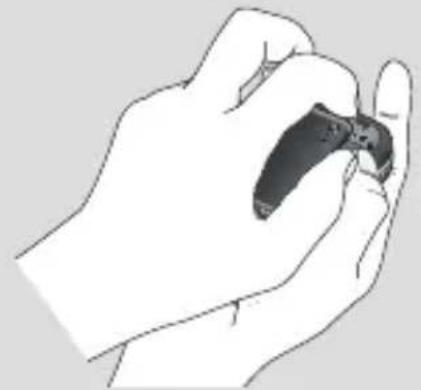
Lever the bottom edge of the battery and remove it carefully from the battery compartment.
natural_image
Illustration of a hand holding an object, possibly a pen or tool, with no visible text or symbols.WARNING: Do not remove the battery when the phone is switched on, as this may damage the phone.
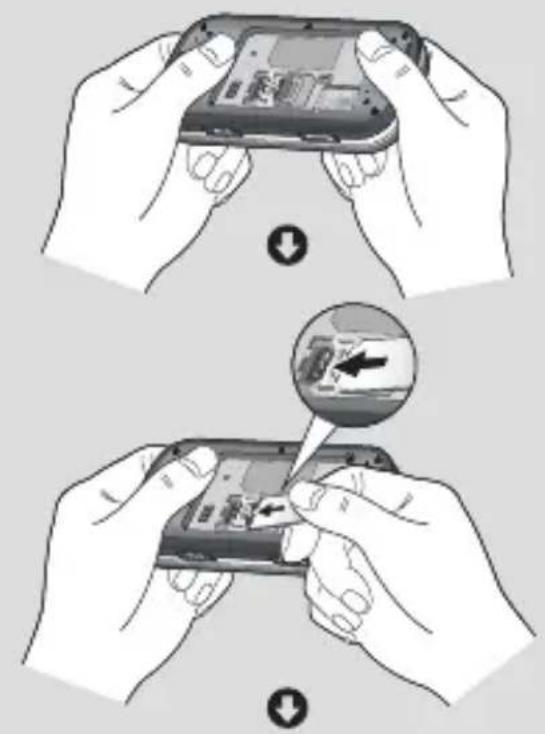
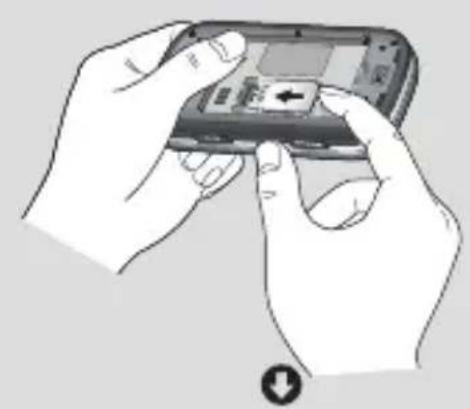
3 Install the SIM card
Slide the SIM card into the SIM card holder. Make sure that the gold contact area on the card is facing downwards. To remove the SIM card, push it out of the holder from the top.
WARNING: Do not insert the SIM card when the keyboard is open, as this may damage your phone and SIM card.
4 Install the battery
Insert the top of the battery first into the top edge of the battery compartment. Ensure the battery contacts align with the terminals on the phone. Press the bottom of the battery down until it clips into place.
natural_image
Illustration of hands holding a handheld device with a scroll inside (no text or symbols visible)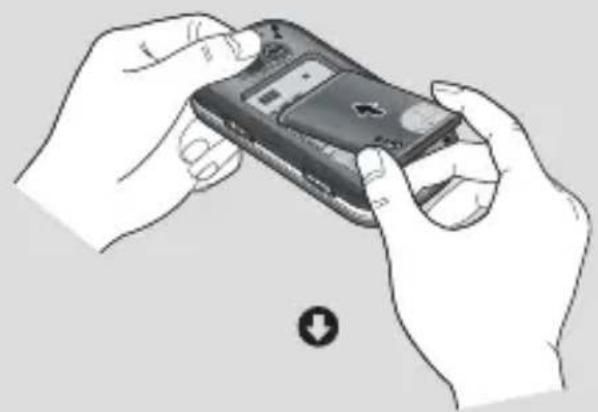
natural_image
Illustration of two hands holding a mobile phone with a close button (no text or symbols)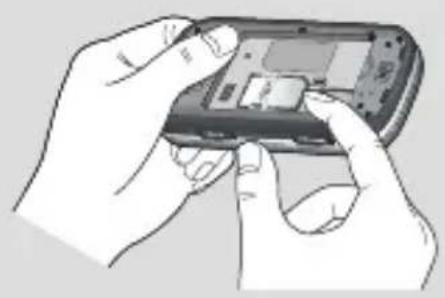
natural_image
Illustration of hands holding a handheld device (no text or symbols visible)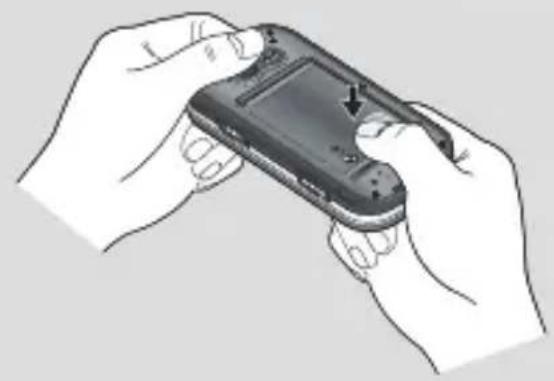
natural_image
Illustration of two hands holding a mobile phone with a screen and scroll (no text or symbols visible)Installing the SIM and battery
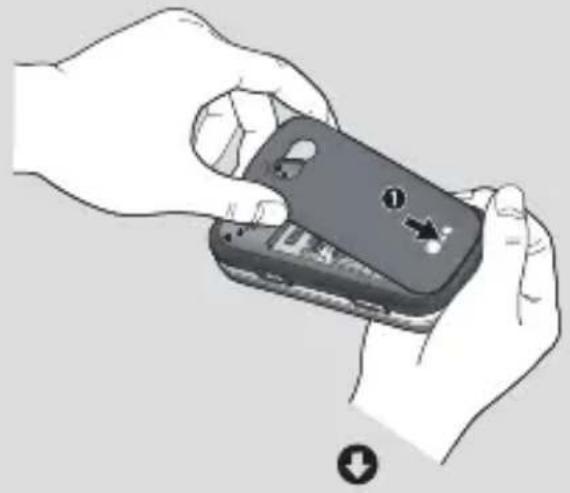
5 Replace the battery cover
Insert the bottom of the battery cover and push down until it clicks into place.
natural_image
Illustration of hands holding a mobile phone with a key inserted (no text or symbols visible)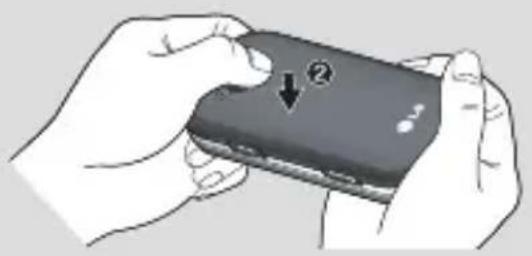
natural_image
Illustration of hands holding a smartphone with a finger pointing to the screen (no text or symbols visible)6 Charging your phone
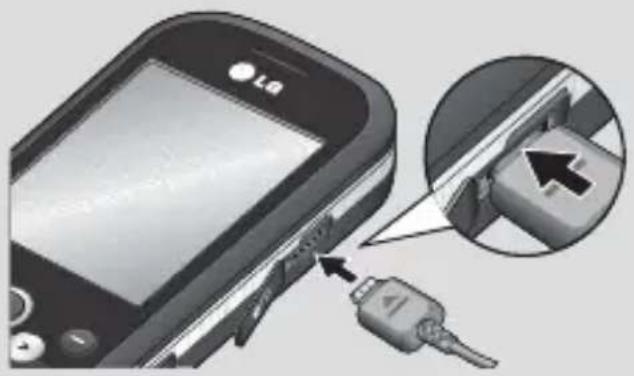
Pull open the cover of the charger socket on the side of your GT360. Insert the charger and plug into a mains electricity socket. Your GT360 will need to be charged until a message reading Fully Charged appears on screen.
WARNING: Do not charge the phone when it is on soft furnishings. The phone should be charged in a well ventilated area.
natural_image
Close-up of a LiD GPS device with a USB cable inserted, showing a close-up of its internal component (no text or symbols visible)Memory card
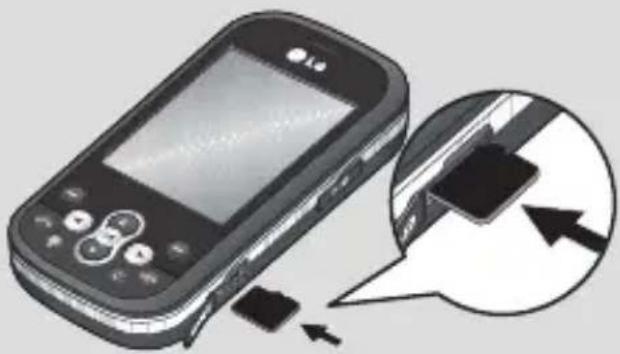
Installing a memory card
You can expand the memory space available on your phone using a memory card.
TIP! A memory card is an optional accessory.
Open the memory card socket. Slide the memory card into the socket cover, until it clicks into place. Make sure that the gold contact area is facing downwards.
natural_image
Illustration of a mobile phone with a speech bubble showing a device inside (no text or symbols present)Removing a memory card
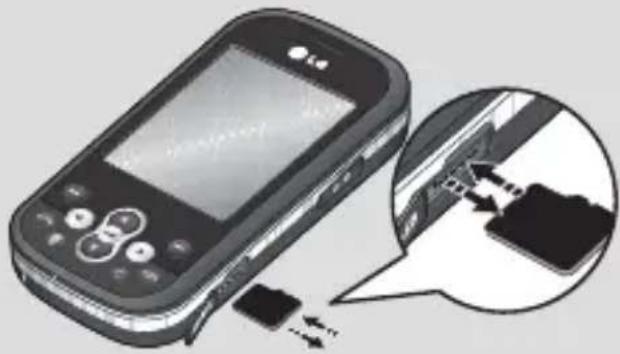
Open the cover and carefully remove the memory card by gently pushing it in to the phone and quickly releasing it, as shown in the following diagram:
natural_image
Illustration of a mobile phone with a speech bubble showing a device inside (no text or symbols present)Formatting a memory card
If your memory card is not already formatted, you will need to do so before you can begin using it.
1 From the standby screen press Menu and select Settings.
2 Choose Memory status and select External memory.
WARNING: When you format your memory card, all the content will be wiped. If you do not want to lose the data on your memory card, back it up first.
Menu map

Games & Apps
1 Games
2 Applications
3 Network profile

Call history
1 All calls
2 Missed calls
3 Dialled calls
4 Received calls
5 Call duration
6 Call costs
7 Data information

Contacts
1 Search
2 New contact
3 Speed dials
4 Groups
5 Copy all
6 Delete all
7 Settings
8 Information

Multimedia
1 MP3 player
2 Camera
3 Video camera
4 FM radio
5 Voice recorder

Messaging
1 New message
2 Inbox
3 Email box
4 Drafts
5 Outbox
6 Sent
7 Listen to voicemail
8 Info messages
9 Templates
0 Settings

Media album
1 Images
2 Sounds
3 Videos
4 Documents
5 Others
6 External memory

Profiles
1 General
2 Silent
3 Vibrate only
4 Outdoor
5 Headset

Organizer
1 Calendar
2 Memo

Tools
1 Alarm clock
2 Calculator
3 Stopwatch
4 Unit converter
5 World clock
6 SIM services

Live
1 Home
2 Yahoo!
3 Bookmarks
4 Enter address
5 History
6 Saved pages
7 Settings
8 Information

Connectivity
1 Bluetooth
2 Network
3 USB connection

Settings
1 Date & Time
2 Languages
3 Display
4 Shortcut
5 Call
6 Security
7 Flight mode
8 Power save
9 Reset
0 Memory status
Your standby screen
The status bar
The status bar uses various icons to indicate things like signal strength, new messages and battery life, as well as telling you whether your Bluetooth is active.
Below is a table explaining the meaning of some icons you're likely to see in the status bar.
Icon Description

Networksignalstrength (number of bars will vary)

No network signal

EDGE

Roaming service

Bluetooth ^® activated

WAP service is connected

Flight mode activated

An alarm is set

New message

Phone on call

New voice message

divert activated

General profile in use

Silent profile in use

Vibrate profile in use

Outdoor profile in use

Headset profile in use

Remaining battery life

Battery empty
Calls
Making a call
1 Make sure your phone is on.
2 The fastest way to make a call is to activate touch mode by pressing 📄. If you press this key, you can touch the screen to enter the phone number to call. Or, you can use the keypad after opening the slide. To delete a digit press 📄 or the back arrow.
3 Press to initiate the call.
4 To end the call, press or press End.
TIP! To enter + when making an international call, touch and hold 0.
Answering and rejecting a call
When your phone rings, press Accept or press 📞 to answer the call.
While your phone is ringing, press Silent to mute the ringing. This is great if you have forgotten to change your profile to Silent for a meeting.
Press 📄 or select Reject to reject the incoming call.
TIP! You can change the settings on your phone to answer your calls in different ways. Press Menu, select Settings and choose Call. Select Answer mode and choose from Slide open, Any key or Accept key only.
Making a call from your contacts
1 Select Contacts in the menu and choose Search.
2 Using the keypad, enter the first letter of the contact you want to call and scroll to the contact.
3 Press to initiate the call.
LG GT360 | User Guide
Adjusting the call volume
To adjust the volume during a call, press the volume key on the left side of your phone.
Speed dialling
You can assign a speed dial number to a contact you call frequently.
1 Press Menu and choose Contacts, then select Speed dials.
2 Your voicemail is set to speed dial 1 and you cannot change this. Select any other number either by using the navigation keys or by pressing the hard key number, select Edit.
3 Your address book will open. Select the contact you'd like to assign to that number using the navigation keys, then select OK.
To call a speed dial number, press and hold the assigned number until the contact appears on screen. The call will initiate automatically; there's no need to press 📞.
Viewing your call logs
Press Menu, select Call history.
Choose to view:
All calls - View a complete list of all your dialled, received and missed calls.
Missed calls - View a list of any calls you have missed.
Dialled calls - View a list of all the numbers you have called.
Received calls - View a list of all the numbers that have called you.
Call duration - View details of how long you have spent on your calls; received and dialled.
Call costs - View the charges applied to your Last call or All calls. This service is network dependent, some operators are unable to support this.
Data information - View the amount of all your received and sent data in bytes.
TIP! From any call log select Options and choose Delete to delete selected items.
TIP! Using the navigation keys, highlight any single call entry to view the date and time of the call. To view the call duration select View.
Calls
Using call divert
1 Press Menu, select Settings and choose Call.
2 Select Call divert.
3 Choose whether to divert all calls, when the line is busy, when there is no reply, when you are out of reach, all data calls or all fax calls.
4 Choose Activate and select whether to divert to voicemail, another number or your favorite number.
5 Enter your divert number or select Search to browse Contacts for your divert number.
Note: Charges are incurred for diverting calls. Please contact your network provider for details.
TIP! To turn off all call diverts, choose Cancel all from the Call divert menu.
Using call barring
1 Press Menu, select Settings and choose Call.
2 Select Call barring.
3 Choose any or all of the seven options:
All outgoing Outgoing international O/G international except home country All incoming Incoming when abroad Cancel all barrings Change password
4 Select Activate and enter the call barring password. Please check with your network operator for this service.
TIP! Select Fixed dial number from the Call menu to turn on and compile a list of numbers which can be called from your phone. You'll need your PIN2 code from your operator. When activated, only numbers included in the fixed dial list can be called from your phone.
Changing the call settings
1 Press Menu, select Settings and choose Call.
2 From here you can amend the settings for:
Call divert - Choose whether to divert your calls.
Call barring - Select which calls you would like to be barred.
Fixed dial number - Choose a list of numbers that can be called from your phone.
Answer mode - Choose whether to answer the phone using only the accept key, any key or by sliding your handset open.
Send my number - Choose whether your number will be displayed when you call someone.
Call waiting - Be alerted when you have a call waiting.
Minute minder - Select On to hear a tone every minute during a call.
Auto redial - Choose that the phone will automatically try to redial in the
case of failure to connect a call.
Select line - Choose line 1 or 2, if provided by your network. Please contact your network provider for details.
Send DTMF tones - DTMF allows you to use numerical commands to navigate menus within automated calls. Choose On or Off.
Contacts
Searching for a contact
1 Select Contacts from the main menu and choose Search.
2 Using the keypad or touchpad enter the first letter of the contact you want to call.
3 To scroll through the contacts and their different numbers use the navigation keys.
Adding a new contact
1 Select Contacts and choose New contact.
2 Choose whether to store your new contact on your Phone or SIM card.
3 Enter all the information you have in the fields provided and select Save.
Or, use a slightly quicker method...
1 Enter the number you wish to store and press Options.
2 Choose Save or Add to existing contact.
3 Enter the relevant information as above and select Save.
Contact options
There are many things you can do when viewing a contact. Here's how to access and use the Options menu:
1 Open the contact you'd like to use. See Searching for a contact above.
2 Select Options to open the list of options.
From here you can:
Edit - Change any of the contact's details.
New message - Send a message to the contact. If the contact has an email address, select whether you'd like to send a Message or Email.
Send via - Send the contact's details to another person as a business card. Choose to send as a Text message, Multimedia message, via Bluetooth or by Email.
Delete - Delete the contact. Select Yes if you are sure.
New contact - Add a new contact.
Multi delete - Mark multiple contacts to delete.
Copy to SIM/phone - Choose to
move or copy to the SIM card or phone (depending on where you originally saved the contact).
Adding a contact to a group
You can save your contacts into groups, for example, keeping your work colleagues and family separate. There are a number of groups including No group, Family, Friends, Colleague, VIP, Group 1 and Group 2 already set up on the phone.
1 Select Contacts and choose Groups.
2 Scroll to the group you wish to add a contact to and select View then select Add.
3 Your contacts will open. Scroll to any contacts you would like to add to the group and press ☑, then select Done.
4 Select Yes if you are sure.
TIP! You can assign a ringtone or icon to a group. Select the group you wish to assign the ringtone or icon to, select Options and choose the item you want.
Renaming a group
You can rename any of the groups to fit your lifestyle.
1 Select Contacts and choose Groups.
2 Select the group you want to rename.
3 Choose Options, select Rename and enter your new group name.
4 Select Save.
Note: You can only assign a contact to a group or add a picture to a contact that is saved in your phone (not SIM) memory.
Adding a picture to a contact
You can change the appearance of your contacts in your address book to include a picture.
1 Select Contacts and choose Settings.
2 Select View options and choose With picture.
3 Then return to the address book and select the contact you want to add a picture to.
Contacts
4 Choose Options and select Edit.
5 Scroll down to the Photo section. Choose Options and select Images or New image. If you select Images, you can choose an image that is saved in your phone memory. If you select New image, your camera viewfinder will open, so you can take a picture of your contact. Take the picture then press Set.
6 Select Save.
Copying your contacts to your SIM
You can also choose to copy your contacts from your SIM to your handset or from your handset to your SIM.
1 Select Contacts and choose Copy All.
2 Select to copy the contacts from SIM to phone or Phone to SIM.
3 Choose whether to Keep original or Delete original.
4 Select Yes if you are sure.
Deleting all your contacts
1 Select Contacts and choose Delete all.
2 Select to delete contacts from SIM or Phone.
3 Select Yes if you are sure.
4 Enter the password, which is set to 0000 as default, and select OK.
Viewing information
Select Contacts and choose Information. From here you can view your Service dial numbers, your Own number and your Business card.
TIP! If you haven't yet created a business card, the Business card screen will give you the option to create one. Select New and enter your details as you would for any contact. Choose Save.
Messaging
Messaging
Your GT360 includes functions related to SMS (Short Message Service), MMS (Multimedia Message Service) and email, as well as the network's service messages. Simply press Menu and select Messaging.
Sending a message
1 Press Menu, select Messaging and choose New message. Or, a quicker way is to press 📧 on the keypad when the slide is open.
2 Choose Message to send an SMS or MMS. (If you want to send an Email see section Sending an email using your new account or if you want to send something using Bluetooth, see section Sending and receiving your files using Bluetooth).
3 A new message editor will open. Message editor combines SMS and MMS into one intuitive and easy to switch between mode. The default setting of the message editor is SMS mode.
4 Enter your message using the keypad. See section Entering text for more information on how to enter text.
5 Select Options and choose Insert to add an Image, Sound, Video, Symbol, Text template, Name & Number, New slide, Subject or More (Contact/My business card/Schedule).
6 Choose Send to.
7 Enter the phone number or press Options and select Contacts or Recent list to open your contacts list. You can add multiple contacts.
8 Select Send.
WARNING: If an Image, Sound, Video, New slide or Subject is added to the message editor, it will be automatically converted to MMS mode and you will be charged accordingly.
Messaging
Entering text
You can enter alphanumeric characters using the phone's keypad. For example, storing names in Contacts, writing a message and creating scheduling events in the calendar all require entering text. The following text input methods are available in the phone: Abc manual mode and 123 mode.
Note: Some fields may allow only one text input mode (e.g. telephone number in address book fields).
To input a symbol in the text entry field, press the 📂 key and select a symbol, then select OK. Scroll using the navigation keys to show more symbol options.
Complete each word with a space by pressing 🔊.
To delete a character, press ⏻ key.
Text input mode using the keypad
When you are required to enter text, for example when writing a message, the keypad will default to Abc mode. If you are entering a number, for
example when making call, the keypad number keys will default to numbers.
In Abc mode you can enter numbers by first pressing 📁 and then the number you require.
Setting up your email
You can stay in touch on the move using email on your GT360. It's quick and simple to set up a POP3 or IMAP4 email account.
1 Press Menu, select Messaging and choose Settings.
2 Select Email then Email account.
3 Select New.
4 You can choose from Yahoo, Gmail, MSN or Other.
Sending an email using your new account
To send/receive an email, you should set up an email account (see above).
1 PresMenu, select Messaging and choose New message.
2 Choose Email and a new email will open.
3 Write a subject then press OK.
4 Enter your message using the keypad.
5 Select Options and choose Insert to add a Symbol, Text template or Name & Number.
6 Press Send to and enter the recipient's address or press Options and select Contacts to open your contacts list.
7 Press Send and your email will be sent.
Message folders
Press Menu, select Messaging. The folder structure used on your GT360 is fairly self-explanatory.
Inbox - All the messages you receive are placed into your Inbox. From here you can reply, forward and more, see below for details.
Email box - Contains all your email messages. Select the account you want to use then select Retrieve. Your GT360 will connect to your email account and retrieve your new messages.
Drafts - If you don't have time to finish writing a message, you can save what you have done so far here.
Outbox - This is a temporary storage folder while messages are being sent.
Sent - All the messages you send are placed into your Sent folder.
Listen to voicemail - You can access your voicemail box (if provided by your network). When a new voice message is received, the symbol will be displayed on the standby screen.
Info messages - All info messages and updates received from your operator.
Templates - A list of useful messages, already written for a quick reply.
Managing your messages
You can use your Inbox to manage your messages.
1 Press Menu, select Messaging and choose Inbox.
2 Select Options and then choose to:
Delete - Delete the selected
Messaging
message.
Reply - Send a reply to the selected message.
Forward - Send the selected message on to another person.
Return call - Call the person who sent you the message.
Threaded view/General view
- Choose the way messages are displayed in your inbox.
Information - View the details of a message, for example, the time it was sent.
Copy/Move - Choose to copy or move the selected message to the SIM card or phone.
Multi delete - Delete selected messages.
Delete all read - All opened messages will be deleted.
Delete all - Delete text messages, multimedia messages or all messages.
If you see the message No space for SIM message, you should delete some messages from your inbox.
If you see the message No space for messages, you can delete either messages or saved files to create space.
Using templates
You can create templates for the Text and Multimedia messages you send most frequently. There are some templates already on your phone, which can be edited if you wish.
1 Press Menu, select Messaging and choose Templates.
2 Choose Text or Multimedia. You can then select Options and choose Edit to change existing templates, New template to add a new one or Delete to eliminate a template.
3 To send a template, select the one you want to send, choose Options and select Send via.
4 Choose how you would like to send the template, as a Message, Bluetooth message or Email.
5 Choose a contact and select Send.
Changing your text message settings
Your GT360 message settings are pre-defined so that you can send messages immediately.
If you would like to change the settings, you can do this using the Settings options.
Press Menu, select Messaging, then choose Settings and Text message. You can make changes to:
Message type - Convert your text into Voice, Fax, Paging, X.400, Email or ERMES.
Validity period - Choose how long your message is stored at the message centre.
Delivery report - Choose to receive confirmation that your message was delivered.
Reply charging - Choose to be billed for your message recipient's reply.
Message centre number - Enter the details for your message centre.
Character encoding - Choose how your characters are encoded. This impacts the size of your message and therefore data charges.
Send long text as - Choose whether to send your message as SMS or MMS when you enter a text longer than 2 pages in the message field.
Bearer setting - Choose whether to send your messages via GSM or GPRS.
Changing your multimedia message settings
Your GT360 message settings are pre-defined so that you can send messages immediately.
If you would like to change the settings, you can do so using the Settings options.
Press Menu, select Messaging, then choose Settings and Multimedia message.
You can make changes to:
Slide duration - Choose how long your slides appear on screen.
Priority - Choose the priority level of your multimedia message.
Messaging
Validity period - Choose how long your message is stored at the message centre.
Delivery report - Choose to allow and/or request a delivery report.
Read report - Choose to allow and/or request a read report.
Auto download - Choose to automatically or manually download multimedia messages depending on whether you are at home or roaming.
Network profile - Select an operator specific network profile for sending multimedia messages.
Permitted message type - Select which type of multimedia messages to allow.
Changing your email settings
You can adapt your email settings to your own preferences.
1 Press Menu, select Messaging and choose Settings.
2 Select Email then you can adapt the following settings:
Email account - You can set up an
email account.
Access point - You can set the email access point.
Retrieve interval - Choose how often your GT360 checks for new email messages.
Signature - Create an email signature and switch this feature on.
Changing your other settings
Press Menu, select Messaging, choose Settings then:
Voicemail number - Your voicemail number is stored here. Contact your network operator for more information on the service they provide.
Service message - Change your service message settings.
Info message - Choose the reception status, alerts and language of your info messages.
Save text message - Choose whether to save your text messages to the phone memory or to the external memory.
Multimedia
Taking a quick photo
1 Hold the camera key down on the left side of the handset. The camera viewfinder will appear on screen.
2 Holding the phone horizontally, point the lens towards the subject of the photo.
3 Position the phone so you can see the subject of your photo.
4 Pressor press the camera key all the way down to take a photo.
Note: You can also access the camera menu from the standby screen. Press Menu and select Multimedia. Select Camera to open the viewfinder.
Before you've taken your photo
Press to access these options:
Self timer - The self-timer allows you to set a delay after the capture button is pressed. Choose from 3 seconds, 5 seconds or 10 seconds. Great for that group photo you want to be part of.
Multi shot - This enables you to take up to 9 shots automatically in very quick succession, great for taking photos of moving objects or at sporting events.
White balance - The white balance ensures that any white in your photo is realistic. In order for your camera to correctly adjust the white balance you may need to determine the light conditions. Choose from Auto, Daylight, Incandescent, Cloudy, Fluorescent or Night mode.
Colour effect - Choose from four colour tone options: Off (normal/colour), Sepia, Mono (black and white) or Negative.
EV - Turn macro mode on if you are taking a picture very close to the image subject.
Multimedia
After you've taken your photo
Your captured photo will appear on the screen. The name of the image runs along the bottom of the screen and you will see six options displayed on the left side of the screen.
OK - Select to confirm the function chosen.

New image - Take another photo
straightaway. Your current photo will be saved.

Set as - Select to open a sub
menu to set your image as Wallpaper or Picture ID.

Send via - Select to send the
photo as a Multimedia message, Bluetooth or Email. See section Sending a message.

Album - Select to look at the
other photos in your album. Your current photo will be saved. See section Viewing your saved photos.
Delete - Delete the photo you have just taken and confirm by selecting Yes. The viewfinder will reappear.
Using the quick settings
Select Options to access the quick settings options. These include various options for taking photos.
Video camera - Convert from camera mode to video camera mode.
Display - Choose Standard or Clean mode.
Resolution - See section Changing the image size.
Quality - Choose between Normal, Fine and Super fine. The finer the quality, the sharper a photo will be. The file size will increase as a result, which means you will be able to store fewer photos in your memory.
Shutter tone - Select one of the three shutter sounds.
Save to - Choose whether to save your photos to the phone memory or to the external memory.
Reset settings - Choose Yes to reset your phone to the original camera settings.
Changing the image size
You can change the size of the photo to save memory space. The more pixels, the larger the file size, which in turn means they take up more of your memory. If you want to fit more pictures on your phone you can alter the pixel number to make the file size smaller.
1 Press Options and select Resolution from the toolbar.
2 Select a pixel value from the four numerical options (320x240, 640x480, 1280x960, 1600x1200).
3 Press OK to implement your changes.
Viewing your saved photos
1 You can access your saved photos from within the camera mode and from the standby screen. From the viewfinder, simply press Album. From the standby screen you should press Menu, then select Media album and Images.
2 Your gallery will appear on screen.
3 Use the navigation keys to select the photo you want to view and select
View to enlarge it.
Setting a photo as Wallpaper or Picture ID
From your image gallery, use the navigation keys to select an image and choose Options and Set as to use the selected image as Wallpaper or Picture ID for one of your contacts. When you set the photo as Picture ID you can choose which part of the photo to use.
Note: Picture ID can only be added to contacts saved to your phone, not your SIM.
Multimedia
Shooting a quick video
1 Quickly press the camera key on the left side of the handset.
2 Choose Options and Video camera.
3 Point the camera lens towards the subject of the video.
4 Press the camera key on the left side of the handset to start recording.
5 REC will appear in the bottom right corner of the viewfinder and a timer will show the length of your video.
6 To pause the video select Pause and resume by selecting Resume.
7 Select Stop to stop recording.
Note: You can also access the Video camera from the standby screen. Press Menu and select Multimedia, scroll down and select Video camera to open the viewfinder.
After you've shot your video
The name of the video runs along the bottom of the screen and six options will be displayed on the left side of the screen.
OK - Select to confirm the function chosen.

New video - Select to shoot her video straight away. Your content video will be saved.

Play - Select to play the video have just recorded.

Send via - Select to send the to as a Multimedia message, tooth or Email. See section ling a message.

Album - Select to look at the or video clips in your album. Your ent video clip will be saved. See on Watching your saved videos.
Delete - Delete the video you have just recorded and confirm by selecting Yes. The viewfinder will reappear.
Getting to know the viewfinder
Note: You can adjust the zoom using the volume keys on the left side of the phone.
Using the quick settings
Select Options to access the quick settings options. These include various options for recording videos.
Camera - Convert from video camera mode to still camera mode.
Display - Choose Standard or Clean mode.
Resolution - If you want to fit more videos on your phone you can alter the pixel number to make the file size smaller. Choose between two options for your video, 176x144 or 320x240.
Quality - Choose Super fine, Fine or Normal.
Save to - Choose whether to save your video clip to the phone memory or to an external memory.
Reset settings - Choose Yes to reset your phone to the original video
camera settings.
Watching your saved videos
1 You can access your saved videos either from within video camera mode or from the standby screen. From the viewfinder select Album. From the standby screen you should press Menu, then select Media album and Videos.
2 Your gallery will appear on screen.
3 Use the navigation keys to select the video you want to view and press to watch it.
Adjusting the volume when viewing a video
To adjust the volume of the audio on a video whilst it is playing, use the volume keys on the left side of the handset. The volume level is shown below the video, on the left hand side.
Multimedia
MP3 player
Your LG GT360 has a built-in MP3 player so you can play all your favourite music.
To access the MP3 player, press Menu and select Multimedia then MP3 player. From here you have access to:
All songs - Contains all of the songs you have on your phone.
My playlist - Contains any playlists you have created as well as On the go, Recent songs and Favorite songs.
Settings - Adjust your music settings.
Transferring music onto your phone
The easiest way to transfer music onto your phone is via Bluetooth or your sync cable. To transfer using Bluetooth:
1 Make sure both devices have Bluetooth switched on and are visible to one another.
2 Select the music file on the other device and choose to send it via Bluetooth.
3 When the file is sent you will have to
LG GT360 | User Guide
accept it on your phone by selecting Yes.
4 The file should appear in All songs.
Playing a song
1 Press Menu and select Multimedia, then choose MP3 player.
2 Choose All songs then select the song you want to play. Select ,ok
3 Select to pause the song.
4 Select to skip to the next song.
5 Select to skip to the previous song.
6 Select to stop the music and return to the MP3 player menu.
TIP! To change the volume while listening to music, use the volume keys on the left side of your phone, or the up and down navigation keys.
Using options while playing music
Select Options and choose from:
Minimize - Hide the music player screen so that you can continue using your phone as normal while music is playing.
View playlist - Look at the playlist you are currently listening to.
Search - Search for a track from the list of songs on your phone.
Add to playlist - Adds the current track to a playlist.
Set as - Set the current track as your Message tone.
Information - You can view information about the music file you are listening to.
Settings - Change the shuffle, play mode or equalizer settings.
Creating a playlist
You can create your own playlists by choosing a selection of songs from the All songs folder.
1 Press Menu and select Multimedia.
2 Choose MP3 player, then select My playlist.
3 Press New, enter the playlist name and press Save.
4 The New playlist folder will show. Select all of the songs that you would like to include in your playlist by scrolling to them and selecting

5 Select Save to store the playlist.
Playing a playlist
1 Press Menu and select Multimedia.
2 Choose MP3 player, then select My playlist.
3 Select the playlist you would like to play and select View, then select OK
Editing a playlist
From time to time, you may want to add new songs or delete songs from a playlist.
If you want to organise your playlists, you can edit them using the Options menu.
1 Press Menu and select Multimedia.
2 Choose MP3 player, then select My playlist.
3 Scroll to the playlist you want to edit and select View, then select Options. Choose from:
Play - You can play the selected music.
Multimedia
Add - You can add songs to the playlist using this option.
Remove - Remove a song from the playlist. Select Yes to confirm.
Move up/Move down - Move the song up or down the list to change the playing order.
Multi delete - Select and delete songs from the playlist.
Remove all - Remove all of the songs from the playlist.
Information - View the playlist information.
Deleting a playlist
1 Press Menu and select Multimedia.
2 Choose MP3 player, then select My playlist.
3 Scroll to the playlist you want to delete and select Options.
4 Select Remove all and select Yes to confirm.
Note:
As a result of the Digital Rights Management (DRM) system, some of the media items you download
LG GT360 | User Guide
from the Internet or receive by MMS may have a “Purchase right” menu to access them. You can acquire the key to purchase the right from the website which owns the rights to the contents.
Music is copyright protected in international treaties and national copyright laws. It may be necessary to obtain permission or a licence to reproduce or copy music. In some countries national law prohibits private copying of copyrighted material. Please check the national legislation of the applicable country concerning the use of such material.
Using the FM radio
Your LG GT360 has an FM radio feature so you can tune in to your favourite stations to listen on the move.
Note: You will need to insert your headset in order to listen to the radio. Insert the plug into the headset socket (this is the same socket that you plug your charger into).
Searching for stations
You can tune radio stations into your phone by searching for them either manually or automatically. They will then be saved to specific channel numbers so you don't have to keep re-tuning. You can save up to 12 channels in your phone.
To auto tune:
1 Press Menu and select Multimedia, then choose FM radio.
2 Select Options and choose Auto scan then select Yes.
3 Each time a station is found, your GT360 will ask if you want to save it. Select Yes if you want to store the channel and No if you don't. Any stations you choose to save will automatically be allocated to a channel number in your phone.
To manually tune:
1 Press Menu and select Multimedia, then choose FM radio.
2 Select a channel number that you want to save a station to and choose Edit.
3 To enter your station, use the navigation keys to search or enter
the frequency using the keypad, then select Save.
Note: You can also edit the stations you have saved in a channel number.
TIP! To improve the reception extend the headset cord, which functions as the radio antenna.
Resetting channels
1 Press Menu and select Multimedia, then choose FM radio.
2 Select Options and select Reset channels. Choose Yes to confirm the reset. Each channel will return to the starting 87.5Mhz frequency.
Listening to the radio
1 Press Menu and select Multimedia, then choose FM radio.
2 Select the channel number of the station you would like to listen to.
Note: You can listen to the radio via a built-in speaker. Press Options, select Listen via and choose Speaker.
Multimedia
Using the voice recorder
Use your Voice recorder to record voice memos or other sounds.
Recording your voice memo
1 Press Menu and select Multimedia, then choose Voice recorder.
2 Press to begin recording.
3 Select Pause to pause the recording.
4 Choose Stop to end the recording.
5 Select ^OK to listen to the recording.
Note: You can listen to all of the voice recordings you have saved by selecting Album.
Sending a voice recording
1 Once you have finished recording, select Options.
2 Select Send via and choose from Multimedia message, Bluetooth or Email. If you choose Message or Email, the recording will be added to the message and you can write and send it as normal. If you choose Bluetooth, you will be prompted to turn Bluetooth on.
TIP! If you plan to send your recording as a message, before you start recording, select Options, select Recording mode and choose MMS. This will ensure that the recording fits into a message.
Media album
You can store any multimedia files in your phone memory so that you have easy access to all of your pictures, sounds, videos and games. You can also save your files to a memory card. The advantage of using a memory card is that you can free up space on your phone memory.
All your multimedia files will be saved in Media album. Press Menu, then select Media album to open a list of folders.
Images
Images contains a folder of default images and default flash files pre-loaded onto your phone, images downloaded by you and images taken on your phone camera.
Images options menu
The options which are available to you in Images depend on what type of image you have selected. All of the options will be available for pictures you have taken on the phone's camera.
In the Images folder, select Options to bring up your list of options.
Delete - Delete the selected image. Set as - Set the selected image as your Wallpaper or as a Picture ID.
Send via - Send the selected image to a friend via Multimedia message, Bluetooth or Email.
Note: The image may need to be resized before it can be sent by MMS.
File - Edit image, Rename, Make animation or view the Information (Name, Size, Date and others) of the selected image. If you have an external memory card inserted, two additional options will show: Move to external memory and Copy to external memory.
Print via - Print an image file via Bluetooth or Pictbridge.
Slide show - Watch a slide show of your images. See Creating a slide show for more information.
New folder - Create a new folder within the main images folder.
Mark/Unmark - Select more than one image to delete.
Delete all - Delete all the photos in your images folder.
Sort by - Arrange your images by Date, Type or Name.
Media album
View style - Change the way you view your photos.
Sending a photo
1 Press Menu then select Media album.
2 Select Images.
3 Select a photo and choose Options.
4 Select Send via and choose from Multimedia message, Bluetooth or Email.
5 If you choose Multimedia message or Email, your photo will be attached to the message and you can write and send the message as normal. If you choose Bluetooth, you will be prompted to turn Bluetooth on and your phone will search for a device to send the picture to.
Organising your images
1 Press Menu then select Media album.
2 Select Images.
3 Choose Options then select Sort by.
LG GT360 | User Guide
4 Choose from Date, Type or Name.
Deleting an image
1 PresMenu, then select Media album.
2 Select Images.
3 Select an image and press Options.
4 Select Delete and confirm by pressing Yes.
Deleting multiple images
1 Press Menu then select Media album.
2 Select Images.
3 Choose Options and select Mark/Unmark and Delete.
4 A box will appear next to each image. Select ☑ to mark each image. To unmark an image, select ☑ again so that the tick disappears from the box. Or, you can select Options then choose Mark all or Unmark all.
5 Once you have marked all of the appropriate boxes, select Done and confirm you want to delete all of the marked images.
Creating a slide show
If you want to look at all of the images on your phone or scan through what you've got, you can create a slide show to save you from having to open and close each individual image.
1 Press Menu then select Media album.
2 Select Images.
3 Select the photo you would like to begin the slide show and select Options.
4 Choose Slide show and it will begin.
5 Press Pause to pause the slide show and Quit to end the slide show and return to the images folder.
During the slide show, press Options, select View to choose between Full image and Full screen. Select Landscape to change the orientation of the image.
Sounds
The Sounds folder contains the Default sounds, your voice recordings and sound files downloaded by you.
From here you can manage, send or set sounds as ringtones.
Using a sound
1 Press Menu then select Media album.
2 Scroll to and select Sounds.
3 Select Default sounds or choose from the list of voice recording files.
4 Select a sound and press to listen to it.
5 Select Options, select Set as and choose from Ringtone, Ringtone ID and Message tone.
Videos
The Videos folder shows the list of downloaded videos and videos you have recorded on your phone.
Watching a video
1 Press Menu then select Media album.
2 Scroll to and select Videos.
3 Select a video and press OK.
Media album
Using options while video is paused
By selecting Options, the video you are playing will be in pause mode and you can choose from:
Delete - Delete the video.
Send via - Send the video to a friend via Multimedia message, Bluetooth or Email.
Information - View the Name, Size, Date, Time, Type and Copyright details of the selected file.
Sending a video clip
1 Press Menu then select Media album.
2 Scroll to and select Videos.
3 Select the video clip you want and press Options.
4 Press Send via and choose from Multimedia message, Bluetooth or Email.
5 If you choose Message or Email, your video clip will be attached to the message and you can write and send the message as normal. If you choose Bluetooth, you will be
LG GT360 | User Guide
prompted to turn Bluetooth on and your phone will search for a device to send the video to.
Note: The video may need to be resized before it can be sent by MMS. Some videos may be too large to send by MMS at all.
Video options menu
In the Videos folder highlight a video and press Options to bring up the following list of options.
Delete - Delete the selected video.
Send via - Send the selected video to a friend via Multimedia message, Email or Bluetooth.
File - Rename the video or view the information (Name, Size, Date, Time, Type and Copyright).
If you have an external memory card inserted two additional options will show: Move to external memory and Copy to external memory.
New folder - Create a new folder within the main Videos folder.
Mark/Unmark - Select more than one video clip before selecting Delete.
Delete all - Delete all the clips in your Videos folder.
Sort by - Arrange your videos by Date, Type or Name.
Auto next play - Allows to set the play mode: Off, Repeat once and Repeat all.
- Off: Plays the selected file.
- Repeat once: Plays all files in a list once.
- Repeat all: Continues to play all files in a list repeatedly.
List view / Thumbnail view - Change the way you view your videos.
Viewing a document
1 Press Menu then select Media album.
2 Select Documents.
3 Select a document and press View.
Others
From the Others menu, you can view the files which are not saved in the Images, Sounds, Videos or Documents folders.
External memory
If you've inserted a memory card it will be displayed as a folder within Media album. Your external memory folder will be divided into five further folders: Images, Sounds, Videos, Documents and Others. Each folder will contain all the files of that type which are saved to your memory card rather than your handset.
Games and Applications
Games and Applications
Your GT360 comes with a preloaded game to keep you amused when you have time to spare. If you choose to download any additional games or applications they will be saved into this folder.
Playing a game
1 Press Menu and select Games & Apps and then Games.
2 Press Play.
You can also download games from site, and then enjoy it.
Note: An additional cost is incurred when connecting to this service. Check your data charges with your network provider.
Viewing applications
You can manage the Java applications installed in your phone by using the
Applications menu. You can also delete downloaded applications.
1 Press Menu and select Games & Apps and then Applications.
LG GT360 | User Guide
2 View and manage any applications you have.
Changing the network profile
To download a game, you can set the value to connect to the network using
Network profile.
1 Press Menu and select Games & Apps and then Network profile.
2 You can add and edit a new network profile.
Organizer & Tools
Adding an event to your calendar
1 From the standby screen press Menu and select Organizer, then Calendar.
2 Select the date you would like to add an event to. You can choose a date either by scrolling to it using the navigation keys or by selecting Options and Go to date in order to enter a date.
3 Select New schedule and scroll down to enter the time you would like your event to begin. Scroll down and enter the end time of your event.
4 Set an Alarm for the event. Scroll left or right to see the available options. You can set the alarm to go off at the starting time of the event or at a set period of time before the event starts to remind you the event is coming up.
5 Scroll down and enter a Subject for the event. Use the keypad to type letters and numbers.
6 Select whether the event is
occurring Once or repeated at Daily, Weekly, Monthly or Yearly intervals. If the event is repeated, you can also scroll down to enter an Expiration date for when the events will stop completely.
7 Select Save and your event will be saved in the calendar. A square cursor will mark the days of any saved events.
Editing a calendar event
1 From the standby screen press Menu and select Organizer, then Calendar.
2 Choose Options and select All schedules to see a list of all your events. Scroll to the event you would like to edit and select View. Alternatively select the day of the event in the calendar and select View.
3 Select Edit and scroll to the event detail you want to change. Make your modifications and select Save to store the edited event.
Note: You can delete an event from your calendar by selecting to view the
Organizer & Tools
event and then pressing Options and Delete.
Sharing a calendar event
1 From the standby screen press Menu and select Organizer, then Calendar.
2 Select the event you would like to share and choose Options.
3 Choose Send via and select from Text message, Multimedia message, Bluetooth or Email.
Adding a memo
1 From the standby screen press Menu and select Organizer, then Memo.
2 Select New and type your memo.
3 Select Options then Save.
4 Your memo will appear on screen the next time you open the memo application.
TIP! You can edit an existing memo. Select the one you want to edit, press Options and select Edit.
Setting your alarm
1 From the standby screen press Menu and select Tools, then Alarm clock.
2 Select New.
3 Scroll down and enter the time you would like the alarm to sound at.
4 Choose the repeat type to indicate whether you would like your alarm to sound Once, Daily, Mon - Fri, Mon - Sat, Sat - Sun, or Choose weekday.
5 Scroll down and choose whether you would like the alarm to Always sound, Always vibrate or Follow profile.
6 Scroll down to choose the alarm tone. Choose Sounds to select a new sound.
7 Scroll down and enter a name for the alarm or keep the suggested name.
8 Select Save.
Note: You can set up to 5 alarms.
Using your calculator
1 From the standby screen press Menu and select Tools, then Calculator.
2 Press the numeric keys to input numbers.
3 For simple calculations, select the function you require (+,-,×,÷) , followed by =.
4 For more complex calculations, select Function to select a command.
5 Select Clear to clear the screen and start a new calculation.
Using the stopwatch
1 From the standby screen press Menu and select Tools, then Stopwatch.
2 Select Start to begin the timer.
3 Choose Lap if want to record a lap time. Up to 20 lap times can be saved.
4 Select Stop to end the timer.
5 Choose Resume to restart the stopwatch at the time you stopped it at or select Reset to return to zero.
Converting a unit
1 From the standby screen press Menu and select Tools, then Unit converter.
2 Choose whether you would like to convert Currency, Area, Length, Weight, Temperature, Volume or Velocity.
3 Scroll up to choose from the unit of measurement you want to enter. Scroll left and right to select a unit, then scroll down and enter the unit quantity.
4 Scroll down to the unit conversion box and choose the unit measurement you want to convert into. The conversion will show automatically in the line below.
Adding a city to your world clock
1 From the standby screen press Menu and select Tools, then World clock.
2 Scroll up, down, left or right to navigate the globe and choose a continent.
Organizer & Tools
3 Select Zoom in to zoom into an area and choose from the cities in that area.
4 Press Set.
SIM services
This feature depends on SIM and the network services.
If the SIM card supports SAT (i.e. SIM Application Toolkit) services, this menu will be the operator specific service name stored on the SIM card.
Browser
With a browser at the tip of your fingers, you can get up to date news and weather forecasts as well as information on sports or traffic whenever you need it. In addition, the browser allows you to download the latest music, ringtones, wallpapers and games.
Accessing the web
1 Press Menu and select Live.
2 To access the browser homepage directly, select Home. Or select Enter address and type in your desired URL, followed by Connect.
Note: An additional cost is incurred when connecting to this service and downloading content. Check your data charges with your network provider.
Enjoying Yahoo!
You can surf the web quickly and easily by selecting this menu.
Adding and accessing your bookmarks
For easy and fast access to your favourite websites, you can add bookmarks and save web pages.
1 Press Menu and select Live.
2 Select Bookmarks. A list of your bookmarks will appear on the screen.
3 To add a new bookmark, select Options and choose New bookmark. Enter a name for your bookmark followed by the URL.
4 Press Save. Your bookmark will now appear in the list of bookmarks.
5 To access the bookmark simply scroll to the required bookmark and select Connect. You will be connected to your bookmarked page.
Browser
Accessing a saved page
1 Press Menu and select Live.
2 Select Saved pages.
3 Select the required page and press Open.
TIP! This menu will also allow you to delete saved pages.
Viewing your browser history
1 Press Menu and select Live.
2 Select History and select OK.
3 A list of web page titles you have accessed recently will be displayed. To access one of these pages, scroll to the required page and select Connect.
Changing the web browser settings
1 Press Menu and select Live.
2 Select Settings.
3 You can choose the way your mobile handles, displays and uses information when browsing the internet. You can amend settings within Network profiles, Rendering mode, Cache, Cookies, Security certificates, Show image, JavaScript, Storage location.
4 Once you have changed your settings, select OK.
Settings
Within this folder you can adapt your settings to make your GT360 personal to you.
Note: For information on call settings see Changing the call settings.
Changing your profiles
You can quickly change your profile from the standby screen. Simply press the up navigation key, then the profile you would like to activate. Choose from General, Silent, Vibrate only, Outdoor or Headset.
Personalizing your profiles
You can personalize each profile setting.
1 Press Menu, and select Profiles.
2 Choose the profile you want and select Personalize.
3 For the Silent and Vibrate only profiles, you can adapt the vibration. For the other profiles, you can change all of the sounds and alert options available in the list.
Changing your date & time
You can set functions relating to the date and time.
1 Press Menu and select Settings.
2 Select Date & Time and choose from the list below:
Set date - You can enter the current date.
Date format - You can set the date format as: YYYY/MM/DD, DD/MM/YYYY, MM/DD/YYYY.
Set time - Enter the current time.
Time format - You can set the time format to either 24 hours or 12 hours.
Auto update - Select On, the phone will automatically update the date and time.
Changing the language
Select Languages to change the language for any text in your phone. Any change will also alter the language input mode.
Settings
Changing your display settings
1 Press Menu and select Settings.
2 Select Display and choose from:
Wallpaper - Choose a wallpaper to appear on your screen display.
Clocks - Choose to have the time and date visible on your standby screen. Choose from No date & time or Normal.
Backlight timer - Choose how long the backlight remains on for.
TIP! The longer the backlight is on for, the more battery power is used and you may need to charge your phone more often.
Brightness - Use the navigation keys to adjust the brightness. Choose from 40%, 60%, 80% or 100%, then select OK to save your change.
Home screen shortcut - Select On to display the shortcuts of 4 menus as pictures on the middle of the standby screen.
Font size - Change the font size of the following : Menu, Dialling and Messaging.
Theme - Quickly change the whole LG GT360 | User Guide
look of your screen.
Menu style - Change the menu view from Grid view to List view.
Main font style - Adjust the font type.
Dialing font style - Adjust the font style for when you are dialling a phone number.
Standby text - Choose to add a message to your standby screen.
Network name - Change the name of network.
Changing your security settings
Change your security settings to keep your GT360 and the important information it holds protected.
1 Press Menu and select Settings.
2 Select Security and choose from the list below:
PIN code request - Choose a PIN code to be requested when you turn your phone on.
Auto key lock - Choose how long before the keypad locks when the phone is not in use.
Phone lock - Choose a security code to lock your phone When power on,
When SIM changed or Immediately.
Change codes - Change your Security code, PIN1 code or PIN2 code.
Using flight mode
Use this function to switch the flight mode On or Off. You will not be able to make calls, connect to the internet, send messages when Flight mode is switched On.
Using power save
Choose to switch the power saving settings Always on, Night only or Off.
Resetting your phone
Use Reset in phone settings to reset all the settings to the factory definitions. You need the security code to activate this function.
Viewing memory status
Your GT360 has three memories available: the phone, the SIM card and an external memory card (you may need to purchase the memory card separately).
You can use the memory manager to determine how each memory is used and see how much space is available.
Press Menu and select Settings. Choose Memory status and you will then see the current status of the memories Common, Reserved, SIM card and External memory in your GT360.
TIP! See Installing a memory card for more information.
Changing your Bluetooth settings
1 Press Menu, Connectivity, then choose Bluetooth.
2 Choose Bluetooth settings. Make your changes to:
My visibility - Choose whether to Show or Hide your device to others.
My name - Enter a name for your GT360.
My address - View your Bluetooth address.
Changing your connectivity settings
Your connectivity settings have already been set up by your network operator, so you can enjoy your new phone from the off. If you want to change any settings, use this menu.
Settings
Press Menu and select Connectivity. Your options are:
Bluetooth - Set up your GT360 for Bluetooth use. You can adapt your visibility to other devices or search through devices your phone is paired with.
Network - Your GT360 connects automatically to your preferred network. To change these settings use this menu. You can also add new access points using this menu.
USB connection - Choose Data service and synchronise your GT360 using the LG PC Suite software to copy files from your phone. If you have a memory card inserted, select Mass storage to use your phone in the same way as you would use a USB stick. Connect to your computer and drag and drop files to the GT360 removable device folder.
Pairing with another Bluetooth device
By pairing your GT360 and another device, you can set up a passcode protected connection. This means your pairing is more secure.
1 Check your Bluetooth is on and visible. You can change your visibility in the Bluetooth settings menu, by selecting My visibility, then Show.
2 Select Device list from the Bluetooth menu and choose New.
3 Your GT360 will search for devices. When the search is completed Pair and Refresh will appear on screen.
4 Choose the device you want to pair with, select Pair and enter a passcode then choose OK.
5 Your phone will then connect to the other device, on which you should enter the same passcode.
6 Your passcode protected Bluetooth connection is now ready.
Using a Bluetooth headset
1 Check your Bluetooth is on and visible.
2 Follow the instructions that came with your headset to place it in pairing mode and pair your devices.
3 Your GT360 will then automatically connect to your Bluetooth headset and switch to headset profile.
Using your phone as a mass storage device
Your GT360 can be used as a mass storage device, just like a USB stick. This is a great way of moving your files from your computer to your phone. If you've inserted a memory card, when connecting as Mass storage, the phone will be displayed as two drives on your computer: the handset memory and external memory.
1 Press Menu select Connectivity.
2 Select USB Connection.
3 Scroll to Mass storage and select OK.
4 Insert the smaller end of the USB cable into the USB cable connector on the edge of the GT360. Plug the
larger end into the USB port of your computer.
5 A removable disk folder will open automatically on your computer, two if you have a memory card inserted, showing all the folders on your phone or memory card.
6 Drag and drop your images, videos, music or documents into the correct folders.
7 Safely remove your phone by clicking on the Safely remove hardware icon in your desktop toolbar.
8 When you want to then access a file, for example an image, press Menu, then select Media album followed by External memory then Images. All the images you transfer will be contained in this file.
Settings
Transferring a file to your phone
You can also transfer files from your computer to your phone using Bluetooth.
1 Make sure your phone and computer have Bluetooth switched on and are visible to one another.
2 Use your computer to send the file via Bluetooth.
3 When the file is sent you will have to accept it on your phone by selecting Yes.
4 The file will be saved within the appropriate folder depending on type. So for example, photographs will be saved in the Images folder and music in the Sounds folder. If your phone cannot identify the file type, the file will be saved in the Others folder.
Note: Files sent using Bluetooth will be saved to the phone memory.
Sending and receiving your files using Bluetooth
Bluetooth is a great way to send and receive files as no wires are needed and connection is quick and easy.
You can also connect to a Bluetooth headset to make and receive calls.
Before you can start sharing files using Bluetooth, you will need to pair your phone with another Bluetooth device.
For information on pairing devices, see Pairing with another Bluetooth device on page 54.
To switch Bluetooth on:
1 Press Menu, Connectivity, then choose Bluetooth.
2 Select Bluetooth on/off and choose On.
3 Select Off to switch Bluetooth off.
To send a file:
1 Open the file you want to send, typically this will be a photo, video or music file.
2 Select Options and choose Send via, then Bluetooth.
3 Select Yes to turn Bluetooth on if it is
not already activated.
4 Your GT360 will automatically search for other Bluetooth enabled devices within range.
5 Choose the device you want to send the file to and select Send.
To receive a file:
1 To receive files, your Bluetooth must be both on and visible. See section Changing your Bluetooth settings for more information.
2 A message will prompt you to accept the file from the sender. Select Yes to receive the file.
TIP! Keep an eye on the progress bar to make sure your file is sent.
Note The Bluetooth ^® word mark and logos are owned by the Bluetooth SIG, Inc. and any use of such marks by LG Electronics is under licence. Other trademarks and trade names are those of their respective owners.
Accessories
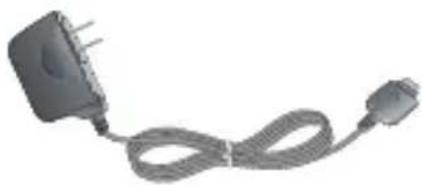
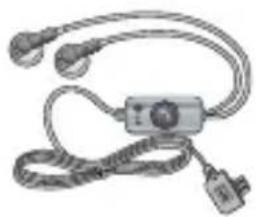
These accessories were supplied with your GT360.
Charger
natural_image
Electric plug connected to a cable (no text or symbols visible)Stereo headset
natural_image
Illustration of a medical or electronic device with coiled tubing and connectors (no text or symbols visible)Battery
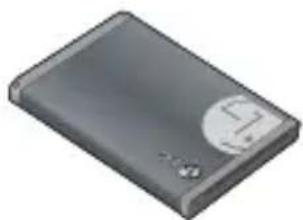
natural_image
Exterior view of a gray rectangular electronic device with a circular logo on the side (no visible text or symbols)User Guide
Learn more about your GT360.
Data cable and
CD
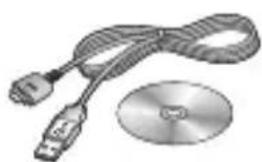
natural_image
Illustration of a USB cable and CD/DVD drive (no text or symbols)Note
- Always use genuine LG accessories. Failure to do this may invalidate your warranty.
- Accessories may be different in different regions; please check with our regional service company or agent for further inquires.
Guidelines for safe and efficient use
Please read these simple guidelines. Not following these guidelines may be dangerous or illegal.
Exposure to radio frequency energy
Radio wave exposure and Specific Absorption Rate (SAR) information. This mobile phone has been designed to comply with applicable safety requirements for exposure to radio waves. These requirements are based on scientific guidelines that include safety margins designed to assure the safety of all persons, regardless of age and health.
- The radio wave exposure guidelines employ a unit of measurement known as the Specific Absorption Rate, or SAR. Tests for SAR are conducted using standardised methods with the phone transmitting at its highest certified power level in all used frequency bands.
- While there may be differences between the SAR levels of various LG phone models, they are all designed to meet the relevant guidelines for exposure to radio waves.
- The SAR limit recommended by the International Commission on Non-Ionizing Radiation Protection (ICNIRP) is 2W/kg averaged over 10g of tissue.
- The highest SAR value for this model phone tested by DASY4 for use at the ear is 0.407 W/kg (10g) and when worn on the body is 0.940 W/Kg(10g).
- SAR data information for residents in countries/regions that have adopted the SAR limit recommended by the Institute of Electrical and Electronics Engineers (IEEE), which is 1.6 W/kg averaged over 1g of tissue.
Guidelines for safe and efficient use
Product care and maintenance

WARNING
Only use batteries, chargers and accessories approved for use with this particular phone model. The use of any other types may invalidate any approval or warranty applying to the phone, and may be dangerous.
- Do not disassemble this unit. Take it to a qualified service technician when repair work is required.
- Keep away from electrical appliances such as TVs, radios, and personal computers.
- The unit should be kept away from heat sources such as radiators or cookers.
-
Do not drop.
-
Do not subject this unit to mechanical vibration or shock.
- Switch off the phone in any area where you are required by special regulations. For example, do not use your phone in hospitals as it may affect sensitive medical equipment.
- Do not handle the phone with wet hands while it is being charged. It may cause an electric shock and can seriously damage your phone.
- Do not charge a handset near flammable material as the handset can become hot and create a fire hazard.
- Use a dry cloth to clean the exterior of the unit (do not use solvents such as benzene, thinner or alcohol).
- Do not charge the phone when it is on soft furnishings.
-
The phone should be charged in a well ventilated area.
-
Do not subject this unit to excessive smoke or dust.
- Do not keep the phone next to credit cards or transport tickets; it can affect the information on the magnetic strips.
- Do not tap the screen with a sharp object as it may damage the phone.
- Do not expose the phone to liquid or moisture.
- Use the accessories like earphones cautiously. Do not touch the antenna unnecessarily.
Efficient phone operation Electronics devices
All mobile phones may get interference, which could affect performance.
- Do not use your mobile phone near medical equipment without requesting permission.
Avoid placing the phone over pacemakers, for example, in your breast pocket.
• Some hearing aids might be disturbed by mobile phones.
• Minor interference may affect TVs, radios, PCs, etc.
Road safety
Check the laws and regulations on the use of mobile phones in the area when you drive.
- Do not use a hand-held phone while driving.
- Give full attention to driving.
Guidelines for safe and efficient use
• Use a hands-free kit, if available.
- Pull off the road and park before making or answering a call if driving conditions so require.
- RF energy may affect some electronic systems in your vehicle such as car stereos and safety equipment.
- When your vehicle is equipped with an air bag, do not obstruct with installed or portable wireless equipment. It can cause the air bag to fail or cause serious injury due to improper performance.
- If you are listening to music whilst out and about, please ensure that the volume is at a reasonable level so that you are aware of your surroundings. This is particularly imperative when near roads.
• Use a hands-free kit, if available.
- Pull off the road and park before making or answering a call if driving conditions so require.
- RF energy may affect some electronic systems in your vehicle such as car stereos and safety equipment.
- When your vehicle is equipped with an air bag, do not obstruct with installed or portable wireless equipment. It can cause the air bag to fail or cause serious injury due to improper performance.
- If you are listening to music whilst out and about, please ensure that the volume is at a reasonable level so that you are aware of your surroundings. This is particularly imperative when near roads.
Avoid damage to your hearing
Damage to your hearing can occur if you are exposed to loud sound for long periods of time. We therefore recommend that you do not turn on or off the handset close to your ear. We also recommend that music and call volumes are set to a reasonable level.
Glass Parts
Some parts of your mobile device are made of glass. This glass could break if your mobile device is dropped on a hard surface or receives a substantial impact. If the glass breaks, do not touch or attempt to remove. Stop using your mobile device until the glass is replaced by an authorized service provider.
Blasting area
Do not use the phone where blasting is in progress. Observe restrictions, and follow any regulations or rules.
Potentially explosive atmospheres
- Do not use the phone at a refueling point.
- Do not use near fuel or chemicals.
- Do not transport or store flammable gas, liquid, or explosives in the same compartment of your vehicle as your mobile phone and accessories.
In aircraft
Wireless devices can cause interference in aircraft.
- Turn your mobile phone off before boarding any aircraft.
- Do not use it on the ground without permission from the crew.
Children
Keep the phone in a safe place out of the reach of small children. It includes small parts which may cause a choking hazard if detached.
Emergency calls
Emergency calls may not be available under all mobile networks. Therefore, you should never depend solely on the phone for emergency calls. Check with your local service provider.
Battery information and care
- You do not need to completely discharge the battery before recharging. Unlike other battery systems, there is no memory effect that could compromise the battery's performance.
- Use only LG batteries and chargers. LG chargers are designed to maximize the battery life.
Guidelines for safe and efficient use
- Do not disassemble or short-circuit the battery pack.
- Keep the metal contacts of the battery pack clean.
- Replace the battery when it no longer provides acceptable performance. The battery pack maybe recharged hundreds of times until it needs replacing.
- Recharge the battery if it has not been used for a long time to maximize usability.
- Do not expose the battery charger to direct sunlight or use it in high humidity, such as in the bathroom.
-
Do not leave the battery in hot or cold places, this may deteriorate the battery performance.
-
There is risk of explosion if the battery is replaced by an incorrect type.
- Dispose of used batteries according to the manufacturer's instructions. Please recycle when possible. Do not dispose as household waste.
• If you need to replace the battery, take it to the nearest authorized LG Electronics service point or dealer for assistance.
• Always unplug the charger from the wall socket after the phone is fully charged to save unnecessary power consumption of the charger.
Trouble Shooting
This chapter lists some problems that you might encounter while using your phone. Some problems require that you call your service provider, but most of problems you encounter are easy to correct yourself.
Message Possible causes Possible Corrective measures
| SIM error | There is no SIM card in the phone or you may have inserted it incorrectly. | Make sure that the SIM card is correctly inserted. |
| No connection to the network | Signal weakOutside GSM network | Move higher to a window or open space. Check service provider coverage map. |
| Codes do not match | When you want to change a security code you have to confirm the new code by entering it again. The two codes that you have entered do not match. | Contact your Service Provider. |
| Function cannot be set | Not supported by Service Provider or registration required | Contact your Service Provider. |
| Calls not available | Dialling errorNew SIM card insertedCharge limit reached | New network not authorised. Check for new restrictions. Contact Service Provider or reset limit with PIN 2. |
| Phone cannot be switched on | On/Off key pressed too brieflyBattery emptyBattery contacts dirty | Press On/Off key for at least two seconds.Charge battery. Check charging indicator in the display.Clean contacts. |
Message Possible causes Possible Corrective measures
| Battery totally empty | Charge battery. | |
| Temperature out of range | Make sure the ambient temperature is right, wait for a while, and then charge again. | |
| Contact problem | Check power supply and connection to the phone. Check the battery contacts, clean them if necessary. | |
| Charging error | No mains voltage | Plug in to a different socket or check voltage. |
| Charger defective | If the charger does not warm up, replace it. | |
| Wrong charger | Only use original LG accessories. | |
| Battery defective | Replace battery. | |
| Phone loses network | Signal too weak | Reconnection to another service provider is automatic. |
| Number not permitted | The Fixed dial number function is on. | Check settings. |
LIMITED WARRANTY STATEMENT
1. WHAT THIS WARRANTY COVERS :
LG offers you a limited warranty that the enclosed phone and its enclosed accessories will be free from defects in material and workmanship according to the following terms and conditions:
(1) The limited warranty for the product extends the warranty period beginning on the date of purchase of the product.
(2) The limited warranty applies for 1 year from the original date of purchase and extends only to the original purchaser of the product and is not assignable or transferable to any subsequent purchaser/end user. It shall neither exclude nor limit any mandatory statutory rights of the customer or any of the customer rights against the seller/dealer of the product.
(3) This warranty is good only to the original purchaser during the warranty period, but limited to certain country if specified.
(4) The external housing and cosmetics parts shall be free of defects at the time of shipment and, therefore, shall not be covered under these limited warranty terms.
(5) Upon request from LG. or their designated service agent the consumer must provide information to reasonably prove the date of purchase.
(6) Unless other service arrangements have been specified the customer shall bear the cost of shipping a defective product back to the Customer Service Department of LG. LG shall bear the cost of shipping the product back to the consumer after the completion of service under this limited warranty.
(7) During the warranty period LG or its authorised service agent will repair or replace at LG's sole discretion a defective product. A repaired or replaced product will not be given a prolonged or renewed warranty period.
2. WHAT THIS WARRANTY DOES NOT COVER :
(1) Defects or Damages resulting from use of the product in other than its normal and customary manner.
(2) Defects or damages from abnormal use, abnormal conditions, improper storage. exposure to moisture or dampness, unauthorised modifications, unauthorised connections, unauthorised repair, neglect, abuse, accident, alteration, improper installation, or other acts which are not the fault of LG, including damage caused by shipping, blown fuses, spills of food or liquid.
(3) Breakage or damage to antennas unless caused directly by defects in material or workmanship.
(4) A warranty repair if the Customer Service Department at LG or other agreed service agent was not notified by the consumer of the alleged defect or malfunction of the product during the applicable limited warranty period.
(5) Products which have had the serial number or IMEI number removed or made illegible.
(6) This limited warranty is in lieu of all other warranties, express or implied either in fact or by operations of law, statutory or otherwise, including, but not limited to any implied warranty of marketability or fitness for a particular use.
(7) Damage resulting from use of non-LG approved accessories.
(8) All plastic surfaces and all other externally exposed parts that are scratched or damaged due to normal customer use.
(9) Products operated outside published maximum ratings.
(10) Products used or obtained on a rental program.
(11) Consumables (such as fuses).
(12) Suspected defects caused by a failure of the cellular network.
3. CONDITIONS :
No other express warranty is applicable to this product.
THE DURATION OF ANY IMPLIED WARRANTIES, INCLUDING THE IMPLIED WARRANTY OF MARKETABILITY, IS LIMITED TO THE DURATION OF THE EXPRESS WARRANTY HEREIN.
LG ELECTRONCS INC. SHALL NOT BE LIABLE FOR THE LOSS OF THE USE OF THE PRODUCT, INCOVINIENCE, LOO OR ANY OTHER DAMAGES, DIRECT OR CONSEQUENTIAL, ARISING OUT OF THE USE OF, OR INABILITY TO USE, THIS PRODUCT OR FOR ANY EXPRESS OR IMPLIED WARRANTY, INCLUDING THE IMPLIED MARKETABILITY APPLICABLE TO THIS PRODUCT.
Some do not allow the exclusive of limitation of incidental or consequential damages or limitations on how long an implied warranty lasts; so these limitations or exclusions may not apply to you. This warranty gives you specific legal rights and you may also have other rights which vary from country to country.
ESPAÑOL
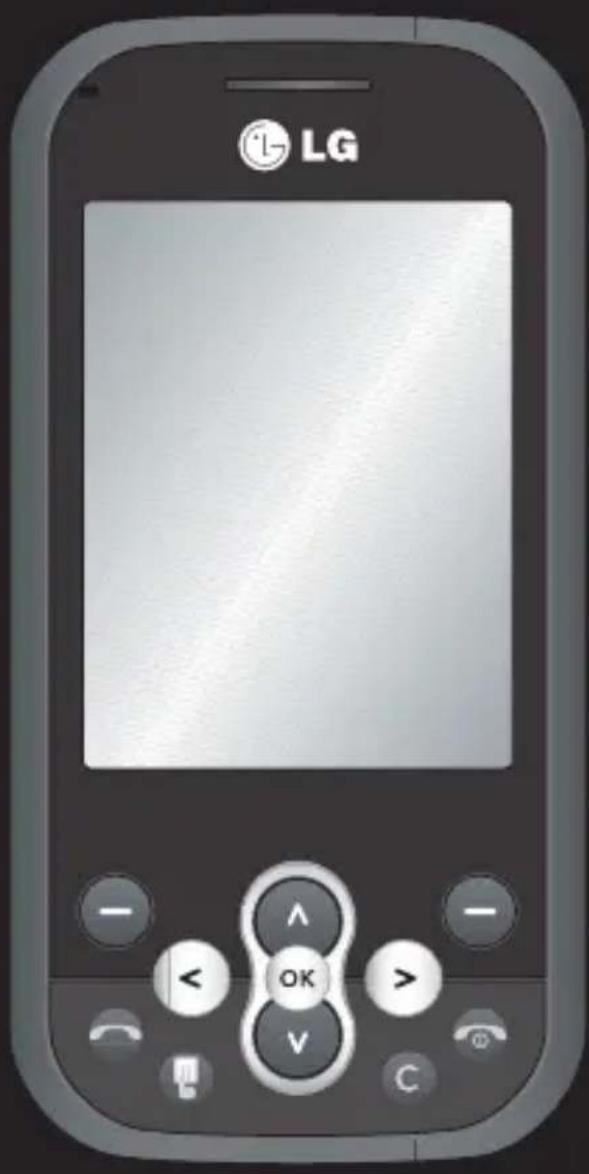
natural_image
Illustration of two hands holding a smartphone with a close button, showing the device's grip and handle (no text or symbols present)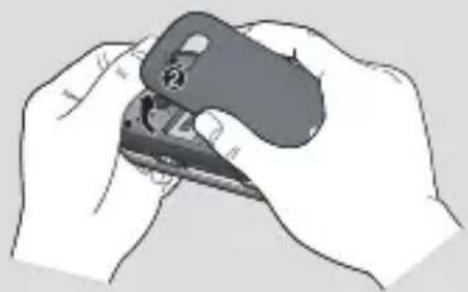
natural_image
Illustration of hands holding a small object, possibly a device or tool, with no visible text or symbols.natural_image
Illustration of a hand holding a small object (no text or symbols visible)natural_image
Illustration of two hands holding a mobile phone with a screen and keypad (no text or symbols visible)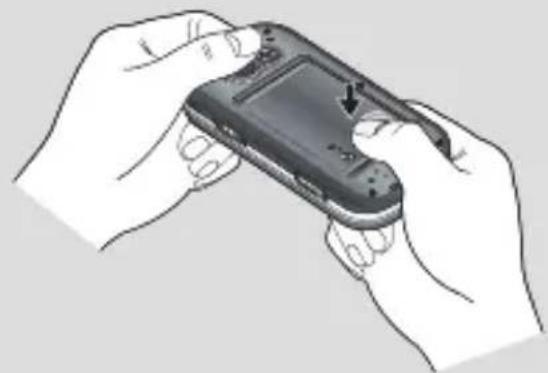
natural_image
Illustration of two hands holding a mobile phone with a screen and scroll (no text or symbols visible)natural_image
Illustration of hands holding a mobile phone with a key inserted (no text or symbols visible)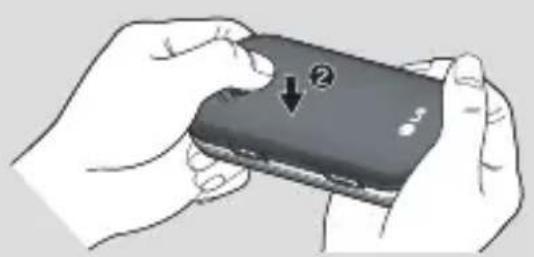
natural_image
Illustration of hands holding a smartphone with a download arrow and number 2 (no text or symbols on the device itself)natural_image
Close-up of a LG motor with attached USB port, showing a close-up of the internal component (no text or symbols visible)natural_image
Illustration of a mobile phone with a close-up inset showing internal components (no text or symbols)natural_image
Electric plug connected to a cable (no text or symbols visible)natural_image
Illustration of a medical or diagnostic device with coiled tubing and connectors (no text or symbols)Batería
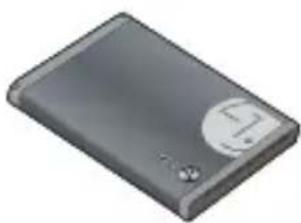
natural_image
3D rendering of a gray rectangular electronic device with a circular button and small base (no visible text or symbols)Guía del usuario
natural_image
Illustration of a USB cable and CD/DVD disc (no text or symbols)Nota
natural_image
Illustration of hands holding a flip phone (no text or symbols visible)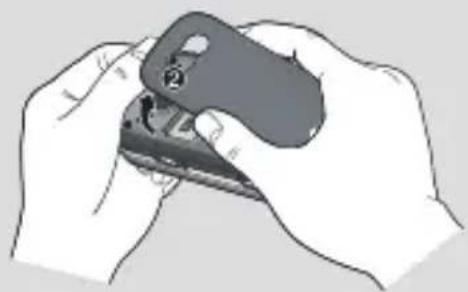
natural_image
Illustration of hands holding a small object with a numbered label (no text or symbols on the object itself)natural_image
Line drawing of a hand holding an object, possibly a pen or tool, with no visible text or symbols.natural_image
Illustration of two hands holding a smartphone, one open and one closed, with no visible text or symbols.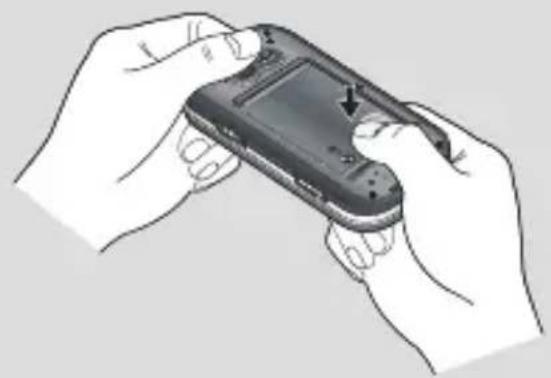
natural_image
Illustration of two hands holding a mobile phone with a screen and scroll (no text or symbols visible)natural_image
Illustration of hands holding a smartphone with a key inserted (no text or symbols visible)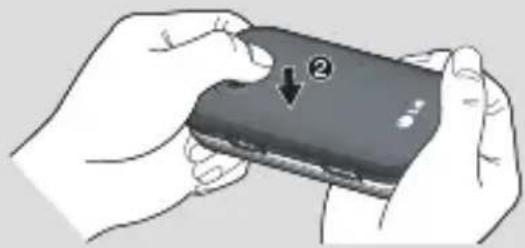
natural_image
Illustration of hands holding a smartphone with a finger pointing to the screen (no text or symbols visible)natural_image
Close-up of a mobile phone with a USB cable inserted, showing the screen and connector (no text or symbols visible)Carte mémoire
natural_image
Illustration of a mobile phone with a speech bubble showing a device inside (no text or symbols present)natural_image
Illustration of a mobile phone with a close-up inset showing internal components (no text or symbols)natural_image
Illustration of a handheld electrical component with coiled cable (no text or symbols)Casque stéréo
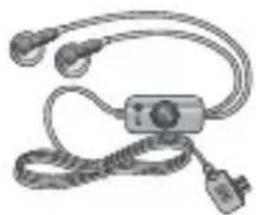
natural_image
Illustration of a medical or electrical device with coiled tubing and connectors (no text or symbols visible)Batterie
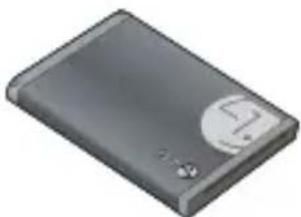
natural_image
3D rendered image of a gray rectangular electronic device with a circular button on top (no text or symbols visible)natural_image
Illustration of a USB cable and CD/DVD disc (no text or symbols)Astuce
EXCLUSIONS DE GARANTIE

- GT360 User Guide
- Contents
- SET UP
- THE BASICS
- GET CREATIVE
- Multimedia....29
- Media album....39
- Games and Applications ......44
- GET ORGANISED
- Organizer & Tools......45
- BROWSER
- Browser......49
- SETTINGS
- Settings 51
- ACCESSORIES
- Accessories....58
- Guidelines for safe and efficient use....59
- Getting to know your phone
- Volume key
- Open view
- Installing the SIM and battery
- Remove the battery cover
- Remove the battery
- Install the SIM card
- Install the battery
- Replace the battery cover
- Charging your phone
- Memory card
- Installing a memory card
- Removing a memory card
- Formatting a memory card
- Menu map
- Games & Apps
- Call history
- Contacts
- Multimedia
- Messaging
- Media album
- Profiles
- Organizer
- Tools
- Live
- Connectivity
- Settings
- Your standby screen
- The status bar
- Calls
- Making a call
- Answering and rejecting a call
- Making a call from your contacts
- Adjusting the call volume
- Speed dialling
- Viewing your call logs
- Using call divert
- Using call barring
- Changing the call settings
- Searching for a contact
- Adding a new contact
- Contact options
- Adding a contact to a group
- Renaming a group
- Adding a picture to a contact
- Copying your contacts to your SIM
- Deleting all your contacts
- Viewing information
- Sending a message
- Entering text
- Text input mode using the keypad
- Setting up your email
- Sending an email using your new account
- Message folders
- Managing your messages
- Threaded view/General view
- Using templates
- Changing your text message settings
- Changing your multimedia message settings
- Changing your email settings
- Changing your other settings
- Taking a quick photo
- Before you've taken your photo
- After you've taken your photo
- Using the quick settings
- Changing the image size
- Viewing your saved photos
- Setting a photo as Wallpaper or Picture ID
- Shooting a quick video
- After you've shot your video
- Getting to know the viewfinder
- Watching your saved videos
- Adjusting the volume when viewing a video
- MP3 player
- Transferring music onto your phone
- Playing a song
- Using options while playing music
- Creating a playlist
- Playing a playlist
- Editing a playlist
- Deleting a playlist
- Note:
- Using the FM radio
- Searching for stations
- Resetting channels
- Listening to the radio
- Using the voice recorder
- Recording your voice memo
- Sending a voice recording
- Images
- Images options menu
- Sending a photo
- Organising your images
- Deleting an image
- Deleting multiple images
- Creating a slide show
- Sounds
- Using a sound
- Videos
- Watching a video
- Using options while video is paused
- Sending a video clip
- Video options menu
- Viewing a document
- Others
- External memory
- Games and Applications
- Playing a game
- Viewing applications
- Changing the network profile
- Network profile.
- Organizer & Tools
- Adding an event to your calendar
- Editing a calendar event
- Sharing a calendar event
- Adding a memo
- Setting your alarm
- Using your calculator
- Using the stopwatch
- Converting a unit
- Adding a city to your world clock
- SIM services
- Browser
- Accessing the web
- Enjoying Yahoo!
- Adding and accessing your bookmarks
- Accessing a saved page
- Viewing your browser history
- Changing the web browser settings
- Changing your profiles
- Personalizing your profiles
- Changing your date & time
- Changing the language
- Changing your display settings
- Changing your security settings
- Using flight mode
- Using power save
- Resetting your phone
- Viewing memory status
- Changing your Bluetooth settings
- Changing your connectivity settings
- Pairing with another Bluetooth device
- Using a Bluetooth headset
- Using your phone as a mass storage device
- Transferring a file to your phone
- Sending and receiving your files using Bluetooth
- To switch Bluetooth on:
- To send a file:
- To receive a file:
- Accessories
- Note
- Guidelines for safe and efficient use
- Exposure to radio frequency energy
- Product care and maintenance
- WARNING
- Efficient phone operation Electronics devices
- Road safety
- Avoid damage to your hearing
- Glass Parts
- Blasting area
- Potentially explosive atmospheres
- In aircraft
- Children
- Emergency calls
- Battery information and care
- Trouble Shooting
- LIMITED WARRANTY STATEMENT
- WHAT THIS WARRANTY COVERS :
- WHAT THIS WARRANTY DOES NOT COVER :
- CONDITIONS :
- ESPAÑOL
- Batería
- Guía del usuario
- Nota
- Carte mémoire
- Casque stéréo
- Batterie
- Astuce
- EXCLUSIONS DE GARANTIE
Brand : LG
Model : GT360
Category : Cellphone