Gysduction Auto Complete - Cooker GYS - Free user manual and instructions
Find the device manual for free Gysduction Auto Complete GYS in PDF.


User questions about Gysduction Auto Complete GYS
0 question about this device. Answer the ones you know or ask your own.
Ask a new question about this device
Download the instructions for your Cooker in PDF format for free! Find your manual Gysduction Auto Complete - GYS and take your electronic device back in hand. On this page are published all the documents necessary for the use of your device. Gysduction Auto Complete by GYS.
USER MANUAL Gysduction Auto Complete GYS
FR 1-12/78-80
EN 13-22/78-80
DE 23-33/78-80
ES 34-44/78-80
RU 45-55/78-80
NL 56-66/78-80
IT 67-77/78-80
GYSDUCTION AUTO
INSTRUCTIONS DE SECURITÉ
DESCRIPION DU PRODUIT
CONDITIONS DE GARANTIE
This manual contains safety and operating instructions, to be followed for your safety. Please read it carefully before using the device for the first time and keep it in a safe place for future reference. Read and understand the following safety recommendations before using or servicing the unit. Any change or servicing that is not specified in the instruction manual must not be undertaken. The manufacturer is not liable for any injury or damage caused due to non-compliance with the instructions featured in this manual. If there is any issue or uncertainty, please consult a qualified individual to operate the equipment correctly. This machine may only be used to heat ferrous materials within the limits indicated on the equipment and manual. The operator must observe the safety precautions. In case of inedaquate or unsafe use, the manufacturer cannot be held liable for damage or injury. Any other uses not specified in this manual is forbidden, and possibly dangerous. The product is semi automatic and requires the presence of an operator.
This unit can be used by children aged 8 or over and by people with reduced physical, sensory or mental capabilities or lack of experience or knowledge, if they are properly monitored or if instructions for using the equipment safely have been read and risks made aware of. Children must not play with the product. Cleaning and maintenance should not be performed by an unsupervised child.
Do not use the charger if the mains cable or plug is damaged.
Do not cover the device.
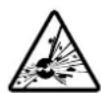


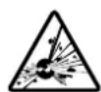
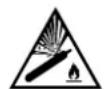
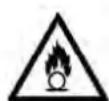
Fire and explosion risks!
- Do not use the device in an explosive atmosphere.
- Keep gas cannisters or other pressurised gas containers away from the induction heating machine.
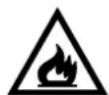
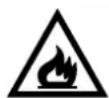
Warning, heat and flame risk.
- Do not overheat parts and adhesives.
- Be wary of fire, keep a fire extinguisher is in the vicinity..
- Do not position the machine on, or near flammable surfaces.
- Do not position the machine near flammable materials.
Warning! Very hot surface. Risk of burns.
- The parts and pieces that have just been heated are hot and may cause burns when manipulated.
- Do not touch any hot parts with your hands.
- Wait for the parts and pieces to cool down before handling them.
- Check that jewellery (such as wedding rings) or other metal pieces do not get close to the induction heating machine or the inductor when switched on.
- Remove any jewellery or any metal object from yourself before using this machine
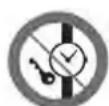
- People with metal implants should not use this machine.
- In case of burns, rinse with water abundantly and see a medical doctor as soon as possible.
Dangerosity of the gas fumes
- Keep the head away from the fumes, do not inhale.
- If working inside, ventilate the area or use a fume extractor to evacuate the gases and fumes.
- Induction heating of certain materials such as adhesives and flux can generate fumes and gases. Breathing these fumes and gases can be dangerous for your health. For example, heating urethane generates a gas: hydrogen cyanide, potentially mortal for humans.
- If the ventilation is insufficient, use an approved respiratory unit.
- Read the safety data sheets (MSDS) and the manufacturer's instructions for adhesives, flux, metals, consumables, coatings, cleaning agents, corrosives, and paint strippers.
- Do not use the heater on parts being degreased or sprayed. The heat might react with fumes and generate highly toxic gases.
- Work in a confined area only if it's well ventilated, or use an approved respiratory/filtration unit. Make sure that a qualified person is around to watch over you. The fumes and gases released while heating can replace oxygen or air, causing accidents or death. Check the quality of the air you're breathing
- Do not overheat metals, such as galvanised steel, covered with lead or cadmium, unless the coating is removed from the surface before it's heated, that the area is well ventilated, and if needed, use an approved filtration/respiratory unit. Foundry pieces and all metals containing such elements may generate toxic fumes if overheated. Check the MSDS for temperature related details.
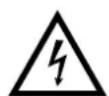




Warning, electrical danger
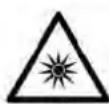
Caution: Danger of optical radiation when the heated metal elements reach fusion.
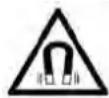
Warning! Major magnetic field. People wearing active or passive implants must be informed.
No further protective steps are required when the machine is used on its own. Further restrictions and/or protective measures may be necessary in other cases
After maintenance, the magnetic field levels must be checked before the machine is used again.
When switched on, never put the inductor near the head or vital organs.
People wearing pacemakers are advised to not come close to the machine. Risk of disruption of pacemaker operations when close to the machine. Consult a doctor before getting close to induction heaters.
Risk of metal or adhesive projections
- Wear approved protective goggles with lateral protections, or protect the whole face with a screen.
- Wear protective clothes.
Wear gloves.
Do not obstruct the machine's air intake, which facilitates air circulation. Check the installation chapter before using the device.
Connection:
- This machine must be connected to an earthed socket.
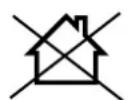
- These Class A devices are not intended to be used on a residential site where the electric current is supplied by the public network, with a low voltage power supply. There may be potential difficulties in ensuring electromagnetic compatibility on these sites, because of the interferences, as well as radio frequencies.
- This hardware is compliant with the IEC 61000-3-12.
This equipment complies with the IEC 61000-3-11.

Maintenance:
- If the power cable is damaged, it must be replaced by the manufacturer, its after sales service or an equally qualified person to prevent danger.
- Warning! Always disconnect from the mains before performing maintenance on the device.
High Voltage and Currents inside the machine. - Remove the casing on a regular basis, to remove any excess dust. Take this opportunity to have the electrical connections checked by a qualified person, with an insulated tool.
- Do not use solvents or any agressive cleaning products.
C E EAC UK CA
Regulations:
Device complies with Europeans directives.
- The certificate of compliance is available on our website.
- EAC Conformity marking (Eurasian Economic Community).
- Equipment in conformity with Moroccan standards.
The declaration C_e (CMIM) of conformity is available on our website (see cover page).
Waste management:
- This product should be disposed of at an appropriate recycling facility. Do not throw away in a domestic bin.
- Equipment in compliance with British requirements. The British Declaration of Conformity is available on our website (see home page).
- This product should be recycled appropriately.
IDENTIFICATION
On the back of the product is the following information:
Manufacturer's name and address
- Model
Product serial number
- Operating voltage
Product power
Model and serial number must be mentioned each time a technician intervention is required or if spare parts are requested.
POWER SUPPLY
The GYSDUCTION is fitted with a 16A socket type CEE7/7 which must be connected to a single-phase 230V (50/60 Hz) power supply fitted with three wires and one earthed neutral.
Check that the power supply and its protection (fuse and/or circuit breaker) are compatible with the current needed by the machine. The product is protected for operation on a generator.
SAFETY DEVICES
-
The product has the safety feature PROTEC 400. It is protected against overvoltage above 300V and against neutral disconnection.
-
During intensive use, the inductor, cables, electronics and power transformer heat up. In order to avoid dysfunction due to overheating, the Gysduction is equipped with an air cooling circuit. A thermal protection also switches off the product when the internal temperature becomes too high.
- The inductors are insulated to protect the user against possible electric shock..
- The Gysduction is equipped with a safety device against accidental heating. If the heating control is inadvertently activated (pressure on the control pedal or glass inductor control button), and the inductor is not in contact with the metal to be heated for a time exceeding one minute, then the unit will beep and switch off automatically. Release the heater control to go back to a normal heating cycle.
PRODUCT DESCRIPTION
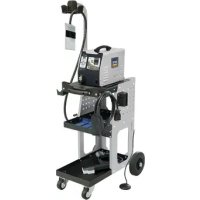
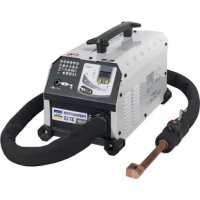
Gysduction is made up of an inductor connected to an alternating medium-frequency power source. When a heating control is switched on, a strong magnetic field is emitted by the inductor. When approaching a ferrous metal, the inducted currents will create heating in the metal, without physical contact.
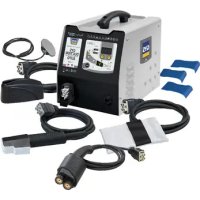
Gysduction Auto can be used for many applications (depending on the selected inductor):
- to remove all logos, adhesives, mouldings, plastic rods glued to bodywork.
- unbolt and unlock metal parts (bolts, screws, connecting rods...).
- remove bonded glass (rear glass, rear quarter, panoramic roof).
- Remove rubbing strips and seals.

The product will heat steel, but is not suitable for heating Aluminum, copper or zinc.
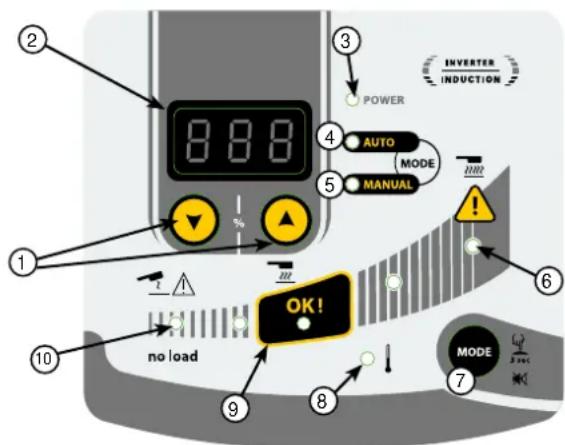
OPERATING INSTRUCTIONS
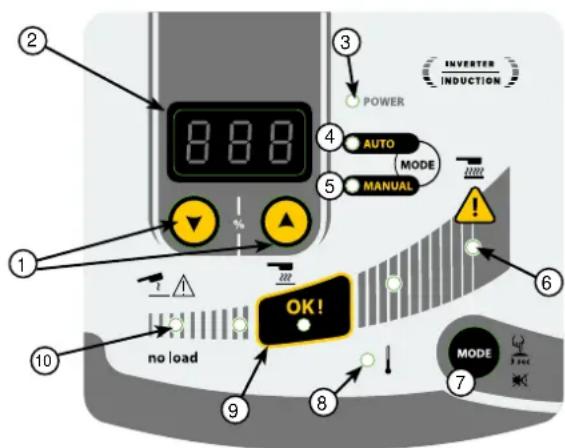
| 1 Setting controls |
| 2 Digital display |
| 3 Power-on indicator |
| 4 Auto mode indicator |
| 5 Manual mode indicator |
| 6 Max. power indicator |
| 7 Selection mode button |
| 8 Thermal protection indicator |
| 9 Optimal heating area |
| 10 «No load» indicator |
No-Load If there is no part to be heated, or if the inductor is placed on a non-ferrous metal, the « no-load »indicator (10) lights up when pressure is applied on one of the heating controls.
Automatic mode
With this mode, Gysduction adapts to suit the part to be heated (size-thickness) and takes into account the distance between the part and the inductor. It maintains a constant and optimal heating power, symbolised by the OK zone (9) of the interface. With this mode, the GYSduction never heats at maximum power.
To start this mode:
Automatic mode is the default heating mode. If, however, the unit is set to manual mode, briefly press the MODE button (7) until the LED in front of "AUTO" (4) lights up.
Display : The digital display shows the last % value used by the machine to maintain a constant and optimal power according to the heating conditions. This value corresponds to the settings that should be used in Manual mode to obtain the same result with the same conditions. Thus, if the user considers the heating recommended by the Gysduction too low or too high, he can copy this value in the manual mode and vary it to reach the desired power.
Manual mode In this mode, the user selects the desired heating power.
To start this mode:
Briefly press the MODE button (7) until the LED in front of MANUAL (5) lights up.
Operating :
The digital display (2) shows the percentage of the maximum power (2400 W) that the inductor can transmit to the workpiece to be heated. Use the setting buttons (1) to adjust to the desired power.

The manual mode allows to reach the maximum power of the Gysduction. At this power, workpieces can heat up very quickly. The closer the inductor is to the workpiece, the higher the heating power will be.
Audible heating signal
An audible BEEP can be activated to indicate heating activity. The BEEP sounds as soon as the heating is effective and its frequency varies according to the position of the inductor in relation to the part to be heated. The closer the inductor, the higher the frequency.
To activate/deactivate this function:
Press the MODE button (7) for 3 seconds to activate/deactivate this BEEP.
Thermal protection indicator (8)
This indicator lights up to indicate that the product has entered thermal protection due to overheating. As long as this light remains on, the product is inoperative. It switches off when the product has cooled enough. Heating can only be reactivated from this point on.
PRODUCT START UP
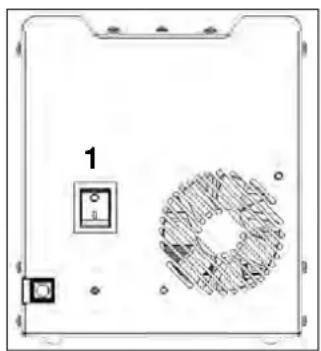
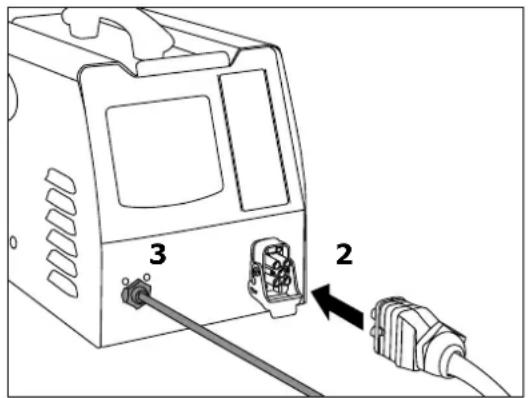
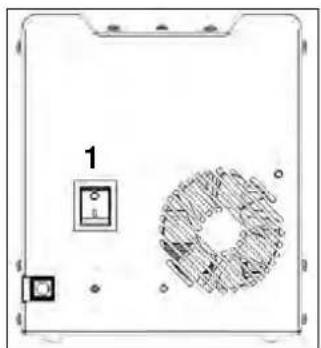
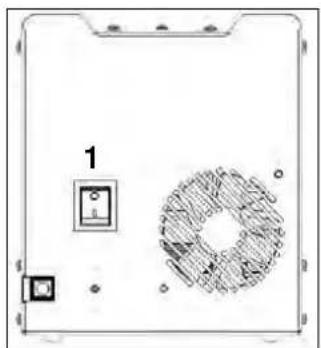
Switch on the station (1)
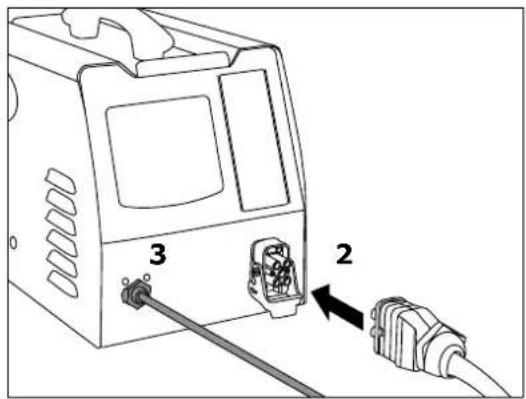
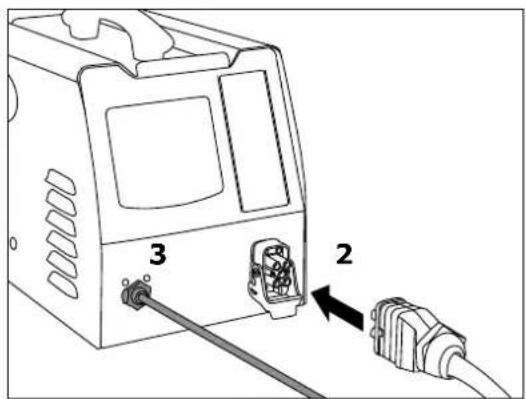
Accessory connection (2)
- Select the required inductor.
- Lift the valve on the Gysduction connector.
- Connect the inductor connector to the Gysduction.
- Close the valve to lock the connection.
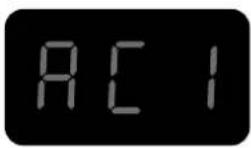
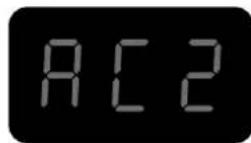
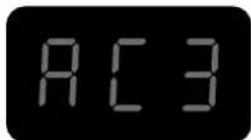
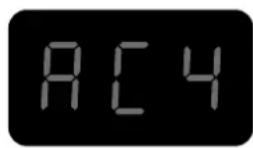
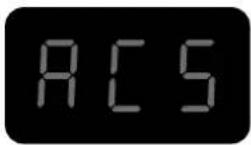
- The display shows the number of the connected accessory (eg. AC1)
Connection of the control pedal (3)
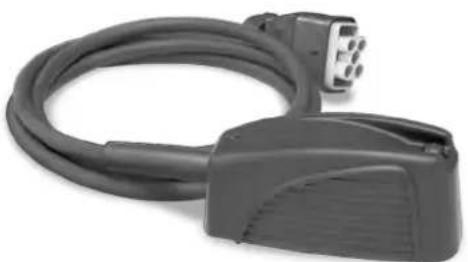
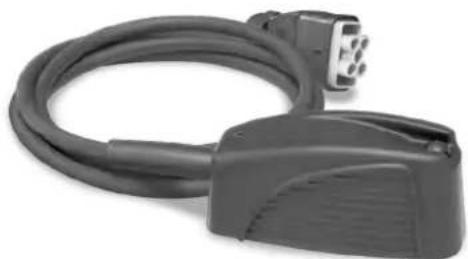
The Gysduction can be supplied with a control pedal (ref. 055490), necessary for the use of the bolt, adhesive and spiral inductors. Connect the cable to the Gysduction and the pedal to make it work.
Heating activation
The glass and dent pulling inductors are fitted with a heating button. The three other ones work with the control pedal.
Bring the inductor close to the metal part to be heated, then press the inductor button or the control pedal to activate the heating.
INDUCTOR DESCRIPTION & USE

All operations described below require practice. GYS recommend experimenting by carrying out tests on sheet metal or write-off.
Glass inductor
ref. 053373
Description
This inductor is specifically designed to strip off the anti-gravel protection from the lower part of the car body. It can also be used to remove bonded glass (rear glass, rear quarter, panoramic roof, etc.). Automatic mode is particularly recommended for removing glass.
Removing glass
Preparation
- Remove any exterior trim beforehand: For mouldings that cannot be removed, heat the bond from the inside.
- It is recommended that you also remove any interior trim and components such as clips and studs that may be used to hold the glass in place.
- Disconnect aerials and glass defrost circuits.
- Apply protective tape around the glass to prevent damage to the painted surfaces during handling.
- Apply protective tape on the glass inductor to avoid scratching the glass. Replace the adhesive tape after each glass removal.
- Thoroughly clean the glass before starting the removal process.
Heating step & glass removal

The greatest risk of painting damage is at the beginning of the heat-up because of the extra difficulty of introducing shims between the glass and the body.
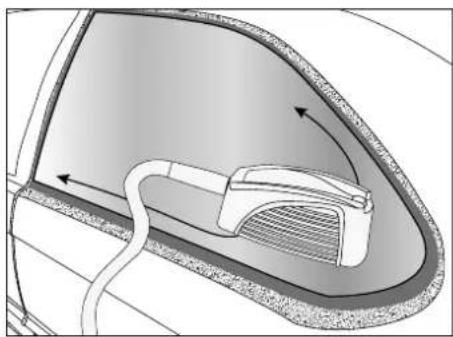
Start in a corner and heat up on each side of that corner as you progress to the opposite corners. If the glass is damaged, start at the corner to be repaired and work your way to the undamaged part of the glass.
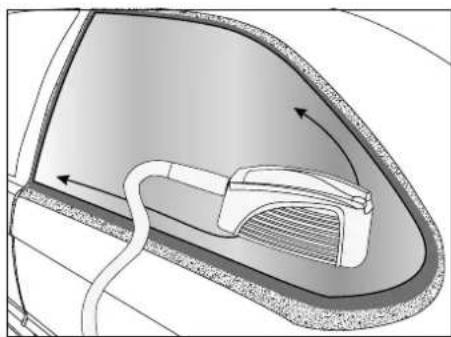

Welded edges on which the glue joints sit

Visible painted surfaces that must not be heated

Heating progress directions
- Place the inductor opposite the urethane glue joint for easy removal from the glass.
Some vehicles have narrow welded edges, heating of the inductor can damage the visible painted surface In that case it is advisable to cool the outer surface with a damp cloth or cooling spray. Move the inductor towards the middle of the glass so that it is at least 2 cm away from the visible painted part.
- Move the inductor back and forth about 30~cm on both adjacent sides of the corner. Finding the right heating speed: A pace that is too slow results in excessive localized heating that is inefficient because it reduces the heat produced at the welded edge. A high pace does not allow sufficient heating of the welded edge and the glue joint. A slight smoke is emitted to indicate that the optimal temperature of the urethane glue bead has been reached.
If thick smoke appears, stop heating immediately. Move away from the area to avoid breathing fumes and try to determine the cause. Heating the urethane glue causes the emission of hydrogen cyanide, which is very dangerous to ingest.
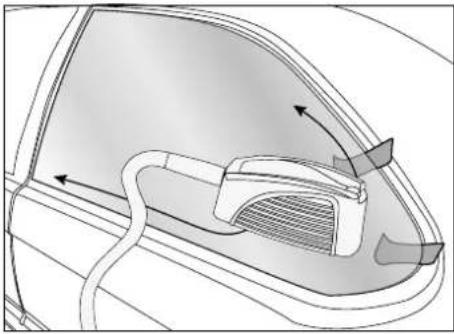
-
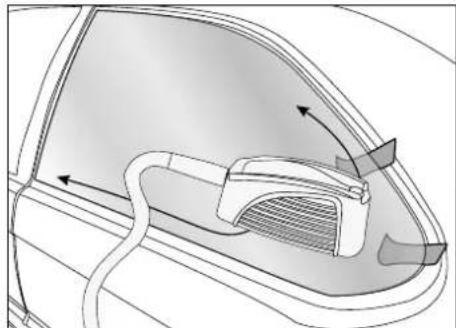
Apply pressure from inside the vehicle without breaking the seal. Once the seal is removed, it will not stick to the metal again. When the glass corner lifts, slide a plastic wedge into the space left between the glass and the welded edge. Be careful not to exert too much force that could break the ice.
-
Once the corner of the pane is released / peeled off, repeat the heating process along the length and height of the pane while moving the wedges under the pane as you go.
| Windows Material | Glass fragility | Removal time according to vehicle size | |
| Front windscreen Laminated glass + | ++ 20 min to 1 h | ||
| Rear window | Annealed glass + 10 to 20 minQuarterlight window | ||
| Side windows | |||
Bolt inductor
ref. 053366
Description
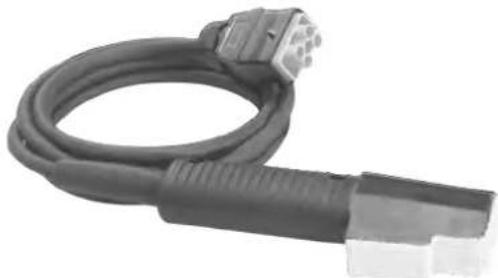
The bold inductor is used for intense heating of rusted or seized parts such as nuts and bolts. This inductor can also be used for removing caulking from truck chassis or car trunks, for welding large connectors or for metal forming.
Use
- To remove a seized or rusted nut / bolt:
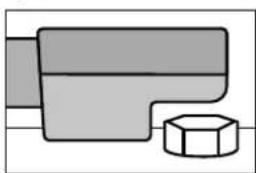
- Choose Auto mode or set the power at a very high level (80 to 100% of power).
- Place the bolt inductor on the nut as shown.
- Start the heater and let it run for a few seconds.
- Loosen the nut or the bolt.
Adhesive inductor
ref. 053359
Description
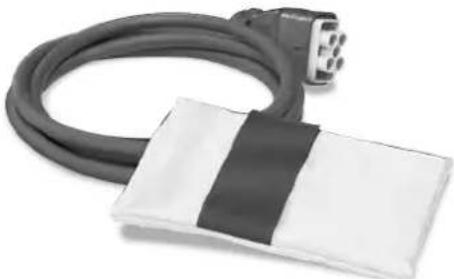
This inductor is designed to peel off door mouldings / rubbing strips, badges as well as advertising and decorative adhesives in a few minutes without damage.
Use
-
For heating painted metal sheets
-
Select Auto mode or set the power to a low level (10 to 30% of its maximum heating capacity).
- Place the inductor just above the area to be heated. There must be no contact between the inductor and the area or element to be heated.
- While activating the heater, make a circular or to-and-fro movement on the area to be heated.

If the inductor stays too long on the same area, the paint may burn. To avoid this, it is necessary to keep the inductor constantly in motion (back and forth or circular).
- For peeling off decals, vinyl stickers or glued bars
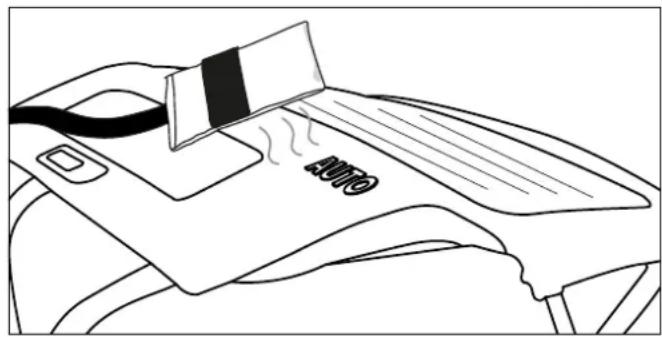
Carry out the three steps described above (see to heat the painted sheets). Heat for a few seconds and try to lift one edge of the element. If it starts to peel off easily upwards, the required temperature has been reached, otherwise continue heating for a few more seconds and try again.

Some elements that have been glued for a long time often require a longer heating time. If a sticker is overheated, it often becomes soft and puffy. If this happens, allow to cool and try again to remove and peel the sticker. Be careful not to burn the paint! If the sheet metal is heated sufficiently, the stickers should peel off easily, taking the glue with them.
- For the removal of mouldings glued to the bodywork
Body side mouldings are removed in the same manner as transfers and stickers. Higher power or longer time is required for thicker mouldings. The metal under the mouldings is further away from the inductor.
- Select Auto mode or set the power to a medium level (40 to 60% maximum heating).
- Place the inductor parallel to the work surface to achieve uniform heat distribution.
- Favour a back and forth movement along the length of the moulding. Start with one end of the moulding. Slowly move back and forth a few centimetres until the end of the moulding can be removed effortlessly.
- Then slowly move the inductor further along the molding while detaching the molding from the body.

The tape is usually removed with the moulding. If adhesive or tape remains stuck to the body, then advance more slowly or increase power.
- For heating body parts
In winter or in regions with cold climates, the body of a car to which transfers, stickers or beads are to be affixed must be preheated in the workshop to allow the adhesives to adhere.
- Set the power at low level (10 to 30% of its maximum heating capacity)
- Use circular or back and forth movements on the area to be preheated.
Paintless dent pulling inductor
ref. 054776
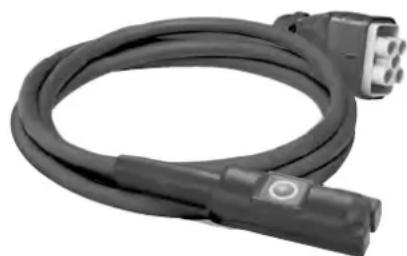
Description
The dent pulling inductor has been designed for paintless dent repairs on car bodies, made by hail impacts for example. The heating is from the outside and the heat is very limited.
Application and use
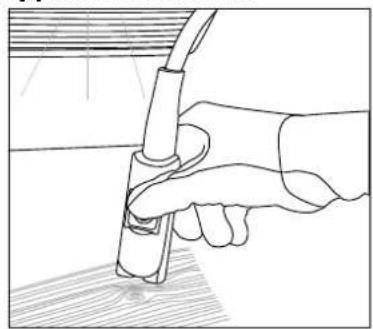
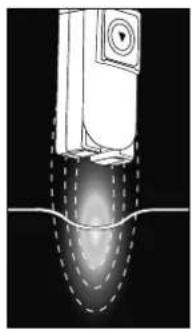
Refer to the manual supplied with the product for instructions on how to use it.
Spiral inductor
ref. 054783
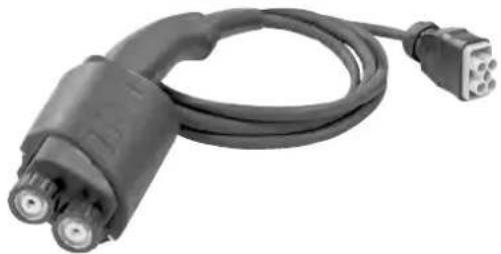
Description
This inductor is designed to heat and remove any mechanical part in a few seconds: e.g. seized bolts/nuts, screws...etc.
Application and use
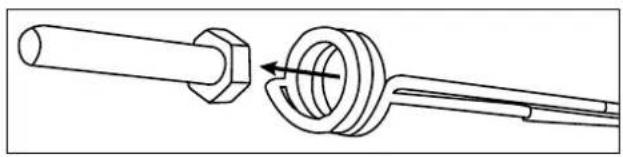
Refer to the manual supplied with the product for instructions on how to use it.
CONSUMABLES
Inductorcloths
The fibreglass cloth on the glass and de-seize inductors can wear out through use and friction against the parts to be heated. These cloths can be replaced, and GYS provides the following kit references to allow this change.
| 053854 SET OF $ GLASS INDUCTOR PROTECTIONS + GLUE |
| 053847 SET OF 10 BOLT INDUCTOR PROTECTIONS GYSDUCTION + GLUE |
| 059108 1 ADHESIVE INDUCTIVE PROTECTION + GLUE |
Cooling spray
This cooling spray is particularly useful during paintless dent removal operations and for cooling heated parts.
048898 SET OF 12 COOLING SPRAYS -50°C / 400 ml
FAULT CODES
CODE MEANING
E - 1 Pedal activated on power-up.
E - 2 Glass inductor button activated on power-up.
E - 3 Front panelON/OFF button activated on power-up.
E - 4 Overcurrent in the inductor (either because it is very hot or because there is a short circuit).
E - 5 Defective inductor (wire cut or disconnected).
NO- ACC Accessory not connected.
AC - Accessory not recognized.
WARRANTY
The warranty covers faulty workmanship for 2 years from the date of purchase (parts and labour).
The warranty does not cover:
- Transit damage.
Normal wear of parts (eg.: cables, clamps, etc.). - Damages due to misuse (power supply error, dropping of equipment, disassembling).
- Environment related failures (pollution, rust, dust).
- Inductors and removable ferrites that are consumables.
- Use of unspecified coolant.
In case of failure, return the unit to your distributor together with:
- The proof of purchase (receipt etc ...)
- A description of the fault reported
CONDITIONS DE GARANTIE
He nCnoJb3yIe annapaT ecn ceTeBOH shHyp nn BnIka NOBpeKDeHbl. He naKpbBaIte annapaT.

Pnck noxapa N B3pbiba!
- He nCloj3yIte annapaT BO B3pbIOOnaCHOpeJe.
- Dépçnte aəp030JIbHbIe 6aIIIOHbI n IpoOHe emKocTn Iod daBLeHneM BdaIIN OT o6OpydoBaHnI dIe INdYkCIOHOrO HaPeBa.
Onachoctb BbICOKoTempeaTpyi NpIaMeH.
He neperepeBaIe DeTaII N MoJINHn.
- BydTe 6dnteHaHbI, Bcerda depknte no6n30ctn orHeTyuTeJIb.
He cTaBbTe annapaT ha nnB 6JIn3n BocPJaMeHyoUxxCra NOBepXHOCTe.
He yctaHaBnBaIe aannapaT B6n3N BocnlaMeHyoUxxCBeueCTB.
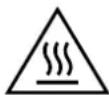

BhImaHHe! Topayar nobepxHOCTb. OnachOCTb OXKOrOB.
- Topnye DeTann n Tropyee o6OpdyoBaHne MOrY T Bbl3BaTb OXkOrn.
He DToParnBaIteCb rOJIbIMn pyKaMn Do HarpeTbIX DeTanei. - Doxntecb, yTo DeTann N o6OpydoBaHne OCTbHyT npexJe Yem Do Hnx DToParNBaTcra.
- Cnejnte 3a TeM, yTo6bI IOBJIINPbIe YKpaWeHnR (B YaCTHOCTN, O6pyaJIbHbIE KOJIbUa) IIN MeTJIINueCKne DeTaII N He HaxOДЛINcB B6JIIN3 INHdYKcUNOHNO CNCTEmbl INHdYKTOpA BO BpeM pa60Tbl.
- Chmnte c ce68 BCE IOBeIInpHbIe yKpaIeHnI n DpyrHe MeTaJIInuYeCKne npedMeTbI nepeD TeM, KaK IcNoIb3OBA Tb 3TO 06OpyDoBaHne.
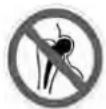
- Лица, Имени MeТалінчecкne ИМПlaHTaTbI, He ДОЛжны ИСПОЛьЗВаТь 3TO obopудоване.
Bcnyae ojkora,obnIbHo npomOte BDOi npokOHcyIbTnpyTe Bpaa 6e3 npomeJIeHna.
OnachbIe ncnapenHn ra3
-ДерхиTe rOLOBy BdaIи OT dbIMa, He BdbIxaiTe nCnapeHnI.
- Пи pa6ote B nOMEuEHHI npOBeTpBaIte pa6OuyIO 3OHy N/INn INcNoIb3yIte 3KcraUcTeP DЯ BBITJxKn INcnapeHn I ra3OB.
- Инданов Harpeв Некotopьix MaTePnaIOB, КLEЯux BeIeCTB И ФлUCOB MOжET Bbl3BaTb Испа佩ня и образоване ra3OB. ВыIxATb 3TN Испа佩ня и ra3bl MOжET 6blTb OnaChbIM Дд Baшero 3dOpOBBJ. Hanpimep, Harpev ypeTaHa Bbl3BaETобразованe ra3a УнICTORO BODOPOA, KOTOPBI MOжET 6blTb CмeptelhBM.
- EcnBentnlaucn HeoctaToUHO, To nolb3yIeTcpeCnpaTopom, OTBeuaHoum npHrTbIM CtaHdapTaM.
-Чтайта Лосты 6еэпаносто Вешесь (MSDS) и руковозва поньовпеля по Клесиим ВeшесьВам, ФлUCам, Металлам, PACXODнБIM MaTeриалam, ПOKpbITЯМ, УСТЯПСМ СрЕДСВам И раCTВОРИТЯМ.
He harpeBaIte deTALn, KOtOpbIe OunuAOT OT Xnpa Nn Ha KOtOpbIe YTO-ln60 paCnblraIOT. TeNIO MoKET BCTyINrB PeakcUIO C nCnapeHnMn I npNBecTn K 6Opa3OBAHnIO CNlBHO TOKCNHOro n pa3DpaXaIoJero ra3a.
Pa6oTaIe B 3aMKHyTOM npoctpaHCTBe TOLbKO B TOM Clyuae, ecn OHO XopoIo npOBeTpNaEeTcA nn NcNoJIb3ypeCnnpaTOp, OTBeuaIOUm npInrTaIM cTaNdApTAm. Pa6oTaIe B npcSyTCTBn KOMNeTeHTHO rCneuaJIncTa, KOToPbIM Mor 6bl npInTu Ha NOMOuB. IcnapeHnra Ra3bl, o6pa3yIOUncEca B pe3yIbTaTe HArpeBa MOryt BblTECHNTB KNCLOPOd N npINBeCTN K HeCuaCTHomy Clyuao NN Bbl3BaTb CMeptb. Y6eINTEcB KaueCTBe BO3DyXa, KOTOpbIM Bbl DblIHTe.
He neperpeBaIte TaKne MeTJIbI, KaK OcHKnOBaHHaC TAlB, CTAJB CO CBnHIOBbIM IIN KaDMIEBbIM NOKpbITnEM 3a NCKJIIOUeHNEm ClyuaEB, KOrda nOKpbITne ydaJIeHO C HArpeBaEMO NOBepXHOCTN, pa6OyA 30Ha XopoIo npOBeTpNBaeTcR IIN Iprn HAdo6HOCTN IcNoJIb3yR peCnnpaTOp, OTBeuAOuI npINrTaBIM CTaHdApTaM. JInTbIe 3aROTOBKN IN BCE MeTJIbI, CODepXauIe 3TN 3JIeMeHTbl, CNOCbHI BbIDeJIaTb YADOBtBie IcnapeHnI, eCNI OHN NepePeTbI. CMOTpTe INΦOpMaunIO O Tempeatypax B IInCTe 6e3OnaCHOCTN BeueCTBa (MSDS).
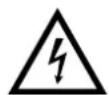
Onachoctb nopaxKeHHa 3JIeKTPnueckm TOKOM.
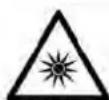
BhImaHHe: onachoctb n3nyeHnca BcTa KOrda HarpeTbI MeTaJInuYeCKne 3JeMeHTbI DOCTnraIOT PnaBLeHnI.
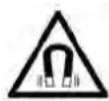
BHHMaHHe! CnIbHoe MarHHTHOe nOJe. JInca, NMeIoUne aKTHBhie NIN naCCNBHbIe MMJIaHTaTbI DOJXHbI 6bITb NHΦOpMnPoBaHbI.
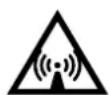
Korda annapat nCnoJb3yETc OdnH, To He Tpe6yeTc HnKaKoI dpyroI donolHnteJbHO 3aunTHoMepbl. B dpyrnx clyuayx MOryt notpe6oBaTbcI daonHNTeJbHbIe orpaHnueHn I/nn 3aunTHbIe MEPbl.
Bo Bpemr Texo6cnyxmbHn ypoBeH n3nyeHn MaHHTHO rO NOJdoJKeH 6bITb npOBepen Do cIeDyUoIero IcNoIb30BaHn O6OpyDoBHaHn.
B pa6ooyem pexnme HNKoIa He np6JIxkaTe INyKTop K rOIOBe IIN K Xn3HeHBOBXHBIM OpraHaM.


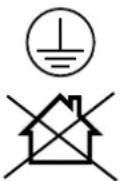


HocnteIe 3neKtpokapdnoCTmUyIaTOPOB He doJxHbI np6nkaTbcK annapaTy. Pnck c6oar pa60tbi 3neKtpokapdnoCTmUyIaTOPOB B6n3n annapaTa. IpokohcylbTnpuyTeCb y Bpaua nepeD TeM, kak np6nkaTbcR K INdykunoHHOMy HargBaTeIIO.
Pnck 6pbizr MetaIHa nn KJIeIeero BeIeCTBa
- 3aunntte ce68 oukamn 6e3oNaCHOCTN C 60KOBbIMN 3aunTAMN, OTBeuaOuMMN npHrTbIM CTaHdApTaM, nII INcNoIb3yIte 3KpaH neped IINQOM.
Hocnte pa6ouyO odexdy
Hocnte nepaatkn.
He nepekepbiaTe BeHTnlaIauHbIe OTBepCTna. Ipeed nCpOJI-b3OBaHneM O3HaKOMbTEcB c pa3JeLOM «YCTaHOBka» INHCTpyKcnn.
PoiKJIoueHne:
- 3To yCTpoIcTBo DOJXHO 6bITb NOKIIOueHO K PO3eTKe C 3a3EmHeHem.
- 3TOT annapat Klacca A, npedha3HaeeHbI dI npomblJeHHbIX nomeeHn, He NOxOHT dIy NCNoB3OBaHn B XINbIX KBapTaJax, rDe 3JIeKtpnueckn TK Ondaetc o6uectBeHHo CnCTeMoN NITAHN Hn3KOro HnprjXeHn. B TAKnx KBapTaJax MOrY BO3HNKHyTB TpydHOCTn O6ecneueHn 3JIeKtpomarHnTHyIO COBmecTImOCTb I3-3a KOHdyKTNBbIX INHdyKTNBbIX NOMex Ha paINOyactOTE.
- 3TOT annapat COOTBetCTByeT HopMe CEI 61000-3-12.
- 3TOT annapat COOTBeTCTByET HopMe CEI 61000-3-11.
06cnykBaHne:
- EcIn nHyp nHTaHnI NOBpeXJeH, OH DoJXeH 6bITb 3aMeHeH npOn3BOdnteJeM, erO cepBnCHoN cLyXbOu NII KBaJIuΦnUcPObaHHbIM CneuaJIInCTOM BO n36exKaHHe ONaCHOCTn.
BHHMaHHe! OTKIouHTe annapat OT pO3eTKn Do NaHaJa peMOHTbIX pa6OT. BHyTpN annapata BbICOKHe n OnaChbIe HAnpJxKeHne n TOK. - PerylaepHO OTKpbIbAte annapaT n npodyBaTe erO, YTO6bl OCHNTb OT nbIIN. Heo6xOIMo TAKKe npOBeprB BCE 3JIeKTPnueckne coeINHeHn C NOMOuIO n30InpOBaHHoro INCTpyMeHTa. IpOBepka DOJXHa OcyIeCTBIArTBcR KBaIIΦNcIPOBaHHbIM CneUNaJIInCTOM.
- HN B KOem clyuae He nCNoIb3OBaTb paCTBOpNTeIN nn dpyrne Koppo3nHbIe MOIOUne cpeDCTBa.
Hopmbi npabnla:
AnnapaT COOTBETCTByeT dIupeKTHiBaM Ebpocoi3a.
-Декларачи COOTBETCTBNA ectb Ha haWe m caTe..
3HaK COOTBETCTBnE EAC (EBpa3nCKoe 3KOHOmUeCKoe coo6uectBO).
- Tobap COOTBETCTByeT HOPMaM MapOKko.
-Декларачия C (CMIM) дocунна Ддя сkaчванья Ha haшем caite (см на ТИтунов стравице).
YTNIN3aun:
- 3To obopydobAHne noJnxnT nepepa6oTke. He Bbl6paCbIBaTb B o6uMycopoc6opHnK.
MaTePnAcoOTBeTCTByeTTpe6ObaHnMBeNko6pTuHn.3aBHeHneOCoOTBeTCTBnI DnBaBeNko6pTuHn DoCTytnHo HaHaWeM Be6cauTe (cM. rnaBHyO cTpaHnU) - ΘTO T annapaT noДлжкT yTuIn3aCnN.
IaHTnOKNKAUHA
Ha TbIbHoi yactn annapata yka3aHbI cneDyIOUme daHHbe:
- Ha3BaHne n aDpec n3rOToBNTeIa
MoDJIb - CepinHbI HOMep aannapaTa
- HanpЯЖeHne IcNoJIb3OBAHnI
- MoiHocTb aIapapaTa
MoJIb, a TAKKe cepnHbI HOMep DOJXHbI 6bITb yKa3aHbI npN KaKdOM 3anPoCe OTHocHTeNbHO peMOHTHO 06ClyKINBaHn aannapata nn 3anuacte.
3JIKTPONITAHNE
Gysduction noctablaertc npo3eKo CEE7 / 7 Ha 16 A n doJxhen 6bItb eoKIOUeyen K OndHOa3HOMy TpeXnpoBODHOMy nCTouHky nTahnra 230 B (50/60 Tc) c 3a3emHeHHo HeITpaJIbI.
IpoBepbTe TTo nHTaHne I ero 3aunTbI (nlaBkn npedoxpaHnteN b/nnn npepbBaTeJIb) COBMecTmblc TOKOM, Heo6XoIMbIM dner pa60tbn annapata Annapat 3aunue den pa60tob OT 3neKtporehepaTopOB.
MEPBI N YCTPOICTBA BE30IACHOCTN
- 13dennne nmeet 3aunty PROTEC 400.. OHO 3aunuheo OT nepehanpajkeHn Bblse 300B n ot OTKIOueHn HeITpaII.
- Пи ИNTeHcNbHOM ИСПОЛБЗOBAHИ NИДУКТOP, Ka6eJI, ΜΙЕKTPOHnka I CYNOBО TpaHcΦopMaTOp HArpeBaIOTc. YTO6bl I36eKaTb c6oE B pa6Ote I3-3a NeperpeBa, Gysduction obopydoBaH KOHTypom BO3dUshoro OXlaJxHnra.. TepMo3aIuTa OCTaHaBnBaET pa6Oty annapata, ecIn TemnepaTyPA BHyTpIn aannapaTc CTahOBITc CINUKOM BbICOKOi.
- INdukTopbI n3OJIIpOBaHbI dJIЯ 3aUNTbI NOJIb3OBATeJIr OT BO3MOJXbIX yJaOpB 3JIeKTPnueCKmTOKOM.
Annapat GYSDUCTION AUTO ochaen 3aunTo npotnB cnuyauHoro neperpeBa. Ecn cnuyauHo Bb3BaTb HarpeB (HaXaTMe Ha rpyu Hn Ha KhoNk ynpabLeHn HndyKTopa dra CTeKo) n ecn HNDyKTOp He HaxoNTcB KOHTKe C MeTaNOM B TeueHne 6OJee 1 MNHytbl, TOrda annapa BbIaCT 3ByKOBo CNrHaI n aBTOMaTHueCKn BbIKIOHTcR. OTnyCTnte rpyu Hn KhoNk ynpabLeHn, YTObI BO306HOBnTB HarpeB.
ONICAHNE ANIAPATA
Annapat GYSDUCTION Auto coctoB T B OCHOBOM n3 INdykTopa n aIbTepeHaTHBHO nCTOHTNka 3JeKtpo3Hepn. KordaakTNBipOBaH KOHTPOB HArpeBa, INdykTOp n3JlyyaeT CInbHoe MaHNTHOE nOle. PpN pnp6nHexeHn K YepHomMy MetaJIpy INdyuPBOAHHbte TOKn 6ydt HArpeBaTb MtaJI 6e 3nueckoro KOHTaKa..
Gysduction Auto MoKet INcNoJIb3OBAtbcra IJMa MHoxKeCTBa npInIOxHeHn (B 3aBcIMoCTn OT BbIpaHHOrO INdykTopa):
- YdaJIITb BCE IOROTINbI, KLEH, MOJINHRI, PIACTIKOBbie JeHTbl, HaKleeHHbIe Ha Ky3OB.
- npoucnTe n pa36nokpyTe metaJIuueckne deTann (6oNTbl, BnHTbl, cTepkHn ...).
- CHIMATb npNkIeEHHbIe CTeKJIa (3aDnHe CTeKJIa, 3aDnHe FOpTOuKN, NaHopaMhIe CTeKJIa Ha KpbIe).
- YdaJInte aHTnIgPaBm n yIIOThNTeJI.

Annapat HarpeBaet cTalb, Ho OH He noDxOHT dJa HarpeBa aIOMHHa, Medn nn CUnHka.
PYKOBODCTBO NO IcNoJIb3OBAHnIO
IopKnHouNte Ka6eJb K Gysduction n neaJI, YTO6b OH onepaTnBhI.
AknBaun HarpeBa
HnykTopbI dIy cTeKoN u ydaJIeHn BmTIN OCHaUeHbI KHONKO nOporpeBa.. OctaIbHbI e TpI pa6OtaIOT C KOHTPOlbHOJ lamNoUcKO.
IodHeCIne HNDyKTop K HarpeBaEmo MeTaJIHueckO uACTN, 3aTeM HaxMMte KHOJky INDyKTopa NIN KOHTpoJIbHyIO JaMNoUky, YTO6bl BKNIOuHTb HarpeBaTeJIb.
ONICAHNE IN NCIOJIb3OBAHNE INHdYKTOPOB

Bce onncahhbie Hnke MaHnnylaun Tpe6yot npaKtnKn. He 6oTecb 3KcnpMeHTnpoBaTb, npoBoa ncbitaHa IInCTax nn N6Iomkax.
Hduktop dJa CtekoJ
apt.053373
OnncanHe
3TOT INHdykTOP cneuaJIbHO pa3pa6OtaH dIg CNHTNcBapHyX IuctOB u ydaJeHnra rpaBnC nOdoKOHnKOB. TaKKe IO3BOJRAET CHIMATb KJIeEHbIe OKHa (3aDHee CTeKNo, 3aDHee CTeKNo, naHOpamHyIO KpbIsw I T. D.)
ABTomatueckn pekim oO6eHHo peKOMeHdyeTc dIra CHrTHN OCTeKJIeHn.
ChTne CTeKna
IoproToBka
- Chaujana ChumnTe IIO6yIO BHeuHIO IO OoNBky: OKha, OTdenaHbIe RoOpnpOBaHbIM MOnDInHROM, MetaJIOM NII nIpaTnKOM. IIN MOJINHROB, KOTOpbIE HeJB3r CHrTb, HarpeYte YdepxNBAIOU CNapHOI uOIB N3HyTpN.
- Pekomehdyetyra TaKke ydaHnB HbTypeHHIO OTeJky NIObIe KOMHOENTbl, TaKne KaK 3aXIMbl n nnJIbKN, KOToPbIe MOry INcNoB3OBAtbcr dnyepKaHn OKHa.
- OToeHNHHe aHTeHHbI UcEN OToaBaHnO KOH.
- Hakne Te 3aunthy JeHTy BOKpyr CTeKla, YTo6bI He NobpeDITb OKpaWeHHble NOBepxHocTn BO BpeMpa60TbI.
- PnukLeIe 3aunTHyIO IInKyIO IeHTy Ha INdyKTop dIra CTeKoI, YTO6bI He nOuapanaTb CTeKIO. 3aMeHrTe IINKyIO IeHTy NocIe KaXdOrO CHrTna OKHa.
- Npeep CHaTnEM NOHOCbIO ONUCTNE CTKJIO.
Φa3a HarpeBa n ydaJIeHne OKOH

HAn6oBbIePnCK NOBpeKdEHHaIakOKpacoHOrO NOKpbITNa B03HnKaet B Hauane HArpeBa, TAK KAc BCTABJIyTB npoklaKn MExdy CTeklOM N Kopnycom TpydHee.
HaHnTe C yIa n HarpeTe no o6e cToPOhbl OT 3Toro yIgna, npoDBnraCb K npotNBOnOLOXhbIM yIgma.
EcnI cTeKNo NOBpeKDeHo, HauHIne C yrNa, KOToPbH NyXHO OTPeMOHTnPoBaTb, INpOdBnraITecb K HeIOBpeJxHeHHo Yactn CTekna.

CbapHbIe KpOMKn,Ha KOtOpBle OINpuAOTc KneEeBbIe CoeDInHeHn

Budmble OkpaewHbIe NoBepxHOCTn He HArpeBaHTcR

HanpaBHeNnI nporpeccuropoBaHnHaRpeBa
- NomeCTIe HnykTop HanpoTnB npoklaadkn 3 ypeTaHOBOr KJer dJe IerKOrO OTCaANBaHnC TcEklA.
Hekotopbte ABtOMobuIN ImeOT y3Kne CBapHbIe KpOMKn, HArpeB INdykTOpa MoXET CSeIaTb OKpaUeHHyIO NOBepxHOCTb BVIMoN, UTO MOXET yxydUnTb eBHeUNn BvD. B 3ToM cnyae peKomeHdyETcOxlaNDMbTB BHeUNIO NOBepxHOCTb BnaJHXo TKAHBO Nn OXJaXdaUOnm cnpeem. IepemeCTITE INdykTOp K cepenHe CTekNa TaK, UTObI OH haxOunCra Ha pacCTOHN He Mehee 2 CM OT BVIMoN OKpaUeHHoY qactn.
- NepemecHTe HNDyKTop Bnpeed n Ha3ad npimepno Ha 30 cm c Dbyx CTopoH, pinneraOuNX K yrgly. NOnck npabNbHOH CKOpocTHn HarpeBa: CNIUKOM Hn3Kaay CKOpocTb Bbl3bIaet Ype3MepHyJIOkAJIbHbN HArpeB, KOToPbN He3ΦΦeKTINBeH, NOCKoJIbKy CHNkaet TENlO, BbldeJaEmoe Ha CBapHOH KpOMKe. BbcOKN IOKa3aTeJb He DOnyckaET DoCTaTOUHoro HarpeBa CBapIBaEMoK KpOMKn N KJIeEBORO WBA. POBBLaETcR JERKn Dblm, Yka3bIbaUoUH Na DOCTNXeHne ONTImaJIbHOH TEMNEpatpyi BaIINa Ka ypeTaHOBO R KJe.

Pn noBHeHn rCyToR DbMa HEmeDneHNO npeKpaTnte HarpeB. BbIaNte N3 3To0 3ObH, UTO6bI He BdbXaTb napbl, INoBtAaTeCb OnpeDenHb npuHHy. HarpeBaHne ypeTaHOBO KJIe BB3bBaet BbIDeneHne cHaHnCTORO BODOpOda, UTO OChb OnaCHO dJeYenOBeka.
-
PpOdaBnTe n3Hytpn ABTomobun, He HApUwA ueIOCTHOyIIOTHHeHn. OTKJIeINBaHne moKet 3aHrtb HeCKoJIbKO MInHT. NocIe ChTnI IIOm6bl OHa He 6yET npuINaTb K MetaNly.. Korda yroI cTeKnI npuOndHMETcR, BCTaBbTe pIaCTIKOBbI uNaTeIb B npocTpahCTBO MeKdy CTeKNOM I CBAPHbIM Kpaem. BydTe OCTOpOXHbI, He npinaraTe cIIshKOM 60nbux ycInn, KOtOpBe MOrY CTOMaTb CTeKnIO.
-
KaK ToIbKO yIog OCTeKJIeHnO TKeIeNTcR, NOBTOpIte npOeCC HArpeBa nO dIInHe N BblCToTe CTeKNa, nepMeuAra npOKJaKn IOD CTeKJOM No XoDy DvNKeHn.
| Вставka stekkол Матерnamхуркоctь stekkla | Вреем OTКLEVENBAHA ЗависNT OT размера AVTOMOБЛЯ | |
| Лобовoe stekkio Mногослйhoe ste 3адоне stekkio | КLO +++ ot 20 ми. à 1 час | |
| Отоожевhoe stekkio + ot 10 до 20 | МиH.3адоне бokoboe stekkio | |
| Стеклабоковы Okон |
OMSCHRIJVGAN HET APPARAAT
WERKING VAN HET APPARAAT
ACCENSION DEL PRODOTTO