PCC710 - Multitools Porter-Cable - Free user manual and instructions
Find the device manual for free PCC710 Porter-Cable in PDF.



| Product Type | Cordless Oscillating Multi-Tool |
| Brand | Porter-Cable |
| Model | PCC710 |
| Power Source | 20V Max Lithium-Ion Battery Pack (18V nominal) |
| Speed Range | 8,000 to 18,000 oscillations per minute (OPM) |
| Speed Control | Variable speed dial with 6 positions (1-6) |
| Switch | Slide switch on/off |
| Lighting | Integrated LED light |
| Accessory Change | Tool-free clamping lever |
| Compatible Accessories | DeWalt™ Universal Fitment™ accessories |
| Intended Uses | Detail sanding, flush cutting, material removal, surface preparation |
| Weight (with battery pack) | Approximately 1.4 kg (estimate) |
| Length | Approximately 30 cm (estimate) |
| Recommended Charging Temperature | 18°C to 24°C (65°F to 75°F) |
| Typical Charge Time | 35 to 100 minutes depending on battery pack |
| Compatible Battery Packs | PCC680L, PCC681L, PCC682/PCC682L, PCC683L, PCC685L |
| Compatible Chargers | PCC690L, PCC691L, PCC692/PCC692L, PCC695L, PCC699L, PCCB122 |
| Warranty | 3-year limited (2-year for battery pack), 1-year free service, 90-day satisfaction guarantee |
| Maintenance | Clean with a damp cloth and mild detergent; do not immerse |
| Safety | Double insulation, kickback protection, switch lock-off |
Frequently Asked Questions - PCC710 Porter-Cable
User questions about PCC710 Porter-Cable
0 question about this device. Answer the ones you know or ask your own.
Ask a new question about this device
Download the instructions for your Multitools in PDF format for free! Find your manual PCC710 - Porter-Cable and take your electronic device back in hand. On this page are published all the documents necessary for the use of your device. PCC710 by Porter-Cable.
USER MANUAL PCC710 Porter-Cable
natural_image
Exterior view of a portable power tool with a black body and gray handle (no visible text or symbols)COMPATIBLE WITH: CONI / AVEC DEWALT®
UNIVERSAL FITMENT™
www.portercable.com
Thank you for choosing PORTER-CABLE! To register your new product, go to: www.portercable.com/ServiceAndSupport/ProductRegistration.aspx
*Maximum initial battery pack voltage (measured without a workload) is 20 volts. The nominal voltage is 18.
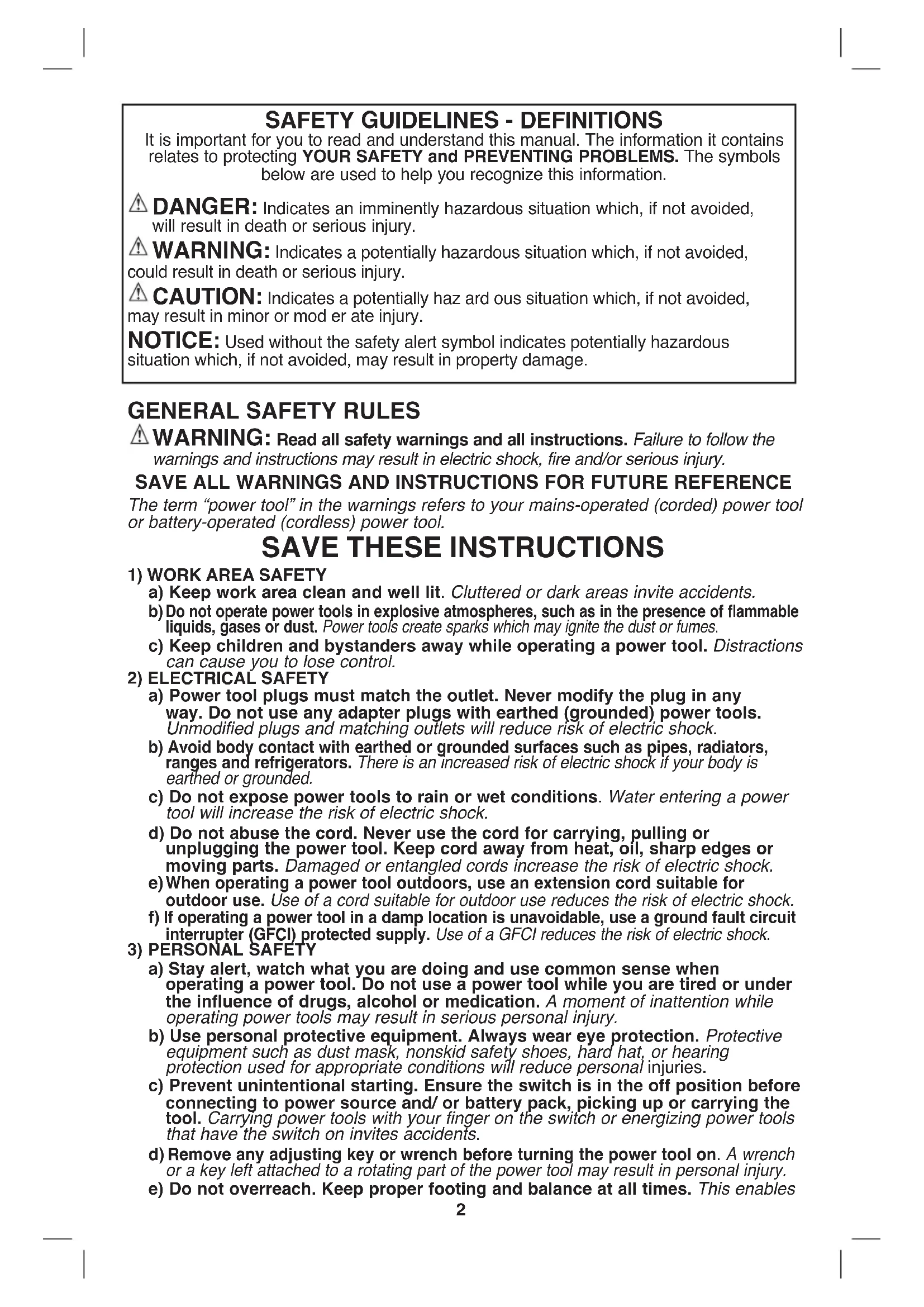
It is important for you to read and understand this manual. The information it contains relates to protecting YOUR SAFETY and PREVENTING PROBLEMS. The symbols below are used to help you recognize this information.

DANGER: Indicates an imminently hazardous situation which, if not avoided, will result in death or serious injury.

WARNING: Indicates a potentially hazardous situation which, if not avoided, could result in death or serious injury.

CAUTION: Indicates a potentially haz ard ous situation which, if not avoided, y result in minor or mod er ate injury.
NOTICE: Used without the safety alert symbol indicates potentially hazardous situation which, if not avoided, may result in property damage.
GENERAL SAFETY RULES

WARNING: Read all safety warnings and all instructions. Failure to follow the warnings and instructions may result in electric shock, fire and/or serious injury.
SAVE ALL WARNINGS AND INSTRUCTIONS FOR FUTURE REFERENCE
The term “power tool” in the warnings refers to your mains-operated (corded) power tool or battery-operated (cordless) power tool.
SAVE THESE INSTRUCTIONS
1) WORK AREA SAFETY
a) Keep work area clean and well lit. Cluttered or dark areas invite accidents.
b) Do not operate power tools in explosive atmospheres, such as in the presence of flammable liquids, gases or dust. Power tools create sparks which may ignite the dust or fumes.
c) Keep children and bystanders away while operating a power tool. Distractions can cause you to lose control.
2) ELECTRICAL SAFETY
a) Power tool plugs must match the outlet. Never modify the plug in any way. Do not use any adapter plugs with earthed (grounded) power tools. Unmodified plugs and matching outlets will reduce risk of electric shock.
b) Avoid body contact with earthed or grounded surfaces such as pipes, radiators, ranges and refrigerators. There is an increased risk of electric shock if your body is earthed or grounded.
c) Do not expose power tools to rain or wet conditions. Water entering a power tool will increase the risk of electric shock.
d) Do not abuse the cord. Never use the cord for carrying, pulling or unplugging the power tool. Keep cord away from heat, oil, sharp edges or moving parts. Damaged or entangled cords increase the risk of electric shock.
e) When operating a power tool outdoors, use an extension cord suitable for outdoor use. Use of a cord suitable for outdoor use reduces the risk of electric shock.
f) If operating a power tool in a damp location is unavoidable, use a ground fault circuit interrupter (GFCI) protected supply. Use of a GFCI reduces the risk of electric shock.
3) PERSONAL SAFETY
a) Stay alert, watch what you are doing and use common sense when operating a power tool. Do not use a power tool while you are tired or under the influence of drugs, alcohol or medication. A moment of inattention while operating power tools may result in serious personal injury.
b) Use personal protective equipment. Always wear eye protection. Protective equipment such as dust mask, nonskid safety shoes, hard hat, or hearing protection used for appropriate conditions will reduce personal injuries.
c) Prevent unintentional starting. Ensure the switch is in the off position before connecting to power source and/or battery pack, picking up or carrying the tool. Carrying power tools with your finger on the switch or energizing power tools that have the switch on invites accidents.
d) Remove any adjusting key or wrench before turning the power tool on. A wrench or a key left attached to a rotating part of the power tool may result in personal injury.
e) Do not overreach. Keep proper footing and balance at all times. This enables
better control of the power tool in unexpected situations.
f) Dress properly. Do not wear loose clothing or jewelry. Keep your hair, clothing and gloves away from moving parts. Loose clothes, jewelry or long hair can be caught in moving parts.
g) If devices are provided for the connection of dust extraction and collection facilities, ensure these are connected and properly used. Use of dust collection can reduce dust-related hazards.
4) POWER TOOL USE AND CARE
a) Do not force the power tool. Use the correct power tool for your application. The correct power tool will do the job better and safer at the rate for which it was designed.
b) Do not use the power tool if the switch does not turn it on and off. Any power tool that cannot be controlled with the switch is dangerous and must be repaired.
c) Disconnect the plug from the power source and/or the battery pack from the power tool before making any adjustments, changing accessories, or storing power tools. Such preventive safety measures reduce the risk of starting the power tool accidentally.
d) Store idle power tools out of the reach of children and do not allow persons unfamiliar with the power tool or these instructions to operate the power tool. Power tools are dangerous in the hands of untrained users.
e) Maintain power tools. Check for misalignment or binding of moving parts, breakage of parts and any other condition that may affect the power tool's operation. If damaged, have the power tool repaired before use. Many accidents are caused by poorly maintained power tools.
f) Keep cutting tools sharp and clean. Properly maintained cutting tools with sharp cutting edges are less likely to bind and are easier to control.
g) Use the power tool, accessories and tool bits, etc. in accordance with these instructions, taking into account the working conditions and the work to be performed. Use of the power tool for operations different from those intended could result in a hazardous situation.
5) BATTERY TOOL USE AND CARE
a) Recharge only with the charger specified by the manufacturer. A charger that is suitable for one type of battery pack may create a risk of fire when used with another battery pack.
b) Use power tools only with specifically designated battery packs. Use of any other battery packs may create a risk of injury and fire.
c) When battery pack is not in use, keep it away from other metal objects like paper clips, coins, keys, nails, screws, or other small metal objects that can make a connection from one terminal to another. Shorting the battery terminals together may cause burns or a fire.
d) Under abusive conditions, liquid may be ejected from the battery, avoid contact. If contact accidentally occurs, flush with water. If liquid contacts eyes, additionally seek medical help. Liquid ejected from the battery may cause irritation or burns.
6) SERVICE
a) Have your power tool serviced by a qualified repair person using only identical replacement parts. This will ensure that the safety of the power tool is maintained.
SPECIFIC SAFETY RULES
- Hold power tool by insulated gripping surfaces, when performing an operation where the cutting accessory may contact hidden wiring. Cutting accessory contacting a “live” wire may make exposed metal parts of the power tool “live” and could give the operator an electric shock.
- Use clamps or another practical way to secure and support the work piece to a stable platform. Holding the work by hand or against your body leaves it unstable and may lead to loss of control.
- Disconnect power before using tool near live wires or where there may be hidden wiring. Cutting accessory contacting a “live” wire may make exposed metal parts of the power tool “live” and could give the operator an electric shock.” Always check for hidden wiring, gas lines, or other utilities before performing any material cutting or removal operations with the tool.
- Wait for the cutter to stop before setting the tool down. An exposed cutter may engage the surface leading to possible loss of control and serious injury.
- Do not operate this tool for long periods of time. Vibration caused by the operating action of this tool may cause permanent injury to fingers, hands, and arms. Use gloves to provide extra
cushion, take frequent rest periods, and limit daily time of use.
- Always hold the tool firmly with both hands for maximum control. Keep proper footing and balance at all times. This enables better control of the power tool in unexpected situations.
- Do not restart the cutting operation in the work piece. Let the tool reach full speed and carefully re-enter the cut.
- Do not “jam” the cut-off saw blade or apply excessive pressure. Do not attempt to make an excessive depth of cut.
- Keep your hands away from cutting area. Do not reach under the material being cut.
- Do not use dull or damaged blades. Bent blade can break easily or cause kickback. Exercise extreme caution when handling the accessories. The accessories are very sharp. Wear protective gloves when changing cutting accessories. Accessories become hot after prolonged usage.
- Before scraping, check work piece for nails. If there are nails, either remove them or set them well below intended finished surface. Striking a nail with accessory edge could cause the tool to jump.
- Do not wet sand with this tool. Liquids entering the motor housing are an electrical shock hazard.
- Never work in area which is soaked with a liquid, such as a solvent or water, or dampened such as newly applied wallpaper. There is an electrical shock hazard when working in such conditions with a power tool and heating of the liquid caused by scraping action may cause harmful vapors to be emitted from work piece.
- Do not use sandpaper intended for larger sanding pads. Larger sandpaper will extend beyond the sanding pad causing snagging, tearing of the paper or kick-back. Extra paper extending beyond the sanding pad can also cause serious lacerations.
⚠ WARNING: ALWAYS use safety glasses. Everyday eyeglasses are NOT safety glasses. Also use face or dust mask. ALWAYS WEAR CERTIFIED SAFETY EQUIPMENT:
• ANSI Z87.1 eye protection (CAN/CPA Z94.3),
• ANSI S12.6 (S3.19) hearing protection,
• NOSH/OSHA respiratory protection.
⚠ WARNING: Some dust created by power sanding, sawing, grinding, drilling, and other construction activities contains chemicals known to the state of California to cause cancer, birth defects or other reproductive harm. Some examples of these chemicals are:
- lead from lead-based paints,
• crystalline silica from bricks and cement and other masonry products, and
• arsenic and chromium from chemically-treated lumber.
Your risk from these exposures varies, depending on how often you do this type of work. To reduce your exposure to these chemicals: work in a well ventilated area, and work with approved safety equipment, such as those dust masks that are specially designed to filter out microscopic particles.
- Avoid prolonged contact with dust from power sanding, sawing, grinding, drilling, and other construction activities. Wear protective clothing and wash exposed areas with soap and water. Allowing dust to get into your mouth, eyes, or lay on the skin may promote absorption of harmful chemicals.
⚠ WARNING: Use of this tool can generate and/or disperse dust, which may cause serious and permanent respiratory or other injury. Always use NOSH/OSHA approved respiratory protection appropriate for the dust exposure. Direct particles away from face and body.
⚠ WARNING: Always wear proper personal hearing protection that conforms to ANSI S12.6 (S3.19) during use. Under some conditions and duration of use, noise from this product may contribute to hearing loss.
PRECAUTIONS TO TAKE WHEN SANDING PAINT
-
Sanding of lead based paint is NOT RECOMMENDED due to the difficulty of controlling the contaminated dust. The greatest danger of lead poisoning is to children and pregnant women.
-
Since it is difficult to identify whether or not a paint contains lead without a chemical analysis, we recommend the following precautions when sanding any paint:
PERSONAL SAFETY
-
No children or pregnant women should enter the work area where the paint sanding is being done until all clean up is completed.
-
A dust mask or respirator should be worn by all persons entering the work area. The filter should be replaced daily or whenever the wearer has difficulty breathing. See your local hardware store for the proper N.I.O.S.H. approved dust mask.
-
NO EATING, DRINKING or SMOKING should be done in the work area to prevent ingesting contaminated paint particles. Workers should wash and clean up BEFORE eating, drinking
or smoking. Articles of food, drink, or smoking should not be left in the work area where dust would settle on them.
ENVIRONMENTAL SAFETY
- Paint should be removed in such a manner as to minimize the amount of dust generated.
- Areas where paint removal is occurring should be sealed with plastic sheeting of 4 mils thickness.
- Sanding should be done in a manner to reduce tracking of paint dust outside the work area.
CLEANING AND DISPOSAL
-
All surfaces in the work area should be vacuumed and thoroughly cleaned daily for the duration of the sanding project. Vacuum filter bags should be changed frequently.
-
Plastic drop cloths should be gathered up and disposed of along with any dust chips or other removal debris. They should be placed in sealed refuse receptacles and disposed of through regular trash pick-up procedures. During clean up, children and pregnant women should be kept away from the immediate work area.
-
All toys, washable furniture and utensils used by children should be washed thoroughly before being used again.
Symbols
- The label on your tool may include the following symbols. The symbols and their definitions are as follows:
V.....volts
A.....amperes
Hz......hertz
W......watts
min......minutes
\~ or AC.....alternating current
--- or DC...direct current
n_0 ......no load speed
Class I Construction (grounded)
earthing terminal
☐ ......Class II Construction (double insulated)
⚠️ ......safety alert symbol
opm....oscillations per minute
Read instruction manual before use Use proper respiratory protection
Use proper eye protection
O Use proper hearing protection
- When using an extension cord, be sure to use one heavy enough to carry the current your product will draw. An undersized cord will cause a drop in line voltage resulting in loss of power and overheating. The table shows the correct size to use depending on cord length and nameplate ampere rating. If in doubt, use the next heavier gauge. The smaller the gauge number, the heavier the cord.
Recommended Minimum Wire Size for Extension Cords
| Total Length of Cord | ||||||
| 25 ft. | 50 ft. | 75 ft. | 100 ft. | 125 ft. | 150 ft. | 175 ft. |
| 7.6 m | 15.2 m | 22.9 m | 30.5 m | 38.1 m | 45.7 m | 53.3 m |
| Wire Size AWG | ||||||
| 18 | 18 | 16 | 16 | 14 | 14 | 12 |
SAVE THESE INSTRUCTIONS
Important Safety Instructions for Battery Chargers
SAVE THESE INSTRUCTIONS: This manual contains important safety instructions for battery chargers.
WARNING: Before using charger, read all instructions and cautionary markings on charger, battery pack, and product using battery pack.
- Shock hazard. Do not allow any liquid to get inside charger.
- Burn hazard. To reduce the risk of injury, charge only designated PORTER-CABLE batteries. Other types of batteries may burst causing personal injury and damage.
- Under certain conditions, with the charger plugged in to the power supply, the charger can be shorted by foreign material. Foreign materials of a conductive nature such as, but not limited to, steel wool, aluminum foil, or any buildup of metallic particles should be kept away from charger cavities. Always unplug the charger from the power supply
- Shock hazard. Do not allow any liquid to get inside charger. - Burn hazard. To reduce the risk of injury, charge only designated PORTER-CABLE batteries. Other types of batteries may burst causing personal injury and damage. - Under certain conditions, with the charger plugged in to the power supply, the charger can be shorted by foreign material. Foreign materials of a conductive nature such as, but not limited to, steel wool, aluminum foil, or any buildup of metallic particles should be kept away from charger cavities. Always unplug the charger from the power supply
when there is no battery pack in the cavity. Unplug charger before attempting to clean.
- DO NOT attempt to charge the battery pack with any chargers other than the ones in this manual. The charger and battery pack are specifically designed to work together.
- These chargers are not intended for any uses other than charging designated PORTER-CABLE rechargeable batteries. Any other uses may result in risk of fire, electric shock or electrocution.
- Do not expose charger to rain or snow.
- Pull by plug rather than cord when disconnecting charger. This will reduce risk of damage to electric plug and cord.
- Make sure that cord is located so that it will not be stepped on, tripped over, or otherwise subjected to damage or stress.
- Do not use an extension cord unless it is absolutely necessary. Use of improper extension cord could result in risk of fire, electric shock, or electrocution.
- An extension cord must have adequate wire size (AWG or American Wire Gauge) for safety. The smaller the gauge number of the wire, the greater the capacity of the cable, that is 16 gauge has more capacity than 18 gauge. When using more than one extension to make up the total length, be sure each individual extension contains at least the minimum wire size.
- Do not place any object on top of charger or place the charger on a soft surface that might block the ventilation slots and result in excessive internal heat. Place the charger in a position away from any heat source. The charger is ventilated through slots in the top and the bottom of the housing.
- Do not operate charger with damaged cord or plug — have them replaced immediately.
- Do not operate charger if it has received a sharp blow, been dropped, or otherwise damaged in any way. Take it to an authorized service center.
- Do not disassemble charger; take it to an authorized service center when service or repair is required. Incorrect reassembly may result in a risk of electric shock, electrocution or fire.
- Disconnect the charger from the outlet before attempting any cleaning. This will reduce the risk of electric shock. Removing the battery pack will not reduce this risk.
- NEVER attempt to connect 2 chargers together.
- The charger is designed to operate on standard household electrical power (120 Volts). Do not attempt to use it on any other voltage.
SAVE THESE INSTRUCTIONS
Important Safety Instructions for Battery Packs
⚠ WARNING: For safe operation, read this manual and manuals originally supplied with tool before using the battery pack.
The battery pack is not fully charged out of the carton. Before using the battery pack and charger, read the safety instructions below. Then follow charging procedures outlined.
READ ALL INSTRUCTIONS
- Do not incinerate the battery pack even if it is severely damaged or is completely worn out. The battery pack can explode in a fire. Toxic fumes and materials are created when Li-Ion battery packs are burned.
- Do not charge or use battery in explosive atmospheres, such as in the presence of flammable liquids, gases or dust. Inserting or removing the battery from the charger may ignite the dust or fumes.
- If battery contents come into contact with the skin, immediately wash area with mild soap and water. If battery liquid gets into the eye, rinse water over the open eye for 15 minutes or until irritation ceases. If medical attention is needed, the battery electrolyte for Li-Ion batteries is composed of a mixture of liquid organic carbonates and lithium salts.
- Contents of opened battery cells may cause respiratory irritation. Provide fresh air. If symptoms persist, seek medical attention.
⚠ WARNING: Burn hazard. Battery liquid may be flammable if exposed to spark or flame.
• Charge the battery packs only in PORTER-CABLE chargers.
• DO NOT splash or immerse in water or other liquids. This may cause premature cell failure.
- Do not store or use the tool and battery pack in locations where the temperature may reach or exceed 105^ (40°C) (such as outside sheds or metal buildings in summer).
⚠ WARNING: Never attempt to open the battery pack for any reason. If battery pack case is cracked or damaged, do not insert into charger. Do not crush, drop or damage battery pack. Do not use a battery pack or charger that has received a sharp blow, been dropped, run over or damaged in any way (i.e., pierced with a nail, hit with a hammer, stepped on). Damaged battery packs should be returned to service center for recycling.
⚠ WARNING: Fire hazard. Do not store or carry battery so that metal objects can contact exposed battery terminals. For example, do not place battery in aprons, pockets, tool boxes, product kit boxes, drawers, etc., with loose nails, screws, keys, etc. Transporting batteries can possibly cause fires if the battery terminals inadvertently come in contact with conductive materials such as keys, coins, hand tools and the like. The US Department of Transportation Hazardous Material Regulations (HMR) actually prohibit transporting batteries in commerce or on airplanes (i.e., packed in suitcases and carry-on luggage) UNLESS they are properly protected from short circuits. So when transporting individual batteries, make sure that the battery terminals are protected and well insulated from materials that could contact them and cause a short circuit. NOTE: Li-Ion batteries should not be put in checked baggage.
Storage Recommendations
- The best storage place is one that is cool and dry away from direct sunlight and excess heat or cold.
- Long storage will not harm the battery pack or charger.
Charging Procedure
PORTER-CABLE chargers are designed to charge PORTER-CABLE battery packs. Charge times are: PCC690L in 35–100 mins., PCC691L in 65–200 mins., PCC692/PCC692L in 35–100 mins., and PCC695L in 160-300 mins., PCC699L in 65-200 mins. and PCCB122 in 35-100 mins. depending on the pack being charged.
- Plug the charger into an appropriate outlet before inserting the battery pack.

- Insert the battery pack into the charger.

-
The LED will flash indicating that the battery is being charged.
-
The completion of charge is indicated by the LED remaining on continuously.
The pack is fully charged and may be used at this time or left on the charger. Recharge discharged batteries as soon as possible after use or battery life may be greatly diminished. For longest battery life, do not discharge
batteries fully. It is recommended that the batteries be recharged after each use.
Charger Diagnostics
This charger is designed to detect certain problems that can arise with the battery packs or the power source. Problems are indicated by one LED flashing in different patterns.

Bad Battery
The charger can detect a weak or damaged battery. The LED flashes in the pattern indicated on the label. If you see this bad battery blink pattern, do not continue to charge the battery. Return it to a service center or a collection site for recycling.

Hot/Cold Pack Delay
When the charger detects a battery that is excessively hot or excessively cold, it automatically starts a Hot/Cold Pack Delay, suspending charging until the battery has normalized. After this happens, the charger automatically switches to the Pack Charging mode. This feature ensures maximum battery life. The light flashes in the pattern indicated on the label.

Problem Power Line
When the charger is used with some portable power sources such as generators or sources that convert DC to AC, the charger may temporarily suspend operation. The LED flashes in the pattern indicated on the label. This indicates that the power source is out of limits.
Leaving the Battery in the Charger
The charger and battery pack can be left connected with the LED glowing indefinitely. The charger will keep the battery pack fresh and fully charged. This charger features an automatic tune-up mode which equals or balances the individual cells in the battery pack to allow it to function at peak capacity. Battery packs should be tuned up weekly or whenever the battery no longer delivers the same amount of work. To use the automatic tune-up mode, place the battery pack in the charger and leave it for at least 8 hours.
Important Charging Notes
- Longest life and best performance can be obtained if the battery pack is charged
when the air temperature is between 65^ F and 75^ F ( 18^-24^ C). DO NOT charge the battery pack in an air temperature below +40^ F (+4.5°C), or above +105^ F (+40.5°C). This is important and will prevent serious damage to the battery pack.
-
The charger and battery pack may become warm to touch while charging. This is a normal condition, and does not indicate a problem. To facilitate the cooling of the battery pack after use, avoid placing the charger or battery pack in a warm environment such as in a metal shed, or an uninsulated trailer.
-
If the battery pack does not charge properly:
a. Check current at receptacle by plugging in a lamp or other appliance
b. Check to see if receptacle is connected to a light switch which turns power off when you turn out the lights.
c. Move charger and battery pack to a location where the surrounding air temperature is approximately 65^ F - 75^ F ( 18^ - 24^ C).
d. If charging problems persist, take the tool, battery pack and charger to your local service center.
- The battery pack should be recharged when it fails to produce sufficient power on jobs which were easily done previously. DO NOT CONTINUE to use under these conditions. Follow the charging procedure. You may also charge a partially used pack whenever you desire with no adverse effect on the battery pack.
INSTALLING/REMOVING THE BATTERY PACK FROM THE TOOL
⚠️ CAUTION: Do not hold or contact the accessory when inserting or removing the battery pack or turning the unit on.
⚠️ CAUTION: Make sure the switch is off when the tool is not being used.
TO INSTALL BATTERY PACK: Insert battery pack (E) firmly into tool until an audible click is heard as shown in Figure 3.
TO REMOVE BATTERY PACK: Depress the battery release button (F) as shown in Figure 4 and pull battery pack out of tool.
INTENDED USE
Detail Sanding
Sanding in extremely tight areas otherwise difficult to reach and require hand sanding. Select a high oscillating frequency. Sand with continuous motion and light pressure. Applying excessive pressure does not increase material removal; but will prematurely wear sanding sheets.
Flush Cutting
Remove excess wood from door jamb, window sill and/or toe kick. Removing excess copper or PVC pipe.
Removal Work
Carpets & backing, old tile adhesives, caulking on masonry, wood and other surfaces.
Removal of Excess Materials
Tile grout, plaster, mortar splatters, concrete on tiles, sills.
Preparation of Surfaces
New floors and tiles.
COMPONENTS
This product uses the batteries and chargers listed below.
20V Max* Lithium-Ion Batteries: PCC680L, PCC681L, PCC682/PCC682L, PCC683L, PCC685L 20V Max* Lithium-Ion Chargers: PCC690L, PCC691L, PCC692/PCC692L, PCC695L, PCC699L, PCCB122
D.) Tool-Free accessory clamp E.) Battery (not included)
INSTALLING/REMOVING ACCESSORIES
The PCC710 features an exclusive Tool Free System for faster accessory changes and adjustments without the need for wrenches or hex keys like other oscillating tool systems.
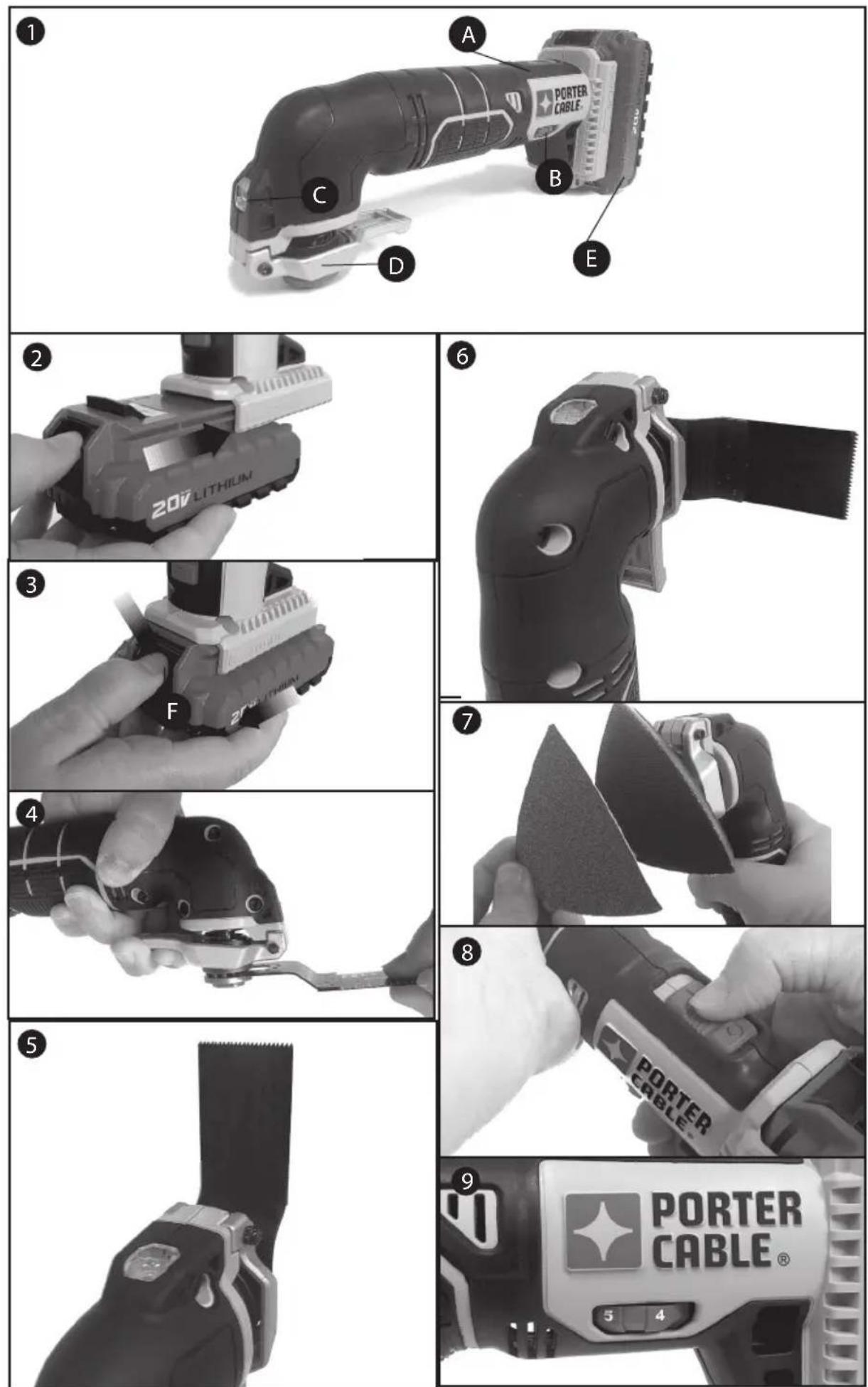
- Grasp the tool and squeeze the Tool-Free System's accessory clamping lever as shown in figure 4.
- Clean any residual debris from the tool shaft and the accessory holder.
ASSEMBLY
⚠ WARNING: Disconnect the plug from the power source before making any assembly, adjustments or changing accessories. Such preventive safety measures reduce the risk of starting the tool accidentally.
WARNING: Risk of lacerations or burns. Do not touch the sharp edges of accessories at any time. Do not touch work piece or blade immediately after operating the tool. They can become very hot. Handle carefully. Always allow accessories and work piece to cool before handling.
- Slide the accessory between the shaft and the accessory holder making sure the accessory engages all pins on the holder and is flush with the shaft (figure 5).
- Release the accessory clamp lever.
- Some accessories, such as scrapers and blades can be mounted at an angle if required as shown in figure 6.
INSTALLING/REMOVING SANDING SHEETS
A diamond shaped platen uses a hook and loop adhesion system to attach the sanding sheets. The platen allows you to use it on large flat surfaces and tight spots or corners.
- Attach the sanding platen as described under "Installing/Removing Accessories".
- Align the edges on the sanding sheet, with the edge of the sanding platen and press the sanding sheet onto the platen as shown in figure 8.
- Firmly press the base with the sanding sheet attached against a flat surface and briefly switch the tool on. This provides for good adhesion between the platen and the sanding sheet and also helps to prevent premature wear.
- When the tip of the sanding sheet becomes worn, detach the sheet from the platen, rotate and reapply.
OPERATION
SWITCH
⚠️ CAUTION: Because the PCC710 has a separate speed dial for setting the speed (8,000 - 18,000 OPM), the tool will start at the speed where the variable speed dial is set. Be sure switch is fully OFF before installing battery pack.
⚠️ CAUTION: Do not hold or contact the accessory when inserting or removing the battery pack or turning the unit on.
- To turn the tool ON, hold it as shown in figure 8 and push the slide switch forward.
- To turn the tool OFF, push the slide switch backward.
NOTE: The tool will start if the switch is left in the "on" position and the battery is inserted. The switch must be moved to "off" to prevent the tool from immediately starting when battery is inserted.
VARIABLE SPEED DIAL
To operate the tool, select the speed setting you wish with the speed dial, shown in figure 9, and slide the ON/OFF switch forward. The speed setting can be adjusted either with the tool on or off.
⚠️ CAUTION: Because the PCC710 has a separate speed dial for setting the speed (8,000 - 18,000 OPM), the tool will start at the speed where the variable speed dial is set. Be sure switch is fully OFF before installing battery pack.
The numbered positions,1 through 6 inscribed on the variable speed dial, do not indicate any precise speed but are good reference points. The higher the number, the higher the tool speed.
The approximate speed at each setting is:
SPEED SETTING 1 2 3 4 5 6
APPROXIMATE SPEED 8,000 10,000 12,000 14,000 16,000 18,000
(Actual OPM's on your tool may vary.)
Be sure to select the proper speed for your oscillating tool operation. If in doubt about the proper speed for your operation, test the performance at low speed settings and gradually increase until a comfortable speed is found.
PLUNGE CUTTING
⚠ WARNING: Hold saw firmly with both hands for all cutting operations.
⚠ WARNING: Inspect work area for hidden electrical wiring, gas pipes or water pipes before making blind or plunge cuts. Failure to do so may result in electrical shock, fire, explosion, or property damage.
⚠ WARNING: ALWAYS use safety glasses. Everyday eyeglasses are NOT safety glasses. Also use face or dust mask if cutting operation is dusty. ALWAYS WEAR CERTIFIED SAFETY EQUIPMENT.
⚠ WARNING: CUT HAZARD. Before cutting any type of material, be sure it is firmly anchored or clamped to prevent slipping.
⚠ WARNING: CUT HAZARD. Let the tool work at its own pace. Do not overload, blade breakage may occur.
TO MAKE A CUT:
- Clearly mark the desired cutting area.
- Switch the tool on before applying pressure and slowly feed the blade into the work piece at the marked location.
⚠ WARNING: CUT HAZARD. Ensure the blade is not in contact with cutting surface before starting saw.
- Advance the blade along the cutting line until cut is completed. Don't force the tool; let the blade cut at its own speed.
- Switch the tool off.
NOTE: Always use the appropriate type of saw blade for the work piece material and type of cut. Cut only with sharp blades; they cut cleaner, faster and put less strain on the motor while cutting.
SANDING
⚠ WARNING: Fire hazard. When working on metal surfaces, do not use a vacuum cleaner because sparks are generated. Wear safety glasses and a dust mask. Due to the danger of fire, do not use your sander to sand magnesium surfaces. Do not use for wet sanding.
NOTE: Do not rest fingers on platen during use. Move it in long sweeping strokes across the surface, letting it do the work. Light pressure is all that is required for sanding. Excessive pressure will slow the tool and produce inferior results. Check your work often product is capable of removing material rapidly. Excessive force will reduce the working efficiency and cause motor overload. Replacing the sanding sheet regularly will maintain optimum working efficiency.
NOTE: Always ensure the work piece is firmly held or clamped to prevent movement. Any movement of the material may affect the quality of the sanding finish.
HELPFUL HINTS
• Always ensure the work piece is firmly held or clamped to prevent movement. Any movement of the material may affect the quality of the cutting or sanding finish.
- Do not start sanding without having the sandpaper attached to sanding platen.
- Use coarse grit paper to sand rough surfaces, medium grit for smooth surfaces and fine grit for the finishing surfaces. If necessary, first make a test run on scrap material.
- Excessive force will reduce the working efficiency and cause motor overload. Replacing the accessory regularly will maintain optimum working efficiency.
- Do not allow the sandpaper to wear away, it will damage the sanding pad.
- If the tool overheats, especially when used at low speed, set the speed to maximum and run it with no load for 2-3 minutes to cool the motor. Avoid prolonged usage at very low speeds. Always keep the blade sharp.
MAINTENANCE
⚠️ CAUTION: Never use solvents or other harsh chemicals for cleaning the non-metallic parts of the tool. Use only mild soap and damp cloth to clean the tool. Never let any liquid get inside the tool; never immerse any part of the tool into a liquid.

The RBRC™ Seal
The RBRC ^™ (Rechargeable Battery Recycling Corporation) Seal on the Li-Ion battery (or battery pack) indicates that the costs to recycle the battery (or battery
pack) at the end of its useful life have already been paid by PORTER-CABLE. RBRC™ in cooperation with PORTER-CABLE and other battery users, has established programs in the United States to facilitate the collection of spent Li-Ion batteries. Help protect our environment and conserve natural resources by returning the spent Li-Ion battery to an authorized PORTER-CABLE service center or to your local retailer for recycling. You may also contact your local recycling center for information on where to drop off the spent battery. RBRC™ is a registered trademark of the Rechargeable Battery Recycling Corporation.
REPLACEMENT PARTS
Use only identical replacement parts. For a parts list or to order parts, visit our service website at www.portercable.com. You can also order parts from your nearest PORTER-CABLE Factory Service Center or PORTER-CABLE Authorized Warranty Service Center. Or, you can call our Customer Care Center at (888) 848-5175.
SERVICE AND REPAIRS
All quality tools will eventually require servicing and/or replacement of parts. For information about PORTER-CABLE, its factory service centers or authorized warranty service centers, visit our website at www.portercable.com or call our Customer Care Center at (888) 848-5175. All repairs made by our service centers are fully guaranteed against defective material and workmanship. We cannot guarantee repairs made or attempted by others. You can also write to us for information at PORTER-CABLE, 4825 Highway 45 North, Jackson, Tennessee 38305, (888) 848-5175 - Attention: Product Service. Be sure to include all of the information shown on the nameplate of your tool (model number, type, serial number, etc.).
ACCESSORIES
⚠ WARNING: Since accessories, other than those offered by PORTER-CABLE, have not been tested with this product, use of such accessories with this tool could be hazardous. To reduce the risk of injury, only PORTER-CABLE recommended accessories should be used with this product.
A complete line of accessories is available from your PORTER-CABLE Factory Service Center or a PORTER-CABLE Authorized Warranty Service Center. Please visit our Web Site www.portercable.com for a catalog or for the name of your nearest supplier.
NOTE: This equipment has been tested and found to comply with the limits for a Class B digital device, pursuant to Part 15 of the FCC Rules. These limits are designed to provide reasonable protection against harmful interference in a residential installation. This equipment generates, uses and can radiate radio frequency energy and, if not installed
TROUBLESHOOTING
| Problem | Possible Cause | Possible Solution |
| Unit will not start. | Battery pack not installed properly. | Check battery pack installation. |
| Battery pack not charged. | Check battery pack charging requirements. | |
| Unit starts immediately upon inserting battery. | The switch has been the switch must be moved to “off” to prevent the tool | |
| from when when battery | ||
| Battery pack will not charge. charger until LED lights. | Battery pack not inserted into charger. | Insert battery pack into working "Important for more charging details. |
| Charger not plugged in. | Plug charger into a | |
| Surrounding air temperature too hot or too cold. | Move charger and battery pack to a surrounding air | |
| temperature of degrees F (4) 105 degrees F | ||
| Unit shuts off abruptly. | Battery pack has reached its maximum thermal | Allow battery pack to cool limit. down. |
| Out of charge. (To maximize the life of the battery pack it is designed to shutoff abruptly when the charge is depleted.) | Place on charger and allow to charge. | |
and used in accordance with the instructions, may cause harmful interference to radio communications.
However, there is no guarantee that interference will not occur in a particular installation. If this equipment does cause harmful interference to radio or television reception, which can be determined by turning the equipment off and on, the user is encouraged to try to correct the interference by one or more of the following measures:
Reorient or relocate the receiving antenna.
- Increase the separation between the equipment and receiver.
- Connect the equipment into an outlet on a circuit different from that to which the receiver is connected.
- Consult the dealer or an experienced radio/TV technician for help.
Changes or modifications to this unit not expressly approved by the party responsible for compliance could void the user's authority to operate the equipment. This Class B digital apparatus complies with Canadian ICES-003.
THREE YEAR LIMITED WARRANTY
PORTER-CABLE will repair or replace, without charge, any defects due to faulty materials or workmanship for three years from the date of purchase for tools (two years for batteries). This warranty does not cover part failure due to normal wear or tool abuse. For further detail of warranty coverage and warranty repair information, visit www.portercable.com or call (888) 848-5175. This warranty does not apply to accessories or damage caused where repairs have been made or attempted by others. This warranty gives you specific legal rights and you may have other rights which vary in certain states or provinces.
In addition to the warranty, PORTER-CABLE tools are covered by our: 1 YEAR FREE SERVICE: PORTER-CABLE will maintain the tool and replace worn parts caused by normal use, for free, any time during the first year after purchase. 90 DAY MONEY BACK GUARANTEE: If you are not completely satisfied with the performance of your PORTER-CABLE Power Tool for any reason, you can return it within 90 days from the date of purchase with a receipt for a full refund – no questions asked. LATIN AMÉRICA: This warranty does not apply to products sold in Latin America. For products sold in Latin America, see country specific warranty information contained in the packaging, call the local company or see website for warranty information.
PORTER CABLE.
To register your tool for warranty service visit our website at www.portercable.
com.
WARNING LABEL REPLACEMENT
If your warning labels become illegible or are missing, call (888) 848-5175 for a free replacement.
4825 Highway 45
North Jackson, TN 38305 /
(888) 848-5175 /
www.portercable.com
LIGNES DIRECTRICES EN MATIÈRE DE SÉCURITÉ - DÉFINITIONS
natural_image
Close-up of a hand holding a 20V Lithium battery pack (no visible text or symbols on the device itself)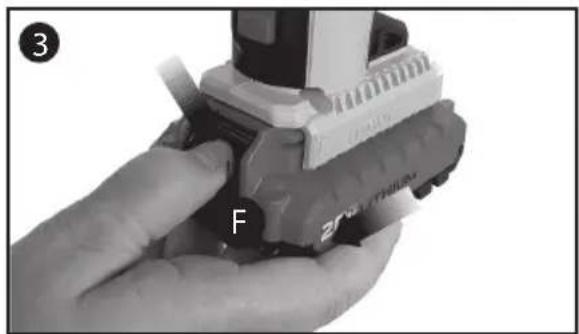
natural_image
Close-up of a hand holding a small mechanical device with a labeled component (F), no visible text or symbols on the device itself.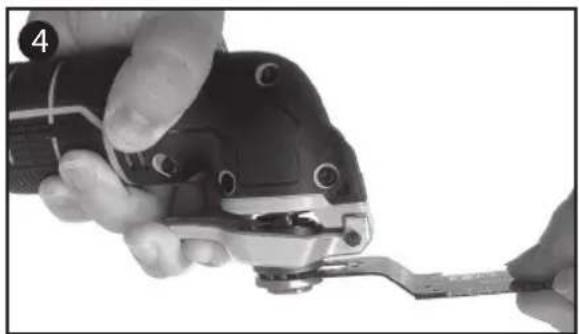
natural_image
Close-up of hands using a power crimping tool to adjust a mechanical component (no visible text or symbols)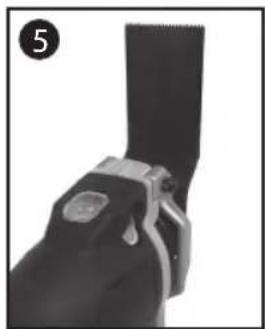
natural_image
Close-up of a black mechanical component with a clamp and lever mechanism (no visible text or symbols)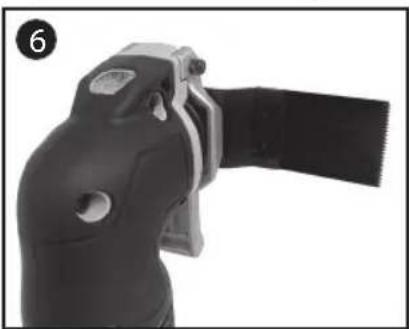
natural_image
Close-up of a black handheld device with a black handle and circular opening, no visible text or symbols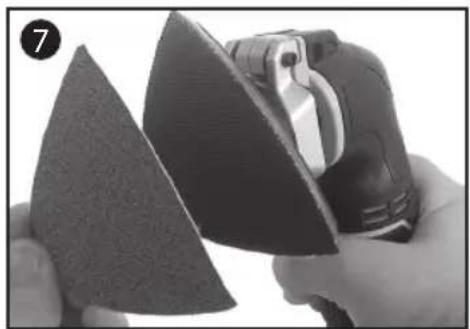
natural_image
Close-up of hands using a power tool to cut a textured surface, no text or symbols visible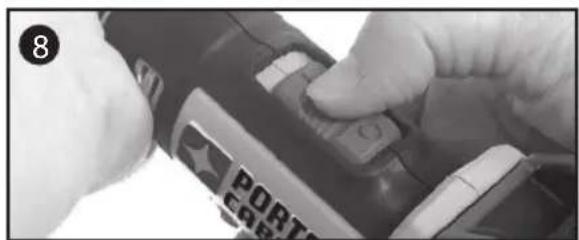
natural_image
Close-up of hands operating a portable power strip device (no visible text or symbols)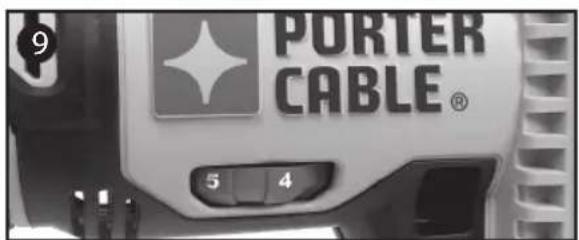
text_image
PORTER CABLE® 5 4ASSEMBLAGE
PROBLÈME CAUSE POSSIBLE SOLUTION POSSIBLE
Les éléments ci-dessous sont des marques de commerce des outils et des accessoires de PORTER-CABLE : un agencement de couleurs grise et noire; un motif d' « étoile à quatre pointes » et trois bandes longitudinales contrastantes/à contours. Les marques suivantes sont également des marques de commerce se rapportant à un ou plusieurs produits PORTER-CABLE ou Delta : 2 BY 4®, 890™, Air America®, AIRBOSS™, Auto-Set®, B.O.S.S.®, Bammer®, Biesemeyer®, Builders Saw®, Charge Air®, Charge Air Pro®, CONTRACTOR SUPERDUTY®, Contractor's Saw®, Delta®, DELTA®, Delta Industrial®, DELTA MACHINERY & DESIGN™, Delta Shopmaster and Design®, Delta X5®, Deltacraft®, DELTAGRAM®, Do It. Feel It.®, DUAL LASERLOC AND DESIGN®, EASY AIR®, EASY AIR TO GO™, ENDURADIAMOND®, Ex-Cell®, Front Bevel Lock®, Get Yours While the Sun Shines®, Grip to Fit®, GRIPVAC™, GTF®, HICKORY WOODWORKING®, Homecraft®, HP FRAMER HIGH PRESSURE®, IMPACT SERIES™, Innovation That Works®, Jet-Lock®, Job Boss®, Kickstand®, LASERLOC®, LONG-LASTING WORK LIFE®, MAX FORCE™, MAX LIFE®, Micro-Set®, Midi-Lathe®, Monsoon®, MONSTER-CARBIDE™, Network®, OLDHAM®, Omnijig®, PC EDGE®, Performance Crew™, Performance Gear®, Pocket Cutter®, Porta-Band®, Porta-Plane®, PORTER-CABLE®, PORTER-CABLE Professional Power Tools®, Powerback®, POZI-STOP™, Pressure Wave®, PRO 4000®, Proair®, Quicksand and Design®, Quickset II®, QUIET DRIVE TECHNOLOGY™, QUIET DRIVE TECHNOLOGY AND DESIGN™, Quik-Change®, QUIK-TILT®, RAPID-RELEASE™, RAZOR®, Redefining Performance®, Riptide®, Safe Guard II®, Sand Trap and Design®, Sanding Center®, Saw Boss®, Shop Boss®, Sidekick®, Site Boss®, Speed-Bloc®, Speedmatic®, Stair Ease®, Steel Driver Series®, SUPERDUTY®, T4 & DESIGN®, THE AMERICAN WOODSHOP®, THE PROFESSIONAL EDGE®, Thin-Line®, Tiger Saw®, TIGERCLAW®, TIGERCLAW AND DESIGN®, Torq-Buster®, TRU-MATCH®, T-Square®, Twinlaser®, Unifence®, Uniguard®, UNIRIP®, UNISAW®, UNITED STATES SAW®, Veri-Set®, Versa-Feeder®, VIPER®, VT™, VT RAZOR™, Water Driver®, WATER VROOM®, Waveform®, Whisper Series®, X5®, YOUR ACHIEVEMENT. OUR TOOLS.®
natural_image
Close-up of a hand holding a 20V Lithium battery model (no text or symbols visible on the device itself)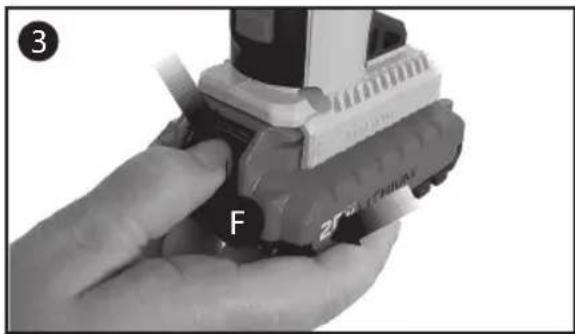
natural_image
Close-up of a hand holding a 2F-3 frictioner tool, labeled 'F' (no text or symbols on the tool itself)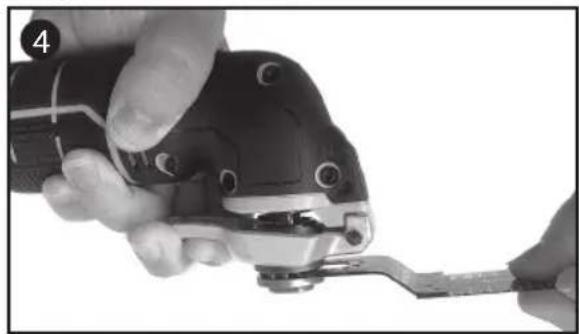
natural_image
Close-up of hands using a power tool to adjust or install a mechanical component (no visible text or symbols)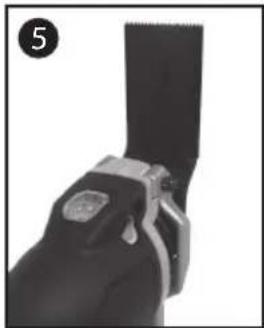
natural_image
Close-up of a black hair clip with a metallic clip attached, no visible text or symbols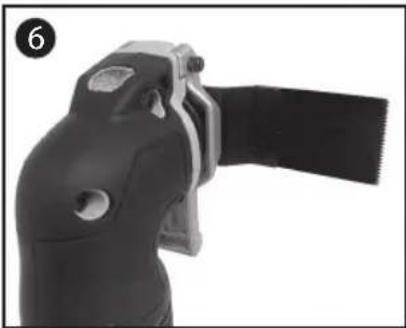
natural_image
Close-up of a black handheld device with a long black strap, no visible text or symbols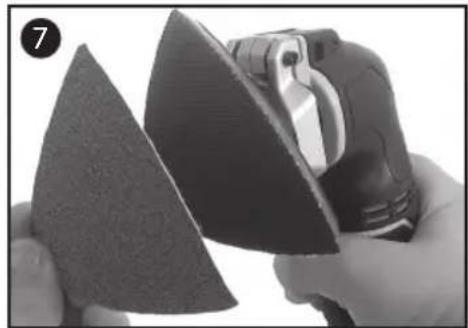
natural_image
Close-up of hands using a power tool to cut a dark textured surface, no text or symbols visible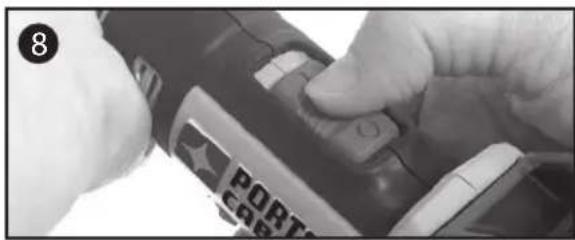
natural_image
Close-up of hands operating a portable electronic device with a switch and mouse (no visible text or symbols)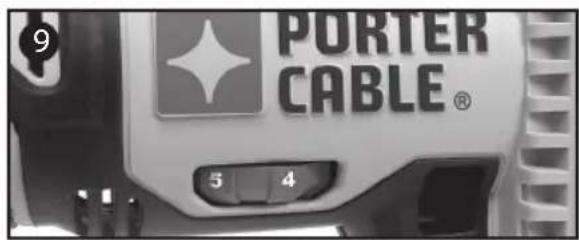
text_image
PORTER CABLE® 5 44825 Highway 45 North
Jackson, Tennessee 38305
(888) 848-5175
www.portercable.com