EasyManual
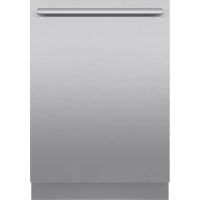
DWHD760CFM - Dishwasher THERMADOR - Free user manual and instructions
Find the device manual for free DWHD760CFM THERMADOR in PDF.


User questions about DWHD760CFM THERMADOR
0 question about this device. Answer the ones you know or ask your own.
Ask a new question about this device
Download the instructions for your Dishwasher in PDF format for free! Find your manual DWHD760CFM - THERMADOR and take your electronic device back in hand. On this page are published all the documents necessary for the use of your device. DWHD760CFM by THERMADOR.
USER MANUAL DWHD760CFM THERMADOR
Safety Definitions 9 WARNING This indicates that death or serious injuries may occur as a result of non-observance of this warning. 9 CAUTION This indicates that minor or moderate injuries may occur as a result of non-observance of this warning. NOTICE: This indicates that damage to the appliance or property may occur as a result of non-compliance with this advisory. Note: This alerts you to important information and/or tips.5
9 IMPORTANT SAFETY INSTRUCTIONS
READ AND SAVE THESE INSTRUCTIONS
IMPORTANT SAFET Y I NS T RUCT I ONS READ AND SAVE THESE INSTRUCTIONS This dishwasher is provided with Installation Instructions and this Use and Care Manual. Read and understand all instructions before using the dishwasher. This dishwasher is intended for use up to a maximum altitude of 13,000 ft (4,000 meters) above sea level. To reduce the risk of fire, electrical shock, or serious injury, observe the following: Risk of fire, electrical shock, or serious injury WARNING
RISK OF INJURY OR DEATH
Misuse of the dishwasher can result in serious injury or death. Do not use the dishwasher in any way not covered in this manual or for any purpose other than those explained in the following pages. WARNING
Severe injury and/or product damage could result from the use of unauthorized service technicians or non- original replacement parts. All repairs must be performed by an authorized service technician using only original equipment factory replacement parts. WARNING
RISK OF ELECTRICAL SHOCK OR FIRE
Electrical shock or fire could result if the electrical supply for the dishwasher covered in this manual is incorrectly installed or if the dishwasher has been improperly grounded. Do not use the dishwasher covered in this manual unless you are certain the electrical supply has been correctly installed and the dishwasher has been properly grounded. WARNING
▯ Under certain conditions, hydrogen gas may be produced in a hot water system that has not been used for two weeks or more. Hydrogen gas is explosive. Before using a dishwasher that is connected to a hot water system that has been unused for two weeks or longer, turn on all hot water faucets and let the water flow from each for several minutes. This will release any accumulated hydrogen gas. As the gas is explosive, do not smoke or use an open flame during this time. ▯ When cleaning your dishwasher with any cleaning agent, remove all cookware, utensils or any foreign material from inside. Some cleaning agents are highly acidic and/or caustic alkaline, which can cause hydrogen gas to form if aluminum material is also inside the dishwasher tub. Hydrogen gas is explosive. Refer to the Care and Maintenance section of the dishwasher Use and Care manual for instructions on how to properly clean your dishwasher. WARNING HEALTH HAZARD Never use harsh chemicals to clean your dishwasher. Some bleach-based products can damage your dishwasher and may present health hazards! GROUNDING INSTRUCTIONS This appliance must be grounded to a metal, permanent wiring system or an equipment grounding conductor must be run with the circuit conductors and connected to the equipment grounding terminal or lead on the dishwasher. See the Installation Instructions included with this dishwasher for more information on electrical requirements. WARNING
RISK OF ELECTRIC SHOCK
This appliance must be grounded. In the event of a malfunction or breakdown, grounding will reduce the risk of electric shock by providing a path of least resistance for electric current. This appliance is equipped with a cord having an equipment-grounding conductor. Improper connection of the equipment-grounding conductor can result in risk of electric shock. Check with a qualified electrician if you are in doubt whether the appliance is properly grounded.9 IMPORTANT SAFETY INSTRUCTIONS
READ AND SAVE THESE INSTRUCTIONS
Safe Operation Use this dishwasher only for its intended function, which is the washing of household dishware and kitchenware rated as dishwasher safe.Use only detergents or rinsing agents recommended for use in a dishwasher, and keep them out of the reach of children.CAUTIONWhen loading items to be washed:▯ Locate sharp items so they are not likely todamage the door seal.▯ Load knives and other sharp utensils with theirHANDLES UP to reduce the risk of cut-typeinjuries.▯ Do not wash plastic items unless they are marked“dishwasher safe” or the equivalent. For plasticitems not so marked, check the manufacturer’srecommendations.▯ Do not operate your dishwasher unless allenclosure panels are in place.▯ Do not tamper with or override controls andinterlocks.Do not abuse, sit or stand on the door or dish racks of the dishwasher.WARNINGRISK OF INJURYTo avoid risk of injury, always use caution when opening the door during or following a wash cycle as hot water or steam may escape. Do not fully open the door until water noises have stopped and steam has subsided.WARNINGCHILD SAFETY▯ To reduce risk of injury, do not allow children to play inor on the dishwasher.▯ When children become old enough to operate theappliance, it is the responsibility of the parents/legalguardians to ensure the children are instructed in safepractices by qualified persons.NSF/ANSI 184 Certified residential dishwashers are not intended for licensed food establishments. Proper Care and Maintenance Remove the dishwasher door to the washing compartment when removing an old dishwasher for service or discarding.To avoid floor damage and possible mold growth, do not allow wet areas to remain around or under the dishwasher.Note: To avoid dishwasher damage, do not allow water to remain in your dishwasher systems through extended periods of freezing temperatures. Freezing temperatures can damage the water fill valve and potentially other components of your dishwasher.NOTICE: It is highly recommended for the end user to become familiar with the procedure to shut off the incoming water supply and the procedure to shut off the incoming power supply. See the Installation Instructions or contact your installer for more information. Proposition 65 Warning: This product may contain a chemical known to the State of California, which can cause cancer or reproductive harm. Therefore, the packaging of your product may bear the following label as required by California: &DQFHUDQG5HSURGXFWLYH+DUPwww.P65Warnings.ca.govSTATE OF CALIFORNIA PROPOSITION 65 WARNING:WARNING7 Causes of Damage NOTICES ▯ Never use steam cleaning products to clean your dishwasher. The manufacturer will not be liable for the possible damages or consequences. ▯ To avoid possible dishwasher damage, do not use harsh chemicals, bleach-based wipes, abrasive cleaners, scouring pads (metal or plastic), or abrasive cloths/paper towels to clean your dishwashers exterior door panel. Your dishwasher's exterior door panel can be damaged by doing so. ▯ To avoid dishwasher damage, do not load the dishwasher with paper products, plastic bags, packing materials or anything other than normal, dishwasher safe dishware and kitchenware. ▯ Protect your dishwasher from the elements. Protect against freezing to avoid possible damage to the fill valve. Damage caused by freezing is not covered by the warranty.8 Getting Started Appliance overview 6WDUW
The numbers stated below refer to the overview images on the previous page of this manual. Operating panel Note: Some of the wash cycles and options will vary by model. Dishwasher interior components
- optional feature which may or may not be included with your dishwasher. Display indicators
Dispenser for special salt *
Lock for detergent dispenser
Cycle time remaining
Lights up when rinse aid is low
Lights up when salt is low
Lights up when wifi is connected10 Menu Overview The dishwasher has been preset with certain settings for your convenience. You can change these factory settings. Change the setting as follows:
Press and hold the ‹button for 3 seconds until
- :‹... is shown on the display window H
Press the ‹button to access the individual settings.
Adjust the setting using the + and - buttons. P.
Press and hold the ‹button for 3 seconds. The chosen setting has now been stored. Note: If you want to change several settings, first make all your changes one after the other. Then press the ‹button for 3 seconds. All the settings will then be stored in the dishwasher.
- optional feature which may or may not be included with your dishwasher. Setting Factory set- ting Description
Setting the water hardness. When using Multitabs, select the lowest setting. § Rinse aid §:‹‹ - §:‹‡
Amount of rinse aid affects drying. †“ Sensor setting †“:‹‹ -†“:‹ƒ
Adjustment of the soil detection for optimum cleaning. š Intensive drying š:‹‹ - š:‹‚
:‹‹ / Off Improved drying for glasses and plasticware. ˜ Auto power off ˜:‹‹ - ˜:‹ƒ
:‹‚ / On Light is projected to signal an active wash cycle. à Time light * à:‹‹ - à:‹‚
:‹ƒ Volume of the signal at the end of a program. ›– Button volume ›–:‹‹ - ›–:‹„
Wifi connection is off. ‘’ Auto Connect WPS: Auto pairing. à‘ Manual Connect SAP: Manual connection. ‘˜:˜ App Pair Pair appliance to app. §“ Factory Reset “Yes”11 Home Connect
System This dishwasher is Wi-Fi capable and can be remotely controlled via a mobile device. If your dishwasher does not connect to the home network, you can also operate the dishwasher manually by pressing the buttons.Refer to appliance overview for the location of the buttons. ~ "Appliance overview" on page 8 Wi-Fi | You can activate wireless network connection with ’Ÿ:‹‚ or deactivate it with ’Ÿ:‹‹. Activate Wi-Fi: Press the on ON/OFF button (. Press and hold the button ‹ for 3 seconds. In the display window H you will see •:‹... and ‘ .
Press the button ‹ repeatedly until ’Ÿ:‹‹ appears in the display window
Press and hold the button ‹ for 3 seconds.The chosen setting has now been stored in yourdishwasher.Note: Remote control of the dishwasher requires a stable wireless network connection. Network login To connect the dishwasher to your home network, you can choose between automatic ‘’ and manual network login †‘. To do this, check to see if there is a WPS function on your router.Automatic network login ‘’: Connect to the home network using the WPS function of your router. During connection press the WPS button on the router.Manual network login †‘: Connect your mobile device to the network (SSID):__________, password (key): __________. The network settings are then manually entered using the Home Connect App to connect to your home network.Connect dishwasher to home network and app: Switch on ON/OFF switch (. Press and hold the button ‹ for 3 seconds. In the display window H you will see •:‹... and ‘ .
Press the button ‹ repeatedly until H ‘’ or †‘ appears in the display window.
Start connection with the setting button + P. In the display window H you will see ˜‘. Following successful connection to your home network ™:©Ÿ appears briefly in the display window H. The dishwasher then automatically starts connection to the app. During connection ‘˜:˜ appears in the display window H.Following successful connection to the app ™:©Ÿ appears in the display window H. Observe the Home Connect documents supplied.Note: The menu items ‘’ and †‘ are not available until Wi-Fi has been activated. Connect to the app The setting ‘˜:˜ establishes the link between the dishwasher, app and your user account.Note: This step should only be carried out if the dishwasher has not yet automatically connected to the app. Connect dishwasher to app: Switch on ON/OFF switch (. Press and hold the button ‹ for 3 seconds. In the display window H you will see •:‹... and ‘ .
Press the button ‹ repeatedly until ‘˜:˜ appears in the display window
Start connection with the setting button + P. If connection is successful, ™:©Ÿ appears in the display window H.Observe the Home Connect documents supplied. Note: The menu item ‘˜: ˜ is not available until there is a connection to the home network.About data protection: When your Home Connect dishwasher is connected for the first time to a WLAN network which is connected to the Internet, your Home Connect dishwasher transmits the following categories of data to the Home Connect server (initial registration):▯ Unique appliance identification (consisting ofappliance codes as well as the MAC address of theinstalled Wi-Fi communication module).▯ Security certificate of the Wi-Fi communication module(to ensure a secure IT connection).▯ The current software and hardware version of yourdishwasher.▯ Status of any previous resetting to factory settings.This initial registration prepares the Home Connectfunctions for use and is activated the first time you usethese Home Connect functions. Please note that theHome Connect functions can be used only in conjunctionwith the Home Connect App. Information on dataprotection can be accessed in the Home Connect App. Remote start button If the dishwasher is connected to the home network, you can activate the dishwasher's remote control.To do so, press the remote start button `.If the dishwasher has not yet logged into Home Connect, perform automatic network login ‘’ by pressing the remote start button `.Observe the Home Connect documents supplied.12 Notes ▯ To remotely control the dishwasher, the remote start button ` must be activated. ▯ The remote start button ` goes out when the login process is complete. ▯ Opening the door deactivates remote control. ▯ If the connection to the router fails, | flashes on the display. Wi-Fi without a connection to the Home Connect server Wi-Fi without a connection to the Home Connect server ƒ You can use the Home Connect App to disconnect from the Home Connect server. The appliance is then locally connected to your mobile device without any connection to the Home Connect server. Note: If you did not deactivate the connection to the Home Connect server, check your Internet connection. Remote diagnostics Customer Service can use remote diagnostics to access your appliance if you contact them. In the display window H you will see ’†. Confirm Customer Service access using the setting button + P. Note: You can switch off remote diagnostics using the ON/OFF switch ( or deactivate Customer Service access in the Home Connect app. System Updates Periodically, the Home Connect system will perform an update. The letters UP will appear in the display window. Do not run a cycle during the update process. When it is complete, SUC (for success) will appear in the display window, and you can use your dishwasher again.13 Water softening system / special salt * To ensure good rinsing results, the dishwasher requires soft water, i.e. water which is low in lime, otherwise limescale will be deposited on the utensils and interior container. Tap water above 7° dH (1.2 mmol/l) must be softened. The water is softened with special salt (regeneration salt) in the water softening system of the dishwasher. The setting and therefore the required amount of salt depends on the degree of hardness of your tap water (see following water hardness table).* optional feature which may or may not be included with your dishwasher. Adjusting the water softener settings Adjusting the water softening system The amount of salt dispensed can be set from •:‹‹ to
- :‹ˆ. Salt is not required at the set value •:‹‹. Set the softening system as follows: Ask your local water utility company for the water hardness value of the tap water. Required setting can be found in the water hardness table. Open the door. Press the ON/OFF button (.
Press the Setup button for 3 seconds until •:‹‹ is shown on the display window H.
Make the selection with setting buttons + - P.
Press and hold the Setup button for 3 seconds. The chosen setting has now been stored. Using special salt As soon as the low salt indicator @ lights up on the digital display, salt should be topped off. Refilling the salt dispenser should be done before switching on the appliance. This ensures that extra salt water is washed out and will not corrode the rinsing tank.NOTICE: Detergent will destroy the water softening system! Never pour detergent into the salt dispenser. Top off the salt as follows: Undo the screw plug on the dispenser 1Z. Fill the dispenser with water (required only when switching on the appliance for the first time). Add salt as illustrated (do not use table salt or tablets). The water is displaced and runs out. For more information about buying dishwasher salt, please contact Customer Service 1-800-944-2904.Using the test strip included with your dishwasher (Purchased test strips may have a differ-ent scale)Water soft-ener settingAdd salt to salt dispenserWater hardness°E value mmol/l No 0-8 0-1.1 Yes 9-10 1.2-1.4
- :‹ƒ Yes 11-12 1.5-1.8 Yes 13-15 1.9-2.1 Yes 16-20 2.2-2.9 Yes 21-26 3.0-3.7 Yes 27-38 3.8-5.4 Yes 39-62 5.5-8.9
Using detergents with salt component Detergent with a salt component If combined detergents with a salt component are used, special salt can usually be omitted up to a water hardness of 21° dH (37° fH, 26° Clarke, 3.7 mmol/l). If the water hardness is over 21° dH, salt must be used. Switching off low salt indicator / water softening system Switching off water softening system If the use of combined detergents with a salt component impairs the low salt indicator on the digital display
the low salt indicator can be switched off. Proceed as described under “Setting water softening system” and set the value to
- :‹‹. The water softening system and salt refill indicator are now switched off.15 Rinse Aid As soon as the low rinse aid indicator 8 lights up on the control panel, rinse aid should be topped off. The rinse aid is required for stain-free utensils and clear glasses. Use only rinse aid which the manufacturer designates as safe to use in domestic dishwashers. Combined detergents with rinse aid component may be used with soft to moderately hard water only (0-2 bands on test strip or up to an °E value of 20). For moderately hard to hard water (3 to 4 bands on test strip or °E value of 21 or higher), rinse aid must be used. Adding rinse aid NOTICE: To avoid oversudsing or clogging, do not overfill the rinse aid dispenser 9*. Wipe up any spills with a damp cloth. Open the rinse aid dispenser 9* by pressing on the latch of the lid and pulling it open.
Add liquid rinse aid to the dispenser 9* until it is full. Do not overfill. Avoid spilling into air vent hole. Close the lid. Lid must be fully closed until it clicks in order to seal. Wipe up any excess rinse aid that may have puddled when the dispenser reservoir is full.This prevents excessive frothing during the next wash cycle. The indicator light will go out a few moments after the dishwasher door is shut.Tip: For easier pouring, remove lid from the rinse aid bottle.NOTICE: Do not fill the rinse aid dispenser 9* with detergent. Doing so will damage the dishwasher. Setting the amount of rinse aid used The amount of rinse aid to be dispensed can be set from §:‹‹ to §:‹‡. Set the amount of rinse aid to be dispensed to §:‹† to obtain a very good drying result. Do not change the amount of rinse aid unless there are streaks or water stains on the utensils. Set a lower level to avoid streaks. Set a higher level to avoid water stains.Set the amount of rinse aid as follows: Open the door. Press on ON/OFF button (.
Press the Setup button for 3 seconds until •:‹‹ is shown on the display window H. Keep pressing the Setup button until the rinse aid setting, §:‹† is displayed. Change the setting with the setting buttons + - P. Press and hold the Setup button for 3 seconds. The chosen setting has now been stored.Note: Do not change the amount of rinse aid unless there are streaks (select lower setting) or water stains (select higher setting) visible on the utensils. Turning off rinse aid indicator Proceed as described in the section “Setting the amount of rinse aid used” and set value to §:‹‹. The rinse aid indicator is now turned off.NOTICE: Using no rinse aid or setting the dispenser to §:‹‹ may result in longer cycle times consuming more energy and water. The higher temperatures and longer cycle times can damage fine china or glassware.
max WFOU BJS16 Loading the Dishwasher Dishware material Note: Before using your dishwasher for the first time, check the information in this section. Some items are not dishwasher-safe and should be hand washed; others require special loading. Loading the racks For best dishwashing results, observe the following when loading the dishwasher: ▯ Do not pre-wash items with loosely attached food soil. ▯ Remove all food particles, bones, toothpicks and excessive grease. ▯ Pre-treat items having burned-on, baked-on or starchy soils. ▯ Load dishes in the dishwasher racks so the insides of bowls, pots and pans are facing the spray arms. ▯ Avoid nesting and contact points between dishes. ▯ Separate items of dissimilar metals. Use care to not block movement of the spray arms. ▯ Only wash household dishware and kitchenware rated as dishwasher-safe. Refer to the Dishware Materials section for more information about dishware suitability. NOTICE: To avoid dishwasher damage, do not load the dishwasher with paper products, plastic bags, packing materials or anything other than normal, dishwasher safe dishware and kitchenware. Loading the upper rack Ensure items do not protrude through the bottom of the racks and block the spray arms. Note: When pushing the upper rack 12 into the dishwasher, push it until it stops against the back of the tub so the upper rack spray arm 1: connects to the water supply at the back of the tub. Do not push racks in using the door. Loading the lower rack Place large items in the lower rack 9". Load pots, pans and bowls upside down. Do not block the vent hole 1J with tall baking sheets. Load these items on the right side of the dishwasher. Recommended Precaution Aluminum Colored anodized aluminum may fade over time. Minerals in your water may cause the aluminum to darken or spot. This can usually be removed with a soap-filled steel wool pad. China, Crystal, Stoneware Some hand-painted utensils may discolor, fade or spot. Hand wash these utensils. Position fragile glassware so that it will not topple over or come in contact with other utensils during the wash cycle. Glass Make sure to use dishwasher- safe glass. Milk glass may dis- color or become yellow. Non-stick Coatings Apply a light coating of vegetable oil to non-stick surfaces after dry- ing. Plastics Make sure the plasticware is dish- washer-safe. Stainless Steel, Sterling Silver and Silver Plates Load these so they do not come in contact with other metals, stain- less steel dishwasher tank walls or the inner door. Not Recommended Reason Acrylic Crazing or small cracks through- out the acrylic, may occur. Adhesive- Joined Pieces Adhesives that join materials such as plastic, wood, bone, steel, copper, tin, etc. may loosen. Bone-Handled Utensils Handles may separate. Iron Iron will rust. Hand wash and dry immediately. Non-Dishware Items Your dishwasher is intended for use in cleaning ONLY standard household dishware and kitchen- ware. Pewter, Brass, Bronze These items will tarnish. Hand wash and dry immediately.17 Suggested loading pattern For daily, regular or typical use 10 place setting Lower rack
Upper rack 12 Note: Folding the cup shelves down will allow the cups to sit at an increased angle and reduce water pooling on cup bottoms. Third rack 1* Additional loading pattern 12 place setting Lower rack
Upper rack 12 Note: Folding the cup shelves down will allow the cups to sit at an increased angle and reduce water pooling on cup bottoms. Third rack 1*18 Loading the silverware basket Place knives and sharp utensils with their handles up and forks and spoons with their handles down. If large or oddly-shaped items are loaded in the silverware basket, be sure they do not nest together. 9 WARNING
The sharp points and edges of knives and other sharp utensils can cause serious injury. Load knives and other sharp utensils with edges down. Do not allow children to handle or play near knives and sharp utensils. Long silverware basket * Note: The silverware basket lid may also be folded downward in order to leave the basket open.
- optional feature which may or may not be included with your dishwasher. Loading patterns silverware basket Suggested loading pattern - 10 place setting Additional loading pattern - 12 place setting 1 Salad fork 2 Teaspoon 3 Dinner fork 4 Knife 5 Tablespoon 6 Serving spoon 7 Serving fork
The Double Flex silverware basket * This basket splits along its length, resulting in two halves that may be placed in a variety of positions in the lower rack 9", greatly increasing the lower rack’s loading versatility. The basket snaps together either side by side or back to back. To split the Double Flex silverware basket: Grasp the basket and slide the two halves in opposite directions and then pull the two halves apart. Side by side Back to back To assemble the Double Flex silverware basket: Hold the two halves side by side or back to back, so that the tab on one basket can slip into the notch on the other basket. Push the two halves in opposite directions until they click. Note: The silverware basket lid may also be folded downward in order to leave the basket open.
- optional feature which may or may not be included with your dishwasher. Loading patterns silverware basket Suggested loading pattern - 10 place setting
Additional loading pattern - 12 place setting Alternate loading patterns Loading large items in the lower rack Alternate loading pattern with pots and pans For best results, load large items face down in the lower rack. Loading stemware in the upper rack Alternate loading pattern with stemware Use supports to load stemware glasses in the upper rack. Unloading the dishwasher 9 CAUTION Dishes can be very hot immediately after cycle ends. Open the door slightly and allow dishes to cool for a few minutes before unloading. Note: Dishes are more likely to chip when unloading before cooling. When unloading the dishwasher, to prevent water from dripping onto dry dishes, unload the lower rack 9" first. Next, unload the silverware basket 1j followed by the upper rack 12, and then the third rack (if equipped).
System The height of the upper rack 12 can be adjusted in 3 steps to create more space for larger items in the lower rack.
Pull the upper rack out of the dishwasher until it stops.
To lower the rack, push the RackMatic® lever inward.
To raise the rack, hold the basket on the sides of the upper rack and lift it up. Note: Check spray arm for clearance after adjustment. Adjusting the height of the rack * Adjusti ng the height of the rack If required, the height of the upper rack 12 can be adjusted to create more space for taller utensils either in the upper or lower rack. Arrange large plates up to a diameter of 13.4 in (34 cm) in the lower basket 9" as illustrated.
- optional feature which may or may not be included with your dishwasher. Rack accessories Flip tines* Depending on the features of your dishwasher, the tines can be folded down. This facilitates arrangement of pots, bowls and glasses.. Fold down the flip tines as follows:
Pull flip tine gently forward and release it from the notch (1).
Push the flip tine downward to the desired position (2). To fold up, push flip tines into an upright position until the holder engages in the notch.
- optional feature which may or may not be included with your dishwasher. With silverware basket Upper rack Lower rack Setting 1 max. ø 9.4 in (24 cm) 13.4 in (34 cm) Setting 2 max. ø 10.4 in (26.5 cm) 12 in (30.5 cm) Setting 3 max. ø 11.4 in (29 cm) 11 in (28 cm) With third rack Upper rack Lower rack Setting 1 max. ø 7 in (18 cm) 13.4 in (34 cm) Setting 2 max. ø 8 in (20.5 cm) 12 in (30.5 cm) Setting 3 max. ø 9 in (23 cm) 11 in (28 cm)
Third rack The third rack horizontally positions knives, spatulas and other oversized tools for improved cleaning and easier loading and unloading. Arrange cutlery in third rack as illustrated. Plastic item clips* Light-weight plastic accessories (cups, lids, etc.) can be held securely by the plastic item clips. Press the plastic item clip against the rack as shown until it clicks.
- optional feature which may or may not be included with your dishwasher. Cup shelves* The cup shelves and the space underneath them can be used for small cups or for larger serving utensils.
- optional feature which may or may not be included with your dishwasher.
&/,&.23 Extra tall item sprinkler* If an item is too tall to be placed in the lower rack
even with the upper rack 12 in the raised position, remove the empty upper rack 12 by pulling it out of the dishwasher until it stops. Pull the front of the rack upward and outward until the rack will not slide out anymore. Then lift it up and away from the dishwasher, until the rollers are completely free of the roller guides (A). Set the upper rack 12 aside and push the roller guides (A) back into the dishwasher. Insert the extra tall item sprinkler (B) into the upper rack spray outlet (C) and turn the sprinkler clockwise to lock into position. Note: Keep the vent hole 1J on the tub’s left side clear by placing tall items such as plastic cutting boards and tall baking sheets on the lower rack’s right side or center. NOTICE: To avoid dishwasher damage, do not reinstall the upper rack 12 without removing the extra tall item sprinkler (B).
- optional feature which may or may not be included with your dishwasher.
&24 Removing/Installing third rack Removing third rack 1* Pull out third rack all the way (1). Lift upper rollers over the stopper hooks of both rails (2).
Pull third rack out forward and upward so that theholding hooks and the lower rollers of the rack slideover the stopper hooks of both rails (3).Installing third rack 1* Pull out third rack rails all the way (1). Insert third rack at an angle. Make sure that thestopper hooks of both rails slide in between theholding hooks and the lower rollers of the thirdrack (2). Slide third rack in and lift the upper rollers over thefront stopper hooks of both rails (3). Push in third rack (4).
Removing/Installing upper rack with Rackmatic
Removing upper rack 12 Pull out upper rack all the way (1). Lift front rollers over the stopper hook of the rail (2). Pull out upper rack forwards and upwards so that theupper and lower rollers of the rack slide over thestopper hooks of both rails (3).Installing upper rack 12 Pull out upper rack rails all the way (1). Insert upper rack at an angle. Make sure that thestopper hooks of both rails slide in between the upperand lower rollers on the rear side of the rack (2). Slide upper rack in and lift the upper rollers over thefront stopper hooks of both rails (3). Push in upper rack (4).
Detergent Use only detergent specifically designed for dishwashers. For best results, use fresh powdered dishwashing detergent or detergent tabs. NOTICE: To avoid damage to dishwasher or dishware: ▯ Do not use hand dishwashing products in your dishwasher. ▯ Do not use too much detergent if your water is soft. Using too much detergent with soft water may cause etching in glassware and fine china. ▯ To best protect glassware, use a wash cycle with low temperatures or a specific glass-care cycle (depending on the model) and use a detergent that includes etch protection. This dishwasher uses less water than most, therefore, less detergent is required. With soft water, 1 tablespoon (15 ml) of detergent will clean most loads. The detergent dispenser cup has lines that measure detergent to 1 tablespoon (15 ml) and 1.75 tablespoons (25 ml). 3 tablespoons (45 ml) of detergent will completely fill the detergent dispenser. Note: If you do not know the hardness of your water supply, use 15 ml of detergent. Increase the amount if necessary to the least amount required to get your kitchenware clean. Use the measuring lines in the detergent dispenser cup as a guide to measure the amount of detergent recommended in the following table. Adding detergent
If the detergent dispenser 92 is still closed, push the button 9: to open it. Note: Make sure the detergent dispenser is dry and clear of detergent residue.
When using detergent tabs, lay them such that they do not come in contact with the cover, insert a detergent tab flat, not on its side. Note: Do not place detergent tabs or utensils in the detergent tab tray 1B. Place tabs or other detergent forms directly in the detergent dispenser 92. Wash Cycle Hard Water/ Heavy Soil Medium Water/ Medium Soil Soft Water/ Little Soil Pots & Pans 3 tbsp (45 ml) 3 tbsp (45 ml) 1.75-3 tbsp (25 - 45 ml) Auto 3 tbsp (45 ml) 1.75-3 tbsp (25 - 45 ml) 1-1.75 tbsp (15 - 25 ml) Normal 1.75-3 tbsp (25 - 45 ml)
Close the lid by placing the finger on the lid as shown. Slide the lid closed and press down firmly until it clicks. The detergent dispenser will open automatically at the ideal time for the set cycle. The powder or liquid detergent is distributed in the appliance and is dissolved, detergent tabs will fall into the detergent tab tray 1B where it dissolves during the cycle. Tip: If the dishware is only lightly soiled, slightly less than the indicated amount of detergent is usually adequate. WEVSPO WEVSPO PD[ WEVSPO &/,&.28 Dishwasher Cycles Note: In order to save energy, it is recommended to set the Auto Power Off feature to “after one minute.” Note: The Energy Guide label was based on the Normal soil sensing cycle as follows: The unit was tested without any rinse aid (liquid) in the rinse aid dispenser 9*. A single dose of detergent was inserted into the detergent dispenser 92, with no detergent being used in the prewash. The unit was not subjected to truncated testing per the definitions in the test procedure. We recommend that dish loads such as the one in the energy certification test have the rack position set in the highest position. Wash cycle Recommended use Possible wash cycle option Pots & Pans ** Best for cleaning items with baked-on food or grease. These dishes would normally require soaking. all Auto * Smartest cycle, with most flexible soil sensing, which is ideal for mixed dishware and food soils. all Normal * (see note at bot- tom of table) Recommended for daily, regular or typical use to completely wash a full load of normally soiled dishes. all Note: : In order to obtain optimal perfor- mance with minimum energy consumption, it is recommended to disable all available options and settings, except Auto Power Off- set to “after one minute.” Hand Wash Gentle cleaning of your most precious dishes at lower temperatures. all except Sanitize Quick Cleans lightly soiled dishes and reduces overall wash time to 30 minutes. Delay, Extra Dry Rinse Use this cycle if you need to pre-rinse dishes to avoid odors. Place unrinsed dishes inside the dishwasher and select the Rinse cycle. Uses less water than hand rinsing and very low energy. Delay *The cycle is sanitized when Sanitize option is used. **The cycle is a sanitizing cycle. 1 Hour Cleans lightly soiled dishes and reduces overall wash time to 1 hour. Delay, Extra Dry29 Dishwasher Cycle Options PowerBoost ® Perfect for a mixed load. You can wash very soiled pots and pans in the lower rack together with normally soiled utensils in the upper rack. The spray pressure in the lower rack is intensified, the rinsing temperature is increased slightly. Half Load Can reduce water consumption when washing small, lightly soiled loads that fill approximately half or less of the dishwasher’s capacity. Sanitize Increases the temperatures and retains them for an extra long time to obtain a defined disinfecting performance. Continuous use of this function increases the hygiene status. This additional option is ideal for cleaning items such as chopping boards and baby bottles. “Sanitized” will appear in the display window when sanitation requirements are met. Using the Sanitize option may also improve drying. There is a slight increase in energy consumption. StarDry™ Star Dry with Zeolite is an exclusive Thermador drying solution, providing the ultimate results for your dishware needs.30 Wash Cycle Information To save energy, this dishwasher has EcoSense where the sensors in the dishwasher automatically adjust the cycle length, temperature and water changes based on the amount of food soil and the incoming water temperature. The “Smart Control” makes decisions that can cause the cycle time and water usage to adjust intermittently. Wash cycle times are based on 120°F (49° C) water supply. If your household water supply is different than 120°F (49° C), your dishwasher’s cycle times may be impacted. Note: Only sanitizing cycles have been designed to meet the requirements of Section 6 of the NSF/ANSI 184 Standard for Residential Dishwashers for soil removal and sanitization efficacy. There is no intention, either directly or indirectly, to imply that all cycles have passed sanitization performance tests. Pots & Pans AUTO Hand Wash Normal Quick Rinse Cycle time in min. 110-135 105 - 129 70 130 - 135 30 9 Water cons. in L (gal) 18.6-24.2 (4.9-6.4) 12.9-24.1 (3.4-6.4) 13 (3.4) 8.8-21 (2.3-5.5)
N/A N/A N/A N/A N/A N/A N/A N/A N/A
122 (50) 158 (70)31 Operating the Dishwasher Note: With hidden controls, the door must be opened before changing settings and closed after changing settings. 9 WARNING
To avoid risk of injury, always use caution when opening the door during or following a wash cycle as hot water or steam may escape. Do not fully open the door until water noises have stopped and steam has subsided. Protection against unintentional operation Your dishwasher is equipped with a function that helps to prevent unintentional operation (e.g. by children). After starting the dishwasher, the dishwasher door has to be closed within 4 seconds, otherwise the operation will be paused. There will be a signal on the control panel advising you to press the Start button again and close the door. This function will be activated when: ▯ pressing Start to begin a wash cycle▯ setting Delay time and pressing Start▯ opening the door while Delay time is active▯ opening the door during a wash cycle. Note: This function cannot be deactivated. Operating the touch buttons Buttons are sensitive and should be touched gently. Avoid any grease or food particles resting on the buttons as they could activate the dishwasher. Wiping and cleaning can also activate the dishwasher. For best results, use bare, clean hands when touching the buttons. To clean the touch buttons wipe them with a dry or slightly damp cloth. Changing the settings The dishwasher has been preset with certain settings for your convenience. You can change these factory settings. Here’s how to change the settings:
Switch on ON/OFF switch (.
Press and hold the ‹ button for 3 seconds. In the display window H you will see •:‹... and ‘ .
Press the ‹ button to access the individual settings.
Adjust the setting using the buttons - and + P.
Press and hold the ‹ button for 3 seconds. The chosen setting has now been stored in your dishwasher. AquaSensor The AquaSensor is an optical measuring device which measures the cleanliness of the rinse water. The AquaSensor is used according to the wash cycle. If the AquaSensor is active, “clean” rinse water can be transferred to the next rinse and water consumption can be reduced by 0.8–1-5 gal (3–6 liters). If the rinse water is not yet clear, the water is drained and is replaced with fresh water. In the automatic wash cycles the temperature and running time can also be adjusted to the degree of soiling. Sensor setting In its automatic programs the appliance uses sensors to optimise their operation. The sensors adjust the strength of the automatic programs according to the amount and type of soiling. You can choose from three levels of sensitivity for the sensors. Sensor setting †“:‹‹: This setting is ideal for a mixed load and heavily soiled utensils, but it also saves energy and water. Sensor setting †“:‹‚: This setting adjusts the programme strength for the effective removal of food remnants, even if the amount of soiling is low. The energy and water consumption is adjusted accordingly. Sensor setting †“:‹ƒ: This setting adjusts the program strength for difficult conditions of use, for example firmly dried on food remnants. This setting is recommended if you are using biological or eco detergents which contain smaller quantities of active agents. The energy and water consumption is adjusted accordingly. Time display When a wash cycle is selected the remaining wash cycle time is shown on the display H. The wash cycle time is determined during the wash cycle by the water temperature, the amount of dishes, as well as the degree of soiling and may vary (depending on the selected wash cycle).32 Delay Start You can delay the start of the wash cycle by up to 24 hours. To set Delay start:
Open the door and press the On/Off button (. Select a cycle.
Press the - or + buttons until the display shows the desired delay before start.
Press the Start button )" to activate Delay start. To cancel Delay start:
Open the door and press the Delay button until œ:‹‹ is indicated on the digital display H.
Press the Start button )" to save setting. Wash cycle end The wash cycle has ended when the display H reads
If the signal tone has been set, the wash cycle end is also indicated by a buzzer. Auto power off To save energy, the dishwasher is switched off 1 minute after the cycle ends. You can also change this setting. Possible settings are: ▯ ˜:‹‹: The dishwasher does not switch off automatically. ▯ ˜:‹‚: The dishwasher switches off after 1 minute. ▯ ˜:‹ƒ: The dishwasher switches off after 2 hours. Switching off the appliance Short time after the end of the wash cycle:
Switch off On/Off button (.
Turn off water supply.
Remove the utensils when they have cooled down. 9 WARNING
To avoid risk of injury, always use caution when opening the door during or following a wash cycle as hot water or steam may escape. Do not fully open the door until water noises have stopped and steam has subsided. Interrupting the wash cycle 9 CAUTION Expansion (overpressure) may cause the appliance door to open and/or water to escape! If the door was opened on an appliance which has a hot water connection or is heated, always leave the door ajar for several minutes and then close.
Switch off On/Off switch (. The LED’s go out. The wash cycle is saved.
To continue the wash cycle, switch on the On/Off switch ( again.
Close the door. Note: Your dishwasher is protected against unintentional operation. If the appliance door remains open for more than 4 seconds after pressing the Start button, the operation will be paused. Press the Start button again and close the appliance door. Cancel a cycle (Reset)
Open the door and press and hold Start button )" for approximately 3 seconds until the display reads ‹:‹‚, then close door again.
Wait about 1 minute while the dishwasher drains.
Open the door and press the On/Off button (. Changing the wash cycle When the Start button ( has been pressed, the wash cycle cannot be changed. The only way a wash cycle can be changed is by terminating the wash cycle (Reset). Intensive drying The final rinse uses a higher temperature which improves the drying result (be careful if you have delicate dishware or utensils). The running time may increase slightly. You can switch the function ExtraDry on š:‹‚ or off š:‹‹. à–:‹‹ Off à–:‹‚ low à–:‹ƒ medium à–:‹„ loud33 InfoLight
While the wash cycle is running, a light spot shines on the floor under the appliance door. Do not open the appliance door until the light point is no longer visible on the floor. If the appliance door is not completely closed, the light spot flashes. In darkened rooms, some light scattering may be visible; this is normal. You can switch the Infolight on ‚:‹‚ or off ‚:‹‹.
- optional feature which may or may not be included with your dishwasher. Time Remaining Power Beam
(Optical display while the wash cycle is running) * While wash cycle is running, an optical display (time remaining alternating with cycle indicator images) is projected onto the floor under the appliance door. You can switch the optical display on à:‹‚ or off à:‹‹. All time remaining displays
- optional feature which may or may not be included with your dishwasher. Pre-wash Cleaning Rinsing Drying34 Care and Maintenance A regular inspection and maintenance of your machine will help to prevent faults. This saves time and prevents future problems. Cleaning the dishwasher ▯ Regularly wipe the front of the appliance with a damp cloth - water and a small amount of liquid soap is adequate.▯ For stainless steel appliances (excluding black stainless), use a stainless steel polish to seal and protect the surface.▯ Clean the outer edges of the inside door panel regularly to remove debris that may collect from normal loading. If spots begin to appear on the stainless steel, make sure the rinse agent is full and functioning properly.▯ Clean the door seal regularly with a damp cloth to remove food particles that may collect from normal loading and cause odor. A soiled door seal may not seal properly.NOTICES▯ Never use a steam cleaner to clean your dishwasher. The manufacturer is not liable for any resulting damage.▯ Do not use sponges as they could scratch the surfaces.▯ Do not use bleach-based cleaners or wipes as they could damage the surface or printing.▯ Do not use stainless steel polish on a black stainless finish. 9 WARNINGUse caution when removing parts for cleaning as some debris may be sharp. Filters Filter componentsThe filter system 1b consists of three parts.A Large Object TrapPrevents objects that should not be placed in your dishwasher from damaging the dishwasher pump system or clogging your household drain.B Flat Fine FilterPrevents food particles from entering the wash chamber and directs particles toward the micro filter.C Micro FilterDirects the smallest of particles to the household plumbing drain.
&35 Cleaning intervals The filter system 1b is designed to minimize maintenance while providing premium cleaning performance and minimum energy consumption. Depending on use habits and water hardness, the filter system will require some maintenance to sustain premium cleaning performance. Your filter system may need to be cleaned when: ▯ You notice food soils remaining on the filter system or objects trapped in the Large Object Trap. ▯ A drop in cleaning performance or a gritty film forms on the dishware. When washing normally attached food soils that have been scraped before loading, in a household that runs the dishwasher every other day, your filter should be cleaned: Note: Clean the filter after washing loads with large amounts of food soils or loads with a heavy starch content to maintain optimal performance. To check or clean the filter system:
After each wash cycle check the filters for residue.
Unscrew the Large Object Trap as illustrated and remove the entire filter system.
Remove the microfilter from the fine filter for easier cleaning.
Rinse the filters under running water and use a soft brush to clean. Note: do not use abrasive brushes or steel wool, etc., as they may damage the filter.
Reinstall the filter system in reverse sequence and lock into place by screwing the Large Object Trap until the marking arrows align. Spray arms Limescale and contaminants in the rinsing water may block nozzles and bearings on the spray arms 1: and 1R.
Unscrew the upper spray arm 1: (1) and remove downwards (2).
Remove the lower spray arm 1R upwards.
Clean spray arms under running water.
Re-engage or screw on spray arms. Cleaning interval Usage
3- 6 times a year light to average use
Drain pump Large food remnants in the rinsing water not retained by the filters may block the waste water pump. In this case: 9 WARNING Use caution when removing parts for cleaning as some debris may be sharp.
Disconnect the appliance from the power supply.
Take out upper rack 12 and lower rack 9".
Remove the filters 1b.
Using a spoon, pry off the pump cover (as shown) until it clicks, then grip the cover and pull upward until it resists and then pull forward (1). Remove cover completely.
Check inner compartment and remove any foreign objects. 9 WARNING Use caution when removing parts for cleaning as some debris may be sharp.
Place pump cover in the original position (2) and press down until it engages (3).
Place cover in the original position, press down and engage.
Re-insert racks. Note: The drain pump will not work properly if the drain pump cover is not snapped in completely until it clicks.
Preparing your unit for vacation NOTICE: Before leaving for vacation during warmer weather, besides turning off the main valve, also turn off water supply at the nearest point to the dishwasher. Do not leave soiled dishware in unit and leave door slightly open. During colder weather, please follow the instructions for winterizing your unit below. Winterizing your unit NOTICE: If your dishwasher will be unused for a period of time in a location that experiences freezing temperatures (holiday home or through a vacation period), have your dishwasher winterized by a professional service.38 Troubleshooting Dishwashers may occasionally exhibit problems that are unrelated to a malfunction of the dishwasher itself. The following information may help you with a dishwasher problem without involving a repair professional. Note: If the appliance stops during dishwashing or does not start for any obvious reason, first run the cancel wash cycle function (Reset). 9 WARNING
IMPROPER REPAIRS OR USE OF NON-ORIGINAL
REPLACEMENT PARTS MAY CAUSE
Always have repairs carried out by authorized technicians. If a component has to be replaced, always use original replacement parts. Error message Some faults are indicated at the top of the display window H and on the front display * ): and possible remedies are offered (for example Filter system soiled (E22) -->Clean filters).
- optional feature which may or may not be included with your dishwasher. Fault table Fault Cause Remedial action Error code “:‚‰ is lit. Supply hose kinked. Install supply hose without kinks. Tap turned off. Turn on the tap. Tap jammed or calcified. Turn on the tap. Flow rate must be min. 10 l/min. when water supply is open. Error code “:‹ˆ is lit. Intake opening (on right inside of appliance) covered by dishes. Arrange dishes so that the intake opening is not obstructed. Error code “:ƒƒ is lit. Filters 1b are soiled or blocked. Clean filters. Error code “:ƒ… is lit. Waste-water hose kinked or blocked. Install hose without kinks, remove any residue. Siphon connection still sealed. Check connection to siphon and open if required. Cover on the drain pump loose. Lock cover correctly. Error code “:ƒ† is lit. Drain pump blocked or cover on the drain pump is not locked in posi- tion. Clean pump and lock cover correctly. Error code “:ƒˆ is lit. Supply voltage too low. Not an appliance fault, have the mains voltage and electrical installation checked. A different error code is indi- cated on the digital display. (“:‹‚ to “:„‹) A technical fault has probably occurred. Switch off appliances with the ON/OFF switch (. After a short time restart the appliance. If the problem recurs, turn off the tap and pull out the mains plug. Call customer service and mention the error code. Refill indicator for salt @ and/or rinse-aid 8 is lit. No rinse aid. Refill rinse aid. No salt. Refill with special salt. Sensor does not detect salt tablets. Use different special salt. Refill indicator for salt @ and/or rinse-aid 8 is not lit. Refill indicator switched off. Activation/deactivation. There is still enough special salt/ rinse aid available. Check refill indicator, levels. Water is left in the appliance at the end of the wash cycle. Filter system or area under the fil- ters 1b is blocked. Clean filters and area underneath. Wash cycle has not ended yet. Wait until wash cycle ends or reset.39 Dishes not dry. No or too little rinse aid in the dis- penser. Refill rinse aid. Wash cycle selected without drying. Select wash cycle with drying. Water collecting in depressions on the dishes and silverware. Arrange dishes in a sloping position, arrange affected dishes as sloping as possible. The combined detergent used has a poor drying performance. Use different combination detergent with better drying performance. Use of rinse aid also increases the drying performance. extraDry to increase drying not acti- vated. Activate extraDry. Dishes were removed too early or drying process had not ended yet. Wait until wash cycle ends or wait until 30 min after wash cycle ends before removing dishes. The eco rinse aid used has a limited drying performance. Use a commercial brand of rinse aid. Eco products may have limited effectiveness. Plastic dishes not dry. Special properties of plastic. Plastics do not dry well because they do not hold heat. Silverware not dry. Silverware not arranged properly in the silverware basket. Separate silverware if possible, prevent con- tact points. Silverware not arranged properly in the third rack. Arrange silverware properly and separate if possible. Appliance interior wet after rinse cycle. No appliance fault. Dishwashers us “condensation drying,” where humid air condenses on tub walls so it can drain and be pumped out. Food soils on the dishes. Dishes placed too closely together, racks overfilled. Arrange dishes with adequate clearance between them ensuring that the spray jets can reach the surface of the dishes. Prevent con- tact points. Spray arm rotation obstructed. Arrange dishes so that the spray arm can rotate without obstruction. Spray arm nozzles are blocked. Clean the spray arm nozzles. Filters 1b dirty. Clean filters. Filters 1b inserted incorrectly and/ or not engaged. Insert and engage filters correctly. Rinse wash cycle too weak. Select a more intensive rinse cycle. Increase sensitivity of the sensors. Dishes precleaned too intensely; sensors therefore decide on weak wash cycle sequence. Stubborn soiling cannot be completely removed. Do not prerinse dishes. Remove only large food soils. Increase sensitivity of the sensors. Recommended wash cycle "Regular" or Inten- sive. Tall narrow containers in corner areas are not rinsed adequately. Do not tilt containers and do not place in the corner area. Upper rack 12 on right and left not set to same height. Set upper rack to same height using side levers. Fault Cause Remedial action40 Dishwasher seems to run a long time. Incoming water is not warm enough. Before starting a cycle, run hot water faucet at the sink closest to the dishwasher. Cycle time can vary due to soil and water conditions. Sensors in the dishwasher automatically increase the cycle time to ensure a good wash when heavy soil is detected. Rinse aid dispenser 9* is empty. Add rinse aid. Dishwasher connected to cold water supply. Note: : Check the typical wash cycle length. Verify dishwasher is connected to hot water supply plumbing. Detergent residue. Detergent dispenser cover 92 blocked by dishes and therefore does not open fully. Dishes must not be placed above the deter- gent tab tray 1B. These may block the lid of the detergent dispenser and prevent it from opening fully. Do not place dishes or fragrance dispenser in the detergent tab tray. Detergent dispenser cover 92 blocked by the detergent tab. Detergent tab must be inserted flat and not upright. Detergent tab used in the quick or short wash cycle. Dissolving time of the detergent is not reached in the selected short wash cycle. Dissolving time of detergent tab too long for a quick or short wash cycle. Use a detergent powder or select a more intensive wash cycle. Washing effect and dissolving per- formance are reduced after a pro- longed storage time or detergent is very lumpy. Change detergent. Water stains on plastic parts. Droplet formation on plastic sur- face is physically unavoidable. After drying, water stains are visible. Use a more intensive wash cycle (more water changes). Arrange dishes in a sloping position. Use rinse aid. If required, increase softening setting. Washable or water-soluble coatings in the container or on the door. Detergent substances are depos- ited. These coatings cannot usually be removed with chemicals (appli- ance cleaner, ...). Change detergent brand. Clean appliance mechanically. If there is a “white coating” on the container floor, the water softening system has been set very low. Increase softening setting and change deter- gent if required. Salt dispenser cover 1Z not closed. Close salt dispenser cover correctly. Only for glasses: Initial glass corro- sion – can only apparently be wiped off. See “Glass and silverware damage”. White limescale on the dishes, tub, racks or door. White residue coats dishwasher interior and racks wheels squeak from lime scale deposits in hard water. Use dishwasher cleaner every few months. If dishwasher has a water softener, increase the setting. Hard water kept 3 in 1 detergent or bio/eco detergent from being effec- tive. Use separate dishwasher detergent, rinse aid and dishwasher softener salt (if dishwasher has a softener). Underdosing of detergent. Use more detergent or change to a more effective detergent. Rinse temperature is too low. Select a more intensive wash cycles with higher washing temperatures. Fault Cause Remedial action41 Tea or lipstick residue on the dishes. Too low rinsing temperature. Select wash cycle with higher washing tem- perature. Too little or unsuitable detergent. Use suitable detergent at correct dosage. Dishes precleaned too intensely; sensors therefore decide on weak wash cycle sequence. Stubborn soiling cannot be completely removed. Do not prerinse dishes. Remove only large food soils. Increase sensitivity of the sensors. Recommended wash cycle "Regular". Colored (blue, yellow, brown), film in the dishwasher or on stainless steel cutlery/cook- ware. Film from mixture of food and min- eral deposits. Can be partly removed with dishwasher cleaner or by mechanical cleaning. Film formed by oxidation of silver or aluminum cookware. Can be partly removed with dishwasher cleaner or by mechanical cleaning. Colored (yellow, orange, brown), easily removable film inside the appliance (mainly in the floor area). Soapy film from mixture of food and hard water. Use water softener* - refill with salt or increase setting where necessary. Use dishwasher detergent instead of a 3 in 1 or Eco detergent. Plastic parts stained or discol- ored. Plastic parts inside the appliance may become discolored during the service life of the dishwasher. Discoloration is normal and will not impair the function of the dishwasher. Too low rinsing temperature. Select wash cycle with higher washing tem- perature. Dishes precleaned too intensely; sensors therefore decide on weak wash cycle sequence. Stubborn soiling cannot be completely removed. Do not prerinse dishes. Remove only large food soils. Increase sensitivity of the sensors. Recommended wash cycle "Regular". Removable streaks on glasses, glasses with metal- lic appearance and silver- ware. Too much rinse aid. Set rinse aid amount to lower setting. No rinse aid added or setting too low. Add rinse aid and check dosage (recom- mended setting 4–5). Detergent residue in the final rinse wash cycle section. Detergent dis- penser cover blocked by dishes (cover does not open fully). Detergent dispenser cover must not be obstructed by dishes. Do not place dishes or fragrance dispenser in the detergent tab tray. Dishes precleaned too intensely; sensors therefore decide on weak wash cycle sequence. Stubborn soiling cannot be completely removed. Do not prerinse dishes. Remove only large food soils. Increase sensitivity of the sensors. Recommended wash cycle “Regular”. Initial or existing, irreversible clouding of glass. Glasses not dishwasher-proof, only suitable for dishwasher. Use dishwasher-proof glasses. Avoid long steam phase (standing time after wash cycle ends). Use wash cycle at lower temperature. Set water softening system according to the water hardness (if required one setting lower). Use detergent with glass protection compo- nent. Rust spots on the silverware. Silverware not adequately rust-resis- tant. Knife blades are frequently more severely affected. Use corrosion-resistant silverware. Silverware will also rust if rusting parts are rinsed at the same time (pan handles, damaged utensil bas- kets, etc.). Do not wash rusting parts. Salt content in the rinsing water too high, as salt dispenser lock not fas- tened firmly or salt was spilled while being refilled. Fasten salt dispenser lock firmly or remove spilled salt. Fault Cause Remedial action42
Appliance cannot be switched on or operated. Malfunction. Disconnect appliance from the power supply; pull out the mains plug or switch off the fuse. Wait at least 5 seconds, then connect the appliance to the power supply. Appliance does not start. Mains fuse may have been blown or circuit breaker tripped. Check mains fuse or circuit breaker. Door may not be properly latched. Press the main power switch to turn unit on. Unit may not be turned on. Shut door completely. Delay start may be engaged. To reset, refer to “Delay start” section in this manual. ‘Push 2x to open’ is activated. Deactivate this setting. Refer to settings sec- tion in this manual if applicable. The door may have been closed without first selecting a cycle. Select a cycle and close the door. Power cord not inserted. Ensure that the power cord is plugged all the way into the back of the appliance and into the socket. Check that the socket functions. The water supply may not be con- nected. Check and turn on water supply. The appliance door has not been shut properly. Close the door. The door has been open for more than 4 seconds after pressing the START button. Press the START button again and close the appliance door within 4 seconds (see “Protec- tion against unintentional operation”). Wash cycle starts automati- cally. You did not wait until wash cycle ended. Perform reset. (see “Canceling the wash cycle“). Cover on the detergent dis- penser cannot be closed. Detergent dispenser or cover guide blocked by sticky detergent residue. Remove detergent residue. Detergent residue in the detergent dispenser 92 or in the detergent tab tray 1B. Spray arms blocked by dishes, therefore detergent is not rinsed out. Ensure that the spray arms can rotate freely. The detergent dispenser was damp when filled. Pour detergent into the dry detergent dis- penser only. Appliance stops in the wash cycle or wash cycle is inter- rupted. Door not closed properly. Close the door. Do not place dishes or fragrance dispenser in the detergent tab tray. Upper rack presses against the door and prevents door from being closed securely. Check whether rear panel is being pressed in, e.g. by socket or by hose holder which has not been removed. Power and/or water supply inter- rupted. Restore power and/or water supply. Filling valves making striking noises. Depends on domestic installation, as appliance is not defective. No effect on appliance function. No remedial action possible. Knocking or rattling noise. Spray arm strikes the dishes, dishes not positioned correctly. Position dishes so that the spray arms do not strike the dishes. If there is a low load, the water jets strike the washing tank directly. Load the appliance with more dishes or distrib- ute the dishes more evenly in the dishwasher. Light dishes move during the wash cycle. Arrange light dishes securely. Unusual foam formation. Handwash liquid in the rinse aid dis- penser. Immediately refill rinse aid dispenser with rinse aid. Rinse aid spilled. Remove rinse aid with a cloth. Fault Cause Remedial action43 Customer Service Your dishwasher requires no special care other than that described in the Care and Maintenance section of this manual. If you are having a problem with your dishwasher, before calling for service please refer to the Troubleshooting Guide section of the manual. If service is necessary, contact your dealer or installer or an authorized service center. Do not attempt to repair the appliance yourself. Any work performed by unauthorized personnel may void the warranty. If you are having a problem with your dishwasher and are not pleased with the service you have received, please take the following steps until the problem is corrected to your satisfaction:
authorized service provider in your area.
E-mail us from the customer service section of our website, www.thermador.com (USA) or www.thermador.ca (Canada)
Write us: BSH Home Appliances Corporation 1901 Main Street, Suite 600 Irvine, CA 92614 USA Please be sure to include your model information as well as an explanation of the problem and the date it started. You will find the model and serial number information on the label located on the edge of the dishwasher door. Please make a copy of your invoice and keep it with this manual. The customer may be required to show proof of purchase to validate warranty coverage.44 Statement of Limited Product Warranty What this Warranty Covers & Who it Applies to: The limited warranty provided by BSH Home Appliances (“Thermador“) in this Statement of Limited Product Warranty applies only to the Thermador appliance sold to you (“Product“), provided that the Product was purchased: ▯ For your normal, household (non-commercial) use, and has in fact at all times only been used for normal household purposes. ▯ New at retail (not a display, "as is", or previously returned model), and not for resale, or commercial use. ▯ Within the United States or Canada, and has at all times remained within the country of original purchase. The warranties stated herein apply to the original purchaser of the product warranted herein and to each succeeding owner of the product purchased for ordinary home use during the term of the warranty. Please make sure to return your registration card; while not necessary to effectuate warranty coverage, it is the best way for Thermador to notify you in the unlikely event of a safety notice or product recall. How Long the Warranty Lasts Thermador warrants that the Product is free from defects in materials and workmanship for a period of seven hundred and thirty (730) days from the date of the original purchase. The foregoing timeline begins to run upon the date of the original purchase, and shall not be stalled, tolled, extended, or suspended, for any reason whatsoever. This Product is also warranted to be free from cosmetic defects in material and workmanship (such as scratches of stainless steel, paint/porcelain blemishes, chip, dents, or other damage to the finish) of the Product, for a period of sixty (60) days from the date of purchase or closing date for new construction. This cosmetic warranty excludes slight color variations due to inherent differences in painted and porcelain parts, as well as differences caused by kitchen lighting, product location, or other similar factors. This cosmetic warranty specifically excludes any display, floor, “As Is”, or “B” stock appliances. Extended Limited Warranty BSH also provides these additional limited warranties: ▯ 5 year limited warranty on electronics: BSH will repair or replace any BSH microprocessor or printed circuit board if it proves to be defective in materials or workmanship (excludes labor charges). ▯ 5 year limited warranty on dish racks: BSH will replace the upper or lower dish rack (excluding rack components), if the rack proves defective in materials or workmanship (excludes labor charges). ▯ Lifetime warranty against stainless steel rust through: BSH will repair or replace your dishwasher with the same model or a current model that is substantially equivalent or better in functionality, if the inner liner should rust through (excludes labor charges). ▯ BSH will repair or replace the stainless steel door if the door should rust through (excludes labor charges). Repair/Replace as Your Exclusive Remedy During this warranty period, Thermador or one of its authorized service providers will repair your Product without charge to you (subject to certain limitations stated herein) if your Product proves to have been manufactured with a defect in materials or workmanship. If reasonable attempts to repair the Product have been made without success, then Thermador will replace your Product (upgraded models may be available to you, in Thermador’s sole discretion, for an additional charge). Nothing in this warranty requires damaged or defective parts to be replaced with parts of a different type or design than the original part. All removed parts and components shall become the property of Thermador at its sole option. All replaced and/or repaired parts shall assume the identity of the original part for purposes of this warranty and this warranty shall not be extended with respect to such parts. Thermador's sole liability and responsibility hereunder is to repair manufacturer- defective Product only, using a Thermador-authorized service provider during normal business hours. For safety and property damage concerns, Thermador highly recommends that you do not attempt to repair the Product yourself, or use a non-authorized service provider; Thermador will have no responsibility or liability for repairs or work performed by a non-authorized service provider. Authorized service providers are those persons or companies that have been specially trained on Thermador products, and who possess, in Thermador's opinion, a superior reputation for customer service and technical ability (note that they are independent entities and are not agents, partners, affiliates or representatives of Thermador). Notwithstanding the foregoing, Thermador will not incur any liability, or have responsibility, for the Product if it is located in a remote area (more than 100 miles from an authorized service provider) or is reasonably inaccessible, hazardous, threatening, or treacherous locale, surroundings, or environment; in any such event, if you request, Thermador would still pay for labor and parts and ship the parts to the nearest authorized service45 provider, but you would still be fully liable and responsible for any travel time or other special charges by the service company, assuming they agree to make the service call. Out of Warranty Product Thermador is under no obligation, at law or otherwise, to provide you with any concessions, including repairs, prorates, or Product replacement, once this warranty has expired. Warranty Exclusions The warranty coverage described herein excludes all defects or damage that are not the direct fault of Thermador, including without limitation, one or more of the following: ▯ Use of the Product in anything other than its normal, customary and intended manner (including without limitation, any form of commercial use, use or storage of an indoor product outdoors, use of the Product in conjunction with air or water-going vessels). ▯ Any party's willful misconduct, negligence, misuse, abuse, accidents, neglect, improper operation, failure to maintain, improper or negligent installation, tampering, failure to follow operating instructions, mishandling, unauthorized service (including self performed "fixing" or exploration of the appliance's internal workings). ▯ Adjustment, alteration or modification of any kind. ▯ A failure to comply with any applicable state, local, city, or county electrical, plumbing and/or building codes, regulations, or laws, including failure to install the product in strict conformity with local fire and building codes and regulations. ▯ Ordinary wear and tear, spills of food, liquid, grease accumulations, or other substances that accumulate on, in, or around the Product. ▯ Any external, elemental and/or environmental forces and factors, including without limitation, rain, wind, sand, floods, fires, mud slides, freezing temperatures, excessive moisture or extended exposure to humidity, lightning, power surges, structural failures surrounding the appliance, and acts of God. In no event shall Thermador have any liability or responsibility whatsoever for damage to surrounding property, including cabinetry, floors, ceilings, and other structures or objects around the Product. Also excluded from this warranty are Products, on which the serial numbers have been altered, defaced, or removed; service visits to teach you how to use the Product, or visits where there is nothing wrong with the Product; correction of installation problems (you are solely responsible for any structure and setting for the Product, including all electrical, plumbing or other connecting facilities, for proper foundation/flooring, and for any alterations including without limitation cabinetry, walls, floors, shelving, etc.); and resetting of breakers or fuses. TO THE EXTENT ALLOWED BY LAW, THIS WARRANTY
SETS OUT YOUR EXCLUSIVE REMEDIES WITH
RESPECT TO PRODUCT, WHETHER THE CLAIM ARISES IN CONTRACT OR TORT (INCLUDING STRICT LIABILITY,
LOSSES, OR EXPENSES, INCLUDING WITHOUT
LIMITATION TIME AWAY FROM WORK, HOTELS AND/46
OR RESTAURANT MEALS, REMODELLING EXPENSES
NOT ALLOW LIMITATIONS ON HOW LONG AN IMPLIED WARRANTY LASTS, SO THE ABOVE EXCLUSIONS OR LIMITATIONS MAY NOT APPLY TO YOU. THIS WARRANTY GIVES YOU SPECIFIC LEGAL RIGHTS, AND YOU MAY ALSO HAVE OTHER RIGHTS WHICH VARY FROM STATE TO STATE. No attempt to alter, modify or amend this warranty shall be effective unless authorized in writing by an officer of BSH. Obtaining Warranty Service: To obtain warranty service for your Product, you should contact Thermador Customer Service at 1-800-735-4328 to schedule a repair.Table de MATIÈRES Table des matières fr-ca Noti ce d'util isation Indications de sécurité .................................................. 47
Support/Réparation/Servicio técnico Service We realize that you have made a considerable investment in your kitchen. We are dedicated to supporting you and your appliance so that you have many years of creative cooking. Please don’t hesitate to contact our STAR
Customer Support Department if you have any questions or in the unlikely event that your THERMADOR
appliance needs service. Our service team is ready to assist you. Parts & Accessories Parts, filters, descalers, stainless steel cleaners and more can be purchased in the THERMADOR® eShop or by phone. USA Service 800-735-4328 www.thermador.com/support Parts & Accessories www.thermador-eshop.com Canada Service 800-735-4328 www.thermador.ca Parts & Accessories AP Wagner - 800-287-1627