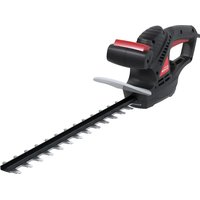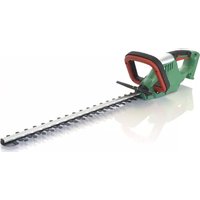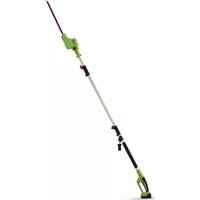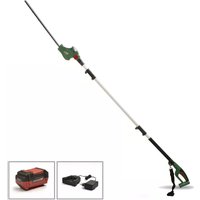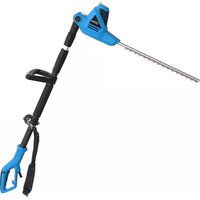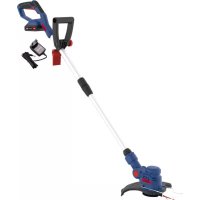
RT 1820105 - Hedge trimmers Güde - Free user manual and instructions
Find the device manual for free RT 1820105 Güde in PDF.



User questions about RT 1820105 Güde
0 question about this device. Answer the ones you know or ask your own.
Ask a new question about this device
Download the instructions for your Hedge trimmers in PDF format for free! Find your manual RT 1820105 - Güde and take your electronic device back in hand. On this page are published all the documents necessary for the use of your device. RT 1820105 by Güde.
USER MANUAL RT 1820105 Güde
ENGLISH Please read the instructions carefully before starting the machine.
GB Starting-up the machine
F Mise en service
1 Messa in funzione
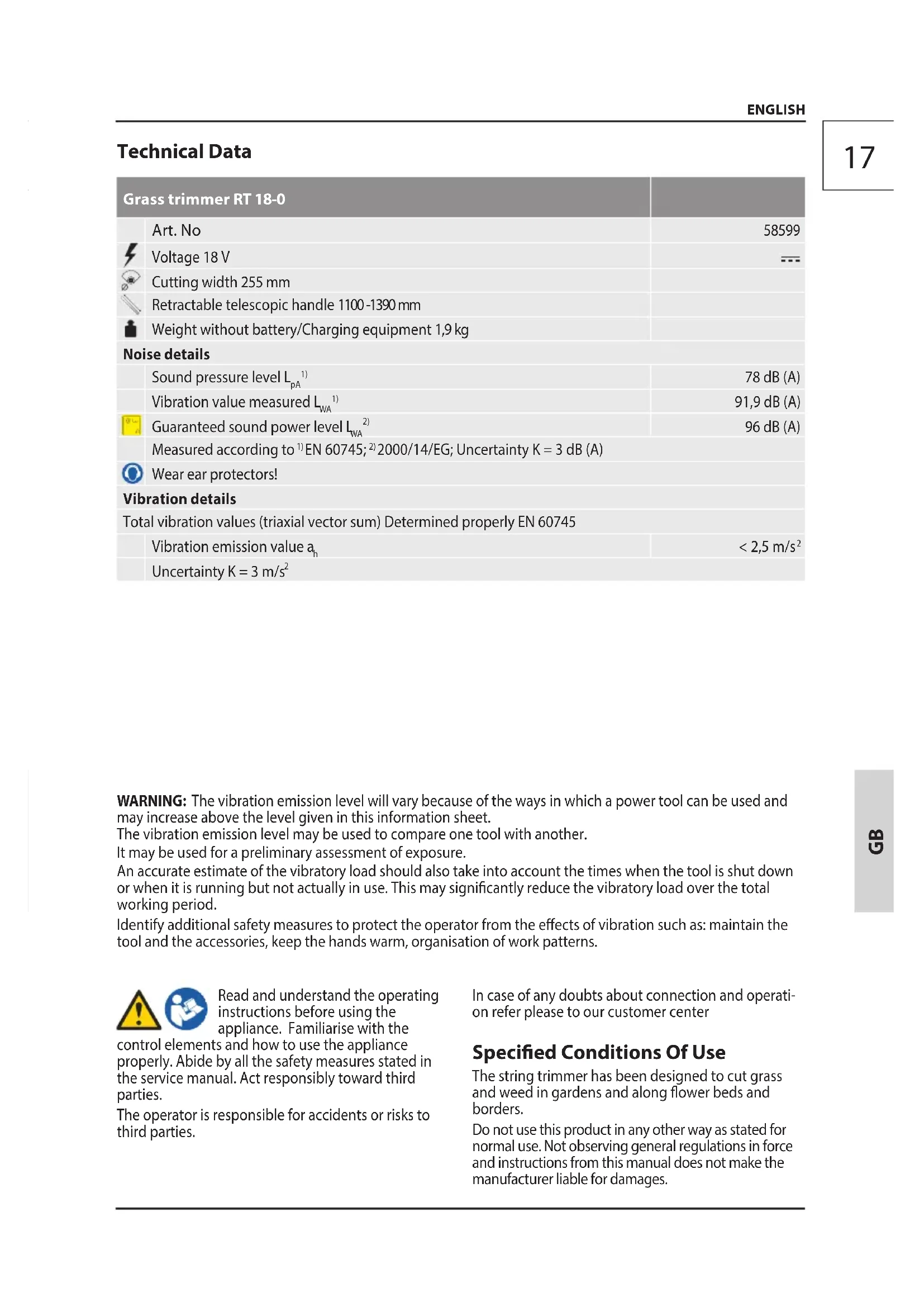
| Grass trimmer RT 18-0 | ||
| Art. No | 58599 | |
| Voltage 18 V | --- | |
| Cutting width 255 mm | ||
| Retractable telescopic handle 1100-1390 mm | ||
| Weight without battery/Charging equipment 1,9 kg | ||
| Noise details | ||
| Sound pressure level \(L_{pA}^{1)}\) | 78 dB (A) | |
| Vibration value measured \(L_{WA}^{1)}\) | 91,9 dB (A) | |
| Guaranteed sound power level \(L_{WA}^{2)}\) | 96 dB (A) | |
| Measured according to 1)EN 60745; 2)2000/14/EG; Uncertainty K = 3 dB (A) | ||
| Wear ear protectors! | ||
| Vibration details | ||
| Total vibration values (triaxial vector sum) Determined properly EN 60745 | ||
| Vibration emission value \(a_h\) | < 2,5 m/s2 | |
| Uncertainty K = 3 m/s2 | ||
WARNING: The vibration emission level will vary because of the ways in which a power tool can be used and may increase above the level given in this information sheet.
The vibration emission level may be used to compare one tool with another.
It may be used for a preliminary assessment of exposure.
An accurate estimate of the vibratory load should also take into account the times when the tool is shut down or when it is running but not actually in use. This may significantly reduce the vibratory load over the total working period.
Identify additional safety measures to protect the operator from the effects of vibration such as: maintain the tool and the accessories, keep the hands warm, organisation of work patterns.


Read and understand the operating instructions before using the appliance. Familiarise with the
control elements and how to use the appliance properly. Abide by all the safety measures stated in the service manual. Act responsibly toward third parties.
The operator is responsible for accidents or risks to third parties.
In case of any doubts about connection and operation refer please to our customer center
Specified Conditions Of Use
The string trimmer has been designed to cut grass and weed in gardens and along flower beds and borders.
Do not use this product in any other way as stated for normal use. Not observing general regulations in force and instructions from this manual does not make the manufacturer liable for damages.

WARNING! Danger of injury!
The appliance must not be used to cut hedges, hard branches and wood or to crush material for compost.
Do not use the appliance to cut grass that is not on the ground, e.g. grass growing on walls, rocks, etc. Never mount any metal cutting elements.
Always have your arms and legs in safe distance from the cutting mechanism, in particular after turning the engine on.
Requirements for operating staff
The operating staff must carefully read the Operating Instructions before using the appliance.
This appliance has not been designed to be used by persons (including children) with reduced physical, sensory or mental capabilities or with a lack of knowledge or experience.
Qualification: Apart from the detailed instructions by a professional, no special qualification is necessary for appliance using.
Minimum age: Persons over 16 years of age can only work on the appliance. An exception includes youngsters trained in order to reach knowledge under supervision of the trainer during occupational education.
Local regulations may stipulate the minimum age of the user.
Training: Using the appliance only requires corresponding training by a professional or the Operating Instructions. No special training is necessary.
Residual risks
Even when the device is used properly and all safety regulations are complied with, there still may be some residual risks.
Cutting injury By cutting and cutting off. Never use the string trimmer without the protective cover.
- Hearing damage
A longer stay in the immediate vicinity of the running unit may cause hearing damage.
- Eye injury
Parts thrown off may cause eye injury. Wear eye protection!
- Damage to health arising from vibrations to hand and arms if the device is used for a long time or if the device is not guided and evaluated properly.
Despite the observance of the operating instructions there still may be some hidden residual risks.
Emergency procedure
Conduct a first-aid procedure adequate to the injury and summon qualified medical attendance as quickly as possible. Protect the injured person from further harm and calm them down. For the sake of eventual accident, in accordance with DIN 13164, a workplace has to be fitted with a first-aid kit. It is essential to replace any used material in the first-aid kit immediately after it has been used. If you seek help, state the following pieces of information:
- Accident site
- Accident type
- Number of injured persons
- Injury type(s)
Symbols

Warning/caution!

Read the Operating Instructions

Wear eye protective goggles!

Wear ear protectors!

Wear safety cut through resistant shoes with safety sole and steel toe!

Take the replaceable battery from the appliance before any extension, cleaning and servicing works.
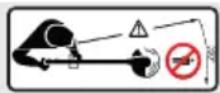
Do not let other persons get near due to foreign objects being thrown off.

Protect against humidity. Never expose tool to rain.

Rotation direction

CE marking
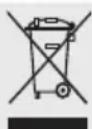
Any damaged or disposed electric or electronic devices must be delivered to appropriate collection centres.

Protect against humidity

This side up
Battery

Protect the battery against heat and fire.

Protect the battery against water and moisture.

Protect the battery against temperatures above 40^

Do not throw the batteries in household waste.

Deliver the batteries to a collection centre of old batteries where they will be recycled in an environmentally friendly way.
General Power Tool SafetyWarnings

WARNING
Read all safety warnings and all instructions. Failure to follow the warnings and instructions may result in electric shock, fire and/or serious injury. Save all warnings and instructions for future reference.
The term "power tool" in the warnings refers to your mains-operated (cordepower tool or battery-operated (cordless) power tool.
1) Work area safety
a) Keep work area clean and well lit. Cluttered or dark areas invite accidents.
b) Do not operate power tools in explosive atmospheres, such as in the presence of flammable liquids, gases or dust. Power tools create sparks which may ignite the dust or fumes.
c) Keep children and bystanders away while operating a power tool. Distractions can cause you to lose control.
2) Electrical safety
a) Power tool plugs must match the outlet. Never modify the plug in any way. Do not use any adapter plugs with earthed (groundpower tools. Unmodified plugs and matching outlets will reduce risk of electric shock.
b) Avoid body contact with earthed or grounded surfaces, such as pipes, radiators, ranges and refrigerators. There is an increased risk of electric shock if your body is earthed or grounded.
c) Do not expose power tools to rain or wet conditions. Water entering a power tool will increase the risk of electric shock.
d) Do not abuse the cord. Never use the cord for carrying, pulling or unplugging the power tool. Keep cord away from heat, oil, sharp edges or moving parts. Damaged or entangled cords increase the risk of electric shock.
e) When operating a power tool outdoors, use an extension cord suitable for outdoor use. Use of a cord suitable for outdoor use reduces the risk of electric shock.
f) If operating a power tool in a damp location is unavoidable, use a residual current device (RCprotected supply. Use of an RCD reduces the risk of electric shock.
3) Personal safety
a) Stay alert, watch what you are doing and use common sense when operating a power tool. Do not use a power tool while you are tired or under the influence of drugs, alcohol or medication. A moment of inattention while operating power tools may result in serious personal injury.
b) Use personal protective equipment. Always wear eye protection. Protective equipment such as dust mask, non-skid safety shoes, hard hat, or hearing protection used for appropriate conditions will reduce personal injuries.
c) Prevent unintentional starting. Ensure the switch is in the off-position before connecting to power source and/or battery pack, picking up or carrying the tool. Carrying power tools with your finger on the switch or energising power tools that have the switch on invites accidents.
d) Remove any adjusting key or wrench before turning the power tool on. A wrench or a key left attached to a rotating part of the power tool may result in personal injury.
e) Do not overreach. Keep proper footing and balance at all times. This enables better control of the power tool in unexpected situations.
f) Dress properly. Do not wear loose clothing or jewellery. Keep your hair, clothing and gloves away from moving parts. Loose clothes, jewellery or long hair can be caught in moving parts.
g) If devices are provided for the connection of dust extraction and collection facilities, ensure these are connected and properly used. Use of dust collection can reduce dust-related hazards.
4) Power tool use and care
a) Do not force the power tool. Use the correct power tool for your application. The correct power tool will do the job better and safer at the rate for which it was designed.
b) Do not use the power tool if the switch does not turn it on and off. Any power tool that cannot be controlled with the switch is dangerous and must be repaired.
c) Disconnect the plug from the power source and/or the battery pack from the power tool before making any adjustments, changing accessories, or storing power tools. Such preventive safety measures reduce the risk of starting the power tool accidentally.
d) Store idle power tools out of the reach of child - ren and do not allow persons unfamiliar with the power tool or these instructions to operate the power tool. Power tools are dangerous in the hands of untrained users.
e) Maintain power tools. Check for misalignment or binding of moving parts, breakage of parts and any other condition that may affect the power tool's operation. If damaged, have the power tool repaired before use. Many accidents are caused by poorly maintained power tools.
f) Keep cutting tools sharp and clean. Properly maintained cutting tools with sharp cutting edges are less likely to bind and are easier to control.
g) Use the power tool, accessories and tool bits etc. in accordance with these instructions, taking into account the working conditions and the work to be performed. Use of the power tool for operations different from those intended could result in a hazardous situation.
5) Using and treatment of cordless tools.
a) Charge the batteries only in chargers recommended by the manufacturer. Risk of fire for a charger suitable only for a certain type of batteries or, as appropriate, accumulators, if used for other accumulators.
b) Use only such accumulators in this electric appliance that have been designed for this appliance. Use of other accumulators may lead to injuries and risk of fire.
c) Do not leave an accumulator not being used near office clips, coins, keys, nails, screws or other small metal items that could cause contact bridging. Short circuit between accumulator contacts may result in burns or fire.
d) Liquid may leak from an accumulator if used improperly. Prevent contact with such liquid. Rinse an affected body part with water in case of accidental contact. If liquid gets to your eye, seek medical advice. Liquid leaking from a battery may cause skin irritation or burns.
6) Service
a) Have your power tool serviced by a qualified repair person using only identical replacement parts. This will ensure that the safety of the power tool is maintained.
Safety instructions for Grass trimmer
Keep all parts of the body in safe distance from the knife. Do not try to remove the material being cut or hold material to be cut when the knife is running. Jammed cuttings to be removed only when the machine is off and the battery taken out.
Carry the string trimmer with the handle, with the blade being off (idle). The battery must be removed for transport or storage of the string trimmer.
Careful treatment with the appliance reduces the risk of injury by the blade.
Other safety instructions
Keep children and other persons including animals in a safe distance when using the appliance. Minimum safe distance is 5m
Always have your arms and legs in safe distance from the cutting mechanism, in particular after turning the engine on.
Wear suitable protective clothing such as sturdy shoes with non-slip sole, robust long trousers, gloves, safety glasses and hearing protection!
Do not wear loose clothing or jewels. Hear, clothing and gloves must be out of reach of moving parts as they could get caught by the rotating parts. Do not use the appliance when barefooted or in open sandals.
Provide adequate lighting or good lighting conditions when working with the machine.
Be careful to avoid injury by the cutting tools.
Turn the appliance on only when in a normal working position.
A safe and firm posture must always be provided when working with the appliance.
Be careful when going backwards - risk of tripping!
When being blocked, turn the appliance immediately off and remove the jammed item.
Before work, check the area for any hidden items or animals.
Do not use the appliance to cut grass that is not on the ground, e.g. grass growing on walls, rocks, etc.
Never cross any gravel roads or paths with the running appliance.
When working, keep the appliance firmly with both hands and with a distance from your body.
Make sure the appliance is off before inserting a battery.
The ON/OFF switch and safety switch must not be locked.
WARNING! Danger of injury!
After the appliance is turned off, the cutting head keep rotating for a couple of seconds. Keep your arms and legs in safe distance.
Before using, check the tightness and proper seating of all screwed and socket joints and protective equipment and if all moving parts are moving smoothly.
It is strictly prohibited to demount, adjust and alienate the protective equipment on the machine or put other protective equipment on the machine.
Do not use the appliance if damaged or the safety equipment is defective. Replace any worn and damaged parts.
Do not use the device near flammable liquids or gases. Risk of fire and explosion in case of short circuit.
Warning: This power tool generates an electromagnetic field during operation. The field may under certain conditions affect the function of active or passive medical implants. To reduce a risk of serious or fatal injury, we recommend persons with medical implants to consult the matter with their doctor and medical implant producer before operating the appliance.
Battery
Vapours may leak out in case of unauthorised use or when using a damaged accumulator. Bring fresh air and seek medical advice if experiencing difficulties. Vapours may irritate the respiratory system.

Risk of fire! Risk of explosion!
Never use damaged, defective or deformed accumulators. Never open or damage the accumulator or let it fall on the ground.
Never charge the battery in an environment with acids and easily flammable materials.
Protect the battery against heat and fire. Battery to be used at the ambient temperatures between 10^ and +40^ only.
Never put the battery on heaters and do not expose it to strong sunlight for a long time. After being subject to heavy load, let the battery cool down first.
Short circuit - do not bridge the accumulator contacts with metal parts.
The accumulator must be packaged (plastic bag, box) or accumulator contacts must be sealed up for accumulator disposal, transport or storage.
Work instructions
Accumulators are supplied partially charged and must therefore be fully charged before being used for the first time.
- Charge the accumulator when the appliance is running slowly or stops.
- A li-ion battery may be charged at any time without any shortening of its life. Charging process interruption will not damage the accumulator.
- A li-ion battery is protected by the Electronic Cell Protection against deep discharge.
- A significantly shorter operating time of a charged battery means the battery life is over and the battery must be replaced. Original spare batteries to be used only.
Maintenance

Take the replaceable battery from the appliance before any extension, cleaning and servicing works.
Repairs and works specified in these Instructions may only be performed by qualified authorised staff.
Use only original accessories and original spare parts.
Keep the device, in particular the air vents, clean at all times. Never spray water on the device body!
Never clean the machine and its components with solvents, flammable or toxic liquids. Us only a damp cloth making.
After each use, clean the string trimmer and remove any grass remains.
Check the cutting equipment function.
Only a regularly maintained and treated appliance can serve as a satisfactory aid. Insufficient maintenance and care can lead to unforeseen accidents and injuries.
If necessary, a list of spare parts can be found at www.guide.com.
Machine to be stored in a dry place.
Disposal
The disposal instructions are based on the icons placed on the appliance or its package.
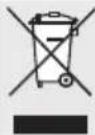
Any damaged or disposed devices must be delivered to appropriate collection centres.
Dispose of the batteries in an environmentally friendly manner.
Li-ion batteries are subject to the special disposal obligation. Have any defective batteries disposed of by a specialised shop. The battery must be taken out before the appliance is scrapped. Damaged batteries may harm the environment and your health if toxic vapours or liquids leak out of such batteries.
Therefore, never send a defective battery by post, etc. Please contact your local recycling centre.
Dispose of the batteries when discharged. We recommend applying an adhesive tape on the poles to protect them against short circuit. Never open the battery.
Transport packaging disposal
The packaging protects the machine against damage during transport. Packaging materials are usually chosen based on environment aspects and waste treatment principles and are therefore recyclable. Returning the packaging into material circulation saves raw materials and reduces waste production. Parts of packagings (e.g. foils, styropor) can be dangerous for children.
Risk of suffocation!
Keep parts of the packagings out of reach of children and dispose them as soon as possible.
Guarantee
Warranty period of 12 months applies to commercial use and 24 months applies to private use and commences on the day of purchase of the device.
The guarantee solely covers inadequacies caused by material defect or manufacturing defect. Original payment voucher with the sales date needs to be submitted for any claim in the guarantee period.
The guarantee does not cover any unauthorised use such as appliance overloading, use of violence, damage as a result of any unauthorised interference or caused by foreign items. Failing to follow the operating and assembly instructions and common wear are also not included in the guarantee.
Important information for the customer
Please be sure to know that returning the product in or after the warranty period must be made in the original packaging.
Service
Do you have any technical questions? Any claim? Do you need any spare parts or operating instructions? We will quickly help you and without needles bureaucracy at our web pages at www.guide.com in the Servicing part. Please help us be able to help you. In order to identify your device in case of claim we need the serial No., product No. and year of production. All this data can be found on the type label. Please enter it here for future reference:
Serial No.:
Art. No:
Year of production:
Tel.: +49 (0) 79 04 / 700-360
Fax: +49 (0) 79 04 / 700-51999
E-Mail: support@ts.guide.com
Failure removal
| Defect | Cause | Removal |
| Lawn strimmer does not cut or cuts poorly | Blade worn or too short Change blade | →4 |
| Blade broken Change blade | →4 | |
| Cutting device dirty Clean cutting device | ||
| Lawn strimmer vibrates vio- lently | Blade too badly worn or damaged, thus causing imbalance | Change blade→4 |
| Lawn strimmer does not start | Battery discharged Charge battery | |
| Battery not fitted correctly Fit battery | currently→7 | |
| Motor blocked | Remove blockage and restart device | |
| Battery too cold/too hot Heat up/Cool down battery | ||
| On/Off switch defective | In case damage let repaired in authorized workshop | |
| Lawn strimmer stops | Battery overloaded | Allow the battery to cool and restart device |
| Battery defective Replace battery | ||
| Battery discharged Charge battery | ||
| Lawn strimmer works but cuts out intermittently | On/Off switch defective In case damage | let repaired in authorized workshop |
\section*{Caracteristiques Techniques}
WAARSCHUWING! Letselgevaar!
WAARSCHUWING! Letselgevaar!
m = 311 ;

m = 311 ;
Chybné a/alebo likvidované pristroje musia byt odovzdané do prisluśnych zberní.
PanaTe nped BlaRa. He n3JaarTeMaunHaTa Ha dBxkD.

IocokaHaBbptHe

CE CUNBOI

DekeTHN n/nnn nnKBNnpaHn eektpnueckn nnneKeTPOHH ypeDn Tp6Ba da ce npedaat B cbOTBeHTHnTe nyHKTOBE 3a cb6npaHe.

PaaTe nped BlaRa

OnakOBkata Tp8Ba da 6bde hacoueha Harope
6aTeepn

IpbkTe akymyntopa daeneOT TOnnHa nOfH.

IpbKTe aKymyntopa daJeu OT Boga nBnara

Ia3eTe 6aTeepnraT aT TeMnepeTp n Hd 40^
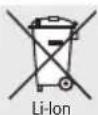
He n3xBbpynTe 6aTeepnTe B 6ntOBnB OTnabK.

IpeaTe 6aTePnTaBnyHKT3aCb6npaHe Ha cTapn 6aTePnN, KbTeTo 1e 6bDat peuKnnpaHn no eKoIorocb0o6pa3eH NaH, ⅢaJU OKoJIHaTa Cpea.
06uynka3aHnna 3a 6e3oNaChocT 3a eNeKtpnueckn ypeiN

BhimaHne
Ipoyete BCnKu yKa3aHn u HNCTpyKu nn 3a6e3onacnoct.1peuKn npn cna3BaHe Ha doJy nocouheHte yKa3aHn MoTa da DOBeDaT DO TOKOB ynap, noXap n/nnn cepno3Hn 3JIOJnyKn. CbXpaHbaTe BCnKu yKa3aHn u HNCTpyKu nn 3a 6e3onacnoct 3a6bdeua ynotpe6a.
Byka3aHnra 3a 6e30nacHOCT n3NOJ3BaHOTo NOHrTe "eJeKtpuueckn ype" ce OTHACr DO 3axpaHbAHnte C Ka6eI eNeKtpuueckn IHCTpymeHTN (cBc 3axpaHbai Ka6eI) n C 6atepn 3axpaHbAHn eKeTpueckn IHCTpymeHTN (6e3 3axpaHbai Ka6eI).
1)Be3onachocHT ha pa60THOTo MxTo
a) PpKaTe pa60HTo MRCTo u Do6pe OCBeTeHo. 5e3nopAa Ka n HeoCTaTbHOTO OCBetIeHne Ha pa60THoMRCTo MORaT da DOBeDaT Do 3lONOnyKn.
b) He pa6oTeTe c eNeKtpuYeCKn ypeB 3aNaaSeHa OT EKcNIO3n CpeDa, B KOrTo Ce HampaT 3anaJIMM TeUHocTn, RaOBe n npax. EKeKtpuYeCKnTe ypeDn CB3dAbaT NcKpn, KOITOMorat Da Bb3PnaMeHr Ipaxoo6pa3Hm MaTePnAnn nn n3napeHn.
c)ДрькTe DecaTaNOCtHaJInte NuaHa 6e3oNaCHO pa3CTOHnE OT eNEKtpuYeCKnTe ypei.Korato pa3ceYBaTe BHMaHnETo CN MoXeTe Da 3ary6nTe KOHTpOHaNd ypea.
2) EneKtpueecka 6e3onacHOCT
a) Cbbp3BaunyKnnyHnHa eneKtpnuecknnypei Tp86Ba Da nacBa B uencenHaTa Kytna. Uencela He Tp86Ba Da ce npomeHa no KaKbBTO n da 6nlo Haun. He n3non3Baute 3a3emHe nte eneKtpnueckn ypeu B kOm6nHaunC uencelnn aanTepn. HnpomeHeHnte uencelen I NOxOAnu nnncenHn KyTnHaMaJIraBt PnCKa 3a TOKOv npap.
b) IpeodTbaPate KOHTaKT Ha TAnoTo Cbc 3a3MeHn NOBbpxHOCTNa KAKBnTO ca Tpb6n, OTOnnTeHN Tena, neKm XnaAinHnUc. CbueCTByBa NobuWeH pNCK 3a TOKOB ynap, KOrato TAnoTo Bn e 3a3MeHo.
c) He n3naraTe eNeKtpnuecknTe ypeHa nBxHn Bnara. IpoHnKbaHeTo Ha BOa B eNeKtpnuecknYpeD, yBeJIuUaBa PNCKa OT TOKOB yIap.
d) He n3no13BaIte Ka6eNa B npOTnBopeueHc HceroBoto npedHa3NaYeHne, 3a HoceHe Ha ypeHa, HerOBOTO OKaUBaHc nn 3a n3TerJHHe Ha uenceLa ot uenceHata Kyttn. Na3eTe Ka6eNa OT BucOKu TemnepaTyPi, Macna, OCTpn Pb6OBe N NOdBxHn Yactn Ha ypeDa. NobpeHn nn ycKaHN Ka6eN yBEnuYabat PnCKa OT TOKOB yDap.
e) Ako pa6oTnTe c eJeKtpueckn ypeDu Ha OTKpTuO, n3NoJ3BaIte cAmo yDbJxNtEnHn Ka6eN, KOnTo ca noDxoJaun 3a yNoTpE6a Ha OTKpTuO. N3NoJ3BaHeTO Ha yDbJxKtEnHn Ka6eI, npEHa3HaueH 3a n3NoJ3BaHe Ha OTKpTuO HamaJIbBA pUCKa OT TOKOB ydap.
f) Korato He Moxe da Ce 36erhe pa6ota Ha eneKtpueckn ypeB BbB BnaXHa cpeDa, n3non3BaIte npedna3en npekbcBaCpeu nyorpewen To. n3non3BaHTo Ha npedna3en npekcbBaCpeu nyorpeweh ToK hAmalra Ba PnCKa OT TOKOB yap.
3)Лична6e3oNAchOCT
a)БbTe BHMMaTeHn,ObbPHeTe BHMaHne Ha TOBa, KoETO npaBHTe, n npu pa6oTa c eNeKTPnuCeKn ypeD npOXkDaIte pa3ymHo. He n3non3BaIte eNeKTPnuCeKn ypeD kOrato CTe N3MopeH nII NOB BmHnE Ha HApKOTnU, ankoXoN ILekapCTBa.MomeHT Ha HeBHMaHne, DOKATO N3NoJ3BaTe ypeDa MoKe Da DOBeDe Do cepno3HN 3IonoJyKn.
b) Hocete NnUHN npEpa3Hn CpeCTBa n BuHaHn Hocete npEpa3Hn OuHa. HocehTo Ha NnHn npEpa3Hn NOMarana KaKBnTO ca pecnPapTop, HexNb3raaCe 6e3oNaChN oSyBKn, npEpa3Ha KaCKa Nn 3aunTa 3a CnyxA, B 3aBNCMOCT OT Tnna Nn3NoJ3BaHeTo Ha eNeKTPnuEcKn ypei, Hamalba PnCKa 3a 3IOnOlyKn.
c) PpeoTbpate HeymuIneHo nycKaHe B deIcTBue. Y6eTe ce, ye enektpnueckna ypeE u3KnIOueH, npde Da ro npncbeHNHTe
KbM N3TOUHnka Ha HApEKeHne N/nn 6aTePnraTa, BmHHeTe nn noHecete. Ako nO BpeMe Ha IpeHaCHe NbPxNte PpBCT Bbpxy IpeBKnIOuBaTeIe H eJeKtpnueckn ypeD nn BKIIIOuBaTe ypeDa B MpeKaTa, KOraTo e BkIIOueH, TOBa MoKe Da IOBeDe Do 3IIOJnyKn.
d)Прдв BKIOUOBAHe OTCTpaHete OT eJIeKTPuuecknIypeN HCTpyMeHTnte 3a NaCTpoiKa N KIIIOUObTe. INCTpyMeHT nIIN KIIIOU, KOITo Ce Hamipa B NOdBUNXHNte YaactN Ha ypeDa, MOKe Da npuHHN 3IOnOlyKa.
e) N36erHete a6HopMaJHO NOIOXKeHne Ha TAnoto. 3aemete cta6nHa No3uNn I NOdIbpxKaIte HENpeKbChATo paBHOBeCne. TaKa B HeOuaKaBaHn CNTyaUIM MOKeTe No-Do6pe Da KOHTpOIpaTe eJIeKTpuuecknYpeI.
f) Hocete noxoadjo 6nkeNo. He hocete npoko 6neKno n 6nxyTa. DpbkTe Kocata, 6neKnoto npkabuNTe Ha 6e3onacho pa3ctOHne OT NOBHXHHTe qactn. Cbo6oHOTO 6nkeNo, 6nxyTaTn n Dblnte KOCN MOrat da 6bDat 3axBaHaTn OT NOBHXHHTe qactn.
g) Ako moKeJa ce MoHTnpaT N3CMyKBaun yCTpoiCTBa n npaxoyNoBtEnn, y6eTeCe, ye Te Ca npncBeHNHeH n Ce N3NON3BaT npabuJHo. N3non3BaHeTo Ha yCTpoiCTBO 3a N3CMyKBaHe Ha npaxa MoKe Ja HamaJI NaINaXaTa OT npax.
4) ɪnənərəBaHé n rρuŋka 3a eJneKtpnueckn ypeɪd.
a) He npetobapbaTe ypeJa.3a BcKa pa6oTa n3non3BaTe noDxoJaue eNeKtpnueckn ypeJ. CnoDxOJaUeKeKtpnueckn ypeJ ce pa60Tu noDo6pe n no-6e3OnacHO B nocOueHnaHaMOuHOCr.
b) He n3noJ3BaIte eNeKtpnueckn ypeD, uHTo npBeknOuBaTeI e deKeTEn. EneKtpnueckn ypeD, KOITo He MoKe Da ce BkJIIOUy ININ N3KJIIOUy, e onaceH n Tp86Ba Da 6bJe peMOHTnpaH.
c) N3BaIeTe 6eNceNa OT 6eNceHata Kytna /nn 6aTePnraTa PpeDu Da npaBnTe HAcTPOKaHa ypeDa, CmHa Ha npuHaDnEeXHOCTMe nnOTnarane Ha ypeDa. Te3n MepKn 3a cnpyPHoCT npedOTbPaTaBt CnyauHo NyCKaHe Ha eJeKTPnuCeKnr ypei.
d) EneKtpueckn ypeu, KOnTO He n3no3BaTe, CbXpaHraBaIte Ha HeIOCTbNHO 3a Deua MAcTo. PpeoTbPaTe EneKtpuecknTe ypeu Da 6bDaT n3No3BaHn OT Nua, KOnTO He ca 3aNo3HaTN C Hero Nm He ca npOeyn Te3n HnCTpykUn. EneKtpuecknTe ypeu Ca onacHn, KOrato rN n3No3BaT HeONNTn Nua.
e) TpnxkeTe ce 3a eEnKtpuecknTe ypei. PpOBepTe, daHn noBxHNte qactn Ha ypea fynkunohnpat 6e3ynpceHo n He 3aTgat, daHn He ca HanykaHn nn nobpeHn TaKa, ye He6laonpnaTHo da BnIe Bbpxy fynkuOHnpaHTo Ha enEKTpuceKn ypei. Octabete nobpeHnTe qactn Da 6bDat pemOHTnpAHn ppei da n3non3BaTe ypeia. PpnuHa 3a MHoro 3IOnonyKn ca loio npDlbpxaHn enEKTpuceKn ypei.
f) NpndbpxaIte pexeunTe uHcTpymEnu octpn n uactn. CtapateNHO noDbpxaHnte pexeun HNCTpyMeHTn c octpn pb6oBe no-paKo ce 3aKleBbAT n No-JeCHO Ce HaCOyBaT.
g)ИЗнOL3ВaJIte eNEKTPnueCKNte ypeu, npHnAdIeXHOCTn, pa3IuppeHn I dp. B cbOTBeTcBHe C HAcToIaNTe UHCTpyKcun. EHNOBpeMeHHO B3eMeTe NOD BHMAmHne pa6oTHnTe YcNOBnI N DeHocTTa, KOrTO n3BbPWBate.ИЗнOL3BaHeto Ha eNEKTPnueCKNte ypeu 3a dpyrN, OCBEN IpeHa3NaYeHnTe uei MoKe Da DOBeDe Do ONaCHn CuTyauCn.
5) I3non3BaHe n noDpBxKka Ha akymynaTopHn HNCTpyMeHTn
a) 3apekdaTe 6atepnaTa cmo CbC 3apndHOTO yctpoCTBO, npenopbuaHO OT npoImzBoDnteJ. 3apdno yctpoCTBO, KOETO e NOxOJaIIO 3a onpeJeIeN TIN 6aTePn, CbOTB .akymnaTopn CbIeCTByBa ONaCHOCT OT NoxJap, KOraTO ce I3NoJI3Ba C dpyr n aKymnaTopn.
b) B To3n eNeKtpuYeCKn uHcTpymeHT u3No13BaIte camo AkymyIaTOPn, KOInTo ca npedHa3HaueHn 3a Hero. N3no13BaHeTo Ha dpyrn aKymyIaTOPn MOKe Da IOBeTe Do 3IOnOlyKn I ONaCHOCT OT nOxkap.
c) He octabnTe HEn3non3BaH akymyNatop B 6n3oCT do KnaMepu, MoHetu, KIOUOBe, NpOHN, BuHTObe nn Dpyr dpe6Hm MetaHn npedmetu, KOnto 6nxA Morn da npunHrt WHTnpaHe Ha KOHTaKTtTe. Kbco cbeDInHeHne Mekdy KOHTaKTtTe Ha akymyIaTopa MoKe da DOBeDe Do n3rapaHn nn Noxap.
d)Пи loо n3non3BaHe OT akymynaTopa moKe da n3teue TeuHocT.N36raBaiTe KOHTaKT c Hea. B cnuyaHa cnuyaeh KOHTaKT n3nlaKHeTe c Boda.Korato TeuHocTTa HabNe3e B OChTe, NotbpcTe DOIbHInTeHNo MeMnUHcKa nomou.N3tuvaata TeuHOCTOT 6atepya MoKe da npuHH pa3pa3HeHne Ha KOKaTa nn N3rapHn.
6) CepBm3
a) EneKtpnueckn ypeJ moKe da 6bpeMoHTnpaH cmo OT KBaIINΦuIpaH OToPn3npaH nepcoHa, I To cmo C nOmoHa OpunnaHn pe3epBn qactn. Toba ue rapaHTnpa, ye 6e3oNaChocTt Ha ypeJa e octaHe 3ana3eHa.
Hnctpykun 3a 6e30nachoct 3a AkymylaTopen ctpyneh TpImep
Pana3e TBCUKN qactu Ha TaJIoTO cN Ha 6e3OnaCHO pa3CTOHNHe OT OCTpneTo. Korato HOXbT pa6OTn, He ce ONITBaIte Da npemaxBaTe Hapra3AHm MaTePua Nn Da IbPxNte MaTePua, KoTo Tp6Ba Da ce pexe. 3aceHaNITE u3pe3Kn, OTCTpaHBAIte CaMO KOrATo yPeDa e N3KlOueH N 6aTePnaTa e N3BaDeHa.
Hocete Tpumep KocauKaTa 3a DpbKkata C n3Knouen HOX (B NOKO).Pn TpaHcnpTnpahe mncbXpaHraBaHe Ha Tpumep KocauKaTa Tp6Ba Da n3BaDnte 6aTepeNa. BHHMaTeHnHO To 6opabeHe cypeda HamaIbRa pUCKa OT HapaHraBaHe C HOxa.
ДоьнтелиNHCTpyKcnn 3a 6e3oNaCHOCT
IbpeHa n3nO13BaHe Ha ypeDa npbXte decaTa n octaHaJInte Jnca u XNBOTHn Ha 6e3oNaCHO pa3CTOHNHe. MHHMaHOTo 6e3oNaCHO pa3CTOHN He npedctabna 5M.
BnHa n DpbXte pbcTe n KpaKaTa cn Ha 6e3OnaCHO pa3ctOAHne OT pexeJoTO yCTpOcTBO,OCo6eHO npBkIIOUbaHe Ha DBuRaTeJI.
Hocete noxoadpo pa6oTHO 6nKNO, kato 3dpabuOByBcN c HnIb3raun POnMeTKn, 3dpabu Dbln NaHTaIOHn, PbKaBnU, npedna3Hn OUYNA n aHTnfoH!
He hocete shipokn dpexn nn 6nkyta.Kocata, dpexnte npkabuunte Tpr6ba da 6bdat daney ot DBNXeunte ce yactn, TbN Kato Te morat da 6bdat ynoBENB DnKxueinte ce yactn. He n3non3BaHTe yCTPOINCTBOTO, KOrato XoJNTe 6OC nn Hocnte OTBOPEHn CaHdann.
IIO Bpeme Ha pa6ota C ypeDa BNHaR OcNpypeTe DOCTaTbUHO OCBETnEHe, peCn. DOpBn CBeTnHHN ycNoBna.
Быдete BHHMaTeHn,3aДа ce n36eHer HapaHraBaHe OT pexeU NHCTpyMeHTN.
Pa6oTeTe C MaunHaTa cAmO KOraTo e B HopMaHOp pa6oTHO NIOXKeHHe
IbpeHa pa6oHa MaunHata,BuHarn Heo6xOJMo Da ce ocNpyn 6e3onacHO n 3paBO dbpxKeHe Ha TAnOTO.
BbTe BHMATEJIHn npx XoJeHe Ha3aI, CbIeCTByBa onaCHOCT OT cIbBAhe!
Pn6IokpnaHe He3a6abH0 n3KIOUcTe ypeDa n cneT OBa n3BaTe npdMeTa.
PpeiJa 3aOnuHete pa6oTa nperIeJaTe paHOHa 3aCKpTu npEMeTn nn CbueCTBa.
He n3non3BaIte ypea 3a KOceHe Ha TpeBa, KOrTO He e Ha 3emra, Hanp. TpeBa, KOrTO pacte Bbpxy CTeHn, cKaJIu NT.H..
Hnkora He npemnhabaTe c pa6oteu ypei npe3 yaKbIeHN nbTnua nn nBTEKn.
No Bpeme Ha pa6oTa IpbXte ypea 3dpabo C DBeTe cn Pbue Hn Ha pa3CTOaHne O T TaIOTo Cu.
Ipeu n da noctabte 6aetepra, ce ybepe, ye ypebTe en3KIOUeH
PpeBknIOyBaTeJIa3a BKNIOyBaHe/INKIOyBaHe N KIOyBt 3a 6e3ONaCHOCT He Tp86Ba Da Ce 3aKIOyBaT.

BHIMAHHE! Onachoct 3a 3lononyka!
Cnei n3KnOuBaHe pexeaa Ta rnaBa oue Ce Bbptn B npoBnKeHne Ha hKoNkO cekyHn. DpXkTe pbute N KpaKaTa cn Ha 6e3onacHO pa3cTOnHne.
IpeINBCaKO n3nOJI3BaHe, npOBepTe CnIata I npaBUNHO TO CraJaHE Ha BCuKN 3aBHTeH N HAHN3BAH INHCTpyMeHTN IN ppeJna3Hn CpeDCTBa, IN daNN BCuKN DnBXKeUc Ce qactn Ce DnBXKaT 6e3npo6JeMHo.
Ha-CTpOe 3a6paHeHO da Ce npemaxBaT, n3MeHrN u ceneHacOcHcEO Ha ce OTHEMaT npEJa3HN CbOpBXKeHn HAmpaunCe Bbpxy MaunHaTa nn Da ce NOCTabRbBpy Tx UyKdN npEJa3HN CbOpBXKeHn.
He n3non3baIte ypea, aKe e nobpehen nn 606pydBaHc 3a 6e3oNaChOCT e dekeKTHO. 3amehe n3HOceHnTe n NobpeHnTe qactn.
He n3no13BaIte yctpoIcTBOT B 6JIn3OCT da necho3aIaNIMn TeuHOCTn nn rA3OBe. Ppi KbCO CbeINHeHne CbIeCTByBa ONaCHOCT OT NOXap IN EKcnIO3nI.
IpeynpexkJeHne:To3n eKeTpueckn
HCTpyMeHT NO BpeMe Ha pa60Ta cb3daBa
eKeKtpomarHHTHO NOE.Ipn HAKoN O6cTOrTeNCTBa
TOBA NOE MoJE Da Ipeu3BnKa CMUeHnB BB
fYHKUHOHPaHETo HA AKTNBn NIN NaCUBHn
MeuHCKN MMnHaHTn.3a Da HamaJIte PnCKa OT
cepNo3HO NII PhaTALHO HapaHBAHe, HNE
IpeOpbUBeMa NtAcaT C MeuHCKN MMnHaHTn
Da Ce KOHCyNTpaT NO BbIpoca CbC CBOJNekap N C
Ipon3BODHTeJHa MeuHCKN MMnHaHTaHT, IpeDn
da pa60rT C MaunHaTa.
6aTepeia
Pn HnpabuHa ynoTpe6a nn n3no3BaHe Ha
NoBpeHekyMynatop MoKe Da n3TuHa tN3napeHna.
PnBeDeTe NCT Bb3dyx n npn 3aTpynHn
NotpcTe MeDnCnHcKa NOMOi. Napnte Morat da
PpeN3BnKAT dpa3HeHa dNxTaJIHaTa CNTema.

Onachoct ot noxap! Onachoct ot 3n!
HnKora He n3no3BaIte NOBpeDeHN, DeeKTHN nn DeOpMnpaHn AkymyIaTOpn. HnKora He OTbapnTe AkymyIaTOpa, He ro NobpeKdAITe N He ro OCTaBnTe Da NaIHe Ha 3emrTa.
Hnkora He 3apekdaIte akymyIaTopa B cpea C KncelHHN n IecHO u36yXnBn MaTePnAaN.
IpbjTe akyMylatopa daaneu OT tonnHa n orbH.
N3no3BaIte akyMylatopa camo npn OKoHa
TemnepaTypa meJy 10^ +40°C.
He ro noCTabIte HkORA BbpxOToNNtEnHn
TeJa n He ro n3JaarTe npOdbJXHTeHnBpeMe Ha
CJIHa CbHYeBa CBETJHa.
CneI cnHNO HATOBaBHe Hau-HanpeOCTaBeTe Da n3CTnHe.
Kbco CbeDHeHne- He WHTnpaTKe KOHTaKTte Ha akymlaTopa C MeTaJIH YuCTn.
Pn nnKbNnDnRBaHe, TpaHcnpTnpe Hnn CbxpaHeneAkyMylatopa Tpr6Ba Da ce onakOba (nnactmacoBa TOp6a, KyTna), nnn KOHTaKTNTe Tpr6Ba Da ce 3aJenr.
HnctpyKun 3a pa60Ta
Akymnyatopitce Ce IOCTaBt YactuH0 3apeHn, INIpeDn Da CE n3NoJ3BaT 3a IIbPbN IbT Tp86Ba Da ce 3apeJrHanbNo.
Korato MaunHata pa60n 6abHo nn cnnpa, npe3apeTe akyMylatopa.
- NITNEBO-IOHHNIAkymyIaTOP MOKe da ce Ipe3apeKJa IO BcRAKO Bpeme,6e3 da CE cbkpaIaBa JINBOTa My.IpeKbCBAHeTo Ha IpOceCa Ha 3apeKdaHe HMa Da IOBpeiN aKymyIaTopa.
Литnevоб-ионня akymlyaTop e 3aunTeH c eNeKToPOnHa 3aunTa Ha KNeTKe,3aunTa Electronic-Cell" npotnB dbl6ok pa3pnd.
3HaHTeHNO no-KpATKO BpeMe 3a pa6Ota Ha 3apeHata 6aTePnI, O3HaUaBa ye 6aTePnIa e KOHCymIPAHa n Tp8Ba da 6bDe 3aMeHeHa. I3noJ3BaIte caMo opuHnAHn pe3epBn 6aTePnI
PoaApbXka

IpeNi BcKaO peryInpaHe, nouNCTBaHe I NOdIpbXkKa, n3BaJeTe OT MaUnHaTa CMeHReMaTa 6aTePn.
PemOHn pa6OTn, KOHTo He ca ONucaHb TOBa yNtBAHe, MoKe Da n3BbpWba cAmO KbALINuCnPah OToPi3npaH nepcoHaI.
Ja ce n3noJ3BaT cAmO opuHaJIHn akcecoapuOpunHaHn pe3epBHu qactn.
IodbpxaIte MaunHaTa, Oco6eHO BeHTnlaOnHnTe OTBOpN, BUNaRn B uCTO CbCToRHe. Hkora He npckai Te Kopnyca Ha MaunHaTa C Boda!
He nouNCTBaIte MaunHaTa C pa3TbOpntn I neCHO3aIaIIMM NIN OTPOBHN TeuHocn. 3a cenTa n3IOJI3BaIte eINHCTBeHO JIEKO HABJAAKHeHa Kbpna, HO eJBAcEi KaTO CTe Ce yBepNJ, Ye eJcENcJIbTe n3BaDeH OT eJeKTPnueckn KoHTaKT.
CneB CBAKa yNOpTe6a, NoocnteTe TpMep Kocaykata, npemaxheTe OCTaTbUnte OT TpeBa.
PpOBepTe yHKuTnTa Ha yCTpoiCTBTO 3a p3aHe.
Camo peoBHO NOIbpxKaH IO6cnyKBaH ypeJ MoKe da 6bJe 3aIOBOJIInTeJHO NOMarano. HeIOCTaTbUHaTa IIOIpbXka I rpnKa MoKe da IOBeJe DO HeOuaKBAHN HUNDEHTN N 3JONOLyKn.
B cnuyaHn Heo6xOuMocT ue HamepuTe cncbK Ha pe3epBHNte yactn Ha nHTepHet CtpaHncaTa WwW. guede.com.
CbxaHbAaTe ypeHa Ha cyxo MxCTO.
JnKbndaun
HCTpykunnte 3a JIKBuaqura npo3Tuat OT NKTOrpaMnte, KOnTO ca pa3nOJKeHN Ha ypea nn OnaKOBkata.
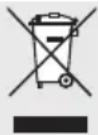
IekeKTHn n/nn nnKBNu npaH ypei Tp6Ba da ce npedaaT B cbOTBeTHnTe nyHKTOBe 3a cb6npaHe.
N3XBbPnIe akymyNatOpnte eKOIonrHNO
IITNeBO-IOHnTe aKymaNAtOp nOndexKaT Ha
cneuaHn yCNOBna 3a o6e3BpeKdaHe. Octabete
IOBpeDeHnTe aKymaNAtOp n Da 6bDat NIKBnDnpaHn
OT CNEuaHn3npaHaΦpMa. Ipeu ypeBt Da ce
6paKyBa, Tpr6Ba Da n3BaJnte aKymaNAtOp oT Hero.
IOBpeDeHnTe aKymaNAtOp mOrat Da HABpeJrTa
OKoHaTa CpeDa n BaWeTo 3dPaBe, aKO oT TEx N3TuCaT
TOKCuHN n3napeHn nIn TeuHOCTn.
3aToBa HNKora He n3PpaauIte DeΦeKTeH aKymaNAtOp
no NoUata n no NoIoobEn hauH. MoJI, CBpbXeTe ce
c BaWn MeCTe NcHTbP 3a peUKNlnpaHe.
N3XbPnIeAkyMylatOpntE B He3apepeHO cbctoHHe.IpenopbVbame nolIOcnte da ce 3aJIenT C TIKCO, 3a Da 6bDaT 3aunTeHN Cpeu Ky KbcO cBeINHeHne. HkORA He OTBaprTe akyMylatopa.
NikBuaaHa TpaHcnpTHaTOnaKOBka
Onakobkata npedna3Ba ypea ot ybpejdahe
no Bpeme Ha TpaHcnpTnpaHe. OnakobbHnTe
MaepnAno 6nuaHNo ca n36paHn Cnopei
ekoloruHNO pniemnBn Kpntepnn 3a 6opabHe
COTnAbu, n 3aTOBA Moar Da ce peunKInpaT.
BpbuaHTo Ha onakobkata B obbueHneTo Ha
MaepnAni NeCTN CypOBuHn HamaJIba NOBaTa
Ha OTnAbu. YaCTN OT onakobkata (Hanp. fOJIO,
ctnpOp)MOrat Da 6bDat ONaCHn 3a DeUata.
Puck ot 3aDywaBaHe!
CbxpaHraBaTe Yactn OT onaKOBKaTa n3BbH IOCTbNa Ha Deca, IN NKBUdnpaTKe KOIKOTO e Bb3MOKHO Han-6bp30.
TapaHcna
TapaHIOOHnCpOK npedCTabJIBa 12 Mecea npnpomnIeHa yNtpe6a, 24 Mecea 3a nOteiIn n3aOnuBa OT DeHr Ha 3aKyUbaHe Ha ypeHa.
IapauHuaTa ce OTHaCn N3KIOUHTeHNO 3a HeOCTaTbCn PnpuHHeHn NopAaN DeΦeKTn Ha MaTePnAna nn FapuHnEeKTN. PnypaXHaBe H peKlAmaun B rapaHcNoHHn CpOK npnbabeOpunHaen DOkymeHT OT 3aKyNyBaHeTO c DaTa Ha NOKyPkata
OtpaBoHa rapaHcna ca n3KIOUeHN He npofoecnoHAnHa ynotpe6a KaTO Hnnp. npetobapBaHe Ha ypeDa, ynotpe6a CbC cna, yBpeKaHa ot yJxO IInCe IINr OT yJxD npeMTe. Hecna3BaHe Ha yNtBAHeTo 3a ynotpe6a INyTBAHETO 3a MOHTax N HopMaHOTo n3HOcBaHe CbIoo Ca n3KIOUeHN OT rapaHcna.
Baxkhn uHphiOpMaun 3a KIneHTa.
IpeynpejdaBame,ye BpbuaHTo no BpeMe Ha rapaHIOHHnCpOK nnnn CneI rapaHIOHHnCpOK e Heo6xOIMBOHNaTn Da Ce n3BbPnB OPnHaHaONAKOBKa.C Ta3n MpaKna ige Ce n36BerHe n3NIshOTO yBpeJDAne NO BpeMe Ha TpaHCnpTnpaHe n HerOBOTO YecTO CNOpHO ypeJaHe. YcTpoiCTBOTO e 3aunTeHO ONTMALHO CAMO B opnHaHaHaONAKOBKa, INaka e OcnrypeHa PnabHa npepa6OTka.
CepBn3
IImate li Texnueckn Bbnpoc? Peklamaun? Heo6xOIMM nBn Ca pe3epBn yactn nn ynbTbaHe 3a 06cnykBahe? Ha hauIne cTpaHnCn www.guede.com B otDen CepBn3 ue Bn nomorhem 6bp3o n 6e3 n3nnuHa 6upokpaun. NomorHete Hn, MoJ, 3a da moKem Da Bn nomarame. 3a da moKem da ndentnphiunpame Bauny upeB cnyaHn peKlamaun, Hn e Heo6xOIMMo Da 3Haem HerOBn cepueH Homep, Homepa Ha npodykTa n rOdnHa npon3BODCTBO. BCnuKn Te3n daHHn Ue haMePnte Ha TINOBATA Ta6eJIka. 3a da rN Imate noD pbKa NOCTOARHNO, 3aNNWEte rN, MOJr, TYK.
CepneH Homep
HomepHa npodykta:
TOnHaHa npOIN3BOIDCTBO
Tel.: +49 (0) 79 04 / 700-360
Fax: +49 (0) 79 04 / 700-51999
E-Mail: support@ts.guide.com
OTCTpaHЯBaHe Ha Hen3npaBHOCTTa
Translation of the EC-Declaration of Conformity
We, hereby declare the conception and construction of the below mentioned appliances correspond - at the type of construction being launched - to appropriate basic safety and hygienic requirements of EC Directives.
In case of any change to the appliance not discussed with us the Declaration expires.