
VARDAGEN 006.048.49 - Saucepan IKEA - Free user manual and instructions
Find the device manual for free VARDAGEN 006.048.49 IKEA in PDF.
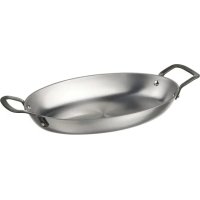



| Product type | Carbon steel pan |
| Brand | IKEA |
| Model | VARDAGEN 006.048.49 |
| Material | Carbon steel |
| Initial finish | Pre-treated with food-grade oil to prevent corrosion |
| Compatible cooktops | All types of cooktops (gas, electric, ceramic, induction) and oven |
| Seasoning required | Yes, before first use to improve non-stick properties and protect against rust |
| Seasoning methods | On cooktop or in oven (200°C, 30-40 minutes) |
| Recommended oil for seasoning | Vegetable oil with high smoke point (grape seed, sunflower) |
| Routine maintenance | Hand wash with brush, little dish soap; dry immediately; regular oiling |
| Cleaning burnt residues | Scrub with salt, or use steel wool then reseason |
| Precautions | Use oven mitts (handle gets hot), do not expose to thermal shock, do not slide on ceramic cooktop |
| Acidic foods | Avoid prolonged contact (lemon, tomato) as it may affect color and taste |
| Rust | Possible if poorly maintained; clean and reseason |
| Repairability | Contact IKEA customer service or nearest store |
| Warranty | See IKEA conditions |
Frequently Asked Questions - VARDAGEN 006.048.49 IKEA
User questions about VARDAGEN 006.048.49 IKEA
0 question about this device. Answer the ones you know or ask your own.
Ask a new question about this device
Download the instructions for your Saucepan in PDF format for free! Find your manual VARDAGEN 006.048.49 - IKEA and take your electronic device back in hand. On this page are published all the documents necessary for the use of your device. VARDAGEN 006.048.49 by IKEA.
USER MANUAL VARDAGEN 006.048.49 IKEA
- Before first use, traces of oil may appear on the product. This is because IKEA carbon steel pans have been pre-treated with food-grade oil to prevent corrosion during transport.
- In some cases, you might also notice small spots of rust on your pan. This may be caused by exposure to moisture during transport and is normal for new carbon steel cookware.
- Any visible traces of oil or any potential spots of rust are harmless and do not affect the functionality of the pan. They will disappear after seasoning the cookware, which should be done before you use the product for the first time. For seasoning your cookware, please follow the instructions below.
Before first use
- Before you use this product for the first time, wash it by hand and dry thoroughly. Any leftover pre-treated food-grade oil will aid in the seasoning process.
- In order for the product to resist corrosion and to keep food from sticking, this cookware needs to go through a seasoning process. By seasoning, the pores of the pan are filled with oil that forms a protective coating. You can season a carbon steel pan on any cooking zone or in the oven, whichever suits you. Follow the instructions below, or you can follow an instruction video on www.ikea.com.
Seasoning: Tips and recommendations
- Use a vegetable oil with a high smoke point and neutral taste, for example grapeseed oil or sunflower oil.
- When seasoning, only the cooking surface and the interior sides of the frying pan need to be rubbed with oil. The exterior of the pan just needs a thin layer of oil every now and then to make it corrosion resistant. The handle has been lacquered and does not need to be oiled.
- For best results when seasoning a frying pan on a cooking zone, you should match the size of the cooking zone with the size of the pan. This ensures the heat is evenly distributed during continued use and results in an even seasoning layer for better non-stick performance.
- Be careful not to burn your hands since the frying pan becomes very hot when seasoning. We recommend using a kitchen tong to hold a paper towel when rubbing oil on a hot pan. When seasoning in an oven, let it cool completely before taking it out.
- When you have completed the seasoning instructions, add a tiny bit of fresh oil and give the pan a thorough shine. You can now start cooking with it. The seasoning and its non-stick performance will continue to gradually build up as the pan becomes even darker in colour after usage, and eventually it will be totally black. Note that cooking fat in a carbon steel pan is still a must, although very little is needed compared to for example a stainless-steel pan.
Seasoning on a cooking zone
- Pour a generous amount of vegetable oil into the frying pan and rub it all over the entire interior surface by using a piece of paper towel. When done rubbing, there should be enough oil absorbed by the towel for it to drip off the paper. Save the oily paper for later use.
- Put the frying pan on a cooking zone that matches the size of the pan. Use medium-high heat (6 out of 10) and the frying pan will now slowly heat up and eventually start to smoke a little and to darken in colour, which is normal and part of the process.
- Continue the seasoning process for approximately 10 minutes. To ensure that all parts of the surface are covered with oil and to build up an even seasoning layer, the surface should be rubbed with oil every two minutes; use a kitchen tong - to not burn yourself on the hot pan - and hold the oily paper while rubbing. Also, to ensure even heating, try rotating the
pan around every now and then. You will notice the oil thickening slightly and being absorbed by the pan.
- Take the pan off the heat, wipe off the excess oil with a dry paper towel and let it cool to room temperature.
- Repeat the seasoning process for another 10 minutes, but this time only apply just a thin layer of oil using a fresh paper towel. The pan might be slightly drier, and the paper might want to stick; in this case, just add a little more oil so you can smoothly rub the pan every 2 minutes.
- Take the pan off the heat, wipe off the excess oil with a dry paper towel and let it cool to room temperature. This time, try to really polish it until the surface gets a dry look.
- Repeat the seasoning process one last time using only a thin layer of oil, but reduce the time to approximately 6 minutes.
- Take the pan off the heat, wipe off the excess oil with a dry paper towel and let it cool to room temperature.
Seasoning in an oven
- Preheat your oven to 200°C (392°F).
- Pour just enough vegetable oil into the frying pan and rub it all over the entire interior surface by using a piece of paper towel.
- Put the frying pan in the oven for about 30-40 minutes.
- Leave the pan to cool to room temperature and wipe off the excess oil.
- Repeat the process and season it one more time.
- Leave the pan to cool to room temperature and wipe off the excess oil.
Care and cleaning
- Clean the pan after use by washing it by hand in water with a brush. If you wash the cookware while it is still warm, it will be easier to clean. If you like, you can carefully add a small drop of washing-up liquid. Note that too much washing
up liquid might dry out the material and remove the necessary layer of fat that is needed for carbon steel surfaces.
Stains from cooked food can be removed by sprinkling some salt in the pan and then wiping it clean. Salt absorbs excess fat but leaves just enough fat to prevent the pan from drying out. - If corrosion or food stains occur, or if the food burns and sticks, it can be cleaned with steel wool or an abrasive sponge and then reseasoned. - Untreated carbon steel can corrode if it is not treated properly. It is therefore important to wipe the cookware dry directly after washing-up and to oil it regularly.
How to use
The pan is suitable for use on all types of hobs and is oven-safe. - When food is cooked in a carbon steel pan, the frying fat collects in the small pores in the carbon steel surface. This means that the food to be fried or browned is not directly in contact with the carbon steel, but rather with a layer of fat, which adds a nice, brown surface to what you're cooking. This also prevents the food from burning easily. - Please note that the material for carbon steel pans is reactive and not suitable to be in contact with strong acidic foodstuffs (e.g. lemons and tomatoes) as the food can become discoloured or end up with a slight taste of metal. The pan itself can also become discoloured by salts and acidic foodstuffs. - Iron which flakes off from the pan during cooking is harmless since it is the same kind of iron that is normally, and should be, found in the human body. - By placing the cookware on a cooking zone with the same or a smaller diameter as the pan you can save energy. - Keep in mind that the handles get hot when the pan is used on a hob or in an oven. Always use pot holders when moving it.
- Always lift the pan when moving it on a glass or ceramic hob. To avoid the risk of scratching, do not pull it across the hob.
- Do not expose the pan to great and sudden temperature changes, e.g. by pouring cold water into the hot pan, the bottom of the pan might deform.
- If you have any problems with the product, contact your nearest IKEA store/Customer Service or visit www.ikea.com.
Important!

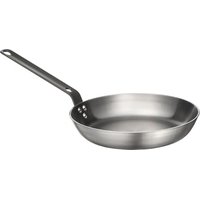


Brand : IKEA
Model : VARDAGEN 006.048.49
Category : Saucepan