 ManualGo.com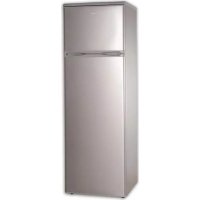
ORF277X - Fridge Orima - Free user manual and instructions
Find the device manual for free ORF277X Orima in PDF.



Download the instructions for your Fridge in PDF format for free! Find your manual ORF277X - Orima and take your electronic device back in hand. On this page are published all the documents necessary for the use of your device. ORF277X by Orima.
USER MANUAL ORF277X Orima
Dear Customer, Some provisions in this user manual are unified for refrigerating products of different types (for a refrigerator, refrigerator-freezer or freezer). CAREFULLY READ THE INSTRUCTION MANUAL. The Manufacturer shall not be held liable for damage arising from the failure to observe the instructions contained in this manual. Keep this manual for future reference, or to pass it over to the next user. General information: The appliance is a two–compartment refrigerator-freezer. The refrigerator compartment is intended for a short-term storage of fresh foodstuffs; the freezer compartment is intended for freezing and long-term storage of foodstuffs. The appliance is intended to be used in household and similar applications. SAFETY INSTRUCTIONS
WARNING: Do not cover the ventilation holes at the top and on the sides of the
WARNING: Do not use any mechanical means or electrical devices to hasten the
thawing process when cleaning the freezer compartment.
WARNING: Do not use electrical appliances inside the food storage
compartments of the appliance, unless they are of the type recommended by the manufacturer.
WARNING: When positioning the appliance, ensure the supply cord is not
WARNING: Do not locate multiple portable socket-outlets or portable power
supplies at the rear of the appliance.
WARNING: Disposal of the appliance should be according to national rules.
WARNING: risk of fire / flammable materials. Do not damage the
appliance refrigeration system. It contains the refrigerant gas R600a. If the refrigeration system is damaged:
- Do not use any open flame.
- Avoid sparks ― do not turn on any electrical appliances or lighting fixtures.
- Immediately ventilate the room.
- Air the room in which the appliance is placed for a few minutes (the size of the room for a product containing isobuthane / R600a must be at least 4 m
) to avoid damage to the cooling system.20 C-Pentane is used as blowing agent in theinsulation foam and it is a flammable gas. This appliance is not designed for the storage of explosive substances such as aerosol cans with a flammable propellant. It is prohibited to store petrol and other flammable liquids near the appliance. The appliance should be used only for storing foodstuffs Children and vulnerable people safety: Do not allow children to play with the appliance or to plug it in or unplug from the electricity supply socket. Do not allow children to play with the packaging material from the appliance. Cleaning and user maintenance shall not be made by children without supervision This appliance can be used by children aged from 8 years and above and persons with reduced physical, sensory or mental capabilities or lack of experience and knowledge if they have been given supervision or instruction concerning use of the appliance in a safe way and understand the hazards involved. Children aged from 3 to 8 years are allowed to load and unload refrigerating appliances. Requirements for the connection to the mains: The appliance should only be connected to an earthed socket installed in accordance with the regulations. This product complies with all binding CE labelling directives. The earthed electrical socket by which the appliance is connected to the mains should be in an accessible place. It is a legal requirement that the appliance is properly earthed. The manufacturer will not be held liable for any damage or injury which may result from the failure to fulfil this requirement. The frequency and power of the electricity supply must conform to the general data parameters of the appliance as it is shown in the product label.
WARNING: If the supply cord is damaged: to avoid the exposure to danger,
always have faulty cable be replaced only by the manufacturer, by our customer service or by qualified person and with a cable of the same type. DO NOT USE extension cords or connectors (adapters), or hubs. When positioning the appliance, be careful that the electrical cord isn’t squeezed in order to avoid its damage. Do not store heavy objects such as cooling devices, furniture or other devices next the appliance in such a way that21 they could squeeze and damage the electrical cord. This can cause a short circuit and a fire. Make sure that the plug of the electrical cord is not squeezed by the back wall of the appliance or otherwise damaged. A damaged plug can be the cause of a fire! Requirements for safe use: Once the appliance is unpacked, make sure that it is complete, that the body and the electrical cord aren’t damaged. It is forbidden to use a technically damaged appliance. If the appliance is unplugged (for cleaning, moving to another place, etc.), IT MAY BE REPEATEDLY SWITCHED ON AFTER 15 MIN. When performing activities, such as cleaning, maintenance or moving, the appliance must be completely disconnected from power supply (by pulling the plug out from the socket). Do not pull on the cord, but hold the body of the plug instead. Do not place any switched on electrical devices on top of the appliance because this may cause ignition of plastic parts. Do not place any dishes with liquids on top of the appliance and do not keep flowers in vases or other liquid-filled vessels on the appliance. Do not climb on or sit on the appliance, do not lean on or hang on the appliance doors and do not allow children to do this. Do not use water spray and steam to clean the appliance. Do not try repair the appliance on your own. If the appliance is out of order and it is not possible to repair it by means of given recommendations, unplug it, open the doors and call the service expert. Only a service representative can remedy all technical or construction faults. The appliance should be transported only in the vertical position. The manufacturer will not be responsible for any damage of the appliance that results from non-compliance with the instructions for transportation. The manufacturer guarantees reliable operation of the refrigerator when the relative air humidity not greater than 70 per cent and the ambient temperature is: +16 TO +32 DEGREES CELSIUS (Climate class N); +16 TO +38 DEGREES CELSIUS (Climate class ST); +16 TO +43 DEGREES CELSIUS (Climate class T).22
- This appliance can be installed in a dry, well ventilated indoor where the ambient temperature corresponds to the climate class indicated on the rating plate of the appliance. Do not install this appliance in areas that are too humid or too colds, such as the construction appendices, garages or wine cellars. Place the appliance away from heat sources such as kitchen stove/oven, radiators, or direct sunlight. The appliance must not touch any pipes for heating, gas or water supply, or any other electrical devices. Minimum distances from the heat sources: - from the electric gas and other ovens - 30 mm, - from oil or coal fired ovens - 300 mm, - from built-in ovens - 50 mm If there is no possibility of ensuring the above- mentioned distances, provide an appropriate insulation board.
- Do not cover the ventilation holes at the top of the appliances – it must be a good air circulation around the appliance. There should be a gap of at least 10 cm between the top of the appliance body and any furniture that may be above it. If this requirement is not followed, the appliance consumes more electrical energy and its compressor may overheat.
- If the appliance is placed in a corner, a gap of at least 50 mm must be left between the appliance body and the wall so that the door can be opened enough to pull out the drawer for vegetables and fruits (see page 1, fig. 5).
- The appliance must stand on a level surface and must not touch the wall. If necessary, regulate the height of the appliance by adjusting the levelling feet: by turning them clockwise – the front of the appliance rises, by turning them counter clockwise – it comes down. If the appliance is tilted slightly backward – the doors will close by themselves. Preparing for operation: It is recommended to prepare the appliance for operation with a helper.
- The device must only be transported in its vertical position; do not tilt any more than 30°.
- Remove package. Lift the appliance away from foamed polystyrene base. When placing, moving, lifting the appliance, do not hold the door handles, do not pull the condenser at the rear part of the refrigerator and do not touch the compressor unit. Remove the separate polystyrene part (transport protection) between the rear of the device and condenser – metal grid (if available). Tear off adhesive tapes. Remove all red-coloured parts from the shelves.
- Take two supports 1 from the bag and insert them into the guides 2 at the top back part of the appliance (see page 1, fig. 3). The appliance should not be connected to the mains until all packing and transport materials aren’t removed.23 First use:
- Before using the appliance for the first time, the interior and all internal accessories should be washed with lukewarm water and some neutral soap to remove the typical smell of a brandnew product, then dried thoroughly.
- Once the unit has been positioned, wait for about 30 minutes before it is connected to the mains. If the unit has been tilted more than 30° during transport: Wait at least 4 hours before connecting the appliance to the power supply. If this is not done, the appliance compressor may fail.
- When first starting-up or after a period out of use, before putting the products in the compartment let the appliance run at least 4 hours.
DESCRIPTION OF THE APPLIANCE, BASIC PARTS
See page 1, fig. 1 The appliance accessories listed below may differ from the accessories of the appliance you have bought in quantity and in design. This description is adapted for entire group of refrigerator-freezer.
TEMPERATURE REGULATION The temperature in the refrigerator compartment is controlled using the thermostat knob 2 (fig.
1) by turning it to one side or the other. The temperature indication in digits is shown beside
the thermostat knob. The number “0, 1, 2, 3, 4, 5, 6, 7” do not mean a specific temperatures The temperature is regulated on the scale of seven digits: 0 = Compressor is switched off. WARNING! Electric current is not switched off. 1 = highest temperature (lowest cooling) 7 = lowest temperature (highest cooling) The temperature in the refrigerator compartment may vary depending on ambient temperature, the amount of foodstuffs, the temperature of the foodstuffs, and how often the appliance doors are opened and closed. IF THE ROOM IS COOL, THE APPLIANCE COOLS LESS. THE TEMPERATURE IN THE APPLIANCE MAY THEREFORE RISE. Use the thermostat wheel to set a lower temperature.
Interior light block
Thaw water channel cleaner
Adjustable height shelves
Drawer for vegetables and fruits
Thaw water drip tray
Due to the natural circulation of the air in the appliance, there are different temperature zones in the refrigerator chamber. The most appropriate compartments of the appliance where specific types of food are to be stored, taking into account different temperature distribution in different compartments in the appliance, are as follows:
1) Upper area of the refrigerator compartment & door - temperature zone: Store tropical fruit, cans,
drinks, eggs, sauces, pickles, butter, jam.
2) Middle area of the refrigerator compartment -cool zone: Store cheese, milk, dairy food, deli food,
3) Lower area of the refrigerator compartment- coldest zone: Store cold cuts, desserts, meat and
fish, cheesecake, fresh pasta, sour cream, pesto/salsa, home-cooked food, pastry cream, pudding and cream cheese.
4) Fruit & vegetable drawer at the bottom of the refrigerator compartment: Store vegetables and
fruits (excluding tropical fruits). To avoid contamination of food, please respect the following instructions: Opening the door for long periods can cause a significant increase of the temperature in the compartments of the appliance. - Clean regularly surfaces that can come in contact with food and accessible drainage systems. - Store raw meat and fish in suitable containers in the refrigerator, so that it is not in contact with or drip onto other food. - If the refrigerating appliance is left empty for long periods, switch off, defrost, clean, dry, and leave the door open to prevent mould developing within the appliance. - Strictly observe the foodstuff validity time indicated by the manufacturer on the product packaging
FREEZING OF FOOD STUFFS
The thermostat knob should be set to 7. Fresh food products prepared for freezing and cooled to room temperature should be placed in one layer at the bottom of the freezer. After 24 hours, move the frozen food products onto the wire shelf (see illustration 1). When the products are frozen, the thermostat wheel should be set at its earlier position.
- DO NOT EXCEED THE INDICATED MAXIMUM AMOUNT OF FOOD FOR FREEZING.
- Leave a gap of not less than 3 cm between the foodstuffs being frozen and the upper partition.
- Do not place unwrapped foodstuffs in the freezer sections.
- Do not freeze carbonated beverages. Do not freeze liquid foodstuffs in glass vessels or bottles.
- Fresh food for freezing should not touch already frozen foodstuffs.
- Do not freeze foodstuffs that are warmer than the room temperature.
- Strictly observe the frozen food product validity dates indicated by the manufacturer on the product packaging.
- Do not consume ice made in the freezer compartment straight away.
- WE RECOMMEND THAT FROZEN FISH AND SAUSAGE SHOULD BE STORED IN THE FREEZER COMPARTMENT NOT LONGER THAN 6 MONTHS; CHEESE, POULTRY, PORK, LAMB – NOT MORE THAN 8 MONTHS; BEEF, FRUIT AND VEGETABLES – NOT LONGER THAN 12 MONTHS.
DEFROSTING, CLEANING AND CARE
THE REFRIGERATOR COMPARTMENT DEFROSTS AUTOMATICALLY. Drops of ice that form on the back wall of the refrigeration compartment thaw during the time the compressor is not working and the thaw water runs down the thaw water runoff channel to the tray on top of the compressor (Fig. 1), where it evaporates. The freezer compartment should be thawed not less than twice a year or when a layer of ice thicker than 5 mm forms in it. Do the actions below in the order they are listed:
- WARNING! Turn the appliance off and pull the plug out of the electrical socket.25
- Remove foodstuffs from freezer compartment. Leave door of appliance open. When the ice melts, clean and wipe dry the surfaces and fixtures of the refrigerators and freezer compartments.
- Close the appliance door. Plug in and turn on the appliance. REGULARLY CLEAN THE APPLIANCE! Remember that before defrosting the freezer compartment and cleaning the back part of the appliance body you must disconnect the appliance from the electrical energy supply socket by pulling the plug out of the electricity outlet.
- Protect the appliance inner surfaces and plastic parts from fats, acids and sauces. In case of accidental spills – immediately clean with warm soapy water or dishwashing detergent. Wipe dry.
- Regularly clean the hermetic gaskets of the doors. Wipe dry.
- At least once a year clean dust away from the back part of the appliance body and the compressor. A soft brush, electrostatic cloth or vacuum cleaner may be used for cleaning.
- DO NOT use detergents containing abrasive particles, acid, alcohol or benzene for cleaning the appliance inner and outer surfaces. DO NOT use for cleaning cloths or sponges that have coarse surfaces intended for scrubbing.
CHANGING THE INTERIOR LIGHT BULB
When changing the interior light bulb (see page 2, fig. 6), do the actions below in the order they are listed:
1. Unplug the appliance from the mains by pulling the plug out of the electricity supply socket.
2. Push the interior light bulb lid retainer with a flat screwdriver and with your other hand pull it
toward yourself. Replace it the bulb with another 15 W bulb of the same type with an E14 lamp holder. Replace the lid and push — the lid will snap into position. Plug the appliance. CHANGING THE OPENING DIRECTION OF THE DOORS It is recommended that changing the opening direction of the doors should be done with a helper. You will need two spanners No. 8 and No. 10 and a Philips head screwdriver. When changing the opening direction of the doors, YOU CAN NOT lay the appliance horizontally. Do the actions below in the order they are listed (see page 2, fig. 7):
1. Turn off the appliance and pull the plug out of the electricity supply socket.
2. Remove the two supports 1 at the top back part of the refrigerator and undo the screws 2.
3. Undo the two screws 3 that hold the pull-out shelf. Take out pull-out shelf 4.
4. Take off bracket 5 with the spacers that are on the shaft.
5. Remove freezer compartment door 6. Remove middle bracket 7 together with the washers that
are on the shaft. Remove freezer compartment door 8.
6. Remove middle bracket 9 together with the washers that are on the shaft. Unscrew the shaft by
turning it counter-clockwise. Turn bracket 9 around a full 180° and screw the shaft back in.
7. Attach bracket 9 on the opposite side. Remove caps 10 from refrigerator and freezer
compartment doors and press them in on the opposite side.
8. Remove decorative caps 11, unscrew bolts from the partition separating the refrigerator and
freezer compartment, and screw them in on the opposite side. Replace the decorative caps on the bolts. Mount refrigerator compartment door on the shaft of bracket 8.
9. Turn bracket 7, together with the bolts on the shaft and the plastic washer, around a full 180°,
replacing the bolts on the shaft and tightening them on the opposite side.
10. Mount the freezer door on the shaft of bracket 7.
11. Unscrew the shaft from bracket 5 together with its bolts and screw it into the second aperture of
bracket 5. Fix the bracket in place on the opposite side. Put the pull-out shelf back in place and replace screws 2 and 3. Place the supports in the grooves at the top back part of the refrigerator. Wait for about 30 minutes before it is connected to the mains. If the unit has been tilted to more than 30°, wait for about 4 hours before re-connecting it to the mains.26 OPERATION PROBLEMS AND THEIR SOLUTIONS. What if …
- The appliance is plugged in to the mains but it does not work. Check that your house electricity supply installations are in order. Check that the plug is correctly inserted into the electricity supply socket.
- The noise has become louder. Check that the appliance is standing stable, on a level place. To make it level, regulate the front feet. Check if the appliance is not touching any furniture, and that no part of the refrigeration system at the back part of the appliance body is touching the wall. Pull the appliance away from any furniture or walls. Check that the cause of increased noise isn’t due to bottles, cans or dishes in the appliance that might be touching each other.
- Water has appeared at the bottom of the refrigerator compartment. Check whether a thaw water channel space isn’t blocked. Clean the thaw water channel space with a cleaner intended for that purpose.
- Water has appeared on the tempered glass shelves. Food items or dishes in the refrigeration compartment are touching the back wall of the compartment. Do not let food items or dishes touch the back wall.
- Water has appeared under the appliance. The thaw water collection tray has slipped off the compressor. Place the tray on top of the compressor.
- When the appliance door is opened, the rubber sealing gasket pulls out. The gasket is smeared with sticky foodstuffs (fat, syrup). Clean the sealing gasket and the groove for it with warm water containing soap or dishwashing detergent and wipe dry. Put the rubber sealing gasket back into the place.
- High temperature in appliance, the compressor operation pauses are short. Ascertain whether the appliance doors are shutting tightly, whether the door wasn’t kept open longer than necessary when taking out or putting in foodstuffs or whether a large amount of warm food was placed in the appliance.
- The top of the appliance has condensation on it. The ambient relative air humidity is above 70 %. Ventilate the room where the appliance stands and if possible remove the cause of the humidity.
- If on one of the shelves you have placed a lot of liquid filled dishes, moisture may condense and form drops, which may drip onto the shelf below. To avoid this, move some liquid filled objects to the other shelves. Remarks on the appliance operating noise. As the appliance operates and goes through the freezing cycle, various noises will be emitted. This is normal and is not a sign of any malfunction. As the refrigerant circulates around the refrigeration system, it causes sounds like murmuring, bubbling, or rustling. Louder sounds like popping or clicking may be heard for a short time as the refrigerator’s compressor switches on.
ENVIRONMENTAL PROTECTION INFORMATION
This appliance is marked according to the European directive 2002/96/EC on Waste Electrical and Electronic Equipment (WEEE). By ensuring this product is disposed of correctly, you will help prevent potential negative consequences for the environment and human health, which could otherwise be caused by inappropriate waste handling of this product. This symbol indicates that once the appliance is no longer needed, it cannot be disposed together with other miscellaneous municipal waste. Disposal must be carried out in accordance with local environmental regulations for waste disposal. For more detailed information about treatment, recovery and recycling of this product, please contact your local authority, your household waste disposal service or the retailer where you purchased the product. If you decided to scrap the appliance, make it impossible to use in order to prevent possible misadventure. Pull out the electric plug from the electricity supply socket and then cut off the cord. Tear off the gasket. Break the door lock if any. Do not dismantle the appliance yourself. Pass it on to recycling companies.27