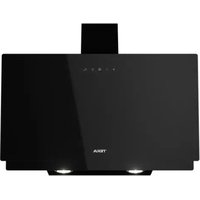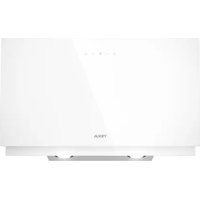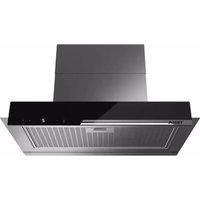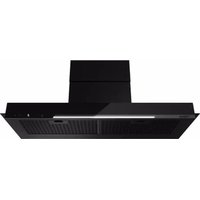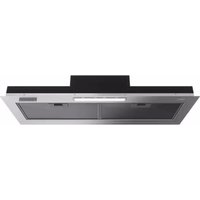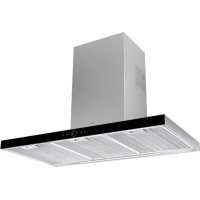
DLH 1186 T - Basket TEKA - Free user manual and instructions
Find the device manual for free DLH 1186 T TEKA in PDF.



User questions about DLH 1186 T TEKA
0 question about this device. Answer the ones you know or ask your own.
Ask a new question about this device
Download the instructions for your Basket in PDF format for free! Find your manual DLH 1186 T - TEKA and take your electronic device back in hand. On this page are published all the documents necessary for the use of your device. DLH 1186 T by TEKA.
USER MANUAL DLH 1186 T TEKA
natural_image
Exterior view of a modern kitchen ventilation grille (no text or symbols visible)User's Guide
Models
DLH 686
DLH 786
DLH 986
DLH 1186
Before using your device for the first time, please carefully read the installation and maintenance instructions that come with it.
FRANÇAIS

Carefully read the instructions before installing and using the equipment. The manufacturer is not liable for improper installation and use of the equipment that may cause injuries and damage. Always keep the instructions at hand, so they can be easily referred to during use.
Children and Vulnerable people safety
- This appliance can be used by children aged from 8 years and above and persons with reduced physical, sensory or mental capabilities or lack of experience and knowledge if they are supervised by an adult or a person who is responsible for their safety.
- Children should be supervised to ensure that they do not play with the appliance.
- Cleaning and user maintenance shall not be made by children without supervision.
General Safety
- There shall be adequate ventilation of the room when the range hood is used at the same time as appliances burning gas or other fuels (not applicable to appliances that only discharge the air back into the room).
- Do not flambé under the range hood.
- CAUTION: Accessible parts may become hot when used with cooking appliances.
Installation
- The electrical installation is to be set up so that the appliance can be isolated from the mains with a minimum 3mm all-pole contact separation. Suitable separation devices include e.g. cutouts, RCD's and contactors. This installation must comply with current regulations.
- If the electrical connection is done through a plug and this remains accessible after installation, then it is not necessary to provide the mentioned separation device.
- The air must not be discharged into a flue that is used for exhausting fumes from appliances burning gas or other fuels (not applicable to appliances that only discharge the air back into the room).
- The lower part of the extractor must be located at a minimum height of 60 cm above the hob for electric cookers and 65 cm for gas cookers. If the instructions of a gas cooker indicate a greater distance these must be observed.
- Before installing the extractor consult the local rules and regulations in force with respect to the discharge of air and fumes.
- When the extractor is working at the same time as other non-electrical cooking equipment, the outlet air pressure must not exceed 4 Pa (4x10⁻⁵ bar).
- Before connecting the extractor to the mains, check that both the voltage and the frequency conform to that shown on the characteristics label located inside the extractor.
- To achieve optimum performance the length of the outlet hose should not exceed 4 meters, or include more than two 90^ angles (elbows).
- Although venting to the outside is recommended, activated carbon filter may be used to allow the gas to be returned to the kitchen through the outlet pipe.
- NOTE: For more Installation information, refer to the end of this user manual.
Cleaning
- There is a fire risk if cleaning is not carried out in accordance with the instructions.
- Do not allow grease to accumulate in any part of the extractor, especially in the grease filters as this COULD PRODUCE A FIRE RISK!
- The grease filters and the internal part of the extractor must be cleaned at least once a month depending on how often the extractor is used. Note that grease is deposited in the extractor when cooking, whether it is switched on or not.
- We recommend the use of gloves and caution when cleaning the inside of the extractor.
Repairs
- If the supply cord is damaged, it must be replaced by the manufacturer, its service agent or similarly qualified persons in order to avoid a hazard.
- Do not switch on the extractor if the supply cord is worn or has cuts or if there are signs of deterioration around the control panel.
- If the LED module is malfunctioning, it must be replaced by the manufacturer, its service agent or similarly qualified persons in order to avoid a hazard.
- If the extractor stops working or functions abnormally, unplug it from the mains and contact the technical service.
- Please contact the nearest Qualified Technical Assistance Service for any repairs always using original spare parts. Repairs and modifications carried out by others could damage the extractor or cause it to malfunction and cause safety risks.
Instructions for use
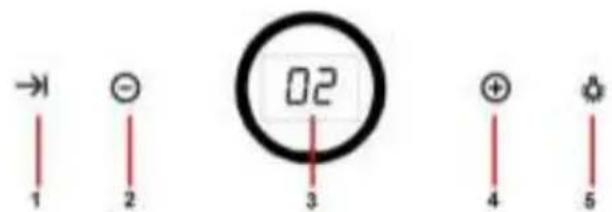
By pressing the button shown in the figure, you will be able to control the functions of the extractor.
To achieve better extraction, we recommend switching on the extractor a few minutes before starting to cook (3 - 5 minutes) so that
the air flow is continuous and stable when extracting the fumes.
Likewise, keep the extractor switched on for a few minutes when cooking is complete to allow all fumes and odors to be expelled.
text_image
→1 1 2 ⊖ 3 02 ⊕ 4 51- Timer
2- Reduce fan speed
3- Display
4- Increase fan speed
5- Light
Program the working time
1) Switch on the cooker hood and choose the required aspiration speed.
2) Push 'Timer'.
Cleaning and maintenance
Before carrying out any cleaning or maintenance activities, ensure that the extractor is disconnected from the mains.
To carry out cleaning and maintenance, follow the Safety Instructions.
Fire risk exists in case that cleaning does not take place according to the instructions.
Filter cleaning
To withdraw the filters from their locations release the anchoring points. Clean the filter, either by putting it in the dishwasher (see notes) or leaving it standing in hot water to simplify the removal of grease or, if wished, by means of special sprays (protecting the non-metallic parts). Once clean, leave it to dry.
Notes: cleaning in the dishwasher with aggressive detergents may blacken the surface of metallic parts, without this affecting its gas retaining properties.
N.B. The filter must be cleaned at least once a month depending on how often the extractor is used. It must be remembered that grease is deposited in the extractor when cooking, whether it is switched on or not.
3) Select the required programming time from 1 to 99 minutes by using the buttons '+' and '-'
4) The display will show the remaining programming time. The maximum speed 'H' can only be selected manually and will be changed automatically to the second speed level after 7 minutes.
Filter saturation indicator "F"
- When the sign 'Saturation of the filters' is on, the filters should be cleaned.
- After cleaning the filters, simultaneously push "+" and "-" for at least 3 seconds whereupon the sign will be switched off.
Cleaning of the extractor body
The use of warm (40°C approx.) soapy water is recommended. A cloth moistened in this water is used for cleaning the extractor, paying special attention to the grids. Afterwards, dry it using a lint-free cloth.
Note:
- Never use metallic scouring pads or abrasive products that could damage the surface.
- Do not use scrapers with metallic surfaces such as knives, scissors etc.
Activated charcoal filter
- To install the charcoal filter, the motor anchorage is made to coincide with the anchor points of the activated charcoal filter and turn it clockwise.
- The carbon filter lasts from three to six months depending on the particular conditions of use.
- The activated carbon filter can neither be washed nor regenerated. Once it is exhausted, it must be changed.
- To replace exhausted filters with new ones, withdraw the old one in the reverse
order to that of installation.
Technical Information
Electrical characteristics:
REFER TO RATING PLATE
If something does not work
Before seeking technical assistance carry out the following checks first:
| Defect | Possible cause | Solution |
| The extractor does not work | The cable is not connected | Connect the mains cable |
| No current is reaching the plug | Revise/repair the electricity circuit | |
| The extractor does not blow enough or vibrates | Filter saturated with grease | Clean or substitute the filter |
| Outlet obstructed | Eliminate obstructions | |
| Inadequate air conduit | Contact the installer and follow instructions of this manual | |
| The lamps do not light | Lamp broken | Contact the Customer ServiceILCOS D Code: DSL-6-S-500 |
Special U.K. Requirements
Height above gas hob: 75 mm minimum.
This appliance must be connected by a competent person, using fixed wiring via a DOUBLE POLE SWITCHED FUSED SPUR OUTLET.
Special Australia Requirements
This appliance is not intended for use by young children or infirm persons without supervision.
Young children should be supervised to ensure that they do not play with the appliance.
Electrical connection
We recommend that the appliance is connected by a qualified electrician, who is a member of the N.I.C.E.I.C. and who will comply with the I.E.E. and local regulations.
Should the color of the wires in the mains lead for the appliance not correspond with the
colored markings identifying the terminal in your spur box proceed as follows:
The wire which is colored blue must be connected to the marked N (Neutral) or colored Black.
The wire which is colored brown must be connected to the marked L (Live) or colored Red
Where available (see installation), the wire which is colored yellow/green must be
connected to the marked or colored Yellow/Green.
If the cooker hood is installed for use above a gas appliance then the provision or ventilation
must be in accordance with the Gas Safety (Installation & Use) Regulations 1984 and the relevant Building Regulations. Detailed recommendations are contained in the following British Standard Codes of Practice BS6172, BS5440 and BS6891 Current Edition.
Environmental protection
Disposal of the packaging

The packaging bears the Green Point mark.
Dispose of all the packaging materials such as cardboard, expanded polystyrene and plastic wrapping in the appropriate bins. In this way you can be sure that the packaging materials will be re-used.
Disposal of equipment no longer used
According to European Directive 2012/19/EU on the management of waste electrical and electronic equipment (WEEE), home electrical appliances should not be put into the normal systems for disposal of solid urban waste.
Outdated appliances should be collected separately to optimize component material recovery and re-cycling rates and to prevent potential harm to human health and the environment. The symbol of a rubbish container superimposed by a diagonal cross should be put on all such products to remind people of their obligation to have such items collected separately.
Consumers should contact their local authorities or point of sale and request information on the appropriate places to leave their old home electrical appliances.
Before disposing of your appliance, render it non-usable by pulling out the power cable, cutting this and disposing of it.
ILCOS D Code: DSL-6-S-500 •
text_image
Diagram showing five types of electrical safety symbols with labels: gloves, screwdriver, drill bit, and tool holder.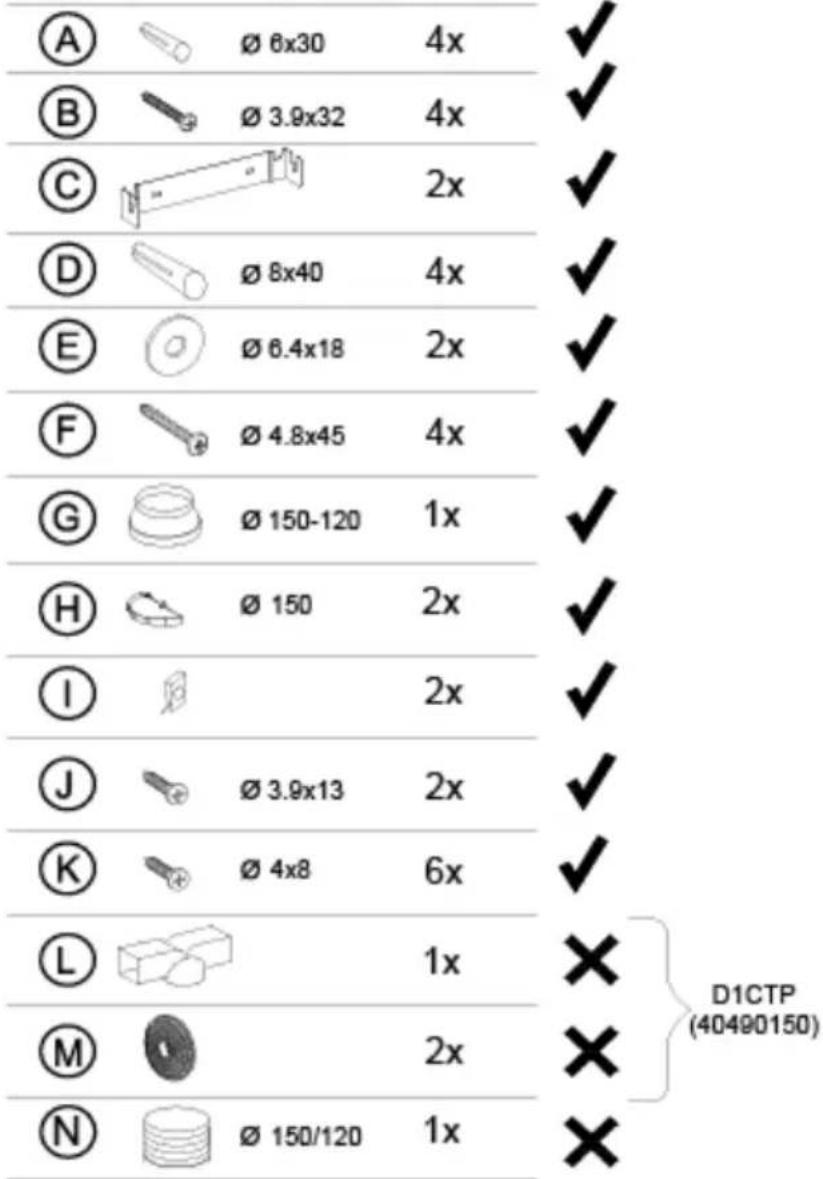
text_image
A Ø 6x30 4x B Ø 3.9x32 4x C 2x D Ø 8x40 4x E Ø 6.4x18 2x F Ø 4.8x45 4x G Ø 150-120 1x H Ø 150 2x I 2x J Ø 3.9x13 2x K Ø 4x8 6x L 1x M 2x N Ø 150/120 1x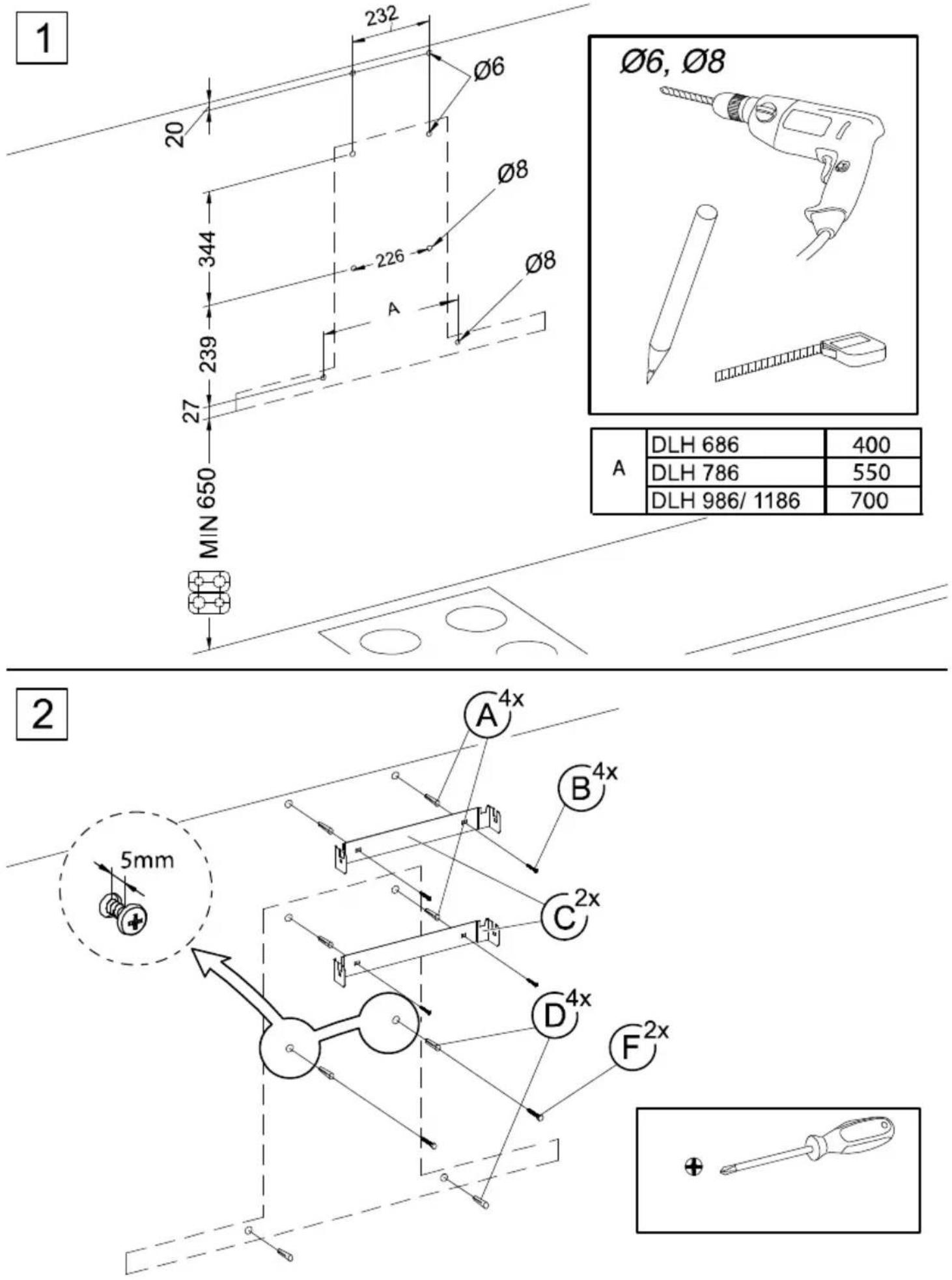
| A | DLH 686 | 400 |
| DLH 786 | 550 | |
| DLH 986/ 1186 | 700 |
text_image
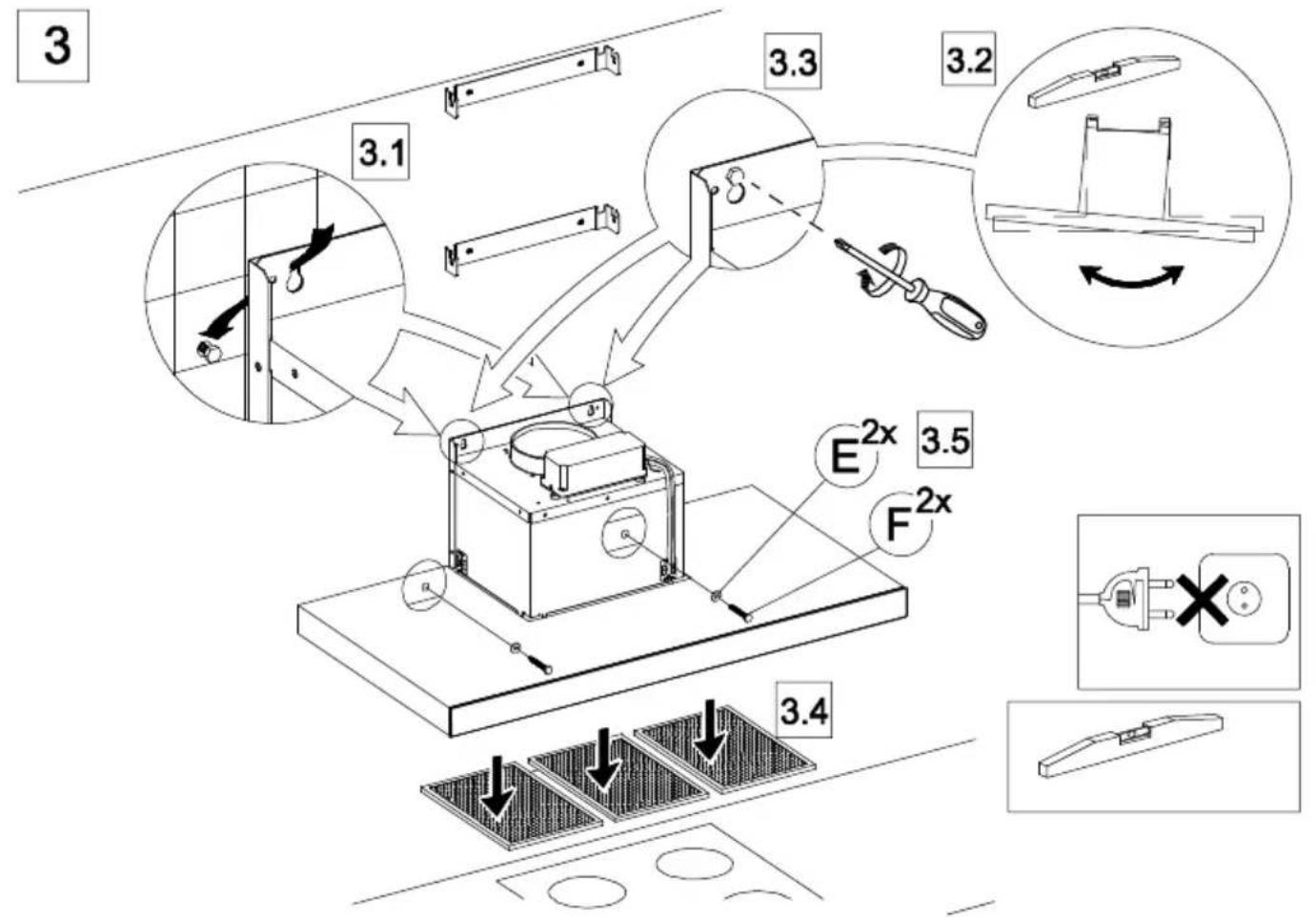
3 3.1 3.2 3.3 3.5 E²ˣ F²ˣ 3.4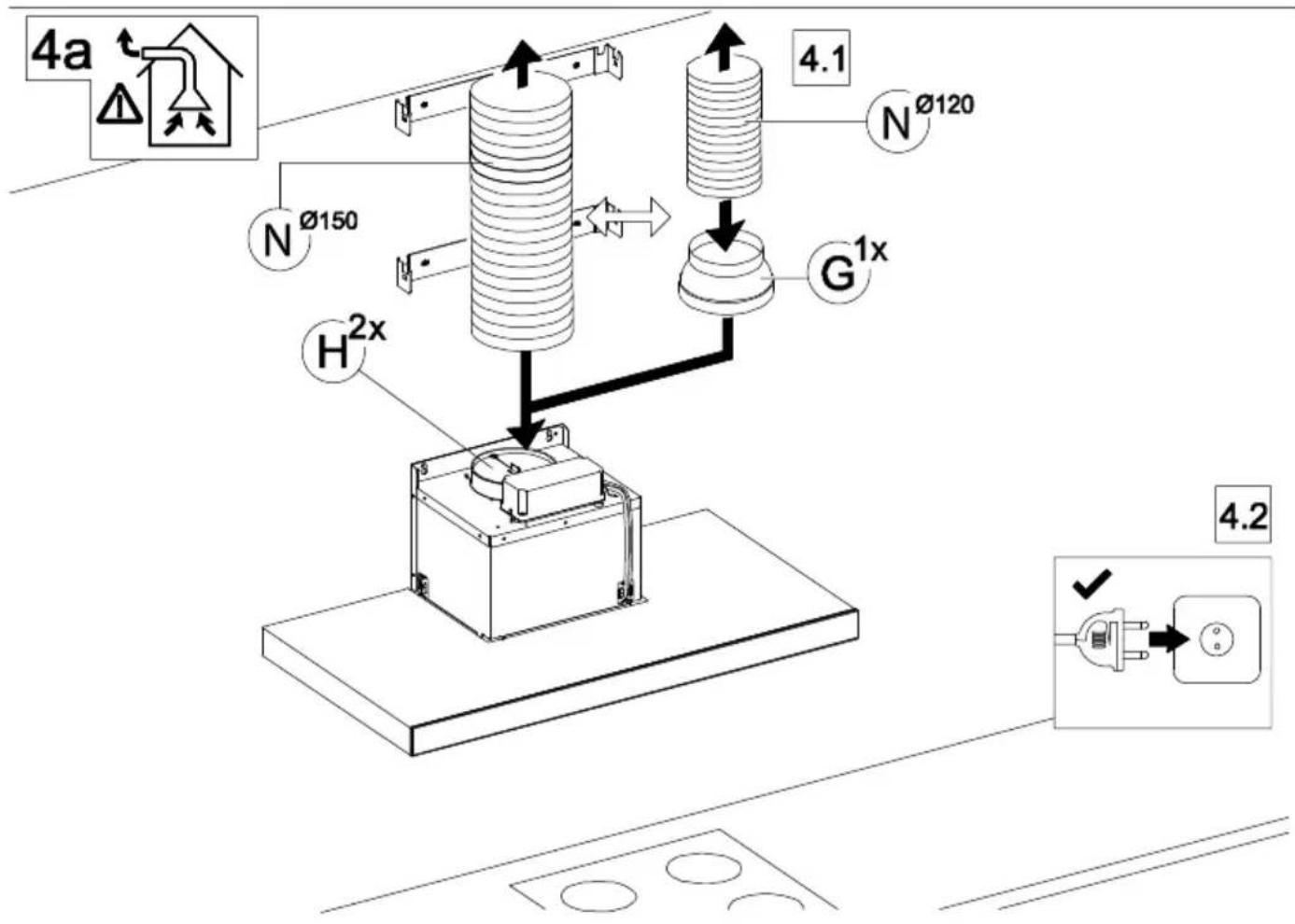
text_image
4a NØ150 H²x G¹ˣ 4.1 NØ120 4.2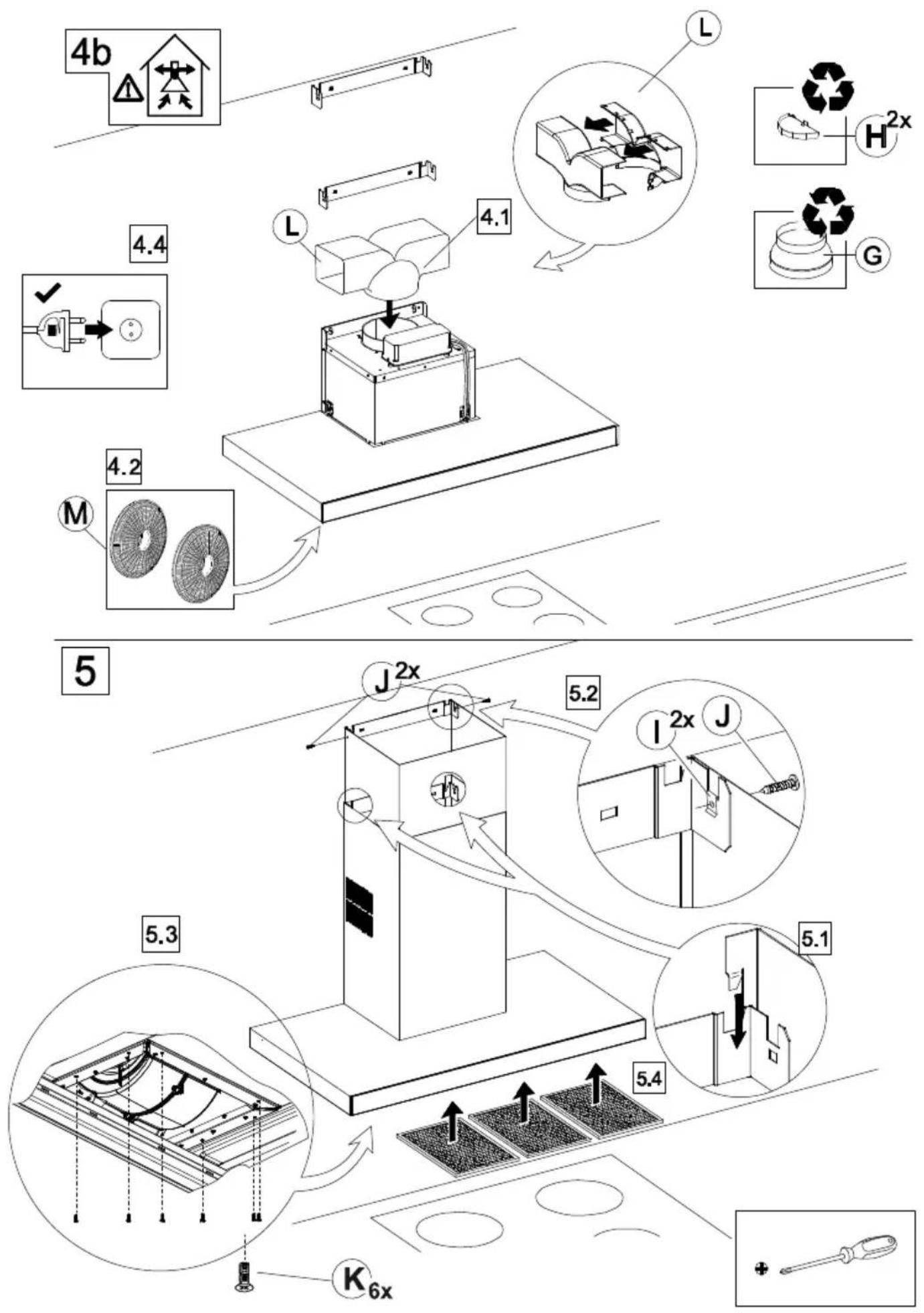
text_image
4b L H²x 4.4 4.1 G 4.2 M J 2x 5.2 I 2x J 5.3 5.1 K 6xTeka Subsidiaries
| Country Subsidiary | Address | City | Phone |
| AustriaKüpparsbusch Austria | Bttnargassa, 13 | 1231 Wien | +43 18 668 022 |
| BelgiumKüpparsbusch Belgium S.P.R.L. | Doomveld Industria, Asse 3, No. 11 - Boite 7 | 1731 Zallik | +32 24 668 740 |
| BulgariaTaka Bulgaria EOOD | Blvd. "Tsarigradsko Shosse" 135 | 1784 Sofia | +359 29 768 330 |
| ChileTaka Chile S.A. | Avd El Rattro Parque los Maltanes, 1237. Parque Enca | Pudahual, Santiago de Chile | +56 24 386 000 |
| ChinaTaka International Trading (Shanghai) Co. Ltd. | No. 1506, Shangyuan Hanghua Bldg. No. 200 Wanding Rd. | Xuhul, Dist. 200030 Shanghai | +86 2 153 076 996 |
| Czech RepublicTaka CZS.R.O. | VHolesovickach, 593 | 182 00 Praha B - Liban | +420 284 691 940 |
| EcuadorTaka Ecuador S.A. | Parque Ind. California 2, Via a Dsula Km 12 | Guayaquil | +593 42 100 311 |
| GreeceTaka Hallas A.E. | Thesi Roupaki - Aspropyrgos | 193 00 Athens | +30 2 109 760 283 |
| HungaryTaka Hungary Kft. | Bajcay Zsilinszky u. 53 | 1065 Budapest | +36 13 542 110 |
| IndonesiaPT Taka Buana | Jalan Mantang Raya, Kantor Taman A9 Unit A3 | 12950 Jakarta | +62 215 762 272 |
| MalaysiaTaka Kichantchnik (Malaysia) Sdn Bhd | 10 Jalan Karturis U1/47, Tarnasya Park, Off Glanmaria | 40150 Shah Alam, Salangor Darul Ehsan | +60 376 201 600 |
| MexicoTaka Mastcana S.A. da C.V. | Boulevard Manual Avila Carnacho #126 | 11000 Ciudad de México | +52 5 551 330 493 |
| MoroccoTaka Maroc S.A. | 73, Bd. Slimana, Depôt 33, Route da Aln Sebaa | Casablanca | +212 22 674 462 |
| PeruTaka Kichantchnik Perú S.A. | Av. El Polo 670 local A 201, CC El polo, Surco | Lima | +51 14 363 078 |
| PolandTaka Polska Sp. ZO.O. | ul. 3-go Maja 8 / A2 | 05-800 Pruszkow | +48 227 383 270 |
| PortugalTaka Portugal S.A. | Estrada da Mota - Apdo 533 | 3834-909 Ilhavo, Awiro | +35 1 234 329 500 |
| RomaniaS.C. Taka Kichantchnik Romania S.R.L. | Sevastopol str., no 24, 5th floor, of. 15 | 010902 Bucharest Sector 1 | +40 212 334 450 |
| Russia/PoccevaTaka Rus LLC/OOO "Taka Pyc" | Neverovskovo 9, Office 417, 121170, Moscow, Russia | 121087 Pocciar, Mockaa | +7 4 956 450 064 |
| SingaporeTaka Singapora PTE Ltd | Clamancasau Avenue, 83, 01-33/34 UE Squara | 239920 Singapore | +65 67 342 415 |
| SpainTaka Industrial, S.A. | C/Cajo,17 | 39011 Santander | +34 942 355 050 |
| ThailandTaka (Thailand) Co. Ltd. | 364/8 Srl-Ayuttaya Road, Phayatha!, Ratchatavaa | 10400 Bangkok | +66-26 424 888 |
| TurkeyTaka Teknik Mutfak Alatlari SanaylVa | Buyokdara Cad. 24/13 | 80290 Mccidlyakoy, Istanbul | +90 2 122 883 134 |
| UkraineTaka Ukranla LLC | 86-e, Bozhenko Str .2nd floor,4th entrance | 03150 Kyiv | +380 444 960 680 |
| United Arab EmiratesTaka Middle East Fza | Building LOB 16, Office 417 | P.O. Box 18251 Dubai | +971 48 872 912 |
| United Arab EmiratesTaka Kichantchnik U.A.E LLC | Bin Khodia Centro | P.O. Box 35142 Dubai | +971 42 833 047 |
| VenezuelaTaka Andina S.A. | Ctra. Petana-Santa Lucia, km 3 (El Limondto) | 1070 Caracas | +58 2 122 912 821 |
| VietnamTEKA Vietnam Co., Ltd. | 803, Floor 8th, Darminh Convention Center, 77, Hoang Van | Thai, Tan Phu Ward, District 7, Ho Chi Minh | +84 854 160 646 |

text_image
текаwww.teka.com
*for further information and updated contact addresses, please refer to the corporate website*