ETD H8A1DE - Tumble dryer ZEROWATT - Free user manual and instructions
Find the device manual for free ETD H8A1DE ZEROWATT in PDF.



| Product type | Tumble dryer |
| Brand | Zerowatt |
| Model | ETD H8A1DE |
| Max load capacity | 8 kg |
| Dimensions (H x W x D) | 85 x 60 x 60 cm |
| Power supply | 220-240 V, 50 Hz, 6 A |
| Drying type | Heat pump |
| Refrigerant | R290 (flammable) |
| Number of programs | 15 programs |
| Main programs | Cotton, Synthetics, Delicates, Wool, Shirts, Jeans, Sports, Duvets, Hypoallergenic, Anti-crease, Refresh |
| Special functions | Delayed start, Anti-crease, Child lock, Drying Manager, Quick cycles |
| Water tank capacity | Approx. 6 kg |
| Maintenance | Clean filter after each cycle, clean condenser regularly |
| Safety | Child lock, overheating protection, automatic stop if door opened |
| Spare parts | Available via GIAS service |
| Installation | Requires adequate ventilation, min. spacing 12 mm |
| Weight | Approx. 45 kg (estimate) |
Frequently Asked Questions - ETD H8A1DE ZEROWATT
User questions about ETD H8A1DE ZEROWATT
0 question about this device. Answer the ones you know or ask your own.
Ask a new question about this device
Download the instructions for your Tumble dryer in PDF format for free! Find your manual ETD H8A1DE - ZEROWATT and take your electronic device back in hand. On this page are published all the documents necessary for the use of your device. ETD H8A1DE by ZEROWATT.
USER MANUAL ETD H8A1DE ZEROWATT
natural_image
Simple line drawing of a washing machine with no text or symbols
Please read and follow these instructions carefully and operate the machine accordingly. This booklet provides important guidelines for safe use, installation, maintenance and some useful advice for best results when using your machine.
Keep all documentation in a safe place for future reference or for any future owners
Please check that the following items are delivered with the appliance:
- Instruction manual
- Guarantee card
- Energy label
By placing the C€ mark on this product, we are confirming compliance to all relevant European safety, health and environmental requirements which are applicable in legislation for this product.
⚠️ Check that no damage has occurred to the machine during transit. If it has, call for service by GIAS. Failure to comply with the above can compromise the safety of the appliance. You may be charged for a service call if a problem with your machine is caused by misuse.
Index
- SAFETY REMINDERS
- DRAIN HOSE KIT: FITTING INSTRUCTIONS
- PREPARING THE LOAD
- CLEANING AND ROUTINE MAINTENANCE
- WATER CONTAINER
-
CONTROLS AND INDICATORS
-
DOOR AND FILTER AND CONDENSER
-
SELECTING THE PROGRAMME AND SET THE FUNCTION
-
TROUBLESHOOTING CUSTOMER SERVICE
1. SAFETY REMINDERS
- This appliance can be used by children aged from 8 years and above and persons with reduced physical, sensory or mental capabilities or lack of experience and knowledge if they have been given supervision or instruction concerning use of the appliance in a safe way and understand the hazards involved. Children shall not play with the appliance. Cleaning and user maintenance should not be made by children without supervision. Children of less than 3 years should be kept away unless continuously supervised.
- WARNING Misuse of a tumble dryer may create a fire hazard.
- This appliances is intended to be used in household and similar applications such as:
- Staff kitchen areas in shops, offices and other working environments;
- Farm houses;
- By clients in hotels, motels and other residential type environments;
- Bed and breakfast type environments. A different use of this appliance from house hold environment or from typical housekeeping functions, as commercial use by expert or trained users, is excluded even in the above applications.
If the appliance is used in a manner inconsistent with this it
may reduce the life of the appliance and may void the manufacturer's warranty.
Any damage to the appliance or other damage or loss arising through use that is not consistent with domestic or household use (even if located in a domestic or household environment) shall not be accepted by the manufacturer to the fullest extent permitted by law.
- This machine should only be used for its intended purpose as described in this manual. Ensure that the instructions for installation and use are fully understood before operating the appliance.
- Do not touch the appliance when hands or feet are damp or wet.
- Do not lean on the door when loading the machine or use the door to lift or move the machine.
- Do not allow children to play with the machine or its controls.
- WARNING Do not use the product if the fluff filter is not in position or is damaged; fluff could be ignited.
- WARNING Where the hot surface symbol is located the temperature rise during operation of the tumble dryer may be in excess of 60 degrees C.
- Remove the plug from the electricity supply. Always remove the plug before cleaning the appliance.
- Do not continue to use this machine if it appears to be faulty.
- Lint and fluff must not be allowed to collect on the floor around the outside of the machine.
- The final part of a tumble dryer cycle occurs without heat (cool down cycle) to ensure that the items are left at a temperature that ensures that the items will not be damaged.
- The tumble dryer is not to be used if industrial chemicals have been used for cleaning.
- WARNING: Never stop a tumble dryer before the end of the drying cycle unless all items are quickly removed and spread out so that the heat is dissipated.
- Maximum load drying weight: see energy label.
Installation
- Do not use adapters, multiple connectors and/or extensions.
- Never install the dryer against curtains and be sure to prevent items from falling or collecting behind the dryer.
- The appliance must not be installed behind a lockable door, a sliding door or a door with a hinge on the opposite side to that of the tumble dryer.
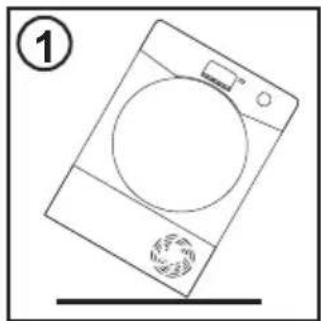
Important: During transport ensure that the dryer is in an upright position, if it's necessary you can only flip in the side shown;
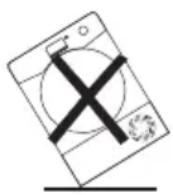
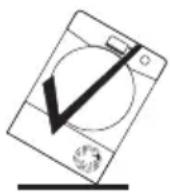
CAUTION: If the product is in different side, wait at least 4 hours before switching on so that the oil can flow back into the compressor. Failure to do this could result in damage to the compressor.
The Laundry
- Do not dry unwashed items in the tumble dryer.
- WARNING Do not tumble dry fabrics treated with dry cleaning fluids.
- WaR Rubber materials can, under certain circumstances, when heated become ignited by spontaneous combustion. Items such as foam rubber (latex foam), shower caps, waterproof textiles, rubber backed articles and clothes or pillows fitted with foam rubber pads MUST NOT be dried in the tumble dryer.
- Always refer to the laundry care labels for directions on suitability for drying.
- Clothes should be spin dried or thoroughly wrung before they are put into the tumble dryer.
- Remove all objects from pockets such as lighters and matches.
- Clothes that are dripping wet should not be put into the dryer.
- Lighters and matches must not be left in pockets and NEVER use flammable liquids near the machine.
- Glass fibre curtains should NEVER be put in this machine. Skin irritation may occur if other garments are contaminated with the glass fibres.
- Items that have been soiled with substances such as cooking oil, acetone, alcohol,
petrol, kerosene, spot removers, turpentine, waxes and wax removers should be washed in hot water with an extra amount of detergent before being dried in the tumble dryer.
- Fabric softeners, or similar products, should be used as specified by the fabric softener instructions.
Ventilation
- Adequate ventilation must be provided in the room where the tumble dryer is located to prevent gases from appliances burning other fuels, including open fires, being drawn into the room during operation of the tumble dryer.
- Installing the rear of the appliance close to a wall or vertical surface.
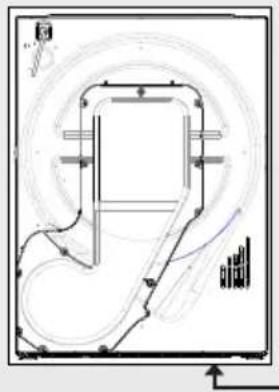
- There should be a gap of at least 12 mm between the machine and any obstructions. The inlet and outlet should be kept clear of obstruction. To ensure adequate ventilation the space between the bottom of the machine and the floor must not be obstructed.
-
Check regularly that the air flowing through the dryer is not restricted.
-
Check frequently the fluff filter after use, and clean, if necessary.
- Prevent items from falling or collecting behind the dryer as these may obstruct the air inlet and outlet
- NEVER install the dryer up against curtains.
- In cases where the dryer is installed on top of a washing machine, a suitable stacking kit must be used according to the configuration of your appliance:
- Stacking kit "standard size": for washing machine with minimum depth of 44 cm;
- Stacking kit "slim size": for washing machine with minimum depth of 40 cm.
- The stacking kit shall be obtainable from our spare service.
The instructions for installation and any fixing attachments, are provided with the stacking kit. - The plug should be accessible for disconnection after the appliance has been installed.
WARNING: the appliance must not be supplied through an external switching device, such as a timer, or connected to a circuit that is regularly switched on and off by a utility.
natural_image
Architectural floor plan diagram showing room layout and structural elements (no text or labels)Air Outlets in the Base
⚠️ If the supply cord is damaged, it must be replaced by the manufacturer, its service agent or similarly qualified persons in order to avoid a hazard.
Do not install the product in a low temperature room or in a room where there is a risk of frost occurring. At temperature around freezing point the product may not be able to operate properly: there is a risk of damage if the water is allowed to freeze in the hydraulic circuit (valves, hoses, pumps). For a better product performance the ambient room temperature must be between 5-35°C. Please note that operating in cold condition (between +2 and +5°C) might simply some water condensation and water drops on floor.

WARNING:
Fire hazard / Flammable materials.
- The appliance contains R290, an eco-sustainable refrigerating gas that is flammable.
Keep open flames and sources of ignition away from the appliance. - Check there is no visible damage on the appliance. Do not use the appliance if it is damaged.
- Should there be any kind of problem, please contact your specialised retailer or one of our customer support centres.
WARNING:
ensure that the openings on the appliance and the openings of the compartment the appliance is fitted in (for built-in models) are clear of obstructions.
Z
WARNING:
do not damage the refrigerating circuit.
- Any repairs or interventions on the appliance must be carried out only by an authorised assistance service.
- Disposing of the device incorrectly could cause fires or poisoning.
- Dispose of the device correctly and do not damage the pipes used for the circulation of the refrigerating fluid.
Environmental Issues
- All packaging materials used are environmentally-friendly and recyclable. Please help dispose of the packaging via environmentally-friendly means. Your local council will be able to give you details of current means of disposal.
- To ensure safety when disposing of an old tumble dryer disconnect the mains plug from the socket, cut the mains power cable and destroy this together with the plug. To prevent children shutting themselves in the machine break the door hinges or the door lock.
European irective 20 /ED 12/19 U
This appliance is marked according to the European directive 2012/19/EU on Waste Electrical and Electronic Equipment (WEEE).

WEEE contains both polluting substances (which can cause negative consequences for the environment) and basic components (which can be re-used). It is important to have WEEE subjected to specific treatments, in order to remove and dispose properly all pollutants, and recover and recycle all materials.
Individuals can play an important role in ensuring that WEEE does not become an environmental issue; it is essential to follow some basic rules:
- WEEE should not be treated as household waste.
- WEEE should be handed over to the relevant collection points managed by the municipality or by registered companies. In many countries, for large WEEE, home collection could be present.
In many countries, when you buy a new appliance, the old one may be returned to the retailer who has to collect it free of charge on a one-to-one basis, as long as the equipment is equivalent type and has the same functions as the supplied equipment.
GIAS Service
- To ensure the continued safe and efficient operation of this appliance we recommend that any servicing or repairs are only carried out by an authorised GIAS service engineer.
Electrical Requirements
Tumble dryers are supplied to operate at a voltage of 220-240V, 50 Hz single phase. Check that the supply circuit is rated to at least 6A.
Electricity can be extremely dangerous. This appliance must be earthed. The socket outlet and the plug on the appliance must be of the same type. Do not use multiple adapters and/or extension leads.
The plug should be accessible for disconnection after the appliance has been installed.
⚠️ You may be charged for a service call if a problem with your machine is caused by incorrect installation.
⚠️ If the mains cord on this appliance is damaged, it must be replaced by a special cord which is ONLY obtainable from the spares service. It must be installed by a competent person.
Do not plug the machine in and switch it on at the mains until the installation is completed. For your safety, this dryer must be correctly installed. If there is any doubt about installation, call GIAS Service for advice.
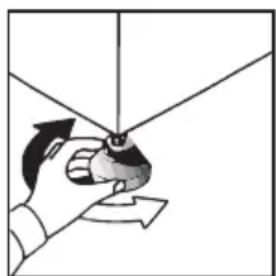
Adjusting the Feet
Once the machine is in place the feet should be adjusted to ensure that the machine is level.
natural_image
Illustration of a hand holding a small object with directional arrows indicating rotation or movement (no text or symbols)2. DRAIN HOSE : FITTING INSTRUCTIONS
To avoid emptying the water container after each drying cycle, the water can be discharged directly to a waste water drain pipe (the same drainage system as household sinks). Water Bye-Laws prohibit connection to a surface water drain. The waste water drain pipe should be located adjacent to the tumble dryer.
The kit consists of:1 hose and 1 tap.
WARNING Switch off and remove the tumble dryer plug from the electricity supply before carrying out any work.
Fit the Hose as Follows:
- Flip the machine slowly to the right side.
natural_image
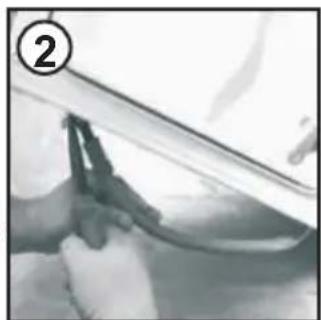
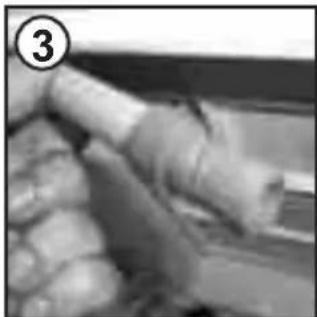
Line drawing of a washing machine with a circular vent and side buttons (no text or symbols)- The waste water pipe is situated at the right-hand side of the machine (see the picture). A grey hose connects to the bridge at the left hand side of the machine. Using pliers, remove the pipe retaining clip from the bridge.
natural_image
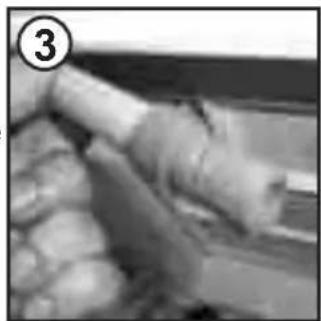
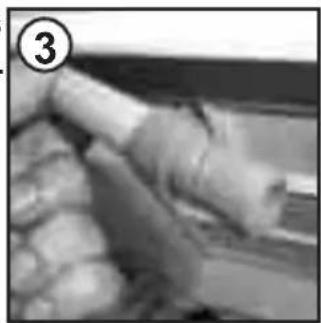
Close-up of a hand holding a tool near a surface, no visible text or symbols- Pull the hose off the bridge connection.
natural_image
Close-up of hands handling a cylindrical object, possibly a tool or device, with no visible text or symbols.-
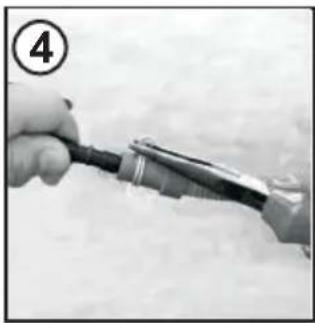
Attach the black hose from the kit, (using the connector and pipe clips supplied), to the hose removed from the bridge connection.
-
Connect the new drain hose to the waste Water pipe.
-
Once the machine is in place, check the bottom to ensure that the new hose does not kink when pushing the tumble dryer into position.
Connect to the mains electricity supply.
natural_image
Close-up of a hand holding a small mechanical tool, possibly a pen or tool, with no visible text or symbols.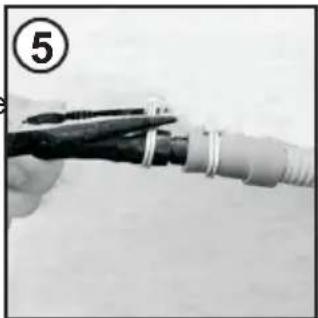
natural_image
Close-up of a hand holding a coiled cable or wire with a pen, no visible text or symbols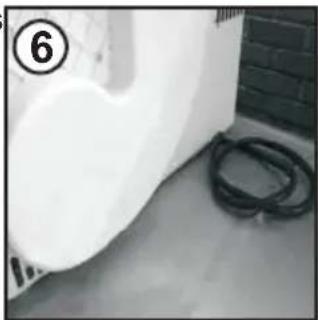
natural_image
Exterior view of a white industrial machine with black hoses and a numbered label (6) in the corner, next to a brick wall (no readable text or symbols)CAUTION: If the product is in different side, wait at least 4 hours before switching on so that the oil can flow back into the compressor. Failure to do this could result in damage to the compressor.
3. PREPARING THE LOAD
Before using the tumble dryer for the first time:
- Please read this instruction book thoroughly.
- Remove all items packed inside drum.
- Wipe the inside of the drum and door with a damp cloth to remove any dust which may ha settled in transit.
Clothes Preparation
Make sure that the laundry you are going to dry is suitable for drying in a tumble dryer, as shown by the care symbols on each item.
Check that all fastenings are closed and that pockets are empty. Turn the articles inside out. Place clothes loosely in the drum to make sure that they don't get tangled.
Do Not Tumble Dry:
Silk, nylon stockings, delicate embroidery, fabrics with metallic decorations, garments with PVC or leather trimmings.

IMPORTANT: Do not dry articles which have been treated with a dry cleaning fluid or other clothes (danger of fire or explosion).
During the last 15 minutes the load is always tumbled in cool air.
Energy Saving
Only put into the tumble dryer laundry which has been thoroughly wrung or spin-dried. The drier the laundry the shorter the drying time thus saving electricity.
ALWAYS
- Check that the filter is clean before every drying cycle.
- Put dripping wet items into the tumble dryer, this may damage the appliance.
NEVER
Sort the Load as Follows
- By care symbols
These can be found on the collar or inside seam:

Suitable for tumble drying.

Tumble drying at high temperature.

Tumble drying at low temperature only.

Do not tumble dry.
If the item does not have a care label it must be assumed that it is not suitable for tumble drying.
- By amount and thickness
Whenever the load is bigger than the dryer capacity, separate clothes according to thickness (e.g. towels from thin underwear).
- By type of fabric
Cottons/linen: Towels, cotton jersey, bed and table linen.
Synthetics: Blouses, shirts, overalls, etc. made of polyester or polyamid, as well as for cotton/synthetic mixes.

Do not overload the drum, large items en wet exceed the maximum missible clothes load (for example:eping bags, duvets).
4. CLEANING AND ROUTINE MAINTENANCE
Cleaning the Dryer
- Clean the filter and empty the water container after every drying cycle.
- Regularly clean the condenser.
- After each period of use, wipe the inside of the drum and leave the door open for a while to allow circulation of air to dry it.
- Wipe the outside of the machine and the door with a soft cloth.
- DO NOT use abrasive pads or cleaning agents.
- To prevent the door sticking or the build up of fluff clean the inner door and gasket with a damp cloth after every drying cycle.

WARNING! The Drum, door and load
may be very hot.

IMPORTANT Always switch off and
remove the plug from the electricity supply before cleaning this appliance.

For electrical data refer to the rating
label on the front of the dryer cabinet (with the door open).
5. WATER CONTAINER
The water removed from the laundry during the drying cycle is collected in a container inside the door of the dryer. When the container is full the 📁 indicator on the control panel will light, and the container MUST be emptied. However, we recommend that the container is emptied after each drying cycle.
NOTE: Very little water will collect during the first few cycles of a new machine as an internal reservoir is filled first.
NOTE: If you have the option of drainage near to the dryer you can use the discharge kit to provide a permanent drainage for the water collected in the container of the dryer. This means that you don't have to empty the water container.
natural_image
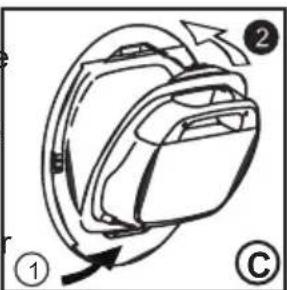
Diagram of a mechanical device with labeled parts (1, 2, C) and directional arrows indicating motion or movement (no text or symbols beyond labels)To remove the container tank in door drawer
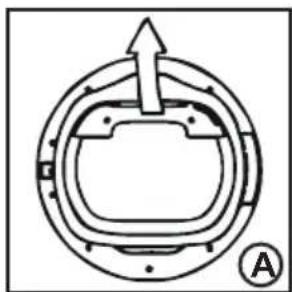
- Gently pull out the water container holding the handle.(A) When it is full the water container will weigh about 6 kg.
- Tilt the water container to empty the water out through the spout.(B)
When empty, replace the water container back as shown; (C) irst insert the base of the container into position as shown (1) then gentle push the top into position (2).
natural_image
Technical diagram of a mechanical component with an arrow indicating upward motion, labeled (A) in the corner (no text or symbols on the diagram itself)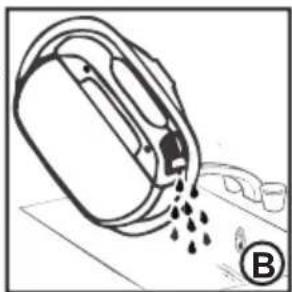
natural_image
Diagram of a water dispenser pouring liquid into a container (no text or symbols)- Press ▷ Button to restart the cycle.
6. DOOR AND FILTER
Pull on handle to open the door. To restart the dryer, close the door and press Start / Pause button

WARNING!
When the tumble dryer is in floor may be VERY HOT.
Filter
IMPORTANT: To maintain the efficiency of the dryer check that the fluff filter is clean before each drying cycle.
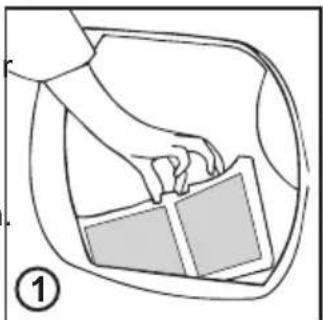
- Pull the filte upwards.
2.Open filter as shown.
3.Gently remove lint using a soft brush or your fingertips. - Snap the filter together and push back into place.
natural_image
Line drawing of a hand holding a rectangular object inside a car (no text or symbols)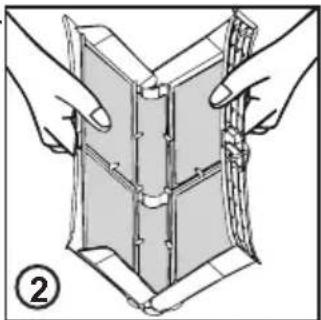
natural_image
Illustration of hands assembling a mechanical component (no text or symbols visible)Filter Care Indicator
Lights when the filter needs cleaning.
If the laundry is not drying check that the filter is not clogged.

IF YOU CLEAN FILTER UNDER TER, REMEMBER TO DRY IT.
WARNING! If you open the door mid cycle, before the cool-down cycle has completed, the handle may be hot. Please see extreme caution when attempting to empty the water reservoir during the cycle.
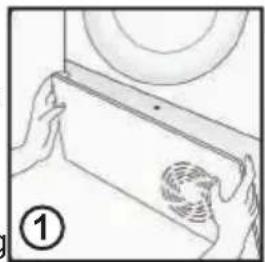
To Clean the Condenser Filter
- Remove the kickplate.
- Turn the two locking levers anti-clockwise and pull out the front cover.
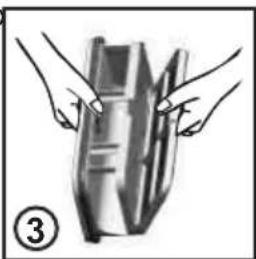
- Gently remove the filter frame and clean any dust or fluff with a cloth from the filter. Do not use water to clean the filter.
- Remove the sponge gently from its place and then wash the sponge by holding it under a running tap turning it so to remove any dust or fluff.
- Refit the front cover ensuring it is in the correct way (a indicated by the arrow) and pushed firmly into place. Lock the two levers by turning them clockwise
- Refit the kickplate.
natural_image
Illustration of hands holding a mechanical component with a circular component, no visible text or symbols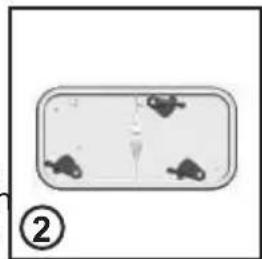
natural_image
Simple diagram showing a rectangular container with four small fish-like shapes inside, labeled with number ② (no text or symbols on the shapes themselves)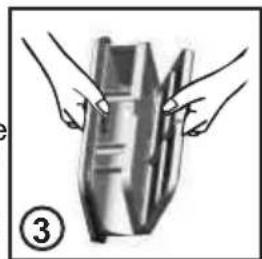
natural_image
Illustration of hands holding a metallic object with a numbered label (3) at the bottom left corner.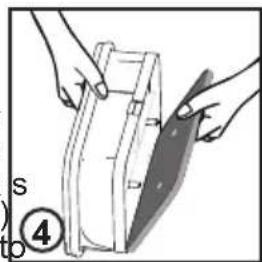
natural_image
Illustration of hands holding a device with a blade, no text or symbols present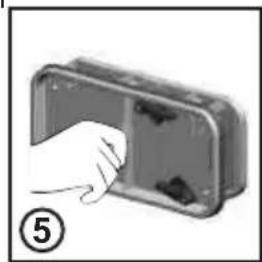
natural_image
Hand placing a component into a rectangular device (no text or symbols visible)
Clean the filters before every cycle
7. CONTROLS AND INDICATORS
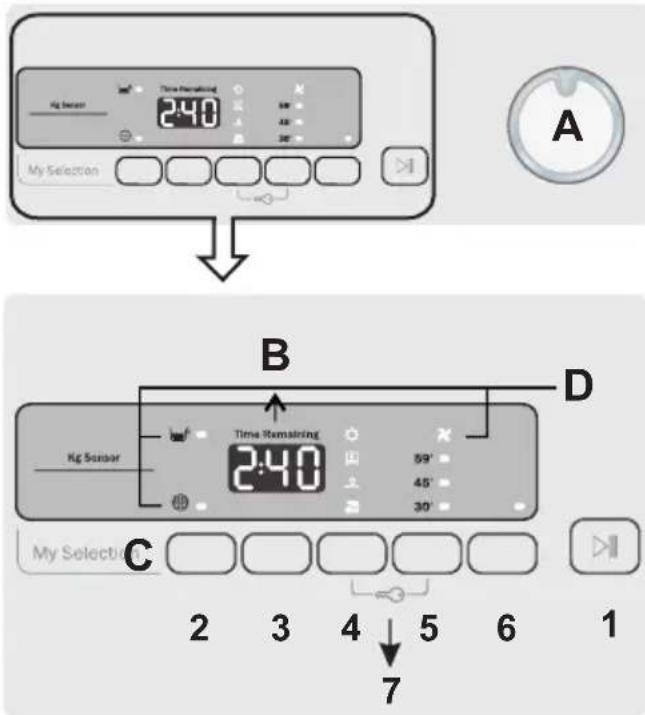
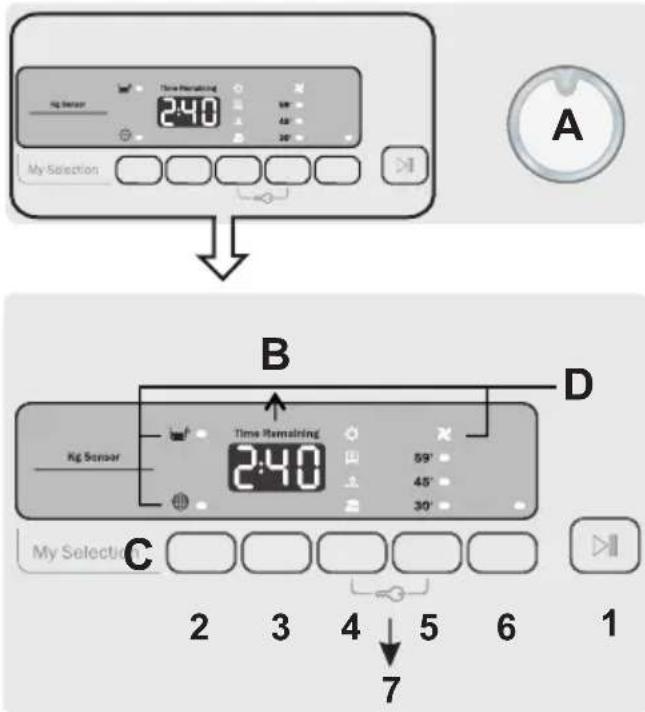
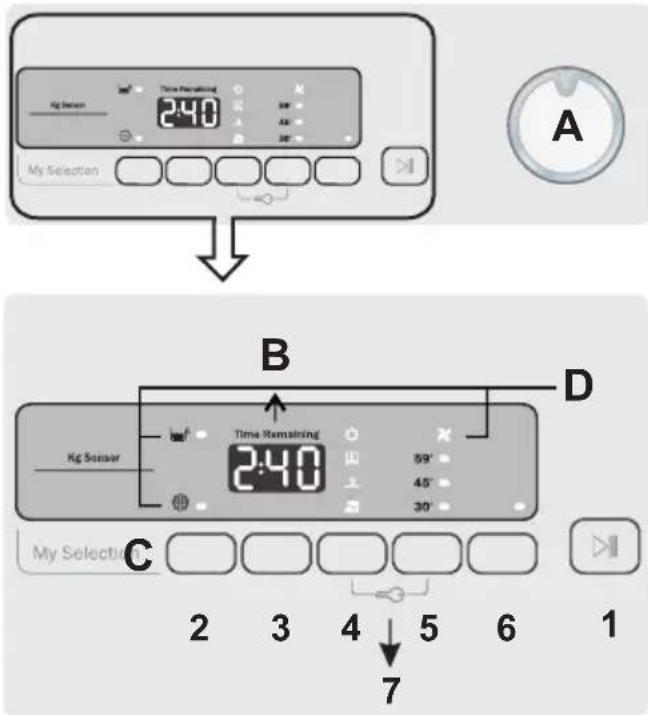
A-Programme Selector - Rotating the knob in both directions it's possible to select the desired drying program. To cancel the selections or switch off the dryer rotate the knob on OFF.
B- Display Digit - The display shows the remaining time for drying, the postponed time in case of delayed start selection and other notifications setting.
C-Buttons -
1. Start/Pause Button
To start the selected program and/or suspend it.
2.Time cycle selection
It's possible transform a cycle from automatic to programmed, up to 3 minutes after the start of the cycle. The progressive pressure increases the time in 10-minute intervals. After this selection to reset the automatic drying functioning is necessary to switch off the dryer. In case of incompatibility, all LEDs flash quickly for 3 times.
3.Delay Start Button
It allows to delay the start of the program from 1 to 24 hours in 1-hour intervals. The delay selected is shown on the display. After pressing the START button the time showed decrease hour after hour.
Opening of the porthole with delayed start set, after re-closing the porthole, press start again to resume the counting.
4. Drying Selection Button
It allows to set the desired dryness level editable option up to 5 minutes after the starting of the cycle:
- Ready to Iron: It leaves the garments slightly wet to facilitate ironing.
2 - Dry Hanger : To get garment ready to be hang. - Dry wardrobe : For laundry that can be directly stored.
-Extra-dry : To get completely dry garments, ideal for full load.
This appliances is equipped with Drying Manager Function. On automatic cycles, each level of intermediate drying, prior to the reaching the selected one, is indicated by flashing the light indicator corresponding to the degree of drying reached. In case of incompatibility, all LEDs flash quickly for 3 times.
5.Rapids Button
It's possible switch an automatic program to RAPID program, up to 3 minutes after the start of the cycle. The progressive pressure increases the time (30-45-59 minutes).
After this selection to reset the automatic drying functioning is necessary to switch off the dryer. In case of incompatibility, all LEDs flash quickly for 3 times.
6.Anti crease
This option allows to activate an anti-creases movement of the drum pre cycle in case of activation of the delay and at the end of drying cycle. It is activated every 10 minutes, up to 6 hours after the end of the drying cycle. To stop the movements set the knob to OFF. Useful when it's not possible to remove immediately the laundry.
7. Keylock
This function allows to block unwanted changes of the set options on the bezel, during drying phase.
Activation/ Inactivation: Push 4 and 5 buttons simultaneously for two seconds. The sign "LOC" appears on the display. Unlocking the option, on the display appears the sign "Unl", only once. In case of opening of 'porthole' with activated key lock, the cycle stops but the lock is kept: to restart the cycle, you must remove the lock and restore Start. When the dryer is off, the option is automatically inactivated. Key lock can be modified at any time of the cycle.
D-Led
Water tank 📁 - It lights up when it's necessary to empty the condensate water tank.
Filter cleaning lights up when the cleaning of the filters is requested (the door and the lower filter).
Cooling ✗ - It lights up when the cycle is in the final cooling phase.
Information for Test Laboratory
EN 61121 Programme To Use
| -DRY COTTON | -COTTON OR |
| -IRON DRY COTTON | -COTTON OR WHITES |
| -EASY-CARE TEXTILE | - OR SYNTHETICDELICATES |
OPERATION
- Open the door and load the drum with laundry. Ensure that garments do not hinder closure of the door.

APPAREL CARE
The wool drying cycle of this, machine has been approved by The Woolmark Company for the drying of shut.
machine washable wool
products provided that the ^3 : Turn the Programme Selector dial to products are washed and select the required drying programme
dried according to the instructions on the garment (see Programme Guide).
label and those issues by the manufacturer of this machine. M1530. In UK, Eire, Hong Kong and ^4 . Press the ▶ button. The dryer will India the Woolmark trade mark is a Certification trade mark. Start automatically and the indicator above the button will be continuously
| Maximum Drying Weight | |
| Cottons | Max. capacity declared |
| Synthetics or Delicates | Max.4 Kg |
Drying Guide
The standard cycle COTTON DRY (☐) is the most energy efficient and best suited for drying normal wet cotton laundry. The table in last page shows the approximate time and energy consumption of the main drying programmes.
Technical Specifications
| Drum capacity 125 | |
| Maximum load See energy label | |
| Height 85 cm | |
| Width 60 cm | |
| Depth 60 cm | |
| Energy class See energy label | |
| Power consumption of off-mode | 0,40 W |
| Power consumption of on-mode | 0,75 W |

The real duration of drying cycle depends by the starting humidity level of the laundry due to spin speed, type and amount of load, cleanliness of filters and ambient temperature.
-
If the door is opened during the programme to check the laundry, it is necessary to press ▶to recommence drying after the door has been closed.
-
When the cycle is nearing completion the machine will enter the cool down phase, the clothes will be tumbled in cool air allowing the load to cool down.
-
Following the completion of the cycle the drum will rotate intermittently to minimize creasing. This will continue until the machine is switched OFF or the door is opened.
-
When the programme is complete the END indicator will light.

Do not open the door during the automatic grams in order to obtain a proper drying.

Clean the filters before every cycle

ONLY FOR 10 KG CAPACITY TUMBLE DRYER: CONNECT THE DRAIN HOSE FOR RECOVERING CONDENSER WATER
ACCORDING TO INSTRUCTION AT CHAPTER 2
- SELECTING THE PROGRAMME AND SET THE FUNCTION
| PROGRAM | PROGRAM DESCRIPTION | CAPACITY (kg) | DRYING TIME (min) | |
| Cotton | Program Eco normative (hang dry) drying. The most efficient program in energy consumption. Suitable for cottons and linens. | Full | * | |
| Whites | The right cycle to dry cottons, sponges and towels. | Full | * | |
| Synthetics | To dry synthetic fabrics that need an accurate and specific treatment. | 4 | * | |
| SMALL Load | Dedicated to get an even drying for extremely small loads without the overdry risking. | 2 | * | |
| MixDry | Mix & Dry | To dry all together different kind of fabrics as cotton ,linen, mix, synthetics. | 4 | * |
| Jeans | Dedicated to dry uniformly fabrics like jeans or denim. It's recommended flip over the garments before drying. | 4 | * | |
| Sport | Dedicated to technical garments for sport and fitness, drying gently with special care to avoid shrinking and deterioration of elastic fibers. | 4 | * | |
| Duvet | Perfect cycle to dry uniformly duvets and quilts, revitalizing the smoothness of the feathers. | 4 | * | |
| Darks and Coloured | A delicate and specific cycle to dry dark or colour cotton or syntethics garments. | 4 | * | |
| Shirts | This specifics cycle has been conceived to dry shirts minimizing tangles and folds thanks specific movements of the drum. It's recommended to take out the linens immediately after drying cycle. | 2.5 | * | |
| Delicates | To dry delicate fabrics that need an accurate and specific treatment. | 4 | * | |
| Wool | Woolen clothes: the program can be used to dry up to 1 kg of laundry (around 3 jumpers). It is recommended to reverse all clothes before drying. Timing can change due to dimensions and thickness of load and to spinning chosen during washing. At the end of the cycle, clothes are ready to be worn, but if they are heavier, edges can be a bit wet: it is suggested to dry them naturally. It is recommended to unload clothes at the very end of the cycle. Attention: felting process of wool is irreversible; please dry exclusively clothes with symbol (symbol "ok tumble"); this program is not indicated for acrylic clothes. | 1 | 70' | |
| Antiallergy | One specifics cycle that dry and in the same time helps to reduce the main allergens as dustmites, pet hair, pollens and residual of powder detergents. | 4 | Max 220' | |
| Pre | Pre iron | This is a warm cycle that in only 12 minutes helps to relaxe folds and creases. | 2.5 | 12' |
| Refresh | The perfect cycle to remove the bad smells from the linens smoothing creases. | 2.5 | 20' | |
* The real duration of drying cycle depends by the starting humidity level of the laundry due to spin speed, type and amount of load, cleanliness of filters and ambient temperature.
9. TROUBLESHOOTING
What Might be the Cause of...
Defects you can remedy yourself
Before calling service for technical advice please run through the following checklist. A charge will be made if the machine is found to be working e has been installed incorrectly or used incorrectly. If the problem persists after completing the recommended checks, please call Service, they may be able to assist you over the telephone.
Time display to end could change during drying cycle. The time to end is continuously checked during the drying cycle and the time is adjusted to give the best estimation time. The displayed time may increase or decrease during the cycle and this is normal.
Drying time is too long/clothes are not dry enough...
- Have you selected the correct drying time/programme?
- Were the clothes too wet? Were the clothes thoroughly wrung or spindried?
- Does the filter need cleaning?
- Is the dryer overloaded?
The dryer does not operate...
- Is there a working electricity supply to the dryer? Check using another appliance such as table lamp.
- Is the plug properly connected to the mains supply?
- Is there a power failure?
- Has the fuse blown?
• Is the door fully closed? - Is the dryer switched on, both at the mains supply and at the machine?
- Has the drying time or the programme been selected?
- Has the machine been switched on again after opening the door
The dryer is noisy...
- Switch off the dryer and contact GIAS Service for advice.
The Indicator is on...
Does the filter need cleaning?
The 🎨 Indicator is on...
Does the water container need emptying?
CUSTOMER SERVICE
Should there still be a problem with your dryer after completing all the recommended checks, please call service for advice.
They may be able to assist you over the telephone or arrange for a suitable appointment for an engineer to call under the terms of your guarantee. However, a charge may be made if any of the following applies to your machine:
- Is found to be in working order.
- Has not been installed in accordance with the installation instructions.
- Has been used incorrectly.
Spares
Always use genuine spares, available direct from service.
Service
For service and repairs call your local service engineer.
The manufacturer declines all responsibility in the event of any printing mistakes in this booklet. The manufacturer also reserves the right to make appropriate modifications to its products without changing the essential characteristics.

natural_image
Architectural site plan showing building layout and surrounding roads (no text or labels)Air Outlets in the Base
natural_image
Illustration of a hand holding a small object with directional arrows indicating rotation or movement (no text or symbols)2. KIT TUYAU D'ÉVACUATION: INSTRUCTIONS DE MONTAGE
natural_image
Line drawing of a washing machine with a circular vent and side panel (no text or symbols)natural_image
Close-up of a hand holding a tool near a surface, no visible text or symbols- Retirez le tuyau du raccord.
natural_image
Close-up of hands holding a tool or device, possibly a tool or tool, with no visible text or symbols.natural_image
Close-up of hands holding a small mechanical component, possibly a tool or tool, with no visible text or symbols.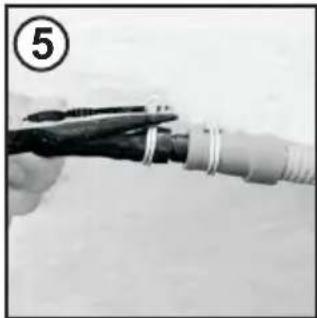
natural_image
Close-up of a hand holding a wire with clamps, no visible text or symbols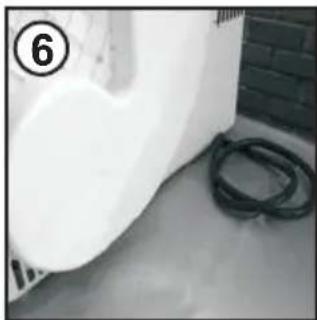
natural_image
Exterior view of a white industrial machine with black hoses on the floor (no visible text or symbols)natural_image
Technical diagram of a mechanical component with concentric rings and a central mounting hole, labeled A (no text or symbols)natural_image
Diagram of a device pouring liquid into a container, with no visible text or symbols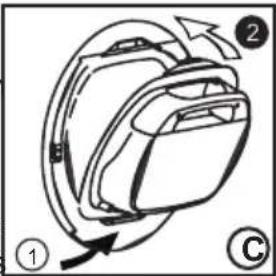
natural_image
Diagram of a backpack with two directional arrows indicating movement or rotation (no text or symbols present)6. PORTE ET FILTRE
natural_image
Line drawing of a hand placing a rectangular object into a car's side panel (no text or symbols)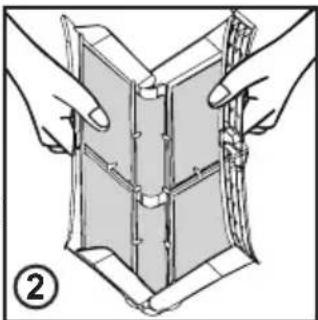
natural_image
Illustration of hands assembling or folding a mechanical component (no text or symbols visible)natural_image
Illustration of hands holding a device with a circular component and a fan-like pattern inside (no text or symbols)natural_image
Simple diagram with a rectangular frame containing three small figures inside, no text or symbols present.natural_image
Illustration of hands holding a metallic object with a numbered label (3) in the corner, no text or symbols present.natural_image
Illustration of hands holding a flatbed object with a knife, no text or symbols presentCOTON OU COTON OU BLANC -DELICATS OU SYNTHETIQUES
FONCTIONNEMENT
natural_image
Architectural site plan showing road layout and building footprints (no text or labels)Air Outlets in the Base
natural_image
Illustration of a person using a device to interact with a light bulb, showing motion arrows (no text or symbols)natural_image
Line drawing of a washing machine with a circular vent and side buttons (no text or symbols)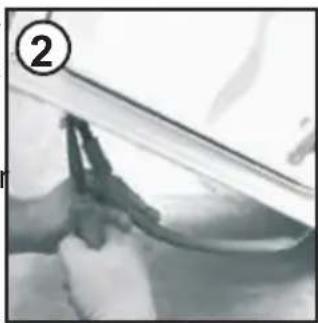
natural_image
Close-up of a hand holding a tool near a curved surface, possibly a mechanical or medical device (no visible text or symbols)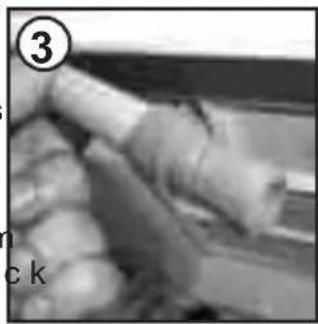
natural_image
Close-up of mechanical components or tools with no visible text or symbolsnatural_image
Close-up of a hand holding a small mechanical component, possibly a tool or device, with no visible text or symbols.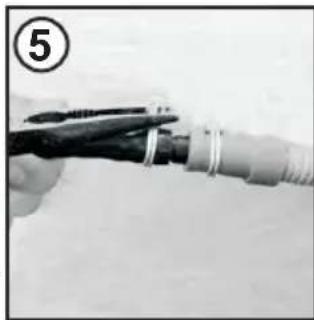
natural_image
Close-up of a hand holding a coiled cable or wire with metal rings, no visible text or symbols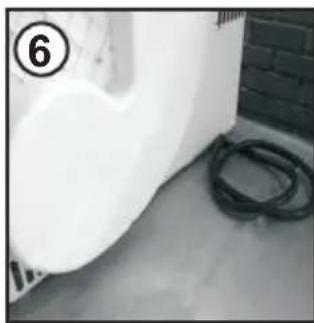
natural_image
Exterior view of a white industrial machine with a coiled cable, next to a brick wall (no visible text or symbols)natural_image
Diagram of a backpack with directional arrows indicating movement or rotation (no text or symbols)natural_image
Cross-sectional diagram of a mechanical component with an upward arrow and circular housing (no text or symbols)natural_image
Diagram of a container pouring liquid into a container with a small container nearby (no text or symbols)6. TÜR UND SIEB
natural_image
Line drawing of a hand holding a rectangular object inside a car door frame (no text or symbols)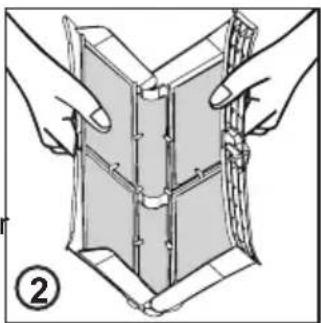
natural_image
Illustration of two hands assembling or folding a rectangular structure with internal components (no text or symbols)Flusensieb-Anzeige
natural_image
Illustration of hands holding a rectangular device with a circular component and fan-like pattern, no text or symbols present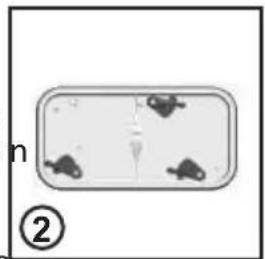
natural_image
Simple diagram of a rectangular container with four small fish inside, labeled 'n' and circled number ② (no text or symbols on the container itself)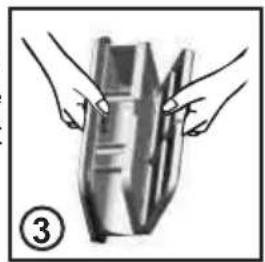
natural_image
Illustration of two hands holding a metallic object, labeled with number 3 (no text or symbols on the object itself)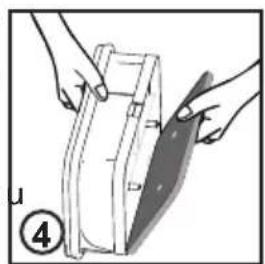
natural_image
Illustration of hands holding a tool or device with a curved component, no visible text or symbols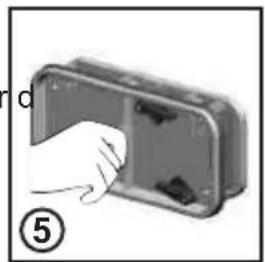
natural_image
Hand inserting a component into a device housing (no text or symbols visible)natural_image
Architectural site plan showing road layout and building footprints (no text or labels)Air Outlets in the Base
ATTENZIONE:
natural_image
Hand holding a small object with directional arrows indicating motion (no text or symbols)2. KIT ACCESSORIO TUBO FLESSIBILE DI SCARICO: ISTRUZIONI PER IL MONTAGGIO
natural_image
Line drawing of a washing machine with a circular vent and base mount (no text or symbols)natural_image
Close-up of hands using a tool to clean or inspect a car (no visible text or symbols)natural_image
Close-up of hands operating a cylindrical tool, possibly a mechanical or industrial component (no visible text or symbols)natural_image
Close-up of a hand holding a pen tip, no visible text or symbols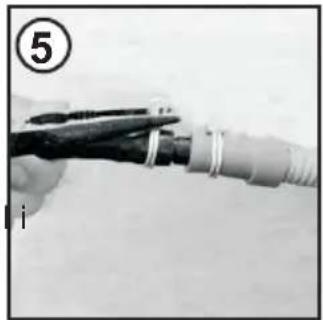
natural_image
Close-up of a hand holding a tool with a coiled cable, no visible text or symbols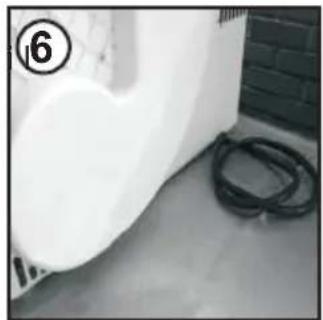
natural_image
Exterior view of a white industrial machine with black hoses on the floor (no visible text or symbols)natural_image
Cross-sectional diagram of a mechanical component with an upward arrow and circular housing (no text or symbols)natural_image
Simple line drawing of a container pouring liquid into a container on a surface, with no text or symbols present.6. PORTELLONE E FILTRO
natural_image
Line drawing of a hand placing a rectangular object into a car's side panel (no text or symbols)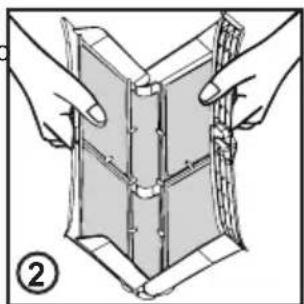
natural_image
Illustration of hands assembling or folding a mechanical component (no text or symbols visible)natural_image
Illustration of hands holding a rectangular object with a fan inside, next to a circular object (no text or symbols visible)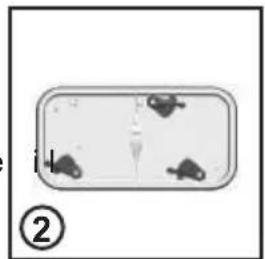
natural_image
Simple diagram with a rectangular frame containing three small figures inside, no text or symbols present.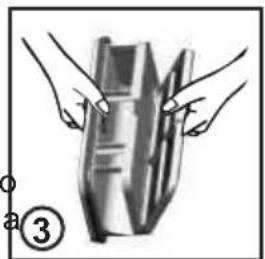
natural_image
Illustration of hands holding a metallic object with a numbered label (no text or symbols on the object itself)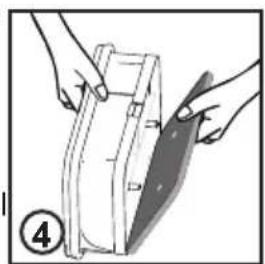
natural_image
Illustration of hands holding a curved object with a shaded blade, no text or symbols present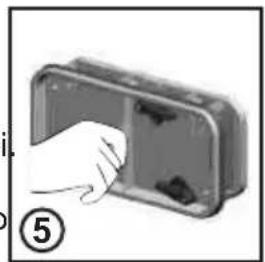
natural_image
Hand inserting a component into a device housing (no text or symbols visible)natural_image
Pure architectural floor plan lines without any text, numbers, or symbolsAir Outlets in the Base
natural_image
Illustration of a hand holding a small object with directional arrows indicating rotation (no text or symbols)2.AFVOERSLANG KIT: MONTAGE-INSTRUCTIES
natural_image
Line drawing of a washing machine with a circular vent and side buttons (no text or symbols)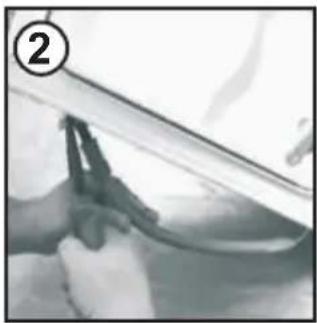
natural_image
Close-up of hands using a tool to clean or repair a curved surface, no visible text or symbols- Koppel de slang los van de brug-verbindin.
natural_image
Close-up of hands holding a cylindrical object, possibly a tool or device (no visible text or symbols)natural_image
Close-up of a hand holding a pen tip, no visible text or symbols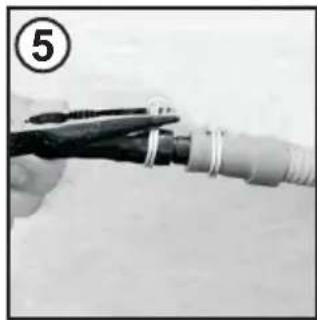
natural_image
Close-up of a hand holding a pen and a coiled cable with a loop, no visible text or symbols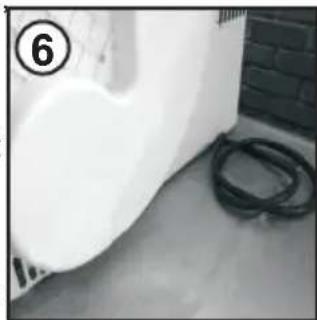
natural_image
Exterior view of a white wall corner with black hoses and a numbered circle marker (6) in the corner, next to a brick wall (no text or symbols on main subject)natural_image
Cross-sectional diagram of a mechanical component with an arrow indicating upward motion (no text or symbols)natural_image
Diagram of a water pump with liquid being poured into a container (no text or symbols)natural_image
Diagram of a mechanical device with labeled parts (1, 2, C) and directional arrows indicating motion or movement (no text or symbols beyond labels)6. DEUR EN FILTER
natural_image
Line drawing of a person holding a rectangular object inside a car door frame (no text or symbols)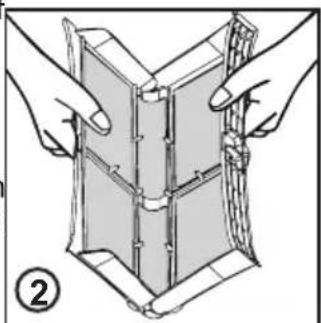
natural_image
Illustration of hands holding a folded or layered object, no text or symbols presentnatural_image
Line drawing of a hand holding a fan or vent device with a circular component, no text or symbols present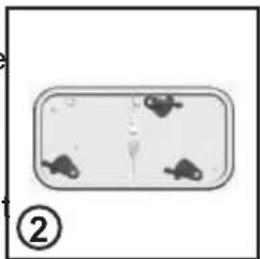
natural_image
Simple diagram with a rectangular frame containing four small figures, no text or symbols present.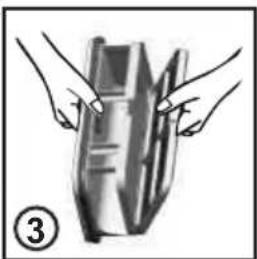
natural_image
Illustration of hands holding a metallic object with a numbered label (3) in the corner, no text or symbols present.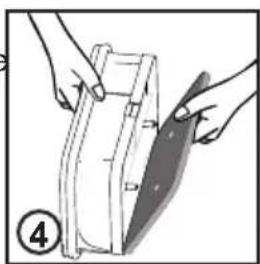
natural_image
Illustration of hands using a tool to cut a rectangular object, no text or symbols present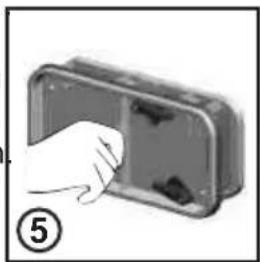
natural_image
Hand inserting a component into a rectangular device (no text or symbols visible)Reinig de filters vóór elke cyclus
7. BEDIENINGSKNOPPEN EN INDICATIELAMPJES
-DELICAAT OF SYNTHETISCH


BEDIENING
natural_image
Architectural floor plan outline showing room layout and structural elements (no text or labels)Air Outlets in the Base
natural_image
Illustration of a person using a device to lift a wall-mounted device (no text or symbols present)2. TUBO DE DRENAGEM: INSTRUÇÕES DE INSTALAÇÃO
natural_image
Line drawing of a washing machine with a circular vent and side buttons (no text or symbols)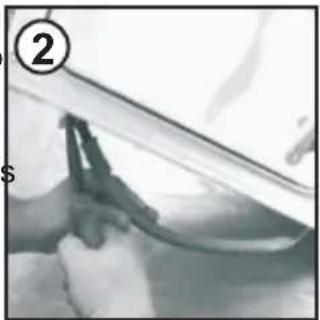
natural_image
Close-up of a hand holding a tool near a vehicle, no visible text or symbolsnatural_image
Close-up of mechanical components or tools with no visible text or symbolsnatural_image
Close-up of a hand holding a small electronic component with a tool, no visible text or symbols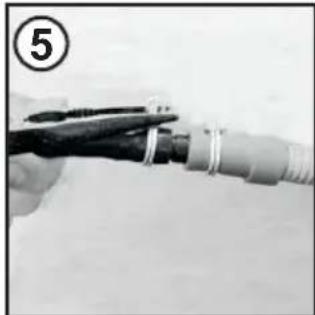
natural_image
Close-up of a hand holding a pen and a cable with wire, no visible text or symbolsnatural_image
Exterior view of a white toilet with black hoses on the floor (no visible text or symbols)natural_image
Cross-sectional diagram of a mechanical component with an upward arrow and circular housing (no text or symbols)natural_image
Simple line drawing of a container pouring liquid into a container with a handle, no text or symbols present.natural_image
Diagram of a backpack with directional arrows indicating movement (no text or symbols)6. PORTA E FILTRO
natural_image
Line drawing of a hand holding a rectangular object inside a car (no text or symbols)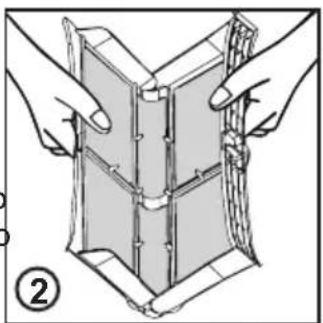
natural_image
Illustration of hands assembling or folding a mechanical component (no text or symbols visible)Indicador de Controlo do Estado do Filtro
natural_image
Illustration of hands holding a mechanical component with a fan-like pattern, no text or symbols present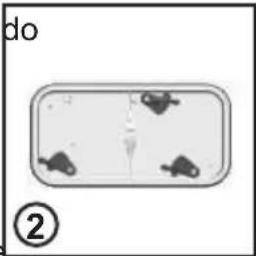
natural_image
Illustration of hands holding a metallic object, no text or symbols present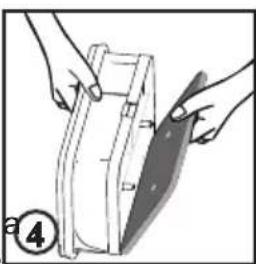
natural_image
Illustration of hands holding a flatbed object with a blade, no text or symbols present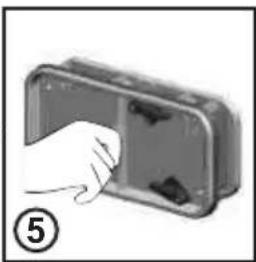
natural_image
Hand inserting a component into a device housing (no text or symbols visible)
Limpe os filtros antes de cada ciclo
7. CONTROLOS E INDICADORES
A-Seletor de ciclos -
- Air Outlets in the Base
natural_image
Illustration of a person holding a small object with directional arrows indicating rotation (no text or symbols)natural_image
Line drawing of a washing machine with a circular vent and control panel, no text or symbols present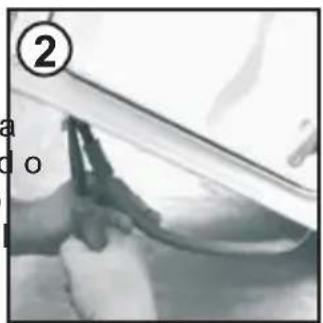
natural_image
Close-up of hands holding a tool near a curved surface, no visible text or symbols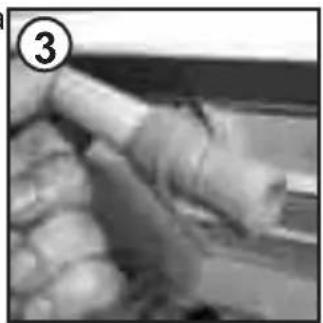
natural_image
Close-up of hands holding cylindrical objects, possibly mechanical parts or tools, with no visible text or symbols.natural_image
Close-up of a hand holding a small electronic component, possibly a pen or tool, against a plain background (no text or symbols visible)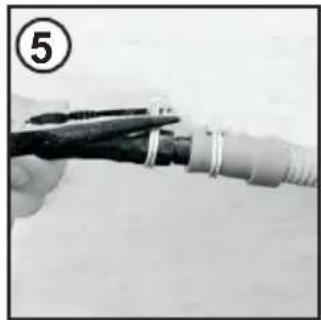
natural_image
Close-up of a hand holding a tool with a coiled cable, no visible text or symbols
natural_image
Exterior view of a white industrial machine with black hoses on the floor (no visible text or symbols)natural_image
Cross-sectional diagram of a mechanical component with an upward arrow and circular housing (no text or symbols)natural_image
Diagram of a container pouring liquid into a container with a bottle nearby (no text or symbols)6. PUERTA Y FILTRO
natural_image
Line drawing of a hand holding a folder inside a car (no text or symbols)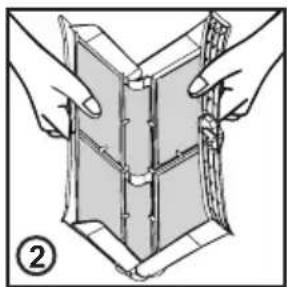
natural_image
Illustration of hands assembling a rectangular panel or structure (no text or symbols visible)natural_image
Line drawing of hands holding a fan or rack with a circular component, no text or symbols present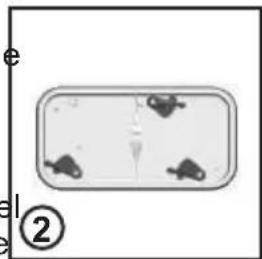
natural_image
Simple diagram showing a rectangular container with four small fish inside, labeled with number ② (no text or symbols on the diagram itself)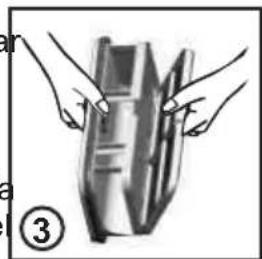
natural_image
Illustration of hands holding a metallic object with a numbered label (3) at the bottom left corner.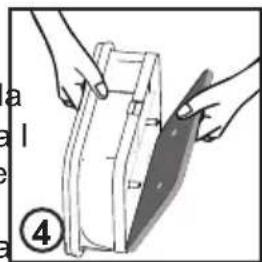
natural_image
Illustration of hands holding a tool or device with a shaded blade, no text or symbols present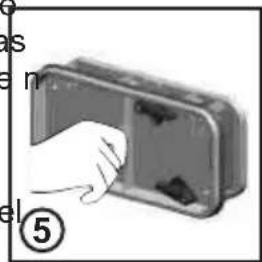
natural_image
Hand placing a component into a rectangular device (no text or symbols visible)What Might be the Cause of...

- Index
- SAFETY REMINDERS
- Installation
- The Laundry
- Ventilation
- WARNING:
- Environmental Issues
- European irective 20 /ED 12/19 U
- GIAS Service
- Electrical Requirements
- Adjusting the Feet
- DRAIN HOSE : FITTING INSTRUCTIONS
- Fit the Hose as Follows:
- PREPARING THE LOAD
- Clothes Preparation
- Do Not Tumble Dry:
- Energy Saving
- ALWAYS
- NEVER
- Sort the Load as Follows
- - By care symbols
- - By amount and thickness
- - By type of fabric
- CLEANING AND ROUTINE MAINTENANCE
- Cleaning the Dryer
- WATER CONTAINER
- To remove the container tank in door drawer
- DOOR AND FILTER
- WARNING!
- Filter
- Filter Care Indicator
- IF YOU CLEAN FILTER UNDER TER, REMEMBER TO DRY IT.
- To Clean the Condenser Filter
- Clean the filters before every cycle
- CONTROLS AND INDICATORS
- C-Buttons -
- Start/Pause Button
- 2.Time cycle selection
- 3.Delay Start Button
- Drying Selection Button
- 5.Rapids Button
- 6.Anti crease
- Keylock
- D-Led
- Information for Test Laboratory
- OPERATION
- APPAREL CARE
- Drying Guide
- TROUBLESHOOTING
- What Might be the Cause of...
- Defects you can remedy yourself
- Drying time is too long/clothes are not dry enough...
- The dryer does not operate...
- The dryer is noisy...
- CUSTOMER SERVICE
- Spares
- Service
- KIT TUYAU D'ÉVACUATION: INSTRUCTIONS DE MONTAGE
- PORTE ET FILTRE
- FONCTIONNEMENT
- TÜR UND SIEB
- Flusensieb-Anzeige
- ATTENZIONE:
- KIT ACCESSORIO TUBO FLESSIBILE DI SCARICO: ISTRUZIONI PER IL MONTAGGIO
- PORTELLONE E FILTRO
- 2.AFVOERSLANG KIT: MONTAGE-INSTRUCTIES
- DEUR EN FILTER
- BEDIENINGSKNOPPEN EN INDICATIELAMPJES
- BEDIENING
- TUBO DE DRENAGEM: INSTRUÇÕES DE INSTALAÇÃO
- PORTA E FILTRO
- Indicador de Controlo do Estado do Filtro
- CONTROLOS E INDICADORES
- A-Seletor de ciclos -
- PUERTA Y FILTRO
Brand : ZEROWATT
Model : ETD H8A1DE
Category : Tumble dryer