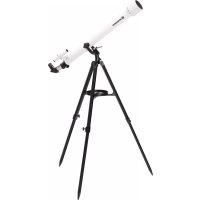
CLASSIC 60900 AZ - Telescope BRESSER - Free user manual and instructions
Find the device manual for free CLASSIC 60900 AZ BRESSER in PDF.



| Product type | Refractor telescope |
| Brand | Bresser |
| Model | CLASSIC 60900 AZ |
| Aperture (objective lens diameter) | 60 mm |
| Focal length | 900 mm |
| Mount | Altazimuth |
| Tripod | Metal, adjustable height |
| Finder scope | Red dot LED finder |
| Included eyepieces | 20 mm and 4 mm |
| Barlow lens | 3x (included) |
| Diagonal | Yes, for celestial observation |
| Smartphone adapter | Yes, for photography |
| Maximum magnification | Up to 525x (with Barlow 3x and 4 mm eyepiece) |
| Finder power supply | Button cell battery (included, remove protective film) |
| Use | Astronomical and terrestrial observation (inverted image for sky) |
| Safety | Never look directly at the sun – risk of blindness |
| Maintenance | Clean lenses with a soft, lint-free cloth (microfiber) |
| Storage | In a dry, ventilated place, protective caps on |
| Warranty | 2 years (extension possible via online registration) |
Frequently Asked Questions - CLASSIC 60900 AZ BRESSER
User questions about CLASSIC 60900 AZ BRESSER
0 question about this device. Answer the ones you know or ask your own.
Ask a new question about this device
Download the instructions for your Telescope in PDF format for free! Find your manual CLASSIC 60900 AZ - BRESSER and take your electronic device back in hand. On this page are published all the documents necessary for the use of your device. CLASSIC 60900 AZ by BRESSER.
USER MANUAL CLASSIC 60900 AZ BRESSER
Never attempt observing the sun with this telescope! Especially keep it in mind while the telescope is used by children! Observing the sun - even for a very short time - will cause blindness! Packing material (plastic bags, rubber bands etc.) has to be kept out of reach of children!
(FR) AVERTISSEMENT!
Durchmesser: 3.476 km
About this Instruction Manual
Please read the safety instructions in this manual carefully. To avoid damage to the unit and the risk of injury, only use this product as described in the manual.
Keep the instruction manual handy so that you can easily look up information on all the functions.

DANGER!
You will find this symbol in front of every section of text which deals with the risk of severe injury or even death in the event of improper use.

ATTENTION!
You will find this symbol in front of every section of text which deals with the risk of damage to property or the environment.
Intended Use
This product is intended only for private use.
It was developed for the magnified display of things in nature.
General Warning

RISK OF BLINDNESS!
Never use this device to look directly at the sun or in the direct proximity of the sun. There is a RISK OF BLINDNESS!

BISK OF CHOKING!
Children should only use the device under adult supervision. Keep packaging material (plastic bags, rubber bands, etc.) out of the reach of children! There is a RISK OF CHOKING!

FIRE RISK!
Do not place the device - in particular the lenses - in direct sunlight. The concentration of light could cause fire.

ATTENTION!
Do not disassemble the device. In the event of a defect, please contact your dealer. He will contact the Service Centre and can send the device in to be repaired, if necessary.
Do not expose the device to high temperatures.

Privacy PROTECTION!
This device is intended only for private use. Please heed the privacy of other people. Do not use the device to look into apartments, for example.
Accessories may vary depending on the model.
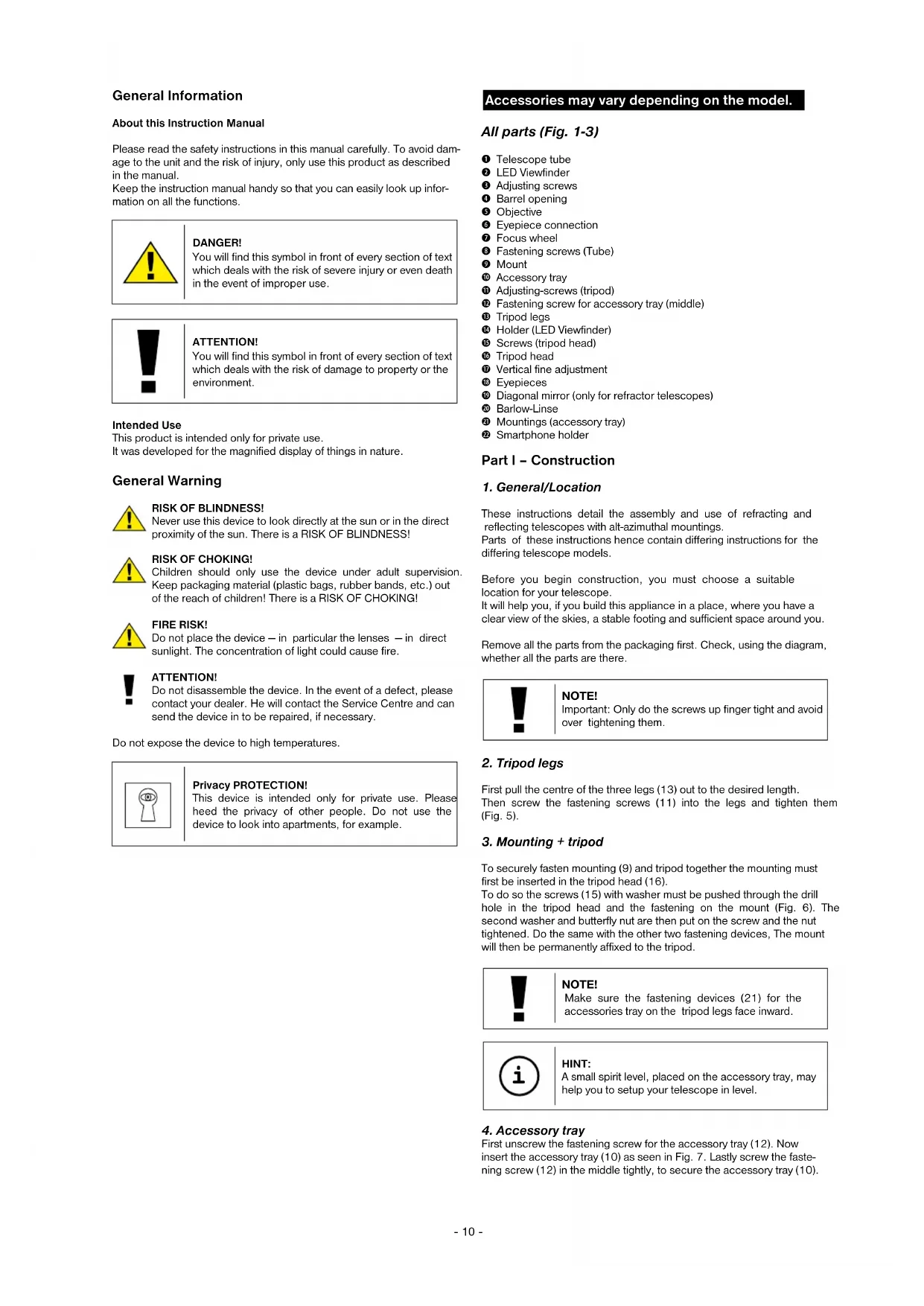
All parts (Fig. 1-3)
Telescope tube
LED Viewfinder
Adjusting screws
4 Barrel opening
Objective
Eyepiece connection
Focus wheel
Fastening screws (Tube)
9 Mount
Accessory tray
Adjusting-screws (tripod)
Fastening screw for accessory tray (middle)
Tripod legs
Holder (LED Viewfinder)
Screws (tripod head)
Tripod head
Vertical fine adjustment
Eyepieces
Diagonal mirror (only for refractor telescopes)
Barlow-Linse
Mountings (accessory tray)
Smartphone holder
Part I - Construction
1. General/Location
These instructions detail the assembly and use of refracting and reflecting telescopes with alt-azimuthal mountings.
Parts of these instructions hence contain differing instructions for the differing telescope models.
Before you begin construction, you must choose a suitable location for your telescope.
It will help you, if you build this appliance in a place, where you have a clear view of the skies, a stable footing and sufficient space around you.
Remove all the parts from the packaging first. Check, using the diagram, whether all the parts are there.

NOTE!
Important: Only do the screws up finger tight and avoid over tightening them.
2. Tripod legs
First pull the centre of the three legs (13) out to the desired length. Then screw the fastening screws (11) into the legs and tighten them (Fig. 5).
3. Mounting + tripod
To securely fasten mounting (9) and tripod together the mounting must first be inserted in the tripod head (16).
To do so the screws (15) with washer must be pushed through the drill hole in the tripod head and the fastening on the mount (Fig. 6). The second washer and butterfly nut are then put on the screw and the nut tightened. Do the same with the other two fastening devices, The mount will then be permanently affixed to the tripod.

NOTE!
Make sure the fastening devices (21) for the accessories tray on the tripod legs face inward.

HINT:
A small spirit level, placed on the accessory tray, may help you to setup your telescope in level.
4. Accessory tray
First unscrew the fastening screw for the accessory tray (12). Now insert the accessory tray (10) as seen in Fig. 7. Lastly screw the fastening screw (12) in the middle tightly, to secure the accessory tray (10).
5. Tube
Now hold the telescope main tube (1) as shown in the middle of the alt-azimuth mount (9) and screw the screws (8) into the tube from both sides (Fig. 8).
6. Vertical fine adjustment
To mount the vertical fine adjustment (17) first push the adjustment rod through holding device (X) on the mount (Fig. 9a).
Then undo the screw (Y) for the adjustment rod and insert on the other end of the rod. Then tighten it in place (Fig. 9b).
Important: Do not screw the vertical fine adjustment fastening screw too tightly. If you do the main tube will not be vertically adjustable.
RISK OF BLINDNESS!
Never use this device to look directly at the sun or in the direct proximity of the sun. There is a RISK OF BLINDNESS!
7. Assembling the LED Viewfinder
Note: The LED Viewfinder scope has a battery safeguarded against discharge with plastic foil when shipped. This must be removed before first use (fig.1d).
Viewfinder scope assembly:
LED Viewfinder scope with Quick Insert
The LED finder scope (Fig. 1a) and mounting constitute a single unit. Slide the foot of the LED finder scope completely into the appropriate base on the telescope main tube (Fig. 10, X). The finder scope mounting will snap in place.
Important: Make sure the LED finder scope lens points towards the main tube end (Fig. 1, 4).
8. Aligning the finder scope
The LED finder scope must be adjusted before use. This means that the LED finder scope and the telescope tube must be aligned in parallel.
Insert the eyepiece with the greatest focal length in the zenith mirror (Fig. 12b, refracting telescopes only) or directly in the eyepiece supports (Fig. 13, reflecting telescopes only). Point the telescope at a significant object approximately 300 meters away (e.g. house gable, church tower top, etc.) and adjust until it appears in the centre of the field of vision (Fig. 15 A).
Then turn the LED finder scope (2) on using the On/Off switch (Fig. 1b, Z). Select setting ,2" in daylight, setting ,1" for nighttime. Look through the LED finder scope and align it by turning the horizontal (Fig. 1b, X) and vertical (Fig. 1b, Y) adjustment screws until you see the red dot in the centre of the image (Fig. 15, B). Finder scope and telescope are now adjusted to one another.
9. Protection-caps
In order to protect the inside of your telescope from dust and filth, the tube opening is protected by a dust-protection-cap (Fig. 11, X).
For observation remove the cap from the opening.
10. Inserting the eyepiece
10.1. On refracting telescopes
Two eyepieces (18) and a star diagonal prism (19) are supplied as standard with this telescope.
With the eyepieces, you can decide which magnification you want for your telescope.
Before you insert the eyepiece and the star diagonal prism, you must remove the dust-protection-cap from the eyepiece connection tube (6). Loosen the screw (Fig. 12a, X) on the eyepiece connection tube and insert the star diagonal prism. Retighten the screw (X) on the eyepiece connection tube.
Then open and close the clamping screw (Fig. 12b, X) to fasten the 20 mm eyepiece in the zenith mirror in the same way.
Make sure that the eyepiece is pointing vertically upwards. Otherwise loosen the screw (Fig. 12a, X) on the eyepiece connection tube and
rotate the star diagonal prism into the vertical position. Remove the dust cap from the main tube end.
10.2. On reflecting telescopes
Please loosen the clamping screw on the eyepiece supports (6). Remove the eyepiece supplied (18) with the 20~mm maximum focal length and insert it directly in the eyepiece supports. Hand tighten the clamping screws (Fig. 13, X). Remove the dust cap from the main tube end.
Part II - Handling
1. Mount
Your telescope is equipped with an azimuth mount that is easy to use. You can adjust your telescope horizontally and vertically with it.
2. Setup
A dark place is essential for observations because light of all kinds (e.g. street lamps) disturb the visible details of the sky. If you leave a bright room at night, your eyes need approximately 20 minutes to reach full night adaptation. After this time, your observations can be started.
Don't observe from enclosed areas and put your telescope in location, with the accessories, 30 mins before beginning observation, in order to guarantee a temperature balance.
You should also make sure that the telescope is placed on a stable and even ground.
3. Vertical and horizontal adjustment
3.1. Vertical adjustment
Undo the fastening screw (Fig. 14a, X) and move the tube up or down. Once you find the right setting turn the fastening screw hand tight. This makes the adjustment a fixed one.
Minor changes can be carried out by slight turns of the adjustment wheel (Fig. 14b, Y). Before re-adjusting undo the fastening screw (Fig. 14a, X).
3.2. Horizontal adjustment
To move the telescope horizontally undo the fastening screw (Fig. 16, Z) and turn the device in the desired direction.
Once you've reached the desired position retighten the fastening screw hand tight
4. Observation
Aim the telescope at the object to be observed. Look through the LED finder scope and centre the object in the middle of the viewing field (red dot) by horizontally and vertically adjusting the telescope.
If you now look through the lens you will see the magnified object.
Turn the focussing wheel to get it into sharp focus if necessary.
You can also change the lens to achieve greater magnification.

HINT:
Start each observation with a low-power lens (20mm)
5. Finding stars
You will initially have problems orienting yourself in the sky as stars and constellations are in constant movement and change their position depending on the season, date and time.
The polar star is the sole exception. It is a fixed star and the starting point of all stellar maps.
You can see some well-known stars and constellations on the map that are visible throughout the year. The arrangement of the stars is dependent on the date and the time, however.
6. Accessories
Your telescope is supplied with a number of accessories as standard (Fig. 2). Depending on model this may include the following.
6.1. Eyepieces
Change eyepieces to change your telescope's magnification.
Formula for calculating magnification:
Focal length of the telescope : focal length of the eyepiece = magnification
Beispiele:
| Focal length telescope | Focal length eyepiece | Magnification | Magnification with 3x Barlow lens |
| 700 mm 20 m | m 35X 105X | ||
| 700 mm 4 mm | 175X 525X |
6.2. Zenith mirror (refraction telescope only)
The zenith mirror reverses (19) reverses the image (mirror image) and is therefore used only for celestial observation.
6.3.Barlow lens
A Barlow lens (20) increases magnification three times over.
6.3.1 Assembling and using refracting telescopes
If you use a refracting telescope the Barlow lens should only be inserted in the zenith mirror (Fig. 12a, X). Remove the eyepiece from the zenith mirror and replace it with the Barlow lens. Then first insert the eyepiece with the greatest focal length and then hand tighten the clamping screw to affix it in place (Fig. 21, Z).
6.3.2 Assembling and using reflecting telescopes
If you use a reflecting telescope please undo the clamping screw on the eyepiece supports (Fig. 21, X) and remove the eyepiece from those supports. Then insert the Barlow lens (20) straight in the supports and hand tighten the clamping screw. Finally first insert the eyepiece with the greatest focal length in the Barlow lens and then fasten it in place with the clamping screw (Fig. 21, Z).
6.4 Smartphone holder
Insert the eyepiece into the smartphone holder and tighten the screw (Fig. 23, X) to the bracket firmly. Then set the smartphone holder with the eyepiece into the eyepiece connection (6) or the diagonal mirror (19) (refractor telescopes) and tighten the clamping screws (Fig. 23, Y) by hand firmly. Now start your smartphone camera app and press your smartphone on the plate. Make sure that it is properly secured. The camera should rest just above the eyepiece. Place the smartphone exactly over the eyepiece, so that the image is exactly centered on your display. It may be necessary to use the zoom function to fill out the whole screen of your smartphone. The suction cups must be dry, clean and free from all kinds of dust and dirt. We assume no responsibility for dropped and broken smartphones due to incorrect handling.
7. Dismantling
After a hopefully interesting and successful observation, it is recommended that you store the entire telescope in a dry, well aired area. On some telescopes the tripod and mount can easily be separated. The adjustments to the mount will remain intact. Don't forget to put the dust-protection-caps onto the tube opening and onto the eyepiece connection. Also, you should stow all the eyepieces and optical accessories into their corresponding receptacles.

NOTES on cleaning
Clean the lenses (eyepiece and/or lens) with a soft and lint-free cloth only (e.g. microfibre). Do not apply excess pressure to the cloth so as to avoid scratching the lenses.
To remove more stubborn dirt, moisten the cleaning cloth with an eyeglass-cleaning solution and wipe the lenses gently.
Protect the device from dust and moisture! After use - in particular in situations of high humidity - let the device acclimate for a short period of time, so that the residual moisture can dissipate.
Part III - Appendix
1. Possible observation targets
In the following, we like to present to you a choice of very interesting and easy-to-find celestial objects. On the depending pictures at the end of the manual you will see how they will appear in the eyepiece of your telescope:
The moon (Fig. 24)
The moon is the only natural satellite of the earth.
Diameter: 3,476 km
Distance: 384,000 km (average)
The moon is well-known since thousands of years. He is the second brightest celestial object after the sun. Because the moon circles around the earth, he changes periodically its inclination to the sun; therefore we see changing phases. The time for one complete lunation is 29.5 days (709 hours).
Constellation Orion: The great Orion nebula / M 42 (Fig. 25)
Right Ascension: 05h 33' (hours : minutes)
Declination: -05° 25' (Degrees : minutes)
Though it is 1,600 light years away, the Orion nebula (M 42) is the brightest nebula object at the sky - visible even with naked eyes and a worthwhile object for telescopes of all kinds and sizes. It consists of a gigantic cloud of hydrogen gas with a diameter of hundreds of light years, taking a field on the sky of 10^ .
Constellation Lyra: The Ring Nebula / M 57 (Fig. 26)
Right Ascension: 18h 52'
Declination: +32^58'
Distance: 4,100 light years
The famous Ring Nebula is often called the prototype of planetary nebulae; he belongs to the northern hemisphere summer sky's pieces of splendour. Recent investigations have shown that he is a ring of light-emitting matter that surrounds its central star (only visible in bigger telescopes). If one could look onto its top, he would see a structure like the Dumbbell Nebular / M 27
Constellation Vulpecula (little fox):
The Dumbbell Nebula / M 27 (Fig. 27)
Right Ascension: 19h 59'
Declination: +22^43'
Distance: 1,250 light years
The Dumbbell Nebula / M 27 was the first planetary nebula ever found. On July 12th, 1764, Charles Messier discovered this new and fascinating class of objects. We can see it directly from its equatorial pane. If it could be viewed from top, we would appear like the Ring Nebula / M 57. This Object can even be viewed at average weather conditions at low magnifications.
2. Troubleshooting
Mistakes:
No picture
Help:
Remove dust protection cap and sunbathe-shield from the objective opening.
Blurred picture
No focus possible
Bad picture
Adjust focus using focus ring
Wait for temperature to balance out
Viewing object visible in the finder, but not through the telescope
Never observe through a glass surface
Adjust finder (See Part II-4)
Despite using star
diagonal prism
the picture is
"crooked"
The star diagonal prism
should be vertical in
the eyepiece connection

DISPOSAL
Dispose of the packaging materials properly, according to their type (paper, cardboard, etc). Contact your local waste disposal service or environmental authority for information on the proper disposal.
Please take the current legal regulations into account when disposing of your device. You can get more information on the proper disposal from your local waste disposal service or environmental authority.
Downloads:
- Astronomy software
- Moon map
- Instruction Manual
The regular guarantee period is 2 years and begins on the day of purchase. To benefit from an extended voluntary guarantee period as stated on the gift box, registration on our website is required.
You can consult the full guarantee terms as well as information on extending the guarantee period and details of our services at www.bresser.de/warranty_terms.
Informations generales
Distance: 384.401 km
Advertencias de character general

jExiste PELIGRO DE CEGUERA!
BESCHERMING van privacy!
Brandp. Telescoop: Brandp. Oculair = Vergroting
Voorbeelden:
| Brandp. Telescoop | Brandp. Oculair | Vergrotting Vergrotting met Barlowlens 3x |
| 700 mm 20 m | m 35X 105X | |
| 700 mm 4 mm | 175X 525X |
6.2. Zenitspiegel (enkel Refractor)
Del I - Sammensetting
1. Generelt/plassering
Observer已经超过 the speed of light, but it takes too long to reach the ground.
Desuden skal du sorge for, at teleskopet stared en solid bund, i hoge med jordoverfladen.
3. Vertical og horizontal indstilling
3.1. Vertikal indstilling
YIaXeIKINADYNOAeYeIAI
H xpnn Tns ouakeunx ano niaixi Einnptetra mvo uto einnpnon. dxtnpite ta uikoxoukeuaiaic (naotikec aokoulec, kta) paiaa taoiaia! Ytpxei KINADYNOSAΦYXiA!

KINΔYNOΣ ΠYPKARIAΣ!
Mny ekTeTe Tn oukeun -Eikoc Touc oakouc -oe aueon nlaikn akntivoBaoia! Mnpei va npoknthei oTn ao- owpeuon dsemuov wftoC.

NPOEOXH!
Mny aouauapoloyeite Tn ouakeun! 5 ne pinnwn Bαβnc npakakaauepe aneuuveire oov Eioko eumopo. Ekeivoc Bo eIOKOWNEI ME TO Kevtro aeBIC K0A aTOOteIAE EvExoEvwC Tn ouakeun yix EtiaKeun.
Mny ekTeTe Tn oukeun euynAe,epkoPaeic.

IPOEIA TcI idwiTiknc ZhiC!
Ta aoukeun npoopiQovai yia idwiK xprn.
Ebaote Tny iDwIK Cwn Tov ouavawpwnowoc 1 ia npaeiymu mnu KOATE ME Tn oukeun autn meao
oe diaeepiaqata!
Szekacz LED (rys. 1a) i是我国的首台LED LED camera with a 3D display. The device is equipped with a 3D display and a 3D camera. It also has a 3D display and a 3D camera.
He donyckaite HaRpeBaHnry yCtpoiCTBa Do BbICOKo TEMpeaTpybl.

3AUHTA qactHOJ HN3HNI
Ottmueckne npmbopnpeHa3haeHbI nla Yachtoro Hcnpo3oBaHn. He cnpo3yte BaTeneckon dna Habnoedn 3a dpyrnnn noBm.
KOMNJIeKTaUH MoXeT N3MeHrTBcR B 3aBnCHMOCTH OT MOdEHN.
YcTpoIcTBoTeNecKoNa (No.1-3)
Tpyba Teneckona
1 NcKatEnb
PerynipBOOHyBb BHTbl
OTBepCTe Tpy6bI
5 OBeKeTnB
6 CoeHHeHne OkyIpa
7KonecoΦOKyCHPOBKN
KpenenHHbE BnHTb (tpy6a)
MOHTNPOBkA
10IOTOKnAaKceccyapOB
PerynipobOHybBnHTbTpeHora
12 BnHT KpENJIeHINI JOTOK IINA AKCECCYAPOB (UeHTpaJIbHbI)
HokkntpeHorn
14 DepeKateIb (CBETOIOHOHbN HCKaTeIb)
15 BnHbI (BepxHaa Yactb TpeHoH)
16 BepxHryaactbTreHoHn
ToHkHaCTPOKa nO cN BOCXOXKeHHN
18 Okynpbl
19 DnaorohalbHoe 3epkano
20 JInH3a Bapnoy
Kpenek (nOTOK dIa akceccyapOB)
2 DepeKaTeIb cMapTfoHa
YcTaHOBKa TeJeckona
DaHHoe pyKOBODCTBO ONHcBlaeT C6bOpKy H NcNOb3ObaHHe TeneCKoNOB-pePakTOPOB H pePekKTPOB C aIbTa3HMyTaNbHOJ MOHTnPOBKO, NO3OTMY OTeNbHbIe ChaTy POKOBCTBa CoepKaT pa3HbIe pyKOBODCTBA DnA pa3HbX BnDIOB TeneCKONOB.
IpeHJe Yem Hauatb c6pky Teneckona, Hado HaHTn dJa Hero noDxo- dJuee MeCTo. JyUwe Bcero C6bpAtpb Teneckon B TAKOM MeCe, rDe xopoWo BVnHO He6o, eCTb POBHaH HeNoDbNkHnA NIOuaJaK nOCTaTOHO MecTa BOKpyr.

YKA3AHME!
BAKHO: 3aKpyuBaIte BnHTb I raKnOcTOpOxHo, YTO6bI He nepe3aTHyTb HX.
Tpehora
Chayana BbIDBnHbTe ueTpabHyIO HOKky TpeHorn (13) Ha HxKyIO dHHy. 3aTe M BKpyHTe B HOKKI PhKcnpyIOue B INHtB (11) n 3aTnHInTe IX.
MOHTHPOBka
TTObI npOHO CoeINHb MOHTPOBky (9) C TpeHOrO, CneyET Chaana BCTABnB MOHTPOBky B BepxHIO OACTb TpeHorn (16). IIN 3T0rO BINTb (15) cIaIbOHN aHO IpocHyTB Hepe3 OTBepCTHe B BepXHeI qAChT PTeHOrN H KPNENHE HA MONTPOBKE. HAdEhBe Ha BnH BTOpYHO WAnb y IraKy-6apauek, a 3aTeM 3aTnHrte raKy. To He camoe HADo NOBtOpNTc C DmYMR OCTaJIbHIMM KpeneKAMn. Nocne 3TOrO MOHTPOBkA Bydet HApexHIO pInKpennHa K TpeHore.

YKA3AHNE!
y6eHntecb,yTO KpeneKn (21)IaI NaTka IaI aKcceccayapOB Ha HOKKax TpeHorn paCNOJKeHbI IInueBOI CTOPHOB BHTpb.

COBET:
NONOXHTA HANTOTOK DnA kACECCyapOB MAnEhBKN CnIPTOBOY yPOBEHb -3TO NOMOxET BaM yCTaHOBNt BTENECKON POBHO.
JOTOKIaAKeccyyapOB
Bbkyntte BnHT KpennHnna IOTka (12). YcTahOBnTe IOTOK (10), KaK noka3aHO Ha pnc.7. Tyro 3akpynte BnHT KpennHnna (12) B cepeDnHe IOTka, yTO6bI 3aФнкCnpObaTb erO (10).
Tpy6a
Tenep yctahOBnTE Tpy6y TEneCKona (1), B cepeINHy anbTaaMyTaNHOH MOHTPOBKN, KAK NOKa3aHO (9), N 3akpyTHte B Tpy6y C DByx CTOpOH BInTHBi (No.8).
ToHHaHaHacTPOHaNoOCHBOCXOHdHnA
YTO6bI 3aKpENiB pUar TOHKO HAcTPOHN NO OCN BOCXOXJDeHN (17), CHaHa N BCTABTe ERO B DePKeTEn (X) HA MoHTnPoBKe (No.9a).
3aTEMOTKpyNTBE BHT pbyara HACTPOKN (Y) INBkpyTNEero C pyroon CTOPOHBpbyara. 3aTEM 3aTANHE BHT (No.9b).
BAHKHO: He 3aKpyHbAte BnHT pblara TOHKO HAcTpoKN no OCH BOCXOMDeHN CNIuKOM Tyro, HNahe Tpy6y Teneckona HEnb3a 6ydt PerynHPOBaTb No BeptHKaII.
OnachocbI NOTEPH 3PEHNA!
Hn B KOEM cnuae He CMOTPNTe Ypeep3 3OT npb6op npraMo Ha coNHe NIn B HappaBLeHHn COHua. OAnocht bOTEPN3PEHNR!
C6opHa HcHataTei
BAHHO: 4to6bI aKHyMnTOp CBeToHNOHOro HcKaTeH He pa3paHaJcR, OH 3aKpIt PIIeHKO. He 3a6yDte ee CHrTb nepeH cNoJIb3OBaHHem Teneckona (No.1d).
YCTAHOBKa HcKATEeN: CBeToDnOHyBn HcKATEb-ObICTPA YCTAHOBKa
Tpy6a CBeToHOHOHO HCKATEH (No. 1a) n MOHTnPOBka COCTABHIOH EHNHOE ueHOe. BDbHbTe OCHOBHne NCKATEH B COOTBEcTByUOuHn DEpKATHe h Ta Tpy6e Teneckona Do ynpa (No. 10, X). MoHTnPOBka BCTAHET HA MECTO CO UENUKOM.
BAHHO: y6eHtEcB, cyTo JINH3a Tpy6bI CBeTOnHOHoro HcKaTe- HaxoHTcC o CTOpOHbI, paCNoJIOMeHHo 6nHke K KOUY Tpy6bI Teneckona.
BbipabHbAHne HcHateTn
IpeKHe Yem Hauatb HabloHHe, CneyET OpyerlynpoBaTtp6y Ickatenn. Tpyba NcKatena n rnaBnA Tpyba TeNeckona DOnJHHb HaxO DnTbc B OdnHaKOBOM NIOJOeHN (napaJIenbHO dpyr dpyry).
BCTaBbTe OKyIrp CcMbIM 60JbIIM M OOKyChbIM pacCTOHHEM B 3eHITHOE 3epKANO (No.12b, TOnbKO dNn TEneCKONOB-pePpAKTOPOB) HINnpRMO B DEPKaTeNb OKyIpa (No.13, TOnbKO dNn TEneCKONOB-pePpNEKTOPOB). HabeNte TeneCKON Ha YetKn OBeKt Ha 3emNe - KOIOKOBHIOUeKBN, FIOIore HAp OE m np., - n OTpeYlnpyE erO TaK, UToBbO6BeKNToBNiC
B cHTpe nonr 3peHHa. (No. 15, A). O6bekt lyuwe Bbl6npaTb He 6nnke yem B 200-300 M ot ce68.
TnyB Tpy6y HckateH, nobOpauHbIe 3 nnn 6 perynpoBOHybIX BnHTOB Do tex NpO, noka OBeKt He noaBnTcB NepeKePcTeB E h3npa.
H06paKeHne, KOTOpbe Bbl Do 3TOBO BnDEHn Upe3 nnH3y TeNEckOna, TenePB DdoJNHO 6blb
BnHToTOuHO B ceHTpe BN3npa Tpy6bl NcKaTeIe (2) (No. 15, B).

COBET:
HekotopbIe HcKaTeH He IMeHOT BCTpoEHHOf yHKnHNpeBOPota n3o6paKeHHaB TAKOM cnYae n3o6paKeHHe B HcKataE 6yEt NpeBepHyTbIM -3TO he ABnRETCOun6KO.
BbipabHbBaHHe NcKaTeNrTHIOB 2 H3 (CBeTOHOHOHbI HcKaTeJIb)
CBeToIOHOHbNckatEnb CNeIyET OTpepynnpoBaTb Npeid IcNoIb3OBAHNEM.Tpy6a CBeToIOHOHorO NckatEn H rnaBHaN Tpy6a Teneckona DonKbHb HxOHTBC B ODHAKOBOM NONOKeHH (napanenbHO Dpyr dpyr).
BCTabBe OKynpC cAmbIM 60nbHm FOKyChbIM pacCToHHem B 3eHHTHOE 3epKANO (No.12b, TOnbKO dNn TEneCKONOB-pePpAKTOPOB) HIN npRMO B DEPKaTeB OKynpa (No.13, TOnbKO dNn TEneCKONOB-pePfNeKT-TOPOB).HaBeNTe TeneCKON Ha YETKNI OSeBkT Ha 3EmNE - KONOKBHIO eKPN, PfHOER HA DOME H np., - N OTpeYrnpHyte ERO TAK, Yo6bI OSeBkT NOAIBINCA
BueHTpe nOJI 3peHHN (No.15a,A).ObbektIyUWe BbIbnpaTb He 6nHexe YEM B200-300 MOTce6r.
BknIOHTe CBeTOIOHOHb NCKaTeIb (2) nepeKIOHcATEm E BKI/BblKJI (ON/OFF, No. 1b, Z). Bbl6peTte,2" dHem nnn,1"Houho.
TnBpy6CBeToHNOHO HCKaTeN, NOBopaunBaIte peryHPOBOUH BnHTbI rOp3OHTaBHO (No. 1b, X) N BepTHKAnbHO (No. 1b, Y) NaCTpoKN Do tex nop, NOA He yBnIe B ueHTpe H3o6paKeHn KpacHYo ToCHy (No. 15b, C). Teneb HcKaTeN b TEneckon OTperynpOBAHbOTHOcHTeBHO dpyr dpyra.
3aunTHaH KpbIwKa
YTO6bI 3aunITb BHYtpenHocnTeleckona OT nbIN n rpa3n,OTBepCTne Tpy6bI 3akpbBaetc nIe3aunTHoKpbuKoN (No.11,X).Pepe H6NIODENHEm CHMNTe 3Ty KpbuKy.
YctaHObKa OkyIpa
B TeJeckonax-peΦpaTopax
B komnneke Teneckony noctablanotc Da okynpa (18) n daharha hna npn3ma (19).KaKdbi oynp daet cboe ybenuehne, ta KTO Bb MOKeTe CdeNaTb HxHbIy BbOp.
PpeKHe yem yctAHOBnTb OKyIepn3My, CneIyET CHrTb C Tpy6bl nIbe3aunTHyo KpbuKy.
Ocna6bte BnHT (No. 12a, X) Ha tpy6e coeHNHeHr OKyIpa n BCTaBbTe dHaorohJIbHyIO npN3My. ChoBa 3aTaNHTe BnHT (X) Ha tpy6e coeHNHeHr OKyIpa.
3aTeM ocna6bTe 3aKHMHOB BnHT (No.12b,X),BCTaBBte 20-MM OKyIarp B3EHTHoe 3epKaIO N CHOBA 3aTnHnTE BnHT.
Y6eHTEcB, YTO OKyIrp CmOTpHT BepTKKaIbHo BBex. EcnI 3To He TaK, ocabIbe BnHT (No. 12a, X) Ha TpyE coeINHeHH OKyIrpA n NoBepHTne dAnoHaJIbHy npI3My B BepTKKaIbHOe NOIOXeHne. CHMInTe nbIe3aUHTHYK pBluKc Y c Tpy6bl TEneKcona.
B TeJeckOnax-peΦJIeHTopax
Ocna6bte 3aHMMHO BnHT Ha depKATe OkyIpa (6).Bo3bMnte noCTaBnEMbI B KOMIIeKTE OkyIrp C 20-MM fOKyChbIM pacctoHHem (18)
N BCTaBtTe ERO npAMOBdepHataEnbOkynpA.3aTnHte 3aKMMhIbe BHTb pykoN (No.13,X).CHMNITe nbIe3aunthyO KpbuKy c Tpy6bl Teneckona.
HcnoJb3OBAHHe Teleckona
MOHTHPOBka
B KOMNNEKTE Teneckona NoCTaBnAeTc a3MMyTaIbHaH MOHTnPoBka, KOtopyko NERKO HcONb3OBaTb. OHa No3BoIaRr nepemeuaTb Tpy6y TeneCKONA NO BepTHKaIIu Irop3oHTaII.
YCTaHOBka
OueHb BaKHO haHTN HOyBIO TEMHO MecTO, TAK KAK NHOOE OCBeUeHne (B TOM cHNE I yINHHbIe FOHApH) 6yET BHOCHb NOMEXH B FOKcN bHNMOCTb. DaITe rna3Am npHBkHyTb K TMHOte NOCNE OCBeUeHHo KOMHaTbI. PnIMepHO yepe3 20 MNHT MOKHO HauHHaTb Ha6NIODaT He6eChbIe OBeKtBi.
He nCnoB3yIte Teneckon B 3aKpbIbIX MecTax. YcTaHOBITE TeneckON I npncnOcoBleHnnpimepHo 3a noJlaca do hauana HabNIODeHH, YTO6bl DaTtempepaty B trye Teneckona BbipOBHNbCR. Y6eNTecB, CTO TeneckON cToHT Ha nNoCKOH naEeKHO NOBepXHOCTN.
BepTKaIbHoe BbIpaBHnBaHHe
Ocna6bte FHKCpuyuun BnHT (No. 14a, X) npeBnBHeTre ty6y BBepx HnBn3. Korda hainTe npabInbHoe noLoKeHne, 3aTnHite FHKCpyuounn BnHT. HactpoKa 3aFHKCnpoBaHa.
Ytobc ncreKa HMeHHTb NonoKeHHe Tpy6bl, MoKHO cyTB NOBepHybpeynpoBOuHoe Koneco (No.14b,Y).Ipeed Tem KaCHOBa HactpaHBaTb
Tpy6y,ocna6bTe ΦHKCNpyUoiuΦHHT(X).
Topn3oHTaJIbHOe BbipabHbAHne
Ocna6bte KcnpyUoHn BnHT (No. 16, Z) n nepeDbHbTe Tpy6y no rOpH30HTaII B HyKHOe IIOKeHne. 3aTnHtE qKcnpyuHn BnHT.
Ha6njoenne
HaueIbte Teneckon Ha BbIbpaHHbI o6BeKT. IaIaB Tpy6y CBetoNDHO Horo NcKATEJI, UeHTpnpYte O6BeKT B NOLE 3peHnA (KpaHAR ToKa), DBIRAR Tpy6y no RopnsOHTann H BeptNKann.
Ecπ Tenepb B3rIaHyTbYepe3NnH3y,BbyYbIaNTeYBeIaHHeHHbO6bEKT. Ecπ Fokyc HeetKm,NoBepHnte Koneco FokycnpOBKn.4To6bl yBeIaHueHne 6bIb0bn6oJIbSe,MOxHO CMeHHTb NnH3y.

COBET: NaHnHaTe KaJDoe Ha6IIOJeHne C CaMbIM MaJIeHbKIM yBeJIuHHeHm (20-MM LInH3a).
O6hApyKeHHe 3Be3a
Chauana Bam 6yET TpyHNO haHTN 0b6eK T He6e, TaK KaK 3Be3dbI CO3Be3dHIOCTOHHO DBInaOTCH IN XN NIOJKeHne MeHReTcB 3ABIN CmOCTn OT BpeMeHN rOda, DaTb H BpeMeHN. NckHoueHne - NpIpaHae 3Be3da.
Oha Bcerda HaxoDITCB OJHOM NIOXKeHH, NO3TOMY ABJIeTCa TQKOI OTCeTa Ha BCex KAPtAX 3Be3dHorO He6a.
Ha Kapte MoKHO HaHTx XopoOo N3BecThbIe 3Be3bI n CO3Be3dN, KOTOpbIe BnHbI kpyTbI ro. Ho NOMHITe, YTO NOIOKeHHe He6eChbIX TEL3aBNCNT OT DaTb I BpEMEH.
Pnncno6neHn
B KOMNNEKTE K TENECKONY NOCTABNIAOTCA pa3nHbIe npNCnoc6JIeHNH. B 3aBNCIMOCTH OT MOeEN, B KOMNNEKT MOrY BXoINb NEpeuNCJIeHNbIE HnKe npNCnoc6JIeHNH.
OkynpbI
MeHnTe OkyIpaIy, yTo6bI n3MeHnITb yBENuHHe HteNeckona.
ΦopMyna BbHcneHn yBeneHHa:
φokychoe pacctoHne Teneckona / φokychoe pacctoHne OkyIpa = yBelenueHne
HapnMep:
Co3BcE3nE Inpa (pnc.26)
KoJIbueBaTymaHHOCTb/O6BeKT M57.
PpMOE BOCXOXJDeHHe: 18453
CknloheHne: +33° 02
PacctoHHe: 2412CBETOBbIXNET
H3BcTHyKoNbueBaTymaHHOCTb qactoHa3bIbAOT npOTOnnOM nAnHeTApHbIX TymaHHOCTe, OHa pInnaHdJIeKHT K cambIM npEkpachbIM o6BeKtAm HeTHe rHeBaepHom NpUwapnn. HeaBnHE HCCNEOBAHN NOKa3an, YTO hONpEcdTaBnET cOBoi KOBu CEBToNCnyCkAoIeero BeIeCTBa, KOtOpoe OKpyKaet CEHTpaIbHy 3Be3dy (ee MoKHO yBnTe ToNkBO B0bnHne TeneckOnbl).
Ecn6bMOKHO B3rHHTb Ha Hee Cbepy, MoKHO 6bIO 6b pa3- rIaTeB ctpkTyp, noo6HyTOymaHHOCTnFaHTen (M27).
Co3Be3nE Jncn4a (pHc. 27)
TymaHHocTh RaHTenb/O6BeKT M27.
PpMOE BOCXOXKDeHHe: 19459
CknnoheHne: +22°43
PacctoHHe: 1360CBetobbixnet
TymaHHOCTb FAnTeB / O6BeKT M27 - nepBaorOtKpbItar nHaHeTapHar TymaHHOCTb. LApNb MeCcBe 06hApyKnI 3OT HObBn BnD He6eChbIX 06BeKTOB 12 HIOIA 1764 rOJa. MoMKeH a6NIOaTaB 3Ty TymaHHOCTb
npMo B ee 3KBaToPnAhlBHO qAcTn. EcHn 6bl MoXHo 6blNo BnDeTb ee CBepxOHa 6bl npEcdTa n BnDE KOnbueBo TymaHocTn (06BeKT M57).
3TOT 06bEKT MOKHO BnDeTb DaKe npHn3KOM yBeJIuYeHN B O6bUHbIX nOToDhblx ycNoBHX.
YcTpaHeHHe Bo3MOHHbIX npo6nEM
HETn06paKeHHN CHIMMTE Ctpy6b NblJEaunTHyo KpbuKU H 3aunTy OT CONHeuHOrO
CBeta.
H3o6paXeHHe HeTeKHe OTepyIInpyIte FOKyC nOMoubKOJIbua FOKYCUPOBKN
Teeckon He cokycpobatb IdoKnTe, noka BbipOBHETc TEMepaTpa
H3o6paKHe HIOXoe HIKoRda He Ha6IOaTe Yepe3 CTekNO.
Ha6nloaembObjectOpTeynpyteNckateB
BnDcH B NCKaTeJe,
HO He BnDcH BTeNECKO
HecmToHa HcnoB3ObaHHe DnaRoHaJIbHa npH3Ma doJHKHa dHaRaHOHaBHn npH3Mb, HaxoHtBcB CoeINHeHH
KapTHHKA NCKaKeHa OKyIpa B BepTKKaJIbHOM NOLOKeHHN

YTNH3AUHA
YTNINHpyIe yynakOBky kak npdIncaHO 3aKOHm. Pn HEO6xOIMMOCTN npoKOHCyIbTIpyTEc b MeCTHBIMB BNACTHM.
Pn ytnn3auny cTpoHCTBa co6nOaTe DeIeCTbYIOUe 3aKHOdATEnbHbIe HOpMb. INΦoPMaUNo no npabInbHOn ytnn3aunm MOKnHO nOnyuB KOMMMyHbHcNHy6e ytnn3aunm NIN B OTndeNo 3aunTe OKpykaHoue Cpebl.
Downloads:
- ActpoHOMnueckoe IIO
KapTa NyHbI
PykoBoCTBO NOIb3ObaTeJIa
ONACHOCT OT OCENRAHE!
HnKOra He HnOIN3BaIte TOBA yCTPOIcTBO 3a Da IneIate DnPeKTHO KbM cIbHuTe ONo nocoka Ha cnBHeTo. CbIeCTByA ONAPCHOCTOTOCNIIEIRAHE!

ONACHOCT OT 3AДУЛABAHE!
Dea Morat Da H3NONBAt yCtpoCTBOTo cAmo Nod HaA3OpOT Bb3pactEn. Dpbjte ONAOBbUHn MaTePnAn (HaNoHOBN nnKOBe, rymenHeNtN n dp.) Ha HeOcTbNHO 3a Dea MRCTo! HMa ONIACHOCT OT 3A DYLIJIABAHIE

ONACHOCT OT NOKAP!
He octabrte yctpoBCTBOtno n haB-Beue neuine, 3n0KeHN Ha npka cIbHueBa CBETInHa KoUeHTpaunra Ha cbETInHaT a Mojo da pnpHH noHap.

BHIMAHHE!
He pa3rno6BaBte yctpoCTbTO. B cnya, ye b3HnKHe HnKaKbB DeEeKt, MONa CbPdKeTe Ce h NaHua TbpROBcN pRedCTaBHTen. Toi ue Ce CbPhe Cbc cepBn3Hn Hn eHTp n He 3npatyctpoCTbTO 3a NonpaKBa, ako e Heo6xDoMnO.
He 3nlaarate yctpoCTBOTO h BAICKA TEMpepaTypa.

3aHTa Ha NnHOTnpocTpaHCTBO!
npncnoc6bHe nca npedna3aueHn cmo 3a IHHoI non3BaHe. MoN yBxaKaBaJIte npabOt ha yeDInHeHne H aDpyrXopa-H ne 3nnon3BaJIte npncoc6bHe 3a da TneDat B uKdAn anaptAmTe HnpanMep.
Akecoapnte MOraT da ce pa3JIuHaBaT B 3aBnCMoCT OT MOeJa.
Bcnqun qactn (fnr.1-3)
Ty6yc Ha Tepeckona
LED-Tbpcay
3 BnHTObe 3a peYnpaHe
OTBOPHaTy6yca
5 06eKTHB/OrneIaNo-OTBOP
6 Okypanen Bb3en
7 Ipbcteh 3a hactpoika ha foKyca
KpeenHHBHTOBe(Ty6yc)
MOHTHPOBkA
10 KyTn83 npHnAdneKHoCTn
BnHTObe 3a 3aKpenBaHe (CTaTHB)
12 Kpenexhen BnHT 3a OTdeneHneTo 3a npnaHaeKHOCTN
13 TpHnHr
14bpaay(Tbpcau)
BnHTOBe 3a 3aKpenBaHe (rnaBa Ha CTaTHBa)
16 InaBa Ha CTaTnBa
17BepTKaHaHnHa HacTpoKa
13 Okynya
19 3eHHTHO orIeJaIO (cAmO 3a IeIoBn TeJeCKoN)
20 Jeta Ha Bapnoy
1 DbpaHn (OTdeneHHe 3a npHaanEHHocTH)
Dbpykaa3a cMapTOH
YactI-Crno6BaHe
1.06uynyka3aHn/MectononoJxHeHne
Teu ykaaHn 3a noBaHae ce OTHaT 3a crNo6RaHTo np a6Ota TpePpakto (TeneckOni C neu) n pePektOtn (TeneckOni C orneJaTa) c AaMMyTaHa MOHTnOBka.
3aToBa OTdEnHn pacAsKn OT yka3aHnra Ta nocBeteHN Ha pa3nHnTe MoDenn TeneckOnn. PpHaJNeJxHcOteMorat da Ba napat MeKny pa3nHnCeMoDeN TeneckOnn (BHX.6 pInaJneXHcOhtN).
IpeDn Da 3anOHTe Cbc CrnoBbAHeTo N36epTe NoXoJIO MRCTO 3a Baunr TeneckOn. DObpe ue e ToBa MRCTO da HMA Do6pa BNDMOCT KbM He6eto, 3dpaba OCHOBu IocTaBHy PocCTpAnCTBO HAOKONO.
Pbpo H3BaTe BcHKn Yactn OT onakOBkata. C NOMOHTHa HIOCTpaTINBhata CXema npOBepTe DaJIH BCHKn Yactn Ca HANUHN.

YKA3AHHE!
Baxho: 3aBnHTBaIte BCnKn BnHToBeTe Ha pKa 3a da npDoTbPaTHe npeBpTaHTo Hm.
2. TpHnOr
Пьрвиздьрайе средпгу OT TrPte Крака Ha Тинога (13)do JenaHata BncoUHa.CneToba noCTaBeTe N 3aBHTe T aKpenBaunite BnHTObe (11)КbM TrpHora (ФИR.5).
3. MoTHIpOBKa + CtaTnB
3a da 6bde do6pe 3akpeneha MOHTNPOBkata (9) KbM ctaTbA, TpRbA
da 6bde noCTabEHa B rnaBata Ha ctaTbA (16). 3a ueTbA TpRbBA da
Bkapate BnHTOBete (15) C NOIOXHH MaHbM npE3 dynKHe Ha rnaBaa
Ta HA cTaTbA N IbPkaHa MOHTNPOBkata (Φm. 6). CneT ToBa ce
NoCTABT BTOPa WaiBa N KPNuATa rAraHa N BnHTbT ce 3aBnHTBa.
PioueepaIte no CbuHa HauHc O cctAHAnTe Dba IbPkaHa DoKaTo
3dPabo 3akpenite MOHTNPOBkata KbM ctaTbA.

YKA3AHNE!
O6bPheTe BHMMAHne Ha ToBa, Ye IbprKaHte (21) 3a KytNtTa 3a npHaadJeKHOCTn Ha TpHOra ca O6bPHaTHn HABTpe.

CbbET!
Ako Noctabite Manbk HnBEnHbPxy KytnrTa 3a npHaJndLeKHOCTN 1e MoKeTe NO-NECHO Da Haflacnte CTATNB XOPIN3OHTANHO NIOJOKHEHe.
4. KyTHATA 3a npHaJdJIeHKnOcTH
Pbpo pa3Bbptete HaTbHnO KpeENHHn BHT Ha OTdeneHHeTO 3a npHaNAdEeKHOCTn (12). Nocne nocTabete OTdeneHHeTO 3a npHaNAdEeKHOCTn (10) KaTTo e noka3aHO Ha Phr.7. HAcpar 3aBnTe Ha pKa KpeENHHn BHT (12) 3a Da nnKcnpaTe OTdeneHHeTO 3a npHaNAdEeKHOCTn (10).
5. Ty6yc
IocTaBeTeTy6yCaHaTeneckona(1)BbB BnKaTaHaMOHTnpOBKaTa(9). CneToBa3aTeHHeTe 3aKpeINBaunTe BnHTOBeOTDbeteCTpaHnHaPbKa (fir.8).
6. Béptнкална синна Habstpoиka
3a da MOHTnPATE BepTNKALHATA FHa HAcTPOKa (17), BKapaTe loCTa 3a peYIMPaHe Ppe3 CbOTBETHNdPkau (X) KbM MOHTnPOBkata (FInr. 9a).
CnEToBAOTbBpTeBnHTa(Y)3aNoCTa3a perynipane nNoctabete NoctaHaDpyTnKpa.BnHTbT(Y)Ce3aBnHTBaOTHOBo (fmr.9b).
Bankho: He 3aBnHTBaIte ΦHKcpaunBnHT (X) 3a BepTNHaHnHaTa ΦHb HAcTpoHbTbPde cHJIHO. B npOTHBe cIyaua Ty6y- ca HMa da MoHe da ce perylnpa BbB BHCouHnA.
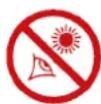
ONACHOCT OT OCJENRAHE!
HnKora He rneIaTe C to3n ypei dIpeKeTHO KbM cIbHuTe oIIb IocKaIbKcMb cIbHuTeo. CbIeCTByBa OIAPHOCT OT OCJIeRBAHE!
7. MoHTaX Ha LED-Tbpcaya
YnhaHHe:LED-Tbpcaytpaanonara c6aTepeHnKHO npn pBpBOHaayanHTo CN cbctoHHe Ha doCTabHa e NOcHpyeHa c nlaTmacOBo FOJHo 3a Da He H3NaHHe.To Tp6Ba da 6bJe OTcTaPHeHO npEnI PbBTO BkIOUbaHe (Hr.1d).
Tbpca4-MOHTaH-
LED Tbpcay C 6bp30 MoTHIpaHc
LED-Tbpcayt(ΦHr.1a)NHEROBHTe bpxaun npedctabnBaT eHNO. NtB3hetepkayetoHaLED-TbpcaaDokpaB CbOTBeTHATA OCHOBA HaTy6ycaHaTeNEckona(ΦHr.10,X).NoTo3nHaHHDbpxaYtCe 3actonopba.
BauHoo: BHHMaBaHte, npn NoctabHHeO, o6eHTHBt Ha LED-TbpcaHa da coOn B nocKa OTbopa Ha Ty6yca (Phr. 1, 4).
8. Hacoubahe Ha Tbpcaa
LED-Tbpcayt Tp6Ba Da 6bde HactpoeH npedyn ynoTpe6a. Toba O3nauaba, ye LED-Tbpcayt N ty6ycbT Ha Teneckona Tp6Ba Da 6bda napalenho haooyen.
IocTaBeTc OkynpA c Hai-rolmToO fokycho pa3ctoHHe B 3eHNTHOTOrneDano (fHr. 12b, cmo 3a TeneckOnn C neun) nnn CbotBtHO dpeKTHo B OKynpHnB b3en (fHr. 13, cmo npu TeneckOnn C orneJana).BnnpaTe C teneckOnna hKn o-roJAM o6eht Ha pa3ctoHHe OT OKJ0300 M (HannpMep NOKPbHa KbUa, KyaHa ucbpkBa n T.H.) TaKa, Yoe6kTB Da ce NOBn B cpedata Ha spitEnHTo none (fHr. 15, A).
Cera BkIOUeTe LED-Tbpcaa (2) c KonHcTo 3a BkIOUbaHe nI3KIOUbaHe (fHr. 1b, Z). N36epete CTeHEn.2" 3a paObaTpe pE3 DeHn ININCTeEH "1" 3a paOba Tpe3 PpE3 LED-Tbpcaa I ro HAcTpOte KaTO B'ptITE XOpNtOHTaHnHn (fHr. 1b, X) INBepTKaJIHHa (fHr. 1b, Y) BnHT 3a peryIinahe TaKa, Ye da BnKdAte UpeBHeHata ToKa B CpeDAta Ha KapTInHa (fHr. 15, B). IIO To3n HauHH LED-Tbpcaa I TeLEeKoNa ca HAcTpOeHN EDIN CNPIMO Dpyr.
Baxho: Kaptnhata B Teneckona ige 6bde c rnaBata haDony, ako He h3non3BaTe Heo6xOdmata npctabka 3a o6pbuahe Ha 6pa3a (hanpHmep 3eHTHO orJeao).
9.ПпeпаэнКачета
3a da ce npedna3r BtpeHHTte aactn Ha Baun Teneckon ot npax mPbcoTH Ha 0Bopa Ha ty6yca HMa npedna3Ho Kanaue (Hr. 11, X). CbuO taka npedna3HO kanaue HMa n Ha OKyIaRn Hb3en (Hr. 1, 6).
Pn ha6nloheno otctpaheTe kanaayetata ot TBOpnte.
10. NocTabaHHe Ha Okynnpa
10.1.npu Teleckonn c neun (peoapantopn)
B cTaNapTnOTo o6OpyDbaHe Ha Baunr Teneckon HMa dBe Okynpa (18) n eHNO 3eHNTHo ORneIano (19).
CokyIapnTe onpeDeneTKeOHKpeTHo yBeJIuHHeHHeTo Ha Baunr TeNec- KOI.
IpeHn da noctaBHTe OKyIpaHTe H 3EHHTOTo ORNeIaNo,OTcPaHeTe npnda3HNTe KanaTcE OTOKyIpaTHN Bb3en (6).OTbTpTe 3akpenBa- uHHT (ΦIr. 12a, X) Ha OKyIpaTHN Bb3en H NpBPO BKapAte 3EHHToROrAnDIO. Cne ToBA oTHOBO 3aBNTe BHNTA (X).
3aKpenete no cBunna HauHH, 4pe3 OTbHbaHe n 3aBbHa He Ha 3aKpenBa- uHnT (FInr. 12b, X) OKyIap- 20MM B 3eHNTHoTo OrneJaNo.
O6bphete BHMHHe Ha TOBA, MCTOTo 3a rneHa He OkyIpa Da 6bdeBepTKaHnHO Harope. TOba yneChraBRA rneDaHTo. B npOTBeH cnyaP a3xnaTe BnHTa (ΦIr. 12a, X) Ha OKyIpaHH B3eJ n 3aBbptTe 3EHNTO rOeIado B tazn no3uNur. OTcPaHete npedna3HOTo kanaue OT OTbopa Ha ty6yca (ΦIr. 11, X).
10.2.npu tenechonn c orneana (pefnektopn)
OTbnTe 3akpenBaunn BnHT Ha okynapnBb3en (6). Bzemete Oknynpa (18) C haH-nrnoMo fokycho paoCTOnHee (20mM) n ro noctabeI dneKTHo bBbB3ena. 3aBnTe Ha pbka zakpeBaunn BnHT (Fnr. 13, X). OTrcpaHete npednahto Kaane ot OTbopa H aTy6ya (Fnr. 11, X).
CACT II - PABOTA C TEJNECKONA
1. MoTHnPoBkA
Baunr Teneckon e 6opdybAH c necha 3a 6opabene "a3myTnHa MOHTPObKa". C He Ie MoKTe Da DnKHe Baunr daNeKOrneI xOpH3OHTANHO (DnCHO/naBO) N BePTNKAnHO (rope/Dony).
2.ПОЗИЧИНИРанe
TbMHOTOMRCTOeMHORBaXHO3aMHORHa6JIODeHn,TbKATOcMyuBaaunCBETINH(nAMn,yNHyOOCBETneHHe)MOrat3aHuHTENHO daHAMaIITdAaIHATAACHOTA HA KAPTHHata,NOyueHaOTeneckona.
Korato HOUEM H3IN3ATE HaBbN OT OCBETHO MRCTO OYTE Bn Tp6Ba TbpBO DA pNBKNHAT KbM TbMHHNATA. CJeI OKOIO 20 MNHyTH MOKeTe da 3anoCHete cactpo-Ha6NIoDEHMeTo.
He npobexkaTe Ha6IIOeHnHa 06ekTHn HABhOT 3aTbopeHH NOMEueHH, a NOCTABETe TEleckona C pNHAADLeXHOCTHE HA POxOxAIO MRCTO HABh3a OKONO 30 MNHTu PneI HaNAHOTo HnHa6IIOeHnEO 3a Da ce OcHpyn H3paBBOHBeHa TMepaTpya B Ty6Cyac.
Ocbhen ToBa Tp6Ba Da BHHMaBATE, npn NoCTaBHeTo Ha TeNeckona, OCHOBATA da e paBHa n Cta6HnHa.
3. Beptnkana H xopn3oHTaHa NaCTpoKa
3.1 BepTHKaHaHaCTpOHa
Pa3xla6te ΦHKCpuaHnBnHT (ΦnR. 14a, X) nDbHKTe Ty6yca Harope HnADony. Korato noCTmHete JeenaHata O Bac nO3uHn, 3aBnTe OTHOBO BnHTa Ha pKa. Taka fHKcnpate HactpoiKaTata.
MHHMaJIHn IpomEn MoKeTe Da npaBnte KaTo Bbptte Neko npcteHa 3a fokycnpaHe (ΦIr. 14b, Y). B cnya, Ye Jenaete HOBa hactpoiKa, HENpemEHNO OTBnTE PHKcnpaunu BNHT (ΦIr. 14a, X).
3.2 Xopn3oHTaHa HAcTpoHa (H3o6p.16)
3a da DBNKKHTe Teneckona XOpH3OHTaJIHO, OTXnaBete ΦHKcPaUHHI BINT (ΦnR. 16, Z) n3Abbptete YCTPOINCTBOTo B XeJHaHATA NOCOKA, BnCHo HnBBAHO. Korato NoCTHHeTe XeJHaHata Ot BacNo3HUN, 3aBnHTe OTHOBO BnHTA Ha pBka.
4. Na6nIOJeHne
HaocOte Teneckona KbM oEeKa, KOTo hCKaTe da Ha6NIOabate. IOrnneHete np3 (LED-) TbpcauHa Harnacete oEeKta C nomouTa Ha xOpINOHAnHATA n BepTKAnHATA HAcTPOKa HA Teneckona B cpeDaHa 3pIneHOTOnone (UepBeHa TOcKa / KpbCTue).
Nocne norendhepe np3 okynnpa u ue bnuite oebka ybenmuen. Cera Moke da 3anoHete c hactpoKaHa hokyca Ha kaptnHa tncpeCTBOM pntctena 3a fokycupahe (7).
OcbEN TOBa MoKe Da CMeHIne OKyIpa C TaKbB C No-ToJIaMo YBeHN-ueHne.

CbBET! 3anoyBaTe BcAko HabIoHeHne c OKyIap C MaIko yBeHHeHne (HaNPmep 20MM).
5. TbpcHe Ha 3Be3n
B haayanoto opneHTnpaHTo B 3Be3dHTo He6e CnpyhO ue Bn ce ctpyBa TpyHNO, 3aUOTO 3Be3dNte H cb3Be3dNHTa Ca NOCToHHO B DnKHeH N npomeHrT CBOTA No3nua HA He6eTO CNoped CE30Ha, DaTata N caca. EHNCTBEHOTIO n3KnUChE Ha He6eTO CNoped CE30Ha. TaNPaKTNeCKn HE Ce DBNNu CnJyn 3a N3xOJa TOcka HA BCNUKN 3Be3dNn KapTN. Ha KaPTINKATA (Phr.17) MoKeTe Da BNInTe HKOH ONo3HtN CB3Be3dNn KOHCTeNaUM OT 3Be3dN, KOnTO Ce BNkDat ppe3 qnilata roDnHa. NOppeD6aHa NTcB3e3dNtA Obaue 3aBmCOn DT aTata N yaca.
6.Пинадлжноctn
CtahdapttoOobopydaheHaBaunraTepeckonBknHouBaHpnaHJLeKHOCTn(ΦnR.2).CnopeKaHKpeTHMaMoEJI TOBaMOraTa6bDat CneHHTe qACTn:
6.1. OkjynpH:
Cbc cmaHata Ha okynapnte onpeJeTe yBEnueHneTo Ha Teneckona
ΦopMyna 3a H3uHcJIbAbe Ha yBEnHHeHTo:
Φok.pa3cTOnHHeTeNEckON:Φok.pa3cTOnHHeOkynρ=yBEnuHHe
Pnmeepn:
IIOYCTBAITE LEUHTE (Bn3bOpH n/Inn LEuIN) C MEKA Kbpna, KOrTO He OCTABR BnAkhA HIN Mbx (HanpImep MmKpOΦnbP). He HATNCKaTe CINHO C KbpNaTAt 3a Da He HADpackate LEUHTE.
3a Da OCTpaHIne NO-ynOpnHTe 3aMbpCRBaHn. HABNaXHeTe NOuCTBaUata KbPna c pa3TbOp 3a NOuCTBaHe Ha OvHla N TbkAte HEHXO LEHNT C HRe.
IpeJn3BaIte ycTpoIcbTO ot npax HbIaRa! CneJynoTpbe6-o0-6eHO B ycIOBHa BA BCOKA BnaKHOCT-OCTABeY cTpoIcbTO Da Ce AKINMaTHnPa 3a N3BeCTHO BpeMe, 3a Da MoKe OCTaTBHATA BlaIa Da Ce n3napi.
CACT III -Ппнлжени.
1.Bb3MOHHNObEHTNuHa6HIOHeHne
BdoIbIHeHne CMe No6pannn pa3rCHnnn 3a Bac HAKoKMO Hmoro HInTepeChn He6eChn 06EKN. KbM npInEkaunite N3O6paKeHN B kpar Ha yka3aHaHTA 3a non3BaHe MoKeTe Da BNITE Ka Kc ue Ce BnKdT O6eTte p93 Baun TeneckOn c pa3nHnnte Okyarpn npn Do6pn ycNoBHn 3a Ha6nIOeHne.
Jyha (n3o6p.24)
IyHata e eHNCTBENr ECTeBcH CATEHn Ha 3emrTa Op6nTa: ca. 384.400 KM OTdaneheHa OT 3emrTa
Dnametbp: 3.476KM
Pa3CTOHHNE: 384.401 KM
Cnied Cnblheto Nyhatae BTOPHT NO RpKoCT o6ekt Ha He6eTo. Tb KaTo Nyhata npABn EDHa NtHa OBNKoJa OKO NO 3emrta 3a eHN Mecu, BblT MEkdy 3emrta. Nyhata n CnblHcTe Oe npOMeHr NOCTORHHO; TOBa c BeNkDy OTKInHe NA HYNHIne paAn. BpeMe To Meky Dbe nocneIOBATEHn PaHn HA HOBOYHm e 295 nn (709 yaca).
Cb3Be3dne OPHOH/M42 (Hs06p.25)
PeKTacueH3n: 05:32.9 (aocBe : MHyTN)
ДeКинана: -05:25 (rpayn : MHyTN)
Pa3cTOrHHe: 1.500CBETINHHItoHH
CbCBoeTo pa3ctoHHetoOT 3emrTa OT 1.600CBETNHHIOHNMBIIBAHATAOpnOH(M42)eHAI-RpKATAINy3HaMByBnHA HEBETO BnIMACnOPOKNOBekt,KOHO CTaCn3acnykaba Da Ce BnD C TeLENEONCBCRACKBNpa3MePn,OTHauMknB6HOKbnDoHai-ronEMTcEOMNBOCEBPATOPHN KOCMHueckn TENECKONXb6bl.
CTaba B'bpoc 3a no-ToMaTa Yact OT Docta o6Hpeo6nak OT BoDopoeH ra3 npax, KoTO ce npocTpa c HAD 10 rpaUca nped nonOBHaTAOT C3B3e3dHeTo OpnoH. Pa3npocTnpaHTo Ha To3n rnaHTckn 6nak O6BauaHa RkONKo CTOniN CBeTNIHHO RoDHn
Cb3Be3Dne INPA/M57 (n3o6p.26)
PektaeH3n: 18:51.7 (aocbe:MHyTN)
ДeКинhaць: +32:58 (rpaDyCn :MHHyTn)
Pa3cTOrHHe: 4.100CBETINHHIROHN
H3BcTHATAMbIIBHnRingM57BCb3E3dHToIpauectoceB3 npHemaKATO npOTOnHaIIaHETapHaMbIIBHnA;THe aCT OT KpacOTHe HAHTHO He6 BCEbpHO NONYkbl60.HaiHOBIne3cnedBAHnNOKa3Bat,Ye NO BCKa BEPOrTHOCT CTaba Bbnpoc 3a npbcTeH (Torus)OT RPKO CBeteMa MATEPH,KORTO OOBpBa CEHTPAnHATA 3Be3da (BIMnCaMoC TO RONEMTELECKOM),A He 3A KpBfNa HIN ENNCOBHnD ctpyKtpyoT ra. Ako YOBek NorJeHne MbIIBHnATa RingOTcpanh6n
My 3anpinyana HaMbIyBnHata Hpa (M 27).Pnp To3n o6eK BnKaMe TOHO NOIOCA HA MbIyBnHATA.
C3BBe3JHe Vulpecula / M27 (H3o6p. 27)
PektacnH3n:19:59.6(aCBe:MmHytn)
ДeКинHaця: +22:43 (rpaDycn : MHyTu)
Pa3cToHHHe:1.250CBETINHHHROdHH
MbrnBnHata Hpa (M 27) BvB Vulpecula e npbPaT OKpTa nlaHeTapHa MbrnBaHa. Ha 12.0nn 1764 Yapnc MecneP OTKnBaTO3N HOB N BblHyBaU Knaoc 06eKn. Hne MoKem da HApNoDABaMe TO3N 06eKT NOTH TOHO TO EKBAtopHnHATA my paBnHa. Ako MOKeSe Da BNIM MbrNaBHnata Inpa TOnlOca H, BepoTHO ueE da Nma FopMaT a H npbCTeH na npnHua HA MbrnBnHata Ring M 57.
To3n O6eKT MoKeJa 6bJe HabNIOaBaH dopn npn No-noON MeTeOponoTmHH yCIOBn H pnpNo-MaNKyBEnHHeHn.
2. OTeTpaHbHaBe HaIeΦeKTH:
Ipewka: Nomou:
HrMa 06pa3 maxhe Te npedna3HOTo Kanaue OTOTbopaHaO6eKTHBa
HcenO6pa0nTateHaHactponTefoKycac npbcteha 3a foKycupaHe
HeB3MOHHOCT H3aKaAte N3paBHBaBe Ha da ce FOKcHpa TempepaTpya (okono 30 MmH.)
Iloa KaTHa HnKOra He rnaeTe npes CTbKnO
Ha6nOdaBAAHrT OeK TAcTPOKa Ha Ce BnJa B Tbpcaya, Ho Tbpcaya (BnK II-4) He n npes3 Teneckona
"Kpmb"obpa3 Bbnpekn HauuHeta Ha 3eHHTHO orneado
Okyrphnrt Bb3eI B 3eHHTOTOrneJano Tp6Ba da 6bde BBBBePTIKaJIHO NIOJOKeHHe

H3XBbPJIaHE
I3xbprrte pa3dello onakobyHnTe Maepnann Cnped Bnida NM (xaptnk, kapton H np.). Cbprhete ce MeCTHaTc cny6a 3a pa3deNo cmTeocb6pane nnH nHTaunrta 3a ona3BaHe Ha OKoHnata Cpea 3a IHΦopMaunr OTHOCO npabuHnHO I3xbprrhe.
Mona Hmaite npedBnH hactounte 3akoHOBNa3nopeD6n, Korato n3xBpnte To3n ypei. Nobeue HnΦopMaua 3a pa3deHNOTo n3xBpnaHe MoKe Da Hamepi Pn MeCTHa CnyKb 3a pa3deHnCMetocb6npaHe nn HCTaHnra 3a ona3BaHe Ha OKoHnata cpda.
Downloads:
- ActpoHOMnCoΦTyep
JyHa KapTa - Yka3aHn 3a noJ3BaHe

- (FR) AVERTISSEMENT!
- About this Instruction Manual
- DANGER!
- ATTENTION!
- Intended Use
- General Warning
- RISK OF BLINDNESS!
- BISK OF CHOKING!
- FIRE RISK!
- Privacy PROTECTION!
- Accessories may vary depending on the model.
- All parts (Fig. 1-3)
- Part I - Construction
- General/Location
- NOTE!
- Tripod legs
- Mounting + tripod
- HINT:
- Accessory tray
- Tube
- Vertical fine adjustment
- Assembling the LED Viewfinder
- Viewfinder scope assembly:
- LED Viewfinder scope with Quick Insert
- Aligning the finder scope
- Protection-caps
- Inserting the eyepiece
- On refracting telescopes
- On reflecting telescopes
- Part II - Handling
- Mount
- Setup
- Vertical and horizontal adjustment
- Vertical adjustment
- Horizontal adjustment
- Observation
- Finding stars
- Accessories
- Eyepieces
- Formula for calculating magnification:
- Zenith mirror (refraction telescope only)
- 6.3.Barlow lens
- Assembling and using refracting telescopes
- Assembling and using reflecting telescopes
- Smartphone holder
- Dismantling
- NOTES on cleaning
- Part III - Appendix
- Possible observation targets
- The moon (Fig. 24)
- Constellation Orion: The great Orion nebula / M 42 (Fig. 25)
- Constellation Lyra: The Ring Nebula / M 57 (Fig. 26)
- Constellation Vulpecula (little fox):
- The Dumbbell Nebula / M 27 (Fig. 27)
- Troubleshooting
- Mistakes:
- Help:
- Blurred picture
- No focus possible
- DISPOSAL
- Downloads:
- Informations generales
- Advertencias de character general
- jExiste PELIGRO DE CEGUERA!
- BESCHERMING van privacy!
- Zenitspiegel (enkel Refractor)
- Del I - Sammensetting
- Generelt/plassering
- Vertical og horizontal indstilling
- Vertikal indstilling
- YIaXeIKINADYNOAeYeIAI
- KINΔYNOΣ ΠYPKARIAΣ!
- NPOEOXH!
- IPOEIA TcI idwiTiknc ZhiC!
- 3AUHTA qactHOJ HN3HNI
- KOMNJIeKTaUH MoXeT N3MeHrTBcR B 3aBnCHMOCTH OT MOdEHN.
- YcTpoIcTBoTeNecKoNa (No.1-3)
- YcTaHOBKa TeJeckona
- YKA3AHME!
- Tpehora
- MOHTHPOBka
- YKA3AHNE!
- COBET:
- JOTOKIaAKeccyyapOB
- Tpy6a
- ToHHaHaHacTPOHaNoOCHBOCXOHdHnA
- OnachocbI NOTEPH 3PEHNA!
- C6opHa HcHataTei
- YCTAHOBKa HcKATEeN: CBeToDnOHyBn HcKATEb-ObICTPA YCTAHOBKa
- BbipabHbAHne HcHateTn
- BbipabHbBaHHe NcKaTeNrTHIOB 2 H3 (CBeTOHOHOHbI HcKaTeJIb)
- 3aunTHaH KpbIwKa
- YctaHObKa OkyIpa
- B TeJeckonax-peΦpaTopax
- B TeJeckOnax-peΦJIeHTopax
- HcnoJb3OBAHHe Teleckona
- YCTaHOBka
- BepTKaIbHoe BbIpaBHnBaHHe
- Topn3oHTaJIbHOe BbipabHbAHne
- Ha6njoenne
- O6hApyKeHHe 3Be3a
- Pnncno6neHn
- OkynpbI
- ΦopMyna BbHcneHn yBeneHHa:
- Co3BcE3nE Inpa (pnc.26)
- Co3Be3nE Jncn4a (pHc. 27)
- YcTpaHeHHe Bo3MOHHbIX npo6nEM
- YTNH3AUHA
- ONACHOCT OT OCENRAHE!
- ONACHOCT OT 3AДУЛABAHE!
- ONACHOCT OT NOKAP!
- BHIMAHHE!
- 3aHTa Ha NnHOTnpocTpaHCTBO!
- Akecoapnte MOraT da ce pa3JIuHaBaT B 3aBnCMoCT OT MOeJa.
- Bcnqun qactn (fnr.1-3)
- YactI-Crno6BaHe
- 1.06uynyka3aHn/MectononoJxHeHne
- YKA3AHHE!
- TpHnOr
- MoTHIpOBKa + CtaTnB
- CbbET!
- KyTHATA 3a npHaJdJIeHKnOcTH
- Ty6yc
- Béptнкална синна Habstpoиka
- ONACHOCT OT OCJENRAHE!
- MoHTaX Ha LED-Tbpcaya
- Tbpca4-MOHTaH-
- Hacoubahe Ha Tbpcaa
- 9.ПпeпаэнКачета
- NocTabaHHe Ha Okynnpa
- 10.1.npu Teleckonn c neun (peoapantopn)
- 10.2.npu tenechonn c orneana (pefnektopn)
- CACT II - PABOTA C TEJNECKONA
- MoTHnPoBkA
- 2.ПОЗИЧИНИРанe
- Beptnkana H xopn3oHTaHa NaCTpoKa
- BepTHKaHaHaCTpOHa
- Xopn3oHTaHa HAcTpoHa (H3o6p.16)
- Na6nIOJeHne
- TbpcHe Ha 3Be3n
- 6.Пинадлжноctn
- OkjynpH:
- ΦopMyna 3a H3uHcJIbAbe Ha yBEnHHeHTo:
- CACT III -Ппнлжени.
- 1.Bb3MOHHNObEHTNuHa6HIOHeHne
- Jyha (n3o6p.24)
- Cb3Be3dne OPHOH/M42 (Hs06p.25)
- Cb3Be3Dne INPA/M57 (n3o6p.26)
- C3BBe3JHe Vulpecula / M27 (H3o6p. 27)
- OTeTpaHbHaBe HaIeΦeKTH:
- Ipewka: Nomou:
- H3XBbPJIaHE
Brand : BRESSER
Model : CLASSIC 60900 AZ
Category : Telescope