EasyManual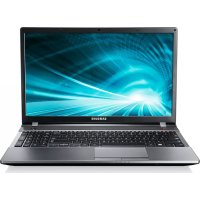
NP550P5CS02BE - Laptop SAMSUNG - Free user manual and instructions
Find the device manual for free NP550P5CS02BE SAMSUNG in PDF.


Download the instructions for your Laptop in PDF format for free! Find your manual NP550P5CS02BE - SAMSUNG and take your electronic device back in hand. On this page are published all the documents necessary for the use of your device. NP550P5CS02BE by SAMSUNG.
USER MANUAL NP550P5CS02BE SAMSUNG
Getting Started Contents
Chapter 1. Getting Started
3 Before You Start 6 Safety Precautions 21 Proper Posture During Computer Use 24 Overview 33 Turning the Computer On and O
Chapter 3. Using the computer
46 Keyboard 49 Touchpad 53 CD Drive (ODD, Optional) 54 Multi Card Slot (Optional) 56 Connecting an External Display Device 60 Adjusting the Volume 62 LCD Brightness Control 63 Wired Network 66 Wireless Network (Optional) 68 Using the Multimedia App (Optional) 72 Samsung Software Update 73 Diagnosing the Computer Status and Troubleshooting 74 Using the Security Slot (Optional)
Chapter 4. Settings and Upgrade
76 BIOS Setup 78 Setting a Boot Password 81 Changing the Boot Priority 82 Upgrading Memory 84 Adding a Hard Drive (optional, 550P7C models only) 86 Battery
Getting Started Before You Start Before reading the User Guide, rst check the following information. Optional items, some devices and software referred to in • the User Guide may not be provided and/or changed by upgrade. Note that the computer environment referred in the User Guide may not be the same as your own environment. The pictures used for the cover and the main body in the • User Manual are those of the representative model of each series and may dier from the actual appearance of the product. This guide decribes procedures for using both the mouse • and the touchpad. This manual has been written for the Windows 8 operating • system. The descriptions and gures may dier depending on the installed operating system. The User guide supplied with this computer may vary • depending on your model. Using the software From the • Start Screen, right-click any area and select All Apps in the bottom right corner. Then, click a desired program. Or you can simply launch Quick Starter to do the same. You can install • Quick Starter from SW Update.4
Chapter 1 Getting Started
Before You Start Safety Precaution Notations Icon Notation Description Warning Failure to follow instructions marked with this symbol, may cause personal injury and or fatality. Caution Failure to follow instructions marked with this symbol, may cause slight injury to yourself or damage your property. Text Notations Icon Notation Description Caution Content included in this section includes information required about the function. Note Content included in this section includes helpful information to use the function. Copyright © 2012 Samsung Electronics Co., Ltd. Samsung Electronics Co., Ltd. owns the copyright of this manual. No part of this manual may be reproduced or transmitted in any form or by any means, electronic or mechanical, without the consent of Samsung Electronics Co., Ltd. The information in this document is subject to change without notice due to improving the performance of the product. Samsung Electronics shall not be liable for any data loss. Please take care to avoid losing any important data and backup your data to prevent any such data loss. OS and Software Support If you change the product’s factory OS (Operating System) to another OS or if you install software which is not supported by the product’s original factory OS, you will not receive any technical support, product exchange or refund. And a fee will be charged when requesting a service. Please use your computer with the original factory OS. If you install an OS other than the factory OS, data may be deleted or the computer may not start.4
Chapter 1 Getting Started
About the Product Capacity Representation Standard About the capacity representation of the storage The capacity of the storage device (HDD, SSD) of the manufacturer is calculated assuming that 1KB=1,000 Bytes. However, the operating system (Windows) calculates the storage device capacity assuming that 1KB=1,024 Bytes, and therefore the capacity representation of the HDD in Windows is smaller than the actual capacity due to the dierence in capacity calculation. (E.g. For a 80GB HDD, Windows represents the capacity as 74.5GB, 80x1,000x1,000x1,000 byte/(1,024x1,024x1,024)byte = 74.505GB) In addition, the capacity representation in Windows may be even smaller because some programs such as Recovery may reside in a hidden area of the HDD. About Memory Capacity Representation The memory capacity reported in Windows is less than the actual capacity of memory. This is because BIOS or a video adapter uses a portion of memory or claims it for further use. (E.g. For 1GB(=1,024MB) memory installed, Windows may report the capacity as 1,022MB or less) Before You Start6
Chapter 1 Getting Started
Installation Related Do not install the product in places exposed to humidity such as a bathrooms. There is a danger of electric shock. Use the product within the operating conditions specied in the Manufacturers User Guide. Keep the plastic bags out of the reach of children. There is a danger of suocation. Keep a distance of 15cm or more between the computer and the wall and do not place any objects between them. This may increase the internal temperature of the computer and may cause an injury. Safety Precautions Do not install the computer on a slant or a place prone to vibrations, or avoid using the computer in that location for a long time. This increases the risk that a malfunction or damage to the product will occur. Be careful that people are not exposed to the computer’s ventilator, adapter, etc., as they generate heat over a long period of time when your PC is powered on. Exposing a part of your body close to the heat from the vent or AC adapter for long periods of time may cause a burn. Avoid blocking the vent at the bottom or side of the computer when using it on a bed or cushion. If the vent is blocked, there is a danger of damaging the computer or overheating the inside of the computer. For your security and to prevent damage, please read the following safety instructions carefully. Since this is commonly applied to Samsung Computers, some pictures may dier from actual products. Warning Failure to follow instructions marked with this symbol may cause personal injury and even fatality. Ver 3.26
Chapter 1 Getting Started
If the power cord or power outlet makes a noise, disconnect the power cord from the wall outlet and contact a service center.There is a danger of electric shock or re hazard.Do not use a damaged or loose main plug or power cord or power outlet.There is a danger of electric shock or re hazard.
Plug the power cord rmly into the power outlet and AC adapter.Failure to do so may cause re hazard.
Do not unplug the power cord by pulling the cable only.If the cord is damaged, it may cause electric shock.Do not bend the power cord excessively or do not place a heavy object over the power cord. It is especially important to keep the power cord out of reach of infants and pets.If the cord is damaged, it may cause electric shock or re. Power Related The power plug and wall outlet gures may dier depending on the country specications and the product model.
Do not touch the main plug or power cord with wet hands.There is a danger of electric shock.Do not exceed the standard capacity (voltage/current) of a multiplug or power outlet extension when using it for the product.There is a danger of electric shock or re hazard. Safety Precautions Warning Failure to follow instructions marked with this symbol may cause personal injury and even fatality.8
Chapter 1 Getting Started
Connect the power cord to an outlet or multiple power plug (extended cable) with a ground terminal. Failure to do so may result in electric shock. When the power supply is ungrounded, the current may leak resulting in electric shock. If water or another substance enters the power input jack, AC adapter or the computer, disconnect the power cord and contact the service center. If the notebook computer has an external type (removable) battery, separate the battery also. Damage to the device within the computer may cause electric shock or re hazard. Keep the power cord or outlet clean so that they are not covered with dust. Failure to do so may result in re. AC Adapter Usage Precautions Connect the power cord to the AC adapter rmly. Otherwise, there is a danger of re due to an incomplete contact. Use only the AC adapter supplied with the product. Using another adapter may cause the screen to icker. Do not place heavy objects or step onto the power cord or AC adapter to avoid damaging the power cord or AC adapter. If the cord is damaged, there is a danger of electric shock or re. Unplug the wall-mount AC adapter (adapter and plug intergrated type) from the wall outlet while holding the body and pulling it in the direction of the arrow. If you unplug the adapter by holding and pulling the cable, the adapter may be damaged and an electric shock, explosive sound or spark may occur as a result. Warning Failure to follow instructions marked with this symbol may cause personal injury and even fatality. Safety Precautions8
Chapter 1 Getting Started
Battery Usage Related Please charge the battery fully before using the computer for the rst time. Keep the battery out of the reach of infants and pets, as they could put the battery into their mouths. There is a danger of electric shock or choking. Use an authorized battery and AC adapter only. Please use an authorized battery and adapter approved by Samsung Electronics. Unauthorized batteries and adapters may not meet the proper safety requirements and may cause problems or malfunctions and result in an explosion or re. Warning Failure to follow instructions marked with this symbol may cause personal injury and even fatality. Safety Precautions Do not use the computer in a badly ventilated location such as on bedding, on a pillow or cushion, etc, and do not use it in a location such as room with oor heating as it may cause the computer to overheat. Take care that the computer vents (on the side or the bottom) are not blocked especially in these environments. If the vents are blocked, the computer may overheat and it may cause a computer problem, or even an explosion. Do not use the computer in a humid location such as a bathroom or sauna. Please use the computer within the recommended temperature and humidity range (10~32ºC, 20~80% RH). Do not close the LCD panel and put the computer into your bag to move it when it is still turned on. If you put the computer into your bag without turning it o, the computer may overheat and there is a danger of re. Shut the computer down properly before moving it.10
Chapter 1 Getting Started
Cutting the power to the internal battery (for corresponding models only.) For products with built-in batteries, customers cannot remove • the battery. In the case of ooding, lightning or explosions, you can cut • the battery power by inserting an object such as a paper clip into the [Emergency Hole] at the bottom of the computer. Disconnect the AC adapter and insert an object such as a • paper clip into the hole at the bottom of the computer to cut the battery power. In the case of ooding, lightning or explosions, cut the battery power, do not reconnect the AC adapter, and immediately contact Samsung Electronics so that the appropriate countermeasures can be taken. Never heat the product(or battery) or put the product(or battery) into a re. Do not put or use the product(or battery) in a hot location such as a sauna, inside a vehicle exposed to the heat, and so on. There is a danger of an explosion or re. Take care not to allow metal objects such as a key or clip to touch the battery terminal (metal parts). If a metal object touches the battery terminals, it may cause excessive current ow and it may damage the battery, or result in a re. If liquid leaks out of the product(or battery) or there is a funny smell coming from the product(or battery), remove the the product(or battery) the computer and contact a service center. There is a danger of an explosion or re. To use the computer safely, replace a dead battery with a new, authorized battery. Safety Precautions Warning Failure to follow instructions marked with this symbol may cause personal injury and even fatality.10
Chapter 1 Getting Started
Safety Precautions Warning Failure to follow instructions marked with this symbol may cause personal injury and even fatality. Thereafter, if you connect the AC adapter, the battery power • will be supplied again. Do not cut the battery power under normal • conditions. This may result in data loss or a product • malfunction. The location of the Emergency Hole may dier depending on the model. Usage Related Disconnect all cables connected to the computer before cleaning it. If your notebook is external & removable battery type, remove the external battery. There is a danger of electric shock or damage to the product. Do not connect a phone line connected to a digital phone to the modem. There is a danger of a electric shock, re or damage to the product. Do not place any container lled with water or chemicals over or near the computer. If water or chemicals enter the computer, this may cause re or electric shock. If the computer is broken or dropped, disconnect the power cord and contact a service center for a safety check. If the notebook computer has an external type (removable) battery, separate the battery also. Using a broken computer may cause electric shock or re hazard.12
Chapter 1 Getting Started
Upgrade Related Never disassemble the power supply or AC adapter. There is a danger of electric shock. When removing the RTC (Real Time Clock) battery, keep it out of the reach of children as they could touch and/or swallow it. There is a danger of choking. If a child has swallowed it, contact a doctor immediately. Use only authorized parts (multi- plug, battery and memory) and never disassemble parts. There is a danger of damaging the product, electric shock or re hazard. Shut down the computer and disconnect all cables before disassembling the computer. If there is a modem, disconnect the phone line. If your notebook is external & removable battery type, remove the external battery. Failure to do so, may cause electric shock. Avoid direct sunlight when the computer is in an air-tight location such as inside a vehicle. There is a danger of a re hazard. The computer may overheat and also present opportunity to thieves. Do not use your computer for long periods of time while any part of your body is making direct contact with it. The temperature of the product may increase during normal operation. This may result in harming or burning your skin. Safety Precautions Warning Failure to follow instructions marked with this symbol may cause personal injury and even fatality.12
Chapter 1 Getting Started
When carrying the notebook computer with other items, such as the adapter, mouse, books etc, take care not to press anything against the notebook computer. If a heavy object is pressed against the notebook computer, a white spot or stain may appear on the LCD. Therefore, take care not to apply any pressure to the notebook. In this case, place the notebook computer in a separate compartment away from the other objects. Security and Movement Related Follow the instructions for the relevant location (e.g. airplane, hospital, etc.) when using a wireless communication device (wireless LAN, Bluetooth, etc.). Avoid exposing a drive to magnetic elds. Security devices with magnetic elds in- clude airport walk-through devices and se- curity wands. The airport security devices that check car- ry-on luggage, such as conveyor belts, use x-rays instead of magnetism and will not damage a drive. Safety Precautions Warning Failure to follow instructions marked with this symbol may cause personal injury and even fatality.14
Chapter 1 Getting Started
Safety Precautions Installation Related Do not block the ports (holes), vents, etc. of the product and do not insert objects. Damage to a component within the computer may cause electric shock or re. When using the computer with it lying on its side, place it so that the vents face upwards. Failure to do so, may cause the internal temperature of the computer to rise and the computer to malfunction or halt. Do not place a heavy object over the product. This may cause a problem with the computer. In addition, the object may fall and cause injury, or damage the computer. Battery Usage Related Dispose of worn-out batteries properly. There is a danger of re or explosion.• The battery disposal method may dier depending on • your country and region. Dispose of the used battery in an appropriate way. Do not throw or disassemble the battery and do not put it into water. This may cause an injury, re or explosion. Use only a battery authorized by Samsung Electronics. Failure to do so may cause an explosion. Avoid contact with metal objects such as car keys or clips when keeping or carrying a battery. Contact with a metal may cause excessive current and a high temperature and may damage the battery or cause a re. Charge the battery according to the instructions in the manual. Failure to do so, may cause an explosion or re from damage to the product. Do not heat the product(or battery) or expose it to heat (e.g. inside a vehicle during the summer). There is a danger of explosion or re. Caution Failure to follow instructions marked with this symbol may cause slight injury or damage to the product.14
Chapter 1 Getting Started
Usage Related Do not place a candle, light cigar, etc. over or on the product. There is a danger of re. Use a wall outlet or multi-plug with a grounding part. Failure to do so may cause electric shock hazard. Make sure to have the product tested by a safety service engineer after repairing the product. Authorized Samsung Repair Centers will carry out safety checks after a repair. Using a repaired product without testing it for safety may cause an electric shock or re. In case of lightning, immediately turn the system o, disconnect the power cord from the wall outlet and phone line from modem. Do not use a modem or phone. There is a danger of electric shock or re. Do not use your computer and AC-Adapter on your lap or soft surfaces. If the computer temperature increases, there is a danger of burning yourself. Connect only permitted devices to the connectors or ports of the computer. Failure to do so, may cause electric shock and re. Close the LCD panel only after checking if the notebook computer is turned o. The temperature may rise and it may cause overheating and deformation of the product. Do not press the Eject Button while the CD-ROM drive is in operation. You might lose data and the disk might be suddenly ejected and could cause an injury. Take care not to drop the product while using it. This may cause personal injury or loss of data. Do not touch the antenna with electricity facility such as the power outlet. There is a danger of electric shock. When handling computer parts, follow the instructions on the manual supplied with the parts. Failure to do so, may cause damage to the product. Safety Precautions Caution Failure to follow instructions marked with this symbol may cause slight injury or damage to the product.16
Chapter 1 Getting Started
If the computer emits smoke, or there is a burning smell, disconnect the power plug from the wall outlet and contact a service center immediately. If your notebook is external & removable battery type, remove the external battery. There is a danger of re. Do not use a damaged or modied CD. There is a danger of damaging the product or personal injury. Do not insert your ngers into the PC Card Slot. There is a danger of injury or electric shock. Use recommended computer cleansing solution when cleaning the product and only use the computer when it is completely dried. Failure to do so may cause electric shock or re. Emergency disk eject method using paperclip should not be used while the disk is in motion. Make sure to use the emergency disk eject method only when the Optical Disk Drive has stopped. There is a danger of injury. Do not place your face close to the Optical Disk Drive tray when it is operating. There is a danger of injury due to an abrupt ejection. Check CDs for cracks and damage prior to use. It may damage the disc and cause disorder of device and injury of user. Safety Precautions Caution Failure to follow instructions marked with this symbol may cause slight injury or damage to the product.16
Chapter 1 Getting Started
Upgrade Related Take care when touching the product or parts. The device may be damaged or you may be injured. Take care not to throw or drop a computer part or device. This may cause injury or damage to the product. Make sure to close the computer cover before connecting the power after a reassembly. There is a danger of electric shock if your body touches an internal part. Use parts authorized by Samsung Electronics only. Failure to do so, may cause re or damage the product. Never disassemble or repair the product by yourself. There is a danger of electric shock or re. To connect a device that is not manufactured or authorized by Samsung Electronics, enquire at your service center before connecting the device. There is a danger of damaging the product. Security and Movement Related When moving the product, turn the power o and separate all connected cables rst. The product might be damaged or users may trip over the cables. For long periods of not using the notebook computer, discharge the battery and preserve as it is detached. (For external & removable battery type) The battery will be preserved at its best condition. Do not operate or watch the computer while driving a vehicle. There is a danger of a trac accident. Please concentrate on driving. Safety Precautions Caution Failure to follow instructions marked with this symbol may cause slight injury or damage to the product.18
Chapter 1 Getting Started
Cautions on Preventing Data Loss (Hard Disk Management) Take care not to damage the data on a hard disk drive. A hard disk drive is so sensitive to external impact that an • external impact may cause loss of data on the surface of the disk. Take extra care, because moving the computer or an impact • on the computer when it is turned on may damage the data of the hard disk drive. The company is not liable for any loss of data on the hard disk • drive. Causes that may damage the data of a hard disk drive and the hard disk drive itself. The data may be lost when an external impact is applied to the • disk while disassembling or assembling the computer. The data may be lost when the computer is turned o or reset • by a power failure while the hard disk drive is operating. The data may be lost and irrecoverable due to a computer virus • infection. The data may be lost if the power is turned o while running a • program. Sudden impact or movement to the computer while the hard • disk drive is operating, may cause les to be corrupted or bad sectors on the hard disk. To prevent data loss due to damage to the hard disk drive, please backup your data frequently. Safety Precautions Caution Failure to follow instructions marked with this symbol may cause slight injury or damage to the product.18
Chapter 1 Getting Started
Safety Precautions Using the power supply in an airplane Since the power outlet type diers depending on the type of airplane, connect the power appropriately. Since the representative gures of the power plug and the auto adapter are used, they may dier from the actual parts. When using the AC power plug Connect the power plug pins perpendicular into the center of the power outlet. If the plug pins are not inserted into the center of the holes, the • plug pins are only inserted up to half their length. In this case, reconnect the power plug. You have to insert the power plug into the outlet when the • power indicator (LED) of the power outlet is lit green. If the power is connected properly, the power indicator (LED) remains green. Otherwise, the power indicator (LED) is turned o. In this case, unplug the power, check if the power indicator (LED) is green, and then reconnect the power plug. Wrong Example Good Example 220V Power Plug 110V Power PlugCenter HolesPower Indicator (LED)20
Getting Started Safety Precautions When using the auto adapter When the cigar socket is provided, you have to use the auto adapter (optional). Insert the cigar plug of the auto adapter into the cigar socket and connect the DC plug of the auto adapter to the power input port of the computer. Auto AdapterIn-ight Cigar SocketCigar PlugDC Plug When using the Airplane Charging Converter Depending on the airplane, you have to use the auto adapter and charging converter. Connect the airplane charging converter (optional) to the auto adapter (optional) and then insert the airplane power input jack into the power outlet. Charging Converter Connect this end to the auto adapter.Connect the airplane power input jack to the power outlet of the airplane.
Chapter 1 Getting Started
Proper Posture During Computer Use Maintaining a proper posture during computer use is very important to prevent physical harm. The following instructions are about maintaining a proper posture during computer use developed through human engineering. Please read and follow them carefully when using the computer. Otherwise, the probability of (RSI: Repetitive Strain Injury) from repeated operations may increase and serious physical harm may be caused. The instructions in this manual have been prepared so that • they can be applied within the coverage of general users. If the user is not included in the coverage, the • recommendation is to be applied according to the user’s needs. Proper Posture Adjust the heights of desks and chairs appropriate to your height. The heights are to be adjusted so that your arm forms a right angle when you place your hand over the keyboard while sitting down on a chair. Adjust the height of chair so that your heel is comfortably placed on the oor. Do not use the computer while you are lying down, but only • while you are sitting down. Do not use the computer on your lap. If the computer • temperature increases, there is a danger of burning yourself. Work while keeping your waist straight.• Use a chair with a comfortable back.• Keep the center of your leg weight not on the chair but on • your feet when you are sitting on a chair. To use the computer while talking over the telephone, use a • headset. Using the computer with the phone on your shoulder is bad for posture. Keep frequently used items within a comfortable work range • (where you can reach them with your hands).22
Getting Started Proper Posture During Computer Use Eye Position Keep the monitor or LCD away from your eyes by at least 50cm. Adjust the height of the monitor and the LCD screen so that its • top height is equal to or lower than your eyes. Avoid setting the monitor and LCD excessively bright.• Keep the monitor and LCD screen clean.• If you wear glasses, clean them before using the computer.• When entering contents printed on a paper into the computer, • use a static paper holder so that the height of the paper is almost equal to that of the monitor. Hand Position Keep your arm at a right angle as shown by the gure. Keep the line from your elbow to your hand straight.• Do not place your palm over the keyboard while typing.• Do not hold the mouse with excessive force.• Do not press the keyboard, touchpad or mouse with excessive • force. It is recommended connecting an external keyboard and • mouse when using the computer for long periods of time.22
Getting Started Proper Posture During Computer Use Volume Control (Headphones and Speakers) Check your volume rst to listen to music. Check your volume! Check if the volume is too loud before using headphones.• It is not recommended using headphones for long periods of • time. Any deviation from the equalizer default setting could cause • hearing impairment. The default setting can be changed through software and • driver updates without your intervention. Please check the equalizer default setting before rst usage. Use Time (Break Time) Take a break for 10 minutes or more after a 50-minute period • when working for more than one hour. Illumination Do not use the computer in dark locations. The illumination • level for computer use must be as bright so for reading a book. Indirect illumination is recommended. Use a curtain to prevent • reection on the LCD screen. Operation Condition Do not use the computer in hot and humid locations.• Use the computer within the allowed temperature and • humidity range specied in the User Guide.24
Getting Started Overview Front View (For 550PxC models) The pictures used for the cover and the main body in the • User Manual are those of the representative model of each series. Therefore the colors and appearance of the pictures may dier from the actual appearance of the product depending on the model. The items marked as optional may not be provided or may • be provided in dierent locations.
1 Camera (Optional) Using this camera, you can take still pictures and record video. You can take a picture or make a movie using the Charms > Start > Camera.
Camera operating indicator (Optional) This indicates the camera operating status. 3 LCD The screen images are displayed here. 4 Speaker A device used to generate sound. 5 Power Button Turns the computer on and o. 6 Keyboard A device to enter data by pressing the keys.
Touchpad/ Touchpad Buttons The touchpad and touchpad buttons provide functions similar to the mouse ball and buttons. 8 Status Indicators Shows the operating status of the computer. The corresponding operating LED is lit when the corresponding function operates. 9 Multi Card Slot A card slot supports multi cards. 10 Microphone You can use the built-in microphone.24
HDD/ODD This turns when either the HDD or ODD is being accessed.
Wireless LAN This turns on when the wireless LAN is operating. 3 Charge Status This shows the power source and the battery charge status. Green: When the battery is fully charged or the battery is not installed. Orange: When the battery is being charged. O: When the computer is running on battery power without being connected to AC adapter. 4 Power This shows the computer operating status. On: When the computer is operating. Blinks: When the computer is in Sleep mode.26
CD Drive (ODD) (Optional) Plays CD or DVD titles. Since an ODD(Optical Disk Drive) is optional, the installed drive depends on the computer model.
USB 2.0 Port You can connect USB devices to the USB port such as a keyboard/mouse, digital camera, etc.
Security Slot You can secure the computer by connecting a lock and cable to the Security Slot.26
What is a chargeable USB port? USB device accessing and charging functions are • supported. The USB charging function is supported regardless of • whether the power is turned on or o. Charging a device through a chargeable USB port may take • longer than general charging. Using the Chargeable USB function when the computer is • running on battery power reduces the battery usage time. The user cannot evaluate the charging status of the USB • device from the computer. This may not be supported for some USB devices.• You can turn the Chargeable USB function • ON/OFF by selecting the Settings > General > USB Charging option. (Optional) 1 DC Jack A jack to connect the AC adapter that supplies power to the computer.
Wired LAN Port Connect the Ethernet cable to this port. 3 Fan Vents The internal heat of the computer is emitted through these holes. If the vents are blocked the computer may overheat. Avoid blocking the vents as this may be dangerous. 4 Monitor Port A port used to connect a monitor, TV or projector supporting a 15pin D-SUB interface.
Digital Video/ Audio Port (HDMI) (Optional) You can connect an HDMI cable to this port. Using this port, you can enjoy digital video and audio on the TV.
Chargeable USB 3.0 Port (Optional) USB ports to which you can connect USB devices as well as a chargeable USB port are provided. Using a chargeable USB port, you can access or charge a USB device. The port can be distinguished by the gure ( or ) printed on the port of the product. For Windows XP, the USB 3.0 feature may be restricted.
Microphone Jack A jack used to connect the microphone.
Headphone Jack A jack used to connect the headphones.28
Getting Started Overview Front View (For 500P4x, Q470x models) The pictures used for the cover and the main body in the • User Manual are those of the representative model of each series. Therefore the colors and appearance of the pictures may dier from the actual appearance of the product depending on the model. The actual color and appearance of the computer may • dier from the pictures used in this guide.
Camera (Optional) Using this camera, you can take still pictures and record video. You can take a picture or make a movie using the Charms > Start > Camera.
Camera operating indicator (Optional) This indicates the camera operating status.
LCD The screen images are displayed here.
LCD Panel On/O Button Turns the LCD on and o.
Speaker A device used to generate sound.
Power Button Turns the computer on and o.
Keyboard A device to enter data by pressing the keys.
Touchpad/ Touchpad Buttons The touchpad and touchpad buttons provide functions similar to the mouse ball and buttons.
Multi Card Slot A card slot supports multi cards.
Microphone You can use the built-in microphone.
Smart Auto O Button You can turn the computer o automatically by specifying a time when the computer is turned o or by specifying a minimum Internet data rate so that when the data rate is below the threshold, the computer is automatically turned o.
Easy File Share Button Launches the Easy File Share program that enables you to share les. For more information, refer to the online help of the program.28
Charge Status This shows the power source and the battery charge status. Green: When the battery is fully charged or the battery is not installed. / Red or orange: When the battery is being charged. O: When the computer is running on battery power without being connected to AC adapter. 2 Power This shows the computer operating status. On: When the computer is operating. Blinks: When the computer is in Sleep mode.30
Chapter 1 Getting Started
Overview Right View (For 500P4x, Q470x models)
CD Drive (ODD) (Optional) Plays CD or DVD titles. Since an ODD(Optical Disk Drive) is optional, the installed drive depends on the computer model.
USB 2.0 Port You can connect USB devices to the USB port such as a keyboard/mouse, digital camera, etc.
Security Slot You can secure the computer by connecting a lock and cable to the Security Slot. System Light Function (For 500P4x, Q470x models) For operations at night or when it is dark, port lights and a keyboard backlight are provided. Port Lights Keyboard Backlight (Optional) To set the system light function Press the + / key combination.30
What is a chargeable USB port? USB device accessing and charging functions are • supported. The USB charging function is supported regardless of • whether the power is turned on or o. Charging a device through a chargeable USB port may take • longer than general charging. Using the Chargeable USB function when the computer is • running on battery power reduces the battery usage time. The user cannot evaluate the charging status of the USB • device from the computer. This may not be supported for some USB devices.• You can turn the Chargeable USB function • ON/OFF by selecting the Settings > General > USB Charging option. (Optional) 1 DC Jack A jack to connect the AC adapter that supplies power to the computer.
Wired LAN Port Connect the Ethernet cable to this port. 3 Monitor Port A port used to connect a monitor, TV or projector supporting a 15pin D-SUB interface.
Digital Video/ Audio Port (HDMI) (Optional) You can connect an HDMI cable to this port. Using this port, you can enjoy digital video and audio on the TV.
(Optional) USB ports to which you can connect USB devices as well as a chargeable USB port are provided. Using a chargeable USB port, you can access or charge a USB device. The port can be distinguished by the gure ( or ) printed on the port of the product. For Windows XP, the USB 3.0 feature may be restricted.
Ear-set / headset Jack This is the jack for connecting an ear-set or headset.32
1 Battery This is a Lithium-Ion rechargeable battery that supplies power to the computer. 2 Battery Latches The latch used to remove or install the battery.
Sub-Woofer Speaker (Optional) A device used to produce mid and low frequency sound louder.
Memory Compartment Cover/ Hard Disk Drive Compartment Cover The main memory and hard disk drive is installed inside the cover. Bottom View (For 500P4x, Q470x models)
Height Adjustment Legs These are used to adjust the height of the computer. 2 Battery This is a Lithium-Ion rechargeable battery that supplies power to the computer. 3 Battery Latches The latch used to remove or install the battery.
Memory Compartment Cover/ Hard Disk Drive Compartment Cover The main memory and hard disk drive is installed inside the cover. Overview32
Chapter 1 Getting Started
Turning the Computer On and O Turning the computer on
Connect the AC adapter.
Lift the LCD panel up.
Press the Power button to turn the computer on.
Power button LED is lit while the computer is turned on. LED About Windows Activation When you turn the computer on for the rst time, the Windows activation screen appears. Follow the activation procedures according to the instructions on the screen to use the computer. Adjusting the screen brightness When the computer runs on battery power, the LCD brightness is automatically set to low. Press the + key combination to increase the screen brightness.
The Charms menu appears when you place your mouse pointer at the edge of the top or bottom right of the screen. Alternatively, if you place your nger on the right edge of the touchpad and drag your nger toward the center, the Charms menu appears.
Increase the bar by pressing the Settings áᔪŖᮁ᯲ᰆ⊹ᖅᱶ > Brightness
Chapter 1 Getting Started
Turning the computer o Since the procedures to turn the computer o may dier • depending on the installed operating system, please turn the computer o according to the procedures for the purchased operating system. Save all your data before clicking on • Shut down.
The Charms menu appears when you place your mouse pointer at the edge of the top or bottom right of the screen.
> Shut down. If you want to power o your computer when you are logged out, unlock the screen and click Power
> Shut down. Turning the Computer On and OChapter 2. Using Windows 8 What is Microsoft Windows 8? 36 Screen At a Glance 37 Using the Charms 39 Using Apps 41 Windows Hot Key Function 4436
Chapter 2 Using Windows 8
What is Microsoft Windows 8? Microsoft Windows 8 (hereafter referred to as Windows) is an operating system that is required for operating a computer. To use your computer optimally, you need to know how to use it properly. Therefore, It is better to learn how to use Windows by utilizing Windows Help and Support. The screen may appear somewhat dierent depending on • the model and the operating system. Since this guide has been prepared based on Windows • 8, some of the instructions may dier depending on the version. It may also be modied without prior notice. Displaying Help Press the F1 Key on the keyboard to display the Help. Alternatively, place your mouse cursor over the end of the top or bottom right area on the screen to display the Charms menu. Click Charms menu > Settings > Help. If you are connected to the internet, you can access the most recent online Help. Searching for Help Getting Started You can view basic instructions on how to use your computer including new function(s) for the Windows OS. Internet & networking After connecting to the network, you can check the Help section required to use the internet. Security, Privacy, & accounts You can check the Help information required to protect your computer and personal information.36
Screen At a Glance Windows 8 provides both the new Start screen mode and the Desktop mode of the existing OS. Start Screen Desktop Start Screen When you turn on the computer, the Start screen is displayed, which allows you to use the applications (Application, App, hereafter referred to as an App) at the same location.
1 Start Screen Refers to the default Start screen of Windows 8. 2 App Refers to the apps that are currently installed.
Displaying the Charms The Charms is hidden at the right of the screen. Place your mouse pointer at the edge of the top or bottom right of the screen to display the Charms. Or you place your nger on the right edge of the touch pad and drag your nger toward the center, the Charms menu appears. 4 User Account This refers to the currently used user account. 5 Charms This refers to the menu that allows you to use functions such as Search, Share, Start, Device and Settings. 6 Desktop Switches to Desktop mode. 7 Camera Allows you to take pictures or make a movie.38
Chapter 2 Using Windows 8
Screen At a Glance Desktop This provides similar functions to those provided by the Desktop in prior Windows versions.
1 Desktop Refers to the Desktop.
Displaying the Charms The Charms is hidden at the right of the screen. Place your mouse pointer at the edge of the top or bottom right of the screen to display the Charms. 3 Charms This refers to the menu that allows you to use functions such as Search, Share, Start, Device and Settings.
Switching to the Start Screen Click the corner of the bottom left of the screen to switch to the Start screen. Displaying Documents and Files Click Windows Explorer in the taskbar on the Desktop to search for documents and les.38
The Charms is a new type of menu that combines the Start menu with the Control Panel of existing Windows. The Charms allows you to quickly congure the device(s) connected to your computer, search for App(s)/le(s), and use the sharing function, etc. Activating the Charms If you move your mouse pointer to the top or bottom right corner of the screen, the Charms appears. Charms Displaying the Charms Menu Displaying the Charms Menu SearchShareStar tDeviceSettings If you want to search for a program or le in the App(s)/ Settings/File(s), simply enter a keyword in the Search charm and start Search. You can also search within an App or on the Web. SearchShareStar tDeviceSettings You can use this menu to transfer a picture or le to another user. You can easily share pictures or les with other users simply by associating multiple Apps with the Share charm. SearchShareStar tDeviceSettings You can move to the Start screen. SearchShareStar tDeviceSettings As this allows you to move directly to a desired device, you can handle tasks such as importing pictures from a digital camera, streaming a video to your TV or transferring les to a device on the current screen. SearchShareStar tDeviceSettings The Settings charm allows you to perform basic tasks such as adjusting the volume, turning o the PC, etc. If you select the Settings charm while a specic App is running, the settings for the currently running App are displayed. Using the Charms40
Chapter 2 Using Windows 8
Using the Charms Changing the Settings Frequently used Windows menus are collected.Click the Charms > Settings.Icon Name Function Description
Wireless NetworkYou can connect to a wireless network. Select a wireless network to connect to.
Adjusting the VolumeYou can adjust the volume or mute the sound.
Screen BrightnessYou can adjust the screen brightness.
NoticeYou can set the interval at which an App sends notices. PowerYou can turn o your computer or select the Power Options. ENG Language You can set the Language. Change PC settings You can change more settings.40
Using Apps An App refers to an application program (hereafter referred to as an App). In a larger sense, it refers to all the software programs installed on the operating system. Windows 8 provides basic Apps for frequently performed tasks. Starting/Exiting an App Click on an App in the Start screen to activate it. To exit the App
Move your mouse pointer to the top of the screen. Your mouse pointer changes to a hand shape.
Click and hold your mouse button and then drag it to the bottom of the screen. The App moves downward and disappears and exits.
Using Apps Displaying Currently Running App(s)
Move your mouse pointer to the top left corner of the screen to display the last run App.
Then, move your mouse pointer down to display a list of the currently running Apps in order.
Click on an App in that list or drag it to the center of the screen. Now, you can check the selected App which is currently running. Right-click over the App in the list and click Close to exit the App.
Using Apps Running Two Apps at the Same Time
Select the Apps in the Start screen.
Move your mouse pointer to the top of the screen. Your mouse pointer changes to a hand shape.
If you click and hold your mouse button and move left or right, you can split the screen to display multiple Apps.
Move the Screen Split Bar to change the screen split ratio. Supported screen split ratios are 3:7 or 7:3. Ex) If you run the Weather App and Store App at the same time Screen Split Bar Weather App Store App Adding/Removing an App to/from the Start Screen Click Start screen > right-click your mouse button. Click All Apps at the bottom of the screen to display all the Apps that are currently installed.
If you right-click over the App to be added, the relevant menu is activated at the bottom of your screen.
Click Pin to start or Unpin from Start . Ex) When removing an App in the Start screen
Using the Windows Store If you run the App Store in the Start screen, the Apps in the Windows Store are displayed. However, a Microsoft account is required to purchase App(s) in the Windows Store. Continue after registering your Microsoft Account in the Charms. Conguring your Microsoft Account A Microsoft Account allows you to synchronize your settings with other device(s) running Windows 8 online allowing you to share le(s) or settings. You should register a Microsoft Account to download or purchase App(s) from the Store.
Run the Charms and click Settings > Change PC Settings.
Click Users > Your Account > Switch to a Microsoft account.
Register your account through the following relevant procedures.
Using the computer46
Chapter 3. Using the computer
Keyboard Shortcut key functions and procedures are discussed in the following sections. The keyboard image may di er from the actual keyboard.• The keyboard may di er depending on your country. The following mainly describes the shortcut keys.• Shortcut Keys Press both the Fn key and hot key at the same time. Alternatively, press the Fn Lock key as well as a hot key to use the hot key functions more easily.
Using the computer Keyboard Shortcut Keys Name Function Settings The Samsung software control program, the Settings, is launched. Screen Brightness Control Controls the screen brightness. CRT/LCD Switches the screen output to the LCD or external monitor when an external monitor (or TV) is connected to the computer. Touchpad Turns the Touchpad function on or o. When using an external mouse only, you can turn the Touchpad o. Mute Press this button to turn the audio on or o. Volume Control Controls the volume. System Light Brightness Control (Optional) Adjusts the brightness settings of both the keyboard backlight and the port lights at the same time. For some models, the keyboard backlight function is not provided. Silent Mode Reduces the Fan noise so that users can use the computer without hearing noise. Airplane Mode Turns all wireless network devices on or o. (Only for models with a wireless network device.)48
Chapter 3. Using the computer
Other Function Keys (Optional) Performs the right-click mouse function (touchpad).
If you press the • Fn Lock key, you can use the hot key functions without pressing the Fn key. If the Fn Lock function is On• : You can use the hot key functions without pressing the Fn key. If the Fn Lock function is O• : You can use a hot key function by pressing the Fn key + the hot key at the same time. If the hot keys do not work properly, you have to install the Settings. Keyboard48
Chapter 3. Using the computer
Touchpad The touchpad provides the same function as a mouse and the left and right buttons of the touchpad plays the role of the left and right buttons of a mouse. Touch the touchpad with your ngers only. • Anything other than your ngers, such as a ball-point pen, will not be recognized by the touchpad. If you touch the Touchpad or press the Touchpad buttons • while booting up, the Windows boot time may be extended. Basic Touchpad Functions Moving the cursor on the screen Place your nger on the touchpad slightly and move your nger. The mouse cursor will move accordingly. Move your nger in the direction you wish to move the cursor. Click Function Place a nger on the touchpad and click on an item once. Alternatively, press the left button once quickly and release it. Tap Click
Double-Click Function Put your nger on the touchpad and quickly tap twice with your nger on an item you want. Alternatively, press the left touchpad button twice quickly. ClickClick TapTap or50
Chapter 3. Using the computer
Right Button Function This corresponds to clicking the right mouse button. Press the right touchpad button once. The corresponding pop-up menu appears. Click Drag Function Dragging refers to moving an item to another place after selecting it. Press and hold down the left touchpad button over an item you want to drag and move the item to the new location. Holding down the left touchpad button Move The Gesture Function of the Touchpad (Optional) The Touchpad Gesture function may not be provided and • the version of the function may dier depending on the model. Some usage procedures may dier depending on the version.For detailed usage procedures, refer to the description in • the Touchpad Settings window. Conguring the Gesture Function Some gesture functions may not be congured. In this case, you can congure them using the following path.
When the Touchpad Settings window appears, click the corresponding item in the Select an Item to Congure setting to select the checkbox for the corresponding item. To cancel the Gesture function, deselect the checkbox for the corresponding item in the Touchpad Settings window. Touchpad50
Chapter 3. Using the computer
The Scroll Function This function is the same as the scroll area of the Touchpad. If you place two ngers over the Touchpad and move them up, down, left or right, the screen is scrolled up, down, left or right accordingly.
Zoom Functions If you place two ngers over the Touchpad together or apart, the current image or text is zoomed in or out. Zoom-out Zoom-in
Charms Menu Activating Function If you place your nger on the right edge of the touch pad and drag your nger toward the center, the Charms menu appears. Displaying Additional Menu(s) of a Currently Running App Place your nger at the edge of the top area on the touch pad and drag your nger toward the center, and the menu of the currently running App appears. Touchpad52
Chapter 3. Using the computer
Last Run Window Opening Function Place your nger on the left edge of the touch pad and drag your nger towards the center to activate a previously operating program from among the currently running programs. Touchpad On/O Function Locking with shortcut keys If you want to use the mouse only without using the touchpad, you can turn the touchpad o. To lock the touchpad function, press the + keys. You can set the touchpad and touchpad button settings in the tabs that appear when clicking Charms menu on the Desktop > Settings > Control Panel > Hardware and Sound > Touchpad. Auto-locking when connecting USB mouse If an external USB pointing device is connected in the Charms menu in Desktop > Settings > Control Panel > Hardware and Sound > Touchpad, check Disabled to disable the touchpad feature when connecting to the USB mouse. This auto-locking function is not provided for some models. Touchpad52
Chapter 3. Using the computer
CD Drive (ODD, Optional) If your computer does not have a CD drive, you can purchase an external CD drive. Do not insert a cracked or scratched CD. • Otherwise, the CD may break and damage the optical disk drive when the CD rotates at a high speed.When you clean a CD or DVD title, wipe with a soft cloth • from inside to outside.Insert a Mini CD into the center of the CD drive.• The gures used for the description are of a representative • model. Therefore the gures may dier from the real ones.Using a CD that is not in the shape of a circle is not • recommended. Using CD Drive
Press the Eject button of the optical disk drive at the side of the computer. Emergency Hole Eject ButtonStatus Indicator
When the CD tray opens, insert a CD or DVD and push the tray in until it clicks.
Push the CD tray inward until it clicks. The CD drive status indicator is turned on. A CD drive’s reading and writing speed may dier • depending on the condition and type of the media.To eject a CD when the CD drive does not work or the • computer is o, place the end of a paper clip () into the Emergency Hole until the CD tray is ejected.54
Chapter 3. Using the computer
Multi Card Slot (Optional) Using the multi card slot, you can read and write data to cards. You can use a card as a removable disk and conveniently exchange data with digital devices such as a digital camera, digital camcorder, MP3, etc.. Supported Cards : SD Card, SDHC Card, SDXC Card• You have to additionally purchase a multi card with the • necessary capacity depending on your requirements.You can use a multi card just like any data storage device. • A copyright protection function is not supported.Since you can lose a card when moving the computer, • keep the card separately.The gures used for the description are of a representative • model. Therefore the gures may dier from the real ones.If a slot protection dummy card is inserted into your • computer, remove the dummy card before using the computer.These descriptions are written based on Windows 8, the • latest operating system. Therefore, some descriptions and gures may dier from your operating system. But as the usage is similar to other Windows operating systems, you can use these descriptions for reference. Using the card
Insert the card into the multi card slot in the indicated direction. Example) SD Card
The following message appears on the top right. Click to open the folder and click View Files. If a message appears to notify you of any problem, click the corresponding window > Continue without Scanning. You can perform the following process described in No. 3.54
Chapter 3. Using the computer
Windows Explorer runs on the Desktop. You can save, move and delete data on the corresponding drive. Using a Mini SD Since the above cards are too small, you cannot insert the cards into the slot directly. Insert the card into the dedicated adapter (available from most electronic retailers) and then insert the adapter into the multi card slot. To remove a memory card Take hold of the end of the card and remove the card. To format a memory card When using the memory card for the rst time, you must format the card before using it. Formatting a card deletes all data saved on the card. If the card includes data, backup the data before formatting it.
Click the Windows Explorer icon in the taskbar on the Desktop.
Right-click over a card drive with the touchpad and select Format.
Click Start to the formatting. To use a card to exchange data with a digital device such • as a digital camera, formatting the data using the digital device is recommended.When you try to use a card, which is formatted in the • computer, in another digital device, you may have to format the card again in the device.You cannot format, write or delete data from a SD, or SDHC • card with a write protection tab when it is in the Lock position.Inserting and removing a memory card repeatedly may • damage the memory card.56
Chapter 3. Using the computer
Connecting an External Display Device If you connect an external display device such as a monitor, TV, projector, etc., you can view the picture on the wider screen of the external device when you give a presentation or watch a video or movie. The computer provides an analog monitor port (D-SUB) and a digital video/audio port (HDMI). The visual quality is sharper when a display device is connected through the HDMI port rather than the analog monitor port (D-SUB) port. Therefore, when multiple ports are supported, connect a display device to a port that provides the better visual quality. Before you start, check the port and cable of the external display device and then connect the display device to the computer. About the connection cable Users should additionally purchase the necessary connection cables. D-SUB Cable HDMI Cable56
Chapter 3. Using the computer
Connecting to the monitor port (Optional) You can experience a wider screen by connecting the computer to a monitor, TV or projector with a monitor port. You can give better presentations by connecting the computer to a projector.
Connect the D-SUB port of the computer and the port of the monitor or TV with the monitor cable (15 pin). External Monitor
Connect the power cord of the connected monitor, TV or projector and turn the power on. Change your TV to external device mode when connecting to the TV.
Press the + key once to display a window to select the monitor mode. Select a mode. 3&ִփـࢿࢠѿءִփ PC Screen only The contents are only displayed on the PC monitor (current device). 3&ִփـࢿࢠѿءִփ Duplicate The contents of the current device are displayed on the external device as well. 3&ִփـࢿࢠѿءִփ Extend The screen of the current device is expanded to the external device. 3&ִփـࢿࢠѿءִփ Second screen Only The contents are displayed only on the screen of the external device. Alternatively, to set up dual view: Open the Display Settings window in the Control Panel, select Monitor 2 and select the Expand to t to this monitor checkbox to set dual view. For more detailed information, refer to the Windows online help. Connecting an External Display Device58
Chapter 3. Using the computer
Connecting through the HDMI port (Optional) By connecting the computer to a TV with a HDMI port, you can enjoy both a high visual quality and a high sound quality. After connecting a TV through HDMI, you have to congure the screen and sound.
Connect the HDMI cable to the HDMI port of the TV. External Monitor
Projector This is only supported for models that support a TV output • port (HDMI). When a TV provides more than one HDMI port, connect • the computer to the DVI IN port. When connecting the computer to a TV, switch the • external input mode of the TV to HDMI.
Press the + key once to display a window to select the monitor mode. Select a mode. 3&ִփـࢿࢠѿءִփ PC Screen only The contents are only displayed on the PC monitor (current device). 3&ִփـࢿࢠѿءִփ Duplicate The contents of the current device are displayed on the external device as well. 3&ִփـࢿࢠѿءִփ Extend The screen of the current device is expanded to the external device. 3&ִփـࢿࢠѿءִփ Second screen Only The contents are displayed only on the screen of the external device. External Monitor / TV is not supported in the DOS • Command Prompt window. Simultaneous output to all 3 (LCD + CRT + HDMI) is not • supported. Connecting an External Display Device58
Chapter 3. Using the computer
Using NVIDIA graphics more eciently (optional) NVIDIA Optimus is a function that enables automatic selection and usage of the internal or external graphics chipsets depending on the currently running software. For example, the internal graphics chipset can be used for Internet surng or word processing to minimize battery power consumption and the high-performance external graphics graphic chipset can be used for gaming or video processing to deliver a more realistic experience. The NVIDIA Optimus model supports Windows 8 only.• This function is only available in models that support the • NVIDIA Optimus technology. Registering programs to be executed by the external graphics chipset To run a program using the external graphics graphic chipset, you have to register the program in the NVIDIA Panel. Some programs are pre-registered. To register more programs (e.g. 3D games, etc.), complete the following steps.
Right-click over the Desktop and select NVIDIA Panel.
Select 3D Settings > Manage 3D settings in the left pane and select the Program Settings tab.
In the Select a program to customize(S) eld, click the Add button to register the software. You can register executable les (EXE) only.
In the Select the preferred graphics processor for this program (O) eld, select High-performance NVIDIA processor and click the Apply button.
The program has been registered. When you run the registered program, the program is executed using the external graphics chipset without requiring additional conguration. Connecting an External Display Device60
Chapter 3. Using the computer
Adjusting the Volume You can adjust the volume using the keyboard and the volume control program. Adjusting the Volume using the Keyboard + o
to adjust the control bar. Mute Using the Sound Recorder The procedures to record sound using the Windows Recorder are described below.
Connect a microphone to the microphone jack. You can also use the internal MIC.
Right-click over the Volume icon on the taskbar and select Recording Device.
Check if the microphone is set as the default recording device. If this is the case, it is already set as the default device. If not, right-click over the microphone and select Set default.
Chapter 3. Using the computer
Using SoundAlive (Optional) The SoundAlive function enables you to experience more stereophonic sound using stereo speakers. SoundAlive is only supported in Windows 8.• The software programs provider may vary, depending on • your computer model. In addition, some pictures may dier from actual product • depending on the computer model and software version.
Right-click over the Volume in the taskbar on the Desktop and click Play Device. (Alternatively, click the Charms menu on the Desktop > Settings áᔪŖᮁ᯲ᰆ⊹ᖅᱶ > Control Panel > Hardware and Sound > Sound.)
Right-click over the Speakers and select Properties.
Select the SoundAlive tab and select one of the modes. Adjusting the Volume62
Chapter 3. Using the computer
LCD Brightness Control The screen brightness is automatically set to the brightest level when AC power is connected and the brightness is automatically set dimmer when the computer runs on battery power to extend the battery use time. Controlling the Brightness Using the Keyboard
Adjust the brightness with the screen brightness control bar. Saving battery power consumption• Decreases the LCD brightness when the computer is running on battery power to save battery power consumption. LCD bad pixels principle of computer• Samsung observes the specications regarding strict quality and reliability of LCD. But in spite of that, it is inevitable that there might be a small number of bad pixels. A large number of bad pixels can cause problems in appearance, but a small number of pixels doesn’t aect the computer performance. Therefore Samsung observes and manages the following dot principles: - Bright dot : 2 or less - Black dot : 4 or less - Combination of Bright and Dark : 4 or less Instructions for Cleaning the LCD Clean the LCD panel with a soft cloth lightly moistened with computer cleansing detergent moving in one direction. Cleaning the LCD panel with excessive force can damage the LCD.62
Chapter 3. Using the computer
Wired Network A wired network is a network environment used for a company network or broadband internet connection at home. Since these descriptions are written on the basis of the • latest operating system, Windows 8, some of the content and the gures of the descriptions may dier depending on the operating system. Since the procedures for other Windows operating systems are similar, use the computer referring to these descriptions. The gures used for the description are of a representative • model. Therefore the gures may dier from the real ones. Connecting to the Wired LAN
Connect the LAN cable to the wired LAN port.
Control Panel > Network and Internet > Network and Sharing Center and click on Change adapter settings in the left menu pane.
Select Ethenet and click the right button of the touch pad and select Properties. The LAN Device name may dier depending on your computer’s Network Device.64
Chapter 3. Using the computer
Select Internet Protocol Version 4(TCP/IPv4) from the list of Network Components and click Properties. The Network Component name may dier depending on • the Operating System Installed. To add a network component, click Install in the screen • shown in the gure above. You can add clients, services, and protocols.
Congure the IP settings. When using DHCP, select Obtain an IP address automatically. To use a static IP address, select Use the following IP address, and set the IP address manually. When not using DHCP, ask your network administrator for the IP address.
When you have completed the settings, click the OK button. The network settings have been completed. Wired Network64
Chapter 3. Using the computer
Wired Network Using the WOL (Wake On LAN) function <Wake On LAN> is a function that activates the system from Sleep mode when a signal (such as a ping or magic packet command) arrives over the network (wired LAN).
Control Panel > Network and Internet > Network and Sharing Center and click on Change adapter settings in the left menu pane.
Right-click on the Wired Ethernet Connection and select Properties.
Click Congure > Power Management tab. Select Allow this device to wake the computer, then click OK. Restart the system. - If the system wakes up from Sleep mode even though there is no received signal, use the system after disabling the <Wake On LAN> function. - The LAN LED may not be turned o if System is shoutdown without disabling the WOL (Wake on LAN) option.
Connecting a wired LAN while using a wireless LAN may not activate the <Wake On LAN> function. Set the Wireless LAN to Disable to use the <Wake On LAN> function. - <Wake On LAN> feature may not work while using Hybrid power saving feature. Hybrid sleep mode can be disabled from Power Options under Control Panel. For Windows 8, Wake On LAN is not supported by Ping. When connected to a 100Mbps/1Gbps wired LAN and the computer exits Sleep/hibernation mode, a message appears informing you of a connection to a 10Mbps/100Mbps wired LAN. This happens because when the computer exits standby/hibernate mode, restoring the network takes about 3 seconds. When the network is restored, it operates at 100Mbps/1Gbps. When system is running on battery, some time it may take a few second extra after inserting LAN cable to be able to connect to internet. This symptom happen as a result of power saving feature to reduce battery consumption. When system is running on battery, the Wired LAN speed is decreased automatically to reduce battery consumption. In such case, a 1Gbps /100Mbps LAN would function at 100Mbps/10Mbps speed.66
Chapter 3. Using the computer
A wireless network (Wireless LAN) environment is a network environment that enables communicating between multiple computers at home or a small-size o ce through wireless LAN devices. The screen gures and terms may di er depending on the • model. Depending on the program version, some functions may • not be provided or di erent functions may be provided. The descriptions below are for computer models with • a Wireless LAN card or device. A Wireless LAN device is optional. The pictures in this manual may di er from the actual product depending on your wireless LAN device model. What is an Access Point ( AP)? An AP is a network device that bridges wired and wireless LANs, and corresponds to a wireless hub in a wired network. You can connect multiple wireless LAN installed computers to an AP. Wireless Network (Optional)66
Chapter 3. Using the computer
Wireless Network (Optional) Connecting to a Wireless LAN If there is an AP, you can connect to the Internet via the AP using the Wireless LAN connection method provided by Windows.
If you click the Charms menu > Settings áᔪŖᮁ᯲ᰆ⊹ᖅᱶ > Network Connections icon, a list of available APs appears. If you select an AP to connect to, the Connect button appears. AP List
Click Connect. If a network key is set for the AP, enter the network key and then click OK. For the network key, please ask your network administrator.
When the AP connection is completed, Connected is displayed next to the corresponding AP. You can now you can use the wireless network.68
Chapter 3. Using the computer
Using the Multimedia App (Optional) You can enjoy photo, video and music les with the S Camera, S Gallery and S Player apps. S Camera You can take photos and record videos with the S Camera app, and view them directly in this app. S Gallery Only photos or videos recorded with the S Camera app can be viewed with the S Camera app. S Player You can view the photo, video and music les saved on the computer. Depending on the version of the program, some functions may not be provided or dierent functions may be provided. Third-party software related services For descriptions about and service requests for third-party • software, please contact the relevant manufacturer. Some troubleshooting actions in response to service • requests may not work depending on the software manufacturer. You can launch an app in the Start screen.68
Chapter 3. Using the computer
You can enjoy photo, video and music les with the S Camera, S Gallery and S Player apps. S Camera You can take photos and record videos with the S Camera app, and view them directly in this app. S Gallery Only photos or videos recorded with the S Camera app can be viewed with the S Camera app. S Player You can view the photo, video and music les saved on the computer. Depending on the version of the program, some functions may not be provided or dierent functions may be provided.Third-party software related servicesFor descriptions about and service requests for third-party • software, please contact the relevant manufacturer.Some troubleshooting actions in response to service • requests may not work depending on the software manufacturer. You can launch an app in the Start screen. Using the S Camera app
To take a picture, slide the camera mode bar into the Photo position. To make a video recording, slide the camera mode bar to the Video position.
Tap on Take a picture/Record a video to take a picture or record a video.
You can view the picture or video using the Picture preview or S Gallery app. The S Camera app is not available in Desktop mode.Precautions while taking a picture or videoDo not take a picture or video of others without their • consent.Do not take a picture or video in locations where this is not • allowed.Do not take picture or videos in locations where you may • infringe on others’ privacy or condential information may be exposed. Using the Multimedia App (Optional)70
Chapter 3. Using the computer
Using the S Gallery app
Tap Charm menu > Start áᔪŖᮁ᯲ᰆ⊹ᖅᱶ > S Gallery. You can view the pictures and videos taken by the S Camera. In addition, you can apply special eects to the pictures using the photo editing function. You can take a picture in the S Gallery app by tapping the Camera icon. Editing a photo
Select Picture preview.Drag it upward slightly from the bottom center.If the options menu appears, select Edit
Chapter 3. Using the computer
Using the S Gallery app
Tap Charm menu > Start áᔪŖᮁ᯲ᰆ⊹ᖅᱶ > S Gallery. You can view the pictures and videos taken by the S Camera. In addition, you can apply special eects to the pictures using the photo editing function. You can take a picture in the S Gallery app by tapping the Camera icon. Editing a photo
Select Picture preview.Drag it upward slightly from the bottom center.If the options menu appears, select Edit . Select an eect to be applied to the photo. E.g. If you select DrawCloseUndoLine previewLine thickness SaveColorErase/DrawFrame Draw Stamp Using the S Player app
Tap Charm menu > Start áᔪŖᮁ᯲ᰆ⊹ᖅᱶ > S Player. My PhotosMy MusicMy VideosMy photo listMusic playlist Slideshow Select a menu to enjoy photo, video and music les.Some les may not be played depending on their format. Using the Multimedia App (Optional)72
Chapter 3. Using the computer
Samsung Software Update SW Update is a software program that searches for Samsung software programs and drivers installed when you purchased the computer and helps you update any drivers or programs. You can check updatable les before performing the • update only when you are connected to the internet. SW Update does not provide any updates for device • drivers or software programs installed separately by the user.
From the Start Screen, right-click any area and select All Apps in the bottom right corner. Then, click SW Update.
If the program is running for the rst time, the User Agreement for personal information use appears. Click Agree.
The SW Update program runs. Select the items that you want to update before proceeding with the update process. Software Update Software List72
Chapter 3. Using the computer
Diagnosing the Computer Status and Troubleshooting The Support Center program, which is Samsung’s computer’s troubleshooting guide, supports diagnosing the system and has a FAQ for frequently occurring problem(s). Support Center may not be provided or may be a dierent version depending on the model.
From the Start Screen, right-click any area and select All Apps in the bottom right corner. Then, click Support Center.
eSupport is activated and starts diagnosing your computer. After the diagnosing process is nished, the System Status menu displays a list of the current problems to be solved as shown. FAQ for computer’s major problems Diagnosing Computer and Troubleshooting Searching for computer’s problems
You can solve a problem by clicking the Troubleshoot button for the problem.74
Using the computer Using the Security Slot (Optional) You can secure the computer by connecting a lock and cable to the Security Slot. To use this feature, you have to purchase the lock and cable additionally. To use the lock and cable, refer to the product manual. Tie the lock and cable to a xed object and install the other end of the cable to the security slot.BIOS Setup 76 Setting a Boot Password 78 Changing the Boot Priority 81 Upgrading Memory 82 Adding a Hard Drive (optional, 550P7C models only) 84 Battery 86
Settings and Upgrade76
Chapter 4. Settings and Upgrade
BIOS Setup The BIOS Setup enables you to congure your computer hardware according to your needs. Use the BIOS setup to dene a boot password, change the • booting priority, or add a new device. Since incorrect settings may cause your system to • malfunction or crash, take care when conguring the BIOS. The functions of the BIOS setup are subject to change for • product function enhancement purposes. The BIOS Setup menus and items may dier depending on • your computer model. Entering the BIOS Setup
Turn the computer on. Immediately press the F2 key several times.
After a moment, the BIOS setup screen appears. The items in the BIOS setup may dier depending on the product.76
Chapter 4. Settings and Upgrade
The BIOS Setup Screen The BIOS Setup menus and items may dier depending on your computer model. Setup Menu Setup Items Help Help for the selected item appears automatically. Setup Menu Description SysInfo This is a description about the basic specications of the computer. Advanced Using this menu, you can congure the major chipsets and additional functions. Security Used to congure security functions, including passwords. Boot This menu enables you to congure peripherals and booting related settings such as the boot priority. Exit Used to exit the Setup either saving the changes or not. System Setup Keys In the Setup, you have to use the keyboard. F1 Press to view the Setup Help. Up & Down Keys Press to move up and down. F5/F6 Press to change the item value.
Press to load the default Setup settings. ESC Press to return to a higher level menu or to move to the Exit menu. Left & Right Keys Press to move to another menu. Enter Press to select an item or to enter a sub menu. F10 Press to save the changes and exit Setup. The keyboard image may dier from the actual keyboard. BIOS Setup78
Chapter 4. Settings and Upgrade
Setting a Boot Password If you set a password, you have to enter the password when you turn the computer on or enter the BIOS Setup. By conguring a password, you can restrict system access to authorized users only and protect data and les saved on the computer. The password setting provides the following 3 sub menus.• (Supervisor Password, User Password and HDD Password) Do not lose or forget your password. • Do not let others know your password.• If you forget the Supervisor Password or HDD Password, • you will need to request assistance from the service center. In this case, a service fee will be charged. When you forget the User Password, you can disable • the Supervisor Password, and the User Password is also automatically disabled. The screen images and terms may dier from actual • product depending on the computer model and driver version. Setting a Supervisor Password If you set a Supervisor Password, you need to enter the password when you turn the computer on or enter the BIOS Setup. Setting only the Supervisor Password and User Password is not very secure. You can use an HDD Password as well to increase the security level.
Select the Security menu in the BIOS Setup.
Enter a password, press <Enter>, re-enter the password for conrmation, and press <Enter> again. The password can be up to 8 alphanumeric characters. Special characters are not allowed.
The supervisor password has been set. The supervisor password is required to turn the computer on or to enter the BIOS Setup. For some models, if the password entered message appears in the Setup Notice window, the settings are not complete until the <Enter> key is pressed.78
Chapter 4. Settings and Upgrade
Setting a Boot Password Setting a User Password Using the User Password, you can turn the computer on but you cannot change the major settings of the BIOS Setup because you cannot enter the BIOS Setup. This helps prevent unauthorized access to the major settings in the BIOS Setup menu. Before conguring a user password, a supervisor password must have been congured. Deactivating the supervisor password also deactivates the user password. In the Set User Password item, press <Enter> and complete the procedures from Step 3 of Setting a Supervisor Password. Setting Up a Boot Password To setup a boot password, the administrator password (Set Supervisor Password) should be set in advance. Set the Password on boot item to Enabled. Once a boot password is set, you have to enter a password to boot up the computer. Be sure to remember the password for later use. Setting up a Hard Disk Drive Password (Optional) If you set a password for a hard disk drive, it cannot be accessed from another computer. Press <Enter> in the Set HDD Password item and dene a password as described in Step 3 of the Setting up the Supervisor Password. The hard disk drive password setting function is not • provided for some models. Changing the hard disk drive password• For security purposes, you can only change a hard disk drive password after restarting the computer by pressing the computer Power button. If you cannot change the hard disk drive password or the HDD Password Frozen message appears when entering the BIOS Setup and then selecting Security > HDD Password, press the Power button to turn the computer on again.80
Chapter 4. Settings and Upgrade
Setting a Boot Password Deactivating the Password
In the Enter Current Password item, enter the currently congured password and press <Enter>.
Leave the Conrm New Password eld empty, and press <Enter>. The password is deactivated. For some models the password is only canceled if the <Enter> key is pressed in the Setup Notice window.80
Chapter 4. Settings and Upgrade
Changing the Boot Priority As an example, the procedures to change the highest boot priority device to the hard disk drive are described below. The screen images and terms may dier from actual product depending on the computer model and driver version.
Select the Boot menu in the BIOS Setup.
Press the down key (
Press the F10 key to save the settings and exit Setup. The highest boot priority device is now set to the Hard Drive. If you need to boot to DOS using a USB device, enter the BIOS Setup, select the Advanced menu and set the Fast BIOS Mode item to Disabled.82
Chapter 4. Settings and Upgrade
Upgrading Memory One or more memory modules are installed on the computer. There are 2 memory slots and users can replace the installed memory or add new memory. Replace or install new memory only after shutting the • computer down completely. Do not replace or install memory when the computer is in Sleep mode. Disconnect main power plug and remove the battery before continuing. It is recommended that you add a memory module with • the same specication (the same manufacturer and the same capacity). The images used for the illustration are of a representative • model, therefore the images may dier from the the actual product. Adding or Replacing Memory Modules
Remove the screw on the memory cover at the bottom of the computer using a screw driver. Fixing Screw
Insert a new memory module into the memory slot at an angle of approximately 30 degrees aligning it to the angle of the memory slot.82
Chapter 4. Settings and Upgrade
Upgrading Memory Memory Slot
Push the memory module down so that it is completely xed. If the memory does not t easily, push the memory module down while pulling the memory module latches outward. Memory module latches
Close the memory cover and fasten the screw. Removing a memory module Pull the memory module latches outward. The memory module will pop up. Remove the memory module out at an angle of 30 degrees.84
Chapter 4. Settings and Upgrade
Adding a Hard Drive (optional, 550P7C models only) This computer contains either a single hard drive or dual hard drives (optional). If your computer has a single hard drive, you can install an additional hard drive in the secondary hard drive bay. The images used in the instructions below are for • illustration purposes only and may dier from the actual product.Supports 9.5mmH 2.5” SATA2 notebook hard drives only • (sold separately).Caution: Hard drive cases have sharp edges that can cause • injury.When adding another hard drive, use the secondary hard • drive case, connector, and screws that are provided with this product. Adding a Hard Drive
Shut down the computer completely and unplug the power adapter from the main unit.
Remove the hard drive bay cover screw and separate the cover. ScrewsSecondary Hard Drive BayPrimary Hard Drive Bay
Insert the secondary hard drive into the case so that all the holes are lined up and then
fasten the hard drive screws to secure the hard drive to the case. Case Hard Drive Screws z x84
Chapter 4. Settings and Upgrade
Adding a Hard Drive (optional, 550P7C models only)
Attach the connector to the new drive and insert the drive into the secondary hard drive bay. Connector
Connect the unconnected end of the cable to the connector on the computer so that the white dot on the connector of the cable is on the right.
Fasten the case screws. Case Screws
Attach the hard drive bay cover and fasten the screws. Once you have installed a secondary hard drive, format it in accordance with the instructions in the user manual of the hard drive before use.86
Chapter 4. Settings and Upgrade
Battery Please refer to the following instructions when running the computer on battery power without connecting the AC power. A Lithium-Ion smart battery is supplied with this computer. Carefully read and follow the precautions printed on the • battery before using the battery. Before using your computer for the rst time after • purchasing it, charge the battery completely. The images used for the illustration are of a representative • model, therefore the images may dier from the the actual product. Installing/Removing the Battery
Shutdown the system, close the LCD panel and place the computer upside down on a at surface.
Pull the two battery latches outwards , then remove the battery.
To install the battery again, slide the battery into the system. The battery latches move inwards and x the battery automatically. Check if the battery latch has been moved inwards.86
Chapter 4. Settings and Upgrade
Battery Charging the Battery
Attach the battery and connect the AC adapter to the DC-in jack of the computer. The battery will then start charging.
When charging is complete, the Charge LED turns green. Status Charge LEDChargingOrangeCharging completeGreen AC adapter not connected
Measuring the Remaining Battery Charge You can view the battery charge status by completing the following procedures. Conrming the battery charge in the Taskbar Disconnect the AC adapter and move the mouse cursor over the battery icon in the system tray of the Taskbar to conrm the remaining battery charge. Battery Usage Time Information A battery is an expendable supply, so when using it over a long time, the capacity/battery life is shortened. If the battery life is reduced to under half of its initial time, we recommend purchasing a new battery. When not using the battery for a long time, store the battery after charging it to 30-40% of its capacity. This extends the battery life time.88
Chapter 4. Settings and Upgrade
Battery Extending the Battery Usage Time Decreasing the LCD Brightness
Adjust the brightness with the screen brightness control bar. The battery life will be extended. Using the power management program This program helps you use the battery more eciently and supports the power mode optimized for the operating environment.
Control Panel > Hardware and Sound > Power Options. Alternatively, right-click the power measuring device icon in the notication area of the taskbar and select Power Options.
If the following screen appears, select one of the modes.88
Chapter 4. Settings and Upgrade
Battery Extending the Battery Life (Optional) In the Settings program, click Power Management and set the Battery Life Extender to ON or OFF. OFF This mode maintains 100% of the battery charge when using the computer on AC power. In this case, although the battery use time increases, the battery life is reduced.
This mode maintains 80% of the battery charge when using the computer on AC power. In this case, although the battery use time decreases, the battery life is extended. Alternatively, to extend the battery life Press the F2 key when the Samsung logo appears in the booting sequence to enter the BIOS Setup, select Advanced > Battery Life Cycle Extension, and set it to Enable. Then you can use the battery life cycle extension mode.90
Chapter 4. Settings and Upgrade
Battery Using the Battery Calibration Function When charging/discharging the battery repeatedly for a short time only, the battery usage time may be reduced by the dierence between the actual battery charge and the remaining charge display. In this case, the actual battery charge and the remaining charge display will be the same by discharging the battery completely using the Battery Calibration function, and then recharging it again. The screen images and terms may dier from actual product depending on the computer model and driver version.
Disconnect the AC power adapter after turning o the computer.
Turn the computer back on, and press the F2 key to enter the Setup screen.
Highlight Yes in the Battery Calibration Conrmation window and press <Enter>. The Battery Calibration function is activated and the battery is forcefully discharged. To stop the operation, press the <Esc> button. This operation requires 3~5 hours depending on the battery capacity and the remaining battery charge.Chapter 5. Troubleshooting Recovering/Backing up the Computer (Optional) 92 Reinstalling Windows (Optional) 99 Q&A 10292
Chapter 5. Troubleshooting
Recovering/Backing up the Computer (Optional) If a problem occurs with your computer, Recovery (recovery program) allows you to easily restore your computer to the default (factory) settings. Alternatively, you can back up your computer so that you can restore it to your preferred state at any time. Recovery Introduction Help Back Up Recover Function Description Recover Restores the entire Windows drive. Back Up You can back up your entire Windows drive. Recovery may not be provided or may be a di erent • version depending on the model. For models whose hard disk or SSD capacity is less than 64 • GB, the Recovery program is not provided. The instructions are provided based on Recovery 6.0 • version. Some functions may di er slightly or be excluded depending on the version. Refer to the program's Help section for more information. An ODD (CD/DVD drive, etc.) is not supported by the • Recovery program.92
Recovering You can recover your computer to the default (factory) status when your computer does not boot up.
- If Windows does not start Turn your computer on and press the F4 key. Run recovery mode. - If Windows is run From the Start Screen, right-click any area and select All Apps in the bottom right corner. Then, click Recovery.
If the program is running for the rst time, you need to agree to the User Agreement.
If the initial menu screen appears, click Recover. Select a recovery point and click Recover. If you set the User Data Maintenance to ON, the computer is restored while maintaining the current user data.Factory Default Point Restores your computer to the factory default status.User's Backup PointRestores your computer to a previously backed up status.
Recover is performed based on the screen instructions. If the recover is completed, you can use your computer normally. Recovering/Backing up the Computer (Optional)94
Chapter 5. Troubleshooting
Recovering after a Backup You can recover your computer after you have backed up your computer to a separate drive or external storage device. Backing up
To back up your computer to an external storage device, connect the external storage device and select the relevant drive.
Click Backup in the Recovery Home screen. Select the drive to save and click Backup. You cannot select a DVD drive.Select the drive to save to.
The backup process is performed based on the instructions. Recovering/Backing up the Computer (Optional)94
Recovering You can recover your computer using the backup from the above process.
If the backup image is saved to an external storage device, connect the device.
Start Recovery and click Recover.
Select a Recover Option and click Recover. Select a point to recover.
The recover is performed based on the screen instructions. You can use your computer after the recover is completed. Recovering/Backing up the Computer (Optional)96
Chapter 5. Troubleshooting
To copy the external storage disk When you replace a storage device such as the HDD, SSD, etc. (hereafter referred to as a hard disk) built into your computer, you can move your existing data to the new storage device easily and safely. The new storage device must have su cient capacity to save your existing data. You need to purchase an external hard USB connector separately to connect the hard disk and your computer.
You need to purchase an external hard USB connector separately to connect the hard disk and your computer.
Start Recovery and click Disk copy.
Select an option in Disk recovery Point and click Disk copy.
The data on the current hard disk is saved to the new hard disk.
If the data is completely saved, open the hard disk cover at the bottom of your computer and replace the existing hard disk with the new one. If you cannot open the cover at the bottom of the computer, contact the Samsung Service Center to request assistance. In this case, you may be charged for the relevant service.
Your computer is now equipped with a new hard disk. You can use your computer with a larger hard disk capacity with the same con guration as the old one. Recovering/Backing up the Computer (Optional)96
Export Disk Image Function If you frequently recover your computer to the default (factory) settings, you can conveniently recover your computer after exporting the default (factory) status disk image to an external storage device.
Connect the external storage device, and then select a drive to save to.
Perform the process by following the instructions to completely save the default (factory) status disk image to the external storage device. Now disconnect the saved external storage device and store it separately.
If your computer needs to be restored to the default (factory) settings, connect the external storage device with the saved image.
Start Recovery and click Recover. Select Factory Default Point and click Recover. The Recover process is started. When the recover process is nished, you can use your computer with the default (factory) settings. Recovering/Backing up the Computer (Optional)98
Chapter 5. Troubleshooting
Recovering/Backing up the Computer (Optional) Computer Recovery Function in Windows 8 If you need to install Windows 8 again due to an unexpected error, use the following function. For models of which the storage device capacity is less than SSD 64 GB, use the system recovery feature provided by Windows instead of the Recovery program.
Click the Start button for PC Recovery or Remove All Items and Reinstall Windows. PC RecoveryIf your PC does not work properly, you can restore your PC while keeping your media les such as your photo, video and music les, etc. as well as your personal documents. Remove All Items and Reinstall WindowsIf you want to return your PC to the default settings, or start from scratch, you can reset your PC to the factory default. You should back up the les in the following folders before using the PC Recovery function since these les are not kept.\Windows, \Program les, \Program les(x86), \ProgramData, OEM Folder (ex) c:\samsung), \User\<user name>\AppData
Follow the onscreen instructions to proceed with the recovery process. If the recovery is complete, you can use your computer normally.98
Reinstalling Windows (Optional) You can reinstall Windows using the SYSTEM RECOVERY MEDIA for Windows when Windows is no longer working properly. (For models supplied with a SYSTEM RECOVERY MEDIA.) For models supplied with the Samsung Recovery Solution, you can reinstall Windows using the Samsung Recovery Solution. These descriptions are for Windows 7/8 and Windows Vista and for supported models only. A • SYSTEM RECOVERY MEDIA may not be supplied depending on your computer model.If you cannot start Windows, or if you want to delete • all existing data and reinstall Windows, install Windows according to the descriptions in [Reinstalling when Windows does not start].Some pictures may dier from actual product.• These descriptions may dier depending on the operating • system.Reinstalling Windows may delete data (les and programs) • saved on the hard disk drive.Make sure to backup all important data. Samsung • Electronics shall not be held liable for any loss of data. Reinstalling in Windows
Insert the SYSTEM RECOVERY MEDIA into the DVD drive.
If the Select Windows Installation window appears, click Install Now. When the Select Update window appears, click on the relevant item. If you select • Go online to get the latest updates for installation in the Select Update window, the latest updates are installed and Step 4 follows. At this time, the computer must be connected to the Internet.For Windows 7/8, the screen asking for the operating • system to be installed may appear depending on the version. If you click the Next button, the screen of Step 3appears.
If the User Agreement screen appears, select I accept the license terms and then click Next. For Windows 7/8, this screen may not appear depending on the version.100
The following window appears, select an installation option. If you click Custom, the procedures from Step 5 continue sequentially. If you click Upgrade, the procedures from Step 6 continue sequentially. For Windows 7/8, this screen may not appear depending • on the version. Custom• Select this option to Reinstall Windows. You have to reinstall all necessary device drivers and programs after the Custom installation. In addition, unnecessary folders and les may remain on the hard disk drives after the installation (e.g. C:\ Windows.old, etc.). Upgrade• Select this option to Upgrade Windows while maintaining current les, congurations and programs. Although you therefore do not need to reinstall the device drivers and programs, some programs may not work properly after the upgrade.
When a window appears asking for the location to install the operating system to, select a disk drive partition and click the Next button. Drive D includes an area to save the backup image used by Samsung Recovery Solution. Installing Windows to drive C is recommended. When previous Windows installation les are in the selected partition, a message appears informing you that the les and folders will be moved to the Windows. old folder. Click the OK button.
The Windows installation continues. The computer will restart 3 times during the installation. If the Press any key to boot from CD or DVD... message appears after a restart, do not press any button.
Register a user according to the instructions on the Windows screen.
When the registration is complete, the Windows Desktop screen appears. For a smooth computer operation, installing the necessary software installation is recommended.100
Reinstalling Windows (Optional) Reinstalling when Windows does not start When Windows does not start, boot up with the SYSTEM RECOVERY MEDIA and from there you can reinstall Windows.
Insert the SYSTEM RECOVERY MEDIA into the DVD drive and restart the computer.
If the Press any key to boot from CD or DVD... message appears while booting, press any key on the keyboard.
After a while, the Options windows such as Language, Time, Keyboard, etc. appear. Conrm the settings and click the Next button.
If the Select Windows Installation window appears, click Install Now. For Windows 7/8, the screen asking for the operating system to be installed may appear depending on the version. If you click the Next button, the screen of Step 5 appears.
If the User Agreement screen appears, select I accept the license terms and then click Next. For Windows 7/8, this screen may not appear depending on the version.
When the window asking for the installation type appears, click Custom. For Windows 7/8, this screen may not appear depending on the version.
When a window appears asking for the location to install the operating system to, select the partition of the disk drive and then click the Next button. Drive D includes an area to save the backup image used by Samsung Recovery Solution. Installing Windows to drive C is recommended. A If you click • Drive Options (Advanced), you can delete, format, create or expand a partition. Click on a function and proceed according to the instructions on the screen.When previous Windows installation les are in the • selected partition, a message appears informing you that the les and folders will be moved to the Windows.old folder. Click the OK button.
The subsequent steps are the same as those from Step 7 of Installing in Windows.102
Chapter 5. Troubleshooting
You can look for potential problems that may occur with the system and view the relevant solutions. Also, you may look up any reference(s) required while operating the computer. Recovery Related
What is a Recovery Area?
Samsung computers have an additional partition to recover computers or save backup les. (Only for models with the Recovery.) This partition is called a Recovery Area and it includes a recovery image that comprises of the OS and application programs.
The capacity representation of the hard disk drive(HDD) in Windows is dierent from the product specications.
The capacity of the storage device (HDD) of the manufacturer is calculated assuming that 1KB=1,000 Bytes. However, the operating system (Windows) calculates the storage device capacity assuming that 1KB=1,024 Bytes, and therefore the capacity representation of the HDD in Windows is smaller than the actual capacity. The capacity representation in Windows may be smaller than the actual capacity because some programs occupy a certain area of the HDD outside of Windows. For models with Recovery, the HDD capacity representation in Windows may be smaller than the actual capacity because Recovery uses a hidden area of about 5~20GB of the HDD to save the recovery image, and that hidden area is not counted towards the total size available to Windows. The size of Recovery varies by models because of the dierent size of applied programs. Q&A102
What is a recovery image?
This refers to the computer status (including operating system, specic driver(s), software(s), etc.) which is converted to a data image. It is required to recover your computer and is embedded in the computer's hard disk. However, this is not provided for storage devices where the capacity is less than 64 GB due to the small capacity.
How can I restore a computer that does not have the Recovery program?
You can restore the computer using the system recovery function provided by Windows. Refer to the Restore Functionality item in the Help section for more details. Windows 8 Related
I cannot nd the Start button on the Desktop.
There's no Start button in Windows 8. You can use the Control Panel, PC-running menu(s), etc. by activating the Charms menu.
I cannot nd the computer's Shutdown button.
The App disappeared in the Start screen.
Click the Charms menu > Search to display all installed Apps. Right-click over the corresponding App to select in a Tile in the Start Screen. Q&A104
Since I'm familiar with Windows 7, I would like the Desktop screen to appear as it does in Windows 7.
Currently, there is no way to set the Desktop to appear by default. Press the Windows key + D key simultaneously to reveal the Desktop when the Start screen appears. This is currently the only workaround.
How can I install a printer driver?
Run your driver installation le and follow the corresponding instructions. You can install it in the same method as the existing OS. Refer to your printer manual for detailed instructions for each model.
How can I uninstall the driver?
How can I change the screen settings, environment settings, type size, color, and so on?
Click Charms menu > Settings > Change PC Settings > Personalization. You can set the OS settings such as the screen design, etc. To congure your computer in detail, click the Charms menu in Desktop > Settings > Control Panel. You can congure your computer in the same way as existing Windows systems.
Active X does not run in Internet Explorer on the Start screen.
Since Internet Explorer on the Start screen complies with the HTML5 web standards, it does not support Active X. However, Internet Explorer on the Desktop supports Active X.
How to activate Active X: If you right-click over the Internet Explorer, the following window appears. Press the button and click View on the Desktop. Active X is now enabled.104
I want to remove the pre-installed Windows 8 operating system and install a dierent OS.
If you want to install a dierent operating system on your PC, you need to change the BIOS settings rst. For more information, visit http://www.samsung.com and go to Customer Support > Troubleshooting. Search for Windows 8 and look through the list of search results for the relevant issue. Display Related
The Desktop displayed on the TV after connecting via the HDMI port does not t the screen.
Go to the Graphics Control Panel to adjust the screen settings.
For Intel graphics cards Right-click over the Desktop and go to Graphics Properties > Display > General. Adjust the Horizontal Ratio and Vertical Ratio settings to t your screen and click OK.
For AMD graphics cards
1. Right-click over the Desktop and select Graphics
Properties > Desktop and Display > My Digital Flat Panel > Expansion Options (Digital Flat Panel).
2. Adjust the control bar to t the TV corners and click Apply.106
I cannot hear any sound from the TV after connecting via the HDMI port.
1. Right-click over the taskbar on the Desktop and click Play
HDMI Output or another option and click Set as Default. Then click OK. Others
You can congure your computer in the same way as existing Windows systems.
Safety Instructions Your system is designed and tested to meet the latest standards for safety of information technology equipment. However, to ensure safe use of this product, it is important that the safety instructions marked on the product and in the documentation are followed. Always follow these instructions to help guard against personal injury and damage to your system. Setting Up your System Read and follow all instructions marked on the product and in • the documentation before you operate your system. Retain all safety and operating instructions for future use. Do not use this product near water or a heat source such as a • radiator. Set up the system on a stable work surface.• The product should be operated only with the type of power • source indicated on the rating label. Ensure that the electrical outlet you are using to power your • equipment is easily accessible in case of re or short circuit. If your computer has a voltage selector switch, make sure that • the switch is in the proper position for your area. Openings in the computer case are provided for ventilation. • Do not block or cover these openings. Make sure you provide adequate space, at least 6 inches (15 cm), around the system for ventilation when you set up your work area. Never insert objects of any kind into the computer ventilation openings. Ensure that the fan vents on the bottom of the casing are clear • at all times. Do not place the computer on a soft surface, doing so will block the bottom vents. If you use an extension cord with this system, make sure that • the total power rating on the products plugged into the extension cord does not exceed the extension cord power rating. For Notebooks with glossy display bezels the user should • consider the placement of the Notebook as the bezel may cause disturbing reections from surrounding light and bright surfaces. Important Safety Information NB Ver 3.1108
Appendix Care During Use Do not walk on the power cord or allow anything to rest on it.• Do not spill anything on the system. The best way to avoid • spills is to not eat or drink near your system. Some products have a replaceable CMOS battery on the • system board. There is a danger of explosion if the CMOS battery is replaced incorrectly. Replace the battery with the same or equivalent type recommended by the manufacturer. Dispose of batteries according to the manufacturers instructions. If the CMOS battery requires replacement insure that a qualied technician performs the task. When the computer is turned o, a small amount of electrical • current still ows through the computer. To avoid electrical shock, always unplug all power cables, remove the battery and modem cables from the wall outlets before cleaning the system. Unplug the system from the wall outlet and refer servicing to • qualied personnel if: – The power cord or plug is damaged. – Liquid has been spilled into the system. – The system does not operate properly when the operating instructions are followed. – The system was dropped or the casing is damaged. – The system performance changes. The Instruction On Safety Operation of NotePC
When installing and operating devices please refer to safety requirements in the user guide.
Devices can be used only with the equipment specied in the technical specications of the devices.
3. If any smell of burning or smoke is detected from the computer
the unit should be switched o and battery removed. The unit should be checked by a qualied technician before reuse.
Service and repair of devices should be carried out by authorized service centers.
Do not allow your portable computer to operate with the base resting directly on exposed skin for extended periods of time. The surface temperature of the base will rise during normal operation (particularly when AC Power is present). Allowing sustained contact with exposed skin can cause discomfort or eventually a burn. Important Safety Information110
Replacement Parts and Accessories Use only replacement parts and accessories recommended by manufacturer. To reduce the risk of re, use only No. 26 AWG or larger telecommunications line cord. Do not use this product in areas classied as hazardous. Such areas include patient care areas of medical and dental facilities, oxygen rich environments, or industrial areas. Battery Disposal Do not put rechargeable batteries or products powered by non-removable rechargeable batteries in the garbage. Contact the Samsung Helpline for information on how to dispose of batteries that you cannot use or recharge any longer. Follow all local regulations when disposing of old batteries. THERE IS A RISK OF EXPLOSION IF BATTERY IS REPLACED BY AN INCORRECT TYPE. DISPOSE OF USED BATTERIES ACCORDING TO THE INSTRUCTIONS. Laser Safety All systems equipped with CD or DVD drives comply with the appropriate safety standards, including IEC 60825-1. The laser devices in these components are classied as “Class 1 Laser Products” under a US Department of Health and Human Services (DHHS) Radiation Performance Standard. Should the unit ever need servicing, contact an authorized service location. Laser Safety Note:• Use of controls or adjustments or performance of procedures other than those specied in this manual may result in hazardous radiation exposure. To prevent exposure to laser beams, do not try to open the enclosure of a CD or DVD drive. Class 1M laser radiation when operating part is open.• Do not view directly with optical instruments. Class 3B invisible laser radiation when open.• Avoid exposure to the beam.110
Replacement Parts and Accessories Connect and Disconnect the AC adapter The socket-outlet shall be installed near the equipment and shall be easily accessible. Do not unplug the power cord by pulling the cable only. Power Cord Requirements The power cord set (wall plug, cable and AC adapter plug) you received with your computer meets the requirements for use in the country where you purchased your equipment. Power cord sets for use in other countries must meet the requirements of the country where you use the computer. For more information on power cord set requirements, contact your authorized dealer, reseller, or service provider. General Requirements The requirements listed below are applicable to all countries: All power cord sets must be approved by an acceptable • accredited agency responsible for evaluation in the country where the power cord set will be used. The power cord set must have a minimum current capacity • of 7 A and a nominal voltage rating of 125 or 250 volts AC, as required by each country’s power system. (USA ONLY) The appliance coupler must meet the mechanical conguration • of an EN 60 320/IEC 320 Standard Sheet C7 (or C5) connector, for mating with appliance inlet on the computer.112
Regulatory Compliance Statements Wireless Guidance (If tted with 2.4G band or 5G band) Low power, Radio LAN type devices (radio frequency (RF) wireless communication devices), operating in the 2.4GHz/5GHz Band, may be present (embedded) in your notebook system. The following section is a general overview of considerations while operating a wireless device. Additional limitations, cautions, and concerns for specic countries are listed in the specic country sections (or country group sections). The wireless devices in your system are only qualied for use in the countries identied by the Radio Approval Marks on the system rating label. If the country you will be using the wireless device in, is not listed, please contact your local Radio Approval agency for requirements. Wireless devices are closely regulated and use may not be allowed. The RF eld strength of the wireless device or devices that may be embedded in your notebook are well below all international RF exposure limits as known at this time. Because the wireless devices (which may be embedded into your notebook) emit less energy than is allowed in radio frequency safety standards and recommendations, manufacturer believes these devices are safe for use. Regardless of the power levels, care should be taken to minimize human contact during normal operation. Some circumstances require restrictions on wireless devices. Examples of common restrictions are listed on the next page: Radio frequency wireless communication can interfere • with equipment on commercial aircraft. Current aviation regulations require wireless devices to be turned o while traveling in an airplane. 802.11ABGN (also known as wireless Ethernet or Wi) and Bluetooth communication devices are examples of devices that provide wireless communication. In environments where the risk of interference to other • devices or services is harmful or perceived as harmful, the option to use a wireless device may be restricted or eliminated. Airports, Hospitals, and Oxygen or ammable gas laden atmospheres are limited examples where use of wireless devices may be restricted or eliminated. When in environments where you are uncertain of the sanction to use wireless devices, ask the applicable authority for authorization prior to use or turning on the wireless device. Every country has dierent restrictions on the use of • wireless devices. Since your system is equipped with a wireless device, when traveling between countries with your system, check with the local Radio Approval authorities prior to any move or trip for any restrictions on the use of a wireless device in the destination country. If your system came equipped with an internal embedded • wireless device, do not operate the wireless device unless all covers and shields are in place and the system is fully assembled.112
Regulatory Compliance Statements Wireless devices are not user serviceable. Do not modify •them in any way. Modication to a wireless device will void the authorization to use it. Please contact manufacturer for service.Only use drivers approved for the country in which •the device will be used. See the manufacturer System Restoration Kit, or contact manufacturer Technical Support for additional information. United States of America USA and Canada Safety Requirements and Notices Do not touch or move antenna while the unit is transmitting or receiving. Do not hold any component containing the radio such that the antenna is very close or touching any exposed parts of the body, especially the face or eyes, while transmitting. Do not operate the radio or attempt to transmit data unless the antenna is connected; if not, the radio may be damaged. Use in specic environments: The use of wireless devices in hazardous locations is limited by the constraints posed by the safety directors of such environments. The use of wireless devices on airplanes is governed by the Federal Aviation Administration (FAA). The use of wireless devices in hospitals is restricted to the limits set forth by each hospital. Explosive Device Proximity WarningDo not operate a portable transmitter (such as a wireless network device) near unshielded blasting caps or in an explosive environment unless the device has been modied to be qualied for such use.114
Use On Aircraft Caution Regulations of the FCC and FAA prohibit airborne operation of radio-frequency wireless devices because their signals could interfere with critical aircraft instruments. Other Wireless Devices Safety Notices for Other Devices in the Wireless Network: Refer to the documentation supplied with wireless Ethernet adapters or other devices in the wireless network. The Part 15 radio device operates on a non-interference basis with other devices operating at this frequency. Any changes or modication to said product not expressly approved by Intel could void the user’s authority to operate this device. Unintentional Emitter per FCC Part 15 This device complies with Part 15 of the FCC Rules. Operation is subject to the following two conditions:(1) this device may not cause harmful interference, and (2) this device must accept any interference received, including interference that may cause undesired operation. This equipment has been tested and found to comply with the limits for a Class B digital device pursuant to Part 15 of the FCC Rules. These limits are designed to provide reasonable protection against harmful interference in a residential installation. This equipment generates, uses, and can radiate radio frequency energy. If not installed and used in accordance with the instructions, it may cause harmful interference. If this equipment does cause harmful interference to radio or television reception, which can be determined by turning the equipment o and on, the user is encouraged to try to correct the interference by one or more of the following measures: Reorient or relocate the receiving antenna.• Increase the separation between the equipment and • receiver. Connect the equipment into an outlet on a circuit dierent • from that to which the receiver is connected. Consult the dealer or an experienced radio/TV technician • for help. Regulatory Compliance Statements114
If necessary, the user should consult the dealer or an experienced radio/television technician for additional suggestions. The user may nd the following booklet helpful: “Something About Interference.” This is available at FCC local regional oces. Our company is not responsible for any radio or television interference caused by unauthorized modications of this equipment or the substitution or attachment of connecting cables and equipment other than those specied by our company. The correction will be the responsibility of the user. Use only shielded data cables with this system. Intentional emitter per FCC Part 15 (If tted with 2.4G band or 5G band) Low power, Radio LAN type devices (radio frequency (RF) wireless communication devices), operating in the 2.4GHz/5GHz Band, may be present (embedded) in your notebook system. This section is only applicable if these devices are present. Refer to the system label to verify the presence of wireless devices. Wireless devices that may be in your system are only qualied for use in the United States of America if an FCC ID number is on the system label. This device is restricted to indoor use due to its operation in the
5.15 to 5.25 GHz frequency range. FCC requires this product to be
used indoors for the frequency range 5.15 to 5.25 GHz to reduce the potential for harmful interference to co-channel Mobile Satellite systems. High power radars are allocated as primary users of the 5.25 to 5.35 GHz and 5.65 to 5.85 GHz bands. These radar stations can cause interference with and /or damage this device. Operation of this device is subject to the following two conditions: (1) This device may not cause harmful interference, and (2) this device must accept any interference received, including interference that may cause undesired operation of the device. Wireless devices are not user serviceable. Do not modify them in any way. Modication to a wireless device will void the authorization to use it. Contact manufacturer for service. Regulatory Compliance Statements116
Health and safety information Exposure to Radio Frequency (RF) Signals Certication Information (SAR) This product can be embedded a radio transmitter and receiver. It is designed and manufactured not to exceed the exposure limits for radio frequency (RF) energy set by the Federal Communications Commission (FCC) of the U.S. government. These FCC exposure limits are derived from the recommendations of two expert organizations, the National Council on Radiation Protection and Measurement (NCRP) and the Institute of Electrical and Electronics Engineers (IEEE). In both cases, the recommendations were developed by scientic and engineering experts drawn from industry, government, and academia after extensive reviews of the scientic literature related to the biological eects of RF energy. The exposure limit set by the FCC for wireless devices employs a unit of measurement known as the Specic Absorption Rate (SAR). The SAR is a measure of the rate of absorption of RF energy by the human body expressed in units of watts per kilogram (W/kg). The FCC requires wireless devices to comply with a safety limit of 1.6 watts per kilogram (1.6 W/kg). The FCC exposure limit incorporates a substantial margin of safety to give additional protection to the public and to account for any variations in measurements. SAR tests are conducted using standard operating positions accepted by the FCC with the wireless transmitting at its highest certied power level in all tested frequency bands. Although the SAR is determined at the highest certied power level, the actual SAR level of the device while operating can be well below the maximum value. This is because the device is designed to operate at multiple power levels so as to use only the power required to reach the network. In general, the closer you are to a wireless base station antenna, the lower the power output. Before a new model is available for sale to the public, it must be tested and certied to the FCC that it does not exceed the exposure limit established by the FCC. Tests for each model are performed in positions and locations (e.g. at the bottom on the body) as required by the FCC. For body worn operation, this model has been tested and meets the FCC RF exposure guidelines when used with a Samsung accessory designated for this product. Non-compliance with the above restrictions may result in violation of FCC RF exposure guidelines. SAR information on this and other model can be viewed on-line at http://www.fcc.gov/oet/ea/fccid/. This site uses this product FCC ID number on the outside of the product. Sometimes it may be necessary to remove the battery pack to nd the number. Once you have the FCC ID number for a particular product, follow the instructions on the website and it should provide values for typical or maximum SAR for a particular product. Regulatory Compliance Statements116
Appendix FCC Part 68 (If tted with a modem device.) This equipment complies with part of the FCC rules. On the back of this equipment is a label that contains, among other information, the FCC registration number and ringer equivalence number (REN) for this equipment. If requested, this information must be provided to the telephone company. This equipment uses the following USOC jacks : RJ11C An FCC compliant telephone cord and modular plug is provided with this equipment. This equipment is designed to be connected to the telephone network or promises wiring using a compatible modular jack which is Part 68 compliant. See Installation Instructions for details. The REN is used to determine the quantity of devices which may be connected to telephone line. Excessive RENs on the telephone line may result in the devices not ringing in response to an incoming call. In most, but not all areas, the sum of RENs should not exceed ve (5.0). To be certain of the number of devices that may be connected to a line, as determined by total RENs, contact the local telephone company to determine the maximum REN for the calling area. If the terminal equipment causes harm to the telephone network, the Telephone Company will notify you in advance that temporary discontinuance of service may be required. But if advance notice is not practical, the telephone company will notify the customer as soon as possible. Also, you will be advised of your right to le a complaint with the FCC if you believe it is necessary. The telephone company may make changes in its facilities, equipment, operations, or procedures that could aect the operation of the equipment. If this happens, the telephone company will provide advanced notice in order for you to make necessary modications to maintain uninterrupted service. If trouble is experienced with this equipment (Modem) for repair or warranty information, please contact your local distributor. If the equipment is causing harm to the telephone network, the telephone company may request that you disconnect the equipment until the problem is resolved. The user must use the accessories and cables supplied by the manufacturer to get optimum performance from the product. No repairs may be done by the customer. This equipment cannot be used on public coin phone service provided by the telephone company. Connection to party line service is subject to state taris. The Telephone Consumer Protection Act of 1991 makes it unlawful for any person to use a computer or other electronic device, including fax machines, to send any message unless such message clearly contains in a margin at the top or bottom of each transmitted page or on the rst page of the transmission, the date and time it is sent and an identication of the business or other entity, or other individual sending the message and the telephone number of the sending machine or such business, other entity, or individual. (The telephone number provided may not be any number for which charges exceed local or long-distance transmission charges.) In order to program this information into your fax machine, refer to your communications software user manual. Regulatory Compliance Statements118
Appendix When using IEEE 802.11a wireless LAN, this product is restricted to indoor use due to its operation in the 5.15- to 5.25-GHz frequency range. Industry Canada requires this product to be used indoors for the frequency range of 5.15 GHz to 5.25 GHz to reduce the potential for harmful interference to co-channel mobile satellite systems. High power radar is allocated as the primary user of the 5.25- to 5.35-GHz and 5.65 to 5.85-GHz bands. These radar stations can cause interference with and/or damage to this device. The maximum allowed antenna gain for use with this device is 6dBi in order to comply with the E.I.R.P limit for the 5.25- to
5.35 and 5.725 to 5.85 GHz frequency range in point-to-point
European Directives This Information Technology Equipment has been tested and found to comply with the following European directives: EMC Directive 2004/108/EC• Low Voltage Directive 2006/95/EC• R&TTE Directive 1999/5/EC• Manufacturer Information Samsung Electronics Co., Ltd. 416, Maetan-3Dong, Yeongtong-Gu, Suwon-City, Gyeonggi-Do, 443-742, Korea Samsung Electronics Suzhou Computer Co., Ltd. No. 198, Fangzhou Road, Suzhou Industrial Park, Jiangsu Province, 215021, China Tel: +86-512-6253-8988 For the web or the phone number of Samsung Service Centre, see the Warranty or contact the retailer where you purchased your product. Regulatory Compliance Statements122
Íslenska [Icelandic] Hér með lýsir Samsung yr því að Notebook PC er í samræmi við grunnkröfur og aðrar kröfur, sem gerðar eru í tilskipun 1999/5/EC. Norsk [Norwegian] Samsung erklærer herved at utstyret Notebook PC er i samsvar med de grunnleggende krav og øvrige relevante krav i direktiv 1999/5/EF. Türkiye [Türkçe] Bu belge ile, Samsung bu Notebook PC’nin 1999/5/EC Yönetmeliğinin temel gerekliliklerine ve ilgili hükümlerine uygun olduğunu beyan eder. To view the EU Declaration of Conformity for this product (in English only), go to: http://www.samsung.com/uk/support/ download/supportDownMain.do then search the model number of the product. If the Declaration of Conformity for the model you are interested in is not available on our web-site, please contact your distributor. European Economic Area Restrictions Local Restriction of 802.11b/802.11g Radio Usage [Note to integrator: The following statements on local restrictions must be published in all end-user documentation provided with the system or product incorporating the wireless product.] Due to the fact that the frequencies used by 802.11b/802.11g wireless LAN devices may not yet be harmonized in all countries, 802.11b/802.11g products are designed for use only in specic countries or regions, and are not allowed to be operated in countries or regions other than those of designated use. As a user of these products, you are responsible for ensuring that the products are used only in the countries or regions for which they were intended and for verifying that they are congured with the correct selection of frequency and channel for the country or region of use. Any deviation from permissible settings and restrictions in the country or region of use could be an infringement of local law and may be punished as such. Regulatory Compliance Statements126
2.400 - 2.454 GHz (channels 1 to 7) for outdoor use.
For Guadeloupe, Martinique, St Pierre et Miquelon, Mayotte:
2.400 - 2.4835 GHz for indoor and outdoor use.
2.420 - 2.4835 GHz for outdoor use (channels 5 to 13)
The low band 5.15 - 5.35 GHz is for indoor use only. Regulatory Compliance Statements126
Regulatory Compliance Statements European Telecommunication Information (for products tted with EU-approved modems) Marking by the symbol indicates compliance of this equipment to the Radio and Telecom Terminal Equipment Directive 1999/5/ EC. Such marking is indicative that this equipment meets or exceeds the following technical standards: CTR 21 - Attachment requirements for pan-European approval for connection to the analogue Public Switched Telephone Networks (PSTNs) of TE (excluding TE supporting voice telephony services) in which network addressing, if provided, is by means of Dual Tone Multi-Frequency (DTMF) signaling. Although this equipment can use either loop disconnect (pulse) or DTMF (tone) signaling, only the performance of the DTMF signaling is subject to regulatory requirements for correct operation. It is therefore strongly recommended that the equipment is set to use DTMF signaling for access to public or private emergency services. DTMF signaling also provides faster call setup. This equipment has been approved to Council Decision 98/482/ EEC - “CTR 21” for Pan-European single terminal connection to the Public Switched Telephone Network (PSTN). However, due to dierences between the individual PSTNs provided in dierent countries, the approval does not, of itself, give an unconditional assurance of successful operation on every PSTN termination point. In the event of problems, you should contact manufacturer Technical Support. RTC CAUTION CAUTION : Danger of explosion if battery is incorrectly replaced. Replace only with the same or equivalent type recommended by the manufacturer. Discard used batteries according to the Manufacturer’s instruction. Attention: Danger d’explosion si les piles sont mal palcées. Remplacez les piles usagées uniquement par des piles de type identique ou équivalent recommandees par is fabriquant. Otez les piles usagées selon les instructions du fabriquant.128
WEEE Symbol Information Correct disposal of this product (Waste Electrical & Electronic Equipment) (Applicable in countries with separate collection systems) This marking on the product, accessories or literature indicates that the product and its electronic accessories (e.g. charger, headset, USB cable) should not be disposed of with other household waste at the end of their working life. To prevent possible harm to the environment or human health from uncontrolled waste disposal, please separate these items from other types of waste and recycle them responsibly to promote the sustainable reuse of material resources. Household users should contact either the retailer where they purchased this product, or their local government oce, for details of where and how they can take these items for environmentally safe recycling. Business users should contact their supplier and check the terms and conditions of the purchase contract. This product and its electronic accessories should not be mixed with other commercial wastes for disposal. India Only For more information on safe disposal and recycling visit our website www.samsung.com/in or contact our Helpline numbers - 18002668282, 180030008282.
Correct disposal of batteries in this product (Applicable in countries with separate collection systems) This marking on the battery, manual or packaging indicates that the batteries in this product should not be disposed of with other household waste at the end of their working life. Where marked, the chemical symbols Hg, Cd or Pb indicate that the battery contains mercury, cadmium or lead above the reference levels in EC Directive 2006/66. If batteries are not properly disposed of, these substances can cause harm to human health or the environment. To protect natural resources and to promote material re-use, please separate batteries from other types of waste and recycle them through your local, free battery return system. USA ONLY This Perchlorate warning applies only to primary CR (Maganese Dioxide) Lithium coin cells in the product sold or distributed ONLY in California USA. “Perchlorate Material- special handling may apply, See www.dtsc. ca.gov/hazardouswaste/perchlorate.” Dispose unwanted electronics through an approved recycler. To nd the nearest recycling location, go to our website: www.samsung.com/recyclingdirect Or call, (877) 278-0799 For battery recycling go to call2recycle.org; or call 1-877-723-1297128
Appendix In partnering with select recyclers, Samsung oers packaging take-back at no cost to you. Simply call the following number for the locations nearest you. CRT Processing, LLC (877) 278-0799 Kathy Severson – Logistics contact Dispose unwanted electronics through an approved recycler. To nd the nearest recycling location, go to our website: www.samsung.com/recyclingdirect Or call, (877) 278-0799 Samsung Packaging Take-Back Program130
The system specications may dier depending on the derived models. For detailed system specications, refer to the product catalogue. CPU Intel Core i3/i5/i7 Processor Main Memory Memory type: DDR3 SODIMM Main Chipset (Optional) Intel HM76 Storage Device 9.5mmH SATA2 7mmH SSD Graphics Intel HD Graphics 4000 (Internal) NVIDIA® GeForce® GT 650M/630M Operating Environment Temperature: -5~40°C for storage, 10~32°C when operating Humidity: 5~90% for storage, 20~80% when operating AC/DC Rating (Optional) Input: 100-240VAC, 50/60Hz, Output: 19VDC 3.16A, 19VDC 4.74A, 19VDC 6.32A PC Rating (Optional)
19VDC 3.16A (60W) / 19VDC 4.74A (90W) /
19VDC 6.32A (120W) Optional components may not be provided or dierent • components may be provided depending on the computer model. The system specications are subject to change without • notice. The Storage device capacity of a computer in which • Recovery is installed, is represented as smaller than the product specication. The amount of memory that Windows can use may be • smaller than the actual amount of memory available. Product Specications (For 550PxC models)130
The system specications may dier depending on the derived models. For detailed system specications, refer to the product catalogue. CPU Intel Core i3/i5/i7 Processor Main Memory Memory type: DDR3 SODIMM Main Chipset (Optional) Intel HM65 / HM76 Storage Device 9.5mmH SATA Graphics Intel® HD Graphics (Internal) NVIDIA® GeForce® GT 650M/630M Operating Environment Temperature: -5~40°C for storage, 10~32°C when operating Humidity: 5~90% for storage, 20~80% when operating AC/DC Rating (Optional) Input: 100-240VAC, 50/60Hz, Output: 19VDC 3.16A, 19VDC 4.74A PC Rating (Optional) 19VDC 3.16A (60W) / 19VDC 4.74A (90W) Optional components may not be provided or dierent • components may be provided depending on the computer model. The system specications are subject to change without • notice. The Storage device capacity of a computer in which • Recovery is installed, is represented as smaller than the product specication. The amount of memory that Windows can use may be • smaller than the actual amount of memory available. Product Specications (For 500P4x, Q470x models)132
Product Specications Registered Trademarks Samsung is a registered trademark of Samsung Co., Ltd. Intel, Pentium/Dual-Core/Quad-Core are registered trademarks of the Intel Corporation. AMD, Dual-Core/Quad-Core are registered trademarks of the AMD Corporation. Microsoft, MS-DOS, and Windows are registered trademarks of the Microsoft Corporation. The terms HDMI and HDMI High-Denition Multimedia Interface, and the HDMI Logo are trademarks or registered trademarks of HDMI Licensing LLC in the United States and other countries. All other product or company names mentioned herein are registered trademarks of their respective companies. ENERGY STAR® Partner As an ENERGY STAR® Partner, SAMSUNG has determined that this product meets the ENERGY STAR® guidelines for energy eciency. HDMI132
Appendix Glossary The Glossary lists the terminologies used in this User Guide. For terminologies other than these, look in Windows Help. Backup A way to save the current data to restore it later if necessary. A backup is a way to restore computer data when the data or computer is damaged. Chargeable USB This program enables supplying power to a specic USB port when the system is in power saving mode, hibernation mode or o. Client This refers to a computer that uses a shared network resource provided by a server. DDR SDRAM (Double Data Rate Synchronous Dynamic Random Access Memory) DRAM is a memory type whose cells consist of a capacitor and transistor manufactured at a low price. SDRAM is a memory type whose performance has been improved by synchronizing the clock with the external CPU clock. DDR SDRAM is a memory type whose performance has been improved by doubling the operating speed of the SDRAM and is widely used nowadays. This computer uses DDR SDRAM. Device Manager An administrative tool used to manage computer devices. You can add or remove hardware or update a device driver using the Device Manager. DHCP (Dynamic Host Conguration Protocol) This refers to automatically allocating IP addresses to the users on the network by the network administrators. Direct X An application interface developed to enable Windows application programs to access hardware devices at a very high speed. Since the operating speed of graphics, memory and sound cards must be very fast to provide high quality video and sound for games, Direct X enables faster control and interaction between applications and hardware devices. By using Direct X, the multimedia performance of Windows has been hugely improved. Driver Software that interacts between the hardware and the operating system. An operating system knows the hardware information and controls the hardware. In general, a driver is supplied with the corresponding hardware device. D-sub (D-subminiature) This is the cable connecting a general CRT monitor and the computer. Analog video is output through this cable.134
Appendix DVD (Digital Versatile Disk) DVD was developed to replace CD (compact disk). Although the shape and size of the disc are the same as that of a CD, the capacity of a DVD is at least 4.7GB while the capacity of a CD is 600MB. DVD video is digital unlike VHS (analog) video and supports MPEG2 compression and digital audio. To play a DVD, a DVD drive is required. Firewall A security system used to protect an internal network or intranet from external networks through an authentication procedure. HDMI This is a digital video / audio interface specication that transmits video and audio signals over a single cable. Hibernation Mode A power mode that saves all data in memory to the hard disk and turns the CPU and hard disk o. When canceling Hibernation Mode, all application programs that were running are restored to their last state. Icon This refers to a small image that represents a le that users can use. IEEE802.XX This is a set fo specications developed by the 802 committee of IEEE for the LAN connection method called XX. LAN (Local Area Network) A communications network connecting computers, printers and other devices within a local area such as within a building. A LAN enables all connected devices to interact with other devices on the network. The current LAN uses the Ethernet media access control method developed in the early 1980s. To connect to an Ethernet, a network card called a LAN card, Ethernet card or network interface card is required. To exchange data between computers, a protocol is required besides the hardware equipment. Windows Vista uses TCP/IP as the default protocol. LCD (Liquid Crystal Display) There are Passive Matrix and Active Matrix LCD types. This computer uses the Active Matrix type LCD called a TFT LCD. Since an LCD is implemented by transistors instead of a cathode-ray tube unlike a CRT, its size can be slim. And because it does not blink, it reduces eye strain. Glossary134
Appendix Network A group of computers and devices, such as printers and scanners, connected by a communications link. A network can be either small or large and can be connected permanently through cables or temporarily through telephone lines or wireless links. The biggest network is the Internet, a worldwide network. Network Administrator A user who plans, congures and manages network operations. Sometimes, a network administrator is called a system administrator. Notication Area This refers to the right area of the Taskbar including program icons such as the volume control, the power options and the time. Partition This refers to the act or practice of dividing the storage space of a hard disk drive into separate data areas known as partitions. If a 100GB hard disk drive is partitioned into 2 x 50GB partitions, the hard disk drive can be used as if there are 2 hard disk drives. PCMCIA( Personal Computer Memory Card International Association) card This is an extended card slot specication for mobile computers such as a notebook computer. Not only a memory, device but also most peripherals such as hard disk drives, LAN cards, etc. can be connected to this card slot. Protocol A protocol is a set of rules used by computers to communicate with each other across a network. A protocol is a convention or standard that controls or enables the connection, communication, and data transfer between computing endpoints. It denes the data transmission procedures and the transmission medium for more ecient network functions. Quick Launch This refers to a toolbar that can be congured so that you can launch a program such as Internet Explorer or display the Windows Desktop with one click. You can add any icon to the quick launch area of the Taskbar and launch frequently used program by clicking that icon. SDHC (Secure Digital High Capacity) card This is the extension of the SD card that supports over 2GB bytes. Glossary136
Appendix Server In general, a server refers to a computer that provides shared resources for network users. Share This refers to setting a resource of a computer such as a folder or printer so that other users can also use it. Shared Folder A folder that can be used by other users on the network. Sleep Mode A power mode that enables computers to save power consumption when they are not being used. When a computer is in Sleep Mode, the data on the computer memory is not saved to the hard disk. If the power is turned o, the data in memory will be lost. System File System Files refer to les that are read and used by the Windows operating system. In general, system les must not be deleted or moved. TCP/IPv4 This is a 4 byte (32 bit) address system separated into each byte (8 bits) by a dot and each byte is represented as a decimal number. USB (Universal Serial Bus) This refers to a serial interface standard developed to replace the conventional interface standards such as Serial and PS/2. The data transmission specications are one of the interface standards used to connect a computer to peripheral devices. These specications include USB 1.0, 1.1, 2.0 and 3.0. It is appropriate to support peripheral devices that require high data rates such as an AV device, secondary HDD or CD-RW. The higher the version (e.g. USB 3.0), the higher the data rate provided. Windows Media Player A multimedia program included with Windows. Using this program, you can play a media le, create an audio CD, listen to a radio broadcast, search and manage media les, and copy les to a portable device, etc. Glossary136