
CASUAL 845 - Sewing machine BLAUPUNKT - Free user manual and instructions
Find the device manual for free CASUAL 845 BLAUPUNKT in PDF.



| Product type | Sewing machine |
| Brand | BLAUPUNKT |
| Model | CASUAL 845 |
| Motor power | 70 W |
| Power supply | 220~240 V, 50 Hz |
| Lighting | 15 W bulb (type E14) |
| Number of stitches | 21 built-in stitches (including straight, zigzag, stretch, buttonhole, decorative) |
| Sewing speed | Variable via rheostat (pedal) |
| Stitch length | Adjustable up to 4 mm |
| Zigzag stitch width | Adjustable (stitch selector) |
| Bobbin type | Removable bobbin (bobbin case) |
| Bobbin winding | Automatic with auto stop |
| Reverse sewing | Yes (push button) |
| Presser foot | Interchangeable (zigzag foot, buttonhole foot, etc.) |
| Free arm | Yes (removable extension table) |
| Needle plate | With sewing guides (in cm and inches) |
| Compatible needles | Standard domestic needles (sizes 8 to 16, ball point for stretch) |
| Included accessories | Extension table, accessory box, screwdriver, needles, bobbins, presser feet (zigzag, buttonhole), darning plate |
| Maintenance | Regular cleaning of feed dogs and hook, oiling of moving parts |
| Weight | Approximately 6 kg (estimate) |
| Dimensions | Approximately 40 x 18 x 30 cm (estimate) |
Frequently Asked Questions - CASUAL 845 BLAUPUNKT
User questions about CASUAL 845 BLAUPUNKT
0 question about this device. Answer the ones you know or ask your own.
Ask a new question about this device
Download the instructions for your Sewing machine in PDF format for free! Find your manual CASUAL 845 - BLAUPUNKT and take your electronic device back in hand. On this page are published all the documents necessary for the use of your device. CASUAL 845 by BLAUPUNKT.
USER MANUAL CASUAL 845 BLAUPUNKT
The wires in this mains lead are colored in accordance with the following code:
BLUE - NEUTRAL
BROWN - LIVE (OR ACTIVE)
As the colors of the mains lead of this appliance may not correspond with the colored markings identifying the terminals in your plug -- PROCEED AS FOLLOWS: The earth plug pin is unnecessary. As the machine is designed under double insulation structure, the earth wire is removed from the machine. The wire colored BROWN must be connected to the terminal marked L or A or colored RED. The wire colored BLUE must be connected to the terminal marked N or colored BLACK. Neither core is to be connected to the earth terminal of a three-pin plug.
IMPORTANT SAFETY INSTRUCTIONS
When using an electrical appliance, basic safety precautions should always be followed, including the following:
Read all instructions before using (this appliance).
DANGER -- To reduce the risk of electric shock:
An appliance should never be left unattended when plugged in. Always unplug this appliance from the electric outlet immediately after using and before cleaning.
WARNING - - To reduce the risk of burns, fire, electric shock, or injury to persons:
- Do not allow to be used as a toy. Close attention is necessary when this appliance is used by or near children.
- Use this appliance only for its intended use as described in this manual. Use only attachments recommended by the manufacturer as contained in this manual.
- Never operate this appliance if it has a damaged cord or plug, if it is not working properly, if it has been dropped or damaged, or dropped into water. Return the appliance to the nearest authorized dealer or service center for examination, repair, electrical or mechanical adjustment.
- Never operate the appliance with any air openings blocked. Keep ventilation openings of the sewing machine and foot controller free from the accumulation of lint, dust, and loose cloth.
- Never drop or insert any object into any opening.
- Do not use outdoors.
- Do not operate where aerosol (spray) products are being used or where oxygen is being administered.
- To disconnect, turn all controls to the off("O") position, then remove plug from outlet.
- Do not unplug by pulling on cord. To unplug, grasp the plug, not the cord.
- This appliance can be used by children aged from 8 years and above and persons with reduced physical, sensory or mental capabilities or lack of experience and knowledge if they have been given supervision or instruction concerning use of the appliance in a safe way and understand the hazards involved. Children should not play with the appliance. Cleaning and user maintenance should not be made by children without supervision.
DANGER
- Always unplug before relamping. Replace the bulb with same type rated at 15 watts.
- Do not reach for an appliance that has fallen into water. Unplug immediately.
- Do not place or store appliance where it can fall or be pulled into a lub or sink. Do not place or drop into water or other liquid.
WARNING
EN
- Keep fingers away from all moving parts. Special care is required around the sewing machine needle.
- Always use proper needle plate. The wrong plate can cause the needle to break.
- Do not use bent needles.
- Do not pull or push fabric while stitching. It may deflect the needle causing it to break.
- Switch the sewing machine off ("O") when making any adjustments in the needle area, such as threading needle, changing needle, threading bobbin, or changing presser foot, etc.
- Always unplug sewing machine from the electrical outlet when removing covers, lubricating, or when making any other user servicing adjustments mentioned in the instruction manual.
- Never operate on a soft surface such as a bed or couch where the air openings may be blocked.
SAVE THESE INSTRUCTIONS
220~240V-50Hz
Motor:70W
TABLE OF CONTENTS
SECTION I ESSENTIAL PARTS
Name of parts. 28
SECTION II GETTING READY TO SEW
Connecting the Machine to the Power Supply... 29
Foot Control. 29
Sewing Light 29
Extension Table (Accessory storage Box) 30
To Snap On and Snap Off the Presser Foot.....30
Changing Needles. 31
Thread and Needle Chart. 31
Setting spool pin. 32
Removing or Inserting the Bobbin Case. 32
Winding the Bobbin. 32
Threading Bobbin Thread 33
Threading the Machine 33
Drawing Up Bobbin Thread 34
Balancing Needle Thread Tension. 34
Stitch Selector. 35
Stitch Length Control. 35
Adjusting Stretch Stitch Balance.....36 Reverse Stitch Control. 36 Darning Plate. 36 Left Needle Position. 36
SECTION III BASIC SEWING
Straight Stitch Sewing. 37 To change the Sewing Direction..... 37 Zigzag Stitching 37
SECTION IV UTILITY STITCHING
Overcasting. 38 Overedge Stitch. 38 Tricot Stitch. 38 Triple Stretch Stitch 38 Zipper Application 39 Rolled Hem. 39
Sewing Buttons 40 Buttonhole Stitching. 41
SECTION V DECORATIVE STITCHING
Shell Tuck. 42 Stretch Stitch Patterns. 42
SECTION VI CARE OF YOUR MACHINE
Dismantling and Assembling Hook Race.... 43 Cleaning the Feed Dogs 43 Oiling. 43 Trouble Shooting. 44
PARTS DIAGRAM
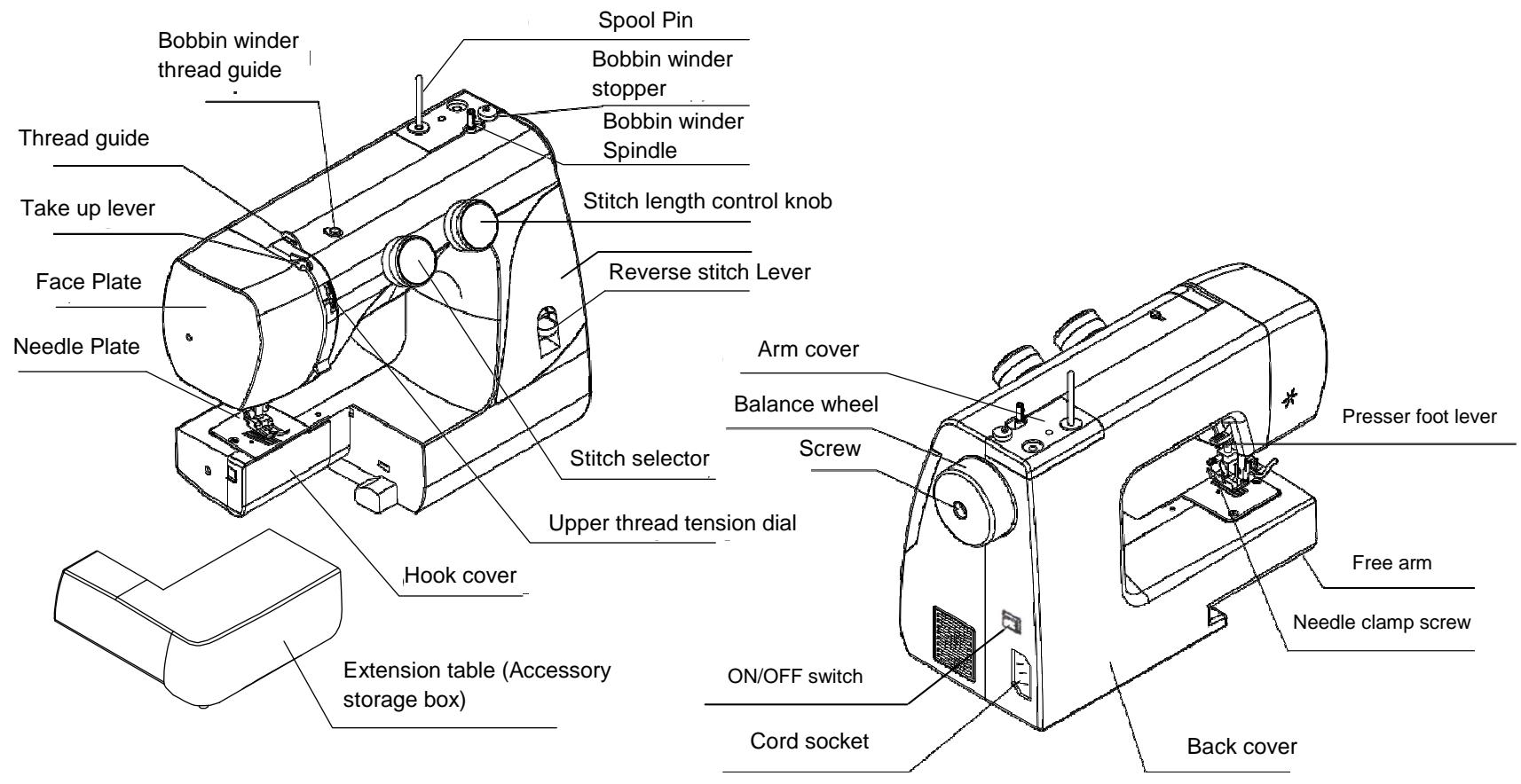
Names of Parts
EN
GETTING READY TO SEW
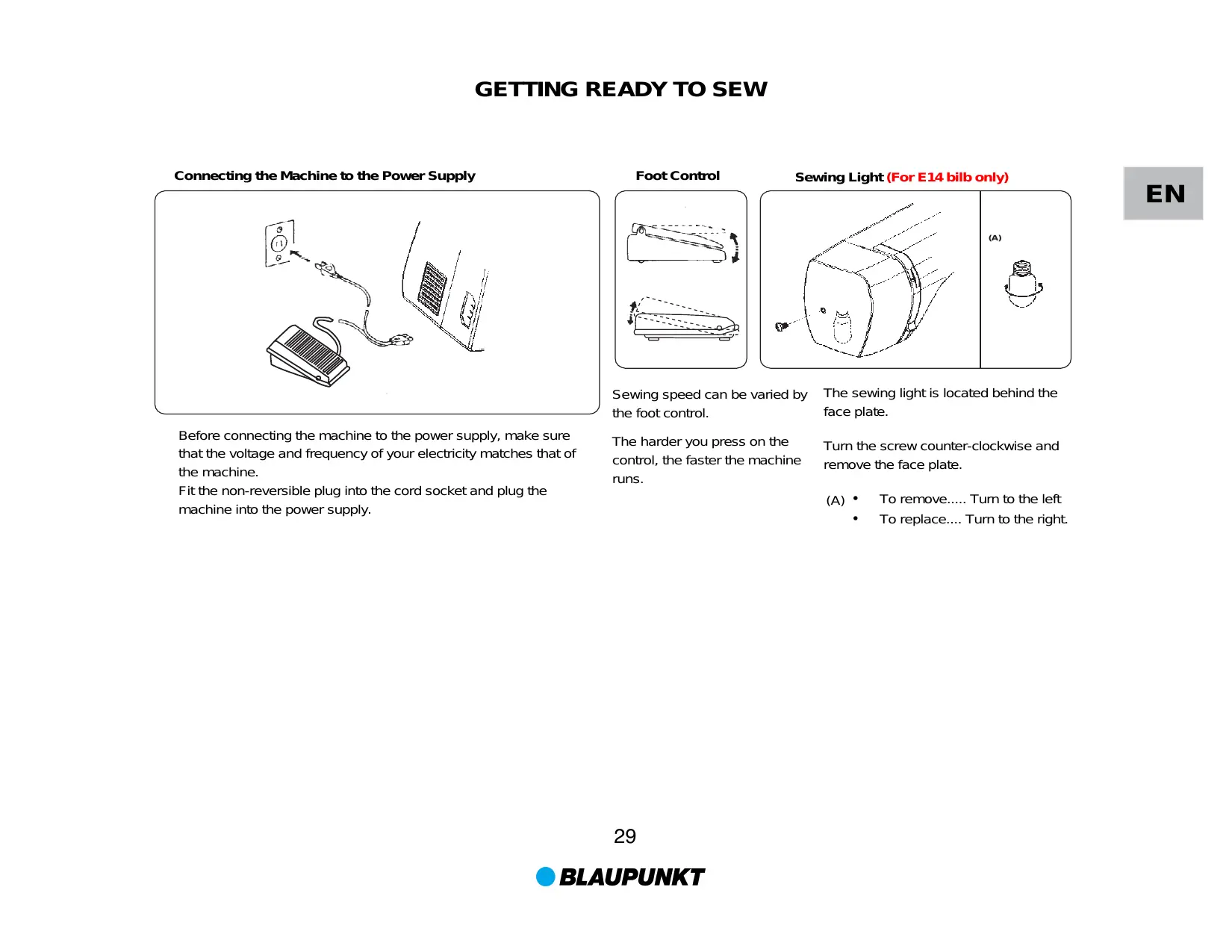
Connecting the Machine to the Power Supply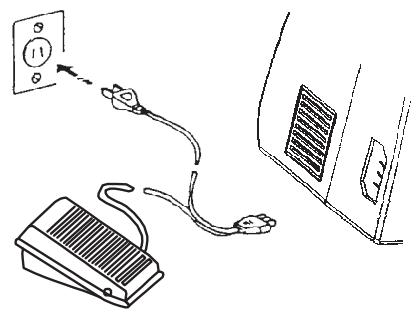
Before connecting the machine to the power supply, make sure that the voltage and frequency of your electricity matches that of the machine.
Fit the non-reversible plug into the cord socket and plug the machine into the power supply.
Foot Control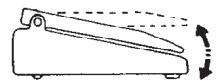
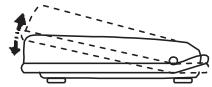
Sewing speed can be varied by the foot control.
The harder you press on the control, the faster the machine runs.
Sewing Light (For E14 bulb only)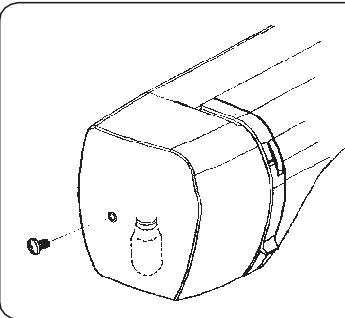
(A)
The sewing light is located behind the face plate.
Turn the screw counter-clockwise and remove the face plate.
(A) To remove.... Turn to the left. To replace.... Turn to the right.
Extension Table (Accessory Storage Box)
Extension Table
The extension table provides added sewing surface and can be easily removed for free arm sewing.
EN
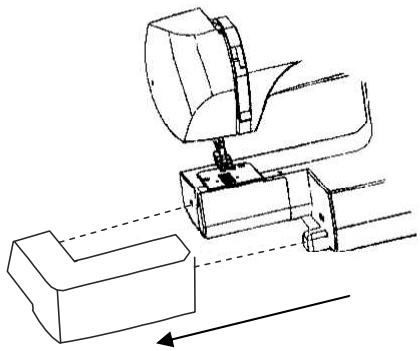
For free arm sewing
Pull the end of the extension table away from the machine, as illustrated.
For attaching the table
Push the extension table toward the machine making sure that the locating pins are aligned.
To Snap On and Snap Off the Presser Foot
To snap off
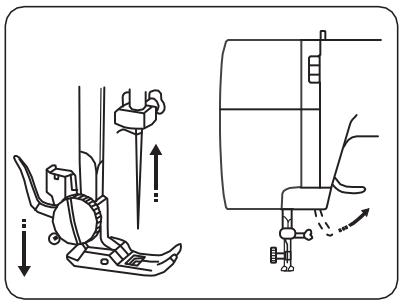
Turn the balance wheel toward you to raise the needle to its highest position. Raise the presser foot.
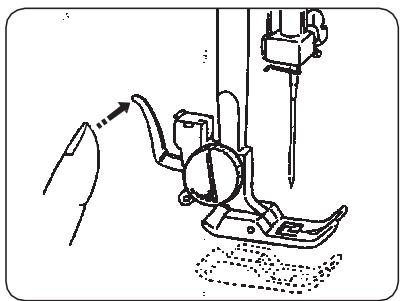
Press the lever on the back of the foot holder. The presser foot will drop off.
To snap on
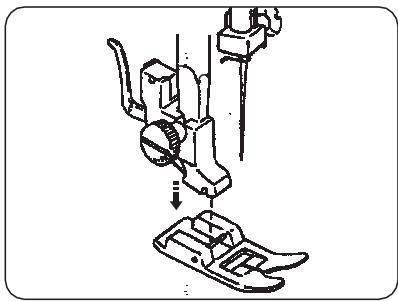
Place the presser foot so the pin on the foot lies just under the groove of the foot holder. Lower the foot holder to lock the foot in place.
Changing Needles
Raise the needle by turning the balance wheel toward you and lower the presser foot.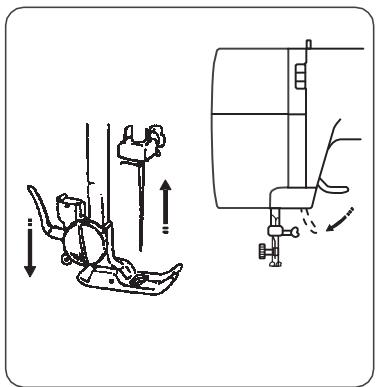
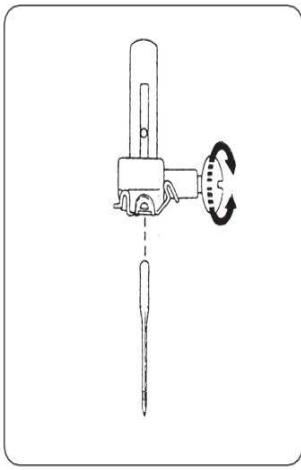
Switch off the machine and disconnect the machine from the power point.
Loosen the needle clamp screw by turning it counter-clockwise.
Undo the needle clamp screw just enough to release the needle.
Remove the needle from the clamp.
Insert the new needle into the needle clamp with the flat side away from you.
When inserting the needle into the clamp, push it up as far as it will go and tighten the clamp screw firmly with the screwdriver. Please do not over tighten as this can snap the needle bar. Thread the needle.
Reconnect the machine to the power point, switch on the machine and continue to sew.
- Check your needles frequently for barbed or blunted points. Snags and runs in knits, fine silks and silk-like fabrics are permanent and are almost always caused by a damaged needle.
Thread and Needle Chart
- In general, fine threads and needles are used for sewing thin fabrics, and thicker threads and needles are used for sewing heavy fabrics. Always test thread and needle size on a small piece of fabric which will be used for actual sewing. Use the same thread for needle and bobbin.
- When sewing stretch, very fine fabrics and synthetics, use a BALL POINT needle. The blue tipped needle effectively prevents skipped stitches.
- When sewing very fine fabrics, sew over a piece of paper to prevent fabrics distortion.
| Fabrics | Threads | Needle Size | |
| Light weight | Crepe de Chine, Voile Lawn, Organdy, Georgette, Tricot | Fine Silk Fine Cotton Fine Synthetic Fine Cotton Covered Polyester | 9 or 11 |
| Medium weight | Linen, Cotton, Pique, Serge, Double Knits, Percale | 50 silk 50 to 80 Cotton 50 to 60 Synthetic Cotton Covered Polyester | 11 or 14 |
| Heavy weight | Denim, Tweed, Gabardine, Coating, Drapery and Upholstery Fabrics | 50 silk 40 to 50 Cotton 40 to 50 Synthetic Cotton Covered Polyester | 14 or 16 |
| Denim | Jeans | 16 |
Setting spool pin
Removing or Inserting the Bobbin Case
Pull out the spool pin. Insert the shorter side of spool pin into the machine.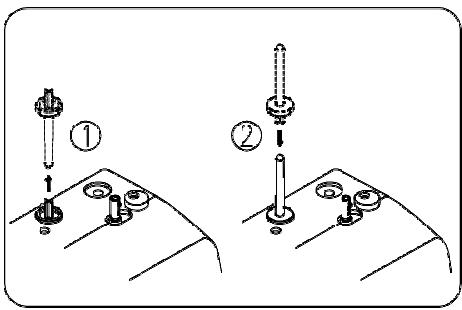
Open the hook cover.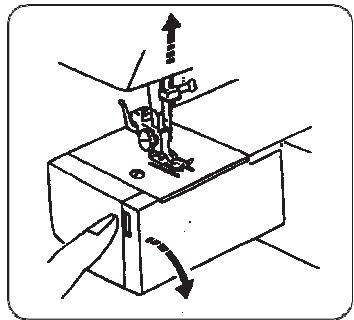
Switch off the machine while doing this!
Raise the needle by turning the balance wheel toward you. Take out the bobbin case by holding the latch.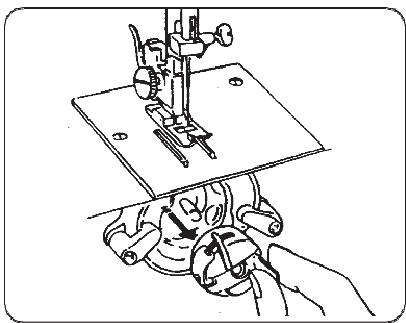
When inserting the bobbin case, place the horn into the recess of the hook race. Switch on the machine.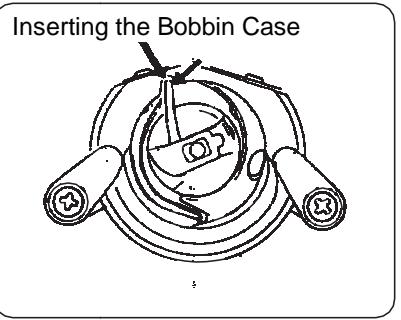
Winding the Bobbin
Draw the thread from the spool. Guide the thread around the bobbin winder thread guide.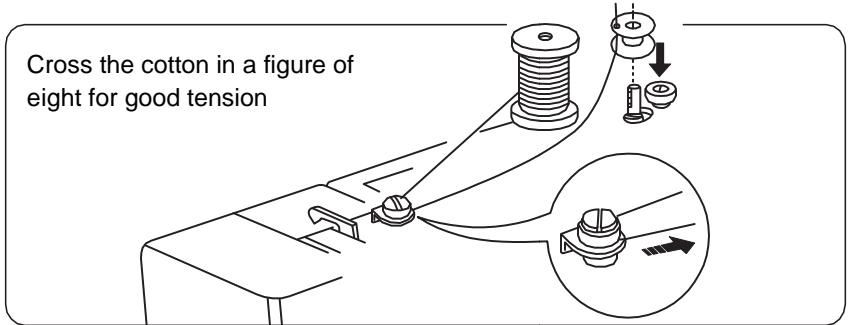
Insert the thread through one of the holes in the bobbin from the inside to the outside.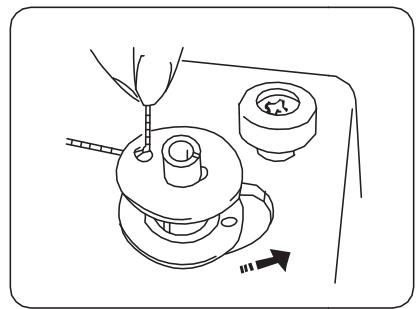
Put the bobbin on the bobbin winder spindle, and push it to the right. This will disengage the machine and engage the spooling facility.
With the free end of the thread held in your hand, depress the foot control. Stop the machine when it has made a few turns, and cut the thread close to the hole in the bobbin. Depress the foot control again.
When the bobbin is fully wound, it will stop automatically.
Return the bobbin winder to its original position by moving the spindle to the left, and cut the thread.
Threading Bobbin Case
1 Place bobbin into bobbin case. Make sure the thread unwinds in the direction of arrow.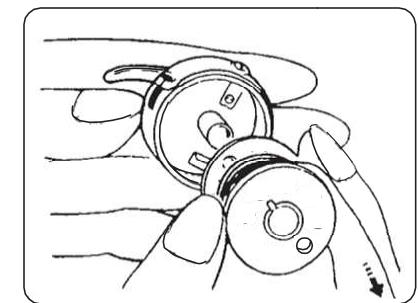
Pull the thread into the bobbin case slot.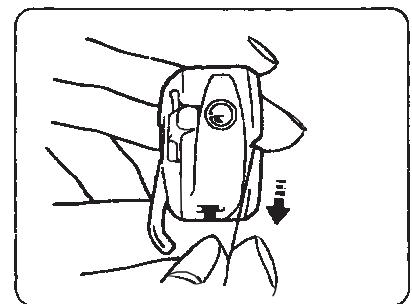
3 Draw the thread under the tension spring and into the delivery eye. * Leave about 10cm (4 inches) of free thread.
Threading the Machine
Always thread your machine with the power off!
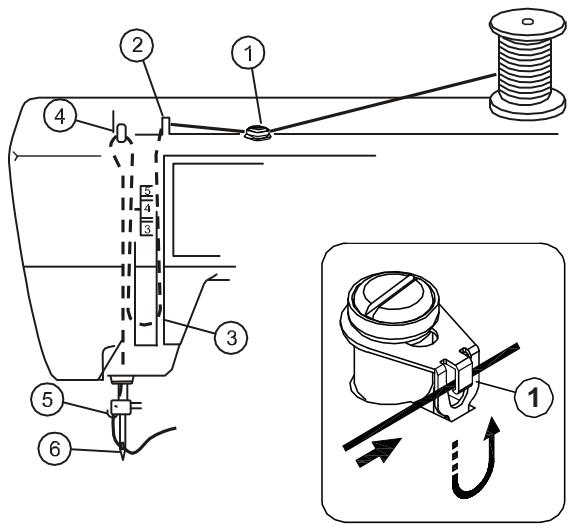
Raise the take-up lever to its highest position by turning the balance wheel toward you. Raise the presser foot. Place the spool on the spool pin as shown, with thread coming from the back of the spool.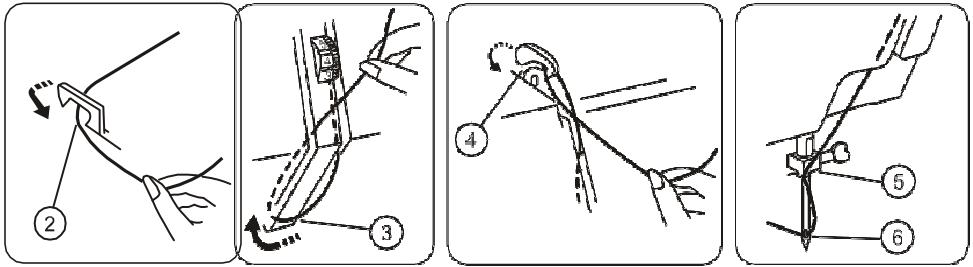
- Draw the thread into thread guide using both hands.
- Draw the thread into the second (2) thread guide using both hands.
- While holding the thread near the spool, draw the thread down into the tension area and then around the check spring holder.
- Firmly draw the thread up and through the take-up lever from right to left.
- Draw the thread down and slip it into the needle bar thread guide.
- Thread the needle eye from front to back.
NOTE: You may want to cut the end of the thread with a pair of sharp scissors for easier needle threading. Switch on the power after threading the machine and bobbin. You are now ready to sew.
Drawing up Bobbin Thread
1 Raise the presser foot and hold the needle thread lightly with your left hand.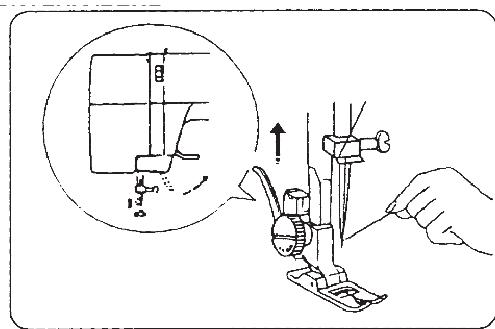
2 Turn the balance wheel slowly towards you with your right hand until the needle goes down and continue turning balance wheel until the take-up lever is at its highest position. Lightly draw up the needle thread forming a loop of the bobbin thread.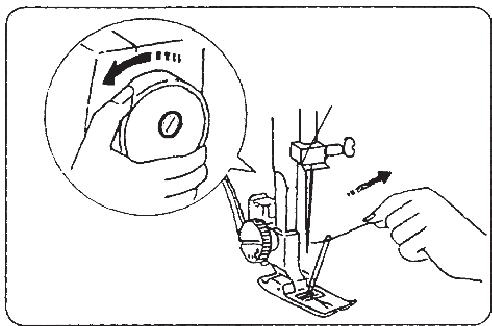
Pull 15cm (6") of both threads back and under the presser foot.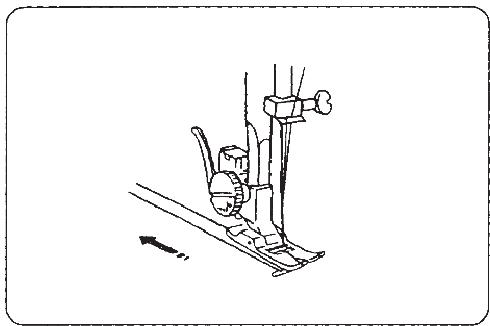
The needle thread and the bobbin thread should interlock in the center of two layers of fabric in straight stitch seams.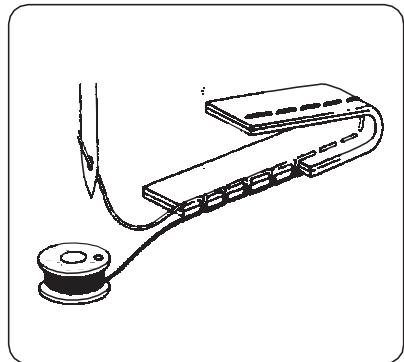
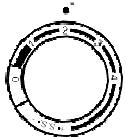
Balancing Needle Thread Tension
Set the desired number of the thread tension dial at setting mark.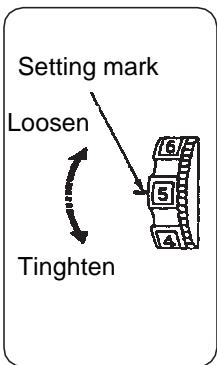
Loosen the needle thread tension by moving the dial to a lower number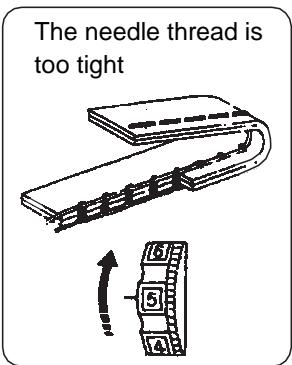
Tighten the needle thread tension by moving the dial to a higher number.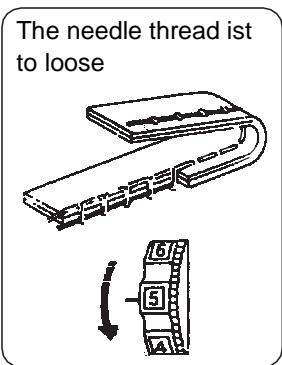
To obtain better zigzag stitches, the upper tension should be slightly lower than in the case of straight sewing. The upper thread should appear slightly on the reverse side of the fabric.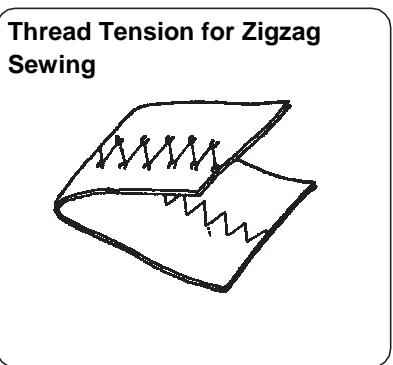
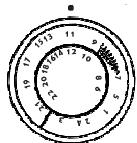
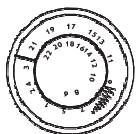
Stitch Selector Dial
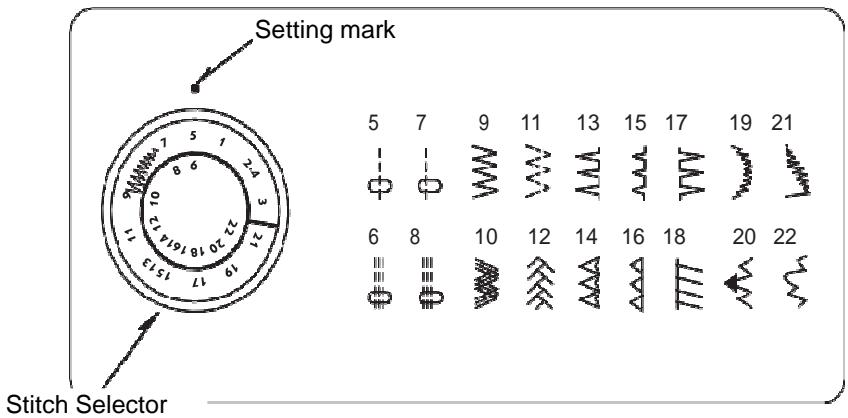
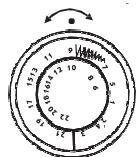
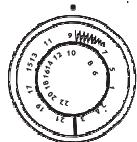
The stitch selector not only determines the stitch you select, but also regulates the stitch width for regular zigzag and rick rack stretch stitches.
NOTE: To avoid needle or fabric damage, be sure your needle is up and out of the fabric when adjusting this control.
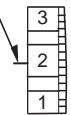
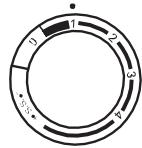
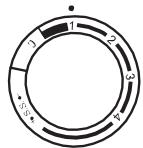
Stitch Length Control
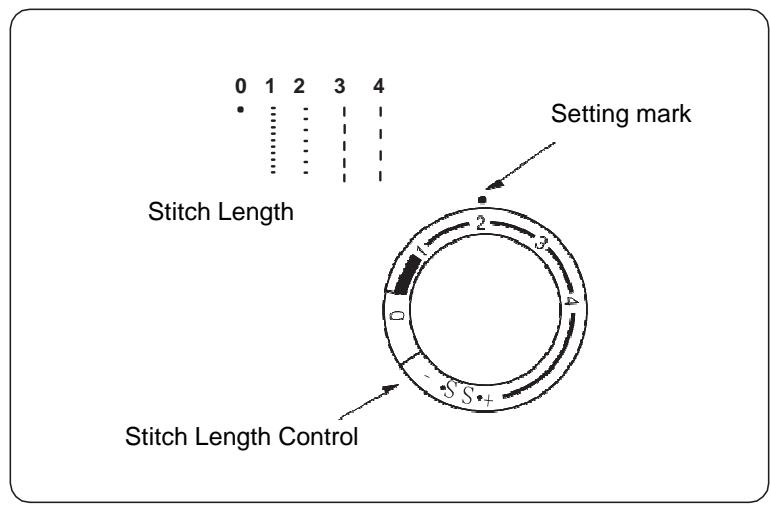
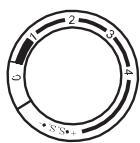
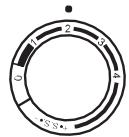
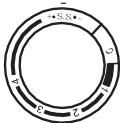
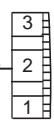
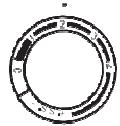
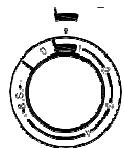
The stitch length control regulates the length of stitches, and also has a stretch stitch setting.
The higher the number, the longer the stitch.
"O" means no feed.
Depending upon your fabric or your own preference in buttonholes, you may alter the buttonhole stitch density within the buttonhole range ( ) on the stitch length control.
Adjusting Stretch Stitch Balance
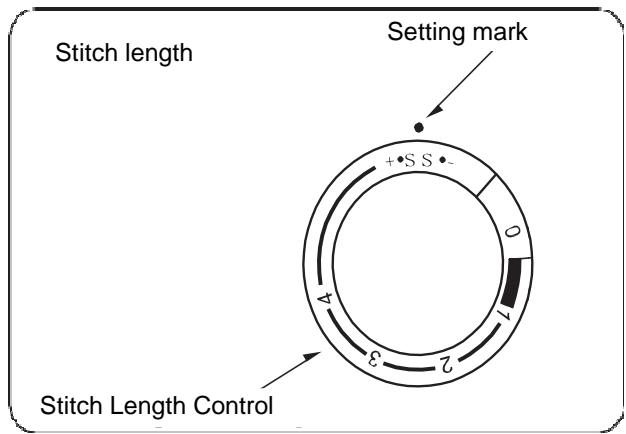
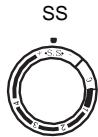
To select Stretch Stitches, set this control at SS position.
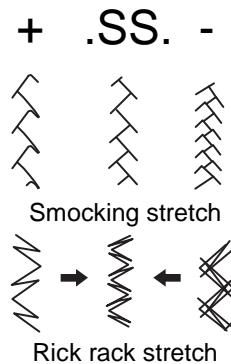
In stretch stitch sewing, Stretch Length Control should be in the Center position between - and + (SS position) for most materials. Depending upon the type of fabric used. You may need to adjust this control to match forward stitches of stretch sewing with reverse motion stitches.
To shorten stretch stitches, turn the control slightly toward "-" To lengthen, turn toward "+"
Reverse Stitch Control
Reverse Stitch Control As long as you keep the reverse stitch control depressed, the machine sews backwards.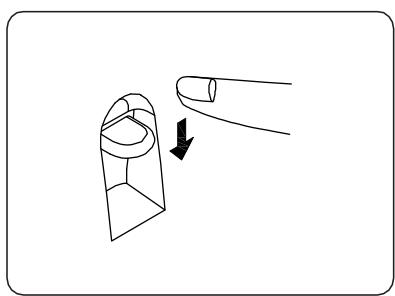
Darning Plate To Put on the Darning Plate: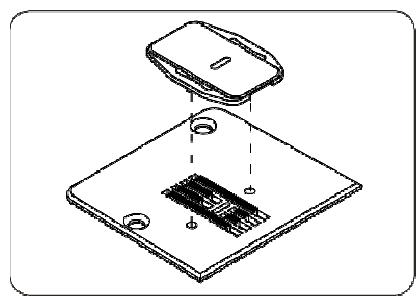
- Position the darning plate with the 3 pins on the bottom.
- Fit the darning plate pins into the needle plate holes. The feed dogs will show through the darning plate holes.
Left Needle Position Use Left Needle Position for more control while topstitching or edge stitching difficult fabrics. NOTE: Use only zigzag presser foot for Left Needle Sewing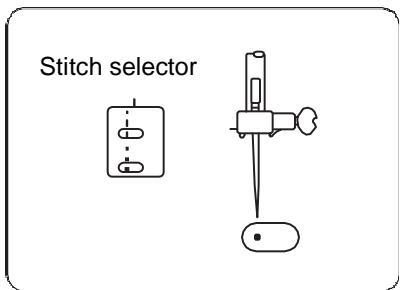
Straight Stitch Sewing
Machine Setting
Stitch (5)
Stitch selector

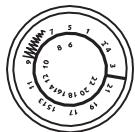
Stitch length 1.5 - 4
Upper thread tension dial 2 to 6
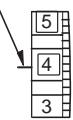

Zigzag foot
BASIC SEWING
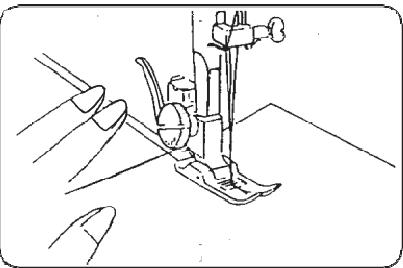
Raise the presser foot and position the fabric under the presser foot.
Lower the presser foot and smooth the threads toward the back. Depress the foot control.
Gently guide the fabric letting the fabric feed by itself.
Make sure the take-up lever is at the highest position before starting
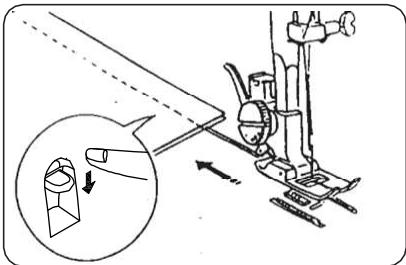
For fastening the ends of seams, press the reverse stitch control and sew several reverse stitches.
Raise the presser foot and remove the fabric, drawing the threads to the back. If the fabric won't release, turn the hand wheel towards you to complete the stitch and gently pull out the material.
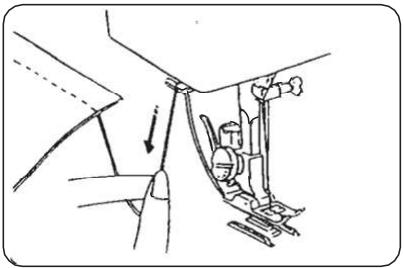
The threads are cut to the proper length for the next seam.
To Change the Sewing Directions
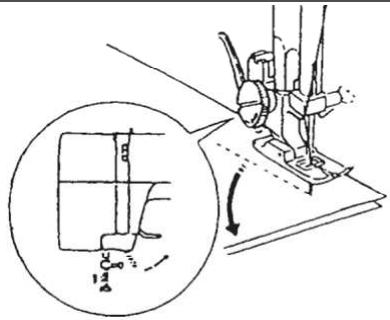
Stop the machine and turn the balance wheel toward you to bring the needle down into the fabric.
Raise the presser foot.
Pivot the fabric around the needle to change sewing direction as desired. Lower the presser foot and continue sewing.
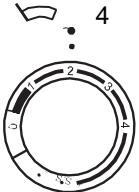
Machine Setting
Stitch (9)

Stitch selector
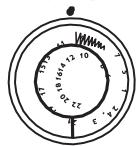
Stitch length
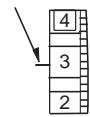

Zigzag foot
Zigzag Stitching
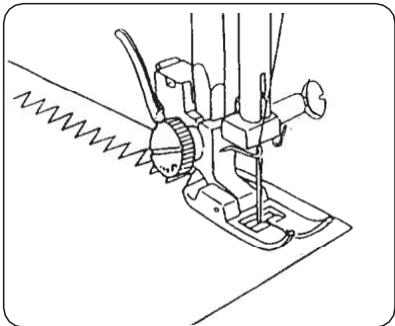
Simple zigzag stitching is widely used for overcasting, sewing on buttons, etc.
Overcasting
Machine Setting
Stitch (9)

Upper thread tension dial 1 to 4
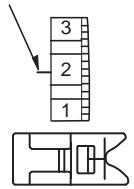
Zigzag foot
Stitch selector
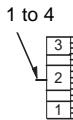
Stitch length
1 to 4
UTILITY STITCHING
Overedge Stitch
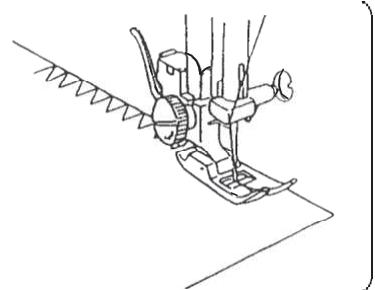
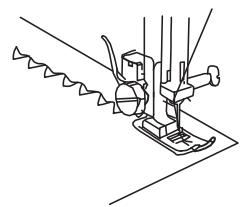
This type of stitch is used on the seam to prevent fabrics from fraying at raw edges.
Machine Setting
Stitch (18)

Upper thread tension dial 1 to 4
Stitch selector
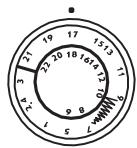
Stitch length SS
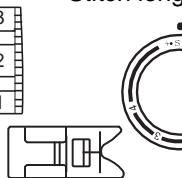
Zigzag foot
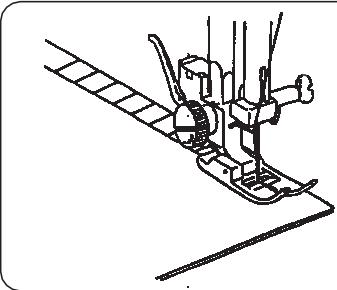
Overedge stitches are most effective when the right side stitches of Zigzag fall slightly off the edge of the fabric.
Tricot Stitch
Machine Setting
Stitch (11)
Stitch selector

Upper thread tension dial 1 to 4
Stitch length 1 to 2
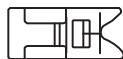
Zigzag foot
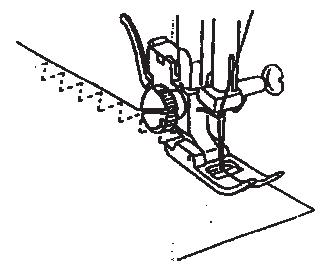
Place the fabric under the presser foot so that the edge will be slightly inside the right hand side of the presser foot.
Guide the work so the right hand stitches lay at the edge of the fabric.
Triple Strength Stitch
Machine Setting
Stitch (5)
1 1
Upper thread
tension dial 2 to 6
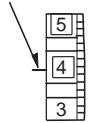
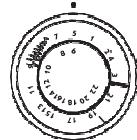
Stitch selector
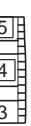
Stitch length SS

Zigzag foot
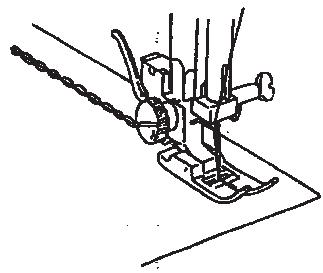
The stitch is sewn with two stitches forward and one stitch backward forming a seam that does not rip easily.
Garments should be basted for fitting before seaming.
Basting stitch-large loose stitch also known as tucking stitch.
Zipper Application
Machine Setting Stitch (5)
Stitch selector
Stitch length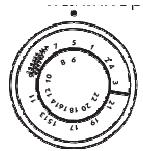
Upper thread tension dial 3 to 6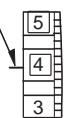
Zipper foot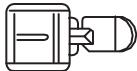
2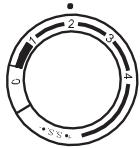
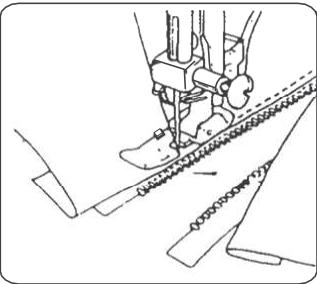
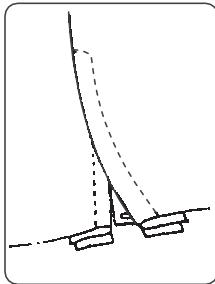
Pin or baste zipper tape to fabric and place it under the foot.
Smooth the threads toward the back and lower the foot. To sew the left side of the zipper, guide the edge of the zipper along the zipper teeth and stitch through the garment and zipper tape.
Turn the fabric over and sew the other side of the zipper in the same way as you did on the left side of the zipper.
Rolled Hem
Machine Setting Stitch (5) Stitch selector Stitch length 1.5 to 4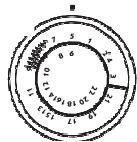
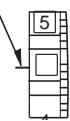
Hemmer foot - optional Part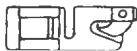
Make a double 0.25cm (1/8") fold approximately 8 cm (3") in length.
Lower the needle to the point where you are going to start sewing and then lower the hemmer foot.
Sew 3 or 4 stitches while holding the needle and bobbin threads.
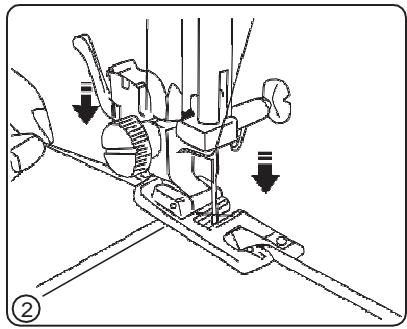
Insert the folded portion of the fabric into the curl of the hemmer foot.
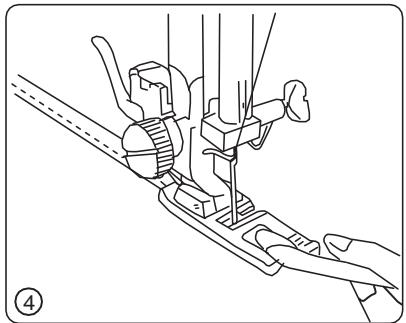
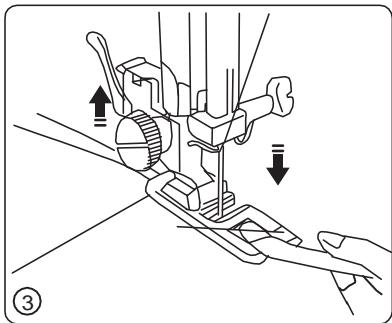
Lower the hemmer foot, then sew by lifting up the edge of the fabric to keep it feeding smoothly and evenly.
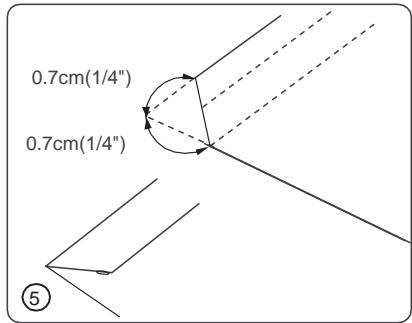
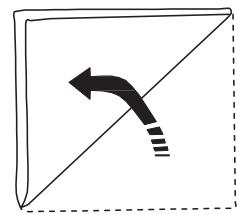
Trim about 0.7 cm (1/4") from corners as illustrated, to reduce bulk.
Sewing Buttons
Machine Setting
Stitch (9)

Stitch selector
Zigzag foot
Upper thread
tension dial 1 to
Stitch length control any number (not
necessary to adjust).
Darning plate
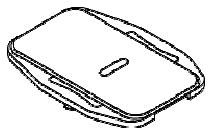
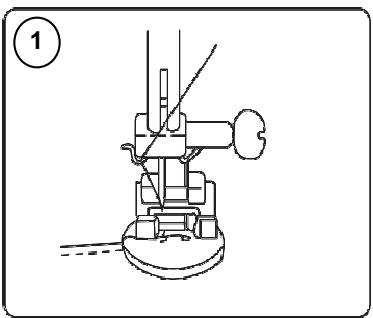
Use the darning plate for button sewing (see page 10).
A pin can be placed on top of the button to form a shank.
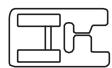
Set the stitch selector at "一". Align both holes of the button with the slot of the foot and place the left hole
of the button just below the needle point. Lower the foot and turn the pattern selector until the needle point comes
just above the right hole of the button. Sew about five stitches and
raise needle. Set the stitch selector at "c: >" again and sew a few stitches to lock thread.


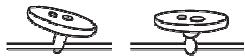
To strengthen the shank, cut the threads leaving a 20cm (8") trail.
Bring the needle thread down through the hole
in the button and wind it around the shank.
Draw the thread to the wrong side and knot.
Buttonhole Stitching
Machine Setting Stitch (1) Upper thread tension dial 1 to 5
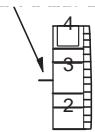
Stitch selector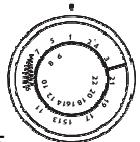
Stitch length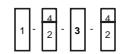
Buttonhole foot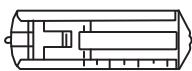
Make a sample buttonhole using a piece of the sample material as the garment.
Place the button on the fabric sample and mark the top and bottom to determine the buttonhole length.
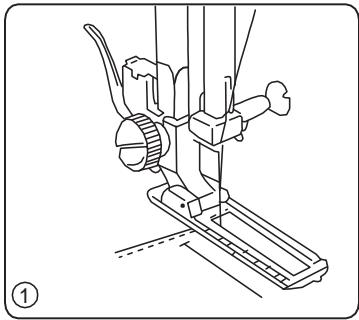
Set the stitch selector at [1 1].
Slide both threads to the left. Lower the needle into the garment where the buttonhole is to start, and lower the foot.
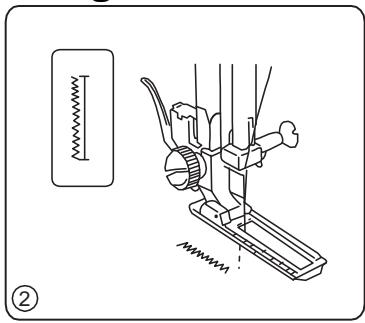
Sew down the left side stopping at the bottom mark. Raise the needle.
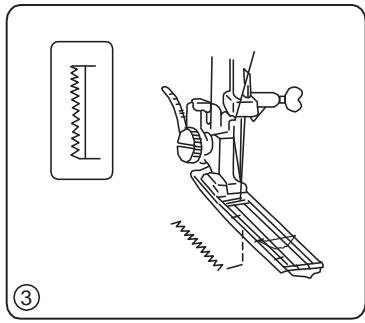
Set the stitch selector at "a", sew 5 stitches of bartack and raise the needle up from the fabric.
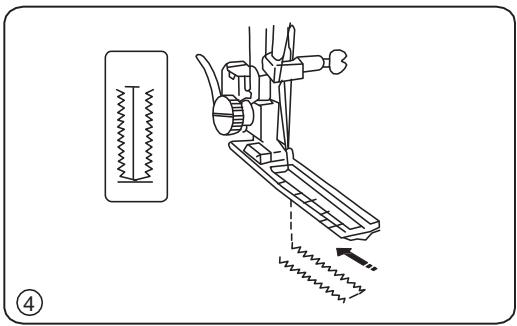
Set the stitch selector at "3". Sew up the right side of the buttonhole. Stop the machine when you are directly opposite the first stitch on the left hand side and raise the needle.
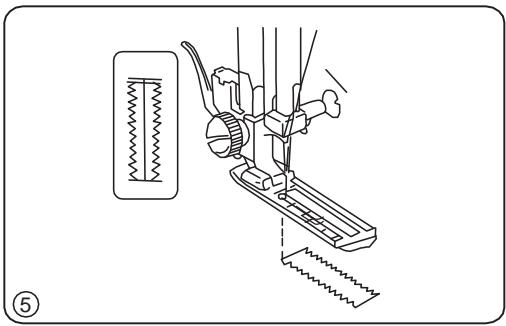
Set the stitch selector at "4". Sew 5 bartack stitches and raise the needle up from the fabric.
Set the stitch length control to "0" and the stitch selector at straight stitch sewing. Sew a few locking stitches.
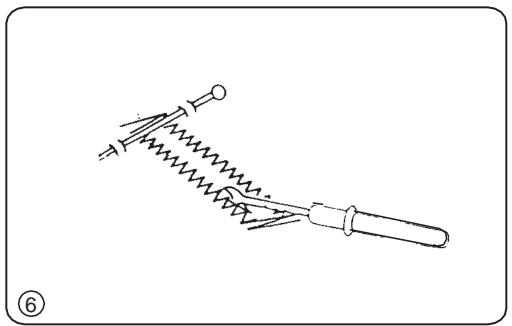
Remove the fabric from the machine and cut the sewing threads. Insert a pin inside the bartack. Then cut the opening with a seam ripper. Take care not to cut the stitches.
Shell Tuck
Machine Setting
Stitch (17)

Upper thread tension dial 3 to 9
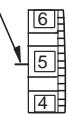
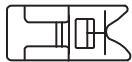
Zigzag foot
Stitch selector
Stitch length 1-2
DECORATIVE STITCHING
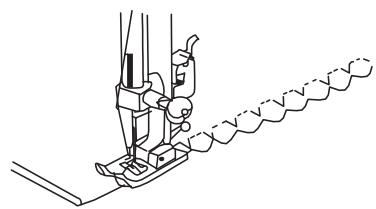
Place the folded edge along the slot of the foot. The needle should fall off the edge of the fabric on the right forming a tuck.
Stretch Stitch Patterns
Machine Setting
| Stitch | 5 | 7 | 9 | 11 | 13 | 15 | 17 | 19 | 21 |
| ∅ | ∅ | ∅ | ∅ | ∅ | ∅ | ∅ | ∅ | ∅ | |
| Stitch selector | 6 | 8 | 10 | 12 | 14 | 16 | 18 | 20 | 22 |
| ∅ | ∅ | ∅ | ∅ | ∅ | ∅ | ∅ | ∅ | ∅ |
Upper thread tension dial
Stitch length control knob

Zigzag foot
When forward and reverse feeds become unbalanced depending upon the type of fabric, correct the balance by turning the stitch length control as follows:
When patterns are compressed, correct it by turning the dial toward "+" (see page 10)
When patterns are drawn out, correct it by turning the dial toward " - " (see page 10)
When caring for your machine, cleaning, removing the thread or any other function, please make sure that the power is switched off and the machine is unplugged!
Dismantling and Assembling Hook Race
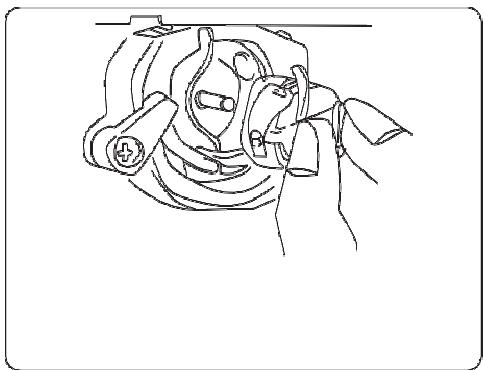
To dismantle the hook race:
Raise the needle to its highest position and open the hook cover.
Open the hinged latch of the bobbin case and remove it from its position.
Cleaning the Machine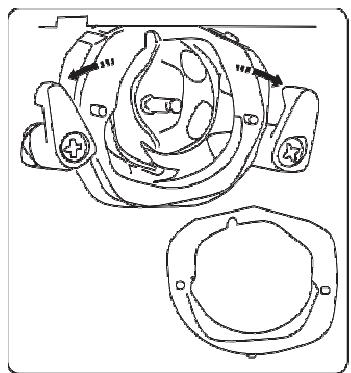
Disconnect your machine from the power source. Open the hook race ring holders and remove the hook race ring. Remove the hook.
Disconnect your machine from the power source.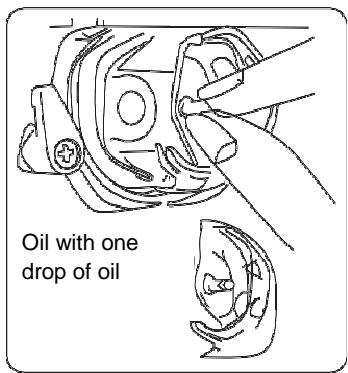
Clean the hook race with a brush and a soft dry cloth.
Cleaning the Feed Dogs
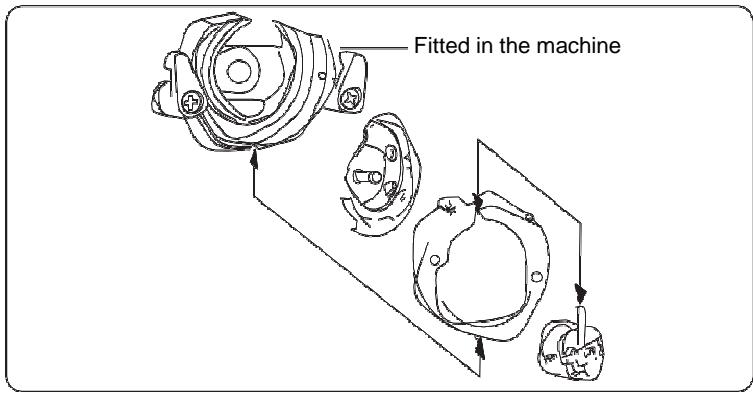
To assemble the hook race:
Hold the hook by the center pin and fit it carefully back into the hook race, forming a perfect circle with the shuttle driver. Attach the hook race ring, making sure the bottom pin fits into the notch. Lock the hook race ring by turning the holders back into position. Insert the bobbin case. Thread the bobbin and machine, reconnect the power, switch on the machine, and you are ready to sew.
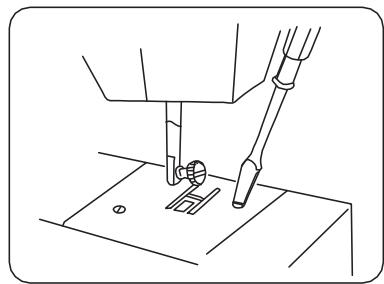
Remove the needle and the presser foot. Unscrew the needle plate set screws and remove the needle plate.
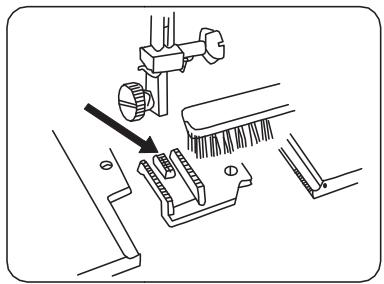
With a brush, clean out dust and lint clogging on the feed dog teeth. Replace the needle plate and tighten the screws.
NOTE: It is easier if you lay the machine on its back to replace the race.
Trouble Shooting
EN
| Condition | Cause | Reference | Condition | Cause | Reference |
| The machine does not run smoothly and is noisy | 1. Threads have been caught in the hook | See Page 17 | Skipped stitches (Continued) | 4. A BALL POINT needle is not being used for sewing stretch, very fine fabrics and synthetics | See Page 5 |
| 2. The feed dog is packed with lint | See Page 17 | 5. The needle thread is not threaded properly | See Page 7 | ||
| The needle thread breaks | 1. The needle thread is not threaded | See Page 7 | See Page 8 | ||
| 2. The needle thread tension is too tight | See Page 8 | Seam Puckering | 1. The needle thread tension is too tight | See Page 7 | |
| 3. The needle is bent or blunt | See Page 5 | 2. The machine is not threaded correctly | See Page 5 | ||
| 4. The needle is incorrectly inserted | See Page 5 | 3. The needle is too heavy for the cloth being sewn | Make the stitches smaller | ||
| 5. The fabric is not being drawn to the back when sewing is finished | See Page 11 | 4. The stitches are too long for the fabric being sewn | |||
| 6. The thread is either too heavy or too fine for the needle | See Page 5 | When sewing extremely light weight materials, place a sheet of tissue underneath the fabric. | |||
| The needle breaks | 1. The needle is incorrectly inserted | See Page 5 | Stitches form loops below the work | 1. The needle thread tension is too loose | See Page 8 |
| 2. The needle is bent or blunt | See Page 5 | 2. The needle is either too heavy or too fine for the thread | See Page 5 | ||
| 3. The needle clamp screw is loose | See Page 5 | The cloth is not feeding smoothly | 1. The feed dog is packed with lint | See Page 17 | |
| 4. The tension of the needle thread is too tight | See Page 8 | 2. The stitches are too fine | Make the stitches longer | ||
| 5. The fabric is drawn to the back | See Page 11 | ||||
| 6. The needle is too fine for the fabric being sewn | See Page 5 | The machine does not work | 1. The machine is not plugged in | See Page 13 | |
| 7. The stitch selector has been turned while the needle was in the material | See Page 9 | 2. A thread is caught in the hook race | See Page 17 | ||
| 3. Bobbin winding spindle is pushed | See Page 6 | ||||
| The bobbin thread breaks | 1. The bobbin thread is not threaded properly in the bobbin case | See Page 7 | The buttonhole stitches are not balanced | 1. Stitch length is not suitable for the fabric being sewn | See Page 9 |
| 2. Lint has collected in the bobbin case | Clean the bobbin case | 2. The work is being pulled or held back | Do not force the fabric for guiding | ||
| 3. The bobbin is damaged and doesn't turn smoothly. | Exchange bobbin | ||||
| Skipped stitches | 1. The needle is incorrectly inserted | See Page 5 | |||
| 2. The needle is bent or blunt | See Page 5 | ||||
| 3. The needle and/or threads are not suitable for the work being sewn | See Page 5 |
Environment
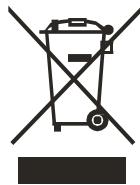
Meaning of crossed out wheeled dustbin:
Do not dispose of electrical appliances as assorted municipal waste, use separate collection facilities.
Contact your local government for information regarding the collection systems available.
If electrical appliances are disposed of in landfills or dumps, hazardous substances can leak into the groundwater and get into the food chain, damaging your health and well-being.
When replacing old appliances with new ones, the retailer is legally obligated to take back your old appliances for disposals at least free of charge.
This appliance is not intended for use by persons (including children) with reduced physical, sensory or mental capabilities, or lack of experience
and knowledge, unless they have been given supervision or instruction concerning use of appliance by a person responsible for their safety.
Children should be supervised to ensure that they do not play with the appliance.
Important: Safety Instructions



- BLUE - NEUTRAL
- BROWN - LIVE (OR ACTIVE)
- IMPORTANT SAFETY INSTRUCTIONS
- DANGER -- TO REDUCE THE RISK OF ELECTRIC SHOCK
- WARNING - - TO REDUCE THE RISK OF BURNS, FIRE, ELECTRIC SHOCK, OR INJURY TO PERSONS
- DANGER
- WARNING
- SAVE THESE INSTRUCTIONS
- TABLE OF CONTENTS
- SECTION I ESSENTIAL PARTS
- SECTION II GETTING READY TO SEW
- SECTION III BASIC SEWING
- SECTION IV UTILITY STITCHING
- SECTION V DECORATIVE STITCHING
- SECTION VI CARE OF YOUR MACHINE
- PARTS DIAGRAM
- GETTING READY TO SEW
- EXTENSION TABLE (ACCESSORY STORAGE BOX)
- EXTENSION TABLE
- FOR FREE ARM SEWING
- FOR ATTACHING THE TABLE
- TO SNAP ON AND SNAP OFF THE PRESSER FOOT
- TO SNAP OFF
- TO SNAP ON
- CHANGING NEEDLES
- THREAD AND NEEDLE CHART
- SETTING SPOOL PIN
- WINDING THE BOBBIN
- THREADING BOBBIN CASE
- THREADING THE MACHINE
- DRAWING UP BOBBIN THREAD
- BALANCING NEEDLE THREAD TENSION
- STITCH SELECTOR DIAL
- STITCH LENGTH CONTROL
- ADJUSTING STRETCH STITCH BALANCE
- REVERSE STITCH CONTROL
- STRAIGHT STITCH SEWING
- MACHINE SETTING
- BASIC SEWING
- MAKE SURE THE TAKE-UP LEVER IS AT THE HIGHEST POSITION BEFORE STARTING
- TO CHANGE THE SEWING DIRECTIONS
- ZIGZAG STITCHING
- OVERCASTING
- UTILITY STITCHING
- OVEREDGE STITCH
- TRICOT STITCH
- TRIPLE STRENGTH STITCH
- ZIPPER APPLICATION
- ROLLED HEM
- SEWING BUTTONS
- BUTTONHOLE STITCHING
- SHELL TUCK
- DECORATIVE STITCHING
- STRETCH STITCH PATTERNS
- CLEANING THE FEED DOGS
- TROUBLE SHOOTING
- ENVIRONMENT
- IMPORTANT: SAFETY INSTRUCTIONS
Brand : BLAUPUNKT
Model : CASUAL 845
Category : Sewing machine