
PRO EC - Weather Station IROX - Free user manual and instructions
Find the device manual for free PRO EC IROX in PDF.


| Product type | Wireless weather station with console and outdoor sensors |
| Brand and model | IROX PRO EC |
| Console dimensions | 185 x 135 x 32 mm (without stand) |
| Console weight | 377 g (without battery) |
| Console power supply | 4 AA 1.5V batteries or 7.5V / 200mA AC adapter (center positive) |
| Outdoor sensors power supply | 2 AA 1.5V batteries per sensor (thermo-hygro, anemometer, rain gauge) |
| RF transmission frequency | 434 MHz |
| Transmission range (thermo-hygro) | 100 m in open field |
| Transmission range (wind/rain) | 30 m in open field |
| Outdoor temperature range | -40 °C to 80 °C |
| Indoor temperature range | -9.9 °C to 60 °C |
| Temperature accuracy | ± 1 °C or ± 2 °F |
| Humidity range | 0 % to 99 % |
| Humidity accuracy | ± 5 % (between 25 % and 80 %) |
| Barometric pressure range | 500 to 1100 hPa (14.75 to 32.44 inHg) |
| Main functions | Weather forecast, DCF-77 radio-controlled clock, alarms, moon phases, sunrise/sunset, indoor/outdoor temperature/humidity, rain (hourly, daily, weekly, monthly), wind (direction, speed, gusts), trends, comfort, dew point, auto backlight |
| Max. number of thermo-hygro sensors | Up to 5 (channels 1-5) |
| Maintenance and cleaning | Clean sensors weekly; use a damp cloth, no solvents; disassemble and clean the rain gauge regularly |
| Safety | Do not immerse in water; avoid shocks; use new batteries only; do not open the housing |
| Spare parts and repairability | No user-serviceable parts; contact support or visit www.irox.com |
| General information | Manual available for free download; compatible with IROX PRO X sensors |
Frequently Asked Questions - PRO EC IROX
User questions about PRO EC IROX
0 question about this device. Answer the ones you know or ask your own.
Ask a new question about this device
Download the instructions for your Weather Station in PDF format for free! Find your manual PRO EC - IROX and take your electronic device back in hand. On this page are published all the documents necessary for the use of your device. PRO EC by IROX.
USER MANUAL PRO EC IROX
OPERATING INSTRUCTIONS
PRO-EC
Table of Contents
- Introduction 3
- Features 4
- Contents of the Weather Station Kit 6
- Installing your weather station 7
Setting up the Remote Weather Sensors 7
Setting up the Thermo-Hygro Sensor(s) 7
Setting up the Rain Sensor. 7
Setting up the Anemometer (wind sensor) 8
Setting up the Main Console Unit 8
Starting up the Main Console Unit 9
- Using your Weather Station 9
Buttons and Controls 9
Navigating between Different Modes 11
6.Customizing your Weather Station. 13
7. Using the Different Weather Modes 14
Pressure and Weather Forecast Mode 14
Clock and Alarm Mode. 17
Sunrise/Sunset Mode 20
Temperature and Humidity Mode 21
Rain Mode 24
Wind Mode 25
- Maintenance 27
- Troubleshooting 28
- Technical Specifications 29
- Precautions 31
- Appendix 32
1. Introduction
Congratulations on your purchase of the PRO-EC Weather Station. The weather station consists of a main console as well as an assortment of remote sensors which collect and transmit a wide range of weather data, including outdoor temperature, humidity, wind speed and direction, rain amount and rain rate.
The PRO EC is fully compatible with the IROX PRO X sensors.
Main Console Unit
The main console unit features a radio-controlled atomic precision clock with alarm and weather forecast. It measures indoor temperature and humidity, and displays weather data collected by the remote weather sensors. It also provides indication of the indoor/outdoor temperature, pressure and humidity trends, and celestial information such as moon phase, and sunrise/set times.
Remote Weather Sensors
The remote weather sensors include a thermo-hygrometer, anemometer (wind sensor) and rain sensor. All data collected by the sensors is transmitted to the main console unit by wireless RF. The weather station supports a maximum of 5 thermo-hygrometers, allowing 5 channels of temperature/humidity display.
The Irox sensor HTS33 and/or HTC13 (both only 3 channels) can be used on the PRO EC on the channels 1,2 or 3.
To cover channels 4 and 5, please ask for the Irox HTS55.
2. Features
Weather Forecast
- Sunny, Partly Cloudy, Cloudy, Slight Rain, Heavy Rain, Snow and Unstable Weather conditions
Pressure
- Current or historical pressure (mBar/ hPa, mmHg or inHg)
- Altitude or sea level pressure adjustment for atmospheric pressure compensation
- Pressure trend indication
- Sea-level pressure history for the last 24 days
- Sea-level pressure history bar chart
Moon phase
- 12 steps of moon symbols
- Scans moon phase for year 2000 to 2099
- Moon phase history for the last or future 39 days
Radio Controlled Clock
- Time and date synchronized by radio signal DCF-77 to atomic clock precision (time and date also manually adjustable)
Clock and Calendar (12hr/ 24 hr) (month/day or day/month)
- Different combinations of clock and calendar displays
- 6 languages for day of week (English/ German/ French/ Italian/ Spanish/ Dutch)
Alarms
- Single alarm: activated once at specified time
- Weekday alarm: activated everyday from Monday to Friday at specified time
- Pre-alarm: activated ahead of single or weekday alarm if channel 1 temperature falling to +2^ or below. (Fixed 30 minutes)
- Programmable snooze function (1-15 minutes)
Sunrise time and sunset time
-Calculates sunrise/set times with geographical information provided by user (DST, zone time offset, latitude, longitude)
- over 133 preset cities can be selected for automatic geographical information input
Remote temperate and relative humidity, with trend indication
- Indoor and outdoor temperature and relative humidity display (^ or ^ F)
- Temperature and relative humidity trend indication
- Dew point display
- Max and Min memory for temperature and relative humidity
Comfort level indicator
- Analyzes current environmental conditions (Comfort, Wet and Dry)
Rainfall measurement
- Records rainfall amount for the last hour, last 24 hours, last day, last week and last month (inch or mm).
- Daily rainfall alert if rainfall for the current day exceeds pre-specified amount.
Wind
- Temperature at place of anemometer.
- Temperature adjusted to wind chill factor. (^)
- Wind direction compass display. Wind direction angles available as compass points or bearings.
- Average wind speed and gust speed (mph, m/s, knots, and km/h)
- Daily Maximum wind speed and gust speed memory.
- Wind speed alert for average wind speed and wind gust speed.
LED backlight
- Light sensor to automatically toggle backlight when environment lighting level is low. Can be turned on/off or set to automatic. This feature is only supported when the AC/DC adaptor is connected.
3. Contents of the Weather Station Kit
Before installing your weather station, please check that the following are complete:
| Hardware Components | Fittings | |
| Main Console Unit | (optional) AC/DC 7.5V output adaptor | |
| Thermo-Hygro Sensor | ||
| Rain Sensor: - Funnel shaped Lid with Battery Hatch - Sensor Base - Bucket See-saw Mechanism - Protective Screen | 4 screws for securing unit to ground | |
| Anemometer (Wind Sensor): - Wind Cups - Wind Vane - Anemometer arm - Anemometer base | 4 screws for securing unit to vertical surface |
4. Installing your weather station
Setting up the Remote Weather Sensors
Before starting up the main console unit, setup all the remote sensors first.
When placing the sensors, make sure that they are within receiving range of the console unit. Ideally they should be within the line of sight of the console unit. Transmission range may be affected by trees, metal structures and electronic appliances. Test reception before permanently mounting your weather station.
Also make sure that the sensors are easily accessible for cleaning and maintenance. The remote sensors should be cleaned on a weekly basis, since dirt and debris will affect sensor accuracy.
Setting up the Thermo-Hygro Sensor(s)
- Open the latch at the base of the thermo-hygro sensor.
- Set the channel with a slide switch.
- Insert two 2 x UM-3 or "AA" size 1.5V batteries.
- Use a pin to press the "RESET" key which is in the battery compartment of thermo-hy gro sensors.
- Replace the latch and mount unit at desired location.
Placement tips:
- The thermo-hygro sensor should be in an area with free air circulation and sheltered from direct sunlight and other extreme weather conditions. Place the unit in a shaded area, such as under a roof.
- Use the wall mount and fittings provided if mounting the unit on a vertical surface.
- Avoid placing the sensor near sources of heat such as chimneys.
- Avoid any areas which collect and radiate heat in the sun, such as metal, brick or concrete structures, paving, patios and decks.
- Ideally, place the sensor above natural surfaces such as a grassy lawn.
- The international standard height for measurements of air temperature is at 1.25m (4 ft) above ground level.
Setting up the Rain Sensor
- Unlock the funnel-shaped top of the rain sensor by turning both knobs on the sides of the rain sensor in an anti-clockwise direction.
- Lift the top off the base and insert two 2 x UM-3 or "AA" size 1.5V batteries into the battery holder.
- Replace the lid and secure into place by turning the knobs clockwise.
- Place the rain sensor in a location such that precipitation can fall directly into the sensor, ideally 2-3 ft above the ground. It may be secured into place by using the four screws provided.
- The sensor must be accurately level for optimum performance. To check if the sensor is level, remove the lid and check if the ball bearing inside is at the midpoint of the leveler. Additionally, a bubble level or carpenter's level may be used.
- Attach the protective screen onto the top of the lid. The screen will prevent any debris entering the sensor.
Placement tips:
- The rain sensor should be placed in an open area away from walls, fences, trees and other coverings which may either reduce the amount of rainfall into the sensor, deflect the entry of wind-blown rain, or create extra precipitation runoff. Trees and rooftops may also be sources of pollen and debris.
- To avoid rain shadow effects, place the sensor at a horizontal distance corresponding to two to four times the height of any nearby obstruction.
- It is important that rain excess can flow freely away from the sensor. Make sure that water does not collect at the base of the unit.
- The rainfall measurement mechanism utilizes a magnet, hence do not place any magnetic objects around the proximity of the sensor.
Setting up the Anemometer (wind sensor)
- Assemble the wind cups and wind vane to the anemometer arm (note: the small hex screw is preinstalled and can be operated by the small hex key included in the accessories)
- Attach the assembled anemometer to the base.
- Insert two 2 x UM-3 or "AA" size 1.5V batteries into the battery holder in the base.
- Mount the anemometer onto a vertical surface, using the fittings provided.
- To allow the main console unit to find the direction which the wind vane is oriented, the following procedures are required:
i. Insert the batteries
ii. Point the wind vane towards the north. Use a compass or map if necessary.
iii. Use a pin to press the “SET” key which is in the battery compartment of the wind sensor.
Note: Above procedure must be repeated for changing battery.
The "SET" will toggle the direction between two modes:
- Let the wind direction as manufacturer design. It will be as a default setting after
- Set the current direction as NORTH.
Placement tips:
- Check that wind can travel freely around the anemometer and is not distorted by nearby buildings, trees or other structures.
- For better results, place the anemometer at least 3m above local structures and obstacles. The ground creates a frictional effect to wind flow and will attenuate readings.
- Aim for maximum exposure of the anemometer to the commonest wind directions in your area.
- The official mounting location for anemometers is 10m (33 ft) above ground level in a clear unobstructed location.
Setting up the Main Console Unit
- Open the latch at the back of the main console unit.
- Insert 4 × UM-3 or "AA" size 1.5V batteries according to the polarities shown.
- Reattach the latch.
- You are highly recommended to connect the AC/DC adaptor. For the feature of the automatic backlight control function, the AC/DC adaptor must be used.
- If placing the console unit on a table or horizontal surface, fold out the table stand and adjust to the optimal viewing angle.
- If mounting the console unit on a wall or vertical surface, fold the table stand back into the unit and use the fitting provided.
Placement tips:
Make sure that the console unit is within receiving range of all remote sensors. Ideally sensors should be within the line of sight of the console unit. Transmission range may be affected by trees, metal structures and electronic appliances. Test reception before permanently mounting your weather station.
The console unit measures indoor temperature, humidity, pressure and receives signals from all remote sensors and radio-clock broadcasts. Avoid placing the console unit in the following areas:
- Direct sunlight and surfaces which radiate and emit heat.
- Near heating and ventilation devices, such as heating ducts or air conditioners.
- Areas with interference from wireless devices (such as cordless phones, radio headsets, baby listening devices) and electronic appliances.
Starting up the Main Console Unit
Once the console unit is properly powered, the display will start showing some data and weather parameters. Wait for a few minutes for the console to finish self-calibration and for the sensor readings to show up.
If "---" is still displayed for the sensor reading(s), check the wireless transmission path and the batteries for the corresponding sensor.
5. Using your Weather Station
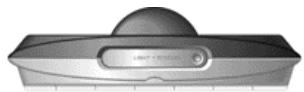
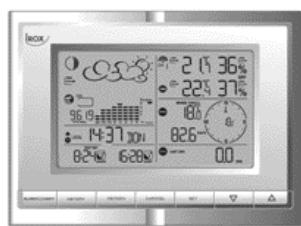
| ▲ | - Switches to next mode in anti-clockwise direction - Increment for setting parameters |
| ▼ | - Switches to next mode in clockwise direction - Decrement for setting parameters |
| SET | - Rotates display for current mode - Press and hold to enter setup or change units - Confirmation for setting parameters |
| MEMORY | - Shows records for moon phase, UV, temperature, humidity, rain and wind. |
| HISTORY | - Shows history for sea-level pressure |
| ALARM CHART | - Shows time alarms and alerts for temperature, rain and wind. - Press and hold to enter alarm/alert setup - Press and hold in Pressure and Weather Forecast Mode to view different bar-charts |
| CHANNEL | - Changes temperature and humidity display to selected channel - Press and hold to enable cycling display of channel temperature and humidity |
| LIGHT/SNOOZE | - Turns on backlight for 5s - Enters Snooze mode when alarm is activated |
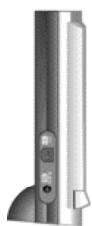
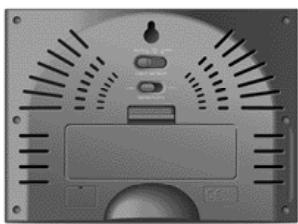
The following controls are only available on the backside of the console:
| LIGHT SENSOR - AUTO, ON, OFF | - Toggles the light sensor function to automatic, on or off |
| SENSITIVITY - HIGH/LOW | - Adjusts the sensitivity of the light sensor |
Navigating between Different Modes
There are 6 modes available on the main console unit, and each one displays a different category of data. When display is in a certain mode, its corresponding icon will start flashing.
To navigate between the different modes from the main console unit, press or to cycle through the modes.

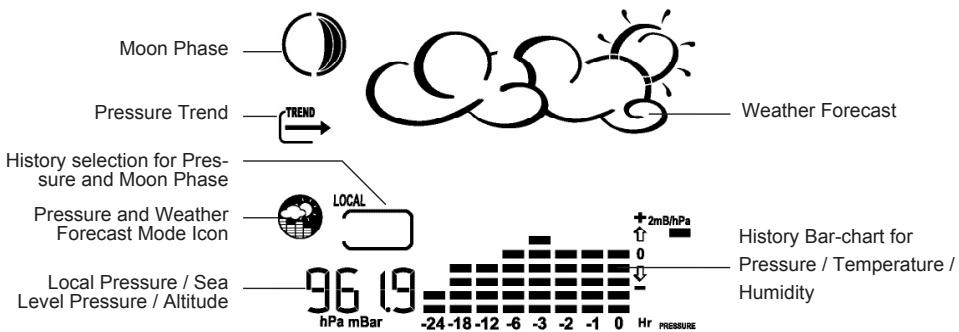
Pressure and Weather Forecast Mode
- Current pressure, trend, and history bar-chart
- Weather forecast
- Moon phase

Clock and Alarm Mode
- Radio Controlled clock showing current time and calendar
- Single alarm, weekday alarm and pre-alarm


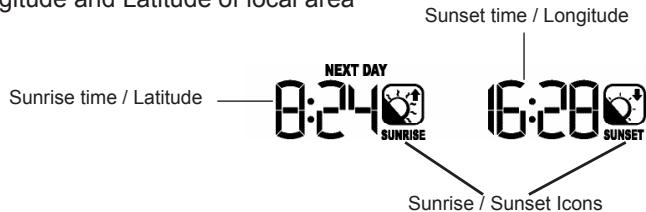
Sunrise/Sunset Mode
- Sunrise and sunset times
- Longitude and Latitude of local area

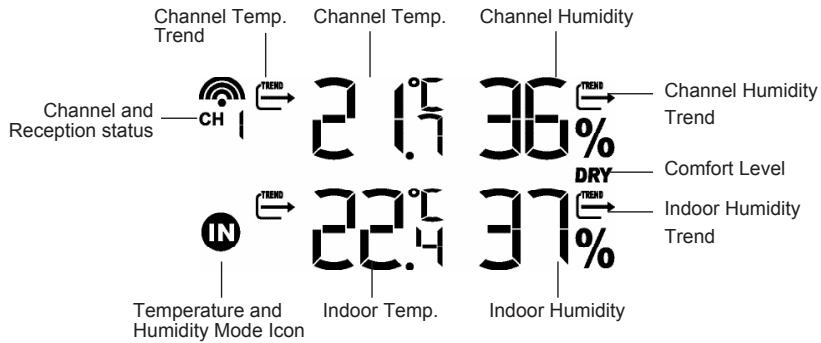
Temperature and Humidity Mode
- Temperature and humidity trend and readings for indoor and selected channel
-Comfort level - Dew point
- Temperature alerts

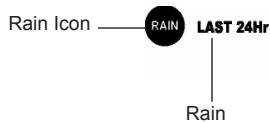
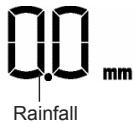
Rain Mode
- Precipitation amount for last hour, last 24 hour, yesterday, last week and last month
- Rainfall alert

Wind Mode
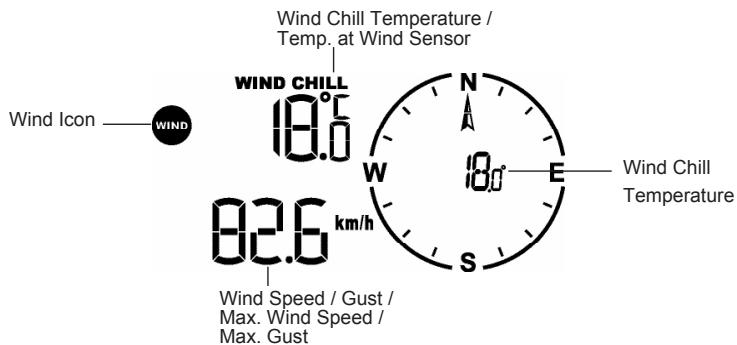
- Wind Chill
- Temperature at place of anemometer
- Wind direction
- Wind speed
- Wind gust
- Alert for wind speed and wind gust speed
6. Customizing your Weather Station
To fully customize the weather station to your local settings and personal preferences, the following settings are required. Please refer to the appropriate sections for detailed instructions.
Required:
-
Setting Pressure Parameters during Initial Start-Up (Pressure and Weather Forecast Mode)
-
Setting up the Time, Date and Language (Clock and Alarm Mode)
-
Setting up the Location Data (Sunrise/Sunset Mode)
Optional:
- Setting up the Time Alarms (Clock and Alarm Mode)
- Setting up the Temperature Alerts (Temperature and Humidity Mode)
- Setting up the Daily Rainfall Alerts (Rain Mode)
- Setting up the Wind Alerts (Winds Mode)
LED backlight options
The backlight of the main console unit can be turned permanently on/off or automatically toggled when environment lighting level is low. Use the light sensor switch at the back of the unit to select lighting preferences.
For the automatic backlight function, the sensitivity of the light sensor can be adjusted to high or low with the sensitivity switch also on the back of the console unit.
Note: Console unit must be powered with AC/DC adaptor for automatic control function
7. Using the Different Weather Modes
Pressure and Weather Forecast Mode
This part of the display indicates the current pressure, sea level pressure, weather forecast, moon phase and pressure trend.
A number of historical statistics can also be viewed, such as the sea-level pressure values for the last 24 hours, moon phase for the previous and next 39 days, as well as a pressure/ temperature/ humidity history bar-chart.
Pressure values may be displayed inHg, hPa/mBar or mmHg, and altitude values may be displayed in meters or feet.
- Accessing Pressure and Weather Forecast Mode
From the main console unit: Press UP or DOWN until the weather forecast icon on the upper left of the display starts flashing.
- Setting Pressure Parameters during Initial Start-Up
During the initial start-up of the main console unit, all functions in Pressure and Weather Forecast mode will be locked until the pressure settings are configured.
- Choose Pressure Units:
The unit icon “inHg” or “mmHg” or “hPa/mBar” should be flashing. Press UP or DOWN to select pressure unit as inHg, hPa/mBar or mmHg
Press SET to confirm your selection.
- Choose Altitude Units:
Press UP or DOWN to select altitude unit as feet or meters.
Press SET to confirm your selection.
- Set Altitude:
Press UP or DOWN to adjust value. Press and hold either button for fast advance.
Press SET to confirm your selection.
- Upon completion the display will be returned to Pressure and Weather Forecast Mode.
Note: After initial start-up the altitude cannot be adjusted again until the main console unit is restarted.
- Viewing Pressure and Altitude Data
In Pressure and Weather Forecast Mode, each press of SET rotates display between:
- Sea level pressure
- Local pressure
- Local altitude
- Setting the Sea Level Pressure
- In Pressure and Weather Forecast Mode, press SET until the sea level pressure is displayed.
- Press and hold SET. The Sea Level Pressure display should be flashing.
- Set Sea Level Pressure:
Press or to adjust value. Press and hold either button for fast advance.
Press SET to confirm your selection.
- Upon completion the display will be returned to Pressure and Weather Forecast Mode.
- Setting the Pressure and Altitude Units
-
In Pressure and Weather Forecast Mode, press SET until local pressure is displayed.
-
Press and hold MEMORY. The pressure unit should be flashing.
-
Set Local Pressure Units:
Press or to adjust value.
Press SET to confirm your selection.
- Set Altitude Units:
Press or to adjust value. Press SET to confirm your selection.
- Set Sea-Level Pressure Units:
Press or to adjust value. Press MEMORY to confirm your selection.
- Upon completion the display will be returned to Pressure and Weather Forecast Mode.
- Viewing the Sea Level Pressure History
-
In all modes, pressing HISTORY will toggle the sea level pressure display.
-
When sea level pressure is displayed, press HISTORY repeatedly to view sea level pressure data for each of the last 24 hours.
-
If no buttons are pressed for 5s, the display automatically returns to Pressure and Weather Forecast Mode.
- Viewing the Pressure/ Temperature/ Humidity Bar-Charts
The bar-chart on the display can be configured to display the history data for sea-level pressure, temperature or humidity for channel 1.
In Pressure and Weather Forecast Mode, press and hold [ALARM]:
-Sea-level pressure ("PRESSURE" should be displayed)
- Temperature (Thermometer icon and "CH1" should be displayed)
-Humidity (RH icon and "CH1" should be displayed)
- Viewing Moon Phase History and Forecast
- In Pressure and Weather Forecast Mode, press MEMORY.
- “+ 0 days” should be flashing.
- View Moon Phase History / Forecast:
Press or to choose number of days forward (+ days) or backward (- days) from current date. Press and hold either button for fast advance.
The corresponding moon phase will be shown.
- To exit, press MEMORY.
Otherwise, if no buttons are pressed for 5s the display automatically returns to Pressure and Weather Forecast Mode.
- Understanding the Weather Forecast Display
| Display | Weather Forecast Status |
| Sunny | |
| Partly Cloudy | |
| Cloudy | |
| Rain | |
| Unstable Weather | |
| Snow |
NOTE:
- The accuracy of a general pressure-based weather forecast is about 70% .
- The weather forecasts. It may not necessarily reflect the current situation.
- The "Sunny" icon, as applies to night time, implies clear weather.
- Understanding the Moon Phase Diagram
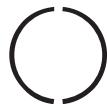
FULL

LAST

NEW

FIRST
Clock and Alarm Mode
The main console unit can be configured to display the time, calendar or UTC time. There are three time alarms available on the console unit:
Single alarm: activated once at specified time
Weekday alarm: activated everyday from Monday to Friday at specified time
Pre-alarm: activated at specified time interval (Fixed 30 min) ahead of weekday alarm, if channel 1 temperature falling to +2^ or below.
The snooze duration for the above alarms can also be programmed (0-15 min).
- Accessing Clock and Alarm Mode
From the main console unit: Press or until the clock icon display starts flashing.

beside the time/date
- Setting up the Time, Date and Language
- In Clock and Alarm Mode, press and hold SET to enter clock and calendar setup.
- The day of week should start flashing in the display.
Set Language: Press or to select language for day of week: English, German,
French, Italian, Spanish or Dutch.
Press SET to confirm your selection.
- Select City Code:
Press or to select city code for your local area. Refer to the list at the end of this manual for available codes. Press SET to confirm your selection.
- (if USR was chosen for city code) Set Minute for Latitude:
You will be asked to enter your latitude in minutes (^)
Press or to adjust value. Press and hold either button for fast advance.
Press SET to confirm your selection. Repeat above procedure to set seconds for latitude, minutes for longitude and seconds for longitude.
- (if USR was chosen for city code) Set Time Zone:
Press or to adjust value in resolution of 30min . Press and hold either button for fast advance.
Press SET to confirm your selection.
- (if USR was chosen for city code or city is in a DST zone)
Set Daylight Saving Time Option:
Press or to turn DST option on or off. Press and hold either button for fast advance.
Press SET to confirm your selection.
-
Repeat the above instructions to set year, month, day, calendar display format (day/ month or month/day), time display format (12 hr/ 24 hr), local hour and local minutes.
-
Upon completion the display will return to normal Clock and Alarm Mode.
Note: Press and hold SET anytime during the setup to return to normal Clock and Alarm Mode. All settings made will be discarded.
- Rotating between Different Clock/Calendar Displays
In Clock and Alarm Mode, each press of SET rotates clock display between:
- Hour: Minute: Weekday
- Hour: Minute for UTC (Coordinated Universal Time)
- Hour: Minute: City
- Hour: Minute: Second
- Month: Day: Year (or Day: Month Year depending on settings)
- Activating/Deactivating the Time Alarms
-
In Clock and Alarm Mode, each press of ALARM rotates clock display between:
-
Weekday Alarm Time (displays OFF if weekday alarm deactivated)
- Single Alarm Time (displays OFF if single alarm deactivated)
-
Pre-Alarm Time (displays OFF if pre-alarm deactivated)
-
When the above alarms are displayed, pressing or will activate/deactivate the corresponding alarm.
Note: Press SET anytime during alarm selection mode to return to normal clock display.
- Setting up the Time Alarms
- In Clock and Alarm Mode, press ALARM to select alarm which you wish to configure.
- Press and hold ALARM until hour starts flashing in the display
- Set Alarm Hour:
Press or to adjust value. Press and hold either button for fast advance.
Press ALARM to confirm your selection.
- Set Alarm Minutes:
Press or to adjust value. Press and hold either button for fast advance.
Press ALARM to confirm your selection.
- Set Duration of Snooze Function (all three alarms share same snooze time duration):
Press or to adjust value. Press and hold either button for fast advance.
Press ALARM to confirm your selection.
- Upon completion the display will be returned to the alarm selection screen.
Note: Pre-alarm cannot be activated if weekday alarm or single alarm is not enabled.
- Disabling/Entering Snooze when Time Alarms are activated
To Enter Snooze: Press LIGHT/SNOOZE to enable snooze function.
Note: Alarm will automatically enter snooze mode if no key is pressed after the alarm sounds for 2 minutes. This will occur for a maximum of three times.
To Disable Alarm(s):
Press ALARM to disable the alarm (s).
Note: For weekday alarm, pressing ALARM will only disable the alarm for the current day.
The alarm will be activated again the next day (if it falls within Monday to Friday).
- Activating/Deactivating Radio Clock Reception
The main console unit synchronizes the time and date with radio clock broadcasts to maintain atomic clock precision.
To turn this function on/off: Press and hold .
If RC reception is activated, a triangular tower icon will start flashing beside the clock icon.
If RC reception is deactivated, the triangular tower icon will disappear.
| Icon | RC Reception Strength |
| (Flashing) | Undefined data |
| ▲ | Reception failed for 24 hours |
| Weak signal, but can be decoded | |
| Strong signal |
Note: The radio controlled signal for time (DCF 77) is transmitted from the central atomic clock in Frankfurt/Main in short intervals. It has a reception range of approx. 1500km .
Obstructions such as concrete walls can reduce the signal range.
Sunrise/Sunset Mode
The main console unit computes the sunrise and sunset times from the user-configured location data. This includes the longitude, latitude, time zone and DST (Daylight Saving Time). Choosing a suitable city code for your area will automatically generate the correct values for the location data.
Should you wish to input your own location data or if a suitable city code could not be found, choose "USR" as the city code during setup.
A searching function is also available, which allows the sunrise/sunset times for different dates to be viewed.
- Accessing Sunrise/Sunset Mode
From the main console unit: Press or until the sunrise and sunset icons on the lower left of the display start flashing.


- Setting up the Location Data
- In Sunrise/Sunset Mode, press and hold SET to enter location data setup.
- The city code in the Time and Alarm display should start flashing.
Set City Info:
Press or to select city code for your local area. Refer to the end of the manual for a list of available codes. The corresponding longitude and latitude will be shown along with the city.
Should you wish to input your own geographical coordinates, choose "USR" as the city code. Press SET to confirm your selection.
- If "USR" was chosen, you will be asked to input your geographical coordinates.
Set Degree of Latitude:
Press or to adjust value. Press and hold either button for fast advance.
Press SET to confirm your selection.
- Repeat above procedure to set minute of latitude, degree of longitude, minute of longitude, time zone of the city, and DST selection.
- Upon completion the display will be returned to Sunrise/Sunset Mode.
Note: Press and hold SET anytime during the setup to return to normal Clock and Alarm Mode. All settings made will be discarded.
Viewing the Location Data
In Sunrise/Sunset Mode, each press of SET rotates display between:
- Time and sunrise/ sunset Times
- Calendar and sunrise/ sunset Times
- Calendar and longitude/ latitude
- Viewing Sunrise/Sunset Times for Different Dates
- In Sunrise/Sunset Mode, press MEMORY.
- The date should be flashing.
Press or to adjust date. Press and hold either button for fast advance.
The corresponding sunrise and sunset times will be displayed for the selected date.
- Press MEMORY or SET to return display to Sunrise/Sunset Mode.
- Understanding the Sunrise/Sunset Display
The sunrise time being displayed differs during the morning and the afternoon/night.
From 12 am to 12 pm : The sunrise time for the current day will be displayed.
From 12 pm to pm : The sunrise time for the next day will be displayed. “NEXT DAY” icon will be displayed above the sunrise time.
At certain locations (especially those at high latitudes), sunrise and sunset events may not occur within a 24 hour time frame:
| Display | Sunrise status | Display | Sunset status |
| FULL | Sunrise at previous day | FULL | Sunset at next day or later |
| ---- | No sunrise for the whole day | ---- | No sunset for the whole day |
Temperature and Humidity Mode
The weather station supports up to 5 remote thermo-hygro sensors, each sensor corresponding to a separate channel for the temperature and relative humidity display. The temperature may be shown in degrees Celsius ^ C or degrees Fahrenheit ^ F . The trend (rising, steady or falling) of all values is also indicated on the display.
The main console unit uses the indoor temperature and humidity data to compute a comfort level rating of Wet, Comfort or Dry.
A temperature alert function is available for each channel. It can be programmed to sound if the channel temperature exceeds or falls below the pre-configured upper and lower limits.
Note: The temperature alerts have a 0.5^ hysteresis to prevent the alerts from sounding constantly due to small fluctuations near the alert value. This means that after the temperature reaches the alert value, it will have to fall below the alert value plus the hysteresis to deactivate the alert.
- Accessing Temperature and Humidity Mode
From the main console unit:
Press or until the IN icon IN on the upper right of the display starts flashing.
- Viewing Temperature and Humidity Display for each Channel
For Static Display:
In Temperature and Humidity Mode, each press of CHANNEL rotates display between different channels.
For Cycling Display:
To enable automatic rotating between different channel displays, press and hold CHANNEL, until the icon is displayed. Each valid channel will now be alternately displayed for 5s.
- Rotating Between Temperature and Dew Point Display
In Temperature and Humidity Mode, each press of SET rotates temperature display between:
- Temperature and Relative Humidity
- Dew Point Temperature and Relative Humidity
- Setting Units for Temperature Display (°C or °F)
In Temperature and Humidity Mode, press and hold SET to convert units between degrees Celsius ^ C and degrees Fahrenheit ^ F .
- Activating/Deactivating the Temperature Alerts
-
In Temperature and Humidity Mode, each press of ALARM rotates channel temperature display between:
-
Current Temperature for corresponding channel
- Upper Temperature Alert (displays OFF if deactivated): icon displayed
-
Lower Temperature Alert (displays OFF if deactivated): icon displayed
-
When the above alerts are displayed, pressing or will activate/deactivate the corresponding alert.
- Setting up the Temperature Alerts
- In Temperature and Humidity Mode, press ALARM to select alarm which you wish to configure.
- Press and hold ALARM until channel temperature and or icon starts flashing in the display.
- Set Value for Temperature Alert:
Press or to adjust value. Press and hold either button for fast advance.
Press ALARM to confirm your selection.
- Upon completion the display will be returned to the temperature alert selection screen.
- Disabling when Temperature Alarms are activated
To Disable Temperature Alarm(s): Press ALARM to disable the alarm (s).
- Viewing the Max/Min Channel Temperature and Humidity
In Temperature and Humidity Mode, each press of MEMORY rotates channel temperature and humidity display between:
- Current temperature and humidity at remote sensor
- Minimum temperature and humidity at remote sensor
- Maximum temperature and humidity at remote sensor
- Resetting the Max/Min Channel Temperature and Humidity Memory
In Temperature and Humidity Mode, press and hold MEMORY to clear memory for all channels.
- Remote Sensor Status
The wave icon above the current channel display shows the connection status of the corresponding remote sensor:
| Icon | Status |
| Searching for remote sensor signals | |
| Corresponding remote sensor successfully linked | |
| No signals received for more than 15 minutes |
Activating Main Console Unit to Search for All Remote Sensor Signals
The main console unit may be manually activated to search for signals from all remote sensors. Press and hold to enforce a search.
Rain Mode
The main console unit records the total amount of rainfall for the last hour, last 24 hours, yesterday, last week and last month. The rainfall may be displayed in mm or inches.
A daily rainfall alert function is available which can be programmed to sound if the daily rainfall exceeds a pre-configured limit.
- Accessing Rain Mode
From the main console unit:
Press ▲ or ▼ until the RAIN icon

on the display starts flashing.
- Viewing Rain Statistics
In Rain Mode, each press of SET or MEMORY rotates display between different rain statistics:
-Last hour
-Last 24 hour
- Yesterday
- Last week
-Last month
Tip: For an estimation of the rain rate, the Last Hour rainfall value can be understood as "inch/hr" or "mm/hr".
- Resetting the Rainfall Statistics Memory
In Rain Mode, press and hold MEMORY to reset all rainfall statistics.
- Setting Units for Rain Display (inch or mm)
In Rain Mode, press and hold SET to convert units between mm and inches.
- Activating/Deactivating the Daily Rainfall Alert
- In Rain Mode, each press of ALARM rotates display between the current rainfall statistics and the daily rainfall alert ("ALARM HI" will be displayed).
If the alert is deactivated, "OFF" will be shown; otherwise the rainfall alert value is shown.
- When the rainfall alert is displayed, pressing or will activate/deactivate it.
- Setting up the Daily Rainfall Alert
- In Rain Mode, press ALARM to display rainfall alert.
- Press and hold ALARM until rainfall alert and "ALARM HI" starts flashing in the display.
- Set Value for Rainfall Alert:
Press or to adjust value. Press and hold either button for fast advance.
Press ALARM to confirm your selection.
- Upon completion the display will be returned to the rainfall alert display.
- Disabling when Daily Rainfall Alert is Activated
To Disable Rainfall Alert: Press ALARM to disable the alert.
Wind Mode
The wind direction is shown by an animated compass display. Its angle can be displayed as compass points (i.e. NW) or in bearings from the north (i.e. 22.5^ ).
The upper left of the wind display can be set to indicate the temperature at the anemometer or the temperature adjusted with a wind chill factor.
The lower left of the wind display indicates the average wind speed for the last 10 minutes, as well as gust, wind speed alert and gust alert information. It can also show records of the maximum values of wind speed and gust attained for the current day.
The wind speed and gust alert functions can be programmed to sound if the wind speed or gust exceeds a pre-configured limit. The wind speed may be displayed in km/h, mph, m/s or knots.
Note: The wind speed alert has a 5 mph hysteresis and the wind gust speed alert has a 7 mph hysteresis. The hysteresis is to prevent the alerts from sounding constantly due to small fluctuations near the alert value. This means that after the wind speed reaches the alert value, it will have to fall below the alert value plus the hysteresis to deactivate the alert.
- Accessing Wind Mode
From the main console unit:
Press or until the WIND icon W on the display starts flashing.
- Configuring Wind Display
In Wind Mode, each press of SET rotates display between:
- Temperature with wind chill, wind direction in bearings
- Temperature with wind chill, wind direction in compass points
- Temperature at anemometer, wind direction in compass points
- Temperature at anemometer, wind direction in bearings
Note: The windchill temperature display will be in ^ C only.
- Setting Units for Wind Speed Display (km/h, mph, m/s or knots)
In Wind Mode, press and hold SET to convert wind speed units between km/h, mph, m/s or knots.
- Viewing Wind Statistics
In Wind Mode, each press of MEMORY rotates wind speed display between:
- Current wind speed
- Daily maximum wind speed ("DAILY MAX" is displayed)
- Gust speed ("GUST" is displayed)
- Daily maximum gust speed ("GUST DAILY MAX" is displayed)
- Resetting the Wind Statistics Memory
In Wind Mode, press and hold MEMORY to reset all wind statistics.
- Activating/Deactivating Wind Alerts
-
In Wind Mode, each press of ALARM rotates wind speed display between:
-
Current wind speed
- Wind speed alert ("ALARM HI" displayed)
- Gust alert ("GUST ALARM HI" displayed)
If the alert is deactivated, "OFF" will be shown; otherwise the alert value is shown.
- When a wind alert is displayed, pressing or will activate/deactivate it.
- Setting up the Wind Alerts
- In Wind Mode, press ALARM to select alarm which you wish to configure.
- Press and hold ALARM until alert and corresponding icon starts flashing in the display.
- Set Value for Alert:
Press or to adjust value. Press and hold either button for fast advance.
Press ALARM to confirm your selection.
- Upon completion the display will be returned to the wind alert selection screen.
- Disabling when Wind Alert is activated
To Disable Wind Alert: Press ALARM to disable the alert.
8. Maintenance
Changing Batteries
The battery statuses of the sensors are checked every hour. If the low battery indicators light up, replace the batteries for the corresponding unit immediately.
Changing Batteries for the Main Console Unit
- To avoid losing data and records, connect the AC/DC adaptor to the main unit first.
- Remove the latch at the back and replace all batteries. Do not mix old and new batteries.
- Replace the cover.
Changing Batteries for the Remote Sensors
- Replace the batteries following the setup instructions for the corresponding sensor.
- When the batteries are properly installed, the sensor will resume sending signals to the main console unit.
To enforce a search immediately for all remote signals, press and hold DOWN on the main console unit.
Cleaning
The main console unit and outer casings for the remote sensors can be cleaned with a damp cloth. Small parts can be cleaned with a cotton tip or pipe-cleaner.
Never use any abrasive cleaning agents and solvents. Do not immerse any units with electronic parts in water or under running water.
Anemometer
- Check that the wind vane and wind cups can spin freely and are free from dirt, debris or spider webs.
Rain Sensor
Like all rain gauges, the rain sensor is prone to blockages due to its funnel shape. Checking and cleaning the rain sensor from time to time will maintain the accuracy of rain measurements.
- Detach the protective screen and lid. Remove any dirt, leaves or debris by cleaning the items with soapy water and a damp cloth. Clean small holes and parts with a cotton tips or pipe-cleaner.
- Look out for spiders or insects that might have crawled into the funnel.
- Also clean the swinging mechanism with a damp cloth.
9. Troubleshooting
"The display shows dashes ---" for weather parameter(s)
The display will show "---" when the wireless link is lost with the remote sensor for the following periods:
| Thermo-hygro Sensor | - 15 minutes |
| UV Sensor | - 30 minutes |
| Anemometer (Wind Sensor) | - 15 minutes |
| Rain Sensor | - 30 minutes |
Check or replace the batteries for the corresponding sensor. Then press and hold to enforce a search for all remote signals.
If the above does not solve the problem, check the wireless transmission path from the corresponding sensor to the main console unit and change their locations if necessary. Although wireless signals can pass through solid objects and walls, the sensor should ideally be within the line of sight of the console unit.
The following may be the cause of reception problems:
- Distance between remote sensor and main console unit too long. (Maximum transmission distance in open area conditions is 100m)
- Signal shielding materials such as metal surfaces, concrete walls or dense vegetation in the path of transmission.
- Interferences from wireless devices (such as cordless phones, radio headsets, baby listening devices) and electronic appliances.
"The weather readings do not correlate with measurements from TV, radio or official weather reports."
Weather data can vary considerably due to different environmental conditions and placement of weather sensors.
Check the placement tips included in this manual to site your sensors in the best possible way.
"The weather forecast is inaccurate."
The weather forecast is a prediction of weather after 12-24 hours, and may not reflect current weather conditions.
10. Technical Specifications
Power
| Main unit | : use 4 pcs UM-3 or "AA" 1.5V battery |
| : AC/DC adaptor 7.5V 200mA (centre +) | |
| Remote Thermo.-Hygro unit | : use 2 pcs UM-3 or "AA" 1.5V battery |
| Remote Anemometer unit | : use 2 pcs UM-3 or "AA" 1.5V battery |
| Remote Rain gauge unit | : use 2 pcs UM-3 or "AA" 1.5V battery |
Weight
| Main unit | : 377g (without battery) |
| Remote Thermo.-Hygro unit | : 65g (without battery) |
| Remote Anemometer unit | : 315g (without battery) |
| Remote Rain gauge unit | : 290g (without battery) |
Dimension
| Main unit | : 185(L) x 135(H) x 32(D) mm (without stand) |
| Remote Thermo.-Hygro unit | : 55.5(L) x 101(H) x 24(D) mm |
| Remote Anemometer unit | : 405(L) x 375(H) x 160(D) mm |
| Remote Rain gauge unit | : 163(L) x 177(H) x 119(D) mm |
Weather Station Receivers
Receiver (Supply=6.0V, Ta=23°C)
Sensor unit (Supply=3.0V, Ta=23°C)
RF Transmission Frequency
434 MHz
RF Reception Range:
Thermo-hygro Sensor
100 meters Maximum (Line of Sight)
Wind Sensor, Rain Sensor
30 meters Maximum (Line of Sight)
Barometric Pressure Range (374.5 to 823.8 mmHg)
500 to 1100hpa (14.75 to 32.44 inHg),
Altitude Compensation Range
-200m to +5000 m (-657 ft to 16404 ft)
Barometric Pressure resolution
0.1 hpa (0.003 inHg, 0.08 mmHg)
Barometric Pressure accuracy
+/- 5 hpa (0.015 inHg, 0.38 mmHg)
Outdoor Temperature Display Range
-40°C to 80°C (-40°F to 176°F)
Indoor Temperature Display Range
-9.9°C to 60°C (14.2°F to 140°F)
Operating Temperature
-5°C to 50°C (23°F to 122°F)
Storage Temperature
-20°C to 70°C (-4°F to 158°F)
Temperature accuracy
+/- 1°C or +/- 2°F
Temperature resolution
0.1^ C or 0.2^ F
Humidity Display Range
0% to 99%
Humidity accuracy
+/- 5% (within 25% - 80%)
Humidity resolution
1%
Receiving Cycle
Remote Thermo./Hygro.
around 47s
Rain gauge
183s
Wind sensor
33s
Sunrise and Sunset Accuracy
+/- 1min (latitude within +/- 50^ )
Wind Direction Range
16 positions
Wind Direction Accuracy
+/-11.25°
Wind Direction Resolution
22.5°
Wind Direction Starting Threshold
3mph
Wind Speed Range
0 to 199.9mph (199.9km/h,173.7knots,89.3m/s)
Wind Speed Accuracy
+/- (2 mph + 5%)
Wind Speed Starting Threshold
3mph
Wind/Gust Speed Display Update Interval 33 seconds
Wind/Gust Sampling Interval
11 seconds
1h/24h/yesterday Rainfall Range
0.0 to 1999.9 mm ( 78.73 inch )
Last week/last month Rainfall Range
0 to 19999 mm ( 787.3 inch )
Temperature Sensing Cycle (indoor)
10s
Humidity Sensing Cycle (indoor)
10s
11. PRECAUTIONS
This product is engineered to give you years of satisfactory service if you handle it carefully. Here are a few precautions:
- Do not immerse the unit in water.
- Do not expose the device to extreme temperatures or direct sunlight over longer periods.
- Avoid blows and shocks of any kind to the device.
- For cleaning use a dry soft cloth that you have moistened with water and a mild cleaning agent. Never use volatile substances such as benzene, thinner, cleansing agents in spray cans etc..
- When the device is not being used store it in a dry area and out of the reach of small children.
- Do not tamper with the unit's internal components. Doing so will invalidate the warranty on the unit and may cause unnecessary damage. The unit contains no user-serviceable parts.
- Only use fresh batteries as specified in the user's manual. Do not mix new and old batteries as the old ones may leak.
- If the device is activated under extreme coldness it may occur that the display becomes illegible. As soon as it is returned to a warm environment the device will function normally.
- Always read the user's manual thoroughly before operating the unit and please keep the user's manual and other documents delivered with the device stored carefully so that you can reference them at a later point if necessary.
Support
This device is a new development of Irox Development Technology. All information was made and checked by means of a functioning instrument. It may occur that adjustments and improvements of the device will take place that due to typographical procedures were not able to be listed in this manual. Should you notice deviations which make it difficult for you to operate and use the instrument you may at any time download the latest manual onto your PC free of charge at www.irox.com.
© Irox Development Technology
Appendix
US and Canadian Cities
| City | Code | Zone Offset | DST |
| Atlanta, Ga. | ATL | -5 | SU |
| Austin, Tex. | AUS | -6 | SU |
| Baltimore, Md. | BWI | -5 | SU |
| Birmingham, Ala. | BHM | -6 | SU |
| Boston, Mass. | BOS | -5 | SU |
| Calgary, Alba., Can. | YYC | -7 | SU |
| Chicago, IL | CGX | -6 | SU |
| Cincinnati, Ohio | CVG | -5 | SU |
| Cleveland, Ohio | CLE | -5 | SU |
| Columbus, Ohio | CMH | -5 | SU |
| Dallas, Tex. | DAL | -6 | SU |
| Denver, Colo. | DEN | -7 | SU |
| Detroit, Mich. | DTW | -5 | SU |
| El Paso, Tex. | ELP | -7 | SU |
| Houston, Tex. | HOU | -6 | SU |
| Indianapolis, Ind. | IND | -5 | NO |
| Jacksonville, Fla. | JAX | -5 | SU |
| Las Vegas, Nev. | LAS | -8 | SU |
| Los Angeles, Calif. | LAX | -8 | SU |
| Seattle, Wash. | SEA | -8 | SU |
| St. Louis, Mo. | STL | -6 | SU |
| Tampa, Fla. | TPA | -5 | SU |
| Toronto, Ont., Can. | YTZ | -5 | SU |
| City | Code | Zone Offset | DST |
| Memphis, Tenn. | MEM | -6 | SU |
| Miami, Fla. | MIA | -5 | SU |
| Milwaukee, Wis. | MKE | -6 | SU |
| Minneapolis, Minn. | MSP | -6 | SU |
| Montreal, Que., Can. | YMX | -5 | SU |
| Nashville, Penn. | BNA | -6 | SU |
| New Orleans, La. | MSY | -6 | SU |
| New York, N.Y. | NYC | -5 | SU |
| Oklahoma City, Okla. | OKC | -6 | SU |
| Omaha, Neb. | OMA | -6 | SU |
| Ottawa, Ont., Can. | YOW | -5 | SU |
| Philadelphia, Pa. | PHL | -5 | SU |
| Phoenix, Ariz. | PHX | -7 | NO |
| Pittsburgh, Pa. | PIT | -5 | SU |
| Portland, Ore. | PDX | -8 | SU |
| San Antonio, Tex. | SAT | -6 | SU |
| San Diego, Calif. | SAN | -8 | SU |
| San Francisco, Calif. | SFO | -8 | SU |
| San Jose, Calif. | SJC | -8 | SU |
| Vancouver, B.C., Can. | YVR | -8 | SU |
| Washington, D.C. | DCA | -5 | SU |
| Vancouver, Canada | VAC | -8 | SU |
World Cities
| City | Code | Zone Offset | DST |
| Addis Ababa, Ethiopia | ADD | 3 | NO |
| Adelaide, Australia | ADL | 9.5 | SA |
| Algiers, Algeria | ALG | 1 | NO |
| Amsterdam, Netherlands | AMS | 1 | SE |
| Ankara, Turkey | AKR | 2 | SE |
| Asunción, Paraguay | ASU | -3 | sp |
| Athens, Greece | ATH | 2 | SE |
| Bangkok, Thailand | BKK | 7 | NO |
| Barcelona, Spain | BCN | 1 | SE |
| Beijing, China | BEJ | 8 | NO |
| Belgrade, Yugoslavia | BEG | 1 | SE |
| Berlin, Germany | BER | 1 | SE |
| Birmingham, England | BHX | 0 | SE |
| Bogotá, Colombia | BOG | -5 | NO |
| Bordeaux, France | BOD | 1 | SE |
| Bremen, Germany | BRE | 1 | SE |
| Brisbane, Australia | BNE | 10 | NO |
| Brussels, Belgium | BRU | 1 | SE |
| Bucharest, Romania | BBU | 2 | SE |
| Budapest, Hungary | BUD | 1 | SE |
| Buenos Aires, Argentina | BUA | -3 | NO |
| City | Code | Zone Offset | DST |
| Cairo, Egypt | CAI | 2 | sg |
| Calcutta, India | CCU | 5.5 | NO |
| (as Kolkata) | |||
| Cape Town, South Africa | CPT | 2 | NO |
| Caracas, Venezuela | CCS | -4 | NO |
| Chihuahua, Mexico | CUU | -6 | SU |
| Copenhagen, Denmark | CPH | 1 | SE |
| Córdoba, Argentina | COR | -3 | NO |
| Dakar, Senegal | DKR | 0 | NO |
| Dublin, Ireland | DUB | 0 | SE |
| Durban, South Africa | DUR | 2 | NO |
| Frankfurt, Germany | FRA | 1 | SE |
| Glasgow, Scotland | GLA | 0 | SE |
| Guatemala City, Guatemala | GUA | -6 | NO |
| Hamburg, Germany | HAM | 1 | SE |
| Havana, Cuba | HAV | -5 | SH |
| Helsinki, Finland | HEL | 2 | SE |
| Hong Kong, China | HKG | 8 | NO |
| Irkutsk, Russia | IKT | 8 | SK |
| Jakarta, Indonesia | JKT | 7 | NO |
| Johannesburg, South Africa | JNB | 2 | NO |
| Kingston, Jamaica | KIN | -5 | NO |
| Kinshasa, Congo | FIH | 1 | NO |
| Kuala Lumpur, Malaysia | KUL | 8 | NO |
| La Paz, Bolivia | LPB | -4 | NO |
| Lima, Peru | LIM | -5 | NO |
| Lisbon, Portugal | LIS | 0 | SE |
| Liverpool, England | LPL | 0 | SE |
| London, England | LON | 0 | SE |
| Lyon, France | LYO | 1 | SE |
| Madrid, Spain | MAD | 1 | SE |
| Manila, Philippines | MNL | 8 | NO |
| Marseille, France | MRS | 1 | SE |
| Melbourne, Australia | MEL | 10 | SA |
| Mexico City, Mexico | MEX | -6 | SU |
| Milan, Italy | MIL | 1 | SE |
| Montevideo, Uruguay | MVD | -3 | SM |
| Moscow, Russia | MOW | 3 | SK |
| Munich, Germany | MUC | 1 | SE |
| Nairobi, Kenya | NBO | 3 | NO |
| Nanjing (Nanking), China | NKG | 8 | NO |
| Naples, Italy | NAP | 1 | SE |
| New Delhi, India | DEL | 5.5 | NO |
| Odessa, Ukraine | ODS | 2 | SE |
| Osaka, Japan | KIX | 9 | NO |
| City | Code | Zone Offset | DST |
| Oslo, Norway | OSL | 1 | SE |
| Panama City, Panama | PTY | -5 | NO |
| Paris, France | PAR | 1 | SE |
| Perth, Australia | PER | 8 | NO |
| Prague, Czech Republic | PRG | 1 | SE |
| Rangoon, Myanmar | RGN | 6.5 | NO |
| Reykjavík, Iceland | RKV | 0 | NO |
| Rio de Janeiro, Brazil | RIO | -3 | sb |
| Rome, Italy | ROM | 1 | SE |
| Salvador, Brazil | SSA | -3 | NO |
| Santiago, Chile | SCL | -4 | sc |
| São Paulo, Brazil | SPL | -3 | sb |
| Shanghai, China | SHA | 8 | NO |
| Singapore, Singapore | SIN | 8 | NO |
| Sofia, Bulgaria | SOF | 2 | SE |
| Stockholm Arlanda, Sweden | ARN | 1 | SE |
| Sydney, Australia | SYD | 10 | SA |
| Tokyo, Japan | TKO | 9 | NO |
| Tripoli, Libya | TRP | 2 | NO |
| Vienna, Austria | VIE | 1 | SE |
| Warsaw, Poland | WAW | 1 | SE |
| Zürich, Switzerland | ZRH | 1 | SE |
DST definition
SA = Australian DST.
SB = South Brazilian DST. Changes annually.
SC = Chile DST
SE = Standard European DST.
SG = Egypt DST
SH = Havana, Cuba DST
SI = Iraq and Syria DST
SK = Irkutsk & Moscow DST
SM = Montevideo, Uruguay DST
SN = Namibia DST
SP = Paraguay DST
SQ = Iran DST maybe changed annually.
ST = Tasmania DST
SU = Standard American DST.
SZ = New Zealand DST
NO DST = no = Places that do not observe DST
ON = Always add 1 hour with local standard time
EC-DECLARATION OF CONFORMITY
Product: PRO EC (TE821)
This product contains the approved transmitter and complies with the essential requirements of Article 3 of the R&TTE 1999/5/EC Directives, if used for its intended use and that the following standard(s) has/have been applied:
Efficient use of radio frequency spectrum
(Article 3.2 of the R&TTE Directive)
applied standard(s)
EN 300 220-3:2000
Electromagnetic compatibility
(Article 3.1.b of the R&TTE Directive)
applied standard(s)
EN 301 489-1,3:2000
Low voltage directive
applied standard(s)
EN 60950-1:2001
Additional information:
The product is therefore conform with the Low Voltage Directive 73/23/EC, the EMC Directive 89/336/EC and R&TTE Directive 1999/5/EC (appendix II) and carries the respective CE marking.
RTTE Compliant countries :
All EU countries, Switzerland CH
And Norway
