
HL80835 - Brush cutter HOMELITE - Free user manual and instructions
Find the device manual for free HL80835 HOMELITE in PDF.



User questions about HL80835 HOMELITE
0 question about this device. Answer the ones you know or ask your own.
Ask a new question about this device
Download the instructions for your Brush cutter in PDF format for free! Find your manual HL80835 - HOMELITE and take your electronic device back in hand. On this page are published all the documents necessary for the use of your device. HL80835 by HOMELITE.
USER MANUAL HL80835 HOMELITE
Your pressure washer has been engineered and manufactured to our high standard for dependability, ease of operation, and operator safety. When properly cared for, it will give you years of rugged, trouble-free performance.

WARNING: To reduce the risk of injury, the user must read and understand the operator's manual before using this product.
Thank you for your purchase.
SAVE THIS MANUAL FOR FUTURE REFERENCE
text_image
Fig. 1 S O Q B A C D W G J L K H I M P R T U E V F NA - Nozzle holder with spring clip (porte-buses avec agrafe à ressort, sujetador de boquillas con resorte de soporte)
B - Quick connect nozzles (buse à raccord rapide, boquilla de conexión rápida)
C - Soap Blaster™ nozzle (Soap Blaster™ buse, Soap Blaster™ boquilla)
D - Injection hose with filter (flexible d'injection avec filtre, manguera de inyección con filtre)
E - Self-coiling garden hose (tuyau d'arrosage en spirale, manguera de jardín que se enrollaautomáticamente)
F - Cleaning deck (pont de nettoyer, unidad de limpieza)
G - High pressure hose storage strap (rangement de tuyau haute pression de sangle, tira para almacenamiento de la manguera de alta presión)
H - Spray wand (lance de pulvérisation, tubo rociador)
I - Garden hose storage strap (rangement de tuyau d'arrosage, almacenamiento de la manguera de jardín)
J - Handlebar (poignée du guidon, mango)
K - Trigger with lock out (gâchette avec verrou, gatillo con seguro)
L - Trigger handle (poignée à gâchette, mango del gatillo)
M - Trigger handle holders (supports de ensemble de gâchette, sujetadores del mango del gatillo)
N - High pressure hose (tuyau haute pression, manguera de alta presión)
O - Choke lever (levier de volet de départ, palanca del anegador)
P - Nozzle cleaning tool (outil de nettoyage de buse, limpiador del boquilla)
Q - Engine switch (commutateur de moteur, interruptor del motor)
R - Fuel cap (bouchon du réservoir, tapa del tanque de combustible)
S - Starter grip with rope (poignée du lanceur avec corde, mango del arrancador con cuerda)
T - Fuel tank (réservoir de carburant, tanque del combustible)
U - Oil cap / dipstick (bouchon / jauge d'huile, tapa del aceite con varilla de nivel)
V - Front carrying handle (poignée de transport avant, mango de acarreo delantero)
W - Rear carrying handle (poignée de transport arrière, mango de acarreo trasero)
Fig. 2
text_image
g. 2 D B C E D Atext_image
Fig.2 A B C DA - Trigger handle (poignée à gâchette, mango del gatillo)
B - Outlet coupler (coupleur de sortie, acoplador de salida)
C - Spray wand (lance de pulvérisation, tubo rociador)
D - Release (desserrage, aflojar)
text_image
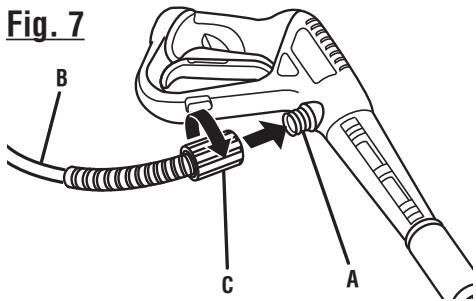
Fig. 7 B C AA - Inlet coupler (raccord d'entrée, acoplador de entrada)
B - High pressure hose (tuyau haute pression, manguera de alta presión)
C - Collar (collier, casquillo)
text_image
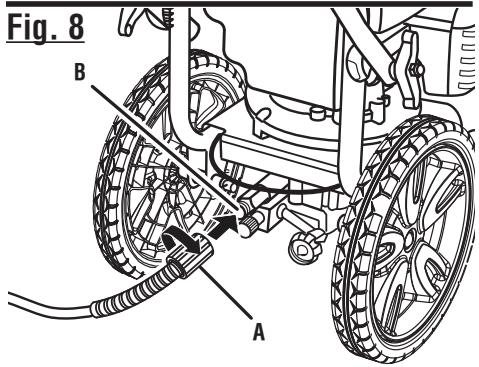
Fig. 8 B AA - Collar (collier, casquillo)
B - Threaded nipple (têton fileté, conexión roscada)
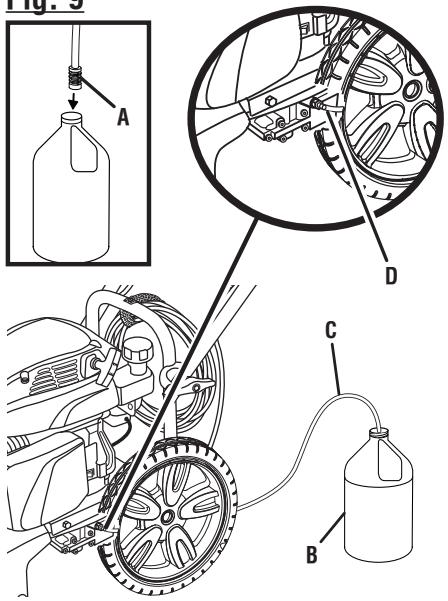
Fig. 9
text_image
Fig. 3 A D C BA - Injection hose filter (filtre à flexible d'injection, filtro de inyección transparente)
B - Detergent container (réservoir de détergent, recipiente del detergente)
C - Injection hose (flexible d'injection, manguera de inyección)
D - Injection hose fitting (raccord du flexible d'injection, adaptador de la manguera de inyección)
text_image
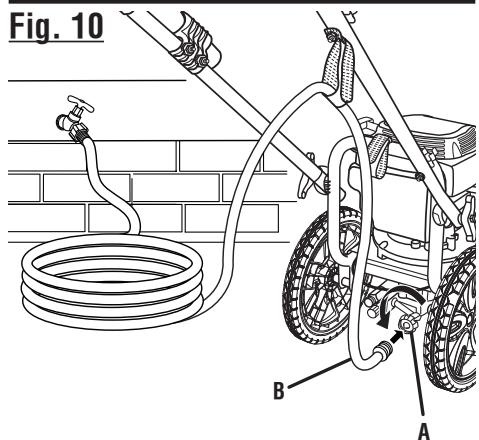
Fig. 10 A BA - Water intake (prise d'eau, entrada de agua)
B - Garden hose (tuyau d'arrosage manguera, de jardín)
Fig. 11

text_image
A BA - Garden hose storage strap (tuyau d'arrosage capuchon de sangle, tira para colgar la manguera de jardín)
B - Self-coiling garden hose (tuyau d'arrosage en spirale, manguera de jardín que se enrolla automáticamente)
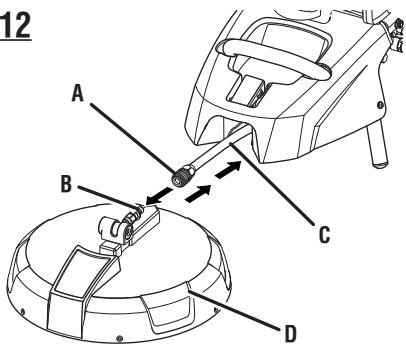
Fig. 12
text_image
12 A B C DA - Quick connect coupler (coupleur à ressort, collarin accionado por resorte)
B - Deck inlet plug (prise le filtre d'arrivée d'eau, clavija de entrada de la unidad)
C - High pressure water supply hose (tuyau haute pression de provision d'eau, manguera de suministro de agua de alta presión)
D - Cleaning deck (pont de nettoyer, unidad de limpieza)
text_image
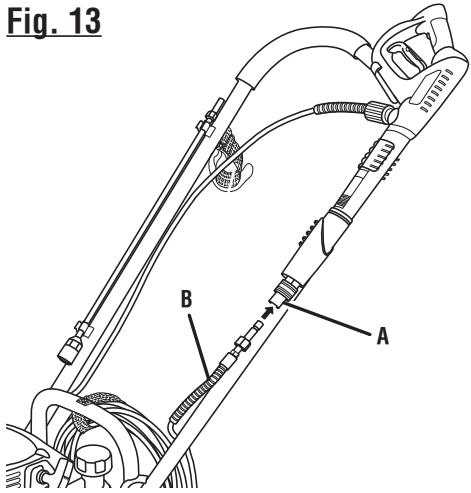
Fig. 13 B AA - Trigger handle outlet coupler (poignée à gâchette coupleur de sortie, acoplador de salida del mango del gatillo)
B - High pressure water supply hose (haute pression de provision d'eau, suministro de agua de alta presión)
text_image
Fig. 14 A Btext_image
Technical diagram showing mechanical assembly with labeled parts A and B, including a circular component and a car wheel.A - Oil cap / dipstick (bouchon / jauge d'huile, tapa del aceite con varilla de nivel)
B - Upper fill level (supérieur remplir le niveau nivel de carga superior)
Fig. 16
text_image
Fig. 16 A Bnatural_image
Technical line drawing of a mechanical assembly with labeled component A, showing internal components and a close-up view (no text or symbols present)text_image
A B C D E F GA - Nozzle (buse, boquilla)
B - “Click” (déclic, “clic”)
C - Quick-connect collar (collier à ressort, casquillo de conexión rápida)
D - Spray wand (lance de pulvérisation, tubo rociador)
E - Soap Blaster ^TM (Soap Blaster ^TM , Soap Blaster ^TM )
F - Short range detergent application (application de détergent à courte portée, aplicación de detergente corto plazo)
G - Long range detergent application (application de détergente à longue portée aplicación de detergente largo plazo)
text_image
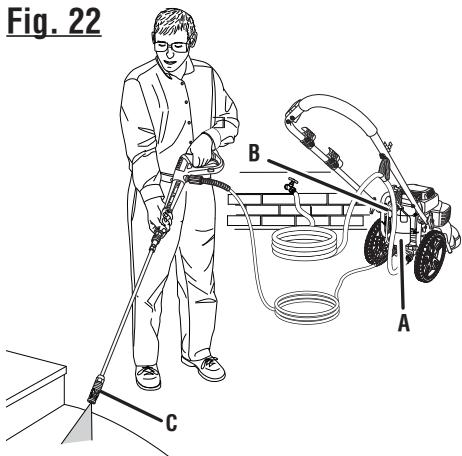
Fig. 22 B A CA - Detergent container (réservoir de détergent, recipiente del detergente)
B - Injection hose (flexible d'injection, manguera de inyección)
C - Soap Blaster™ nozzle (buse Soap Blaster™, Soap Blaster™ boquilla)
Fig. 23
natural_image
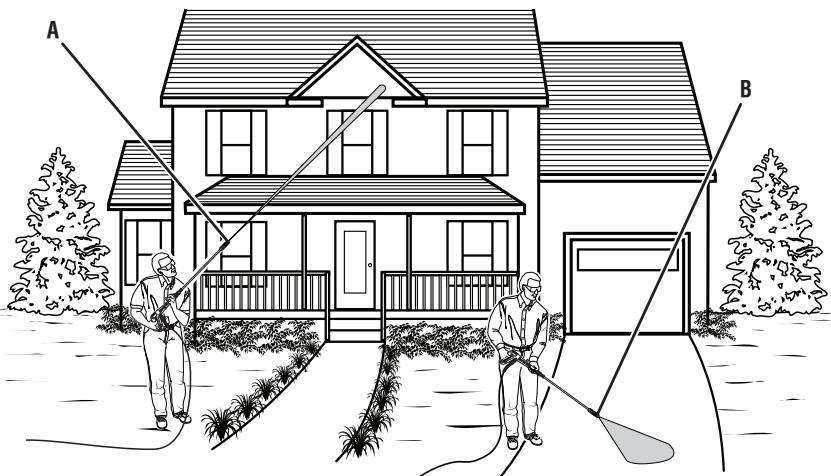
Illustration of two people in protective suits cleaning a two-story house with a hose, no text or symbols presentA - Long range (gamme longue, largo plazo)
B - Short range (courte portée, corto plazo)
Fig. 24
natural_image
Illustration of a person using a lawn mower to clean or manage equipment, with no visible text or symbols.Fig. 25
natural_image
Line drawing of a person using a power washer to clean a large circular component, with no text or symbols present.Fig. 26
text_image
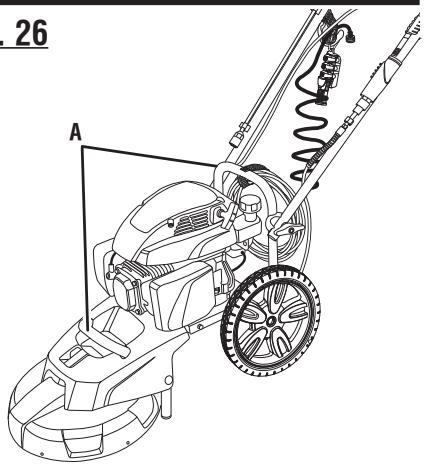
26 AA - Carrying handles (poignées de transport, mangos de traslado)
Fig. 27
natural_image
Line drawing of a person using a lawn mower (no text or symbols present)TO MOVE THE PRESSURE WASHER POUR DÉPLACER NETTOYEUR HAUTE PRESSION PARA MOVER LA MÁQUINA
Fig. 28
text_image
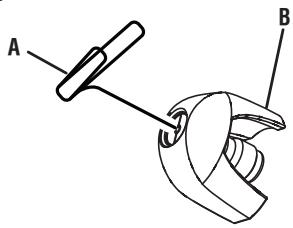
A BA - Straightened paper clip (trombone droit, clip para papel abieto)
B - Nozzle (buse, boquilla)
Fig. 29
text_image
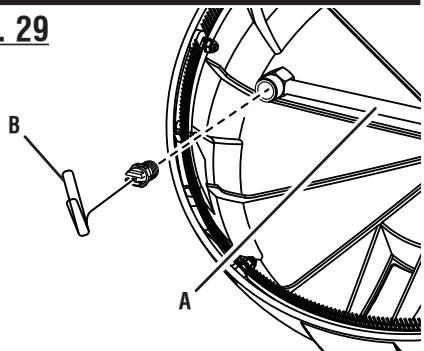
29 B AA - Spray bar (pulvérisation barre, tubo rociador)
B - Straightened paper clip (trombone droit, clip para papel abieto)
Fig. 30
text_image
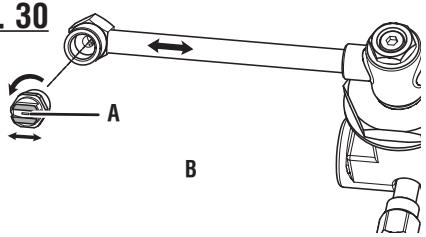
30 A BA - Nozzle opening (entretien de buse, abertura de la boquilla)
B - After tightening securely, nozzle opening should be pointed in same direction as spray bar, (assurer ensuite que l'ouverture de la buse est orientée dans la même direction que la barre de pulvérisation, luego de ajustarla correctamente la abertura de la boquilla y el tubo rociador deben apuntar hacia la misma dirección)
Fig. 31
text_image
Technical diagram of a robotic vehicle with labeled parts A, B, and C showing mechanical components and assembly.natural_image
Line drawing of a lawn mower with attached blades and wheels (no text or symbols)TABLE OF CONTENTS TABLE DES MATIÈRES / ÍNDICE DE CONTENIDO
■ Introduction ....2
Introduction / Introducción
■ Important Safety Instructions .... 3
Instructions importantes concernant la sécurité / Instrucciones de seguridad importantes
■ Specific Safety Rules....4
Règles de sécurité particulières / Reglas de seguridad específicas
■ Symbols....5-6
Symboles / Símbolos
■ Features....7
Caractéristiques / Características
■ Assembly....8-9
Assemblage / Armado
■ Operation....10-12
Utilisation / Funcionamiento
■ Maintenance....13-14
Entretien / Mantenimiento
■ Troubleshooting....15
Recherche de pannes / Solución de problemas
■ Warranty 16-17
Garantie / Garantía
■ Parts Ordering and Service ....Back Page
Commande de pièces et réparation / Pedidos de piezas y servicio ....Page arrière / Pág. posterior
INTRODUCTION INTRODUCTION / INTRODUCCIÓN
This product has many features for making its use more pleasant and enjoyable. Safety, performance, and dependability have been given top priority in the design of this product making it easy to maintain and operate.
* * *
IMPORTANT SAFETY INSTRUCTIONS

WARNING:
Read and understand all instructions. Failure to follow all instructions listed below may result in electric shock, fire and/or carbon monoxide poisoning which will cause death or serious personal injury.
READ ALL INSTRUCTIONS
- Know your tool. Read the operator's manual carefully. Learn the machine's applications and limitations as well as the specific potential hazards related to this tool.
- Keep guards in place and in working order. Never operate the tool with any guard or cover removed. Make sure all guards are operating properly before each use.
■ Remove adjusting keys and wrenches. Form habit of checking to see that keys and adjusting wrenches are removed from tool before turning it on.
■ To reduce the risk of injury, keep children and visitors away. All visitors should wear safety glasses and be kept a safe distance from work area. - Keep the area of operation clear of all persons, particularly small children, and pets.
■ Do not operate the engine in a confined space where dangerous carbon monoxide fumes can collect. Carbon monoxide, a colorless, odorless, and extremely dangerous gas, can cause unconsciousness or death. - Use right tool. Don’t force tool or attachment to do a job it was not designed for. Don’t use it for a purpose not intended.
■ Dress properly. Do not wear loose clothing, gloves, neckties, or jewelry. They can get caught and draw you into moving parts. Rubber gloves and nonskid footwear are recommended when working outdoors. Also wear protective hair covering to contain long hair.
■ Do not operate the equipment while barefoot or when wearing sandals or similar lightweight footwear. Wear protective footwear that will protect your feet and improve your footing on slippery surfaces.
■ Exercise caution to avoid slipping or falling.
■ Always wear eye protection with side shields marked to comply with ANSI Z87.1. Following this rule will reduce the risk of serious personal injury. -
Don’t overreach or stand on unstable support. Keep proper footing and balance at all times.
■ Use only recommended accessories. The use of improper accessories may cause risk of injury.
■ Follow the maintenance instructions specified in this manual. -
Check damaged parts. Before further use of the tool, a guard or other part that is damaged should be carefully checked to determine that it will operate properly and perform its intended function. Check for alignment of moving parts, binding of moving parts, breakage of parts, mounting, and any other conditions that may affect its operation. A guard or other part that is damaged must be properly repaired or replaced by an authorized service center to avoid risk of personal injury.
- Never leave tool running unattended. Turn power off. Don’t leave tool until it comes to a complete stop.
- Keep the engine free of grass, leaves, or grease to reduce the chance of a fire hazard.
- Keep the exhaust pipe free of foreign objects.
- Follow manufacturer's recommendations for safe loading, unloading, transport, and storage of machine.
■ Be thoroughly familiar with controls. Know how to stop the product and bleed pressure quickly. - Keep tool dry, clean, and free from oil and grease. Always use a clean cloth when cleaning. Never use brake fluids, gasoline, petroleum-based products, or any solvents to clean tool.
■ Stay alert and exercise control. Watch what you are doing and use common sense. Do not operate tool when you are tired. Do not rush.
■ Do not operate the product while under the influence of drugs, alcohol, or any medication. - Check the work area before each use. Remove all objects such as rocks, broken glass, nails, wire, or string which can be thrown or become entangled in the machine.
■ Do not use tool if switch does not turn it off. Have defective switches replaced by an authorized service center.
■ Before cleaning, repairing, or inspecting, shut off the engine and make certain all moving parts have stopped. Disconnect the spark plug wire, and keep the wire away from the plug to prevent accidental starting. - Avoid dangerous environment. Don’t use in damp or wet locations or expose to rain. Keep work area well lit.
■ Never use in an explosive atmosphere. Normal sparking of the motor could ignite fumes.
■ Do not operate while smoking or near an open flame.
■ Do not operate around dry brush, twigs, cloth rags, or other flammable materials.
■ WARNING: Risk of injection or injury – Do not direct discharge stream at persons.
SPECIFIC SAFETY RULES
■ Never direct a water stream toward people or pets, or any electrical device.
■ Before starting any cleaning operation, close doors and windows. Clear the area to be cleaned of debris, toys, outdoor furniture, or other objects that could create a hazard.
■ Never pick up or carry a machine while the engine is running.
■ Never start the machine if ice has formed in any part of the equipment.
■ Do not use acids, alkalines, solvents, flammable material, bleaches, or industrial grade solutions in this product. These products can cause physical injuries to the operator and irreversible damage to the machine.
■ Always operate the machine on a level surface. If the engine is on an incline, it could seize due to improper lubrication (even at the maximum oil level).
■ WARNING: High pressure jets can be dangerous if subject to misuse. The jet must not be directed at persons, animals, electrical devices, or the machine itself.
■ Never attempt to make any adjustments while the engine (motor) is running (except where specifically recommended by the manufacturer).
■ Protective covers must always cover rotating parts when the engine is running.
- Keep cooling air intake (recoil starter area) and muffler side of the engine at least 3 feet away from buildings, obstructions, and other combustible objects.
- Keep the engine away from flammables and other hazardous materials.
- Keep away from hot parts. The muffler and other engine parts become very hot; use caution.
■ Do not touch the spark plug and ignition cable when starting and operating the engine.
■ Check fuel hoses and joints for looseness and fuel leakage before each use.
■ Check bolts and nuts for looseness before each use. A loose bolt or nut may cause serious engine problems.
■ Always refuel outdoors. Never refuel indoors or in a poorly ventilated area.
- Keep garden hose away from your feet while operating this product. A garden hose in your walking path could be a tripping hazard.
■ Never store the machine with fuel in the fuel tank inside a building where ignition sources are present, such as hot water and space heaters, clothes dryers, and the like.
■ If the fuel tank has to be drained, do this outdoors.
■ To reduce the risk of fire and burn injury, handle fuel with care. It is highly flammable.
■ Do not smoke while handling fuel.
■ Add fuel before starting the engine. Never remove the cap of the fuel tank or add fuel while the engine is running or when the engine is hot.
■ Loosen fuel cap slowly to release pressure and to keep fuel from escaping around the cap.
■ Replace all fuel tank and container caps securely.
■ Wipe spilled fuel from the unit. Move 30 feet away from refueling site before starting engine.
If fuel is spilled, do not attempt to start the engine but move the machine away from the area of spillage and avoid creating any source of ignition until fuel vapors have dissipated.
■ Never attempt to burn off spilled fuel under any circumstances.
■ Before storing, allow the engine to cool.
■ Store fuel in a cool, well-ventilated area, safely away from spark and/or flame-producing equipment.
■ Store fuel in containers specifically designed for this purpose.
■ Empty fuel tank and restrain the unit from moving before transporting in a vehicle.
■ When servicing use only identical replacement parts. Use of any other parts may create a hazard or cause product damage.
■ This product is designed to operate using cold water only.
■ Make sure minimum clearance of 3 feet is maintained from combustible materials.
■ Never spray close to the surface to be cleaned as you can damage the surface.
■ Do not use the spring clip for support of human weight, playground equipment, or athletic or overhead lifting of a load. Holds up to 5 lbs.
■ Save these instructions. Refer to them frequently and use them to instruct other users. If you loan someone this tool, loan them these instructions also.
SYMBOLS
| The following signal words and meanings are intended to explain the levels of risk associated with this product. | ||
| SYMBOL | SIGNAL | MEANING |
 | DANGER: | Indicates an imminently hazardous situation, which, if not avoided, will result in death or serious injury. |
 | WARNING: | Indicates a potentially hazardous situation, which, if not avoided, could result in death or serious injury. |
 | CAUTION: | Indicates a potentially hazardous situation, which, if not avoided, may result in minor or moderate injury. |
| CAUTION: | (Without Safety Alert Symbol) Indicates a situation that may result in property damage. | |
| Some of the following symbols may be used on this product. Please study them and learn their meaning for safe operation of this product. | ||
| SYMBOL | NAME | EXPLANATION |
 | Safety Alert | Indicates a potential personal injury hazard. |
 | Wet Conditions Alert | Do not expose to rain or use in damp locations. |
 | Read Operator's Manual | To reduce the risk of injury, user must read and understand operator's manual before using this product. |
 | Eye Protection | Always wear eye protection with side shields marked to comply with ANSI Z87.1. |
 | Hot Surface | To reduce the risk of injury or damage, avoid contact with any hot surface. |
 | Risk of Injections | To reduce the risk of injection or injury, never direct a water stream towards people or pets or place any body part in the stream. Leaking hoses and fittings are also capable of causing injection injury. Do not hold hoses or fittings. |
 | Risk of Explosion | Fuel and its vapors are explosive and can cause severe burns or death. |
 | Risk of Fire | Fuel and its vapors are extremely flammable and explosive. Fire can cause severe burns or death. |
SYMBOLS
| Some of the following symbols may be used on this product. Please study them and learn their meaning for safe operation of this product. | ||
| SYMBOL | NAME | EXPLANATION |
 | Toxic Fumes | Gas products emit carbon monoxide, an odorless, colorless, poison gas. Breathing carbon monoxide can cause nausea, fainting, or death. |
 | Kickback | To reduce the risk of injury from kickback, hold the spray wand securely with both hands when the machine is on. |
 | Electric Shock | Failure to use in dry conditions and to observe safe practices can result in electric shock. |
 | Chemical Burns | To reduce the risk of injury or damage, DO NOT USE ACIDS, ALKALINES, BLEACHES, SOLVENTS, FLAMMABLE MATERIAL, OR INDUSTRIAL GRADE SOLUTIONS in this product. |
FEATURES
PRODUCT SPECIFICATIONS
Engine....170cc OHV
Fuel Tank Capacity 0.29 gal
Maximum Pounds Per Square Inch Pressure* 2,600 psi
Maximum Gallons Per Minute* 2.4 gpm
Maximum Inlet Water Temperature 104°F
*Max. rating determined by PWMA Standard 101, when tested with red nozzle
KNOW YOUR PRESSURE WASHER
See Figure 1.
The safe use of this product requires an understanding of the information on the tool and in this operator's manual as well as a knowledge of the project you are attempting. Before use of this product, familiarize yourself with all operating features and safety rules.
SURFACE CLEANER
The surface cleaner can be used to clean large flat areas using less time and energy than when using the spray wand.
ENGINE SWITCH
The engine switch is used in combination with the recoil starter grip to start the engine. It is also used to turn the engine off.
FUEL TANK
This fuel tank has a maximum capacity of 0.29 gal. Use unleaded automotive gasoline in the engine.
HIGH PRESSURE HOSE STORAGE
Once the high pressure hose is rolled, hang it on the back of the machine using the hook-and-loop strap to secure in place.
170CC OHV ENGINE
This engine enables the pressure washer to achieve 2,600 psi (pounds per square inch) at a rate of 2.4 gpm (gallons per minute).
NOZZLE HOLDER WITH SPRING CLIP
The spring clip attached to the nozzle holder allows you to clip the nozzle holder to the unit or wear it on your belt for convenience.
STARTER GRIP WITH ROPE
The starter grip with rope is pulled to start the machine.
SOAP BLASTER™ NOZZLE
The Soap Blaster™ nozzle can be easily adjusted for long range or short range cleaning.
SPARK ARRESTOR
This engine is not factory equipped with a spark arrestor. In some areas it is illegal to operate an engine without a spark arrestor. A spark arrestor is available by calling customer service for assistance.
THERMAL RELIEF VALVE
This pump feature will prevent water temperatures from reaching harmful levels by releasing a small amount of water. Once the water has drained, the thermal relief valve will reset itself.
TRIGGER HANDLE
The trigger handle has a gripping surface that provides added control of the spray wand and helps reduce fatigue.
TRIGGER WITH LOCK OUT
Pulling the trigger releases a stream of water for high pressure cleaning. The lock out provides protection against unauthorized use.
ASSEMBLY
UNPACKING
This product requires assembly.
- Carefully cut the box down the sides then remove the product and any accessories from the box. Make sure that all items listed in the packing list are included.

WARNING:
Do not use this product if any parts on the Packing List are already assembled to your product when you unpack it. Parts on this list are not assembled to the product by the manufacturer and require customer installation. Use of a product that may have been improperly assembled could result in serious personal injury.
NOTE: This product is heavy. To avoid back injury, lift with your legs, not your back, and get help when needed.
■ Inspect the product carefully to make sure no breakage or damage occurred during shipping.
■ Do not discard the packing material until you have carefully inspected and satisfactorily operated the product.
■ If any parts are damaged or missing, please call 1-866-340-3912 for assistance.
PACKING LIST
Pressure Washer
Trigger Handle
25 ft. High Pressure Hose
Self-Coiling Garden Hose
Spray Wand
Quick-Connect Nozzle (3)
Soap Blaster™ Nozzle
Nozzle Cleaning Tool
Nozzle Holder with Spring Clip
Injection Hose and Filter
Top Trigger Handle Holder
Bottom Trigger Handle Holder
Trigger Handle Holder Screws (4)
Trigger Handle Holder Nuts (4)
Handlebar
Surface cleaner
4-Cycle Engine Lubricant (SAE 10W30)
Operator's Manual

WARNING:
If any parts are damaged or missing do not operate this product until the parts are replaced. Use of this product with damaged or missing parts could result in serious personal injury.

WARNING:
Do not attempt to modify this product or create accessories not recommended for use with this product. Any such alteration or modification is misuse and could result in a hazardous condition leading to possible serious personal injury.

WARNING:
To prevent accidental starting that could cause serious personal injury, always disconnect the engine spark plug wire from the spark plug when assembling parts.
INSTALLING THE HANDLEBAR
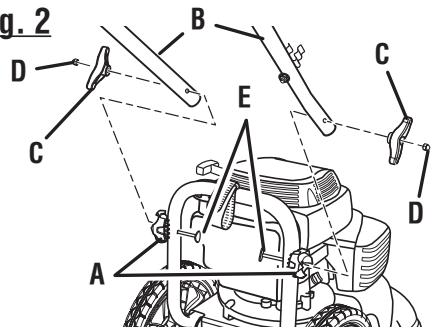
See Figures 2 - 3.
■ Remove the acorn nuts and handle knobs from frame.
- Retract handle bolts until end of bolts are flush with handle spacers.
■ Install handlebar as shown. Handlebar should rest in grooves of spacers and holes in handlebar should align with handle bolts.
■ Press handle bolts through openings in handlebar.
■ Rethread handle knobs on handle bolts and tighten to secure.
■ Rethread acorn nuts on end of handle bolts and tighten with wrench (not provided).
■ Place spray wand into storage clips located on the side of handlebar.
INSTALLING TRIGGER HANDLE HOLDERS
See Figures 4 - 5.
■ Place top trigger handle holder over handlebar and align holes.
- Secure using screws and nuts as shown.
■ While holding screw with Phillips screwdriver, tighten each nut with wrench to secure.
■ Repeat process to install bottom trigger handle holder.
- Clip flat area of trigger handle into top holder and bottom ribbed area of trigger handle into bottom holder. Slide forward until trigger handle rests securely in holders.
■ Rotate trigger handle so that bottom edge of handle snaps into handle lock.
ASSEMBLING THE SPRAY WAND
See Figure 6.
■ Insert the end of the spray wand into the trigger handle outlet coupler as shown in figure 6 and push together until coupler snaps into place.
ASSEMBLY
CONNECTING HIGH PRESSURE HOSE TO TRIGGER HANDLE
See Figure 7.
■ Screw the collar on the high pressure hose into the trigger handle inlet coupler by turning the hose collar clockwise.
■ Pull on the hose to be certain it is properly secured.
CONNECTING THE HIGH PRESSURE HOSE TO THE PUMP
See Figure 8.
■ Align the collar on the threaded nipple on the pump.
■ Insert the nozzle on the end of the high pressure hose collar into the threaded nipple.
■ Turn the collar clockwise to tighten the hose securely to the pump.
■ Pull on the hose to be certain it is properly secured.
ATTACHING INJECTION HOSE
See Figure 9.
Before detergent can be used with this machine, the injection hose must be attached.
■ Open the cap of your detergent container.
■ Push the injection hose filter onto the end of the injection hose. Insert the injection hose into your detergent container so the injection hose filter rests at the bottom of the detergent container.
■ Push the open end of the injection hose securely over the fitting as shown in figure 9.
CONNECTING THE GARDEN HOSE TO THE PRESSURE WASHER
See Figures 10 - 11.
CAUTION:
Always observe all local regulations when connecting hoses to the water main. Some areas have restrictions against connecting directly to public drinking water supply to prevent the feedback of chemicals into the drinking water supply. Direct connection through a receiver tank or backflow preventer is usually permitted.
The water supply must come from a water main. NEVER use hot water or water from pools, lakes, etc. For ease of use, a self-coiling garden hose is provided.
NOTE: When using the self-coiling garden hose, be sure that the hose does not become crimped during use as this may cause damage to the pump.
Before connecting the garden hose to the pressure washer:
■ Run water through the hose for 30 seconds to clean any debris from the hose.
■ Inspect the screen in the water intake.
■ If the screen is damaged, do not use the machine until the screen has been replaced.
■ If the screen is dirty, clean it before connecting the garden hose to the machine.
To connect the garden hose to the machine:
■ If using a garden hose that is not self-coiling, straighten the garden hose.
NOTE: There must be a minimum of 10 feet of unrestricted hose between the pressure washer intake and the hose faucet or shut off valve (such as a "Y" shut off connector).
■ With the hose faucet turned completely off, attach the end of the garden hose to the water intake. Tighten by hand.
■ Wrap the garden hose hanger strap around the garden hose to keep it close to the handle and out of the way.
INSTALLING SURFACE CLEANER
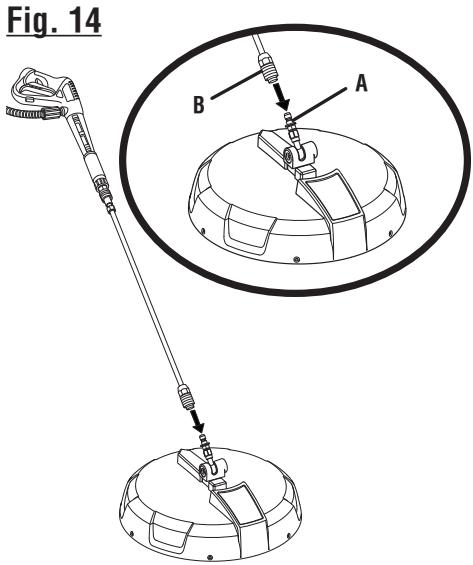
See Figures 12 - 14.
To install the surface cleaner on the pressure washer:
■ Connect the lower end of the high pressure water supply hose to the surface cleaner by inserting the deck inlet plug into the quick connect coupler on the water supply hose. Push ends together until coupler snaps into position.
■ Slide surface cleaner and pressure washer housing together until the connection is secure.
■ Insert upper end of high pressure water supply hose into trigger handle outlet coupler and push ends together until coupler snaps into position.
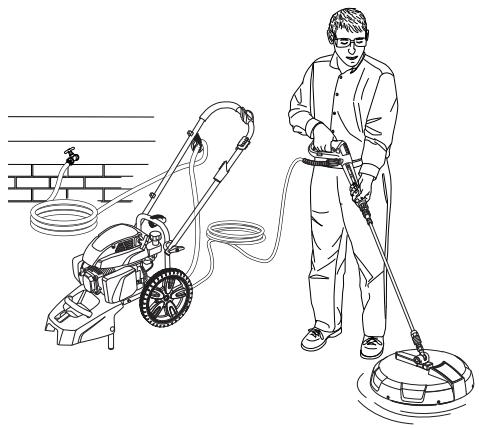
To install the surface cleaner on the spray wand:
■ Assemble the trigger handle and spray wand as described previously in this manual.
■ Insert surface cleaner inlet plug into the spray wand quick connect coupler and push ends together until coupler snaps into position.

WARNING:
To reduce the risk of injection injury, only use the surface cleaner on flat, horizontal surfaces. Never lift the surface cleaner from the cleaning surface while operating the pressure washer.
OPERATION

WARNING:
Do not allow familiarity with the product to make you careless. Remember that a careless fraction of a second is sufficient to inflict serious injury.

WARNING:
Always wear eye protection with side shields marked to comply with ANSI Z87.1. Failure to do so could result in objects being thrown into your eyes resulting in possible serious injury.

WARNING:
Do not use any attachments or accessories not recommended by the manufacturer of this product. The use of attachments or accessories not recommended can result in serious personal injury.

WARNING:
Never direct a water stream toward people or pets, or any electrical device. Failure to heed this warning could result in serious injury.
APPLICATIONS
You may use this product for the purposes listed below:
■ Using surface cleaner: removing dirt and mold from decks and cement patios
■ Using spray wand: cleaning boats, motorcycles, outdoor furniture, grills, and house siding
ADDING LUBRICANT TO THE ENGINE
See Figure 15.
NOTE: This machine has been shipped with approximately 2 oz. of lubricant in the engine from testing. You must add lubricant to the engine before starting it the first time.
CAUTION:
Any attempt to start the engine without adding lubricant will result in engine failure not covered under warranty.
■ Place pressure washer on a flat, level surface.
■ Unscrew the oil cap/dipstick by turning counterclockwise.
■ Using 4-stroke engine lubricant (SAE 10W30), add engine oil until the fluid level rises to the upper fill level on the dipstick (18 oz., 4-cycle engine lubricant provided). Do not overfill.
■ Replace the oil cap/dipstick and securely tighten.
NOTE: This engine has a total lubricant capacity of 20 oz. (.6 liters).
OXYGENATED FUELS
DO NOT USE E85 FUEL. IT WILL VOID YOUR WARRANTY.
NOTE: Fuel system damage or performance problems resulting from the use of an oxygenated fuel containing more than the percentages of oxygenates stated below are not covered under warranty.
Ethanol. Gasoline containing up to 10% ethanol by volume (commonly referred to as E10) or 15% ethanol by volume (commonly referred to as E15) are acceptable. E85 is not.
ADDING GASOLINE TO THE FUEL TANK
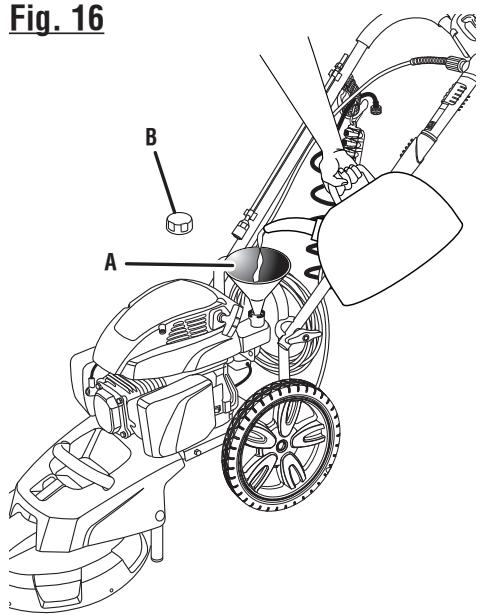
See Figure 16.

WARNING:
Always shut off engine before fueling. Never add fuel to a machine with a running or hot engine. Move at least 30 ft. from refueling site before starting engine. Do not smoke! Failure to heed this warning could result in serious personal injury.
When adding gas to the pressure washer, make sure the unit is sitting on a flat, level surface. If the engine is hot, let the pressure washer cool before adding gas. ALWAYS fill the fuel tank outdoors with the machine turned off.
NOTE: Use unleaded gas only. DO NOT mix lubricant with gas.
■ Before removing the fuel cap, clean the area around it. Remove the fuel cap.
■ Insert a clean funnel into the fuel tank then slowly pour gasoline into the tank. Fill tank to approximately 1-1/2 in. below the top of the tank neck (this allows for fuel expansion).
- Replace fuel cap and tighten until the cap “clicks.”
■ Clean up any spills before starting the engine.
STARTING AND STOPPING THE PRESSURE WASHER
See Figures 17 - 18.
CAUTION:
Do not run the pump without the water supply connected and turned on.
Before starting the engine:
■ Connect all hoses.
■ Check all fluids (lubricant and gas).
■ Turn on the garden hose then squeeze the trigger to relieve air pressure; hold the trigger until a steady stream of water appears.
OPERATION
To start the engine:
■ Put the engine switch in the ON position.
Pull choke.
■ Grasp recoil starter and pull slowly until resistance is felt. Give recoil starter a short, brisk pull to start the engine.
NOTE: Do not allow the recoil starter to snap back after starting; return it gently to its original place.
■ Let engine run for several seconds, then push choke in.
■ Put the engine switch in the OFF position.
To stop the engine:
USING THE SPRAY WAND TRIGGER
See Figures 19 - 20.
For greater control and safety, keep both hands on the trigger handle at all times.
■ Pull back and hold the trigger to operate the pressure washer.
■ Release the trigger to stop the flow of water through the nozzle.
To engage the lock out:
■ Push up on the lock out until it clicks into the slot.
To disengage the lock out:
■ Push the lock out down and into its original position.
For the most effective cleaning, the spray nozzle should be between 8 in. and 24 in. from the surface to be cleaned. If the spray is too close it can damage the cleaning surface.
SELECTING THE RIGHT QUICK-CONNECT NOZZLE FOR THE JOB
See Figure 21.
Before starting any cleaning job, determine the best nozzle for the job. Each of the nozzles has a different spray pattern. The nozzle patterns are: 40^ (for medium pressure), 25^ (for general purpose or large surfaces), 0^ (for spot cleaning or hard-to-reach areas), and the Soap Blaster ^™ nozzle (for long and short range detergent application).

WARNING:
NEVER change nozzles without locking the lock out on the trigger handle and NEVER point the wand at your face or at others. The quick-connect feature contains small springs that could eject the nozzle with some force. Failure to heed this may cause personal injury.
Using the quick-connect collar, changing nozzles is easy.
■ Turn off the pressure washer and shut off the water supply. Pull trigger to release water pressure.
To connect a nozzle to the trigger handle:
■ Engage the lock out on the trigger handle by pushing up on the lock out until it clicks into the slot.
■ Push the nozzle into the quick-connect collar until it clicks in place and is secured properly.
To disconnect a nozzle from the trigger handle once the cleaning job is complete:
■ Turn off the pressure washer and shut off the water supply. Point nozzle in a safe direction and pull trigger to release water pressure.
■ Engage the lock out on the trigger handle by pushing up on the lock out until it clicks into the slot.
■ Remove the nozzle by placing hand over nozzle then pulling back the quick-connect collar. Place nozzle in the nozzle holder for storage.
WASHING WITH DETERGENT
See Figures 22 - 23.
NOTE: When using detergent, the coiled high pressure hose can be relocated to the high pressure hose storage strap located behind the handlebar instead of the strap located on the rear carrying handle.
Use only detergents designed for pressure washers; household detergents, acids, alkalines, bleaches, solvents, flammable material, or industrial grade solutions can damage the pump. Many detergents may require mixing prior to use. Prepare cleaning solution as instructed on the solution bottle.
■ Place the injection hose in the bottom of the detergent bottle/container.
■ Install the Soap Blaster™ nozzle on the spray wand.
■ Spray the detergent on a dry surface using long, even, overlapping strokes. To prevent streaking, do not allow detergent to dry on the surface.
For long range detergent application:
With the Soap Blaster™ nozzle installed on the spray wand and the engine shut off, pull nozzle up until it clicks into place.
For short range detergent application:
With the Soap Blaster™ nozzle installed on the spray wand and the engine turned off, push the Soap Blaster™ nozzle down as far as it will go.
Before shutting off the engine:
■ Place the injection hose in a bucket of clean water.
■ Flush for 1 - 2 minutes (spray clear water through the spray wand).
■ Shut off the engine.
NOTE: Shutting OFF (O) the engine will not relieve pressure in the system. Point nozzle in a safe direction and pull trigger to release water pressure.
OPERATION
RINSING WITH THE PRESSURE WASHER
■ Turn off the pressure washer and shut off the water supply. Point nozzle in a safe direction and pull trigger to release water pressure.
■ Engage the lock out on the trigger handle by pushing up on the lock out until it clicks into the slot.
■ Remove the nozzle by placing hand over nozzle then pulling back the quick-connect collar. Place nozzle in the nozzle storage area on the top of the machine.
■ Select the right nozzle for the job:
- Use medium pressure nozzle (green) for items such as a car or boat.
- Use higher pressure nozzle for jobs such as stripping paint and degreasing the driveway. When using these nozzles, test a small area first to avoid surface damage.
■ Start at the top of the area to be rinsed and work down, overlapping the strokes.
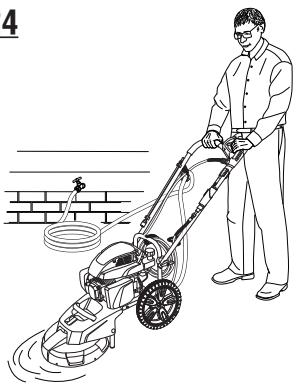
USING THE SURFACE CLEANER
See Figures 24 - 25.
■ Install the surface cleaner and connect the garden hoses as described in the assembly section of this manual.
■ Start the pressure washer as described earlier in this manual.
■ Walk slowly behind the surface cleaner, cleaning as you go.
NOTE: If striping or swirling occurs, slow your pace. If problem continues, see Troubleshooting later in this manual.

WARNING:
Striking any raised obstacle while using the surface cleaner will damage the unit. If contact does occur and causes vibration when operating the pressure washer, stop and replace the spray bar. Continuing to operate the unit without replacing the spray bar could result in serious injury or damage to the unit.
NOTE: See figure 29 for the location of the spray bar.
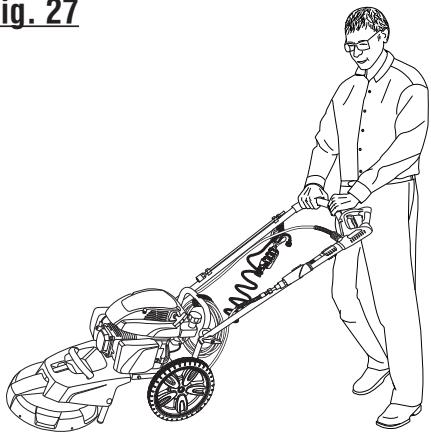
LIFTING AND MOVING THE PRESSURE WASHER
See Figures 26 - 27.
NOTE: The pressure washer is heavy and may require two people when lifting. Store all tools before moving.
To lift the pressure washer:
■ Turn the pressure washer off. Point nozzle in a safe direction and pull trigger to release water pressure.
■ Lift using the carrying handles.
To move the pressure washer:
■ Turn the pressure washer off. Point nozzle in a safe direction and pull trigger to release water pressure.
■ Tilt the machine toward you until it balances on the wheels then roll the machine to the desired position.
NOTE: Use the garden hose storage strap to hold the coils of the high pressure hose while transporting.
MAINTENANCE

WARNING:
When servicing, use only identical replacement parts. Use of any other parts may create a hazard or cause product damage.

WARNING:
Always wear eye protection with side shields marked to comply with ANSI Z87.1. Failure to do so could result in objects being thrown into your eyes resulting in possible serious injury.

WARNING:
Before inspecting, cleaning or servicing the machine, shut off engine, wait for all moving parts to stop, and disconnect spark plug wire and move it away from spark plug. Failure to follow these instructions can result in serious personal injury or property damage.
GENERAL MAINTENANCE
Avoid using solvents when cleaning plastic parts. Most plastics are susceptible to damage from various types of commercial solvents and may be damaged by their use. Use clean cloths to remove dirt, dust, oil, grease, etc.

WARNING:
Do not at any time let brake fluids, gasoline, petroleum-based products, penetrating oils, etc., come in contact with plastic parts. Chemicals can damage, weaken or destroy plastic which may result in serious personal injury.
Only the parts shown on the parts list are intended to be repaired or replaced by the customer. All other parts should be replaced at an authorized service center.
Before running the engine, perform the following pre-operation steps:
- Check that all bolts, nuts, etc., are securely tightened.
■ Make sure the air filter is clean. - Check both the engine lubricant level and the fuel tank level; refill as needed.
■ Inspect the work area for hazards.
■ If there is excessive noise or vibration, stop the unit immediately.
NOZZLE MAINTENANCE
See Figures 28 - 30.
Excessive pump pressure (a pulsing sensation felt while squeezing the trigger) may be the result of a clogged or dirty nozzle.
■ Turn off the pressure washer and shut off the water supply. Point nozzle in a safe direction and pull trigger to release water pressure.
■ Remove the nozzle from the spray wand.
NOTE: Never point the spray wand at your face.
■ Using a straightened paper clip or nozzle cleaning tool, free any foreign materials clogging or restricting the nozzle.
■ Using a garden hose, flush debris out of nozzle by back flushing (running the water through the nozzle backwards or from the outside to the inside).
■ Reconnect the nozzle to the spray wand.
■ Turn on the water supply and start the engine.
To clean nozzles on surface cleaner:
■ Turn off the pressure washer and shut off the water supply. With the surface cleaner on the ground, pull trigger to release water pressure.
■ Disconnect surface cleaner from spray wand.
■ Unscrew the retaining nut and remove the nozzle from the spray bar.
NOTE: Never point the spray bar at your face.
■ Using a straightened paper clip or nozzle cleaning tool (not provided), free any foreign materials clogging or restricting the nozzle.
■ Using a garden hose, flush debris out of nozzle by back flushing (running the water through the nozzle backwards or from the outside to the inside).
■ Reinsert the nozzle into the spray bar, being careful not to damage the o-ring.
NOTE: Make sure the flats of the nozzle are aligned with the flats in the spray bar openings and the groove in the nozzle is in the same orientation as the spray bar itself as shown.
■ Reinstall the retaining nut and torque to 6-7.5 ft.lbs. (8-10 Nm) to secure.
■ Reconnect the surface cleaner to the spray wand.
■ Turn on the water supply and start the pressure washer.
CLEANING THE AIR FILTER
See Figure 31.
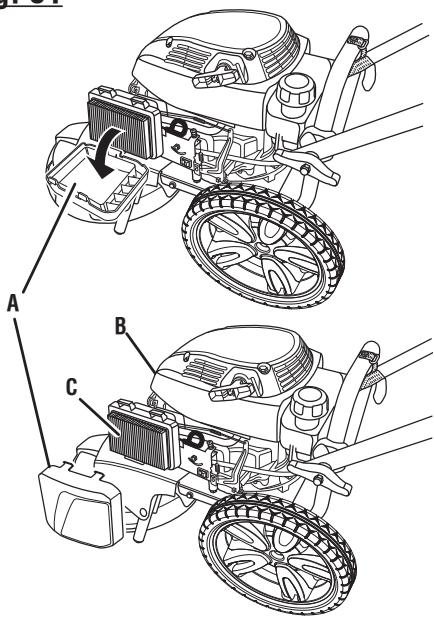
A dirty air filter will cause starting difficulty, loss of performance, and shorten the life span of the engine. Check the air filter monthly. For best performance, replace the air filter at least once a year.
■ Push the tab on the air filter cover to open, then remove the air filter cover.
■ Lift the edge of the air filter carefully and pull it out.
■ Lightly tap or blow out dirt particles from filter.
■ Reinstall the air filter cover.
NOTE: Make sure the filter is seated properly inside the cover. Installing the filter incorrectly will allow dirt to enter the engine, causing rapid engine wear.
MAINTENANCE
STORING THE PRESSURE WASHER
See Figure 32.
Store the pressure washer with the gas tank empty by either draining the tank or running the pressure washer until the gas runs out. Allow 30 minutes of “cool down” time before storing the machine. Store in a dry, covered area where the weather can’t damage it.
It is important to store this product in a frost-free area. Always empty water from all hoses and the pump before storing.
NOTE: Use of a fuel stabilizer and pump saver will give you better performance and increase the life of the machine.
Discharge Fuel:
Drain the fuel tank completely. Stored gas can go stale in 30 days.
Engine Lubricant:
Drain the lubricant and replace with fresh, clean lubricant.
Spark Plug:
■ Disconnect spark plug wire and remove the spark plug. Pour about a teaspoon of clean, air-cooled, four-cycle lubricant through the spark plug hole into the combustion chamber.
■ Leaving the spark plug out, pull the starter cord two or three times to coat the inside of the cylinder wall.
- Inspect the spark plug and clean or replace, as necessary.
■ Reinstall the spark plug, but leave the spark plug wire disconnected.
Air Filter:
■ Clean the air filter.
Hoses and Pump:
Flush the injection hose with clean water for 1-2 minutes. Remove all hoses. Empty the pump by pulling on the recoil starter about 6 times. This should remove most of the liquid from the pump.
Handlebar:
NOTE: Before lowering the handlebar, disconnect the high pressure water hose from the trigger handle outlet coupler.
■ To lower the handlebar for storage, remove the acorn nut and knob.
■ Rotate handlebar forward to the next indentation in handle spacer.
■ Retighten knob and acorn nut to secure.
PREPARING FOR USE AFTER STORAGE
■ Restore handle to operating position.
■ Pull the recoil starter grip three or four times to clean lubricant from the combustion chamber.
■ Remove spark plug from the cylinder. Wipe lubricant from the spark plug and return it to the cylinder.
■ Reconnect the spark plug wire.
■ Refuel the machine as described earlier in the operator's manual.
PERIODIC MAINTENANCE SCHEDULE TABLE
| Maintenance Items | Each use | Every 8 hrs. | Every 20 hrs. | Every 50 hrs. | Every 100 hrs. | Every 300 hrs. |
| Clean engine & check bolts & nuts | X | X | ||||
| Check engine oil | X | |||||
| Change engine oil* | X | |||||
| Clean spark plug | X | |||||
| Clean air cleaner | X | X | ||||
| Replace air cleaner element | X | |||||
| Clean & adjust spark plug & electrodes | X | |||||
| Replace spark plug | X | |||||
| Remove carbon from cylinder head** | X | |||||
| Check & adjust valve clearance** | X |
* Initial oil change should be performed after the first 20 hours of operation. Do not pour old oil down sewage drains, into garden soil, or into open streams. Your local zoning or environmental regulations will give you more detailed instruction on proper disposal.
** Have performed by your nearest service center
TROUBLESHOOTING
| PROBLEM | CAUSE | SOLUTION |
| Engine fails to start | 1. No fuel in tank2. Engine switch in OFF position3. Spark plug shorted or fouled4. Spark plug is broken (cracked porcelain or electrodes broken)5. Ignition lead wire shorted, broken, or disconnected from spark plug6. Ignition inoperative | 1. Fill tank2. Turn engine switch to ON position3. Replace spark plug4. Replace spark plug6. Replace lead wire or attach to spark plug7. Contact authorized service center |
| Engine hard to start | 1. Water in gasoline2. Weak spark at spark plug | 1. Drain entire system and refill with fresh fuel2. Contact authorized service center |
| Engine lacks power | 1. Dirty air filter | 1. Clean or replace air filter |
| Detergent fails to mix with spray | 1. Detergent injection hose is not properly submerged2. High pressure nozzle attached | 1. Insert injection hose into detergent container or detergent bottle2. Use Soap BlasterTM Nozzle to apply detergent |
| Pump doesn’t produce pressure | 1. Low pressure nozzle installed2. Inadequate water supply3. Trigger handle or spray wand leaks4. Nozzle is clogged5. Pump is faulty6. Air in line | 1. Replace with high pressure nozzle2. Provide adequate water flow3. Check connections and / or replace trigger handle or spray wand4. Clean nozzle5. Contact authorized service center6. Squeeze trigger on trigger handle to remove air from line |
| Machine doesn’t reach high pressure | 1. Diameter of garden hose is too small2. Water supply is restricted3. Not enough inlet water4. Wrong nozzle is attached5. Air in hose causing spray bar to turn too slowly | 1. Replace with 3/4 in. garden hose2. Check garden hose for kinks, leaks, and blockages3. Open water source full force4. Attach the high pressure nozzle5. Disconnect trigger handle and let water run until steady stream |
| Striping, swirl patterns, or other marks appear in cleaned surface | 1. Pace is too fast2. Surface cleaner brush skirt bristles are worn3. Feet on frame assembly are worn4. Air in hose causing spray bar to turn too slowly | 1. Slow your pace2. Replace surface cleaner brush skirt3. Replace frame assembly feet4. Disconnect trigger handle and let water run until steady stream |
LIMITED NON-ENGINE WARRANTY STATEMENT
Homelite Consumer Products, Inc., (“Homelite”) warrants to the original retail purchaser that this HOMELITE brand pressure washer is free from defect in material and workmanship and agrees to repair or replace, at Homelite’s discretion, any defective product free of charge within these time periods from the date of purchase.
■ Two years if the product is used for personal, family or household use;
■ 90 days, if any of the above products are used for any other purpose, such as commercial or rental.
This warranty extends to the original retail purchaser only and commences on the date of the original retail purchase.
Any part of the this product manufactured or supplied by Homelite and found in the reasonable judgment of Homelite to be defective in material or workmanship will be repaired or replaced without charge for parts and labor by a Homelite Authorized Service Center.
The product, including any defective part, must be returned to a Homelite Authorized Service Center within the warranty period. The expense of delivering the product to the service center for warranty work and the expense of returning it back to the owner after repair or replacement will be paid by the owner. Homelite's responsibility in respect to claims is limited to making the required repairs or replacements and no claim of breach of warranty shall be cause for cancellation or rescission of the contract of sale of any HOMELITE brand product. Proof of purchase will be required to substantiate any warranty claim. All warranty work must be performed by a Homelite Authorized Service Center.
This warranty does not cover any product that has been subject to misuse, neglect, negligence, or accident, or that has been operated in any way contrary to the operating instructions as specified in the operator's manual. This warranty does not apply to any damage to the product that is the result of improper maintenance or to any product that has been altered or modified so as to adversely affect the product's operation, performance or durability or that has been altered or modified so as to change its intended use. The warranty does not extend to repairs made necessary by normal wear or by the use of parts or accessories which are either incompatible with the HOMELITE brand pressure washer or adversely affect its operation, performance or durability.
In addition, this warranty does not cover:
A. Tune-ups – Air filters, gas filters, spark plugs
B. Wear items – Hoses, connector fittings, spray nozzles, wheels, spray wand, detergent bucket, detergent tank
Homelite reserves the right to change or improve the design of any HOMELITE brand pressure washer without assuming any obligation to modify any product previously manufactured.
ALL IMPLIED WARRANTIES ARE LIMITED IN DURATION TO THE STATED WARRANTY PERIOD. ACCORDINGLY, ANY SUCH IMPLIED WARRANTIES INCLUDING MERCHANTABILITY, FITNESS FOR A PARTICULAR PURPOSE, OR OTHERWISE, ARE DISCLAIMED IN THEIR ENTIRETY AFTER THE EXPIRATION OF THE STATED ONE YEAR OR 90-DAY EXPRESS WARRANTY PERIOD. HOMELITE CONSUMER PRODUCTS'S OBLIGATION UNDER THIS WARRANTY IS STRICTLY AND EXCLUSIVELY LIMITED TO THE REPAIR OR REPLACEMENT OF DEFECTIVE PARTS AND HOMELITE DOES NOT ASSUME OR AUTHORIZE ANYONE TO ASSUME FOR THEM ANY OTHER OBLIGATION. SOME STATES DO NOT ALLOW LIMITATIONS ON HOW LONG AN IMPLIED WARRANTY LASTS, SO THE ABOVE LIMITATION MAY NOT APPLY TO YOU. ASSUMES NO RESPONSIBILITY FOR INCIDENTAL, CONSEQUENTIAL OR OTHER DAMAGES INCLUDING, BUT NOT LIMITED TO EXPENSE OF RETURNING THE PRODUCT TO AN AUTHORIZED HOMELITE SERVICE CENTER AND EXPENSE OF DELIVERING IT BACK TO THE OWNER, MECHANIC'S TRAVEL TIME, TELEPHONE OR TELEGRAM CHARGES, RENTAL OF A LIKE PRODUCT DURING THE TIME WARRANTY SERVICE IS BEING PERFORMED, TRAVEL, LOSSORDAMAGE TO PERSONAL PROPERTY, LOSS OF REVENUE, LOSS OF USE OF THE PRODUCT, LOSS OF TIME, OR INCONVENIENCE, SOME STATES DO NOT ALLOW THE EXCLUSION OR LIMITATION OF INCIDENTAL OR CONSEQUENTIAL DAMAGES, SO THE ABOVE LIMITATION OR EXCLUSION MAY NOT APPLY TO YOU.
This warranty gives you specific legal rights, and you may also have other rights which vary from state to state.
This warranty applies to all HOMELITE brand pressure washer distributed by Homelite Consumer Products, Inc., and sold in the United States, Mexico, and Canada.
To locate your nearest Homelite Authorized Service Center, dial 1-800-242-4672 or log on to our website at www.homelite.com.
THE FOLLOWING CALIFORNIA AIR RESOURCES BOARD (CARB) STATEMENT ONLY APPLIES TO MODEL NUMBERS REQUIRED TO MEET THE CARB REQUIREMENTS.
CALIFORNIA AND FEDERAL EMISSION CONTROL WARRANTY STATEMENT YOUR WARRANTY RIGHTS AND OBLIGATIONS
The California Air Resources Board (CARB) and the United States Environmental Protection Agency (EPA), together with CHONGQING RATO POWER CO., LTD. are pleased to explain the Emission Control System Warranty on your new small off-road engine. New small off-road engines must be designed, built and equipped to meet stringent anti-smog standards for the state of California and the federal government. CHONGQING RATO POWER CO., LTD. will warrant the emission control system on your engine for the periods of time listed below provided there has been no abuse, neglect, unapproved modification or improper maintenance of your engine.
Your emission control system may include parts such as the carburetor, ignition, intake and exhaust systems. CHONGQING RATO POWER CO., LTD. will repair your engine at no cost to you for diagnosis, replacement parts and labor, should a warrantable condition occur.
MANUFACTURER'S EMISSION CONTROL SYSTEM WARRANTY COVERAGE:
Emission control systems on 1997 and later model year engines are warranted for two years as hereinafter noted. If, during such warranty period, any emission-related component or system on your engine is found to be defective in materials or workmanship, repairs or replacement will be performed by a CHONGQING RATO POWER CO., LTD. Authorized Warranty Service Facility.
PURCHASER'S/OWNER'S WARRANTY RESPONSIBILITIES:
As the small off-road engine purchaser/owner, you are responsible for the completion of all required maintenance as listed in your factory supplied Owner's Manual. For warranty purposes, CHONGQING RATO POWER CO., LTD. recommends that you retain all receipts covering maintenance on your engine. However, CHONGQING RATO POWER CO., LTD. cannot deny warranty solely because of the lack of receipts or for your failure to ensure the completion of all scheduled maintenance.
As the small off-road engine purchaser/owner, you should, however, be aware that CHONGQING RATO POWER CO., LTD. may deny any and/or all warranty coverage or responsibility if your engine, or a part/component thereof, has failed due to abuse, neglect, improper maintenance or unapproved modifications, or the use of counterfeit and/or “grey market” parts not made, supplied or approved by CHONGQING RATO POWER CO., LTD.
You are responsible for presenting your engine to a CHONGQING RATO POWER CO., LTD. Authorized Warranty Service Facility as soon as a problem occurs. The warranty repairs should be completed in a reasonable amount of time, not to exceed 30 days. Warranty service can be arranged by contacting either your selling dealer or a CHONGQING RATO POWER CO., LTD. Authorized Warranty Service Facility. To locate the CHONGQING RATO POWER CO., LTD. Authorized Warranty Service Facility nearest you at +1 800 520 0882.
IMPORTANT NOTE: This warranty statement explains your rights and obligations under the Emission Control System Warranty (ECS Warranty), which is provided to you by CHONGQING RATO POWER CO., LTD. pursuant to California and federal law. See also the “Limited Warranties for CHONGQING RATO POWER CO., LTD.,” which is enclosed herewith on a separate sheet, also provided to you by CHONGQING RATO POWER CO., LTD. The ECS Warranty applies only to the emission control system of your new engine. If there is any conflict in terms between the ECS Warranty and the CHONGQING RATO POWER CO., LTD. Warranty, the ECS Warranty shall apply except in circumstances where the CHONGQING RATO POWER CO., LTD. Warranty may provide a longer warranty period. Both the ECS Warranty and the CHONGQING RATO POWER CO., LTD. Warranty describe important rights and obligations with respect to your new engine.
Warranty service can be performed only by a CHONGQING RATO POWER CO., LTD. Authorized Warranty Service Facility. When requesting warranty service, evidence must be presented showing the date of the sale to the original purchaser/owner. The purchaser/owner shall be responsible for any expenses or other charges incurred for service calls and/or transportation of the product to/from the inspection or repair facilities. The purchaser/owner shall also be responsible for any and/or all damages or losses incurred while the engine is being transported/shipped for inspection or warranty repairs.
IF YOU HAVE ANY QUESTIONS REGARDING YOUR WARRANTY RIGHTS AND RESPONSIBILITIES, YOU SHOULD CONTACT CHONGQING RATO POWER CO., LTD. at +1 800 520 0882.
II. EMISSION CONTROL SYSTEM WARRANTY
Emission Control System Warranty (ECS Warranty) for 1997 and later model engines:
(a) Applicability: This warranty shall apply to 1997 and later model year engines. The ECS Warranty Period shall begin on the date the new engine or equipment is purchased by/delivered to its original, end-use purchaser/owner and shall continue for 24 consecutive months thereafter.
(b) General Emissions Warranty Coverage: CHONGQING RATO POWER CO., LTD. warrants to the original, end-use purchaser/owner of the new engine or equipment and to each subsequent purchaser/owner that each of its engines is:
(1) Designed, built and equipped so as to conform with all applicable regulations adopted by the EPA and CARB pursuant to their respective authority, and
(2) Free from defects in materials and workmanship which, at any time during the ECS Warranty Period, may cause a warranted emissions-related part to fail to be identical in all material respects to the part as described in the engine manufacturer's application for certification.
The ECS Warranty only pertains to emissions-related parts on your engine, as follows:
(1) Any warranted, emissions-related parts that are not scheduled for replacement as required maintenance in the Owner's Manual shall be warranted for the ECS Warranty Period. If any such part fails during the ECS Warranty Period, it shall be repaired or replaced by CHONGQING RATO POWER CO., LTD. according to Subsection (4) below. Any such part repaired or replaced under the ECS Warranty shall be warranted for the remainder of the ECS Warranty Period.
(2) Any warranted, emissions-related part that is scheduled only for regular inspection as specified in the Owner's Manual shall be warranted for the ECS Warranty Period. A statement in such written instructions to the effect of “repair or replace as necessary” shall not reduce the ECS Warranty Period. Any such part repaired or replaced under the ECS Warranty shall be warranted for the remainder of the ECS Warranty Period.
(3) Any warranted, emissions-related part that is scheduled for replacement as required maintenance in the Owner's Manual shall be warranted for the period of time prior to the first scheduled replacement point for that part. If the part fails prior to the first scheduled replacement, the part shall be repaired or replaced by CHONGQING RATO POWER CO., LTD. according to Subsection (4) below. Any such emissions-related part repaired or replaced under the ECS Warranty shall be warranted for the remainder of the ECS Warranty Period prior to the first scheduled replacement point for such emissions-related part.
(4) Repair or replacement of any warranted, emissions-related part under this ECS Warranty shall be performed at no charge to the owner at a CHONGQING RATO POWER CO., LTD. Authorized Warranty Service Facility.
(5) When the engine is inspected by a CHONGQING RATO POWER CO., LTD. Authorized Warranty Service Facility, the owner shall not be held responsible for diagnostic costs if the repair is deemed warrantable.
(6) CHONGQING RATO POWER CO., LTD. shall be liable for damages to other original engine components or approved modifications proximately caused by a failure under warranty of any emission-related part covered by the ECS Warranty.
(7) Throughout the ECS Warranty Period, CHONGQING RATO POWER CO., LTD. shall maintain a supply of warranted emission-related parts sufficient to meet the expected demand for such emission-related parts.
(8) Any CHONGQING RATO POWER CO., LTD. authorized and approved emission-related replacement part may be used in the performance of any ECS Warranty maintenance or repairs and will be provided without charge to the purchaser/owner. Such use shall not reduce CHONGQING RATO POWER CO., LTD.'s ECS Warranty obligations.
(9) Unapproved, add-on, modified, counterfeit and/or “grey market” parts may not be used to modify or repair a CHONGQING RATO POWER CO., LTD. engine. Such use voids this ECS Warranty and shall be sufficient grounds for disallowing an ECS Warranty claim. CHONGQING RATO POWER CO., LTD. shall not be held liable hereunder for failures of any warranted parts of a CHONGQING RATO POWER CO., LTD. engine caused by the use of such an unapproved, add-on, modified, counterfeit and/or “grey market” part.
EMISSION RELATED PARTS INCLUDE THE FOLLOWING:
1) Fuel Metering System:
a) Gasoline carburetor assembly and its internal components.
b) Fuel filter (if so equipped)
c) Carburetor gaskets
d) Fuel pump (if so equipped)
2) Air Induction System including:
a) Intake pipe/manifold
b) Air cleaner
3) Ignition System including:
a) Spark plug
b) Ignition module/coil
4) Catalytic Muffler Assembly (if so equipped) including:
a) Muffler gasket
b) Exhaust manifold
5) Miscellaneous including:
a) Hoses, belts and connectors.
INSTRUCTIONS IMPORTANTES CONCERNANT LA SÉCURITÉ

AVERTISSEMENT :
PRODUCT SPECIFICATIONS
Moteur 170 cc OHV
To connect a nozzle to the trigger handle:
The engine exhaust from this product contains chemicals known to the State of California to cause cancer, birth defects, or other reproductive harm. CALIFORNIA PROPOSITION 65

AVERTISSEMENT :
For parts or service, contact your nearest Homelite authorized service dealer. Be sure to provide all relevant information when you call or visit. For the location of the authorized service dealer nearest you, please call 1-800-242-4672 or visit us online at www.homelite.com.
REPAIR PARTS
The model number of this product is found on a plate or label attached to the housing. Please record the serial number in the space provided below.
MODEL NO. HL80833/HL80835
SERIAL NO.
● ● ● ● ● ● ● ● ● ● ● ● ● ●
DÉPANNAGE
● ● ● ● ● ● ● ● ● ● ● ● ● ●