99-8244HG - Kit voiture Metra - Free user manual and instructions
Find the device manual for free 99-8244HG Metra in PDF.


User questions about 99-8244HG Metra
0 question about this device. Answer the ones you know or ask your own.
Ask a new question about this device
Download the instructions for your Kit voiture in PDF format for free! Find your manual 99-8244HG - Metra and take your electronic device back in hand. On this page are published all the documents necessary for the use of your device. 99-8244HG by Metra.
USER MANUAL 99-8244HG Metra
natural_image
Interior view of a car dashboard with digital displays and control knobs (no visible text or symbols)Toyota Avalon 2013-up\*
*Visit MetraOnline.com for up-to-date vehicle specific applications.
KIT FEATURES
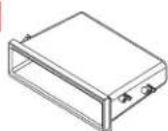
- ISO DIN radio provision with pocket
- Painted high gloss black
KIT COMPONENTS
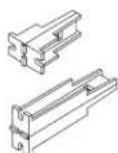
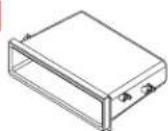
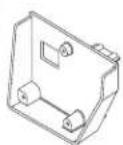
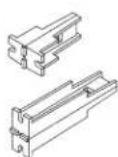
• A) Radio housing • B) Radio brackets • C) Pocket • D) (1) Passenger Air Bag Light board cover • E) (2) Panel clip mounts
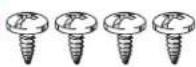
• F) (4) #8 x 3/8" pan-head Phillips screws • G) (7) #4 x 3/8" pan-head Phillips screws • H) (1) Air-Bag sticker (not shown)
A

natural_image
Technical line drawing of a mechanical component or housing (no text or symbols)
D

E
F
G
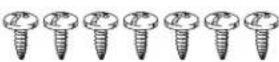
TABLE OF CONTENTS
Dash Disassembly 2-5
Kit Preparation 6
Kit Assembly
-ISO DIN radio provision with pocket ....7
WIRING & ANTENNA CONNECTIONS (sold separately)
Wiring Harness: 70-1761 • TYT0-02 (For models with a JBL amp)
Antenna Adapter: 40-LX11
TOOLS REQUIRED
• Panel removal tool • Phillips screwdriver
- Socket wrench
CAUTION! All accessories, switches, climate controls panels, and especially air bag indicator lights must be connected before cycling the ignition. Also, do not remove the factory radio with the key in the on position, or while the vehicle is running.
DASH DISASSEMBLY
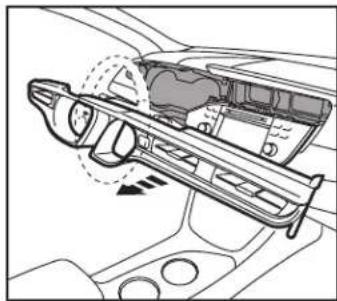
- Unclip and remove the a/c vent panel above the factory radio and surrounding the instrument cluster. (Figure A)
Tip: Start at the passenger side of the panel.
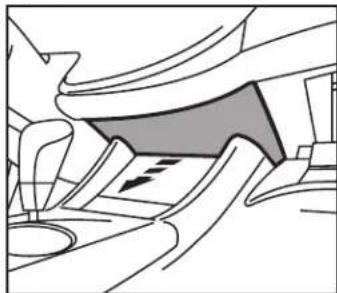
- Unclip and remove the panel below the factory radio. (Figure B)
natural_image
Diagram of a car interior showing airflow direction and component placement (no text or labels)(Figure A)
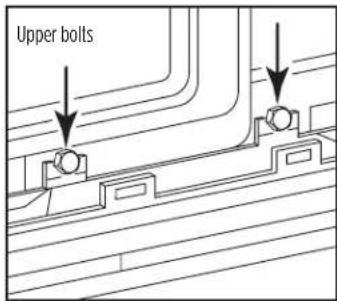
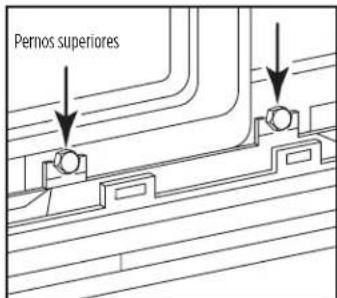
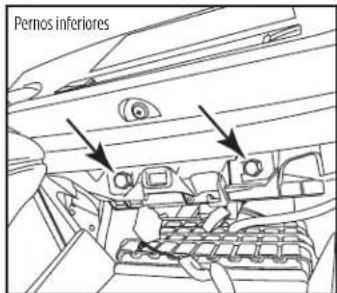
- Remove (4) 10mm bolts (2 on top and 2 on bottom) securing the factory radio then unclip and remove. (Figure C,D)
Continued on the next page
natural_image
Line drawing of a car interior showing steering wheel and dashboard (no text or symbols)(Figure B) (Figure D)
text_image
Upper bolts(Figure C)

text_image
Lower boltsDASH DISASSEMBLY (CONT.)
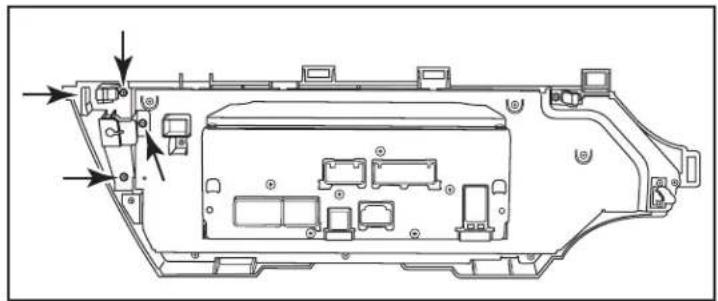
- Remove (4) small Phillips screws securing the panel clip and screw mount to the factory radio. Retain for kit assembly. (Figure E)
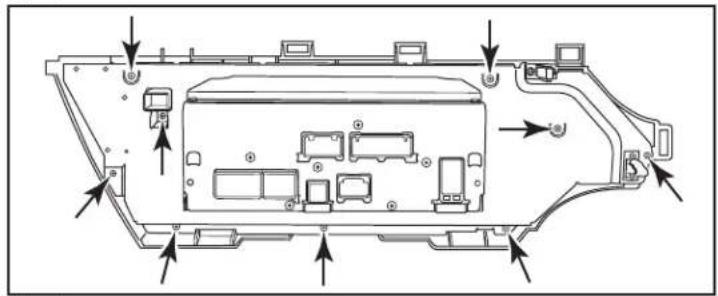
- Remove (9) small Phillips screws securing the radio chassis to the main panel of the factory radio. (Figure F)
Continued on the next page
natural_image
Technical line drawing of a vehicle chassis frame with mounting hardware and component labels (no readable text or symbols)(Figure E)

natural_image
Technical diagram of an electronic device chassis with labeled components and directional arrows indicating assembly or movement (no text or symbols present)(Figure F)
DASH DISASSEMBLY (CONT.)
-
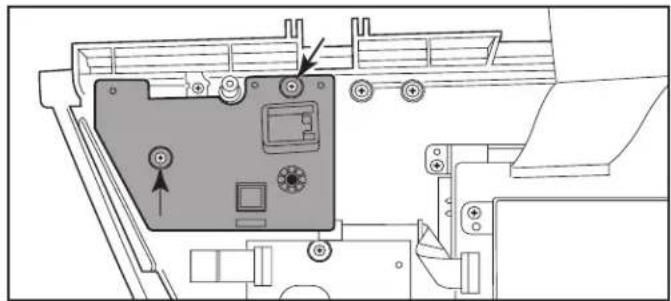
Remove (2) remaining Phillips screws securing the Passenger Air Bag Light board to the main factory radio panel. Retain board for kit assembly. (Figure 6)
-
Remove the remaining (2) yellow panel clips and retain for kit assembly. (Figure H)
Continued on the next page
natural_image
Technical diagram of a computer chassis showing an internal component with labeled parts and arrows indicating orientation (no text or symbols present)(Figure G)

natural_image
Technical line drawing of a mechanical component with mounting holes and arrows indicating features (no text or symbols)(Figure H)
DASH DISASSEMBLY (CONT.)
-
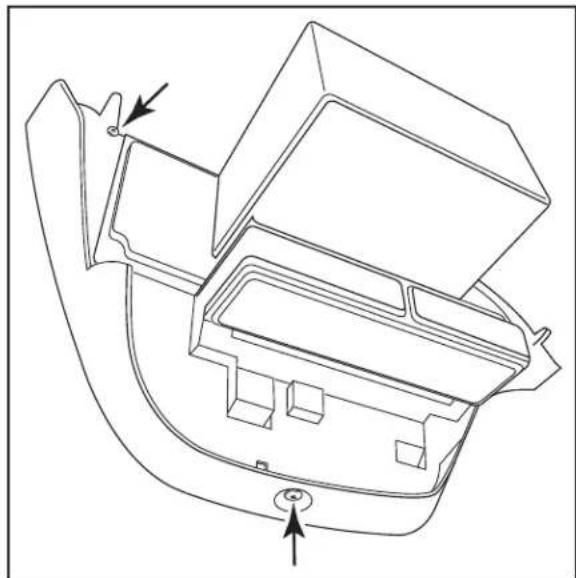
Remove (2) Phillips screws and then unclip the chrome trim around the outside of the radio/climate control assembly. Retain for kit assembly. (Figure 1)
-
Remove the radio brackets and the climate control from the factory radio. Retain climate control for kit assembly.
Continue to Kit Preparation
natural_image
Technical line drawing of a mechanical component with no visible text or symbols(Figure I)
KIT PREPARATION
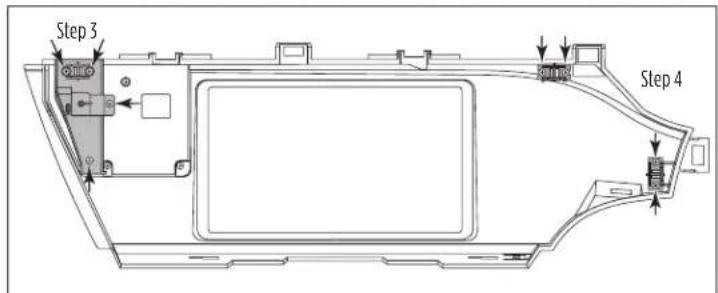
- Attach the Passenger Air Bag Light board to the radio housing with the factory hardware. (Figure A)
- Attach the Passenger Air Bag Light board cover to the radio housing panel over the Passenger Air Bag Light board using (3) of the #4 x 3/8" Phillips screws supplied. (Figure A)
- Apply the supplied Air Bag Sticker to the face of theradio housing. (Figure A)
- Attach the panel clip and screw mount to the radio housing using the factory hardware. (Figure B)
- Attach the (2) panel clip mounts to the radio housing using (4) #4 x 3/8" Phillips screws supplied. (Figure B)
- Attach the clips removed in step 7 of disassembly to the panel clip mounts on the radio housing.
- Attach the climate control and the chrome trim to the radio housing.

text_image
Air Bag Sticker(Figure A)
text_image
Step 3 Step 4(Figure B)
Continue to Kit Assembly
KIT ASSEMBLY
ISO DIN radio provision with pocket
-
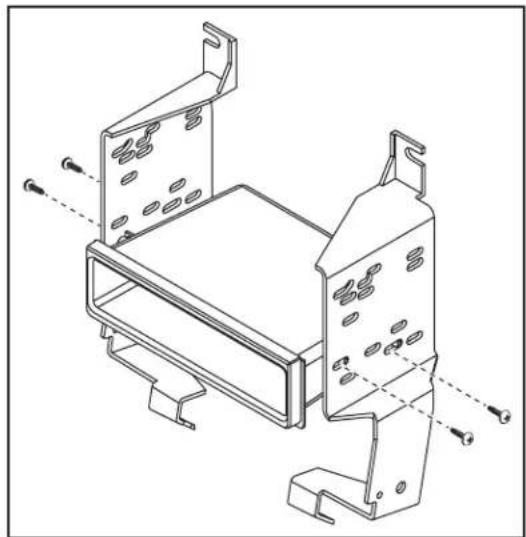
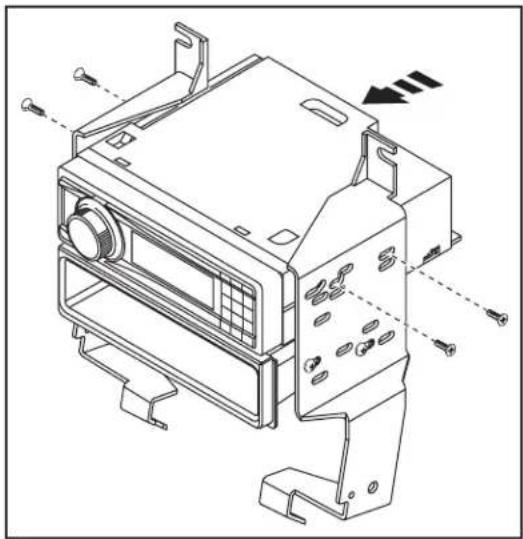
Secure the pocket to the radio brackets with the (4) #8 x 3/8" Phillips screws supplied. (Figure A)
-
Slide the radio onto radio brackets and secure with the screws supplied with the radio. (Figure B)
-
Secure the radio/pocket/bracket assembly to the radio housing/climate control assembly with the factory hardware.
-
Locate the factory wiring harness and antenna connector in the dash and complete all necessary connections to the radio. Metra recommends using the proper mating adapter from Metra and/or AXXESS. Test the radio for proper operation.
-
Reassemble the dash in reverse order of disassembly
natural_image
Technical line drawing of a mechanical housing assembly with mounting brackets and mounting holes (no text or symbols)(Figure A) (Figure B)
natural_image
Technical line drawing of a mechanical device with mounting brackets and internal components (no text or symbols)Meta®
99-8244HG
INSTALLATION INSTRUCTIONS

IMPORTANT
If you are having difficulties with the installation of this product, please call our Tech Support line at 1-800-253-TECH. Before doing so, look over the instructions a second time, and make sure the installation was performed exactly as the instructions are stated. Please have the vehicle apart and ready to perform troubleshooting steps before calling.

KNOWLEDGE IS POWER
Enhance your installation and fabrication skills by enrolling in the most recognized and respected mobile electronics school in our industry. Log onto www.installerinstitute.com or call 800-354-6782 for more information and take steps toward a better tomorrow.

Metra recommends MECP certified technicians

natural_image
Interior view of a car dashboard with air conditioner, infotainment panel, and control buttons (no visible text or symbols)Toyota Avalon 2013 y mas\*
natural_image
Technical line drawing of a mechanical component or housing (no text or symbols)
D
E
F

G

INDICE
natural_image
Diagram of a car interior showing airflow direction and component placement (no text or symbols)(Figura A)
natural_image
Line drawing of a car interior showing steering wheel and dashboard (no text or symbols)(Figura B)
text_image
Pernos superiores(Figura C)
text_image
Pernos inferiores(Figura D)
DESMONTAJE DEL TABLERO (CONT.)
natural_image
Technical line drawing of a vehicle chassis frame with mounting hardware and component labels (no readable text or symbols)(Figura E)
natural_image
Technical diagram of an electronic device chassis with labeled components and directional arrows indicating assembly or movement (no text or symbols present)(Figura F)
DESMONTAJE DEL TABLERO (CONT.)
natural_image
Technical diagram of a computer chassis showing an internal component with labeled parts and arrows indicating orientation (no text or symbols present)(Figura G)

natural_image
Technical line drawing of a mechanical component with mounting holes and arrows indicating assembly or movement (no text or symbols)(Figura H)
DESMONTAJE DEL TABLERO (CONT.)
natural_image
Technical line drawing of a mechanical component with no visible text or symbols(Figura I)
PREPARACIÓN DEL KIT
natural_image
Technical line drawing of a mechanical housing or enclosure component with mounting brackets and mounting holes (no text or symbols)(Figura A) (Figura B)
