SOLO SK161-10 - Range hood Cylinda - Free user manual and instructions
Find the device manual for free SOLO SK161-10 Cylinda in PDF.


User questions about SOLO SK161-10 Cylinda
0 question about this device. Answer the ones you know or ask your own.
Ask a new question about this device
Download the instructions for your Range hood in PDF format for free! Find your manual SOLO SK161-10 - Cylinda and take your electronic device back in hand. On this page are published all the documents necessary for the use of your device. SOLO SK161-10 by Cylinda.
USER MANUAL SOLO SK161-10 Cylinda
natural_image
Simple line drawing of a kitchen appliance with oven, refrigerator, and washing machine (no text or symbols)SPISKÅPA SOLO
COOKER HOOD SOLO
SK151-10, SK161-10, SK171-10
SK161RF-10

BRUKSANVISNING
Safety Instructions 6
Instructions for use...... 8
Servicing and warranty.... 10
Electrical installation 11
Installation.... 12
Adjusting air flow 14
A B C
Fig.1
A. Belysning.
natural_image
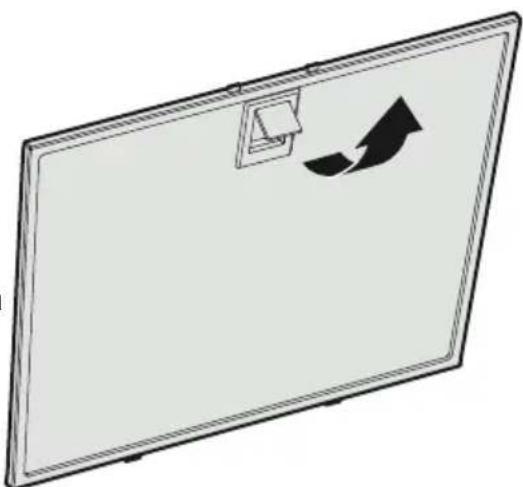
Simple line drawing of a blank whiteboard with a small inset showing a curved arrow and triangle (no text or symbols)Fig.2
www.cylinda.se/service
Please read this installation and user guide carefully before installing and using the product, paying special attention to the safety instructions.
Keep the instructions for reference or for the next owner.
Disconnect the product from the power supply prior to cleaning or maintenance.
§ The diversion of exhaust air must be carried out in accordance with instructions issued by the appropriate authority.
§ Exhaust air must not be directed into flues that are used for fumes from items such as gas, wood or oil-burning stoves or fireplaces.
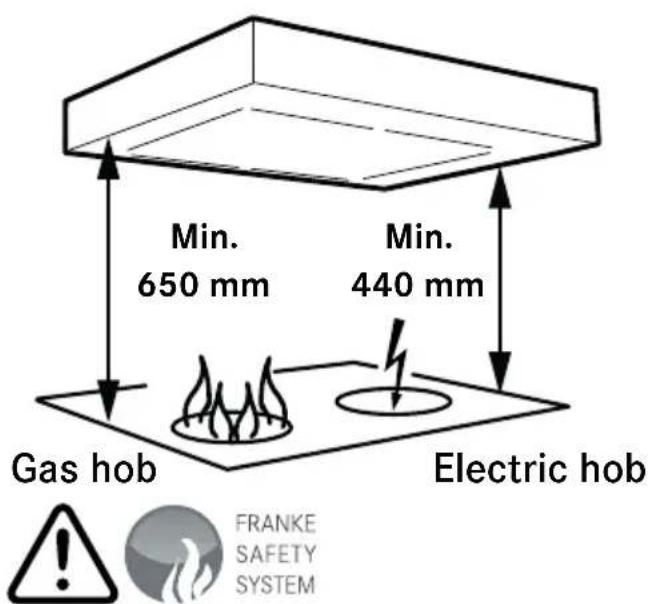
§ The distance between the stove and the product must be at least 44 cm. For gas hobs, the distance should be increased to 65 cm. Adjust accordingly if the stove manufacturer recommends a higher mounting height. N.B. If the product has a stove alarm or stove guard, it must not be mounted over a gas hob. See separate instructions.
§ You must not flambé food underneath the product.
§ For safety reasons, the installation and replacement of cables or other types of connectors should only be carried out by a qualified professional.
§ If the product is to be used at the same time as products that use energy sources other than electricity, i.e., gas hobs, gas, wood or oil-burning stoves or fireplaces, etc, the room must have an adequate supply of air.
§ The product may be used by children from 8 years of age and persons with mental, sensory or physical impairment, or a lack of experience and knowledge, provided they are given information about how the product is to be used.
§ Children should not be allowed to play with the product. Children must not undertake cleaning or maintenance of the product unsupervised.
§ Accessible parts of the product may become hot when food is being prepared.
§ A fire is more likely to spread if the product is not cleaned as frequently as indicated.
N.B. The developer or proprietor is responsible for ensuring installation is carried out correctly and complies with the applicable building regulations.
GENERAL INFORMATION
The product features LED lighting (6.5 W), aluminium filters and the Easy Clean system.
FUNCTIONS
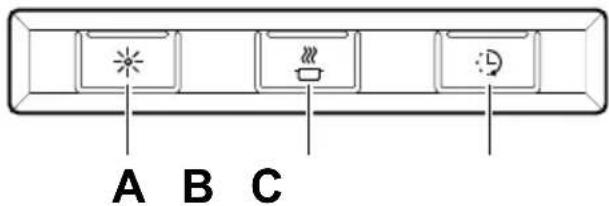
Fig. 1
A. Lighting.
B. Damper function. Open/close.
C. 1. Extension of timer (30 minutes). 2. Filter guard. If the filter guard is activated (see Programming below), the LED will flash when the filter needs to be cleaned. After cleaning, press button C for 2 seconds to reset the system.
The damper will close automatically after 60 minutes or if you press button B again.
It is a good idea to have the damper open a short while before and after cooking to prevent cooking smells spreading into the room.
The product is fitted with a filter guard. To activate/deactivate the filter guard, see below.
Programming
- Start programming: Depress buttons A and B for 3 seconds so that they both flash 3 times. Programming mode will then be active for 30 seconds.
- Select function: Press the button for the selected function to activate/deactivate the function.
| Button Functions |
| C Filter guard |
The LED on the button lights up when the function is activated.
- To save a programme: Keep buttons A and B depressed for 3 seconds. Buttons A and B will flash twice to show that the programme has been saved.
Attention!
If the product has a stove alarm or stove guard, see separate instructions.
CARE AND MAINTENANCE
Cleaning the filter
The cooker hood should be cleaned with a damp cloth and washing-up liquid. With normal usage, the filters must be cleaned at least every other month. Clean more often after intensive use.
natural_image
Simple line drawing of a blank whiteboard with a small inset showing an arrow and a square symbol (no text or labels)Fig. 2
Remove the grease filter by opening the snap retainer, Fig. 2.
Handle the filter carefully, taking care not to bend it.
Soak the filter in a solution of warm water and washing-up liquid. The filter can also be washed in a dishwasher.
Refit the grease filter after cleaning, making sure it snaps firmly into place.
Cleaning other parts
The inside of the cooker hood and the damper must be cleaned at least twice a year.
The damper must be thoroughly cleaned in both its open and closed position using a damp cloth and washing-up liquid. Handle the damper carefully.
TROUBLESHOOTING
Check that the fuse is intact. Go through all the functions to check what is not working. Start by disconnecting the product from the power supply and switching it on again. Check that the connector is not bent or twisted at the connection point.
Attention!
If the product has a stove alarm or stove guard, use the separate instructions for troubleshooting.
SERVICING
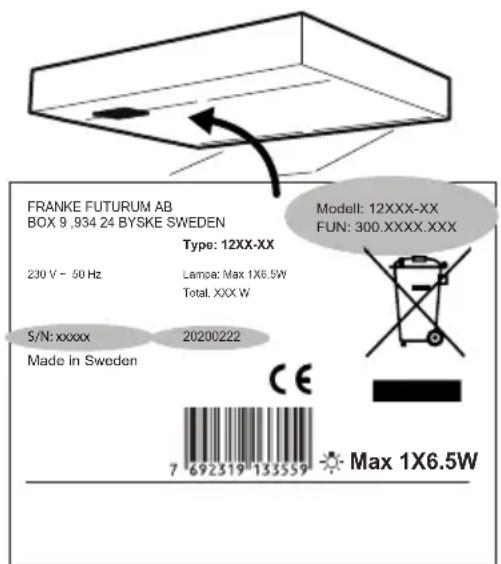
Fig. 3
Before contacting servicing, check the product label and note down the FUN number, S/N number and manufacturing date of the product.
The product label is located on the left side, underneath the filter/bottom plate.
Contakt Cylinda Service
tel. +46 0771-25 25 00 or visit:
www.cylinda.se/service
They can help you fix the problem or refer you to the nearest service agent for fast and effective service.
The product is covered by the relevant AP-PLiA provisions.
ENVIRONMENTAL INFORMATION
The main raw materials used in the product are:
- Metals: stainless sheet metal, galvanised sheet metal, zinc, aluminium
- Plastics: polypropylene, polyamide, polycarbonate, polybutylene terephthalate (PBT)
- Glass
All components comply with the RoHS Directive.
PACKAGING AND PRODUCT RECYCLING
The packaging should be deposited at your nearest recycling point.
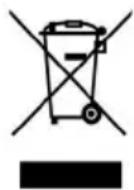
The symbol means that the product must not be treated as household waste. It should instead be taken to a collection point for the recycling of electrical and electronic components. By ensuring that the product is dealt with in the correct manner, you are helping to prevent the adverse environmental and health effects that could arise if the product was disposed of as regular waste. For further information on recycling, contact your local authority or waste disposal service, or the store where you purchased your product.
ELEKTRISK INSTALLATION
SÄHKÖASENNUS
ELEKTRISK INSTALLASJON ELECTRICAL INSTALLATION
Electrical connection for 230 V\~ earthed.
The product is supplied with a cable and earthed plug for connection to an earthed socket. The socket should be accessible after installation is complete. The junction box or wall socket must be accessible after installation is complete. If the connector is damaged, it must be replaced with an equivalent special cable from the manufacturer or their service agent.
INSTALLATION
INSTALLASJON
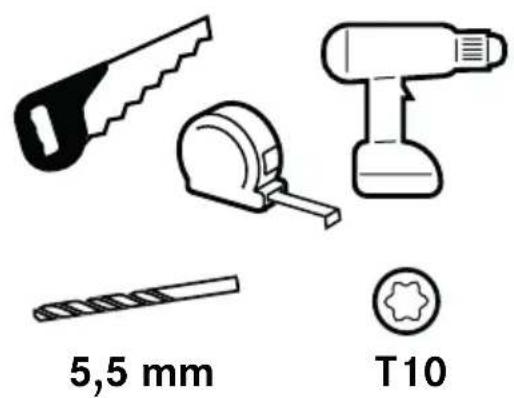
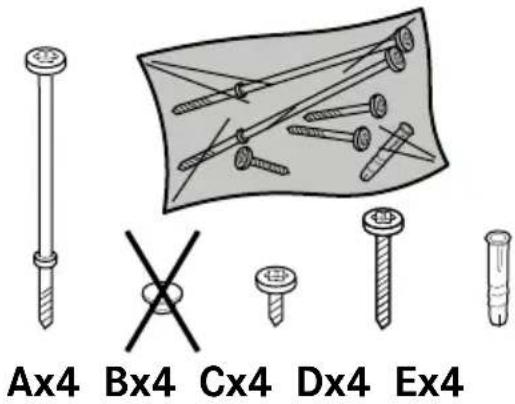
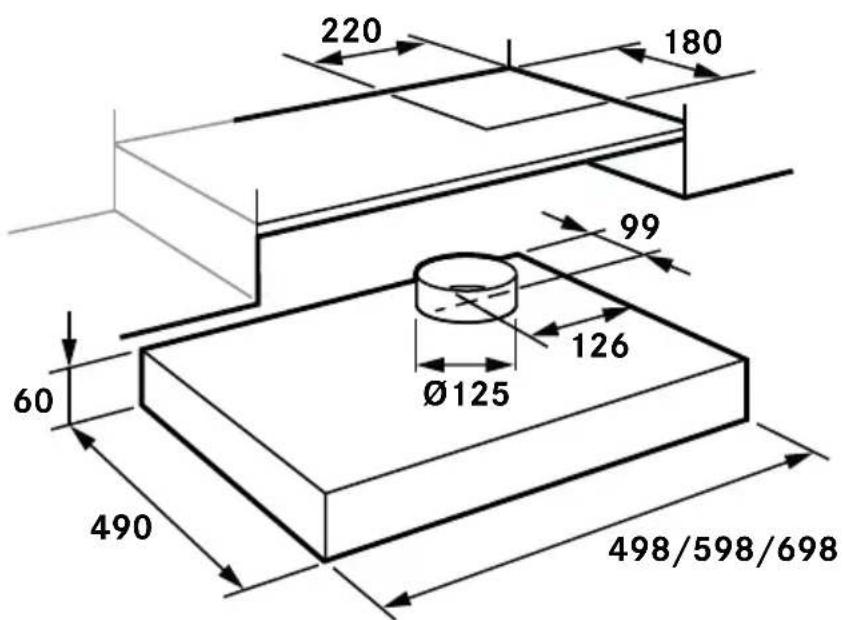
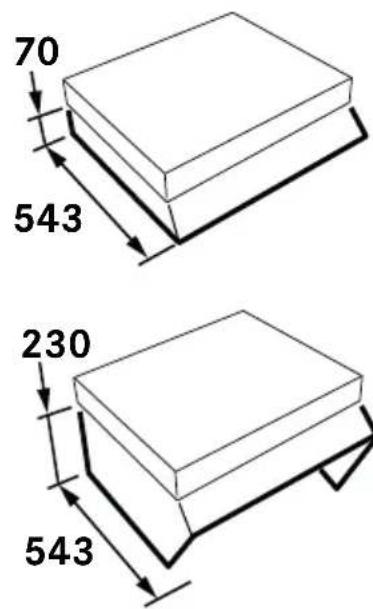
ASENNUS
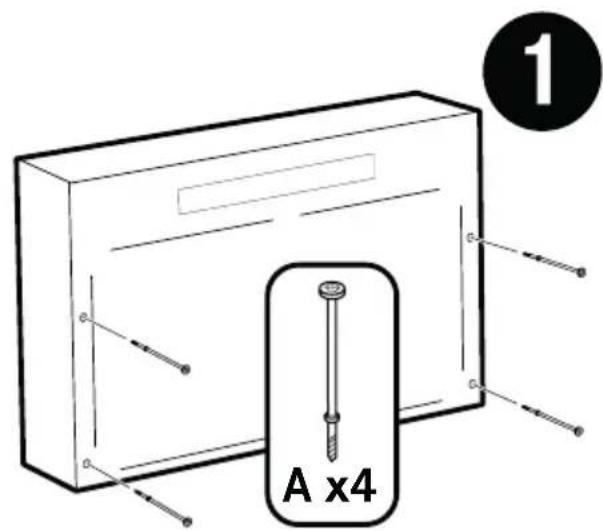
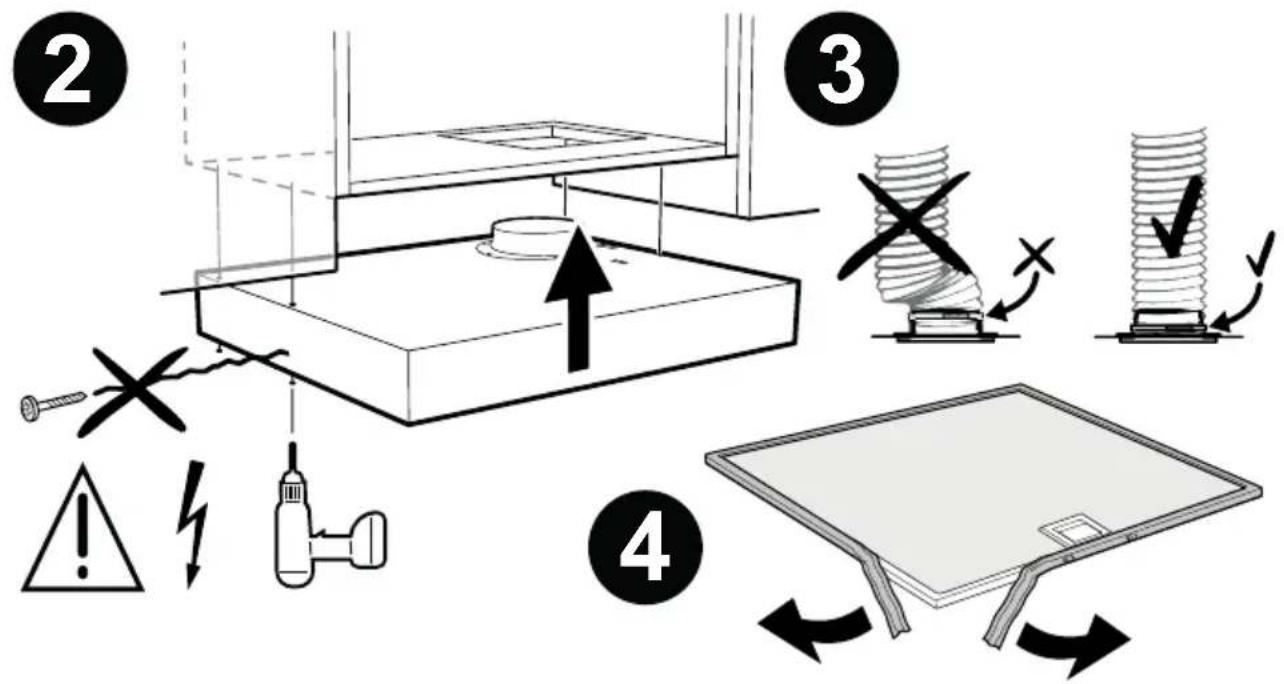
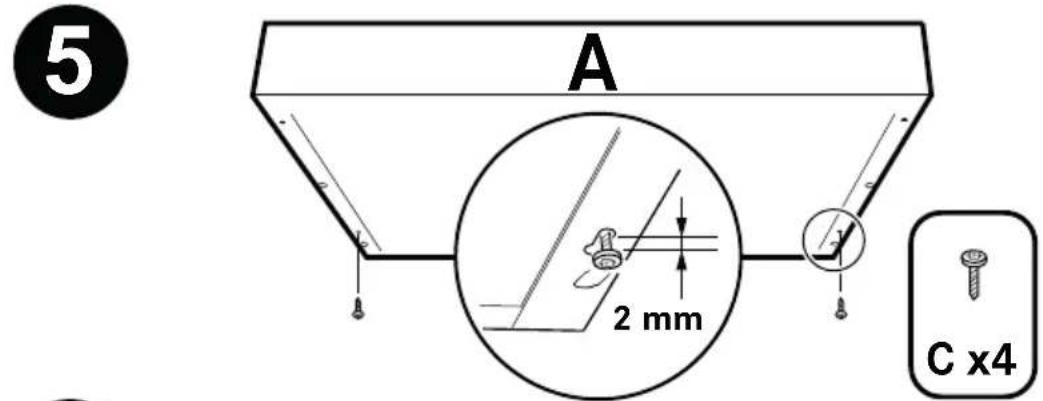
INSTALLATION
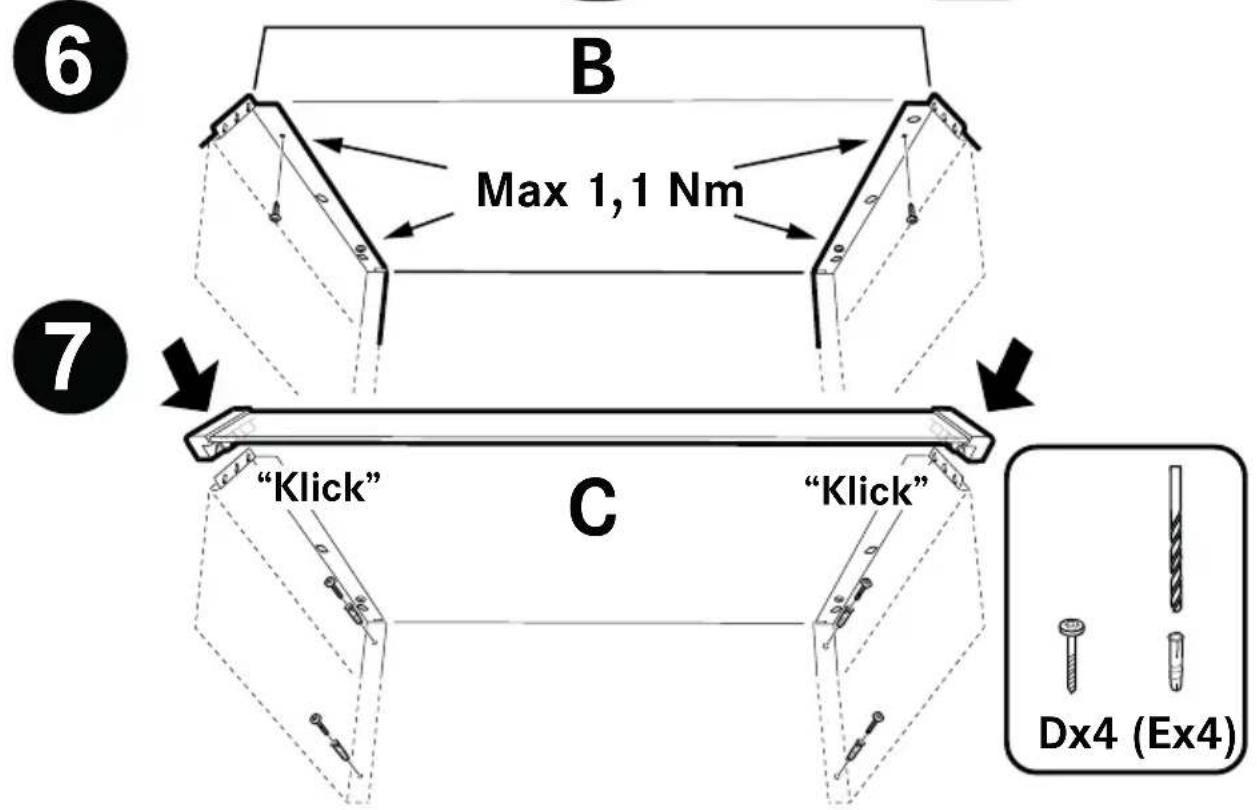
JUSTERING AF LUFTMÆNGDE
TILPASNING AV LUFTSTR∅MMEN
ILMAVIRTAUKSEN SÄÄTÖ
ADJUSTING AIR FLOW
EN Note! Damper adjustment or speed changes must be carried out by a qualified professional.
Adjusting damper: Basic ventilation is set by moving the sliding damper. The damper becomes accessible for adjustment by removing the grease filter.
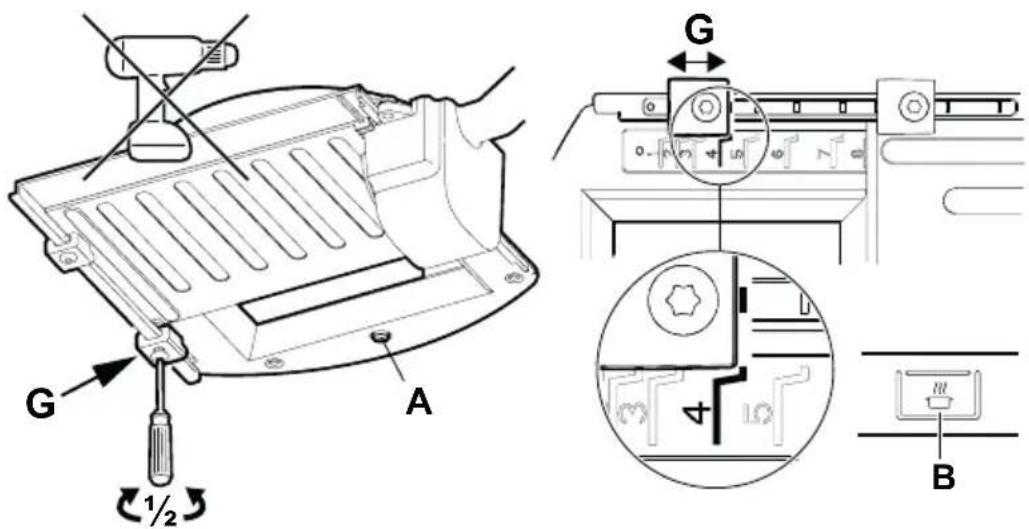
EN Basic ventilation Open the damper by pressing button B. Loosen stop lug G by rotating it 180° (Torx/ star screwdriver 10). Set the stop lug to the desired position. The markings on the damper correspond to the values in the “Basic flow” diagram – see following pages. The marking in the picture corresponds to position G4 in the diagram. Lock the stop lug. N.B. Make sure the lug is fully locked. Close the damper by pressing button B on the circuit breaker. Measure the pressure (Pm) at test point A to check that the flow is as required.
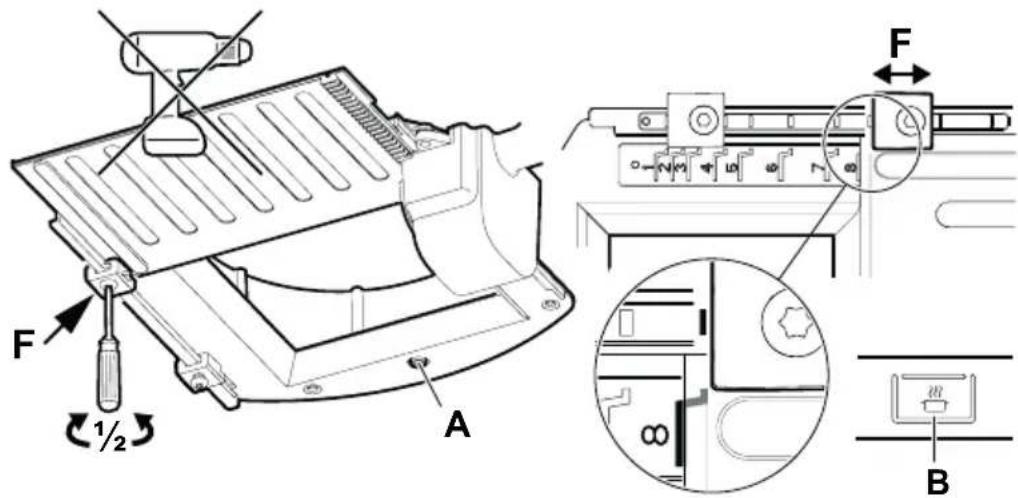
SV Forcerad ventilation
EN Forced ventilation
Loosen stop lug F by rotating it 180° (Torx/star screwdriver 10). Set the stop lug to the desired position. The markings on the damper correspond to the values in the "Forcing flow" diagram – see following pages. The marking in the picture corresponds to position F8 in the diagram. Lock the stop lug. N.B. Make sure the lug is fully locked. Open the damper by pressing button B on the circuit breaker. Measure the pressure (Pm) at test point A to check that the flow is as required.
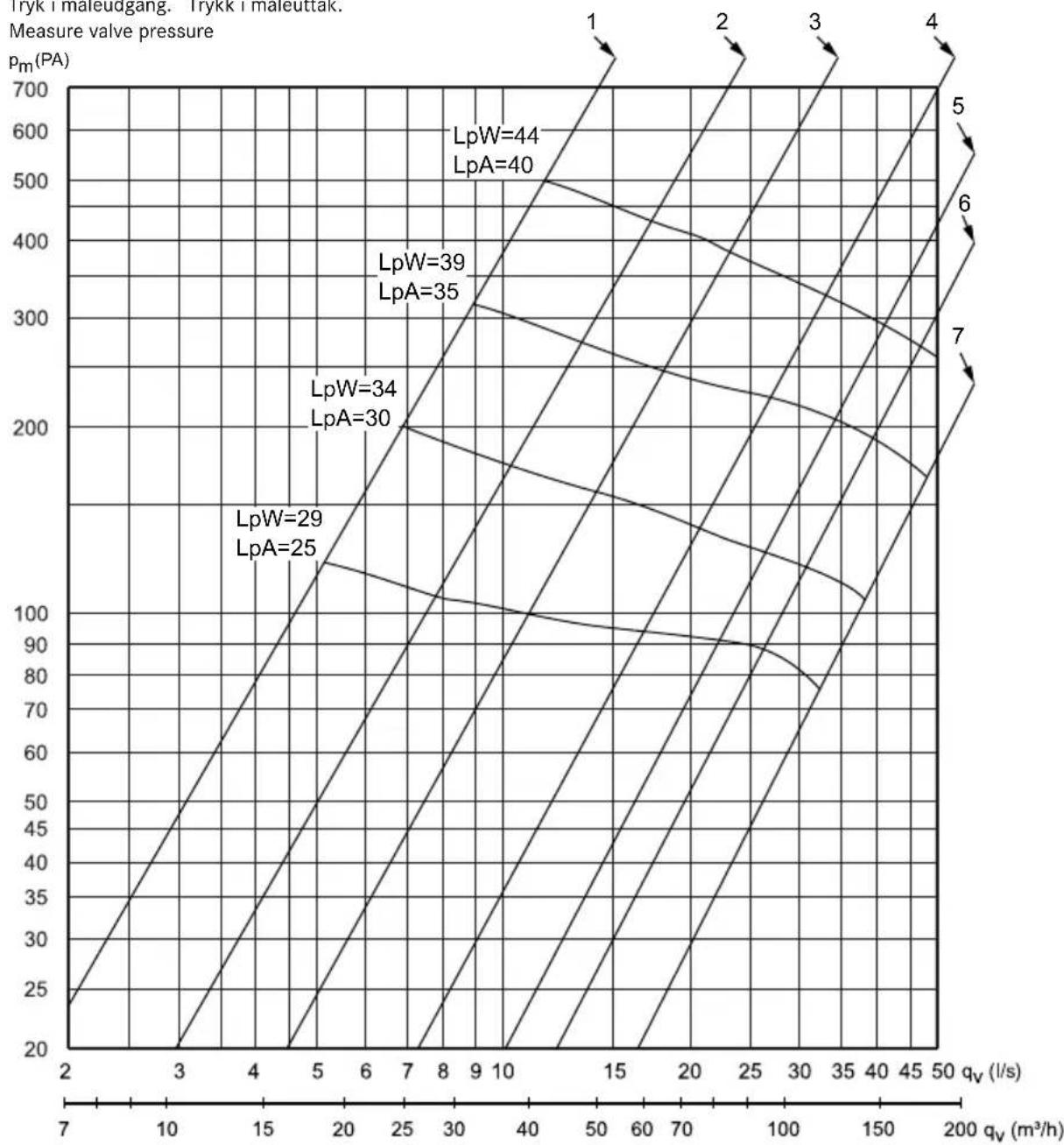
GRUNDFLÖDE PERUSTUULETUS BASIC VENTILATION GRUNDVENTILATION GRUNNVENTILASJON
Injusteringsdiagram Indreguleringsdiagram
Measure valve pressure
line
| LpW | LpA | |-----|------| | 44 | 40 | | 39 | 35 | | 34 | 30 | | 29 | 25 |L_pW
- Den A-vägda ljudeffektnivån relativt 1 pW Relativt A-veid lydeffektnivå 1 pW The A-measured sound pressure level relatively 1pW
L_pA
line
| qv (l/s) | LpW=29, LpA=25 | LpW=30, LpA=34 | LpW=35, LpA=39 | LpW=40, LpA=44 | | -------- | -------------- | -------------- | -------------- | -------------- | | 10 | 20 | 20 | 20 | 20 | | 20 | 30 | 30 | 30 | 30 | | 30 | 40 | 40 | 40 | 40 | | 40 | 50 | 50 | 50 | 50 | | 50 | 60 | 60 | 60 | 60 | | 60 | 70 | 70 | 70 | 70 | | 70 | 80 | 80 | 80 | 80 | | 80 | 90 | 90 | 90 | 90 | | 90 | 100 | 100 | 100 | 100 | | 100 | 110 | 110 | 110 | 110 | | 110 | 120 | 120 | 120 | 120 | | 120 | 130 | 130 | 130 | 130 | | 130 | 140 | 140 | 140 | 140 | | 140 | 150 | 150 | 150 | 150 | | 150 | 160 | 160 | 160 | 160 | | 160 | 170 | 170 | 170 | 170 | | 170 | 180 | 180 | 180 | 180 | | 180 | 190 | 190 | 190 | 190 | | 190 | 200 | 200 | 200 | 200 | | 200 | 210 | 210 | 210 | 210 | The chart displays a line graph of 'Measure valve pressure' versus 'qv (l/s)' for two different systems. The lines are labeled with 'LpW' and 'LpA' values. Numbers from top to bottom correspond to the system labels. The x-axis is labeled 'qv (l/s)' and the y-axis is labeled 'p_m (PA)'. The chart is annotated with numbers from '6' to '12' on the left side.L_pW = Den A-vägda ljudeffektnivån relativt 1 pW
Relativt A-veid lydeffektnivå 1 pW
The A-measured sound pressure level relatively 1pW
L_pA = Den A-vägda ljudtrycksnivån vid 10 m² Sabin
A-veid lydtrykknivå ved 10 m² Sabin
The A-measured sound pressure level at 10 m² Sabin
Real pressure in ventilation duct
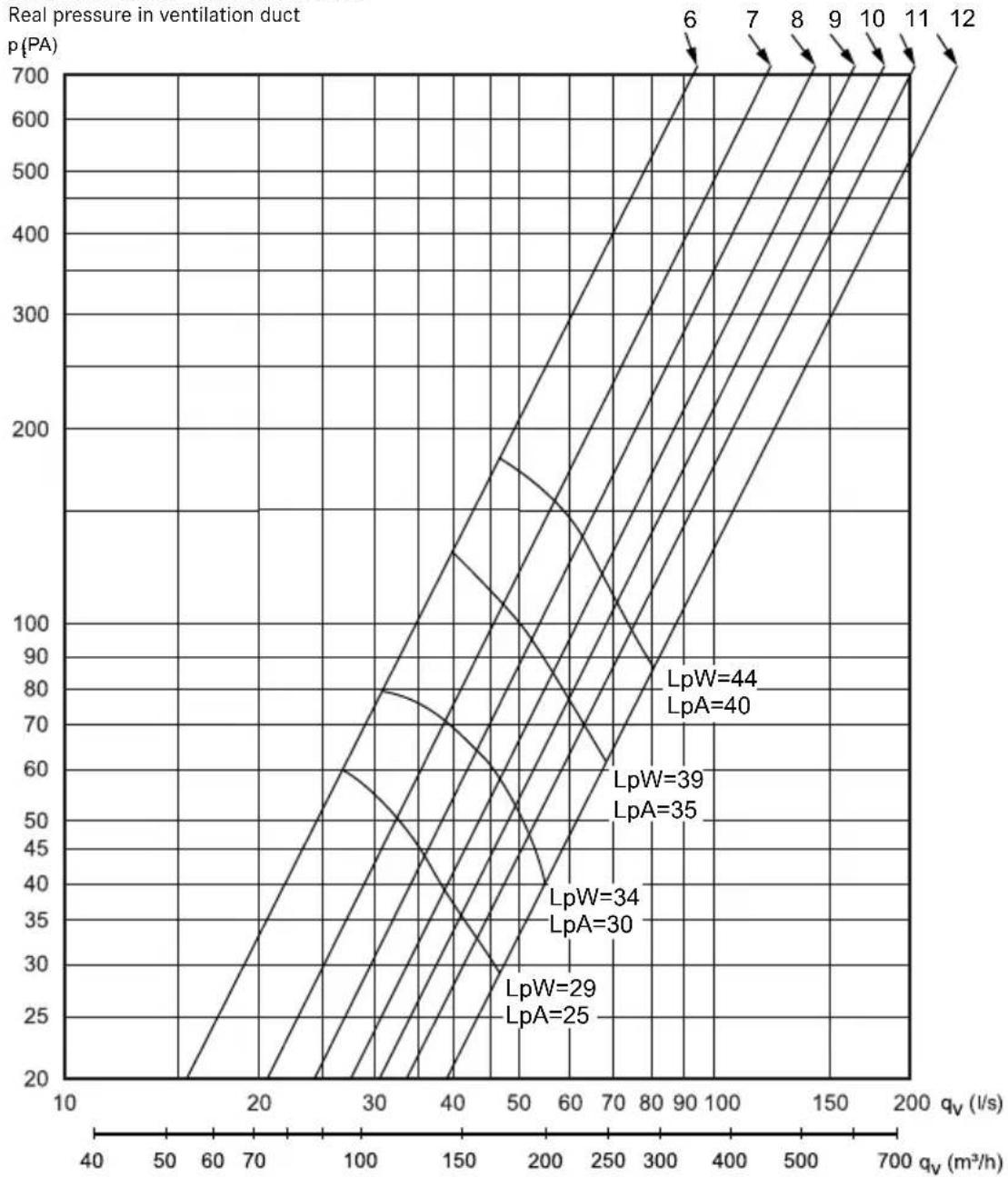
Fig.4
Service
Vi har service i hela Sverige/ Nationwide service in Sweden
Besök www.cylinda.se / Visit www.cylinda.se
Ring 0771-25 25 00 (endast lokaltaxa) / Call 0771-25 25 00
Uppge / Declare
Maskintyp / Model code
Serienummer / Serial number
Inköpsdatum / Purchase date
Problembeskrivning / Problem description