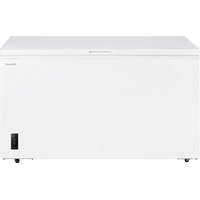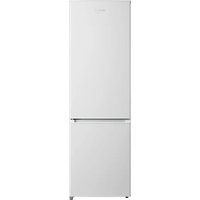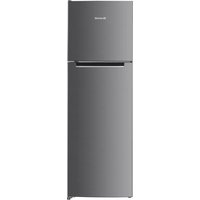
TL13700 - Fridge BRANDT - Free user manual and instructions
Find the device manual for free TL13700 BRANDT in PDF.


User questions about TL13700 BRANDT
0 question about this device. Answer the ones you know or ask your own.
Ask a new question about this device
Download the instructions for your Fridge in PDF format for free! Find your manual TL13700 - BRANDT and take your electronic device back in hand. On this page are published all the documents necessary for the use of your device. TL13700 by BRANDT.
USER MANUAL TL13700 BRANDT
REEMPLACEMENT DES AMPOULES
You have just purchased a BRANDT fridge, for which we thank you.
Our research teams have designed a new generation of appliances to make your life easier.
With its dedicated areas for optimum, flexible storage, clean and fluid lines allied with appreciable performance, the new Brandt fridges have everything you need to conserve your food and provide the answers to your everyday consumption needs.
The range of Brandt products includes a wide range of dishwashers, washing machines and clothes driers, freezers, cookers and ovens, hotplates and extractor fans, which you can combine with your new BRANDT fridge.
At the innovative cutting edge, BRANDT thus helps to improve the quality of life on a daily basis, by offering you simple but high-performance products that are respectful of the environment, good-looking and reliable.
BRANDT
INDEX
Page
Safety standards / Recommendations 14
Installation 15
Reversing the door opening direction. 16
General description. 16
Using the fridge 17
Defrosting / Cleaning and maintenance. 17
Operating problems 18

SAFETY STANDARDS
This appliance is designed ONLY for domestic conservation of foodstuffs.
Installation must be as instructed in this guide. Incorrect installation could damage the appliance.
For any operating problems, always and only contact authorised After Sales Service centres, or qualified personnel.

Before carrying out any maintenance, disconnect the appliance, but not by pulling on power supply cable.
If this fridge replaces another, which had a latching, spring-mounted, locking or other closure system, do not forget to destroy the closure device or better yet remove the door of your old fridge, so that no-one could become trapped inside (children playing, animals, etc.).

RECOMMENDATIONS
After unpacking the appliance, make sure that it is undamaged. If it is, the reseller should be notified of any damage within 24 hours of delivery. The packaging materials used are entirely recyclable (cardboard, PE bubble wrap, EPS, etc.). Keep these materials out of the reach of children.

The appliance's cooling circuit contains a coolant called isobutane, a relatively clean natural gas which is nonetheless flammable. During transport and installation of the appliance, make sure that none of the components of the cooling circuit is damaged. In the event of damage, go away from flames and ignition sources, and ventilate the room well.
For optimum operation of the appliance, install it away from sources of heat and make sure that air can circulate freely around it (see appliance installation).
INSTALLATION
Before installing, carefully read the Recommendations and Safety standards in order to avoid a certain number of problems.
Install the appliance in a dry, well-ventilated room, away from all sources of heat. Leave a minimum gap of 10cm between the top of the appliance and any overhead units. If your installation does not enable you to do this, then leave 5cm between the top of the appliance and any other wall-mounted units, and a gap of 2.5cm on each side of the appliance.
If your appliance is to be installed next to another fridge or freezer, keep a gap of 5cm on the sides to prevent condensation forming on the outside of the appliance.
The climate class of your fridge is marked on its ID plate. It determines the range of ambient temperatures for which the cooling unit is designed, and within which correct operation of the appliance is guaranteed.
Class
N
ST
T
Ambient temperatures
16^ to 32^
18^ to 38^
18^ to 43^

Electrical connection
- Connector characteristics: 220-230V with earth.
- Avoid using adapters or extension leads.
- Avoid the cable coming into contact with the compressor.
- Avoid trapping the cable under the appliance.
The appliance's electrical installation is earthed. For your safety, connect the appliance to a power outlet with effective earthing (in conformity with current electrical installation safety standards).
The manufacture declines all liability for damage caused by the absence of an earth connection.
CAUTION - BEFORE CONNECTING
- Clean the inside of the fridge with warm water containing bicarbonate of soda. Rinse and dry thoroughly.
- Wait for 2 hours before switching on, to ensure that the lubricants in the motor compressor have stabilised.
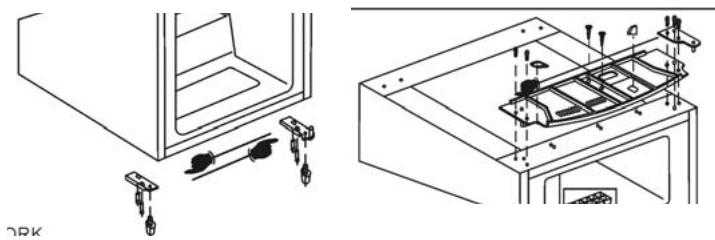
REVERSING THE DOOR OPENING DIRECTION
It is possible to reverse the door opening direction (left instead of right):
The appliance must always be disconnected when you change the opening direction.
- Remove the fridge top: remove the 2 screw covers on the top, remove the 2 screws and slide the top forwards.
- Tilt the appliance slightly towards the rear and wedge it in this position.
-
Unscrew the door upper hinge screws and remove the support and pin from the hinge.
-
Slightly open the door and lower it out of its hinge.
- Unscrew the lower pin and screw it in on the other side. Insert the door into the pin and close it.
- Firmly screw in the upper hinge on the opposite side and the door pin. Fit the top (carry out point 1 in reverse).
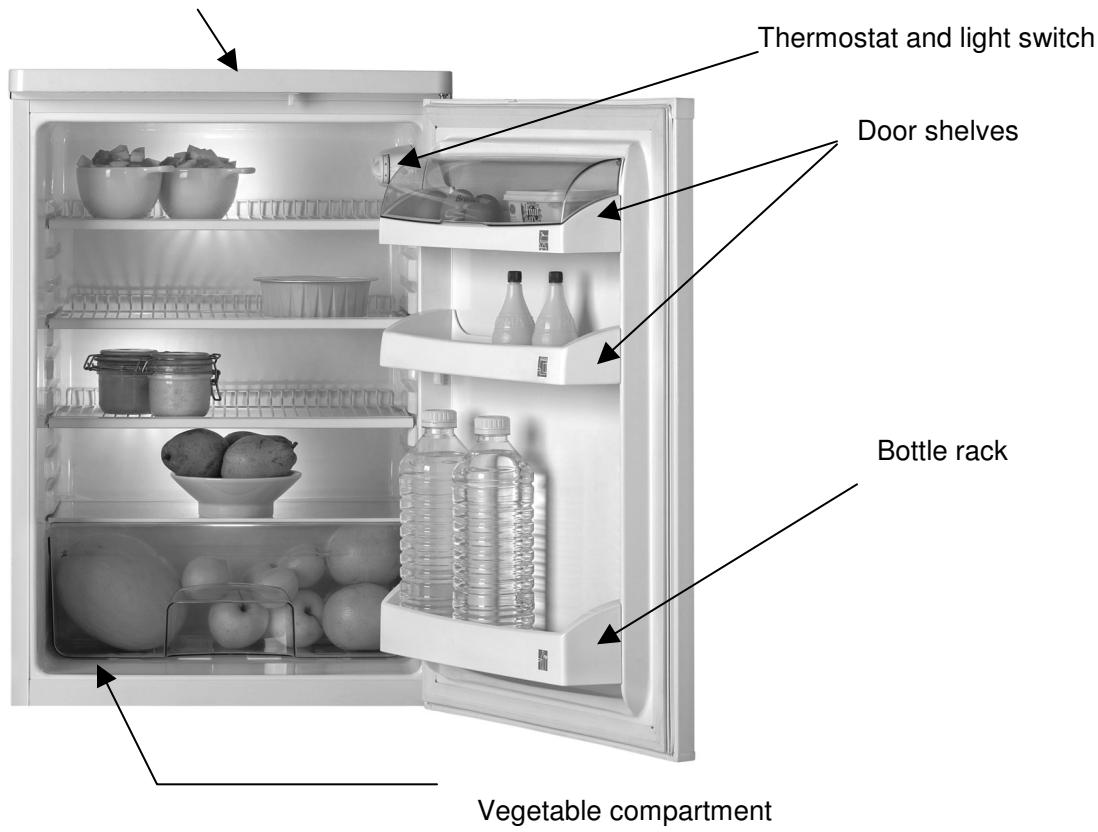
GENERAL DESCRIPTION
Note: your fridge may differ slightly from this picture.
ID plate (on back)
USING THE FRIDGE
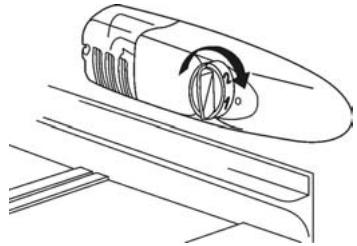
When the thermostat is set to 0, the appliance does not operate. To switch it on, you must turn the knob clockwise. Value 1 corresponds to the warmest temperature and 7 to the coldest. The temperatures in the 2 compartments cannot be adjusted separately.
For an ambient temperature of 16^ , you should use a setting of 1. For an ambient temperature of ± 25^ , values 2, 3 or 4 can be selected.
RECOMMENDATIONS
- Do not put hot food or bottles without stopper in the fridge.
NEVER place volatile, flammable or explosive liquids such as solvents, acetone or petrol inside the fridge, as there is a risk of explosion. - Meat and fish should be wrapped to prevent smells.
- Leave sufficient space between food items to enable air to circulate between them.
- Never place the food items in contact with the cold wall at the back of the fridge. The door should not be left open longer than necessary.
DEFROSTING
The defrosting system for the fridge is automatic. The inside rear face of the fridge is covered with frost when the compressor operates and defrosts when it stops. When the ice melts, the water evaporates by itself.
CLEANING AND MAINTENANCE
Disconnect the fridge before cleaning it.
Clean the inside with water plus bicarbonate of soda, using a sponge or cloth. This will prevent the build-up of unpleasant odours.
Never use a steam cleaner, solvent or abrasive detergent, as they could damage the interior of your appliance. Never wash the interior accessories in the dishwasher.
We recommend that you run the vacuum cleaner over the back of the appliance once a year, as if it is dirty, its efficiency drops and its energy consumption rises.
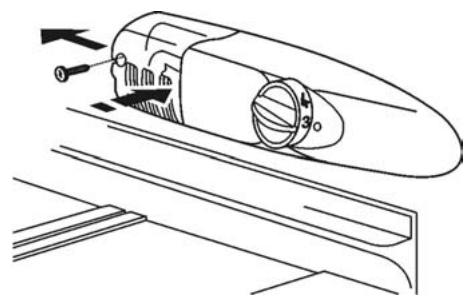
REPLACING THE LIGHT BULB
- Disconnect the fridge.
- Remove the drip tray.
- The bulb is behind the thermostat panel.
- Remove the bulb by unscrewing it counter clockwise.
-
Screw in a new 10W bulb.
-
Fit the drip tray, reconnect the appliance and switch it on.
OPERATING PROBLEMS
A fridge makes a certain number of noises that are perfectly normal:
- The coolant gas can create a gurgling sound as it circulates through the system.
The compressor can rumble, a sound which can be more intense when it starts up. - Sharp cracking sounds produced by expansion and contraction of the materials used.
| PROBLEM | SOLUTION |
| The fridge does not operate | Check that it is properly plugged in, that the fuse has not blown or that the circuit-breaker has not tripped. |
| The fridge vibrates or makes noise | Check that it is perfectly level. Adjust the feet. |
| The fridge is too cold/not cold enough | Check the thermostat and set it to a more appropriate temperature. |
| The fridge light does not come one | Check the bulb and change it if necessary. Also check that the plug is correctly inserted, that the fuse has not blown or that the circuit-breaker has not tripped. |
| The compressor does not restart after a temperature change | This is normal, as the compressor only restarts after a certain time. |
| There is water on the floor or the racks | The drain hole is blocked. Unclog it with a knitting needle. |
TECHNICAL ASSISTANCE SERVICE
If you have carried out the above checks, and your problem persists, ATTEMPT NO REPAIRS YOURSELF. Contact the nearest Technical Assistance Service.
C E
THIS APPLIANCE IS IN CONFORMITY WITH EC DIRECTIVES
2006/95, 2004/108, 96/57, 92/31, 94/62
Kære kunde,
2006/95, 2004/108, 96/57, 92/31, 94/62
Beste Klant,
2006/95, 2004/108, 96/57, 92/31, 94/62
EN After Sales Service:
Any maintenance on your equipment should be undertaken by:
- either your dealer,
- or another qualified mechanic who is an authorized agent for the brand appliances.
When making an appointment, state the full reference of your equipment (model, type and serial number). This information appears on the manufacturer's nameplate attached to your equipment.
- 3iE a n o to kaT a tOoUc EIOoIoOoToIevo ePbIc.