A770L3 - Motherboard BIOSTAR - Free user manual and instructions
Find the device manual for free A770L3 BIOSTAR in PDF.


| Product Type | Motherboard |
| Brand | Biostar |
| Model | A770L3 |
| Socket | AM3 |
| Chipset | AMD 770 + SB710 |
| Memory Support | DDR3 1066/1333/1600 (OC), up to 16 GB dual-channel |
| Expansion Slots | 1 x PCIe 2.0 x16, 2 x PCIe 2.0 x1, 3 x PCI |
| Storage Interfaces | 6 x SATA 3 Gb/s, 1 x IDE |
| USB Ports | 4 x USB 3.0 (2 rear, 2 via header), 8 x USB 2.0 (4 rear, 4 via header) |
| Audio | Realtek ALC662 6-channel HD Audio |
| LAN | Realtek RTL8111DL Gigabit Ethernet |
| Form Factor | ATX (305 mm x 220 mm) |
| Weight | Approximately 0.7 kg (1.5 lbs) |
| Power Connectors | 24-pin ATX, 4-pin CPU 12V |
| Power Consumption | Typically 30-50 W (board only) |
| BIOS | AMI BIOS with 8 Mb flash ROM |
| Cleaning Instructions | Use compressed air to remove dust; avoid liquids; handle with care using antistatic wrist strap |
| Safety Precautions | Disconnect power before installation; keep away from moisture; use correct standoffs |
| Spare Parts & Repairability | Common parts: CMOS battery, capacitors, I/O shield; professional repair recommended for soldered components |
| Supported CPUs | AMD Phenom II, Athlon II, Sempron 100 series |
Frequently Asked Questions - A770L3 BIOSTAR
User questions about A770L3 BIOSTAR
0 question about this device. Answer the ones you know or ask your own.
Ask a new question about this device
Download the instructions for your Motherboard in PDF format for free! Find your manual A770L3 - BIOSTAR and take your electronic device back in hand. On this page are published all the documents necessary for the use of your device. A770L3 by BIOSTAR.
USER MANUAL A770L3 BIOSTAR
FCC Information and Copyright
This equipment has been tested and found to comply with the limits of a Class B digital device, pursuant to Part 15 of the FCC Rules. These limits are designed to provide reasonable protection against harmful interference in a residential installation. This equipment generates, uses, and can radiate radio frequency energy and, if not installed and used in accordance with the instructions, may cause harmful interference to radio communications. There is no guarantee that interference will not occur in a particular installation.
The vendor makes no representations or warranties with respect to the contents here and specially disclaims any implied warranties of merchantability or fitness for any purpose. Further the vendor reserves the right to revise this publication and to make changes to the contents here without obligation to notify any party beforehand.
Duplication of this publication, in part or in whole, is not allowed without first obtaining the vendor's approval in writing.
The content of this user's manual is subject to be changed without notice and we will not be responsible for any mistakes found in this user's manual. All the brand and product names are trademarks of their respective companies.
Table of Contents
Chapter 1: Introduction ...... 1
1.1 Before You Start 1
1.2 Package Checklist....1
1.3 Motherboard Features....2
1.4 Rear Panel Connectors 3
1.5 Motherboard Layout....4
Chapter 2: Hardware Installation .... 5
2.1 Installing Central Processing Unit (CPU) 5
2.2 FAN Headers....7
2.3 Installing System Memory 8
2.4 Connectors and Slots 10
Chapter 3: Headers & Jumpers Setup .... 13
3.1 How to Setup Jumpers 13
3.2 Detail Settings 13
Chapter 4: RAID Functions ...... 17
4.1 Operating System....17
4.2 Raid Arrays 17
4.3 How RAID Works....17
Chapter 5: Useful Help ...... 20
5.1 Driver Installation Note....20
5.2 Software.... 21
5.3 Extra Information....25
5.4 AMI BIOS Beep Code 27
5.5 Troubleshooting....28
Appendix: SPEC In Other Languages .... 30
German....30
French 32
Italian....34
Spanish 36
Portuguese 38
Polish 40
Russian 42
Arabic....44
Japanese 46
CHAPTER 1: INTRODUCTION
1.1 B EFORE YOU START
Thank you for choosing our product. Before you start installing the motherboard, please make sure you follow the instructions below:
■ Prepare a dry and stable working environment with sufficient lighting.
■ Always disconnect the computer from power outlet before operation.
■ Before you take the motherboard out from anti-static bag, ground yourself properly by touching any safely grounded appliance, or use grounded wrist strap to remove the static charge.
■ Avoid touching the components on motherboard or the rear side of the board unless necessary. Hold the board on the edge, do not try to bend or flex the board.
■ Do not leave any unfastened small parts inside the case after installation. Loose parts will cause short circuits which may damage the equipment.
- Keep the computer from dangerous area, such as heat source, humid air and water.
■ The operating temperatures of the computer should be 0 to 45 degrees Celsius.
1.2 PACKAGE CHECKLIST
HDD Cable X 1 (optional)
Serial ATA Cable X 2
Rear I/O Panel for ATX Case X 1
+ User's Manual X 1
+ Fully Setup Driver CD X 1
Serial ATA Power Cable X 1 (optional)
FDD Cable X 1 (optional)
USB 2.0 Cable X1 (optional)
Note: The package contents may be different due to area or your motherboard version.
1.3 MOTHERBOARD FEATURES
| SPEC | ||
| CPU | Socket AM3AMD Sempron / Athlon II / Phenom IIprocessors (Max imum Watt: 95W) | AMD 64 Architecture enables 32 and 64 bit computingSupports Hyper Transport 3.0 |
| FSB | Support HyperTransport 3.0Supports up to 5.2 GT/s Bandwidth | |
| Chipset | Northbridge: AMD 770Southbridge: AMD SB710 | |
| Super I/O | ITE 8721Provides the most commonly used legacySuper I/O functionality | Low Pin Count InterfaceEnvironment Control in it iativesH/W MonitorITE's "S mart Guardian" function |
| MainMemory | DDR3 DIMM Slots x 2Max Memory Capacity 8GBEach DIMM supports 512MB/1GB/2GB/4GB DDR3 | Dual Channel Mode DDR3 memory modu leSupports DDR3 800 / 1066 / 1333Supports DDR3 1600 (OC)Registered DIMM and ECC D IMM is not supported |
| IDE Integrated IDE Controller | Multi-word DMA, and Ultra DMA 33/66/100/133 modes | |
| SATA II Integrated Serial ATA Controller | Data transfer rates up to 3 Gb/sSATA Version 2.5 speci ic at ion co m p liant | |
| LAN Realtek RTL 8102EL | 10 / 100 Mb/s auto negotiationHalf / Full duplex capability | |
| Sound ALC662 / VT1708B | 5.1 channels audio outHigh Definition Audio | |
| Slots | PCI Express Gen2 x16 slot x1PCI Express Gen2 x1 slot x1PCI slot x3 | Supports PCI-E Gen2 x16 expansion cardSupports PCI-E Gen2 x1 expansion cardSupports PCI expansion cards |
| On BoardConnector | Floppy Connector x1 Each connector supports 1 Floppy driveIDE Connector x1 Each connector supports 2 IDE deviceSATA Connector x4 Each connector supports 1 SATA devicesFront Panel Connector x1Front Audio Connector x1 | Supports front panel facilitiesSupports front panel audio function |
A770L3
| SPEC | ||
| S/PDIF Out Connector x1 Supports digital audio out functionCPU Fan Header x1 CPU Fan power supply (with Smart Fan function)System Fan Header x1 System Fan Power supplyCMOS Clear Header x1 Restore CMOS data to factory defaultUSB Connector x2 Each connector supports 2 front panel USB portsPower Connector (24pin) x1 Connects to Power supplyPower Connector (4pin) x1 Connects to Power supplyPrinter Port Connector x1 Each connector supports 1 Printer port | ||
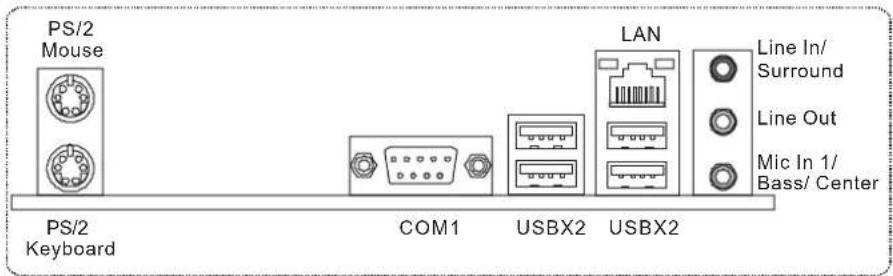
| Back Panel I/O | PS/2 Keyboard x1PS/2 Mouse x1Serial Port x1LAN Port x1USB Port x4Audio Jack x3 | Connects to PS/2 KeyboardConnects to PS/2 MouseConnects to RS-232 PortConnect to RJ-45 ethernet cableConnect to USB devicesProvide Audio-In/Out and microphone connection |
| Board Size | 182 mm(W) x 305 mm(L) | ATX |
| Special Features | RAID 0 / 1 / 10 support | |
| OS Support | Windows XP / Vista / 7 | Biostar reserves the right to add or remove support for any OS with or without notice. |
1.4 REAR PANEL CONNECTORS
text_image
PS/2 Mouse PS/2 Keyboard COM1 USBX2 LAN Line In/ Surround Line Out Mic In 1/ Bass/ Center1.5 MOTHERBOARD LAYOUT
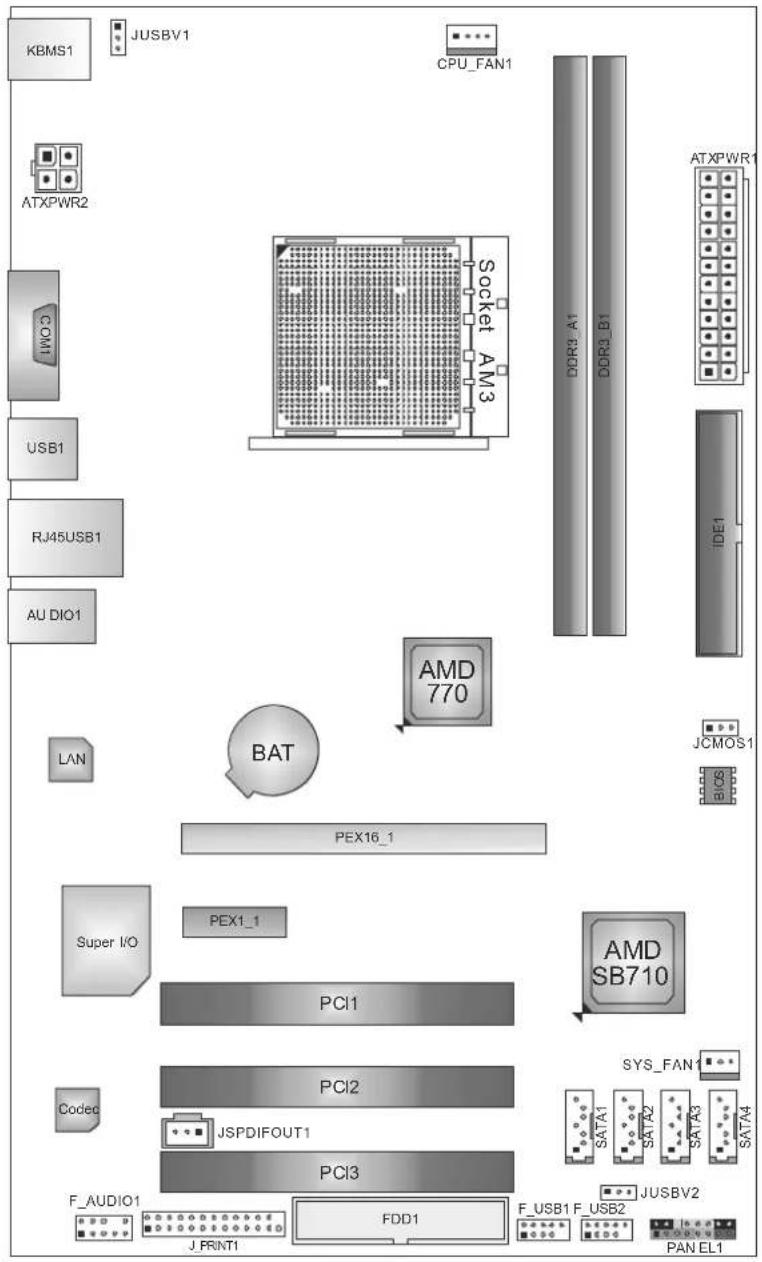
text_image
KBMS1 JUSBV1 ATXPWR2 COM1 USB1 RJ45USB1 AU DIO1 LAN BAT AMD 770 PEX16_1 Super I/O PEX1_1 PCI1 CODC JSPDIFOUT1 PCI2 PCI3 F_AUDIO1 J_PRINT1 FDD1 CPU_FAN1 DDR3_A1 DDR3_B1 ATXPWR1 IDE1 JCMOS1 BIOS AMD SB710 SYS_FAN1 SATA1 SATA2 SATA3 SATA4 JUSBV2 F_USB1 F_USB2 PAN EL1Note: represents the 1 ^t pin.
CHAPTER 2: HARDWARE INSTALLATION
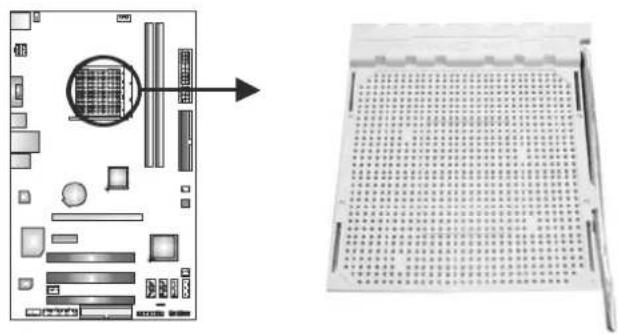
2.1 INSTALLING CENTRAL PROCESSING UNIT (CPU)
natural_image
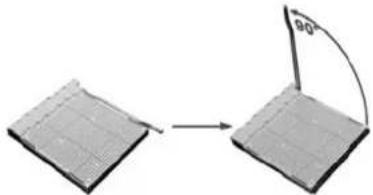
Diagram showing a microchip layout with internal components and a close-up of the grid-patterned plate (no text or symbols)Step 1: Pull the lever toward direction A from the socket and then raise the lever up to a 90-degree angle.
text_image
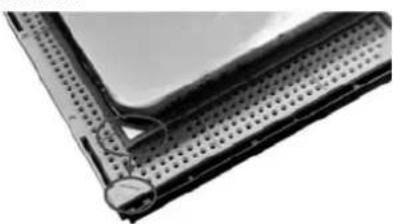
Diagram showing two rectangular blocks with a curved arrow labeled '90°' indicating rotation or angle.Step 2: Look for the white triangle on socket, and the gold triangle on CPU should point towards this white triangle. The CPU will fit only in the correct orientation.
natural_image
Close-up of a perforated metal panel with a small circular component inserted, no visible text or symbolsMotherboard Manual
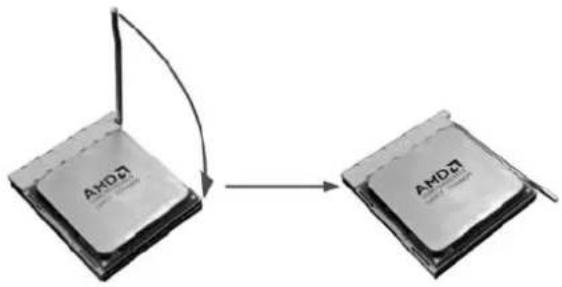
Step 3: Hold the CPU down firmly, and then close the lever toward direct B to complete the installation.
flowchart
graph TD
    A["AXD"] --> B["Second Processor"]
    style A fill:#f9f,stroke:#333
    style B fill:#bbf,stroke:#333
Step 4: Put the CPU Fan on the CPU and buckle it. Connect the CPU FAN power cable to the CPU_FAN1. This completes the installation.
2.2 FAN HEADERS
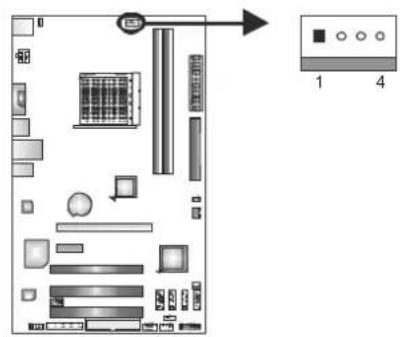
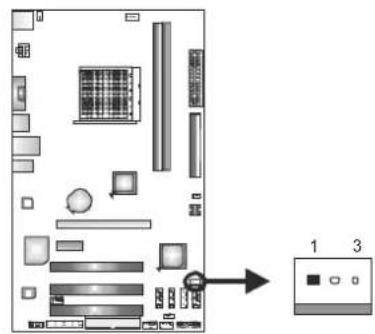
These fan headers support cooling-fans built in the computer. The fan cable and connector may be different according to the fan manufacturer. Connect the fan cable to the connector while matching the black wire to pin#1.
CPU_FAN1: CPU Fan Header
text_image
Diagram of a computer motherboard layout with labeled components and directional arrowPin Assignment
1 Ground
2 +12V
3 FAN RPM rate
sense
4 Smart Fan Control (By Fan)
SYS_FAN1: System Fan Header
text_image
Diagram of a computer motherboard layout with labeled components and an arrow pointing to a control panel labeled 1 and 3.Pin Assignment
1 Ground
2 +12V
3 FAN RPM rate sense
Note:
The CPU_FAN1 and SYS_FAN1 support 4-pin and 3-pin head connector. When connecting with wires onto connectors, please note that the red wire is the positive and should be connected to pin#2, and the black wire is Ground and should be connected to GND.
2.3 INSTALLING SYSTEM MEMORY
A. DDR3 Modules
text_image
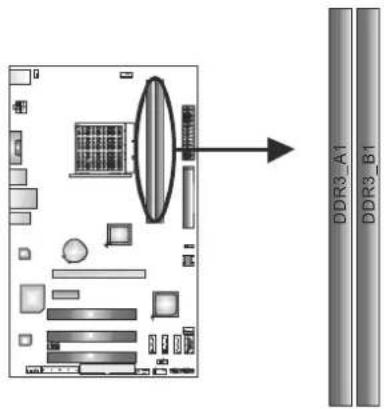
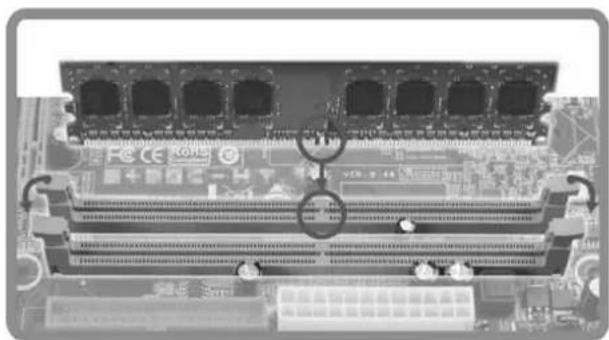
DDR3_A1 DDR3_B1- Unlock a DIMM slot by pressing the retaining clips outward. Align a DIMM on the slot such that the notch on the DIMM matches the break on the Slot.
natural_image
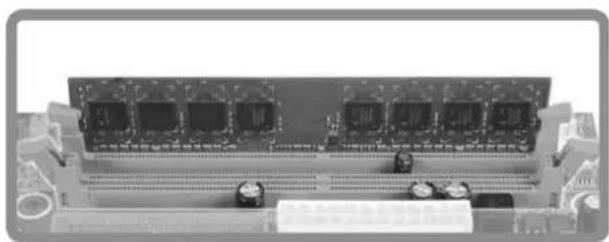
Close-up of a computer RAM module with multiple slots and connectors (no visible text or symbols)- Insert the DIMM vertically and firmly into the slot until the retaining chip snap back in place and the DIMM is properly seated.
natural_image
Front view of a computer RAM module with multiple RAM slots and connectors (no visible text or labels)B. Memory Capacity
| DIMM Socket Location | DDR3 Module | Total Memory Size |
| DIMMA1 | 512MB/1GB/2GB/4GB | Max is 8GB. |
| DIMMB1 | 512MB/1GB/2GB/4GB |
C. Dual Channel Memory installation
Please refer to the following requirements to activate Dual Channel function:
Install memory module of the same density in pairs, shown in the table..
| Dual Channel Status | DDR3_A1 | DDR3_B1 |
| Disabled | O | X |
| Disabled | X | O |
| Enabled | O | O |
(O means memory installed, X means memory not installed.)
The DRAM bus width of the memory module must be the same (x8 or x16)
2.4 CONNECTORS AND SLOTS
FDD1: Floppy Disk Connector
The motherboard provides a standard floppy disk connector that supports 360K, 720K, 1.2M, 1.44M and 2.88M floppy disk types.
text_image
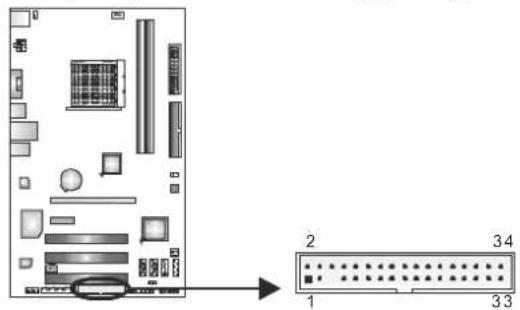
Diagram of a computer motherboard layout with labeled components and numbered slotsIDE1: Hard Disk Connector
The motherboard has a 32-bit Enhanced IDE Controller that provides PIO Mode 0\~4, Bus Master, Multi-word DMA, and Ultra DMA 33/66/100/133 functionality.
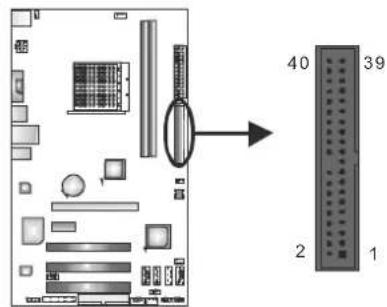
text_image
40 39 2 1SATA1\~SATA4: Serial ATA Connectors
The motherboard has a PCI to SATA Controller with 4 channels SATA interface, it satisfies the SATA 2.5 spec and with transfer rate of 3.0Gb/s.
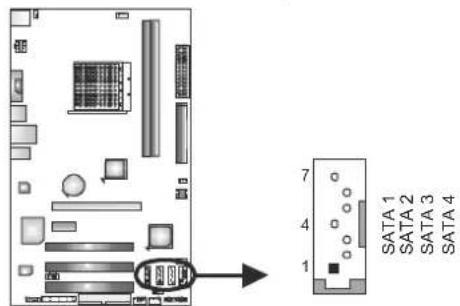
text_image
SATA 1 SATA 2 SATA 3 SATA 4| Pin | Assignment |
| 1 | Ground |
| 2 | TX+ |
| 3 | TX- |
| 4 | Ground |
| 5 | RX- |
| 6 | RX+ |
| 7 | Ground |
ATXPWR1: ATX Power Source Connector
This connector allows user to connect 24-pin power connector on the ATX power supply.
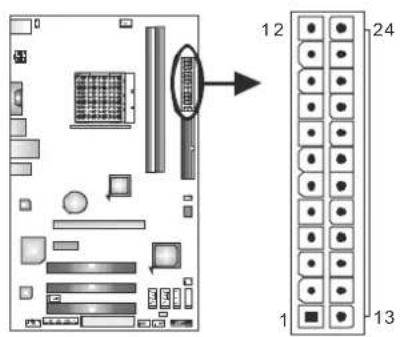
text_image
Diagram of a computer motherboard layout with labeled components and numbered connectors| Pin | Assignment | Pin | Assignment | |||
| 13 | +3.3V | 1 | +3.3V | |||
| 14 | -12V | 2 | +3.3V | |||
| 15 | Gro | und | 3 | Gro | und | |
| 16 | PS_ON | 4 | +5V | |||
| 17 | Gro | und | 5 | Gro | und | |
| 18 | Ground | 6 | +5V | |||
| 19 | Gro | und | 7 | Gro | und | |
| 20 | NC | 8 | PW_OK | |||
| 21 | +5V | 9 | Standby | Voltage+5V | ||
| 22 | +5V | 10 | +12V | |||
| 23 | +5V | 11 | +12V | |||
| 24 | Ground | 12 | +3.3V | |||
ATXPWR2: AT X Power Source Connector
This connector provides +12V to CPU power circuit.
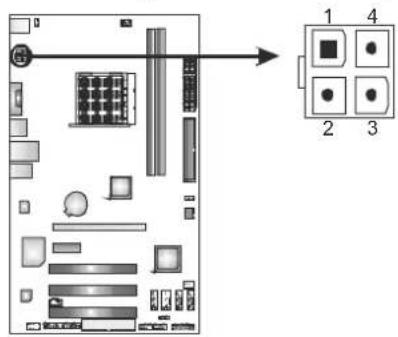
text_image
Diagram of a computer motherboard layout with labeled components and an arrow indicating direction, alongside a grid diagram showing four numbered components.| Pin | Assignment |
| 1 | +12V |
| 2 | +12V |
| 3 | Ground |
| 4 | Ground |
PEX16\_1: PCI-Express Gen2 x16 Slot
- PCI-Express 2.0 compliant.
- Maximum theoretical realized bandwidth of 8GB/s simultaneously per direction, for an aggregate of 16GB/s totally.
PEX1\_1: PCI-Express Gen2 x1 Slot
- PCI-Express 2.0 compliant.
- Data transfer bandwidth up to 250MB/s per direction; 500MB/s in total.
- PCI-Express Gen2 supports a raw bit-rate of 2.5Gb/s on the data pins.
- 2X bandwidth over the PCI-Express 1.0 architecture.

text_image
PEX16_1 PEX1_1PCI1\~PCI3: Peripheral Component Interconnect Slots
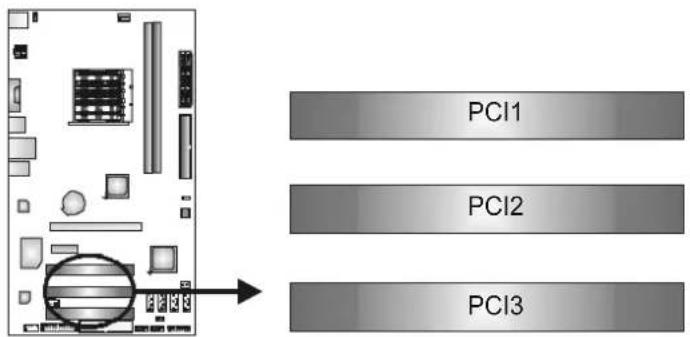
This motherboard is equipped with 3 standard PCI slots. PCI stands for Peripheral Component Interconnect, and it is a bus standard for expansion cards. This PCI slot is designated as 32 bits.
text_image
PCI1 PCI2 PCI3CHAPTER 3: HEADERS & JUMPERS SETUP
3.1 HOW TO SETUP JUMPERS
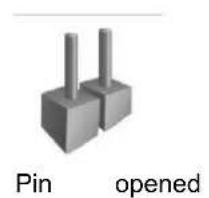
The illustration shows how to set up jumpers. When the jumper cap is placed on pins, the jumper is "close", if not, that means the jumper is "open".
text_image
Pin opened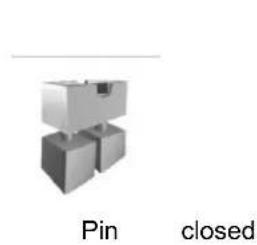
text_image
Pin closed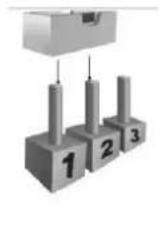
natural_image
3D diagram of three labeled blocks (1, 2, 3) with arrows pointing to a top block, no text or symbols present.Pin1-2 closed
3.2 DETAIL SETTINGS
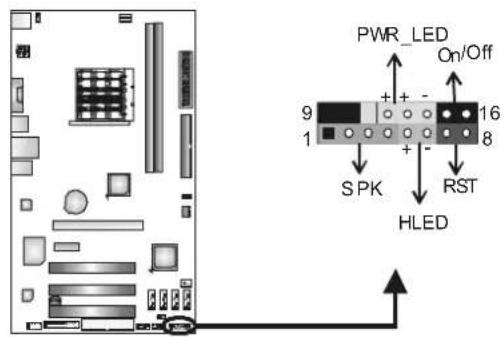
PANEL1: Front Panel Header
This 16-pin connector includes Power-on, Reset, HDD LED, Power LED, and speaker connection. It allows user to connect the PC case's front panel switch functions.
text_image
PWR_LED On/Off 9 16 8 SPK RST HLED| Pin | Assignment | Function | Pin | Assignment | Function |
| 1 | +5V | Speaker Connector | 9 | N/A | N/A |
| 2 | N/A | 10 | N/A | ||
| 3 | N/A | 11 | N/A | N/A | |
| 4 | Speaker | 12 | Power LED (+) | Power LED | |
| 5 | HDD LED (+) | Hard drive LED | 13 | Power LED (+) | |
| 6 | HDD LED (-) | 14 | Power LED (-) | ||
| 7 | Ground | Reset button | 15 | Power button | Power-on button |
| 8 | Reset control | 16 | Ground |
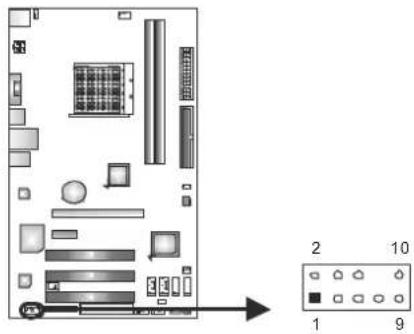
F\_AUDIO1: Front Panel Audio Header
This header allows user to connect the front audio output cable with the PC front panel. This header allows only HD audio front panel connector.
text_image
Diagram of a computer room layout with labeled compartments and an inset showing 10 numbered components.Pin Assignment
| 1 | Mic Left in | |
| 2 | Ground | |
| 3 | Mic Right in | |
| 4 | GPIO | |
| 5 | Right line in | |
| 6 | Jack | Sense |
| 7 | Front | Sense |
| 8 | Key | |
| 9 | Left line in | |
| 10 | Jack | Sense |
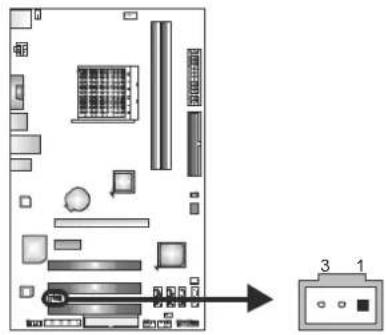
JSPDIFOUT1: Digital Audio-out Connector
This connector allows user to connect the PCI bracket SPDIF output header.
text_image
Diagram of a computer motherboard layout with labeled components and an arrow pointing to component 3 and 1Pin Assignment
| 1 | Left Channel Input |
| 2 | Ground |
| 3 | Ground |
| 4 | Right Channel Input |
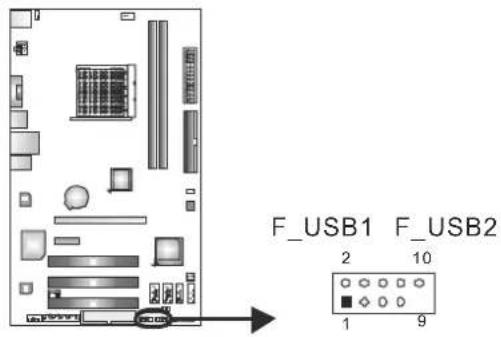
F\_USB1/F\_USB2: Headers for USB 2.0 Ports at Front Panel
This header allows user to connect additional USB cable on the PC front panel, and also can be connected with internal USB devices, like USB card reader.
text_image
F_USB1 F_USB2 2 10 1 9| Pin | Assignment | |
| 1 | +5V | (fused) |
| 2 | +5V | (fused) |
| 3 | USB- | |
| 4 | USB- | |
| 5 | USB+ | |
| 6 | USB+ | |
| 7 | Ground | |
| 8 | Ground | |
| 9 | Key | |
| 10 | NC | |
JUSBV1/JUSBV2: Power Source Headers for USB Ports
Pin 1-2 Close:
JUSBV1: +5V for USB ports at USB1/RJ45USB1.
JUSBV2: +5V for USB ports at F_USB1/F_USB2.
Pin 2-3 Close:
JUSBV1: +5V STB for USB ports at USB1/RJ45USB1.
JUSBV2: +5V STB for USB ports at F_USB1/F_USB2.
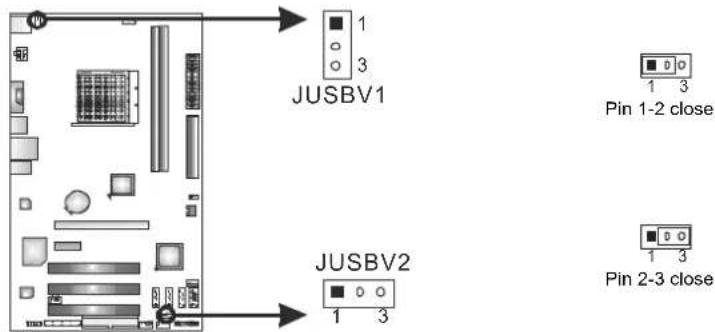
text_image
JUSBV1 JUSBV2 Pin 1-2 close Pin 2-3 closeJCMOS1: Clear CMOS Header
Placing the jumper on pin2-3, it allows user to restore the BIOS safe setting and the CMOS data. Please carefully follow the procedures to avoid damaging the motherboard.
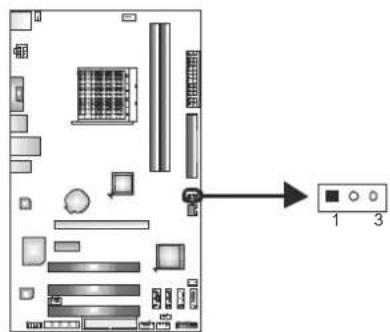
text_image
Diagram of a computer motherboard with labeled components and an output indicator showing 1 and 3 buttons.
Pin 1-2 Close:
Normal Operation (Default).

Pin 2-3 Close:
Clear CMOS data.
- Remove AC power line.
- Set the jumper to "Pin 2-3 close".
- Wait for five seconds.
- Set the jumper to "Pin 1-2 close".
- Power on the AC.
- Reset your desired password or clear the CMOS data.
J\_PRINT1: Printer Port Connector
This header allows you to connector printer on the PC.
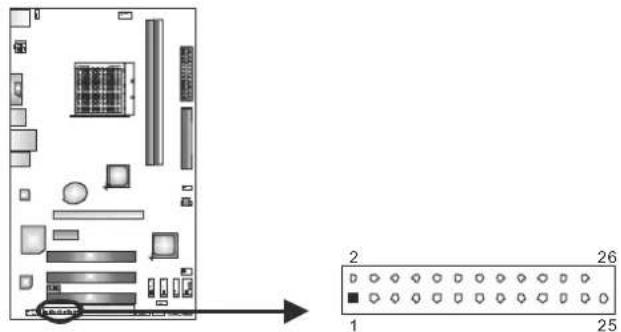
text_image
Diagram of a computer motherboard layout with labeled components and a corresponding schematic diagram showing pin layouts.| Pin | Assignment | Pin | Assignment | ||
| 1 | -Strobe | 14 | Ground | ||
| 2 | -ALF | 15 | Data | 6 | |
| 3 | Data 0 | 16 | Ground | ||
| 4 | -Error | 17 | Data | 7 | |
| 5 | Data 1 | 18 | Ground | ||
| 6 | -Init | 19 | -ACK | ||
| 7 | Data 2 | 20 | Ground | ||
| 8 | -Scltin | 21 | Busy | ||
| 9 | Data 3 | 22 | Ground | ||
| 10 | Ground | 23 | PE | ||
| 11 | Data 4 | 24 | Ground | ||
| 12 | Ground | 25 | SCLT | ||
| 13 | Data 5 | 26 | Key | ||
Supports Windows XP, Windows Vista, and Windows 7.
4.2 RAID ARRAYS
RAID supports the following types of RAID arrays:
RAID 0: RAID 0 defines a disk striping scheme that improves disk read and write times for many applications.
RAID 1: RAID 1 defines techniques for mirroring data.
RAID 10: RAID 10 combines the techniques used in RAID 0 and RAID 1.
4.3 How RAID WORKS
RAID 0:
The controller “stripes” data across multiple drives in a RAID 0 array system. It breaks up a large file into smaller blocks and performs disk reads and writes across multip le drives in parallel. The size of each block is determined by the stripe size parameter, which you set during the creation of the RAID set based on the system environment. This technique reduces overall disk access time and offers high bandwidth.
Features and Benefits
- Drives: Minimum 1, and maximum is up to 6 or 8. Depending on the platform.
- Uses: Intended for non-critical data requiring high data throughput, or any environment that does not require fault tolerance.
- Benefits: provides increased data throughput, especially for large files. No capacity loss penalty for parity.
- Drawbacks: Does not deliver any fault tolerance. If any drive in the array fails, all data is lost.
- Fault Tolerance: No.
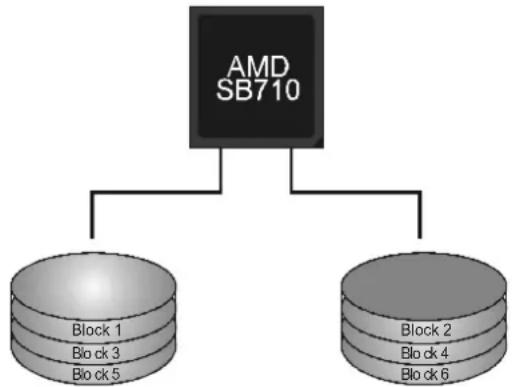
flowchart
graph TD
    A["AMD SB710"] --> B["Block 1\nBio ck 3\nBio ck 5"]
    A --> C["Block 2\nBio ck 4\nBio ck 6"]
RAID 1:
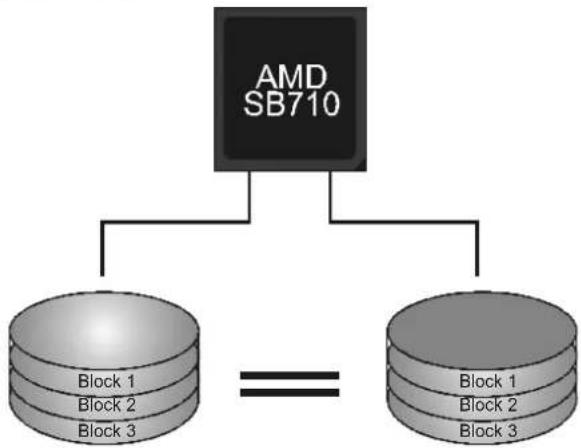
Every read and write is actually carried out in parallel across 2 disk drives in a RAID 1 array system. The mirrored (backup) copy of the data can reside on the same disk or on a second redundant drive in the array. RAID 1 provides a hot-standby copy of data if the active volume or drive is corrupted or becomes unavailable because of a hardware failure. RAID techniques can be applied for high-availability solutions, or as a form of automatic backup that eliminates tedious manual backups to more expensive and less reliable media.
Features and Benefits
- Drives: Minimum 2, and maximum is 2.
- Uses: RAID 1 is ideal for small databases or any other application that requires fault tolerance and minimal capacity.
- Benefits: Provides 100% data redundancy. Should one drive fail, the controller switches to the other drive.
- Drawbacks: Requires 2 drives for the storage space of one drive. Performance is impaired during drive rebuilds.
- Fault Tolerance: Yes.
flowchart
graph TD
    A["AMD SB710"] --> B["Block 1"]
    A --> C["Block 2"]
    A --> D["Block 3"]
    B --> E["=="]
    C --> E
    D --> E
RAID 10:
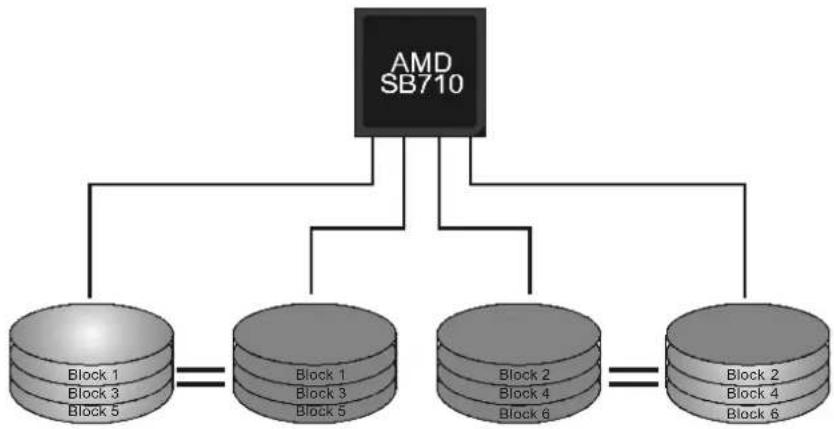
RAID 1 drives can be stripped using RAID 0 techniques. Resulting in a RAID 10 solution for improved resiliency, performance and rebuild performance.
Features and Benefits
- Drives: Minimum 4, and maximum is 6 or 8, depending on the platform.
- Benefits: Optimizes for both fault tolerance and performance, allowing for automatic redundancy. May be simultaneously used with other RAID levels in an array, and allows for spare disks.
- Drawbacks: Requires twice the available disk space for data redundancy, the same as RAID level 1.
- Fault Tolerance: Yes.
flowchart
graph TD
    A["AMD SB710"] --> B["Block 1\nBlock 3\nBlock 5"]
    A --> C["Block 1\nBlock 3\nBlock 5"]
    A --> D["Block 2\nBlock 4\nBlock 6"]
    A --> E["Block 2\nBlock 4\nBlock 6"]
CHAPTER 5: USEFUL HELP
5.1 DRIVER INSTALLATION NOTE
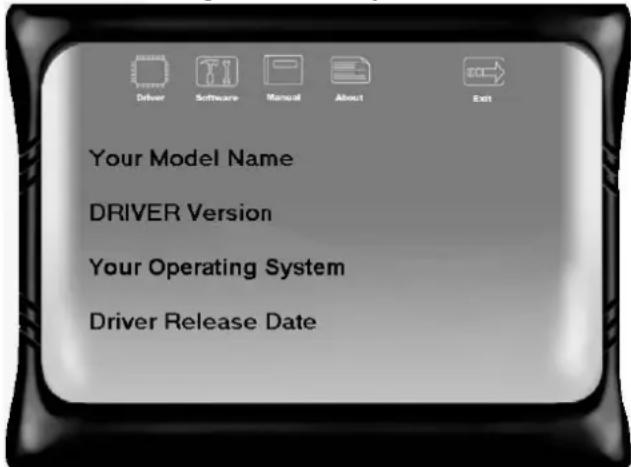
After you installed your operating system, please insert the Fully Setup Driver CD into your optical drive and install the driver for better system performance.
You will see the following window after you insert the CD
text_image
Driver Software Manual About Exit Your Model Name DRIVER Version Your Operating System Driver Release DateThe setup guide will auto detect your motherboard and operating system.
Note:
If this window didn't show up after you insert the Driver CD, please use file browser to locate and execute the file SETUP.EXE under your optical drive.
A. Driver Installation
To install the driver, please click on the Driver icon. The setup guide will list the compatible driver for your motherboard and operating system. Click on each device driver to launch the installation program.
B. Software Installation
To install the software, please click on the Software icon. The setup guide will list the software available for your system, click on each software title to launch the installation program.
C. Manual
Aside from the paperback manual, we also provide manual in the Driver CD. Click on the Manual icon to browse for available manual.
Note:
You will need Acrobat Reader to open the manual file. Please download the latest version of Acrobat Reader software from http://www.adobe.com/products/acrobat/readstep2.html
5.2 SOFTWARE
Installing Software
- Insert the Setup CD to the optical drive. The drivers installation program would appear if the Autorun function has been enabled.
- Select Software Installation, and then click on the respective software title.
- Follow the on-screen instructions to complete the installation.
Launching Software
After the installation process, you will see the software icon "eHOT Line" / "BIOS Update" appears on the desktop. Double-click the icon to launch the utility.
eHot-Line (Optional)
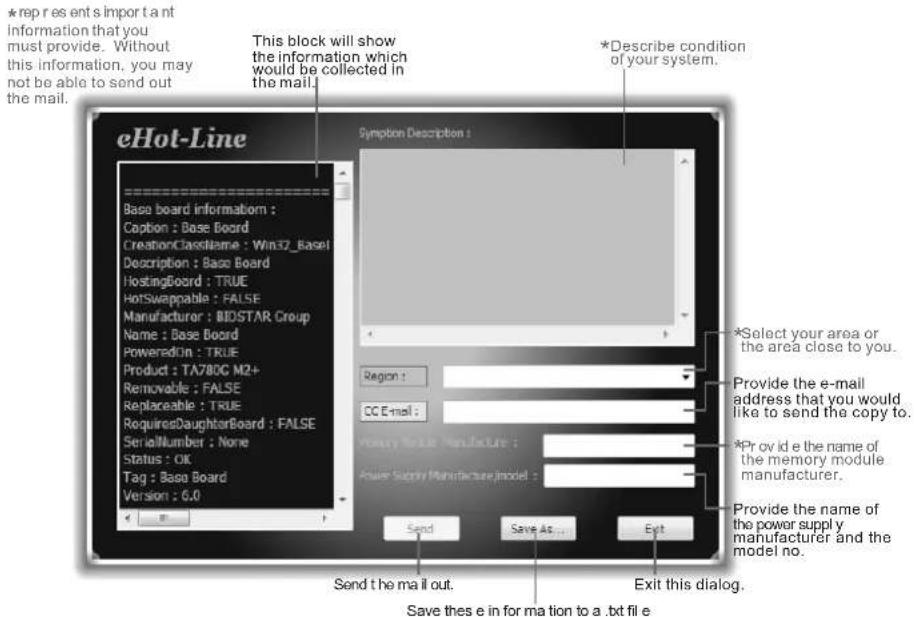
eHot-Line is a convenient utility that helps you to contact with our Tech-Support system. This utility will collect the system information which is useful for analyzing the problem you may have encountered, and then send these information to our tech-support department to help you fix the problem.

Before you use this utility, please set Outlook Express as your default e-mail client application program.
text_image
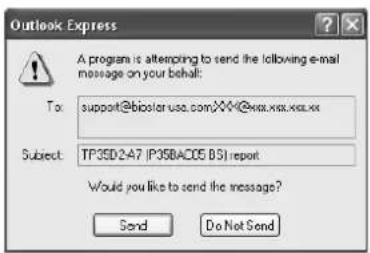
★rep r es ent s import t a nt information that you must provide. Without this information, you may not be able to send out the mail. This block will show the information which would be collected in the mail. *Describe condition of your system. eHot-Line Symptom Description : Base board informaborn : Caption : Base Board CreationClassName : Win32_Basel Description : Base Board HostingBoard : TRUE HotSweppable : FALSE Manufacturer : BIDSTAR Croup Name : Base Board PowerAdmin : TRUE Product : TA780C M2+ Removable : FALSE Replaceable : TRUE RequiresDaughterBoard : FALSE SerialNumber : None Status : OK Tag : Base Board Version : 6.0 Region : CC E-mail : *Select your area or the area close to you. Provide the e-mail address that you would like to send the copy to. *Pro vid e the name of the memory module manufacturer. Power Subry Manufacture model : Send Save As... Exit Send t he mail out. Exit this dialog. Save these e in for ma tion to a .txt fileAfter filling up this information, click "Send" to send the mail out. A warning dialog would appear asking for your confirmation; click "Send" to confirm or "Do Not Send" to cancel.
text_image
Outlook Express A program is attempting to send the following e-mail message on your behalf: Tax: support@bioslar.usa.com/XX-4000.1000.1000.1000.1000.1000.1000.1000.1000.1000.1000.1000.1000.1000.1000.1000.1000.1000.1000.1000.1000. 1000.1000.1000.1000.1000.1000.1000.1000.1000.1000.1000.1000.1000.1000.1000.1000.1000.1000.1000.1000 Subject: TP35D2A7 (P35BACOS BS) report Would you like to send the message? Send Do Not SendIf you want to save this information to a .txt file, click "Save As..." and then you will see a saving dialog appears asking you to enter file name.
Enter the file name and then click "Save". Your system information will be saved to a .txt file.
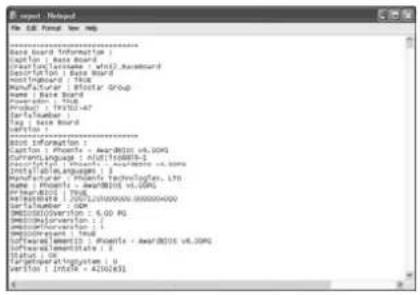
text_image
file Edit View Help baseBoard Information (A portion, Rate Board) (B part, User Interface, white, basicboard) (Csidiation, Rate Board) (D not, Imageboard, This) (E name, Rate Board) (F powertrain, This) (G manual, 19350-47) (H file, number) (I tag, rate board) (J information) (K portion, Phoenix - Award2016 v.004) (L current language, A: Digital 2008-2) (M current language, A: Digital 2008-2) (N optional languages, I) (O manufacturer, Phosants Technologies, Ltd) (P name, Phoenix - Award2016 v.004) (Q Award2016, True) (R Award2016, 20012/2000000000004000) (R Award2016, True) (R Award2016, 20012/200000000004000) (R Award2016, True) (R Award2016, 20012/200000000004000) (R Award2016, True) (R Award2016, 20012/200000000004000) (R Award2016, ( version = 6.00 PG ) (R Award2016, ( version = 6.00 PG ) (R Award2016, ( version = 6.00 PG ) (R Award2016, ( version = 6.00 PG ) (R Award2016, ( version = 6.00 PG ) (R Award2016, ( version = 6.00 PG ) (R Award2016, ( version = 6.0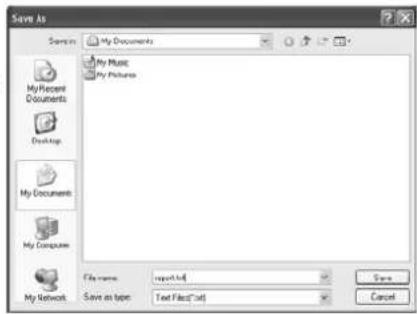
text_image
Save As My Documents My Music My Pictures My Recent Documents Desktop My Documents My Computers My Network File name: report.txt Save as type: Text Files(*.txt) CancelOpen the saved .txt file, you will see your system information including motherboard/BIOS/CPU/video/device/OS information. This information is also concluded in the sent mail.

We will not share customer's data with any other third parties, so please feel free to provide your system information while using eHot-Line service.

If you are not using Outlook Express as your default e-mail client application, you may need to save the system information to a .txt file and send the file to our tech support with other e-mail application. Go to the following web http://www.biostar.com.tw/app/en-us/about/contact.php for getting our contact information.
BIOS Update
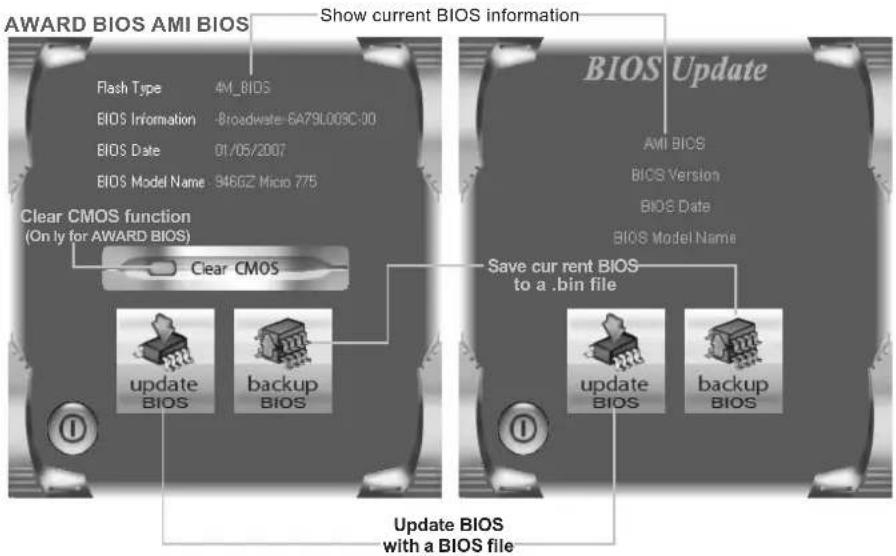
BIOS Update is a convenient utility which allows you to update your motherboard BIOS under Windows system.
text_image
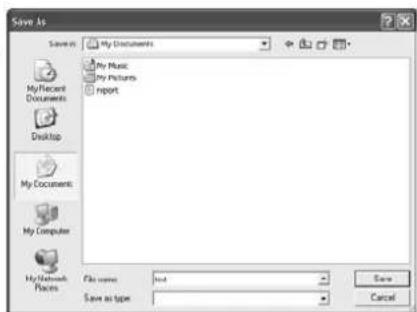
AWARD BIOS AMI BIOS Show current BIOS information Flash Type 4M_BIOS BIOS Information Broadwate 6A79L009C-00 BIOS Date 01/05/2007 BIOS Model Name 946GZ Micio 775 Clear CMOS function (Only for AWARD BIOS) Clear CMOS BIOS Update AMI BIOS BIOS Version BIOS Date BIOS Model Name Update BIOS backup BIOS save current BIOS to a .bin file Update BIOS with a BIOS fileOnce click on this button, the saving dialog will show. Choose the position to save file and enter file name. (We recommend that the file name should be English/number and no longer than 7 characters.) Then click Save.
text_image
Save As My Documents My Music My Pictures Report My Recent Documents Desktop My Documents My Computer My Network Places File name: Not Save as type SaveBefore doing this, please download the proper BIOS file from the website.
For AWARD BIOS, update BIOS procedure should be run with Clear CMOS function, so please check on Clear CMOS first.

text_image
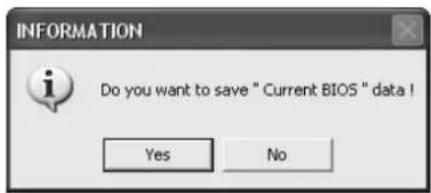
INFORMATION Do you want to save " Current BIOS " data ! Yes NoThen click Update BIOS button, a dialog will show for asking you backup current BIOS. Click Yes for BIOS backup and refer to the Backup BIOS procedure; or click No to skip this procedure.
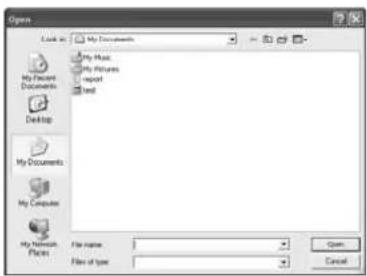
After the BIOS Backup procedure, the open dialog will show for requesting the BIOS file which is going to be updated. Please choose the proper BIOS file for updating, then click on Open.
text_image
Open Look in: My Documents My Music My Pictures Import Text My Documents My Computer My Network Files File name: File of type: Open Cancel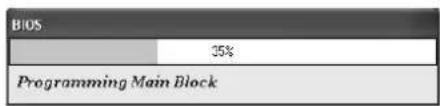
bar_stacked
| Category | Value (%) | |---|---| | 35% | | | Programming Main Block | |The utility will update BIOS with the proper BIOS file, and this process may take minutes. Please do not open any other applications during this process.
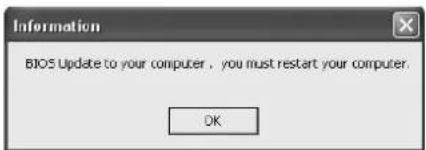
After the BIOS Update process, click on OK to restart the system.
text_image
Information BIOS Update to your computer, you must restart your computer. OKWhile the system boots up and the full screen logo shows, press
In the BIOS setup, use the Load Optimized Defaults function and then Save and Exit Setup to exit BIOS setup. BIOS Update is completed.

All the information and content above about the software are subject to be changed without notice. For better performance, the software is being continuously updated. The information and pictures described above are for your reference only. The actual information and settings on board may be slightly different from this manual.
5.3 EXTRA INFORMATION
CPU Overheated
If the system shutdown automatically after power on system for seconds, that means the CPU protection function has been activated.
When the CPU is over heated, the motherboard will shutdown automatically to avoid a damage of the CPU, and the system may not power on again.
In this case, please double check:
- The CPU cooler surface is placed evenly with the CPU surface.
- CPU fan is rotated normally.
- CPU fan speed is fulfilling with the CPU speed.
After confirmed, please follow steps below to relief the CPU protection function.
- Remove the power cord from power supply for seconds.
- Wait for seconds.
- Plug in the power cord and boot up the system.
Or you can:
- Clear the CMOS data.
(See "Close CMOS Header: JCMOS1" section) - Wait for seconds.
- Power on the system again.
BIO-Flasher
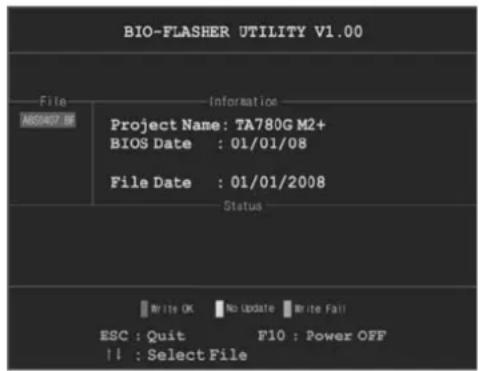
BIO-Flasher is a BIOS flashing utility providing you an easy and simple way to update your BIOS via USB pen drive or floppy disk.
The BIO-Flasher is built in the BIOS chip. To enter the utility, press
Updating BIOS with BIO-Flasher
- Go to the website to download the latest BIOS file for the motherboard.
- Then, save the BIOS file into a USB pen drive or a floppy disk.
- Insert the USB pen drive or the floppy disk that contains the BIOS file to the USB port or the floppy disk drive.
- Power on or reset the computer and then press
during the POST process. A select dialog as the picture on the right appears. Select the device contains the BIOS file and press to enter the utility.
text_image
BIO-FLASHER UTILITY V1.00 File Information ASSA07.BR Project Name: TA780G M2+ BIOS Date : 01/01/08 File Date : 01/01/2008 Status Write OK No Update Write Fail ESC : Quit F10 : Power OFF !! : Select File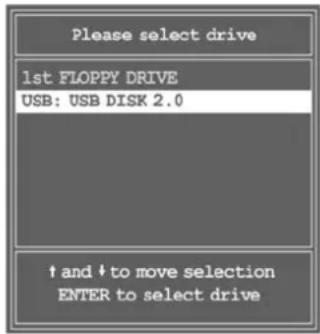
text_image
Please select drive 1st FLOPPY DRIVE USB: USB DISK 2.0 ↑ and ↓ to move selection ENTER to select drive-
The utility will show the BIOS files and their respective information. Select the proper BIOS file and press
then to perform the BIOS update process. -
After the update process, the utility will ask you to reboot the system. Press
to proceed. BIOS update completes.

- This utility only allows storage device with FAT32/16 format and single partition.
- Shutting down or resetting the system while updating the BIOS will lead to system boot failure.
5.4 AMI BIOS BEEP CODE
Boot Block Beep Codes
| Number of Beeps | Description |
| 1 No media present. (Insert diskette in floppy drive A:) | |
| 2 | “AMIBOOT.ROM” file not found in root directory of diskette in A: |
| 3 Insert next diskette if multiple diskettes are used for recovery | |
| 4 Flash Programming successful | |
| 5 File read error | |
| 7 No Flash EPROM detected | |
| 10 Flash Erase error | |
| 11 Flash Program error | |
| 12 “AMIBOOT.ROM” file size error | |
| 13 | BIOS ROM image mismatch (file layout does not match image present in flash device) |
POST BIOS Beep Codes
| Number of Beeps | Description |
| 1 Memory refresh timer error | |
| 3 Base memory read/write test error | |
| 6 Keyboard controller BAT command failed | |
| 7 General exception error (processor exception interrupt error) | |
| 8 Display memory error (system video adapter) | |
Troubleshooting POST BIOS Beep Codes
| Number of Beeps | Troubleshooting Action |
| 1, 3 Reseat | the memory, or replace with known good modules. |
| 6, 7 | Fatal error indicating a serious problem with the system. Consult your system manufacturer. Before declaring the motherboard beyond all hope, eliminate the possibility of interference by a malfunctioning add-in card. Remove all expansion cards except the video adapter.If beep codes are generated when all other expansion cards are absent, consult your system manufacturer's technical support.If beep codes are not generated when all other expansion cards are absent, one of the add-in cards is causing the malfunction. Insert the cards back into the system one at a time until the problem happens again. This will reveal the malfunctioning card. |
| 8 | If the system video adapter is an add-in card, replace or reseat the video adapter. If the video adapter is an integrated part of the system board, the board may be faulty. |
5.5 TROUBLESHOOTING
| Probable | Solution |
| 1. There is no power in the system.Power LED does not shine; the fan of the power supply does not work2. Indicator light on keyboard does not shine. | 1. Make sure power cable is securely plugged in.2. Replace cable.3. Contact technical support. |
| System is inoperative. Keyboard lights are on, power indicator lights are lit, and hard drives are running. | Using even pressure on both ends of the DIMM, press down firmly until the module snaps into place. |
| System does not boot from a hard disk drive, but can be booted from optical drive. | 1. Check cable running from disk to disk controller board. Make sure both ends are securely plugged in; check the drive type in the standard CMOS setup.2. Backing up the hard drive is extremely important. All hard disks are capable of breaking down at any time. |
| System only boots from an optical drive. Hard disks can be read, applications can be used, but system fails to boot from a hard disk. | 1. Back up data and applications files.2. Reformat the hard drive.Re-install applications and data using backup disks. |
| Screen message shows “Invalid Configuration” or “CMOS Failure.” | Review system’s equipment. Make sure correct information is in setup. |
| System cannot boot after user installs a second hard drive. | 1. Set master/slave jumpers correctly.2. Run SETUP program and select correct drive types. Call the drive manufacturers for compatibility with other drives. |
This page is intentionally left blank.
APPENDIX: SPEC IN OTHER LANGUAGES
GERMAN