
WD-1031RD - πλυντήριο ρούχων LG - Δωρεάν εγχειρίδιο χρήσης
Βρείτε δωρεάν το εγχειρίδιο της συσκευής WD-1031RD LG σε μορφή PDF.


Ερωτήσεις χρηστών για WD-1031RD LG
0 ερώτηση για αυτή τη συσκευή. Απαντήστε σε αυτές που γνωρίζετε ή κάντε τη δική σας.
Κάντε μια νέα ερώτηση σχετικά με αυτή τη συσκευή
Κατεβάστε τις οδηγίες για το πλυντήριο ρούχων σε μορφή PDF δωρεάν! Βρείτε το εγχειρίδιό σας WD-1031RD - LG και πάρτε ξανά την ηλεκτρονική σας συσκευή στα χέρια σας. Σε αυτή τη σελίδα δημοσιεύονται όλα τα έγγραφα που απαιτούνται για τη χρήση της συσκευής σας. WD-1031RD της μάρκας LG.
ΕΓΧΕΙΡΊΔΙΟ ΧΡΉΣΗΣ WD-1031RD LG
Πλυντήριο Ρούχων ΕΓΧΕΙΡΙΔΙΟ ΧΡΗΣΗΣ
WD-1031R(H)D / 1035R(H)D
WD-1231R(H)D / 1235R(H)D
Σας ευχαριστούμε που αγοράσατε ένα
πλήρως αυτόματο πλυντήριο ρούχων LG.
Διαβάστε προσεκτικά το εγχειρίδιο χρήσης σας· παρέχει οδηγίες για ασφαλή εγκατάσταση, χρήση και συντήρηση.
Φυλάξτε το για μελλοντική αναφορά.
Καταγράψτε τους αριθμούς μοντέλου και σειριακού αριθμού του πλυντηρίου σας.

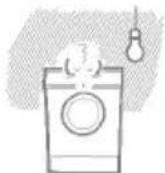
■ Αυτόματη διαδικασία από το πλύσιμο έως το στέγνωμα. Η αυτόματη διαδικασία από το πλύσιμο έως το στέγνωμα μπορεί να επιλεγεί εύκολα. Χωρητικότητα πλυσίματος: 6,5 kg (βαμβακερά) Χωρητικότητα στεγνώματος: 3,0 kg (βαμβακερά)
■ Πιο οικονομικό με το Έξυπνο Σύστημα Πλύσης. Το Έξυπνο Σύστημα Πλύσης ανιχνεύει την ποσότητα του φορτίου και τη θερμοκρασία του νερού και στη συνέχεια καθορίζει τη βέλτιστη στάθμη νερού και τον χρόνο πλύσης για να ελαχιστοποιήσει την κατανάλωση ενέργειας και νερού.
■ Σύστημα Άμεσης Μετάδοσης Κίνησης Ο προηγμένος κινητήρας συνεχούς ρεύματος χωρίς ψήκτρες περιστρέφει τον κάδο απευθείας, χωρίς ιμάντα και τροχαλία.
■ Κλείδωμα για παιδιά Το σύστημα κλειδώματος για παιδιά έχει χρησιμοποιηθεί για να αποτρέπει τα παιδιά από το να πατήσουν οποιοδήποτε κουμπί για να αλλάξουν το πρόγραμμα κατά τη λειτουργία.
■ Σύστημα ελέγχου χαμηλού θορύβου στη φυγοκέντριση Ανιχνεύοντας την ποσότητα του φορτίου και την ισορροπία, κατανέμει ομοιόμορφα το φορτίο για να ελαχιστοποιήσει το επίπεδο θορύβου κατά τη φυγοκέντριση.
■ Αυτόματη επανεκκίνηση Εάν το πλυντήριο απενεργοποιηθεί λόγω διακοπής ρεύματος, θα επανεκκινήσει αυτόματα από το σημείο όπου σταμάτησε, προσαρμόζοντας ανάλογα.
Προειδοποιήσεις....3
Προδιαγραφή 4
Εγκατάσταση....5
Φροντίδα πριν από το πλύσιμο....11
Προσθήκη απορρυπαντικού 12
Λειτουργία 13
Πώς να χρησιμοποιήσετε το πλυντήριο....14
Συντήρηση 22
Οδηγός αντιμετώπισης προβλημάτων 25
ΔΙΑΒΑΣΤΕ ΟΛΕΣ ΤΙΣ ΟΔΗΓΙΕΣ ΠΡΙΝ ΑΠΟ ΤΗ ΧΡΗΣΗ
Για την ασφάλειά σας, οι πληροφορίες σε αυτό το εγχειρίδιο πρέπει να τηρούνται για να ελαχιστοποιηθεί ο κίνδυνος πυρκαγιάς ή έκρηξης, ηλεκτροπληξίας ή για να αποτραπεί υλική ζημιά, τραυματισμός ή απώλεια ζωής.
ΣΗΜΑΝΤΙΚΕΣ ΟΔΗΓΙΕΣ ΑΣΦΑΛΕΙΑΣ
ΠΡΟΕΙΔΟΠΟΙΗΣΗ: Για να μειώσετε τον κίνδυνο πυρκαγιάς, ηλεκτροπληξίας ή τραυματισμού ατόμων κατά τη χρήση του πλυντηρίου, ακολουθήστε βασικές προφυλάξεις, συμπεριλαμβανομένων των εξής:
- Μην εγκαθιστάτε ή αποθηκεύετε το πλυντήριο σε μέρος όπου θα εκτεθεί στις καιρικές συνθήκες.
- Μην παραβιάζετε τα χειριστήρια.
- Μην επισκευάζετε ή αντικαθιστάτε οποιοδήποτε εξάρτημα του πλυντηρίου ή μην επιχειρείτε οποιαδήποτε επισκευή, εκτός εάν συνιστάται συγκεκριμένα στις οδηγίες συντήρησης χρήστη ή στις δημοσιευμένες οδηγίες επισκευής χρήστη που κατανοείτε και έχετε τις δεξιότητες να εκτελέσετε.
- Διατηρήστε τον χώρο κάτω και γύρω από τις συσκευές σας ελεύθερο από εύφλεκτα υλικά, όπως χνούδι, χαρτί, κουρέλια, χημικά κ.λπ.
- Απαιτείται στενή επίβλεψη εάν αυτή η συσκευή χρησιμοποιείται από ή κοντά σε παιδιά. Μην επιτρέπετε στα παιδιά να παίζουν πάνω, με ή μέσα σε αυτή ή οποιαδήποτε άλλη συσκευή.
- Μην αφήνετε την πόρτα του πλυντηρίου ανοιχτή. Μια ανοιχτή πόρτα μπορεί να δελεάσει τα παιδιά να κρεμαστούν στην πόρτα ή να σκαρφαλώσουν μέσα στο πλυντήριο.
- Μην βάζετε ποτέ το χέρι σας στο πλυντήριο ενώ αυτό κινείται. Περιμένετε μέχρι να σταματήσει εντελώς το τύμπανο.
- Η διαδικασία πλυσίματος μπορεί να μειώσει την επιβραδυντική φλόγας ιδιότητα των υφασμάτων.
- Μην πλένετε ή στεγνώνετε αντικείμενα που έχουν καθαριστεί, πλυθεί, μουλιαστεί ή λερωθεί με εύφλεκτες ή εκρηκτικές ουσίες (όπως κερί, λάδι, μπογιά, βενζίνη, απολιπαντικά, στεγνοκαθαριστικά διαλυτικά, κηροζίνη κ.λπ.) που μπορεί να αναφλεγούν ή να εκραγούν.
- Για να αποφύγετε ένα τέτοιο αποτέλεσμα, ακολουθήστε προσεκτικά τις οδηγίες πλυσίματος και φροντίδας του κατασκευαστή του ενδύματος.
- Μην χτυπάτε την πόρτα του πλυντηρίου για να την κλείσετε ή μην προσπαθήσετε να την ανοίξετε με τη βία όταν είναι κλειδωμένη. Αυτό μπορεί να προκαλέσει ζημιά στο πλυντήριο. • Για να ελαχιστοποιήσετε την πιθανότητα ηλεκτροπληξίας, αποσυνδέστε αυτή τη συσκευή από την παροχή ρεύματος ή αποσυνδέστε το πλυντήριο από τον πίνακα διανομής του σπιτιού αφαιρώντας την ασφάλεια ή κλείνοντας τον διακόπτη κυκλώματος πριν επιχειρήσετε οποιαδήποτε συντήρηση ή καθαρισμό.
- Μην επιχειρήσετε ποτέ να λειτουργήσετε αυτή τη συσκευή εάν είναι κατεστραμμένη, δυσλειτουργεί, είναι μερικώς αποσυναρμολογημένη ή έχει χαμένα ή σπασμένα εξαρτήματα, συμπεριλαμβανομένου κατεστραμμένου καλωδίου ή βύσματος.
ΦΥΛΑΞΤΕ ΑΥΤΕΣ ΤΙΣ ΟΔΗΓΙΕΣ
ΟΔΗΓΙΕΣ ΓΕΙΩΣΗΣ
Αυτή η συσκευή πρέπει να είναι γειωμένη. Σε περίπτωση δυσλειτουργίας ή βλάβης, η γείωση θα μειώσει τον κίνδυνο ηλεκτροπληξίας παρέχοντας μια διαδρομή ελάχιστης αντίστασης για το ηλεκτρικό ρεύμα. Αυτή η συσκευή είναι εξοπλισμένη με καλώδιο που έχει αγωγό γείωσης εξοπλισμού και βύσμα γείωσης. Το βύσμα πρέπει να συνδεθεί σε κατάλληλη πρίζα που είναι σωστά εγκατεστημένη και γειωμένη σύμφωνα με όλους τους τοπικούς κώδικες και κανονισμούς.
- Μην χρησιμοποιείτε προσαρμογέα ή με άλλο τρόπο παρακάμπτετε το βύσμα γείωσης.
• Εάν δεν διαθέτετε την κατάλληλη πρίζα, συμβουλευτείτε έναν ηλεκτρολόγο.
ΠΡΟΕΙΔΟΠΟΙΗΣΗ: Η λανθασμένη σύνδεση του αγωγού γείωσης του εξοπλισμού μπορεί να προκαλέσει κίνδυνο ηλεκτροπληξίας. Συμβουλευτείτε έναν εξειδικευμένο ηλεκτρολόγο ή τεχνικό εάν έχετε αμφιβολίες σχετικά με το αν η συσκευή είναι σωστά γειωμένη. Μην τροποποιείτε το βύσμα που παρέχεται με τη συσκευή - εάν δεν ταιριάζει στην πρίζα, ζητήστε από έναν εξειδικευμένο ηλεκτρολόγο να εγκαταστήσει μια κατάλληλη πρίζα.
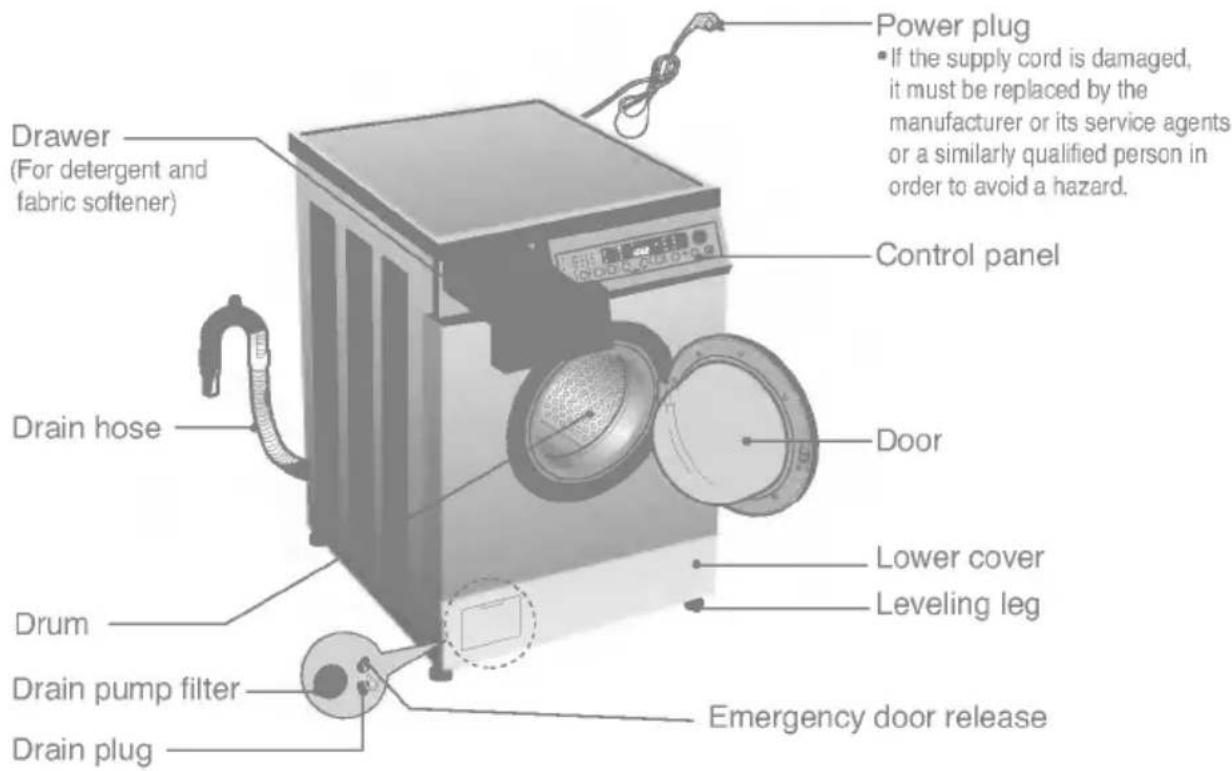
■ Όνομα: Πλυντήριο ρούχων μπροστινής φόρτωσης ■ Τροφοδοσία: 220-240V\~, 50Hz ■ Διαστάσεις: 600mm(Π) × 600mm(Β) × 850mm(Υ) ■ Βάρος: 75kg ■ Χωρητικότητα πλύσης: 6.5kg ■ Χωρητικότητα στεγνώματος: 3.0kg ■ Μέγιστη ισχύς: 2150W ■ Ταχύτητα στυψίματος: Χωρίς στύψιμο/400/600/800/1000[WD-1031R(H)D/1035R(H)D] Χωρίς στύψιμο/400/800/1000/1200[WD-1231R(H)D/1235R(H)D] ■ Κατανάλωση νερού: 75 ℓ (11.5 ℓ / kg) ■ Επιτρεπόμενη πίεση νερού: 0.3-10kgf/cm² (30-1000kPa)
* Η εμφάνιση και οι προδιαγραφές ενδέχεται να αλλάξουν χωρίς προειδοποίηση για τη βελτίωση της ποιότητας της μονάδας.
■ Αξεσουάρ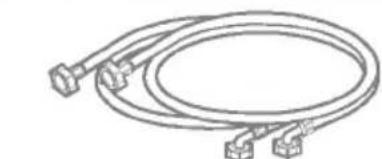
Σωλήνας εισόδου (1 τεμ.) ※ Προαιρετικά: Ζεστό/Κρύο (2 τεμ.)
Γερμανικό κλειδί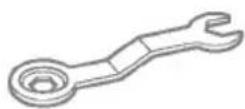
Εγκαταστήστε ή αποθηκεύστε το πλυντήριο σε μέρος όπου δεν θα εκτεθεί σε θερμοκρασίες κάτω από το μηδέν ή σε εξωτερικές καιρικές συνθήκες. Γειώστε σωστά το πλυντήριο σύμφωνα με όλους τους ισχύοντες κανονισμούς και διατάγματα.
Το άνοιγμα της βάσης δεν πρέπει να φράσσεται από χαλί όταν το πλυντήριο είναι εγκατεστημένο σε δάπεδο με χαλί.
■ Βίδες μεταφοράς
Η συσκευή είναι εξοπλισμένη με βίδες μεταφοράς για την αποφυγή εσωτερικής ζημιάς κατά τη μεταφορά.
■ Αφαίρεση βιδών μεταφοράς
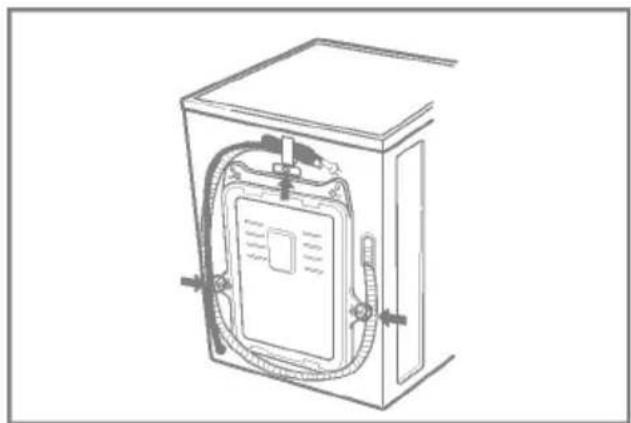
- Για την αποφυγή εσωτερικής ζημιάς κατά τη μεταφορά, οι 3 ειδικές βίδες είναι ασφαλισμένες. Πριν από τη λειτουργία του πλυντηρίου, αφαιρέστε τις βίδες μαζί με τα λαστιχένια βύσματα.
- Εάν δεν αφαιρεθούν, μπορεί να προκαλέσουν έντονους κραδασμούς, θόρυβο και δυσλειτουργία.
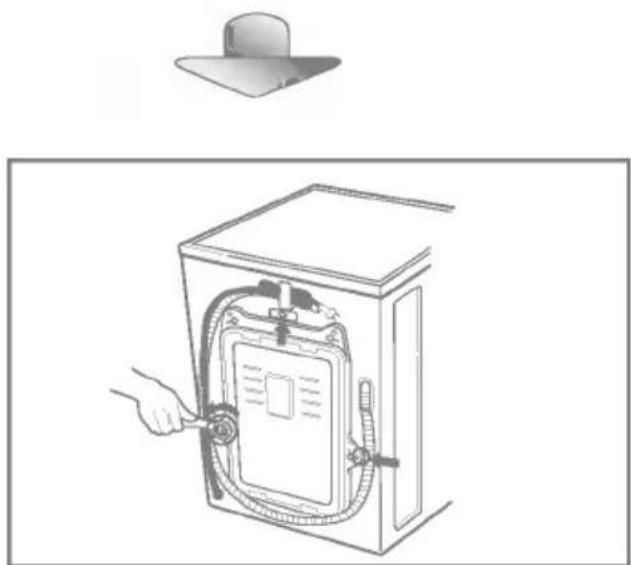
- Ξεβιδώστε τις 3 βίδες με το γερμανικό κλειδί που παρέχεται.
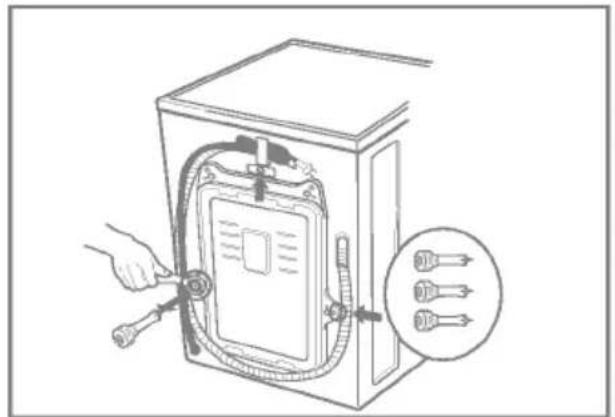
- Αφαιρέστε τους 3 κοχλίες μαζί με τα λαστιχένια βύσματα στρίβοντας ελαφρώς το βύσμα. Κρατήστε τους 3 κοχλίες και το κλειδί για μελλοντική χρήση.
- Όποτε μεταφέρεται η συσκευή, οι κοχλίες μεταφοράς πρέπει να επανατοποθετηθούν.
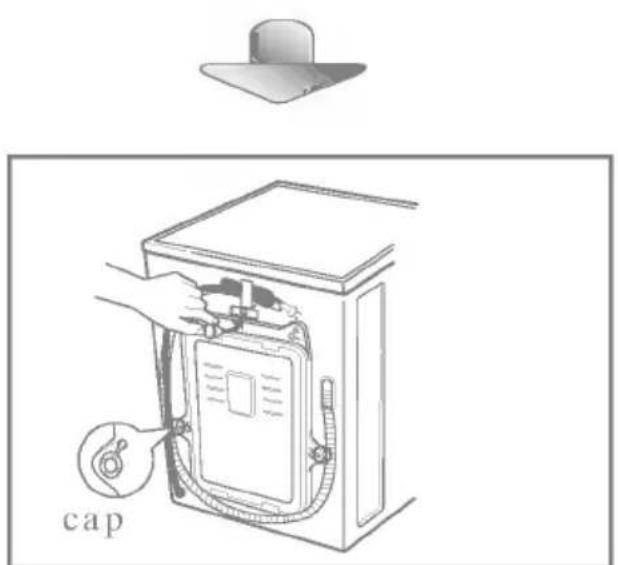
- Κλείστε τις οπές με τα παρεχόμενα καπάκια.
■ Απαίτηση χώρου εγκατάστασης
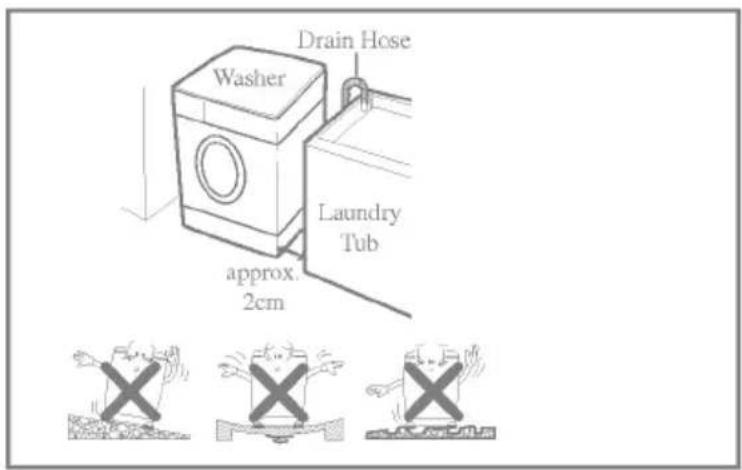
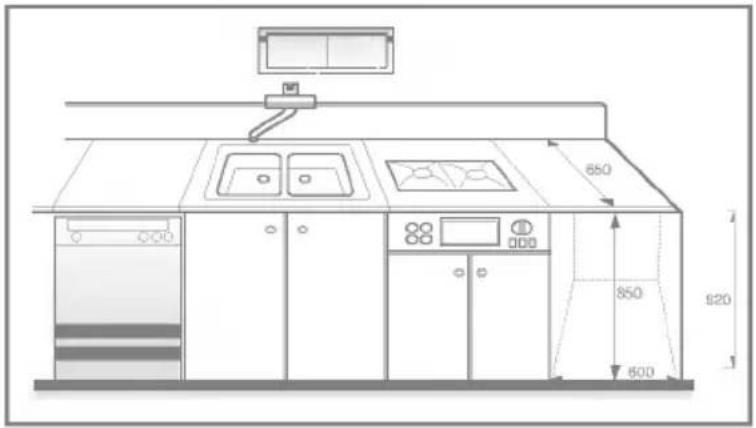
Επίπεδο δάπεδο:
Επιτρεπόμενη κλίση κάτω από ολόκληρο το πλυντήριο είναι 1°
Πρίζα ρεύματος:
Πρέπει να βρίσκεται εντός 1,5 μέτρων από οποιαδήποτε πλευρά της θέσης του πλυντηρίου. Μην υπερφορτώνετε την πρίζα με περισσότερες από μία συσκευές.
Πρόσθετη απόσταση:
Απαιτείται διαμόρφωση για τοίχο, πόρτα και δάπεδο.
(10 cm: πίσω / 2 cm: δεξιά και αριστερά)
Μην τοποθετείτε ή αποθηκεύετε προϊόντα πλυντηρίου πάνω στο πλυντήριο ανά πάσα στιγμή.
Μπορούν να καταστρέψουν το φινίρισμα ή τα χειριστήρια.
■ Ηλεκτρική σύνδεση
- Μη χρησιμοποιείτε καλώδιο προέκτασης ή διπλό προσαρμογέα.
- Εάν το καλώδιο τροφοδοσίας είναι κατεστραμμένο, πρέπει να αντικατασταθεί από τον κατασκευαστή ή τους εξουσιοδοτημένους αντιπροσώπους του ή από παρόμοια εξειδικευμένο άτομο για να αποφευχθεί ο κίνδυνος.
- Να αποσυνδέετε πάντα τη συσκευή από το ρεύμα και να κλείνετε την παροχή νερού μετά τη χρήση.
- Συνδέστε τη συσκευή σε πρίζα με γείωση σύμφωνα με τους ισχύοντες κανονισμούς καλωδίωσης.
- Η συσκευή πρέπει να τοποθετείται έτσι ώστε το φις να είναι εύκολα προσβάσιμο.
■ Το πλυντήριο πρέπει να συνδέεται με το δίκτυο ύδρευσης χρησιμοποιώντας νέα σετ σωλήνων και τα παλιά σετ σωλήνων δεν πρέπει να χρησιμοποιούνται.
■ Σύνδεση σωλήνα παροχής νερού
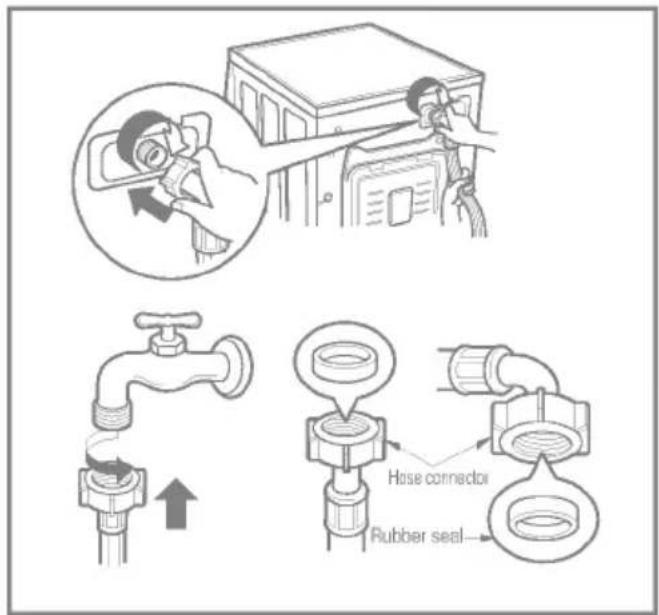
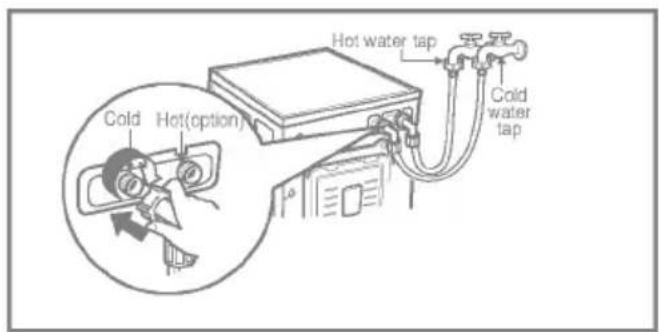
▶ Η πίεση παροχής νερού πρέπει να είναι μεταξύ 30kPa και 1000kPa (0,3~10kg.f/cm²). ▶ Μην αφαιρείτε το σπείρωμα ή μην το διασταυρώνετε κατά τη σύνδεση του σωλήνα εισόδου στη βαλβίδα. ▶ Εάν η πίεση παροχής νερού είναι μεγαλύτερη από 1000kPa, θα πρέπει να εγκατασταθεί συσκευή αποσυμπίεσης. - Δύο λαστιχένια παρεμβύσματα παρέχονται με τους σωλήνες εισόδου νερού για την αποφυγή διαρροών νερού. - Ελέγξτε τη στεγανότητα των συνδέσεων του πλυντηρίου ανοίγοντας τελείως τη βρύση. • Ελέγχετε περιοδικά την κατάσταση του σωλήνα και αντικαταστήστε τον εάν χρειαστεί. • Βεβαιωθείτε ότι ο σωλήνας δεν έχει τσακίσεις και ότι δεν είναι συνθλιμμένος.
▶ Όταν το πλυντήριό σας έχει δύο βαλβίδες,
- Ο σωλήνας εισόδου με κόκκινο σύνδεσμο είναι για τη βρύση ζεστού νερού.
- Εάν το πλυντήριο έχει δύο βαλβίδες, εξοικονομείται ενέργεια χρησιμοποιώντας τη βαλβίδα ζεστού νερού.
■ Κανονική βρύση χωρίς σπείρωμα και σωλήνας εισόδου με βίδα
- Ξεβιδώστε τη βίδα στερέωσης για να προσαρτήσετε τη βρύση.
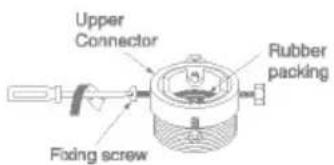
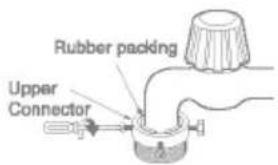
- Σπρώξτε τον σύνδεσμο προς τα πάνω μέχρι το λαστιχένιο παρέμβυσμα να έρθει σε στενή επαφή με τη βρύση. Στη συνέχεια σφίξτε τις 4 βίδες.
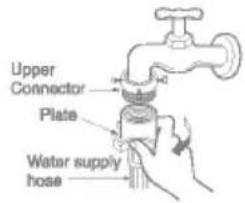
- Σπρώξτε τον σωλήνα παροχής νερού κάθετα προς τα πάνω έτσι ώστε το λαστιχένιο παρέμβυσμα μέσα στον σωλήνα να προσκολληθεί πλήρως στη βρύση και στη συνέχεια σφίξτε τον βιδώνοντάς τον προς τα δεξιά.
■ Κανονική βρύση χωρίς σπείρωμα και σωλήνας εισόδου τύπου one touch
- Χαλαρώστε τη βίδα του άνω συνδετήρα.
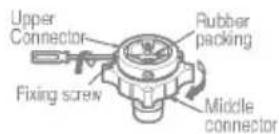
• Σε περίπτωση που η διάμετρος της βρύσης είναι μεγάλη, αφαιρέστε την πλάκα οδήγησης.
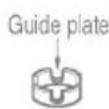
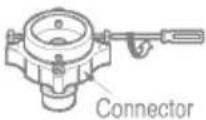
- Σπρώξτε τον άνω συνδετήρα προς τα πάνω μέχρι το λαστιχένιο παρέμβυσμα να έρθει σε στενή επαφή με τη βρύση. Στη συνέχεια, σφίξτε τις 4 βίδες.
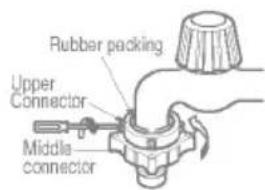
- Γυρίστε τον μεσαίο συνδετήρα για να μην υπάρχει διαρροή νερού.
• Βεβαιωθείτε ότι το λαστιχένιο παρέμβυσμα βρίσκεται μέσα στον συνδετήρα του σωλήνα.
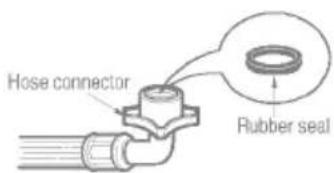
- Συνδέστε τον σωλήνα παροχής νερού στον μεσαίο συνδετήρα, πιέζοντας την πλάκα προς τα κάτω.
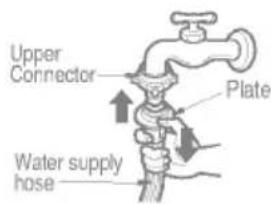
• Για να αποσυνδέσετε τον σωλήνα παροχής νερού από τον μεσαίο συνδετήρα, κλείστε τη βρύση. Στη συνέχεια, τραβήξτε τον σωλήνα εισόδου προς τα κάτω, πιέζοντας την πλάκα προς τα κάτω.
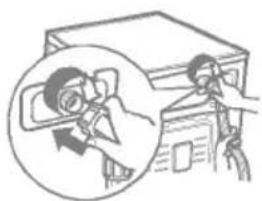
- Η συσκευή σας διαθέτει μόνο σύνδεση κρύου νερού.
• Βεβαιωθείτε ότι δεν υπάρχουν τσακίσεις στον σωλήνα και ότι δεν είναι συνθλιμμένος.
| Used the horizontal tap | |
| Horizontal tap |  |
| Extension tap | 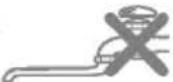 |
| Square tap |  |
■ Εγκατάσταση σωλήνα αποχέτευσης
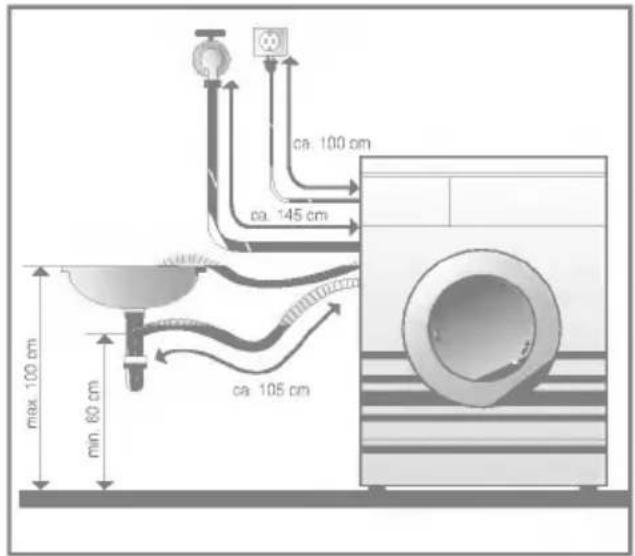
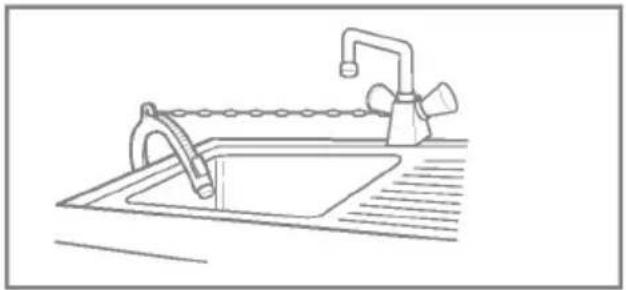
- Όταν εγκαθιστάτε τον σωλήνα αποχέτευσης στον νεροχύτη, στερεώστε τον καλά με ένα σχοινί.
- Η σωστή στερέωση του σωλήνα αποχέτευσης θα προστατεύσει το δάπεδο από ζημιές λόγω διαρροής νερού.
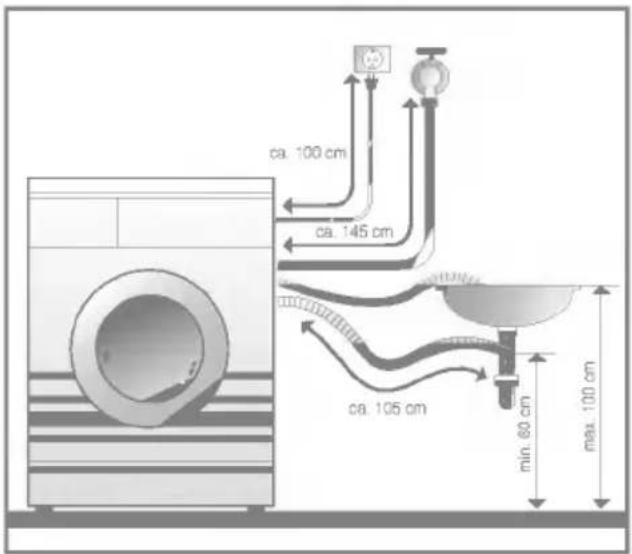
• Ο σωλήνας αποχέτευσης δεν πρέπει να τοποθετείται ψηλότερα από 100 cm πάνω από το δάπεδο. - Η σωστή στερέωση του σωλήνα αποχέτευσης θα προστατεύσει το δάπεδο από ζημιές λόγω διαρροής νερού. - Όταν ο σωλήνας αποχέτευσης είναι πολύ μακρύς, μην τον γεμίζετε μέσα στο πλυντήριο. Αυτό θα προκαλέσει μη φυσιολογικό θόρυβο.
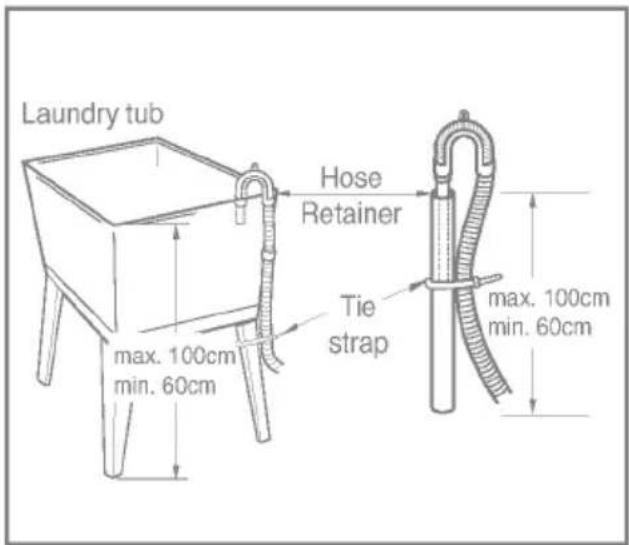
- Όταν εγκαθιστάτε τον σωλήνα αποχέτευσης στον νεροχύτη, στερεώστε τον καλά με ένα σχοινί.
- Η σωστή στερέωση του σωλήνα αποχέτευσης θα προστατεύσει το δάπεδο από ζημιές λόγω διαρροής νερού.
■ Ρύθμιση επιπέδου
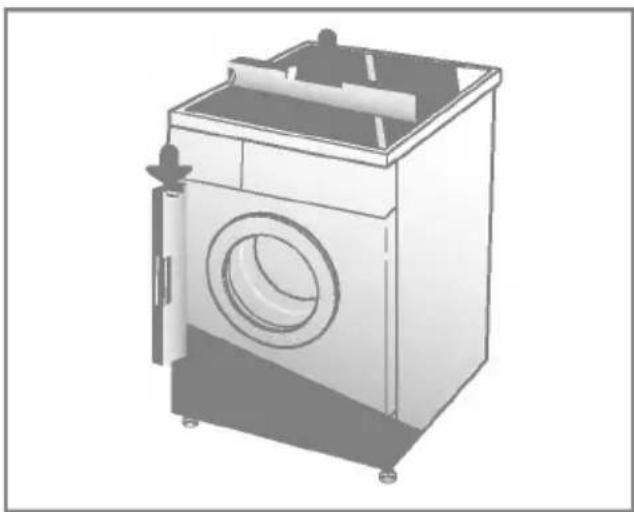
- Η σωστή ρύθμιση του επιπέδου του πλυντηρίου αποτρέπει τον υπερβολικό θόρυβο και τους κραδασμούς. Τοποθετήστε τη συσκευή σε σταθερό και επίπεδο δάπεδο, κατά προτίμηση σε μια γωνία του δωματίου.
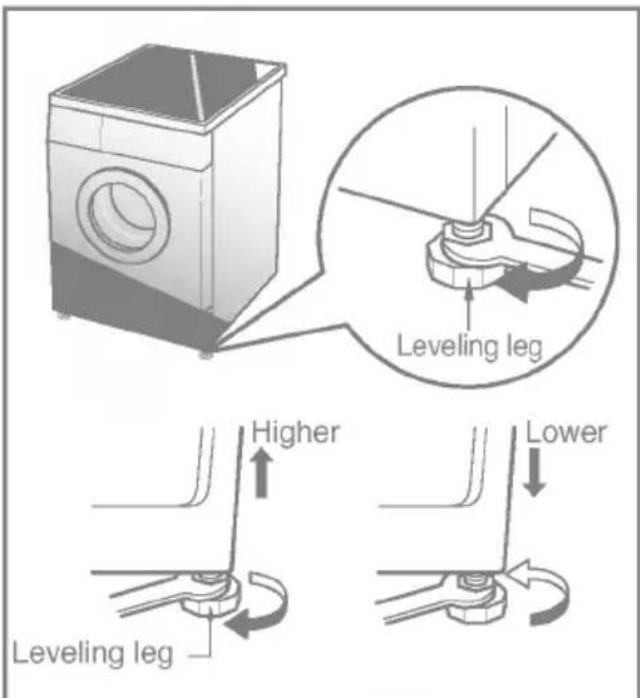
- Εάν το δάπεδο είναι ανώμαλο, ρυθμίστε τα πόδια στήριξης όπως απαιτείται. (μην τοποθετείτε ξύλα κ.λπ. κάτω από τα πόδια) Βεβαιωθείτε ότι και τα τέσσερα πόδια είναι σταθερά και ακουμπούν στο δάπεδο και στη συνέχεια ελέγξτε ότι η συσκευή είναι τέλεια οριζόντια. (χρησιμοποιήστε αλφάδι)
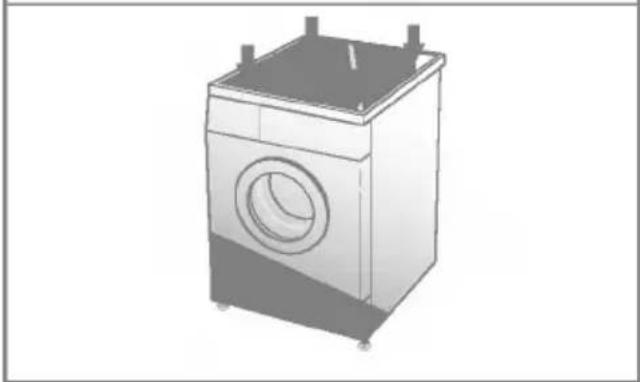
* Διαγώνιος έλεγχος Όταν πιέζετε τις άκρες της επάνω πλάκας του πλυντηρίου διαγώνια, η συσκευή δεν πρέπει να κινείται πάνω-κάτω καθόλου. (Ελέγξτε και τις δύο κατευθύνσεις) Εάν το μηχάνημα ταλαντεύεται όταν πιέζετε την επάνω πλάκα διαγώνια, ρυθμίστε ξανά τα πόδια.
■ Φροντίδα πριν το πλύσιμο
1. Ετικέτες φροντίδας
Αναζητήστε μια ετικέτα φροντίδας στα ρούχα σας. Αυτή θα σας πληροφορήσει για τη σύνθεση του υφάσματος και τον τρόπο πλυσίματος.
2. Διαλογή
Για καλύτερα αποτελέσματα, διαχωρίστε τα ρούχα σε παρτίδες που μπορούν να πλυθούν με τον ίδιο κύκλο πλυσίματος. Η θερμοκρασία νερού, η ταχύτητα στυψίματος και τα διαφορετικά υφάσματα χρειάζονται διαφορετική μεταχείριση. Πάντα να διαχωρίζετε τα σκούρα χρώματα από τα ανοιχτά και τα λευκά. Πλένετε ξεχωριστά, καθώς μπορεί να μεταφερθεί βαφή ή χνούδι και να προκληθεί αποχρωματισμός στα λευκά κ.λπ. Εάν είναι δυνατόν, μην πλένετε πολύ λερωμένα ρούχα με ελαφρώς λερωμένα.
Λερωμένα (Βαρύ, Κανονικό, Ελαφρύ)
Χρώμα (Λευκά, Ανοιχτά, Σκούρα)
Χνούδι (Παραγωγοί, Συλλέκτες)
Διαχωρίστε τα ρούχα ανάλογα με τον βαθμό λερώματος.
Διαχωρίστε τα λευκά υφάσματα από τα χρωματιστά.
Πλένετε τα υφάσματα που παράγουν χνούδι και αυτά που συλλέγουν χνούδι
χωριστά.
3. Φροντίδα πριν από τη φόρτωση
■ Συνδυάστε μεγάλα και μικρά αντικείμενα σε ένα φορτίο. Φορτώστε πρώτα τα μεγάλα αντικείμενα. Τα μεγάλα αντικείμενα δεν πρέπει να υπερβαίνουν το μισό του συνολικού φορτίου πλύσης.
Μην πλένετε μεμονωμένα αντικείμενα. Αυτό μπορεί να προκαλέσει ανισορροπία στο φορτίο. Προσθέστε ένα ή δύο παρόμοια αντικείμενα.
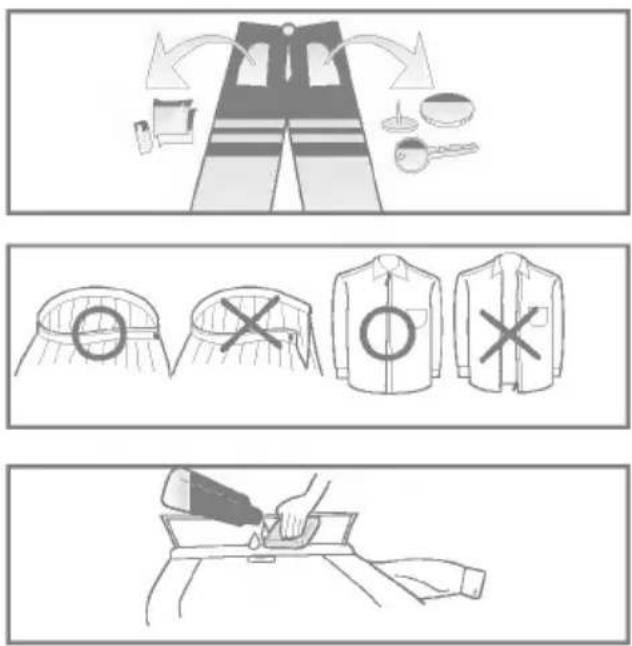
- Ελέγξτε όλες τις τσέπες για να βεβαιωθείτε ότι είναι άδειες. Πράγματα όπως καρφιά, συνδετήρες μαλλιών, σπίρτα, στυλό, κέρματα και κλειδιά μπορούν να καταστρέψουν τόσο το πλυντήριο όσο και τα ρούχα σας.
- Κλείστε τα φερμουάρ, τους γάντζους και τα κορδόνια για να βεβαιωθείτε ότι αυτά τα αντικείμενα δεν πιάνονται σε άλλα ρούχα.
- Προεπεξεργαστείτε τη βρωμιά και τους λεκέδες βουρτσίζοντας λίγο απορρυπαντικό διαλυμένο σε νερό πάνω σε λεκέδες όπως γιακάδες και μανσέτες για να βοηθήσετε στην απομάκρυνση της βρωμιάς.
■ Προσθήκη απορρυπαντικού και μαλακτικού
1. Το συρτάρι διανομής
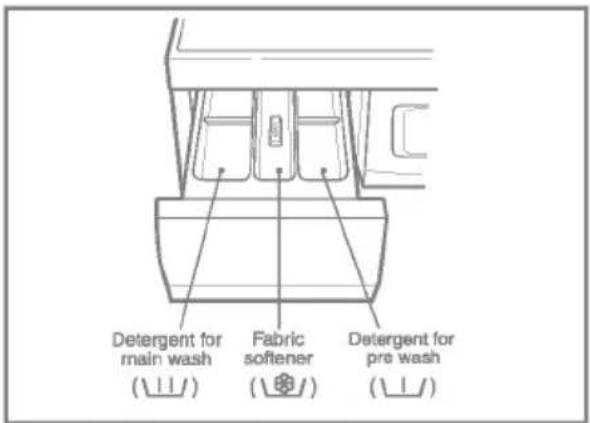
- Μόνο κύρια πλύση U • Προπλύση + Κύρια πλύση U □□·□□
2. Προσθήκη μαλακτικού
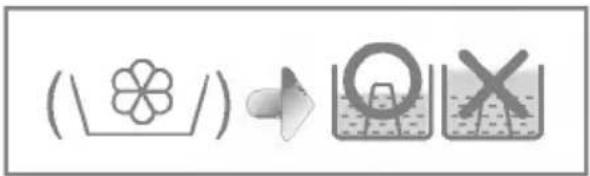
- Μην υπερβαίνετε τη γραμμή μέγιστης πλήρωσης. Η υπερπλήρωση μπορεί να προκαλέσει πρόωρη διανομή του μαλακτικού, το οποίο μπορεί να λερώσει τα ρούχα.
- Μην αφήνετε το μαλακτικό στο συρτάρι απορρυπαντικού για περισσότερο από 2 ημέρες. (Το μαλακτικό μπορεί να σκληρύνει)
- Το μαλακτικό θα προστεθεί αυτόματα κατά τον τελευταίο κύκλο ξεβγάλματος.
- Μην ανοίγετε το συρτάρι όταν παρέχεται νερό.
- Δεν επιτρέπονται διαλύτες (βενζόλιο κ.λπ.).
Μην ρίχνετε μαλακτικό απευθείας πάνω στα ρούχα.
3. Δοσολογία απορρυπαντικού
- Το απορρυπαντικό πρέπει να χρησιμοποιείται σύμφωνα με τις οδηγίες του κατασκευαστή του απορρυπαντικού.
- Εάν χρησιμοποιηθεί περισσότερο απορρυπαντικό από τη συνιστώμενη ποσότητα, μπορεί να δημιουργηθεί υπερβολικός αφρός και αυτό θα μειώσει το αποτέλεσμα πλύσης ή θα προκαλέσει μεγάλο φορτίο στον κινητήρα (προκαλώντας δυσλειτουργία).
- Χρησιμοποιήστε μόνο απορρυπαντικό σε σκόνη για το πλυντήριο μπροστινής φόρτωσης.
- Η χρήση απορρυπαντικού μπορεί να χρειαστεί προσαρμογή ανάλογα με τη θερμοκρασία του νερού, τη σκληρότητα του νερού, το μέγεθος και το βαθμό λερώματος του φορτίου. Για καλύτερα αποτελέσματα, αποφύγετε τον υπερβολικό αφρό.
* Συμβουλές
Πλήρες φορτίο: σύμφωνα με τη σύσταση του κατασκευαστή. Μερικό φορτίο: 3/4 της κανονικής ποσότητας. Ελάχιστο φορτίο: 1/2 του πλήρους φορτίου.
- Το απορρυπαντικό ξεπλένεται από τον διανομέα στην αρχή του κύκλου.
■ Συνιστώμενα προγράμματα ανάλογα με τον τύπο ρούχων
| Program | FabricType | Proper Temp.(Option) | Washing (Option) | Maximum Washing Load | Time in Minutes | Drying (Option) |
| Coloreds | Color fast garments(shirts, night dresses,pajamas...)and lightly soiled white cotton(underwear...) | 40°C(Cold, 30°C,50°C, 60°C) | Main(+Pre) | Rating | 126 | 120(min.)(60,30/90/150) |
| Whites | First check if laundry is machine washable.(white cotton, linen towels and sheets...) | 95°C | Main(+Pre) | Rating | 159 | 120(min.)(60,30/90/150) |
| Rapid | Laundry type is the same in Coloureds and Synthetic. | Cold(30°C,40°C) | Main | Rating | 50 | - |
| Delicate | Delicate laundry easily damaged(silk, curtains...) | Cold(30°C,40°C) | Main | Less than 2.5 kg | 79 | - |
| Wool | Machine washable woolens with pure new wool only | Cold(30°C,40°C) | Main | Less than 1.0 kg | 53 | - |
| Synthetic | Polyamide, Acrylic, Polyester | 40°C(Cold, 30°C,50°C, 60°C) | Main(+Pre) | Less than 3.0 kg | 99 | 120(min.)(60,30/90/150) |
* Προπλύση: Για πολύ λερωμένα και λερωμένα με πρωτεΐνη είδη. * Θερμοκρασία νερού: Επιλέξτε τη θερμοκρασία νερού για τους κύκλους πλύσης. Ακολουθείτε πάντα την ετικέτα φροντίδας ή τις οδηγίες του κατασκευαστή του ενδύματος κατά το πλύσιμο.
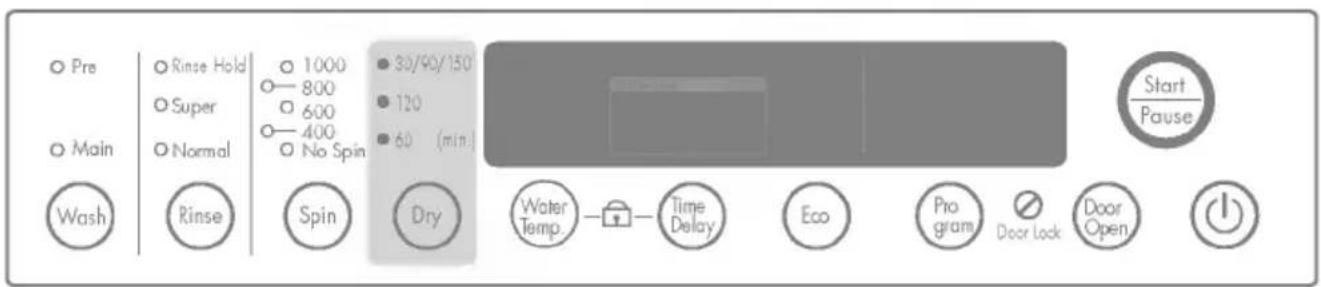
1. Για χρήση στο αρχικό πρόγραμμα (Χρωματιστά)
• Για να ξεκινήσετε, πατήστε το κουμπί λειτουργίας. - Πατήστε το κουμπί Έναρξη/Παύση. - Αρχική κατάσταση - Πλύση: Μόνο κύρια πλύση - Ξέβγαλμα: 3 φορές - Στύψιμο: 800 σ.α.λ. - Θερμοκρασία νερού: 40°C - Πρόγραμμα: Χρωματιστά
2. Χειροκίνητη επιλογή
• Για να ξεκινήσετε, πατήστε το κουμπί λειτουργίας. - Επιλέξτε τις συνθήκες που θέλετε να χρησιμοποιήσετε, πατώντας κάθε κουμπί. Για την επιλογή κάθε συνθήκης, ανατρέξτε στις σελίδες 15~21 - Πατήστε το κουμπί Έναρξη/Παύση.
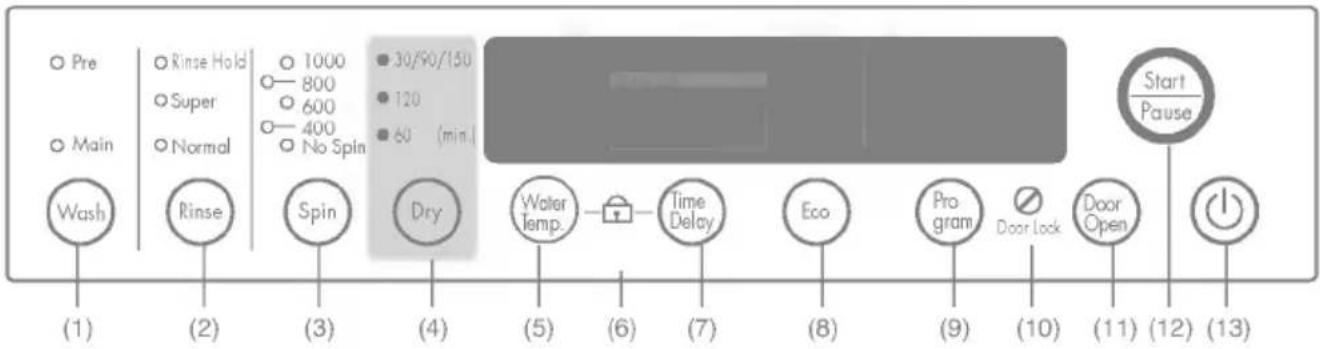
(1) Κουμπί: Πλύσιμο
(2) Κουμπί: Ξέβγαλμα
(3) Κουμπί: Στύψιμο
(4) Κουμπί: Στέγνωμα
(5) Κουμπί: Θερμοκρασία νερού
(6) Κλείδωμα για παιδιά
(7) Κουμπί: Χρονοκαθυστέρηση
(8) Κουμπί: Eco
(9) Κουμπί: Πρόγραμμα
(10) Κλείδωμα πόρτας
(11) Κουμπί: Άνοιγμα πόρτας
(12) Κουμπί: Έναρξη/Παύση
(13) Κουμπί: Λειτουργία

- Πατώντας το κουμπί Πλύσιμο, μπορείτε να επιλέξετε τον τύπο πλυσίματος.
- Κύρια Πλύση
- Προπλύση + Κύρια Πλύση
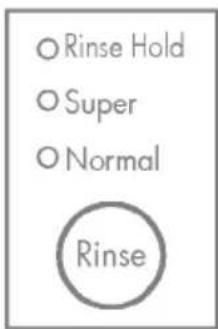
- Πατώντας το κουμπί Έκπλυσης, μπορείτε να επιλέξετε τον τύπο έκπλυσης.
- Κανονική
- Έντονη
- Κανονική + Συγκράτηση Νερού
- Έντονη + Συγκράτηση Νερού
1. Κύρια Πλύση
- Το πρόγραμμα Κύριας Πλύσης είναι κατάλληλο για ελαφρώς ή κανονικά λερωμένα ρούχα.
2. Προπλύση + Κύρια Πλύση
- Εάν τα ρούχα είναι πολύ λερωμένα, το πρόγραμμα "Προπλύση + Κύρια Πλύση" είναι αποτελεσματικό.
- Η Προπλύση είναι διαθέσιμη στα προγράμματα Χρωματιστά, Λευκά και Συνθετικά.
Εάν η λυχνία ανάψει, αυτή η λειτουργία έχει επιλεγεί.
1. Κανονική
• Χρωματιστά / Λευκά / Συνθετικά / Ευαίσθητα εκτελούν 3 εκπλύσεις • Γρήγορο / Μαλλί εκτελούν 2 εκπλύσεις
2. Super
• Κανονικός + 1 επιπλέον χρόνος έκπλυσης. - Χρησιμοποιήστε την υπερέκπλυση όταν επιθυμείτε επιπλέον έκπλυση για την απομάκρυνση υπερβολικής βρωμιάς και απορρυπαντικού από τα ρούχα.
3. Συγκράτηση Έκπλυσης
- Εάν επιθυμείτε να αφήσετε τα υφάσματα στο μηχάνημα χωρίς στύψιμο μετά το ξέβγαλμα για να αποφύγετε το ζάρωμα, μπορείτε να επιλέξετε συγκράτηση έκπλυσης πατώντας το κουμπί Έκπλυσης.
Για αποστράγγιση και στύψιμο, πατήστε το κουμπί Έκπλυσης ή Έναρξη/Παύση για να σβήσετε τη λυχνία συγκράτησης έκπλυσης.
Εάν η λυχνία ανάψει, αυτή η λειτουργία έχει επιλεγεί.
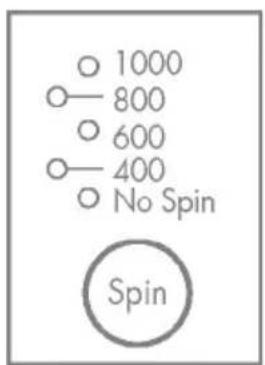
[WD-1031R(H)D/1035R(H)D]
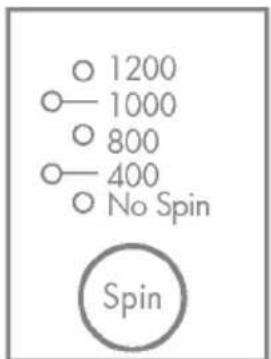
[WD-1231R(H)D/1235R(H)D]
- Πατώντας το κουμπί Στυψίματος, μπορείτε να επιλέξετε τις στροφές στυψίματος.
[WD-1031R(H)D/ [WD-1231R(H)D/ 1035R(H)D] 1235R(H)D]
- Χωρίς Στύψιμο - Χωρίς Στύψιμο -400 -400 -600 -800 -800 -1000 -1000 -1200
1. Επιλογή Στυψίματος
- Οι στροφές στυψίματος είναι διαθέσιμες ανάλογα με το πρόγραμμα ως εξής.
- Χρωματιστά 800E 1000E (1200)E Χωρίς ΣτύψιμοE 400E (600)
- Λευκά 800E 1000E (1200)E Χωρίς ΣτύψιμοE 400E (600)
- Rapid 800E 1000E (1200)E No SpinE 400E (600)
- Synthetic 800E 1000E (1200)E No SpinE 400E (600)
- Wool / Delicate 600E No SpinE 400 [WD-1031(5)R(H)D] 800E No SpinE 400 [WD-1231(5)R(H)D]
2. Χωρίς στύψιμο
- Εάν επιλεγεί χωρίς στύψιμο, το πλυντήριο σταματά μετά την αποστράγγιση του νερού.
Εάν ανάψει η λυχνία, αυτή η λειτουργία έχει επιλεγεί.
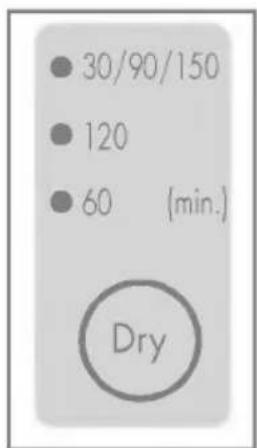
- Η αυτόματη διαδικασία αυτού του πλυντηρίου-στεγνωτηρίου από το πλύσιμο έως το στέγνωμα μπορεί να επιλεγεί εύκολα. • Για πιο ομοιόμορφο στέγνωμα, βεβαιωθείτε ότι όλα τα ρούχα στο φορτίο είναι παρόμοια σε υλικό και πάχος.
- Μην υπερφορτώνετε το στεγνωτήριο βάζοντας πάρα πολλά ρούχα στο τύμπανο. Τα αντικείμενα πρέπει να μπορούν να περιστρέφονται ελεύθερα.
- Εάν ανοίξετε την πόρτα και αφαιρέσετε το φορτίο πριν το στεγνωτήριο ολοκληρώσει τον κύκλο του, θυμηθείτε να πατήσετε το κουμπί Έναρξη/Παύση.
1. Οδηγός χρόνου στεγνώματος (Χειροκίνητη λειτουργία)
- Πατώντας το κουμπί Στέγνωμα, μπορείτε να επιλέξετε τον χρόνο στεγνώματος. • Αυτοί οι χρόνοι στεγνώματος δίνονται ως οδηγός για να σας βοηθήσουν να ρυθμίσετε το στεγνωτήριο για χειροκίνητο στέγνωμα. Οι χρόνοι στεγνώματος μπορεί να διαφέρουν σημαντικά ανάλογα με την υγρασία, τη θερμοκρασία δωματίου και τον τύπο υφάσματος, και η δική σας εμπειρία θα είναι ο καλύτερος οδηγός. • 120 λεπτά (Κανονικό): Βαμβάκι 3kg • 60 λεπτά (Ελάχιστο): Βαμβάκι 1.5kg • 30/90/150 (λεπτά):
- 30 λεπτά: Βαμβάκι 1kg, 90 λεπτά: Βαμβάκι 2kg,
- 150 λεπτά: Πετσέτες 3kg
2. Οδηγός στεγνώματος
- Το στεγνωτήριό σας μπορεί να χειριστεί φορτίο έως 3 κιλά ξηρού βάρους ρούχων.
- Κατά τη φόρτωση, τινάξτε κάθε χούφτα ρούχα για να μπορούν να περιστρέφονται ελεύθερα.
Τα αντικείμενα δεν πρέπει να φορτώνονται σε μπερδεμένη κατάσταση, καθώς αυτό θα παρατείνει τον χρόνο στεγνώματος.
Μάλλινα είδη
- Μην στεγνώνετε μάλλινα είδη στο στεγνωτήριο. Τεντώστε τα στο αρχικό τους σχήμα και στεγνώστε τα επίπεδα.
Υφάσματα με ύφανση και πλεκτά
- Ορισμένα υφάσματα με ύφανση και πλεκτά μπορεί να συρρικνωθούν, σε διάφορους βαθμούς, ανάλογα με την ποιότητά τους.
- Τεντώστε τα πάντα αμέσως μετά το στέγνωμα.
Ρούχα με μόνιμο σιδέρωμα και συνθετικά
- Μην υπερφορτώνετε το στεγνωτήριό σας
- Βγάλτε τα ρούχα με μόνιμο σιδέρωμα μόλις σταματήσει το στεγνωτήριο για να μειώσετε τις ρυτίδες.
Ίνες ή δερμάτινα υλικά
- Πάντα να ελέγχετε τις οδηγίες του κατασκευαστή.
Μωρουδιακά ρούχα και νυχτικά
Να ελέγχετε πάντα τις οδηγίες του κατασκευαστή.
Καουτσούκ και πλαστικά
Μην στεγνώνετε αντικείμενα που είναι κατασκευασμένα από ή περιέχουν καουτσούκ ή πλαστικά, όπως:
α) ποδιές, σαλιάρες, καλύμματα καθισμάτων β) κουρτίνες και τραπεζομάντιλα
Υαλοβάμβακας
Μην στεγνώνετε αντικείμενα από υαλοβάμβακα στο στεγνωτήριό σας.
Σωματίδια γυαλιού που παραμένουν στο στεγνωτήριο μπορεί να μεταφερθούν στα ρούχα σας την επόμενη φορά που θα χρησιμοποιήσετε το στεγνωτήριο και να ερεθίσουν το δέρμα σας.
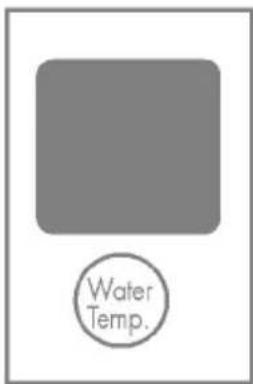
- Πατώντας το κουμπί Θερμοκρασία, μπορείτε να επιλέξετε τη θερμοκρασία του νερού.
- Κρύο
- 30°C / 40°C / 50°C / 60°C / 95°C
1. Θερμοκρασία νερού
• Η θερμοκρασία νερού μπορεί να επιλεγεί ως εξής ανάλογα με το πρόγραμμα. - Χρωματιστά & Συνθετικά 40°C U 50°C U 60°C U Κρύο U 30°C - Λευκά 95°C - Γρήγορο & Μαλλί & Ευαίσθητα Κρύο U 30°C U 40°C
Η λυχνία της επιλεγμένης θερμοκρασίας ανάβει.
Για πιο λεπτομερείς πληροφορίες, ανατρέξτε στη σελίδα 13.
![graph TD A["Water Tem"] --> B["Lock Icon"] C["Time Delay"] --> B B --> D["-->"]](/content/2026/06/1189905/images/923b18fc04768e3f58fa62fb9bef19d3b317291128110f8e4e6b3f7286ccc177.jpg)
Εάν θέλετε να κλειδώσετε όλα τα κουμπιά για να αποτρέψετε τη λειτουργία από παιδί ή άτομα με μειωμένη ικανότητα, μπορείτε να χρησιμοποιήσετε αυτή τη λειτουργία.
1. Κλείδωμα για παιδιά
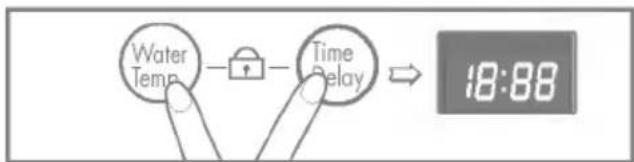
- Το κλείδωμα για παιδιά μπορεί να ενεργοποιηθεί πατώντας ταυτόχρονα το κουμπί Θερμοκρασία Νερού και το κουμπί Χρονοκαθυστέρηση.
![graph TD A["Water Tem"] --> B["Lock Icon"] B --> C["Time Relay"] C --> D["Digital Display"]](/content/2026/06/1189905/images/194f80c4d96783cfa9e22e379b76db1ca4eb42a0df2a71f35cf551c384637bb0.jpg)
- Όταν είναι ενεργοποιημένο το κλείδωμα για παιδιά, όλα τα κουμπιά είναι ανενεργά.
- Για να απενεργοποιήσετε το σύστημα κλειδώματος για παιδιά, πατήστε ξανά ταυτόχρονα τα κουμπιά Θερμοκρασία Νερού και Χρονοκαθυστέρηση.
- Αν θέλετε να αλλάξετε το πρόγραμμα όταν το κλείδωμα για παιδιά είναι ενεργό,
- Πατήστε ταυτόχρονα τα κουμπιά Θερμοκρασία Νερού και Χρονοκαθυστέρηση.
- Πατήστε το κουμπί Έναρξη/Παύση.
- Αλλάξτε το επιθυμητό πρόγραμμα και πατήστε το κουμπί Έναρξη/Παύση.
![graph LR A["Water Temp"] --> B["Time Day"] B --> C["Start/Power"] C --> D["Change the desired program"] D --> E["Start/Power"]](/content/2026/06/1189905/images/b1dfb8284d47c2c69275e561b18d911b6b010235f3cb87b24ff6bfa982583854.jpg)
- Το κλείδωμα για παιδιά μπορεί να ενεργοποιηθεί οποιαδήποτε στιγμή και ακυρώνεται αυτόματα όταν παρουσιαστούν σφάλματα λειτουργίας ή όταν τελειώσει ο κύκλος. Επίσης, το κλείδωμα για παιδιά λειτουργεί όταν η συσκευή είναι εκτός λειτουργίας.
1. Χρονοκαθυστέρηση
Προετοιμασία πλυσίματος πριν από την έναρξη της "Χρονοκαθυστέρησης"
- Ανοίξτε τη βρύση νερού.
- Τοποθετήστε τα ρούχα και κλείστε την πόρτα.
- Τοποθετήστε το απορρυπαντικό και το μαλακτικό στη θήκη.
• Πώς να ρυθμίσετε τη "Χρονοκαθυστέρηση"
- Πατήστε το κουμπί λειτουργίας (Power).
- Πατήστε το κουμπί Προγράμματος (Program) για να επιλέξετε το πρόγραμμα που χρειάζεστε.
- Πατήστε το κουμπί Χρονοκαθυστέρησης (Time Delay) και ρυθμίστε τον επιθυμητό χρόνο.
- Πατήστε το κουμπί Έναρξη/Παύση (Start/Pause). (Η ένδειξη ":" αναβοσβήνει.)
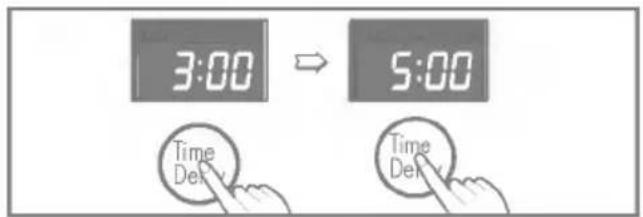
- Εάν πατηθεί το κουμπί Χρονοκαθυστέρησης, εμφανίζεται "3:00". Ο μέγιστος χρόνος καθυστέρησης είναι 19:00 ώρες και ο ελάχιστος 3:00 ώρες.
• Κάθε πάτημα του κουμπιού αυξάνει τη χρονοκαθυστέρηση κατά μία ώρα.
- Για να ακυρώσετε τη χρονοκαθυστέρηση, πατήστε το κουμπί λειτουργίας (Power).
- Η Χρονοκαθυστέρηση είναι ο "αναμενόμενος χρόνος" από το παρόν έως την ολοκλήρωση του πλυσίματος ή της επιλεγμένης διαδικασίας (Πλύσιμο, Ξέβγαλμα, Στύψιμο).
- Ανάλογα με την κατάσταση της παροχής νερού και τη θερμοκρασία, ο χρόνος καθυστέρησης και ο πραγματικός χρόνος πλυσίματος μπορεί να διαφέρουν.
- Επιλέγοντας ECO, η θερμοκρασία του νερού μειώνεται και ο χρόνος πλυσίματος αυξάνεται, ώστε να εξοικονομείτε ενέργεια.
-95°C E 60°C
-60°C E 40°C
- Μπορείτε να επιλέξετε ECO όταν η θερμοκρασία είναι υψηλότερη από 60°C σε χρωματιστά, λευκά και συνθετικά.
- 6 προγράμματα είναι διαθέσιμα ανάλογα με τον
τύπο ρούχων.
- Χρωματιστά
- Λευκά
- Γρήγορο
- Ευαίσθητα
- Μάλλινα
- Συνθετικά
- Χρωματιστά - Λευκά - Γρήγορο - Ευαίσθητα - Μάλλινα - Συνθετικά
1. Πρόγραμμα
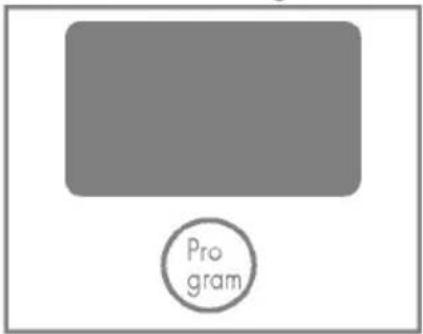
- Όταν πατηθεί το κουμπί Έναρξη/Παύση, επιλέγεται αυτόματα το πρόγραμμα Χρωματιστά.
- Πατώντας το κουμπί Πρόγραμμα, το πρόγραμμα επιλέγεται με τη σειρά "Χρωματιστά → Λευκά → Γρήγορο → Συνθετικά → Μάλλινα → Ευαίσθητα".
- Όταν πατηθεί το κουμπί Έναρξη/Παύση, επιλέγεται αυτόματα το πρόγραμμα Χρωματιστά. - Πατώντας το κουμπί Πρόγραμμα, το πρόγραμμα επιλέγεται με τη σειρά "Χρωματιστά → Λευκά → Γρήγορο → Συνθετικά → Μάλλινα → Ευαίσθητα".
Σχετικά με τον τύπο ρούχων για κάθε πρόγραμμα, ανατρέξτε στη σελίδα 13.
2. Κύκλος
- Χρωματιστά - Συνθετικά
- Λευκά - Ευαίσθητα
- Rapid - Wool
Πώς να χρησιμοποιήσετε το πλυντήριο
- Δείχνει αν η πόρτα μπορεί να ανοίξει ή όχι.
- Όταν η λυχνία είναι αναμμένη, η πόρτα δεν μπορεί να ανοίξει.
- Πατήστε το κουμπί ανοίγματος πόρτας για να ανοίξετε την πόρτα.
- Για να προσθέσετε ή να αφαιρέσετε ρούχα, πρέπει να πατήσετε το κουμπί ανοίγματος πόρτας, να ανοίξετε την πόρτα και στη συνέχεια να την κλείσετε.
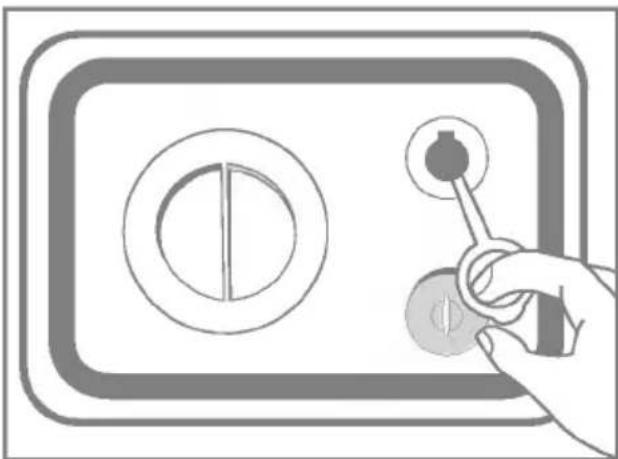
- Όταν δεν μπορείτε να ανοίξετε την πόρτα με το κουμπί της πόρτας (π.χ. διακοπή ρεύματος), υπάρχει ένας διακόπτης έκτακτης ανάγκης στη συσκευή σας.

Προσοχή! Μη χρησιμοποιείτε τον διακόπτη έκτακτης ανάγκης κατά τη διάρκεια της πλύσης.
1. Έναρξη
- Αυτό το κουμπί Έναρξη/Παύση χρησιμοποιείται για να ξεκινήσει ο κύκλος πλύσης ή να κάνει παύση των κύκλων.
2. Παύση
- Εάν χρειάζεται προσωρινή διακοπή του κύκλου πλύσης, πατήστε το κουμπί "Έναρξη/Παύση". • Αφού πατηθεί το κουμπί παύσης, η τροφοδοσία απενεργοποιείται αυτόματα μετά από 4 λεπτά.

1. Τροφοδοσία
- Πατήστε το κουμπί Τροφοδοσία για να ενεργοποιήσετε ή να απενεργοποιήσετε τη συσκευή. • Μπορεί επίσης να χρησιμοποιηθεί για να ακυρώσετε τη λειτουργία Χρονοκαθυστέρηση.
2. Αρχικό πρόγραμμα
- Όταν πατηθεί το κουμπί λειτουργίας, το πλυντήριο είναι έτοιμο για το πρόγραμμα Χρωματιστά. Και οι άλλες αρχικές συνθήκες ως εξής.
- Έτσι, αν θέλετε να προχωρήσετε στον κύκλο πλύσης χωρίς να επιλέξετε το πρόγραμμα, απλώς πατήστε το κουμπί Έναρξη/Παύση και το πλυντήριο θα προχωρήσει.
Αρχικό πρόγραμμα
- Πρόγραμμα Χρωματιστά / Κύρια πλύση / Κανονικό ξέβγαλμα/800 στροφές / 40°C
1. Ένδειξη ειδικών λειτουργιών
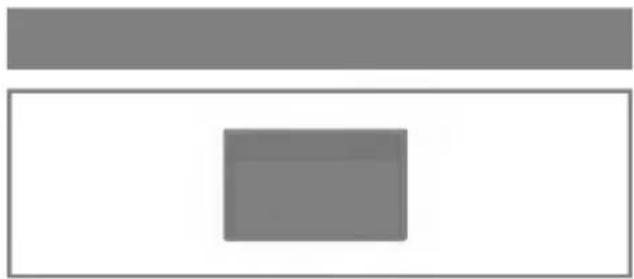
- Όταν επιλέγεται το κλείδωμα για παιδιά, εμφανίζεται το "CL".
- Όταν επιλέγεται η καθυστέρηση χρόνου, εμφανίζεται ο υπόλοιπος χρόνος μέχρι την ολοκλήρωση του επιλεγμένου προγράμματος.
2. Ένδειξη αυτοδιάγνωσης
- Εάν το πλυντήριο έχει πρόβλημα, εμφανίζεται ο τύπος του προβλήματος.
«PE»: Σφάλμα αίσθησης πίεσης νερού «FE»: Πρόβλημα υπερχείλισης νερού «dE»: Η πόρτα δεν είναι κλειστή «LE»: Υπερφόρτωση στον κινητήρα «CE»: Υπερφόρτωση στον κινητήρα «UE»: Πρόβλημα ανισορροπίας «E»: Πρόβλημα θερμοκρασίας νερού «dHE»: Πρόβλημα θερμαντήρα στεγνώματος.
Εάν εμφανιστούν αυτά τα γράμματα σφάλματος, ανατρέξτε στη σελίδα 27 για αντιμετώπιση προβλημάτων και ακολουθήστε τον οδηγό.
3. Ολοκλήρωση πλύσης
- Όταν ολοκληρωθεί ο κύκλος πλύσης, εμφανίζεται το "End" στην "Πολλαπλή οθόνη".
4. Υπόλοιπος χρόνος
- Κατά τη διάρκεια του κύκλου πλύσης, εμφανίζεται ο υπόλοιπος χρόνος πλύσης. - Συνιστώμενο πρόγραμμα από τον κατασκευαστή.
- Χρωματιστά: περίπου 2 ώρες και 6 λεπτά
- Συνθετικά: περίπου 1 ώρα και 39 λεπτά
- Ευαίσθητα: περίπου 1 ώρα και 19 λεπτά
- Μάλλινα: περίπου 53 λεπτά
- Γρήγορο: περίπου 50 λεπτά
- Λευκά: περίπου 2 ώρες και 39 λεπτά
- Ο χρόνος πλύσης μπορεί να διαφέρει ανάλογα με την ποσότητα των ρούχων, την πίεση του νερού, τη θερμοκρασία του νερού και άλλες συνθήκες πλύσης.
- Εάν ανιχνευθεί ανισορροπία ή εάν ενεργοποιηθεί το πρόγραμμα αφαίρεσης αφρού, ο χρόνος πλύσης θα παραταθεί. (Μέγιστη αύξηση χρόνου: 45 λεπτά.)
Συντήρηση
* Πριν καθαρίσετε το εσωτερικό του πλυντηρίου, αποσυνδέστε το καλώδιο τροφοδοσίας για να αποφύγετε τον κίνδυνο ηλεκτροπληξίας.
■ Το φίλτρο εισόδου νερού
- Το μήνυμα σφάλματος "No Inlet" θα αναβοσβήνει στον πίνακα ελέγχου όταν δεν εισέρχεται νερό στη θήκη απορρυπαντικού.
- Εάν το νερό σας είναι πολύ σκληρό ή περιέχει ίχνη ασβεστίου, το φίλτρο εισόδου νερού μπορεί να φράξει.
Επομένως, είναι καλή ιδέα να το καθαρίζετε από καιρό σε καιρό.
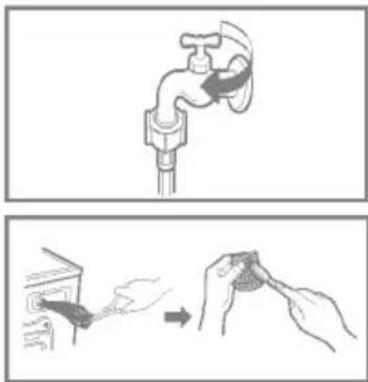
- Κλείστε τη βρύση του νερού.
- Καθαρίστε το φίλτρο με μια σκληρή βούρτσα με τρίχες.
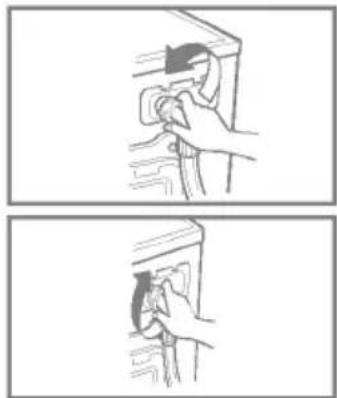
- Ξεβιδώστε τον σωλήνα εισόδου νερού.
- Σφίξτε τον σωλήνα εισόδου.
■ Το φίλτρο της αντλίας αποστράγγισης
* Το φίλτρο αποστράγγισης συλλέγει χνούδι και μικρά αντικείμενα που παραμένουν στα ρούχα.
Ελέγχετε τακτικά ότι το φίλτρο είναι καθαρό για να διασφαλίσετε την ομαλή λειτουργία του μηχανήματός σας.
ΠΡΟΣΟΧΗ
Πρώτα αδειάστε το νερό χρησιμοποιώντας τον σωλήνα αποστράγγισης και στη συνέχεια ανοίξτε το φίλτρο της αντλίας για να αφαιρέσετε οτιδήποτε μπορεί να το έχει φράξει.
Να είστε προσεκτικοί κατά την αποστράγγιση αν το νερό είναι ζεστό.
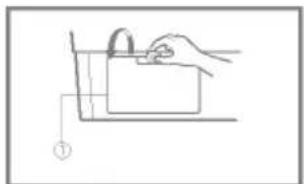
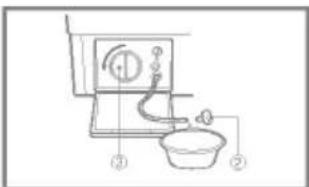
- Ανοίξτε το κάλυμμα του κάτω μέρους (①) χρησιμοποιώντας ένα κέρμα. Γυρίστε το βύσμα αποστράγγισης (②) για να τραβήξετε έξω τον σωλήνα.
- Βγάλτε το βύσμα αποστράγγισης (②), αφήνοντας το νερό να ρέει έξω. Αυτή τη στιγμή χρησιμοποιήστε ένα δοχείο για να αποτρέψετε τη ροή νερού στο πάτωμα. Αν το νερό δεν ρέει πλέον, γυρίστε το φίλτρο της αντλίας (③) προς τα αριστερά.
- Αφαιρέστε τυχόν ξένα υλικά από το φίλτρο της αντλίας (③). Μετά τον καθαρισμό, γυρίστε το φίλτρο της αντλίας (③) δεξιόστροφα και τοποθετήστε το βύσμα αποστράγγισης (②) στην αρχική του θέση. Κλείστε το κάλυμμα του κάτω μέρους.
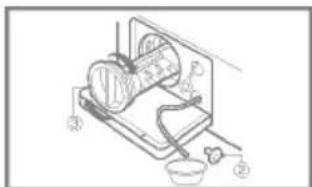
Συντήρηση
■ Συρτάρι διανομής απορρυπαντικού
* Μετά από λίγο καιρό, τα απορρυπαντικά και τα μαλακτικά υφασμάτων αφήνουν υπολείμματα στο συρτάρι.
- Θα πρέπει να καθαρίζεται από καιρό σε καιρό με πίδακα τρεχούμενου νερού. • Εάν χρειαστεί, μπορεί να αφαιρεθεί εντελώς από το μηχάνημα τραβώντας το προς τα έξω. • Για να διευκολυνθεί ο καθαρισμός, το επάνω μέρος της θήκης του μαλακτικού μπορεί να αφαιρεθεί.
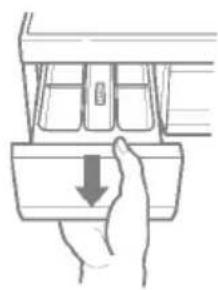
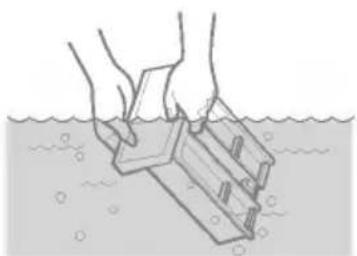
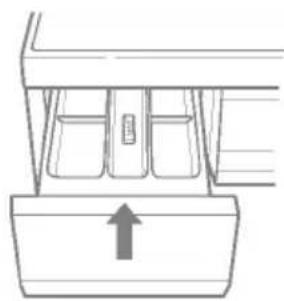
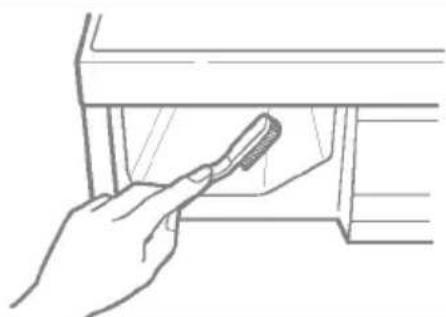
■ Η εσοχή του συρταριού
* Απορρυπαντικό μπορεί επίσης να συσσωρευτεί μέσα στην εσοχή, η οποία θα πρέπει να καθαρίζεται περιστασιακά με μια παλιά οδοντόβουρτσα. - Αφού ολοκληρώσετε τον καθαρισμό, τοποθετήστε ξανά το συρτάρι και εκτελέστε ένα πρόγραμμα έκπλυσης χωρίς ρούχα.
Συντήρηση
■ Καθαρισμός του πλυντηρίου σας
1. Εξωτερικό
Η σωστή φροντίδα του πλυντηρίου σας μπορεί να παρατείνει τη διάρκεια ζωής του.
Το εξωτερικό του μηχανήματος μπορεί να καθαριστεί με ζεστό νερό και ένα ουδέτερο μη λειαντικό οικιακό απορρυπαντικό.
Σκουπίστε αμέσως τυχόν διαρροές. Σκουπίστε με ένα υγρό πανί.
Προσπαθήστε να μην χτυπάτε την επιφάνεια με αιχμηρά αντικείμενα.
* ΣΗΜΑΝΤΙΚΟ: Μην χρησιμοποιείτε μετουσιωμένο οινόπνευμα, διαλυτικά ή παρόμοια προϊόντα.
2. Εσωτερικό
Στεγνώστε γύρω από το άνοιγμα της πόρτας του πλυντηρίου, τη φλάντζα και το τζάμι της πόρτας. Αυτές οι περιοχές πρέπει να είναι πάντα καθαρές για να εξασφαλίζεται στεγανή στεγανοποίηση.
Εκτελέστε ένα πλήρη κύκλο πλύσης με ζεστό νερό.
Επαναλάβετε τη διαδικασία εάν χρειαστεί.

Αφαιρέστε τα άλατα χρησιμοποιώντας μόνο καθαριστικά που χαρακτηρίζονται ως ασφαλή για πλυντήρια.
■ Οδηγίες για το χειμώνα
Εάν το πλυντήριο αποθηκεύεται σε χώρο όπου μπορεί να παγώσει ή μετακινείται σε θερμοκρασίες παγετού, ακολουθήστε αυτές τις οδηγίες για να αποτρέψετε ζημιά στο πλυντήριο:
- Κλείστε τη βρύση παροχής νερού.
- Αποσυνδέστε τους σωλήνες από την παροχή νερού και αδειάστε το νερό από τους σωλήνες.
- Συνδέστε το καλώδιο ρεύματος σε μια σωστά γειωμένη πρίζα.
- Προσθέστε 1 γαλόνι (3,8 λίτρα) μη τοξικό αντιψυκτικό για τροχόσπιτα (RV) στον άδειο κάδο πλύσης. Κλείστε την πόρτα.
- Επιλέξτε τον κύκλο στυψίματος και αφήστε το πλυντήριο να στύψει για 1 λεπτό για να αφαιρεθεί όλο το νερό. Δεν θα βγει όλο το αντιψυκτικό RV.
- Αποσυνδέστε το καλώδιο ρεύματος, στεγνώστε το εσωτερικό του κάδου και κλείστε την πόρτα.
- Αφαιρέστε το συρτάρι απορρυπαντικού. Αδειάστε τυχόν νερό στα διαμερίσματα και στεγνώστε τα. Τοποθετήστε ξανά το συρτάρι.
- Αποθηκεύστε το πλυντήριο σε όρθια θέση.
- Για να αφαιρέσετε το αντιψυκτικό από το πλυντήριο μετά την αποθήκευση, εκτελέστε ένα πλήρη κύκλο πλύσης με απορρυπαντικό σε άδειο πλυντήριο. Μην προσθέσετε ρούχα.
οδηγός αντιμετώπισης προβλημάτων
* Αυτό το πλυντήριο ρούχων είναι εξοπλισμένο με αυτόματες λειτουργίες ασφαλείας που ανιχνεύουν και διαγιγνώσκουν βλάβες σε πρώιμο στάδιο και αντιδρούν κατάλληλα.
Όταν το μηχάνημα δεν λειτουργεί σωστά ή δεν λειτουργεί καθόλου, ελέγξτε τα ακόλουθα σημεία πριν καλέσετε το Τμήμα Σέρβις.
| Symptom | Possible Cause | Solution |
| Rattling and clanking noise | ·Foreign objects such as coins or safety pins may be in drum or pump. | Stop washer and check drum and drain filter.If noise continues after washer is restarted, call your authorized service. |
| Thumping sound | ·Heavy wash loads may produce a thumping sound. This is usually normal. | If sound continues, washer is probably out of balance. Stop and redistribute wash load. |
| Vibrating noise | ·Have all the transit bolts and packing been removed?·Are all the feet resting firmly on the ground? | If not removed during installation. See Installation for removing transit bolts.Wash load unevenly distributed in drum. Stop washer and rearrange wash load. |
| Water leaks. | ·Fill hose connection is loose at tap or washer.·House drain pipes are clogged. | Check and tighten hose connections.Unclog drain pipe. Contact plumber if necessary. |
| Oversudsing | Too much detergent or unsuitable detergent? The formation of foam can cause water leaks. | |
| Water does not enter washer or it enters slowly | ·Water supply is not adequate in area.·Water supply tap is not completely open.·Water inlet hose is kinked.·The filter of the inlet hose clogged. | Check another tap in the house.Fully open tap.Straighten hose.Check the filter of the inlet hose. |
| Water in the washer does not drain or drains slowly. | ·Drain hose is kinked or clogged.·The drain filter is clogged. | Clean and straighten the drain hose.Clean the drain filter. |
οδηγός αντιμετώπισης προβλημάτων
| Symptom | Possible Cause | Solution |
| Washer does not start | Electrical power cord may not be plugged in or connection may be loose.House fuse blown, circuit breaker tripped,or a power outage has occurred.Water supply tap is not turned on. | Make sure plug fits tightly in wall outlet.Reset circuit breaker or replace fuse.Do not increase fuse capacity.If problem is a circuit overload, have it corrected by a qualified electrician.Turn on water supply tap. |
| Washer won't spin | Check that the door is firmly shut. | Close the door and press the Start/Pause button. After pressing the Start/Pause button, it may take a few moments before the clothes washer begins to spin. The door must lock before spin can be achieved. |
| Wash cycle time delayed | The washing time may vary by the amount of laundry, water pressure, water temperature and other using conditions.If the imbalance is detected or if the suds removing program works, the wash time shall be increased. | |
| Dry problem | Does not dry | Do not overload.Check that the washer is draining properly to extract adequate water from th load.Clothes load is too small to tumble properly. Add a few towels. |
οδηγός αντιμετώπισης προβλημάτων
| Symptom | Possible Cause | Solution |
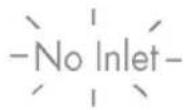 | ·Water supply it not adequate in area·Water supply taps are not completely open.·Water inlet hose are kinked.·The filter of the inlet hose clogged. | Check another tap in the house.Fully open tap.Straighten hose.Check the filter of the inlet hose. |
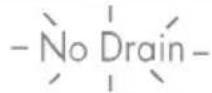 | ·Drain hose is kinked or clogged.·The drain filter is clogged. | Clean and straighten the drain hose.Clean the drain filter. |
 | ·Load is too small.·Load is out of balance.·The appliance has an imbalance detection and correction system. If individual heavy articles are loaded bath mat, both robe, etc. this system may stop spinning or even interrupt the spin cycle altogether, if the imbalance is too great even after several spin starts.·If the laundry is still too wet at the end of the cycle, add smaller articles of laundry to balance the load and repeat the spin cycle. | Add 1 or 2 similar items to help balance the load.Rearrange load to allow proper spinning |
 | ·Is the door opened? | Close the door.* If "dE" is not released, call for service. |
 | Unplug the power plug and call for service. | |
 | ·If the water overfills due to the faulty water valve, you will get "FE" display. | Close the water tap.Unplug the power plug.Call for service. |
 | ·"PE" is displayed if the water level sensor malfunction. | |
 | ·Over load in motor. | |
 | ·Over load in motor. | |
| [SZCT] | ·Check water supply. | Turn the water tapon.* If "dHE" is not released, unplug power plug and call for service. |

LG Electronics Inc.


- ΠΛΥΝΤΉΡΙΟ ΡΟΎΧΩΝ ΕΓΧΕΙΡΙΔΙΟ ΧΡΗΣΗΣ
- ΔΙΑΒΑΣΤΕ ΟΛΕΣ ΤΙΣ ΟΔΗΓΙΕΣ ΠΡΙΝ ΑΠΟ ΤΗ ΧΡΗΣΗ
- ΣΗΜΑΝΤΙΚΕΣ ΟΔΗΓΙΕΣ ΑΣΦΑΛΕΙΑΣ
- ΦΥΛΑΞΤΕ ΑΥΤΕΣ ΤΙΣ ΟΔΗΓΙΕΣ
- ΟΔΗΓΙΕΣ ΓΕΙΩΣΗΣ
- ΒΊΔΕΣ ΜΕΤΑΦΟΡΆΣ
- ΑΦΑΊΡΕΣΗ ΒΙΔΏΝ ΜΕΤΑΦΟΡΆΣ
- ΑΠΑΊΤΗΣΗ ΧΏΡΟΥ ΕΓΚΑΤΆΣΤΑΣΗΣ
- ΕΠΊΠΕΔΟ ΔΆΠΕΔΟ
- ΠΡΊΖΑ ΡΕΎΜΑΤΟΣ
- ΠΡΌΣΘΕΤΗ ΑΠΌΣΤΑΣΗ
- ΗΛΕΚΤΡΙΚΉ ΣΎΝΔΕΣΗ
- ΚΑΝΟΝΙΚΉ ΒΡΎΣΗ ΧΩΡΊΣ ΣΠΕΊΡΩΜΑ ΚΑΙ ΣΩΛΉΝΑΣ ΕΙΣΌΔΟΥ ΜΕ ΒΊΔΑ
- ΚΑΝΟΝΙΚΉ ΒΡΎΣΗ ΧΩΡΊΣ ΣΠΕΊΡΩΜΑ ΚΑΙ ΣΩΛΉΝΑΣ ΕΙΣΌΔΟΥ ΤΎΠΟΥ ONE TOUCH
- ΕΓΚΑΤΆΣΤΑΣΗ ΣΩΛΉΝΑ ΑΠΟΧΈΤΕΥΣΗΣ
- ΡΎΘΜΙΣΗ ΕΠΙΠΈΔΟΥ
- ΦΡΟΝΤΊΔΑ ΠΡΙΝ ΤΟ ΠΛΎΣΙΜΟ
- ΕΤΙΚΈΤΕΣ ΦΡΟΝΤΊΔΑΣ
- ΔΙΑΛΟΓΉ
- ΦΡΟΝΤΊΔΑ ΠΡΙΝ ΑΠΌ ΤΗ ΦΌΡΤΩΣΗ
- ΠΡΟΣΘΉΚΗ ΑΠΟΡΡΥΠΑΝΤΙΚΟΎ ΚΑΙ ΜΑΛΑΚΤΙΚΟΎ
- ΤΟ ΣΥΡΤΆΡΙ ΔΙΑΝΟΜΉΣ
- ΠΡΟΣΘΉΚΗ ΜΑΛΑΚΤΙΚΟΎ
- ΜΗΝ ΡΊΧΝΕΤΕ ΜΑΛΑΚΤΙΚΌ ΑΠΕΥΘΕΊΑΣ ΠΆΝΩ ΣΤΑ ΡΟΎΧΑ
- ΔΟΣΟΛΟΓΊΑ ΑΠΟΡΡΥΠΑΝΤΙΚΟΎ
- ΣΥΜΒΟΥΛΈΣ
- ΓΙΑ ΧΡΉΣΗ ΣΤΟ ΑΡΧΙΚΌ ΠΡΌΓΡΑΜΜΑ (ΧΡΩΜΑΤΙΣΤΆ)
- ΧΕΙΡΟΚΊΝΗΤΗ ΕΠΙΛΟΓΉ
- ΚΎΡΙΑ ΠΛΎΣΗ
- ΠΡΟΠΛΎΣΗ + ΚΎΡΙΑ ΠΛΎΣΗ
- ΚΑΝΟΝΙΚΉ
- SUPER
- ΣΥΓΚΡΆΤΗΣΗ ΈΚΠΛΥΣΗΣ
- ΕΠΙΛΟΓΉ ΣΤΥΨΊΜΑΤΟΣ
- ΧΩΡΊΣ ΣΤΎΨΙΜΟ
- ΟΔΗΓΌΣ ΧΡΌΝΟΥ ΣΤΕΓΝΏΜΑΤΟΣ (ΧΕΙΡΟΚΊΝΗΤΗ ΛΕΙΤΟΥΡΓΊΑ)
- ΟΔΗΓΌΣ ΣΤΕΓΝΏΜΑΤΟΣ
- ΜΆΛΛΙΝΑ ΕΊΔΗ
- ΥΦΆΣΜΑΤΑ ΜΕ ΎΦΑΝΣΗ ΚΑΙ ΠΛΕΚΤΆ
- ΡΟΎΧΑ ΜΕ ΜΌΝΙΜΟ ΣΙΔΈΡΩΜΑ ΚΑΙ ΣΥΝΘΕΤΙΚΆ
- ΊΝΕΣ Ή ΔΕΡΜΆΤΙΝΑ ΥΛΙΚΆ
- ΜΩΡΟΥΔΙΑΚΆ ΡΟΎΧΑ ΚΑΙ ΝΥΧΤΙΚΆ
- ΚΑΟΥΤΣΟΎΚ ΚΑΙ ΠΛΑΣΤΙΚΆ
- ΥΑΛΟΒΆΜΒΑΚΑΣ
- ΘΕΡΜΟΚΡΑΣΊΑ ΝΕΡΟΎ
- ΚΛΕΊΔΩΜΑ ΓΙΑ ΠΑΙΔΙΆ
- ΧΡΟΝΟΚΑΘΥΣΤΈΡΗΣΗ
- ΠΡΌΓΡΑΜΜΑ
- ΚΎΚΛΟΣ
- ΠΏΣ ΝΑ ΧΡΗΣΙΜΟΠΟΙΉΣΕΤΕ ΤΟ ΠΛΥΝΤΉΡΙΟ
- ΈΝΑΡΞΗ
- ΠΑΎΣΗ
- ΤΡΟΦΟΔΟΣΊΑ
- ΑΡΧΙΚΌ ΠΡΌΓΡΑΜΜΑ
- ΈΝΔΕΙΞΗ ΕΙΔΙΚΏΝ ΛΕΙΤΟΥΡΓΙΏΝ
- ΈΝΔΕΙΞΗ ΑΥΤΟΔΙΆΓΝΩΣΗΣ
- ΟΛΟΚΛΉΡΩΣΗ ΠΛΎΣΗΣ
- ΥΠΌΛΟΙΠΟΣ ΧΡΌΝΟΣ
- ΣΥΝΤΉΡΗΣΗ
- ΤΟ ΦΊΛΤΡΟ ΕΙΣΌΔΟΥ ΝΕΡΟΎ
- ΤΟ ΦΊΛΤΡΟ ΤΗΣ ΑΝΤΛΊΑΣ ΑΠΟΣΤΡΆΓΓΙΣΗΣ
- ΠΡΟΣΟΧΗ
- ΣΥΡΤΆΡΙ ΔΙΑΝΟΜΉΣ ΑΠΟΡΡΥΠΑΝΤΙΚΟΎ
- Η ΕΣΟΧΉ ΤΟΥ ΣΥΡΤΑΡΙΟΎ
- ΚΑΘΑΡΙΣΜΌΣ ΤΟΥ ΠΛΥΝΤΗΡΊΟΥ ΣΑΣ
- ΕΞΩΤΕΡΙΚΌ
- ΕΣΩΤΕΡΙΚΌ
- ΟΔΗΓΊΕΣ ΓΙΑ ΤΟ ΧΕΙΜΏΝΑ
- ΟΔΗΓΌΣ ΑΝΤΙΜΕΤΏΠΙΣΗΣ ΠΡΟΒΛΗΜΆΤΩΝ
- LG ELECTRONICS INC
Μάρκα : LG
Μοντέλο : WD-1031RD
Κατηγορία : πλυντήριο ρούχων