PSK0101 - Lichttherapie PHILIPS - Kostenlose Bedienungsanleitung
Finden Sie kostenlos die Bedienungsanleitung des Geräts PSK0101 PHILIPS als PDF.
Benutzerfragen zu PSK0101 PHILIPS
0 Frage zu diesem Gerät. Beantworten Sie die, die Sie kennen, oder stellen Sie Ihre eigene.
Eine neue Frage zu diesem Gerät stellen
Laden Sie die Anleitung für Ihr Lichttherapie kostenlos im PDF-Format! Finden Sie Ihr Handbuch PSK0101 - PHILIPS und nehmen Sie Ihr elektronisches Gerät wieder in die Hand. Auf dieser Seite sind alle Dokumente veröffentlicht, die für die Verwendung Ihres Geräts notwendig sind. PSK0101 von der Marke PHILIPS.
BEDIENUNGSANLEITUNG PSK0101 PHILIPS
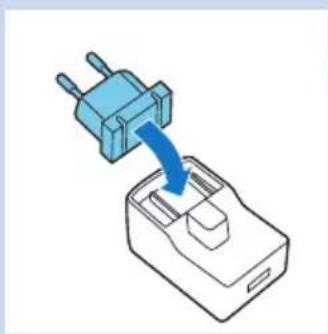
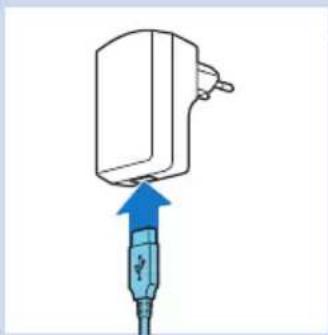
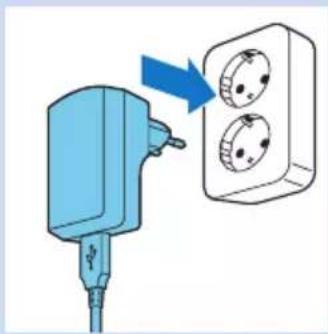
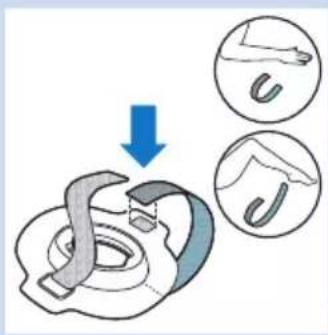
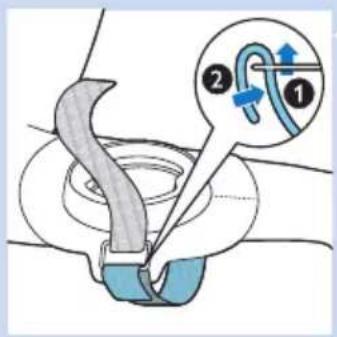
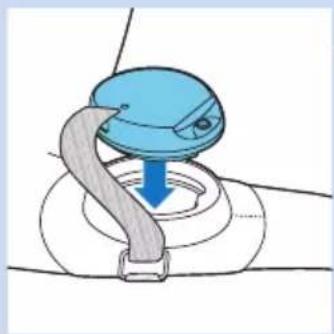
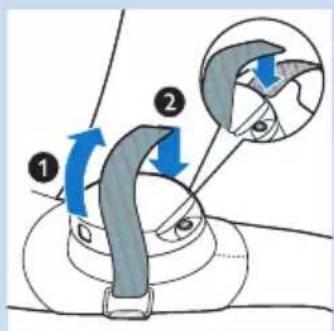
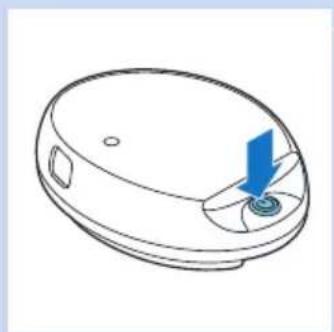
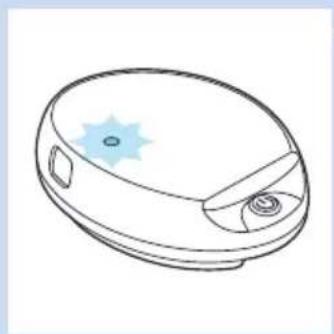
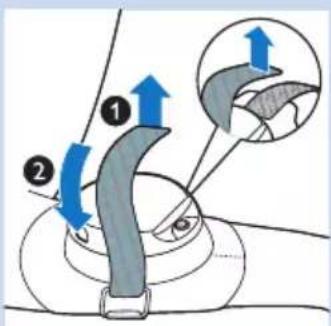
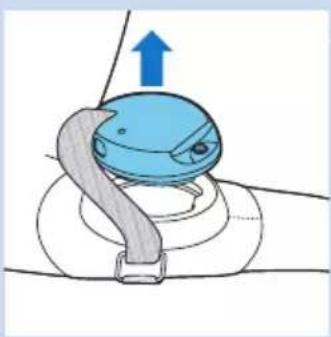
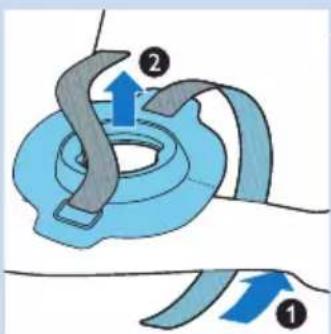
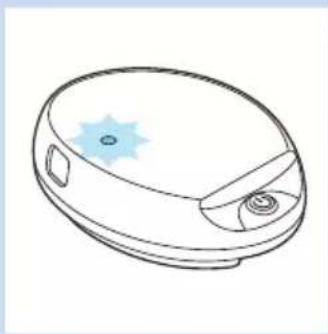
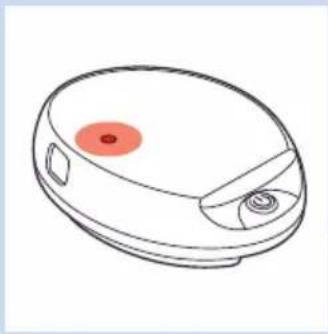
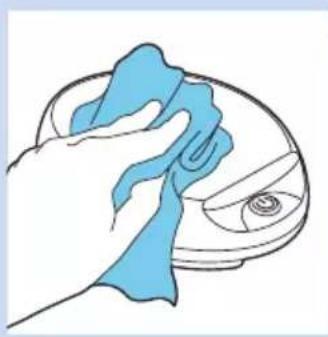
Register your product and get support at www.philips.com/welcome Always here to help you User manual PSD1111/101PSD1111 ENGLISH 6 DEUTSCH 20 FRANÇAIS 35 NEDERLANDS 49 Date of issue: april 2014, version 1. Stand: April 2014, Version 1 ist. Date d’édition: Avril 2014, la version 1. Datum van uitgave: april 2014, versie 1.6 Introduction Read this user manual carefully before you use the Philips BlueControl and save the user manual for future reference. To achieve optimal treatment results, use the device according to the treatment schedule and the instructions in this user manual. List of product codes - Kit PSK0101/10 - Device PSD1111/10 - Strap PSS1110/10 - Adapter PR3089 Intended use The Philips BlueControl is a wearable medical device using blue LED light for symptom relief of psoriasis vulgaris. The device is wearable on the extremities (excluding plaques located on the palms of the hands or soles of the feet) and is intended to be used in the home environment during light activities such as watching TV or reading a book. The device is positioned on the target zone by means of a xation strap. The device is powered by a rechargeable battery. The Philips BlueControl is intended to be used and operated by adults only (above 18 years of age) and in accordance with the safety procedures and operating instructions given in the user manual. Philips BlueControl is a non-serviceable device that has an expected life time of at least 3 years in normal intended operation. Important Contraindications Do not use the Philips BlueControl: - If your skin is burnt or sunburnt. - If you have a fever. - If you have a known sun allergy. - If you are allergic to the surface materials of the Philips BlueControl device (polycarbonate or polyester/elastane mix). - If you have any known idiopathic dermatosis such as porphyria, polymorphic light eruption, chronic actinic dermatitis, actinic prurigo or solar urticaria that causes photosensitivity. - If you have any known disease related to low immunity. - If you have active skin cancer, if you have a history of skin cancer or any other localised cancer, precancerous lesions or large moles in the areas to be treated. - If you are taking photosensitising agents or medications, check the package insert of your medicine and never use the device if it is stated that it can cause photo-allergic reactions, photo-toxic reactions or if you have to avoid sun when taking this medicine. - If you are on steroids, it makes the skin more susceptible to irritation. - If you have infections, unhealed tattoos, burns, inammation of hair follicles, open lacerations, abrasions, herpes simplex, or wounds in the areas to be treated. - Avoid treatment of skin areas with tattoos, there is no information available yet about possible reactions. ENGLISH- If you have uncontrolled arterial hypertension, a history of stroke, myocardial infarction, angina pectoris, arteriosclerotic vascular disease (ASVD). - If you are pregnant or breastfeeding. - If you have schizophrenia, borderline syndrome or severe depression. - If you have any sensory deprivation or have been diagnosed with shingles or post-herpetic neuralgia, especially in the area to be treated. - If you have any anatomical pathology or other physical limitation which would prevent you from placing the Philips BlueControl successfully. - If you have an active implanted device, such as a cardiac pacemaker, debrillator, neurostimulator, cochlear implant, or an active drug administration device. - If you are in poor general health. Important safety information Danger - Keep the adapter dry. Warning - Never immerse the Philips BlueControl in water or any other liquid. - Never wear the Philips BlueControl while it is charging. - Never look directly into the light source during use. - Always check the Philips BlueControl and the adapter for damage before use. Do not use the Philips BlueControl if the plug, the mains cord or the Philips BlueControl itself is damaged. - Do not open or modify the Philips BlueControl. - If the USB cable or adapter is damaged, you must have it replaced by Philips, a service centre authorised by Philips or similarly qualied persons in order to avoid a hazard. - Do not use the Philips BlueControl in wet and/or hot surroundings, such as a sauna or bathroom. - The Philips BlueControl is not intended to be used by persons younger than 18 and persons with reduced physical, sensory or mental capabilities. - This is a medical device. Keep the device out of the reach of children. - Only charge the Philips BlueControl with the USB cable and the adapter supplied (PR3089). - The Philips BlueControl is specically designed to treat psoriasis vulgaris. Do not use it for any other purpose. - When broken, return the Philips BlueControl to Philips for examination or repair. Repair by unqualied persons could cause a hazardous situation for the user. Caution - Remove the Philips BlueControl from the strap before you wash the strap. - Use, charge and store the Philips BlueControl at a temperature between 10°C and 35°C and at a relative humidity between 30% and 90%. - Read section ‘Contraindications’ to nd out if any apply to you before you start using the Philips BlueControl. - To prevent damage to the drum of the washing machine, to other laundry in the drum or the fabric of the strap, close the velcro connections and wash the strap in a ne-mesh washing bag. ENGLISH 7- Always use the Philips BlueControl in the strap with the arm or leg sling provided, as these strap and slings have been specially designed for this device. - Philips BlueControl is intended for daily use. The exact usage time is stated in chapter ‘Using your Philips BlueControl’, section ‘Treatment schedule’. Compliance The Philips BlueControl complies with the standard of basic safety for medical devices (IEC60601-1) and with the relevant collateral and particular standards for non-laser light source medical equipment for home use: EN 60601-1[1], EN 60601-1-11 [3], EN 60601-2-57 [2], and EN 60601-1-2 [4]. Regarding electromagnetic compatibility (EMC) and electromagnetic elds (EMF), the device should be kept away from radio frequency (RF) equipment to avoid interference. General description (Fig. 1) 1 Philips BlueControl 2 LED indicator 3 Micro USB socket 4 On/off button 5 Sensor 6 Strap with Philips BlueControl holder 7 Philips BlueControl securing sling 8 Arm sling 9 Leg sling Charging Fully charge the Philips BlueControl before you use it for the rst time. When fully charged, the Philips BlueControl has enough power for at least two treatments. It is recommended to charge the Philips BlueControl after each use. You can charge the Philips BlueControl with the adapter and USB cable supplied. The adapter and USB cable have an expected life time of at least 3 years in normal intended operation.When Philips BlueControl is connected to the charger and in charging mode, the charger PR3089 is to be considered as a part of the medical equipment. Note: Treatment is not possible when the Philips BlueControl is charging. Charging with the adapter It takes approximately 2 hours to fully charge the Philips BlueControl. 1 Put the mains plug in the adapter and lock it into place. ENGLISH82 Insert the standard USB plug into the socket on the adapter. 3 Insert the adapter into the wall socket (100V-240V). 4 Insert the micro USB plug into the socket on the Philips BlueControl. , When the Philips BlueControl is connected to the mains, it beeps once and the LED indicator starts ashing green slowly to indicate that charging has started. 5 When the Philips BlueControl is fully charged, the LED indicator lights up solid green. 6 Remove the adapter from the wall socket and pull the USB plug out of the micro USB socket on the Philips BlueControl. Using your Philips BlueControl Treatment schedule Always stick to the recommended treatment schedule. Do not treat more than once a day. The Philips BlueControl has been designed for daily use on psoriasis vulgaris plaques. We recommend treating single, non-overlapping psoriasis vulgaris plaques only once a day. A single treatment takes approximately 30 minutes, but can be extended to 40 minutes depending on your skin sensitivity and possible treatment pauses during treatment. For example, if the infrared sensor senses a too high skin temperature, the treatment is briey paused for safety reasons. Treatment resumes automatically when the skin has cooled down. Following this treatment advice ensures that you do not exceed the daily light dose of 90 J/cm². Blue Light treatment can be combined with Vitamin D creams. Apply the cream after the treatment. For other combination treatments with Blue Light, please consult your doctor. We do not recommend using topical medication, creams or lotions immediately before and during treatment with the Philips BlueControl. In case of unpleasant effects such as excessive, non-resolving skin redness, worsening of plaques or pain, stop treatment immediately and consult your doctor if necessary. A temporary increased redness of the treated area after therapy is normal but should diminish. ENGLISH 9Preparing the Philips BlueControl for use To place the Philips BlueControl in the strap and to position it correctly on your body, follow the steps below. The strap has an expected life time of at least 1 year in normal intended operation. There are two slings, one shorter sling for your arms and one longer sling for your legs. 1 Select the arm or leg sling, depending on the area to be treated. 2 Fasten the selected sling with the black Velcro strips. 3 Remove clothing from the area to be treated. 4 Position the strap on top of the psoriasis plaque on your arm or leg (1). The psoriasis plaque should be visible through the Philips BlueControl holder in the strap. Make sure the tapered part of the strap is positioned on the smallest part of your arm or leg. Wrap the strap around your arm or leg (2). 5 Pull the sling through the ring and fasten it with the Velcro strip on the end of the strap. 6 Click the Philips BlueControl into the holder in the strap. The integrated magnets keep the Philips BlueControl in place if you have attached it properly. ENGLISH107 Fold the Philips BlueControl securing sling over the Philips BlueControl (1). Then secure the Philips BlueControl by fastening the Velcro strip on the end of the sling onto the Velcro strip on the strap (2). Treatment procedure 1 Press the on/off button to switch on the Philips BlueControl. Caution: Never look directly into the light source during use. Do not intentionally touch the sensor in the centre of the Philips BlueControl when it is switched on. Do not cover the Philips BlueControl when it is switched on. 2 The Philips BlueControl ashes blue to indicate that it is ready for treatment. The treatment starts soon after the sensor detects the psoriasis plaque to be treated. , The LED indicator lights up solid blue and a sequence of two tones indicates the Philips BlueControl is in progress. 3 The Philips BlueControl automatically switches off after the treatment time (approximately 30 minutes) has elapsed. Interrupting treatment 1 If you want to interrupt the treatment briey, simply remove the Philips BlueControl or press the on/off button to switch it off. Note: If you remove the Philips BlueControl or press the on/off button to stop treatment before the treatment time has elapsed and you do not resume the treatment within 2 hours, the timer automatically resets. If you resume the treatment within 2 hours, the countdown of the treatment time wil continue where it left off. After treatment Treatment ends automatically after the treatment time has elapsed, unless you remove the Philips BlueControl or press the on/off button to stop treatment earlier. Note: A sequence of two different tones indicates that the Philips BlueControl switches off and treatment has ended. ENGLISH 111 Pull at the end of the Philips BlueControl securing sling (1) and lift the sling off the Philips BlueControl (2). 2 Remove the Philips BlueControl from the strap. 3 Loosen the arm or leg sling (1) and remove the strap from your psoriasis plaque (2). 4 Recharge the Philips BlueControl. Light and sound signals during use Overheating signal Overheating of the device. 1 If the device measures a too high temperature, the Philips BlueControl switches off for safety reasons. , The LED indicator lights up solid orange and a long 3-second tone indicates that the Philips BlueControl switches off. 2 If you try to restart the Philips BlueControl before it has cooled down, the LED indicator ashes orange for 5 seconds. Cooling down may take several minutes. Overheating of the skin. 1 If the device measures a too high skin temperature, the Philips BlueControl temporarily switches off for safety reasons. , The LED indicator ashes blue slowly until the skin temperature has cooled down, the Philips BlueControl switches on again automatically. ENGLISH12Resetting signal If the software of the Philips BlueControl no longer responds or if another unexpected failure occurs, you can reset the Philips BlueControl. 1 Connect the Philips BlueControl to a wall socket with the adapter or connect it to a USB port of a computer. 2 Press the on/off button for 5 seconds until the LED indicator switches from green to blue. After the button is released, the LED indicator shows the following signals in succession: 1. It briey lights up red and then goes out. 2. It lights up orange and goes out. 3. Then the LED indicator lights up green briey to indicate that the Philips BlueControl has been reset and works normally again. Battery level signals When you press the on/off button and the LED indicator lights up solid red and you hear 3 beeps, the battery of the Philips BlueControl is empty. 1 You have to charge the battery before you can start a new treatment. Charge for at least 40 minutes to be able to complete one full treatment. Cleaning Do not immerse the Philips BlueControl in water or rinse it under the tap. Always remove the Philips BlueControl from the strap before you put the strap in the washing machine to clean it. Caution: Clean the Philips BlueControl after each treatment to ensure it continues to function properly. 1 Clean the Philips BlueControl with a damp cloth. 2 Clean the sensor with alcohol and a cotton bud at an ambient temperature once a week. 3 The strap, the arm sling and the leg sling can be washed in the washing machine. Caution: To prevent damage to the drum of the washing machine, to other laundry in the drum or the fabric of the strap, close the velcro connections and wash the strap in a ne-mesh washing bag. Note: Use a gentle cycle and a temperature of 30°C maximum. Dry the strap and the slings on the air and not in a tumble dryer. Do not iron the strap and the slings. ENGLISH 13Environment - The integrated batteries of the Philips BlueControl contain substances that may pollute the environment. The batteries cannot be removed. To ensure proper disposal, take the device to an ofcial collection point. Staff at the collection point will ensure the batteries are removed and disposed of in an environmentally safe way. - Do not throw away the Philips BlueControl with the normal household waste at the end of its life, but hand it in at an ofcial collection point for recycling. By doing this, you help to preserve the environment. Guarantee and support If you need service or information or if you have a problem, please visit the Philips website at www.philips.com or contact the Philips Consumer Care Centre. Its telephone number is: 00800-7445 4775. Guarantee restrictions The guarantee does not cover standard wear and tear. The guarantee becomes invalid if the Philips BlueControl is not used according to the instructions in this user manual. Manufacturer’s legal address Philips Lighting B.V High Tech Campus 45 5656 AE Eindhoven The Netherlands Troubleshooting This chapter summarises the most common problems you could encounter with the Philips BlueControl. If you are unable to solve the problem with the information below, contact the Philips Consumer Care Centre. Problem Possible cause Solution I cannot switch on the Philips BlueControl even though it is fully charged. The sensor is dirty. Clean the sensor with alcohol and a cotton bud (see chapter ‘Cleaning’). The Philips BlueControl suddenly switches off during treatment. The preset time has elapsed. The Philips BlueControl has been programmed to switch off automatically after the treatment time has elapsed. ENGLISH14Problem Possible cause Solution The sensor is blocked. Check the position of the Philips BlueControl in the strap. Make sure the strap or other clothing does not cover the sensor. If the sensor is not covered but the Philips BlueControl still switches off, the skin temperature is too high. The Philips BlueControl will switch on automatically when the skin has cooled down. The rechargeable battery is empty. The LED indicator ashes red. Charge the Philips BlueControl (see chapter ‘Charging’). The Philips BlueControl suddenly switches off with a long beep during treatment and the LED indicator lights up solid orange. The temperature of the Philips BlueControl itself is too high and the Philips BlueControl switched off for safety reasons. Let the Philips BlueControl cool down for 10 minutes. Put the Philips BlueControl back onto your skin and press the on/off button to resume treatment. The Philips BlueControl suddenly interrupts the treatment and slowly ashes blue. The device measured a too high skin temperature and paused the treatment to allow the skin to cool down. No action required. The treatment will be resumed automatically after the device measures a skin temperature in the safe range. The Philips BlueControl is switched off with a long beep and the LED indicator ashes orange. The Philips BlueControl was interrupted too many times during treatment, for instance because the sensor sensed a too high skin temperature or because maximum treatment time of 40 minutes was exceeded. If this happens a few times, contact Philips. The LED indicator lights up solid orange when I press the on/off button. The device temperature is too high and the Philips BlueControl switched off for safety reasons. Let the Philips BlueControl cool down for 10 minutes. Put the Philips BlueControl back onto your skin and press the on/off button to resume treatment. The LED indicator lights up solid red for 5 seconds and the Philips BlueControl beeps 3 times when I press the on/off button. The rechargeable battery is empty. Charge the Philips BlueControl (see chapter ‘Charging’). The adapter becomes warm during charging. This is normal. No action required. The LED indicator does not ash green when the micro USB plug is inserted into the micro USB socket of the Philips BlueControl. The adapter is not inserted or not inserted properly into the wall socket. Insert the adapter into the wall socket properly. ENGLISH 15Problem Possible cause Solution The standard USB plug is not inserted or inserted properly into the adapter. Insert the standard USB plug into the adapter properly. The wall socket is not live. Connect another appliance to the same wall socket to check if the wall socket is live. If the wall socket is live, but the Philips BlueControl does not charge, contact Philips. The Philips BlueControl becomes warm during use. This is normal. No action required. Specications Philips BlueControl is certied as medical non-laser light source equipment. While in operation it generates Blue Light with the following specication: Model PSD1111 Rated voltage (V) 100-240 Rated frequency (Hz) 50-60 Rated input (W) 15W Class Medical device Class IIa Optical output classication Risk Group 1 according EN 60601-2-57, meaning no risk in normal intended use. Maximum output of optical peak power density 200mW/cm² during pulsed operation. Max. daily dose (J/cm²) 90 Battery type 3.7V /rated capacity 5.77 Whr Lithium-ion battery Model PR3089 Input 100-240V AC / 50-60Hz Output 5V DC / 5W Operating conditions Temperature from +10°C to +35°C Relative humidity from 30% to 90% ENGLISH16Storage conditions Temperature from -20°C to +35°C Relative humidity from 30% to 90% (no condensation) Explanation of symbols Philips BlueControl There are several safety warning labels on the device and in the user manual. Not following these warnings may result in one or more of the following hazards: electrical shock, skin burn, retinal damage and/or re. - This symbol is a warning to read the enclosed documents before use and take all safety precautions required. - This symbol means: Read the user manual before you start using the device. - This symbol means: Do not stare at the light source. Risk Group 1 product (IEC60601-2-57:2011). - This symbol means: Philips BlueControl is specied as applied part type BF. B indicates that it is used on the Body and F indicates that it is Floating from (not connected to) the mains voltage. ENGLISH 17- This symbol means: Conforms to EC Directives. CE stands for ‘Conformité Européenne’. - This symbol means ‘Manufactured by’ and provides the address of the legal manufacturer. The label on the device states “ONLY PR3089” meaning that the device may only be charged with the adapter that is supplied in the package. Usage of other adapters may not be safe and could lead to electrical shock. The adapter has the following electrical specication: Input 100-240V AC / 50-60 Hz, output 5V DC / 5W. When charging the device, make sure that the adapter and the device are positioned in such a way that the adapter and device can always be disconnected easily. Adapter - This symbol indicates that the adapter is double insulated (Class II). - This symbol indicates that the adapter may only be used indoors. ENGLISH18Strap - This symbol means: Wash at a temperature of 30°C max. - This symbol means: Do not bleach. - This symbol means: Do not tumble-dry. - This symbol means: Do not iron. - This symbol means: Do not dry clean. ENGLISH 1920 Einführung Lesen Sie diese Bedienungsanleitung aufmerksam durch, bevor Sie Philips BlueControl verwenden, und bewahren Sie diese für eine spätere Verwendung auf. Zur Erzielung optimaler Behandlungsergebnisse ist es erforderlich, das Gerät gemäß dem Behandlungsplan und den Anweisungen in dieser Bedienungsanleitung anzuwenden. Liste der Produktcodes - Kit PSK0101/10 - Gerät PSD1111/10 - Band PSS1110/10 - Adapter PR3089 Verwendungszweck Philips BlueControl ist ein tragbares medizinisches Gerät mit blauem LED-Licht zur Linderung der Symptome von Schuppenechte (Psoriasis vulgaris). Das Gerät lässt sich an den Extremitäten tragen (ausgenommen Schuppenechte auf den Handächen oder an den Fußsohlen) und ist für die Verwendung zu Hause vorgesehen, z. B. während leichter Aktivitäten wie Fernsehen oder Lesen. Das Gerät wird mittels eines Haltebandes an der betreffenden Stelle positioniert. Betrieben wird das Gerät über einen Akku. Philips BlueControl sollte nur von Personen über 18 Jahren und gemäß den Sicherheitshinweisen und den Anweisungen in dieser Bedienungsanleitung verwendet und bedient werden. Philips BlueControl ist ein nicht auswechselbares Gerät, das bei normaler Verwendung eine erwartete Lebensdauer von mindestens 3 Jahren hat. Wichtig Gegenanzeigen Verwenden Sie Philips BlueControl nicht in folgenden Situationen: - Wenn Sie Hautverbrennungen oder einen Sonnenbrand haben. - Wenn Sie Fieber haben. - Wenn Sie eine bekannte Sonnenallergie haben. - Wenn Sie allergisch auf die Oberächenmaterialien des Philips BlueControl-Geräts reagieren (Polycarbonat- bzw. Polyester-/ Elastanmischung). - Wenn Sie unter einer idiopathischen Hauterkrankung, wie z. B. Porphyrie, polymorphen Licht-Dermatose, chronischer aktinischen Dermatitis, aktinischer Prurigo oder Lichturtikaria, die Lichtempndlichkeit verursacht, leiden. - Wenn Sie unter einer Krankheit im Zusammenhang mit einer Immunschwäche leiden. - Wenn Sie unter aktivem Hautkrebs leiden oder in der Vergangenheit an den zu behandelnden Hautpartien unter Hautkrebs oder einer anderen Krebsart gelitten haben; das Gleiche gilt bei präkanzerösen Läsionen und großen Muttermalen. - Wenn Sie fotosensibilisierende Medikamente einnehmen, prüfen Sie deren Beipackzettel, und verwenden Sie das Gerät auf keinen Fall, wenn als Nebenwirkungen fotoallergische oder fototoxische Reaktionen auftreten können oder Ihre Haut während der Einnahmezeit der Medikamente nicht direktem Sonnenlicht ausgesetzt werden darf. DEUTSCH- Wenn Sie Steroide einnehmen. Durch diese Medikamente wird die Haut reizempndlicher. - Wenn Sie an den zu behandelnden Hautpartien Infektionen, noch nicht verheilte Tätowierungen, Verbrennungen, entzündete Follikel, offene Wunden, Abschürfungen, Herpes oder Wunden haben. - Vermeiden Sie die Behandlung von Hautpartien mit Tätowierungen, da bislang noch keine Informationen über mögliche Reaktionen vorliegen. - Wenn Sie unkontrollierte arterielle Hypertonie haben oder bereits in der Vergangenheit einen Schlaganfall, Herzinfarkt, Angina pectoris oder arteriosklerotische Herz-Kreislauf-Erkrankungen hatten. - Wenn Sie schwanger sind oder stillen. - Wenn Sie an Schizophrenie, am Borderline-Syndrom oder an schweren Depressionen leiden. - Wenn Sie an sensorischer Deprivation leiden oder wenn Gürtelrose oder postherpetische Neuralgie, insbesondere an den zu behandelnden Hautpartien, diagnostiziert wurde. - Wenn Sie anatomische Symptomatiken oder andere physische Einschränkungen haben, die ein Anlegen des Philips BlueControl nicht möglich machen. - Wenn Sie ein aktives, implantiertes Gerät haben, wie zum Beispiel einen Herzschrittmacher, einen Debrillator, einen Neurostimulator, ein Cochlea-Implantat oder ein aktives Gerät zur Medikamentenverabreichung. - Wenn Ihr allgemeiner Gesundheitszustand schlecht ist. Wichtige Sicherheitshinweise Gefahr - Halten Sie das Ladegerät trocken. Warnung - Tauchen Sie Philips BlueControl niemals in Wasser oder andere Flüssigkeiten. - Tragen Sie Philips BlueControl niemals, wenn es gerade aufgeladen wird. - Blicken Sie während des Gebrauchs niemals direkt in die Lichtquelle. - Prüfen Sie Philips BlueControl und das Ladegerät vor jedem Gebrauch auf Schäden. Verwenden Sie Philips BlueControl nicht, wenn der Stecker, das Netzkabel oder Philips BlueControl selbst beschädigt ist. - Öffnen oder modizieren Sie Philips BlueControl nicht. - Ist das USB-Kabel oder das Ladegerät defekt, darf das entsprechende Teil nur von einem Philips Service-Center, einer von Philips autorisierten Werkstatt oder einer ähnlich qualizierten Person ausgetauscht werden, um Gefährdungen zu vermeiden. - Verwenden Sie Philips BlueControl nicht in nassen und/oder heißen Umgebungen wie einer Sauna oder dem Badezimmer. - Philips BlueControl sollte nicht von Personen unter 18 Jahren und von Personen mit eingeschränkten physischen, sensorischen oder psychischen Fähigkeiten verwendet werden. - Dies ist ein medizinisches Gerät. Bewahren Sie das Gerät außerhalb der Reichweite von Kindern auf. - Laden Sie Philips BlueControl nur mit dem mitgelieferten USB-Kabel und Ladegerät auf (PR3089). DEUTSCH 21- Philips BlueControl wurde speziell zur Behandlung von Schuppenechte (Psoriasis vulgaris) entwickelt. Verwenden Sie es nicht für andere Zwecke. - Wenden Sie sich zur Prüfung oder Reparatur des Philips BlueControl immer an ein Philips Service-Center. Unsachgemäß ausgeführte Reparaturen können den Benutzer gefährden. Achtung - Nehmen Sie Philips BlueControl aus dem Halteband, bevor Sie das Halteband waschen. - Benutzen, laden und lagern Sie Philips BlueControl bei Temperaturen zwischen +10 °C und +35 °C und einer relativen Luftfeuchtigkeit von 30 bis 90 %. - Lesen Sie den Abschnitt “Gegenanzeigen”, um herauszunden, ob diese Hinweise auf Sie zutreffen, bevor Sie mit Philips BlueControl starten. - Um Schaden an der Waschmaschinentrommel, an anderen Wäschestücken in der Trommel oder am Stoff des Haltebandes zu verhindern, schließen Sie die Klettverschlüsse, und waschen Sie das Halteband in einem feinmaschigen Wäschenetz. - Verwenden Sie Philips BlueControl immer mit dem Halteband und der mitgelieferten Arm- bzw. Beinschlinge, da dieses Halteband und die Schlingen speziell für dieses Gerät entwickelt wurden. - Philips BlueControl ist für den täglichen Gebrauch geeignet. Die genaue Anwendungszeit wird in Kapitel “Philips BlueControl”, Abschnitt “Behandlungsplan” erklärt. Normerfüllung Philips BlueControl entspricht dem Standard für die allgemeine Sicherheit für medizinische Geräte (EN 60601-1) und den entsprechenden zusätzlichen und speziellen Standards für medizinische Geräte für den Heimgebrauch ohne Laser: EN 60601-1[1], EN 60601-1-11 [3], EN 60601-2-57 [2] und EN 60601-1-2 [4]. Hinsichtlich der elektromagnetischen Kompatibilität (EMV) und elektromagnetischen Felder (EMF) sollte das Gerät nicht in der Nähe von Geräten mit Hochfrequenzen verwendet werden, um Störungen zu vermeiden. Allgemeine Beschreibung (Abb. 1) 1 Philips BlueControl 2 LED-Anzeige 3 Micro-USB-Buchse 4 Ein-/Ausschalter 5 Sensor 6 Halteband mit Philips BlueControl-Halterung 7 Philips BlueControl-Sicherheitsschlinge 8 Armschlinge 9 Beinschlinge DEUTSCH22Laden Laden Sie Philips BlueControl vor dem ersten Gebrauch vollständig auf. Mit einer Akkuladung kann Philips BlueControl für mindestens zwei Behandlungen verwendet werden. Es wird empfohlen, Philips BlueControl nach jedem Gebrauch aufzuladen. Sie können Philips BlueControl mit dem mitgelieferten Ladegerät und USB-Kabel auaden. Das Ladegerät und das USB-Kabel verfügen über eine voraussichtliche Lebensdauer von mindestens 3 Jahren im normalen Betrieb. Wenn Philips BlueControl mit dem Ladegerät verbunden und im Lademodus ist, gilt das Ladegerät PR3089 als Teil des medizinischen Geräts. Hinweis: Die Behandlung ist nicht möglich, wenn Philips BlueControl gerade aufgeladen wird. Mit dem Ladegerät auaden Nach ca. 2 Stunden ist Philips BlueControl vollständig aufgeladen. 1 Stecken Sie den Netzstecker in das Ladegerät, sodass er hörbar einrastet. 2 Stecken Sie den Standard-USB-Stecker in die Buchse des Ladegeräts. 3 Stecken Sie das Ladegerät in die Steckdose (100 V-240 V). 4 Stecken Sie den Micro-USB-Stecker in die Buchse des Philips BlueControl. , Wenn Philips BlueControl an das Stromnetz angeschlossen ist, gibt das Gerät einen Signalton aus, und die Ladeanzeige blinkt langsam grün. Dies bedeutet, dass der Ladevorgang begonnen hat. 5 Wenn Philips BlueControl vollständig aufgeladen ist, leuchtet die LED-Anzeige dauerhaft grün. 6 Nehmen Sie das Ladegerät aus der Steckdose, und ziehen Sie den USB-Stecker aus der Micro-USB-Buchse des Philips BlueControl. DEUTSCH 23Philips BlueControl verwenden Behandlungsplan Halten Sie sich stets an den empfohlenen Behandlungsplan. Verwenden Sie das Gerät nicht mehr als einmal täglich. Philips BlueControl wurde für den täglichen Gebrauch auf Schuppenechte-Plaques entwickelt. Wir empfehlen die Behandlung einzelner, nicht-überlappender Schuppenechte-Plaques nur einmal täglich. Eine Behandlung dauert ca. 30 Minuten, kann jedoch je nach Hautempndlichkeit und möglicher Pausen während der Behandlung auf 40 Minuten verlängert werden. Wenn z. B. der Infrarotsensor eine zu hohe Hauttemperatur misst, wird die Behandlung aus Sicherheitsgründen kurz unterbrochen. Die Behandlung wird automatisch fortgesetzt, sobald sich die Haut abgekühlt hat. Durch diese Behandlungsmethode wird sichergestellt, dass Sie die tägliche Lichtdosis von 90 J/cm² nicht überschreiten. Behandlungen mit blauem Licht können mit Vitamin-D-Cremes kombiniert werden. Tragen Sie die Creme nach der Behandlung auf. Informationen zu anderen Kombinationsbehandlungen mit blauem Licht erhalten Sie von Ihrem Arzt. Wir empfehlen keine Verwendung topischer Medikamente, Cremes oder Lotionen unmittelbar vor und während der Behandlung mit Philips BlueControl. Im Fall von unangenehmen Nebenwirkungen wie übermäßige, nicht-abklingende Hautrötungen, Verschlechterung der Plaques oder Schmerzen sollten Sie die Behandlung sofort beenden und, falls erforderlich, Ihren Arzt konsultieren. Eine vorübergehend erhöhte Rötung der behandelten Stelle nach der Behandlung ist normal und sollte abklingen. Philips BlueControl für den Gebrauch vorbereiten Um Philips BlueControl im Halteband zu befestigen und an der richtigen Stelle am Körper zu positionieren, befolgen Sie die unten beschriebenen Schritte. Das Band hat eine erwartete Lebensdauer von mindestens 1 Jahr im normalen Betrieb. Es sind zwei Schlingen vorhanden, eine kürzere Schlinge für die Arme und eine längere Schlinge für die Beine. 1 Wählen Sie je nach zu behandelnder Körperpartie die Arm- oder Beinschlinge aus. 2 Befestigen Sie die ausgewählte Schlinge mit den schwarzen Klettverschlüssen. 3 Entfernen Sie alle Kleidung von der zu behandelnden Körperpartie. 4 Positionieren Sie das Halteband über dem Schuppenechte-Plaque auf dem Arm bzw. Bein (1). Das Schuppenechte-Plaque sollte durch die Philips BlueControl-Halterung im Halteband sichtbar sein. Stellen Sie sicher, dass der konische Teil des Haltebandes auf der schmalsten Stelle des Armes oder Beines sitzt. Wickeln Sie das Halteband um den Arm bzw. das Bein (2). DEUTSCH245 Ziehen Sie die Schlinge durch den Ring, und befestigen Sie diese mit dem Klettverschluss am Ende des Haltebandes. 6 Setzen Sie Philips BlueControl in die Halterung im Halteband ein. Die eingebauten Magnete halten Philips BlueControl an Ort und Stelle, sofern Sie es richtig eingesetzt haben. 7 Falten Sie die Philips BlueControl-Sicherheitsschlinge über Philips BlueControl (1). Befestigen Sie anschließend Philips BlueControl, indem Sie den Klettverschluss am Ende der Schlinge auf den Klettverschluss des Haltebandes legen (2). Behandlungsablauf 1 Drücken Sie den Ein-/Ausschalter, um Philips BlueControl einzuschalten. Achtung: Blicken Sie während des Gebrauchs niemals direkt in die Lichtquelle. Berühren Sie den Sensor in der Mitte des Philips BlueControl nicht absichtlich, wenn das Gerät eingeschaltet ist. Bedecken Sie Philips BlueControl nicht, wenn es eingeschaltet ist. 2 Wenn Philips BlueControl blau blinkt, ist es betriebsbereit. Die Behandlung beginnt kurz nachdem der Sensor das Schuppenechte-Plaque ermittelt hat. , Die LED-Anzeige leuchtet durchgehend blau, und zwei aufeinanderfolgende Signaltöne zeigen an, dass Philips BlueControl in Betrieb ist. 3 Philips BlueControl schaltet sich nach Ablauf der Behandlungsdauer (ca. 30 Minuten) automatisch aus. DEUTSCH 25Die Behandlung unterbrechen 1 Wenn Sie die Behandlung kurz unterbrechen möchten, entfernen Sie einfach Philips BlueControl, oder drücken Sie den Ein-/Ausschalter, um das Gerät auszuschalten. Hinweis: Wenn Sie Philips BlueControl vor Ablauf der Behandlungszeit abnehmen oder den Ein-/Ausschalter drücken, um die Behandlung zu unterbrechen, und die Behandlung nicht innerhalb von 2 Stunden fortsetzen, wird der Timer automatisch zurückgesetzt. Wenn Sie die Behandlung innerhalb von 2 Stunden fortsetzen, wird die verbleibende Behandlungszeit weiter zurückgezählt. Nach der Behandlung Die Behandlung endet automatisch nach Ende der Behandlungszeit, es sei denn, Sie nehmen Philips BlueControl ab oder drücken den Ein-/ Ausschalter, um die Behandlung früher zu beenden. Hinweis: Zwei aufeinanderfolgende, unterschiedliche Signaltöne zeigen an, dass Philips BlueControl ausgeschaltet wird und die Behandlung beendet wurde. 1 Ziehen Sie am Ende der Philips BlueControl-Sicherheitsschlinge (1), und nehmen Sie die Schlinge vom Philips BlueControl ab (2). 2 Nehmen Sie Philips BlueControl aus dem Halteband. 3 Lösen Sie die Arm- oder Beinschlinge (1), und nehmen Sie das Halteband von dem Schuppenechte-Plaque ab (2). 4 Laden Sie Philips BlueControl auf. DEUTSCH26Licht- und Tonsignale während des Gebrauchs Überhitzungssignal Überhitzung des Geräts. 1 Wenn das Gerät eine zu hohe Temperatur misst, schaltet sich Philips BlueControl aus Sicherheitsgründen aus. , Die LED-Anzeige leuchtet dauerhaft orange, und ein 3 Sekunden langer Ton gibt an, dass Philips BlueControl ausgeschaltet wird. 2 Wenn Sie versuchen, Philips BlueControl neu zu starten, bevor es abgekühlt ist, blinkt die LED-Anzeige 5 Sekunden lang orange. Das Abkühlen kann einige Minuten in Anspruch nehmen. Überhitzung der Haut. 1 Wenn das Gerät eine zu hohe Hauttemperatur misst, schaltet sich Philips BlueControl aus Sicherheitsgründen vorübergehend aus. , Die LED-Anzeige blinkt langsam blau, bis die Hauttemperatur gesunken ist. Philips BlueControl schaltet sich dann automatisch wieder ein. Signal zurücksetzen Wenn die Software des Philips BlueControl nicht mehr reagiert oder eine andere unerwartete Störung auftritt, können Sie Philips BlueControl zurückzusetzen. 1 Schließen Sie Philips BlueControl mit dem Ladegerät an eine Steckdose an, oder verbinden Sie es mit einem USB-Anschluss eines Computers. 2 Drücken Sie den Ein-/Ausschalter 5 Sekunden lang, bis die LED- Anzeige von grün zu blau wechselt. Wenn Sie die Taste loslassen, gibt die LED-Anzeige die folgenden Signale in nachstehender Reihenfolge wieder: 1. Sie leuchtet kurz rot und erlischt dann. 2. Sie leuchtet orange und erlischt. 3. Dann leuchtet die LED-Anzeige kurz grün, um anzuzeigen, dass Philips BlueControl zurückgesetzt wurde und wieder regulär funktioniert. Akkuzustandsignale Wenn Sie den Ein-/Ausschalter drücken, die LED-Anzeige kontinuierlich rot leuchtet und Sie 3 Signaltöne hören, ist der Akku des Philips BlueControl leer. 1 Sie müssen den Akku vor der nächsten Behandlung auaden. Laden Sie ihn mindestens 40 Minuten auf, um eine vollständige Behandlung durchführen zu können. Pege Tauchen Sie Philips BlueControl niemals in Wasser. Spülen Sie es auch nicht unter ießendem Wasser ab. Nehmen Sie Philips BlueControl immer aus dem Halteband, bevor Sie das Halteband in der Waschmaschine waschen. Achtung: Reinigen Sie Philips BlueControl nach jeder Behandlung, um auch zukünftig eine ordnungsgemäße Funktion sicherzustellen. DEUTSCH 271 Reinigen Sie Philips BlueControl mit einem feuchten Tuch. 2 Reinigen Sie den Sensor einmal pro Woche bei Raumtemperatur mit Alkohol und einem Wattestäbchen. 3 Das Halteband, die Armschlinge und die Beinschlinge können in der Waschmaschine gewaschen werden. Achtung: Um Schaden an der Waschmaschinentrommel, an anderen Wäschestücken in der Trommel oder am Stoff des Haltebandes zu verhindern, schließen Sie die Klettverschlüsse, und waschen Sie das Halteband in einem feinmaschigen Wäschenetz. Hinweis: Wählen Sie einen Schonwaschgang und eine Temperatur von höchstens 30 °C. Trocknen Sie das Halteband und die Schlingen an der Luft und nicht im Trockner. Bügeln Sie das Halteband und die Schlingen nicht. Umwelt - Die integrierten Akkus des Philips BlueControl enthalten Stoffe, die die Umwelt schädigen können. Die Akkus können nicht entfernt werden. Um eine geeignete Entsorgung sicherzustellen, bringen Sie das Gerät zu einer ofziellen Sammelstelle. Das Personal an der Sammelstelle sorgt dafür, dass die Akkus entfernt und umweltgerecht entsorgt werden. - Geben Sie Philips BlueControl am Ende der Gebrauchsdauer nicht in den normalen Hausmüll. Bringen Sie es zum Recycling zu einer ofziellen Sammelstelle. Auf diese Weise tragen Sie zum Umweltschutz bei. DEUTSCH28Garantie und Support Benötigen Sie weitere Informationen oder treten Probleme auf, besuchen Sie die Philips Website unter www.philips.de, oder wenden Sie sich an ein Philips Service-Center. Die Telefonnummer lautet: 00800 7445 4775. Garantieeinschränkungen Normale Verschleißerscheinungen werden von der Garantie nicht abgedeckt. Die Garantie wird ungültig, wenn Philips BlueControl nicht gemäß den Anweisungen in dieser Bedienungsanleitung verwendet wird. Ofzielle Anschrift des Herstellers Philips Lighting B.V. High Tech Campus 45 5656 AE Eindhoven Niederlande Fehlerbehebung In diesem Kapitel sind die häugsten Probleme aufgeführt, die beim Gebrauch des Philips BlueControl auftreten können. Sollten Sie ein Problem nicht mithilfe der nachstehenden Informationen beheben können, wenden Sie sich bitte an ein Philips Service-Center in Ihrem Land. Problem Mögliche Ursache Lösung Ich kann Philips BlueControl nicht einschalten, obwohl es vollständig aufgeladen ist. Der Sensor ist verschmutzt. Reinigen Sie den Sensor mit einem Wattestäbchen und Alkohol (siehe Kapitel “Reinigung”). Philips BlueControl schaltet sich während der Behandlung plötzlich aus. Die voreingestellte Zeit ist abgelaufen. Philips BlueControl ist so konguriert, dass es sich automatisch nach Ende der Behandlungsdauer ausschaltet. Der Sensor ist blockiert. Prüfen Sie die Position des Philips BlueControl im Halteband. Vergewissern Sie sich, dass das Halteband oder andere Kleidung nicht den Sensor verdecken. Wenn der Sensor nicht verdeckt ist, Philips BlueControl sich aber dennoch ausschaltet, ist die Hauttemperatur zu hoch. Philips BlueControl schaltet sich automatisch ein, wenn sich die Haut abgekühlt hat. Der Akku ist leer. Die LED-Anzeige blinkt rot. Laden Sie Philips BlueControl auf (siehe Kapitel “Laden”). Philips BlueControl schaltet sich plötzlich mit einem langen Signalton während der Behandlung aus, und die LED- Anzeige leuchtet dauerhaft orange. Die Temperatur des Philips BlueControl ist zu hoch, und Philips BlueControl schaltet sich aus Sicherheitsgründen aus. Lassen Sie Philips BlueControl 10 Minuten lang abkühlen. Setzen Sie Philips BlueControl erneut auf Ihre Haut, und drücken Sie den Ein-/Ausschalter, um mit der Behandlung fortzufahren. DEUTSCH 29Problem Mögliche Ursache Lösung Philips BlueControl unterbricht plötzlich die Behandlung und blinkt langsam blau. Das Gerät misst eine zu hohe Hauttemperatur und unterbricht die Behandlung, damit sich die Haut abkühlen kann. Kein Eingreifen erforderlich. Die Behandlung wird automatisch fortgesetzt, wenn das Gerät eine Hauttemperatur misst, die sich im sicheren Bereich bendet. Philips BlueControl schaltet sich mit einem langen Signalton aus, und die LED- Anzeige blinkt orange. Die Behandlung mit Philips BlueControl wurde zu häug unterbrochen, beispielsweise, weil der Sensor eine zu hohe Hauttemperatur gemessen hat oder die maximale Behandlungsdauer von 40 Minuten überschritten wurde. Wenn dies häuger passiert, wenden Sie sich bitte an Philips. Die LED-Anzeige leuchtet dauerhaft orange, wenn ich den Ein-/Ausschalter drücke. Die Temperatur des Geräts ist zu hoch, und Philips BlueControl schaltet sich aus Sicherheitsgründen aus. Lassen Sie Philips BlueControl 10 Minuten lang abkühlen. Setzen Sie Philips BlueControl erneut auf Ihre Haut, und drücken Sie den Ein-/Ausschalter, um mit der Behandlung fortzufahren. Die LED-Anzeige leuchtet 5 Sekunden lang ununterbrochen rot, und Philips BlueControl gibt 3 Signaltöne aus, wenn ich den Ein-/Ausschalter drücke. Der Akku ist leer. Laden Sie Philips BlueControl auf (siehe Kapitel “Laden”). Das Ladegerät wird beim Auaden warm. Das ist normal. Sie brauchen nichts zu unternehmen. Die LED-Anzeige blinkt nicht grün, wenn der Micro-USB- Stecker ordnungsgemäß in die Micro-USB-Buchse des Philips BlueControl eingesteckt ist. Das Ladegerät wurde nicht oder nicht ordnungsgemäß in die Steckdose gesteckt. Stecken Sie das Ladegerät richtig in die Steckdose. Der Standard-USB- Stecker ist nicht oder nicht ordnungsgemäß in das Ladegerät gesteckt. Stecken Sie den Standard-USB-Stecker ordnungsgemäß in das Ladegerät. Die Steckdose führt keinen Strom. Verbinden Sie ein anderes Gerät mit derselben Steckdose, um herauszunden, ob die Steckdose Strom führt. Wenn die Steckdose Strom führt, sich Philips BlueControl jedoch nicht auaden lässt, wenden Sie sich an Philips. Philips BlueControl wird während des Gebrauchs warm. Das ist normal. Sie brauchen nichts zu unternehmen. DEUTSCH30Technische Daten Philips BlueControl ist als medizinisches Gerät ohne Laser zertiziert. In Betrieb erzeugt es blaues Licht und hat die folgenden technischen Daten: Modell PSD1111 Nennspannung (V) 100 – 240 Nennfrequenz (Hz) 50 - 60 Nenneingangsleistung (W) 15 W Klasse Medizinische Geräteklasse: IIa Optischer Ausgang – Klassizierung Risikogruppe 1 gemäß EN 60601-2-57, also keine Gefahr bei normalem Gebrauch. Maximale Ausgangsleistung der optischen Dichte bei maximaler Leistung 200 mW/cm² im Impulsbetrieb. Maximale Tagesdosis (J/cm²) 90 Batterietyp 3,7 V/Nennleistung 5,77 Wh Lithium-Ionen-Akku Modell PR3089 Input 100 bis 240 V AC, 50 bis 60 Hz Output 5 V DC, 5 W Betrieb Temperatur von +10 °C bis +35 °C Relative Luftfeuchtigkeit von 30% bis 90% Aufbewahrung Temperatur von -20 °C bis +35 °C Relative Luftfeuchtigkeit von 30% bis 90% (keine Kondensation) DEUTSCH 31Erklärung der Symbole Philips BlueControl Es gibt mehrere Sicherheitswarnhinweise auf dem Gerät und in der Bedienungsanleitung. Die Nichteinhaltung dieser Warnhinweise kann eine oder mehrere der folgenden Gefahren hervorrufen: Stromschläge, Hautverbrennungen, Netzhautschäden und/oder Feuer. - Dieses Symbol ist ein Warnhinweis, die mitgelieferten Dokumente vor dem Gebrauch des Geräts zu lesen, und alle erforderlichen Sicherheitsmaßnahmen zu treffen. - Dieses Symbol bedeutet: Lesen Sie vor dem Gebrauch des Geräts die Bedienungsanleitung durch. - Dieses Symbol bedeutet: Blicken Sie nicht in die Lichtquelle. Risikogruppe 1 Produkt (IEC60601-2-57:2011). - Dieses Symbol bedeutet: Philips BlueControl wird als Anwendungsteil Typ BF angegeben. B zeigt an, dass es am Körper verwendet wird und F zeigt an, dass es mit isoliertem Stromuss (von Erde getrennt) arbeitet. DEUTSCH32- Dieses Symbol bedeutet: Entspricht den EG-Richtlinien. CE steht für “Conformité Européenne”. - Dieses Symbol bedeutet: “Hergestellt von”. Es zeigt die Adresse des verantwortlichen Herstellers. Die Bezeichnung auf dem Gerät “Nur PR3089” bedeutet, dass das Gerät nur mit dem im Lieferumfang enthaltenen Ladegerät aufgeladen werden kann. Die Verwendung von anderen Das Ladegeräten ist möglicherweise nicht sicher und kann zu Stromschlägen führen. Das Ladegerät hat folgende elektrischen Spezikationen: Eingangsleistung: 100 - 240 V AC/50 - 60 Hz, Ausgangsleistung: 5 V DC/5 W. Stellen Sie beim Auaden des Geräts sicher, dass das Ladegerät und das Behandlungsgerät so positioniert werden, dass sie einfach getrennt werden können. Ladegerät - Dieses Symbol bedeutet, dass das Ladegerät zweifach isoliert ist (Klasse II). - Dieses Symbol bedeutet, dass das Ladegerät nur im Haus verwendet werden darf. DEUTSCH 33Rückenband - Dieses Symbol bedeutet: Bei einer Temperatur von maximal 30 °C waschen. - Dieses Symbol bedeutet: Kein Bleichmittel verwenden. - Dieses Symbol bedeutet: Nicht im Trockner trocknen. - Dieses Symbol bedeutet: Nicht bügeln. - Dieses Symbol bedeutet: Nicht chemisch reinigen. DEUTSCH3435 Introduction Lisez attentivement ce mode d’emploi avant d’utiliser Philips BlueControl et conservez-le à des ns de consultation ultérieure. Pour obtenir d’excellents résultats, utilisez l’appareil conformément au programme de traitement et aux instructions de ce mode d’emploi. Liste des codes produit - Kit PSK0101/10 - Appareil PSD1111/10 - Sangle PSS1110/10 - Adaptateur PR3089 Application Philips BlueControl est un dispositif médical portable qui utilise la lumière bleue émise par des LED pour le traitement du psoriasis vulgaris. L’appareil se porte sur les extrémités (à l’exception des plaques se trouvant sur la paume des mains ou la plante des pieds). Il est destiné à un usage domestique lors d’activités peu intenses, comme regarder la télévision ou lire un livre. L’appareil est correctement positionné sur la zone à traiter à l’aide d’une sangle de xation. Il est alimenté par une batterie rechargeable. Philips BlueControl n’est prévu que pour une utilisation par des adultes (âgés de plus de 18 ans) et conformément aux procédures de sécurité et aux instructions d’utilisation fournies dans le mode d’emploi. Philips BlueControl est un dispositif non réparable ayant une durée de vie minimale de 3 ans dans des conditions d’utilisation normales. Important Contre-indications N’utilisez pas Philips BlueControl : - Si votre peau est brûlée ou si vous avez un coup de soleil. - Si vous avez de la èvre. - Si vous avez une allergie au soleil. - Si vous êtes allergique aux matériaux utilisés pour la surface du dispositif Philips BlueControl (polycarbonate ou mélange de polyester et d’élasthanne). - Si vous avez une dermatose idiopathique connue comme la porphyrie, la lucite polymorphe, la dermatite actinique chronique, le prurigo actinique ou l’urticaire solaire causant une photosensibilité. - Si vous avez une maladie connue liée à une faible immunité. - Si vous êtes atteint d’un cancer cutané actif, si vous avez des antécédents de cancer cutané ou de tout autre cancer localisé, des lésions précancéreuses ou de grands grains de beauté dans les zones à traiter. - Si vous prenez des médicaments ou produits photosensibilisants, reportez-vous à leur notice, et n’utilisez en aucun cas l’appareil si cette dernière indique des risques de réaction photo-allergique ou photo- toxique, ou si elle précise qu’il faut éviter une exposition au soleil. - Si vous prenez des stéroïdes ; ces médicaments rendent la peau plus sensible aux irritations. - Si vous souffrez d’infections, de tatouages qui ne guérissent pas, de brûlures, de follicules enammées, de lacérations ouvertes, d’abrasions, d’herpès simplex ou de plaies sur les zones à traiter. FRANÇAIS- Évitez de traiter les zones cutanées comportant des tatouages : aucune information n’est à ce jour disponible sur les réactions susceptibles de se produire lors du traitement de ces zones. - Si vous souffrez d’hypertension artérielle non contrôlée, si vous avez des antécédents d’attaque, d’infarctus du myocarde, d’angine de poitrine ou de maladie vasculaire artériosclérotique. - Si vous êtes enceinte ou que vous allaitez. - Si vous souffrez de schizophrénie, de syndrome borderline ou de dépression grave. - Si vous souffrez de privation sensorielle, de zona ou de névralgie post-herpétique, en particulier dans la zone à traiter. - Si vous avez une anatomopathologie ou autre limitation physique qui vous empêcherait de placer correctement Philips BlueControl. - Si vous avez un dispositif implanté actif, par exemple un stimulateur cardiaque, un débrillateur, un neurostimulateur, un implant cochléaire ou un dispositif actif d’administration de médicaments. - Si vous avez une mauvaise santé générale. Informations de sécurité importantes Danger - Gardez l’adaptateur au sec. Avertissement - Ne plongez jamais Philips BlueControl dans l’eau ou dans tout autre liquide. - Ne portez jamais Philips BlueControl lorsqu’il est en cours de charge. - Ne regardez jamais directement la source lumineuse en cours d’utilisation. - Vériez toujours que Philips BlueControl et l’adaptateur ne présentent aucun signe de détérioration avant utilisation. N’utilisez pas Philips BlueControl si la che, le cordon d’alimentation ou le dispositif lui-même est endommagé. - N’ouvrez pas et ne modiez pas le dispositif Philips BlueControl. - Si le câble USB ou l’adaptateur est endommagé, il doit être remplacé par Philips, un Centre Service Agréé Philips ou un technicien qualié an d’éviter tout accident. - N’utilisez pas Philips BlueControl dans un environnement humide et/ou chaud, comme un sauna ou une salle de bains. - Philips BlueControl n’est pas prévu pour une utilisation par des personnes âgées de moins de 18 ans ou par des personnes dont les capacités physiques, sensorielles ou intellectuelles sont limitées. - Ceci est un appareil médical. Tenez-le hors de portée des enfants. - Ne chargez Philips BlueControl qu’avec le câble USB et l’adaptateur fourni (PR3089). - Philips BlueControl est spécialement conçu pour traiter le psoriasis vulgaris. Ne l’utilisez pas à d’autres ns que celles-ci. - Si Philips BlueControl est cassé, renvoyez-le à Philips à des ns de vérication ou de réparation. Toute intervention réalisée par des personnes non qualiées peut s’avérer dangereuse pour l’utilisateur. Attention - Retirez Philips BlueControl de la sangle avant de nettoyer cette dernière. - Utilisez, chargez et rangez Philips BlueControl à une température comprise entre 10 °C et 35 °C et à un taux d’humidité relative compris entre 30 % et 90 %. FRANÇAIS36- Reportez-vous à la section « Contre-indications » pour savoir si l’une d’entre elles vous concerne avant de commencer à utiliser Philips BlueControl. - Pour éviter d’endommager le tambour de la machine à laver, d’autres vêtements présents dans le tambour ou le tissu de la sangle, fermez les velcro et nettoyez la sangle dans un sac de lavage à mailles nes. - Utilisez toujours Philips BlueControl accroché à la sangle avec la lanière de bras ou de jambe fournie, cette sangle et ces lanières ayant été spécialement conçues pour lui. - Philips BlueControl est conçu pour un usage quotidien. La durée d’utilisation exacte est indiquée dans le chapitre « Utilisation de votre Philips BlueControl », section « Programme de traitement ». Conformité Philips BlueControl est conforme à la norme de sécurité de base pour les appareils médicaux (CEI60601-1), ainsi qu’aux normes collatérales et particulières pertinentes applicables aux équipements médicaux à émission lumineuse non laser destinés à un usage domestique : EN 60601-1[1], EN 60601-1-11 [3], EN 60601-2-57 [2] et EN 60601-1-2 [4]. En ce qui concerne la compatibilité électromagnétique et les champs électromagnétiques (CEM), l’appareil doit être tenu éloigné des équipements à radiofréquences (RF) an d’éviter toute interférence. Description générale (g. 1) 1 Philips BlueControl 2 LED 3 Microprise USB 4 Bouton marche/arrêt 5 Capteur 6 Sangle avec support du dispositif Philips BlueControl 7 Lanière de xation du dispositif Philips BlueControl 8 Lanière de bras 9 Lanière de jambe Charge Chargez complètement Philips BlueControl avant de l’utiliser pour la première fois. Une fois complètement chargé, Philips BlueControl dispose de sufsamment d’énergie pour au moins deux séances de traitement. Il est recommandé de charger Philips BlueControl après chaque utilisation. Vous pouvez charger Philips BlueControl avec l’adaptateur et le câble USB fourni. L’adaptateur et le câble USB ont une durée de vie minimale de 3 ans dans des conditions d’utilisation normales. Lorsque Philips BlueControl est raccordé au chargeur et se trouve en mode charge, le chargeur PR3089 doit être considéré comme faisant partie du dispositif médical. Remarque : Le traitement n’est pas possible lorsque Philips BlueControl est en charge. FRANÇAIS 37Charge avec l’adaptateur La charge complète Philips BlueControl prend environ 2 heures. 1 Branchez la che secteur sur l’adaptateur et verrouillez-la dans cette position. 2 Insérez la che USB standard dans la prise de l’adaptateur. 3 Branchez l’adaptateur sur la prise secteur (100 V-240 V). 4 Insérez la microche USB dans la prise du Philips BlueControl. , Lorsque Philips BlueControl est branché sur le secteur, il émet un signal sonore et le voyant clignote lentement en vert pour indiquer que la charge a commencé. 5 Lorsque Philips BlueControl est entièrement chargé, le voyant devient vert xe. 6 Retirez l’adaptateur de la prise secteur et enlevez la che USB de la microprise USB du Philips BlueControl. Utilisation de votre Philips BlueControl Programme de traitement Respectez toujours le programme recommandé. N’utilisez pas l’appareil plus d’une fois par jour. Philips BlueControl a été conçu pour une utilisation quotidienne sur des plaques de psoriasis vulgaris. Nous recommandons de ne traiter les plaques de psoriasis vulgaris uniques et disjointes qu’une fois par jour. Une seule séance dure environ 30 minutes, mais peut être prolongée jusqu’à 40 minutes en fonction de la sensibilité de votre peau et des éventuelles interruptions de traitement au cours de la séance. Par exemple, si le capteur infrarouge détecte une température cutanée trop élevée, le traitement est brièvement interrompu pour des raisons de sécurité. Il reprend automatiquement lorsque la peau a refroidi. Le suivi de ces conseils thérapeutiques limite votre dose de lumière quotidienne à 90 J/cm². Le traitement par lumière bleue peut être associé à des crèmes à base de vitamine D. Appliquez ce type de crème après la séance. Pour les autres traitements pouvant être appliqués conjointement avec la lumière bleue, FRANÇAIS38consultez votre médecin. Nous ne recommandons pas l’utilisation de médicaments, de crèmes ou de lotions topiques immédiatement avant et pendant le traitement avec Philips BlueControl. En cas d’effets désagréables tels que des rougeurs excessives et persistantes, l’aggravation des plaques ou une douleur, arrêtez la séance immédiatement et consultez votre médecin si nécessaire. Une accentuation temporaire des rougeurs de la zone traitée après le traitement est normale, mais elles doivent par la suite s’estomper. Préparation du Philips BlueControl avant utilisation Pour placer Philips BlueControl dans la sangle et le positionner correctement sur votre corps, suivez les étapes ci-dessous. La sangle a une durée de vie minimale d’1 an dans des conditions d’utilisation normale. Deux lanières sont fournies : une lanière courte pour votre bras et une longue pour votre jambe. 1 Choisissez la lanière de bras ou de jambe en fonction de la zone à traiter. 2 Attachez la lanière choisie à l’aide des bandes Velcro noires. 3 Retirez tout vêtement de la zone à traiter. 4 Placez la sangle sur la plaque de psoriasis se trouvant sur votre bras ou sur votre jambe (1). Vous devez voir la plaque de psoriasis à travers le support du Philips BlueControl accroché à la sangle. Assurez-vous que la partie eflée de la sangle se trouve sur la plus petite partie de votre bras ou de votre jambe. Enroulez la sangle autour de votre bras ou de votre jambe (2). 5 Tirez la sangle par l’anneau et attachez-la à l’aide de la bande Velcro située à son extrémité. 6 Insérez Philips BlueControl dans le support accroché à la sangle jusqu’à entendre un déclic. Les aimants intégrés maintiennent le dispositif en place si vous l’avez xé correctement. FRANÇAIS 397 Pliez la sangle de xation du Philips BlueControl sur celui-ci (1). Fixez ensuite Philips BlueControl en attachant la bande Velcro située à l’extrémité de la lanière à la bande Velcro de la sangle (2). Traitement 1 Mettez Philips BlueControl en marche en appuyant sur le bouton marche/arrêt. Attention : Ne regardez jamais directement la source lumineuse en cours d’utilisation. Ne touchez pas intentionnellement le capteur situé au centre du Philips BlueControl lorsqu’il est allumé. Ne couvrez pas Philips BlueControl lorsqu’il est allumé. 2 Philips BlueControl clignote en bleu pour indiquer qu’il est prêt pour la séance. Le traitement commence dès que le capteur a détecté la plaque de psoriasis à traiter. , Le voyant s’allume en bleu xe et une séquence de deux tonalités indique que Philips BlueControl est en cours de fonctionnement. 3 Philips BlueControl s’éteint automatiquement une fois la durée du traitement (environ 30 minutes) écoulée. Interruption du traitement 1 Si vous souhaitez interrompre brièvement le traitement, retirez simplement le dispositif Philips BlueControl ou appuyez sur le bouton marche/arrêt pour l’éteindre. Remarque : Si vous retirez le dispositif Philips BlueControl ou appuyez sur le bouton marche/arrêt pour arrêter le traitement avant la n de la durée du traitement et que vous ne reprenez pas le traitement dans un délai de 2 heures, le minuteur se réinitialise automatiquement. Si vous reprenez le traitement dans un délai de 2 heures, le décompte de la durée du traitement reprend là où il s’est arrêté. Après la séance Le traitement s’arrête automatiquement à la n de la durée du traitement, sauf si vous retirez le dispositif Philips BlueControl ou appuyez sur le bouton marche/arrêt pour arrêter le traitement plus tôt. Remarque : Une suite de deux signaux sonores différents indique que le dispositif Philips BlueControl s’éteint et que le traitement est terminé. 1 Tirez sur l’extrémité de la lanière de xation du Philips BlueControl (1) et retirez la lanière du Philips BlueControl (2). FRANÇAIS402 Retirez le dispositif Philips BlueControl de la sangle. 3 Desserrez la lanière de bras ou de jambe (1) et retirez la sangle de votre plaque de psoriasis (2). 4 Rechargez le dispositif Philips BlueControl. Signaux lumineux et sonores pendant l’utilisation Signal de surchauffe Surchauffe de l’appareil. 1 Si le dispositif Philips BlueControl mesure une température trop élevée, il s’éteint pour des raisons de sécurité. , Le voyant reste allumé en orange et une tonalité de 3 secondes indique que le dispositif Philips BlueControl s’éteint. 2 Si vous essayez de redémarrer le dispositif Philips BlueControl avant qu’il ait refroidi, le voyant clignote en orange pendant 5 secondes. Le refroidissement peut prendre plusieurs minutes. Surchauffe de la peau. 1 Si le dispositif Philips BlueControl mesure une température cutanée trop élevée, il s’éteint temporairement pour des raisons de sécurité. , Le voyant clignote lentement en bleu jusqu’à ce que la température cutanée ait refroidi. Philips BlueControl se rallume alors automatiquement. Signal de réinitialisation Si le logiciel du Philips BlueControl ne répond plus ou qu’une autre défaillance inattendue survient, vous pouvez réinitialiser Philips BlueControl. 1 Branchez Philips BlueControl sur une prise murale à l’aide de l’adaptateur ou connectez-le à un port USB d’un ordinateur. 2 Appuyez sur le bouton marche/arrêt pendant 5 secondes, jusqu’à ce que le voyant passe du vert au bleu. Une fois le bouton relâché, le voyant indique les signaux suivants dans cet ordre : 1. Il s’allume brièvement en rouge, puis s’éteint. 2. Il s’allume en orange et s’éteint.










EinfachAnleitung