DELONGHI EC 221.B - Machine à café

EC 221.B - Machine à café DELONGHI - Notice d'utilisation et mode d'emploi gratuit

Retrouvez gratuitement la notice de l'appareil EC 221.B DELONGHI au format PDF.

📄 16 pages Français FR Télécharger 💬 Question IA 14 questions ⚙️ Specs
Notice DELONGHI EC 221.B - page 1
Choisissez votre langue et indiquez votre email : nous vous enverrons une version traduite specifiquement.
Type de produit Machine à café expresso
Marque De'Longhi
Modèle EC 221.B
Dimensions (L x l x H) 195 x 285 x 240 (330) mm
Poids 3,3 kg
Alimentation électrique 220-240 V~ 50/60 Hz
Puissance 1100 W
Pression de la pompe 15 bar
Capacité du réservoir d'eau 1 L
Longueur du câble d'alimentation 1,2 m
Matériau de la chaudière Acier inoxydable
Fonctions principales Préparation de café expresso, fonction vapeur pour cappuccino, distribution d'eau chaude
Accessoires inclus Filtre 1 tasse, filtre 2 tasses, porte-filtre, doseur, tamper, buse cappuccino, plateau chauffant
Sécurité Prise avec fusible 13 A, arrêt possible via le bouton OFF, conforme aux directives basse tension et CEM
Entretien Détartrage recommandé toutes les 200 tasses, nettoyage régulier du porte-filtre, de la buse cappuccino et de la chaudière
Usage Domestique uniquement

FOIRE AUX QUESTIONS - EC 221.B DELONGHI

Que faire si le café expresso ne coule pas ?
Vérifiez d'abord le niveau d'eau dans le réservoir. Si nécessaire, remplissez-le. Ensuite, nettoyez les trous du porte-filtre et de la sortie de la chaudière. Si le problème persiste, effectuez un nettoyage en profondeur comme décrit dans la notice.
Pourquoi mon café est-il froid ?
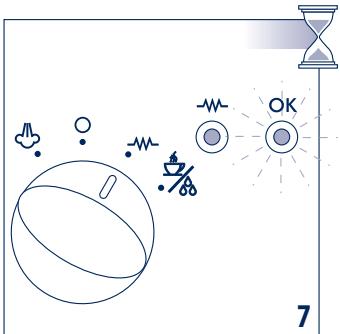
Assurez-vous que le voyant OK est allumé avant de distribuer le café. Effectuez un préchauffage de la machine en faisant couler de l'eau chaude sans café. Préchauffez également vos tasses avec de l'eau chaude.
La pompe fait un bruit fort, que faire ?
Vérifiez que le réservoir d'eau est bien rempli et correctement inséré. Appuyez légèrement sur le réservoir pour ouvrir la valve au fond. Si le bruit persiste, contactez le service après-vente.
Mon café est trop clair et s'écoule rapidement, pourquoi ?
Cela peut être dû à un tassage insuffisant du café moulu ou à une quantité insuffisante. Utilisez le tamper pour tasser plus fermement et augmentez la dose de café. Assurez-vous d'utiliser une mouture adaptée aux machines expresso.
Mon café est trop foncé et s'écoule lentement, que faire ?
Le café peut être trop tassé ou la dose trop importante. Réduisez le tassage et la quantité de café. Nettoyez également la sortie de la chaudière et le filtre. Vérifiez que la mouture n'est pas trop fine.
Le lait ne mousse pas pour le cappuccino, comment résoudre ?
Utilisez du lait demi-écrémé bien froid (idéalement à 5°C). Nettoyez soigneusement les petits trous de la buse cappuccino, en particulier ceux indiqués dans le schéma de la notice.
Comment détartrer la machine ?
Il est conseillé de détartrer toutes les 200 tasses. Utilisez un produit détartrant adapté. Suivez les instructions de la notice : remplissez le réservoir avec de l'eau et du détartrant, faites couler la solution, rincez abondamment à l'eau claire.
Comment nettoyer la buse cappuccino ?
Après chaque utilisation, nettoyez la buse avec un chiffon humide. Détachez-la si possible et nettoyez les petits orifices avec une aiguille ou un cure-dent. Consultez la notice pour plus de détails.
Puisz utiliser du café déjà moulu du commerce ?
Oui, mais veillez à utiliser une mouture spécifique pour expresso. Une mouture trop fine ou trop grossière peut affecter le goût et le débit. Utilisez la dose et le tassage recommandés.
Comment préparer un cappuccino parfait ?
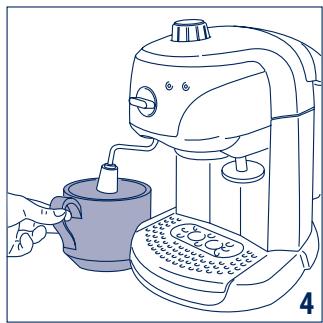
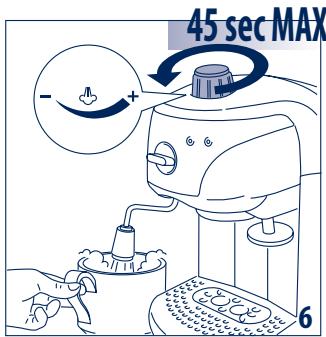
Versez du lait froid dans un récipient adapté. Placez la buse vapeur dans le lait, ouvrez la vapeur et faites mousser en descendant la buse progressivement. Une fois la mousse obtenue, fermez la vapeur. Préparez votre café expresso dans une tasse, puis versez le lait mousseux par-dessus.

Questions des utilisateurs sur EC 221.B DELONGHI

4 questions sur cet appareil. Repondez a celles que vous connaissez ou posez la votre.

Poser une nouvelle question sur cet appareil

L'email reste privé : il sert seulement à vous prévenir si quelqu'un répond à votre question.

Comment monter correctement le porte-filtre en aluminium de la cafetière DELONGHI EC 221.B ?
FAQ fréquente - 22 j
Réponse Notice-Facile

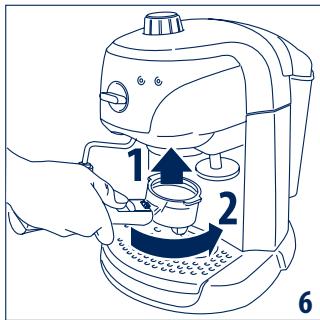
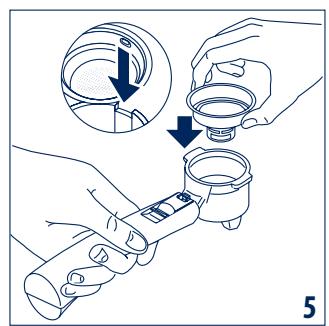
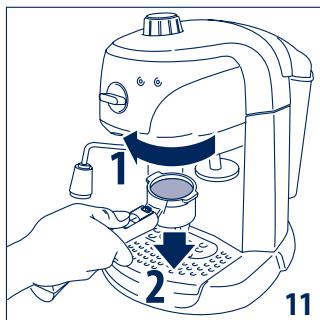
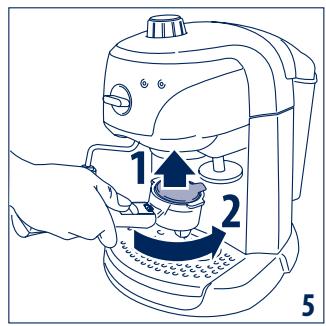
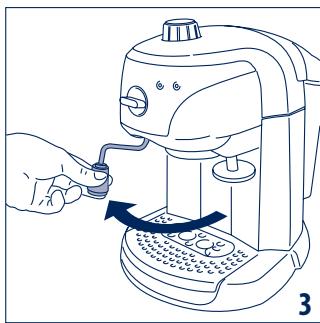
Pour monter correctement le porte-filtre en aluminium de votre DELONGHI EC 221.B, insérez-le sous le bec verseur et tournez-le fermement jusqu'à la butée. Cette position finale - quand vous sentez la résistance et que le filtre s'arrête - est la bonne orientation pour que le filtre soit parfaitement aligné et sécurisé.

La vis de fixation maintient le porte-filtre en place durant le remplissage et l'extraction du café. Assurez-vous que le filtre soit bien serré contre la butée pour éviter les fuites.

Répondre (soyez le premier)
Comment utiliser la machine à café DELONGHI EC 221.B ?
FAQ fréquente - 03/04/2026
Réponse Notice-Facile

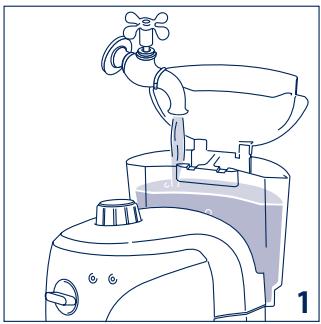
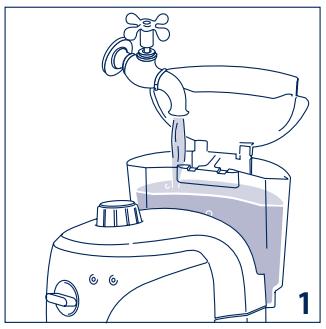
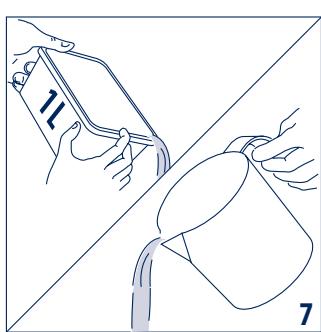
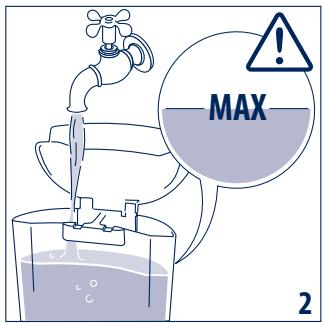
Pour utiliser votre machine à café DELONGHI EC 221.B, commencez par bien préparer l'appareil avant la première utilisation. Remplissez le réservoir d'eau (capacité : 1 litre) avec de l'eau fraîche et propre. Avant de préparer votre premier café, videz au moins 2 réservoirs d'eau complets en faisant fonctionner la machine, ce qui rince les tuyauteries internes.

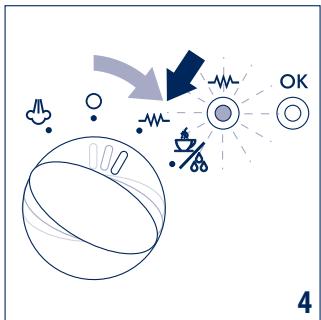
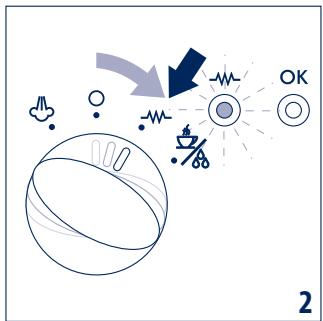
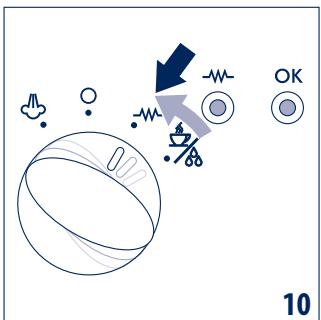
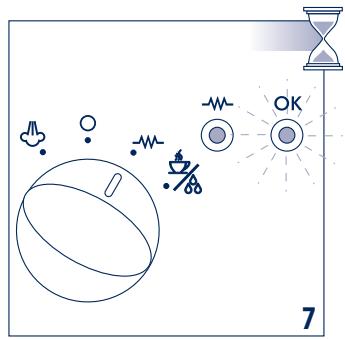
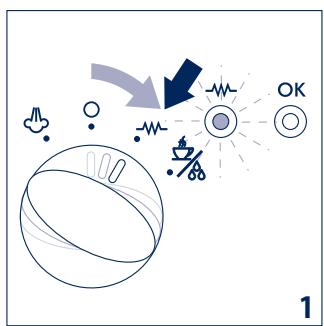
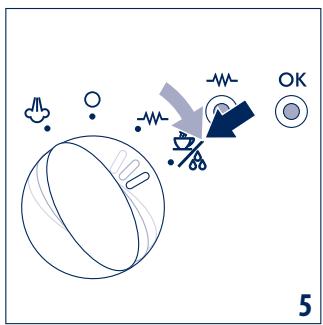
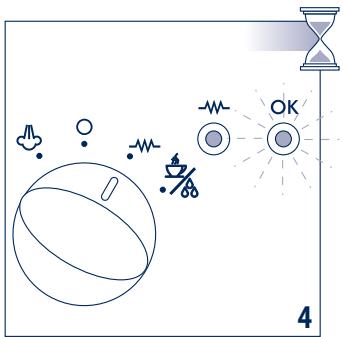
Mise en marche et préchauffage : Placez la machine sur une surface stable près d'une prise électrique 220-240V. Branchez-la et tournez le sélecteur sur la position « ON » (position de chauffage). Le voyant « ON light » s'allume. Attendez que le voyant « OK light » s'illumine, ce qui indique que la chaudière est à la bonne température pour l'extraction du café. Ce temps de préchauffage est crucial pour obtenir un bon espresso.

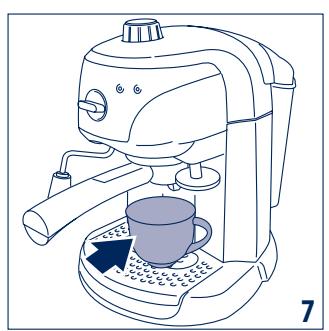
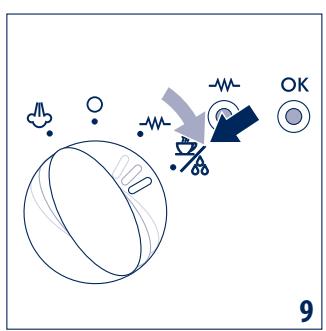
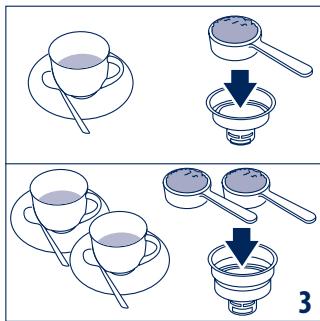
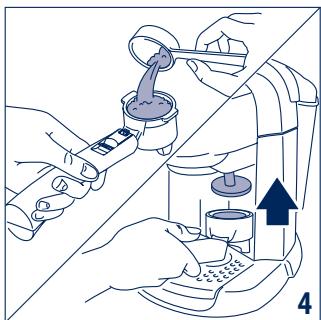
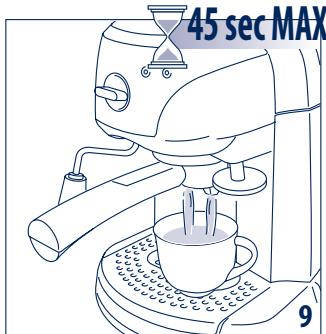
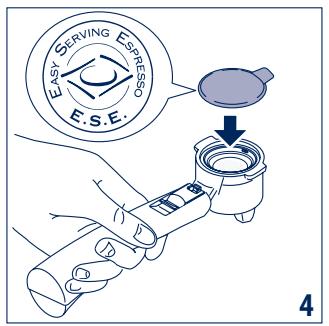
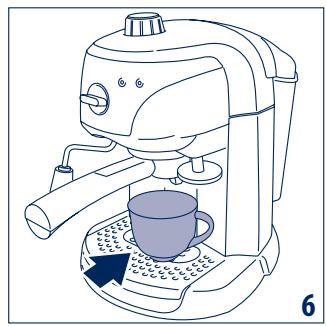
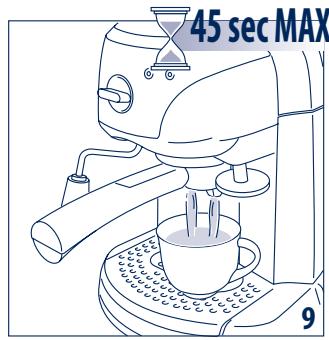
Préparation de l'espresso : Insérez le porte-filtre approprié (1 tasse ou 2 tasses) et remplissez-le de café moulu spécialement conçu pour les machines espresso. Versez environ 7 à 9 grammes par tasse. Tassez le café de manière uniforme et régulière avec le tamper fourni pour obtenir une surface plane et compacte. Encastrez ensuite le porte-filtre sous le bec verseur en le tournant fermement jusqu'à la butée. Placez une tasse dessous et tournez le sélecteur sur la position « Coffee/hot water » pour lancer l'extraction. Le café doit couler progressivement en un fin filet.

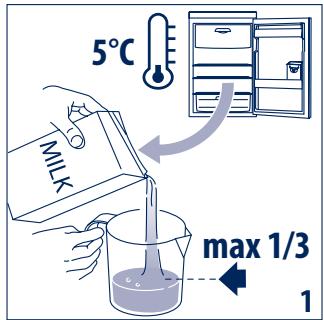
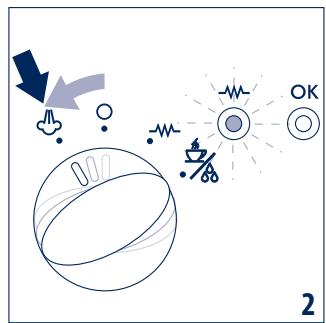
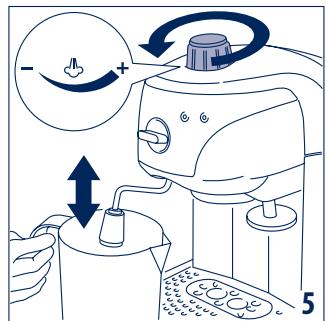
Préparation du cappuccino : Après l'extraction du café, utilisez la buse cappuccino pour faire mousser le lait. Placez la buse dans un verre contenant du lait semi-écrémé froid directement sorti du réfrigérateur (5°C minimum). Tournez le sélecteur sur la position Steam et actionnez le bouton de vapeur pour chauffer et mousser le lait. Nettoyez régulièrement les petits trous de la buse cappuccino, notamment après chaque utilisation.

Eau chaude : Pour dispenser simplement de l'eau chaude (par exemple pour un café long), tournez le sélecteur sur « Coffee/hot water » et laissez l'eau s'écouler dans la tasse.

Entretien régulier : Après chaque utilisation, retirez le porte-filtre, videz le marc et rincez-le à l'eau. Nettoyez régulièrement tous les éléments qui entrent en contact avec le café. Détartrez la machine après la préparation d'environ 200 tasses de café, selon la dureté de l'eau de votre région. Éteignez l'appareil en tournant le sélecteur sur « OFF » et débranchez-le si vous ne l'utilisez pas pendant une période prolongée.

Conseils pour un bon résultat : La qualité de votre espresso dépend principalement de la finesse du tassage, de la quantité de café utilisée et de la granulométrie du café moulu. Un café trop fin ou trop tassé donne une extraction lente et un goût trop fort. Un café trop grossier ou insuffisamment tassé donne une extraction rapide et un café pâle et sans saveur. Utilisez toujours du café moulu spécifiquement pour machines espresso et conservez-le dans un endroit frais et sec.

Répondre (soyez le premier)
Comment retirer le réservoir d'eau de la machine à café DELONGHI EC 221.B ?
FAQ fréquente - 27/02/2026
Réponse Notice-Facile

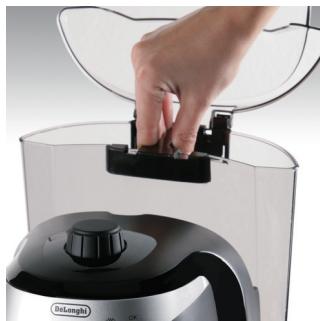
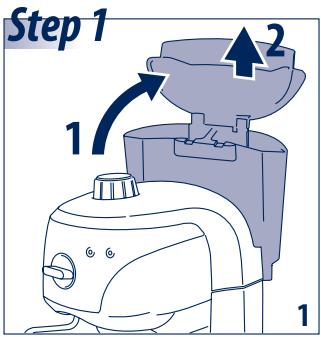
Pour retirer le réservoir d'eau de votre machine à café DELONGHI EC 221.B, suivez ces étapes simples :

  1. Éteignez et débranchez la machine pour garantir votre sécurité pendant la manipulation.
  2. Localisez le réservoir d'eau, généralement situé à l'arrière de la machine.
  3. Attrapez le réservoir par la poignée et tirez-le doucement vers le haut et vers l'extérieur. Il peut y avoir un léger mécanisme de verrouillage, donc appliquez une pression douce mais ferme pour le libérer.
  4. Une fois retiré, vous pouvez vider, nettoyer ou remplir le réservoir selon vos besoins.

Si vous ressentez une résistance inhabituelle, vérifiez qu'aucun élément ne bloque le réservoir et évitez de forcer pour ne pas endommager la machine.

Répondre (soyez le premier)
Comment détartrer une machine à café DELONGHI EC 221.B avec de l'acide citrique ?
FAQ fréquente - 25/11/2025
Réponse Notice-Facile

Pour détartrer votre machine à café DELONGHI EC 221.B avec de l'acide citrique, suivez ces étapes simples pour éliminer efficacement le calcaire et préserver les performances de votre appareil :

Matériel nécessaire :

  • Acide citrique (en poudre)
  • 1 litre d'eau tiède
  • Un récipient pour recueillir l'eau usée

Étapes de détartrage :

  1. Préparation de la solution détartrante :
    Dissolvez environ 30 à 50 grammes d'acide citrique dans 1 litre d'eau tiède, en remuant jusqu'à dissolution complète.
  2. Remplissage du réservoir :
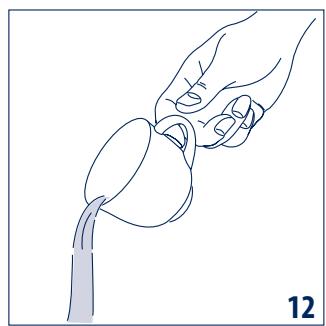
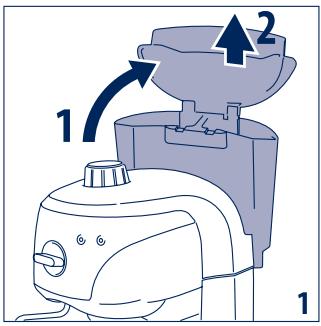
    Videz le réservoir d'eau de la machine puis versez la solution d'acide citrique préparée.
  3. Lancement du cycle de détartrage :
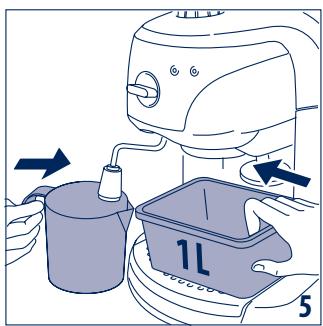
    Placez un récipient sous le bec verseur. Allumez la machine et laissez-la chauffer. Lancez un cycle d'extraction sans café moulu pour faire circuler la solution dans le circuit interne.
  4. Pause d'action :
    Arrêtez le cycle après quelques secondes et laissez agir la solution pendant 15 à 20 minutes pour dissoudre le calcaire.
  5. Reprise du cycle :
    Relancez le cycle pour continuer à faire passer la solution dans la machine. Répétez jusqu'à ce que le réservoir soit vide.
  6. Rinçage :
    Videz et rincez soigneusement le réservoir. Remplissez-le d'eau claire et faites passer un ou deux cycles d'eau pure pour éliminer tout résidu d'acide citrique.
  7. Vérification finale :
    Vérifiez que l'eau qui sort est claire et sans goût particulier avant de préparer votre café habituel.

Conseils supplémentaires :

  • Effectuez ce détartrage tous les 2 à 3 mois selon la dureté de votre eau.
  • Ne mélangez pas l'acide citrique avec d'autres produits détartrants.
  • Manipulez l'acide citrique avec précaution, en évitant le contact avec la peau et les yeux.

Cette méthode simple et naturelle permet de maintenir votre DELONGHI EC 221.B en bon état de fonctionnement et d'assurer un café toujours savoureux.

Répondre (soyez le premier)

Téléchargez la notice de votre Machine à café au format PDF gratuitement ! Retrouvez votre notice EC 221.B - DELONGHI et reprennez votre appareil électronique en main. Sur cette page sont publiés tous les documents nécessaires à l'utilisation de votre appareil EC 221.B de la marque DELONGHI.

MODE D'EMPLOI EC 221.B DELONGHI

DELONGHI EC 221.B - 1

DELONGHI EC 221.B - 2

DELONGHI EC 221.B - 3

DELONGHI EC 221.B - 4

DELONGHI EC 221.B - 5

A) If your appliance comes fitted with a plug, it will incorporate a 13 Amp fuse. If it does not fit your socket, the plug should be cut off from the mains lead, and an appropriate plug fitted, as below.
WARNING: Very carefully dispose of the cut off plug after removing the fuse: do not insert in a 13 Amp socket elsewhere in the house as this could cause a shock hazard.
With alternative plugs not incorporating a fuse, the circuit must be protected by a 15 Amp fuse. If the plug is a moulded-on type, the fuse cover must be re-fitted when changing the fuse using a 13 Amp Asta approved fuse to BS 1362. In the event of losing the fuse cover, the plug must NOT be used until a replacement fuse cover can be obtained from your nearest electrical dealer. The colour of the correct replacement fuse cover is that as marked on the base of the plug.
B) If your appliance is not fitted with a plug, please follow the instructins provided below:

WARNING - THIS APPLIANCE MUST BE EARTHED

IMPORTANT

The wires in the mains lead are coloured in accordance with the following code:

Green and yellow:

Blue:

Brown:

Earth

Neutral

Live

DELONGHI EC 221.B - IMPORTANT - 1

As the colours of the wires in the mains lead may not correspond with the coloured markings identifying the terminals in your plug, proceed as follows:

The green and yellow wire must be connected to the terminal in the plug marked with the letter E or the earth symbol or coloured green or green and yellow.

The blue wire must be connected to the terminal marked with the letter N or coloured black.

The brown wire must be connected to the terminal marked with the letter L or coloured red.

DELONGHI EC 221.B - IMPORTANT - 2

Description of appliance

A Selector dial
B Steam position
C "OFF" position
D "ON"/heating position
E Coffee/hot water dispensing position
F "ON"light
G OK light for espresso coffee or steam
H Steam dial
Water tank
L Coffee tamper
M Supply lead
N Cup tray
0 Measure
P Boiler outlet
Q Filter-holder cup
R 2-cup coffee filter
S 1-cup coffee filter
T Cappuccino-nozzle
U Steam/hot water dispensing tube

Technical data

Mains voltage: 220-240V~50/60Hz

Power input: 1100W

Dimensions: L x W x H : 195x285x240 (330) mm

Boiler: Stainless steel

Pressure: 15 bar

Water tank capacity: 1 L

Supply lead length: 1,2m

Weight: 3.3kg

Symbols used in these instructions

Important warnings carry these symbols. These warnings must be strictly observed.

DELONGHI EC 221.B - Symbols used in these instructions - 1

Danger!

Failure to comply can be or is the cause of injury due to life-threatening electric shocks

DELONGHI EC 221.B - Danger! - 1

Important!

Failure to comply can be or is cause of injury or damage to the appliance.

Scalding hazard!

Failure to comply can be or is the cause of scalding or burns.

i Please note:

This symbol highlights recommendations and important information for the user.

Essential advice regarding safety

Danger!

As the appliance operates on electric current, the possibility of electric shocks cannot be excluded.

It is therefore important to comply with the following safety warnings:

  • Do not touch the appliance when you have wet hands or feet.
  • Never touch the plug with damp hands.
    Make sure the socket used is freely accessible at all times, enabling the appliance to be unplugged when necessary.
    If you wish to remove the plug from the socket, hold the plug itself. Never pull the power cable as you could damage it.
  • Remove the plug from the socket to disconnect the appliance completely.
  • If the appliance breaks down, do not attempt to repair it. Turn off the appliance, remove the plug from the mains socket and contact the Technical Assistance service.
    If the plug or power cable are damaged, to avoid any possible risks they must only be replaced by the De Longhi Technical Assistance service.

Important!

Keep the packaging material (plastic bags, expanded polystyrene) out of the reach of children.

Important!

Do not allow the appliance to be used by persons (including children) with psychological, physical or sensory impairments or with inadequate experience or knowledge, unless closely supervised and instructed by someone responsible for their safety. Children should be supervised and not allowed to play with the appliance.

DELONGHI EC 221.B - Important! - 1

Scalding hazard!

This appliance produces hot water and steam may form when it is operating.

Take care not to come into contact with jets of hot water or steam.

Do not touch the cup warmer plate when the appliance is on, because it is hot.

Use in conformity with purpose

This appliance is manufactured for the preparation of coffee, and to heat beverages.

This appliance is intended solely for domestic use. It is not meant to be used in:

  • rooms used as kitchens by the staff of shops, offices and other work-places
  • farmhouse holiday accommodation
  • hotels, motels and other places offering hospitality
    room lets

Any other use must be considered improper and therefore dangerous. The manufacturer is not liable for damage resulting from improper use of the appliance.

Instructions for use

Read these instructions carefully before using the appliances. Failure to respect these instructions may result in burns or damage to the appliance.

The manufacturer is not liable for damage resulting from the failure to comply with the user instructions.

DELONGHI EC 221.B - Instructions for use - 1

Please note:

Keep these instructions carefully. If this appliance is ever passed on to other persons, ensure that they are also given these instructions for use.

DELONGHI EC 221.B - Please note: - 1

Please note: before first use

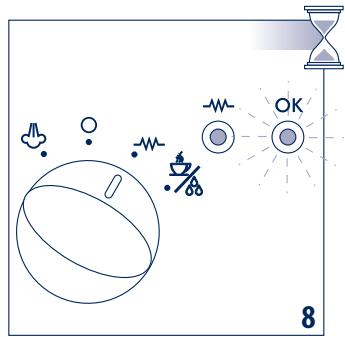
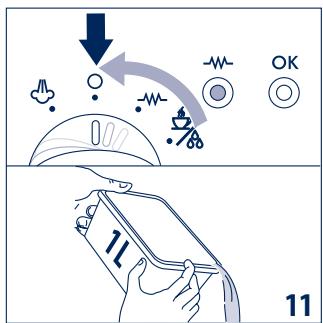
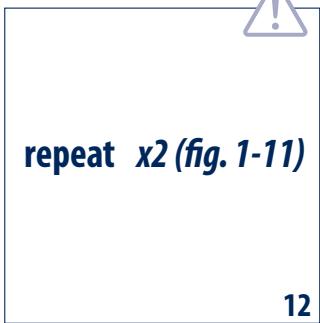
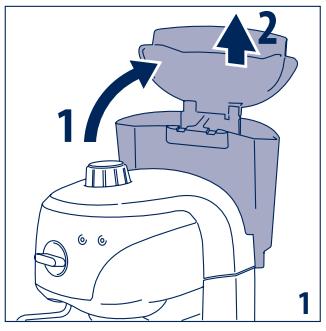
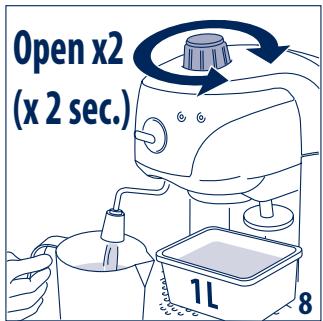
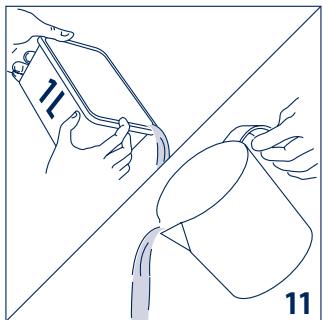
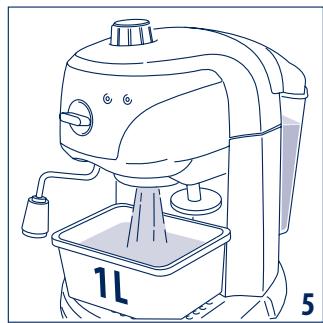
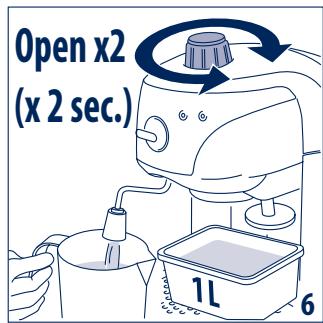
Before using for the first time, all the internal pipes of the appliance should be well rinsed. Proceed as if making coffee, repeating until at least two tanks of water have been emptied out. The coffee can then be prepared.

DELONGHI EC 221.B - Please note: before first use - 1

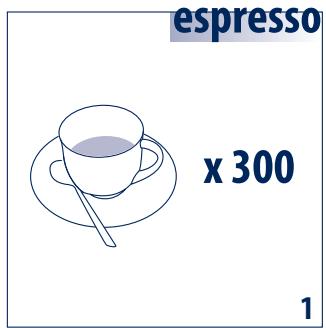
Important! It is advisable to de-scale the machier the preparation of every 200 cups of coffee.

Check after delivery

After removing the packaging, make sure the product is complete and undamaged and that all accessories are present. Do not use the appliance if it is visibly damaged. Contact the Customer Experience Service. See enclosed guarantee.

Disposal

DELONGHI EC 221.B - Disposal - 1

Recommendations for the correct disposal of the product in compliance with the 2002/96/ EC European Directive. The product must not be disposed of as urban waste at the end of its working life.

It must be taken to appropriate local authority separate waste collection centres or to dealers providing this service. Disposing of a household appliance separately avoids possible negative consequences for the environment and health resulting from unsuitable disposal, and allows for recovery of its constituent materials, thus promoting significant savings in energy and resources.

As a reminder of the obligation to dispose of household appliances separately, the product carries the symbol of a movable refuse bin with a cross.

DELONGHI EC 221.B - Disposal - 2

The appliance is in compliance with the following chtives:

Low Voltage Directive 2006/95/EC and subsequent amendments;
EMC Directive 2004/108/EC and subsequent amendments;
Materials and objects intended to come into contact with food must conform to the requirements of European Regulation 1935/2004.
DELONGHI EC 221.B - Disposal - 3

DELONGHI EC 221.B - Disposal - 4

DELONGHI EC 221.B - Disposal - 5

DELONGHI EC 221.B - Disposal - 6

DELONGHI EC 221.B - Disposal - 7

DELONGHI EC 221.B - Disposal - 8

DELONGHI EC 221.B - Disposal - 9

DELONGHI EC 221.B - Disposal - 10

DELONGHI EC 221.B - Disposal - 11

DELONGHI EC 221.B - Disposal - 12

DELONGHI EC 221.B - Disposal - 13

DELONGHI EC 221.B - Disposal - 14

DELONGHI EC 221.B - Disposal - 15

DELONGHI EC 221.B - Disposal - 16

DELONGHI EC 221.B - Disposal - 17

DELONGHI EC 221.B - Disposal - 18

DELONGHI EC 221.B - Disposal - 19

DELONGHI EC 221.B - Disposal - 20

DELONGHI EC 221.B - Disposal - 21

DELONGHI EC 221.B - Disposal - 22

DELONGHI EC 221.B - Disposal - 23

DELONGHI EC 221.B - Disposal - 24

DELONGHI EC 221.B - Disposal - 25

DELONGHI EC 221.B - Disposal - 26

DELONGHI EC 221.B - Disposal - 27

DELONGHI EC 221.B - Disposal - 28

DELONGHI EC 221.B - Disposal - 29

DELONGHI EC 221.B - Disposal - 30

DELONGHI EC 221.B - Disposal - 31

DELONGHI EC 221.B - Disposal - 32

DELONGHI EC 221.B - Disposal - 33

DELONGHI EC 221.B - Disposal - 34

DELONGHI EC 221.B - Disposal - 35

DELONGHI EC 221.B - Disposal - 36

DELONGHI EC 221.B - Disposal - 37

DELONGHI EC 221.B - Disposal - 38

DELONGHI EC 221.B - Disposal - 39

DELONGHI EC 221.B - Disposal - 40

DELONGHI EC 221.B - Disposal - 41

DELONGHI EC 221.B - Disposal - 42

DELONGHI EC 221.B - Disposal - 43

DELONGHI EC 221.B - Disposal - 44

DELONGHI EC 221.B - Disposal - 45

DELONGHI EC 221.B - Disposal - 46

DELONGHI EC 221.B - Disposal - 47

DELONGHI EC 221.B - Disposal - 48

DELONGHI EC 221.B - Disposal - 49

DELONGHI EC 221.B - Disposal - 50

DELONGHI EC 221.B - Disposal - 51

DELONGHI EC 221.B - Disposal - 52

DELONGHI EC 221.B - Disposal - 53

DELONGHI EC 221.B - Disposal - 54

DELONGHI EC 221.B - Disposal - 55

DELONGHI EC 221.B - Disposal - 56

DELONGHI EC 221.B - Disposal - 57

DELONGHI EC 221.B - Disposal - 58

DELONGHI EC 221.B - Disposal - 59

cleaning after cappuccino

DELONGHI EC 221.B - cleaning after cappuccino - 1

DELONGHI EC 221.B - cleaning after cappuccino - 2

DELONGHI EC 221.B - cleaning after cappuccino - 3

DELONGHI EC 221.B - cleaning after cappuccino - 4

DELONGHI EC 221.B - cleaning after cappuccino - 5

DELONGHI EC 221.B - cleaning after cappuccino - 6

DELONGHI EC 221.B - cleaning after cappuccino - 7

DELONGHI EC 221.B - cleaning after cappuccino - 8

DELONGHI EC 221.B - cleaning after cappuccino - 9

DELONGHI EC 221.B - cleaning after cappuccino - 10

DELONGHI EC 221.B - cleaning after cappuccino - 11

DELONGHI EC 221.B - cleaning after cappuccino - 12

DELONGHI EC 221.B - cleaning after cappuccino - 13

DELONGHI EC 221.B - cleaning after cappuccino - 14

DELONGHI EC 221.B - cleaning after cappuccino - 15

DELONGHI EC 221.B - cleaning after cappuccino - 16

DELONGHI EC 221.B - cleaning after cappuccino - 17

maintenance

DELONGHI EC 221.B - maintenance - 1

DELONGHI EC 221.B - maintenance - 2

DELONGHI EC 221.B - maintenance - 3

DELONGHI EC 221.B - maintenance - 4

DELONGHI EC 221.B - maintenance - 5

DELONGHI EC 221.B - maintenance - 6

DELONGHI EC 221.B - maintenance - 7

DELONGHI EC 221.B - maintenance - 8

DELONGHI EC 221.B - maintenance - 9

DELONGHI EC 221.B - maintenance - 10

DELONGHI EC 221.B - maintenance - 11

DELONGHI EC 221.B - maintenance - 12

DELONGHI EC 221.B - maintenance - 13

DELONGHI EC 221.B - maintenance - 14

DELONGHI EC 221.B - maintenance - 15

DELONGHI EC 221.B - maintenance - 16

DELONGHI EC 221.B - maintenance - 17

DELONGHI EC 221.B - maintenance - 18

DELONGHI EC 221.B - maintenance - 19

DELONGHI EC 221.B - maintenance - 20

DELONGHI EC 221.B - maintenance - 21

DELONGHI EC 221.B - maintenance - 22

ProblemPossible causesSolution
Espresso coffee does not flow outNo water in the tankFill the water tank
The holes in the filter-holder are blockedClean the holes in the filter-holder spouts
The espresso boiler outlet is blockedCarry out the cleaning operation as described in the paragraph headed “Cleaning”
Espresso coffee drips from the edges of the filter-holder instead of through the holesThe filter-holder is inserted incorrectlyAttach the filter-holder correctly and turn it firmly until fully home
The espresso boiler gasket has lost elasticityObtain a replacement for the espresso boiler gasket from your Service Centre. See enclosed guarantee.
The holes in the filter-holder spout are blockedClean the holes in the spouts.
The espresso coffee is coldThe OK light for making espresso is not alight at the time the coffee-dispenser button is pressedWait for the OK light to come on
Pre-heating has not been carried outCarry out the pre-heating operation as described in the paragraph headed “Pre-heating”
The cups have not been pre-heatedPre-heat the cups using hot water
Loud pump noiseThe water tank is emptyFill up the tank
The tank is improperly inserted and the valve on its base is not openPut light pressure on the tank to open the valve on its base
The consistency of the coffee is thin and pale (it emerges rapidly from the spout)The ground coffee is insufficiently tampedIncrease tamping of ground coffee
The quantity of ground coffee is insufficientIncrease the amount of ground coffee
The coffee is too coarsely groundOnly use ground coffee designed for use with espresso coffee machines
The ground coffee is not the correct typeChange the type of ground coffee used
The consistency of the coffee is thick and dark (it emerges slowly from the spout)The ground coffee has been tamped too firmlyTamp the coffee less firmly
Too much ground coffee has been usedReduce the quantity of ground coffee
The outlet of the espresso boiler is clogged upCarry out the cleaning operation, as described in the paragraph headed“Cleaning”
The filter is blockedCarry out the cleaning operation, as described in the paragraph headed“Cleaning”
The coffee is too finely groundOnly use ground coffee for espresso coffee machines
The ground coffee is too fine, or is dampOnly use ground coffee for espresso coffee machines and ensure it is not too damp
The ground coffee is not the correct typeChange the type of ground coffee powder
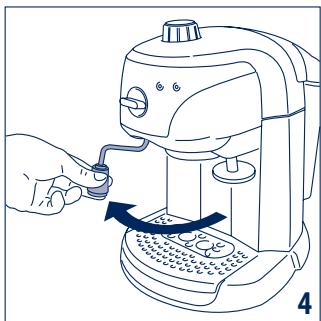
The milk does not froth when making a cappuccinoThe milk is not cold enoughAlways use semi skimmed milk straight from the refrigerator at 5°C
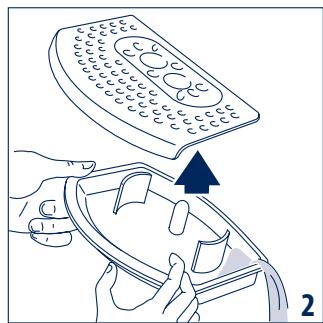
The cappuccino-nozzle is dirtyClean the small holes in the cappuccino-nozzle carefully, especially those indicated in the diagram

DELONGHI EC 221.B - maintenance - 23
De'Longhi Appliances

via Seitz, 47

31100 Treviso Italia

Assistant notice
Powered by Anthropic
En attente de votre message
Informations produit

Marque : DELONGHI

Modèle : EC 221.B

Catégorie : Machine à café