EHP 6640 P - Pliit ELECTROLUX - Tasuta kasutusjuhend
Leidke seadme juhend tasuta EHP 6640 P ELECTROLUX PDF-formaadis.


Kasutajate küsimused teemal EHP 6640 P ELECTROLUX
0 küsimus selle seadme kohta. Vastake nendele, mida teate, või esitage oma.
Esita uus küsimus selle seadme kohta
Laadige alla juhend oma Pliit PDF-formaadis tasuta! Leidke oma juhend EHP 6640 P - ELECTROLUX ja võtke oma elektrooniline seade uuesti kätte. Sellel lehel on avaldatud kõik teie seadme kasutamiseks vajalikud dokumendid. EHP 6640 P kaubamärgi ELECTROLUX.
KASUTUSJUHEND EHP 6640 P ELECTROLUX
Installation and Operating Instructions
natural_image
Abstract black-and-white graphic with four white circular shapes arranged in a 2x2 grid (no text or symbols)EHP 6640 P
Contents
Operating Instructions 4
Safety
Disposal.
The Key Features of Your Appliance.
Description of the Appliance
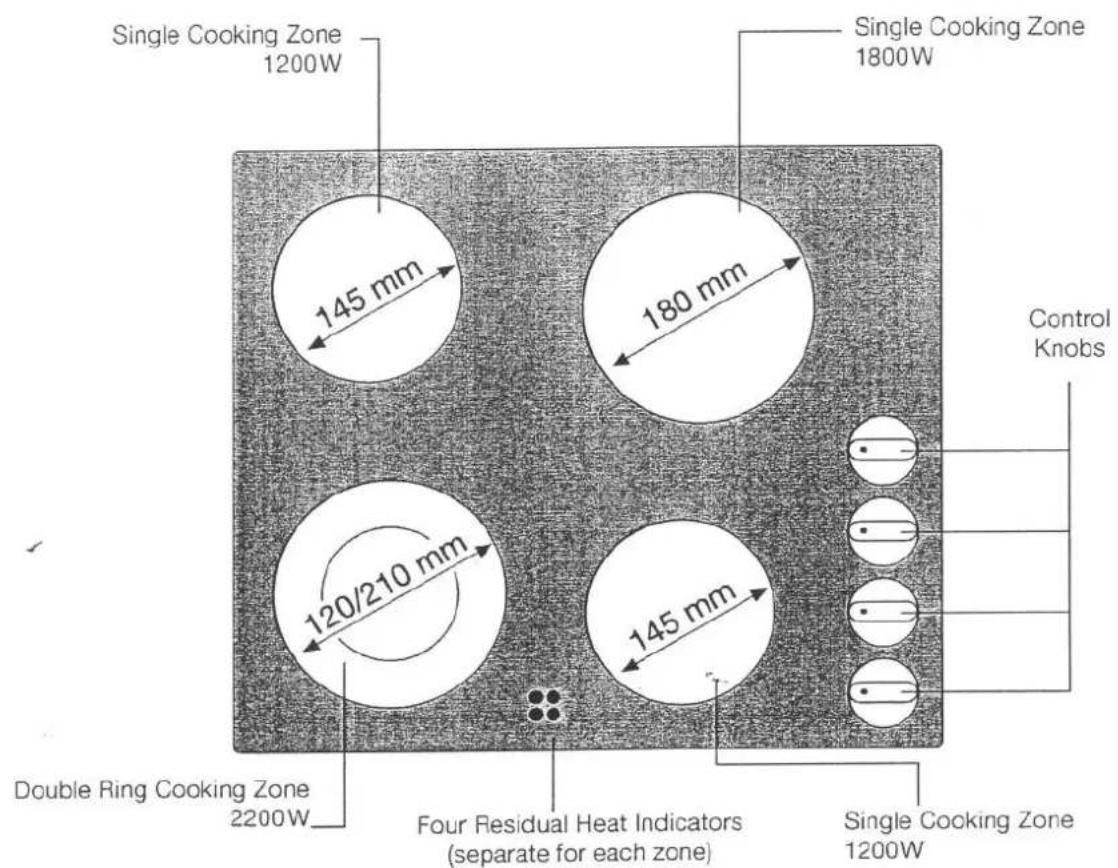
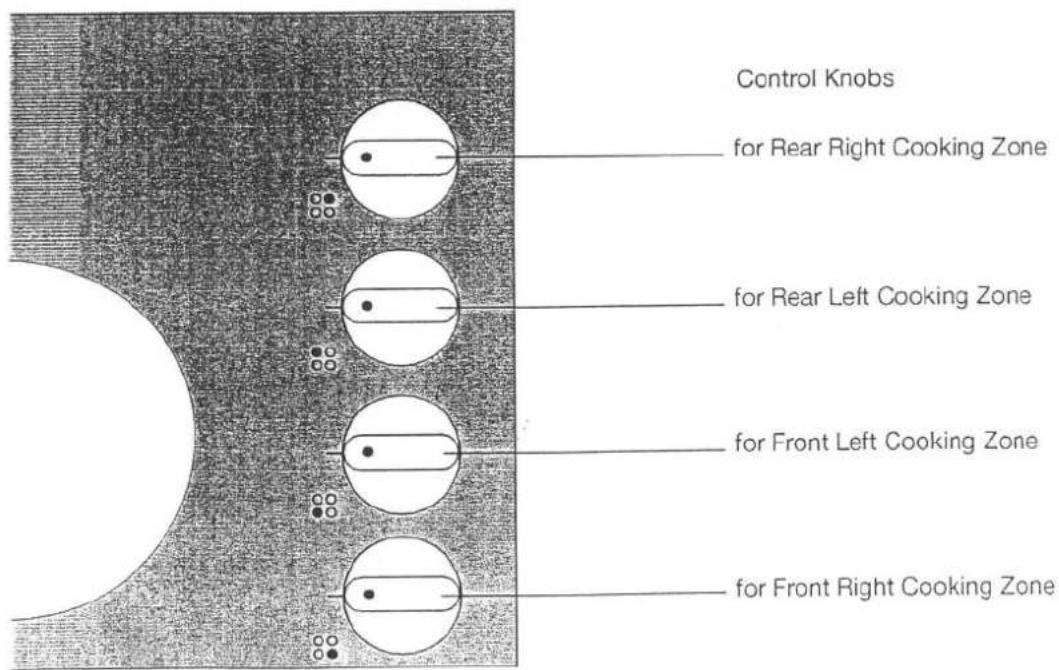
Cooking zones and control panel....
Before Using for the First Time
Initial Cleaning....
Operating the Hob.
Ring Switches....
Cooking on the Zones.
Switching on the Dual-ring Cooking Zone
Residual heat indicator
Uses, Tables and Tips....10
Pans 10
Cleaning and Care 12
Advantages for Cleaning and Caring for the Induction Cooking Zone....12
Hob....12
What to do if .... 14
Rectifying faults....14
Installation Instructions 15
Technical Data.
Regulations, Standards, Directives....15
Safety Instructions for the Installer .... 17
Electrical Connection 17
Rating Plate....
Assembly 18
Guarantee Conditions 21
Service.... 23
Operating Instructions
⚠ Safety
The safety aspects of this appliance comply with accepted technical standards and the German Appliance Safety Law. However, as manufacturers we also believe it is our responsibility to familiarise you with the following safety instructions.
Electrical Safety
- The installation and connection of the new appliance must only be carried out by qualified personnel.
- Repairs to the appliance are only to be carried out by approved service engineers. Repairs carried out by inexperienced persons may cause injury or serious malfunctioning. If your appliance needs repairing, please contact your local customer center or your dealer.
i Please follow these instructions, otherwise the warranty will not cover any damage that may occur.
- Flush-mounted appliances may only be operated following installation in suitable installation cabinets and workplaces which conform to the relevant standards. This ensures sufficient protection against contact for electrical units as required by the VDE [Association of German Electrical Engineers].
- If your appliance malfunctions or if fractures, cracks or splits appear:
- switch off all cooking zones,
- disconnect the hob from the electricity supply.
Child Safety
The cooking zones will become hot when you cook. Therefore, always keep small children away from the appliance.
The appliance is not intended for use by young children or infirm persons without supervision.
Young children should be supervised to ensure that they do not play with the appliance.
Safety During Use
- This appliance may only be used for normal cooking and frying in the home. It is not designed for commercial or industrial purposes.
- Do not use the hob to heat the room.
• Take care when plugging electric appliances into mains sockets near the hob. Connection leads must not come into contact with the hot surface.
• Overheated fats and oils catch fire quickly. You should supervise cooking when preparing foods in fat or oil (e.g. chips). - Switch off the cooking zones after use.
Safety When Cleaning
- For safety reasons do not clean the appliance with a steam jet or high pressure cleaner.
- Clean the hob in accordance with the maintenance and cleaning instructions in this manual.
How to avoid damage to the appli- ance
- Do not use the cooking area as a worktop or storage space.
- The frameless edge of the glass ceramic surface is susceptible to knocks. Please be careful when moving pots and pans around.
- Do not have the cock zones on with empty pans, or with no pots or pans on them.
- Ceramic glass is very tough, and impervious to sharp temperature changes, but is not unbreakable. It can be damaged if particularly hard or sharp objects fall on to it.
- Do not use pots made of cast iron, or which have damaged bases with rough edges or burrs. Moving these around may cause scratches.
- If sugar or a mixture containing sugar falls onto a hot cooking zone and melts, remove immediately, while still hot, using a kitchen scraper. If left to cool down, it may damage the surface when removed.
- Keep objects or materials liable to melt away from the ceramic glass surface, for example, artificial materials, aluminium foil, or cooking wraps. If any other materials or foodstuffs are melting on the ceramic glass surface, these should also be cleaned away immediately, using a kitchen scraper.

Disposal
Disposing of the packaging material
All materials used can be fully recycled.
Plastics are marked as follows:
-
PE< for polyethylene, as used for the outer wrapping and the bags inside.
-
PS< for polystyrene foam, e.g., as used for the padding materials. They are completely free of CFCs.
Disposal of old appliances

Warning: Before disposing of old appliances please make them inoperable so that they cannot be the source of danger.
To do this, disconnect the appliance from the mains supply and remove the mains lead.
To protect the environment, it is important that worn out appliances are disposed of in the correct manner.
• The appliance must not be disposed of with household rubbish.
- You can obtain information about collection dates or public refuse disposal sites from your local refuse department or council.
The Key Features of Your Appliance
- Ceramic glass cooking surface: The appliance has a ceramic glass cooking surface and 4 rapid response cooking zones. The particularly powerful radiant heater elements significantly shorten the amount of time taken for the zones to heat up.
- Cleaning: The advantage of the ceramic glass cooking surface is its easy cleaning. The smooth surface is easy to keep clean (see section: "Cleaning and care").
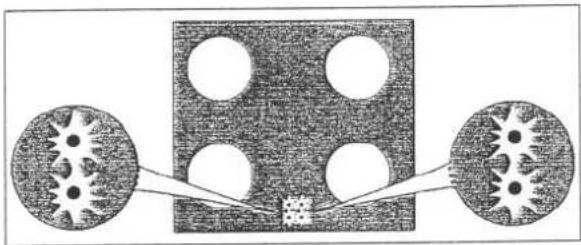
- Double-ring cooking zone: The cooking surface possesses a double-ring cooking zone. This provides the appliance with a cooking zone with a variable size, for instance for smaller pots. This is a saving in energy.
- Residual heat indicator: The residual heat indicator lights up if the cooking zone becomes so hot that there is a risk of burning.
Description of the Appliance
Cooking zones and control panel
Before Using for the First Time
Initial Cleaning
Wipe the ceramic glass surface with a damp cloth.

Important: Do not use any caustic, abrasive cleaners! The surface could be damaged.
Operating the Hob

When a cooking zone is switched on, it may hum briefly. This is a characteristic of all glass ceramic cooking zones and does not impair either the function or the life of the appliance.
Ring Switches
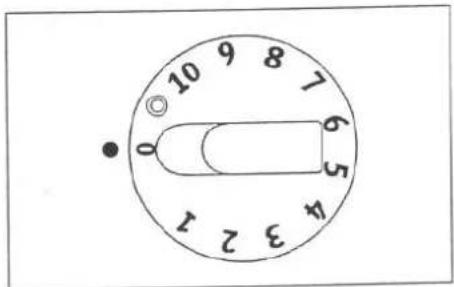
- The heat settings are continuously variable between settings 1-10.
1 = lowest power
10 = highest power
= double ring switching
Cooking on the Zones
-
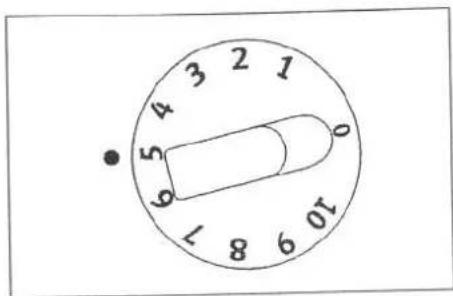
Select a high setting for heating up / browning.
-
As soon a steam starts to form or the oil is hot, turn back to the heat setting necessary for further cooking.
- To stop cooking, turn back to the zero position.

Switch off the cooking zone approx. 5-10 minutes before the end of the cooking to make use of the residual heat. By this means you can save electricity.
Switching on the Dual-ring Cooking Zone

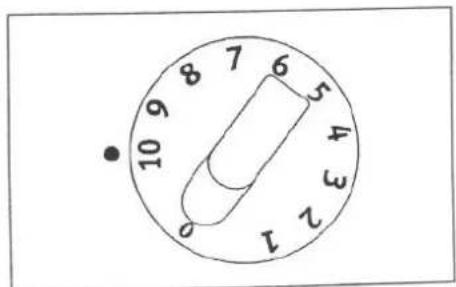
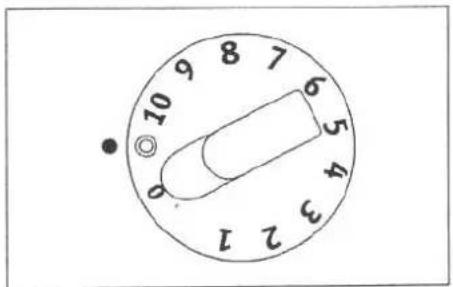
The switch for the dual-ring cooking zone is switched on by turning clockwise and must not be turned past the stop!
-
Turn the switch for the dual-ring cooking zone clockwise. Turn past position 10 to the „dual-ring" symbol until it stops.
-
Then turn back to the required heat setting for cooking.
-
To stop cooking, turn back to the off position.

The next time the dual-ring cooking zone is required, repeat the above procedure.
Residual heat indicator
The ceramic cooking zone is equipped with a residual heat indicator, a control lamp is allocated to each cooking zone. This lights up as soon the corresponding cooking zone is hot and warns against inadvertent contact.
The remaining heat lamp only goes out when the cooking zone has cooled down even when the cooking zone is switched Off.

You can use the residual heat for melting and keeping food warm.

Important! As long as the residual heat indicator is illuminated, there is a risk of burns.

Important! If the power supply is interrupted the residual heat indicator also go out and information about residual heat will no longer be available. However, it is still possible to burn yourself. This can be avoided by being particularly attentive.
natural_image
Diagram showing two circular components with internal patterns, connected by a central dot and arrow (no text or symbols)Uses, Tables and Tips
Pans
The better the pan, the better the results.
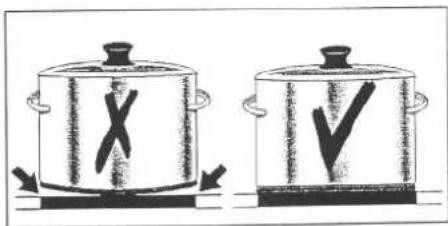
- You can recognise good pans by their bases. The base should be as thick and flat as possible.
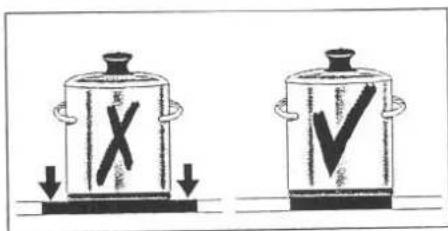
- Pay particular attention when buying new pans to the diameter of the base. Manufacturers often give only the diameter of the upper rim.
- Pots with aluminium or copper bases can cause metallic discolouring on the glass ceramic surface, which is very difficult or impossible to remove.
- Do not use cast iron pans or pans with a rough, burred or damaged base. This can produce permanent scratching if the pan is slid across the surface.
- When cold, pan bases are normally bowed slightly inwards (concave). They should never be bowed outwards (convex).
- If you wish to use special types of pan (e.g. a pressure cooker, simmering pan, wok, etc.), please observe the manufacturer's instructions.

Energy saving tips
You can save valuable energy by observing the following points:
• Always position pots and pans before switching on the cooking zone.
- Dirty cooking zones and pan bases increase power consumption.
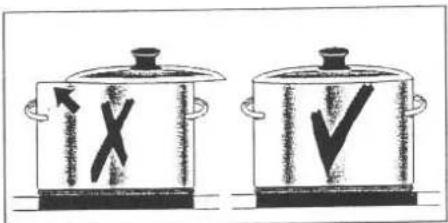
- Whenever possible always position the lids firmly on pots and pans to cover completely.
- Switch off the cooking zones before the end of the cooking time to use the residual heat such as to keep foods warm or for melting.
- The base of the pan should be the same size as the cooking zone.
- Using a pressure cooker reduces cooking times by up to 50%.
Settings for Cooking on the Zones
The setting position required for cooking processes is dependent on the quality of the pots and on the type and amount of the food.
| Heat setting | Cooking method | Examples |
| 9-10 | Parboiling | Starting of cooking and roasting, cooking of large quantities of liquid, then switch-back to appropriate setting |
| 8-9 | FryingQuick frying | French fries, pan-cakesFillet of pork and beef, steaks goulash |
| 7-8 | RoastingFrying without crust | Frying of meat, schnitzel, cutlets, meat-balls, sausages, liver, fish-fillet in deep fat, Frying eggs or chops |
| 5-6 | BoilingBraising | Boiled potatoes, stews, soups, hot-pot, sauces in large quantities |
| 4-5 | SimmeringStewing | Simmering of vegetables, braising of meat, lightly cooking small amount of fruit with little liquid |
| 3-4 | Gentle simmering | Simmering of rice and food with milk (sometimes stirring), Stewing of smaller amount of potatoes or vegetables, Warming up of prepared meal |
| 1-2 | Melting | Omelette, fried eggs, Hollandaise sauce, Keeping warm a meal or small amount of hot-potMelting of butter, chocolate, gelatine. |
| 0 | Residual heat, OFF-position |

When heating up or frying, we recommend heat setting "10", and then continue cooking foods at an appropriate lower heat setting.
Cleaning and Care
Advantages for Cleaning and Caring for the Induction Cooking Zone

The cleaning effort for induction ceramic glass cooking surfaces is considerably less than for cooking surfaces with radiant heating:
- The induction cooking zone reacts faster to switching down and off. Boiling over and burning in of dishes is avoided to a large degree.
- The temperatures on the ceramic glass surface are clearly lower with inductive cooking than with the conventional radiant heating systems.
Since the heat is generated in the pan, food or food-stuffs possibly on the glass ceramic surface are not burnt in as badly.
Hob

Important: Cleaning agents must not come into contact with the hot ceramic glass surface! All cleaning agents must be removed with plenty of clean water after cleaning because they can have a caustic effect when the rings are next heated!
Do not use any aggressive cleaners such as grill or oven sprays, coarse scourers or abrasive pan cleaners.

Clean the ceramic glass surface after each use when it is warm to the touch or cold. This will avoid spillages becoming burnt on.
Remove scale and water marks, fat spots and discolouration with a metallic shimmer using a commercially available ceramic glass or stainless steel cleaner such as "Hob Brite".
Light Soiling
- Wipe the ceramic glass surface with a damp cloth and a little washing up liquid.
- Then rub dry with a clean cloth. Remnants of cleaner must not be left on the surface.
- Thoroughly clean the entire ceramic glass cooking surface once a week with a commercially available ceramic glass or stainless steel cleaner.
- Then wipe the ceramic glass surface using plenty of clean water and rub dry with a clean fluff-free cloth.
Stubborn Soiling
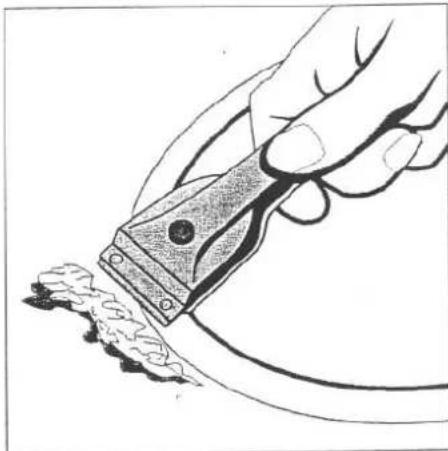
- To remove food that has boiled over or stubborn splashes, use a glass scraper.
- Place the glass scraper at an angle to the ceramic glass surface.
- Remove soiling by sliding the blade.

You can obtain glass scrapers and ceramic glass cleaners from specialist retailers.
natural_image
Line drawing of a hand using a tool to cut a piece of material from a flat surface (no text or symbols)
Problem Dirt
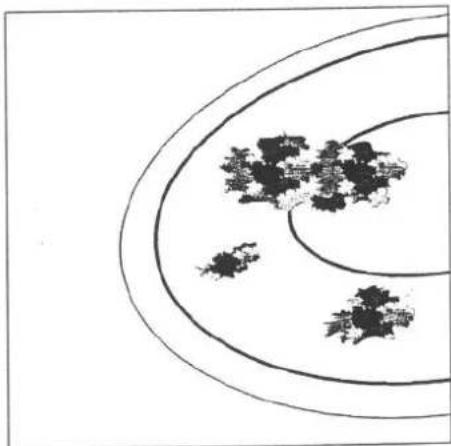
- Remove burnt-on sugar, melted plastic, aluminium foil, or other meltable materials with a glass scraper immediately and while still hot.

Important: There is a risk of burning yourself when the glass scraper is used on a hot cooking zone!
- Then clean the hob normally when it has cooled down.

If the cooking zone on which something has melted has already cooled down, warm it up again for cleaning.
Scratches or dark marks on the ceramic glass surface, caused for example by a pan base with sharp edges, cannot be removed. However, they do not impair the function of the hob.
natural_image
Abstract diagram with curved lines and leaf-like shapes, no text or symbols presentWhat to do if ...
Rectifying faults
It is possible that faults have been caused by a minor error, which you can correct yourself with the help of the following instructions. Do not attempt any further repairs if the following instructions do not help in each specific case.

Warning! Repairs to the appliance are only to be carried out by approved service engineers. Improperly effected repairs may result in considerable risk to the user. If your appliance needs repairing, please contact your specialist dealer or customer service.
What to do when ...
... the cooking zone does not function?
Check whether
- the fuses in the house installation (fuse box) are intact. If the fuses switch off, or blow, several times, please call an authorized electrical technician.
- the corresponding cooking zone is switched ON and the desired degree of heat has been set.
- for cooking zones with several rings, whether the heating circle has been switched On.
If it is desired to contact the customer services because of incorrect operation, then the visit of the customer service technician during the guarantee time will not be free of charge.
Installation Instructions

Important! The new appliance may only be installed and connected by qualified personnel.
Please observe this instruction, otherwise the warranty will not cover any damage that may occur.
Technical Data
Appliance dimensions
| Width | 590 mm |
| Depth | 520 mm |
| Height | 47 mm |
Worktop cut-out dimensions
| Width | 560 mm |
| Depth | 490 mm |
| Corner radius | R5 |
Cooking rings
| Position | Diameter | Power |
| Front left | 120/210mm | 750/2200W |
| Rear left | 145mm | 1200W |
| Rear right | 180mm | 1800W |
| Front right | 145mm | 1200W |
| Connection voltage | 230 V ~ 50Hz | |
| Maximum connected load power | 6,4kW | |
Regulations, Standards, Directives
This appliance meets the following standards:
• EN 60 335-1 and EN 60 335-2-6
relating to the safety of electrical appliances for household use and similar purposes and
• EN 60350, or DIN 44546 / 44547 / 44548 relating to the operating features of electric cookers, hobs, ovens, and grills for household use.
• EN 55014-2
• EN 55014
• EN 61000-3-2
• EN 61000-3-3
- relating to basic requirements for electro-magnetic compatibility protection (EMC).

This appliance complies with the following EU Directives:
- 73/23/EWG dated 19.02.1973 (Low Voltage Directive)
- 89/336/EWG dated 03./05.1989 (EMC Directive including Amending Directive 92/31/EWG).

Safety Instructions for the Installer
- A device must be provided in the electrical installation which allows the appliance to be disconnected from the mains at all poles with a contact opening width of at least 3 mm.
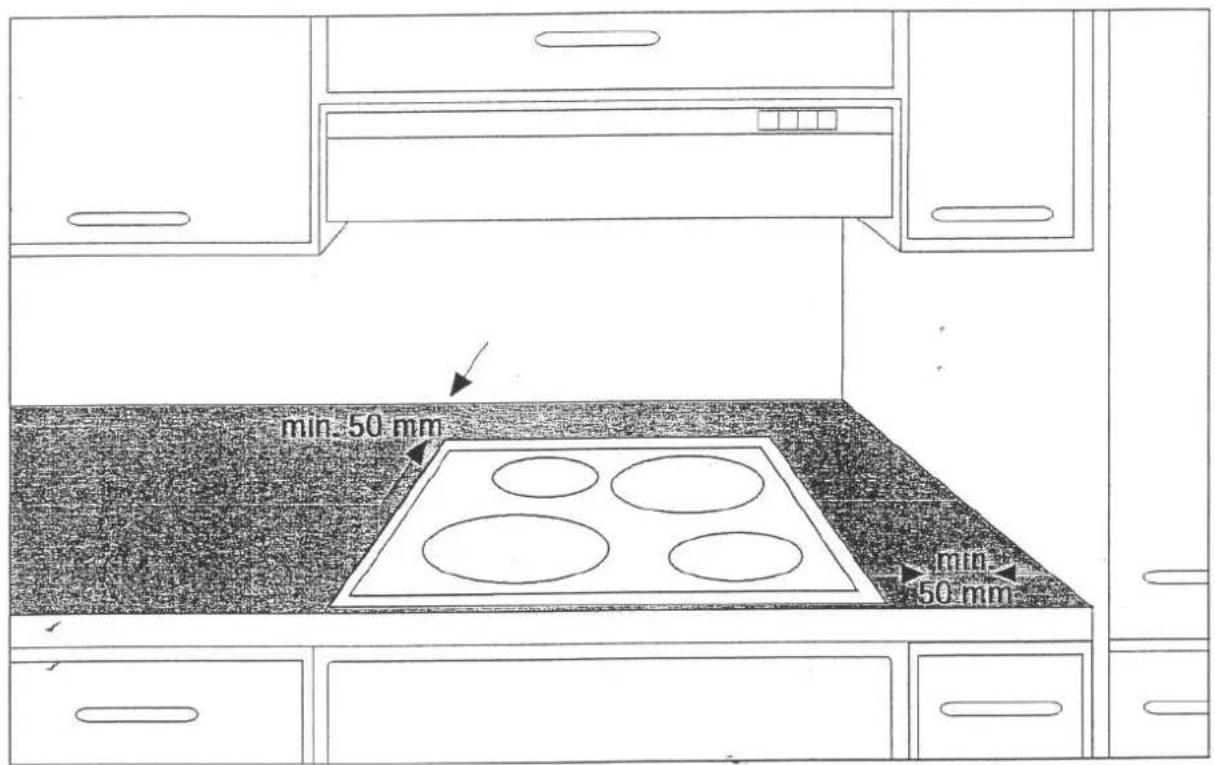
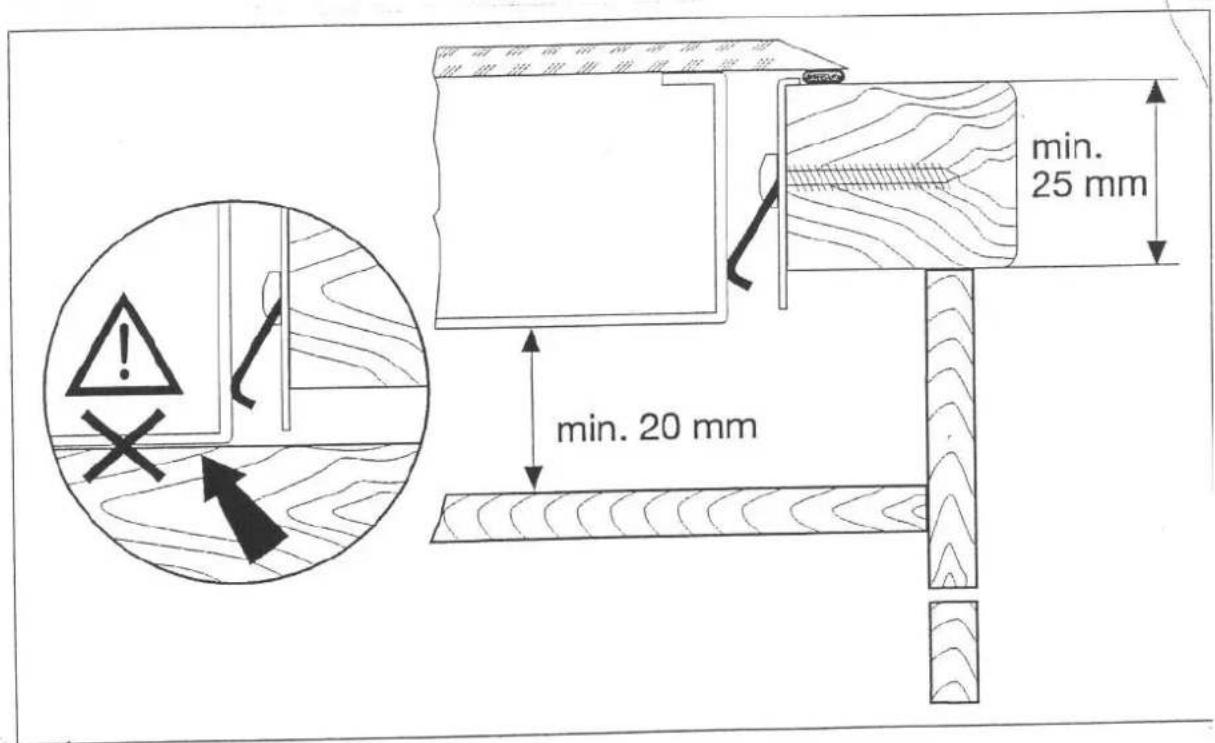
Suitable isolation devices include line protecting cut-outs, fuses (screw type fuses are to be removed from the holder), earth leakage trips and contactors. - In respect of fire protection, this appliance corresponds to EN 60 335-2-6. This type of appliance may be installed with a high cupboard or wall on one side.
- Drawers may not be fitted underneath the hob.
• The installation must guarantee shock protection. - The kitchen unit in which the appliance is fitted must satisfy the stability requirements of DIN 68930.
- For protection against moisture, all cut surfaces are to be sealed with a suitable sealant.
- On tiled work surfaces, the joints in the area where the hob sits must be completely filled with grout.
- On natural, artificial stone, or ceramic tops, the snap action springs must be bonded in place with a suitable artificial resin or mixed adhesive.
- Ensure that the seal is correctly seated in the frame and that it is seated against the work surface without leaving any gaps. Additional silicon sealant must not be applied; this will make removal more difficult when servicing.
- The hob must be pressed out from below when removed.
- Clean the worktop around the cut-out area.
- Attach the supplied one-sided adhesive liner tape around the cut-out on the top surface of the work-top. The joining point of the two ends should be in the middle of one of the sides. After cutting the correct length (allow a few millimetres) simply press the two ends against each other.
For Australia:
- CAUTION: The surface temperature exceeds 95°C. To avoid a hazard, underbench access must be restricted.
• Supply cords must have a temperature rating not less than 105^ C.
Electrical Connection
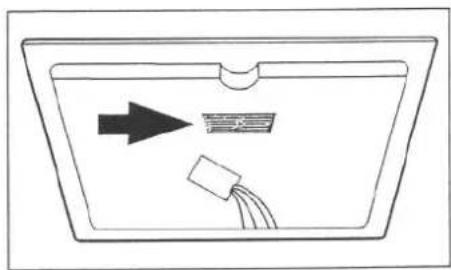
Before connecting, check that the nominal voltage of the appliance, that is the voltage stated on the rating plate, corresponds to the available supply voltage. The rating plate is located on the lower casing of the hob.
The heating element voltage is AC230V\~. The appliance also works perfectly on older networks with AC220V\~.
The hob is to be connected to the mains using a device that allows the appliance to be disconnected from the mains at all poles with a contact opening width of at least 3 mm, eg. automatic line protecting cut-out, earth leakage trips or fuse.
A type H05VV-F cable or one with a higher grade must be used as the mains connecting cable.
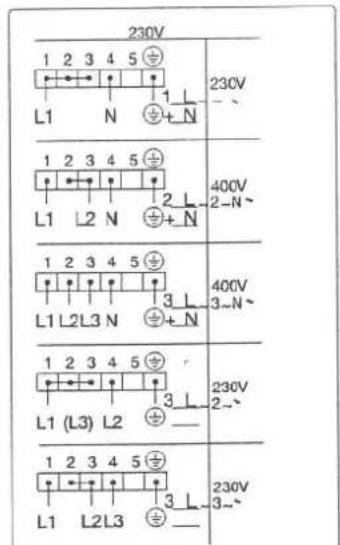
The connection must be carried out as shown in the diagram. The connecting links should be fitted according to the appropriate connection diagram. The earth lead is connected to terminal ⊕. The earth lead must be longer than leads carrying electric current.
The cable connections must be made in accordance with regulations and the terminal screws tightened securely.
Finally, the connecting cable is to be secured with the mains cable cleat and the covering closed by pressing firmly (lock into place).
Before switching on for the first time, any protective foil or stickers must be removed from the glass ceramic surface.

Once connected to the mains supply check that all cooking zones are ready for use by briefly switching each on in turn at the maximum setting.
Rating Plate
| Modell EHP 6640 P | Prod.Nr. 949591168 | ||
| Typ PEE2 005 | 230 V AC 50 Hz | ||
| Made in Germany | Ser.Nr. ...... | 6,4 kW | |
WARNING:
READ THE INSTALLATION INSTRUCTIONS BEFORE CONNECTING THE MAINS CABLE. ENSURING THAT THE LINKS ARE FITTED CORRECTLY TO THE TERMINAL BLOCK.
319 4077 01
Assembly
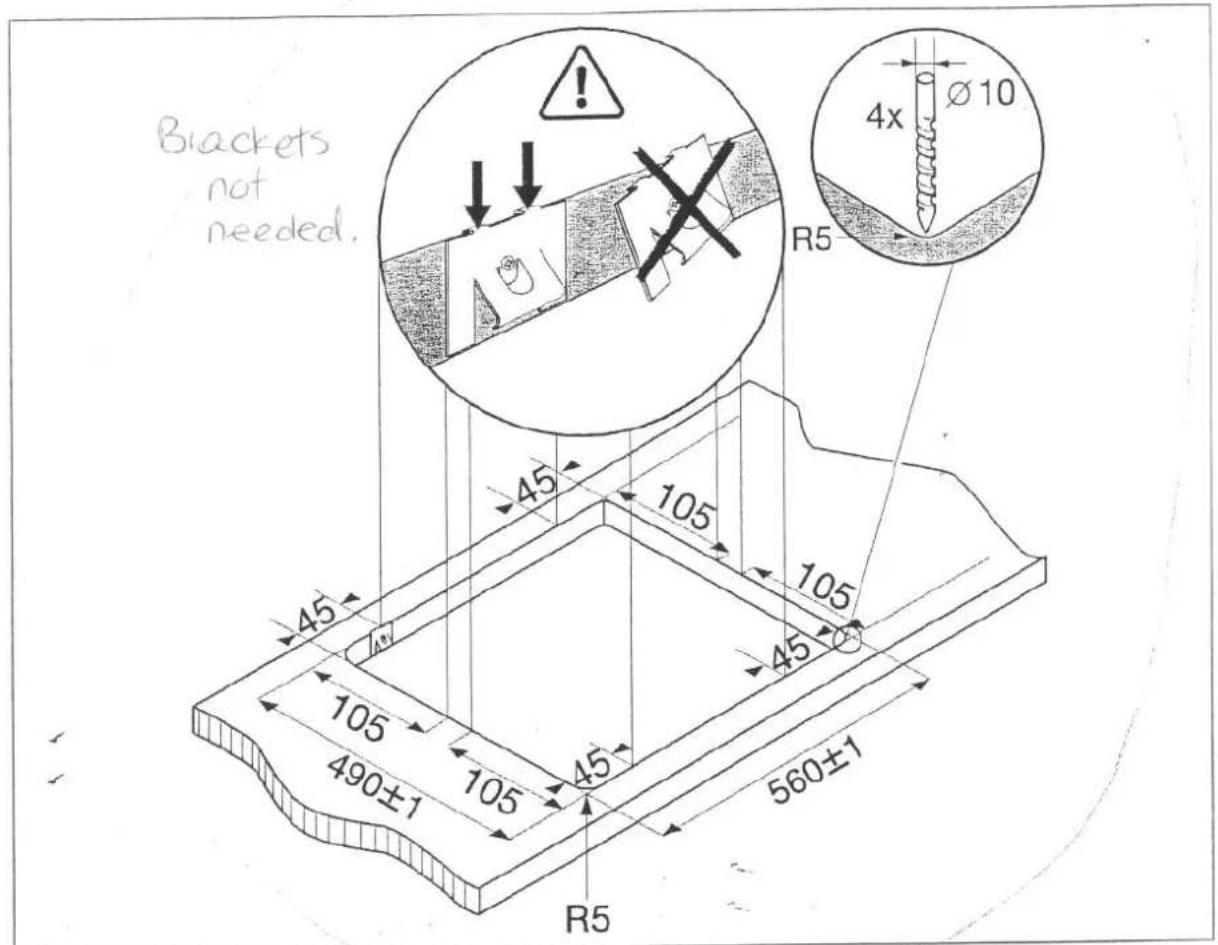
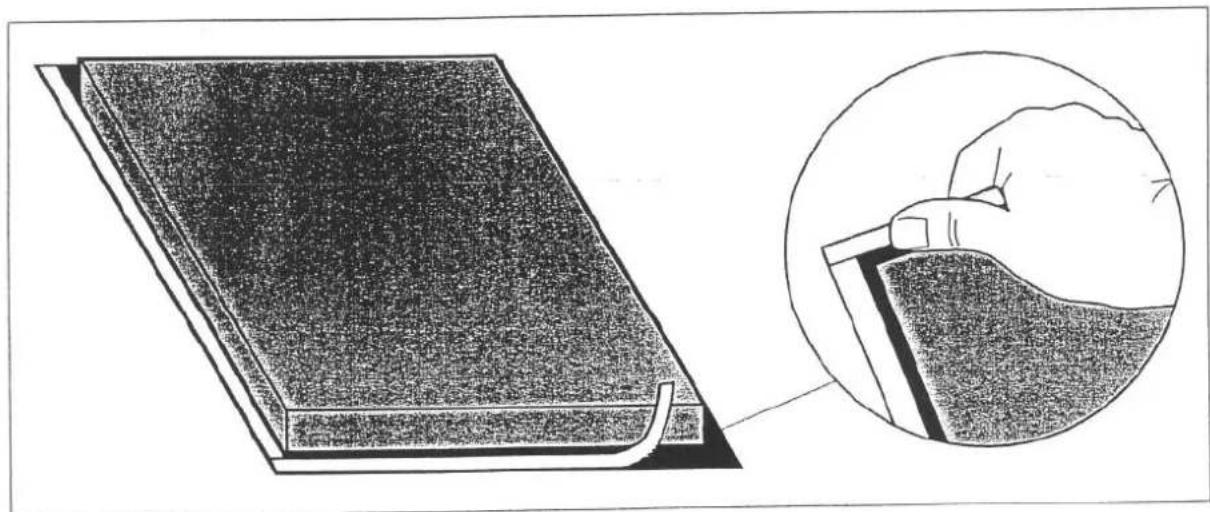
natural_image
Illustration of a rectangular panel with a curved edge and a magnified inset showing a hand holding a small object (no text or symbols)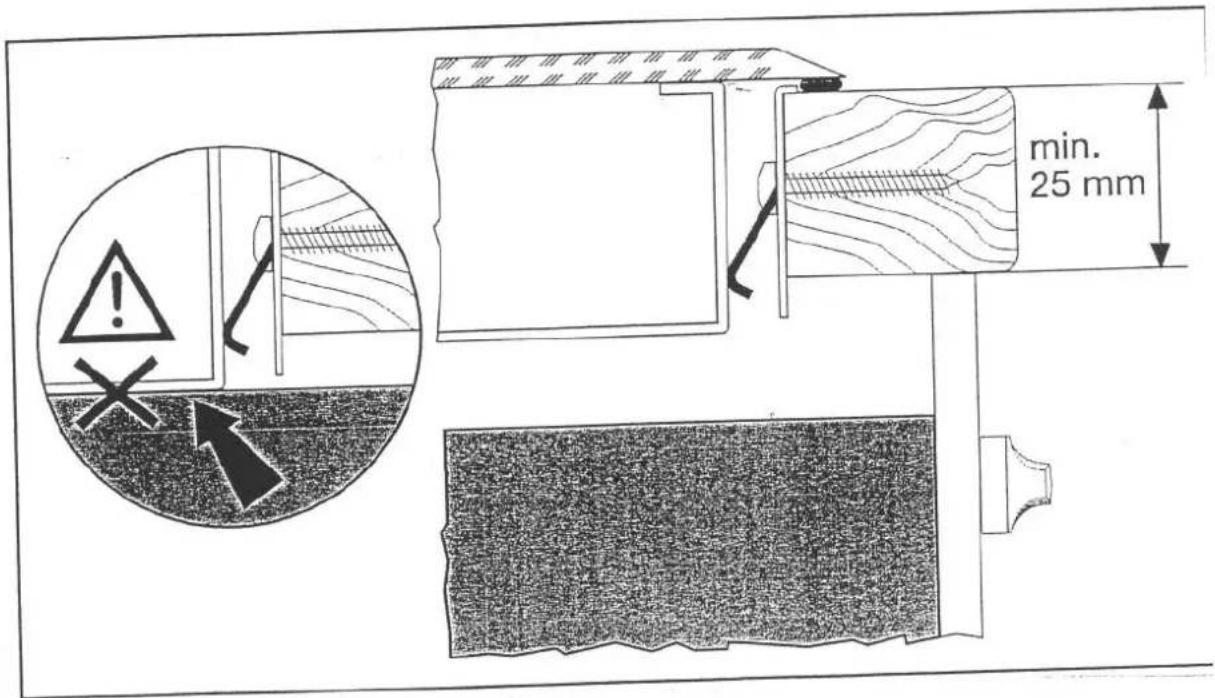
Guarantee Conditions
ELECTROLUX WARRANTY AUSTRALIA
Nothing in this warranty, limits any rights you may have under the Trade Practices Act or any other Commonwealth or State legislation. Such rights cannot be changed by the conditions in this warranty.
Subject to the conditions below, this appliance is warranted by Electrolux Home Products Pty. Ltd. A.B.N. 51 004 762 341, (the "Company"), to be free from defects in materials and workmanship for a period of 24 months following the date of purchase (the "Warranty Period").
Conditions of the warranty:
- During the Warranty Period the Company, or its service agent, will only pay the cost of repairing or replacing all Company parts on your appliance which the Company finds to be defective.
- The Company will decide if there are any defects in material and/or workmanship.
- Light globes, batteries and filters are replaceable parts and are not covered under this warranty.
- This warranty applies only for mainland Australia and Tasmania.
- The appliance must be installed and operated in accordance with the Company's instructions.
- This warranty does not apply to normal wear and tear, or any service, which is needed after an accident, alteration, negligence, misuse, fire or flood.
- This warranty does not apply to damage caused if your appliance has been dismantled, repaired or serviced by any person other than someone authorised by the Company.
- If you live outside the service area of the Company or one of its service agents, this warranty does not cover the cost of transport of the appliance for service nor the service agent's travelling costs to and from your home.
- If you are required to transport the appliance to the Company or its service agent, you must ensure it is securely packed and insured. The Company does not accept any responsibility for loss or damage of the appliance prior to it being received by the Company or its service agent.
-
This warranty does not cover loss, damage or expense to this appliance caused directly or indirectly by power surges, electrical storm damage or incorrect power current.
-
The Company (and any company related to the Company) will not be liable for any special, incidental or consequential damages or for loss, damage or expense or for personal injury or loss or destruction of property arising directly or indirectly from the use or inability to use this appliance or any of its parts.
- This warranty applies only to the original buyer.
- This warranty is the only express warranty given by the Company.
- If you are the original buyer, please keep your proof of purchase, which will be required, if you request service under this warranty.
- The Warranty Period is only applicable when your appliance is used at home by you and your family as consumers.
- Use of this appliance for commercial purposes is covered by this warranty for a period of 3 months from the date of purchase.
FOR SERVICE IN AUSTRALIA
PLEASE CALL
13 13 49
FOR SPARE PARTS IN AUSTRALIA
PLEASE CALL
13 13 50
ELECTROLUX APPLIANCE WARRANTY - NEW ZEALAND
This appliance is warranted by Electrolux Home Products (NZ) Ltd ("the Company") from the date of purchase. The following terms and conditions apply:
-
The Company or its Authorised Service Centre will pay the cost of repairing or replacing all parts of the appliance which the Company or its Authorised Service Centre find defective for a period of 24 months following the date of purchase (the "Warranty Period").
-
During the Warranty Period the Company or its Authorised Service Centre, will pay the cost of repairing or replacing all parts, which they find are defective.
-
Light globes, batteries and filters are replaceable parts and are not covered under this warranty.
-
The appliance must be installed and operated in accordance with the Company's instructions.
-
This Warranty does not apply to normal wear and tear, or any service, which is needed after an accident, negligence, alteration or misuse.
-
This Warranty also does not apply to damage caused if your appliance has been dismantled, repaired or serviced by any person other than someone authorised by the Company.
-
If you live outside the service area of the Company or its Authorised Service Centre, this warranty does not cover the cost of transport of the appliance for service nor the Authorised Service Centre's travelling costs to and from your home.
-
If you are required to transport the appliance to the Company or its Authorised Service Centre, it must be securely packed and insured. The Company does not accept any responsibility for loss or damage prior to it being received by the Company or its Authorised Service Centre.
-
This warranty is the only express warranty given by the Company.
-
This Warranty does not cover loss, damage or expense to this appliance caused directly or indirect-
ly by power surges, electrical storm damage or incorrect power current.
- The Company (and any company related to the Company) will not be liable for any special incidental or consequential damages or for loss, damage or expense directly or indirectly arising from the use or inability to use this appliance, or for personal injury or loss or destruction of other property.
- Nothing in this warranty is intended to limit the rights you may have under the Consumer Guarantees Act 1993, except to the extent permitted by that Act, and all provisions of this warranty shall be read as modified to the extent necessary to give effect to that intention.
- The Consumer Guarantees Act 1993 does not apply if your appliance is acquired for the purposes of a "business" (as defined in that Act).
- This warranty is limited to 90 days from date of purchase if the appliance is used for commercial use.
IMPORTANT NOTICE
Before calling a service technician please carefully check the warranty terms and conditions, the operating instructions and service booklet if applicable. If the product fails for any of the customer responsibility reasons detailed therein, a service fee will be charged. Please present proof of purchase to any Authorised Service Centre should warranty service be required.
SERVICE CENTRES PLEASE PHONE 0800 10 66 10
For your nearest Authorised Service Centre please look in
The Yellow Pages under Home Appliance Servicing OR
Call 0800 10 66 10
Service
In the "What to do if ..." section a number of malfunctions are listed that you can rectify yourself. Look there first if a fault occurs.
Is it a technical fault?
If so, please contact your customer service centre. (You will find addresses and telephone numbers in the section "Customer Service Centres".)
Always prepare in advance for the discussion. This will make diagnosis of the problem easier and also make it easier to decide if a customer service visit is necessary:
Please make a note of the following information as accurately as possible:
• What form does the fault take?
• Under what circumstances does the fault occur?
Prior to the telephone call it is important that you make a note of the following appliance code numbers that are given on the rating plate:
- model description,
- PMC code (9 digits).
• S No code (8 digits).
We recommend that you record the code numbers here so that you always have them to hand:
Model:
PNC:
S-No:
When do you incur costs even during the warranty period?
- if you could have remedied the fault yourself using the fault table (see section "What to do if ..."),
- if the customer service technician has to make several journeys because he was not provided with all the relevant information before his visit and therefore, forexample, has to fetch spare parts. These multiple trips can be avoided if you prepare your phone call as described above.