
MAP560 HARDWARE - GPS and Navigation Systems CLARION - Free user manual and instructions
Find the device manual for free MAP560 HARDWARE CLARION in PDF.


| Brand | CLARION |
| Model | MAP560 |
| Product type | GPS and navigation system |
| Screen | Color touch screen |
| Battery | Integrated rechargeable lithium-ion battery (non-replaceable) |
| Power supply | AC adapter (PSC05R-050 PH) 5V/1A; car charger |
| Connectivity | Mini-USB port (charging and data transfer), 3.5 mm headphone jack, external antenna connector |
| External storage | SD/MMC card slot |
| GPS | Built-in GPS antenna; satellite reception (requires at least 4 satellites) |
| Main functions | GPS navigation, MP3 player, photo viewer (JPEG, GIF, BMP), ActiveSync synchronization |
| Settings | Backlight, volume, screen calibration, languages, date/time, automatic power off |
| MP3 equalizer | 11 presets (Rock, Pop, Jazz, Classic, Dance, Heavy, Disco, Soft, 3D, Hall, Default) |
| Photo slideshow | Adjustable interval (1, 2, or 5 seconds), name/date display possible |
| Reset | Reset button (soft reset); hard reset via ON/OFF switch |
| Safety | Use only the provided adapter; do not disassemble; do not expose to excessive heat |
| Cleaning | Device off, slightly damp soft cloth (water only) |
| Certifications | CE, R&TTE compliance, EMC, low voltage |
Frequently Asked Questions - MAP560 HARDWARE CLARION
User questions about MAP560 HARDWARE CLARION
0 question about this device. Answer the ones you know or ask your own.
Ask a new question about this device
Download the instructions for your GPS and Navigation Systems in PDF format for free! Find your manual MAP560 HARDWARE - CLARION and take your electronic device back in hand. On this page are published all the documents necessary for the use of your device. MAP560 HARDWARE by CLARION.
USER MANUAL MAP560 HARDWARE CLARION
System Setting
MP3 Player
Picture Viewer
R00
Trademarks
All brand and product names are trademarks or registered trademarks of their respective companies.
Note
The information in this manual is subject to change without notice.
Table of Contents
Precautions and Notices ....iii
1 Getting Started....1
1.1 Performing the Initial Start Up.... 1
1.2 Connecting to AC Power and Charging the Battery.... 3
1.3 Using Your Device in a Vehicle.... 4
Using the Car Holder.... 4
Connecting the Car Charger 4
1.4 Understanding Hardware Features....5
Front Components 5
Back Components....6
Left-Side Components 7
Right-Side Components 7
Top Components....8
Bottom Components 8
2 Basic Skills....9
2.1 Turning Your Device On and Off....9
Home Screen 9
2.2 Using the Stylus 10
2.3 Using a SD/MMC Card.... 11
3 System Settings....13
3.1 Using System Settings 13
3.2 Backlight....14
3.3 Volume 15
3.4 Screen 15
3.5 Power 17
3.6 Date&Time 18
3.7 Change Language.... 19
3.8 Back 20
4 MP3 Player....21
4.1 Starting and Exiting the MP3 Player 21
4.2 Preparing the MP3 Files for You Device 22
4.3 Playing MP3 Files 22
MP3 Playback Control....23
4.4 Using Play Lists.... 24
Creating a Play List 24
Opening a Play List 25
Managing Your Play Lists 26
4.5 Equalizer 26
5 Picture Viewer....27
5.1 Starting and Exiting Picture Viewer.... 27
5.2 Preparing the Pictures on Your Device 27
5.3 Viewing Pictures in Thumbnail View 28
5.4 Viewing a Picture in Full Screen 28
5.5 On-Screen Control Buttons 29
5.6 Viewing the Slideshow 31
5.7 Transferring Pictures 32
6 ActiveSync 35
6.1 About ActiveSync 35
Installing ActiveSync 35
Using ActiveSync 36
7 Troubleshooting and Maintenance ....37
7.1 Resetting Your System 37
7.2 Troubleshooting 38
Power Problems 38
Screen Problems.... 38
Connection Problems 39
GPS Problems.... 39
7.3 Maintaining Your Device 40
8 Regulatory Information 41
8.1 Regulations Statements 41
European Notice 41
8.2 Safety Precautions 42
About Charging 42
About the AC Adapter 42
About the Battery 42
Precautions and Notices
- For your own safety, do not operate the controls of the product while driving.
- Use this product prudently. The product is intended for use solely as a navigation aid. It is not for precise measurement of direction, distance, location or topography.
- The calculated route is for reference only. It is the user's responsibility to follow the traffic signs and local regulations along the roads.
- When you get out of the car, do not leave your device on the dashboard subjected to direct sunlight. Overheating of the battery can cause malfunction and/or danger.
- GPS is operated by the United States government, which is solely responsible for the performance of GPS. Any change to the GPS system can affect the accuracy of all GPS equipments.
- GPS satellite signals cannot pass through solid materials (except glass). When you are inside a tunnel or building, GPS positioning is not available.
- A minimum of 4 GPS satellite signals is needed to determine current GPS position. Signal reception can be affected by situations such as bad weather or dense overhead obstacles (e.g. trees and tall buildings).
- Other wireless devices in the vehicle might interfere with the reception of satellite signals and cause the reception to be unstable.
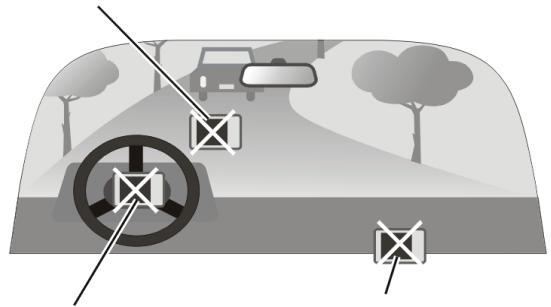
- A car holder is needed when using the device in a car. Be sure that you place the device in an appropriate place, so as not to obstruct the driver's view, or deployment of airbags.
Do not mount where the driver's field of vision is blocked.
Do not place unsecured on the dashboard.
natural_image
Diagram showing a car on a road with a steering wheel and directional arrows, no text or symbols present.Do not mount in front of airbag panels.
Do not mount in front of an airbag field of deployment.
1 Getting Started
1.1 Performing the Initial Start Up
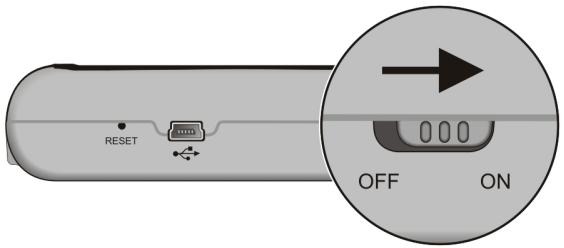
- Slide the ON/OFF switch to the ON (right) position.
CAUTION: Always leave the ON/OFF switch in the ON position for normal operation.
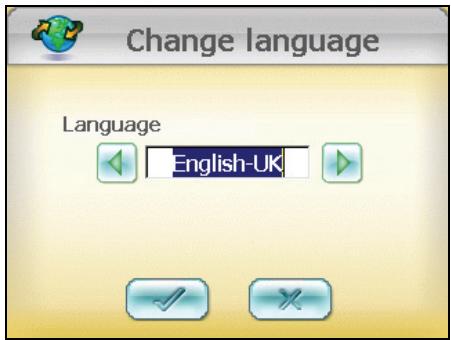
- Your device turns on and displays the “Change Language” screen. You can tap the left/right arrow to select a language if your region of purchase is a country with multiple languages. Tap 📋 to continue.
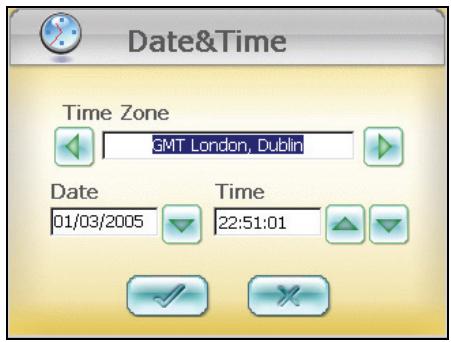
- The “Date & Time” screen appears. Tap the appropriate arrow button to select the time zone, date, and time. Then tap √ to continue.
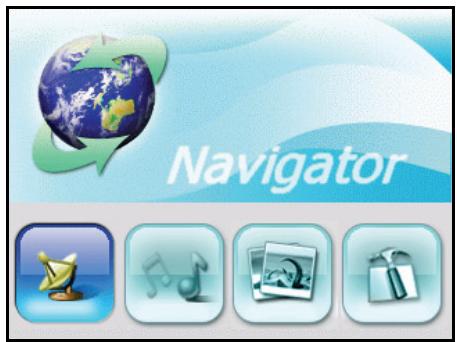
- The Home screen appears as shown below. You can now use your device.
1.2 Connecting to AC Power and Charging the Battery
Fully charge the battery before using your device for the first time.
- Slide and click the connector converter onto the AC adapter.
- Connect the adapter cable to the bottom of your device.
- Plug the AC adapter into a wall outlet.

- The charge indicator glows amber when charging is in progress. Do not disconnect your device from AC power until the battery is fully charged, the charge indicator will turn green. This will take a couple of hours.
NOTE:
- When charging the battery for the very first time, you should charge it for at least 8 hours.
- When you connect the AC adapter to charge the battery after the battery power has been fully depleted, wait for at least one minute if you need to turn on the device.
- Depending on your region of purchase, the connector converter may not look exactly the same as the picture shown.
CAUTION: For optimal performance of the lithium battery:
- Do not charge the battery where the temperature is high (e.g. in direct sunlight).
- There is no need to fully discharge the battery before charging. You can charge the battery before it is discharged.
- When storing the product for a long period of time, be sure to fully charge the battery at least once every two weeks. Over discharge of the battery can affect the charging performance.
1.3 Using Your Device in a Vehicle
A car holder and a car charger are supplied with your device.
Using the Car Holder
CAUTION:
- Select an appropriate location for the car holder. Never place the holder where the driver's field of vision is blocked.
- If the car's windshield is tinted with a reflective coating, an external antenna (optional) may be needed to route the antenna to the top of the car through a window. When closing the car window, be careful not to pinch the antenna cable. (Cars with an anti-jam window design may automatically leave adequate space as needed.)
The car holder consists of a bracket and a flexible window mount. Use the car holder to fix your device in a vehicle. (See the document supplied with the car holder for the installation instruction.)
Connecting the Car Charger
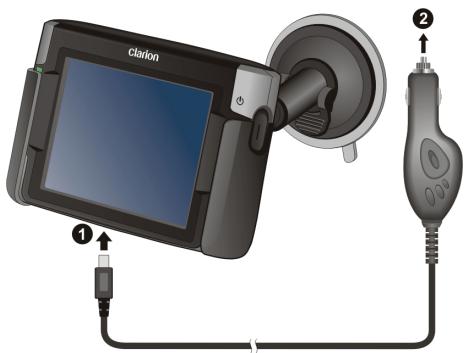
The car charger supplies power to your device when you are using the device in a car.
CAUTION: To protect your device against sudden surges in current, connect the car charger only after the car engine has been started.
- Connect one end of the car charger to the power connector of your device.
- Connect the other end to the cigarette lighter in the car to power and charge your device. The indicator on the car charger lights green to show that power is being supplied to your device.
To Cigarette Lighter
1.4 Understanding Hardware Features
NOTE: Depending upon the specific model purchased, the color of your device may not exactly match the device shown in this manual.
Front Components
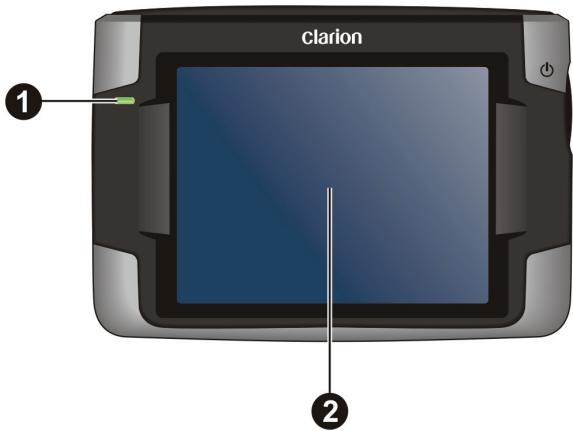
| Ref | Component | Description |
| 1 | Charge Indicator | Glows bright amber to indicate that the battery is charging, and turns green when the battery is fully charged. |
| 2 | Touch Screen | Displays the output of your device. Tap the screen with the stylus to select menu commands or enter information. |
Back Components
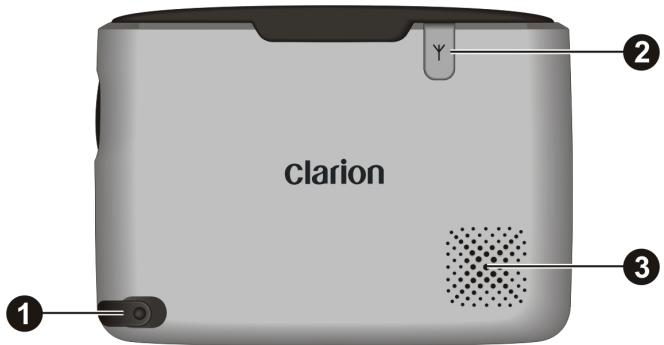
| Ref | Component | Description |
| 1 | Stylus | Tap the touch screen to make selections and enter information.Pull the stylus out of its slot to use it, and store it in the slot when not in use. |
| 2 | External Antenna Connector | This connector (under rubber dust cover) allows use of an optional external antenna with magnetic mount, which may be positioned on top of the car for better signal reception in areas with poor reception. |
| 3 | Speaker | For music, sounds and voice prompts. |
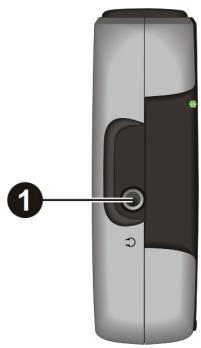
Left-Side Components
natural_image
Diagram of a device with a black handle and circular button, labeled with number 1 (no text or symbols on the diagram itself)| Ref | Component | Description |
| 1 | Headphone Connector | Connects to stereo headphones. |
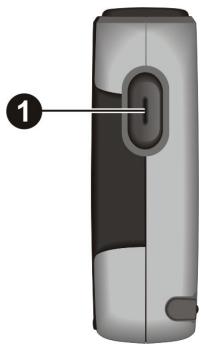
Right-Side Components
natural_image
Diagram of a cylindrical device with a handle and labeled component (no text or symbols)| Ref | Component | Description |
| 1 | Power Button | Turns the device on and off. |
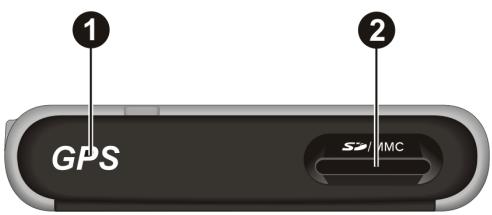
Top Components
| Ref | Component | Description |
| 1 | GPS Antenna | Receives signals from the GPS satellites overhead. |
| 2 | SD/MMC Slot | Accepts an SD (Secure Digital) or MMC (MultiMediaCard) card for accessing data such as map data and MP3 music. |
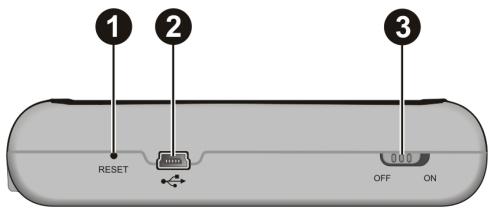
Bottom Components
| Ref | Component | Description |
| 1 | Reset Button | Restarts your device (soft reset). |
| 2 | Mini-USB Connector | Connects to the AC adapter or USB cable. |
| 3 | ON/OFF Switch | The main power/battery cutoff switch. |
2 Basic Skills
2.1 Turning Your Device On and Off
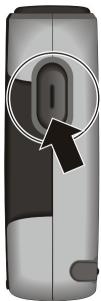
Use the power button on the side of your device to turn on and off your device.
When you press the power button to turn off the unit, your device actually enters into a suspend state and the system stops operating. Once you turn on the system again, it resumes.
natural_image
Close-up of a cylindrical device with a circular button and arrow icon (no text or symbols)Home Screen
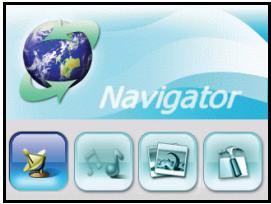
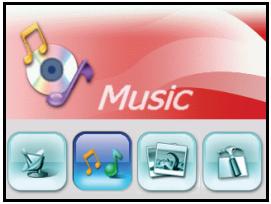
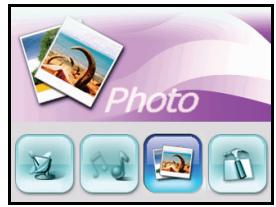
The first time you turn on your device, the Home screen appears. The Home screen is your starting place for various tasks. Tap a button to start an application or open another menu screen.
| Button | Description | See Also |
 | Starts the navigation software. | Navigation software manual |
 | Enables you to play MP3 files. | Chapter 4 |
Enables you to view the pictures or photos on your device.
Chapter 5
Allows you to customize system settings.
Chapter 3
Whenever you quit an application, you are back to the Home screen.
2.2 Using the Stylus
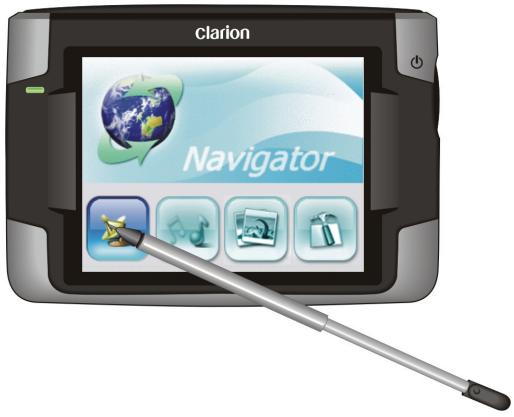
The stylus is your input device. You use it to navigate and select objects on the screen. Pull the stylus out of the slot and extend it for ease of use. Store it in the slot when not in use. You can use the stylus for the following actions:
- Tap
Touch the screen once with the stylus to open items or select options. - Drag
Hold the stylus on the screen and drag up/down/left/right or across the screen.
- Tap and hold
Tap and hold the stylus until an action is complete, or a result or menu is shown.
2.3 Using a SD/MMC Card
Your device has a SD/MMC slot where you can insert an optional Secure Digital or MultiMediaCard storage card.
NOTE:
- Make sure that no foreign objects enter the slot.
- Keep a SD or MMC card in a well-protected box to avoid dust and humidity when you are not using it.
To use a SD/MMC card, insert it into the slot, with the connector pointing to the slot and its label facing the front of the device.
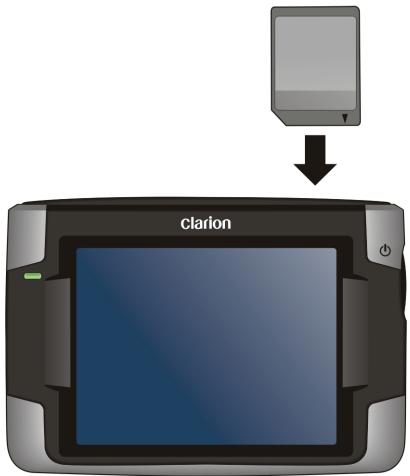
To remove a card, first make sure that no application is accessing the card, and then slightly push the top edge of the card to release it and pull it out of the slot.
3 System Settings
3.1 Using System Settings
Your device has default system settings. You can customize the settings to suit your own personal needs. Once you change the settings, your new settings will remain until you change them again.
To open the Settings screen, tap the Setting button on the Home screen.
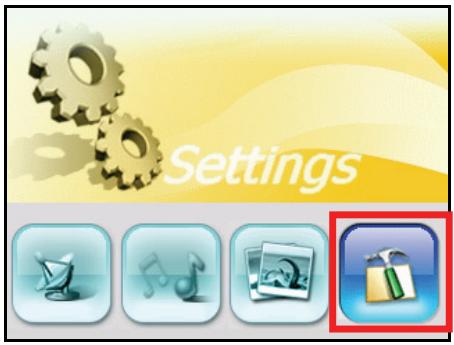
The Settings screen contains seven buttons as shown below. The following sections describe these buttons and their functions.
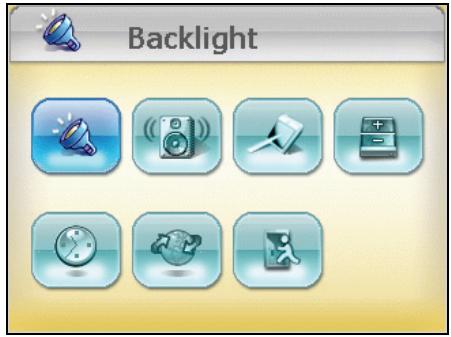
3.2 Backlight
- Tap the Setting button on the Home screen to open the Settings screen.
- Tap the Backlight button on the Settings screen.
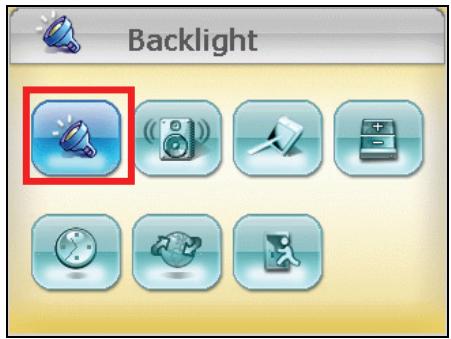
- Move the slider along the track bar to adjust the backlighting. To darken the screen, move the slider to the left. To lighten the screen, move the slider to the right.
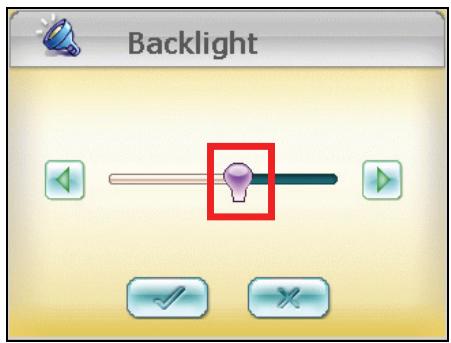
- Tap the √ button to save the changes and go back to the Settings screen.
3.3 Volume
- Tap the Setting button on the Home screen.
- Tap the Volume button on the Settings screen.
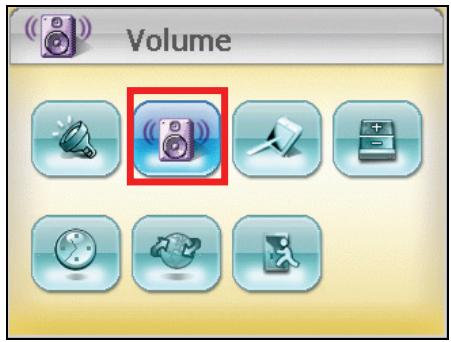
- Move the slider along the track bar to adjust the volume. To decrease the volume, move the slider to the left. To increase the volume, move the slider to the right.
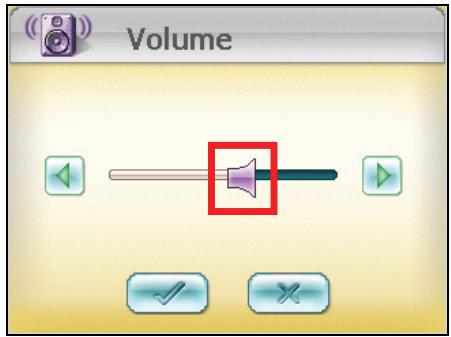
- Tap the √ button to save the changes and go back to the Settings screen.
3.4 Screen
You can calibrate the touch screen if it is not responding accurately to your stylus taps.
- Tap the Setting button on the Home screen.
- Tap the Screen button.
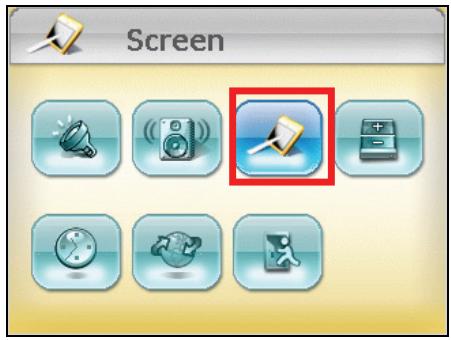
- Tap √ to start the calibration.
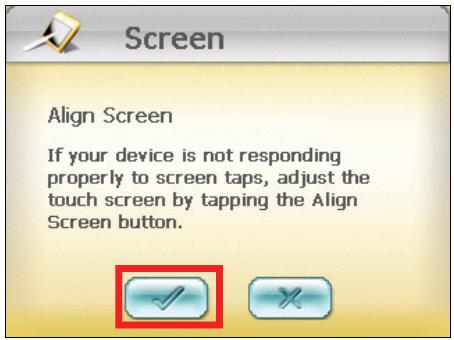
- Tap and hold the centre of the target.
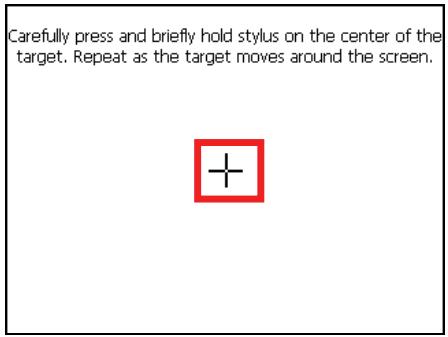
- When the target moves to another position, tap and hold the centre of the new target. Repeat each time to complete the calibration process.
- When completed, tap √ button to return to the Settings screen.
3.5 Power
To check the remaining power level of your battery and/or set up the power saving feature:
- Tap the Setting button on the Home screen.
- Tap the Power button.
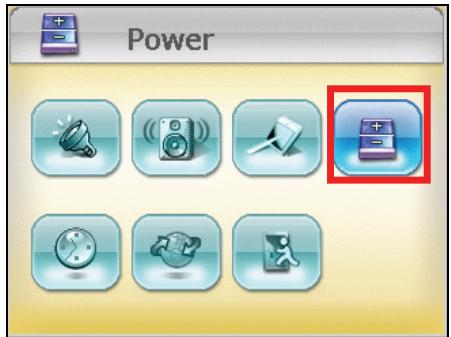
- The Power screen appears showing the remaining power of your battery.
NOTE: If the level of power is too low, be sure to charge the battery with the AC adapter or the car charger.
You can set a timer to automatically turn off your device when it is idle for a set period of time. The options include Never, 30 minutes, 20 minutes, and 10 minutes.
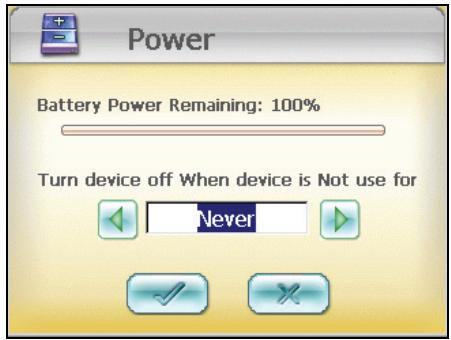
- Tap the √ button to save the changes and go back to the Settings screen.
3.6 Date&Time
To set the date and time:
- Tap the Setting button on the Home screen.
- Tap the Date&Time button.
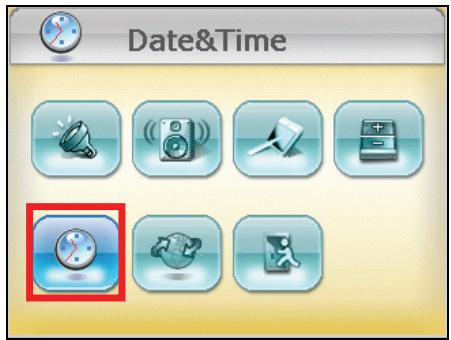
- To change the time zone, tap the left/right arrow in the Time Zone item.
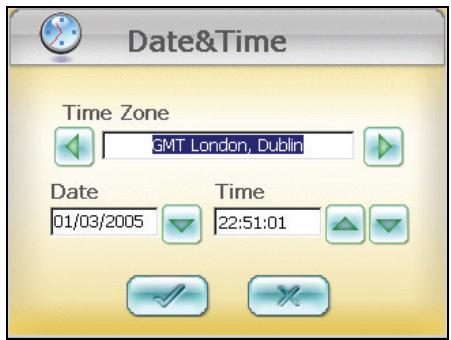
- To change the date, tap the down arrow in the Date item. A calendar pops up. Tap the left arrow on the calendar to go to the earlier month and year or the right arrow to the later month and year. Alternatively, you can tap the month or year on top of the calendar to directly change the month or year.
When the calendar shows the current month, tap the date on the calendar.
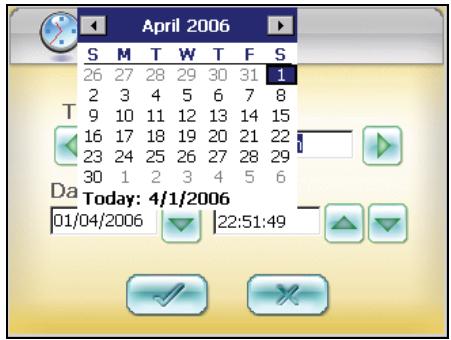
- To set the time, first tap the hour, minute, or second in the Time item and then tap the up arrow to increase or down arrow to decrease the value.
- Tap the √ button to save the changes and go back to the Settings screen.
3.7 Change Language
- Tap the Setting button on the Home screen.
- Tap the Change Language button.
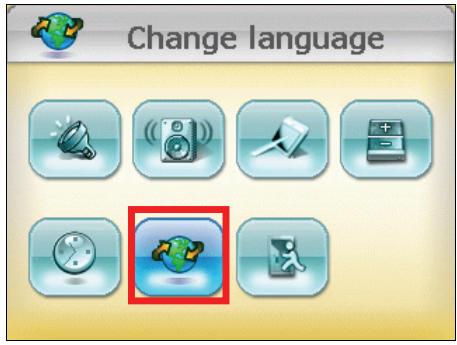
- Select the desired language.
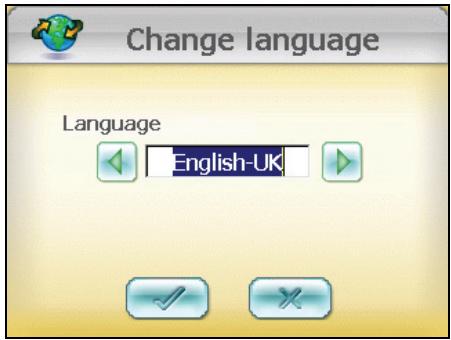
- Tap the √ button to save the changes and go back to the Settings screen.
3.8 Back
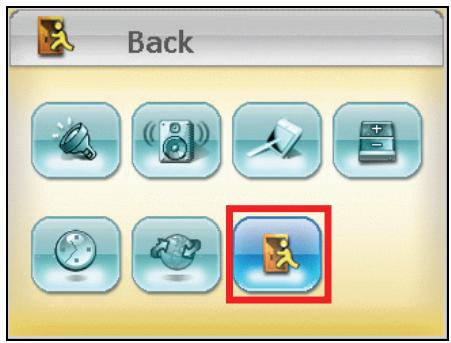
The Back button brings you back to the Home screen.
4 MP3 Player
4.1 Starting and Exiting the MP3 Player
The MP3 Player program turns your device into an MP3 player. It features:
- Playback of MP3 files
- Basic playback controls such as play, pause, stop, next and previous
- Graphic equalizer settings with 11 presets
- Playback includes single selection playback, repeat, single repeat, sampling playback, normal sequence and random sequence.
- Play list support
Tap the Music button on the Home screen to start the MP3 Player program.
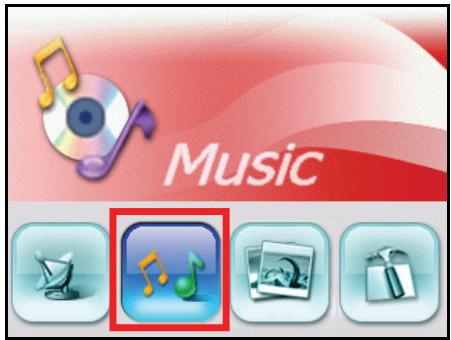
The control panel will appear on the screen where you can easily control the MP3 player by tapping the control buttons.
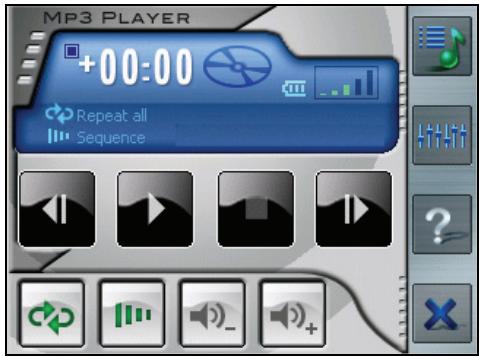
To exit the program, tap ✗ on the lower right of the screen.
4.2 Preparing the MP3 Files for You Device
Before using the program, have the MP3 files ready on either your device's flash memory (\My Flash Disk\MP3 folder) or on a storage card (\MP3 folder).
Use ActiveSync supplied with your device to copy files from your computer to the correct location.
4.3 Playing MP3 Files
- If your MP3 files are in a storage card, insert the card into your device.
- Tap the Music button on the Home screen to start the MP3 Player program.
- The program will search for all the MP3 files on your device and in your storage card. When MP3 files are detected, they will be added to the play list.
NOTE: You can create your own play lists for future playback. (See section 4.4 for details.) - To start the playback, tap 📋. To control the playback, use the control buttons as described later.
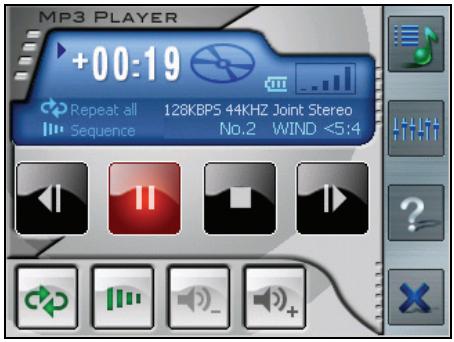
MP3 Playback Control
You can control the MP3 Player via the control buttons. See the table below for details:
* Table Note: When you restart the MP3 Player, both playback mode and sequence will return to its default settings.
| Control Button | Name | Description |
 or or  | Play/Pause | Play or pause the playback. |
 | Stop | Stop the playback. |
 or or  | Previous/ Next | Move to the previous or next file. |
 or or  | Volume | Increase or decrease the volume.The indicator on the upper right corner of the panel shows the current volume level. |
 | Playback Mode* | Cycle through the following modes:Repeat the current fileRepeat all (Default)Single playbackSampling playback |
 | Sequence* |  Normal sequence (Default) Normal sequence (Default) |
 Random sequence Random sequence | ||
 | Open Play List | Open play list. (See Section 4.4 for more information.) |
 | Equalizer | Open or close the equalizer panel.(See Section 4.5 for more information.) |
 | Help | Introduce the function and operation of each icon.Tap an icon to see a description line at the bottom of the screen. |
 | Close MP3 Player | Close the program and return to the Home screen. |
4.4 Using Play Lists
By default, the system automatically loads all MP3 files in the play list. You can also create your own play lists for future use.
Creating a Play List
- After starting MP3 Player, tap screen.

on the right toolbar to open the play list
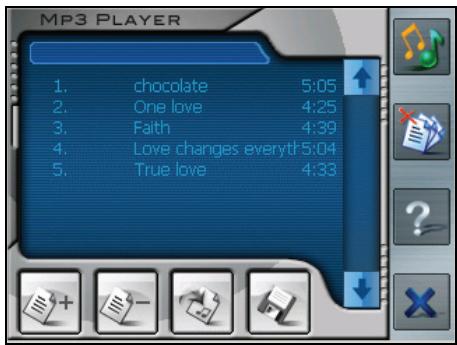
- To add a song in the play list, tap the Add Song button 📋 at the bottom of the screen. A screen appears displaying all the MP3 files. Tap the song you wish to add and then tap Add Song.
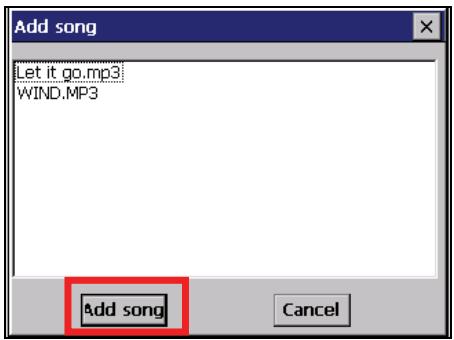
- Repeat the same procedure for the other songs to be added.
- To save the play list, tap the Save Playlist button at the bottom of the screen and then Yes.
- To return to the control panel, tap on the right toolbar.
Opening a Play List
To open one of the play lists that you have created:
- After starting MP3 Player, tap 📋 on the right toolbar.
- Tap the Load button at the bottom of the screen.
- Tap the play list you want to open and tap Load.
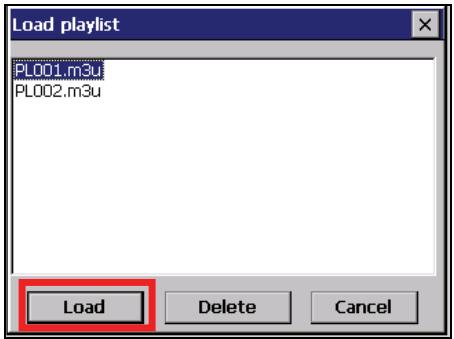
Managing Your Play Lists
When you have opened a play list, you can edit or remove the list.
• To remove a song from the list:
Tap the song and then tap the Delete Song button 📋 at the bottom of the screen.
• To remove all songs from the list:
Tap the Delete All button 📄 on the right toolbar.
• To delete a play list:
Tap the Load button at the bottom of the screen. Tap the play list you wish to delete and then tap Delete.
4.5 Equalizer
The MP3 Player provides 11 presets for various music effects. Tap to open the equalizer panel and tap left button and right button to access various preset audio profiles. Available options are Default, Rock, Pop, Jazz, Classic, Dance, Heavy, Disco, Soft, 3D, and Hall.
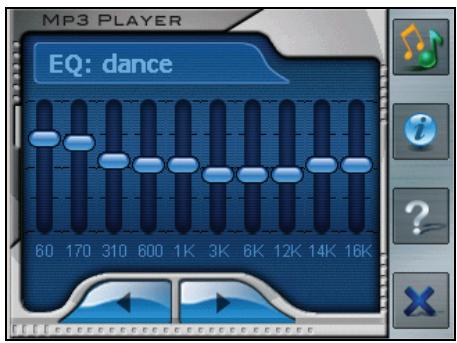
To close the equalizer panel and return to control panel, tap 📄 on the right toolbar. To end the program, tap ✗ at the bottom of the toolbar. You will return to the Home screen.
5 Picture Viewer
5.1 Starting and Exiting Picture Viewer
Picture Viewer allows you to view pictures in JPEG, GIF and BMP formats and view the slideshow of the pictures on your device.
Tap the Photos button on the Home screen to start the program.
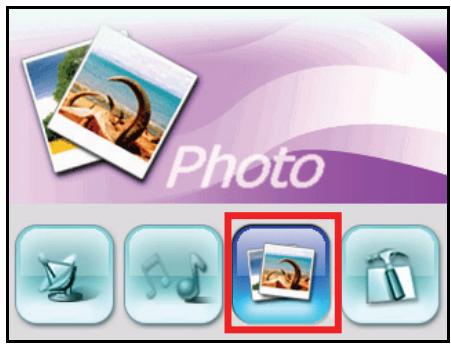
To exit Picture Viewer, tap the button.
5.2 Preparing the Pictures on Your Device
To view the pictures, have the picture files ready on your device's My Flash Disk\My Picture folder or on a storage card.
Use ActiveSync supplied with your device to copy files from your computer to the correct location.
5.3 Viewing Pictures in Thumbnail View
- Tap the Photos button on the Home screen to start the program.
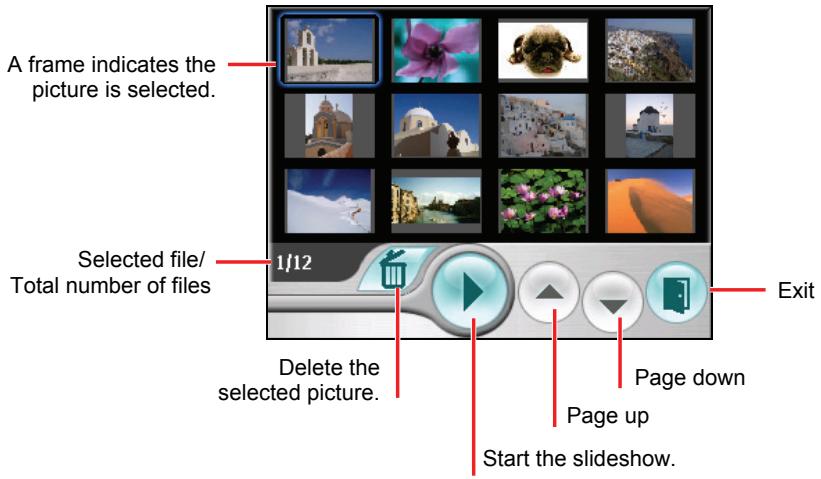
- The program will search the matching files in the specific folder on your device and in all folders on a storage card. It then displays the pictures in the thumbnail view. You can press the Up or Down arrow button to go to next or previous page.
5.4 Viewing a Picture in Full Screen
When you tap a picture twice in the thumbnail view, the picture is displayed in full screen.

natural_image
Exterior view of a white and yellow church with a large dome under a clear blue sky (no signage or text visible)To go back to the thumbnail view, tap anywhere on the screen to display the control buttons and then tap the ← button.
5.5 On-Screen Control Buttons
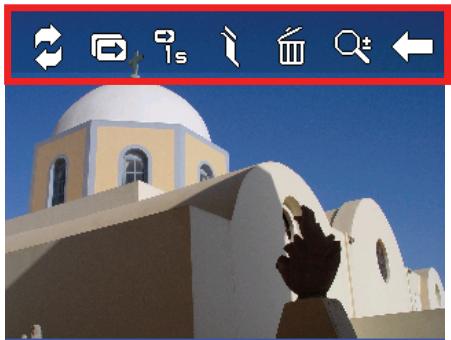
On-screen control buttons provide various functions and settings. Tap on a picture to display the buttons as shown below. To close the buttons, tap the picture again.
natural_image
Exterior view of a white dome building with arched windows and a statue in front (no visible text or symbols)| Control Button | Name | Description |
 | Transfer | Transfers pictures between the device and the storage card. (See section 1.7 for detailed information.) |
 | Slideshow | Starts the slideshow. (See section 1.6 for detailed information.) |
 | Interval | Sets the length of time each slide is displayed before moving on to the next slide. Tap the button to switch to the next available option. 1 second 1 second 2 seconds 2 seconds 5 seconds 5 seconds |

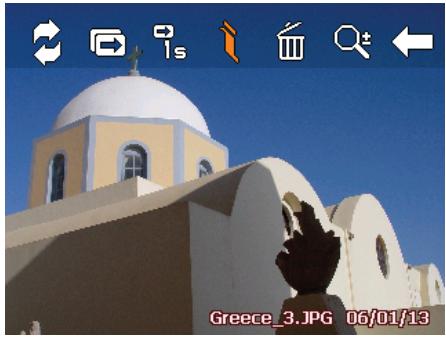
Information
Enables or disables the displaying of the name and date of the file either in full screen view or slideshow.
natural_image
Exterior view of a white dome building with arched windows under a clear blue sky (no signage or text visible)
Delete
Deletes the current picture.

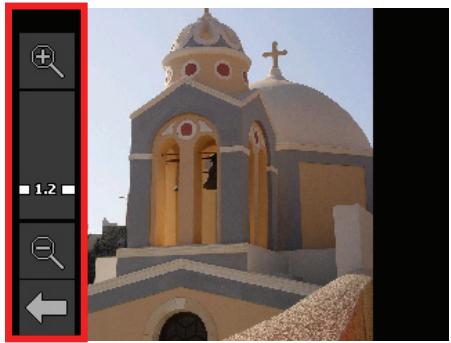
Zoom
Opens the zoom bar.
Tap the button as many times as needed to zoom in to 1.2x, 1.5x, 1.8x, or 2.0x. When you have zoomed in the picture, you can drag the picture to view other parts of the picture.
natural_image
Exterior view of a domed church with a cross on top, captured in an image editing interface (no text or symbols on the building itself)To close the zoom bar, tap the

button.

Back
Goes back to the thumbnail view.
5.6 Viewing the Slideshow
To view the slideshow of all your pictures, use one of the following ways:
- When in the thumbnail view, tap the button to start the slideshow.
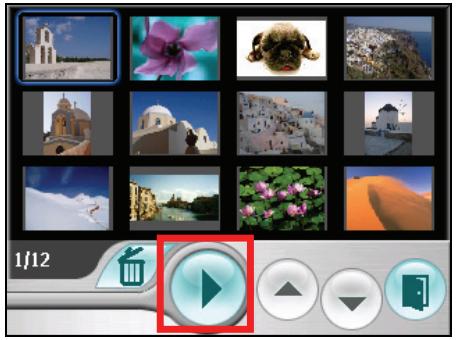
natural_image
Computer interface showing a grid of photo thumbnails and a play button with a red arrow, no readable text or symbols.- When in full screen, tap anywhere on the picture to display the on-screen control buttons. Then tap → to start the playback.
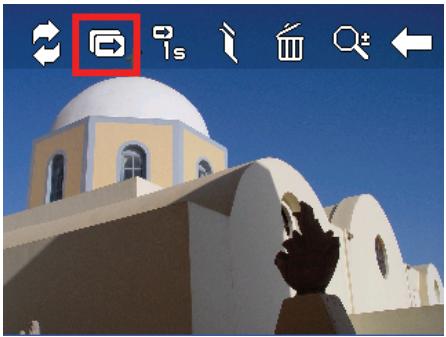
natural_image
Exterior view of a modern building with a dome and arched windows, under clear blue sky (no signage or text)The small triangle at the lower left corner of the screen indicates that the slideshow is on. To stop the slideshow, tap anywhere on the screen.

natural_image
Exterior view of a church with a dome and two crosses, no visible text or symbols5.7 Transferring Pictures
You can copy pictures from your device to your storage card or the other way around.
-
In full screen view, tap anywhere on the picture to display the control buttons.
-
Tap

- Select one of the two ways to transfer pictures, either from the device to the storage card or from the storage card to the device.
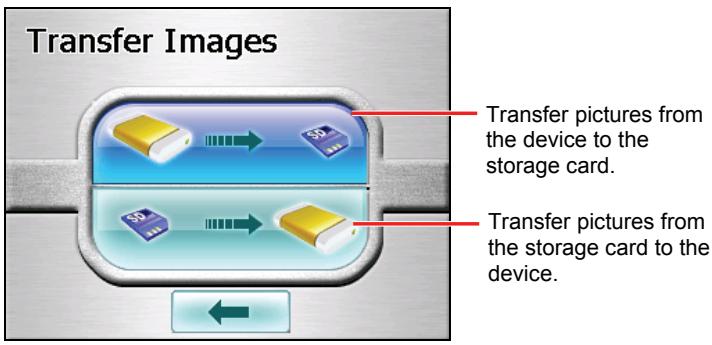
- The preview screen appears. You can tap to select a picture or several pictures. You can also tap Select All button to select all pictures in the source folder.
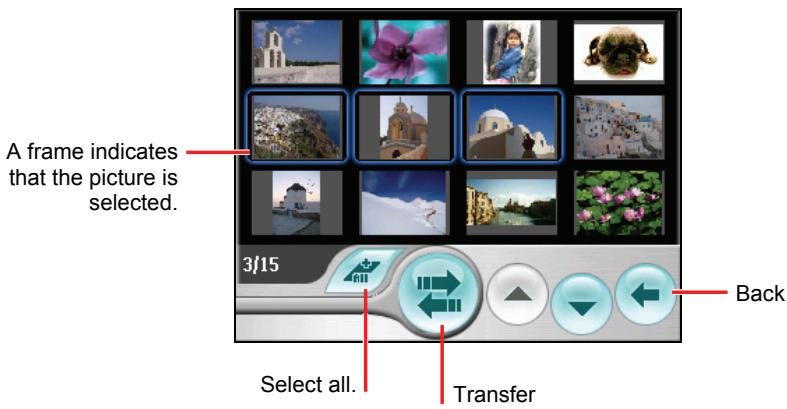
- After selecting the image(s), tap the

button to start the file transfer.
- Once the transfer is completed, tap 📋 to go back to the preview screen.
6 ActiveSync
6.1 About ActiveSync
ActiveSync allows you to establish the connection between your device and computer.
CAUTION: Do not connect your device to your computer before ActiveSync is installed.
Installing ActiveSync
- Turn on your computer and your device.
- Insert the provided DVD into the DVD drive of your computer. The auto run screen appears.
- Click the Install button in the ActiveSync section. The installation wizard will start automatically.
- Follow the onscreen instructions to finish the installation. A status window indicates the progress of the installation.
- When prompted, connect the mini-USB end of the USB cable to the bottom of your device and the other end to a USB port on your computer.
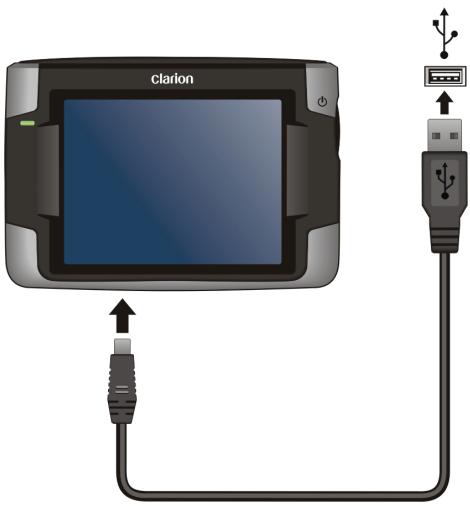
- When the Synchronization Setup Wizard screen appears, select Cancel to connect as a guest device.
NOTE: This device does not support synchronization with your computer. Therefore, you do not need to establish Standard Partnership.
Using ActiveSync
Once ActiveSync is installed on your computer, you can use it to transfer files (i.e. MP3 files) between your device and your computer.
CAUTION: Be discreet when you delete files from your device. Deleting files of which the function is unknown can cause programs or features to malfunction.
Whenever you connect your device to your computer with the USB cable, the Synchronization Setup Wizard screen appears. Always select Cancel to connect as a guest device. Then you can use the Explorer function to browse the mobile device and transfer data. (See the ActiveSync online Help for instructions on copying files.)
7
Troubleshooting and Maintenance
7.1 Resetting Your System
Occasionally, you may need to reset your device. For example, you should reset your system when it stops responding; or appears to be “frozen” or “locked up.”
Use the stylus to press the reset button on the side of your device. This is called a “soft reset.” The Home screen should appear after a soft reset.
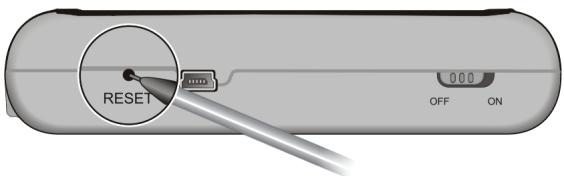
If your device still does not respond after a soft reset, you can use the following steps to perform a “hard reset.”
NOTE: Date/time, language, and volume settings restore to the default values when you perform a hard reset.
- Disconnect all cables, including the AC adapter, from your device.
- Use the stylus to slide the ON/OFF switch to the OFF (left) position.
- Wait for 1 minute and then slide the switch back to the ON (right) position.
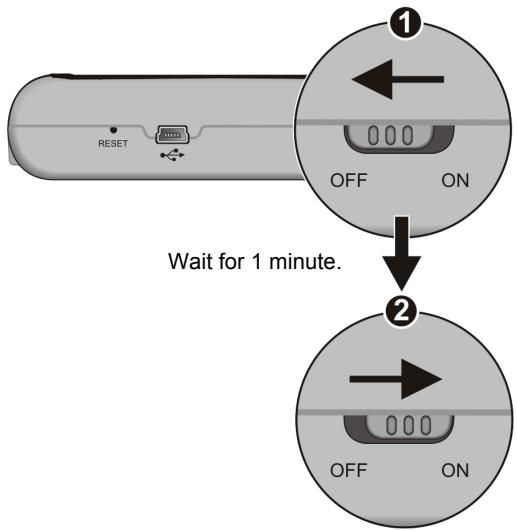
- Your device turns on and displays the initial start up screen. Complete the settings as described in section 1.1.
7.2 Troubleshooting
NOTE: If you encounter a problem you cannot solve, contact an authorized service center for assistance.
Power Problems
Power does not turn on when using battery power
- The remaining battery power may be too low to run your device. Connect the AC adapter to your device and to AC power. Then, turn on your device.
Screen Problems
Screen is off
If the screen does not respond even after you press the power button, try the following in order until the problem is solved:
- Connect the AC adapter to your device and to external AC power.
- Reset your system.
Screen responds slowly
- Make sure that your device is not running out of battery power. If the problem still exists, reset your system.
Screen freezes
- Reset your system.
Screen is hard to read
- Make sure that the backlight of the display is on and if necessary adjust the brightness.
Inaccurate response to stylus taps
- Recalibrate the touch screen. (See section 3.4 for instructions.)
Connection Problems
Cable Connection Problems
- Make sure that your device and your computer are both turned on before trying to establish a connection.
- Make sure that the cable is securely plugged into the USB port on your computer and on the device. Connect the USB cable directly to your computer—do not run the cable through a USB hub.
- Reset your device before connecting the cable. Always disconnect your device before you restart your computer.
GPS Problems
When there are no valid signals available, consider the following:
- Make sure that the GPS antenna has a clear view of the sky.
- Note that the GPS reception can be affected by:
√ Bad weather
√ Dense overhead obstacles (e.g. trees and tall buildings)
√ Other wireless device in the car
√ Reflective car window tint and heated screens.
7.3 Maintaining Your Device
Taking good care of your device will ensure trouble-free operation and reduce the risk of damage to your device.
- Keep your device away from excessive moisture and extreme temperatures.
- Avoid exposing your device to direct sunlight or strong ultraviolet light for extended periods of time.
- Do not place anything on top of your device or drop objects on your device.
- Do not drop your device or subject it to severe shock.
- Do not subject your device to sudden and severe temperature changes. This could cause moisture and condensation build up inside the unit, which could damage your device. In the event of moisture or condensation, allow the device to dry out completely before use.
- Take care not to sit on the device. We advise not to carry the device in your back pocket for this reason.
- The screen surface can easily be scratched. Use only the stylus to tap on the screen. Avoid touching it with your fingers, pens, pencils or any other sharp objects. Non-adhesive generic screen protectors designed specifically for use on portable devices with LCD panels may be used to help protect the screen from minor scratches.
- Never clean your device with it powered on. Use a soft, lint-free cloth moistened with water to wipe the screen and the exterior of your device.
- Do not use paper towels to clean the screen.
- Never attempt to disassemble, repair or make any modifications to your device. Disassembly, modification or any attempt at repair could cause damage to your device and even bodily injury or property damage and will void any warranty.
- Do not store or carry flammable liquids, gases or explosive materials in the same compartment as your device, its parts or accessories.
8
Regulatory Information
NOTE: Marking labels located on the exterior of your device indicate the regulations that your model complies with. Please check the marking labels on your device and refer to the corresponding statements in this chapter. Some notices apply to specific models only.
8.1 Regulations Statements
European Notice
Products with the CE marking comply with Radio & Telecommunication Terminal Equipment Directive (R&TTE) (1999/5/EEC), the Electromagnetic Compatibility Directive (89/336/EEC) and the Low Voltage Directive (73/23/EEC) – as amended by Directive 93/68/ECC - issued by the Commission of the European Community.
Compliance with these directives implies conformity to the following European Standards:
EN301489-1: Electronic compatibility and Radio spectrum Matters (ERM), ElectroMagnetic Compatibility (EMC) standard for radio equipment and services; Part 1: Common technical requirements
EN301489-3: Electronic compatibility and Radio spectrum Matters (ERM), ElectroMagnetic Compatibility (EMC) standard for radio equipment and services; Part 3: Specific conditions for Short-Range Devices (SRD) operating on frequencies between 9 kHz and 40 GHz
EN55022: Radio disturbance characteristics
EN55024: Immunity characteristics
EN6100-3-2: Limits for harmonic current emissions
EN6100-3-3: Limitation of voltage fluctuation and flicker in low-voltage supply system
EN60950 / IEC 60950: Product Safety
The manufacturer cannot be held responsible for modifications made by the User and the consequences thereof, which may alter the conformity of the product with the CE Marking.
8.2 Safety Precautions
About Charging
- Use only the AC adapter (PSC05R-050 PH) supplied with your device. Use of another type of AC adapter will result in malfunction and/or danger.
- This product is intended to be supplied by a LISTED Power Unit marked with “LPS”, “Limited Power Source” and output rated +5 V dc / 1.0 A”.
- Use a specified battery in the equipment.
About the AC Adapter
- Do not use the adapter in a high moisture environment. Never touch the adapter when your hands or feet are wet.
- Allow adequate ventilation around the adapter when using it to operate the device or charge the battery. Do not cover the AC adapter with paper or other objects that will reduce cooling. Do not use the AC adapter while it is inside a carrying case.
- Connect the adapter to a proper power source. The voltage requirements are found on the product case and/or packaging.
- Do not use the adapter if the cord becomes damaged.
- Do not attempt to service the unit. There are no serviceable parts inside. Replace the unit if it is damaged or exposed to excess moisture.
About the Battery
- Use a specified charger approved by the manufacturer.
CAUTION: This unit contains a non-replaceable internal Lithium Ion battery. The battery can burst or explode, releasing hazardous chemicals. To reduce the risk of fire or burns, do not disassemble, crush, puncture, or dispose of in fire or water.
- Important instructions (for service personnel only)
√ Caution: Risk of explosion if battery is replaced by an incorrect type. Dispose of used batteries according to the instructions.
√ Replace only with the same or equivalent type recommended by the manufacturer.
√ The battery must be recycled or disposed of properly.
√ Use the battery only in the specified equipment.
- Trademarks
- Note
- Table of Contents
- Precautions and Notices ....iii
- Getting Started....1
- Basic Skills....9
- System Settings....13
- MP3 Player....21
- Picture Viewer....27
- ActiveSync 35
- Troubleshooting and Maintenance ....37
- Regulatory Information 41
- Precautions and Notices
- Getting Started
- Performing the Initial Start Up
- Connecting to AC Power and Charging the Battery
- NOTE:
- CAUTION: For optimal performance of the lithium battery:
- Using Your Device in a Vehicle
- Using the Car Holder
- CAUTION:
- Connecting the Car Charger
- Understanding Hardware Features
- Front Components
- Back Components
- Left-Side Components
- Right-Side Components
- Top Components
- Bottom Components
- Basic Skills
- Turning Your Device On and Off
- Home Screen
- Using the Stylus
- - Tap and hold
- Using a SD/MMC Card
- System Settings
- Using System Settings
- Backlight
- Volume
- Screen
- Power
- Date&Time
- Change Language
- Back
- MP3 Player
- Starting and Exiting the MP3 Player
- Preparing the MP3 Files for You Device
- Playing MP3 Files
- MP3 Playback Control
- Using Play Lists
- Creating a Play List
- Opening a Play List
- Managing Your Play Lists
- Equalizer
- Picture Viewer
- Starting and Exiting Picture Viewer
- Preparing the Pictures on Your Device
- Viewing Pictures in Thumbnail View
- Viewing a Picture in Full Screen
- On-Screen Control Buttons
- Viewing the Slideshow
- Transferring Pictures
- ActiveSync
- About ActiveSync
- Installing ActiveSync
- Using ActiveSync
- 7
- Troubleshooting and Maintenance
- Resetting Your System
- Troubleshooting
- Power Problems
- Screen Problems
- Screen is off
- Screen responds slowly
- Screen freezes
- Screen is hard to read
- Inaccurate response to stylus taps
- Connection Problems
- Cable Connection Problems
- GPS Problems
- Maintaining Your Device
- 8
- Regulatory Information
- Regulations Statements
- European Notice
- Safety Precautions
- About Charging
- About the AC Adapter
- About the Battery
Brand : CLARION
Model : MAP560 HARDWARE
Category : GPS and Navigation Systems