
CAP-4100 - Car radio DENVER - Free user manual and instructions
Find the device manual for free CAP-4100 DENVER in PDF.


Pick your language and provide your email: we'll send you a specifically translated version.
| Product Type | Car Stereo Amplifier |
| Brand | Denver |
| Model | CAP-4100 |
| Channels | 4 |
| Amplifier Class | High-Efficiency (Class D) |
| Power Supply | 12V DC (Pulse Power Supply) |
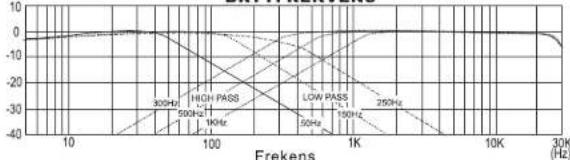
| Frequency Response | 10 Hz - 1 kHz (with adjustable curves) |
| Crossover Type | High-Pass / Low-Pass |
| Crossover Frequency Range | 10 Hz - 10 kHz |
| Input Sensitivity | 0.2V - 6V (typical) |
| Dimensions (approx.) | 200 x 150 x 50 mm |
| Weight (approx.) | 1.2 kg |
| Material | Aluminum alloy chassis |
| Color | Black |
| Protection Features | Short circuit, thermal, and over-voltage protection |
| Installation Type | In-dash or under-seat mounting |
| Controls | Gain, crossover, and bass boost adjustments |
| Connector Type | RCA inputs and speaker outputs |
| Compatibility | Standard car audio systems |
| Included Accessories | Mounting screws, remote turn-on wire, user manual |
| Maintenance | Clean with dry cloth; avoid moisture and dust |
| Warranty | 1 year (manufacturer) |
Frequently Asked Questions - CAP-4100 DENVER
How do I connect the Denver CAP-4100 amplifier to my car stereo?
Connect the amplifier using high-quality RCA cables from your head unit's preamp outputs. Ensure the remote turn-on wire is connected to the stereo's remote output. Power and ground wires should be sized appropriately (e.g., 8 AWG).
What is the recommended input sensitivity setting?
Set the gain control to minimum, then slowly increase until you hear distortion, then back off slightly. Use a multimeter to match the head unit's output voltage (typically 2V-4V).
How do I set the crossover frequency on the CAP-4100?
Use the high-pass (HP) or low-pass (LP) switches. For front speakers, set HP to 80 Hz; for subwoofers, set LP to 80 Hz. Adjust according to your speakers' specifications.
The amplifier goes into protect mode. What should I do?
Check for short circuits in speaker wires, ensure proper grounding, and verify that the impedance load is within limits (e.g., 4 ohms per channel). Also check for overheating.
Can I bridge channels on the CAP-4100?
Yes, channels can be bridged to deliver more power. Consult the manual for correct wiring: typically use the left positive and right negative terminals for bridged output. Ensure impedance is at least 4 ohms.
What is the power output of the Denver CAP-4100?
Exact power ratings are not specified, but typical 4-channel car amplifiers deliver around 50W RMS per channel at 4 ohms. Bridged output may be around 150W RMS.
How do I adjust the bass boost?
The CAP-4100 may have a bass boost control (usually 0-12 dB at a specific frequency, e.g., 45 Hz). Turn it clockwise to increase bass, but avoid clipping.
What wire gauge should I use for power and ground?
For a 4-channel amplifier, use 8 AWG wire for runs up to 15 feet. Ensure the ground wire is as short as possible, connected to a clean metal chassis point.
How do I clean and maintain the amplifier?
Disconnect power before cleaning. Use a dry or slightly damp cloth to wipe the exterior. Avoid abrasive cleaners. Ensure ventilation holes are free of dust.
Why is there no sound from the speakers?
Check all connections: power, ground, remote turn-on, RCA cables, and speaker wires. Verify that the head unit is sending a signal. Also check the crossover settings and gain adjustments.
User questions about CAP-4100 DENVER
0 question about this device. Answer the ones you know or ask your own.
Ask a new question about this device
No questions yet. Be the first to ask one.
Download the instructions for your Car radio in PDF format for free! Find your manual CAP-4100 - DENVER and take your electronic device back in hand. On this page are published all the documents necessary for the use of your device. CAP-4100 by DENVER.
USER MANUAL CAP-4100 DENVER
natural_image
Exterior view of a black DFWER industrial electronic device with visible ports and connectors (no text or symbols on body)MODELL: CAP-4100
line
| Freqenz (Hz) | Curve 1 | Curve 2 | Curve 3 | Curve 4 | Curve 5 | Curve 6 | Curve 7 | | ------------ | ------- | ------- | ------- | ------- | ------- | ------- | ------- | | 10 | 0 | 0 | 0 | 0 | 0 | 0 | 0 | | 100 | 8 | 7 | 6 | 5 | 4 | 3 | 2 | | 1K | 0 | 0 | 0 | 0 | 0 | 0 | 0 |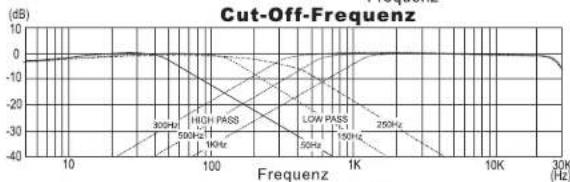
line
| Frequency (Hz) | Value (dB) | | -------------- | ---------- | | 10 | 0 | | 100 | -30 | | 1K | -10 | | 10K | -40 |Schaltplan
Hinweis:
natural_image
Exterior view of a black electronic device with mounting bolts (no visible text or symbols)DENVER®
Operating Instructions

natural_image
Exterior view of a black DENVER industrial amplifier module (no visible text or symbols on body)MODELL: CAP-4100
4-KANALIG HÖGEFFEKTSFÖRSTÄRKARE
Pulserande ström (Pulse power supply)
line
| Frekvens (Hz) | Line 1 | Line 2 | Line 3 | Line 4 | Line 5 | Line 6 | Line 7 | | ------------- | ------ | ------ | ------ | ------ | ------ | ------ | ------ | | 10 | 0 | 0 | 0 | 0 | 0 | 0 | 0 | | 50 | 8 | 7 | 6 | 5 | 4 | 3 | 2 | | 100 | 9 | 8 | 7 | 6 | 5 | 4 | 3 | | 150 | 7 | 6 | 5 | 4 | 3 | 2 | 1 | | 200 | 4 | 3 | 2 | 1 | 1 | 1 | 1 | | 250 | 2 | 1 | 1 | 1 | 1 | 1 | 1 | | 300 | 1 | 1 | 1 | 1 | 1 | 1 | 1 | | 350 | 0 | 0 | 0 | 0 | 0 | 0 | 0 | | 400 | 0 | 0 | 0 | 0 | 0 | 0 | 0 | | 450 | 0 | 0 | 0 | 0 | 0 | 0 | 0 | | 500 | 0 | 0 | 0 | 0 | 0 | 0 | 0 | | 550 | 0 | 0 | 0 | 0 | 0 | 0 | 0 | | 600 | 0 | 0 | 0 | 0 | 0 | 0 | 0 | | 650 | 0 | 0 | 0 | 0 | 0 | 0 | 0 | | 700 | 0 | 0 | 0 | 0 | 0 | 0 | 0 | | 750 | 0 | 0 | 0 | 0 | 0 | 0 | 0 | | 800 | 0 | 0 | 0 | 0 | 0 | 0 | 0 | | 850 | 0 | 0 | 0 | 0 | 0 | 0 | 0 | | 900 | 0 | 0 | 0 | 0 | 0 | 0 | 0 | | 950 | 0 | 0 | 0 | 0 | 0 | 0 | 0 | | 1000 | 0 | 0 | 0 | 0 | 0 | 0 | 0 | | >1k | ~1 | ~1 | ~1 | ~1 | ~1 | ~1 | ~1 | The chart displays a line graph with multiple lines representing different frequency responses. The x-axis is labeled 'Frekvens' and the y-axis is labeled 'Value'. The legend is not explicitly labeled but corresponds to the line labels.BRYTFREKVENS
line
| Frekens | High Pass | Low Pass | | ------- | --------- | -------- | | 10 | -10 | -10 | | 100 | -20 | -20 | | 1K | -30 | -30 | | 10K | -40 | -40 |Kretsschema
natural_image
Close-up of a black electronic component with mounting bolts and a label 'er', no readable text or symbols beyond the label.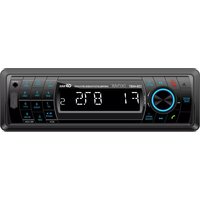
Table of contents
Click a title to access it
Manual assistant
Powered by Anthropic
Waiting for your message
Product information
Brand : DENVER
Model : CAP-4100
Category : Car radio