UKS130-8A+ - Fridge Exquisit - Free user manual and instructions
Find the device manual for free UKS130-8A+ Exquisit in PDF.


| Product Type | Freestanding Refrigerator with Freezer Compartment |
| Brand | Exquisit |
| Model | UKS130-8A+ |
| Total Net Capacity | 130 L (approx.) |
| Refrigerator Capacity | 110 L (approx.) |
| Freezer Capacity | 20 L (approx.) |
| Energy Efficiency Class | E (estimate, similar models) |
| Annual Energy Consumption | ~200 kWh/year (estimate) |
| Climate Class | N-ST (16-38°C) |
| Noise Level | 42 dB (estimate) |
| Dimensions (H x W x D) | 84.5 x 55.0 x 55.0 cm (approx.) |
| Weight | 30 kg (approx.) |
| Power Supply | 220-240 V, 50 Hz |
| Cooling Type | Static (manual defrost for freezer) |
| Temperature Control | Thermostat dial (0-7) |
| Interior Light | Yes, LED (typical) |
| Reversible Door | Yes |
| Shelves Material | Glass (adjustable) |
| Freezer Defrost | Manual |
| Refrigerant | R600a (isobutane) |
| Maintenance | Clean condenser coils annually; defrost freezer when ice > 5 mm |
| Safety | Do not store flammable materials; keep ventilation openings clear |
| Spare Parts Availability | Thermostat, door gasket, shelves, etc. via Exquisit service |
| User Manual | Available for download at notice-facile.com |
Frequently Asked Questions - UKS130-8A+ Exquisit
User questions about UKS130-8A+ Exquisit
0 question about this device. Answer the ones you know or ask your own.
Ask a new question about this device
Download the instructions for your Fridge in PDF format for free! Find your manual UKS130-8A+ - Exquisit and take your electronic device back in hand. On this page are published all the documents necessary for the use of your device. UKS130-8A+ by Exquisit.
USER MANUAL UKS130-8A+ Exquisit
natural_image
Line drawing of an open refrigerator with ventilation slots and door panel (no text or symbols)Geachte klant,
natural_image
Technical line drawing of a mechanical component with an inset showing a magnified view of a circular feature (no text or symbols)Gebruik
text_image
Technical diagram illustrating a mechanical assembly with labeled components and motion arrows, including magnified views of the component.natural_image
Line drawing of a hand inserting a component into a device (no text or symbols)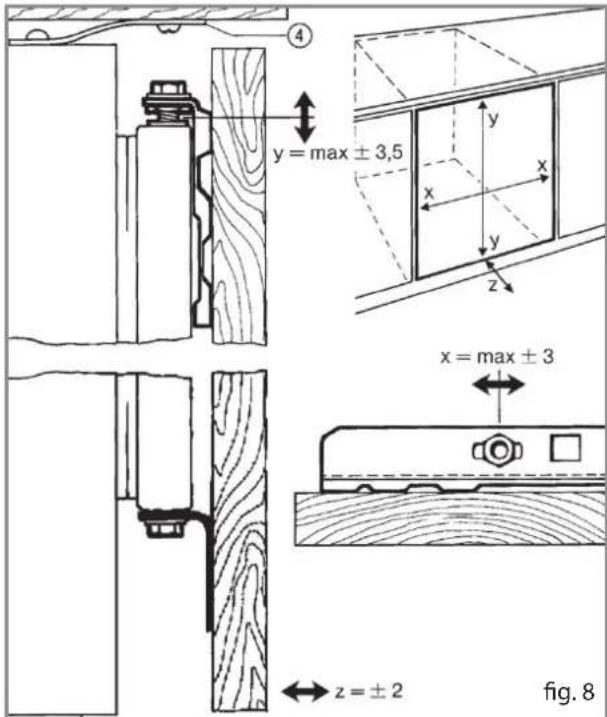
text_image
y = max ± 3,5 x = max ± 3 z = ± 2 fig. 8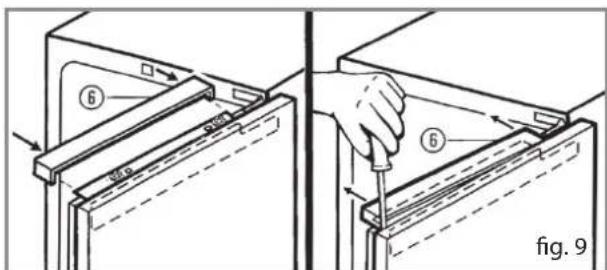
text_image
6 6 fig. 9GARANTIEBEPALINGEN
natural_image
Line drawing of an open refrigerator with ventilation slots and door panel (no text or symbols)Inhalt
Achtung 1\~2
Diagramm 3
Vorbereitung 4\~5
Betrieb 6
text_image
Technical diagram of a mechanical device with labeled component T and circular symbolTemperaturregelung
natural_image
Line drawing of an open refrigerator with visible door, shelves, and ventilation slots (no text or symbols)Thermostat
flowchart
graph TD
    A["Food preparation"] --> B["Preparation"]
    B --> C["Storage with spider icon"]
    C --> D["Processing with egg icon"]
    D --> E["Finished apple icons"]
    style A fill:#f9f,stroke:#333
    style E fill:#bbf,stroke:#333
Kühlabteil
text_image
Diagram of an open refrigerator with labeled parts including front panel, rear panel, and door compartmentsnatural_image
Line drawing of a hand holding a knife next to a plate of round fruits (no text or symbols)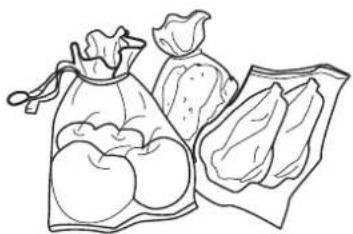
natural_image
Line drawing of three items: a bag of tomatoes, a bag of lettuce, and a packet of bread (no text or symbols)natural_image
Diagram of a hand holding a tool interacting with a bracket (no text or symbols present)natural_image
Line drawing of a mechanical clamp or caliper device with no visible text or symbolsnatural_image
Line drawings of three types of vegetables: a pear, a squash, and a melon (no text or labels)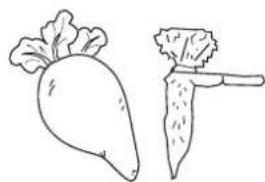
natural_image
Line drawing of two radishes: one with leafy top and one with a cut, both without any text or symbols.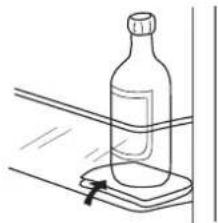
natural_image
Simple line drawing of a bottle on a stand with a ruler, no text or symbols present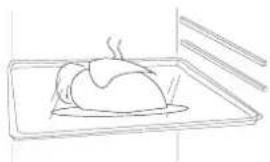
natural_image
Simple line drawing of a roasted chicken inside a tray (no text or symbols)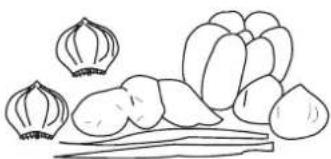
natural_image
Line drawing of various vegetables including tomatoes, peppers, and garlic (no text or symbols)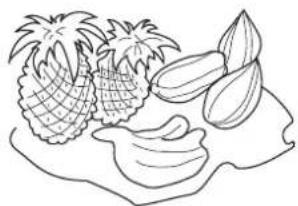
natural_image
Line drawing of pineapple, pineapple ears, and banana slices on a textured surface (no text or symbols)natural_image
Isometric line drawing of a rectangular battery pack with multiple compartments (no text or symbols)Built-under refrigerator
Instruction Manual
MODEL UKS130-8A+

natural_image
Line drawing of an open refrigerator with ventilation grilles and a door (no text or symbols)Contents
Cautions----1\~2
Diagram----3
Preparation----4\~5
Operation----6
Instruction----7\~10
Defrosting, cleaning and de-commissioning----11\~12
Trouble shooting----13
Disposal of the old appliance
Before disposing an old appliance, please make sure it's inoperative and safe. Unplug the appliance and remove or destroy all of the springs, latches, or bolt-locks in order to avoid the risk of child entrapment.
It must be noted that the refrigeration system contains insulating gases and refrigerants, which require specialized waste disposal. The valuable materials contained in a refrigerator can be recycled. Contact your local waste disposal center for proper disposal of an old appliance and contact your local authority or your dealer if you have any question. Please ensure that the pipe work of your refrigerator dose not get damaged prior to being picked up by the relevant waste disposal center, and contribute to environmental awareness by insisting on an appropriate, any-pollution method of disposal.
Disposal of the packaging of your new appliance
All the packaging materials employed in the package of your new appliance may be disposed without any danger to the environment.
The cardboard box may be broken or cut into smaller pieces and given to a waste paper disposal service. The wrapping foil is made of polyethylene and the polyethylene pads and stuffing contain no fluorochloric hydrocarbon.
All these valuable materials may be taken to a waste collecting center and used again after adequate recycling.
Consult your local authorities for the name and address of the waste materials collecting centers and waste paper disposal services nearest to your house.
Safety Instructions and Warnings
Before starting the appliance, read the information given in the User's Guide carefully.
The User's Guide contains very important observations relating to the assembly, operation and maintenance of the appliance.
Keep the User's Guide in a safe place and remember to hand it over to the subsequent owner, if you ever sell the appliance.
The manufacturer does not accept responsibility for any damages that may arise due to non-observation of the following instruction.
*Damaged appliances are not to be put into operation. In case of doubt, consult your supplier.
Cautions
*Connection and installation of the appliance are not to be carried out in strict compliance with the relative instructions set forth in the Use's Guide.
*For the purpose of safety, the appliance must be properly grounded in accordance with specifications.
*Always remember to unplug the appliance before cleaning. To disconnect the appliance, pull at the plug itself not the cord.
*Keep alcoholic beverages in airtight bottles or containers and always store in an upright position. In addition, do not store any explosive substances inside the appliance-Danger of explosion!
*Do not damage any parts of the appliance that carry refrigerant by piercing or perforating the refrigerant's grooves with sharp or pointed items, crushing or twisting any tubes, or scraping the coatings off the surfaces. If the refrigerant spurts out and gets into eyes, it may result in serious eye injuries.
*Do not obstruct or cover the ventilation grille of the appliance.
*Do not allow children to play with the appliance. In no case should children be allowed to sit on the drawers or hang onto the door.
Should you have bought your new fridge / freezer to replace an old appliance, please make sure that all existing latch-or bolt-locks on the old appliance are destroyed, before you dispose of it.
This will ensure that a child cannot get trapped inside.
Please have the old appliance ecologically disposed of by a company specialised in environmental protection, since the appliance may contain harmful components in the refrigerant and this must be removed with special equipment. Please check with your dealer or with your local authority.
Make sure that the refrigerating system containing the refrigerant, especially the heat exchanger at the back of the appliance, is not damaged during transportation to the disposal or collection site, so that you can be sure that the refrigerant does not leak out. Details concerning the type of refrigerating/isolating agent used can be found on the appliance's rating plate.
*Warning: Keep ventilation openings in the appliance enclosure or in the structure for building in ,clear of obstruction.
*Warning: Do not use mechanical devices or other means to accelerate the defrosting process, other than those recommended by the manufacturer.
*Warning: Do not damage the refrigerant circuit.
*Warning: Do not use electrical appliances inside the food storage of the appliance.
*It is necessary to have the plug accessible after installation.
*If the supply cord is damaged, it must be replaced by a supplied cord or assembly available from the manufacturer or its service agent.
*Connection of power supply and installation should be conducted in accordance with the instructions in the operation manual.
*Only the tools regulated by the manufacturer can be used for defrosting.
Specifications
*This appliance is designed for food refrigeration, ice making and frozen food storage.
*It is intended strictly for household use. If using it for industrial or commercial purpose, be sure to observe the relevant norms and regulations.
*The refrigerating circuit is leak-proof.
text_image
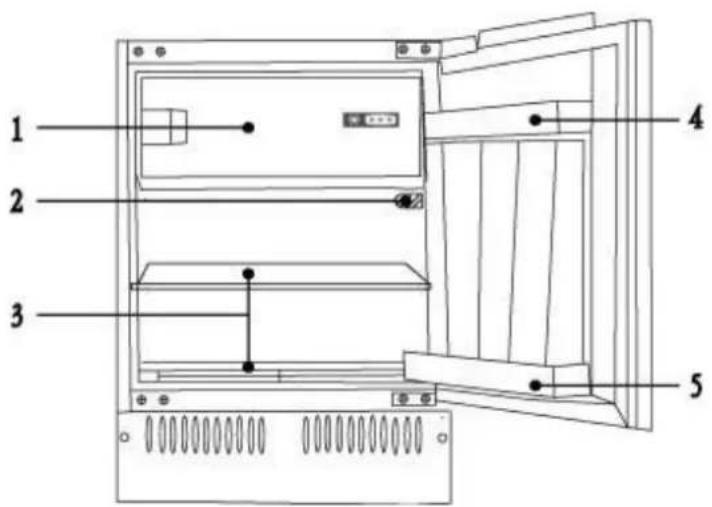
1 2 3 4 5-
Freezing compartment
-
Shelves
-
Bottle racks
2.T emperature Controller
- Egg tray
This diagram may vary slightly with the layout of the refrigerator you have just purchased due to technical improvements.
Unpacking
Remove all packing materials.
Check attachments and materials
Checking should be conducted with reference to the Packing List. Contact the local distributor if discrepancies are found.
Ensure proper location of the refrigerator.
Clean the refrigerator before use.
(See the following section "Cleaning")
Idle time
After the refrigerator has been sited and cleaned, let it stand for more than 30 minutes before connecting the power source.
natural_image
Architectural line drawing of a cabinet or enclosure with an open door, showing structural details and a magnified inset (no text or symbols)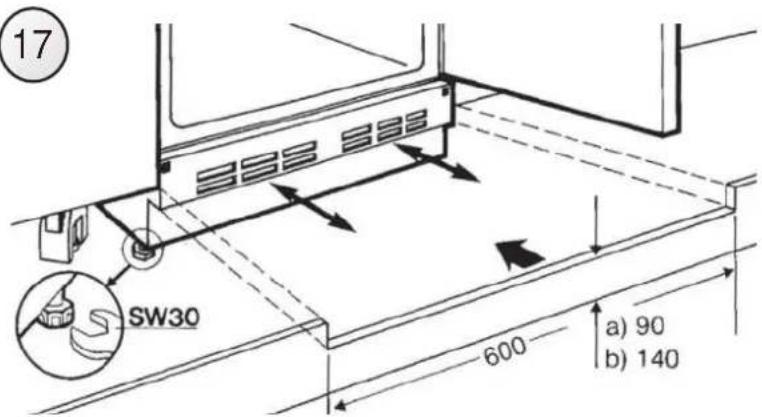
text_image
17 SW30 600 a) 90 b) 140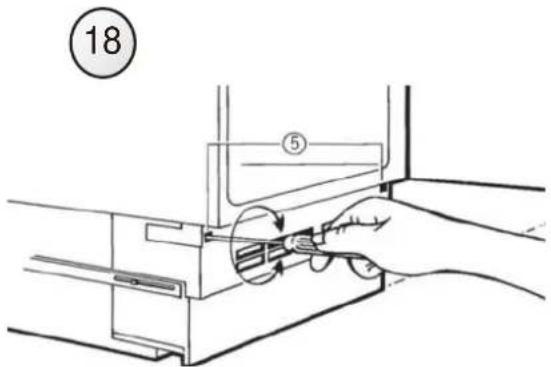
text_image
18 ⑤DOOR REVERSAL
- Unplug the appliance before reversing the door opening direction.
- Remove food from the appliance.
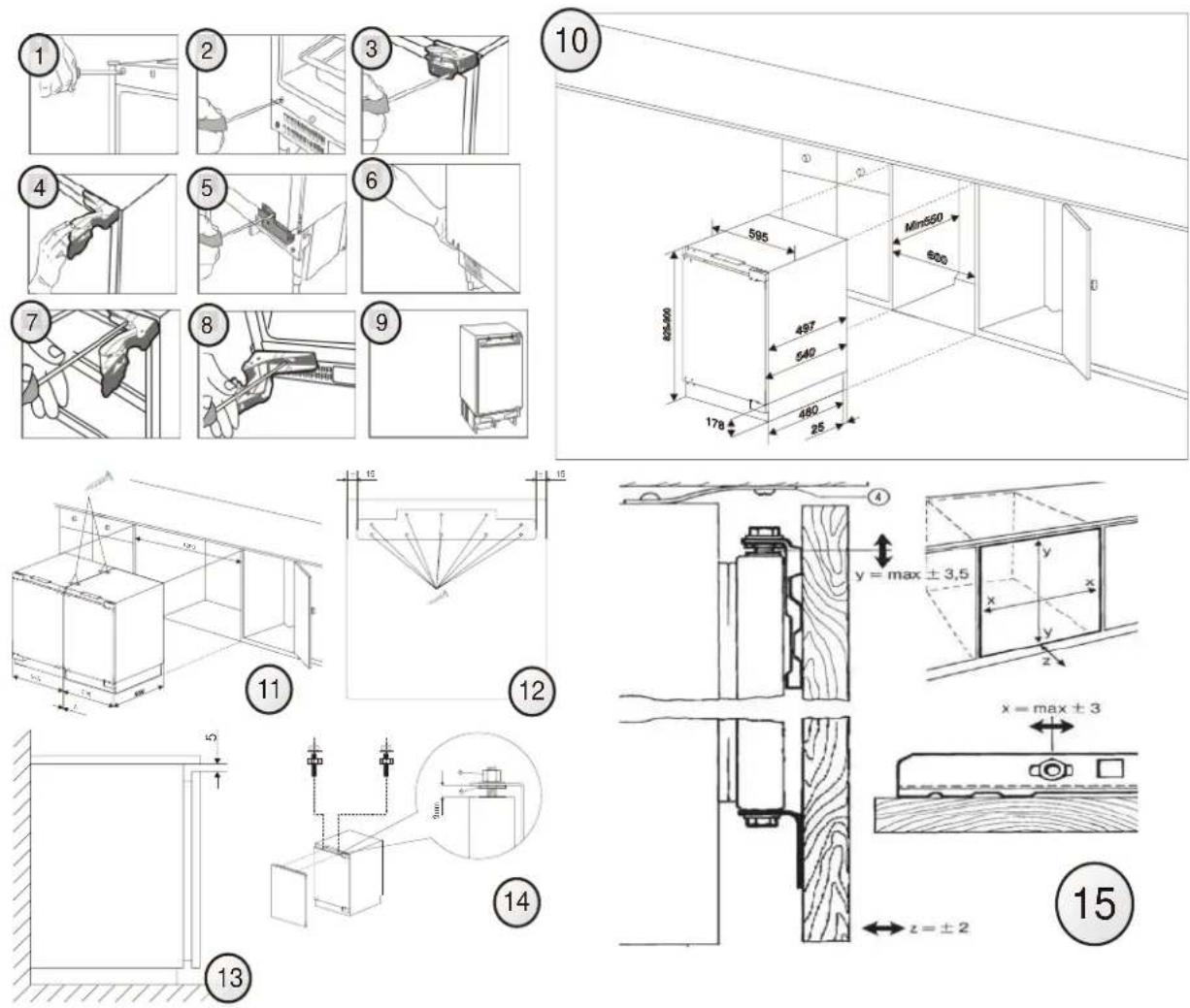
- Remove caps on the front of the refrigerator body (Fig. 1, Fig 2).
- Remove the two screws, which attach the upper hinge to the appliance door (Fig. 3). Take special care and hold the appliance door vertically.
- Holding the door, swing the upper door hinge away from the door using the other hand (Fig. 4).

Be especially careful during this step, as the hinge may close and cause injury.
- Remove the two screws, which attach the lower hinge to the appliance door (Fig. 5). Take special care and hold the appliance door with the other hand.
- Holding the door, swing the lower door hinge away from the door using the other hand, then detach the door from the appliance body (Fig. 6).
- Remove the two screws, which attach the upper hinge to the body and the two screws holding the lower hinge to the appliance body (Fig. 7).
- Screw the upper and lower hinge on the opposite side of the appliance body using suitable screws (Fig. 8). Upper hinge should be mounted on the other side of the appliance as the lower hinge. The lower hinge should be mounted on the other side of the appliance as the upper hinge.
With the hinges open, hold the door parallel to the appliance body and screw the hinges to the door using suitable screws while taking proper care. - Make sure that the door is properly aligned with the appliance body (Fig. 9).
INSTALLATION OF THE APPLIANCE
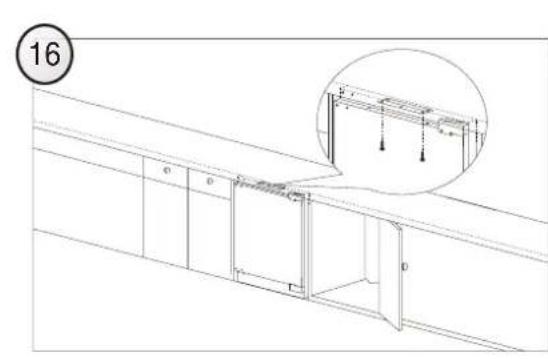
Installation of the appliance should be performed by a qualified installer. The appliance should be placed in furniture case (Fig. 10). Once the appliance is placed correctly, adjust the height of the appliance by turning the 4 adjustable feet as appropriate. If necessary, adjacent appliances should be braced with a bracket fixed by screws and fitted in furniture (Fig. 11). There is a special strip at the top of the appliance. Attach it to the underside of the cabinet with appropriate screws supplied with the assembly kit (Fig. 16). Decorative strip must not block the vents located in the bottom casing unit, the strip must be cut to size (Fig. 17). The depth of the bottom casing unit can be adjusted by moving it forwards or backwards. Once properly adjusted, tighten the mounting screws (located in the openings on both sides of the casing unit) with a cross-head screwdriver. This will permanently attach the casing unit (Fig. 18).
FITTING FURNITURE BOARD TO APPLIANCE DOOR
Place the mounting bracket on furniture board and position it accordingly (Fig. 12). The distance between the furniture board and the underside of the worktop should be 5 mm (Fig. 13). Attach the mounting bracket using suitable screws supplied in the installation kit. Pull out the mounting bracket cover and screw in the two special screws (2) in the appliance doors (Fig. 14). Attach furniture board with the fixed mounting bracket to the appliance door. Secure the furniture board with suitable nuts (item 3, Figure 14). Make sure the furniture board assembly is positioned correctly relative to the appliance (Fig. 15). Using the supplied screws, attach the furniture board assembly to the bottom of the appliance door (Fig. 15). Replace the mounting bracket cover in its original location.
Starting the refrigerator
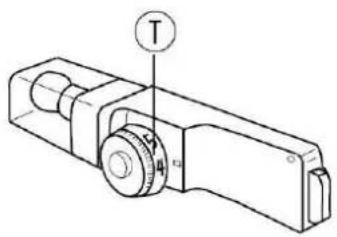
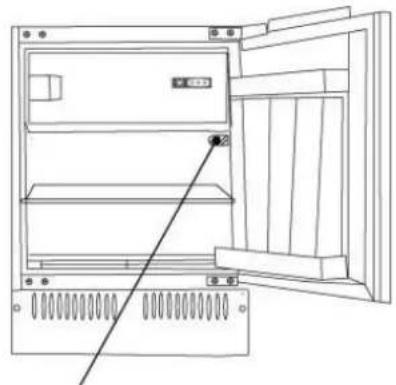
After connecting to the power supply, turn the temperature controller clockwise from position 0 to any position between 1 and 7 to start the refrigerator. The refrigerator compressor will stop when the temperature controller is at position 0.
text_image
Technical diagram of a mechanical device with labeled component T and dimension annotationsAdjusting the temperature:
The temperature inside the refrigerator is adjusted by turning the temperature controller. Positions 1 to 7 represent different temperatures from the lowest to the highest.
| Position | Conditions |
| 1-2 | Summer or ambient temperature between 25-35^ |
| 3-4 | Spring, autumn or ambient temperature between 15-25^ |
| 4-5 | Winter, or ambient temperature between 5-15^ |
| 6-7 | Quick freeze |
Caution: Some time will be required for the refrigerator to reach the set level when temperature adjustments are made. The length of this period is determined by difference in the existing and set temperatures, the ambient temperature, the frequency with which the door is opened and closed and the amount of food in storage.
Caution: If ambient temperature is below 16°C, please turn on the "Low-temp Controller".
Loading the refrigerator with food
When the refrigerator is switched on, do not load food until 1\~2 hours have passed. Usually, food for cold storage or deep freezing can be loaded when the temperature inside the compartment reaches the set point.
natural_image
Line drawing of an open refrigerator with ventilation slots and a door, showing no text or symbolsTemperature Controller
Cold storage is for short-term food
Storage or for daily consumption.
Although the temperature in most parts of the cold storage compartment can be regulated between 0 and 10 degrees Centigrade, extended periods of food storage is not recommended. Cold storage should only be used for short-term storage.
flowchart
graph TD
    A["Apple"] --> B["Vegetables"]
    B --> C["Processed Food"]
    C --> D["Processed Food"]
    D --> E["Processed Food"]
    E --> F["Processed Food"]
    F --> G["Processed Food"]
    G --> H["Processed Food"]
    H --> I["Processed Food"]
    I --> J["Processed Food"]
    J --> K["Processed Food"]
    K --> L["Processed Food"]
    L --> M["Processed Food"]
    M --> N["Processed Food"]
    N --> O["Processed Food"]
    O --> P["Processed Food"]
    P --> Q["Processed Food"]
    Q --> R["Processed Food"]
    R --> S["Processed Food"]
    S --> T["Processed Food"]
    T --> U["Processed Food"]
    U --> V["Processed Food"]
    V --> W["Processed Food"]
    W --> X["Processed Food"]
    X --> Y["Processed Food"]
    Y --> Z["Processed Food"]
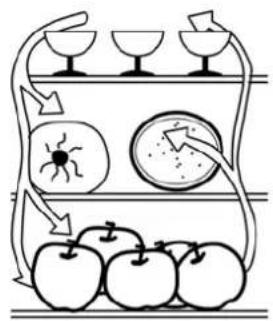
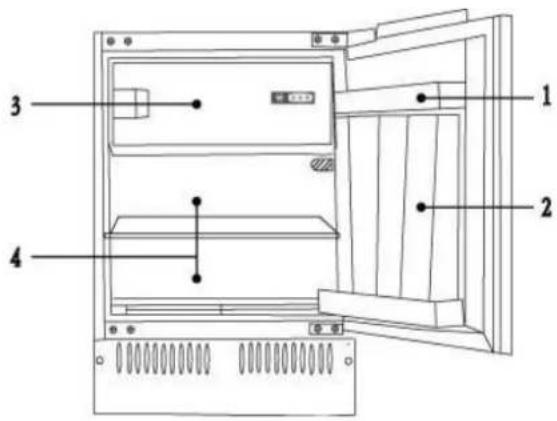
Cold storage compartment
- Eggs and butter
- Beverages and bottled food
- Food to be frozen
- Cookies, cooked food and milk
text_image
1 2 3 4Cautions for cold storage
* Hot food must be cooled to room temperature before storing in the refrigerator
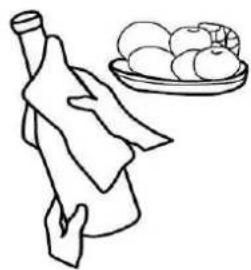
* Dry any water droplets on the food before placing it in the refrigerator.
* It is recommended that food be sealed in suitable storage bags before being placed in the refrigerator; this will prevent moisture in the food from evaporating and prevent vegetables and fruit from withering or altering in flavor.
natural_image
Simple line drawing of a hand holding a bottle next to a plate of round fruits (no text or symbols)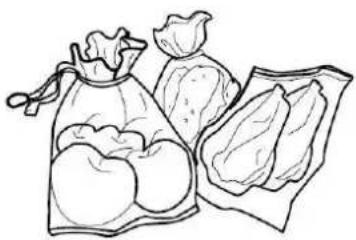
natural_image
Line drawing of a sack with apples and three leafy greens, no text or symbols present* Do not store excess quantities or weights of food; food should be stored with spaces in between for better storage results. Never overload shelves, as they may collapse under excessive loads.
* Food to be stored should be sorted according to consumer requirements. Food consumed daily should be placed in the most convenient area, this will minimize opening periods for the door. Do not place food too close to the internal walls.
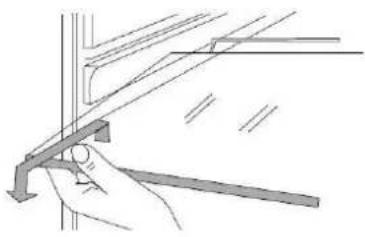
Food holder cleaning
* Food holders can be taken out for cleaning
natural_image
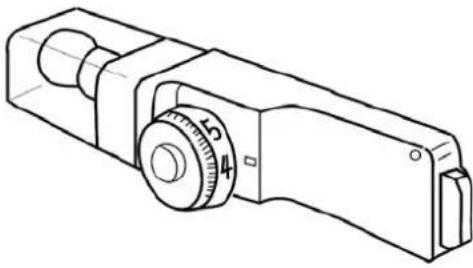
Line drawing of a hand holding a metal bracket with a ruler, no text or symbols presentLamp & Replacement:
Lamp: 240V, 10W
Lamp holder: E14 (lamps exceeding 15W must not be used)
* For replacement, unplug to disconnect the power
* Remove the lamp by turning anti-clockwise
natural_image
Technical line drawing of a mechanical device with a dial and handle (no text or symbols)Instructions for food storage
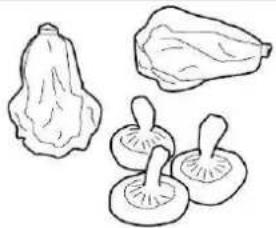
*Storage period will be extended if vegetables are placed with their roots towards the cold source.
natural_image
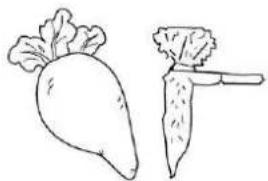
Line drawings of three types of vegetables: a whole, a gourd-shaped container, and two round fruits (no text or labels)*Leaves of carrots or turnips should be removed before storage.
natural_image
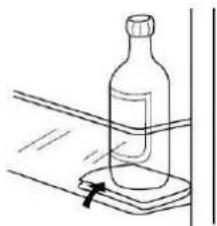
Line drawing of two radishes: one with leafy top and one with a single carrot (no text or symbols)*Put a wad of tissue on the bottle holder before placing bottles on it so that later cleaning is easier
natural_image
Simple line drawing of a bottle placed on a surface with a ruler, no text or symbols present*Frozen food can be placed in the cold compartment before serving, as this will conserve energy.
natural_image
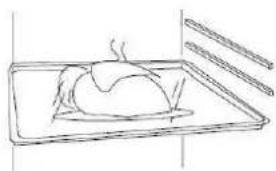
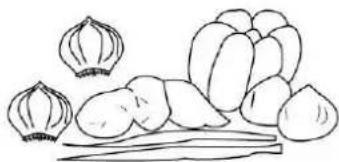
Simple line drawing of a person lying inside a tray with slatted edges (no text or symbols)*Onions, garlic, ginger, water chestnuts and other root vegetables should not be stored in the refrigerator, as these foods are suitable for long-term storage at normal temperatures.
natural_image
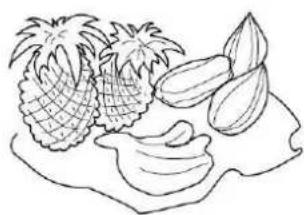
Simple line drawing of various vegetables including garlic bulbs, onion bulbs, and peppers (no text or symbols)*Ripe squash, melon, papaw, bananas and pineapples should not be stored in the refrigerator. Freezing will accelerate the ripening process.
natural_image
Line drawing of pineapple, peaches, and peach pieces on a leafy surface (no text or symbols)Long-term storage of food
As the freezer storage temperature is very low, fresh food can be stored in the freezer compartment for a long time. Food requiring long-term storage can be stored in the frozen food compartment. Attention should be paid to the storage information printed on the food packing.
Frozen food storage
* The recommended weight of fresh food is less than 2 kg.
* Hot food should not be stored in the refrigerator until it has cooled down to room temperature.
* The outside of any food packing should dried before storage in the freezer, and any packing materials should be odor-free, airtight, non-poisonous and nontoxic.
* Only remove the required amount of food from the refrigerator. Defrosted food cannot be re-stored in the freezer unless it is first cooked.
* Food cut into small portions will freeze faster and be easier to defrost and cook. The recommended weight for each portion is less than 1.5kg.
* Do not put in bottled beer or drinks.
* Do not touch frozen food wet-handed.
Making water-Ice
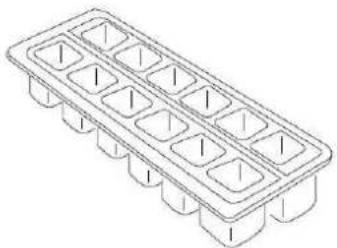
* Pour water into the water ice mould up to three-quarters of the mould volume, and then place the mould in the freezing compartment.
* Do not a use knife or other metal tools to take the ice out of the mould.
* The ice can be easily removed by hand after the mould has been placed in warm water for a short time.
natural_image
Isometric line drawing of a rectangular tray with multiple compartments (no text or symbols)Defrosting the cold storage compart-
ment
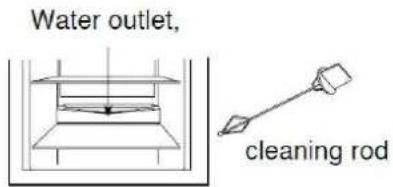
The cold storage compartment is designed for automatic defrosting. Frost formed on the back wall will melt and flow via the drainpipe to the evaporating container over the compressor on the back of the refrigerator, where the heat generated by the compressor will evaporate the water.
text_image
Water outlet, cleaning rodCaution: Always keep the drain over the vegetable and fruit tray clear to ensure the normal flow of defrosted water. Use the rod provided to clear any blockages.
Defrosting the freezer
After a period of operation, a layer of frost will form on the surface of the freezer. Additional electricity will be consumed if this layer becomes too thick. The defrosting process must be carried out when a thick layer of frost has been formed.
To defrost the freezer, first disconnect the power by unplugging the refrigerator, and then remove any food from the refrigerator and place it in a cool place. Use a plastic defrosting tool.
After ice and frost are melted, wipe up the inside of the freezer compartment.
Caution: Never use a metal tool or electrical heater for defrosting.
After the defrosting is completed, plug in the refrigerator and it starts operation again.
Power failure
Even in summer, food can be stored in the refrigerator for a few hours after a power failure.
* Don't put additional food into the refrigerator during a power failure.
* Avoid opening the door during power failures
* If prior notice of a power failure is given, make some ice and put it in a container in the top of the cold storage compartment.
Caution: temperature in the refrigerator will rise during a power failure or in the event of technical problems, and the storage period will be reduced.
Cleaning
The refrigerator should be cleaned regularly to prevent the formation of bad odors.
* Disconnect the power before cleaning the refrigerator.
* Do not use a hard brush, steel brush, detergent, gasoline or other solvents, hot water, acid or alkali for cleaning.
* Wipe water drops on the surface of the refrigerator with a soft cloth.
(1) Do not use excessive amounts of water for cleaning the refrigerator
(2) Use a dry cloth to clean the switch, the lamp and the temperature controller
* Always keep the rubber door seal clean
* Clean the back and sides of the refrigerator regularly.
Cessation of Operation
If the power failure lasts for an extended period, unplug the refrigerator and clean the refrigerator as previously described.
Keep the door of refrigerator open when the power is turned off to prevent any food remaining in the compartment from producing bad odors.
Caution: It is recommended that the refrigerator is not turned off
During Vacations
* Remove any food from refrigerator is the vacation is short. Turn the temperature selection knob to the proper position, and make sure that the door of the refrigerator is properly closed.
* If the vacation is long, take out the food from the refrigerator and disconnect the power. When the frost inside melts, clean and dry the compartment.
Discarding
* Remove the door of the refrigerator when you get rid of it, in case children may get trapped in.
Moving the refrigerator
* Unplug the refrigerator
* Remove any food
* Tightly close the door with tape
Events below are not problems:
* The temperature of the refrigerator and the compressor will rise and the compressor will run for comparatively longer periods when the refrigerator is first started.
* Wipe water drops on the external surface of the refrigerator with a soft cloth.
* When the refrigerator is opened frequently or stay open too long in humid seasons, the cavity will be dampened.
* A slight sound will be heard when the liquid refrigerant circulates or when the compressor switches on and off.
* A slight sound will be heard when defrosted water drops into the evaporating dish.
* The compressor will operate for comparatively longer periods if excessive quantities of food are stored or the ambient temperature is high.
* The evaporator will produce odors if the compartment is not cleaned.
Caution: The refrigerator should never be restarted until a period of at least five minutes has elapsed.
Please determine the cause of the problem before making any repairs.
| Phenomena | Causes |
| Refrigerator will not start. | * Bad connection to power source (plug, socket and fuse)* The temperature knob is at the 0 position* Low voltage |
| The lamp does not blink. | * Bulb failure* Power supply not connected* The temperature knob is at the 0 position |
| Excessive noise. | * Uneven placement* Contact between the refrigerator and a wall or other article |
| Compressor operates for a long period or temperature does not reach set point. | * First time of operation* Excessive food stored* Frequent opening of the refrigerator door due to hot weather* The temperature controller is not set properly* Refrigerator is in direct sunlight, or close to a heat source* Poor ventilation, or dirt on the condenser |
| Food dry | * Food not properly covered or sealed |
| Thick frost on frozen food | * Door is not properly closed.* Frequent opening of the refrigerator door* Frost inside food bags is normal |
| Strange odor | * Failure to seal food properly* Rotting food inside refrigerator* Refrigerator should be cleaned. See "Cleaning" |