
CO3-PopArt - Fridge Klarstein - Free user manual and instructions
Find the device manual for free CO3-PopArt Klarstein in PDF.


| Product Type | Refrigerator with freezer compartment |
| Brand | Klarstein |
| Model | CO3-PopArt |
| Shelves | Adjustable glass shelves |
| Vegetable and Fruit Tray | Yes, with drain hole |
| Egg Tray | Included |
| Bottle Racks | Yes, on door |
| Temperature Control | Rotary knob, positions 1-7 plus 0 (off) |
| Heater Switch | For winter operation and fast cooling |
| Refrigerant | Isobutane (R600a) |
| Defrosting | Automatic in cold storage compartment |
| Interior Light | Yes, replaceable bulb |
| Leveling Feet | Two adjustable screws at front |
| Installation | Freestanding, well-ventilated area |
| Cleaning | Regular cleaning with soft cloth; avoid abrasive cleaners |
| Safety | Child lock (door latch), proper grounding required |
| Power Supply | Standard household outlet (230V/50Hz assumed) |
Frequently Asked Questions - CO3-PopArt Klarstein
User questions about CO3-PopArt Klarstein
0 question about this device. Answer the ones you know or ask your own.
Ask a new question about this device
Download the instructions for your Fridge in PDF format for free! Find your manual CO3-PopArt - Klarstein and take your electronic device back in hand. On this page are published all the documents necessary for the use of your device. CO3-PopArt by Klarstein.
USER MANUAL CO3-PopArt Klarstein
natural_image
Row of white kitchen and appliance icons including blender, blender, blender, keyboard, refrigerator, air conditioner, fan, washing machine, microwave, and TV (no text or symbols)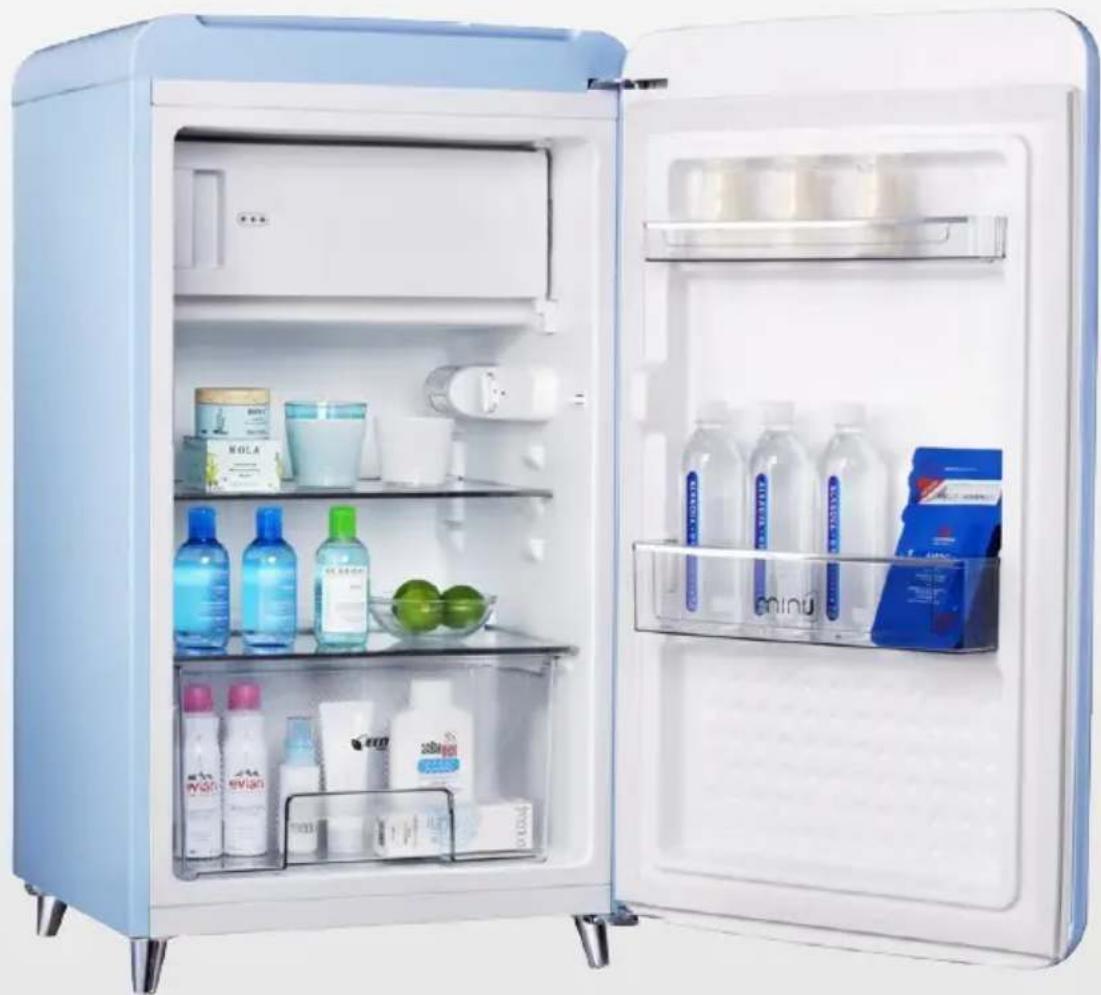
natural_image
Interior view of a modern white refrigerator with open door and shelves filled with various beverages (no visible text or symbols)Kühlschrank
natural_image
Simple line drawing of various vegetables including bell peppers, tomatoes, and garlic (no text or symbols)natural_image
Simple line drawing of a pineapple and a spoon (no text or symbols)natural_image
Symbol of a trash bin crossed with a diagonal line, no text or numbers presentCongratulations on purchasing this equipment. Please read this manual carefully and take care of the following hints on installation and use to avoid technical damages. Any failure caused by ignoring the items and cautions mentioned in the operation and installation instructions are not covered by our warranty and any liability.
Contents
Safety Instructions....16
Product Description 18
Transport and Installation. 19
Operation 20
Maintenance and Cleaning 23
Troubleshooting 25
Disposal Considerations 26
Declaration of Conformity 26
Safety Instructions
Intended usage
- This appliance is designed for food refrigeration, ice making and frozen food storage.
- It is intended strictly for household use. If using it for industrial or commercial purpose, be sure to observe the relevant norms and regulations.
- This appliance can be used by children aged from 8 years and above and persons with reduced physical, sensory or mental capabilities or lack of experience and knowledge if they have been given supervision or instruction concerning use of the appliance in a safe way and understand the hazards involved. Children shall not play with the appliance. Cleaning and user maintenance shall not be made by children without supervision.
- Before starting the appliance, read the information given in the User's Guide carefully. Keep the User's Guide in a safe place and remember to hand it over to the subsequent owner, if you ever sell the appliance.
- Before setting up the appliance check it for any externally visible damage. Do not install and use a damaged appliance. It could be dangerous.
- If the connection cable is faulty it must only be replaced by a service technician authorised by the manufacturer to protect the user from danger.
- This appliance contains the coolant isobutane (R600a), a natural gas which is environmentally friendly. Although it is flammable, it does not damage the ozone layer and does not increase the greenhouse effect. The use of this coolant has, however, led to a slight increase in the noise level of the appliance. In addition to the noise of the compressor, you might be able to hear the coolant flowing around the system. This is unavoidable, and does not have any adverse effect on the performance of the appliance. Care must be taken during the transportation and setting up of the appliance that no parts of the cooling system are damaged. Leaking coolant can damage the eyes.
• The refrigerating circuit is leak-proof. - Do not damage any parts of the appliance that carry refrigerant by piercing or perforating the refrigerant's grooves with sharp or pointed items, crushing or twisting any tubes, or scraping the coatings off the surfaces. If the refrigerant spurts out and gets into eyes, it may result in serious eye injuries.
• In the event of any damage:
- avoid open flames and anything which creates a spark.
- disconnect from the mains.
- air the room in which the appliance is located for several minutes and contact the Service Department for advice.
- For the purpose of safety, the appliance must be properly grounded in accordance with specifications.
- Always remember to unplug the appliance before cleaning. To disconnect the appliance, pull at the plug itself not the cord.
- Keep alcoholic beverages in airtight bottles or containers and always store in an upright position. In addition, do not store any explosive substances inside the appliance - danger of explosion.
-
Do not obstruct or cover the ventilation grille of the appliance.
-
Do not allow children to play with the appliance. In no case should children be allowed to sit on the drawers or hang onto the door.
- Should you have bought your new fridge/freezer to replace an old appliance, please make sure that all existing latch-or bolt-locks on the old appliance are destroyed, before you dispose of it. This will ensure that a child cannot get trapped inside.
- It is necessary to have the plug accessible after installation.
- If the supply cord is damaged, it must be replaced by a supplied cord or assembly available from the manufacturer or its service agent.
- Connection of power supply and installation should be conducted in accordance with the instructions in the operation manual.
- Do not store explosive substances such as aerosol cans with a flammable propellant in this appliance.
Product Description
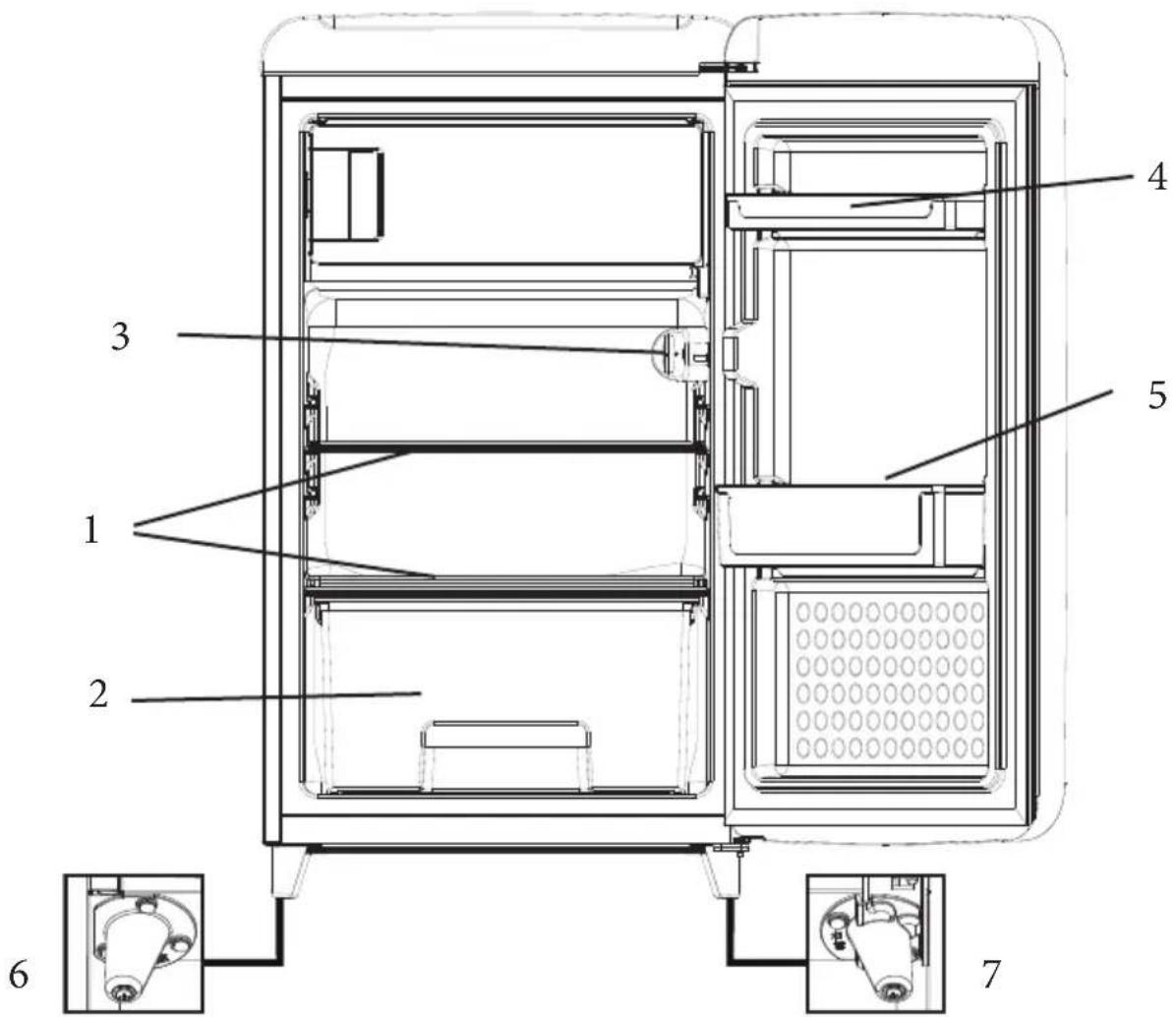
This diagram may vary slightly with h the layout of the refrigerator you have just purchased due to technical improvements,
1 Shelves
2 Vegetable and fruit tray
3 Temperature Controller
4 Egg tray
5 Bottle racks
6 Adjustable screw (left)
7 Adjustable screw (right)
Transport and Installation
- Make sure the refrigerator is kept upright during handling. If an inclination is required, it should not exceed 45 degrees. Otherwise the appliance may get damaged resulting not only in compromised refrigeration performance.
- To avoid product damage or personal injury, the refrigerator should be unpacked by two persons after it is located in a previously selected position.
- Remove all packing materials.
- Checking should be conducted with reference to the Packing List. Contact the local distributor if discrepancies are found.
- Before installation, make sure the refrigerator has no visible exterior damage.
- When handling the refrigerator, do not lift it by holding the worktop, to prevent any damage to the refrigerator.
- Do not start up a refrigerator that is damaged.
• Install the refrigerator in a well-ventilated place. - Clean the refrigerator before use. (See the section "Cleaning")
- After the refrigerator has been sited and cleaned, let it stand for more than 30 minutes before connecting the power source.
Operation
Starting the refrigerator
After connecting to the power supply, turn the temperature controller clockwise from position 0 to any position between 1 and 7 to start the refrigerator. The refrigerator compressor will stop when the temperature controller is at position 0.
Adjusting the temperature
The temperature inside the refrigerator is adjusted by turning the temperature controller. Positions 1 to 7 represent different temperatures from the lowest to the highest.
| Position Conditions | |
| 0 OFF | |
| 1-2 Summer or ambient temperature between 25-35 °C. | |
| 3-4 Spring, autumn or ambient temperature between 15-25 °C. | |
| 4-5 Winter, or ambient temperature between 5-15 °C. | |
| 6-7 Quick freeze | |
Instructions for heater switch
In winter, when the room temperature is below 10 °C , to make the refrigerator achieve good cooling effect, set the switch to “ON” position (with the “-” sign side down). When the room temperature is above 10 °C , tplease dial the switch to the “OFF” position in time, so that it can save energy.
When you need fast cooling, set the switch to the "ON" position (with the "-" sign side down). fast cooling is not required, set the switch to the "OFF" position,
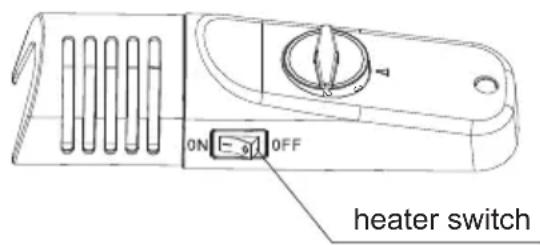
When the standard test refrigeration capacity, the switch must be placed in the "ON" position.
Notes
Some time will be required for the refrigerator to reach the set level when temperature adjustments are made. The length of this period is determined by difference in the existing and set temperatures, the ambient temperature, the frequency with which the door is opened and closed and the amount of food in storage.
Loading the refrigerator with food
When the refrigerator is switched on, do not load food until 1\~2 hours have passed. Usually, food for cold storage or deep freezing can be loaded when the temperature inside the compartment reaches the set point.
Cold storage is for short-term food storage or for daily consumption
Although the temperature in most parts of the cold storage compartment can be regulated between 0 and 10 degrees Centigrade, extended periods of food storage is not recommended. Cold storage should only be used for short-term storage.
Cold storage compartment
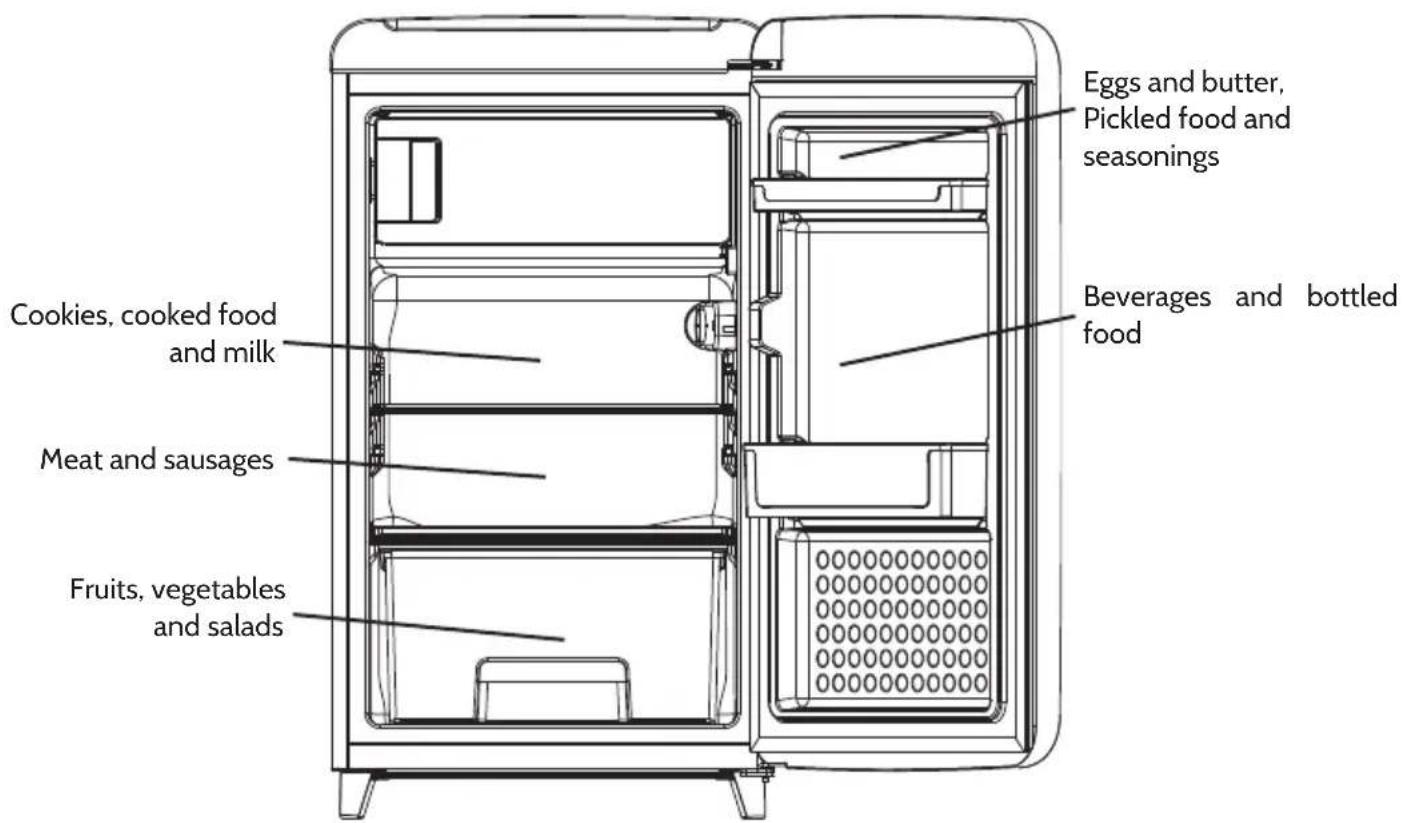
Cautions for cold storage
• Hot food must be cooled to room temperature before storing in the refrigerator,
- Dry any water droplets on the food before placing it in the refrigerator.
- It is recommended that food be sealed in suitable storage bags before being placed in the refrigerator; this will prevent moisture in the food from evaporating and prevent vegetables and fruit from withering or altering in flavour.
- Do not store excess quantities or weights of food; food should be stored with spaces in between for better storage results. Never overload shelves, as they may collapse under excessive loads.
- Food to be stored should be sorted according to consumer requirements. Food consumed daily should be placed in the most convenient area, this will minimize opening periods for the door. Do not place food too close to the internal walls.
Storage of fruit and vegetables
Storage period will be extended if vegetables are placed with their roots towards the cold source. Leaves of carrots or turnips should be removed before storage.
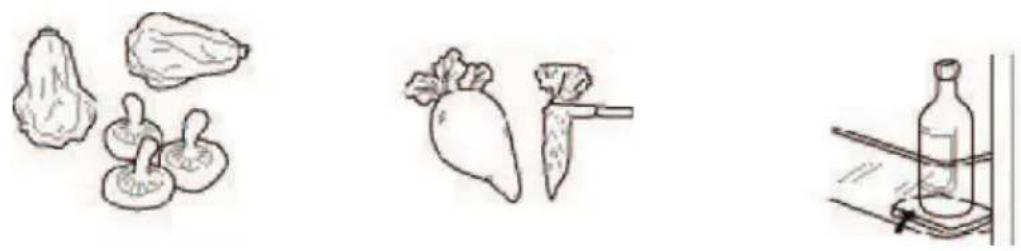
Bottles
Put a wad of tissue on the bottle holder before placing bottles on it so that later cleaning is easier.
Not to be stored in the refrigerator
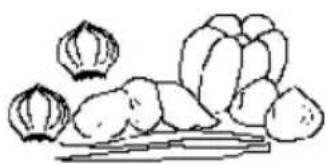
Onions, garlic, ginger, water chestnuts and other root vegetables should not be stored in the refrigerator, as these foods are suitable for long-term storage at normal temperatures.
Ripe squash, melon, papaw, bananas and pineapples should not be stored in the refrigerator. Freezing will accelerate the ripening process.
natural_image
Simple line drawing of various vegetables including pumpkins, tomatoes, and peppers (no text or symbols)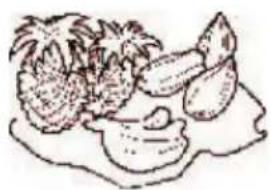
natural_image
Simple line drawing of a person's face with a dragon head and food items (no text or symbols)Maintenance and Cleaning
Defrosting the cold storage compartment
The cold storage compartment is designed for automatic defrosting.
Frost formed on the back wall
will melt and flow via the drainpipe to the evaporating container over the compressor on the back of the refrigerator, where the heat generated by the compressor will evaporate the water.
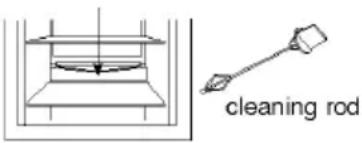
Note: Always keep the drain over the vegetable and fruit tray clear to ensure the normal flow of defrosted water. Use the rod provided to clear any blockages.
Cleaning
The refrigerator should be cleaned regularly to prevent the formation of bad odours.
- Disco nect the power before cleaning the refrigerator.
- Do not use a hard brush, steel brush, detergent, gasoline or other solvents, hot water, acid or alkali for cleaning.
- Wipe water drops on the surface of the refrigerator with a soft cloth.
- Do not use excessive amounts of water for cleaning the refrigerator
- Use a dry cloth to clean the switch, the lamp and the temperature controller.
• Always keep the rubber door seal clean. - Clean the back and sides of the refrigerator regularly.
Cessation of Operation
- If the power failure lasts for an extended period, unplug the refrigerator and clean the refrigerator as previously described.
- Keep the door of refrigerator open when the power is turned off to prevent any food remaining in the compartment from producing bad odours.
Power failure
- Even in summer, food can be stored in the refrigerator for a few hours after a power failure.
- Do not put additional food into the refrigerator during a power failure.
- Avoid opening the door during power failures.
- If prior notice of a power failure is given, make some ice and put it in a container in the top of the cold storage compartment.
Note: temperature in the refrigerator will rise during a power failure or in the event of technical problems, and the storage period will be reduced.
During vacations
- Remove any food from refrigerator is the vacation is short. Turn the temperature selection knob to the proper position, and make sure that the door of the refrigerator is properly closed.
- If the vacation is long, take out the food from the refrigerator and disconnect the power. When the frost inside melts, clean and dry the compartment.
Moving the refrigerator
- Unplug the refrigerator. Remove any food.
- Tighten the shelf and vegetable tray with tapes.
• Tightly close the door with tape.
Replacing the bulb
- Disconnect the appliance from the mains. Switch off at the wall and withdraw the plug from the socket, or disconnect the mains fuse or remove the screw-out fuse in countries where this is appliance.
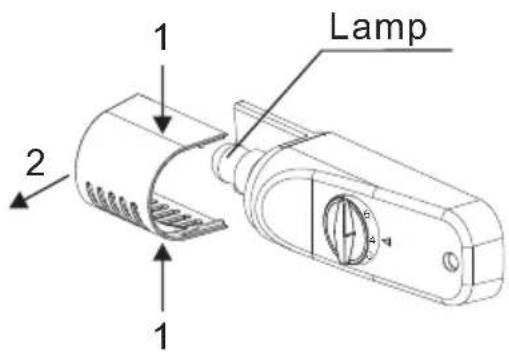
- Grasp the lamp cover at the top and at the bottom(1),and pull it forwards to remove(2). Unscrew the lamp.
- Change the lamp.
- Screw the new lamp into the connection. Make sure the safety catch is correctly fitted. Replace the lamp cover, and click it into place at the sides.
Troubleshooting
The phenomena below do not constitute a problem
- The temperature of the refrigerator and the compressor will rise and the compressor will run for comparatively longer periods when the refrigerator is first started.
- Wipe water drops on the external surface of the refrigerator with a soft cloth.
- A slight sound will be heard when the liquid refrigerant circulates or when the compressor switches on and off.
- A slight sound will be heard when defrosted water drops into the evaporating dish.
- The compressor will operate for comparatively longer periods if excessive quantities of food are stored or the ambient temperature is high.
Problems you can solve by yourself:
| Problem Cause | |
| Refrigerator will not start. | Bad connection to power source (plug, socket and fuse). |
| The temperature knob is at the 0 position“ | |
| Low voltage | |
| 5 minutes have not yet elapsed before a restart. | |
| The lamp does not blink. | Bulb failure |
| Power supply not connected | |
| The temperature knob is at the 0 position | |
| Excessive noise. | Uneven placement |
| Contact between the refrigerator and a wall or other article | |
| Compressor operates for a long period or temperature does not reach set point. | First time of operation |
| Excessive food stored | |
| Frequent opening of the refrigerator door due to hot weather | |
| The temperature controller is not set properly | |
| Refrigerator is in direct sunlight, or close to a heat source | |
| Poor ventilation, or dirt on the condenser | |
| Food dry Food not properly covered or sealed. | |
| Strange odour | Failure to seal food properly. |
| Rotting food inside refrigerator. Refrigerator should be cleaned. See “Cleaning | |
Disposal Considerations
natural_image
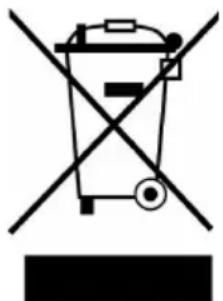
Symbol of a trash bin crossed with a diagonal line, no text or labels presentAccording to the European waste regulation 2002/96/EC this symbol on the product or on its packaging indicates that this product may not be treated as household waste. Instead it should be taken to the appropriate collection point for the recycling of electrical and electronic equipment. By ensuring this product is disposed of correctly, you will help prevent potential negative consequences for the environment and human health, which could otherwise be caused by inappropriate waste handling of this product. For more detailed information about recycling of this product, please contact your local council or your household waste disposal service.
Declaration of Conformity

Producer: Chal-Tec GmbH, Wallstraße 16, 10179 Berlin, Germany
This product is conform to the following European Directives:
2004/108/EC (EMC)
2006/95/EG (LVD)
2009/125/EU (ErP)
2010/30/EU (Energy labelling)
- Kühlschrank
- Contents
- Safety Instructions
- Intended usage
- Product Description
- Transport and Installation
- Operation
- Starting the refrigerator
- Adjusting the temperature
- Instructions for heater switch
- Notes
- Loading the refrigerator with food
- Cold storage is for short-term food storage or for daily consumption
- Cold storage compartment
- Cautions for cold storage
- Storage of fruit and vegetables
- Bottles
- Not to be stored in the refrigerator
- Maintenance and Cleaning
- Defrosting the cold storage compartment
- Cleaning
- Cessation of Operation
- Power failure
- During vacations
- Moving the refrigerator
- Replacing the bulb
- Troubleshooting
- The phenomena below do not constitute a problem
- Disposal Considerations
- Declaration of Conformity
Brand : Klarstein
Model : CO3-PopArt
Category : Fridge