
CEFC225NFS - Fridge CONTINENTAL EDISON - Free user manual and instructions
Find the device manual for free CEFC225NFS CONTINENTAL EDISON in PDF.


| Product type | 2-door refrigerator-freezer |
| Brand | Continental Edison |
| Model | CEFC225NFS |
| Dimensions (W x H x D) | 485 x 1750 x 600 mm |
| Total volume | 225 L |
| Refrigerator volume | 161 L |
| Freezer volume | 64 L |
| Energy class | E |
| Annual consumption | 212 kWh/year |
| Voltage | 220-240 V~ |
| Frequency | 50-60 Hz |
| Current | 1.2 A |
| Refrigerant gas | R600a (48 g) |
| Climate class | N, ST (16°C to 38°C) |
| Noise level | 41 dB |
| Refrigerator defrosting | Automatic |
| Freezer defrosting | Manual |
| Door opening direction | Reversible |
| Freezer star rating | 4 stars |
| Interior lighting | LED |
| Adjustable feet | Yes |
| Vegetable drawer | Yes |
| Door bins | Yes |
| Shelves | Yes |
Frequently Asked Questions - CEFC225NFS CONTINENTAL EDISON
User questions about CEFC225NFS CONTINENTAL EDISON
0 question about this device. Answer the ones you know or ask your own.
Ask a new question about this device
Download the instructions for your Fridge in PDF format for free! Find your manual CEFC225NFS - CONTINENTAL EDISON and take your electronic device back in hand. On this page are published all the documents necessary for the use of your device. CEFC225NFS by CONTINENTAL EDISON.
USER MANUAL CEFC225NFS CONTINENTAL EDISON
natural_image
Abstract geometric shapes resembling partial arcs or quotation marks, rendered in grayscale without any text or symbols.Continental Edison
natural_image
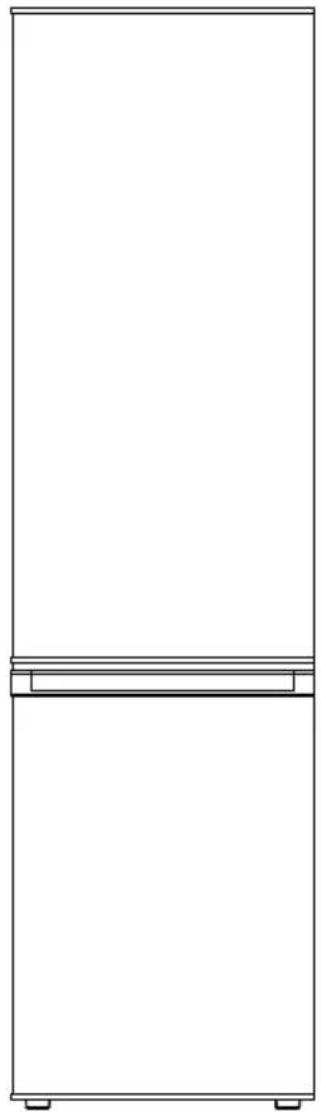
Simple line drawing of a refrigerator with two legs and a side shelf (no text or symbols)CEFC225NFW/CEFC225NFB/CEFC225NFS
REFRIGERATEUR CONGELATEUR BAS 225L / REFRIGERATOR-FREEZER 225L
MANUEL DE L'UTILISATEUR / USER MANUAL
AVERTISSEMENTS ET CONSEILS DE SECURITE IMPORTANTS
- EN (translated from the original)
natural_image
Simple geometric diagram with a rectangle and a smaller square, no text or symbols present.| MIN | MILIEU | MAX |
| -15-17°C | -17-19°C | -19-22°C |
2019/2016 on the energy labelling of refrigeration appliances, can be viewed via the link below or by scanning the QR code on the energy label of the product.
Https://eprel.ec.europa.eu/qr/2437986
bar
| Category | Value | |---|---| | A | 10 | | B | 20 | | C | 30 | | D | 40 | | E | 50 | | F | 60 | | G | 70 | The label 'E' is in the right arrow, not directly plotted on the bars. The color gradient from green to red corresponds to each category.212 kWh/annum
2019/2016
2019/2016 on the energy labelling of refrigeration appliances, can be viewed via the link below or by scanning the QR code on the energy label of the product.
Https://eprel.ec.europa.eu/qr/2437994
bar
| Category | Value | |---|---| | A | 10 | | B | 20 | | C | 30 | | D | 40 | | E | 50 | | F | 60 | | G | 70 | The label 'E' is in the right arrow, not directly plotted on the bars. The color gradient from green to red corresponds to each category.212 kWh/annum
2019/2016
2019/2016 on the energy labelling of refrigeration appliances, can be viewed via the link below or by scanning the QR code on the energy label of the product.
Https://eprel.ec.europa.eu/qr/2437997
III. AVANT LA PREMIÈRE UTILISATION
natural_image
Simple line drawing of a beam supported by vertical supports, with a numbered label (12) and small icons below (no text or symbols)natural_image
Line drawing of an open refrigerator with internal compartments and doorways (no text or symbols)natural_image
Simple line drawing of a trash bin with crossed lines indicating no waste or discharge (no text or symbols)IMPORTANT SAFETY WARNINGS AND TIPS
Read all instructions before using the device. Read this manual carefully before using the appliance so that you know exactly what to do and what not to do.
It is very important that this guide is kept with the device for any further consultation. If this device is to be transferred to another person, ensure that the guide follows the device so that the new user can be informed of its operation.
Improper use of the device can be dangerous, especially for children.
In this user guide, the following symbols are used:
 | Important information regarding your personal safety and how to avoid damage to the device |
 | General information and advice |
 | Environmental information |
 | Fire hazard |
 | Risk of electric shock |
SAFETY INSTRUCTION
- This device is intended for use in domestic applications.
-
This device can be used by children aged at least 8 years and by people with reduced physical, sensory or mental capabilities or without experience or knowledge, if they are properly supervised or if instructions relating to the safe use of the device have been given to them and if the risks involved have been understood. Children should not play with the device. Cleaning and user maintenance must not be carried out by children without supervision.
-
Children should be supervised to ensure that they do not play with the device.
-
CAUTION: Keep the ventilation openings in the appliance enclosure or in the built-in structure clear.
-
CAUTION: Do not use mechanical devices or other means to accelerate the defrosting processes other than those recommended by the manufacturer.
-
WARNING: Do not damage the refrigerant circuit.
-
WARNING: Do not use electrical appliances inside the food storage compartment unless they are of the type recommended by the manufacturer.
-
If the power cable is damaged, it must be replaced by the manufacturer, its after-sales service or similarly qualified persons in order to avoid danger.
-
Do not store explosive substances such as aerosols containing flammable propellant gases in this appliance:
-Before throwing away your appliance, remove the door and leave the shelves in place so that children cannot easily play inside.
- Never allow children to operate or play with the appliance.
- Never clean parts of the device with flammable fluids. Fumes represent a fire hazard or may cause explosions.
- Do not store or use gasoline or other flammable gases or liquids in or near this appliance. Fumes may cause fire or explosion.
- Do not install this device in a place with extreme weather conditions such as : insufficient ventilation, temperatures below 16°C or above 38°C.
-
This product complies with current European safety standards relating to electrical appliances. It has undergone extensive trials and meticulous testing to evaluate its safety and reliability. Before plugging in the device, check that the data on the nameplate corresponds to that of your installation.
-
Packaging materials are recyclable, do not abandon them In the environment, take them to a specialized center so that they can be recycled.
-
The electrical safety of this device is ensured only when it is connected to an electrical installation equipped with an earth socket in good condition, according to the standard in force. If in doubt, have the installation carefully checked by a qualified technician.
-
The use of this device, like that of any electrical device, involves observing some rules fundamental :
-
Do not touch the device with wet or damp hands or feet;
- Do not pull on the power cord to disconnect the plug from the outlet;
- Do not leave the device exposed to atmospheric agents;
- Do not allow the appliance to be used by children lack of supervision;
-
Do not unplug or plug the plug into the power outlet with wet hands; before carrying out any cleaning or maintenance operation, disconnect the appliance from the electrical supply network by removing the plug or turning off the main switch of the installation;
-
The power outlet must remain accessible after installation of the device.
- In the event of a breakdown or malfunction, turn off the device and do not damage it.
-
The power plug must always remain accessible after installation of the device.
-
CAUTION: Do not damage the refrigerant circuit.
Refrigerant causes serious injury if splashed in eyes. If this happens, go to the hospital immediately.
-
WARNING: The ventilation openings in the device housing or at the installation location must not be obstructed under any circumstances.
-
CAUTION: Do not use an electrical appliance inside the food storage compartments of the appliance.
-
CAUTION: Do not use mechanical devices or other means to speed up the defrosting process.
-
This device is intended for use in domestic applications (private setting) but not in similar applications such as:
- kitchen areas reserved for staff in stores, offices and other professional environments.
- farms and use by customers of hotels, motels and other residential environments. environments of the type guest rooms.
- catering and other similar applications
- including retail.
-
Children aged from 3 to 8 years are allowed to load and unload refrigerating appliances.
-
To avoid food contamination, please follow the following instructions:
- The prolonged opening of the door can cause a significant increase in temperature in the appliance compartments.
- Regularly clean the surfaces that may come into contact with food and accessible drainage systems.
- Store raw meat and fish in suitable containers in the refrigerator, so that they do not come into contact with or drip onto other foods.
- Two-star compartments for frozen products are suitable for preserving frozen foods, storing or making ice cream and for making ice cubes.
- One-, two- and three-star compartments are not suitable for the freezing of fresh food.
-
If the refrigeration appliance remains empty for long periods of time, turn it off, defrost, clean, dry and leave the door open to prevent mold from developing in the appliance.
-
Place the appliance against a wall at a distance of 100 mm or more, be sure to leave at least 300 mm of free space on the top of the refrigerator.
-
This refrigeration appliance is not intended for use as a built-in appliance.
-
Recommended storage time for frozen foods in the freezer.
These times vary depending on the type of food. Food that you freeze can be stored for 1 to 12 months (minimum at -18°C).
| Foodstuff | Storage period |
| Bacon, casseroles, milk | 1 month |
| Bread, ice cream, sausages, pies, prepared shellfish, oily fish | 2 months |
| Non-oily fish, shellfish, pizza, pastries and muffins | 3 months |
| Ham, cake, biscuits, beef and lamb chops, poultry pieces | 4 months |
| Butter, vegetables (blanched), whole eggs and egg yolks, boiled crayfish, minced meat (raw), pork (raw) | 6 months |
| Fruit (dried or in juice), egg white, beef (raw), whole chicken, lamb (raw), fruit cake | 12 months |
-
When freezing fresh foods that have a “best before/use by/use by date” date, you must freeze them before that date expires.
-
Check that the food has not already been frozen. In fact, frozen foods that have completely thawed should not be refrozen. Once defrosted, food should be consumed quickly.
• To avoid alteration of food due to the transfer of germs:
Store unpackaged animal and plant products separately in drawers. This also applies to different types of meat.
- If foods must be kept together due to lack of space: wrap them.
- Never store fruit and vegetables on a balcony with meat or fish.
| Food | Storage time |
| Butter | 90 days |
| Hard cheese | 110 days |
| Milk | 7 days |
| Sausage, cold meat | 9 days |
| Meat | 7 days |
WARNING: During the positioning the appliance, ensure that the power cord is not pinched or damaged.
WARNING: Do not locate multiple portable socket-outlets or portable power supplies at the rear of the appliance.
Refrigerant
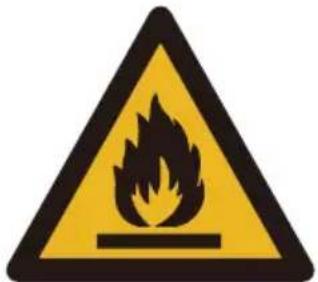
Hazard; risk of fire/flammable materials
Danger; risk of fire/ flammable materials
The refrigerant gas contained in the circuit of this appliance is isobutane (R600a), a low-polluting but flammable gas. When transporting and installing the appliance, take care not to damage any part of the refrigeration circuit.
Do not use any cutting or sharp tools to defrost the device.
Do not use any electrical devices inside the device.
If the refrigeration system is damaged:
- Turn off the refrigerator.
- Do not use a flame near the device.
- Avoid sparks - do not light an electric appliance or electric lamp.
- Ventilate the room immediately.
Regarding the installation, handling, cleaning and disposal of the device, refer to the following chapters of the user guide.

Suitable for food
Information on the meaning of the conformity marking
Marking C€ indicates that the product meets the main requirements of the
European Directives: 2014/35/EU (Low tension), 2014/30/EU
(Electromagnetic Compatibility), 2011/65/EU (Limitation of use of certain
substances in electronic equipment)
SUMMARY
Important Safety Warnings and Tips -2-
I. Description of the device -16-
II. Technical Characteristics -18-
III. Before the first use -21-
a. Transport and start-up
b. Unpacking the appliance and disposing of the packaging elements
c. Cleaning the appliance
IV. Facility -22-
V. Reversing the door opening direction -26-
VI. Preparing the appliance -28-
VII. Instruction to use -29-
VIII. Cleaning and maintenance -34-
IX. Troubleshooting and solutions -36-
X. Warranty -37-
XI. Disposal -38-
This user guide is available in the following languages:
FR (original version)
EN (translated from the original)
Any other translation would be a translation of the original version.
This user guide, its possible modifications or any new version, is available on our website.
I. DESCRIPTION OF THE DEVICE
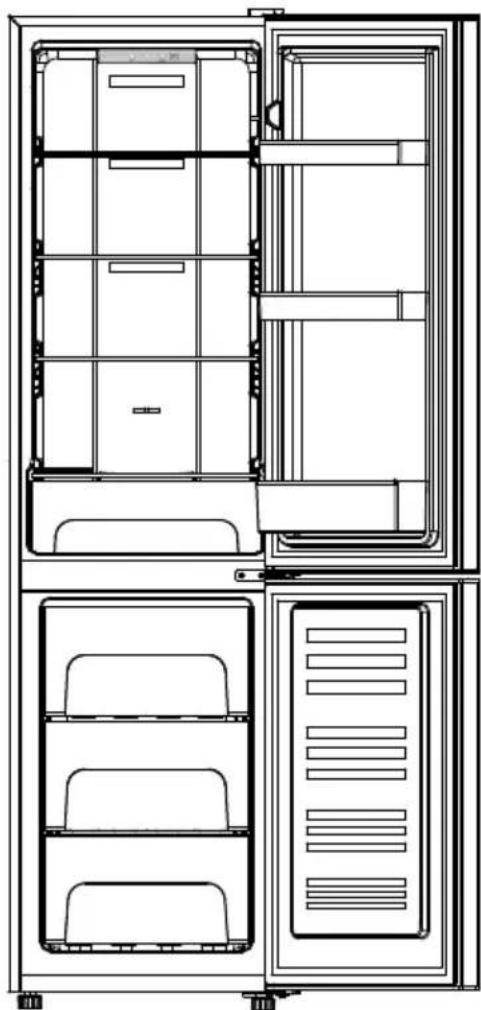
PARTS AND FEATURES
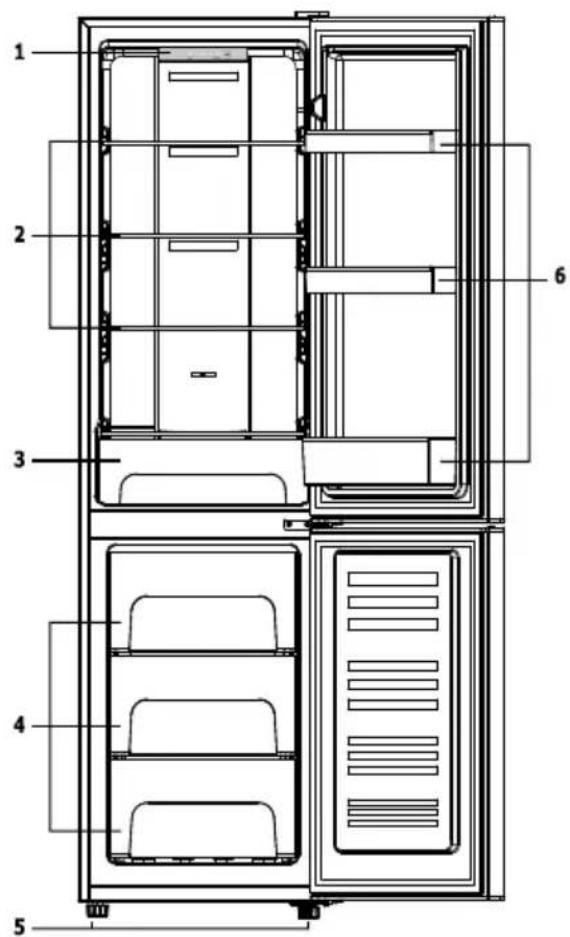
- Thermostat
- Shelf
- Vegetable drawer
- Drawer
- Adjustable feet
- Balcony
The drawing and the number of shelves are only indicative. Non-contractual document subject to modification.
Adjusting the refrigerator temperature

- The cold storage temperature control button is located at the top of the cold room, press the "SET" key, you can adjust the temperature of the cold storage; (The refrigeration temperature control button is located at the top of the refrigerator compartment. Press the "SET" button to adjust the refrigerator temperature;)
- The first time you turn the unit on, adjust the temperature control button to "5" and run for at least 2 hours before putting foods inside. This will ensure the cabinet is thoroughly chilled before food is put in.
- The range of the REFRIGERATOR temperature control is from position "1" the warmest to "5" the coldest. Adjust the temperature control to the setting that best suits your needs. The setting of "3" should be appropriate for home or office refrigerator use.
Adjusting the freezer temperature
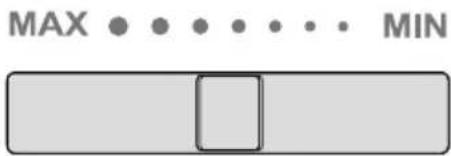
When the temperature is set to the MAX level and the freezer compartment is not cold enough, you can set the refrigerator temperature to the MAX level to achieve rapid freezing. This will increase the operating time of the compressor and the freezer compartment will become cooler.
If the ambient temperature in winter is low, you can set the freezer temperature to the MAX level to lower the temperature in the freezer compartment.
II. TECHNICAL CHARACTERISTICS
| Brand | Continental Edison |
| Reference Model | BCD-230W CEFC225NFW |
| Voltage | 220-240V~ |
| Frequency | 50-60Hz |
| Current | 1.2A |
| Refrigerant gas | R600a(48g) |
| Dimensions (W*H*D) | 485x1750x600mm |
| Energy classs | E |
| Energy consumption of 212 kWh per year, calculated on the basis of the result obtained for 24 hours under standardized test conditions. Actual energy consumption depends on the operating conditions and location of the unit. | |
| Total volume | 225L |
| Fresh food compartment volume | 161L |
| 4-star storage volume | 64L |
| Climate class | N,ST |
| This unit is designed for use at an ambient temperature between +16°C and +38°C | |
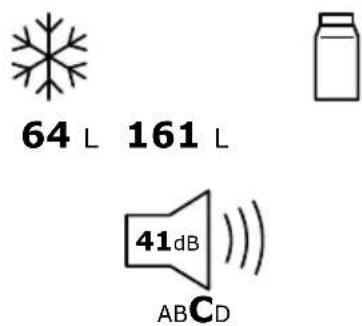
| Noise emissions | 41dB |



Continental Edison
BCD-230W CEFC225NFW
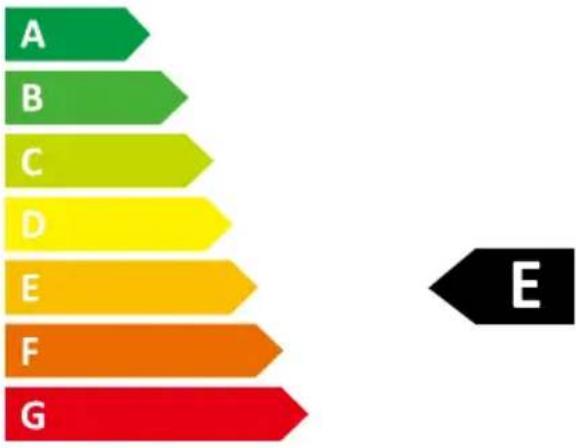
bar
| Category | Value | |---|---| | A | 1 | | B | 2 | | C | 3 | | D | 4 | | E | 5 | | F | 6 | | G | 7 |212 kWh/annum
2019/2016
2019/2016 on the energy labelling of refrigeration appliances, can be viewed via the link below or by scanning the QR code on the energy label of the product.
Https://eprel.ec.europa.eu/qr/2437986
| Brand | Continental Edison |
| Reference Model | BCD-230W CEFC225NFB |
| Voltage | 220-240V~ |
| Frequency | 50-60Hz |
| Current | 1.2A |
| Refrigerant gas | R600a(48g) |
| Dimensions (W*H*D) | 485x1750x600mm |
| Energy classs | E |
| Energy consumption of 212 kWh per year, calculated on the basis of the result obtained for 24 hours under standardized test conditions. Actual energy consumption depends on the operating conditions and location of the unit. | |
| Total volume | 225L |
| Fresh food compartment volume | 161L |
| 4-star storage volume | 64L |
| Climate class | N,ST |
| This unit is designed for use at an ambient temperature between +16°C and +38°C | |
| Noise emissions | 41dB |

ENERG

BCD-230W
CEFC225NFB

bar
| Category | Value | |---|---| | A | 1 | | B | 2 | | C | 3 | | D | 4 | | E | 5 | | F | 6 | | G | 7 |212 kWh/annum


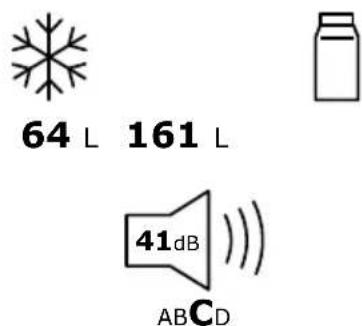
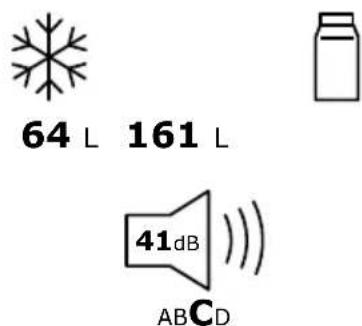
64 L 161 L
2019/2016
2019/2016 on the energy labelling of refrigeration appliances, can be viewed via the link below or by scanning the QR code on the energy label of the product.
Https://eprel.ec.europa.eu/qr/2437994
| Brand | Continental Edison |
| Reference Model | BCD-230W CEFC225NFS |
| Voltage | 220-240V~ |
| Frequency | 50-60Hz |
| Current | 1.2A |
| Refrigerant gas | R600a(48g) |
| Dimensions (W*H*D) | 485x1750x600mm |
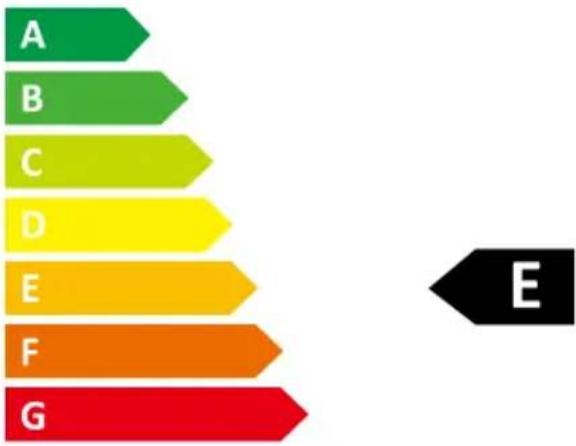
| Energy classs | E |
| Energy consumption of 212 kWh per year, calculated on the basis of the result obtained for 24 hours under standardized test conditions. Actual energy consumption depends on the operating conditions and location of the unit. | |
| Total volume | 225L |
| Fresh food compartment volume | 161L |
| 4-star storage volume | 64L |
| Climate class | N,ST |
| This unit is designed for use at an ambient temperature between +16°C and +38°C | |
| Noise emissions | 41dB |

ENERG

BCD-230W
CEFC225NFS
bar
| Category | Value | |---|---| | A | 1 | | B | 2 | | C | 3 | | D | 4 | | E | 5 | | F | 6 | | G | 7 |212 kWh/annum


64 L 161 L
2019/2016
2019/2016 on the energy labelling of refrigeration appliances, can be viewed via the link below or by scanning the QR code on the energy label of the product.
Https://eprel.ec.europa.eu/qr/2437997
When transporting this device. take it by the base and gently tilt it up to a maximum of 45^ . Do not lift the appliance by the door handle. Do not place the device in a completely horizontal position or upside down.
Push the refrigerator on the rolling feet to move it.
Attention: After transporting the refrigerator, you must wait at least 8 hours before putting it into service.
IMPORTANT: The installation of this device requires the intervention of several people.
b. UNPACKING THE APPLIANCE AND DISPOSING OF PACKAGING ELEMENTS
- Remove all packaging elements around the device, as well as the protective elements located inside the device compartments.
- The packaging cardboard and sheets of paper are recyclable. They must be thrown into the collection bins provided for this purpose.
- Other packaging elements (adhesive, ties, etc.) must be thrown away with household waste.
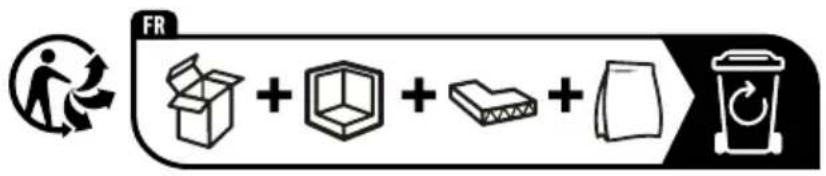
To find out more : www.quefairedemesdechets.fr
c. CLEANING THE APPLIANCE:
Clean all refrigerator components with water and a mild detergent solution. Rinse it thoroughly and dry it with a soft cloth.
Note: The electrical parts of the device can only be cleaned with a dry cloth.
IV. FACILITY
Location
- Place your device far from a heat source (heater, cooking appliances, direct sunlight). For the proper functioning of your device, the ambient temperature of the room must be between +16°C and +38°C.
Outside of these limits; the device will no longer operate normally.
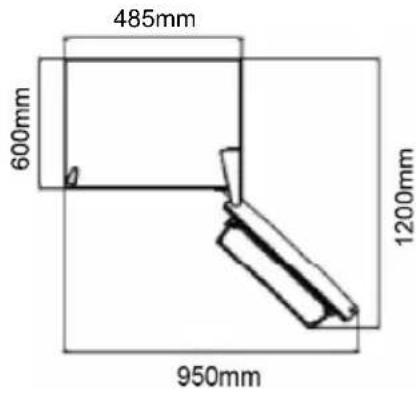
- Please leave enough space at the back and sides of the device to ensure good air circulation. Insufficient ventilation will lead to poor operation and increased energy consumption.
- Level the device by correctly adjusting the 2 feet.
IMPORTANT: The installation of this device requires the intervention of 2 people.
Connection to the network
Your device is designed to operate under a single-phase voltage of 230 volts.
It must be connected to a wall socket connected to earth and protected by a 10 A fuse in accordance with standard NF C15-100 and the instructions of your electricity supplier.
IMPORTANT :
This devicemust be installed so that the power outlet remains accessible. Make sure after installing it that it is not resting on the power cable.
Climate classes
Information relating to the climate class of the device appears on the nameplate. They indicate the optimal operating range of your device.
There are 4 climatic classes:
- Extended Temperate (SN): this device is intended for use at ambient temperatures between 10^ and 32^ ;
- Temperate (N): this device is intended for use at ambient temperatures between 16^ and 32^ ;
- Subtropical (ST): This device is intended for use in ambient temperatures between 16^ and 38^ ;
- Tropical (T): This device is intended for use in ambient temperatures between 16^ and 43^ ;
Note :The limit values of the ambient temperature range for the climate classes for which the device is designed and the fact that internal temperatures can be influenced by factors such as the location of the device, the ambient temperature and the frequency of operation When the doors are opened, the setting of any temperature control device may need to be changed to take these factors into account, if necessary.
Lock
If your refrigerator has a lock, keep the key out of reach and not near the appliance to prevent children from being trapped.
Refrigerant gas
The refrigerant gas (R600a) and the foaming insulating material (cyclopentane) have a very low impact on global warming. R600a is a flammable gas. It is integrated into a sealed refrigeration circuit. However, in the event of a leak in the refrigeration circuit, keep the appliance away from flames and open the windows for ventilation as quickly as possible.
Meaning of the « \* » symbol on freezers
- 1 star (*), 2 star (**), and 3 star (***). freezers are not suitable for freezing fresh food.
- 2 star (**) and 3 star (***) freezers are suitable for storing frozen (prefrozen) foods
| COMPARTMENTS | STARS(*) | TARGET STORAGE TEMPERATURE | APPROPRIATE FOODS |
| FREEZER | (***)* | ≤ -18 °C | ➢Suitable for seafood (fish, shrimp, shellfish), fresh water and meat products.➢Recommended shelf life: 3 monthsiSuitable for freezing fresh food |
| FREEZER | *** | ≤ -18 °C | ➢Suitable for seafood (fish, shrimp, shellfish), fresh water and meat products.➢Recommended shelf life: 3 monthsiNot Suitable for freezing fresh food |
| FREEZER | ** | ≤ -12 °C | ➢Suitable for seafood (fish, shrimp, shellfish), fresh water and meat products.➢Recommended shelf life: 2 monthsiNot Suitable for freezing fresh food |
| FREEZER | * | ≤ -6 °C | ➢ Suitable for seafood (fish, shrimp, shellfish), fresh water and meat products.➢ Recommended shelf life: 1 monthi Not Suitable for freezing fresh food |
| 0* -COMPART-MENT | - | -6 °C - 0°C | ➢ Suitable for fresh meat products (pork, beef, chicken, etc.) and processed foods consumed or processed the same day or within three days of storage (max.).i Not Suitable for freezing food or storing frozen foods |
V. REVERSING THE DOOR OPENING DIRECTION
You can change the opening direction of your appliance door by moving the hinges. When reassembling, make sure the door is aligned correctly and the door seal adheres properly.
We remind you that changing the direction of opening of the door must be done with the appliance unplugged. Adjust both leveling feet to their highest position.
IMPORTANT: this operation requires the intervention of 2 people. Tools Required: Phillips screwdriver / flat head screwdriver / hex wrench
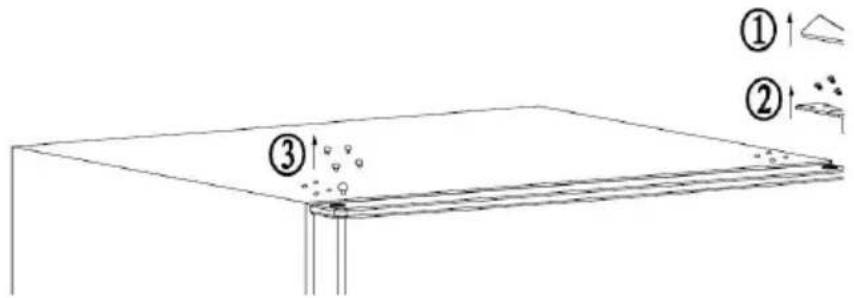
- Remove the top hinge cover.
- Remove the top hinge.
- Remove the 4 protections.
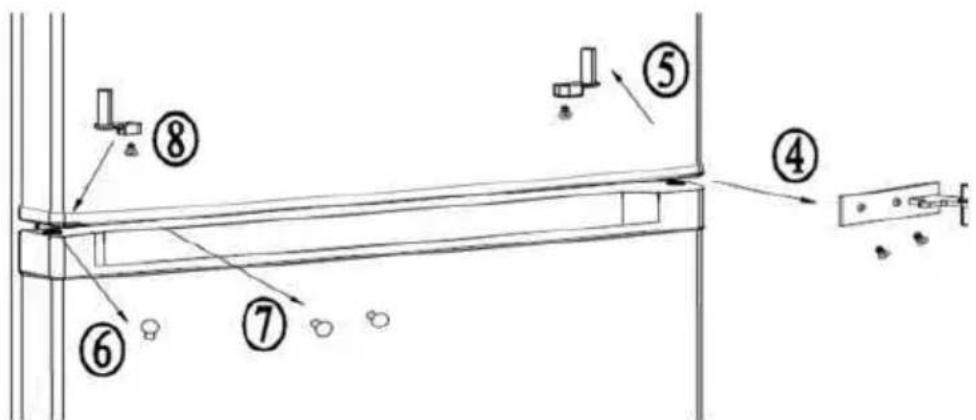
- Remove the freezer door, then remove the middle hinge.
- Remove the right door stopper (unused) from the bottom of the freezer door.
- Remove the plug from the left hole of the refrigerator door, then install it on the right side.
- Remove two hinge covers on the left and install them on the right side.
- Install the left door stopper (inside the plastic bag) using the screw removed from the front right side.
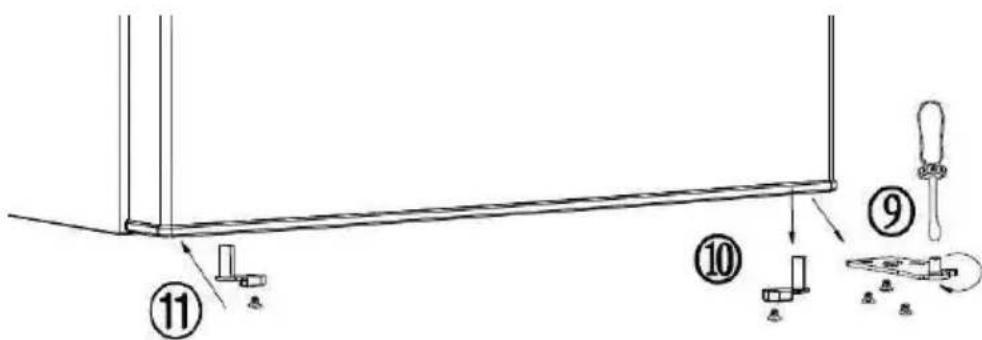
- First remove the right hinge from the bottom of the refrigerator door and remove the hinge hole plug, then install it on the left.
- Remove the right door stopper (no longer in use) from the bottom of the refrigerator door.
- Install the left door stopper (inside the plastic bag) using the screw removed from the front right side.
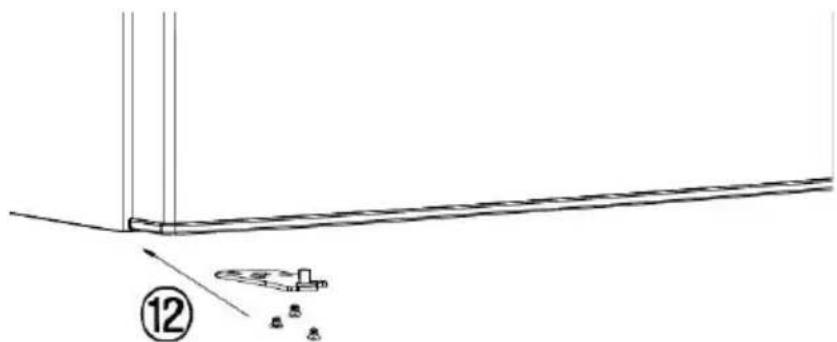
natural_image
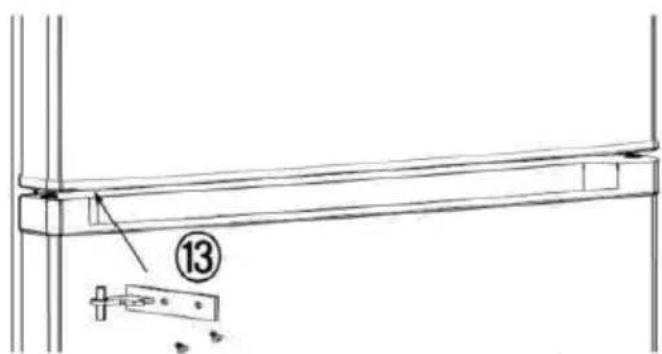
Simple line drawing of a beam supported by vertical supports, with a numbered marker and small objects below (no text or symbols)- Install the bottom hinge on the left side.
- Install the middle hinge on the left, then install the freezer door, top hinge, hinge cover and hole cover one by one.
VI. PREPARING THE APPLIANCE
√ Cleaning
Check the accessories inside the refrigerator and wipe the interior with a soft cloth.
√ Power on
Plug in the electrical outlet to start the compressor. After 1 hour, open the freezer door, if the temperature drops, it indicates that the refrigeration system is working normally.
√ Waiting time
Once the refrigerator is properly installed and cleaned, do not turn it on immediately. Be sure to turn on the refrigerator after waiting for more than an hour to ensure normal operation.
√ Food Storage
Once the refrigerator has completely cooled, store the food in it. In summer, when the temperature is high, it takes more than 4 hours for food to be completely cooled (try to open the refrigerator door as little as possible before the internal temperature cools).
VII. INSTRUCTIONS TO USE
Operation:
Once the appliance is properly installed, we advise you to wipe the interior with lukewarm, slightly soapy water. Do not use abrasive products; They could damage the coatings of your device.
Use :
Refrigerators are intended only for the domestic storage of fresh food and drinks as well as the short-term storage of frozen products.
Temperature indicator:
The symbol opposite indicates the location of the coldest zone of your refrigerator: this zone is delimited at the bottom by the window of the vegetable drawer, and at the top by the symbol or the shelf positioned at the same height.
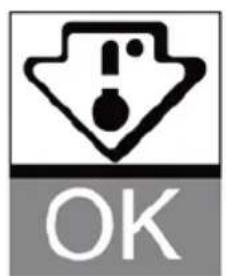
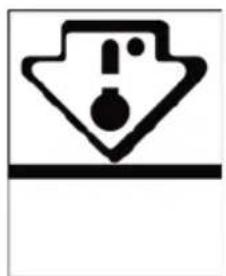
To ensure temperatures in this area, be careful not to change the positioning of this shelf. In forced-air refrigerators (equipped with a fan or No Frost models), the coldest zone symbol is not shown because the temperature inside them is uniform.
Installation of the temperature indicator
To help you properly adjust your refrigerator, it is equipped with a temperature indicator which will allow you to control the average temperature in the coldest zone.
ATTENTION: This indicator is intended to work only with your refrigerator, be careful not to use it in another refrigerator (in fact, the coldest zone is not identical), or for any other use.
Checking the temperature in the coldest zone
Thanks to the temperature indicator, you can regularly check that the temperature of the coldest zone is correct. In fact, the temperature inside the refrigerator depends on several factors such as the ambient temperature of the room, the quantity of food stored, and the frequency of opening the door. Take these factors into consideration when adjusting the device.
When the indicator indicates "OK", it means that your thermostat is correctly set, and the interior temperature is correct. If the color of the indicator is white, this means that the temperature is too high, in this case you must increase the thermostat setting and wait 12 hours to carry out a new visual check of the indicator.
Noticed :
After loading or opening the door, the indicator may turn white after a few moments.
Food Storage Tips:
- Store the most sensitive foods in the coldest area of the appliance, in accordance with the instructions in this manual (Temperature indicator chapter).
- Limit the frequency and time the door is opened.
- Adjust the thermostat to obtain the lowest temperature. This adjustment must be done gradually so as not to cause the food to freeze.
- Clean the interior of the refrigerator frequently.
natural_image
Line drawing of an open refrigerator with multiple compartments and doors (no text or symbols)Temperature adjustment
Temperature regulation: Controlled by a temperature sensor and the main control board, the start and stop time of the compressor is adjusted based on the temperature inside the box to achieve the desired temperature inside the box. The main control board has 5 gears (1/2/3/4/5), with gear 1 being the weak gear, gear 3 being the middle gear, and gear 5 being the strong gear. The damper on the air duct panel controls the amount of cold entering the refrigeration system. MAX indicates the lowest freezing temperature, and MIN indicates the highest freezing temperature.
Taking these conditions into account, the Settings can be adjusted according to the customer's needs. The 3-speed and MID Settings can meet the temperature requirements in most cases. If you need to achieve a cooler or warmer temperature effect, you can do so through the gear Settings on the control panel and the opening and closing of the air door. This model adopts an electronically controlled defrosting function to achieve automatic defrosting, allowing for defrosting without the need for power interruption.
Food storage
You will obtain better preservation of your food if you place it in the cold zone best suited to its nature.
Refrigerator Compartment
Different foods can be stored there, especially vegetables and fruits. Storage time is 1-3 days.
- On the shelves: cooked foods, desserts and all foodstuffs that need to be consumed quickly, fresh cheeses, cold meats.
- On the vegetable drawer shelf: meat, poultry, fresh fish. Shelf life 1 to 2 days.
• In the vegetable drawer: vegetables and fruit. - In the bottom shelf of the door: bottles, then going up: small volume products (cream, yogurts, etc.). Butter and eggs should be placed in the upper shelf.
For better hygiene, remove the packaging before placing the food in the refrigerator (for example packaging of yogurt packs...) Pack the food in appropriate containers and perfectly proportioned to the quality to avoid the exchange of bacteria between foods. Wait for the preparations to cool before storing them.
Freezer compartment
The freezer compartment allows the freezing of fresh products as well as the conservation of frozen products.
The quantity of food to be frozen must not exceed the quantity indicated on the nameplate. If the quantity to be frozen is greater than this value, it is still possible to freeze in several batches.
Freezing fresh produce
- Only freeze fresh produce after cleaning and preparing it if necessary.
- Allow cooked meals to cool to room temperature before putting them in the freezer.
- All products to be frozen must be packaged in "special freezer" and airtight containers.
• Each packet must be correctly proportioned and suitable for family consumption so as to be used in one go. Small packages allow for rapid and uniform freezing.
Attention :
- Thawed product should never be refrozen.
- Do not place soft drink bottles in the freezer, they could burst.
To freeze fresh produce
Adjust the thermostat to obtain the lowest possible temperature without it reaching a value below 0^ in the refrigerator.
Do not open the freezer door during the freezing operation Leave the appliance in freezing mode for 24 hours, then, at the end of this time, return the thermostat knob to the middle position.
Storage of frozen products
- Frozen products can be grouped together to leave free space for freezing.
- When you buy a frozen product, make sure that the packaging is intact, that it does not show any traces of humidity, that it is not swollen, which would be a sign that it has started to defrost.
- Respect the shelf life indicated by the supplier of frozen products.
- Avoid opening the door too often and only leave it open for as long as necessary. An increase in temperature can reduce the shelf life of food.
Defrosting
Meats, poultry and fish should be thawed in the refrigerator to prevent the development of bacteria. Other products can be defrosted in ambient air. Small portions can be cooked straight out of the freezer. Many ready-to-cook dishes can also be cooked without prior defrosting. Always follow the recommendations on the packaging.
Bread and pastries can be defrosted in the oven.
Microwave ovens can be used to defrost most foods. Follow the advice given in the instructions for these ovens and microwave ovens.
In the event of a power outage, if the shutdown does not exceed 15 hours, there is no risk of spoilage of frozen food. However, refrain from opening the door (the temperature rise time can be significantly reduced). As soon as you notice the beginning of defrosting, the food should be consumed as quickly as possible. Never refreeze food that has been thawed.
Tips for saving energy:
• Install the device in a cool, dry and adequately ventilated room.
- Be careful not to expose the device to direct sunlight and never place it near a direct heat source (near a radiator, for example).
- Never block the ventilation openings or grilles of the appliance.
- Allow food to cool before placing it in the appliance.
- Place frozen items in the refrigerator to thaw.
- The low temperature of frozen products will help cool food in the refrigerator.
- Defrost the freezer when ice has accumulated. A thick layer of ice risks impairing the transfer of cold to frozen products and thus increasing the energy consumption of the appliance.
- Do not leave the appliance doors open for too long when storing or removing food from the appliance.
- Ice will form less in the freezer if you leave the door open for the shortest time possible.
VIII. CLEANING AND MAINTENANCE
1. Defrosting
a) Refrigerator part
Defrosting your refrigerator is fully automatic and occurs every time the compressor stops. No intervention on your part is necessary. During operation, drops of condensation or ice appear on the rear wall. They will be eliminated during automatic defrosting.
The water produced will flow through the drain hole and will be collected in the tank located on the compressor from where it will evaporate.
Important : keep the drain hole and gutter clean to avoid clogging and water flow inside the cabinet.
b) Freezer part
The formation of frost inside the device cannot be avoided. Frost forms when moisture in the air comes into contact with the cold surfaces of the freezer. This is why the door should only be opened when necessary. A thin layer of frost does not affect the operation of the device and can be removed using the squeegee.
When the layer of frost reaches around ten millimeters, complete defrosting must be carried out. We advise you to do this operation when the device is lightly loaded.
- Before defrosting, if the appliance is not empty, set the thermostat knob to a colder position so that the products are brought to a very low temperature.
- Unplug the device
• Take out the frozen products and store them in a cool place by wrapping them in several sheets of newspaper or better in insulated packaging (insulated bags, bubble wrap, etc.)
- Leave the door open.
- You can speed up defrosting by removing part of the frost using the squeegee and placing containers of hot water (max 60°) inside.
Under no circumstances use sharp objects to scrape off frost or electric heating appliances (hair dryers, radiators). The device could be irreparably damaged.
• After the frost melts, wipe and dry the freezer thoroughly.
- Plug it back in and wait an hour or two before filling it again.
CLEANING
Before cleaning, unplug the appliance. Never use abrasive products or a sponge with a scraper to clean the interior or exterior of your device.
- Remove all accessories (shelves, balconies, vegetable drawers). Wash them in lukewarm water with a mild, odorless detergent
(dishwashing detergent, for example), rinse with bleach and dry thoroughly. - Wash the interior walls in the same way; take particular care of the shelf supports
- Wash the door seal, remembering to also clean under the seal.
- Plug the device back in.
Clean the freezer each time you defrost. From time to time, dust the condenser at the back of the unit; An accumulation of dust could reduce the performance of the device.
In case of prolonged absence, empty and clean the device; keep the door ajar during the period of non-use.
2. Bulb replacement
As the LED bulb is soldered to the electronic circuit, please call after-sales service or a specialized technician if changing the bulb is necessary.
IX.TROUBLESHOOTING AND SOLUTIONS
Regarding the following small faults, it is not necessary for every fault to be repaired by technical service personnel; you can try to fix the problem.
| Case | Inspection | Solutions |
| Does not work | - Is the power outlet cut off?- Are the circuit breakers and fuses broken?- No electricity or line outage? | - Reconnect.- Open the door and check if the lamp is on. |
| Abnormal noise | - Is the refrigerator stable?- Does the refrigerator reach the wall? | - Adjusting the adjustable feet of the refrigerator.- On the wall. |
| Low refrigeration efficiency | - Are you putting hot food or too much food?- Do you open the door often?- Do you attach the food bag to the door seal?- Direct sunlight or near a furnace or stove?- Is it well ventilated?- Setting the temperature too high? | - Place food in the refrigerator when hot food becomes cold.- Checking and closing the door.- Remove the refrigerator from the heat source.- Empty the distance to maintain good ventilation.- Setting to the appropriate temperature. |
| Smellspecial in the refrigerator | - Spoiled food?- Do you need to clean the refrigerator?- Pack yourself some flavorful foods strong? | - Throw away spoiled food.- Cleaning the refrigerator.- Food packaging with strong flavors. |
Note: If the descriptions above do not apply to troubleshooting, do not disassemble or repair it yourself. Repairs carried out by inexperienced persons may cause serious injury or malfunction.
For any other problem occurring with your device: contact After-Sales Service.
X. WARRANTY
Guarantee
Your refrigerating appliance is guaranteed by the manufacturer during a period of 24 months from the purchasing date (The dated invoice as proof).
Exclusions of guarantee : The guarantee do not cover the normal wear of the product, nor the problems or damages resulting from :
(1) superficial deteriorations due to the normal wear of the product ;
(2) defect or deteriorations due to contact with food or liquids and due to the corrosion generated by rust;
(3) any incident, abuse, misuse, modification, disassembly or unauthorized repairs;
(4) any wrong maintenance operation, use not conforming to the instruction for use of the product and connection to an unproper power supply;
(5) any use of not initially provided accessories or approved by the manufacturer.
Information : The guarantee won't be applicable in case of missing rating plate or/and product serial number. repairs Services
In case of malfunction during the guarantee period of the manufacturer: any repairs request must be addressed to the professional retailer you purchase your product to. After the expiry of the manufacturer guarantee period : refer to the document « Spare parts and repairs » in the documentation related to your refrigerating appliance available on the website "www.continentaledison.fr" Spare parts The necessary spare parts for your product repairs are available at least 7 years, in conformity with the European regulation related to the eco-design of refrigerating appliances.
Refer to the document « spare parts and repairs » inside the documentation related to your refrigerating appliance, available on the website
"www.continentaledison.fr" it will inform you about :
- the availability for each spare part;
- the spare parts purchasing terms;
- some professional repairs services.
XI. DISPOSAL
natural_image
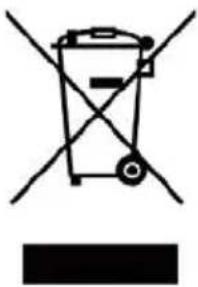
Simple line drawing of a trash bin with crossed lines indicating no waste or discharge (no text or symbols)This device bears the selective sorting symbol for waste electrical and electronic equipment (WEEE). This means that this product must be taken into a selective collection system in accordance with European Directive 2012/19/EU vo that it can either be dismantled or be recycled, and thus reduce the impact on the environment.
For more information, you can contact your local (town tall) or regional administration.
Electronic products that have not been sorted are potentially dangerous for the environment due to the presence of hazardous substances.
When this device reaches the end of its useful life, you must take it to a selective collection center for it to be destroyed and/or recycled.
Under no circumstance should you throw the device on the public highway.
Continental Edison
120-126 quai de Bacalan
33000 Bordeaux France
natural_image
Abstract geometric shapes resembling partial crescent and angular segments (no text or symbols)Continental Edison
www.continentaledison.fr
CE
- Continental Edison
- AVERTISSEMENTS ET CONSEILS DE SECURITE IMPORTANTS
- AVANT LA PREMIÈRE UTILISATION
- IMPORTANT SAFETY WARNINGS AND TIPS
- In this user guide, the following symbols are used:
- SAFETY INSTRUCTION
- Refrigerant
- Danger; risk of fire/ flammable materials
- Suitable for food
- SUMMARY
- DESCRIPTION OF THE DEVICE
- Adjusting the refrigerator temperature
- Adjusting the freezer temperature
- TECHNICAL CHARACTERISTICS
- ENERG
- b. UNPACKING THE APPLIANCE AND DISPOSING OF PACKAGING ELEMENTS
- c. CLEANING THE APPLIANCE:
- FACILITY
- Location
- Connection to the network
- IMPORTANT :
- Climate classes
- Lock
- Refrigerant gas
- Meaning of the « \* » symbol on freezers
- REVERSING THE DOOR OPENING DIRECTION
- PREPARING THE APPLIANCE
- √ Cleaning
- √ Power on
- √ Waiting time
- √ Food Storage
- INSTRUCTIONS TO USE
- Operation:
- Use :
- Temperature indicator:
- Installation of the temperature indicator
- Checking the temperature in the coldest zone
- Noticed :
- Food Storage Tips:
- Temperature adjustment
- Food storage
- Refrigerator Compartment
- Freezer compartment
- Freezing fresh produce
- Attention :
- To freeze fresh produce
- Storage of frozen products
- Defrosting
- Tips for saving energy:
- CLEANING AND MAINTENANCE
- Defrosting
- a) Refrigerator part
- b) Freezer part
- CLEANING
- Bulb replacement
- IX.TROUBLESHOOTING AND SOLUTIONS
- WARRANTY
- Guarantee
- DISPOSAL
Brand : CONTINENTAL EDISON
Model : CEFC225NFS
Category : Fridge