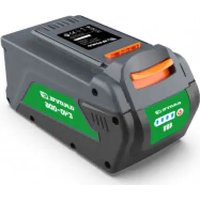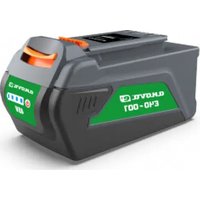
E40-001 - Battery Anova - Free user manual and instructions
Find the device manual for free E40-001 Anova in PDF.


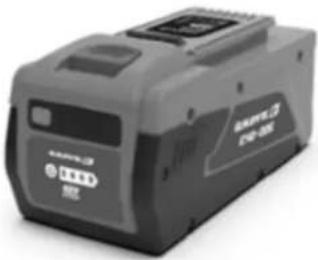
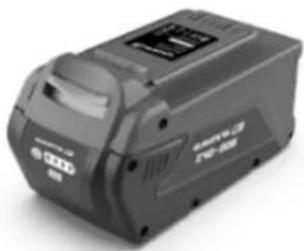
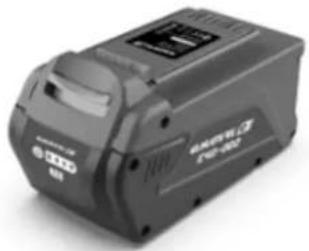
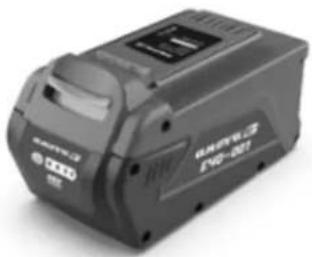
| Product type | Battery for power tool |
| Brand | Anova |
| Model | E40-001 |
| Rated voltage | 40 V max |
| Capacity | 2.0 Ah |
| Energy | 72 Wh |
| Number of cells | 10 |
| Cell type | Lithium-ion |
| Charge time (with 5.1 A charger) | 30 minutes |
| Charge indicator | 4 green LEDs indicating capacity |
| Charge temperature range | 7 °C to 40 °C |
| Intended use | Powering 40 V power tools |
| Protection | Against overcharge, short circuit, overheating |
| Maintenance | Clean with a soft, dry cloth; do not immerse |
| Storage | In a cool, dry place away from direct sunlight |
| Warranty | In accordance with applicable legislation (consult the retailer) |
| Recycling | Do not dispose of with household waste; drop off at a collection point |
Frequently Asked Questions - E40-001 Anova
User questions about E40-001 Anova
0 question about this device. Answer the ones you know or ask your own.
Ask a new question about this device
Download the instructions for your Battery in PDF format for free! Find your manual E40-001 - Anova and take your electronic device back in hand. On this page are published all the documents necessary for the use of your device. E40-001 by Anova.
USER MANUAL E40-001 Anova
natural_image
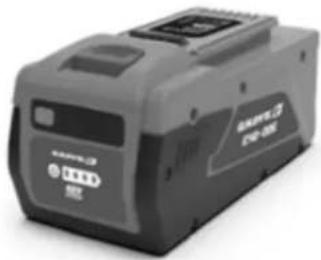
Exterior view of a black Audi FV6-201 electric vehicle (no visible text or symbols on body)2.0 Ah E40-001
natural_image
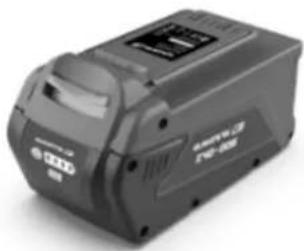
Exterior view of a black industrial electronic device (no visible text or symbols)4.0 Ah E40-006
natural_image
Exterior view of a black industrial electronic device (no visible text or symbols)5.0 Ah E40-002
natural_image
Exterior view of a gray industrial electronic device labeled 'DVB-100' (no additional text or symbols visible)8.0 Ah E40-005
natural_image
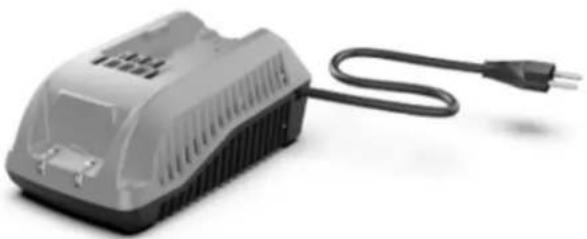
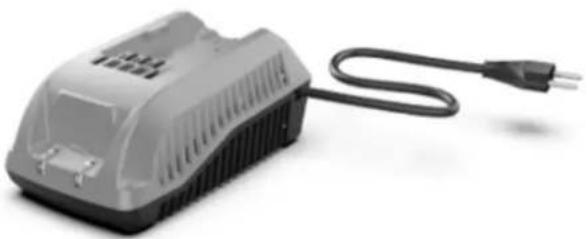
Exterior view of a gray plastic electrical connector with a black cable and power plug (no text or symbols visible)E40-003
natural_image
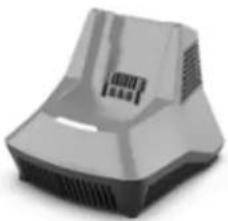
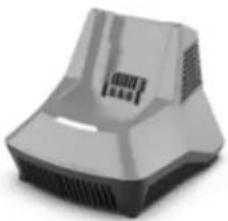
3D rendered image of a gray ergonomic device with ventilation slots and a central slot (no text or symbols visible)E40-004
anova® e+
ES
anova®
natural_image
Five rectangular blocks with varying internal patterns and a battery icon below (no text or symbols)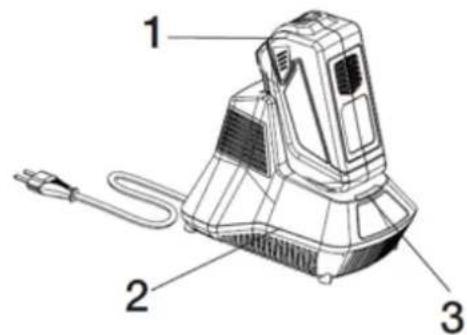
natural_image
Exterior view of a black Audi FV6-201 electric vehicle (no visible text or symbols on body)2.0 Ah E40-001
natural_image
Exterior view of a black industrial electronic device (no visible text or symbols)4.0 Ah E40-006
natural_image
Exterior view of a black industrial electronic device (no visible text or symbols)5.0 Ah E40-002
natural_image
Exterior view of a gray electronic device labeled 'DV-05' with no visible text or symbols beyond branding8.0 Ah E40-005
natural_image
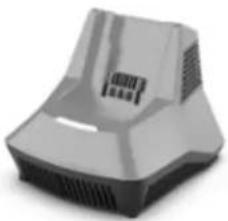
Exterior view of a gray plastic electrical charger with a black cable and power outlet (no text or symbols visible)E40-003
natural_image
3D rendered image of a gray ergonomic device with ventilation slots and a central slot (no text or symbols visible)E40-004
anova® e+
PT
anova®
natural_image
Five rectangular blocks with varying internal shapes and dot patterns, no text or symbols present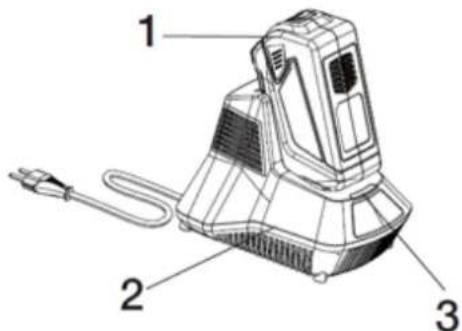
- Bateria
- Carregador
- Indicador LED
Atenção
natural_image
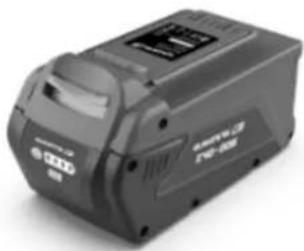
Exterior view of a black Audi FV6-201 electric vehicle (no visible text or symbols on body)2.0 Ah E40-001
natural_image
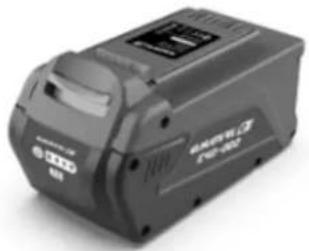
Exterior view of a black industrial electronic device (no visible text or symbols)4.0 Ah E40-006
natural_image
Exterior view of a black industrial electronic device labeled 'F-200' (no additional text or symbols visible)5.0 Ah E40-002
natural_image
Exterior view of a gray electronic device labeled 'DV-05' with no visible text or symbols beyond branding8.0 Ah E40-005
natural_image
Exterior view of a gray plastic electrical charger with a black cable and power outlet (no text or symbols visible)E40-003
natural_image
3D rendered image of a gray ergonomic device with ventilation slots and a central slot (no text or symbols visible)E40-004
anova® e+
FR
FR
anova®
INFORMATIONS SUR CE MANUEL
DÉCLARATION DE CONFORMITÉ CE
natural_image
Exterior view of a black Audi FV6-201 electric vehicle (no visible text or symbols on body)2.0 Ah E40-001
natural_image
Exterior view of a black industrial electronic device (no visible text or symbols)4.0 Ah E40-006
natural_image
Exterior view of a black industrial electronic device labeled 'F-200' (no additional text or symbols visible)5.0 Ah E40-002
natural_image
Exterior view of a gray electronic device labeled 'DV-05' with no visible text or symbols beyond branding8.0 Ah E40-005
natural_image
Exterior view of a gray plastic electrical connector with a black cable and power outlet (no text or symbols visible)E40-003
natural_image
3D rendered image of a gray ergonomic device with ventilation slots and a central slot (no text or symbols visible)E40-004
anova® e+
IT
40V batteries and Anova e+ charger
E40-001/E40-002/E40-003
Instructions and user manual
natural_image
Exterior view of a black Audi FV6-201 electric vehicle (no visible text or symbols on body)2.0 Ah E40-001
natural_image
Exterior view of a black industrial electronic device (no visible text or symbols)4.0 Ah E40-006
natural_image
Exterior view of a black industrial electronic device labeled 'F-200' (no additional text or symbols visible)5.0 Ah E40-002
natural_image
Exterior view of a gray electronic device labeled 'DV-05' with no visible text or symbols beyond branding8.0 Ah E40-005
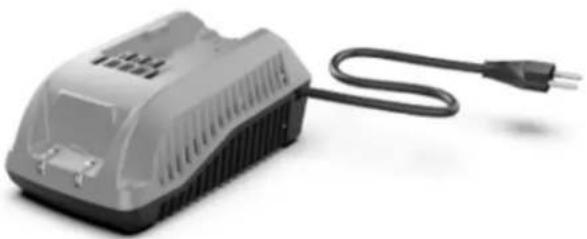
natural_image
Exterior view of a gray plastic electrical charger with a black cable and power outlet (no text or symbols visible)E40-003
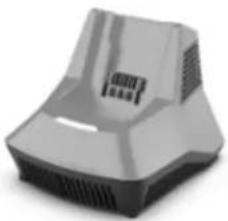
natural_image
3D rendered image of a gray ergonomic device with ventilation slots and a central slot (no text or symbols visible)E40-004
anova® e+
IS
anova®
Anova wishes to congratulate you on choosing one of our products and guarantees you the assistance and cooperation that has always distinguished our brand over time.
This machine is designed to last for many years and be very useful if used according to the instructions in the user manual. We therefore recommend that you read this instruction manual carefully and follow all our recommendations.
For more information or questions, you can contact us through our web support services such as www.anova.es
INFORMATION ABOUT THIS MANUAL
Pay attention to the information provided in this manual and on the appliance for your safety and that of others.
- This manual contains instructions for use and maintenance.
- Take this manual with you when working with the machine.
- The contents are correct at the time of printing.
- We reserve the right to make changes at any time without affecting our legal responsibilities.
- This manual is considered an integral part of the product and must remain with it in the event of loan or resale.
- Ask your dealer for a new manual in case of loss or damage.
READ THIS MANUAL CAREFULLY BEFORE USING THE MACHINE

To ensure your machine provides the best results, please read the operating and safety instructions carefully before using it.
OTHER WARNINGS:
Incorrect use could cause damage to the machine or other objects.
Adapting the machine to new technical requirements could cause differences between the content of this manual and the purchased product.
Read and follow all instructions in this manual. Failure to follow these instructions could result in serious personal injury.
INDEX
- SAFETY INSTRUCTIONS
- BATTERIES
- CHARGERS
- MAINTENANCE AND CLEANING
- WARRANTY
- ENVIRONMENT
- CE CERTIFICATE
1. SAFETY INSTRUCTIONS
1.1. General safety instructions (batteries and charger)
▲ Important
Before operating this product, read and follow the instructions below. To prevent injury to yourself and others, please follow each instruction carefully.

Make sure everyone working with the equipment reads the safety instructions. Keep the instructions in a safe place for future reference.
These products are not intended for use by persons (including children) with reduced physical, sensory, or mental capabilities, or lack of experience and knowledge. Nor should any user operate the device without supervision or instruction concerning use of the appliance from a person responsible for their safety.
- Children should be supervised to ensure they do not play with the products.
- If the charger's power cable is damaged, it should only be replaced at an authorized repair shop, as special tools are required. Failure to do so may result in serious personal injury or damage to the unit.
All information, illustrations, and specifications in this manual are based on the most recent information available at the time of publication. The illustrations used in this manual are for representative purposes only. Furthermore, due to our policy of continuous product improvement, we may modify the information, illustrations, and/or specifications to explain and/or illustrate improvements in a product, service, or maintenance. We reserve the right to make any changes at any time without prior notice. Some images may vary depending on the model shown.
1.2. Residual risks
▲ Important
Even if you comply with the relevant product safety regulations, there may be residual risks given the characteristics of each piece of equipment and the job for which it was designed. Residual risks can be minimized by following the safety instructions.
- You will reduce the risk of personal injury and damage to equipment by following these instructions and exercising caution.
- Failure to follow these safety instructions may result in injury to the operator or damage to property.
- Lack of care, improper use, or failure to comply with safety regulations can cause injuries to hands and fingers.
- There is a risk of electrocution if you use non-approved electrical connections.
Note: Even if you take preventive measures, there may be residual risks that are not obvious.

Read the operating and safety instructions carefully before starting to use the machine. Keep this manual for future reference. Serious injury may result if the safety instructions are not followed.
Before charging, read the instructions.
2. BATTERIES
2.1. Battery Safety Instructions
- Do not disassemble the battery.
- Keep away from children and/or pets.
- Do not expose the battery to water or salt water. The battery should be stored in a cool, dry place.
- Do not place the battery in places with high temperatures.
- Do not reverse the positive and negative terminals of the battery.
- Do not connect the positive and negative terminals of the battery together with any metal objects.
- Do not hit or step on the battery.
- Do not directly solder the battery or pierce it with nails or other cutting tools.
- If the battery leaks and liquid gets into your eye, do not rub it. Rinse thoroughly with water.
- Immediately discontinue use of the battery if, during use, it emits an unusual odor, if the battery is hot, changes color, changes shape, or appears abnormal in any other way.
- Do not allow small metal objects or other similar materials such as aluminum foil or other foreign particles to enter the charger cavity.
- Do not attempt to connect two chargers together.
- Check previous use, whether the output voltage and current of the battery charger are suitable for the charging battery pack.
- Do not use the charger in circumstances where the output polarity does not match the charging polarity.
- For indoor use only.
- Under no circumstances should the cover be opened. If the cover is damaged, the charger can no longer be used.
- Do not recharge non-rechargeable batteries.
2.1.1. Other battery safety instructions
- Do not touch the charger with conductive materials. The charging terminals are live at 120 V.
- If the battery casing is cracked or damaged, do not insert it into the charger. Replace it with a new battery.
- Do not charge batteries with any type of charger other than the one approved by the manufacturer.
- Do not spill liquids on the battery or charger.
- Do not attempt to use the charger for any purpose other than that indicated in this manual.
- Do not attempt to short-circuit any of the battery terminals.
EN
- If battery fluid spills and gets into your eyes, rinse immediately with clean water. Seek medical attention immediately.
- Do not charge the battery in rainy or humid conditions. Do not immerse the tool, battery, or charger in water or other liquids.
Note: For proper use, maintenance and storage of this battery, it is important that you read and understand the instructions provided in this manual.
- Do not allow the battery or charger to overheat. If they are hot, let them cool.
- Do not use a damp cloth or detergent on the battery or battery charger.
- Always remove the battery pack before cleaning, inspecting, or performing any maintenance.
- Recharge only at room temperature.
- Do not cover the ventilation slots on the top of the charger. Do not place the charger on a soft surface, such as a blanket or pillow. Keep the charger's ventilation slots clear.
- Do not allow small metal objects or materials such as steel wool, aluminum foil, or other foreign particles to enter the charger's vents.
- Do not place the battery in direct sunlight or a hot environment. Keep it at room temperature.
- Do not attempt to connect two chargers together.
- Keep it in shade, cool and dry conditions.
- To extend battery life, be sure to charge it for a minimum of 2 hours per month.
- Battery cells may develop a small leak under extreme conditions of use or temperature. If the outer seal breaks and the leak comes into contact with your skin:
a. Wash immediately with soap and water. Seek medical attention.
b. If the leak gets into your eyes, follow the instructions above and seek medical advice.
-
Do not use a damp cloth or detergent on the battery or battery charger.
-
Always remove the battery before cleaning, inspecting, or performing any maintenance on the tool.
2.1.2. Storage Tips
Make sure the battery is fully charged and the charger is disconnected before storing.
- Do not store the battery in direct sunlight, in an excessively hot location, or near high temperatures. Battery life will be reduced.
2.2. Checking battery capacity
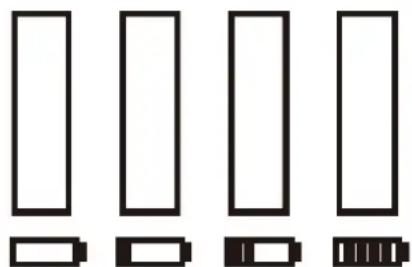
Press the battery capacity indicator button. The lights will illuminate according to the battery capacity level. See the table below:
natural_image
Five rectangular blocks with varying internal shapes and dot patterns, no text or symbols presentLow battery
Full battery
| Lights | Ability |
| 4 green lights | The battery is fully charged |
| 3 green lights | The battery is at 70% capacity |
| 2 green lights | The battery is at 45% capacity |
| 1 green light | The battery is at 10% capacity and will need to be charged soon. |
| The lights go out | The battery has less than 10% of its capacity and requires immediate charging. |
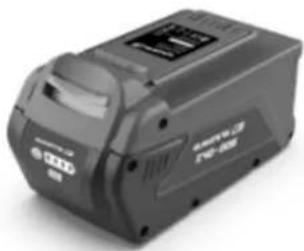
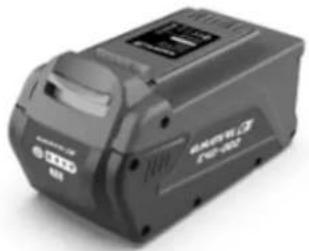
2.3. Technical specifications of the batteries
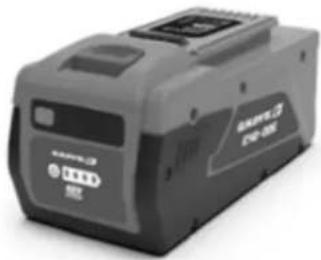
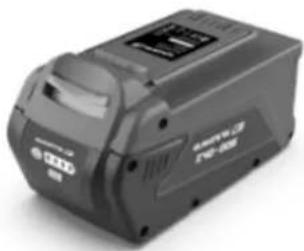
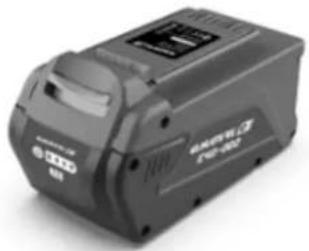
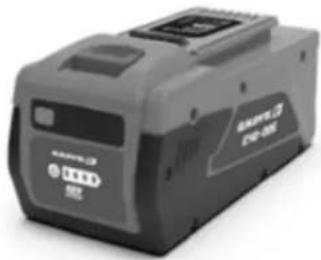
| Specs | E40-001 | E40-002 | E40-005 | E20-006 |
| Battery | 40V Max | 40V Max | 40V Max | 40V Max |
| 2.0 Ah | 5.0 Ah | 8.0 Ah | 4.0 Ah | |
| 72 Wh | 180 Wh | 288 Wh | 144 Wh | |
| Voltage | 3.6V | 3.6V | 3.6V | 3.6V |
| Number of cells | 10 | 20 | 20 | 20 |
| Charging time* (*Estimated for a 5.1A charger) | 30 min | 75 min | 120 min | 60min |
Note: Due to design improvements and/or changes in specifications, this manual may be modified without prior notice and without the need to change the document.
3. CHARGERS
3.1. Charger safety instructions
- Read and understand all instructions.
- Failure to follow all of the instructions below may result in electric shock, fire, and/or serious personal injury.
- Before using the charger, read all instructions and warnings in this manual, on the charger, on the battery, and on the product using the battery to avoid misuse of the products and possible injury or damage.
- Do not use the charger outdoors or expose it to wet conditions. Water entering the charger will increase the risk of electric shock.
- Using an accessory not recommended by the battery charger manufacturer may cause personal injury or damage to the unit.
- Do not abuse the cable or charger. Never use the cable to carry the charger. Do not pull the charger cable rather than the plug when unplugging it from the wall outlet. This could damage the cable or charger and create a risk of electric shock. If the cable or charger is damaged, have the charger replaced by an authorized technician.
- Make sure the cord is routed so that it will not be stepped on, tripped over, come into contact with sharp edges or moving parts, or otherwise be subjected to damage or stress. This will reduce the risk of accidental drops, which could cause injury, and damage to the cord, which could result in electric shock.
-
Keep the cable and charger away from heat to avoid damage to the case or internal parts.
-
Do not allow gasoline, oils, petroleum products, etc., to come into contact with plastic parts. They contain chemicals that can damage, weaken, or destroy plastic.
- Always wear eye protection with standard side shields. Otherwise, objects could enter your eyes and cause serious injury.
- An extension cord should not be used unless absolutely necessary. Use of an improper extension cord.
- That the pins on the extension cable plug are the same number, size and shape as those on the charger plug.
• That the extension cable is properly wired and in good electrical condition.
- Do not use the charger with a damaged cord or plug, as this could cause a short circuit and electric shock. If damaged, have the charger replaced by an authorized technician.
- Do not use the charger if it has received a sharp blow, been dropped, or otherwise damaged. Take it to an authorized technician to check the electrical condition and determine if the charger is functioning properly.
- Do not disassemble the charger. Take it to an authorized technician when repair or service is required.
- Unplug the charger from the electrical outlet before performing any maintenance or cleaning to reduce the risk of electric shock.
- Unplug the charger from the power source when not in use. This will reduce the risk of electric shock or damage to the charger if metal objects fall into the opening. It will also help prevent damage to the charger during a power surge.
- Risk of electric shock. Do not touch the uninsulated part of the output connector or the uninsulated battery terminal.
- Save these instructions. Refer to them frequently and use them to instruct others who may use this tool. If you lend this tool to someone, also lend them these instructions to prevent misuse of the product and possible injury.
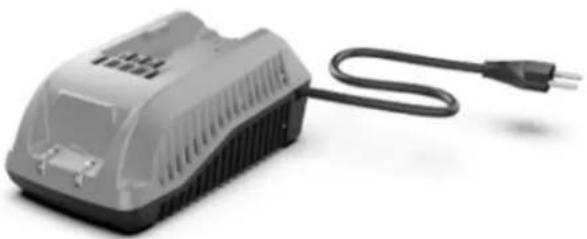
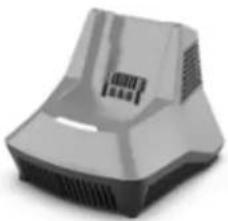
3.2. Technical specifications
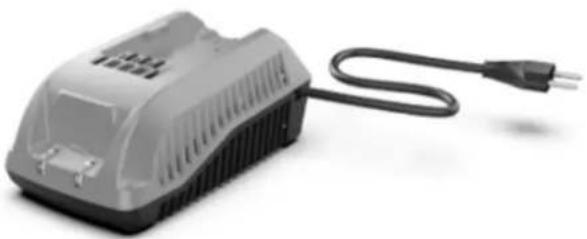
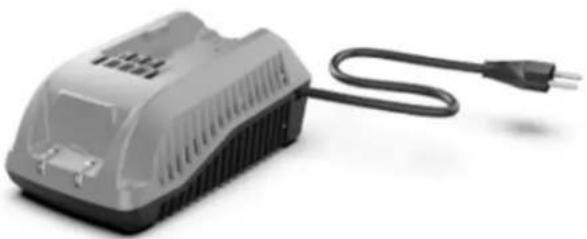
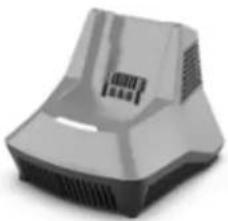
| Specs | E40-003 | E40-004 |
| Exit | 40V – 2.1A | 40V – 5.1A |
3.3. Loading procedure
3.3.1. Before loading
Warning
Do not use this product if it is not fully assembled or if any parts appear to be missing or damaged. Using a product that is not properly and completely assembled or that has damaged or missing parts could result in serious personal injury.
Warning
Do not attempt to modify this product or create accessories or attachments that do not create a hazardous situation that could result in serious personal injury.
3.3.2. Charger operation
Warning
Don't let familiarity with the products make you careless. Remember that a split second of carelessness can cause serious injury.
Always wear eye protection with standard side shields. Otherwise, objects could be thrown into your eyes and cause serious injury.
Intended use
You can use this product to charge Westinghouse 40-volt lithium-ion batteries.
Caution
If at any point during the charging process none of the LEDs light up, remove the battery from the charger to avoid damaging the product. DO NOT insert another battery. Return the charger and battery to the nearest service center for repair or replacement.
Warning
Charge in a well-ventilated area. Do not block the charger's vents. Keep them clear to allow for proper ventilation.
3.3.3. Loading procedure
Batteries are shipped with a low charge level to avoid potential problems. Therefore, return the battery and charger to the nearest repair center for a check of the electrical condition.
Charging time varies and depends on the amp-hour capacity of the battery.
Warning
Do not place the charger in extreme temperatures, either very high or very low. It will operate best at normal room temperature. The battery will feel slightly warm to the touch during charging. This is normal and does not indicate a problem.
- Plug the charger into a household power outlet and make sure the power supply is normal household voltage, 220V, AC only, 50Hz.
- Connect the battery to the charger by aligning the protrusions on the battery with the slots in the charger, then slide the battery onto the charger.
- Press down on the battery to ensure the battery contacts fit properly with the charger's contacts. The green LED will flash while the battery is charging.
- Once charging is complete, the green LED will remain lit.
- To remove the battery from the charger, slide the battery back.
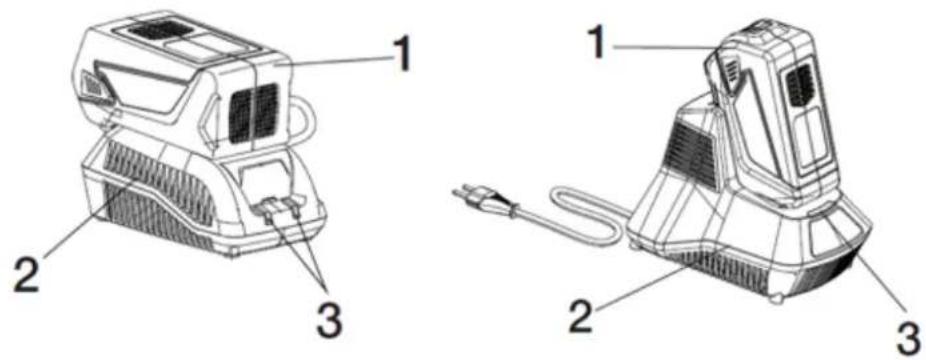
- Battery
- Charger
- LED indicator
Attention
The battery is not shipped fully charged. It is recommended to fully charge it before use to ensure maximum runtime. This lithium battery will not develop a memory and can be charged at any time.
This is a diagnostic charger. The charger's LED lights (3) will illuminate in a specific order to communicate the current battery status. They are as follows:
| Charging procedure (LED indicator) | RED - GREEN | ||
| The battery is charging | Red – OFF | Green – ON (flashing) |  |
| Fully charged | Red – OFF | Green – ON (steady) |  |
| The battery is too hot/cold. (Remove for approximately 30 minutes to allow it to return to normal temperature) | Red – ON | Green - OFF |  |
| The battery is defective. (Remove it immediately and contact technical support.) | Red – ON (flashing) | Green – ON (flashing) |  |
3.3.4. Checking the charger
If the battery does not charge properly:
- Check the power at the outlet with another tool. Make sure the outlet is not turned off.
- Check that the charger contacts have not been shorted due to debris or foreign materials.
- If the surrounding air temperature is not normal, move the charger and battery to a location where the temperature is between 7^ C and 40^ C.
Attention
If the battery is inserted into the charger when it's warm or hot, the LED charging indicator light on the charger may turn orange. If this happens, let the battery cool outside the charger for approximately 30 minutes.
4. MAINTENANCE AND CLEANING
Attention
To avoid the risk of fire, electric shock, or electrocution:
- Do not use a damp cloth or detergent on the battery or battery charger.
- Always remove the battery pack from the charger before cleaning, inspecting, or performing any maintenance.
Before performing any maintenance or cleaning tasks, always disconnect the charger from the power outlet.
Clean the exterior of the charger with a soft, dry cloth. Do not wash with a hose or water. Do not allow the battery or charger to get wet. Water ingress can destroy the unit.
Note: If you have any questions about maintenance, cleaning, or if there is a problem you cannot solve, please contact your dealer or service center.
5. WARRANTY
If your product experiences a manufacturing defect during the established warranty period, please contact or go to your point of sale directly with the necessary documentation.
Your purchase invoice must be kept as proof of the purchase date. Your tool must be returned to your dealer in acceptable, clean condition, in its original molded case, if applicable, accompanied by your corresponding proof of purchase.
5.1. Warranty period
The legal warranty period for the product begins on the original date of purchase by the initial purchaser and will last as long as established by the Royal Decree-Law on the protection of consumers and users against situations of social and economic vulnerability for the year corresponding to the time of purchase of the product.
Some countries do not allow limitations on how long an implied warranty lasts or do not allow the exclusion or limitation of consequential or incidental damages, so the above limitation and exclusion may not apply to you. This warranty gives you specific legal rights, and you may also have other rights that vary from state to state or country to country.
5.2. Exclusions
This warranty does not cover damage to the product or performance problems caused by:
- Natural wear and tear due to use.
- Misuse, negligence, careless operation or lack of maintenance.
- Defects caused by improper use, damage caused by manipulation carried out by personnel not authorized by Anova, or use of non-original spare parts.
- Defects in normal wear parts, such as bearings, brushes, cables, plugs, or accessories such as drills, bits, saw blades, etc.
- Damage or defects resulting from abuse, accidents or alterations.
- Incorrect use and storage (explicit reference that the rules described in the operating instructions have not been followed).
- Wear caused by the customer (e.g. broken saw blades, consumed carbon brushes, etc.).
- Wear and secondary damage due to lack of maintenance, repair, lubricants (e.g., overheating damage due to blocked cooling slots, bearing damage due to dirt, frost damage, etc.)
- Damage as an obvious result of overuse/overload.
- Damage caused by inappropriate supplies (e.g., incorrect fuel)
- Load-induced fracture of housing components or accessories due to abnormal stress
- Load-induced deformation of housing components or accessories due to abnormal stress.
-
Damage resulting from the operation of supplies that are overfilled or leak due to improper storage, inappropriate cleaning agents, or other damaging chemical components.
-
Damage due to improper exposure to extreme temperatures (e.g., frost fractures, thermal deformation of components, etc.)
- Damage from permanent exposure to ultraviolet radiation.
- Damage caused by inadequate maintenance.
- Any damage caused by non-compliance with the instruction manual
- Any product that has been attempted to be repaired by an unqualified professional.
- Any product connected to an improper power source (amps, voltage, frequency).
- Any damage caused by external influences (water, chemicals, physical, impacts) or foreign substances.
- Use of unsuitable accessories or parts.
- It does not include defects due to normal wear and tear, nor does it cover damage or defects resulting from abuse, accidents or alterations, nor transportation costs.
The warranty is also void if the product has been altered or modified, or if the machine's trademark/serial number has been defaced or removed.
Routine maintenance, tune-ups, adjustments, or normal wear and tear are not covered under this warranty.
This manual does not cover all possible warranty exclusions; for more information, please contact your nearest Anova dealer.
5.3. In case of incident
The warranty must be properly completed with all the requested information and accompanied by the purchase invoice.
Anova reserves the right to reject any claim where the purchase cannot be verified or where it is clear that the product was not properly maintained (maintenance, clean ventilation slots, lubrication, carbon brushes regularly serviced, cleaning, storage, etc.).
Private use is defined as personal domestic use by an end consumer. Commercial use, on the other hand, refers to all other uses, including uses for business, income-generating, or rental purposes. Once a product has been used for commercial purposes, it will henceforth be considered a commercial product for the purposes of this warranty.
These are our standard warranty terms, but occasionally there may be additional warranty coverage not specified at the time of publication. For more information, please contact your nearest authorized Anova dealer or visit www.millasur.com.
Warranty service is only available through official Anova dealers. You can find your nearest dealer on our dealer map at www.anova.es.
6. ENVIRONMENT
It's essential to ensure that products and their components are disposed of responsibly to protect the environment. Below, you can find general guidelines for the proper disposal of various materials used in your machine.
EN
Dispose of your machine in an environmentally friendly manner. Machines should not be disposed of with household waste. Their plastic and metal components can be sorted according to their nature and recycled.
When disposing of machinery or metal products, keep in mind that their metal components, such as iron, steel, or aluminum, must be properly recycled in metal recycling facilities. This will contribute to the possibility of reusing them in the manufacture of new products.
Oils and Fuels
Used oils and fuels, among other things, must be properly recycled. Do not pour these liquids into drains, soil, rivers, lakes, or seas, as they can cause serious environmental damage. Direct them to a recycling center or specialized collection point. This process helps prevent water and soil contamination and, if possible, allows the oils to be reused safely.
Plastics
Plastics should be separated and taken to specific recycling points. Do not dispose of them with general household waste. Plastics can be recycled, contributing to waste reduction.
Cardboard
Packaging materials, such as cardboard, are recyclable. Be sure to separate clean, dry cardboard and place it in designated recycling containers or at an official waste collection point. Do not dispose of it with household waste.
Batteries
Batteries, accumulators, and other electronic components from the machines must be disposed of at designated collection points to prevent the release of toxic substances into the environment. Do not dispose of them with regular trash. Take them to appropriate recycling centers for safe and responsible handling.
By following these guidelines, you are contributing to environmental protection and resource conservation. For more information on disposal and recycling, please contact your local authorities for further information.
6.1. Battery disposal
The batteries used in this range contain toxic and corrosive materials. All toxic materials must be disposed of in a specific manner to prevent environmental pollution.
Before disposing of damaged or worn lithium-ion battery packs, contact your local waste disposal agency or the Environmental Protection Agency. Take the batteries to a local recycling and/or disposal center certified for lithium-ion disposal.
If the battery cracks or breaks, whether or not it leaks, do not recharge or use it. Discard it and replace it with a new battery. Do not attempt to repair it.
- Cover the battery terminals with heavy-duty adhesive tape.
- Do not attempt to remove or destroy any of the battery pack components.
- Do not attempt to open the battery pack or charger.
- If a leak occurs, the released electrolytes are corrosive and toxic. Do not allow the solution to come into contact with eyes or skin, and do not swallow it.
- Do not burn the batteries or the charger.
- Do not place them where they will become part of any waste landfill or municipal solid waste stream.
- Take them to a certified recycling or disposal center for these types of products.
7. CE CERTIFICATE
DISTRIBUTION COMPANY
MILLASUR, SL
EC DECLARATION OF CONFORMITY
In compliance with the various EC directives, it is hereby confirmed that, due to its design and construction, and according to the CE mark printed on it by the manufacturer, the machine identified in this document complies with the relevant and fundamental health and safety requirements of the aforementioned EC directives. This declaration qualifies the product for displaying the CE symbol.
If the machine is modified and this modification is not approved by the manufacturer and communicated to the distributor, this declaration will lose its value and validity.
Machine name: 40V CHARGERS
Recognized and approved standard to which the following are adapted:
Directive 2014/35/EU
2014/30/EU
Tested according to regulations:
EN 62233:2008
EN 60335-2-29:2004+A2:2010+A11:2018
EN IEC 60335-2-29:2021+A1:2021
EN 60335-1:2012+A11:2014+A13:2017+A1:2019+A2:2019+A14:2019
EN IEC 55014-1:2021
EN IEC 55014-2:2021
EN IEC 61000-3-2:2019/A1:2021
EN 61000-3-3:2013+A1:2019+A2:2021
Company seal
MILLASUR, S.L.U. Rúa Eduardo Pondal, 23 - Pol Emp.. Sigüeiro 15688-Oroso-A Coruña Tel. (+34) 981 69 64 65 - Fax (+34) 981 69 08 61 e-mail: millasur@millasur.com CIF: B-15 749 922
09/30/2025
natural_image
Exterior view of a black Audi FV6-201 electric vehicle (no visible text or symbols on body)2.0 Ah E40-001
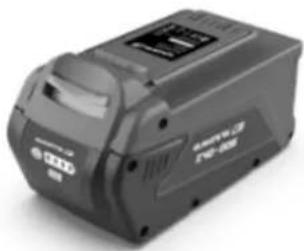
natural_image
Exterior view of a black industrial electronic device (no visible text or symbols)4.0 Ah E40-006
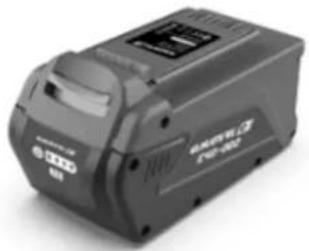
natural_image
Exterior view of a black industrial electronic device labeled 'F-200' (no additional text or symbols visible)5.0 Ah E40-002
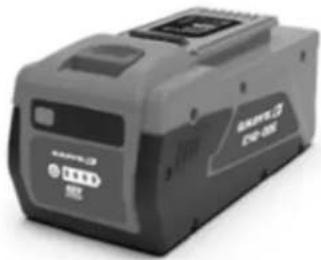
natural_image
Exterior view of a gray electronic device labeled 'DV-05' with no visible text or symbols beyond branding8.0 Ah E40-005
natural_image
Exterior view of a gray plastic electrical charger with a black cable and power outlet (no text or symbols visible)E40-003
natural_image
3D rendered image of a gray ergonomic device with ventilation slots and a central slot (no text or symbols visible)E40-004
anova® e+
DE
anova®
natural_image
Five rectangular blocks with varying internal shapes and dot patterns, no text or symbols presentnatural_image
Exterior view of a black Audi FV6-201 electric vehicle (no visible text or symbols on body)2.0 Ah E40-001
natural_image
Exterior view of a black industrial electronic device (no visible text or symbols)4.0 Ah E40-006
natural_image
Exterior view of a black industrial electronic device labeled 'F-200' (no additional text or symbols visible)5.0 Ah E40-002
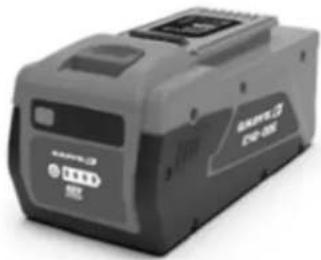
natural_image
Exterior view of a gray electronic device labeled 'DV-05' with no visible text or symbols beyond branding8.0 Ah E40-005
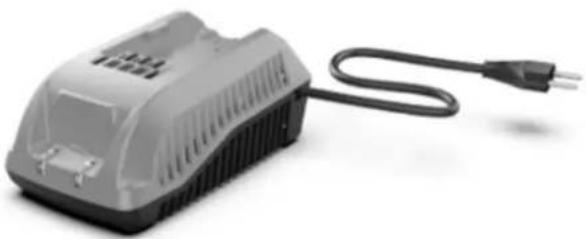
natural_image
Exterior view of a gray plastic electrical charger with a black cable and power outlet (no text or symbols visible)E40-003
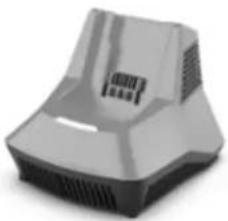
natural_image
3D rendered image of a gray ergonomic device with ventilation slots and a small rectangular component on top (no text or symbols visible)E40-004
anova® e+
NL
anova®
ANDERE WAARSCHUWINGEN:
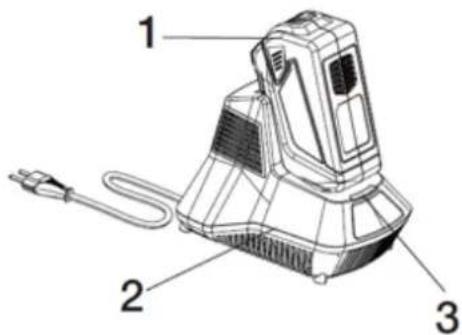
- Batterij
- Oplader
- LED-indicator