
ARG 7182 - Refrigerator WHIRLPOOL - Free user manual and instructions
Find the device manual for free ARG 7182 WHIRLPOOL in PDF.
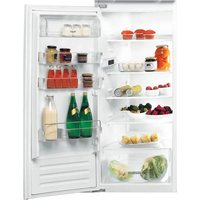

 FR
FR
 BG
BG
 CS
CS
 DA
DA
 DE
DE
 EL
EL
 EN
EN
 ES
ES
 ET
ET
 FI
FI
 HE
HE
 HU
HU
 HY
HY
 IS
IS
 IT
IT
 KK
KK
 KY
KY
 LT
LT
 LV
LV
 NL
NL
 NO
NO
 PL
PL
 PT
PT
 RO
RO
 RU
RU
 SK
SK
 SL
SL
 SV
SV
 TR
TR
 UK
UK
 ZH
ZH
| Product type | Refrigerator with freezer compartment |
| Brand | Whirlpool |
| Model | ARG 7182 |
| Dimensions (approx.) | Height 180 cm, Width 60 cm, Depth 65 cm |
| Weight (approx.) | 65 kg |
| Power supply | 230 V, 50 Hz |
| Climate class | N/ST (ambient temperature 16°C to 38°C) |
| Lighting | LED bulb (max 25 W), replaceable by after-sales service |
| Defrosting | Automatic for the refrigerator compartment, manual for the freezer compartment |
| Reversible door | Yes, door opening direction can be changed (not covered by warranty) |
| Refrigerator capacity | Approximately 200 L |
| Freezer capacity | Approximately 80 L |
| Coldest zone | Shelves above the vegetable drawer (for meat and fish) |
| Drawers and shelves | All drawers, door bins, and shelves are removable |
| Odor filter | Present depending on model, to be placed in the fan |
| Food preservation | Recommendations for fruits, vegetables, meats, etc. |
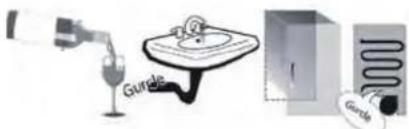
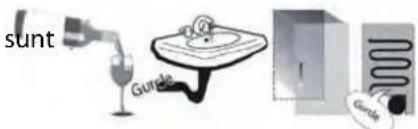
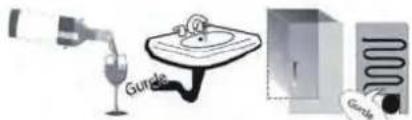
| Operational noises | Compressor hum and refrigerant gurgle are normal |
| Cleaning | Damp cloth and mild detergent, do not use steam or abrasives |
| Defrost drain | Clean regularly with the provided tool |
| Spare parts | Available for 7 to 10 years depending on regulations |
| Safety instructions | Unplug before maintenance, do not use flammable liquids |
| Instructions available in | FR, BG, CS, DA, DE, EL, EN, ES, ET, FI, HE, HU, HY, IS, IT, KK, KY, LT, LV, NL, NO, PL, PT, RO, RU, SK, SL, SV, TR, UK, ZH |
Frequently Asked Questions - ARG 7182 WHIRLPOOL
User questions about ARG 7182 WHIRLPOOL
0 question about this device. Answer the ones you know or ask your own.
Ask a new question about this device
Download the instructions for your Refrigerator in PDF format for free! Find your manual ARG 7182 - WHIRLPOOL and take your electronic device back in hand. On this page are published all the documents necessary for the use of your device. ARG 7182 by WHIRLPOOL.
USER MANUAL ARG 7182 WHIRLPOOL

User manual
USER MANUAL
CONTENTS
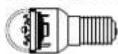
Bulb type 2)
Shelves
Legend
TEMPERATE ZONE
Explanations
User guide
USER GUIDE
TABLE OF CONTENTS
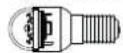
Lamp type 2)
Shelves
Explanation

**
TEMPERED AREA
Explanation
Operating instructions
OPERATING INSTRUCTIONS
INDEX
Light type 2)
Storage surfaces
Legend

**
TEMPERATURE ZONE
Legend
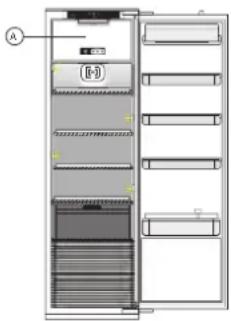
A. FREEZER COMPARTMENT (if present)
User Manual
USER MANUAL
INDEX
Shelves
Legend

**
TEMPERATURE ZONE
User Manual
USER MANUAL
INDEX
Use & Care guide 2
Refrigerator light 2
Replacing the LED light bulb (depending on model) 2
Shelves 2
Door 2
How to use the appliance 3
First time use 3
Refrigerator compartment and food storage 3
How to store fresh food and beverages 3
* Freezer compartment food storage (Depending on model) 4
Food shelf life at different temperatures 4
* How to defrost the freezer compartment (Depending on model) 5
Functional sounds 5
Recommendation in case of no use of the appliance 5
Cleaning and maintenance 6
Gasket replacement 7
Refrigerator light
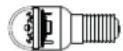
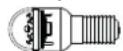
The light system inside the refrigerator compartment uses LED lights, providing better illumination than traditional light bulbs as well as very low energy consumption. Contact the Technical Assistance Service if you need a replacement. Important: The refrigerator compartment light switches on when the refrigerator door is opened.
Replacing the LED light bulb (depending on model)
Always disconnect the appliance from the power supply before replacing the light bulb. Then follow the instructions based on the type of light bulb for your product. Replace the light bulb with one with the same features, available from the Technical Assistance Service and authorized sellers.
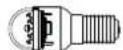
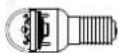
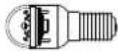
Light type 1)
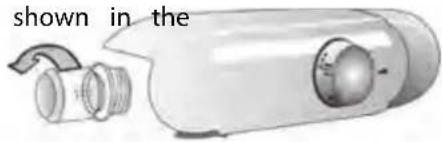
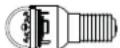
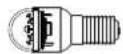
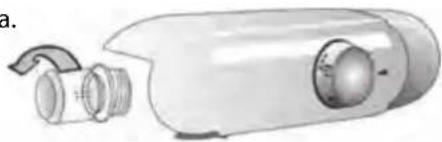
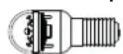
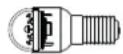
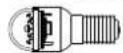
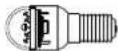
To remove the light bulb, unscrew it in an anti-clockwise direction, as shown in the figure. Wait 5 minutes before reconnecting the appliance.
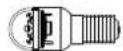
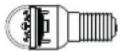
LED light bulb (max 25W)
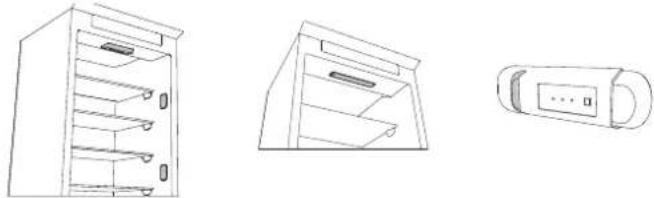
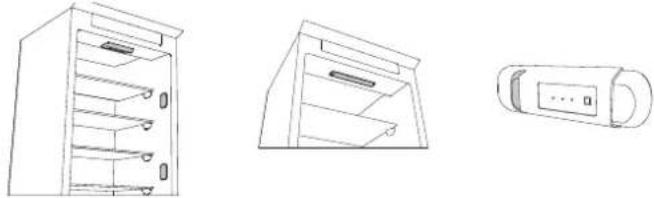
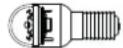
Light type 2)
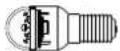
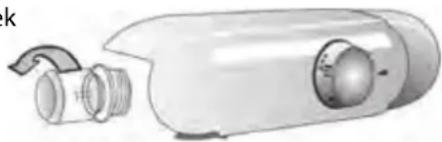
If the product has LED lights, as demonstrated in the figures below, contact the Technical Assistance Service if you need a replacement. LEDs last longer than traditional light bulbs, improve internal visibility and are environmentally-friendly.
Shelves
All of the drawers, door shelves and shelves can be removed.
Door
Door reversibility
Note: The direction of door opening can be changed. If this operation is performed by After-sales Service it is not covered by the warranty. Follow instructions in Installation Guide.
How to use the appliance
First time use
Wait at least two hours after installation before connecting the appliance to the power supply. When you connect the appliance to the power supply, it starts operating automatically. The ideal storage temperatures for food are preset at the factory.
After turning on the appliance, you must wait 4-6 hours for the correct storage temperature to be reached for a normally filled appliance. Position the antibacterial anti-odour filter in the fan as demonstrated in the filter packaging (if available). If the audible signal sounds, it means that the temperature alarm has been triggered: press the button to switch off the acoustic alarms.
Refrigerator compartment and food storage
The refrigerator compartment allows for the storage of fresh food and drinks. The refrigerator compartment defrosts completely automatically. The occasional presence of drops of water on the internal back wall of the compartment is a sign of the automatic defrosting phase. The defrosting water is channelled into a drain and then collected in a container, where it evaporates.
Note: the ambient temperature, how often the doors are opened, and the position of the appliance may affect the internal temperatures in the two compartments. Set the temperatures depending on these factors. In very humid conditions, condensation may form in the refrigerator compartment, especially on the glass shelves. In this case, it is recommended that you close containers with liquids (e.g., a pot of stock), wrap up food with a high water content (e.g., vegetables), and turn on the fan, if there is one. All of the drawers, door shelves, and shelves can be removed.
Air ventilation
The ventilation air allows a better distribution of the temperatures inside the compartments and, consequently, better preservation of the food and reduction of excess humidity. Do not obstruct the ventilation area.
How to store fresh food and beverages
Foods which give off a large amount of ethylene gas (apples, apricots, pears, peaches, avocado, figs, prunes, blueberries, melons, beans) and those that are sensitive to this gas, such as fruit vegetables and salad, should always be separated or wrapped so as not to reduce the storage life; for example, do not store tomatoes together with kiwi fruits or cabbage. Do not store food too close together to enable sufficient air circulation. Use recyclable plastic, metal, aluminum, and glass containers and cling film to wrap foods.
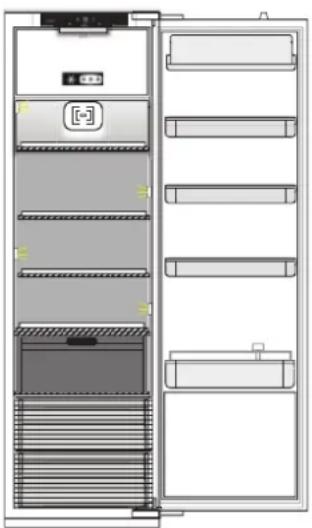
If you have a small quantity of food to store in the refrigerator, we recommend using the shelves above the crisper for fruits and vegetables since this is the coolest area of the compartment. Always use closed containers for liquids and for food that may give off or be tainted by odor or flavor transfer, or cover them. To avoid bottles falling over, you can use the bottle holder (available on selected models).
Legend

**
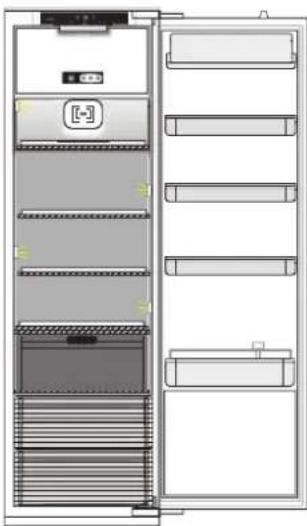
TEMPERATE ZONE
Suggested for storage of tropical fruit, cans, drinks, eggs, sauces, pickles, butter, jam
COOL ZONE
Suggested for the storage of cheese, milk, daily food, delicatessen, yogurt
COOLEST AREA
Suggested for storage of cold cuts, desserts, meat and fish
FRUIT AND VEGETABLE DRAWER
For models with "0 ° ZONE" COMPARTMENT the "coolest area" is the one highlighted in the legend
* Freezer compartment food storage (Depending on model)
*** The frozen compartment allows long time storage for frozen food. You can only use the "Storage" compartment maintaining frozen food BUT IT IS NOT CAPABLE TO FREEZE NEW FRESH FOOD.
The freezer compartment allows long time storage of frozen food and freezing of fresh food. The quantity of food that can be frozen in 24 hours is written on the rating plate. Arrange the fresh food in the freezing area inside the freezer compartment, leaving enough space around the food packages to allow air to circulate freely. It is advisable that you do not re-freeze food that has partially defrosted. It is important to wrap the food in a way that prevents the ingress of water, humidity or condensation.
Ice cubes
Fill 2/3 of the ice tray with water and put it back in the freezer compartment. Do not use sharp or pointed objects to remove the ice under any circumstances.
Removing the drawers
Pull the drawers outwards as far as they will go, lift them up and remove them. To get more volume, the freezer compartment can be used without the drawers. Make sure that the door is closed properly after putting the food back on the grilles/shelves.
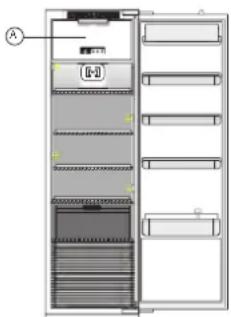
Legend
A. FREEZER COMPARTMENT (If the refrigerator has one)
Food shelf life at different temperatures
| FROZEN COMPARTMENT | |||
| Product Storage period (-12°C) | Recommended Storage period (-18°C) | Storage period (-24°C) | |
| Butter or margarine 1 month | 6 months 9 months | ||
| Fish 1 month 1-3 months | 6 months | ||
| Fruits (except citrus) & Vegetables | 1 month 8-12 months | 12 months | |
| Meat- Ham- sausage Roasts (beef-pork- lamb) Steaks or chops (beef-lamb-pork) | 1 month 2 months | 8-12 months4 months | 12 months |
| Milk, Fresh fluid, Cheese, Ice cream or sherbet | 1 month 1-3 months | 5 months (not recommended for ice cream) | |
| Poultry (chicken-turkey) | 1 month 5-7 months | 9 months | |
Food shelf life at different temperatures
| UNFROZEN COMPARTMENT | |||
| Product | Storage period 0-3°C | Storage period (3-6°C) | Storage period 6-8°C |
| Cans, drinks, eggs, sauces, pickles, butter, jam | 3-4 weeks | 3-4 weeks | 3-4 weeks |
| Tropical fruit | Not recommended 2-4 weeks | 3-4 weeks | |
| Cheese, milk, dairy food, deli-5 daysfood, yoghurt | 2-5 days | 2-5 days | 2-5 days |
| Cold cuts, desserts, meat and fish and home-cooked food | 3-5 days | 1-2 days | Not recommended |
| Store vegetables and fruits (excluding tropical fruits and citrus) | 15 days | 10-12 days | 4-7 days |
* How to defrost the freezer compartment (Depending on model)
- It is advisable to set the temperature colder or turn on the Fast Freeze/Fast Cool* at least four hours before removing the food from the freezer compartment, to prolong the preservation of the food during the defrosting phase.
- To defrost, turn the appliance off and remove the drawers. Put the frozen food in a cool place. Leave the door open to allow the frost to melt. To prevent the water from escaping during the defrost, it is advised that you place an absorbent cloth on the bottom of the freezer compartment and wring it out regularly.
- Clean the inside of the freezer compartment and dry it carefully.
- Turn the appliance back on and put the food back inside.
Functional sounds
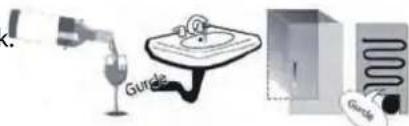
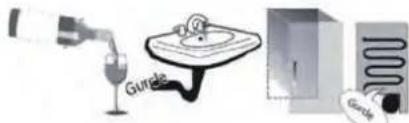
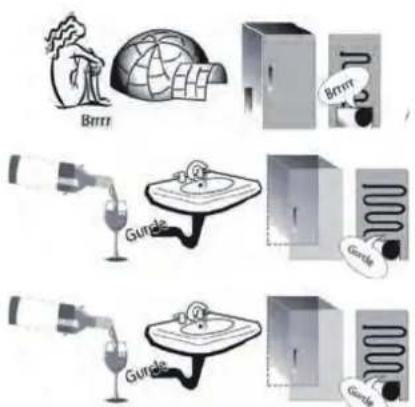
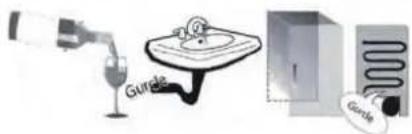
- A buzz generated by the compressor is normal while the product is working.
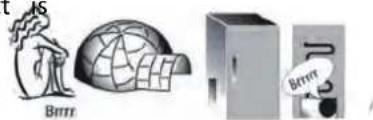
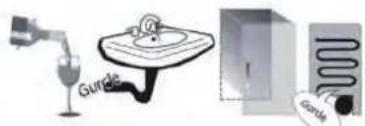
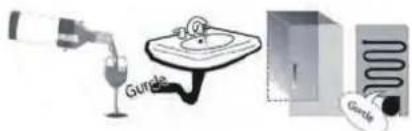
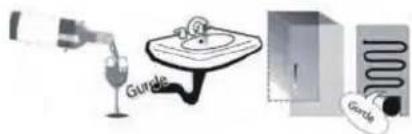
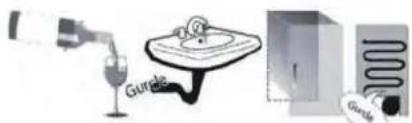
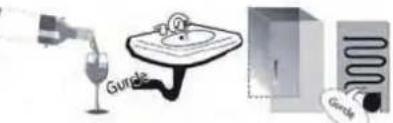
- Gurgling and crackles are generated by the passage of the refrigerant gas inside the cooling circuit, therefore these are normal noises.
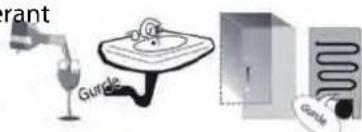
- It's possible to "hear" creaks when the compressor is active and inactive: it is a normal sound of the product's structure.
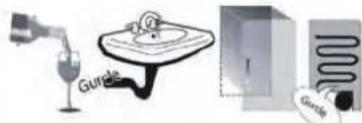
- Check that the balconies on the inside of the refrigerator door, the shelves and the drawers in the refrigerator compartment are attached and positioned properly, to avoid possible vibrations.
- Don't place glass containers (bottles, jars, etc.) in direct contact with each other, to avoid vibrations.
- This device is equipped with a compressor that operates at an optimum speed to minimize energy consumption. So it may happen that in certain situations (in summer or if large quantities of food are introduced) that the increases the speed and therefore it is more noisy than usual.
Recommendation in case of no use of the appliance
In the event of non-use of the appliance
Disconnect the appliance from the power supply, empty it, defrost it (if necessary) and clean it.
Keep the doors slightly ajar to let air circulate inside the compartments. By doing this, you avoid the development of mould and bad odours.
In the event of an interruption to the power supply
Keep the doors closed so the food stays cold for as long as possible. Do not re-freeze food that has partially defrosted. If there is a prolonged power cut, the black out alarm may also activate (in products with electronics).
Cleaning and maintenance
Before any cleaning or maintenance operation, unplug the appliance from the mains or disconnect the electric power supply.
Never use abrasives. Never clean refrigerator parts with flammable fluids.
Do not use steam cleaners.
The buttons and control panel display must not be cleaned with alcohol or alcohol-derived substances, but with a cloth.
Clean the appliance occasionally with a cloth and a solution of warm water and neutral cleaning agents specifically for cleaning the inside of the refrigerator.
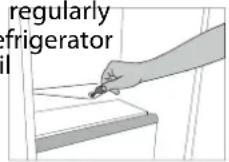
To ensure the constant and correct flow of the defrosting water, regularly clean the inside of the drain situated in the back wall of the refrigerator compartment near the fruit and vegetable drawer using the utensil provided.
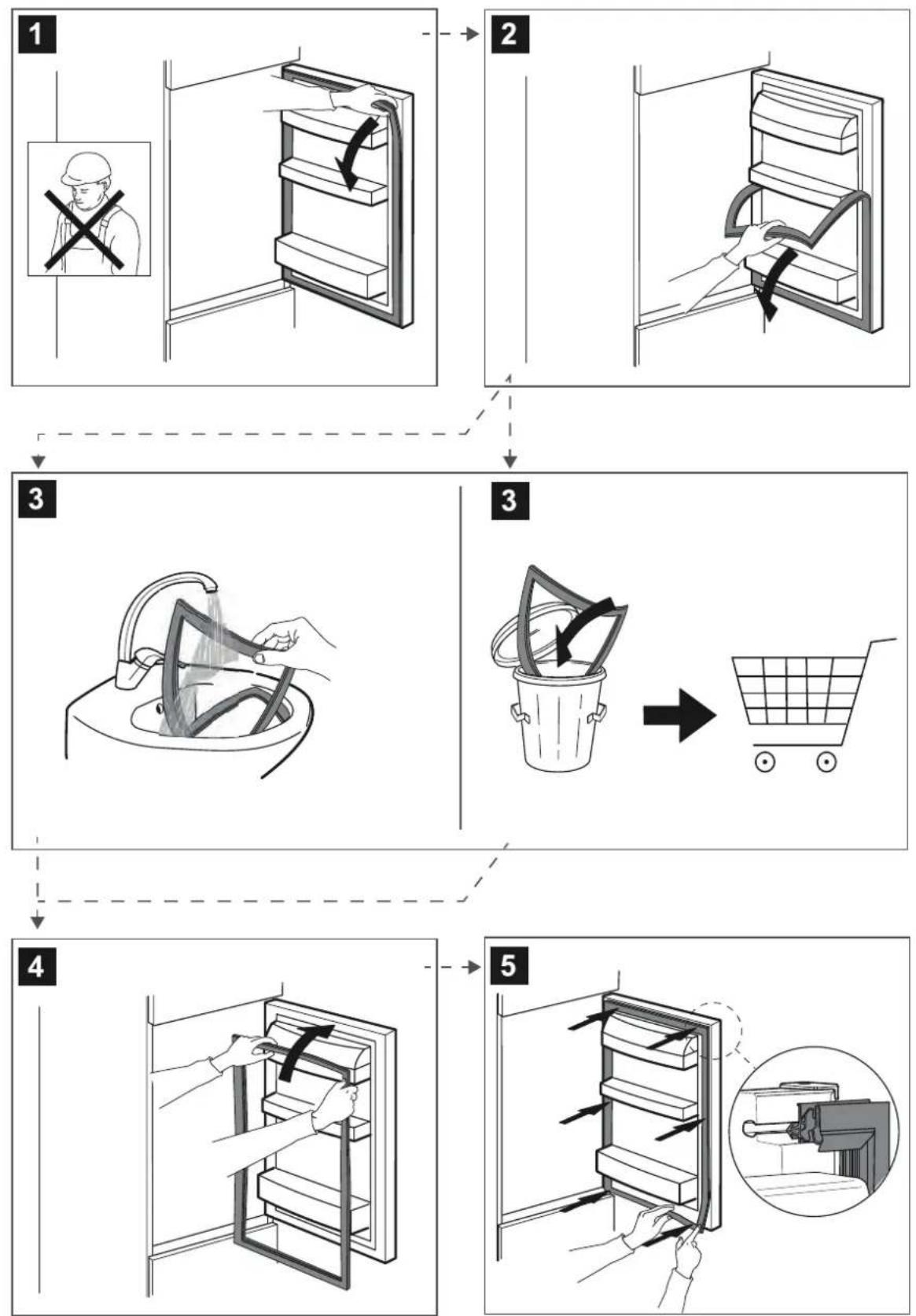
Gasket replacement
USER MANUAL
INDEX
Shelves
Legend

**
TEMPERATURE ZONE
User manual
USER MANUAL
INDEX
Lamp type 2)
Shelves
Description
**
MODERATE ZONE
Description
User manual
USER MANUAL
CONTENTS
Bulb type 2)
Shelves
Legend

**
COOL ZONE
Legend
Bulb type 2)
Shelves
Legend

**
TEMPERATE ZONE
KUTPO
- 1970-1980 & 1981 2 2 (ALRAH ARH) LED 2 D'970 2 3 3 3
- 3 (ALRAHI) ALRAHI (ALRAHI) 4 5 (BRAHIYATHA) KRAHIYATHA (BRAHIYATHA)
- 5 6 7
OTD
.1
.2
Light type 2)
Shelves
All drawers, door shelves and shelves can be removed.
Door
Legend

**
MODERATE ZONE
Recommended for storing tropical fruit, cans, drinks, eggs, sauces, canned vegetables, butter, jam
COLD ZONE
Recommended for storing cheese, milk, dairy products, delicatessen, yogurt
COLDEST ZONE
Recommended for storing cold cuts, desserts, meat and fish
FRUIT AND VEGETABLE DRAWER
User manual
USER MANUAL
TABLE OF CONTENTS
Type 2 bulb
Shelves
Legend
MODERATE TEMPERATURE ZONE
Legend
Oqnwnqnpnδnnh δtnGwply
FICBU
Oqunwqnpdduu & h jguwufh nntgngjg 2 Ummfmpm6|LmJn 2 Thujugfuq Lwufgh lquf Lnunwnphnh dunlwnphfncd (huufulud dunk1hg) 2 PwpwlyGtp 2 τmin 2 Bújūtu oqunwqnptl uwpfwnjnpnidp 3 Unwgh ofwnqnprdnuf 3 Uunfumupufh joghly le diplupf h upubkum 3 Püşüktu wqhtl pwnü dptpfü u püwltuhfü 3 * Uungangbghh dphfgh quuhquafunl (huwulud dmpk1hg) 4 Uplpfh whuwuklhaepjndp unnpplp ylpduwwuhfuwddlpnd 4 * 165wto hwltggtl uwngwlughlgl (hwlpulwd dnntllgl) 5 Bnclghlnlunl hfsjnlcllp 5 lnphmipn6tp wwpfwjnpnidp soqnwnqnptlm ntwfnid 5 Uwfpnd h upwhqufdm 6 Ullnauhsh dunvunphlinuf 7
UwnGwpwGh lnJu
Ummgupwgh (yghh) gkpwh ynuwjhi hwnwlhpqq lwnwlhpbk p th, upnf wltj h jw] ynuwlpapnpjnd th wqwhnui nd wqhwpwhd yuzhi ydwkph hkan hwltafwnud, fhsyuku finl ewm fhs lkbpqwh t h upwnnd: Φnwnphfawi ndhpwdkennnpjnd qbyfnd, lwnq hwnwnndf Slphplpwng U,swhgnlpjnd Owwwnlpjnd hku:
ln juh mluwq 2)
bpt wpwnwnpwnfgh ndh Luunwnlwnpwjsh iwnktp, hfywku heilud k gtpfuh ghpuktpnuq, lpuu hwnwnnktf Stjofhlwhwq Usohfgnuq Twnwnjnppnjgh htn, bpt wji qinjbkmi wthpwdtkcwnnpjnh qw: Lnnwnnlwngtpf wqthp trpwp t6 oqnwnqnpdvnq fw6 wlfwnpwjwh chpqwgnuq iwnwkpp, iwnlngfniu k6 gtpfih wkwngthlnnpjnhp u hwtkph k6 ihswnlwwjh hwnup:
Tupulqtrp
Fulup yupwghkpp, yuwq yupwghkpp k yupwhwcpkpp cmpdwlqsh kg:
γn,n
7 nui hiunwnwpaklhpipjni6
Cenai' Fanh puqduhi unqnupjucfu hupun t qiuqut: Bpt mju qpuqunupjncfu jpuqduuugufi t Luhuanfud Uquwulfikph Uquwnupfudh Ythunpufh hnquhg, mnpu mgh sh lupun kpuquhf wmpnufmhl: Zinh bf Stpwnpufh fntggnjgnuf uplud gnuuufkph:
húzhu oqunwqnptl uwpfwnpnnlup
Unwghi oqunwqnpndi
Stapupptng hwn, uwputf wnfuqfi kplni dnd f wufuhi unpfudpntup hnuwifh f uhwghtp: Umpfuunpntup dhwgptf ktpupudwnulquupwupnup le wfi lquh wjunnanum lkpwnl wejwnkt: Upkpf uwhqnufduh fnkuwuhf gcpwunphwup finpuwku ficwudhncf gnpdwpwfui:
Umpfwnlpncup ahugfiknig hkan wihpudkem t uqnukl 4-6 dnd fhen uuhqufidu# skpwnunphwifh hwnftin hwnmp: Thpfuynptf hwnwpwnlpphw lphuupp onwnfnphsh aig wifuqlu, fhiyutu fcajd l, phlmph whplpwdnpnd dpm (wnlpwnrpjwi qbafm): bpl luqniul l, dwjfuynfi mqqufcui, wnpu hwnfuynut l, np skpwnunphwifh whuquifqp ahugt k. uknqtf klnfuip ndyfuynh# whuquifqkph wfgwnktm hwnmp:
Uunnupwgh hghh l uptpfh wuhkun
Uunhwnpuuhi fogliynd hwnpug tf upulti powu uptpuf l jofjsf: Uunhwnpuuhi fogliy ndunndwn htpwnul wupnqsnprjwup hwnsntd t: fogliyth bndl gtpfhi uwnuh dwn gph lupphlgteph wnwnwhuhpug hwnghutkllg fcnwl t wji puuhi, np wji wunndwn hwtgduhi qhlntd t: Zwlpud znpp lglnud t wpwnwhuhh lonqnylwh obg, hyl hluun hwnjfqlnd uwpwjnao apubq wji qnlnpchwfsniol t:
1 Tpswph aipwuhph stpwnwnhghup hupwud npuq puqduh hucnpuwunpncpncfgh k unpfwupdnd nptfgh, hupwn h uqtkgacppnc ndkthwnl lphni fghygh ph gfphg slpwnwnhghup qnu: Uwhuwgh slpwnwnhghgpp hupwud wju qnpdnghphg: Twm jongui wujwugblpnd wungwupgh foghlund hupwn t qupcem fwnugutw wunguwul, hwnhwuktu wupwlt npwpwlhtppl: Ujn ytknfud jwnhunp t upiucl d whult htknul pli mnwpwlpp (op. hupwn), fhpwpht pmpap sph wmpnlwnhmpjnd mftgnq dptpf6pp (op. 'pwgswpt6) h shwguk onwnhuhsp, kpt wnqu h: Fynnp qnpwlh6pp, qnnb qnpwlh6pp l qnpwlhwcppp cupdwlq6 li:
Οηωψηνηρησιδ
The following instructions are provided for the correct use of the device. Please read them carefully before using the device. Keep this manual for future reference.
Safety instructions and warnings
The device is intended for use in household and similar applications (e.g., in kitchens, offices, hotels, motels, bed and breakfasts, farms, etc.) and for use in commercial and industrial environments, provided that the device is used in accordance with the instructions and safety regulations. Any other use is considered improper and may result in damage to property or personal injury. The manufacturer is not liable for damages caused by improper use or incorrect operation.
Before using the device, check that the voltage and frequency of the power supply match the values indicated on the rating plate. Do not use the device if the power cord or plug is damaged, or if the device has been dropped or damaged in any way. Have the device repaired by a qualified technician using original spare parts.

The device is equipped with a safety thermostat, which protects against overheating, overcurrent, short circuit, and other electrical faults. If the device switches off automatically, unplug it and allow it to cool down before restarting.
The device must be connected to a properly installed and grounded power outlet. Do not use extension cords or adapters.
The device is designed for use with the following accessories: measuring cup, spatula, and cleaning brush.
The device can be used at temperatures from 0°C to 40°C, and at altitudes up to 2000 meters above sea level.
* The device is equipped with a thermal fuse (non-resettable).
*** The device is intended for use in accordance with the instructions given in the operating manual: The operating manual must be kept for future reference and passed on to any subsequent owner in case of transfer of the device.
* *** The device must be used only for its intended purpose: use only original accessories and spare parts from the manufacturer. The manufacturer is not liable for damage caused by improper use or unauthorized modifications. Any other use is considered improper. The manufacturer's warranty and liability claims are excluded in such cases. The user is responsible for ensuring that the device is used in accordance with the regulations and safety instructions.
Intended use
The device is intended for use in the household, as described in this manual. Any other use is not in accordance with the intended use and may result in damage or injury.
Safety instructions
Read all safety warnings and instructions. Failure to follow the warnings and instructions may result in electric shock, fire, and/or serious injury. Save all warnings and instructions for future reference.
Symbols used
A. UU08U08H4 (kpt uunnfupwifp nufh)
Uptpfh whuwgtlnlpjnug unpptp qtpduwnhfuwgtpnul
| UUUH3GUO U8H4 | |||
| Upuunqpw6f Nwhquw6fng dwuhtun (-12°C) Unwgwphjnn wwhquw6fng dwuhtun (-18°C) | Nwhquw6fng dwuhtun (-24°C) | ||
| Ympwq hnu dmpqwphg 1 wuhu 6 wuhu 9 wuhu | |||
| Qnly 1 wuhu 1-3 wuhu 6 wuhu | |||
| Vpqkp (pwgh ghuqnluhg) & fwugwptnfg 1 wuhu 8-12 wuhu 12 wuhu | |||
| Vhp- Uwflwnw8 uhu-gppLpehly Swwwlw8 uhu (wwwlwph-jwnql-qwnu6) Uptjftp lwwl hwnltwnGtp (wwwlwph- qwnu6 - lonql) 1 wuhu 2 wuhu 8-12 wuhu 4 wuhu 12 wuhu | |||
| Ymp, Dwpu htnpul, Nw6lp, Nwnqwwnwl hnu ctppkp 1 wuhu 1-3 wuhu 5 wuhu (wnphwnp sh wpdnuu) wwnqwwnwlh hwnfup) | |||
| Dnyfimwlu (hnu-hfynwhuw) 1 wuhu 5-7 wuhu 9 wuhu | |||
Uptpfh qhuwuklwnipjnigp unpptp 2kpuuunfhwukpnid
| QUUQ3FUO h8f4 | |||
| Upunupmuf Quhupufuf duyltun 0-3°C Quhupufuf duyltun (3-6°C) Quhupufuf duyltun 6-8°C | |||
| Fwglw6tp, puwltpf, dnt, unnu6tp, ppnt, lwpwq, glu | 3-4 cwrnp | 3-4 cwrnp | 3-4 cwrnp |
| Spunhlwulfu uhpq | bnplnrpf yl mplnu | 2-4 cwrnp | 3-4 cwrnp |
| Qw6tp, lwp, lwpfuwptp, nklhlwunku ufmln, umdnli | 2-5 op | 2-5 op | 2-5 op |
| Uwnp lwpf6tp, wnw6tp, dhu la dntl h mufp wwnpwnmifud ufmln | 3-5 op | 1-2 op | bnplnrpf yl mplnu |
| QUU.Nb3FU.T h3h4 | |||
| Upunwnpwif Nuhwugdung dwuhtun 0-3°C Nuhwugdung dwuhtun (3-6°C) Nuhwugdung dwuhtun 6-8°C | |||
| Nuhwugdung puftwupkntfip h upqtpp (pwgwnnppwup unwnhlwhpuf upqtpph g hwnpmuh) | 15 op 10-12 op 4-7 op | ||
* Huiqtu hwltgftl uungwlvghlp (hwvlwd ünntghgl)
- buphupn l upjnd slpduunphfuip gcuwuhl uwlth unnp hwi ahugfik Upuq Uungulqudaw-4 4 dui unng' guhufu uungupufih logihg aptpfp hwtip' tphupugftniul aptpfh ywhupufucup hntgwnh qnuhi dwnufuw:
- Zwlgltlmi hwdpw wghpwdeem l, wmpfwlpnntg wfgwntL b npwpwlGpp hwdL: Pplf wnngwlqwnd aplpfp wnnp wtqnrd: fwg pnqlf ynnp npwtuqhl wnnntggh hwlsI: Qpli wpwnwnufp qwblctm hwdfwp lonphwnp t, wpdnld gtpddwny hnnp nfbl wnngwpwgh loghlh hwnwnhl b qpwpplpwwp fwdL wfj:
- Umfptf umngupwli [ugli] [gtpu] hwnlmdp h qqnclnptfi ynpugptf uji:
- Uhwgptf uwpfwqnpnnu h bn qptf dptpfp:
- The following instructions apply to the installation and use of the device:
- Read the instructions carefully before use, and keep them for future reference, maintenance, and safety;
- The device must be used only for its intended purpose, and all safety precautions must be followed. Do not use the device if it is damaged.
- Additionally, the manufacturer is not liable for any damage caused by improper use or failure to follow these instructions.
- The device is designed for indoor use (e.g., in homes, offices, and similar) and should not be exposed to moisture or extreme temperatures.
- For technical support, please contact the authorized service center or the manufacturer's customer service department. Warranty terms and conditions apply. Keep the original receipt for proof of purchase.
Technical specifications
Operating conditions
The device operates at a temperature range of 0°C to 40°C, with relative humidity up to 85% (non-condensing).
Power supply: The device requires a 12V DC power adapter (included) and consumes up to 5W.
The device has the following dimensions:
Hillur
Explanation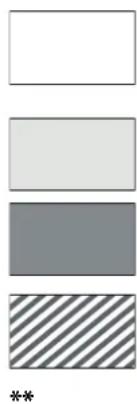
TEMPERATURE SETTINGS
Explanation
A. FREEZER COMPARTMENT (if the refrigerator has one)
Cleaning and maintenance
User manual
USER MANUAL
INDEX
LED bulb (max 25W)
Shelves
Legend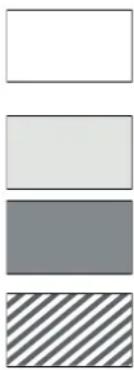
**
TEMPERATURE ZONE
2-ші түрі)
Shelves
Legend

**
TEMPERATURE ZONE
Shelves
Legend
TEMPERATE ZONE
Legend
User manual
USER MANUAL
INDEX
2 bulb type
Shelves
Legend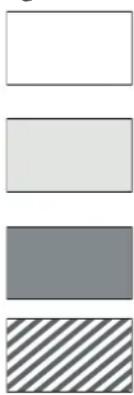
**
MEDIUM TEMPERATURE ZONE
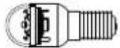
Light type 2)
Shelves
All drawers, door shelves, and shelves can be removed.
Door
Designation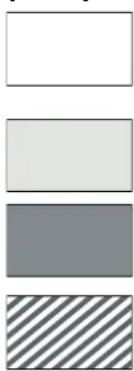
**
MODERATE ZONE
Manual
MANUAL
INDEX
Lamp type 2)
Shelves
Legend

**
GEMATIGDE ZONE
User manual
USER HANDBOOK
INDEX
Lamp type 2)
Shelves
Explanation
**
TEMPERATE ZONE
THE COLDEST AREA
Explanation
Bulb type 2)
Shelves
Legend


**
TEMPERATE ZONE
Legend
User Manual
USER MANUAL
INDEX
Lamp type 2)
Shelves
Legend
**
TEMPERATURE ZONE
Recommended for storing tropical fruits, cans, beverages, eggs, sauces, pickles, butter, and jams
FRESH ZONE
Legend
A. FREEZER COMPARTMENT (If the refrigerator has one)
Food shelf life at different temperatures
User manual
USER MANUAL
TABLE OF CONTENTS
Bulb type 2)
Shelves
Legend

**
TEMPERATE ZONE
Legend
Shelves
Legend

**
TEMPERATE ZONE
Legend
User manual
INSTRUCTIONS FOR USE
CONTENTS
Type of light 2)
Shelves
Legend

**
CHILL ZONE
Legend
A. FREEZER COMPARTMENT (if the refrigerator is equipped with one)
Instructions for use
INSTRUCTIONS FOR USE
TABLE OF CONTENTS
Shelves
Legend

**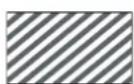
TEMPERATURE LIMIT WARNING
For storing tropical fruits, preserves, drinks, eggs, sauces, pickles, butter, and jam
REFRIGERATOR COMPARTMENT
User Manual
USER MANUAL
INDEX
Instructions for use and maintenance 2
Refrigerator light 2
Replacing the LED bulb (depending on model) 2
Shelves 2
Doors 2
How to use the appliance 3
First use 3
Refrigerator compartment and food storage 3
How to store fresh food and drinks 3
Shelves
All shelves, door bins and shelves can be removed.
Door
Legend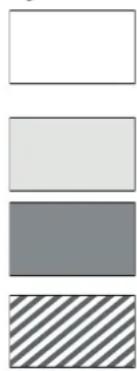
**
MODERATE ZONE
Recommended for storing tropical fruit, canned goods, drinks, eggs, sauces, pickles, butter, jam
COOLING ZONE
Suggested for storing cheese, milk, dairy products, delicatessen, yogurt
COLDEST ZONE
Operating instructions
OPERATING INSTRUCTIONS
TABLE OF CONTENTS
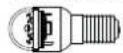
Lamp type 2)
Shelves
Explanation

**
TEMPERATE ZONE
Explanation
User Manual
USER MANUAL
INDEX
LED lamp (max. 25W)
Bulb type 2)
Shelves
Legend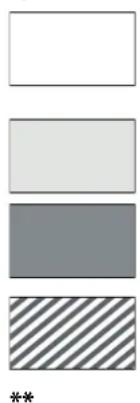
TEMPERATE ZONE
Legend
A.
Cleaning and maintenance
Lamp type 2)
Shelves
Legend

**
User manual
User manual
Index
Use & Care Guide
Refrigerator light
Replacing the LED bulb (depending on model)
Shelves
Door
How to use the appliance
First use
Refrigerator compartment and food storage
How to store fresh food and beverages
* Freezer food storage (depending on model)
Shelf life of food at different temperatures
* How to defrost the freezer (depending on model)
Function sounds
Recommendations when not using the appliance
Cleaning and maintenance
Replacing the gasket
Refrigerator light
Bulb type2)
Shelves
All drawers, door shelves, and storage racks can be removed.
Door
Reversible refrigerator door
Legend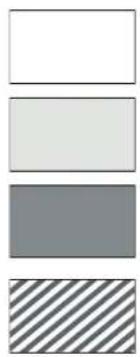
Ambient temperature zone
Cleaning and maintenance
User manual
User manual
Index
Use & Care Guide
Refrigerator lighting
Replacing the LED bulb (depending on model)
Shelves
Door
How to use this appliance
First use
Refrigerator compartment and food storage
Storing fresh food and beverages
* Freezer compartment (depending on model)
Storage life of food on shelves at different temperatures
* Freezer defrosting method (depending on model)
Operating sounds
Recommendations when not using the appliance
Cleaning and maintenance
Gasket replacement
Refrigerator lighting
Bulb type2)
Shelves
All drawers, door shelves, or shelves can be removed.
Door
Reversing the door opening direction
Diagram
Chill zone
- USER MANUAL
- SHELVES
- TEMPERATE ZONE
- EXPLANATIONS
- USER GUIDE
- TABLE OF CONTENTS
- TEMPERED AREA
- EXPLANATION
- OPERATING INSTRUCTIONS
- INDEX
- STORAGE SURFACES
- LEGEND
- TEMPERATURE ZONE
- USE & CARE GUIDE
- REFRIGERATOR LIGHT
- HOW TO USE THE APPLIANCE
- CLEANING AND MAINTENANCE
- GASKET REPLACEMENT
- REPLACING THE LED LIGHT BULB (DEPENDING ON MODEL)
- DOOR
- DOOR REVERSIBILITY
- FIRST TIME USE
- REFRIGERATOR COMPARTMENT AND FOOD STORAGE
- AIR VENTILATION
- HOW TO STORE FRESH FOOD AND BEVERAGES
- COOL ZONE
- COOLEST AREA
- FRUIT AND VEGETABLE DRAWER
- FREEZER COMPARTMENT FOOD STORAGE (DEPENDING ON MODEL)
- ICE CUBES
- REMOVING THE DRAWERS
- HOW TO DEFROST THE FREEZER COMPARTMENT (DEPENDING ON MODEL)
- FUNCTIONAL SOUNDS
- RECOMMENDATION IN CASE OF NO USE OF THE APPLIANCE
- IN THE EVENT OF NON-USE OF THE APPLIANCE
- IN THE EVENT OF AN INTERRUPTION TO THE POWER SUPPLY
- MODERATE ZONE
- DESCRIPTION
- CONTENTS
- OTD
- COLD ZONE
- COLDEST ZONE
- TYPE 2 BULB
- MODERATE TEMPERATURE ZONE
- FICBU
- UWNGWPWGH LNJU
- TUPULQTRP
- N
- HÚZHU OQUNWQNPTL UWPFWNPNNLUP
- UNWGHI OQUNWQNPNDI
- UUNNUPWGH HGHH L UPTPFH WUHKUN
- ΟΗΩΨΗΝΗΡΗΣΙΔ
- SAFETY INSTRUCTIONS AND WARNINGS
- THE DEVICE IS EQUIPPED WITH A THERMAL FUSE (NON-RESETTABLE)
- INTENDED USE
- SAFETY INSTRUCTIONS
- SYMBOLS USED
- UPTPFH WHUWGTLNLPJNUG UNPPTP QTPDUWNHFUWGTPNUL
- UPTPFH QHUWUKLWNIPJNIGP UNPPTP 2KPUUUNFHWUKPNID
- HUIQTU HWLTGFTL UUNGWLVGHLP (HWVLWD ÜNNTGHGL)
- TECHNICAL SPECIFICATIONS
- HILLUR
- TEMPERATURE SETTINGS
- MEDIUM TEMPERATURE ZONE
- MANUAL
- GEMATIGDE ZONE
- USER HANDBOOK
- THE COLDEST AREA
- FRESH ZONE
- INSTRUCTIONS FOR USE
- CHILL ZONE
- TEMPERATURE LIMIT WARNING
- REFRIGERATOR COMPARTMENT
- INSTRUCTIONS FOR USE AND MAINTENANCE
- COOLING ZONE
- AMBIENT TEMPERATURE ZONE
- REFRIGERATOR LIGHTING
Brand : WHIRLPOOL
Model : ARG 7182
Category : Refrigerator