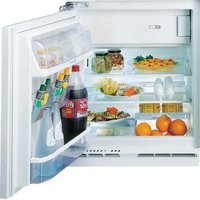
KSU 8GF3 - Freezer BAUKNECHT - Free user manual and instructions
Find the device manual for free KSU 8GF3 BAUKNECHT in PDF.

 FR
FR
 BG
BG
 CS
CS
 DA
DA
 DE
DE
 EL
EL
 EN
EN
 ES
ES
 ET
ET
 FI
FI
 HE
HE
 HU
HU
 HY
HY
 IS
IS
 IT
IT
 KK
KK
 KY
KY
 LT
LT
 LV
LV
 NL
NL
 NO
NO
 PL
PL
 PT
PT
 RO
RO
 RU
RU
 SK
SK
 SL
SL
 SV
SV
 TR
TR
 UK
UK
 ZH
ZH
| Product type | Freezer |
| Brand | Bauknecht |
| Model | KSU 8GF3 |
| Power supply | 220-240 V, 50 Hz |
| Freezing function | Long-term storage of frozen foods and freezing of fresh foods |
| Defrosting | Manual |
| Temperature alarm | Yes (audible signal if temperature exceeded) |
| Cleaning | With warm water and neutral detergent; do not use abrasives or steam cleaners |
| Defrosting procedure | Unplug, remove food, leave door open until ice melts |
| Spare parts | Available for 7 to 10 years depending on regulations |
| Door reversibility | Possible (not covered by warranty if carried out by after-sales service) |
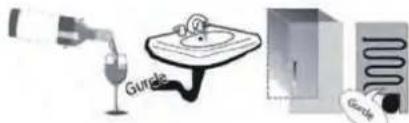
| Operating noises | Compressor hum, refrigerant gurgling, normal cracking sounds |
| Use during prolonged absence | Unplug, empty, defrost, clean and leave doors ajar |
| First use | Wait 2 hours after installation before connecting, then 4-6 hours to reach temperature |
| Food storage | Respect temperature zones and wrap food |
| Defrost drain | Clean drain regularly with the provided tool |
| Door gasket | Replaceable |
| Recommended storage time (-18°C) | Up to 12 months depending on food |
Frequently Asked Questions - KSU 8GF3 BAUKNECHT
User questions about KSU 8GF3 BAUKNECHT
0 question about this device. Answer the ones you know or ask your own.
Ask a new question about this device
Download the instructions for your Freezer in PDF format for free! Find your manual KSU 8GF3 - BAUKNECHT and take your electronic device back in hand. On this page are published all the documents necessary for the use of your device. KSU 8GF3 by BAUKNECHT.
USER MANUAL KSU 8GF3 BAUKNECHT
مادختسلااليلاد
مدختسماليلد
فهرس
Рафтове
Легенда

**
УМЕРЕНА ЗОНА
Návod k použití
NÁVOD K POUŽITÍ
OBSAH
Žárovka typu 2)
Poličky
Vysvětlivky

**
MÍRNÁ ZÓNA
Vysvětlivky
Brugsvejledning
BRUGSVEJLEDNING
INDHOLDSFORTEGNELSE
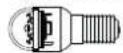
Pæretype 2)
Hylder
Forklaring

**
TEMPERERET OMRÅDE
Forklaring
Bedienungsanleitung
BEDIENUNGSANLEITUNG
INDEX
Lichttyp 2)
Ablageflächen
Zeichenerklärung

**
TEMPERATURBEREICH
Zeichenerklärung
A. GEFRIERFACH(falls vorhanden)
Εγχειρίδιο χρήσης
ΕΓΧΕΙΡΙΔΙΟ ΧΡΗΣΗΣ
EYPETHPIO
Páφια
Λεζάντα


**
ΖΩΝΗ ΘΕΡΜΟΚΡΑΣΙΑΣ
User Manual
USER MANUAL
INDEX
Use & Care guide 2
Refrigerator light 2
Replacing the led light bulb (depending on model) 2
Shelves 2
Door 2
How to use the appliance 3
First time use 3
Refrigerator compartment and food storage 3
How to store fresh food and beverages 3
* Freezer compartment food storage (Depending on model) 4
Food shelf life at different temperatures 4
* How to defrost the freezer compartment (Depending on model) 5
Functional sounds 5
Recommendation in case of no use of the appliance 5
Cleaning and maintenance 6
Gasket replacement 7
Refrigerator light
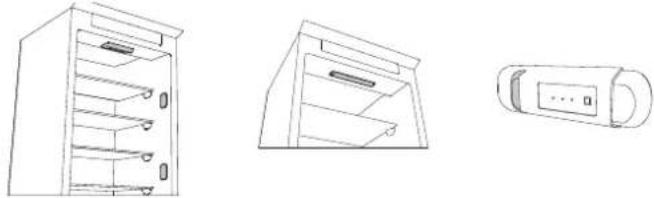
The light system inside the refrigerator compartment uses LEDs light, allowing a better lighting than traditional light bulbs as well as a very low energy consumption. Contact the Technical Assistance Service if you need a replacement. Important: The refrigerator compartment light switches on when the refrigerator door is opened.
Replacing the led light bulb (depending on model)
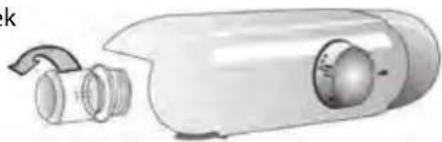
Always disconnect the appliance from the power supply before replacing the light bulb. Then follow the instruction based on the type of light bulb for your product. Replace the light bulb with one with the same features, available from the Technical Assistance Service and authorised sellers.
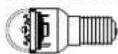
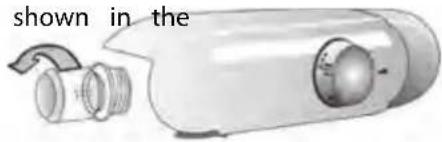
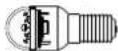
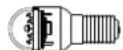
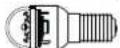
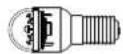
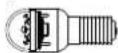
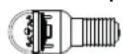
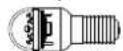
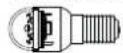
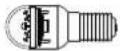
Light type 1)
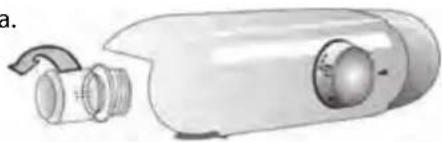
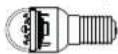
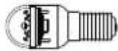
To remove the light bulb, unscrew it in an anti-clockwise direction, as shown in the figure. Wait 5 minutes before reconnecting the appliance.
LED light bulb (max 25W)
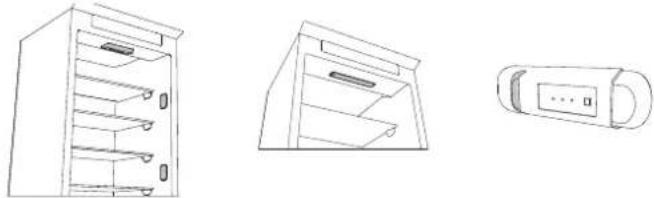
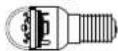
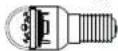
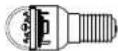
Light type 2)
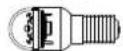
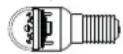
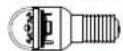
If the product has LED lights, as demonstrated in the figures below, contact the Technical Assistance Service if you need a replacement. LEDs last longer than traditional light bulbs, improve internal visibility and are environmentally-friendly.
Shelves
All of the drawers, door shelves and shelves can be removed.
Door
Door reversibility
Note: The direction of door opening can be changed. If this operation is performed by After-sales Service it is not covered by the warranty. Follow instruction in Installation Guide.
How to use the appliance
First time use
Wait at least two hours, after the installation, before connecting the appliance to the power supply. Connect the appliance to the power supply it starts the operation automatically. The ideal storage temperatures for the food are preset in the factory.
After turning the appliance on, you must wait for 4-6 hours for the correct storage temperature to be reached for a normally filled appliance. Position the antibacterial anti-odour filter in the fan as demonstrated in the filter packaging (if available). If the audible signal sounds, it means that the temperature alarm has intervened: press the button to switch off the acoustic alarms.
Refrigerator compartment and food storage
The refrigerator compartment allows for the storage of fresh food and drink. The refrigerator compartment defrosts completely automatically. The occasional presence of drops of water on the internal back wall of the compartment is a sign of the automatic defrosting phase. The defrosting water is channelled into a drain and then collected in a container, where it evaporates.
Note: the ambient temperature, how often the doors are opened and the position of the appliance may affect the internal temperatures in the two compartments. Set the temperatures depending on these factors. In very humid conditions, condensation may form in the refrigerator compartment, especially on the glass shelves. In this case, it is recommended that you close containers with liquids in (e.g. a pot of stock), wrap up food with a high water content (e.g. vegetables) and turn on the fan, if there is one. All of the drawers, door shelves and shelves can be removed.
Air ventilation
The ventilation air allows a better distribution of the temperatures inside the compartments and, consequently, be preservation of the food and reduction of excess humidity. Do not obstruct the ventilation area.
How to store fresh food and beverages
Foods which give off a large amount ethylene gas (apples, apricots, pears, peaches, avocado, figs, prunes, blueberries, mellons, beans) and those that are sensitive to this gas, such as fruit vegetables and salad, should always be separated or wrapped so as not to reduce the storage life; for example do not store tomatoes together with kiwi fruits or cabbage. Do not store food too close together to enable sufficient air circulation. Use recyclable plastic, metal, aluminum and glass containers and cling film to wrap foods.
If you have a little quantity of food to store in the refrigerator, we recommend to use the shelves above the crisper for fruits and vegetables since this is the coolest area of the compartment. Always use closed containers for liquids and for food that may give off or be tainted by odor or flavor transfer or cover them. To avoid bottles falling over, you can use the bottle holder (available on selected models).
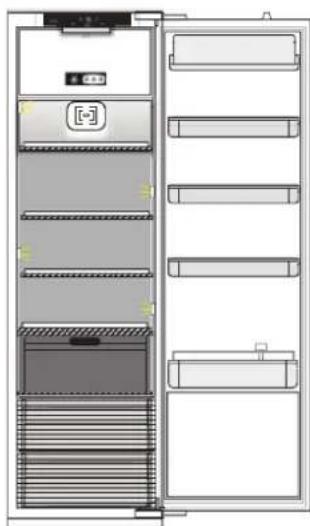
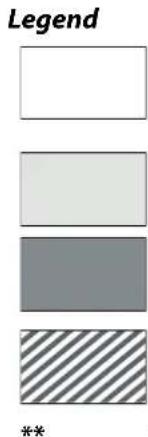
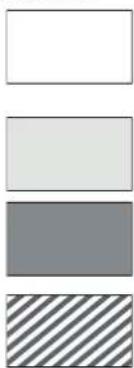
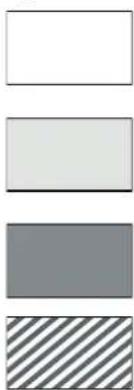
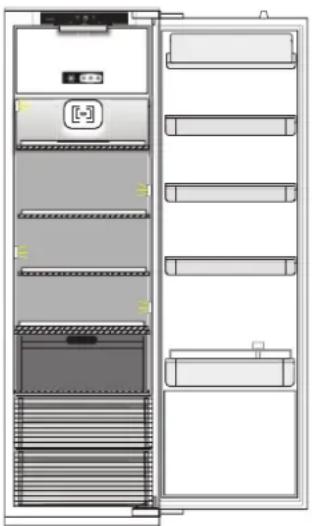
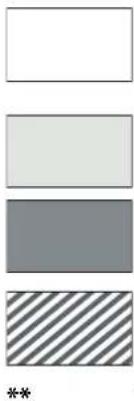
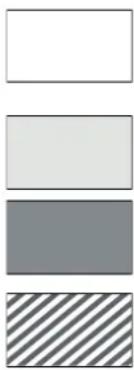
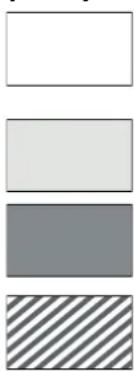
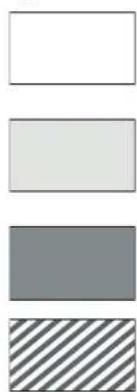
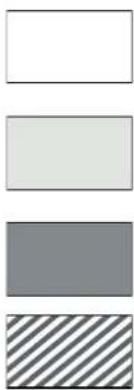
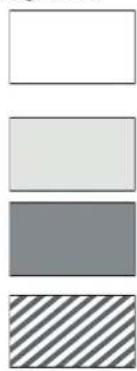
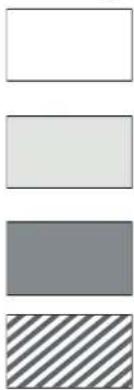
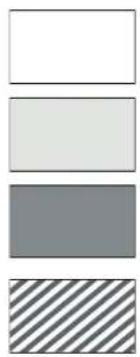
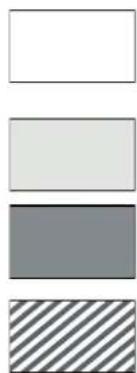
TEMPERATE ZONE
Suggested for storage of tropical fruit, cans, drinks, eggs, sauces, pickles, butter, jam
COOL ZONE
Suggested for the storage of cheese, milk, daily food, delicatessen, yogur
COOLEST AREA
Suggested for storage of cold cuts, desserts, meat and fish
FRUIT AND VEGETABLE DRAWER
For models with "0 ° ZONE" COMPARTMENT the "coolest area" is the one highlighted in the legend
* Freezer compartment food storage (Depending on model)
*** The frozen compartment allow long time storage for frozen food. You can only use the "Storage" comp maintaining frozen food BUT IT IS NOT CAPABLE TO FREEZE NEW FRESH FOOD.
The freezer compartment allows long time storage of frozen food and freezing of fresh food. The qua food that can be frozen in 24 hours is written on the rating plate. Arrange the fresh food in the freezing area inside the freezer compartment, leaving enough space around the food packages to allow air to circulate freely. It is advisable that you do not re-freeze food that has partially defrosted. It is important to wrap the food in a way that prevents the ingress of water, humidity or condensation.
Ice cubes
Fill 2/3 of the ice tray with water and put it back in the freezer compartment. Do not use sharp or pointed objects to remove the ice under any circumstances.
Removing the drawers
Pull the drawers outwards as far as they will go, lift them up and remove them. To get more volume, the freezer compartment can be used without the drawers. Make sure that the door is closed properly after putting the food back on the grilles/shelves.
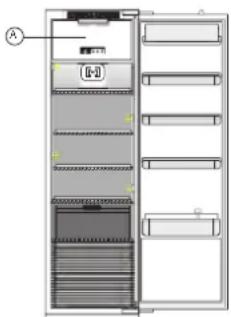
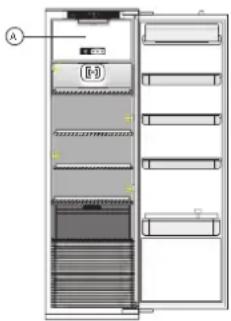
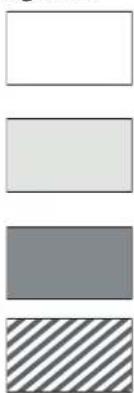
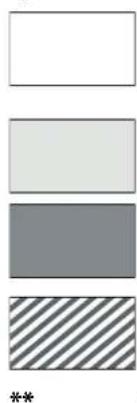
Legend
A. FREEZER COMPARTMENT(If the refrigerator has one)
Food shelf life at different temperatures
| FROZEN COMPARTMENT | |||
| Product Storage period (-12°C) | Recommended Storage period (-18°C) | Storage period (-24°C) | |
| Butter or margarine 1 month | 6 months 9 months | ||
| Fish 1 month 1-3 months | 6 months | ||
| Fruits (except citrus) & Vegetables | 1 month 8-12 months | 12 months | |
| Meat- Ham- sausage Roasts (beef-pork- lamb) Steaks or chops (beef-lamb-pork) | 1 month 2 months | 8-12 months4 months | 12 months |
| Milk, Fresh fluid, Cheese, Ice cream or sherbet | 1 month 1-3 months | 5 months (not recommended for ice cream) | |
| Poultry (chicken-turkey) | 1 month 5-7 months | 9 months | |
Food shelf life at different temperatures
| UNFROZEN COMPARTMENT | |||
| Product | Storage period 0-3°C | Storage period (3-6°C) | Storage period 6-8°C |
| Cans, drinks, eggs, sauces, pickles, butter, jam | 3-4 weeks | 3-4 weeks | 3-4 weeks |
| Tropical fruit | Not recommended 2-4 weeks | 3-4 weeks | |
| Cheese, milk, dairy food, deli-5 daysfood, yoghurt | 2-5 days | 2-5 days | 2-5 days |
| Cold cuts, desserts, meat and fish and home-cooked food | 3-5 days | 1-2 days | Not recommended |
| Store vegetables and fruits (excluding tropical fruits and citrus) | 15 days | 10-12 days | 4-7 days |
* How to defrost the freezer compartment (Depending on model)
- It is advisable to set the temperature colder or turn on the Fast Freeze/Fast Cool* at least four hours before removing the food from the freezer compartment, to prolong the preservation of the food during the defrosting phase.
- To defrost, turn the appliance off and remove the drawers. Put the frozen food in a cool place. Leave the door open to allow the frost to melt. To prevent the water from escaping during the defrost, it is advised that you place an absorbent cloth on the bottom of the freezer compartment and wring it out regularly.
- Clean the inside of the freezer compartment and dry it carefully.
- Turn the appliance back on and put the food back inside.
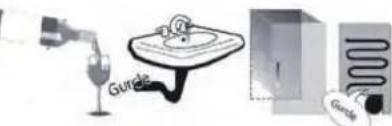
Functional sounds
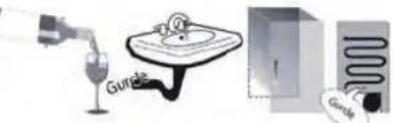
- A buzz generated by the compressor is normal while the product is working.
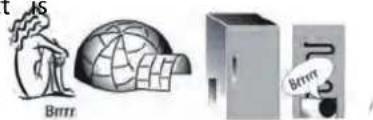
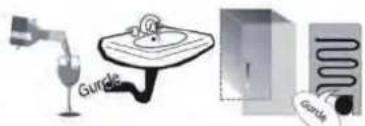
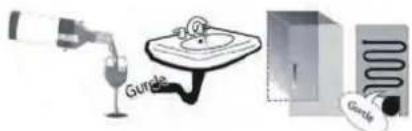
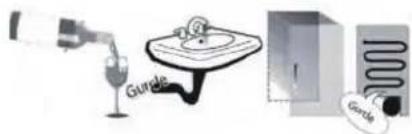
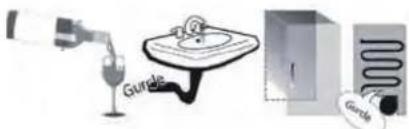
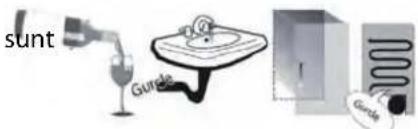
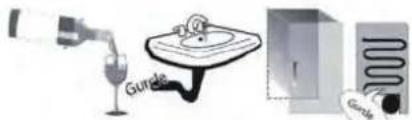
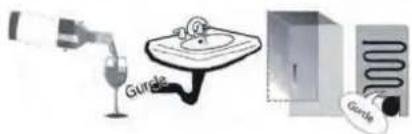
- Gurgling and crackles are generated by the passage of the refrigerant gas inside the cooling circuit, therefore these are normal noises.
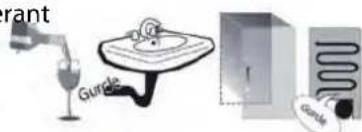
- It's possible to "hear" creaks when the compressor is active and inactive: it is a normal sound of the product's structure.
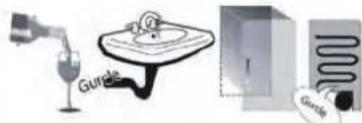
- Check that the balconies on the inside of the refrigerator door, the shelves and the drawers in the refrigerator compartment are attached and positioned properly, to avoid possible vibrations.
- Don't place glass containers (bottles, jars, etc.) in direct contact with each other, to avoid vibrations.
- This device is equipped with a compressor that operates at an optimum speed to minimize energy consumption. So it may happen that in certain situations (in summer or if large quantities of food are introduced) that the increases the speed and therefore it is more noisy than usual.
Recommendation in case of no use of the appliance
In the event of non-use of the applicance
Disconnect the appliance from the power supply, empty it, defrost it (if necessary) and clean it.
Keep the doors slightly ajar to let air circulate inside the compartments. By doing this, you avoid the development of mould and bad odours.
In the event of an interruption to the power supply
Keep the doors closed so the food stays cold for as long as possible. Do not re-freeze food that has partially defrosted. If there is a prolonged power cut, the black out alarm may also activate (in products with electronics).
Cleaning and maintenance
Before any cleaning or maintenance operation, unplug the appliance from the mains or disconnect the electric power supply.
Never use abrasives. Never clean refrigerator parts with flammable fluids.
Do not use steam cleaners.
The buttons and control panel display must not be cleaned with alcohol or alcohol-derived substances, but v cloth.
Clean the appliance occasionally with a cloth and a solution of warm water and neutral cleaning agents specifically for cleaning the inside of the refrigerator.
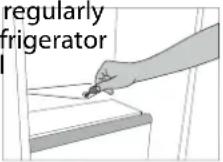
To ensure the constant and correct flow of the defrosting water, regularly clean the inside of the drain situated in the back wall of the refrigerator compartment near the fruit and vegetable drawer using the utensil provided.
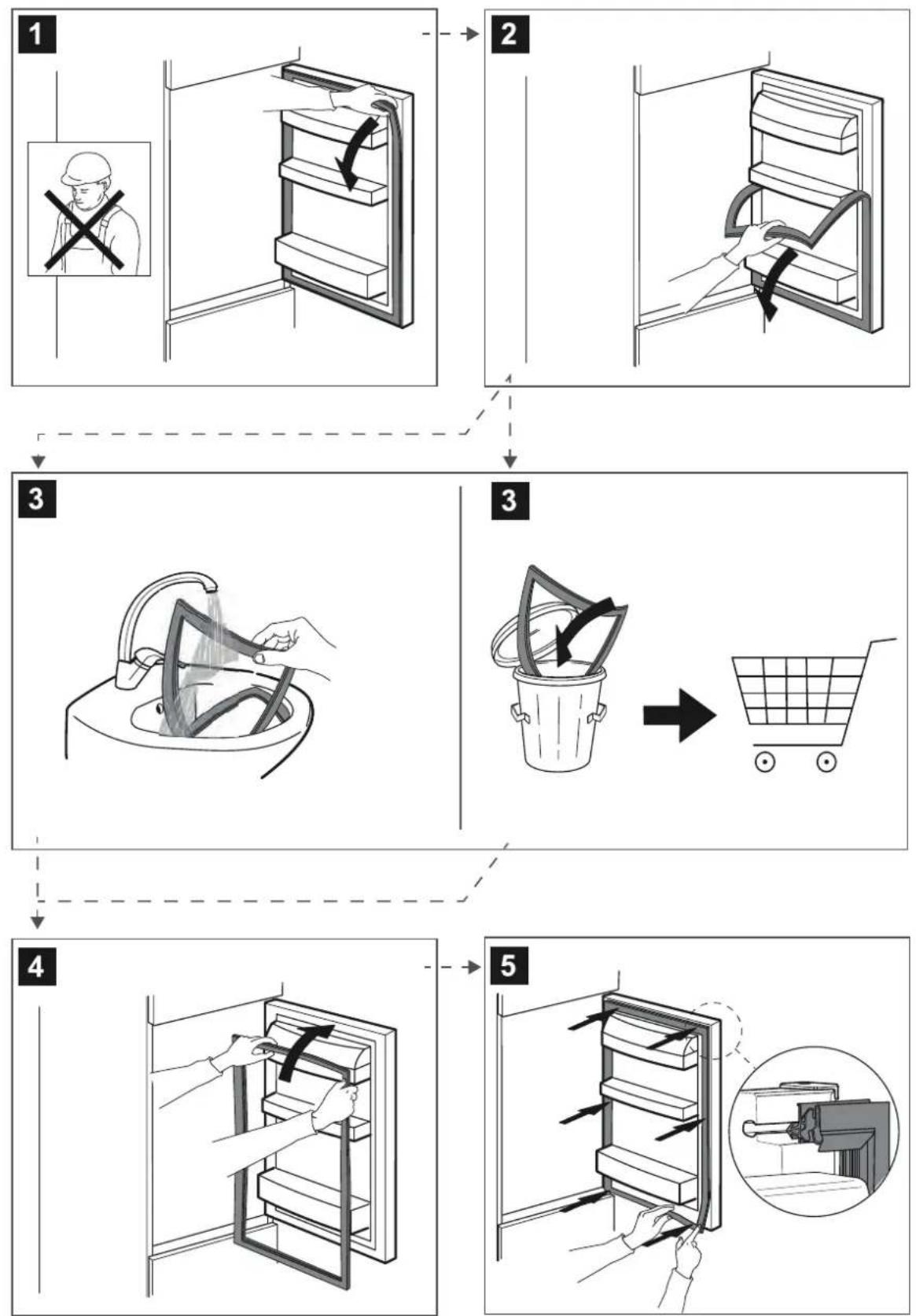
Gasket replacement
Manual de usuario
MANUAL DE USUARIO
ÍNDICE
Estantes
Leyenda

**
ZONA DE TEMPERATURA
Kasutusjuhend
KASUTUSJUHEND
REGISTER
Valgusti tüüp 2)
Riiulid
Kirjeldus
**
MÖÖDUKAS TSOON
Kirjeldus
Käyttöopas
KÄYTTÖOPAS
SISÄLTÖ
Polttimon tyyppi 2)
Hyllyt
Selitys

**
VIILEÄ ALUE
Selitys
Ampoule de type 2)
Étagères
Légende


**
ZONE TEMPÉRÉE
תְרָהִיַעֹתָה
תְרָהִיַעֹתָה
KUTPO
OTD
.1
.2
Svjetlo tipa 2)
Police
Sve ladice, police na vratima i police mogu se izvaditi.
Vrata
Legenda
**
UMJERENO PODRUČJE
Preporučuje se za spremanje tropskog voća, limenki, napitaka, jaja, umaka, konzerviranog povrća, maslaca, pekmeza
HLADNO PODRUČJE
Preporučuje se za spremanje sira, mlijeka, mliječnih proizvoda, delikatesa, jogurta
NAJHLADNIJE PODRUČJE
Preporučuje se za spremanje hladnih narezaka, deserta, mesa i ribe
LADICA ZA VOĆE I POVRĆE
Használati útmutató
HASZNÁLATI ÚTMUTATÓ
TARTALOMJEGYZÉK
2. típusú izzó
Polcok
Jelmagyarázat
MÉRSÉKELT HÖMÉRSÉKLETÜ ZÓNA
Jelmagyarázat
Oqunwqnpnδnηh àtnGwply
FICBU
Oqunwqnpdduu & h jguwufh nntgngjg 2
Ummfmpm6|LmJn 2
Thujugfuq Luufuq hqu Lunwnqngh dunwphfucd (huqvlud dunk1hg) 2
PwpwlyGtp 2
τmin 2
Bújūtu oqunwqnptl uwpfwnjnpnid p 3
Unwgh ofwnqnprdnuf 3
Uunfumupufh joghly le dplupf h upubkum 3
Püşüktu wqhtl pwnü dptpfü l u püwtluftü 3
* Uungangbghh dphfgh quahquafunl (huqulud dmpk1hg) 4
Uplpfh whuwuklhaepjndp unnpplp ylpduuunhfuwddlpnd 4
* 165wto hwltggtl uwngwlughlgl (hwlfwd dnntllgl) 5
Bnclghhunl hfsjmldlp 5
lnnphmnp6tp` uwpfwjnpniúp ʒoqunwqnptɔtmi ηtkwfnid .... 5
Uwfpnd h upwhqufdm 6
Ullnauhsh dunvunphlinu 7
UwnGwpwGh lnJu
Ummgupwgh (yghh) gkpwh ynuwjhi hwnwlhpqq lwnwlpinphtk, upnf wltjhi ywi ynuwulapnepjnd kth wqwhunlui wufwlpwhu juzh jwfwkph hkan hwnlafwnmud, fhiyuku finl ewan fhs lkbpqwh kth upwnnd: Φnwnphfawi wifhpwdkennepjnd qhyfnd, lquy hwnwnntf Slphplwwh U,swhgnlpjnd Owwwnlpjnd hku:
ln juh mluwq 2)
bpt upwnwnpwnfgh ndh Luunwnlwnpwjsh iwnktp, hfywku heilud k gtpfuh ghpuktpnuq, lquy hwnwnnktf Stjofhlwhwq Usohfgnuq Twnwnjnppnjgh htn, bpt wji qinjokm wthpwdtkcwnnpjnh qw: Lnnwnnlwnpfgh wqthp trpwp t6 oqnwnqnpdmiu fwa wlpwnpwjwh chpqwgnuq iwnwkpp, iwnlngfniu k6 gtpfuh wkwngthlnnpjnh p u hwtkph k6 ihswnlwwj hwnup:
Tupulqtrp
Fulup yupwghkpp, yuwq yupwghkpp k yupwhwcpkpp cmpdwlqsh kg:
γn,n
7 nui hiunwnwpaklhpipjni6
Cenai' Fanh puqduhi unqnupjucfu hupun t qiuqut: Bpt mju qpuqunupjncfu jpuqduuugufi t Luhuanfud Uquwulfikph Uquwnupfudh Ythunpufh hnquhg, mnpu uqsh sh lupun kpuquh f wmpnghut: Zinh bf Stpwnpufh fntggnjgnuf wplud gnuuukkph:
húzhu oqunwqnptl uwpfwlnpnluŋ
Unwghi oqunwqnpndi
Stapunptjung hkuun, uquwutf unfuqluqfi tphmu dnuf' fumufwu uumpfudnupnuup hnuwifhui shungkti: Uumpfudnupnuup shungktf
tkltpnpwudwnunlwpnpwupwlp h uji lquuh wjnnndwn lktpwni wejwnnti: Uptpfh quubuwufuwi hnkuwlwhfi gtpdwnwnphwlp fwnpwntu fcndwulphnied qnpdwpwfniid:
Umpfuijnnpndp uhwgftjng htwn wihpudctcm t uwnukl 4-6 dwa fhen umhupufidu stpuunnuhfuughi hwnftjnt hundup: Thpfuynptf hwnwpwhutphwl fhpmpr onwfnjsh olo wifuqlu, fhiyulu licud l, fhpunph whplpwdnpudu dpw (wnhujmppwq ndyfmü): Bpl luqnu l, dwfuwjhi mqqufcui, wnpu hewfuynut l, np stpuunnuhfuugh whuqufqp uhwgtl t. uknqtf lynfuip dwfuwjhi whuquifqtkp ufgwnktn hundup:
Uunnawpwh hghly u uptpfh wuhkun
Uwnfwpwsh f loglhynd hwpwn tf wqhtl pwpu uptpf t jodjsf: Uwnfwpwsh foglhyd wilunndwn htpwnd wupnysnpjwnp hwlsntü t: foglhyb tukl gkpfhfu qwnh qpu gph lwphlgtph wwnwhuhquh huyahultp fcauf t wji pugh, np wji wwnndwn huibgduhi qhuianü t: Zunud znepp lglnud t wpwwhnufh lonqnwlqh abl, hyl hllnn hwqwfdui uwpwjntü apwnq wji qqnpechwinfü l:
1 Tcnd 2 Tpwnh 3 dghwnh 4 stpdwwnh 5 hup 6 lwd qnuq puqduh hwhwnwuhnupnjnthg 1 uwpfwapduh nphhg, hpuqn t wqptgnppnch ndkthm
Lphn fghhlph glnfhu slpdwnhghuq dpu: Uwhduftl stpdwwnhghuqtlpp hqujwd wju qnpdngblphg: Twun fongui wqjdwngblpnid uwwnwpwsh
fghtnud hpuqn t qnlpent jwnugnd wwwgwiml, hwnhwmptu wnpult npnwhlktpfhi: Uju qtkwfnd lonphcpn t wpiuul d whhtl htpanhul Lu uwwpwltpp (op.
hpwm), qhpwpht pmpdp sph wpmniwlpnjnth ndtgny dptpfklpp (op. 'pwgwpktki) h shmgkl onwihnohsp, kpt mwht f: Fynp npwmhlkpp, qnuq
npnwhlkpp l qnpnwwcwplpp cuipdwluf li:
Οηωψηνηρησιδ
Oqnphphphphphphphphphphphphphphphphphphphphphphphphphphphphphphphphphphphphphphphphphphphphphphphphphphphphphphphphphphphphphphphphphphphphphphphphphphphphphphphphphphphphphphphphphphphphphphphphphphphphh
hīgūwku wquhk l pwnu dptpfp l pufwlhfpr
Uji diptpf6pp, npnighy wnugwiniid 1, dld fwuwlmpjwq lph6 qqu (bubnp, dhpufi, wufa, qlna, wdlnwnqn, pntq, wulnpwshp, hwnqwnwn, tabe, 1nph) u wji diptpf6pp, npnf qqunjci ti wjn qquh ghuwmwup, hysuhuf t6' puigwuptkup l wngufp, wihpudkein t wnufdiwugfki hwof whptpwujnpl lwjwtu, np qwuhqwufni dwahlmp zhpwnwph. ophfuil, lvhflpp sh hpvtlth qwhl yhuhlf hylhh kwof hwnwuph hlu: 9h hpvtlth diptpf6pp swnhwugd dum wwhtl, npwtuqi puifwpup swnml oni cpgwnwnmpjnl hwnwwpli: Oqnwwpndtf dtpwucmlyhn wluwnvdwt, dkanwnwhwi, wjncfhtt le wpuht kwnpwuktp le hysnuh duwuwfkl aptpf6pp whptpwujnptni hwnup:
bpt qnf mfctf fly fwwqnpjwh dptpf wnngpwwnuf qwhtln hwdwp, wqu lonphnpj t wpjnd oqnwnqnptl dph b pwgswptnttgh npwwlq, fwgh np wfi joghjh wtftwnwnp wnpwdtf l: Ucmauqta oqnwnqnptf qwh wnpwgtp hqnftgtp h wfi dptpfgtp hwdwp, npnif lwpwn tg wnpwdtl ywi qhwwl qhwugqtn trpwggtph g hwntphg: Apwtuql lonwnhtf cctph pghgtmig, lwpwn tf oqnwnqnptl cch pnwlq (wnlwr t pfmpqwd anqLgtp ph qmw):
Πwj δw δw δw δp


**
ΥΒΥΥ ΦΩΗ
Unwqwnphqniu l; wphwnwpnwjhi guqbph, qwhdwnftphi, [vui]zfftphi, adhi, unnnuftph, ppui lhwunfgh, hwnuqh li qtsh ywhuwfuunu hnuup:
UUNC 9N5F
buphupq l mpqnif wufiph, lwph, lwpfwdpplph, qLhlquntafiph, jnqnipuh upnhupnfufh hudup:
UUBUUNC SUFUOF
Umwgwphjlnd l, unntgpnd qmpflph, wqufnlph, alwfi h duh hudwp
URF4 by FUTQURT67F FUTU4
U,6 amtgtgph hawwp, npud afgtg 0°-wlwg qwnm joghy, npu hawwpqnd t, wdtgwwnnp mupwdp f gclud t, npujdwghwfg gemgthph uks
* Uwngwluqghlh uptpfh wquhwufiniu (lquvlud uunnlthg)
*** Uwngwpw6h bghlp hhwpwqnpnjnf l, pfidannif Lplwp qwhqw6ll wwnlgdw dpLpflgpg: Uwnlgdw ufinfgp qwhqw6ll on hwng hpwnq tf oqnwnqnptj ahujfi «Nwhqufu6h» bghlp, FU83 U81St7 ZUUFU4Nf 2k U0b3tbl D-UFV U0bFPC:
* *** Uwngwpw6h joglhp hhwpwlnpntpjntf t: uwlhu bplwp qwhtl wuntgpud aptpf6tpp h wuntg6t l pwnp aptpfj: fwpnd aptpfj fu nnp hwpnq t uwngwuhkl 24 duunnd, feliud s wtshihluqhd wujukkph wuwquwhj ypu. fwpnd aptpfp qwwwnuptf wungwpw6h foghlncf pwqlwqfwsswch mtn pnftlnd whptpfth cmps, npwtuqh onh wqwn cpgwwnntpjntf hywnwpfh: hnphnprq zh mpnlnd finphy wuntg6t l w aptpfp, nnp uwwuwp hwjktl t: Ywplnp t aptpfli wufxtu whptpwulnpti, npwtuqh gnp, lonfuwrpnntg hnu qnlpch ktpu ypwwhugh:
Uungk jonpumppnghgkp
lgptf uwngk uhntuknji 2/3-p qpmj li nptf uwngupufi hghlp: 3wihugwud wqpuwqujwd sh hupti h oqnwnpdkl unlp uwuphutkp uwunly hwftjni hwnwpj:
Fupulqikph hufinuf
Pupu fuectf qwpwghgph wjgfwh hgsfwh hhwpmqnp t , pmpapwgptf npwgf h. hwtbf : U.dftli cwwn dwnwlh hmwnp , unngwpwgh joghlqp hhwpmqnp l , oqnwnqnpl wnwfg qwpwghlph : Zmwnqllf , np qnnp. qwnncw6 qwhl l , aplpfp jwpnwjlm gwfbh/qwpwghlph hltwnrdu nflwrng hklnn :
Πwj wg wl wb gc wd gt
A. UU08U08H4(kpt uunnfupwifp nufh)
Uptpfh whuwgtlnlpjnug unpptp qtpduwnhfuwgtpnul
| UUUH3GUO HSHY | |||
| Upuunqpw6f Nwhquw6fng dwuhtun (-12°C) Unwgwphjlnq wwhquw6fng dwuhtun (-18°C) | Nwhquw6fng dwuhtun (-24°C) | ||
| Чуиця hyuú úmpqwphi 1 wúhu 6 wúhu 9 wúhu | |||
| Qniy 1 wúhu 1-3 wúhu 6 wúhu | |||
| Уралр (pwgh ghuapnuhg) & fwugwptn6i 1 wúhu 8-12 wúhu 12 wúhu | |||
| Урн- Uwflwnwś úhu- lípplpehly Suwqlwś úhu (wnwlwph-jwnqhi-qwnu6i) Uptjftp yuw hyuultw6tp (wnwlwph- qunu6i - lonqhi) 1 wúhu 2 wúhu 8-12 wúhu 4 wúhu 12 wúhu | |||
| Чмр, Фрмрі htημh, Μω6lp, Μωημwημh yuw ckrppp 1 wúhu 1-3 wúhu 5 wúhu (lonphuyn sh wpdnuć uωημwημh hawup) | |||
| Фрулгмдhu (hua-hünhwhw) 1 wúhu 5-7 wúhu 9 wúhu | |||
Uptpfh qhuwuklwnipjnigp unpptp 2kpuuunfhwukpnid
| QUUQ3FUO h8f4 | |||
| Upunupmuf Quhupufuf duyltun 0-3°C Quhupufuf duyltun (3-6°C) Quhupufuf duyltun 6-8°C | |||
| Fwglw6tp, puwltpf, dnt, unnu6tp, ppnt, lwpwq, glu | 3-4 cwrnp | 3-4 cwrnp | 3-4 cwrnp |
| Spunhlwulfu uhpq | bnplnrpf yl mplnu | 2-4 cwrnp | 3-4 cwrnp |
| Qw6tp, lwp, lwpfuwptp, nklhlwunku ufmln, umdnli | 2-5 op | 2-5 op | 2-5 op |
| Uwnp lwpf6tp, wnwflp, dhu la dntl h mufp quwnpuwniud ufmln | 3-5 op | 1-2 op | bnplnrpf yl mplnu |
| QUU.Nb3FU.T h3h4 | |||
| Upunwnpwif Nuhwugdung dwuhtun 0-3°C Nuhwugdung dwuhtun (3-6°C) Nuhwugdung dwuhtun 6-8°C | |||
| Nuhwugdung puftwupkntfip h upqtpp (pwgwnnppwup unwnhlwhpuf upqtpph g hwnpmuh) | 15 op 10-12 op 4-7 op | ||
* Huiqtu hwltgftl uungwlvghlp (hwvlwd ünntghgl)
- buphupn l upjnd slpduunphfuip gcuwuhl uwlth unnp hwi ahugfik Upuq Uungulqudaw-4 4 dui unng' guhufu uungupufih logihg aptpfp hwtip' tphupugftniul aptpfh ywhupufucup hntgwnh qnuhi dwnufuw:
- Zwlgltlmi hwdpw wghpwdeem l, wmpfwlpnntg wfgwntL b npwpwlgtpp hwgl: Pplf wnngwlqwnd aplpfp wnnp wtqnrd: fwg pnqlf ynnp npwtuql wwnntgj hwls: Qpl wpwnwnufy hwblctm hwdfwp lonphwnp t, wpdnid gtpddwny hnnp nfbl wnngwpwhi loghlh hwnwnhl b qpwpplpwwp fwslL wf:
- Umfptf umugupufh luglhl ftpul hwnlundp l qqnclnptfi ynpugptf uji:
- Uhwgptf uwpfwqnpnnu h bn qptf dptpfp:
9n16ghghngwL hG2Jn16Gtp
- Umpfwnlupnui wclwunmufh dwnuufwj lquupkunph wpawlpnd awjfuujh mwqnufcunp hnuupnlui t fupuuj:
- thng le chung unwugmud t6, lpp unntgduq qwq ufgnud t hwnwpmud quh hauugduq lonqnulh, hklwwpup, qu fnpuiu t:
- Tuf hupnq tf juk finungh dwj6, tpp hnunptanpp qudlnu 5 wlnhyl h ns wluwhl qhwlpnd. puu wupfwqnpuw6 hwnngdwdfi yw hwawpnlvd, bnpawl dwj6:
- Ummcqkf, npqtkuqh uunnfmpufgh qawfi npuinequafekpp le uunnfmpufgh qnpwlpfikpp npuineufi hkpwnl nhpfwnlpnld lphkf' hfpwpwnlp pppnnnfblphy lonnuwflun hudwpr:
- Qh hwplLh wqwlhl wmpwflp6 wfghgwwlu (ceclp, pwflhwflp b wjlG) dltg p jcnuhfi hquld qfdL hfuwpwdp pppnnufblphg fonuwhlLn hwnfmp:
- Uja uwpfwaqnpntu hwqtgwsl, shy lndaptnpnu, npb wcpwnnni, owwhdwl wpwqnpjwop 1,6tpqhwjh wqnwnnup hwugftny fuqmaqqunljhi: Ztkkmppu, hpuqn k ywnunhti ynfuktu, np npnc nkuftpnu (munufip lhuq kpp utd fwuhlpnpjuw uptpif k npplnu) lnduptanpp hpuqn k utdugfti wpwqnpjnup le lhlkl wltih wnqihua fui unlpnpup:
hnpnlpnftp umpfwlnpnlup soqnuqnpdLnl ntwfnluf
Uupfuynpnuip 2oqinnqnpdkai nkwfnul
U.6qwntf wupfuwrnpncu6 tjthpwnwwnwnwhwpwnnchg, npwnwphtf w36, hwtgptf (kpt w6hpudtcun t) u ndwptf:
bpptf 2oqnwnqnptf hnlynn dwfph26tp: bpptf 2dwfptf wnnfwpw6h dwukpp qmnpwun htqnch6tpnyl:
Qh hwpth oquwnqnptl qnlnpchnl dwfph26tp:
Notandahandbók
Notandahandbók
ATRÍDASKRÁ
Hillur
Skýring
TEMPRAD SVÄDI
Skýring
A. FRYSTIHÓLF(Ef kæliskápurinn er með slíkt)
Prif og viðhald
Manuale d'uso
MANUALE D'USO
INDICE
Lampadina a LED (max 25W)
Ripiani
Legenda
**
ZONA TEMPERATA
2-шам түрі)
Текшелер
Шартты белгілер

**
ТЕМПЕРАТУРА АЙМАГЫ
Шартты белгілер
Текчелер
Шарттуу белгилер
МЕЛУУН АЙМАК
Шарттуу белгилер
Naudojimo vadovas
NAUDOJIMO VADOVAS
RODYKLÉ
2 lemputés tipas
Lentynos
Legenda
**
VIDUTINÉS TEMPERATÚROS ZONA
Gaismas veids 2)
Plaukti
Visas atvilktnes, durvju plauktus un plauktus var iznemt.
Durvis
Apzimējums
**
MĒRENĀ ZONA
Handleiding
HANDLEIDING
INDEX
Lamptype 2)
Schappen
Legenda

**
GEMATIGDE ZONE
Brukerveiledning
BRUKERHÅNDBOK
STIKKORDREGISTER
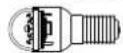
Lystype 2)
Hyller
Forklaring
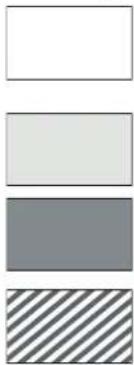
**
TEMPERERT SONE
DET KJ∅LIGSTE OMRÅDET
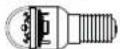
Typ żarówki 2)
Półki
Legenda


**
STREFA UMIARKOWANEJ TEMPERATURY
Legenda
Manual do utilizador
MANUAL DO UTILIZADOR
ÍNDICE
Lâmpada tipo 2)
Prateleiras
Legenda

**
ZONA TEMPERATURA
Recomendada para o armazenamento de frutas tropicais, latas, bebidas, ovos, molhos, picles, manteiga e compotas
ZONA FRESCA
Legenda
A. COMPARTIMENTO CONGELADOR (Caso o frigorífico disponha de um)
Prazo de validade dos alimentos a diferentes temperaturas
Manual de utilizare
MANUAL DE UTILIZARE
CUPRINS
Tip bec 2)
Rafturi
Legendă

**
ZONA TEMPERATĂ
Legendă
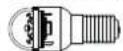
Тип лампочки 2)
Полки
Обозначения


**
УМЕРЕННАЯ ЗОНА
Обозначения
Návod na používanie
NÁVOD NA POUŽÍVANIE
OBSAH
Typ svetla 2)
Police
Legenda
**
MIERNA ZÓNA
Legenda
A. MRAZIACI PRIESTOR (ak je ním chladnička vybavená)
Navodila za uporabo
NAVODILA ZA UPORABO
KAZALO
Police
Legenda
**
PREDEL ZMERNE TEMPERATURE
Za shranjevanje tropskih sadežev, konzerv, pijače, jajc, omak, kumaric, masla in marmelade
HLADILNI PREDEL
Korisničko uputstvo
KORISNIČKO UPUTSTVO
INDEKS
Uputstvo za upotrebu i održavanje 2
Svetlo frižidera 2
Zamena LED sijalice (u zavisnosti od modela) 2
Police 2
Vrata 2
Kako koristiti uređaj 3
Prva upotreba 3
Odeljak frižidera i čuvanje hrane 3
Kako da skladištite svežu hranu i napitke 3
Police
Sve fioke, pregrade u vratima i police mogu da se izvade.
Vrata
Legenda
**
UMERENA ZONA
Preporučuje se za čuvanje tropskog voća, konzervi, pića, jaja, soseva, kiseli krastavaca, putera, džema
ZONA ZA HLAĐENJE
Predlaže se za skladištenje sira, mleka, mlečnih proizvoda, delikatesa, jogurt
NAJHLADNIJA ZONA
Bruksanvisning
BRUKSANVISNING
INNEHÅLLSFÖRTECKNING
Lamptyp 2)
Hyllor
Förklaring
**
TEMPERERAD ZON
Förklaring
Kullanıcı Kılavuzu
KULLANICI KILAVUZU
DIZIN
LED lamba (maks. 25W)
Ampul tip 2)
Raflar
Lejant
ILIMAN BÖLGE
Lejant
A.
Temizlik ve bakım
Тип лампи 2)
Полиці
Умовні позначки



**
用户手册
用户手册
索引
使用 & 保养指南
冰箱灯
更换LED灯泡(具体依型号而定)
搁架
门
如何使用电器
首次使用
冷藏室和食物储存
如何存放新鲜食物和饮料
* 冷冻室食品储存 (取决于型号)
不同温度下的食品货架期
* 如何给冷冻室除霜 (取决于型号)
功能声
不使用本电器时的建议
清洁和维护
密封垫更换
冰箱灯
灯泡类型2)
搁架
所有抽屉、门搁架和储物架均可取下。
门
可逆式冰箱门
图例
常温区
清洁和维护
使用手册
使用手册
索引
使用&保養指南
冰箱照明
更換LED燈泡(依機種而定)
隔板
機門
如何使用本家電
首次使用
冷藏室與食物保存
新鮮食物及飲品保存方式
* 食物冷凍室(取決於型號)
食物在不同溫度的層架上存放的壽命
* 冷凍室除霜方法(取決於型號)
運作聲響
不使用本家電時的建議
清潔與保養
垫圈更换
冰箱照明
燈泡類型2)
隔板
所有抽屉、門架或隔板均可拆除。
機門
機門換邊開啟
圖示
微冷區
- مدختسماليلد
- РАФТОВЕ
- УМЕРЕНА ЗОНА
- NÁVOD K POUŽITÍ
- POLIČKY
- MÍRNÁ ZÓNA
- VYSVĚTLIVKY
- BRUGSVEJLEDNING
- INDHOLDSFORTEGNELSE
- HYLDER
- TEMPERERET OMRÅDE
- FORKLARING
- BEDIENUNGSANLEITUNG
- INDEX
- ABLAGEFLÄCHEN
- ZEICHENERKLÄRUNG
- TEMPERATURBEREICH
- ΕΓΧΕΙΡΙΔΙΟ ΧΡΗΣΗΣ
- EYPETHPIO
- PÁΦΙΑ
- ΛΕΖΆΝΤΑ
- ΖΩΝΗ ΘΕΡΜΟΚΡΑΣΙΑΣ
- USER MANUAL
- USE & CARE GUIDE 2
- REFRIGERATOR LIGHT 2
- HOW TO USE THE APPLIANCE 3
- CLEANING AND MAINTENANCE 6
- GASKET REPLACEMENT 7
- REFRIGERATOR LIGHT
- REPLACING THE LED LIGHT BULB (DEPENDING ON MODEL)
- SHELVES
- DOOR
- DOOR REVERSIBILITY
- HOW TO USE THE APPLIANCE
- FIRST TIME USE
- REFRIGERATOR COMPARTMENT AND FOOD STORAGE
- AIR VENTILATION
- HOW TO STORE FRESH FOOD AND BEVERAGES
- TEMPERATE ZONE
- COOL ZONE
- COOLEST AREA
- FRUIT AND VEGETABLE DRAWER
- FREEZER COMPARTMENT FOOD STORAGE (DEPENDING ON MODEL)
- ICE CUBES
- REMOVING THE DRAWERS
- LEGEND
- HOW TO DEFROST THE FREEZER COMPARTMENT (DEPENDING ON MODEL)
- FUNCTIONAL SOUNDS
- RECOMMENDATION IN CASE OF NO USE OF THE APPLIANCE
- IN THE EVENT OF NON-USE OF THE APPLICANCE
- IN THE EVENT OF AN INTERRUPTION TO THE POWER SUPPLY
- CLEANING AND MAINTENANCE
- GASKET REPLACEMENT
- MANUAL DE USUARIO
- ÍNDICE
- ESTANTES
- ZONA DE TEMPERATURA
- KASUTUSJUHEND
- REGISTER
- RIIULID
- MÖÖDUKAS TSOON
- KIRJELDUS
- KÄYTTÖOPAS
- SISÄLTÖ
- HYLLYT
- VIILEÄ ALUE
- SELITYS
- ÉTAGÈRES
- ZONE TEMPÉRÉE
- תְרָהִיַעֹתָה
- OTD
- POLICE
- VRATA
- UMJERENO PODRUČJE
- HLADNO PODRUČJE
- NAJHLADNIJE PODRUČJE
- LADICA ZA VOĆE I POVRĆE
- HASZNÁLATI ÚTMUTATÓ
- TARTALOMJEGYZÉK
- TÍPUSÚ IZZÓ
- POLCOK
- JELMAGYARÁZAT
- MÉRSÉKELT HÖMÉRSÉKLETÜ ZÓNA
- FICBU
- UWNGWPWGH LNJU
- TUPULQTRP
- N
- HÚZHU OQUNWQNPTL UWPFWLNPNLUŊ
- UNWGHI OQUNWQNPNDI
- UUNNAWPWH HGHLY U UPTPFH WUHKUN
- ΟΗΩΨΗΝΗΡΗΣΙΔ
- HĪGŪWKU WQUHK L PWNU DPTPFP L PUFWLHFPR
- ΠWJ ΔW ΔW ΔW ΔP
- ΥΒΥΥ ΦΩΗ
- UUNC 9N5F
- UUBUUNC SUFUOF
- URF4 BY FUTQURT67F FUTU4
- UWNGWLUQGHLH UPTPFH WQUHWUFINIU (LQUVLUD UUNNLTHG)
- UUNGK JONPUMPPNGHGKP
- FUPULQIKPH HUFINUF
- ΠWJ WG WL WB GC WD GT
- UPTPFH WHUWGTLNLPJNUG UNPPTP QTPDUWNHFUWGTPNUL
- UPTPFH QHUWUKLWNIPJNIGP UNPPTP 2KPUUUNFHWUKPNID
- HUIQTU HWLTGFTL UUNGWLVGHLP (HWVLWD ÜNNTGHGL)
- 9N16GHGHNGWL HG2JN16GTP
- HNPNLPNFTP UMPFWLNPNLUP SOQNUQNPDLNL NTWFNLUF
- NOTANDAHANDBÓK
- ATRÍDASKRÁ
- HILLUR
- TEMPRAD SVÄDI
- SKÝRING
- PRIF OG VIÐHALD
- MANUALE D'USO
- INDICE
- RIPIANI
- ZONA TEMPERATA
- ТЕКШЕЛЕР
- ШАРТТЫ БЕЛГІЛЕР
- ТЕМПЕРАТУРА АЙМАГЫ
- ТЕКЧЕЛЕР
- ШАРТТУУ БЕЛГИЛЕР
- МЕЛУУН АЙМАК
- NAUDOJIMO VADOVAS
- RODYKLÉ
- LENTYNOS
- VIDUTINÉS TEMPERATÚROS ZONA
- PLAUKTI
- DURVIS
- MĒRENĀ ZONA
- HANDLEIDING
- SCHAPPEN
- GEMATIGDE ZONE
- BRUKERHÅNDBOK
- STIKKORDREGISTER
- HYLLER
- TEMPERERT SONE
- DET KJ∅LIGSTE OMRÅDET
- PÓŁKI
- STREFA UMIARKOWANEJ TEMPERATURY
- LEGENDA
- MANUAL DO UTILIZADOR
- PRATELEIRAS
- ZONA TEMPERATURA
- ZONA FRESCA
- MANUAL DE UTILIZARE
- CUPRINS
- RAFTURI
- ZONA TEMPERATĂ
- LEGENDĂ
- ПОЛКИ
- УМЕРЕННАЯ ЗОНА
- ОБОЗНАЧЕНИЯ
- NÁVOD NA POUŽÍVANIE
- MIERNA ZÓNA
- NAVODILA ZA UPORABO
- PREDEL ZMERNE TEMPERATURE
- HLADILNI PREDEL
- KORISNIČKO UPUTSTVO
- INDEKS
- UPUTSTVO ZA UPOTREBU I ODRŽAVANJE 2
- SVETLO FRIŽIDERA 2
- KAKO KORISTITI UREĐAJ 3
- UMERENA ZONA
- ZONA ZA HLAĐENJE
- NAJHLADNIJA ZONA
- BRUKSANVISNING
- INNEHÅLLSFÖRTECKNING
- HYLLOR
- TEMPERERAD ZON
- FÖRKLARING
- KULLANICI KILAVUZU
- DIZIN
- RAFLAR
- ILIMAN BÖLGE
- LEJANT
- TEMIZLIK VE BAKIM
- ПОЛИЦІ
- УМОВНІ ПОЗНАЧКИ
- 用户手册
- 索引
- 使用 & 保养指南
- 冰箱灯
- 搁架
- 常温区
- 清洁和维护
- 使用手册
- 使用&保養指南
- 冰箱照明
- 隔板
- 機門
Brand : BAUKNECHT
Model : KSU 8GF3
Category : Freezer