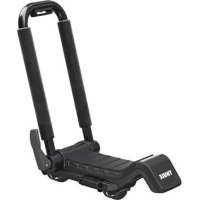
HullaPort XTR - Vehicle transport accessory THULE - Free user manual and instructions
Find the device manual for free HullaPort XTR THULE in PDF.


| Product type | Kayak carrier |
| Brand | Thule |
| Model | HullaPort XTR |
| Use | Transporting kayak on vehicle |
| Capacity | 1 kayak |
| Mounting | On roof bars |
| Material | Robust anti-corrosion treated steel |
| Locking system | Yes, with key |
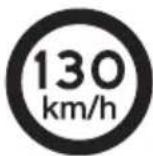
| Maximum permitted speed | 130 km/h |
| Speed over speed bumps | 10 km/h max |
| Regular maintenance | Cleaning with hot water, lubrication of mechanisms |
| Salt resistance | Treated to resist sea and road salt |
| Spare parts | Original Thule parts only |
| Removal before automatic car wash | Mandatory |
| Storage | In a dry place after cleaning |
Frequently Asked Questions - HullaPort XTR THULE
User questions about HullaPort XTR THULE
0 question about this device. Answer the ones you know or ask your own.
Ask a new question about this device
Download the instructions for your Vehicle transport accessory in PDF format for free! Find your manual HullaPort XTR - THULE and take your electronic device back in hand. On this page are published all the documents necessary for the use of your device. HullaPort XTR by THULE.
USER MANUAL HullaPort XTR THULE

EN
Roof mounted kayak carrier
ES
Portakayak de techo
FR
x2



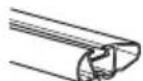
Thule WingBar/Aeroblade
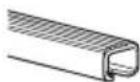
Thule SquareBar
i
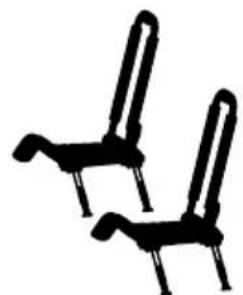
5.6 kg
12.4 lbs
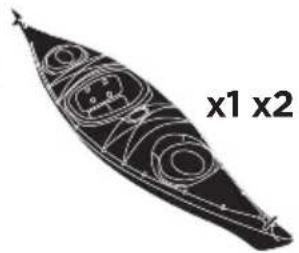
Max Maxkg+B=
75 lbs
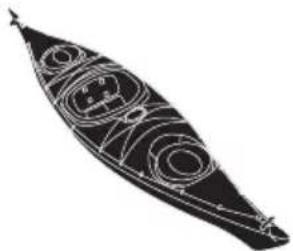
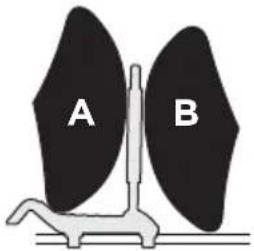
59 kg
130 lbs
i
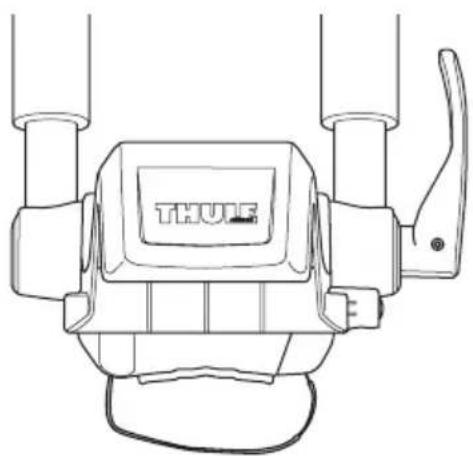
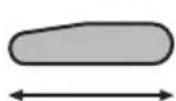
Max 80.5 mm / 3.17"
Min 23 mm / 0.90"
Max 32 mm / 1.26"
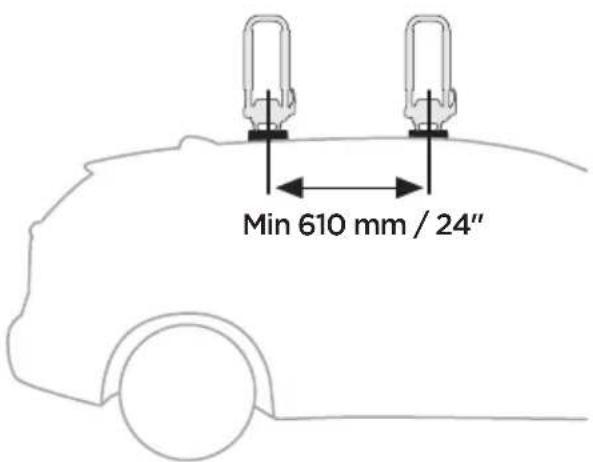


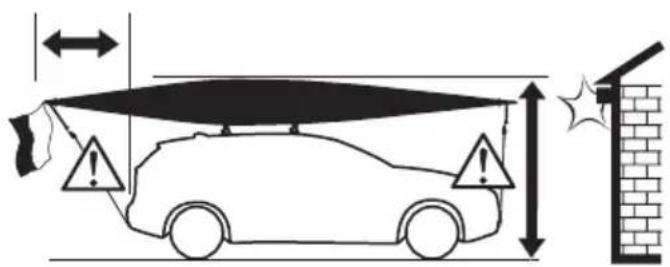

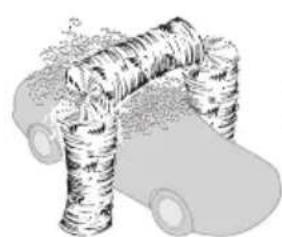
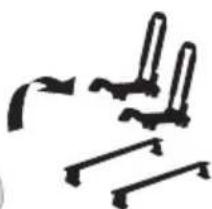




1
2
A


B
C
i
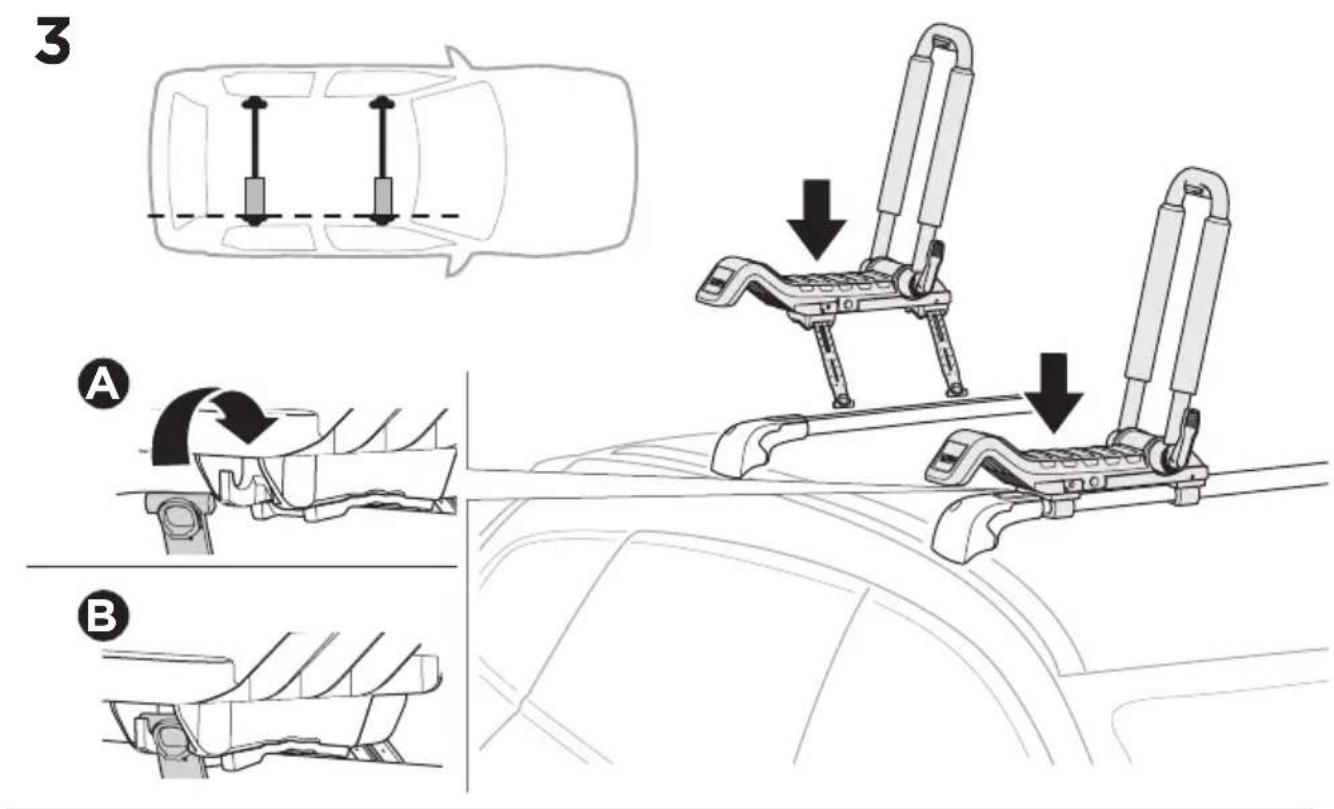
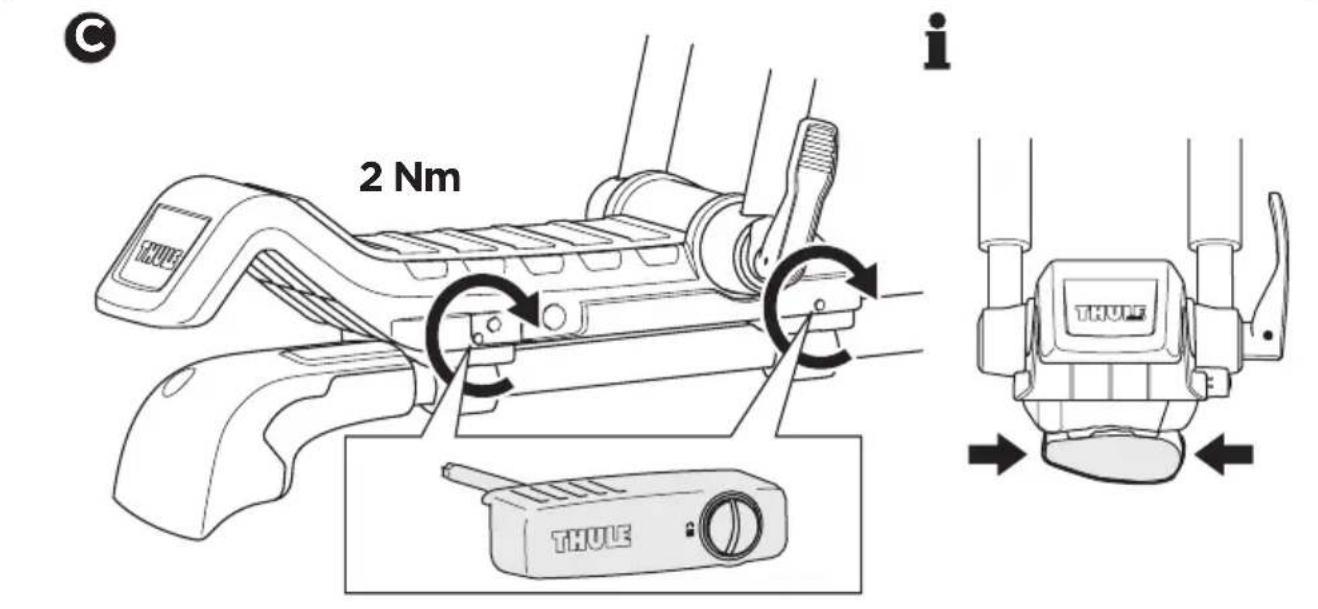
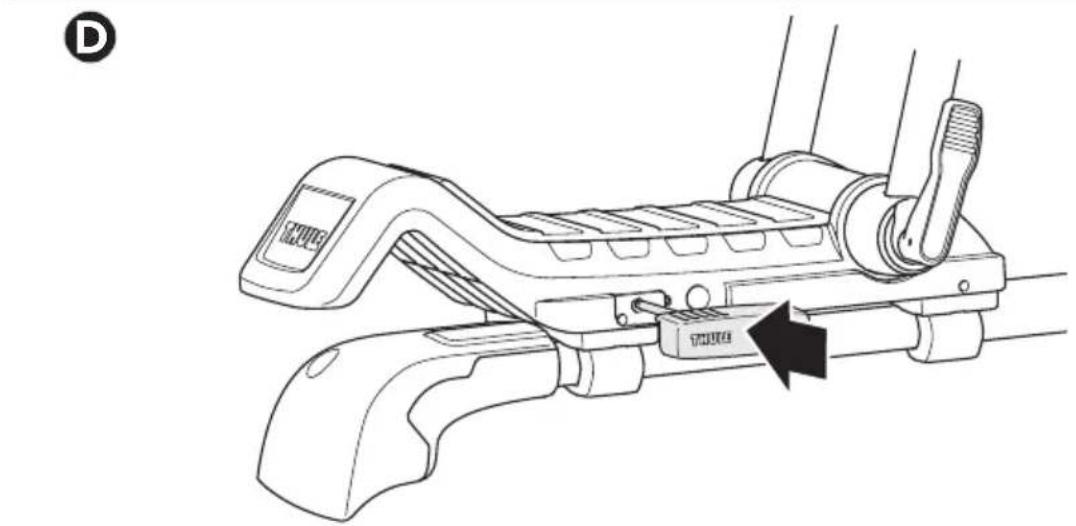
E
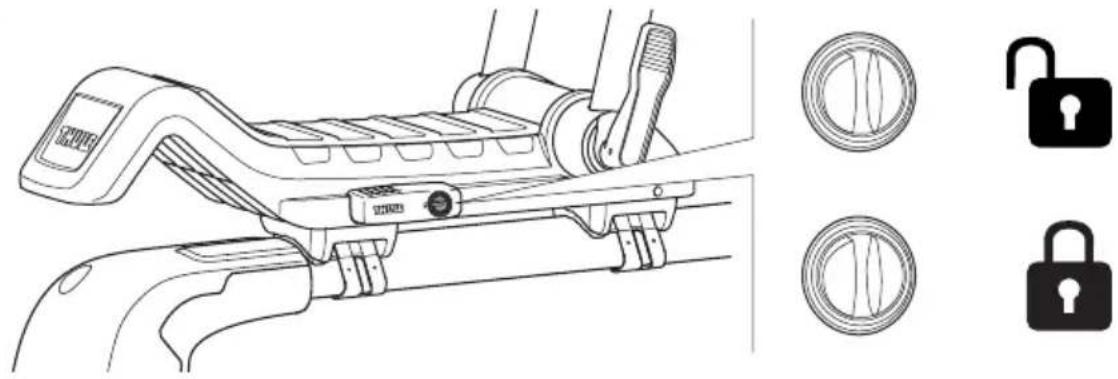
!
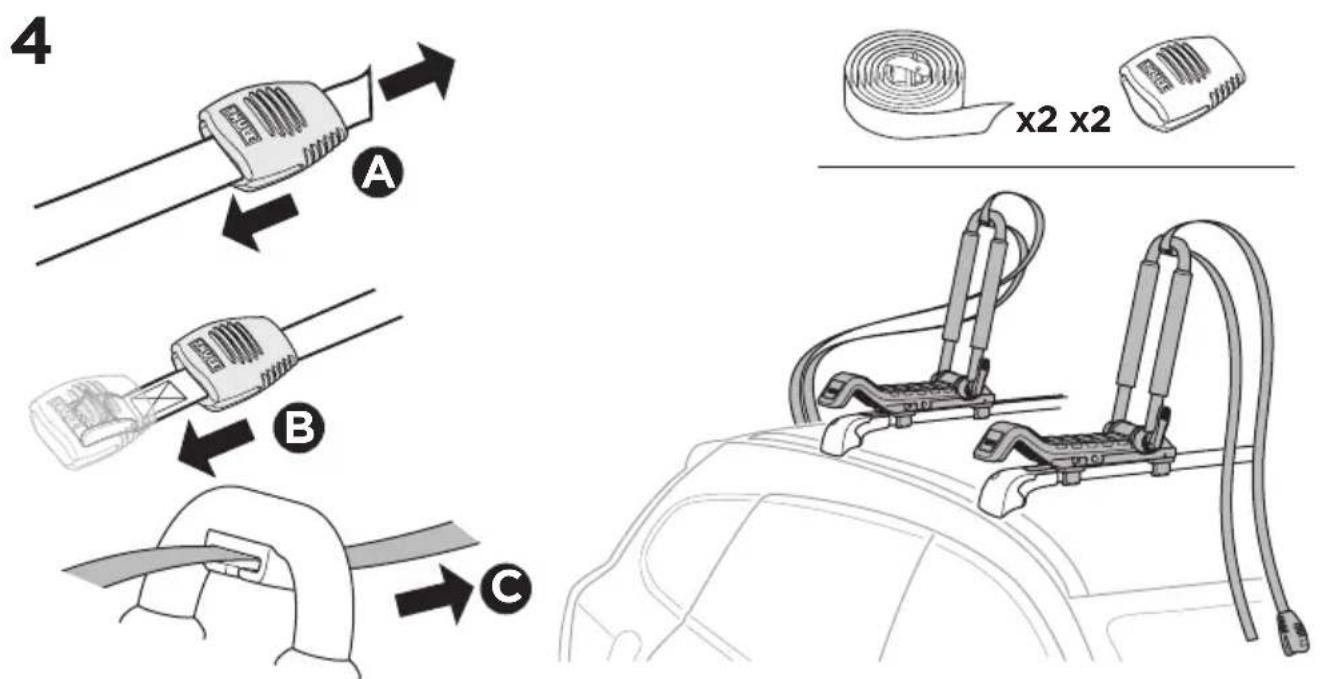
5
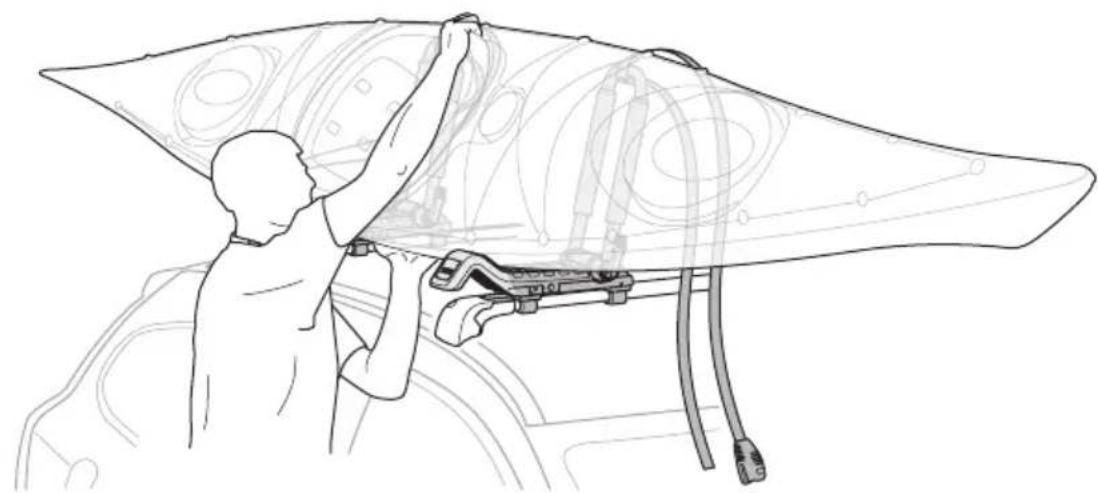
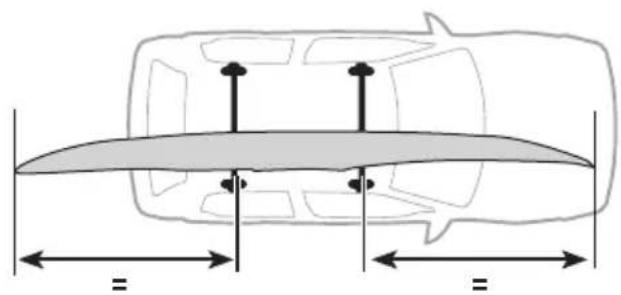
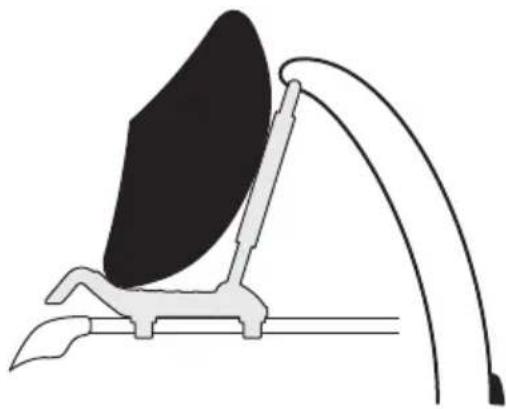
6
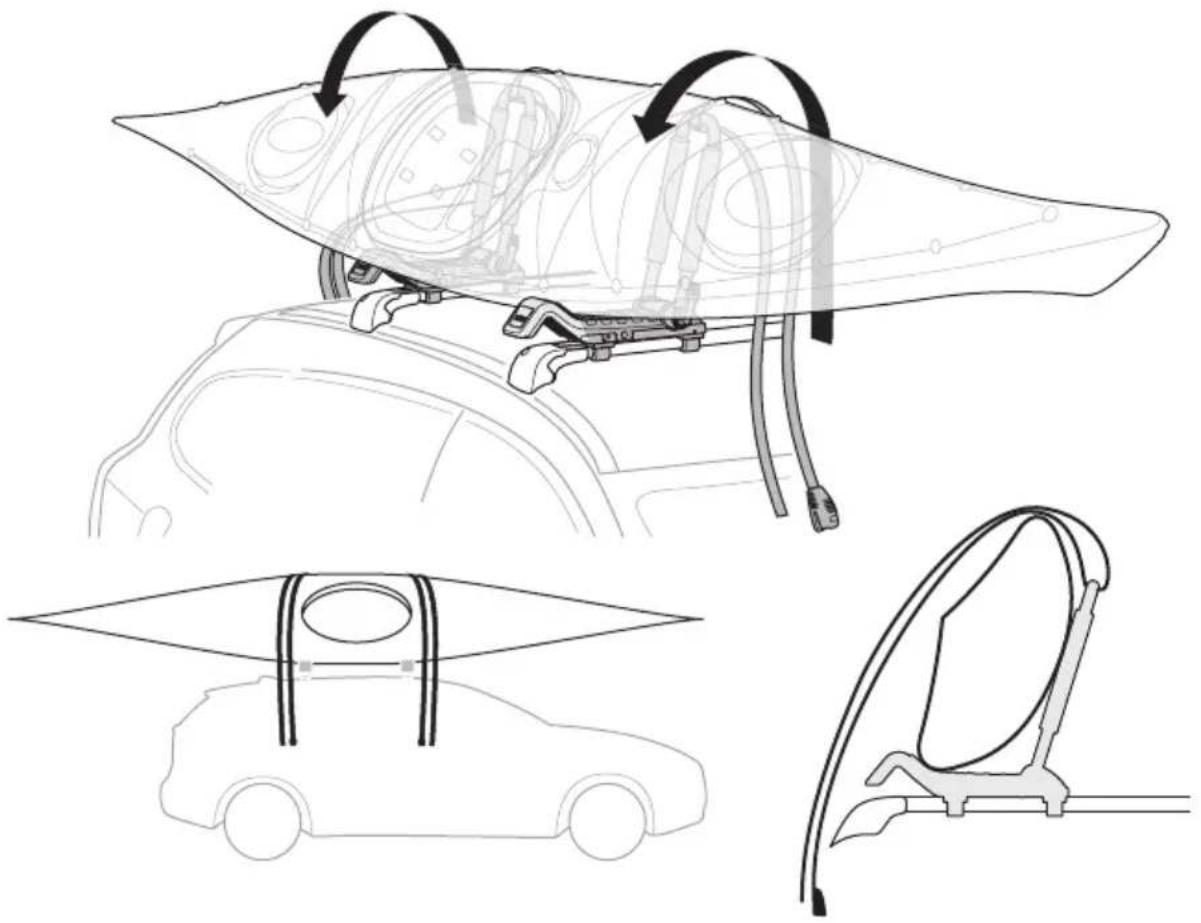
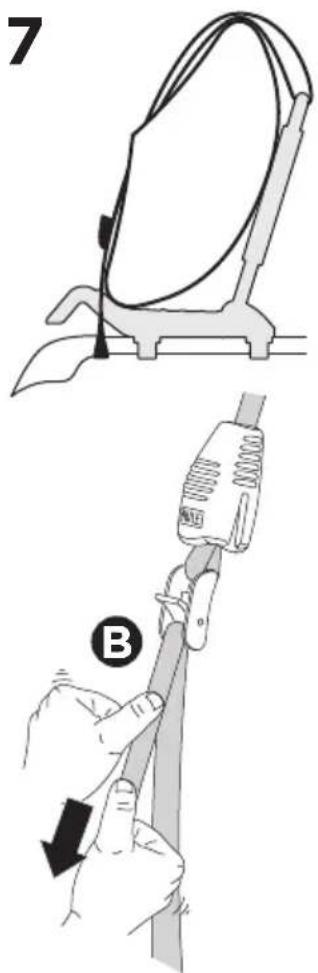
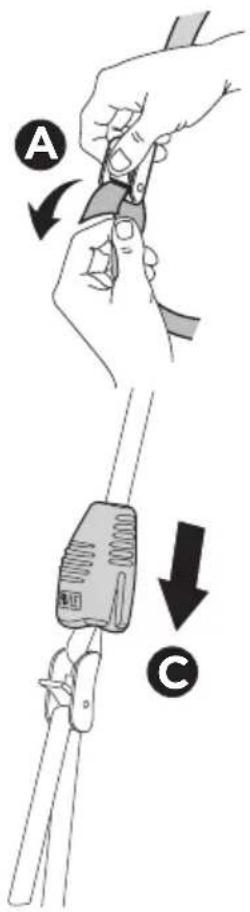
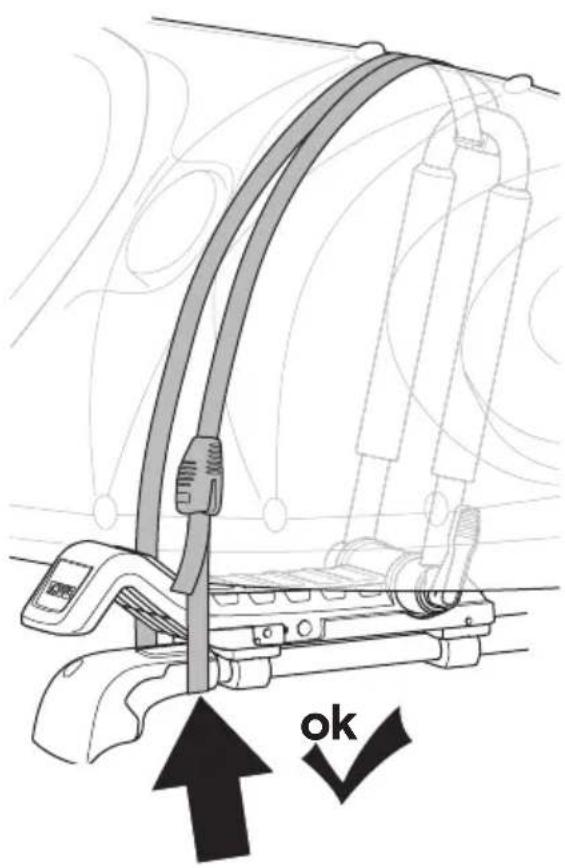
i
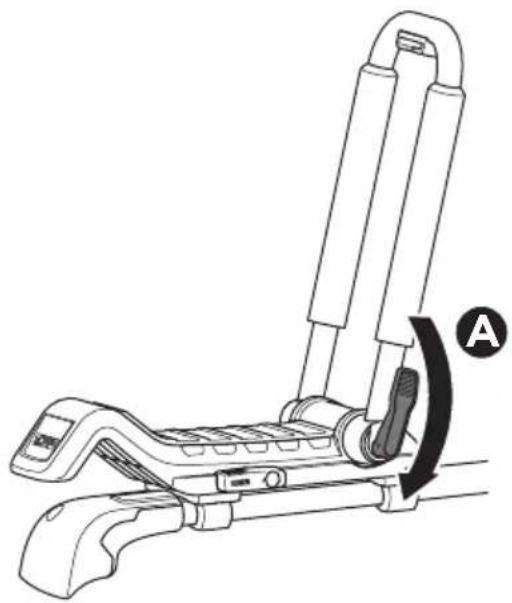
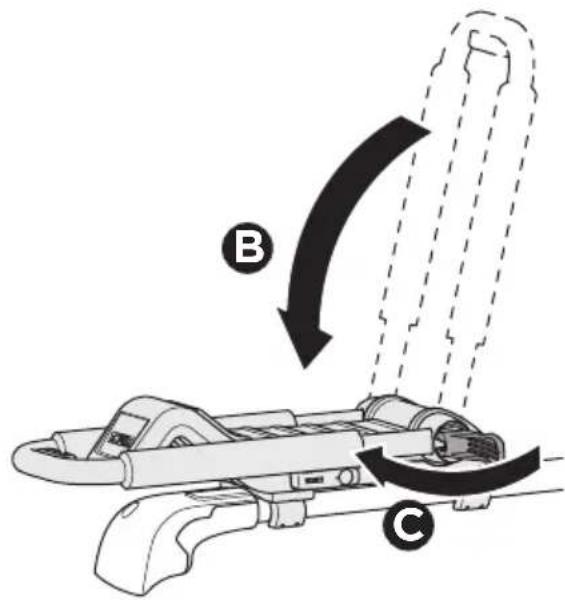
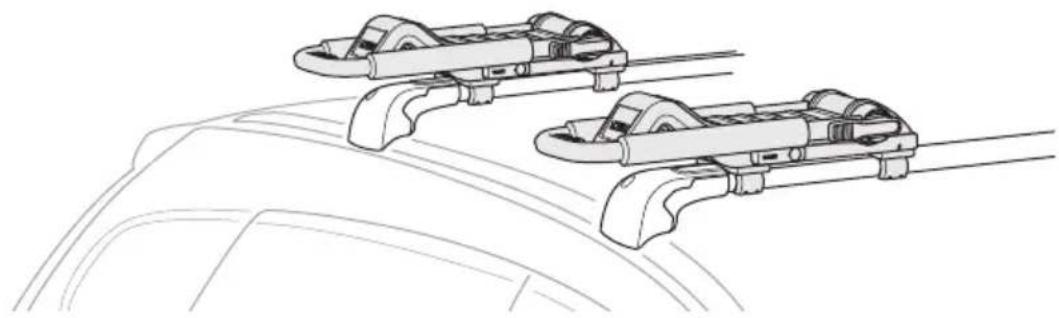
![graph TD A["Speaker at top"] --> B{No traffic} B -->|Yes| C["Phone at bottom"] B -->|No| D["Driver at left"] C --> E{OK traffic} E -->|Yes| F["Phone at bottom"] E -->|No| G["Driver at right"]](/content/2026/04/592696/images/f639f858823f3689c0878eb61f815906e4c5bf644c3bfc31c3e81f24c46158df.jpg)
EN
A.0 General
A.1 Thule assumes no liability for injury to persons, damage to movable or immovable property, loss of profit, or any other loss or damage caused by the improper mounting or use of the carrier, including but not limited to mounting or use in conflict with the assembly instructions, mounting instructions or any other instructions given, in writing or verbally, by Thule or a Thule dealer.
A.2 The carrier and its parts must not be modified in any way.
A.3 Consult your Thule dealer if you have any questions about the operation, use and limits of the carrier. Read all of the instructions and warranty information carefully before mounting and using the carrier.
B.O Fitting
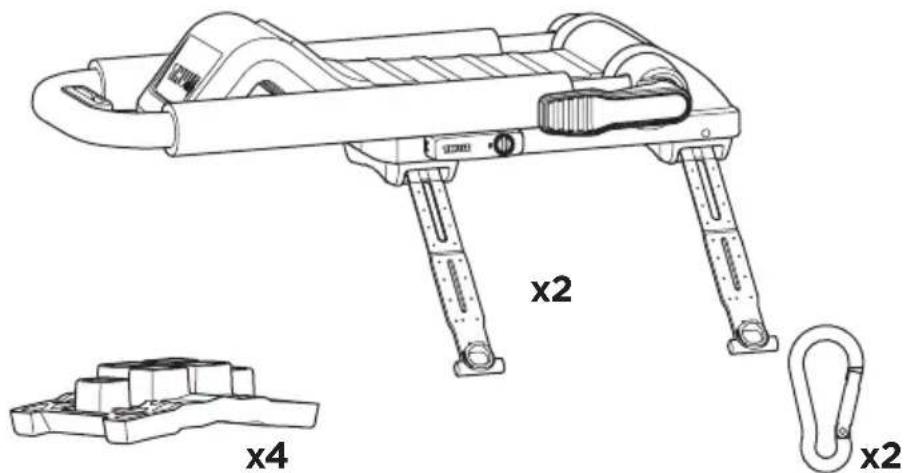
B.1 Check the assembly instructions to make sure that all the necessary parts of the carrier are present.
B.2 Read and follow the assembly instructions and the recommendation list carefully, if the list is included. Then fit the unit in the correct sequence by following points 1, 2, 3 and so on.
B.3 Do not attempt to fit the carrier in any other way than the way shown in the mounting instructions.
C.0 Loading
C.1 The maximum load for the carrier, as specified in the assembly instructions, must not be exceeded. In addition, the maximum load recommended for the vehicle itself always takes priority over the load specified in the assembly instructions. It is always the lower recommended maximum load that applies and that must not be exceeded.
C.2 The maximum load for the carrier, as specified in the assembly instructions, applies to vehicles in motion as well as parked vehicles.
C.3 The load must be carefully secured. Elastic bungees must not be used.
C.4 Check and do not exceed the maximum weight per bike specified in the mounting instructions.
C.5 When loading bikes on the carrier, always position the largest and heaviest bikes closest to the car, followed by the smaller and lighter bikes.
C.6 The carrier is constructed to carry only standard bike frames. Tandem bikes must not be transported on the carrier. Always check and do not exceed the maximum bike frame size (diameter) specified in the mounting instructions.
C.7 In the case of bikes with carbon frames or forks, always consult the bike manufacturer or dealer to check if you are allowed to use the carrier.
C.8 We recommend that you use the Thule Bike Frame Adapter 982 for rear-mounted carriers, such as the tow bar-mounted carriers and rear door-mounted carriers.
C.9 Thule assumes no liability for any damage to carbon frames or forks incurred during mounting and/or use of the carrier.
C.10 All easily removable parts of the bikes must be removed before transportation, including but not limited to child seats, baskets, locks (if not permanently mounted) and air pumps. These parts can become detached during transportation because of increased air resistance and vibration and can constitute a danger to other road users.
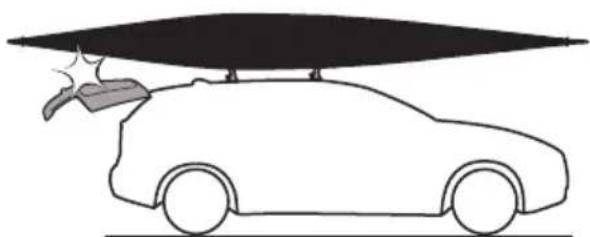
C.11 If the vehicle is equipped with an automatic boot or tailgate opening function, this function must be disabled and the luggage compartment must be opened manually when the rear-mounted carrier is fitted, to avoid damage to the vehicle and/or the carrier.
C.12 If necessary, the load must be fitted with the appropriate lights and warning signs in accordance with local laws.
C.13 In the case of vehicles first type-approved after 1 October 1998, the rear-mounted carrier and/or the load must not cover the vehicle's third brake light. The vehicle's third brake light must be visible from:
- 10 degrees to the left and to the right of the longitudinal axis of the vehicle
• 10 degrees above and 5 degrees below the horizontal axis
If these figures are not complied with, an optional replacement brake light must be fitted. National laws must be taken into account while using the carrier.
C.14 Keep the mounting and safety instructions and (if applicable) the EC-type approval in the vehicle where the carrier is mounted.
C.15 Not intended for tandems or recumbents.
C.16 Do not install on a trailer or other towed vehicle.
D.0 Driving characteristics and regulations
D.1 This product is not approved for and must not be used during off-road driving. Adapt your speed to the prevailing road conditions and the load being carried. Check the load fastenings regularly.
D.2 The vehicle driver is solely responsible for ensuring that the carrier is in perfect condition and that the carrier and load are securely fastened (even if fitted by a third person).
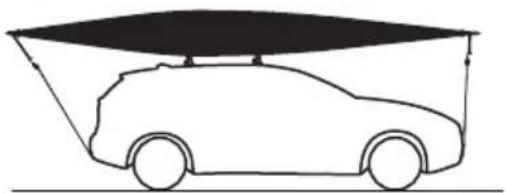
D.3 Every time the carrier is used, check that the carrier is securely fitted after driving a short distance (50km) and then at regular intervals. If you notice any unusual noise, movement of the load and/or carrier, different behaviour of the vehicle or other unusual conditions, stop and check that the carrier and load are secured correctly, and in accordance with the mounting instructions.
D.4 The vehicle's total length and/or height may increase when a carrier is mounted. The bikes themselves may increase the vehicle's total width and height. Take special care when reversing and/or entering garages or ferries etc.
D.5 Replace any damaged or worn parts of the carrier immediately. During transportation, all levers, bolts and/or nuts must be tightened in accordance with the mounting instructions.
D.6 Carriers fitted with a lock must always be in the locked position. The keys must be removed and kept inside the vehicle during transport.
D.7 Be aware that the vehicle's driving characteristics and braking behaviour (including in curves) might change and that the vehicle might become vulnerable to side winds when the carrier is fitted.
D.8 Depending on the carrier model, the car's tail lights can be obstructed. If that is the case and if the carrier does not already have integrated rear lights, an external light board must be fitted.
D.9 An additional number plate might be required. This should be attached to the appropriate part of the carrier in accordance with local laws.
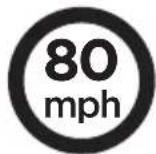
D.10 The vehicle's speed must always be adjusted to the load being carried and the current driving conditions, such as the road type, road quality, wind conditions, traffic intensity and applicable speed limits, but must under no circumstances exceed 130 km/h. Applicable speed limits and other traffic regulations must always be observed.
D.11 Drive slowly over speed bumps, maximum speed 10 km/h.
D.12 Be aware that wind noise may be generated during transport and may vary depending on the vehicle and load.
D.13 For reasons of fuel economy and environmental impact as well as the safety of other road users, the carrier must be removed from the vehicle when not in use.
E.0 Maintenance
E.1 Clean the carrier regularly using warm water or car shampoo, especially when using or after using the carrier in coastal areas (the effect of salt water) or during periods when salt is applied to the roads (winter time).
E.2 Lubricate the coupling mechanism (but not the surfaces in contact with the tow ball surface) and other moving parts of the carrier when required.
E.3 Remove the carrier before using an automatic car wash.
E.4 When the carrier is removed from the vehicle, it must be stored in a dry storage area. All the components of the carrier must be stored safely. Remember to clean and maintain the carrier in accordance with the instructions.
E.5 If you lose part(s) of the carrier or part(s) of the carrier wear out, only use genuine Thule spare parts as replacements. Spare parts can be purchased from your dealer or manufacturer.
E.6 To ensure that you receive the spare parts quickly and to avoid time-consuming queries, please provide the relevant product details and the serial number when placing an order or making an inquiry.
E.7 In order to ensure that you are able to replace lost or defective keys as quickly as possible, note down the lock and key number which can be found on your key.
E.8 Check tightness of all bolts and knobs periodically.
E.9 Check rubber straps for wear and replace if worn.
FR
450200 (x2)
450400 (x4)
450600 (x6)
450800 (x8)
Brand : THULE
Model : HullaPort XTR
Category : Vehicle transport accessory