TS 571200Set - Saw Güde - Free user manual and instructions
Find the device manual for free TS 571200Set Güde in PDF.


User questions about TS 571200Set Güde
0 question about this device. Answer the ones you know or ask your own.
Ask a new question about this device
Download the instructions for your Saw in PDF format for free! Find your manual TS 571200Set - Güde and take your electronic device back in hand. On this page are published all the documents necessary for the use of your device. TS 571200Set by Güde.
USER MANUAL TS 571200Set Güde
---- Translation of the original instructions Circular saw
natural_image
3D rendering of a blue and red power saw cutting a saw blade (no text or symbols visible)
TS 57-1200 SET
58138
TS 57-1400 KE SET
58232
GÜDE GmbH & Co. KG
Birkichstrasse 6
74549 Wolpertshausen
Deutschland


text_image
Güde

ENGLISH Please read the instructions carefully before starting the machine.
text_image
Scanned document page with placeholder text and a blue circular icon, likely a form or report section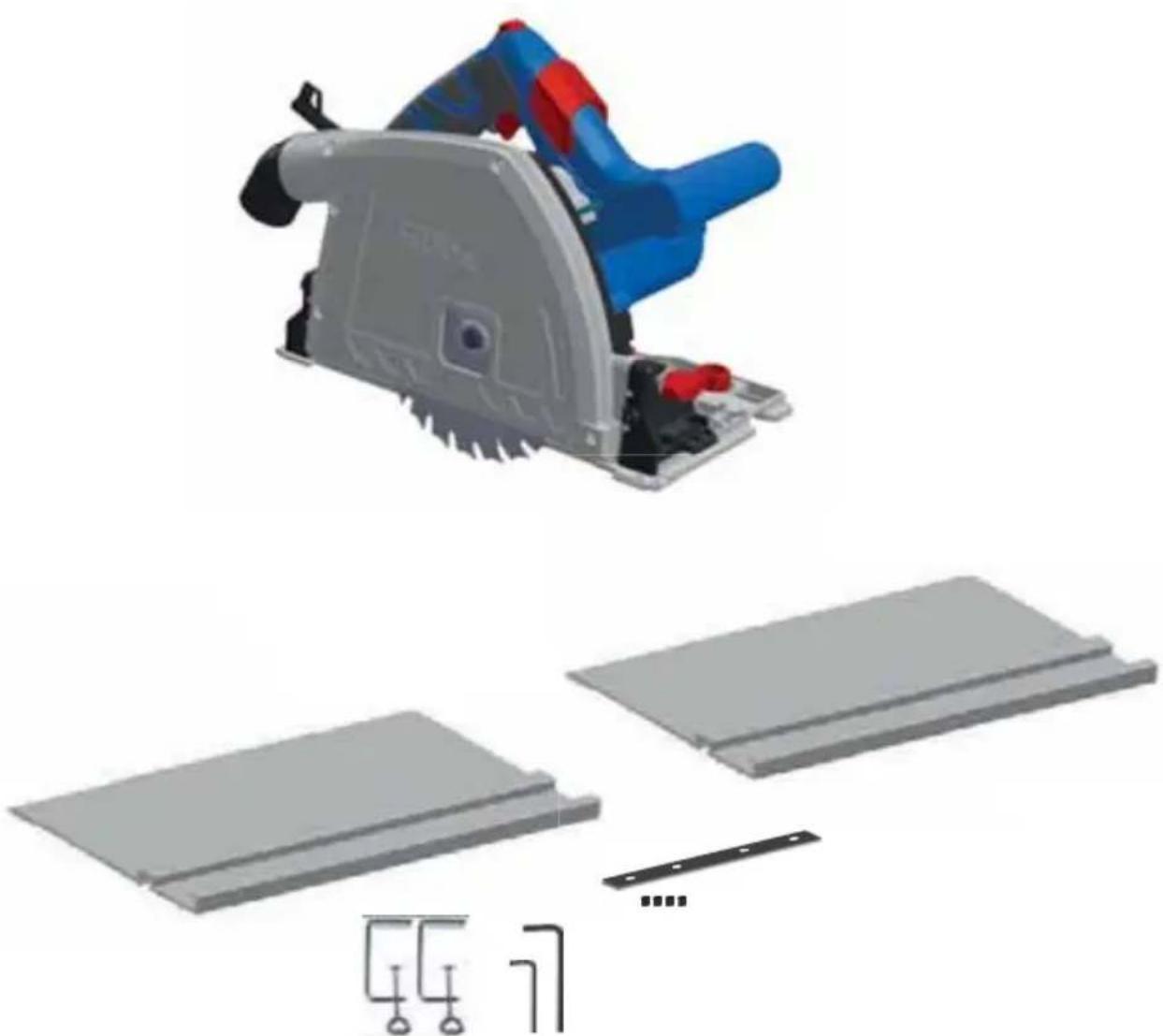
natural_image
3D cutaway view of a saw cutting into a flat panel, with no visible text or symbols| D | Inbetriebnahme | GR | Прώτη θέση σε λειτουργία | 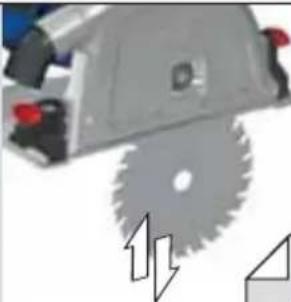 |
| GB | Starting-up the machine | H | Üzembe helyezés | |
| F | Mise en service | SLO | Uvedba v pogon | |
| I | Messa in funzione | HR | Puštanje u rad | |
| E | Puesta en marcha | BG | Пускане в действие | |
| NL | Inbedrijfstelling | RO | Punerea în funcțiune | |
| DK | Ibrugtagning | |||
| CZ | Uvedení do provozu | |||
| SK | Uvedenie do prevádzky | 2-4 |
text_image
5-6 8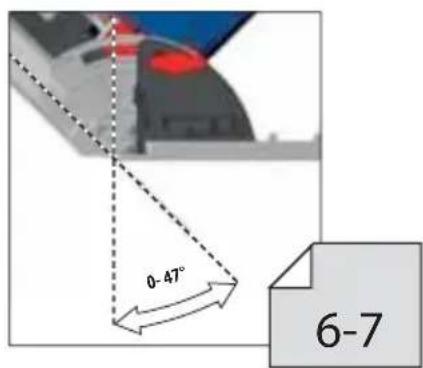
text_image
0-47° 6-7
natural_image
Cross-sectional view of a mechanical device with blue and red components (no visible text or symbols)
natural_image
Illustration of a robotic arm and a vacuum cleaner in action, with a document labeled '9' nearby (no text or symbols on main objects)
natural_image
Illustration of a blue and red tool cutting through a flat surface, with a page number '10' shown in the corner (no text or symbols on the tool itself)| D | Betrieb | GR | Λειτουργία |
| GB | Operation | H | Üzemeltetés |
| F | Fonctionnement | SLO | Delovanje |
| I | Esercizio | HR | Rad |
| E | Funcionamiento | BG | Pábota |
| NL | Gebruik | RO | Funcționare |
| DK | Drift | TR | İşletim |
| CZ | Provoz | PL | Eksploatacja |
| SK | Prevádzka |
text_image
START 2 STOP1-12
natural_image
Close-up of a saw cutting machine with a gear and motion arrow (no text or symbols)D Inbetriebnahme
GB Starting-up the machine
F Mise en service
Messa in funzione
E Puesta en marcha
text_image
Safety warning symbols: blue circle with power button and right arrow, yellow triangular warning sign with exclamation mark| 58155 |
natural_image
Mechanical assembly diagram showing a blue and red component with a lock icon, alongside an inset close-up of the component (no text or symbols present)
text_image
2 2 3| D | Inbetriebnahme | GR | Прώτη θέση σε λειτουργία |
| GB | Starting-up the machine | H | Üzembe helyezés |
| F | Mise en service | SLO | Uvedba v pogon |
| I | Messa in funzione | HR | Puštanje u rad |
| E | Puesta en marcha | BG | Пускане в действие |
| NL | Inbedrijfstelling | RO | Punerea în funcțiune |
| DK | Ibrugtagning | ||
| CZ | Uvedení do provozu | ||
| SK | Uvedenie do prevádzky |
natural_image
Close-up of a mechanical component with a gear and motion arrow, no visible text or symbols

text_image
3 1 2
text_image
4 3
natural_image
3D rendering of a cut-out saw blade with red and blue blades, showing blade assembly and cutting tool (no text or symbols)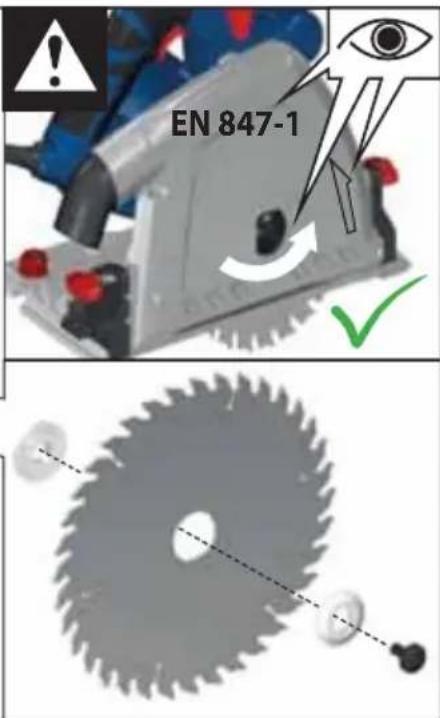
text_image
EN 847-1
natural_image
Close-up of a mechanical component with two gears and motion arrows (no text or symbols)| D | Inbetriebnahme | GR | Прώτη θέση σε λειτουργία |
| GB | Starting-up the machine | H | Üzembe helyezés |
| F | Mise en service | SLO | Uvedba v pogon |
| I | Messa in funzione | HR | Puštanje u rad |
| E | Puesta en marcha | BG | Пускане в действие |
| NL | Inbedrijfstelling | RO | Punerea în funcțiune |
| DK | Ibrugtagning | ||
| CZ | Uvedení do provozu | ||
| SK | Uvedenie do prevádzky |
natural_image
Close-up of a saw cutting process with a tool and component, no visible text or symbols
text_image
7 1 2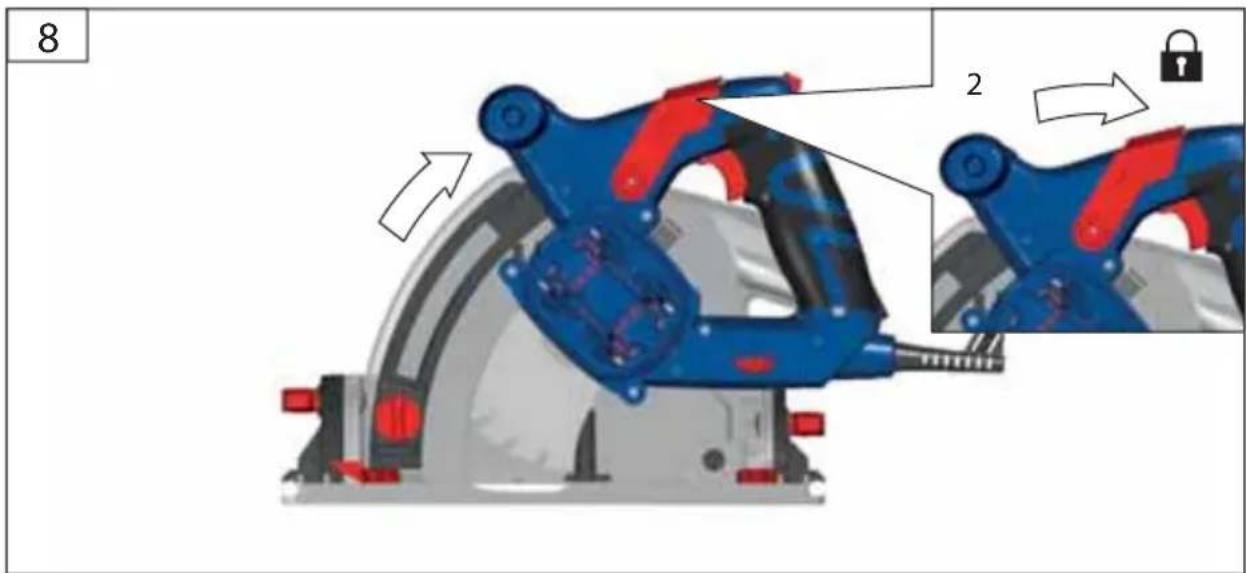
text_image
8 2| D | Inbetriebnahme | GR | Прώτη θέση σε λειτουργία |
| GB | Starting-up the machine | H | Üzembe helyezés |
| F | Mise en service | SLO | Uvedba v pogon |
| I | Messa in funzione | HR | Puštanje u rad |
| E | Puesta en marcha | BG | Пускане в действие |
| NL | Inbedrijfstelling | RO | Punerea în funcțiune |
| DK | Ibrugtagning | ||
| CZ | Uvedení do provozu | ||
| SK | Uvedenie do prevádzky |

natural_image
Close-up of a mechanical device with directional arrows indicating movement or force (no visible text or symbols)
natural_image
Diagram of a car interior showing a roof, door, and window with directional arrows indicating movement (no text or symbols)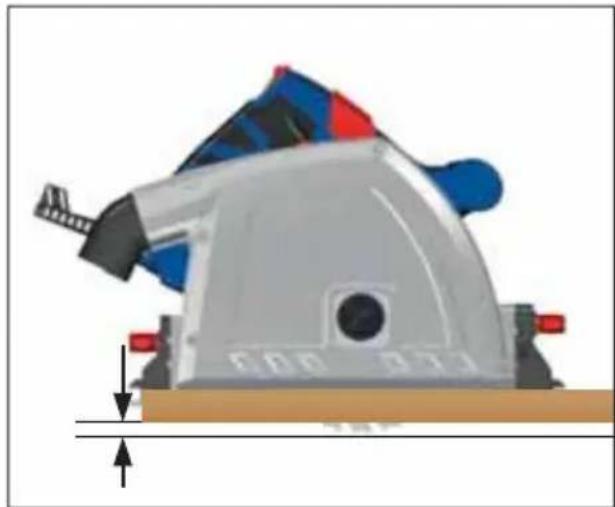
natural_image
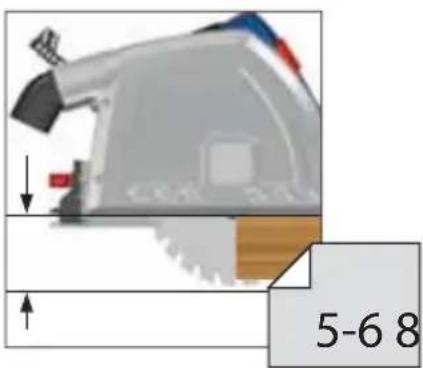
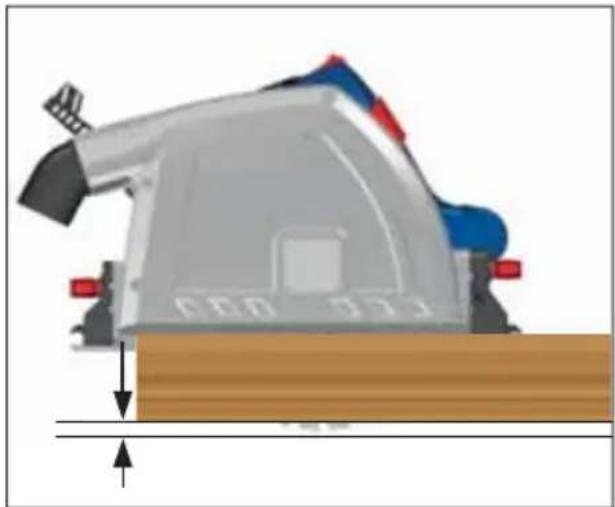
Diagram of a mechanical device with blue and red components, showing a cross-section with a dimension line (no text or symbols)Adjust the cutting depth to the thickness of the workpiece. Less than a full tooth of the blade teeth should be visible below the workpiece.
natural_image
Diagram of a robotic arm with directional arrows indicating movement or force (no text or symbols)D Inbetriebnahme
GB Starting-up the machine
F Mise en service
1 Messa in funzione
E Puesta en marcha
natural_image
3D rendering of a blue electric drill bit with red grip and black buttons, showing internal components and lock icons (no text or symbols)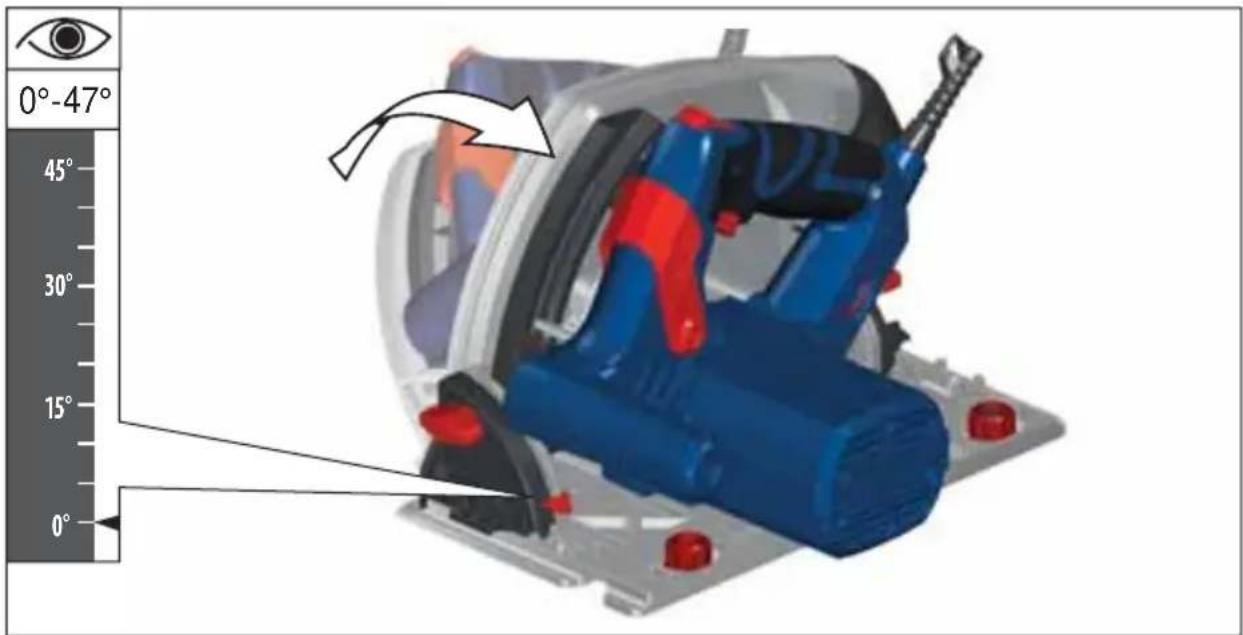
text_image
0°-47° 45° 30° 15° 0°
natural_image
Cross-sectional diagram of a mechanical or electrical component with no visible text or symbols| D | Inbetriebnahme | GR | Прώτη θέση σε λειτουργία |
| GB | Starting-up the machine | H | Üzembe helyezés |
| F | Mise en service | SLO | Uvedba v pogon |
| I | Messa in funzione | HR | Puštanje u rad |
| E | Puesta en marcha | BG | Пускане в действие |
| NL | Inbedrijfstelling | RO | Punerea în funcțiune |
| DK | Ibrugtagning | ||
| CZ | Uvedení do provozu | ||
| SK | Uvedenie do prevádzky |
text_image
Technical diagram of a mechanical assembly with labeled components and directional arrows indicating motion or assembly.GB Accessory - Not included in standard equipment, available as an accessory.
natural_image
3D rendered image of a blue and red object on a white surface, possibly a tool or device (no text or symbols visible)
flowchart
graph TD
    A["Input"] --> B["Lock"]
    B --> C["Device"]
    C --> D["Output"]
    style A fill:#f9f,stroke:#333
    style D fill:#bbf,stroke:#333
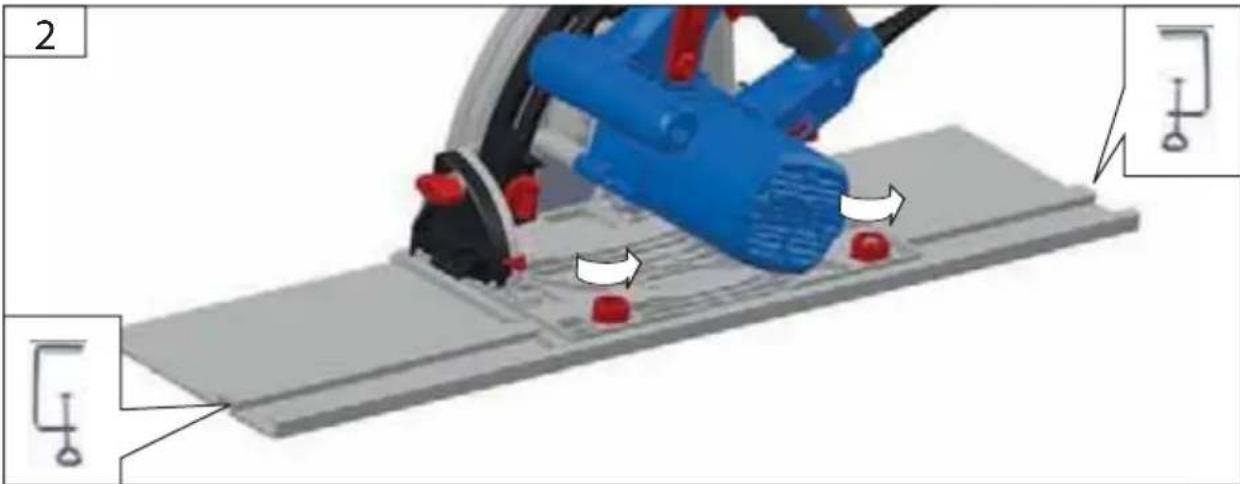
natural_image
3D mechanical assembly diagram showing a blue-handled tool interacting with red components on a gray base plate (no text or symbols visible)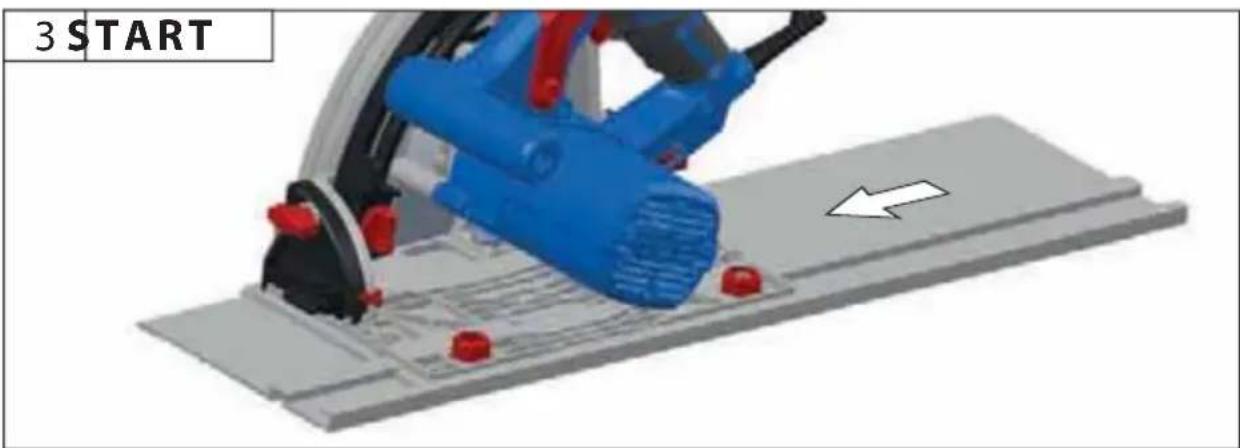
text_image
3 START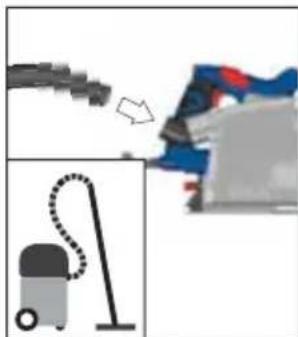
natural_image
Illustration of a vacuum cleaner emitting a pipe, with a close-up inset showing the same device (no text or symbols present)| D | Inbetriebnahme | GR | Прώτη θέση σε λειτουργία |
| GB | Starting-up the machine | H | Üzembe helyezés |
| F | Mise en service | SLO | Uvedba v pogon |
| I | Messa in funzione | HR | Puštanje u rad |
| E | Puesta en marcha | BG | Пускане в действие |
| NL | Inbedrijfstelling | RO | Punerea în funcțiune |
| DK | Ibrugtagning | ||
| CZ | Uvedení do provozu | ||
| SK | Uvedenie do prevádzky |
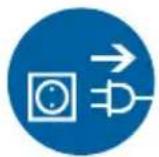
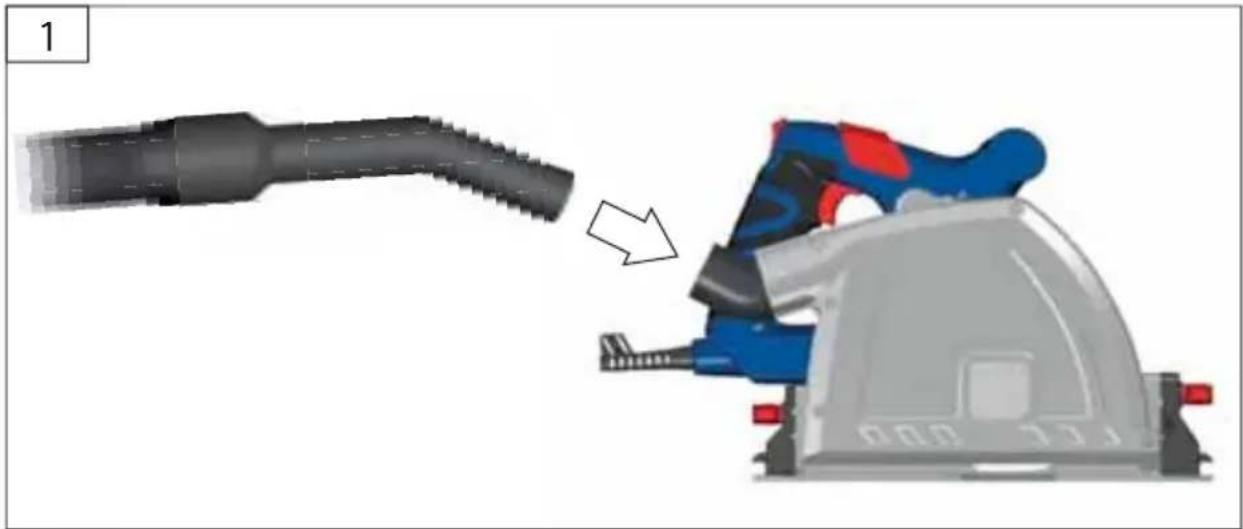
natural_image
Illustration of a hairdryer being cut off from a blue and red component (no text or symbols)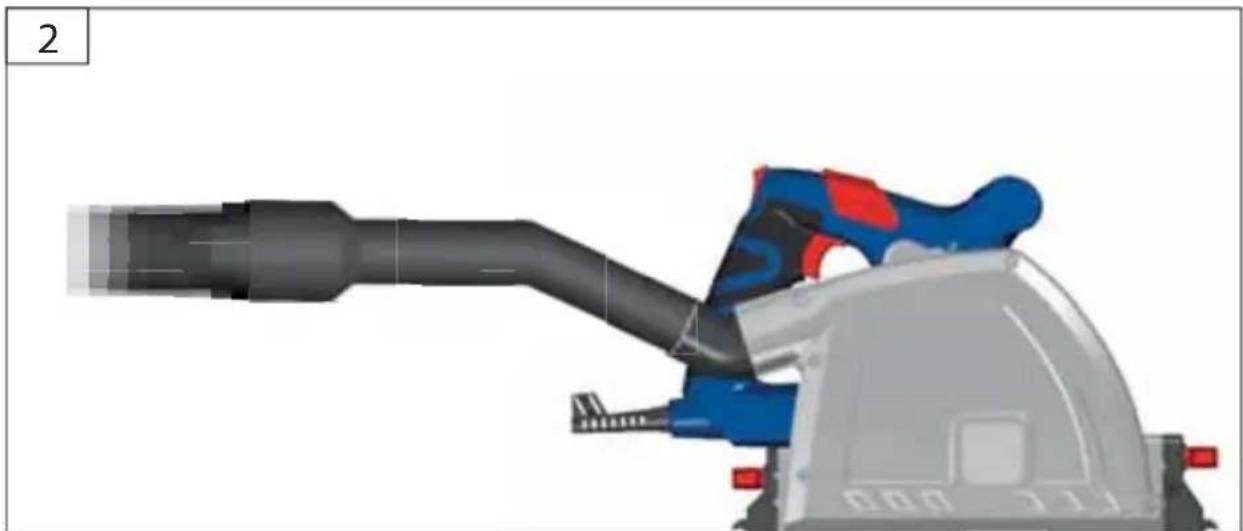
natural_image
3D rendering of a car engine component with blue and red parts, showing blade and suspension (no text or symbols)| D | Betrieb | GR | Λειτουργία |  |
| GB | Operation | H | Üzemeltetés | |
| F | Fonctionnement | SLO | Delovanje | |
| I | Esercizio | HR | Rad | |
| E | Funcionamiento | BG | Pабота | |
| NL | Gebruik | RO | Funcționare | |
| DK | Drift | |||
| CZ | Provoz | |||
| SK | Prevádzka |


START
text_image
Technical diagram of a blue electric shaver mechanism with numbered components and directional arrows indicating assembly or motion.TS 57-1400 KE SET
58232
text_image
1......2......3......4......5......6......7
3-7

3-7

1-7

4-7
STOP
text_image
STOP 2
2
D Betrieb
GB Operation
F Fonctionnement
Esercizio
E Funcionamiento
NL Gebruik
DK Drift
CZ Provoz
SK Prevádzka
GR Λειτουργία
H Üzemeltetés
SLO Delovanje
HR Rad
BG Работа
RO Functionare



A
natural_image
Close-up of a mechanical component with blue and red parts, no visible text or symbols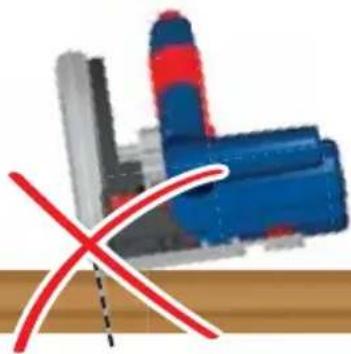
natural_image
Illustration of a blue and red mechanical component with a red X mark, no text or symbols presentB
natural_image
Diagram showing a mechanical assembly with blue and red components and a green checkmark indicating selection (no text or symbols present)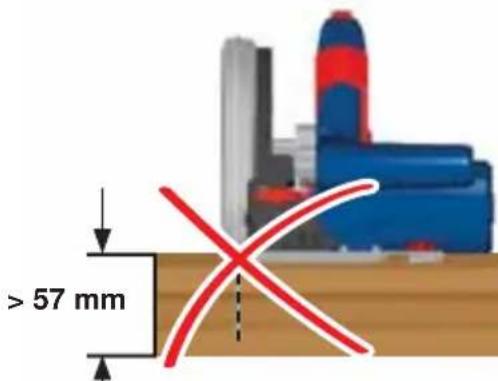
text_image
> 57 mm
natural_image
Close-up of a mechanical component with blue and red parts, no visible text or symbols
natural_image
Illustration of a stylized rocket with blue and red components, no visible text or symbols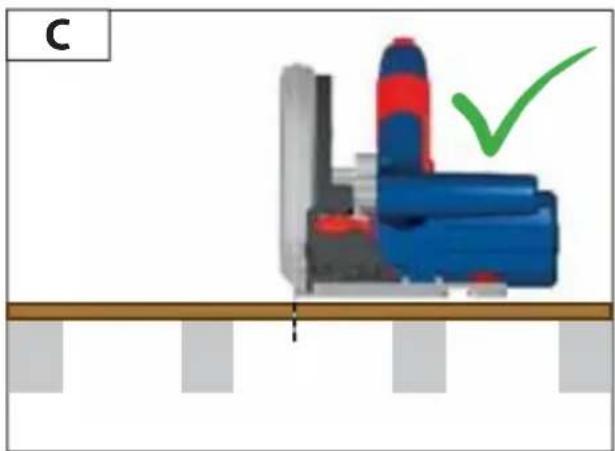
natural_image
Diagram of a mechanical assembly with blue and red components, marked with a green checkmark and label 'C' (no readable text or symbols)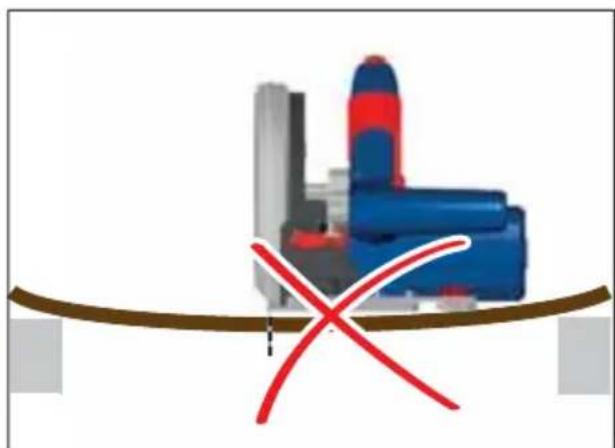
natural_image
Illustration of industrial machinery with blue and red components, no visible text or symbolsTechnische Daten
WARNING: The vibration emission level will vary because of the ways in which a power tool can be used and may increase above the level given in this information sheet.
The vibration emission level may be used to compare one tool with another.
It may be used for a preliminary assessment of exposure.
An accurate estimate of the vibratory load should also take into account the times when the tool is shut down or when it is running but not actually in use. This may significantly reduce the vibratory load over the total working period.
Identify additional safety measures to protect the operator from the effects of vibration such as: maintain the tool and the accessories, keep the hands warm, organisation of work patterns.


Read and understand the operating instructions before using the appliance. Familiarise with the
control elements and how to use the appliance properly. Abide by all the safety measures stated in the service manual. Act responsibly toward third parties.
The operator is responsible for accidents or risks to third parties.
Persons over 16 years of age can only work on the appliance. An exception includes youngsters trained in order to reach knowledge under supervision of the trainer during occupational education.
In case of any doubts about connection and operation refer please to our customer center
Specified Conditions Of Use
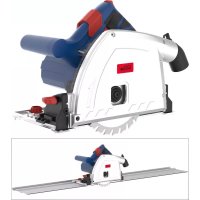
The plungecut circular saw can be used for sawing solid wood, bonded wood, glued veneer, materials similar to wood, aluminium profiles, Non-ferrous metals and plastics.
Do not use this product in any other way as stated for normal use. Not observing general regulations in force and instructions from this manual does not make the manufacturer liable for damages.
In spite of compliance with all relevant design regulations, dangers may still present themselves when the machine is operated, e.g.:
- noise emissions
- dust emissions
• vibrations to hand and arms
Emergency procedure
Conduct a first-aid procedure adequate to the injury and summon qualified medical attendance as quickly as possible. Protect the injured person from further harm and calm them down. If you seek help, state the following pieces of information: 1. Accident site, 2.
Accident type, 3. Number of injured persons, 4. Injury type(s)
Symbols

WARNING / Caution!

Read the operating instructions to reduce the risk of injury.

Wear eye protective goggles! Wear ear protectors!

Wear a suitable dust protection mask.

Wear gloves!

Unplug the machine before any work on it.

Class II tool.
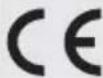
CE marking
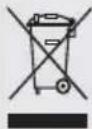
Any damaged or disposed electric or electronic devices must be delivered to appropriate collection centres.

Solid wood (hard, soft), chipboards and hard fibre boards, laminated wood, blockboards, veneered and coated boards

Plastics, fibre-reinforced plastics paper and fabric acrylic glass

Plaster and cement-bonded fibre boards

Aluminium panels and profiles up to 15 mm

WARNING Read all safety warnings and all
instructions. Failure to follow the warnings and instructions may result in electric shock, fire and/or serious injury.
Save all warnings and instructions for future reference.
Safety instructions for manual circular saws
Cutting procedures
a) DANGER: Keep hands away from cutting area and the blade. Keep your second hand on auxiliary handle, or motor housing. If both hands are holding the saw, they cannot be cut by the blade.
b) Do not reach underneath the workpiece. The guard cannot protect you from the blade below the workpiece.
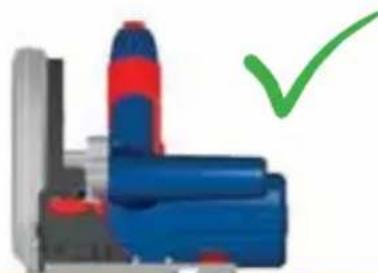
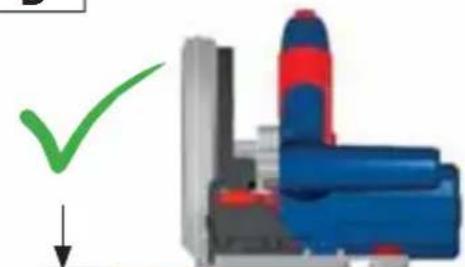
c) Adjust the cutting depth to the thickness of the workpiece. Less than a full tooth of the blade teeth should be visible below the workpiece.
d) Never hold piece being cut in your hands or across your leg. Secure the workpiece to a stable platform. It is important to support the work properly to minimize body exposure, blade binding, or loss of control.
e) Hold the power tool by insulated gripping surfaces only, when performing an operation where the cutting tool may contact hidden wiring or its own cord. Contact with a „live“ wire will also make exposed metal parts of the power tool „live“ and could give the operator an electric shock.
f) When ripping, always use a rip fence or straight edge guide. This improves the accuracy of cut and reduces the chance of blade binding.
g) Always use blades with correct size and shape (diamond versus round) of arbour holes. Blades that do not match the mounting hardware of the saw will run eccentrically, causing loss of control.
h) Never use damaged or incorrect blade washers or bolt. The blade washers and bolt were specially designed for your saw, for optimum performance and safety of operation.
Kickback causes and related warnings
- kickback is a sudden reaction to a pinched, bound or misaligned saw blade, causing an uncontrolled saw to lift up and out of the workpiece toward the operator;
- when the blade is pinched or bound tightly by the kerf closing down, the blade stalls and the motor reaction drives the unit rapidly back toward the operator;
- if the blade becomes twisted or misaligned in the cut, the teeth at the back edge of the blade can dig into the top surface of the wood causing the blade to climb out of the kerf and jump back toward the operator.
Kickback is the result of saw misuse and/or incorrect operating procedures or conditions and can be avoided by taking proper precautions as given below.
a) Maintain a firm grip with both hands on the saw and position your arms to resist kickback forces. Position your body to either side of the blade, but not in line with the blade. Kickback could cause the saw to jump backwards, but kickback forces can be controlled by the operator, if proper precautions are taken.
b) When blade is binding, or when interrupting a cut for any reason, release the trigger and hold the saw motionless in the material until the blade comes to a complete stop. Never attempt to remove the saw from the work or pull the saw backward while the blade is in motion or kickback may occur. Investigate and take corrective actions to eliminate the cause of blade binding.
c) When restarting a saw in the workpiece, centre the saw blade in the kerf and check that saw teeth are not engaged into the material. If saw blade is binding, it may walk up or kickback from the workpiece as the saw is restarted.
d) Support large panels to minimise the risk of blade pinching and kickback. Large panels tend to sag under their own weight. Supports must be placed under the panel on both sides, near the line of cut and near the edge of the panel.
e) Do not use dull or damaged blades. Unsharpened or improperly set blades produce narrow kerf causing excessive friction, blade binding and kickback.
f) Blade depth and bevel adjusting locking levers must be tight and secure before making cut. If blade adjustment shifts while cutting, it may cause binding and kickback.
g) Use extra caution when sawing into existing walls or other blind areas. The protruding blade may cut objects that can cause kickback.
Guard function
a) Check guard for proper closing before each use. Do not operate the saw if guard does not move freely and enclose the blade instantly. Never clamp or tie the guard so that the blade is exposed. If saw is accidentally dropped, guard may be bent. Check to make sure that guard moves freely and does not touch the blade or any other part, in all angles and depths of cut.
b) Check the operation and condition of the guard return spring. If the guard and the spring are not operating properly, they must be serviced before use. Guard may operate sluggishly due to damaged parts, gummy deposits, or a build-up of debris.
c) Assure that the base plate of the saw will not shift while performing the "plunge cut" when the blade bevel setting is not at 90°. Blade shifting sideways will cause binding and likely kick back.
d) Always observe that the guard is covering the blade before placing saw down on bench or floor.
An unprotected, coasting blade will cause the saw to walk backwards, cutting whatever is in its path. Be aware of the time it takes for the blade to stop after switch is released.
Additional Safety and Working Instructions
Use protective equipment. Always wear safety glasses when working with the machine. The use of protective clothing is recommended, such as dust mask, protective gloves, sturdy non-slip footwear and ear defenders.
The dust produced when using this tool may be harmful to health. Do not inhale the dust. Use a dust absorption system and wear a suitable dust protection mask. Remove deposited dust thoroughly, e.g. with a vacuum cleaner.
Always keep the connection cable from the working area of the device. Always guide the cable backwards, away from the device!
Do not machine any materials that present a danger to health (e.g. asbestos).
When working in walls ceiling, or floor, take care to avoid electric cables and gas or waterpipes.
Please turn the device immediately off when the tool used gets blocked! Do not turn the device on again when the tool is still blocked. This could cause bounce back with a high reaction moment. Determine and remove the cause of the blocking of the tool used while respecting the safety instructions.
The possible causes may be:
- it is tilted in the workpiece to be machined
- it has pierced through the material to be machined
• the power tool is overloaded
Do not reach into the machine while it is running. Chips and splinters must not be removed while the machine is running.
WARNING! Danger of burns
The insertion tool may become hot during use.
- when changing tools
- when setting the device down
Adapt the feed speed to avoid overheating the blade tips and to avoid melting plastic materials during cutting.
Mains Connection
Operation is only allowed with a safety switch against stray current (RCD max. stray current of 30mA).
Connect only to single-phase AC system voltage as indicated on the rating plate. It is also possible to connect to sockets without an earthing contact as the design conforms to safety class II. Only plug-in when machine is switched off.
Maintenance
⚠️ Unplug the machine before any work on it.
Repairs and works specified in these Instructions may only be performed by qualified authorised staff.
Use only original accessories and original spare parts.
Keep the device, in particular the air vents, clean at all times. Never spray water on the device body! Do not clean the plastics with solvents, flammable or toxic fluids. For cleaning, use a damp cloth only.
Caution! If the power cord of the appliance gets damaged, it must be replaced by the manufacturer or its customer service or a similarly qualified person to avoid danger.
Only a regularly maintained and treated appliance can serve as a satisfactory aid. Insufficient maintenance and care can lead to unforeseen accidents and injuries.
If necessary, a list of spare parts can be found at www.guede.com.
WAARSCHUWING / Opgelet!

Translation of the EC-Declaration of Conformity
We, hereby declare the conception and construction of the below mentioned appliances correspond - at the type of construction being launched - to appropriate basic safety and hygienic requirements of EC Directives.
In case of any change to the appliance not discussed with us the Declaration expires.