CECUF235NFW - Freezer CONTINENTAL EDISON - Free user manual and instructions
Find the device manual for free CECUF235NFW CONTINENTAL EDISON in PDF.


| Brand | Continental Edison |
| Model | CECUF235NFW |
| Product type | Freezer |
| Total volume | 238 L |
| Energy class | F |
| Annual energy consumption | 288 kWh/year |
| Freezing capacity | 11.1 kg/24h |
| Autonomy in case of failure | 8 h |
| Climate class | SN/N/ST/T (10°C to 38°C) |
| Noise level | 42 dB |
| Refrigerant | R600a (isobutane) / 48 g |
| Supply voltage | 220-240 V ~ 50 Hz |
| Rated current | 0.8 A |
| Defrost technology | No-frost (frost-free forced air) |
| Main functions | Fast freezing, refrigerator/freezer conversion mode, electronic temperature adjustment |
| Door reversal | Possible (requires technical intervention) |
| Dimensions (W x D x H) | Not specified in the manual |
| Weight | Not specified in the manual |
| Spare parts available | For 7 years in accordance with European regulations |
| Warranty | 24 months from date of purchase |
Frequently Asked Questions - CECUF235NFW CONTINENTAL EDISON
User questions about CECUF235NFW CONTINENTAL EDISON
0 question about this device. Answer the ones you know or ask your own.
Ask a new question about this device
Download the instructions for your Freezer in PDF format for free! Find your manual CECUF235NFW - CONTINENTAL EDISON and take your electronic device back in hand. On this page are published all the documents necessary for the use of your device. CECUF235NFW by CONTINENTAL EDISON.
USER MANUAL CECUF235NFW CONTINENTAL EDISON
IMPORTANT SAFETY INSTRUCTIONS
Read these operating instructions carefully before using the device and keep them for future use.
the manufacturer.
recommended by the manufacturer.
or explosion.

Symbol ISO 7010 W021
This symbol means that a fire hazard exists.
- catering and similar non-retail applications.
them and the risks involved have been addressed.
- Opening the door for long periods can cause a significant increase of the temperature in the compartments of the appliance.
- Clean regularly surfaces that can come in contact with food and accessible drainage systems.
If the refrigerating appliance is left empty for long periods, switch off, defrost, clean, dry, and leave the door open to prevent mould developing within the appliance.
a flammable propellant in this appliance.
nucfacturer, its service agent or similarly qualified persons in
IMPORTANT SAFETY INSTRUCTIONS
If you are discarding an old appliance with a lock/ young children when playing.
- Unplug the appliance from the mains socket when not in operation and before cleaning. Remove food before cleaning the appliance.
.
.
.
- Effervescent drinks should not be stored in the appliance.
Disposal of waste
destroy the ozone layer; contact your nearest waste treatment center for more details on proper disposal procedures.
INSTALLATION INSTRUCTIONS
Before putting your appliance into service
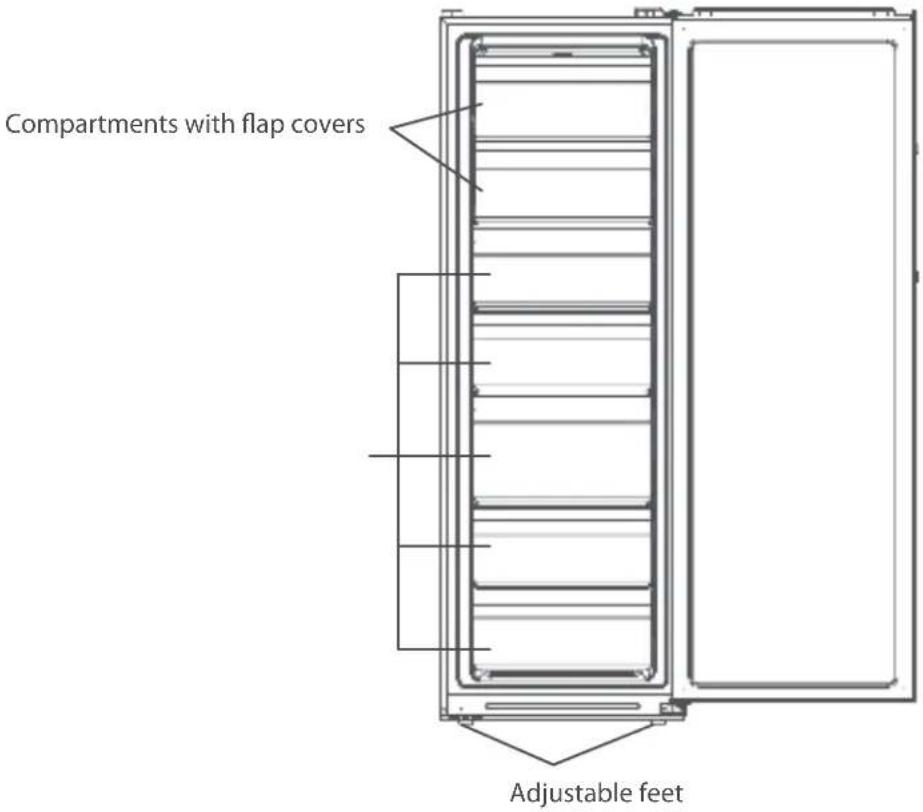
system due to handling during transport.
can increase its power consumption. If the ambient temperature is extremely cold or hot, this may prevent the unit from operating properly.
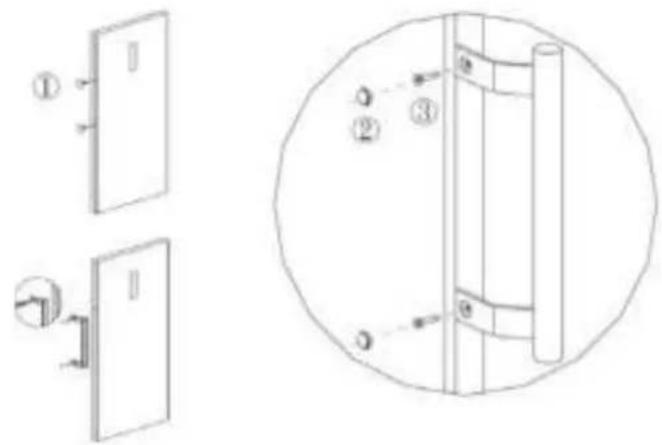
Installing the Door Handle
- Remove the screw hole covers ① on the side of the door. There will be 2 designated holes for the handle to be installed.
- Align the screw holes of the door handle to those on the side of the door.
- Tighten the screws to fix the handle to the door.
- Assemble the screw covers to the screws.
AMBIENT TEMPERATURE
This appliance is designed to operate in ambient temperature between 10°C and 43°C . If these temperatures are exceeded, i.e. colder or warmer, the appliance will not operate correctly. If the ambient temperatures are exceeded for long periods, the temperature in the freezer compartment will rise above -18°C and food spoilage may occur.
BEFORE PLACING FOOD IN THE APPLIANCE
- Remove all packaging.
- Allow the appliance to run empty for 2 - 3 hours so the compartments can cool to the appropriate temperature.
Clean the inside of the appliance with warm water and a little liquid detergent to remove manufacturing and transportation dust.
POWER FAILURE
If there is a power failure, do not open the appliance door. Frozen food should not be affected if the power failure lasts for less than 15 hours. Do not refreeze frozen foods that have thawed completely. The food may be dangerous to eat.
ADJUSTING THE TEMPERATURES AND FUNCTIONS
Control panel and display
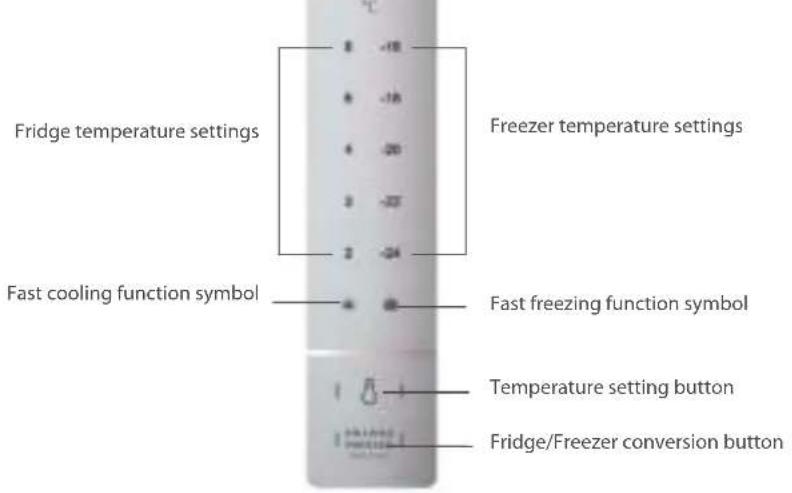
Fridge/Freeze mode conversion
F
Press and hold for about 3 seconds until a fridge or freezer temperature symbol illuminates.
It will take 2-3 hours from one mode to another. Below is the approximate time table only for reference.
| Ambient Temperature | Set Temperatures | Approximate Time |
| 32°C | -20°C / 4 °C | Freezer to Fridge: 129 minutes |
| 4 °C / -20°C | Fridge to Freezer: 110 minutes | |
| 25°C | -20°C / 4 °C | Freezer to Fridge: 178 minutes |
| 4 °C / -20°C | Fridge to Freezer: 101 minutes |
WARNING
- Make sure to remove frozen foods from the appliance before you convert the Freezer to Fridge mode. Frozen foods will melt and spoil as the temperature increases.
- Make sure to remove chilled foods and glass bottles containing liquid from the appliance before you change the fridge to Freezer mode.
Chilled foods may freeze as the temperature decreases. The liquid in the glass bottles will freeze which can cause the glass bottles to break or burst.
Temperature setting
Repeatedly press to set the desired temperature and the corresponding temperature symbol will illuminate.
Fast cooling function
In fridge mode, repeatedly press until the symbol illuminates to activate this function.
This function allows you to cool food quickly and keep food fresh for a longer period. The temperature inside the appliance will be 2°C
- This function will automatically deactivated after about 150 minutes of operation.
You can also press to select a temperature setting or press and hold to convert the appliance into the freezer mode.
Fast freezing function
In freezer mode, repeatedly press until the symbol illuminates to activate this function.
- This function will help food to freeze quickly and retain its nutrients, vitamins, flavours and appearance. The temperature inside the appliance will be -24°C .
- This function will automatically deactivated after about 24 hours of operation.
You can also press to select a temperature setting or press and hold to convert the appliance into the fridge mode.
Error messages
When an error occurs in the appliance, the corresponding symbols will be displayed as shown in the list below.
| IN FRIDGE MODE | |
| Symbols Displayed | Error Description |
| * and 2 | Temperature sensor failure |
| * and 3 | Defrosting sensor failure |
| 2 and 4 | Communication failure |
| * and 4 | Ambient temperature sensor failure |
| IN FREEZER MODE | |
| Symbols Displayed Error Description | |
| * and -24 | Temperature sensor failure |
| * and -22 | Defrosting sensor failure |
| -24 and -20 | Communication failure |
| * and -20 | Ambient temperature sensor failure |
MOVING YOUR APPLIANCE
FREEZING AND STORING FOOD IN THE FREEZER
Use the freezer compartment
Purchasing frozen food
·
Storing frozen food
Freezing fresh food
Packing frozen food
Suitable packaging:
Plastic film, tubular film made of polyethylene, aluminium foil, freezer containers.
These products are available from specialist outlets.
Recommended storage times of frozen food in the freezer drawers
These times vary depending on the type of food. The food that you freeze can be preserved from 1 to 12 months (minimum at -18°C ).
| Food | Storage time |
| Bacon, casseroles, milk | 1 month |
| Bread, ice cream, sausages, pies, prepared shellfish, oily fish | 2 months |
| Non-oily fish, shellfish, pizza, scones and muffins | 3 months |
| Ham, cakes, biscuits, beef and lamb chops, poultry pieces | 4 months |
| Butter, vegetables (blanched), eggs whole and yolks, cooked crayfish, minced meat (raw), pork (raw) | 6 months |
| Fruit (dry or in syrup), egg whites, beef (raw), whole chicken, lamb (raw), fruit cakes | 12 months |
Never forget:
-
When you freeze fresh foods with a 'use by /best before/best by/' date, you must freeze them before the expiry of this date.
-
Check that the food was not already frozen. Indeed, frozen food that has thawed completely must not be refrozen.
-
Once defrosted, food should be consumed quickly.
STORING FOOD IN THE FRIDGE
The fridge compartment helps to extend the storage times of fresh perishable foods.
Fresh food care
For best results:
-
Store foods that are very fresh and of good quality.
-
Ensure that food is well wrapped or covered before it is stored. This will prevent food from dehydrating, deteriorating in colour or losing taste and will help maintain freshness. It will also prevent odour transfer.
-
Make sure that strong smelling foods are wrapped or covered and stored away from foods such as butter, milk and cream which can be tainted by strong odours.
Cool hot foods down before placing them in the appliance.
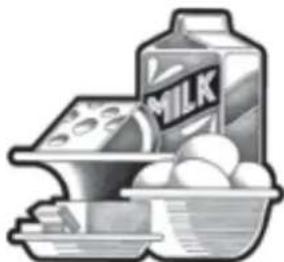
Dairy foods and eggs
-
Most pre-packed dairy foods have a recommended 'use by /best before/best by/' date stamped on them. Store them in the appliance and use within the recommended time.
-
Butter can become tainted by strong smelling foods so it is best stored in a sealed container.
-
Eggs can be stored in the appliance.
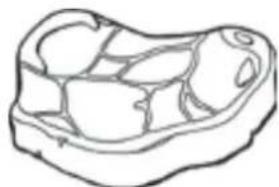
Red meat
- Place fresh red meat on a plate and loosely cover with waxed paper, plastic wrap or foil.
- Store cooked and raw meat on separate plates. This will prevent any juice lost from the raw meat from contaminating the cooked product.
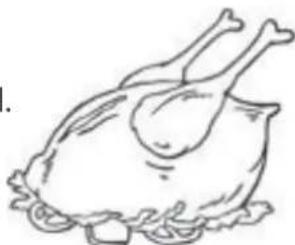
Poultry
- Fresh whole birds should be rinsed inside and out with cold running water, dried and placed on a plate. Cover loosely with plastic wrap or foil.
- Poultry pieces should also be stored this way. Whole poultry should never be stuffed until just before cooking, otherwise food poisoning may result.
Fish and seafood
Whole fish and fillets should be used on the day of purchase. Until required, refrigerate on a plate loosely covered with plastic wrap, waxed paper or foil.
- If storing overnight or longer, take particular care to select very fresh fish. Whole fish should be rinsed in cold water to remove loose scales and dirt and then patted dry with paper towels. Place whole fish or fillets in a sealed plastic bag.
- Keep shellfish chilled at all times. Use within 1 - 2 days.
Precooked foods and leftovers
- These should be stored in suitable covered containers so that the food will not dry out.
- Keep for only 1 - 2 days.
- Reheat leftovers only once and until steaming hot.
Vegetable and fresh fruit
- Take care not to store the following at temperatures of less than 7° C for long periods: Citrus fruit, melons, aubergines, pineapple, papaya, courgettes, passion fruit, cucumber, peppers, tomatoes.
- Undesirable changes will occur at low temperatures such as softening of the flesh, browning and/or accelerated decaying.
- Do not refrigerate avocados (until they are ripe), bananas, and mangoes.
DOOR CONVERSION
If you need to hinge the door on the opposite sides it is recommended that you call your local authorised service agent to make this conversion or ask a technician.
Before you reverse the door, you should ensure the appliance is unplugged and empty. It is recommended to use screwdrivers and a spanner (both not supplied).
- Remove the screw covers and then remove the screws from the handle. Remove the handle from the door.
- Remove the left cover from the top of the appliance.
- Remove the screw that fix the upper hinge cover to the appliance and remove the upper hinge cover.
- Remove the screws that fix the upper hinge and then remove the upper hinge. Disconnect wires 123 on the right side of the top of the appliance.
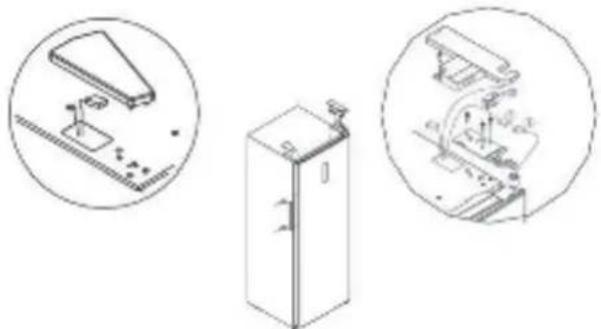
- Lift the door and place it on a padded surface to prevent it from scratching.
- Remove the screws, bottom hinge and adjustable foot from the bottom of the appliance. Fit them on the opposite side.
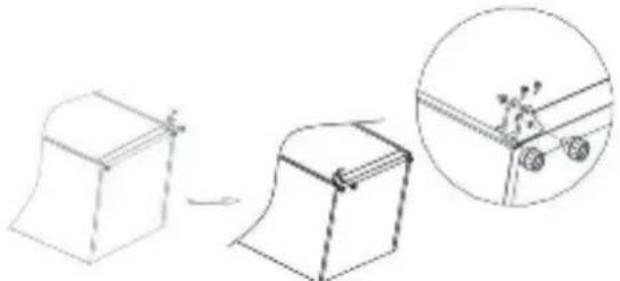
- Remove the door upper cover and then remove sleeve pipe with door single line. Fit them to the opposite side.
Install the stopper, sleeve pipe to the bottom of the opposite side. Fix them to the bottom of the door using the stopper screw.
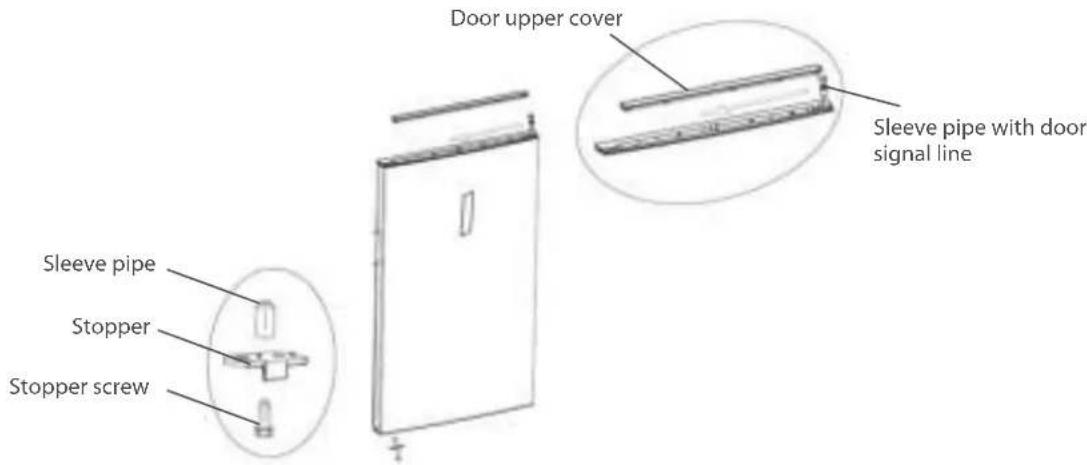
- Fit the door back into place.
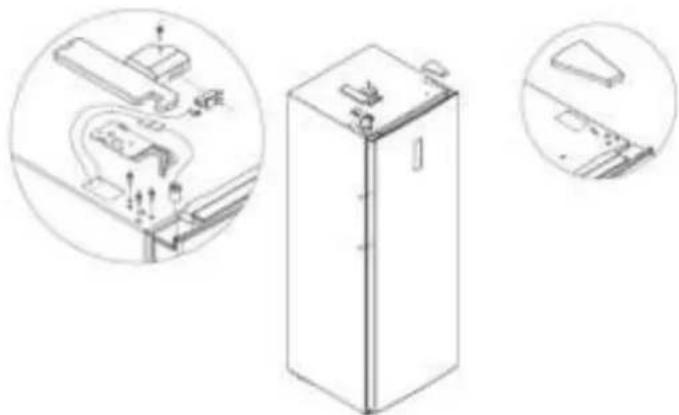
- Install the supplied left upper hinge with cover to the top of the appliance and connect the wires. Fix the upper hinge cover to the top by tightening the screw.
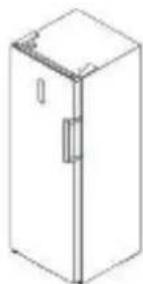
- Assemble door handle by tightening the screws and then attach the screw covers to the screws.
DEFROSTING
This appliance is equipped with a frost free system.
This system enables the appliance to remain permanently ice-free, however the food stored in the appliance will not defrost when it is converted as a freezer.
TIPS FOR SAVING ENERGY
For the most energy efficient use of your appliance:
- Ensure your appliance has adequate ventilation as recommended in the installation instructions.
- Allow warm food and drinks to cool down before placing in the appliance.
- Thaw frozen food in the fridge and use the low temperature of the frozen food to cool refrigerated food.
- Keep door openings to a minimum.
- Open the appliance as briefly as possible.
- Ensure that the door is always closed properly.
OPERATING NOISES
Normal noises
- Motors are running.
- Refrigerant is flowing through the tubing.
CLEANING AND MAINTENANCE
Do not use abrasive cleaning agents or solvents.
- Disconnect the mains plug from the mains socket.
- Take out the food and store in a cool location.
- Clean the appliance with a soft cloth, warm water and detergent.
- Wipe the door seal with clear water only and then wipe dry thoroughly.
- After cleaning reconnect and set the temperature as desired.
- Put the food back into the appliance.
Cleaning Tips
- Remove all shelves, door shelves, vegetable containers, removable accessories (such as egg tray and ice cube tray if included) and/or drawers from the appliance. Wash them in warm soapy water with a soft sponge. Rinse and dry thoroughly.
- Wipe the interior parts (including door switch, temperature control knob and lamp cover) with a damp cloth soaked in a mixture of warm water and dishwashing liquid. For stubborn stains, use baking soda.
- Wipe down the doors, including edges, with a microfiber cloth dampened with a mild dishwashing liquid and water. Use a wet sponge and soft brush (such as toothbrush) to remove any stuck-on food.
TROUBLESHOOTING
If there is a problem with your appliance, please check the following points before contacting customer service.
| Problem Possible causes Possible solution | ||
| Appliance does not operate. | No electricity at power outlet. | Check that the plug is correctly connected and power switched on. |
| Appliance is noisy. Cabinet not stable or level. See "Installation" section. | ||
| Appliance not cool Temperature setting not correct. | See "Adjusting the temperatures and functions" section. | |
| Frequent door openings. | Minimise door openings to allow temperatures to stabilise. | |
| Large amount of food recently added. | ||
TECHNICAL SPECIFICATIONS
| Model | HS-312EWEN |
| Model No. CECUF235NFW | |
| Total volume | 238L |
| Four - star compartment volume | 238L |
| EEI | 123% |
| Voltage | 220V-240V |
| Rated Current | 0.8A |
| Refrigerant,Amount | R600a/48g |
| Frequency | 50Hz |
| Energy classF | |
| Energy consumption of 288kWh per year, calculated on the basis of the result obtained for 24 hours under standardized test conditions. Actual energy consumption depends on the operating conditions and location of the unit. | |
| Storage volume | 11.1kg/24h |
| Temperature rise value | 8h |
| Temperate | SN/N/ST/T |
| This unit is designed for use at an ambient temperature between +10°C and +38°C | |
| Noise emissions | 42dB |
2019/2016 on the energy labeling of refrigeration appliances, can be viewed via the link below or by scanning the QR code on the energy label of the product. https://eprel.ec.europa.eu/qr/626229.
EXCLUSIONS OF GUARANTEE :
The guarantee do not cover the normal wear of the product, nor the problems or damages resulting from :
(1) superficial deterioration due to the normal wear of the product;
(2) defect or deterioration due to contact with food or liquids and due to the corrosion generated by rust ;
(3) any incident, abuse, misuse, modification, disassembly or unauthorized repairs;
(4) any wrong maintenance operation, use not conforming to the instruction for use of the product and connection to an improper power supply;
(5) any use of not initially provided accessories or approved by the manufacturer.
Information : The guarantee won't be applicable in case of missing rating plate or/and product serial number.
REPAIRS SERVICES
In case of malfunction during the guarantee period of the manufacturer: any repairs request must be addressed to the professional retailer you purchase your product to. After the expiry of the manufacturer guarantee period : refer to the document « Spare parts and repairs » in the documentation related to your refrigerating appliance available on the website "www.continentalidison.ext"
SPARE PARTS
The necessary spare parts for your product repairs are available at least 7 years, in conformity with the European regulation related to the eco-design of refrigerating appliances.
Refer to the document « spare parts and repairs » inside the documentation related to your refrigerating appliance, available on the website
"www.continentaledison.ext" it will inform you about :
- the availability for each spare part;
the spare parts purchasing terms; - some professional repairs services.
Dis pos al of the d evice
To avoid any harm to the environment or human health caused by improper disposal of electrical waste, recycle the device responsibly to promote the reuse of material resources. Disposal must be done safely at public collection points provided for this purpose. Older refrigerators may contain CFCs that destroy the ozone layer; contact your nearest waste treatment center for more details on proper disposal procedures.
Disposal of the device
Continental Edison
120-126 Quai de Bacalan
CS11584
33000 Bordeaux
LOT#:A.M.C.042021
IMPORTE PAR
A.M.C
123 quai Jules Guesde,
94400, VITRY SUR SEINE
France

Continental Edison
www.continentaledison.fr


- Important safety instructions
- Disposal of waste
- Installation instructions
- Installing the door handle
- Ambient temperature
- Before placing food in the appliance
- Power failure
- Adjusting the temperatures and functions
- Control panel and display
- Fridge/freeze mode conversion
- Warning
- Temperature setting
- Fast cooling function
- Fast freezing function
- Error messages
- Moving your appliance
- Freezing and storing food in the freezer
- Recommended storage times of frozen food in the freezer drawers
- Never forget
- Storing food in the fridge
- Fresh food care
- Dairy foods and eggs
- Red meat
- Poultry
- Fish and seafood
- Precooked foods and leftovers
- Vegetable and fresh fruit
- Door conversion
- Defrosting
- Tips for saving energy
- Operating noises
- Normal noises
- Cleaning and maintenance
- Do not use abrasive cleaning agents or solvents
- Cleaning tips
- Troubleshooting
- Exclusions of guarantee
- Repairs services
- Spare parts
- Dis pos al of the d evice
- Continental Edison
Brand : CONTINENTAL EDISON
Model : CECUF235NFW
Category : Freezer